
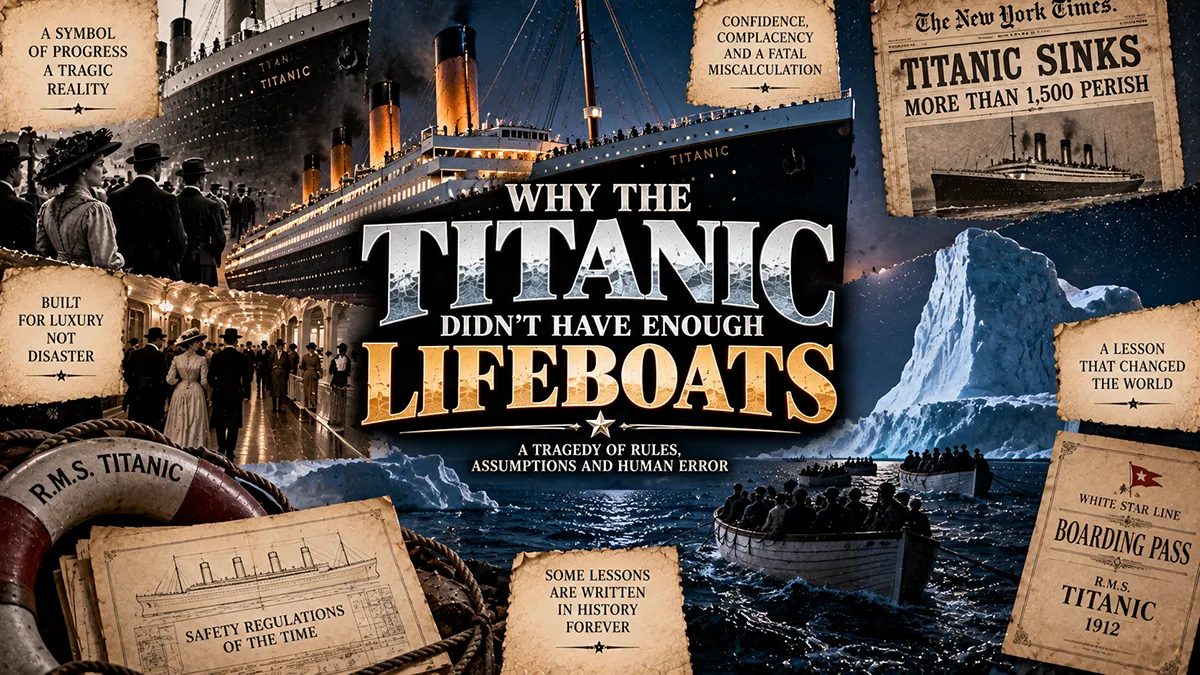
When the RMS Titanic slipped beneath the North Atlantic in the early hours of April 15, 1912, she took more than 1,500 people with her. One of the most haunting facts about that night is almost mathematical in its cruelty: the ship carried only 20 lifeboats, enough for roughly half of the people aboard, and nowhere near enough for everyone who needed a seat.
How could the largest, most technologically advanced ship of its era leave port so poorly equipped for the worst-case scenario? The answer isn’t a single villain or one bad decision. It’s a tangle of outdated laws, corporate choices, cultural overconfidence, and simple bad luck that came together in the worst possible way.
TL;DR: Titanic’s 20 lifeboats were fully legal under outdated 1894 regulations that were never updated for ships her size, and design compromises, cost-cutting, and misplaced confidence in the ship’s safety left thousands without a seat when it mattered most.
Quick Answer: Did the Titanic Have Enough Lifeboats?
No, the Titanic did not have enough lifeboats to save everyone aboard on the night she sank. She carried 20 lifeboats with a rated capacity of about 1,178 people, while more than 2,200 passengers and crew were on board that voyage.
What makes this especially frustrating for historians is that the shortage wasn’t an accident or an oversight. It was the direct result of decisions made months before Titanic ever left Southampton, combined with maritime safety rules that hadn’t kept pace with the sheer scale of ships being built in the early 1900s.
Below, we’ll walk through the full story in detail, covering the regulations, the design choices, the human decisions, and the myths that have grown up around this tragedy over the past century.
1. Titanic Carried Only 20 Lifeboats
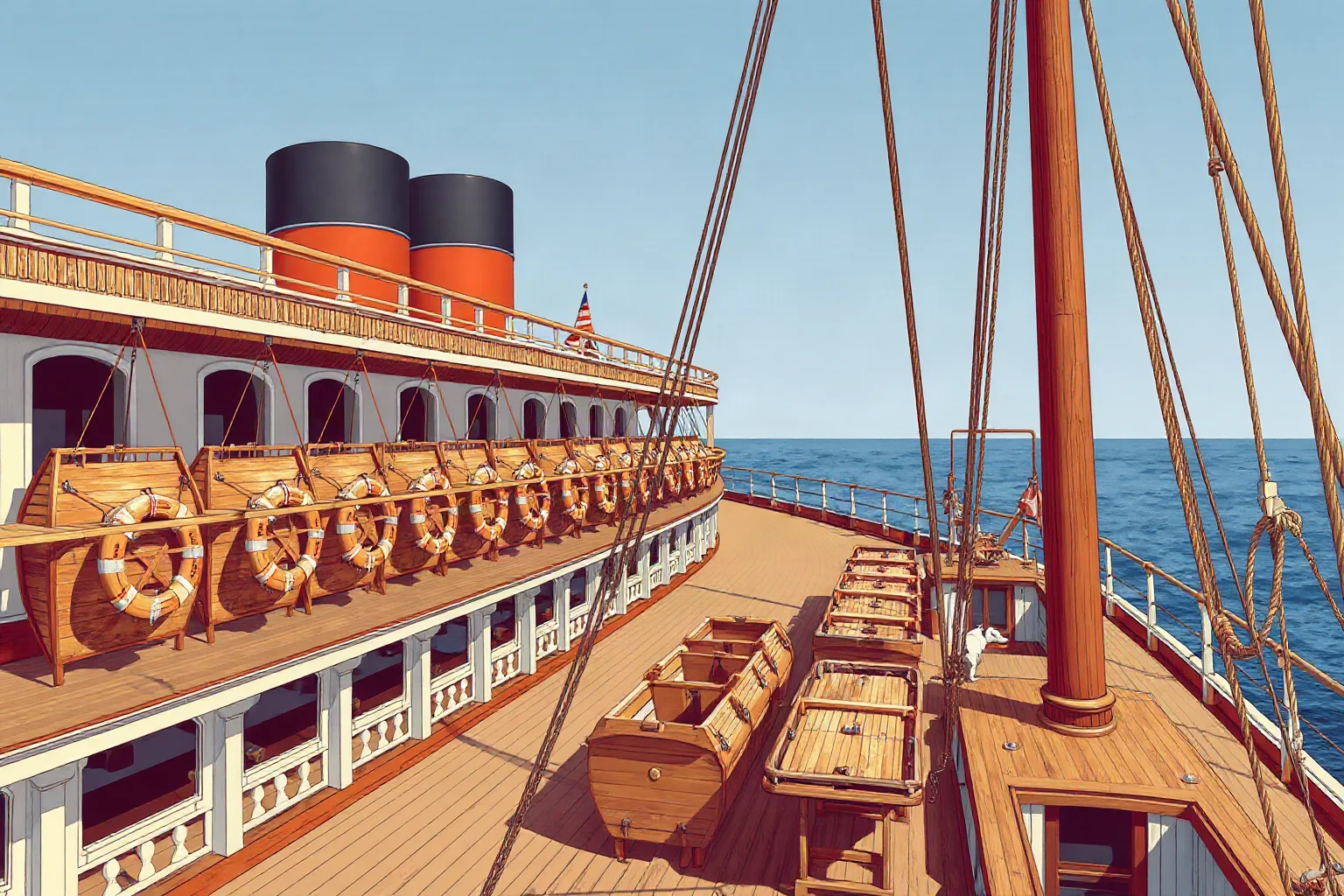
Titanic left Southampton with 20 lifeboats: 14 standard wooden lifeboats, 2 smaller wooden emergency cutters, and 4 collapsible boats with canvas sides. Together, they could hold approximately 1,178 people under ideal loading conditions.
That number sounds reasonable until you compare it to the ship’s actual capacity. Titanic was licensed to carry over 3,300 passengers and crew at full capacity, meaning even a full complement of lifeboats used perfectly would have left over a thousand people without a spot in a worst-case, all-hands scenario.
2. The Ship Sailed With More Than 2,200 People Aboard
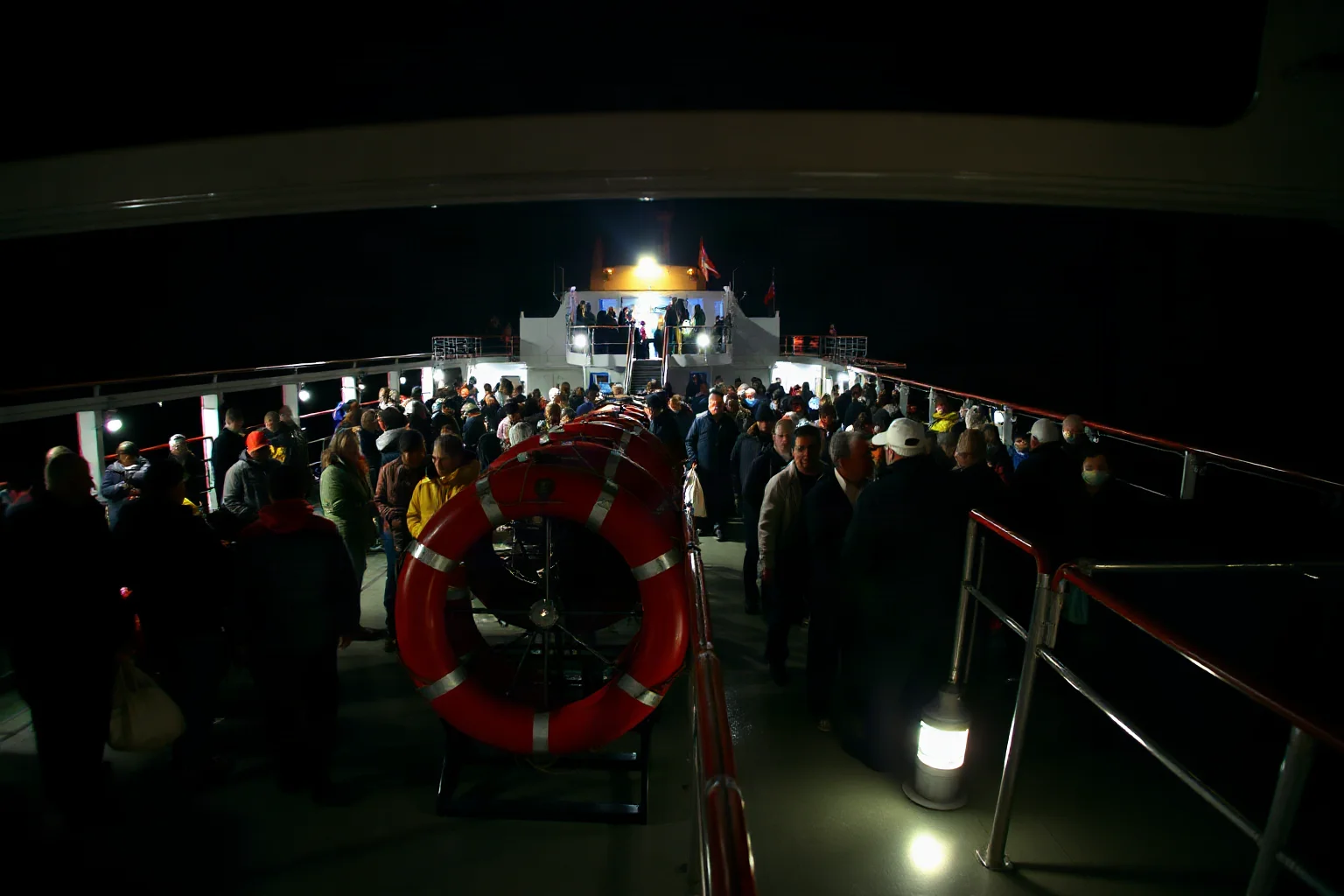
On her maiden voyage, Titanic carried an estimated 2,224 passengers and crew, according to most historical estimates (exact figures vary slightly between sources due to incomplete passenger records). That’s well below her theoretical maximum, but still more than double what her lifeboats could carry.
This is the heart of why so many people ask whether the Titanic had enough lifeboats. Even without a single empty seat, the ship’s lifeboats simply weren’t designed to hold everyone who was actually sailing that night.
3. Board of Trade Regulations Were Decades Out of Date
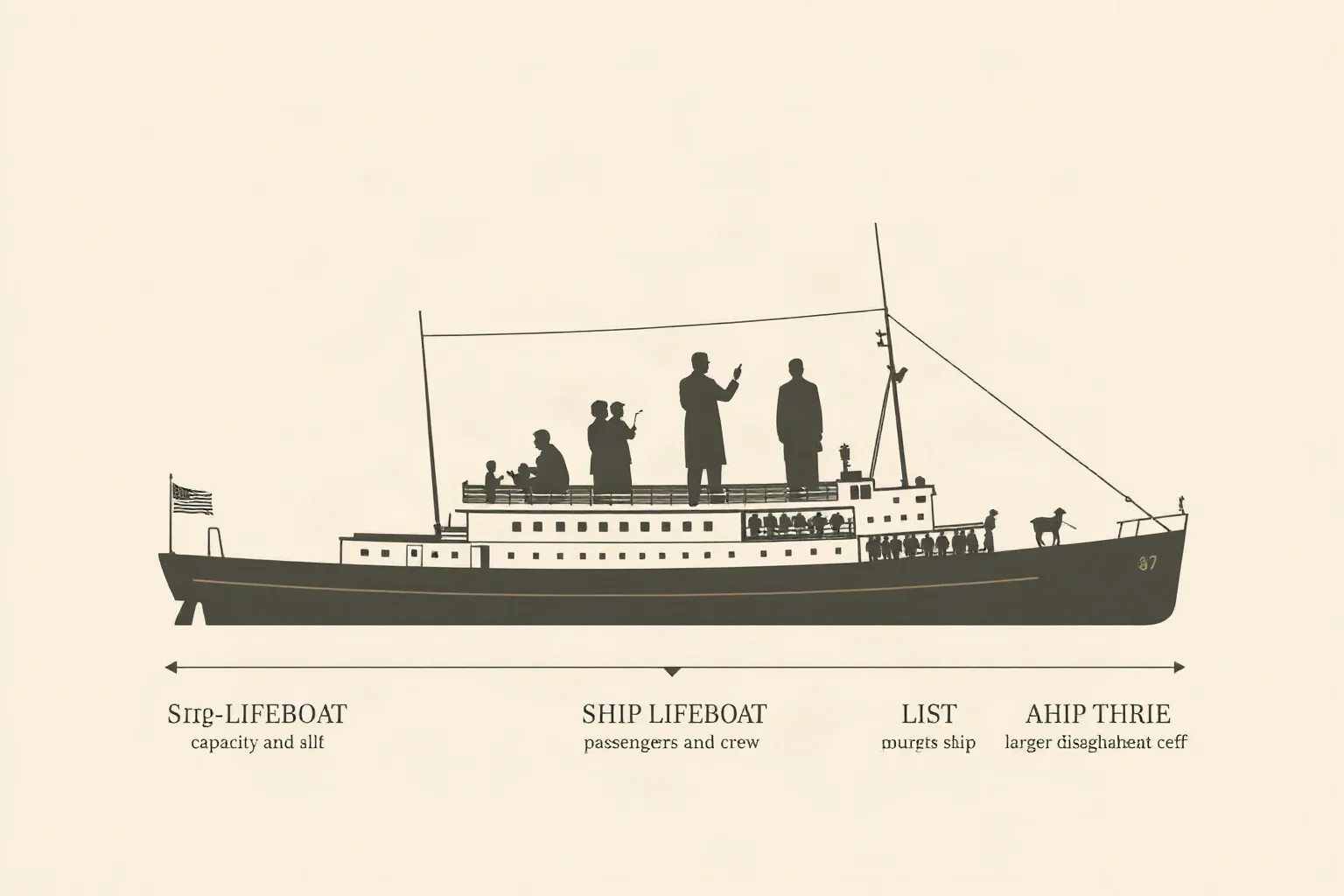
The legal number of lifeboats a British ship needed to carry was set by the Board of Trade, the government body responsible for maritime safety at the time. Those rules were last meaningfully updated in 1894, back when the largest ocean liners were a fraction of Titanic’s size.
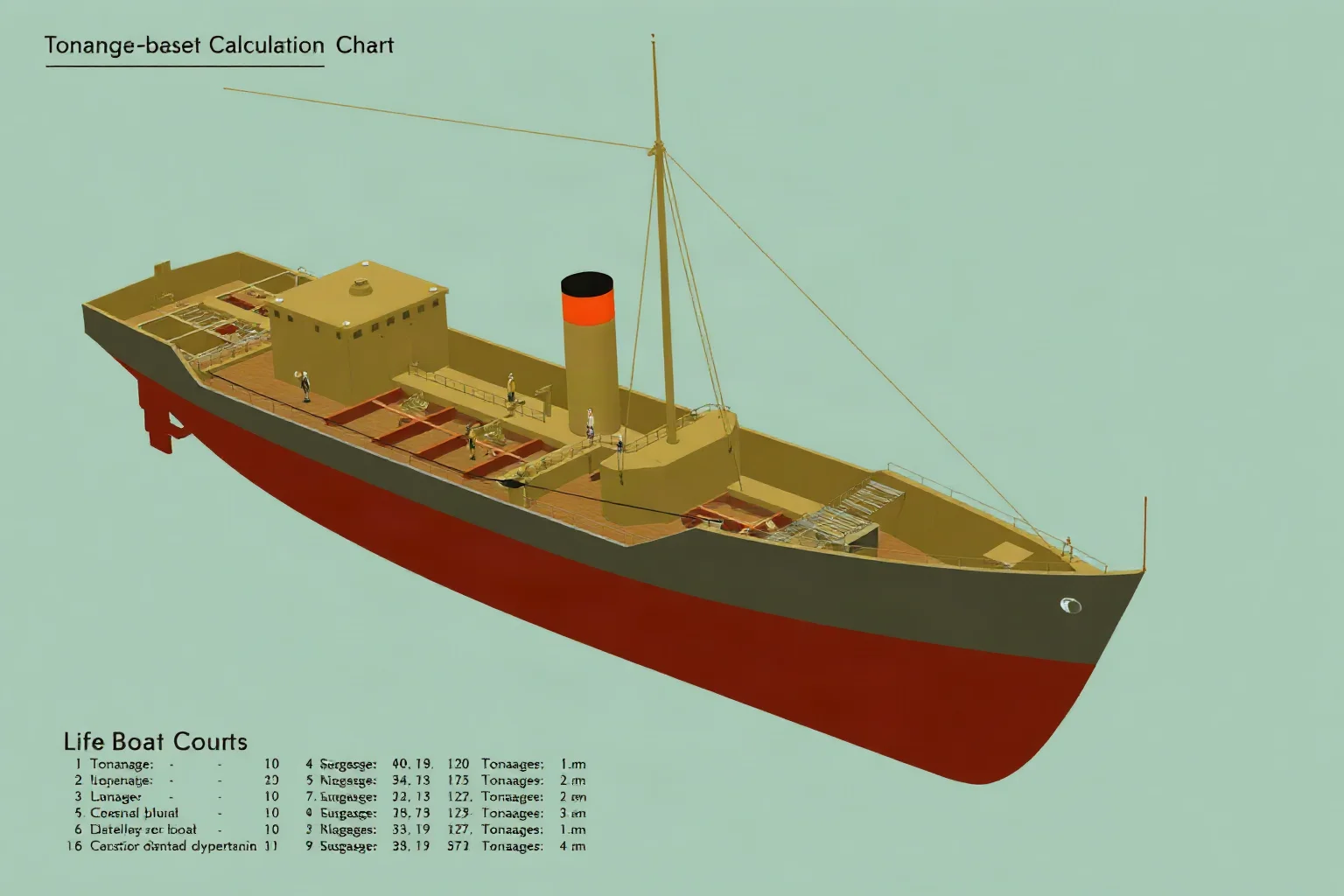
The 1894 rules calculated required lifeboat capacity based on a ship’s gross tonnage, not on the number of passengers or crew aboard. Under this outdated formula, any British ship over 10,000 tons only needed enough lifeboats for about 962 people, and Titanic, at over 46,000 tons, technically exceeded the legal minimum with her 20 boats.
4. The Rules Were Based on Tonnage, Not Headcount

It’s worth repeating just how strange this regulatory gap was. A ship’s lifeboat requirement was frozen at the tonnage threshold reached by ships built in the 1890s, meaning naval architects had built vessels many times larger without any corresponding increase in mandated lifeboat capacity.
In other words, Titanic could have carried three times as many passengers as she did and still met the same legal lifeboat minimum. The law simply hadn’t imagined a ship of Titanic’s scale existing.
5. Titanic Was Technically Legal, Not Negligent Under the Law
This is one of the most misunderstood parts of the story. White Star Line, Titanic’s owner, did not break any laws by sending her to sea with only 20 lifeboats.
Under the Merchant Shipping Act rules enforced by the Board of Trade, Titanic actually exceeded the minimum legal requirement for her tonnage class. That’s a hard truth for modern readers to accept, since it means a fully “by the book” ship could still leave thousands of people without a safe way off in an emergency.
6. Naval Architect Alexander Carlisle Proposed Nearly Double the Boats
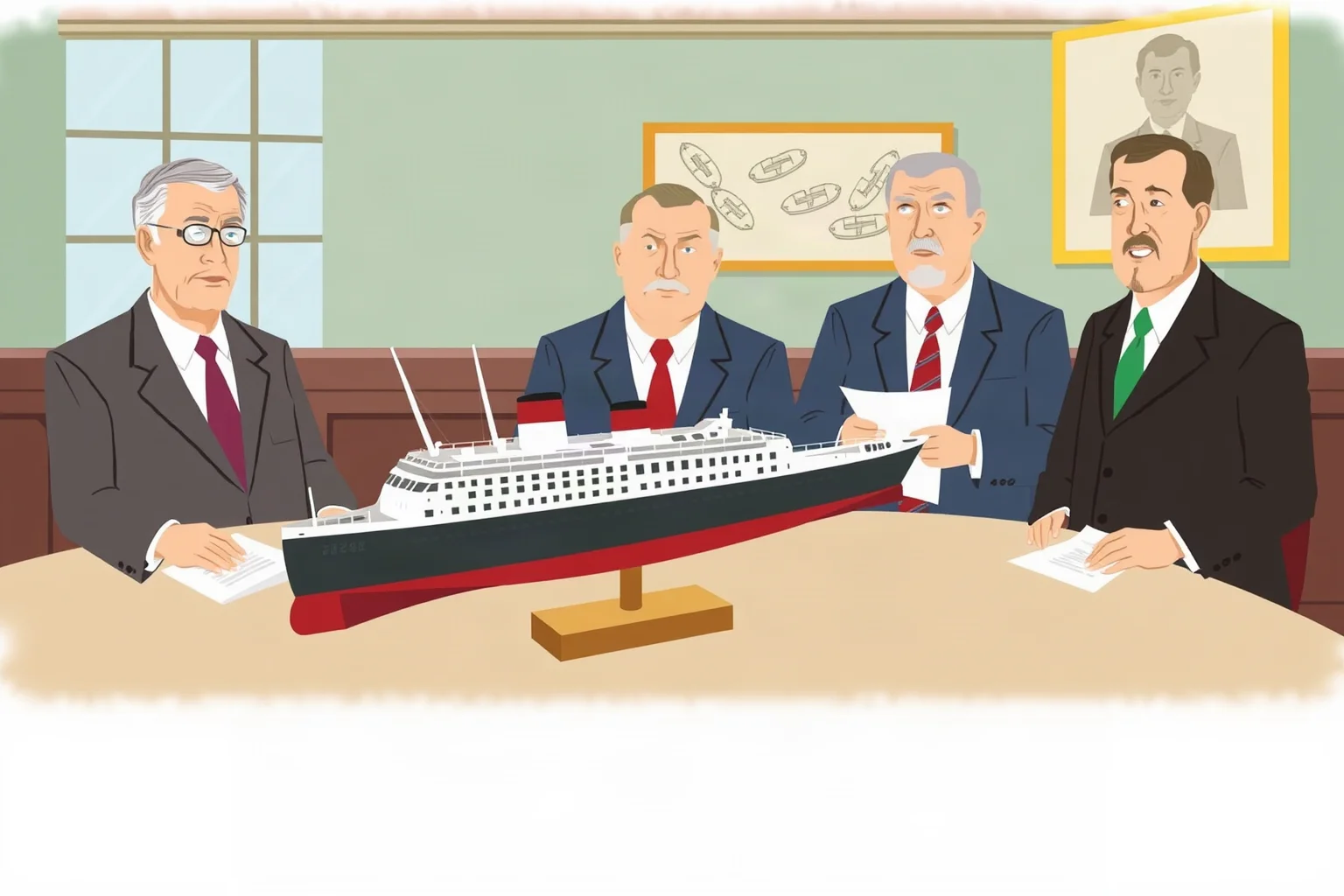
Alexander Carlisle, the naval architect who helped design Titanic and her sister ships at the Harland and Wolff shipyard, reportedly explored davit systems capable of handling up to 48 lifeboats. That would have been more than double what the ship ultimately carried.
Carlisle later testified before official inquiries about these early design discussions. While accounts of exactly how firm this proposal was differ, it’s well documented that higher lifeboat counts were at least considered during the planning stages before the final number was scaled back.
7. The Final Number Was Reduced During Planning
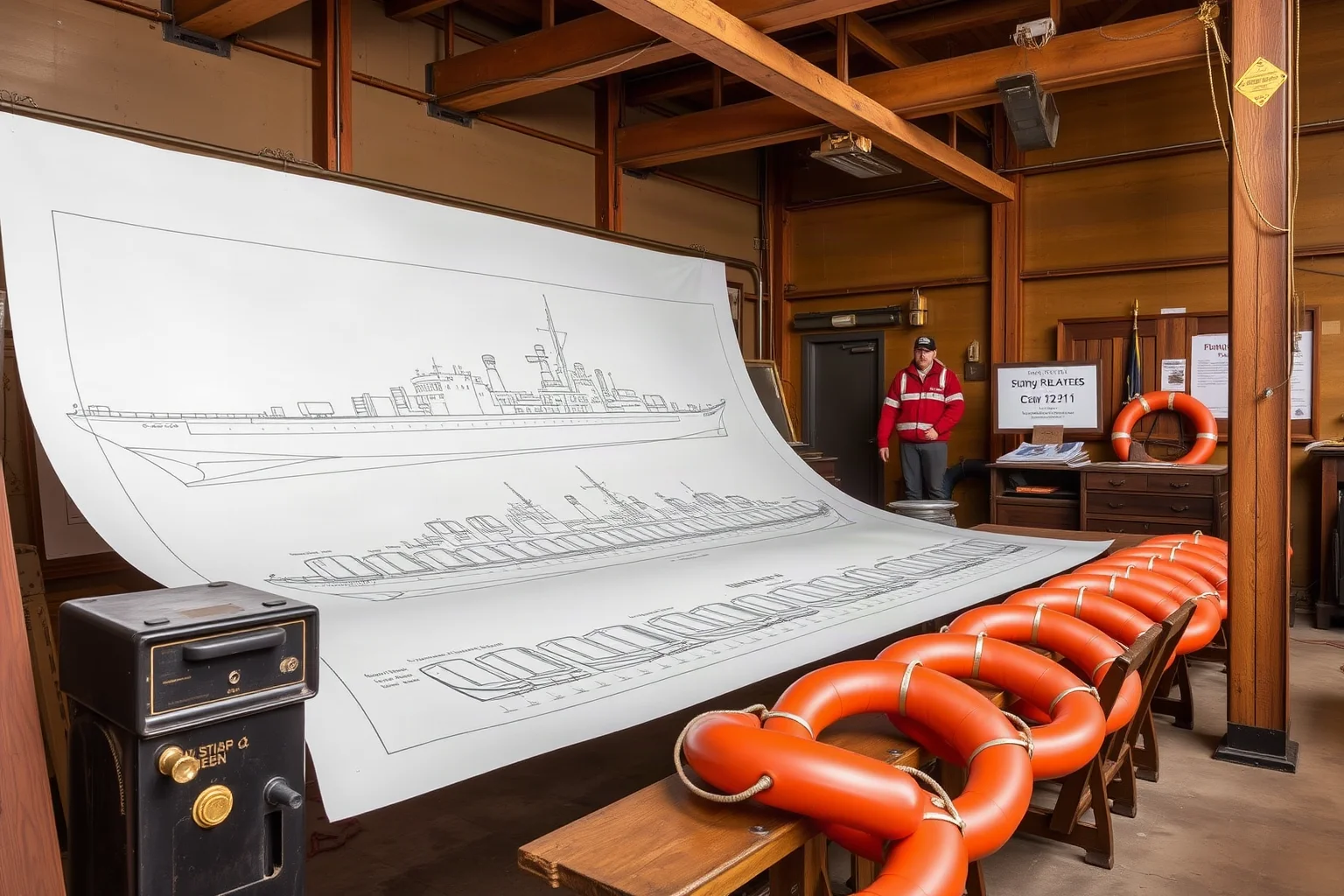
By the time Titanic was completed, her lifeboat count had been set at 20, using davits that were capable of holding more boats than were actually installed. This detail matters because it shows the shortage wasn’t a technical limitation of the ship itself.
The davits, the mechanical arms used to lower lifeboats into the water, could have supported additional boats if White Star Line had chosen to install them. The decision not to do so was a business and design choice, not an engineering constraint.
8. Deck Space and Aesthetics Were a Factor
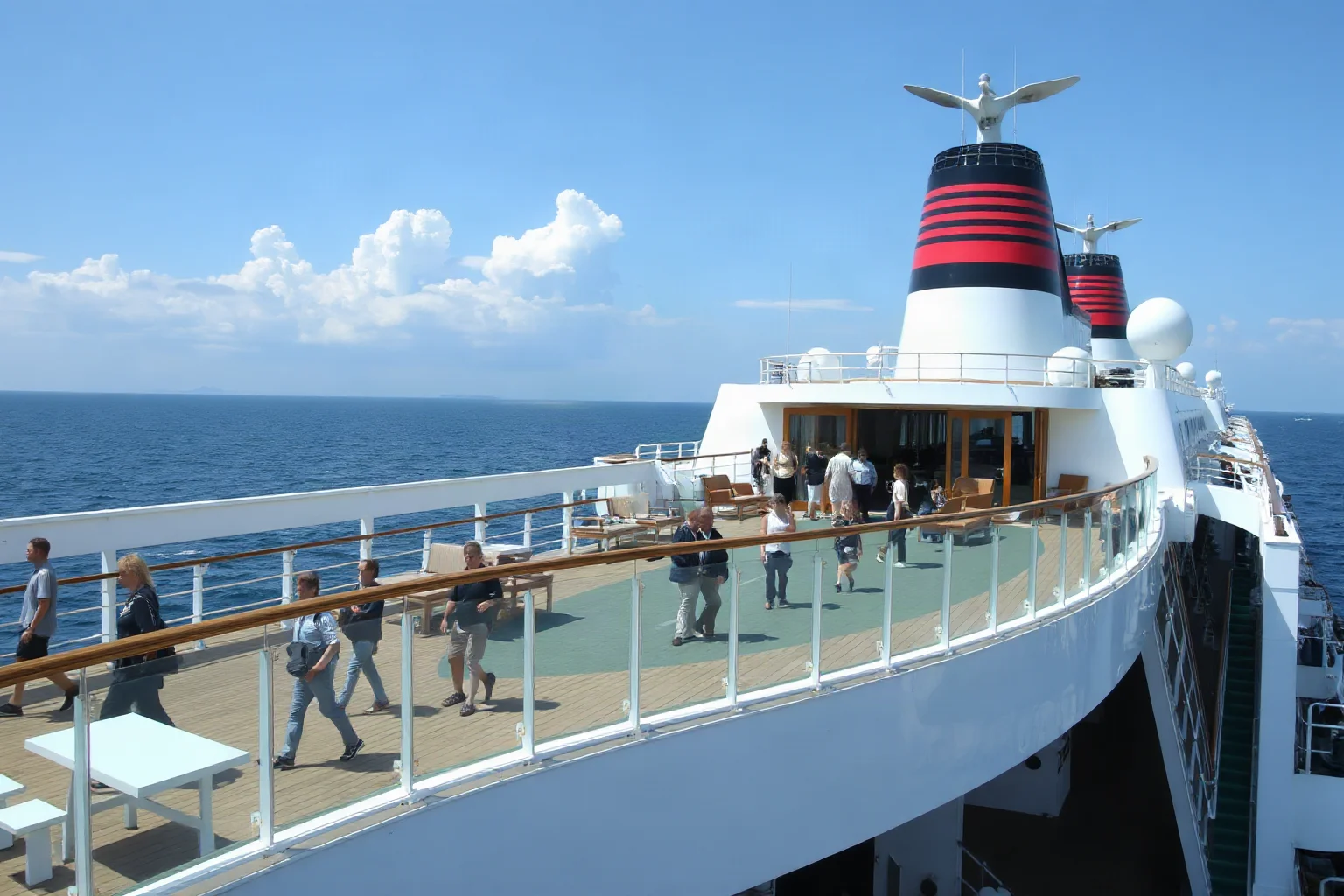
Ocean liners in the early 1900s sold tickets partly on the promise of open promenade decks, unobstructed views, and a sense of spaciousness that rivaled a luxury hotel. More lifeboats meant more clutter on deck, potentially blocking the panoramic experience that wealthy first-class passengers were paying for.
While this wasn’t the only reason for the reduced lifeboat count, historians generally agree that preserving open, attractive deck space was part of the broader thinking at White Star Line during this era of shipbuilding.
9. Lifeboats Were Viewed as Ferries, Not Total Rescue Capacity
One of the biggest misconceptions about early 20th-century maritime safety was the assumption that lifeboats didn’t need to hold everyone at once. The prevailing idea was that lifeboats would ferry passengers to a nearby rescue ship in multiple trips, rather than keep everyone afloat simultaneously until help arrived.
This assumption made sense in busy shipping lanes where help might arrive quickly. It made far less sense in the frigid, remote stretch of the North Atlantic where Titanic sank, far from other vessels and in water cold enough to kill within minutes.
10. Titanic’s Reputation for “Unsinkability” Bred Overconfidence
Titanic was never officially marketed by White Star Line as literally unsinkable, but the ship’s advanced watertight compartment system and double-bottomed hull led to widespread public and even some crew confidence in her safety. This reputation, whether official or informal, shaped attitudes toward lifeboats as a secondary precaution rather than a critical necessity.
That overconfidence had real consequences on the night of the sinking. Some passengers reportedly hesitated to board lifeboats early on, believing the ship was safer than the small boats bobbing in the dark ocean below.
11. The Watertight Compartments Created a False Sense of Security
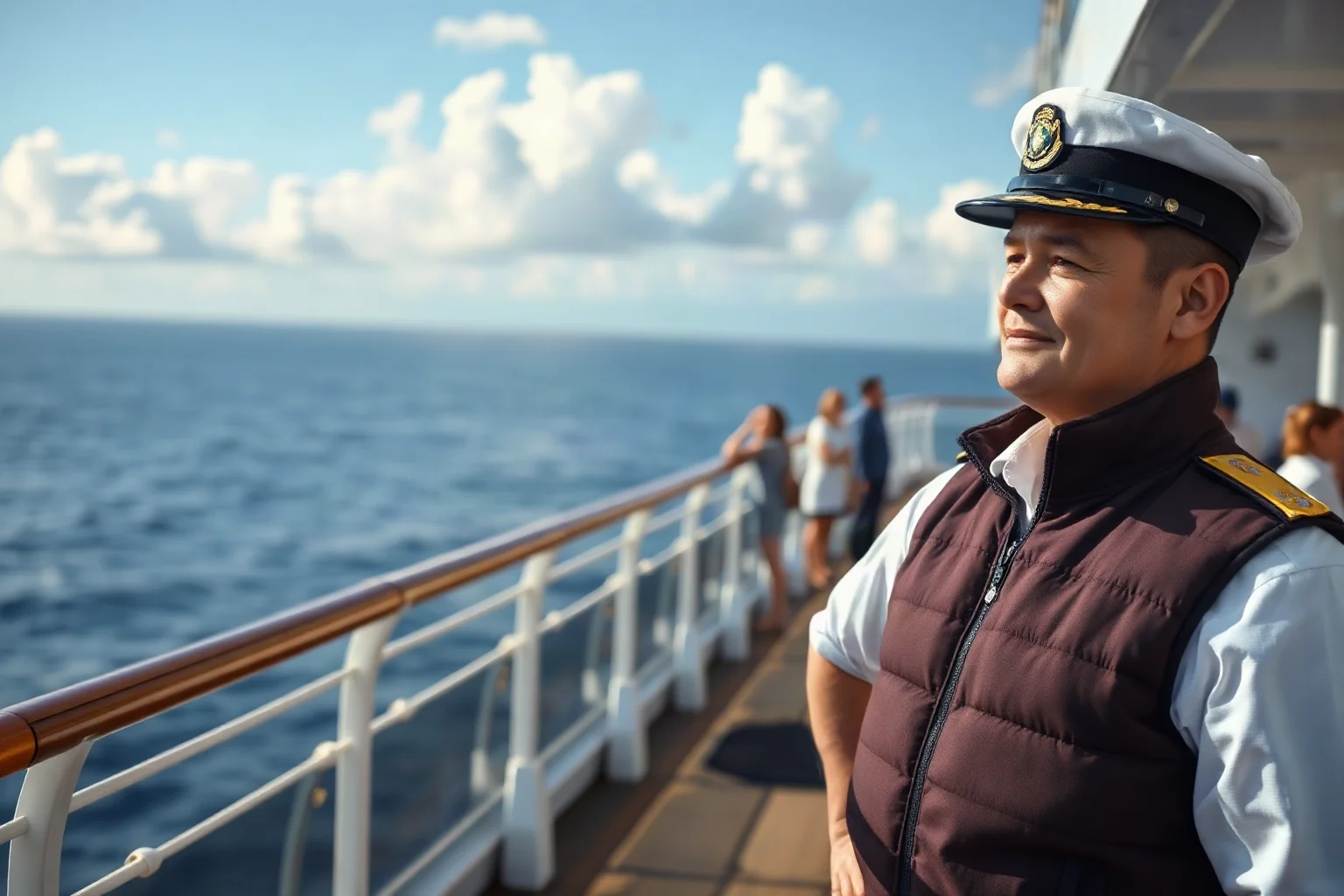
Titanic’s hull was divided into 16 watertight compartments, designed so the ship could stay afloat even if several were flooded. This was genuinely advanced engineering for 1912, and it contributed to the belief that a catastrophic, ship-ending disaster was extremely unlikely.
Unfortunately, the iceberg collision damaged too many compartments in sequence, allowing water to spill over the tops of the bulkheads, which didn’t extend high enough to contain the flooding. The very feature meant to prevent disaster ultimately couldn’t handle damage of this specific scale.
12. Lifeboat Drills Were Inadequate Before the Disaster
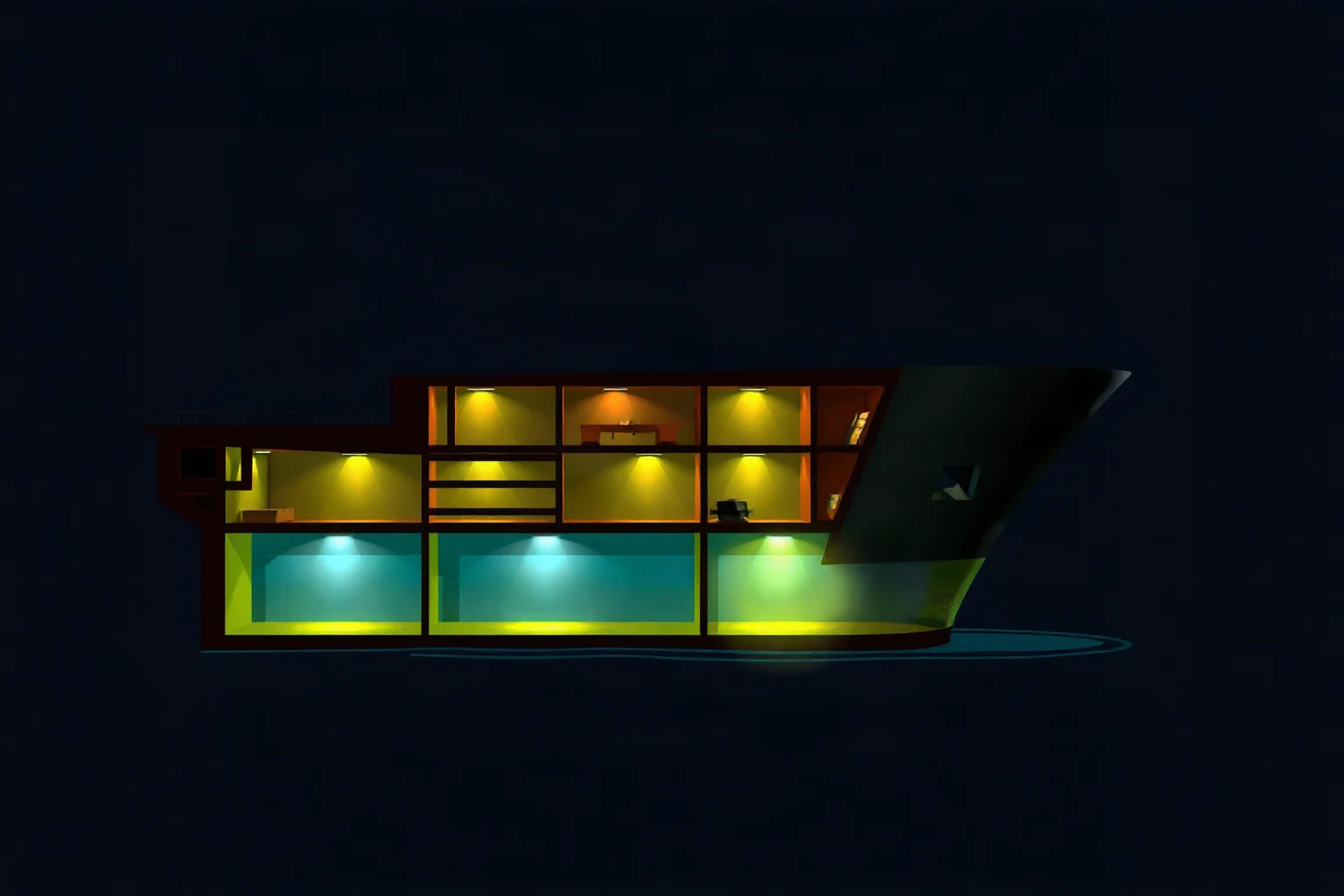
A lifeboat drill had been scheduled for the Sunday of the sinking but was reportedly canceled, and no full lifeboat drill involving passengers had taken place during the voyage. This meant most passengers and even some crew had little to no practical experience with the lifeboat loading process before the emergency began.
This lack of preparation contributed to confusion once the crisis started. Crew members had to figure out loading procedures, davit operations, and passenger management in real time, under extreme pressure and in the dark.
13. Many Lifeboats Launched Partially Empty

One of the most tragic ironies of the disaster is that several lifeboats left Titanic without being filled to capacity. Some early boats launched with only a fraction of their rated capacity aboard, partly due to confusion, fear of the davits failing under a full load, and uncertainty about how serious the situation really was.
Historians estimate that if every lifeboat had launched full, several hundred more people could have survived. This makes the lifeboat shortage even more painful in hindsight, since the boats that did exist weren’t even used to their full potential.
14. “Women and Children First” Shaped Loading Priorities
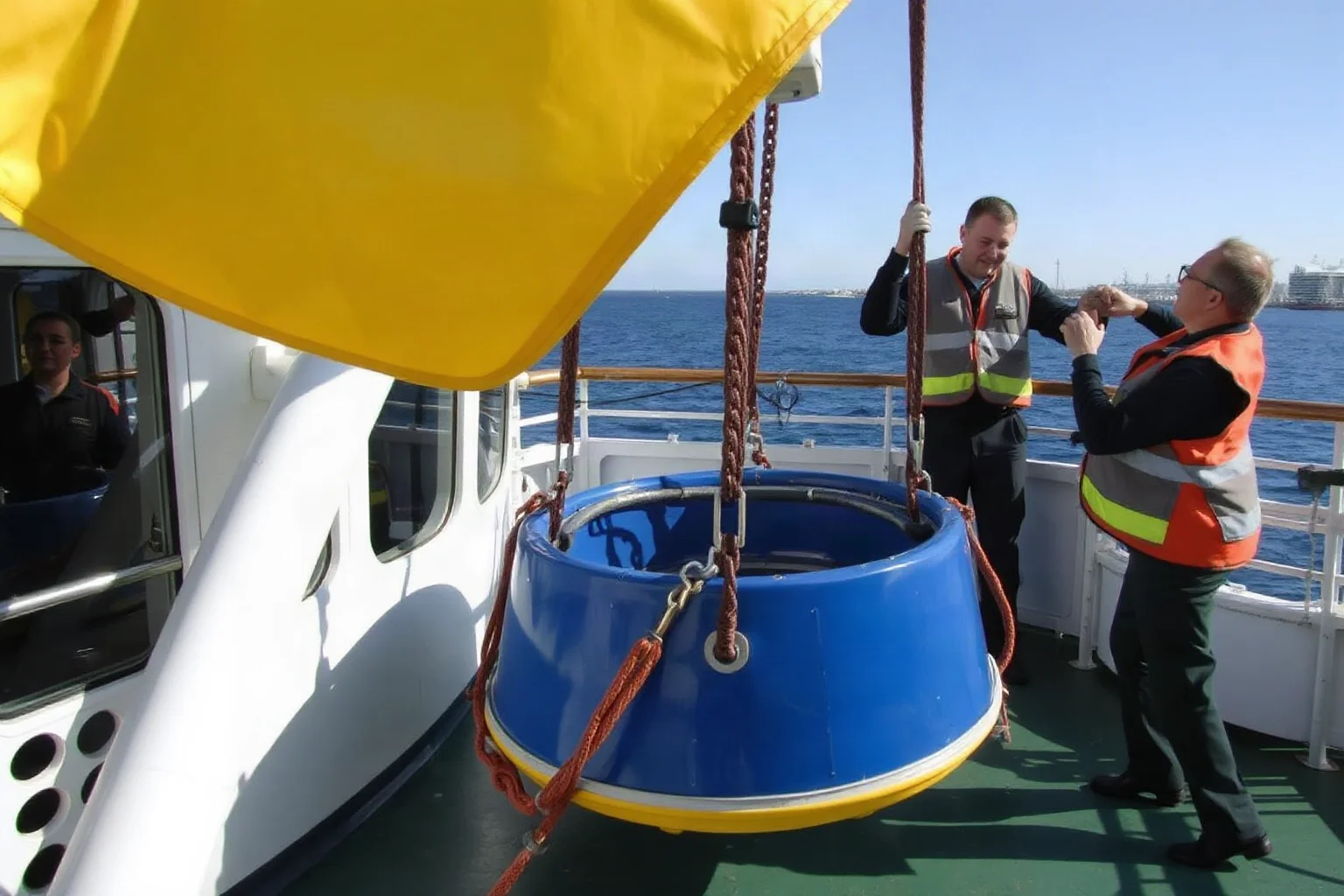
Many lifeboats were loaded under an informal but widely followed policy prioritizing women and children first, particularly on the port side under Second Officer Charles Lightoller’s supervision. This policy meant some boats left with empty seats rather than admitting men who were present and willing to board.
Enforcement of this policy varied by officer and by side of the ship, and it wasn’t a strict, uniformly applied rule throughout the evacuation. The inconsistency added to the chaotic, uneven way lifeboats were filled that night.
15. Crew Training on Lifeboat Operations Was Limited
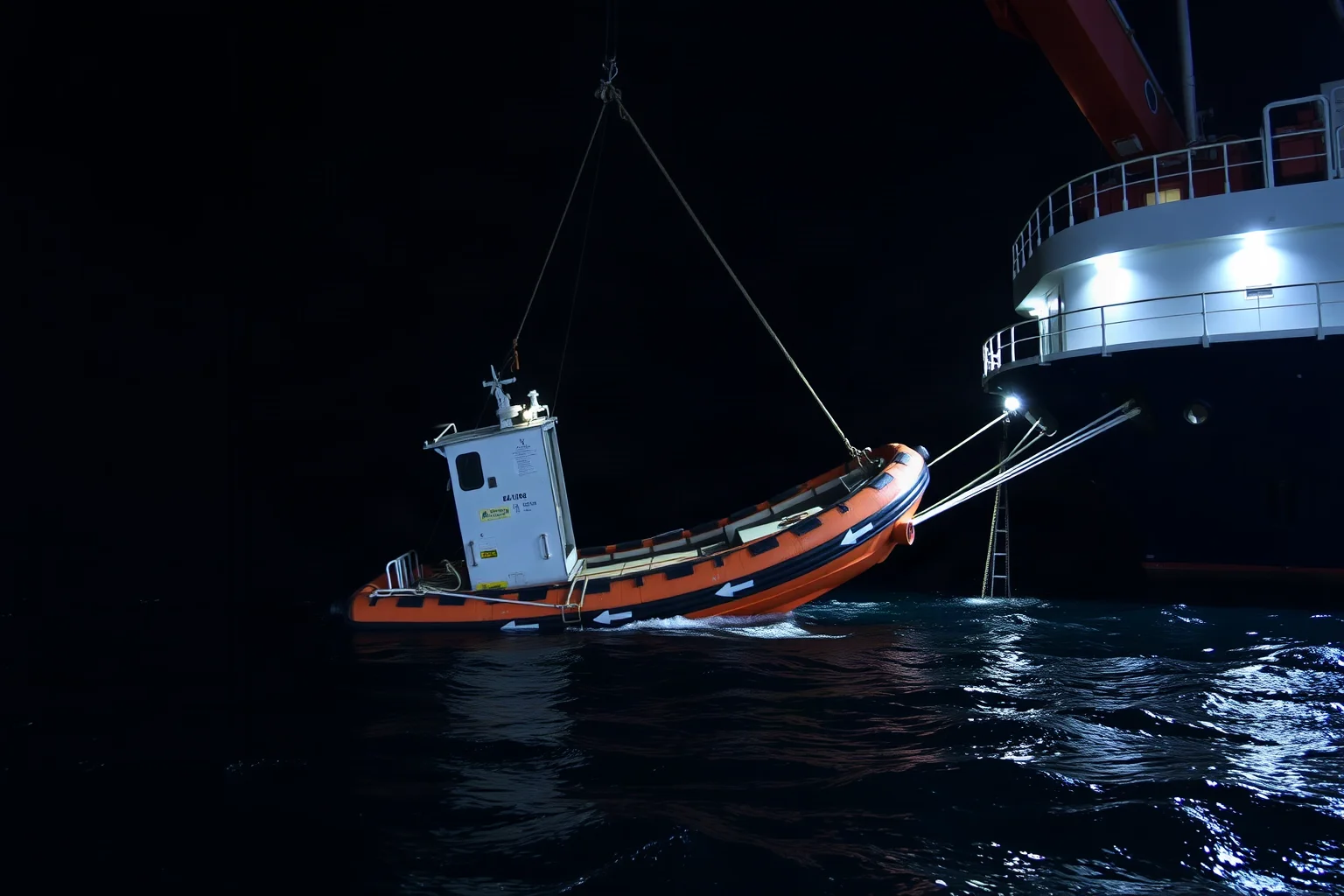
Many of Titanic’s crew, especially those newly assigned for her maiden voyage, had limited hands-on experience with the specific lifeboat and davit systems installed on this particular ship. Coordinating dozens of crew members across 20 boats in a genuine emergency required skills that simply hadn’t been rehearsed.
This lack of rehearsal showed in small but costly ways, from confusion over which crew members were assigned to which boats to delays in understanding how much weight the davits could safely handle. Under different circumstances, this inexperience might never have mattered.
16. Other Ships Were Assumed to Be Close Enough to Help
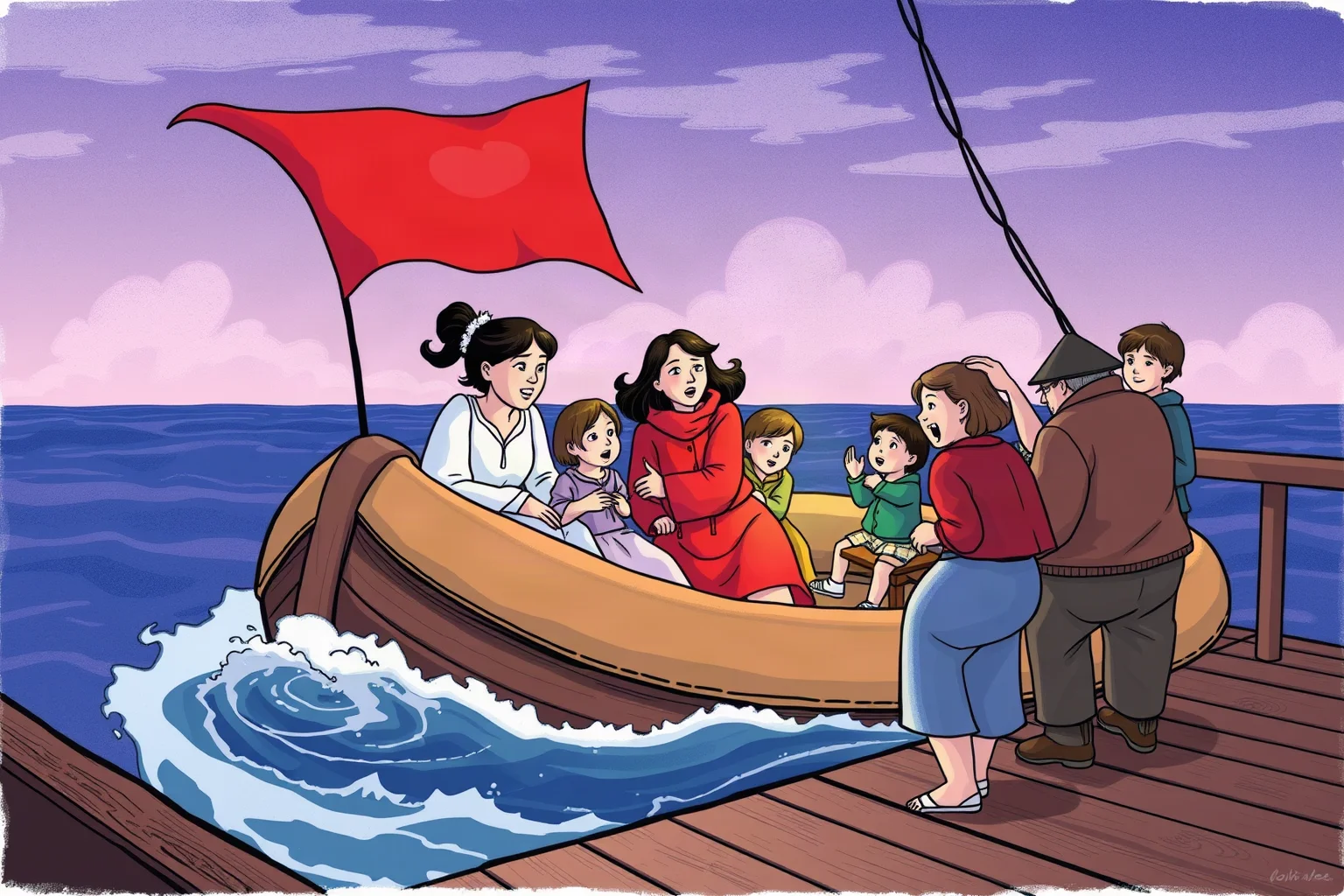
Titanic’s radio operators sent distress signals shortly after the collision, and the assumption among some officers was that nearby ships could reach the scene relatively quickly to assist with rescue. In reality, the closest ship to respond, the RMS Carpathia, took roughly four hours to arrive after receiving the distress call.
By the time Carpathia reached the area, Titanic had already sunk. This gap between the disaster and outside help underscored just how dangerous it was to rely on other vessels rather than having enough lifeboats to cover everyone aboard.
17. The Californian Was Nearby but Didn’t Respond in Time
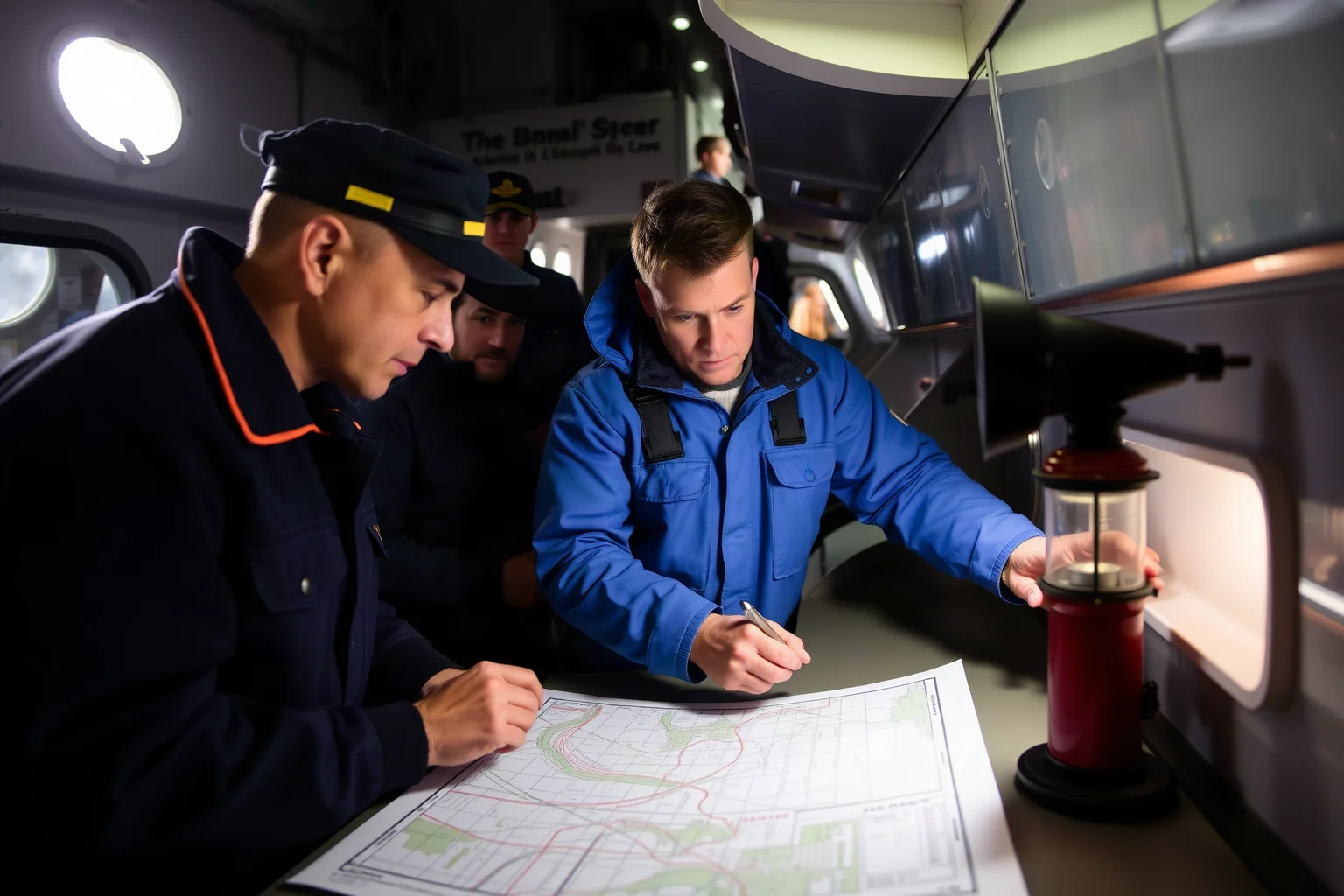
A separate ship, the SS Californian, was in the general vicinity that night, and later inquiries examined why it didn’t come to Titanic’s aid sooner. The exact details and responsibility around this remain debated by historians, and it’s a topic best treated with appropriate caution rather than firm blame.
What’s clear is that no ship arrived in time to prevent the loss of life among those who never got a lifeboat seat. This reinforced, in the aftermath, just how essential having enough lifeboats on the ship itself really was.
18. Cost and Business Priorities Played a Role
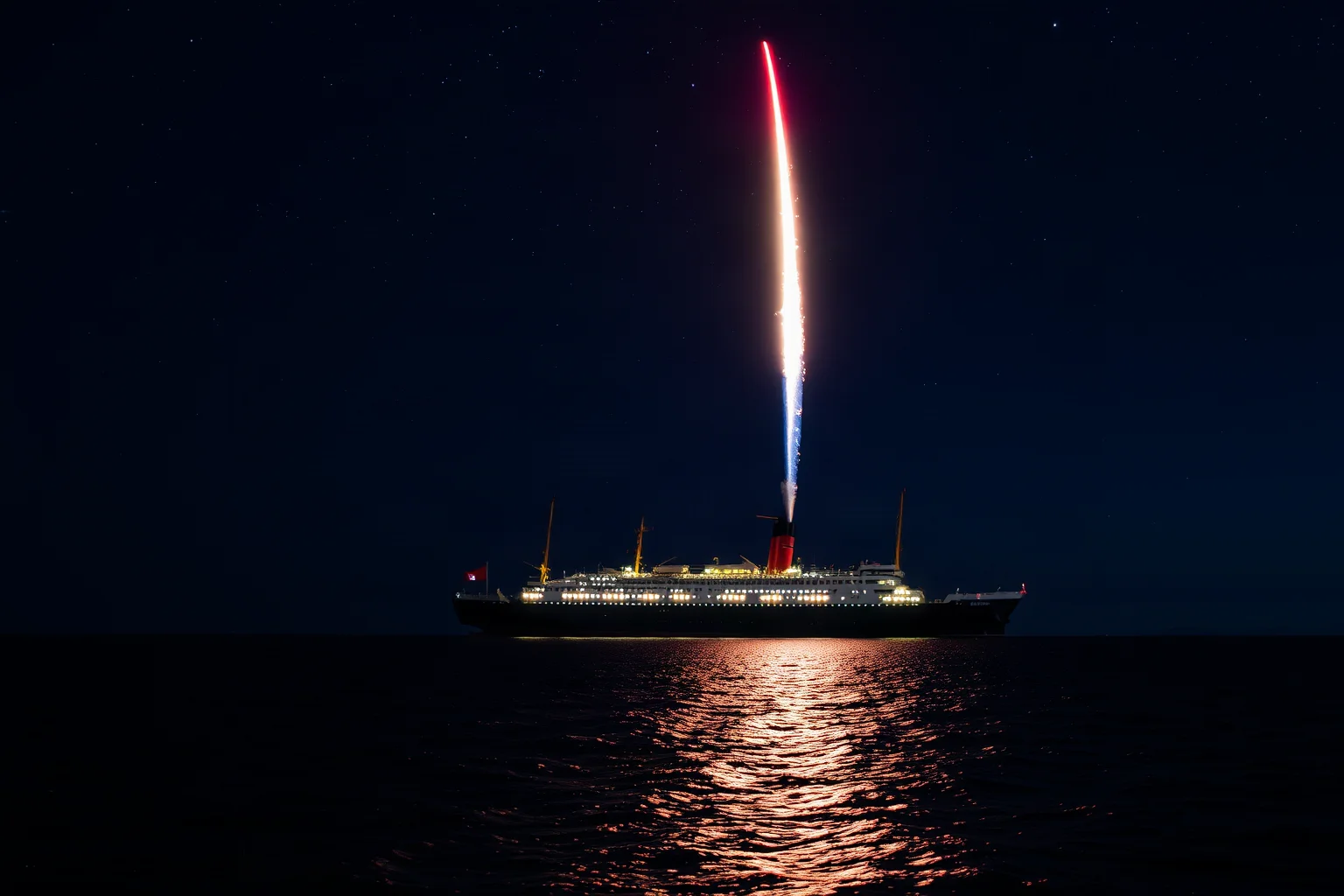
While White Star Line never publicly admitted that cost was a factor in the lifeboat decision, historians have long pointed out that fewer lifeboats meant less expense, less crew training overhead, and more usable deck space for paying customers, a familiar pattern of cost-cutting priorities that echoes through other early 20th-century disasters like the Great Molasses Flood of 1919. None of this was illegal, but it reflects the commercial pressures shaping shipbuilding decisions in the competitive transatlantic passenger trade of the early 1900s.
It’s worth being careful here, since there’s no verified documentation proving cost-cutting was the primary motive behind the final lifeboat count. What we do know for certain is that the company had the technical means to add more boats and chose not to.
19. The Disaster Exposed a Massive Gap Between Law and Reality
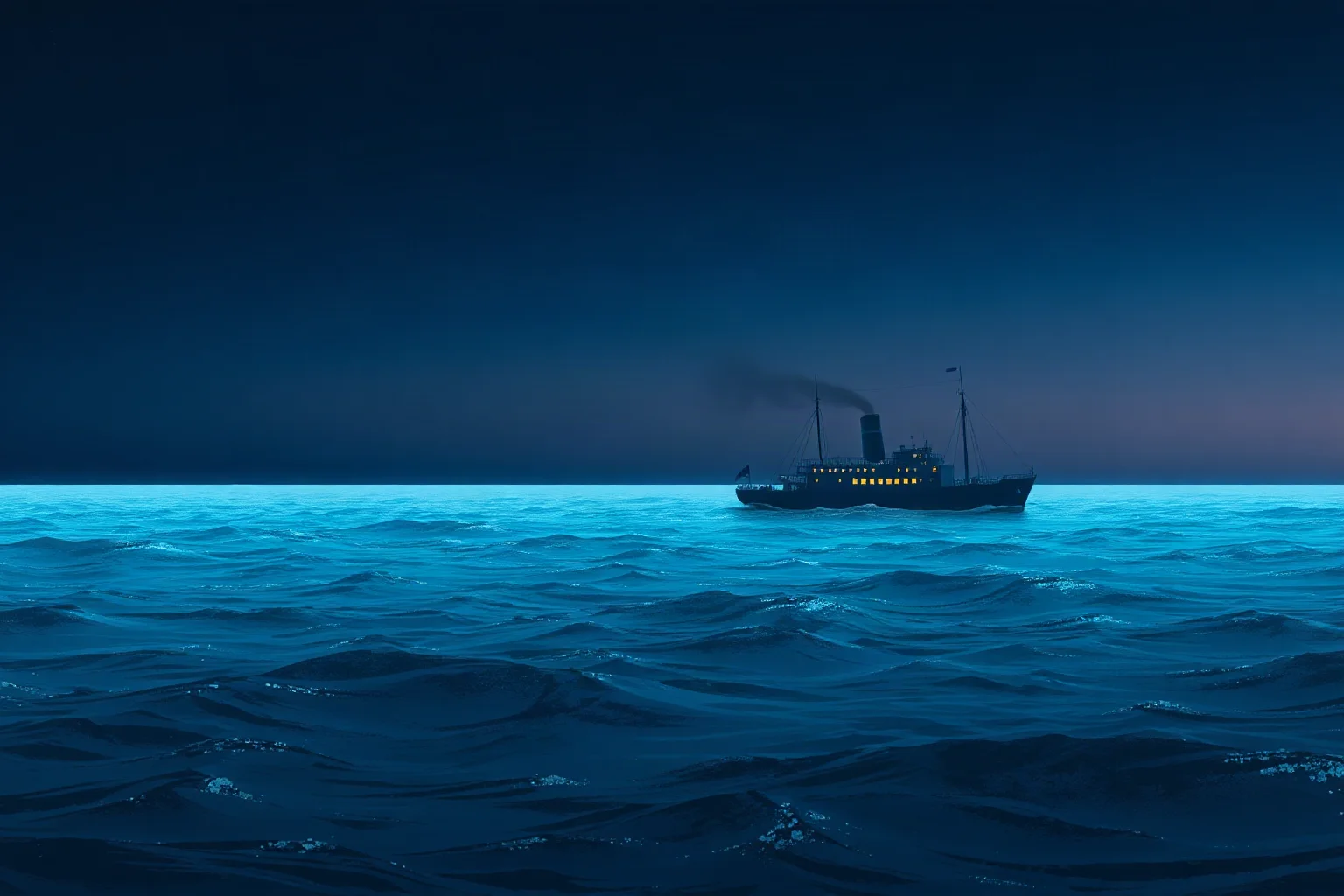
The sinking of Titanic became the clearest possible proof that maritime safety law had failed to keep pace with shipbuilding technology. A ship could be fully compliant with government regulations and still lack anywhere near enough lifeboats for the people aboard.
This gap became the central focus of the official inquiries held in both the United States and Britain in the months following the disaster. Investigators, politicians, and the public alike were stunned to learn that Titanic’s lifeboat shortage was completely legal.
20. The Tragedy Directly Led to International Maritime Safety Reform
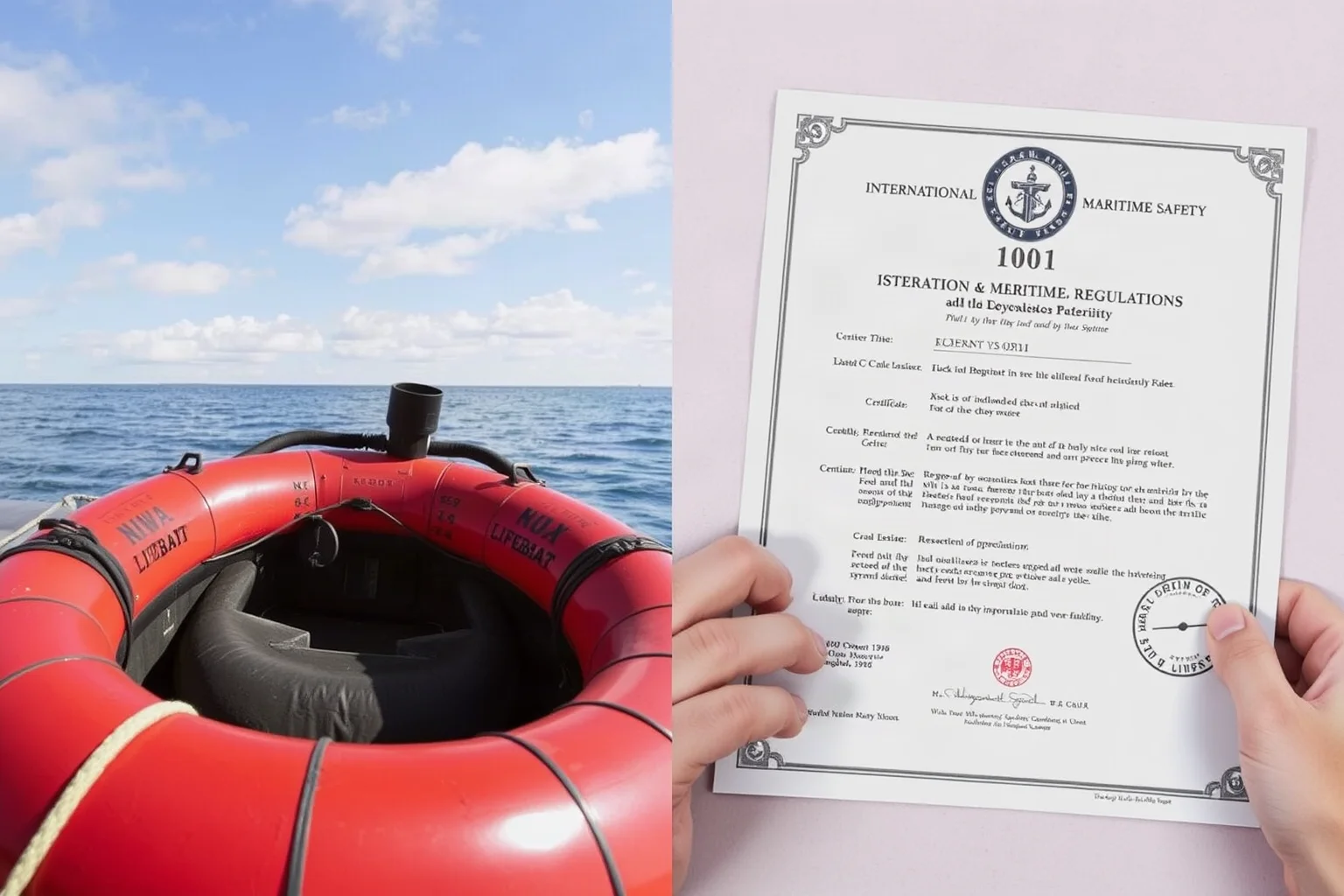
In the aftermath of the sinking, international governments moved quickly to close the regulatory gap that had made the disaster possible. The result was the first International Convention for the Safety of Life at Sea, known as SOLAS, adopted in 1914.
SOLAS established, for the first time, that ships must carry enough lifeboats for every person aboard, not just a number calculated from outdated tonnage formulas. This single change reshaped maritime law permanently and remains the foundation of lifeboat requirements on passenger ships to this day.
The Bigger Picture: A Preventable Tragedy
Looking back at Titanic’s lifeboat shortage, it’s tempting to search for one clear villain, whether that’s greedy executives, careless regulators, or an overconfident crew. The real story is messier and, in some ways, more unsettling than that.
It was a system-wide failure built from outdated laws, competitive business pressures, and a cultural overconfidence in engineering that hadn’t yet been tested by a disaster of this scale, a pattern that would echo decades later in disasters like the Deepwater Horizon oil spill. Titanic’s lifeboats, or rather the lack of enough of them, became the clearest possible symbol of how progress in shipbuilding had outpaced progress in safety regulation.
The legacy of that gap is still visible today every time you board a modern cruise ship or ferry and see lifeboat capacity signs matching the exact number of people allowed on board. That standard exists because of the lessons paid for, at a devastating cost, on the night the Titanic sank.
Frequently Asked Questions
Why didn’t the Titanic have enough lifeboats?
The Titanic didn't have enough lifeboats mainly because British Board of Trade regulations from 1894 calculated required lifeboat capacity based on a ship's tonnage, not its number of passengers. Those rules were never updated as ships grew far larger, so Titanic's 20 lifeboats actually exceeded the outdated legal minimum even though they could only carry about half the people aboard.
Why did Titanic not have enough lifeboats despite being a modern ship?
Despite Titanic's advanced engineering, her lifeboat count was reduced during the design process, partly to preserve open deck space and partly because of the era's mistaken belief that lifeboats only needed to ferry passengers to nearby rescue ships rather than carry everyone at once. Outdated safety law made this legal, even though it left the ship dangerously underprepared for a total evacuation.
How many lifeboats were supposed to be on the Titanic?
Under the outdated 1894 Board of Trade regulations, Titanic was only legally required to carry lifeboats for about 962 people, and she actually exceeded that minimum with 20 lifeboats capable of holding roughly 1,178 people. Some earlier design proposals reportedly considered as many as 48 lifeboats, though that plan was scaled back well before the ship was completed.
Did the Titanic have enough lifeboats for everyone aboard?
No, Titanic did not have enough lifeboats for everyone aboard. Her 20 lifeboats could carry about 1,178 people, while more than 2,200 passengers and crew were on the ship during her maiden voyage.
How many lifeboats did the Titanic actually carry?
Titanic carried 20 lifeboats in total: 14 standard wooden lifeboats, 2 smaller emergency cutters, and 4 collapsible boats with canvas sides. Together they had a rated capacity of roughly 1,178 people.
What changed in maritime law after the Titanic sank?
The disaster led directly to the first International Convention for the Safety of Life at Sea (SOLAS) in 1914, which required ships to carry enough lifeboats for every person aboard rather than relying on outdated tonnage-based formulas. This standard, refined over the following decades, remains the basis for lifeboat requirements on passenger ships today.

Alex Warren
Related Articles