
Ancient Rome produced roughly 70 emperors between the reign of Augustus in 27 BC and the fall of the Western Empire in 476 AD, and no two of them left quite the same mark on history. Some expanded Rome's borders, built enduring monuments, and governed with genuine skill. Others were vain, cruel, or simply overwhelmed by a job that came with no instruction manual and a very real risk of assassination.
This guide walks through both ends of that spectrum. We'll look at the emperors historians and the Roman Senate itself tended to praise, and the ones whose names became shorthand for tyranny and excess. Along the way, we'll flag where the ancient sources might be exaggerating, because in Roman history, reputation and reality don't always line up.
TL;DR: Rome's best emperors — like Augustus, Trajan, and Marcus Aurelius — built stability and prosperity, while its worst, like Caligula, Nero, and Commodus, are remembered for cruelty, paranoia, and excess, though ancient sources weren't always neutral judges.
How Do You Judge a Roman Emperor?
Ranking the leaders of Rome isn't a purely objective exercise, and it's worth saying that upfront. Much of what we know about individual emperors comes from historians like Suetonius, Tacitus, and Cassius Dio, who wrote decades or even centuries after the events they describe and often had political axes to grind.
A senator-turned-historian writing under a later dynasty had every incentive to make a previous emperor look monstrous, especially if that emperor had clashed with the Senate. That doesn't mean the worst stories are all fabricated, but it does mean modern historians treat them with more caution than ancient audiences did.
With that caveat in place, a few consistent measures tend to separate the great from the terrible: military success and border security, competent administration and fair taxation, respect for the Senate and rule of law, and lasting infrastructure or legal reforms. The worst emperors tend to fail on most or all of these fronts at once.
The Five Good Emperors, Explained
Any discussion of the best emperors of Rome eventually runs into a specific term: the Five Good Emperors. The phrase itself is a later invention, popularized by writers like Machiavelli and historian Edward Gibbon, rather than something Romans used at the time.
It refers to Nerva, Trajan, Hadrian, Antoninus Pius, and Marcus Aurelius, who ruled in succession from 96 to 180 AD. What united them wasn't bloodline but adoption — each chose a capable successor rather than relying on a biological heir, which largely avoided the succession chaos that plagued Rome elsewhere. All five appear on the greatest-emperors list below, and for good reason.
Rome's Greatest Emperors, Ranked
These are the rulers most historians point to when asked who was the best Roman emperor, or which leaders left Rome genuinely stronger than they found it. The order reflects a mix of stability, achievement, and lasting legacy rather than a single strict formula.
1. Augustus – The Founder of the Pax Romana
Octavian, later known as Augustus, ended more than a century of civil war and founded the system of one-man rule that would define Rome for the next 500 years. He was careful to present himself as "princeps," or first citizen, rather than king, which helped the new arrangement go down easier with a Senate that still remembered the Republic.
Under his 40-year reign, Rome saw the beginning of the Pax Romana, a long stretch of relative internal peace and stability. He also reformed the army, the tax system, and the city of Rome itself, reportedly boasting that he found it built of brick and left it in marble.
2. Trajan – Optimus Princeps, Rome at Its Largest
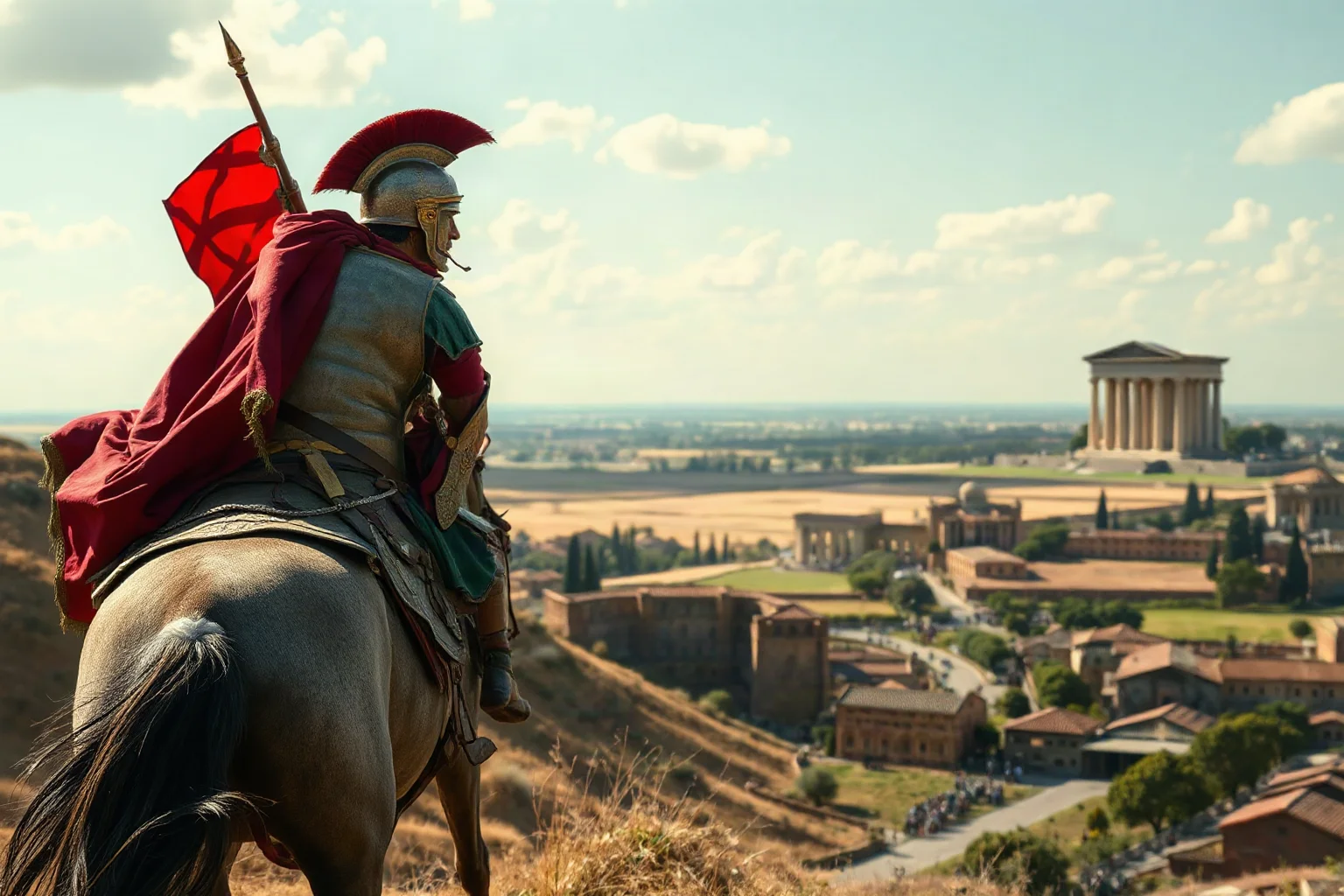
Trajan pushed the Roman Empire to its greatest territorial extent, conquering Dacia and pushing into Parthian territory in the east. The Senate honored him with the title Optimus Princeps, meaning "best ruler," and later emperors were formally wished to be "better than Trajan" at their own accession.
He's also remembered for major public works, including Trajan's Column and Trajan's Forum, both of which still stand in Rome today. For many historians, he's the single strongest answer to who was the best Roman emperor in terms of raw power and popularity in his own time.
3. Hadrian – The Wall-Builder Who Consolidated the Empire
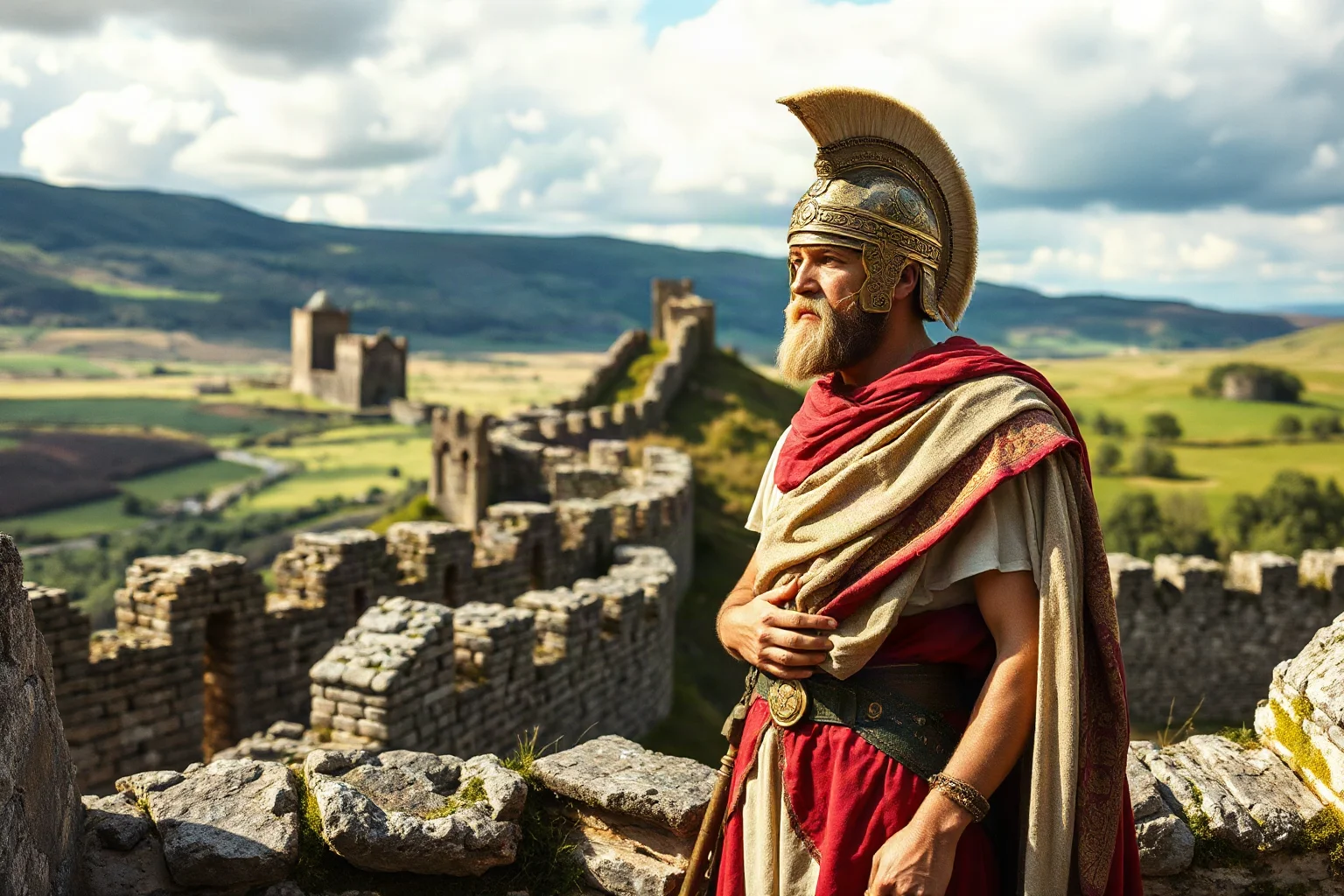
Rather than continuing Trajan's expansion, Hadrian made the deliberate choice to consolidate what Rome already held. Hadrian's Wall in northern Britain is the most famous physical reminder of that strategy, marking a defined edge to Roman territory rather than an ever-expanding frontier.
He spent much of his reign personally touring the provinces, inspecting garrisons and infrastructure firsthand rather than governing from a distance. He was also a serious patron of architecture and the arts, and the rebuilt Pantheon in Rome is largely his doing.
4. Marcus Aurelius – The Philosopher Emperor
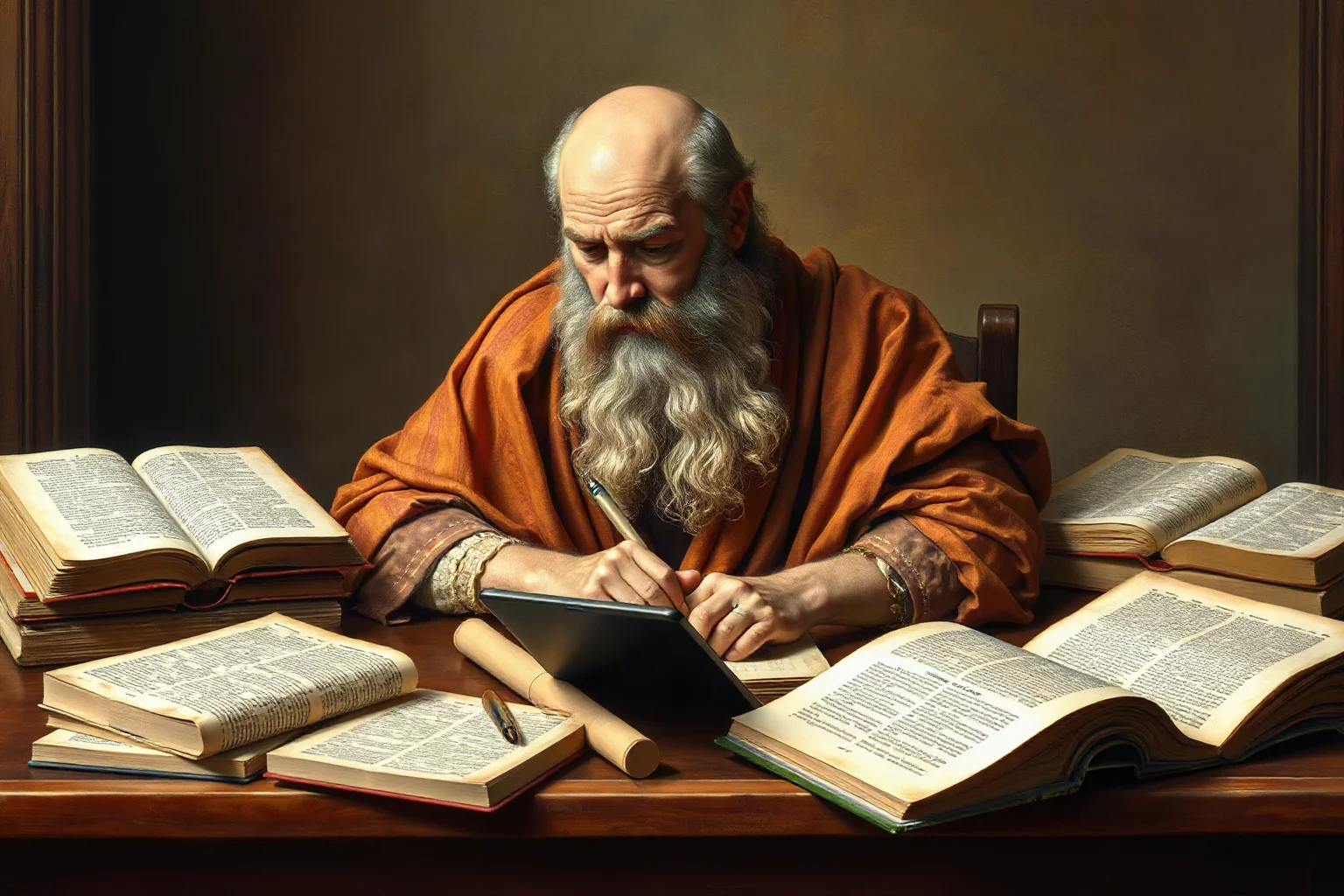
Marcus Aurelius is remembered as much for his private writings as his politics. His personal journal, later published as "Meditations," remains one of the most read works of Stoic philosophy nearly 2,000 years later, and his name still comes up alongside history's most renowned philosophers.
His reign was dominated by costly wars along the Danube frontier, which he handled with persistence rather than flair. His most criticized decision was breaking with the adoptive tradition of his four predecessors by naming his own son, Commodus, as heir — a choice that would go on to cause serious problems, as we'll see later in this list.
5. Antoninus Pius – Peace and Prosperity
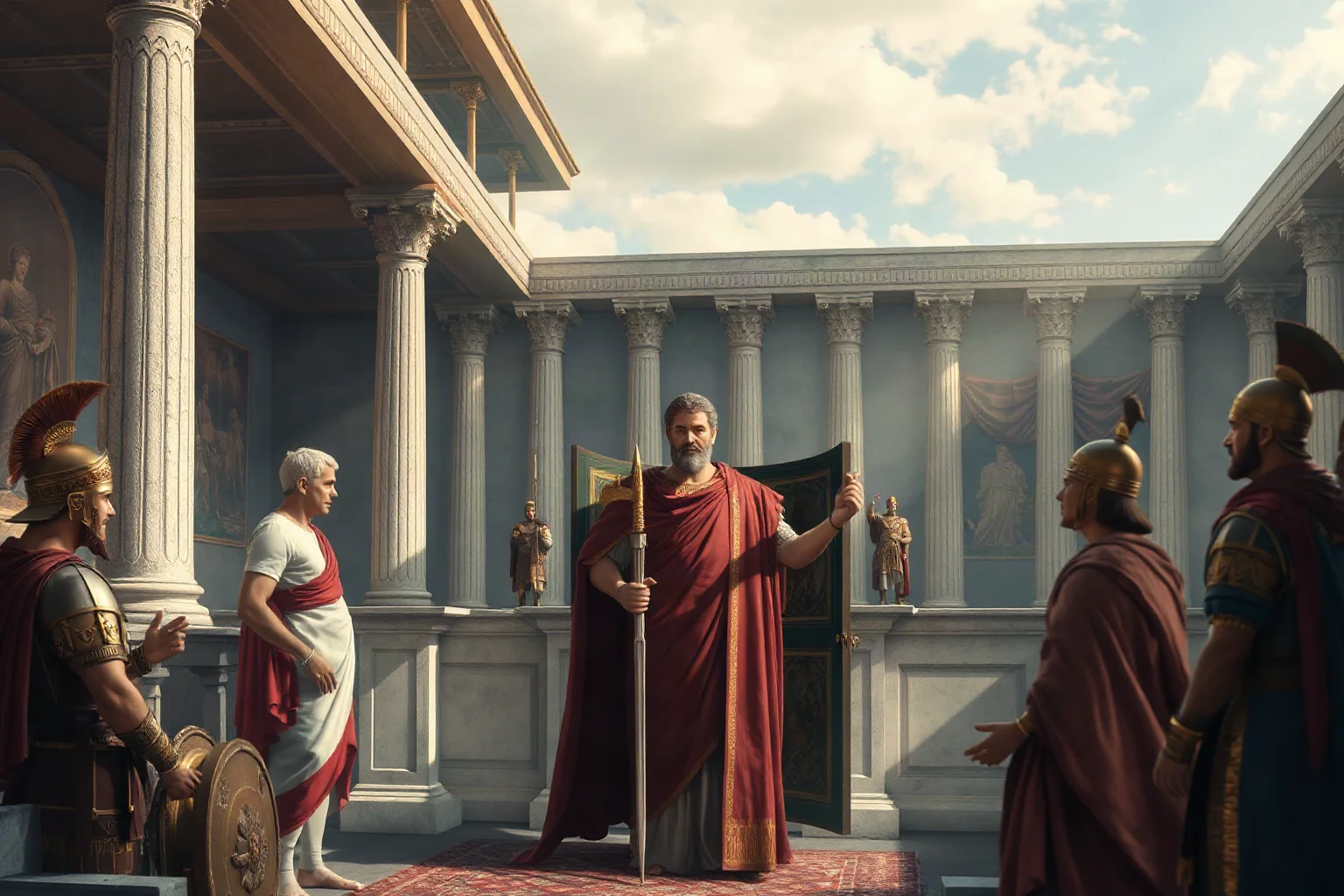
Antoninus Pius ruled for 23 years, one of the longest reigns of any Roman emperor, and did so with remarkably little drama. He rarely left Italy during his rule, governing instead through capable delegation and careful, low-key management of the treasury.
There were no major wars, no political purges, and no notable scandals attached to his name, which is exactly why ancient sources have relatively little to say about him. In the context of Roman imperial history, that quiet stability is itself a remarkable achievement.
6. Nerva – The Reluctant Reformer
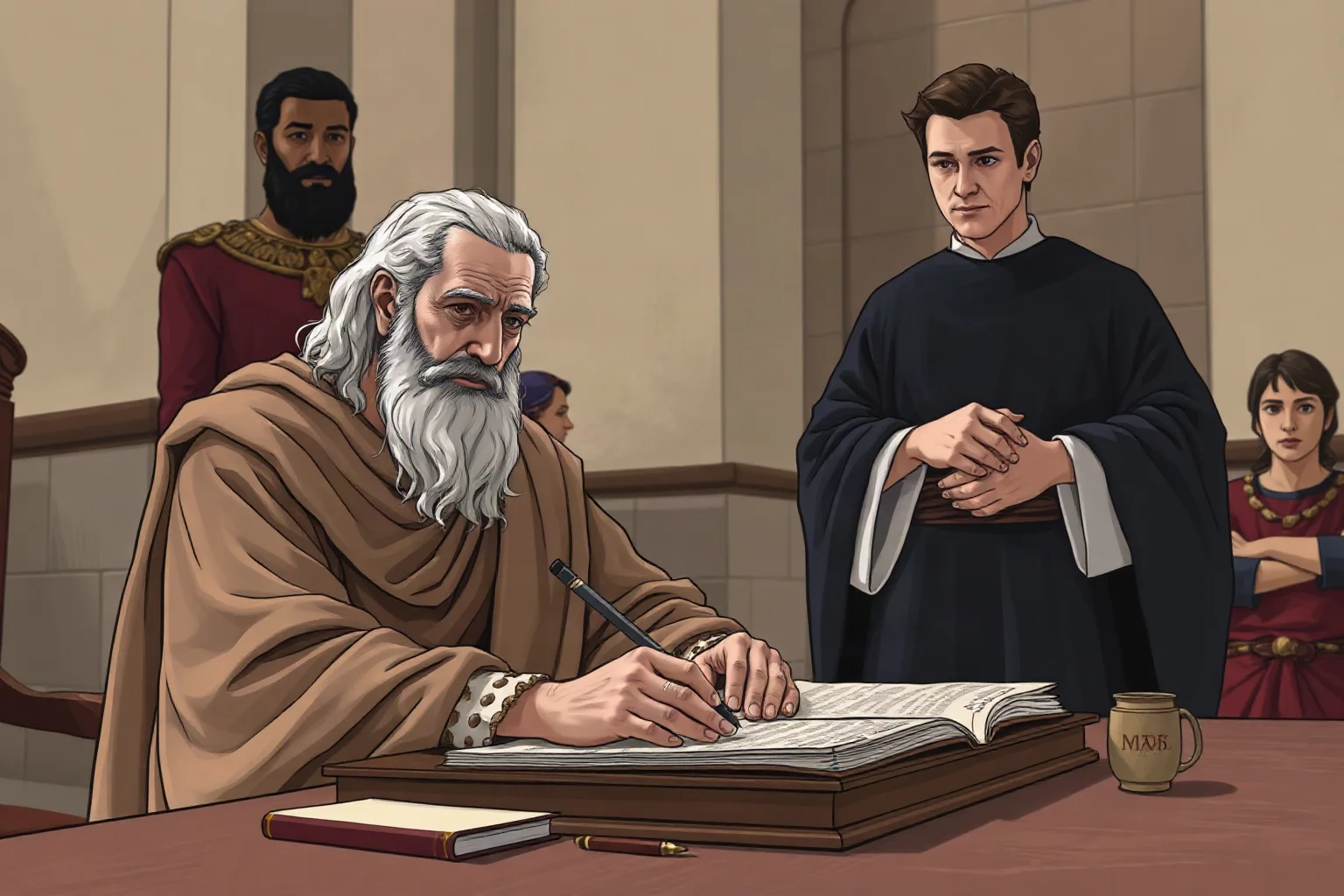
Nerva came to power in 96 AD after the assassination of the widely disliked Domitian, and his short reign of just over a year set a template that outlasted him by decades. He worked to repair relations between the throne and the Senate, which had deteriorated badly under his predecessor.
His most consequential act was adopting Trajan as his successor, a decision that had nothing to do with bloodline and everything to do with competence. That single choice arguably kicked off the entire era of the Five Good Emperors.
7. Vespasian – The General Who Rebuilt Rome
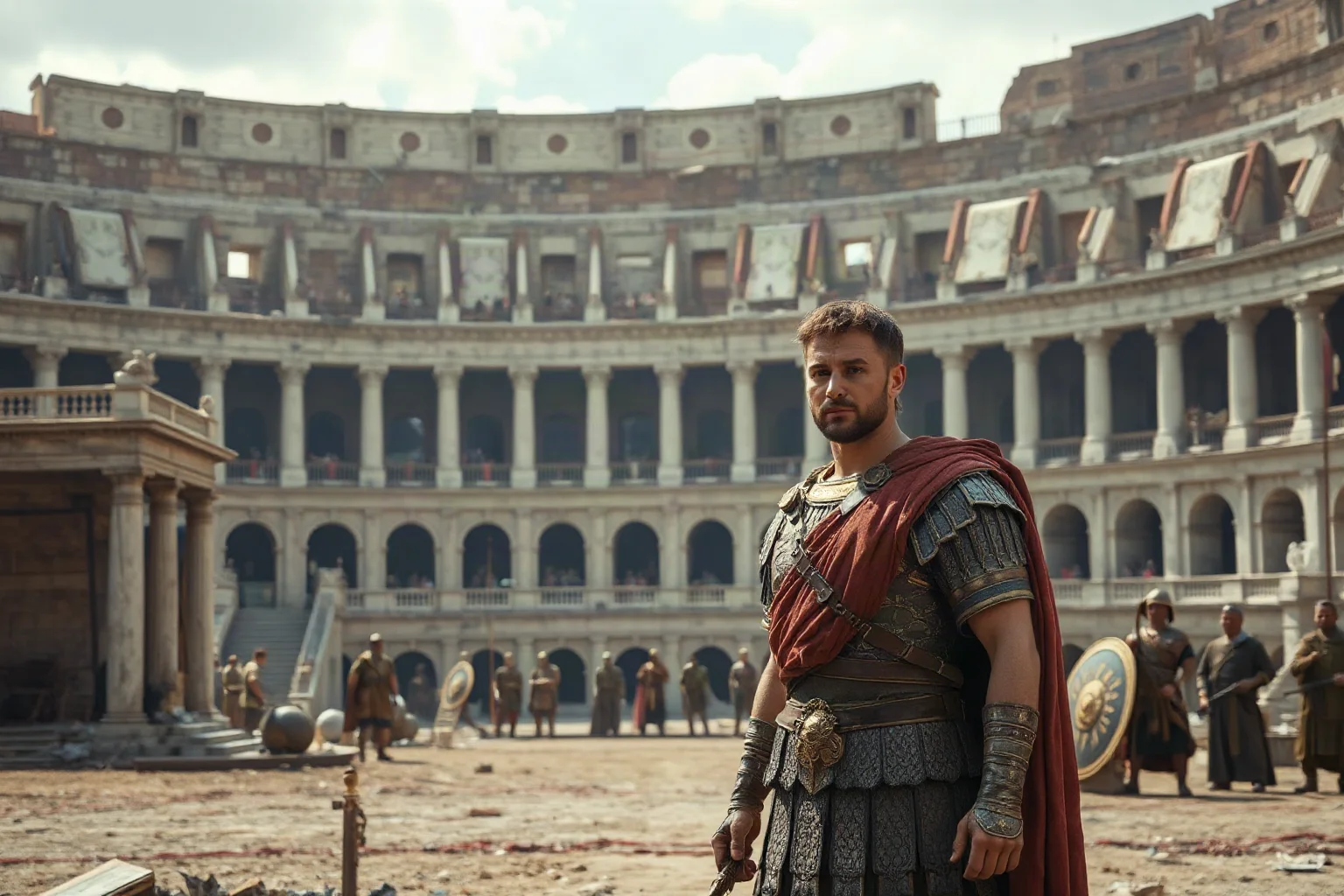
Vespasian took power in 69 AD, a chaotic year that had already seen three other emperors rise and fall. He restored financial and political stability, founded the Flavian dynasty, and began construction of the Flavian Amphitheatre, better known today as the Colosseum.
He was also known for blunt fiscal pragmatism; the historian Suetonius records him defending a tax on public toilets with the line that money doesn't stink, regardless of where it comes from. Whether or not the anecdote is verbatim, it captures his no-nonsense reputation well.
8. Claudius – The Underestimated Administrator
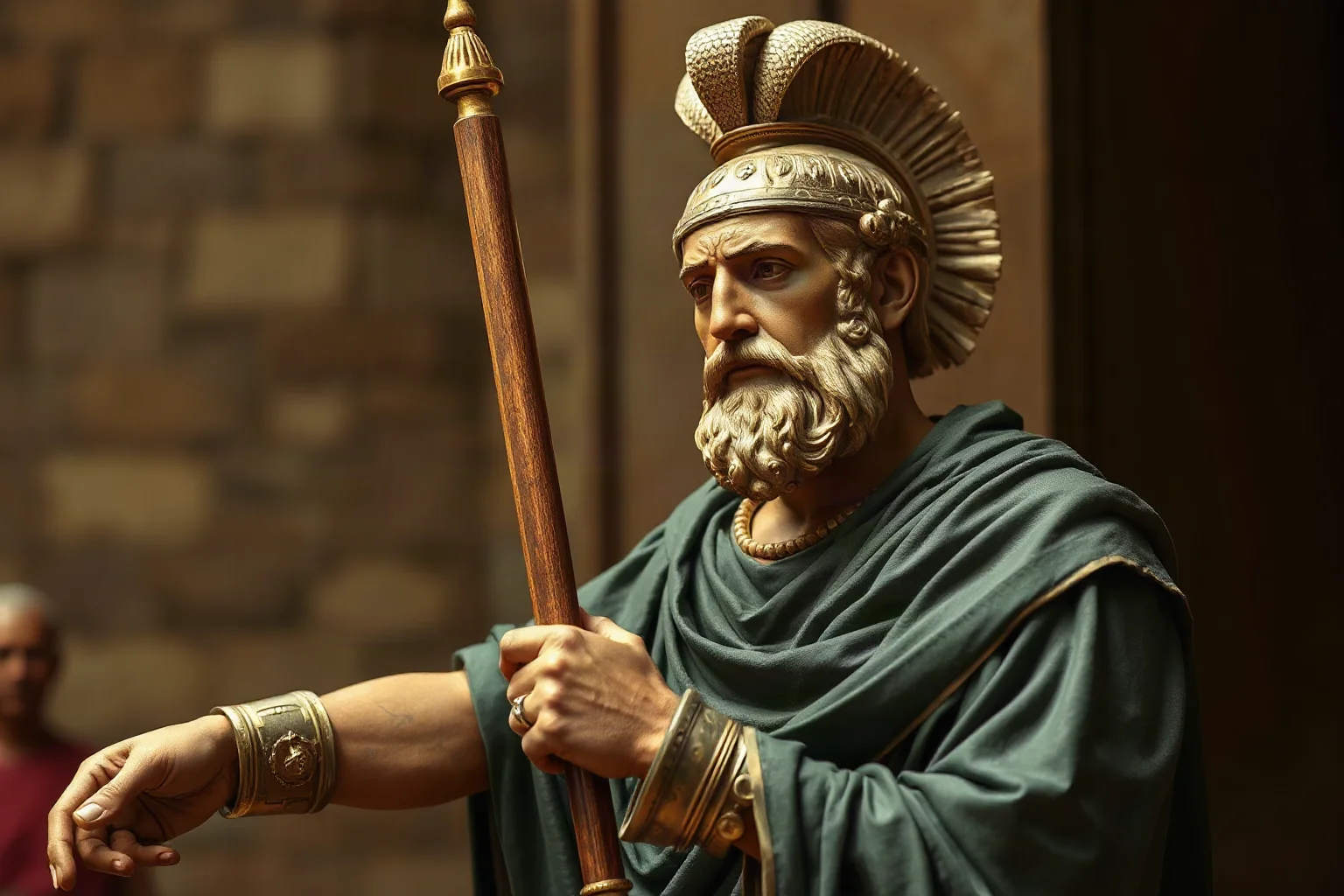
Claudius is frequently underrated, partly because ancient writers mocked his physical disabilities and awkward public manner. Behind that mockery was a genuinely effective administrator and one of history's most underrated intellects, who expanded the imperial bureaucracy, improved Rome's ports and aqueducts, and oversaw the conquest of much of Britain.
His reputation suffered in antiquity mostly because he didn't fit the image of a commanding, physically imposing ruler. Modern historians have been kinder, recognizing the substance behind a reign that outsiders at the time underestimated.
9. Constantine the Great – Rome's First Emperor Called "The Great"
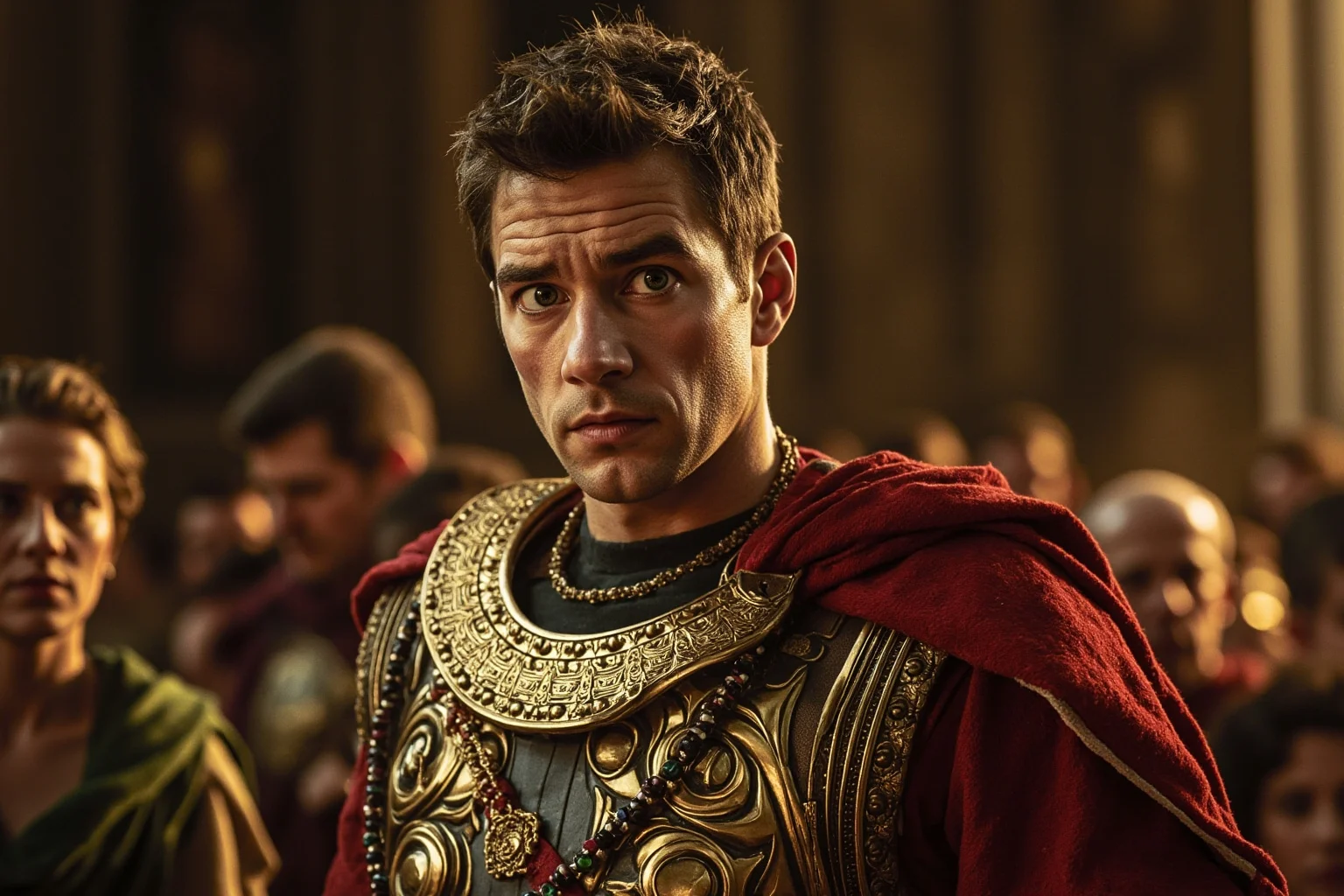
Constantine holds a specific distinction among famous Roman caesars: he's generally recognized as the first Roman emperor to be given the title "the Great," a designation that later emperors like Theodosius would also earn. He reunified an empire that had splintered under the Tetrarchy and issued the Edict of Milan, granting legal tolerance to Christianity.
He also founded the city of Constantinople, which would go on to serve as the capital of the Eastern Roman Empire for over a thousand years after Rome itself fell. Few individual decisions in Roman history had a longer afterlife.
10. Diocletian – The Reformer Who Saved a Crumbling Empire
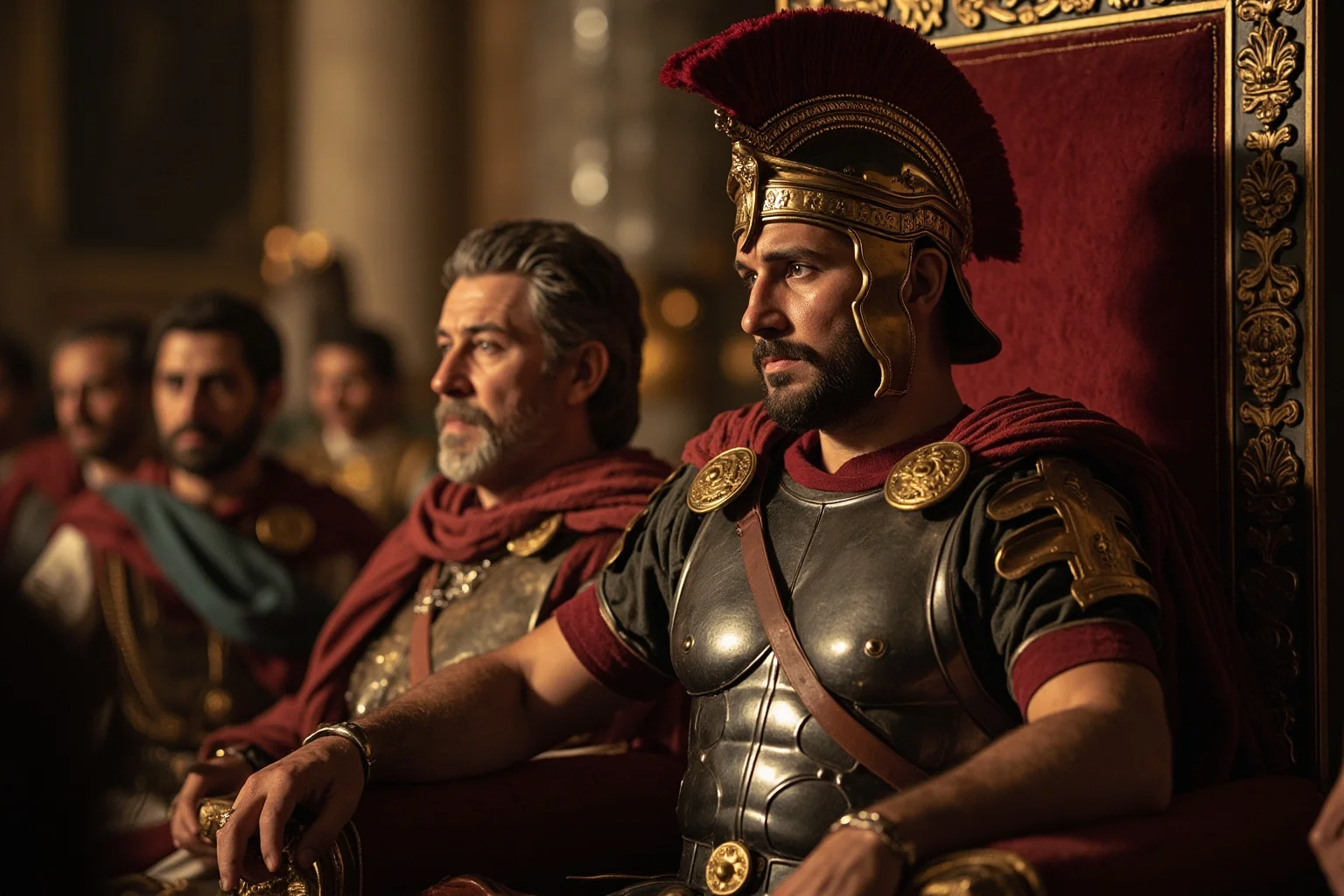
Diocletian inherited an empire in the grip of the Crisis of the Third Century, a period of near-constant civil war, invasion, and economic collapse. His response was the Tetrarchy, a system splitting rule among four co-emperors to make the empire more manageable.
His economic and administrative reforms helped stabilize Rome for another century, even though his persecution of Christians remains a serious mark against him. He's also one of the very few Roman emperors to retire voluntarily, stepping down in 305 AD to grow cabbages, according to later tradition.
11. Titus – The Short-Lived but Beloved Emperor
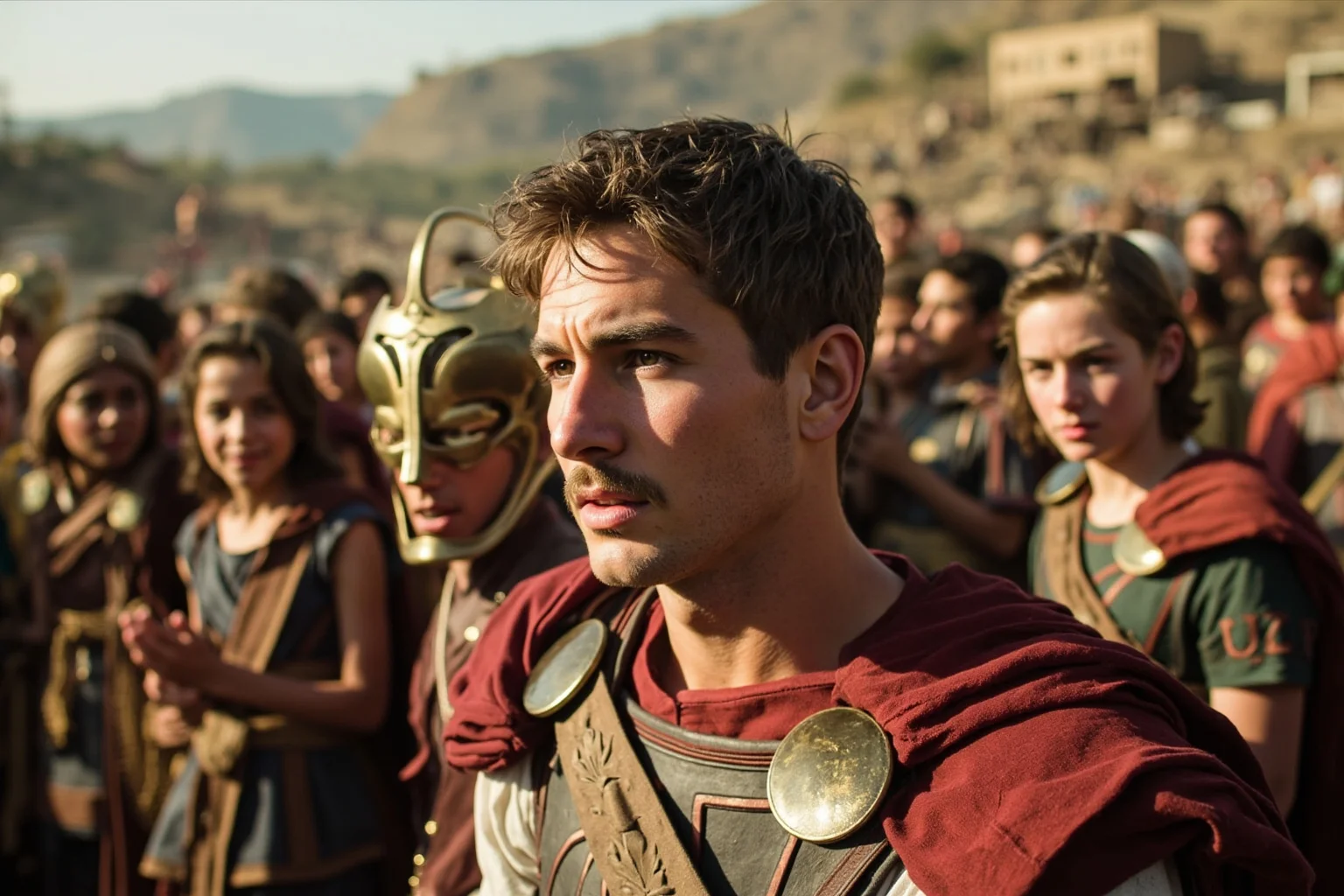
Titus ruled for barely two years, but he packed a great deal of crisis management into that short window. He organized relief efforts after the eruption of Mount Vesuvius in 79 AD and after a major fire in Rome the following year, and he presided over the opening of the finished Colosseum.
His earlier military career, including the siege of Jerusalem, had been considerably harsher, but his brief time as emperor left a largely positive impression on contemporaries. He died young, reportedly of illness, before his reputation had much chance to sour.
12. Septimius Severus – The African-Born Soldier Emperor
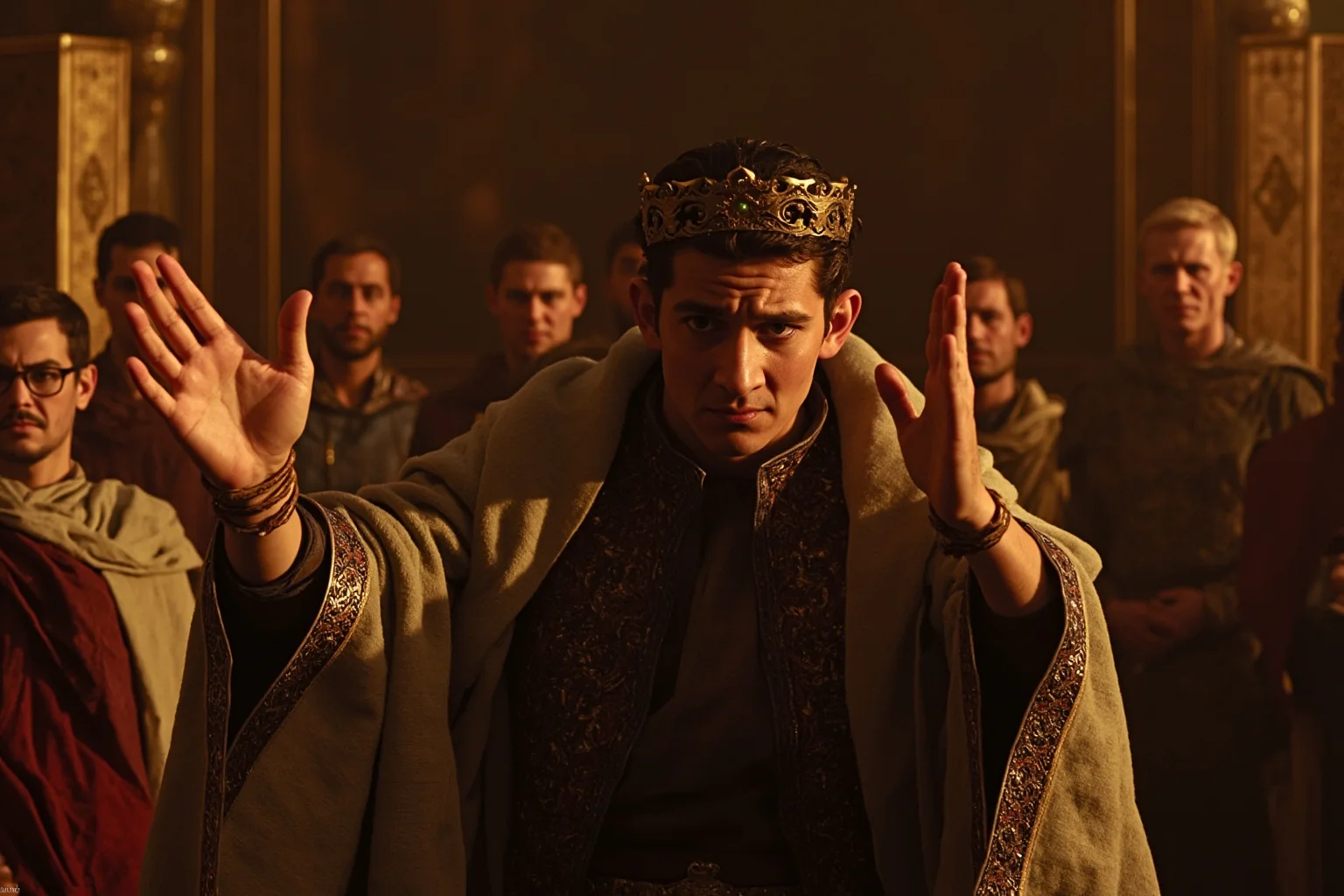
Born in Leptis Magna in what is now Libya, Septimius Severus became one of the most powerful emperors of Rome by rising through military command during another period of civil war. He founded the Severan dynasty and extended Roman citizenship rights more broadly across the provinces.
He's often credited with the deathbed advice to his sons to enrich the soldiers and ignore everyone else, a line recorded by Cassius Dio that, true or not, reflects how central the army had become to holding power. His reign marked a shift toward more overtly militarized rule that would define the century after him.
The Worst Roman Emperors: 10 Rulers Who Gave Rome a Bad Name
For every emperor remembered for competence and stability, another is remembered for cruelty, paranoia, or simple incompetence. Some of these reputations are well documented; others have been amplified by hostile historians settling old scores. Either way, these are the names that come up whenever people compile lists of history's most evil figures or ask about the worst Roman emperors.
13. Caligula – Cruelty, Excess, and Legendary Instability
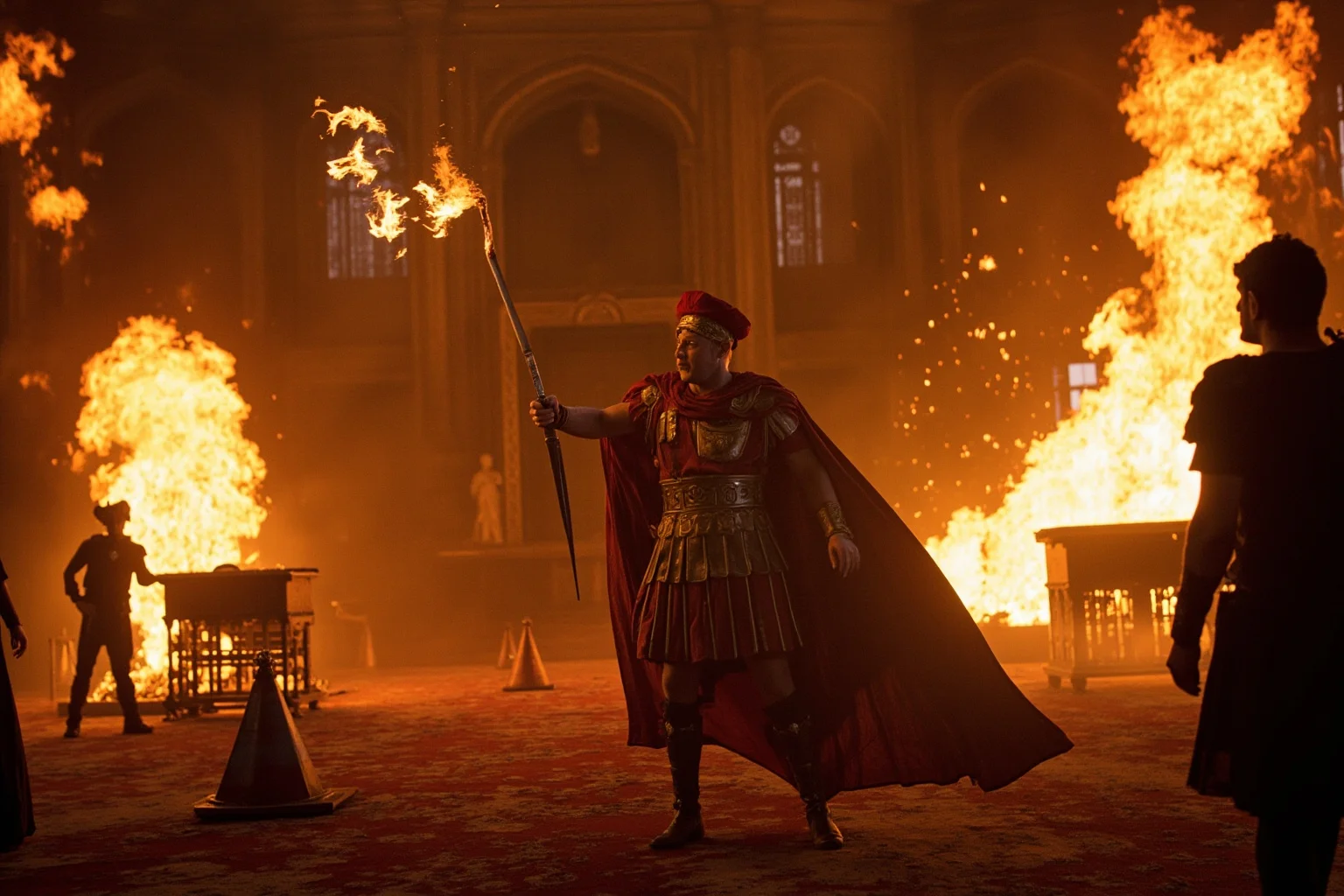
Caligula began his reign with genuine popularity before descending, according to Suetonius and Cassius Dio, into cruelty and erratic behavior. The famous claim that he tried to make his horse, Incitatus, a Roman consul is widely repeated, though modern historians debate whether it was meant literally or as a pointed insult to the Senate's uselessness.
Whatever the exact truth, his relationship with the Senate and the Praetorian Guard deteriorated badly, and he was assassinated by his own guard in 41 AD after less than four years in power. His short, chaotic reign became a lasting symbol of what unchecked imperial power could look like.
14. Nero – The Emperor Who Fiddled While Rome Burned (Sort Of)
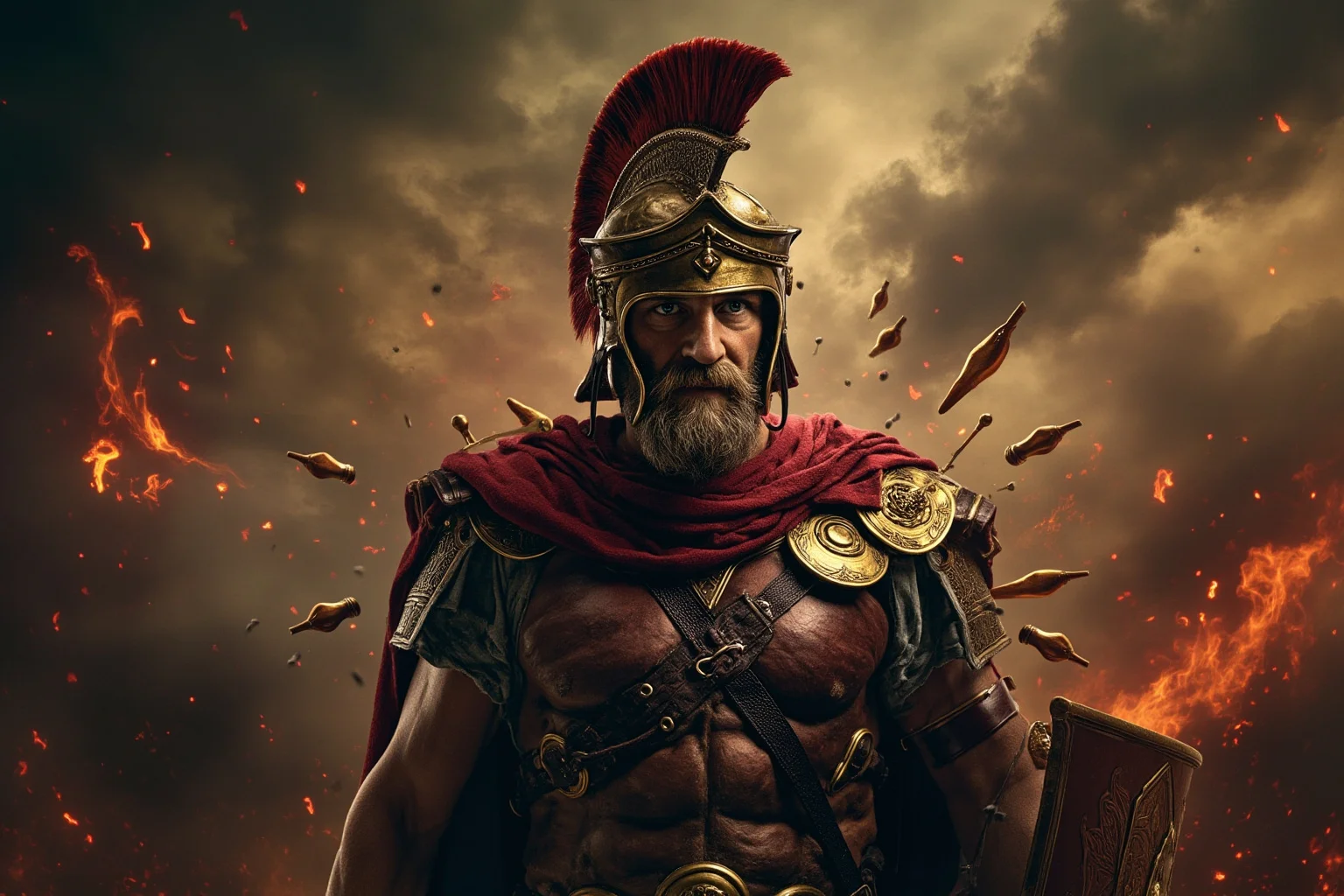
Nero is probably the most famous name on this entire list, one of the most recognized historical figures of any era, largely thanks to the Great Fire of Rome in 64 AD. The popular image of him fiddling while the city burned is almost certainly false in its details, since the fiddle didn't exist yet, and some ancient accounts even describe him organizing relief efforts.
What's better documented is his brutal persecution of Christians as scapegoats for the fire, his execution of his own mother, Agrippina — herself remembered among history's most powerful women — and his lavish spending on projects like the Domus Aurea. He died by suicide in 68 AD as rebellion closed in, ending the Julio-Claudian dynasty entirely.
15. Commodus – From Philosopher's Son to Gladiator Emperor
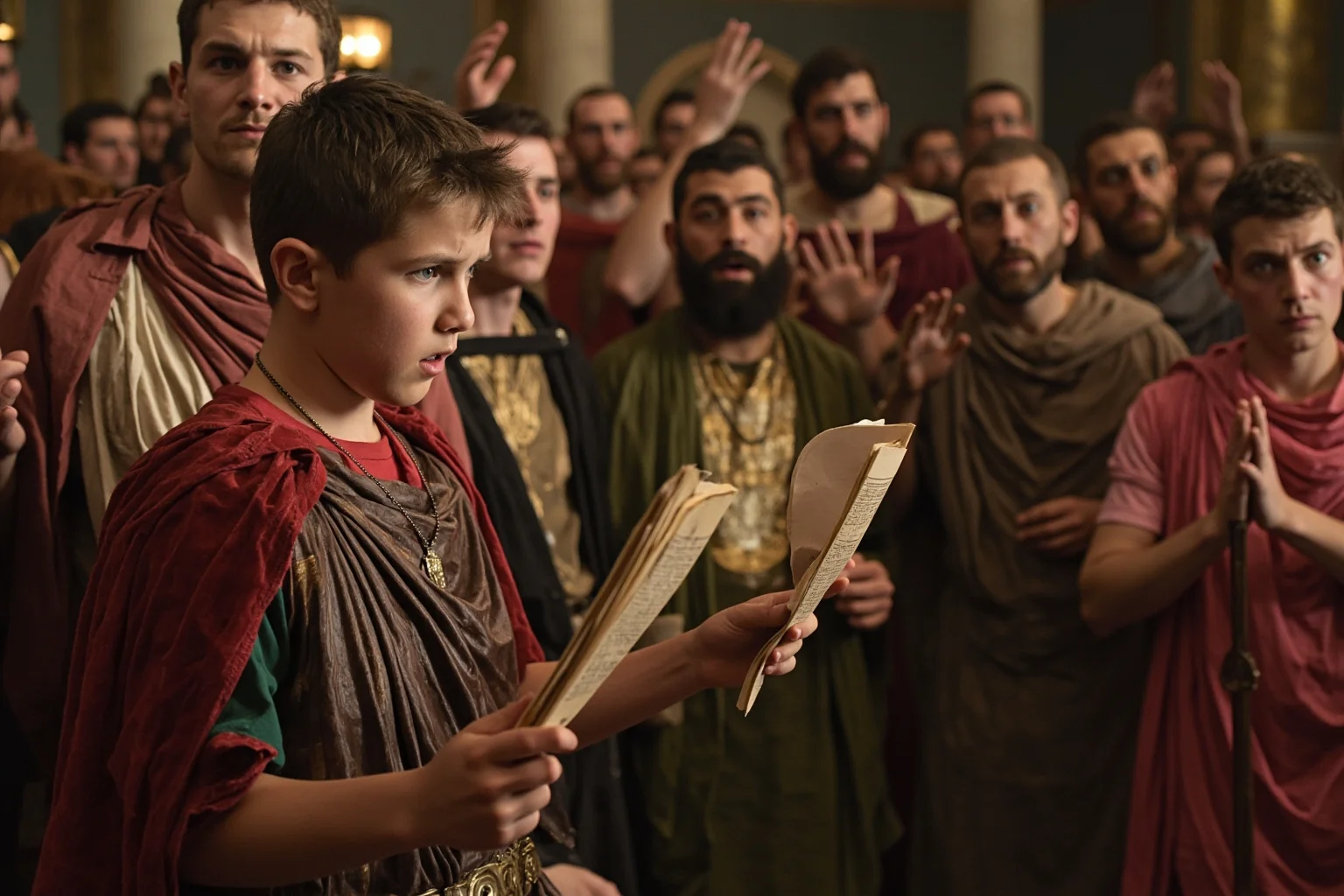
Commodus was the son Marcus Aurelius chose to break the adoptive succession tradition for, and many historians see that decision as one of the costliest mistakes among Rome's otherwise well-regarded rulers. He became fixated on gladiatorial combat, reportedly fighting in the arena himself and at one point renaming Rome after himself.
His reign is widely seen as the point where the stability of the Five Good Emperors era collapsed. He was eventually strangled in a plot involving his own household in 192 AD, and yes, his dramatized version appears in the film "Gladiator," though that portrayal takes considerable creative liberties.
16. Caracalla – Fratricide and the Massacre of Alexandria
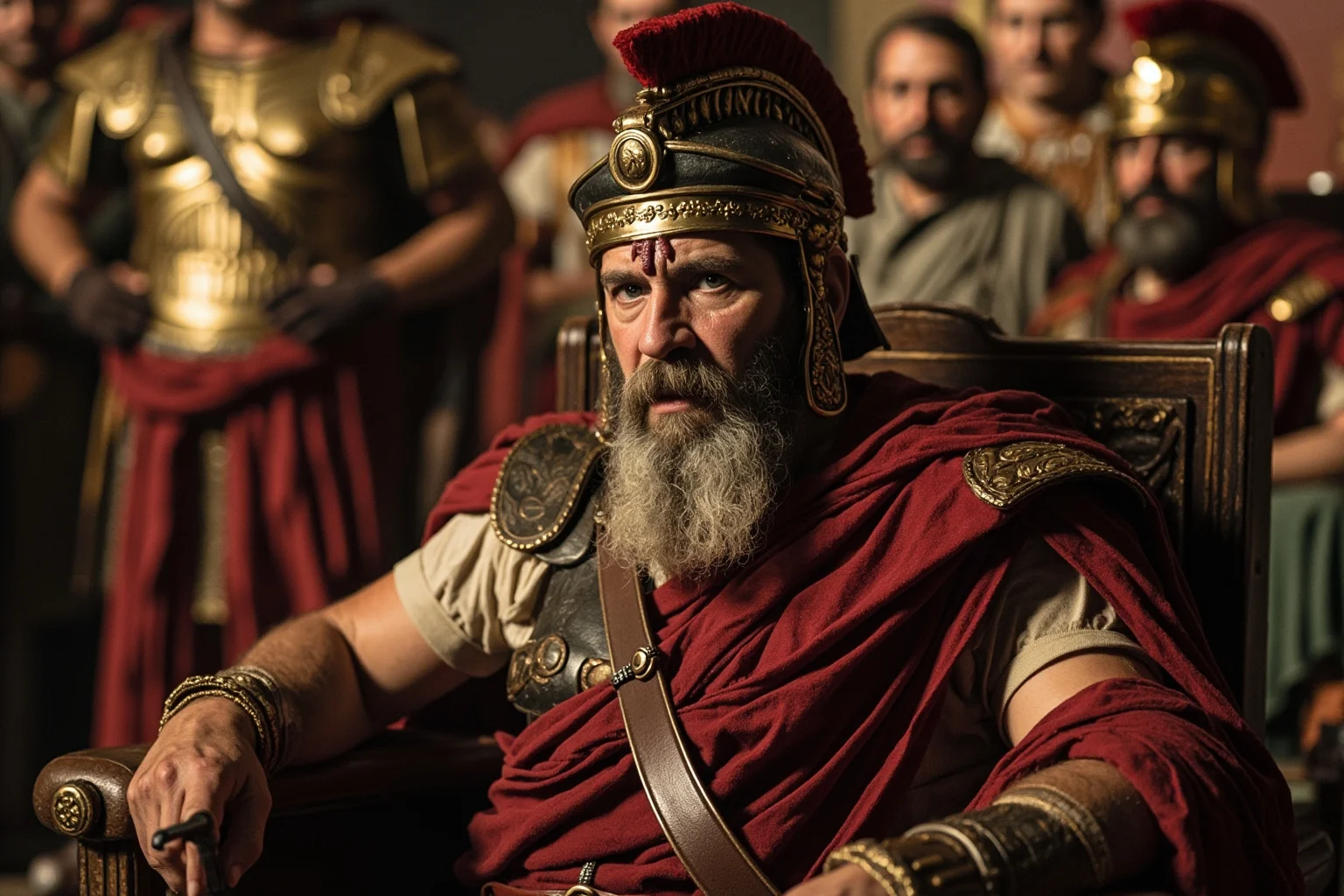
Caracalla came to sole power by murdering his own brother and co-emperor, Geta, reportedly in their mother's arms. His reign did produce one genuinely significant reform, the Antonine Constitution, which extended Roman citizenship to nearly all free inhabitants of the empire.
That achievement is overshadowed by accounts of extreme brutality, including a massacre of the population of Alexandria after the city allegedly mocked him. He was assassinated by one of his own soldiers in 217 AD, having ruled largely through fear rather than respect.
17. Elagabalus – Scandal, Religious Controversy, and a Short Brutal Reign
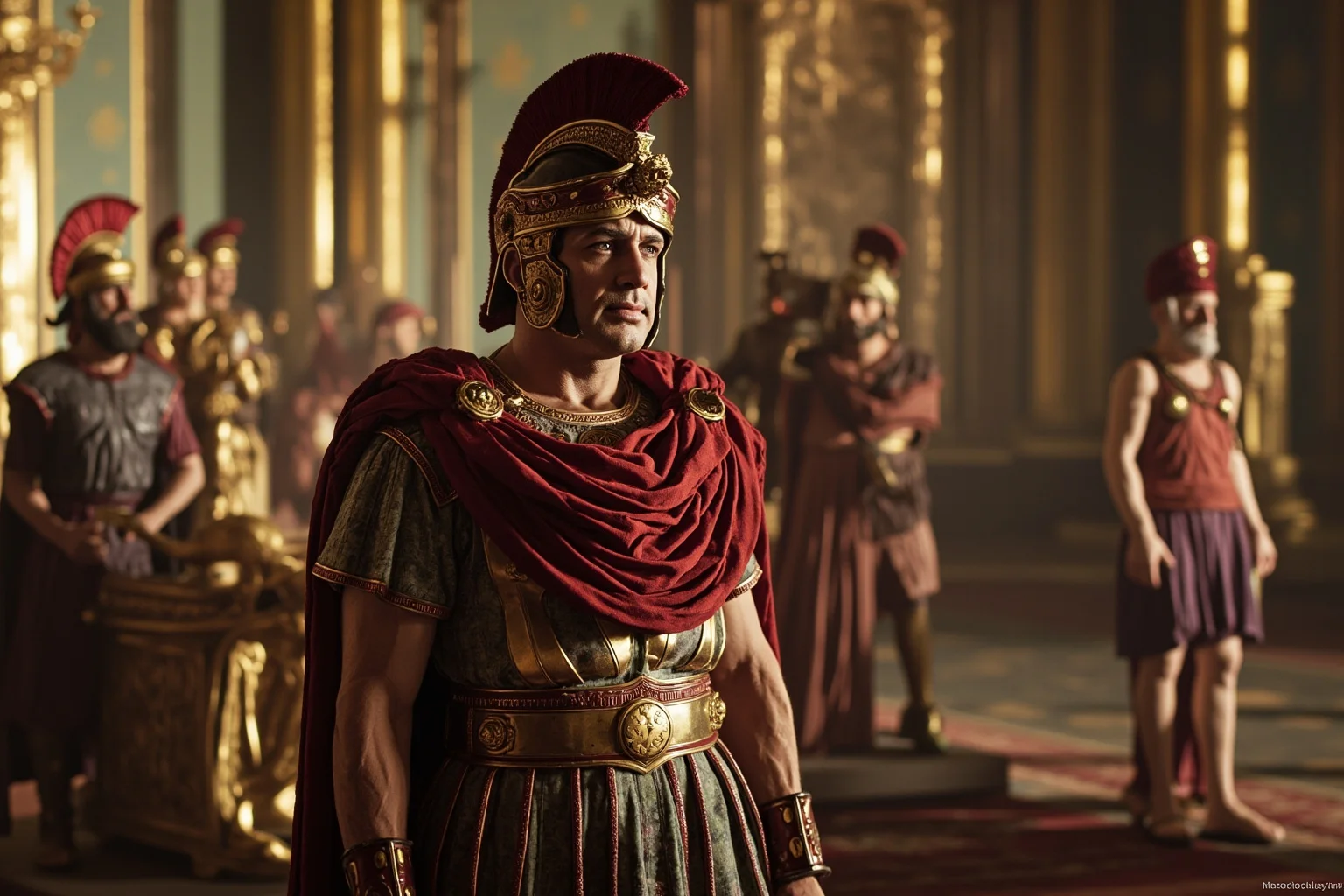
Elagabalus became emperor as a teenager and is remembered, largely through hostile later sources, for scandalous personal behavior and for elevating the Syrian god Elagabal above Jupiter in Rome's religious hierarchy. It's worth stressing that the surviving accounts of his reign are unusually biased even by Roman standards, written by authors keen to discredit him.
Whatever the exact truth behind the more sensational claims, his religious changes alienated the Senate and traditional Roman elite. He was assassinated along with his mother by the Praetorian Guard at around 18 years old, one of the youngest and shortest-reigning emperors on record.
18. Domitian – Paranoia and the Reign of Terror
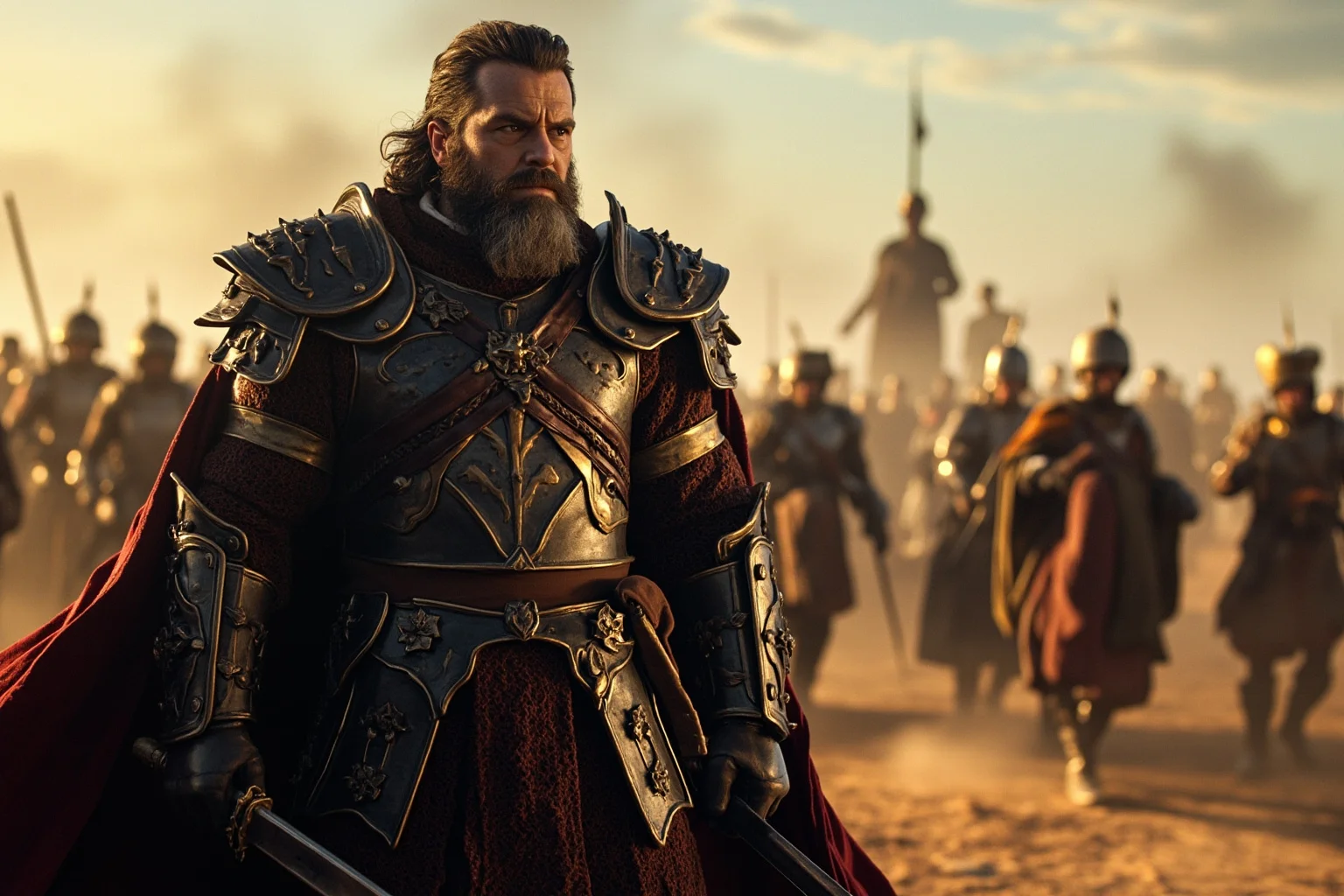
Domitian's later years were marked by an increasingly paranoid style of rule, including treason trials aimed at senators he suspected of disloyalty. After his assassination in 96 AD, the Senate issued a damnatio memoriae, formally erasing much of his public commemoration.
Modern historians note that some of his administrative and building work was actually competent, but the senatorial writers who shaped his historical record despised him personally. That bias helped cement his reputation as one of the more notorious Roman emperors, fairly or not.
19. Vitellius – Gluttony Amid the Year of Four Emperors
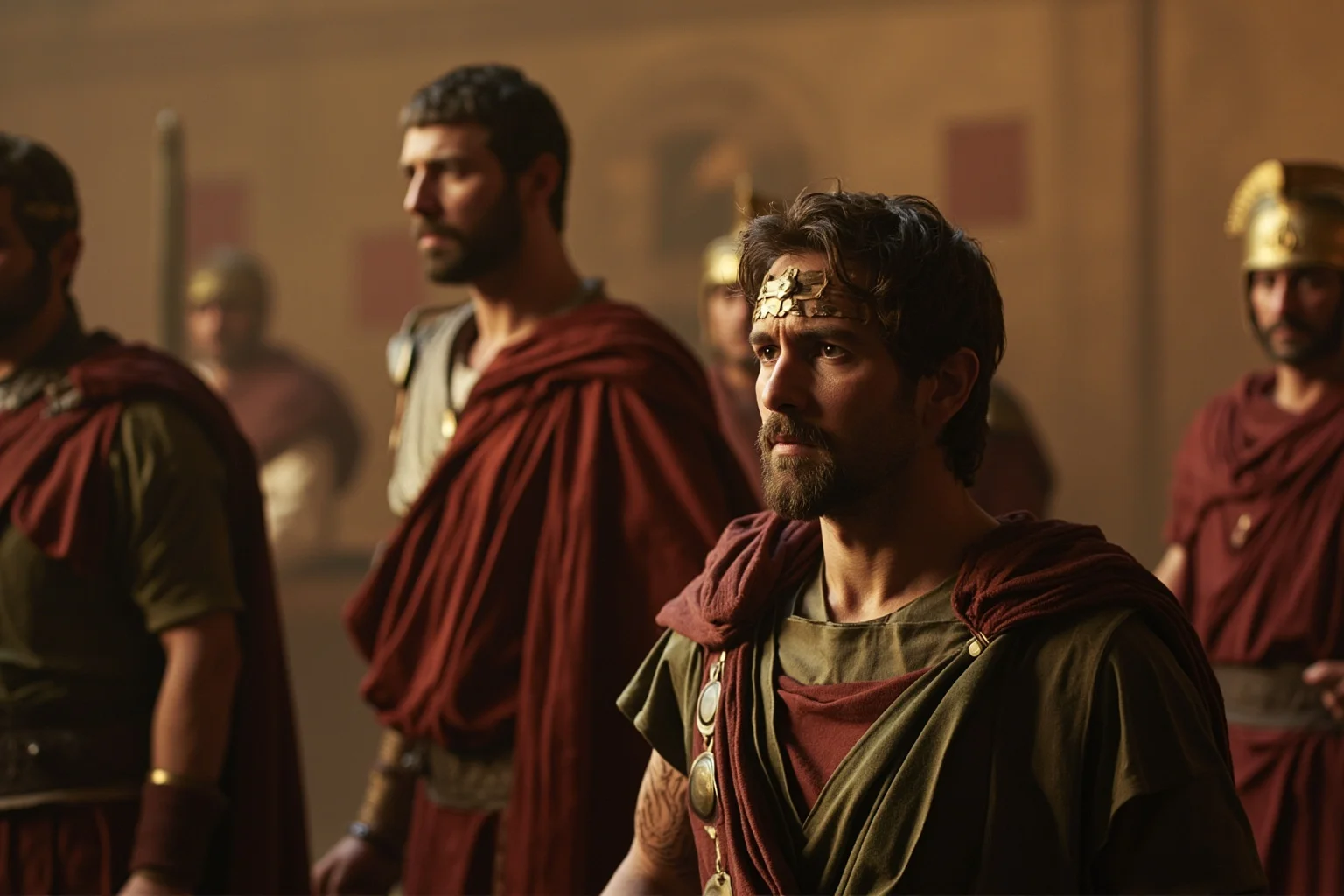
Vitellius briefly held power during 69 AD, the chaotic Year of Four Emperors that followed Nero's death. His roughly eight-month reign is remembered mainly for extravagant feasting and a general failure to establish real control over the empire's legions.
When Vespasian's forces marched on Rome, Vitellius was captured and killed by an angry mob, a grim end to an already forgettable reign. He's often cited as a cautionary example of what happens when a claimant to the throne has ambition but little actual capability.
20. Maximinus Thrax – The Soldier Emperor Who Terrorized the Senate
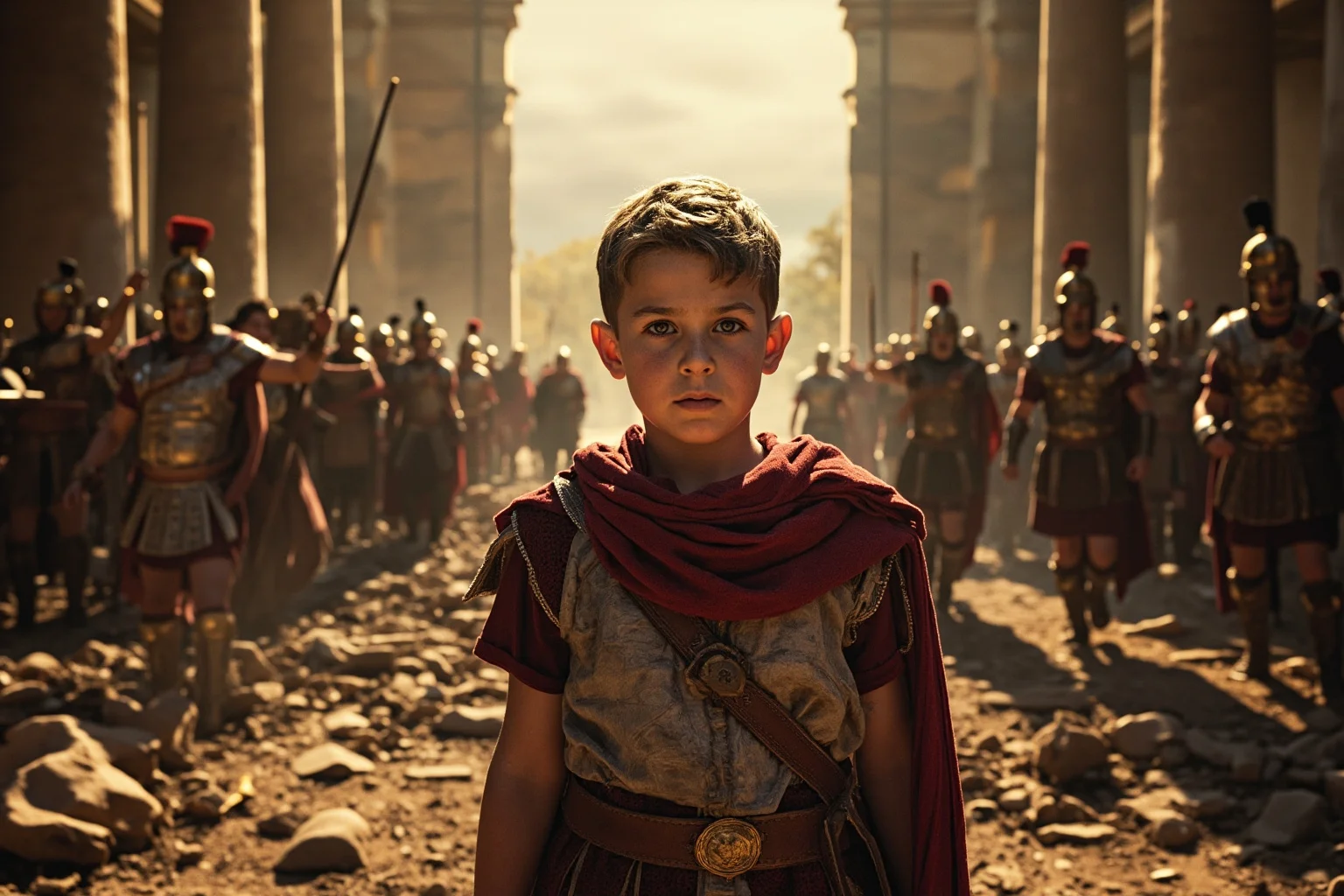
Maximinus Thrax was the first Roman emperor to rule without ever setting foot in the city of Rome itself, spending his entire reign on campaign along the frontiers. His harsh taxation policies to fund military campaigns made him deeply unpopular with the Senate and civilian elite.
His rise, entirely through military backing rather than senatorial approval, helped usher in the wider instability of the Crisis of the Third Century. He was eventually assassinated by his own soldiers in 238 AD, a fate several emperors on this list shared.
21. Honorius – Incompetence as the Western Empire Crumbled
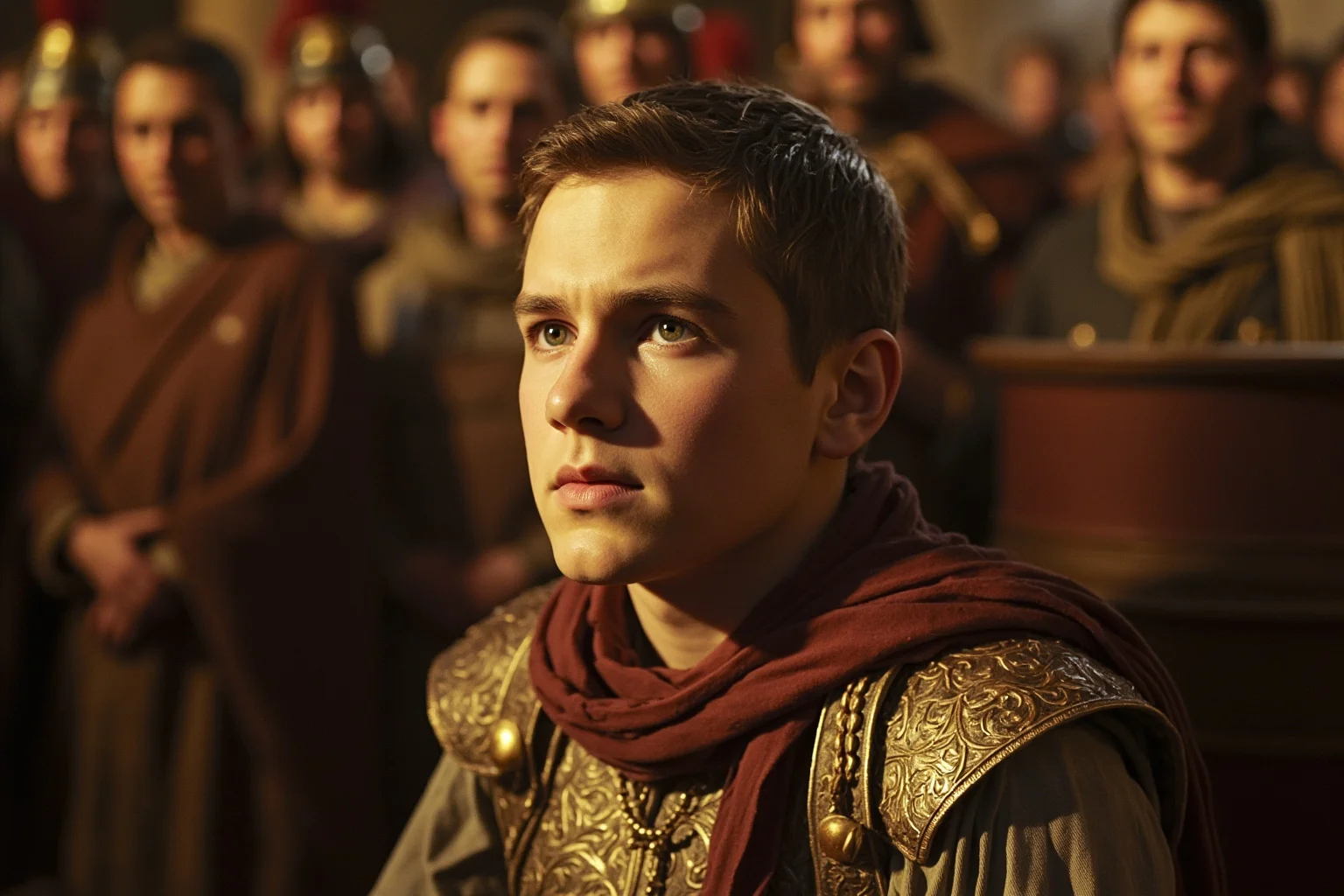
Honorius ruled the Western Roman Empire during one of its darkest moments, the sack of Rome by Alaric and the Visigoths in 410 AD. Rather than showing decisive leadership, he's generally remembered as passive and disengaged, relying heavily on his capable general Stilicho for years before having him executed on suspicion of treason.
Without Stilicho's steadying influence, the Western Empire's decline accelerated sharply. Honorius is frequently cited by historians as a symbol of the weak, indecisive leadership that contributed to Rome's eventual collapse in the west.
22. Romulus Augustulus – The Boy Who Watched Rome Fall
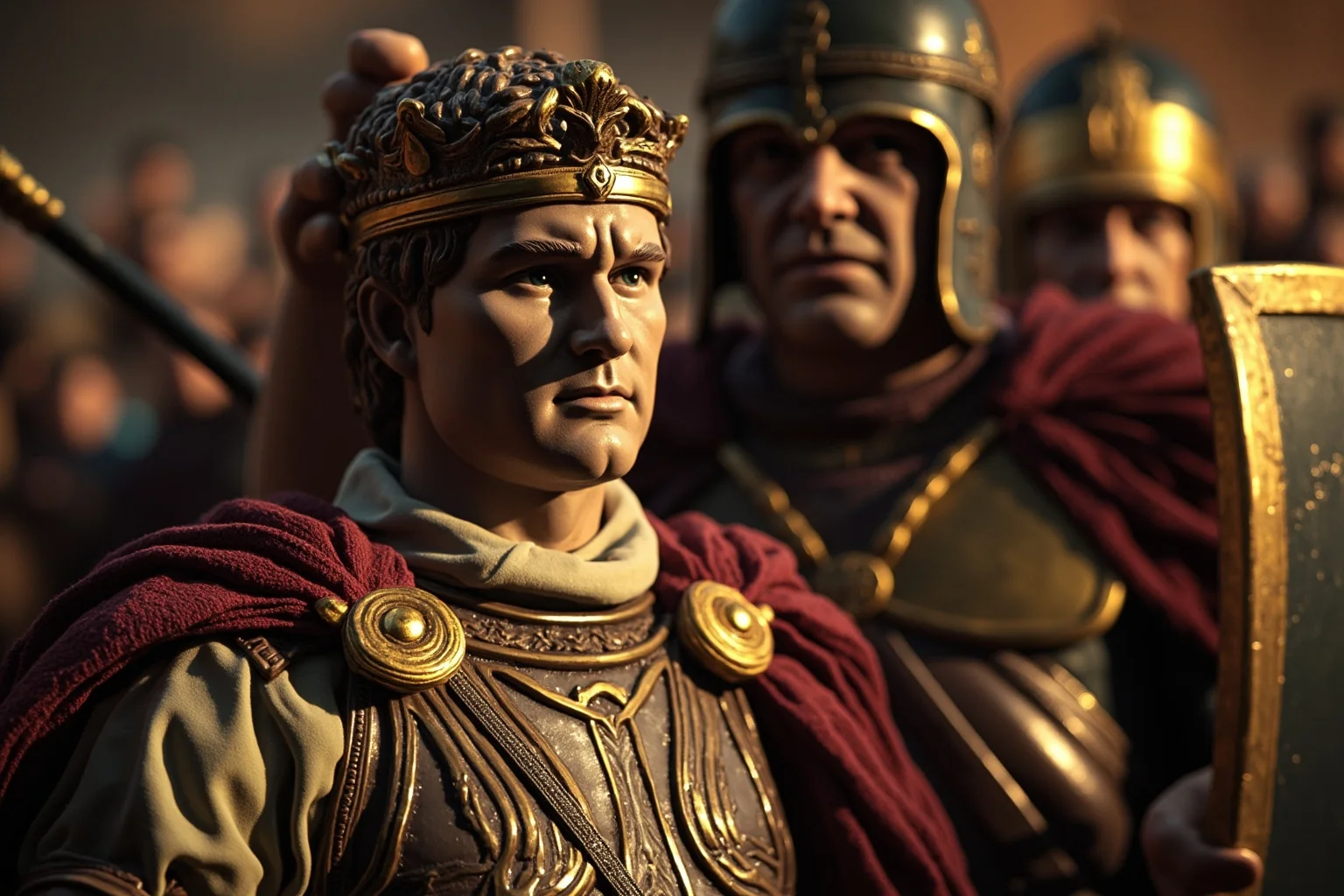
Romulus Augustulus holds a uniquely grim distinction as the last emperor of the Western Roman Empire. He was a teenager, likely little more than a figurehead controlled by his father, when the Germanic general Odoacer deposed him in 476 AD.
That single event is the date most historians use to mark the formal end of the Western Roman Empire. Whether Romulus Augustulus was personally "bad" in the way Nero or Caligula were is debatable, since he barely had the chance to rule at all, but his reign symbolizes just how far imperial authority had collapsed by that point.
Ranking Rome's Rulers: More Art Than Science
Any list of the greatest and worst Roman emperors is going to involve some judgment calls, and different historians would shuffle a few names up or down this list. What's harder to argue with is the pattern underneath the rankings: emperors who respected the Senate, paid their soldiers fairly, and invested in infrastructure tended to be remembered well, while those who ruled through fear or neglect rarely were.
It's also worth remembering that our main sources for many of these reigns were written by people with their own agendas, whether that meant flattering a current regime or settling scores with a dead one. That doesn't make the worst stories untrue, but it's a good reason to hold the most sensational claims about figures like Caligula or Elagabalus a little loosely.
What's undeniable is the sheer range of personalities who once held the title of Roman emperor, from disciplined reformers to teenage tyrants barely out of childhood. That range is part of what makes Roman history endlessly compelling, more than 1,500 years after the last emperor lost his throne.
Frequently Asked Questions
Who was the best Roman emperor?
There's no single official answer, since it depends on the criteria used, but Augustus and Trajan are the two names historians cite most often. Augustus founded the entire imperial system and brought decades of stability after civil war, while Trajan was honored by the Senate itself as Optimus Princeps, or "best ruler," for expanding and strengthening the empire.
Who were the Five Good Emperors of Rome?
The Five Good Emperors were Nerva, Trajan, Hadrian, Antoninus Pius, and Marcus Aurelius, who ruled in succession from 96 to 180 AD. The term was coined by later writers, not the Romans themselves, and refers to their shared practice of choosing capable adopted heirs rather than relying on direct bloodline succession.
Who was the worst Roman emperor?
Caligula, Nero, Commodus, and Elagabalus are the names most commonly cited as Rome's worst emperors, each remembered for cruelty, instability, or scandal. It's worth noting that much of what we know about them comes from historians writing after their deaths who may have had reasons to exaggerate their flaws.
Which Roman emperor was the first to be called ‘the Great’?
Constantine the Great is generally recognized as the first Roman emperor to receive the title "the Great," earned for reunifying the empire and legalizing Christianity through the Edict of Milan. Later rulers such as Theodosius the Great would also be given the same honorific.
How many Roman emperors were there in total?
Roughly 70 individuals are traditionally counted as Roman emperors between Augustus's rise in 27 BC and the fall of the Western Roman Empire in 476 AD. That number climbs much higher if you include the Byzantine emperors who continued ruling the Eastern Roman Empire until 1453.
What made an emperor ‘good’ in the eyes of ancient Romans?
Ancient Romans generally judged emperors on military success, fair treatment of the Senate, sound financial management, and public building projects that benefited ordinary citizens. Emperors who respected these unwritten expectations, like Trajan and Antoninus Pius, tended to be remembered fondly, while those who ignored them often met violent ends.

Alex Warren
Related Articles