
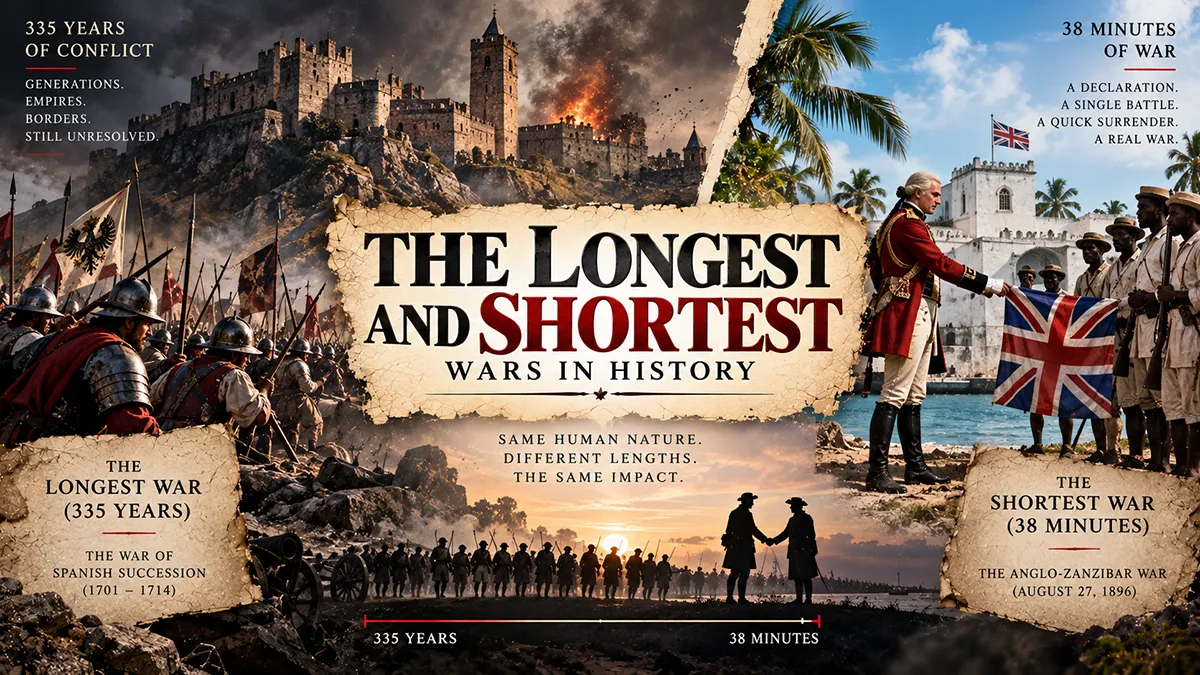
War is usually measured in years, not minutes, but history has produced both extremes. Some conflicts smoldered for centuries, quietly reshaping borders and generations, while others were over before lunch.
If you’ve ever wondered what the longest war in history actually was, or which small wars in history barely lasted longer than a coffee break, you’re about to get the full, myth-busted picture.
A lot of viral lists throw around big, dramatic numbers without much sourcing, so we’re going to separate the well-documented conflicts from the exaggerated internet trivia.
We’ll walk through the ten longest wars historians generally agree on, a handful of modern conflicts that might eventually outlast them, and then flip the script to look at the shortest wars ever recorded.
TL;DR: The most commonly cited longest war in history is Spain’s Reconquista (711–1492), a 781-year struggle for control of the Iberian Peninsula, while the shortest is the Anglo-Zanzibar War of 1896, which was over in well under an hour.
What Actually Counts as a “War”?
Before ranking anything, it helps to define the term, because this is where a lot of confusion starts. Many of the “longest wars” on internet lists weren’t one continuous battle but a long-running rivalry punctuated by treaties, truces, and decades of quiet before fighting resumed. Historians often still call these a single “war” because the underlying conflict never truly resolved.
That distinction matters when you’re asking what was the longest war ever, because the answer changes depending on whether you count total elapsed years or only years of active combat. We’ve tried to be transparent about this throughout the list below, noting where a conflict was continuous versus a series of linked wars separated by lulls.
The 10 Longest Wars in History
Here are the conflicts most frequently cited by historians and reference works when discussing the longest war in the history of the world. They’re ranked by total duration from first hostilities to the recognized end.
1. The Reconquista (711–1492) – 781 Years
The Reconquista is the answer most historians point to when asked what is the longest war in history. It describes the centuries-long effort by Christian kingdoms in the Iberian Peninsula to retake territory from Muslim rule, beginning with the Umayyad conquest of Hispania in 711.
It wasn’t one continuous battlefield campaign; there were long stretches of coexistence, alliances, and internal Christian conflicts along the way. Still, the overarching struggle for control of the peninsula didn’t formally end until the fall of Granada in 1492, giving it a staggering 781-year span.
2. The Roman–Persian Wars (54 BC–628 AD) – Over 680 Years
This is a strong rival for the title of world’s longest war, spanning the Roman (later Byzantine) Empire and successive Persian empires, the Parthians and then the Sassanids. Fighting broke out repeatedly over control of Mesopotamia, Armenia, and the eastern Mediterranean frontier.
Like the Reconquista, this wasn’t nonstop combat but a recurring cycle of war, peace treaties, and renewed war across roughly 682 years. It only ended when both empires were exhausted just before the rise of the early Islamic caliphates in the 7th century.
3. The Byzantine–Bulgarian Wars (680–1355) – 675 Years
After the Bulgars established a state south of the Danube in 680, the Byzantine Empire and Bulgarian rulers fought on and off for centuries over territory in the Balkans. The conflict included some of the most famous medieval battles in the region, along with lengthy periods of uneasy peace.
By the time the last flare-ups faded around 1355, the rivalry had lasted roughly 675 years. It’s a textbook example of how neighboring powers can remain locked in intermittent conflict for generations without either side achieving a lasting resolution.
4. The Three Hundred and Thirty Five Years’ War (1651–1986)
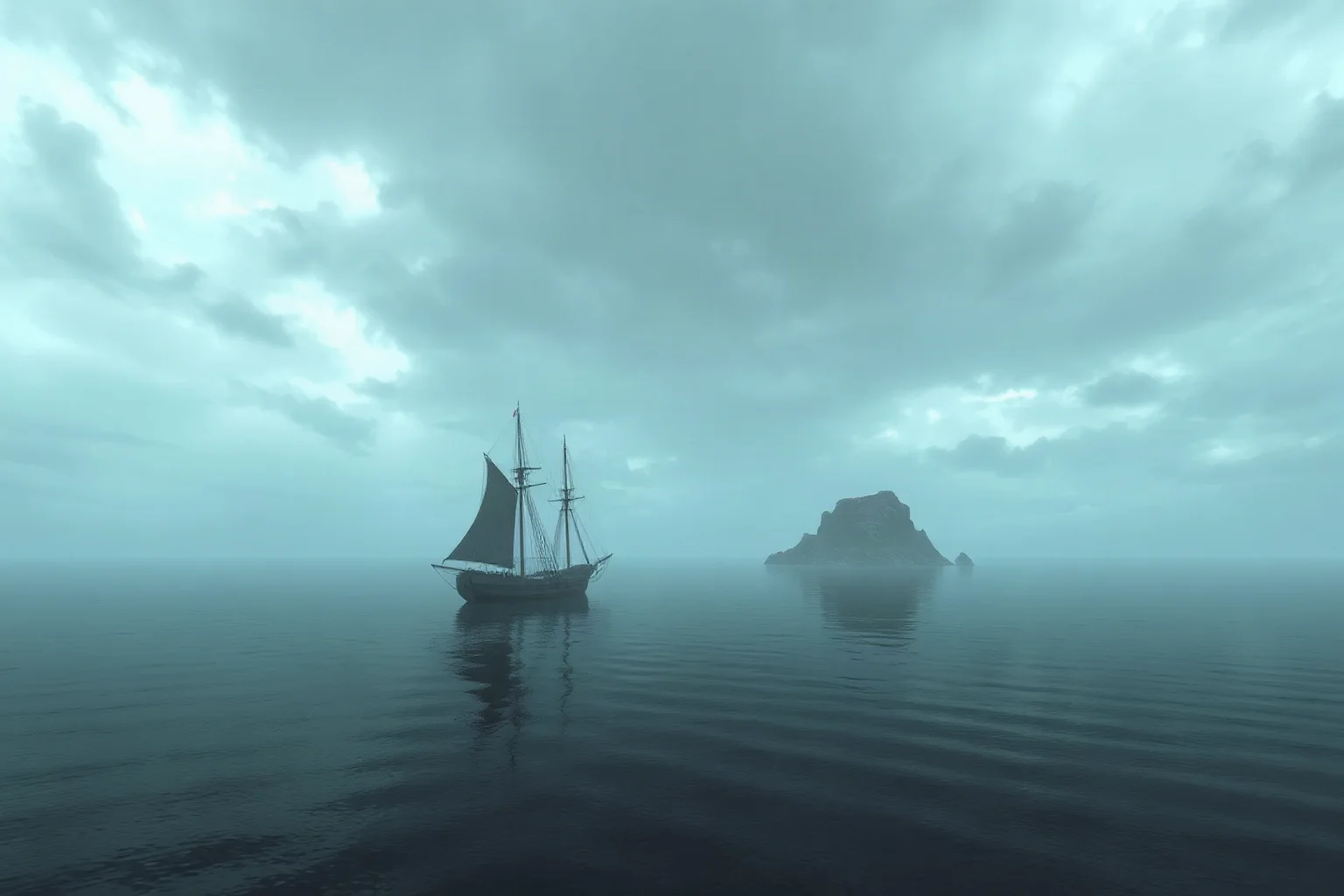
This one is famous precisely because almost nothing happened. It refers to a supposed state of war between the Netherlands and the Isles of Scilly (off the coast of Cornwall, England) that some accounts trace to 1651, during the English Civil War, and which wasn’t formally ended until 1986.
The catch is that historians have never found a genuine declaration of war in the archives, so most treat this as a charming legend rather than a real 335-year conflict. It’s worth including here specifically to bust the myth, since it circulates online as if it were a documented fact.
5. The Arauco War (1536–1818/1883) – Chile’s Long Colonial Struggle
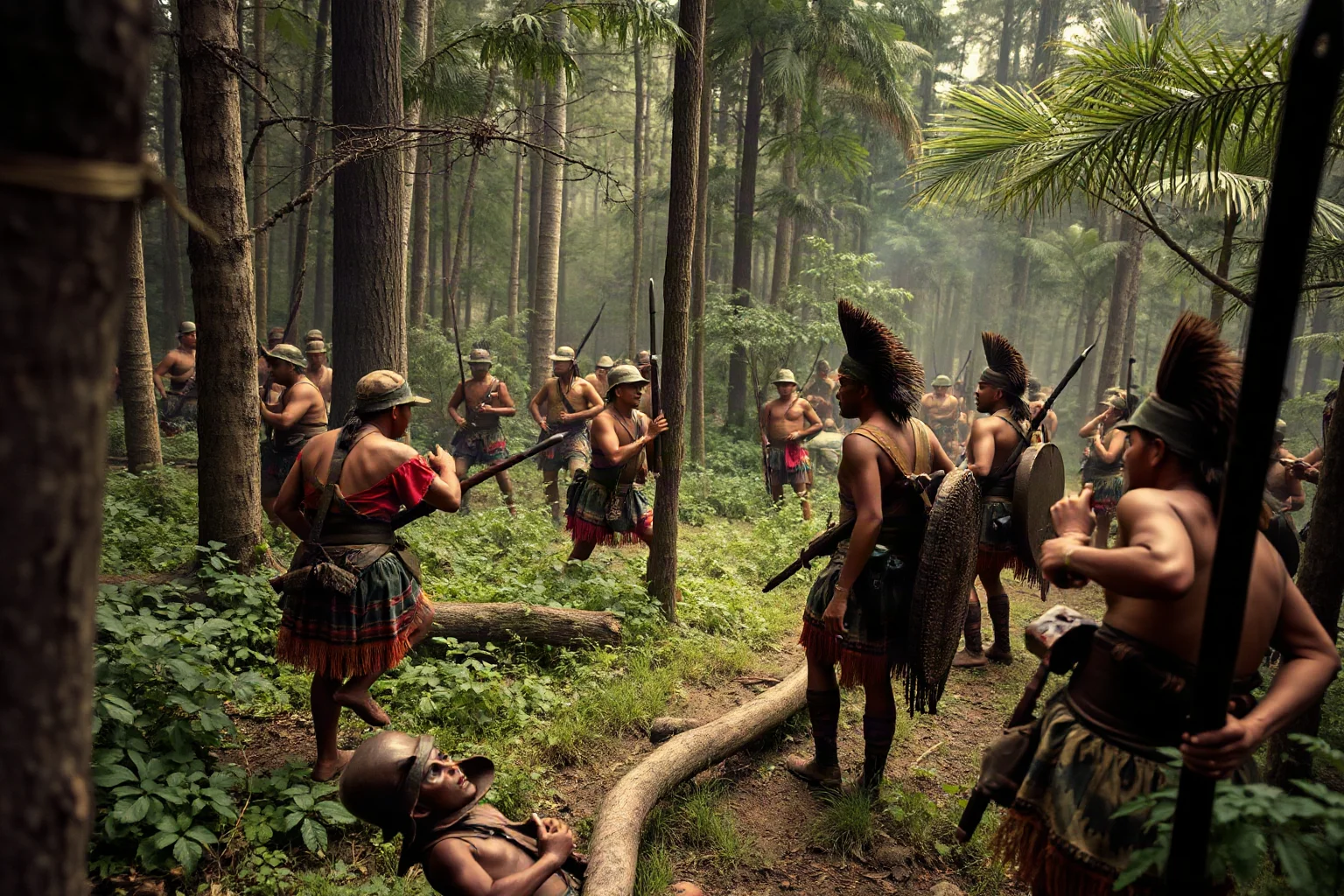
The Arauco War describes the prolonged conflict between Spanish colonizers (and later the Chilean state) and the Mapuche people in what is now southern Chile. Fighting began not long after Spanish arrival in the 1530s and continued in various phases for centuries.
Depending on where you draw the end date, either the early 19th century or the final “pacification” campaigns of the 1880s, the total span runs anywhere from around 280 to over 340 years. It’s frequently cited as the longest war fought in the Americas.
6. The Byzantine–Ottoman Wars (1265–1479) – 214 Years
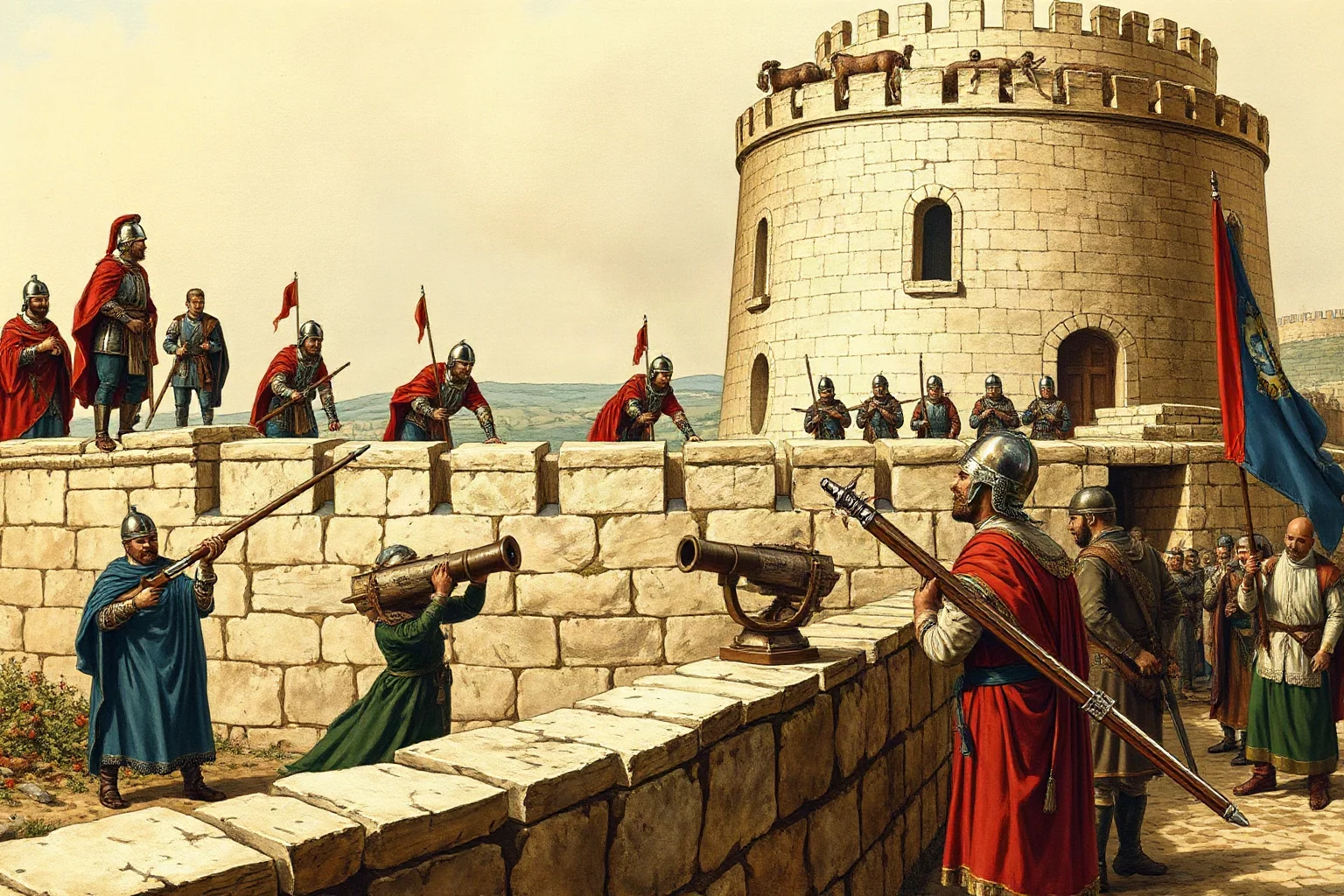
As the Byzantine Empire declined and the Ottoman Turks rose, the two powers clashed repeatedly across Anatolia and the Balkans. This series of wars culminated in the fall of Constantinople in 1453, though related fighting continued for decades afterward.
Across roughly 214 years, the balance of power in the eastern Mediterranean shifted permanently from Byzantine to Ottoman control. It’s a pivotal chapter that also reshaped trade routes and eventually helped spur European exploration.
7. The Second Hundred Years’ War (1689–1815) – Britain vs France, 126 Years
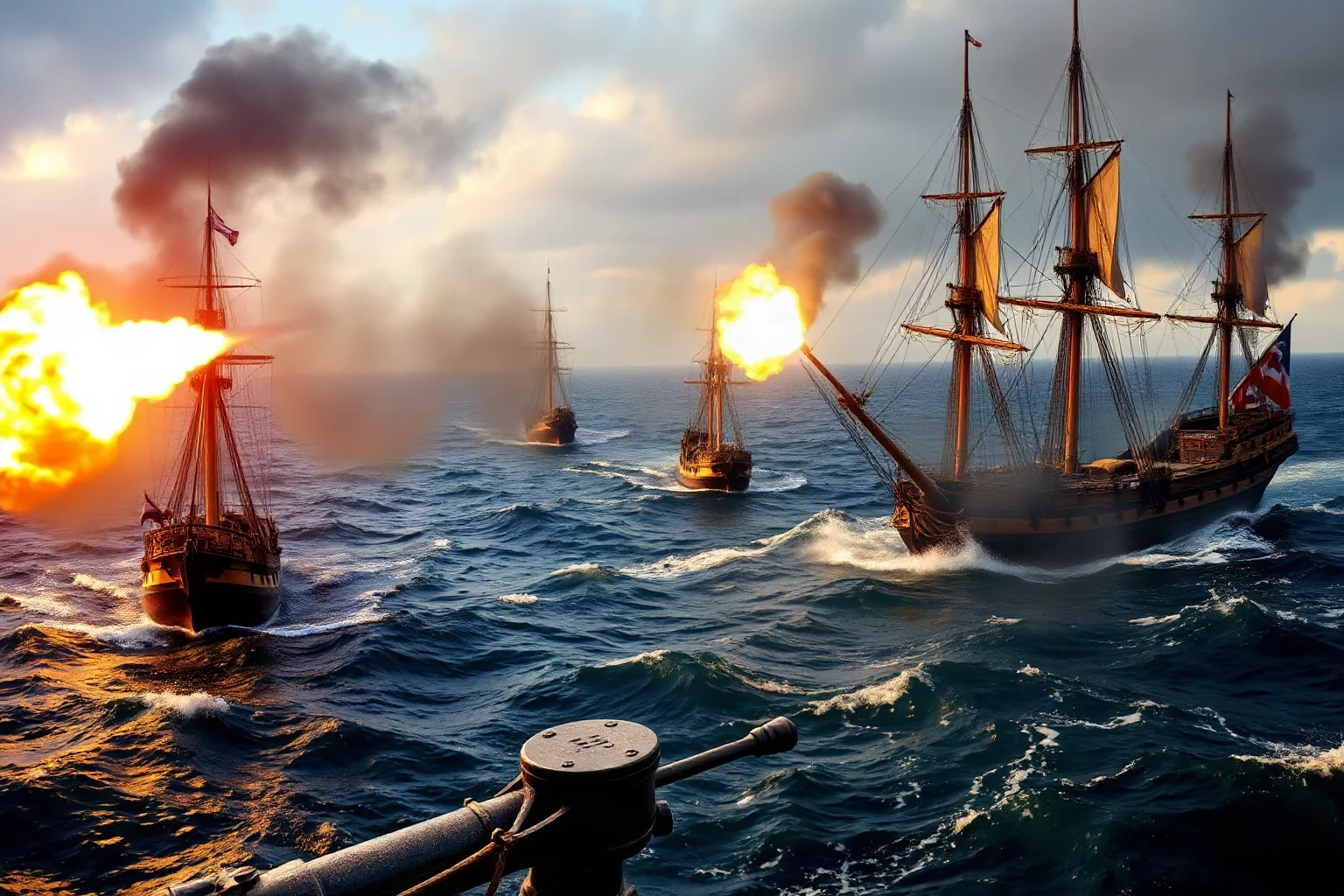
Historians sometimes use this label for the long run of Anglo-French conflicts from the Nine Years’ War through the Napoleonic Wars. It wasn’t a single declared war, but a recurring rivalry fought across Europe, North America, and colonial territories worldwide.
Over 126 years, Britain and France fought each other in at least seven distinct major wars. The rivalry only truly settled after Napoleon’s final defeat at Waterloo in 1815.
8. The Hundred Years’ War (1337–1453) – 116 Years
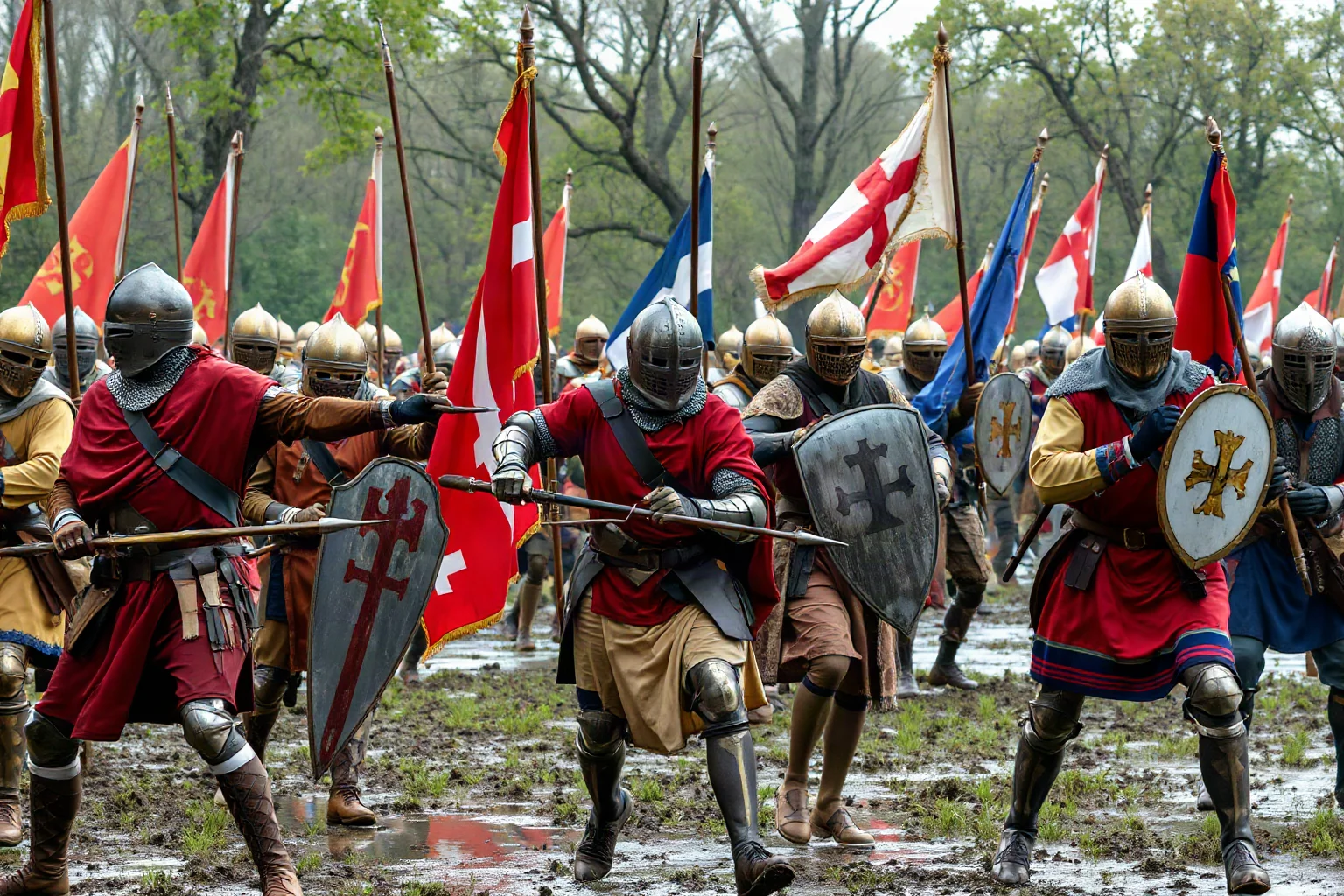
Probably the most famous entry on this list, the Hundred Years’ War was fought between England and France over succession to the French throne. It’s known for Joan of Arc, the longbow-heavy English victories at Crécy and Agincourt, and the eventual French resurgence.
Despite the name, it lasted 116 years rather than exactly 100, and it was really a series of separate campaigns and truces rather than continuous fighting. It remains one of the clearest, best-documented examples people mean when they ask about the longest lasting war in medieval Europe.
9. The Punic Wars (264–146 BC) – Rome vs Carthage, 118 Years Across Three Wars
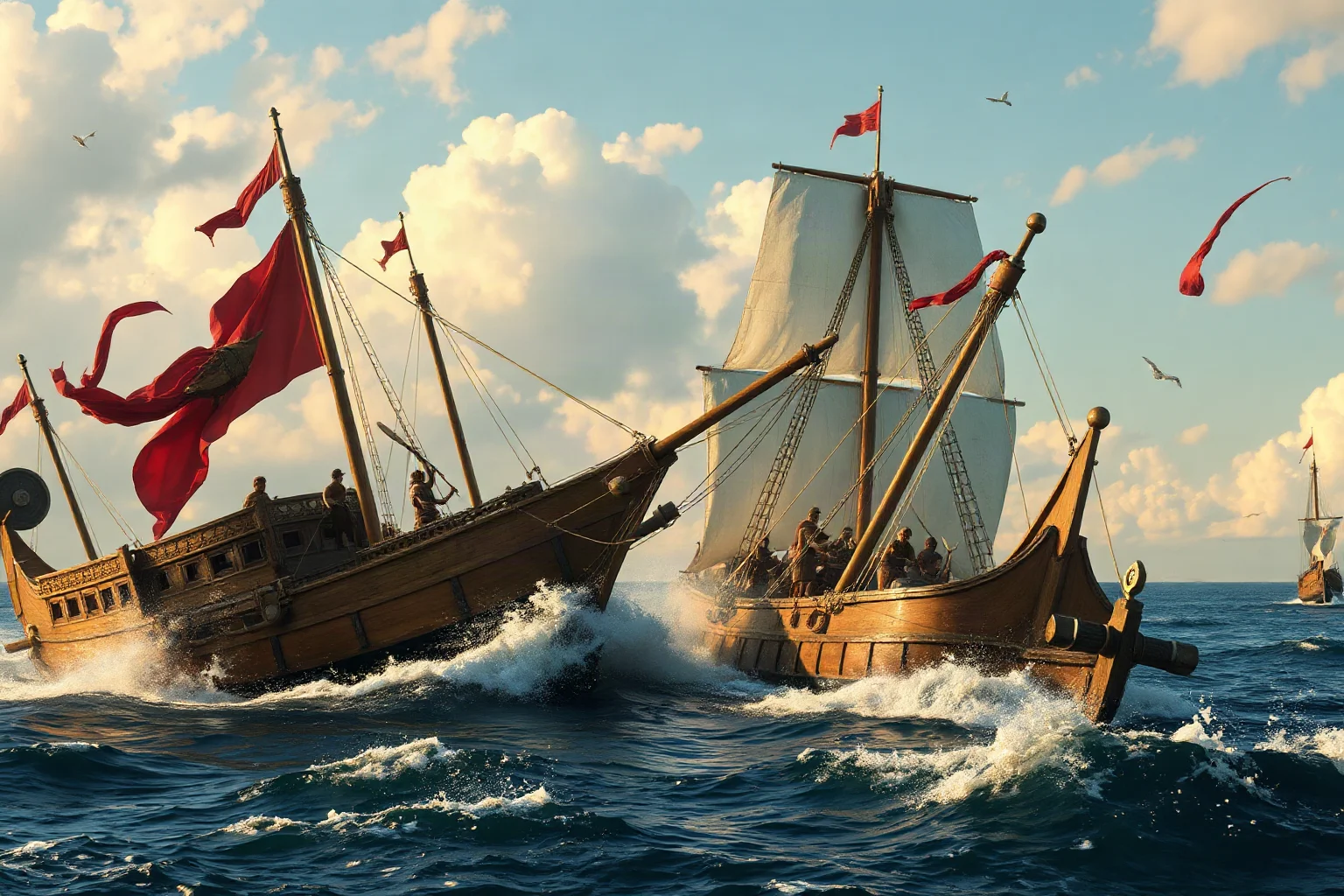
The Punic Wars were three separate but connected conflicts between the Roman Republic and Carthage, fought over control of the Mediterranean. The First Punic War began in 264 BC, and the Third Punic War ended with Carthage’s total destruction in 146 BC.
Across all three wars and the intervening peace periods, the rivalry spanned 118 years. This conflict is also historically significant as the setting for Hannibal’s famous crossing of the Alps.
10. The Thirty Years’ War (1618–1648) – Europe’s Deadliest Religious War
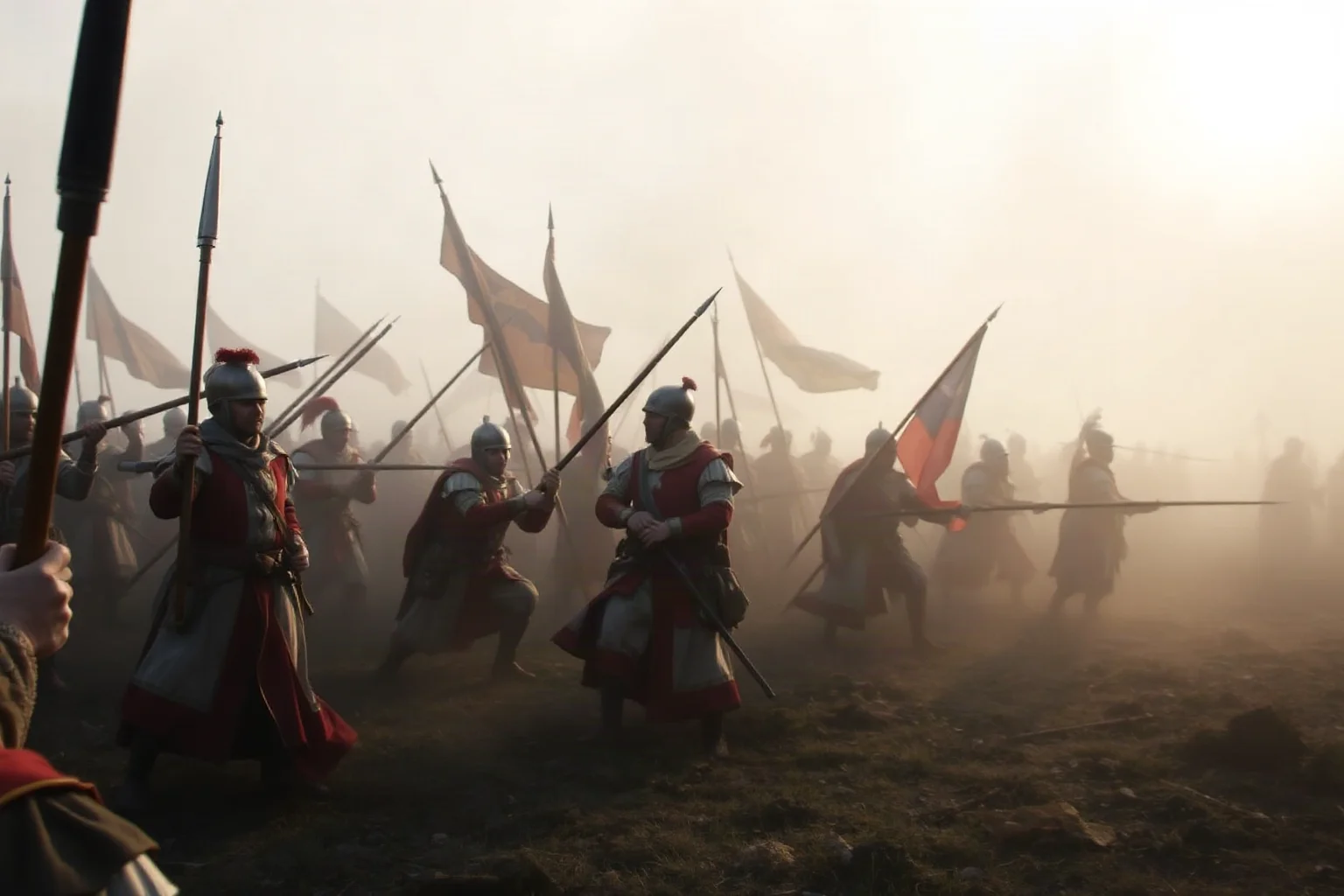
Unlike most entries on this list, the Thirty Years’ War was continuous, brutal, and confined to a single generation. It began as a religious conflict among the Holy Roman Empire’s states and expanded into a broader European power struggle involving Sweden, France, and Spain.
It’s remembered less for its length, just 30 years, and more for its devastation, with some regions of Central Europe losing a significant share of their population. It ended with the Peace of Westphalia in 1648, a treaty that reshaped the European political map.
Modern Long Wars That Could Rewrite the Rankings
Not every long war is ancient or medieval. Several modern conflicts have already run for decades, and a few technically haven’t ended at all, which raises interesting questions about what the world’s longest war might look like a century from now.
11. The Korean War Armistice (1950–Present) – Technically Unfinished
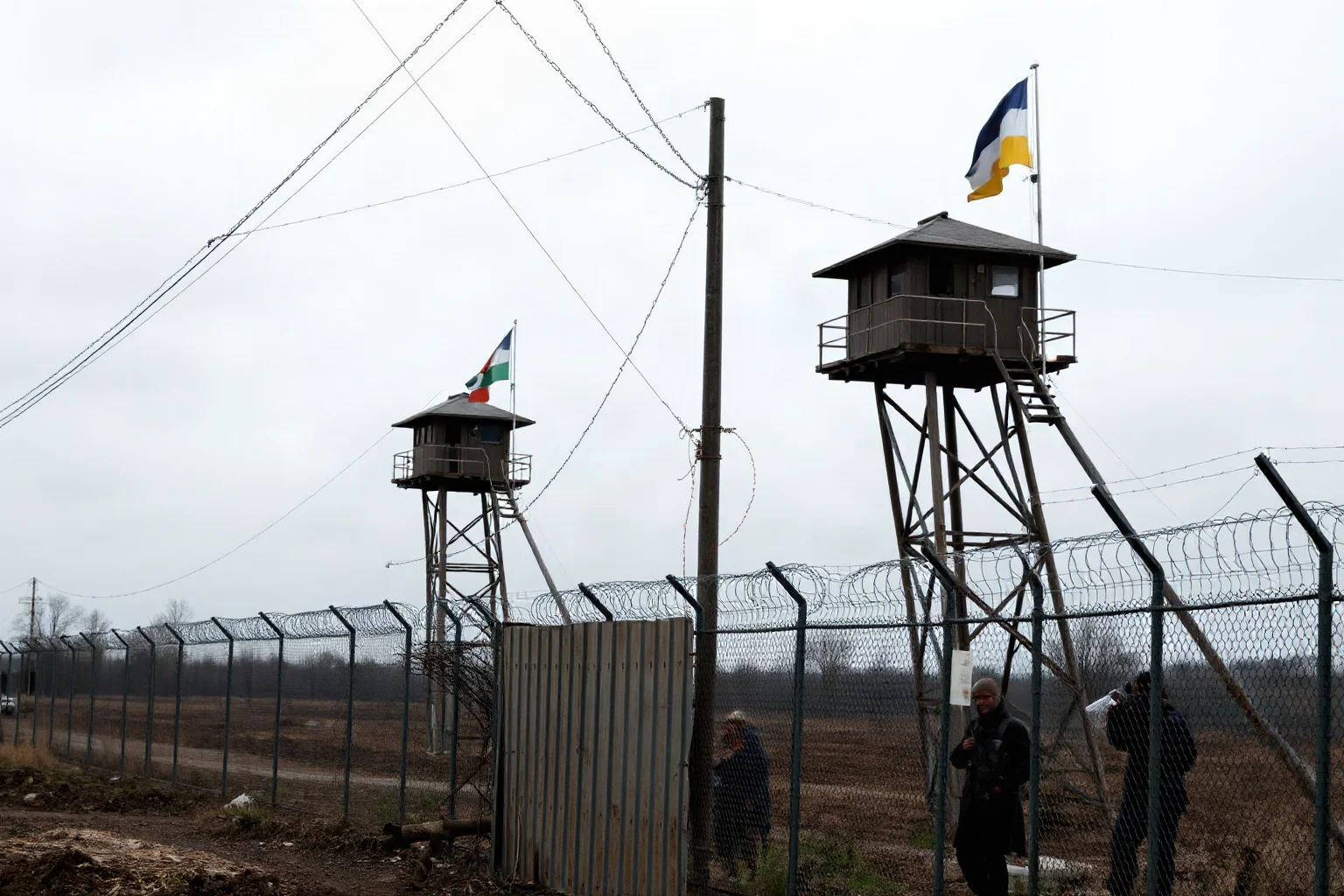
Active fighting in the Korean War ran from 1950 to 1953, but the conflict ended with an armistice, not a peace treaty. Technically, North and South Korea remain in a state of war more than 70 years later.
This makes it one of the most frequently cited examples of the longest ongoing war in the modern world, even though no shots have been fired between the two governments in decades. It’s a useful reminder that a ceasefire isn’t the same thing as peace.
12. Afghanistan’s Decades of Conflict (1978–2021)
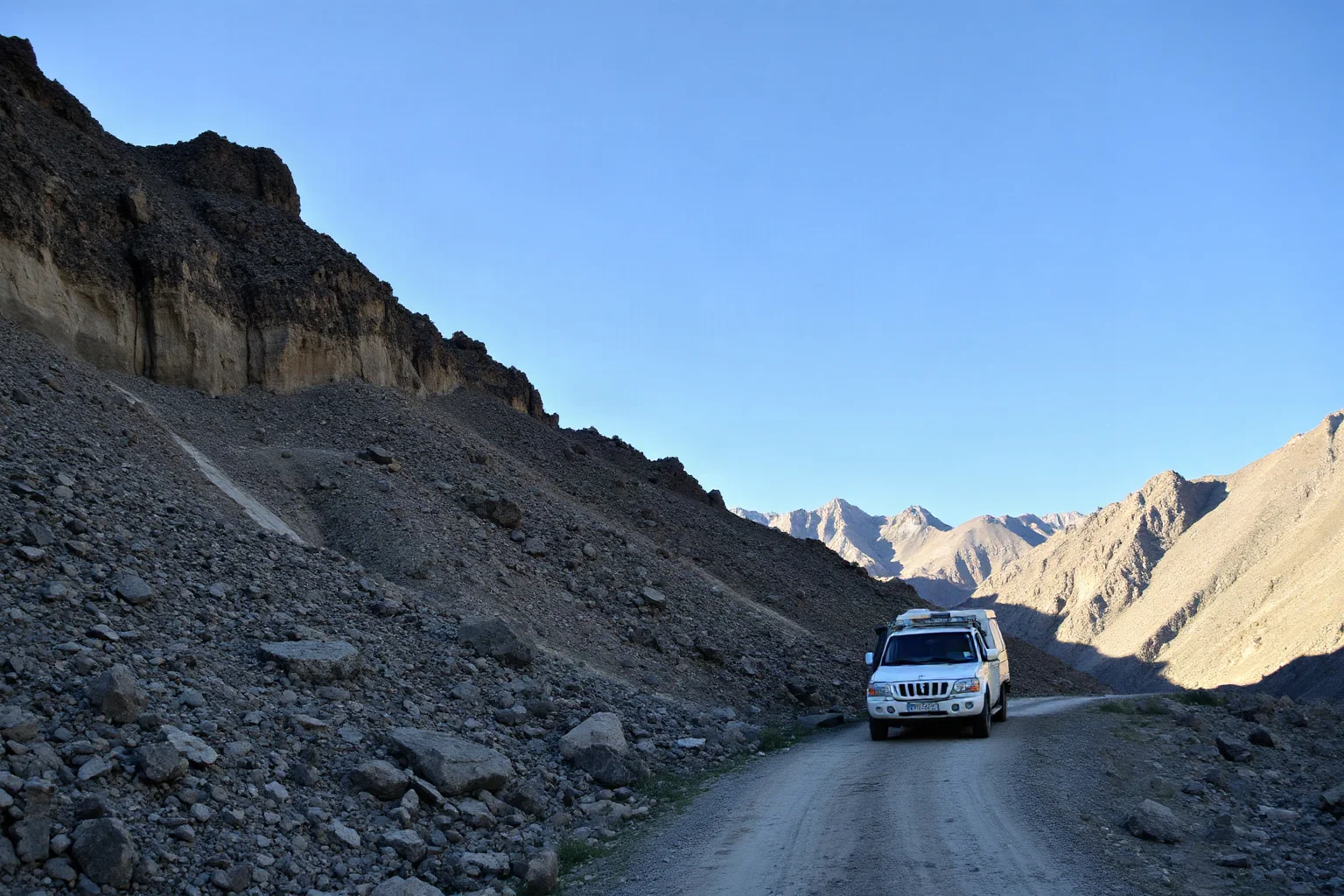
From the Soviet-Afghan War through the Afghan Civil War and the post-2001 U.S.-led war, Afghanistan experienced more than 40 years of near-continuous armed conflict. The U.S. war in Afghanistan alone, from 2001 to 2021, became the longest war in American history.
While these are technically distinct conflicts with different combatants, the overall pattern of near-constant warfare in the region is often discussed together. It’s a sobering modern parallel to the multi-generational wars of the ancient and medieval world.
13. The Colombian Armed Conflict (1964–2016)
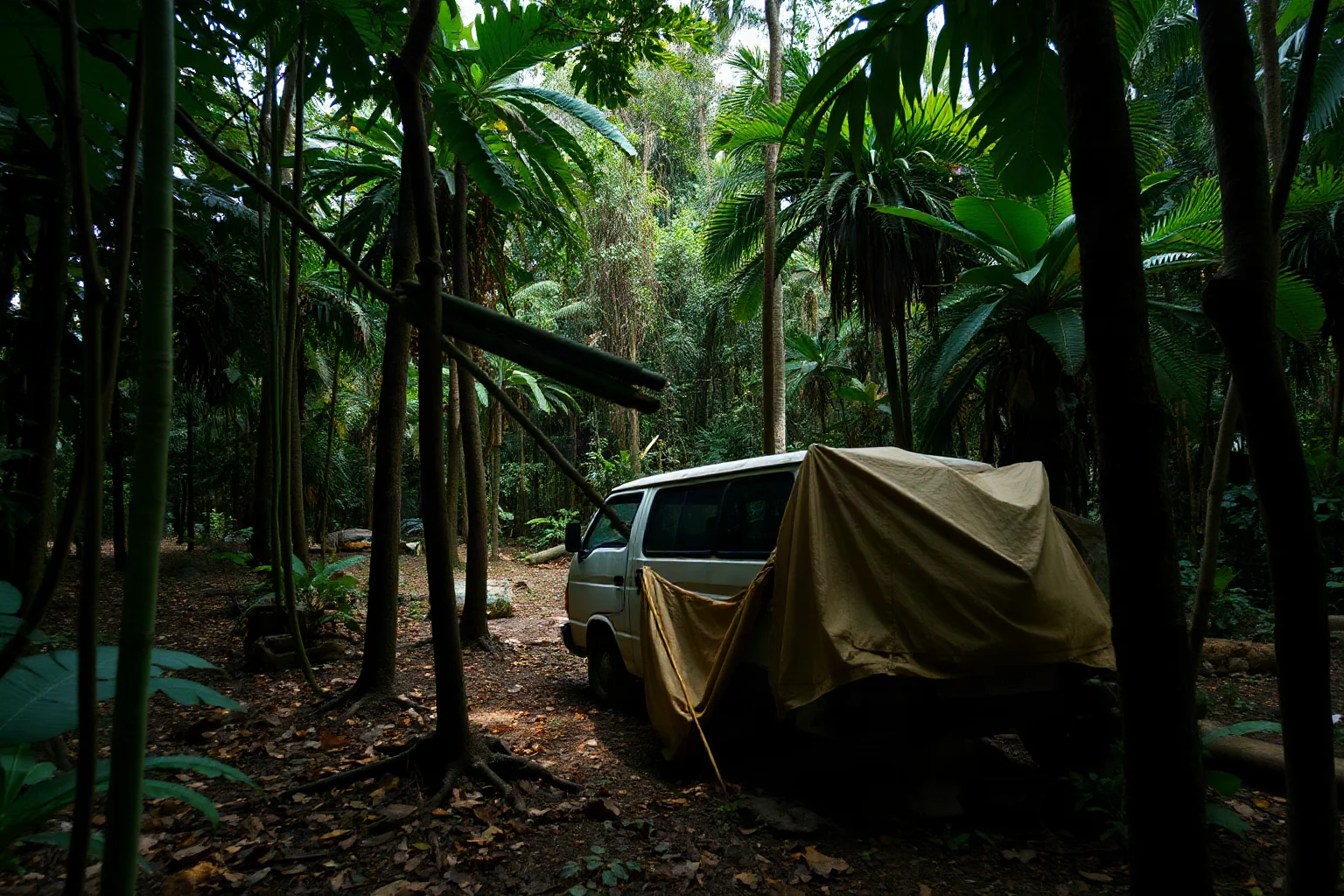
This internal conflict between the Colombian government, paramilitary groups, and guerrilla organizations like FARC lasted over 50 years before a landmark 2016 peace agreement. It’s widely regarded as one of the longest-running civil conflicts in modern history.
Even after the formal peace deal, some splinter groups continued fighting, showing how messy the ending of a long war can be in practice. It illustrates that “the longest war” question doesn’t always have a clean answer, even in recent history.
14. The Israeli-Palestinian Conflict (1948–Present)
Depending on how far back you trace its roots, this conflict has continued in various forms for more than 75 years, with periods of intense violence and periods of uneasy calm. It remains one of the most closely watched and debated ongoing conflicts in the world today.
Because it’s still unfolding, historians are cautious about ranking it definitively against the ancient wars above. It’s included here as a reminder that the list of history’s longest wars isn’t necessarily finished being written.
The Shortest Wars in History
Now for the opposite extreme. These are the small wars in history that ended almost as quickly as they began, some resolved in days, and one famously in less time than it takes to watch a sitcom episode.
15. The Anglo-Zanzibar War (1896) – 38 Minutes
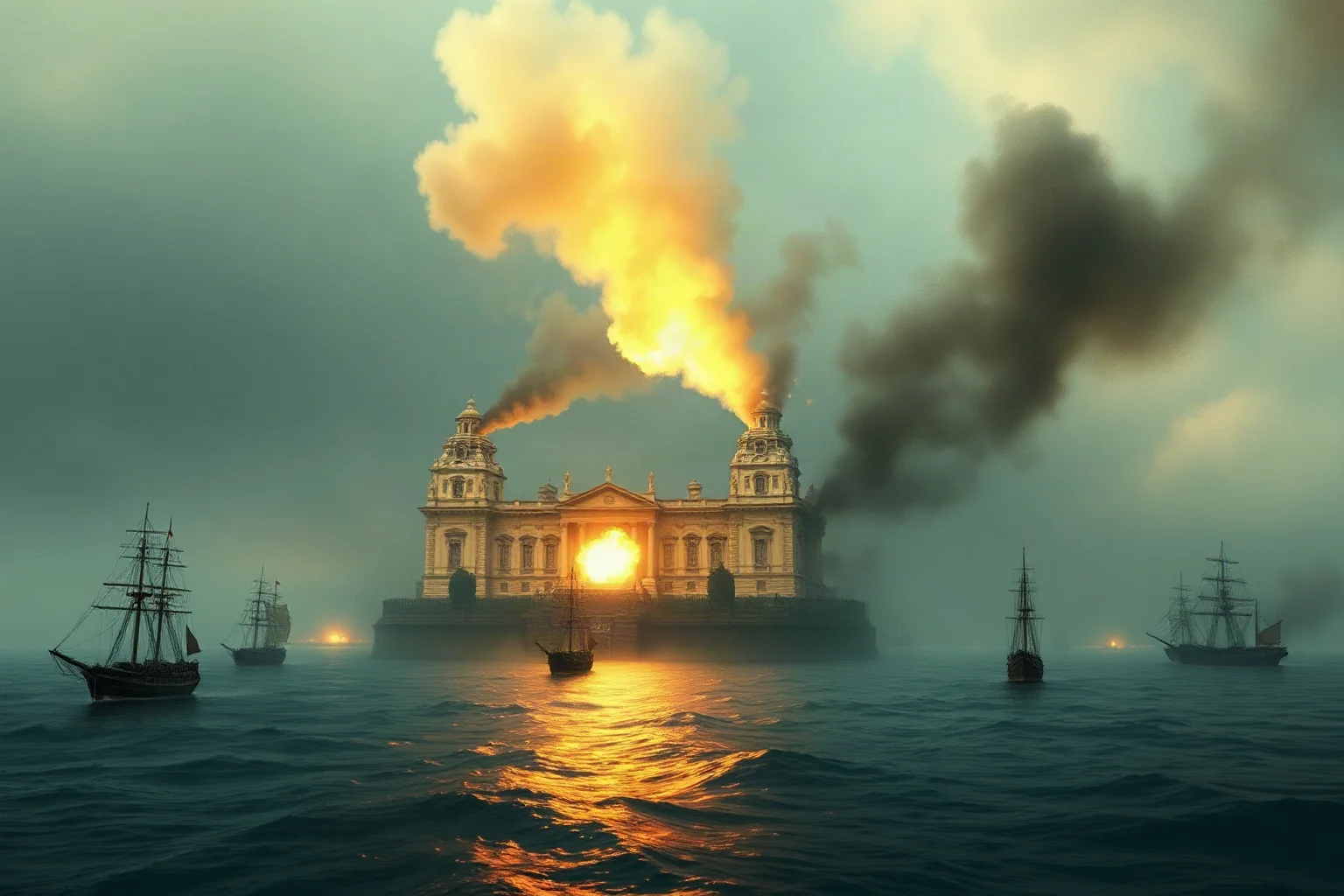
This is the answer to “what’s the shortest war in history,” and it’s not close. On August 27, 1896, British forces bombarded the Sultan of Zanzibar’s palace after he took the throne without British approval, and the fighting was over in roughly 38 to 45 minutes.
It’s frequently cited as the shortest war ever recorded, and it’s well documented in British naval records. The brevity doesn’t diminish its significance for Zanzibar’s colonial history, even if it makes for a strange piece of trivia.
16. The Football War (1969) – About 100 Hours
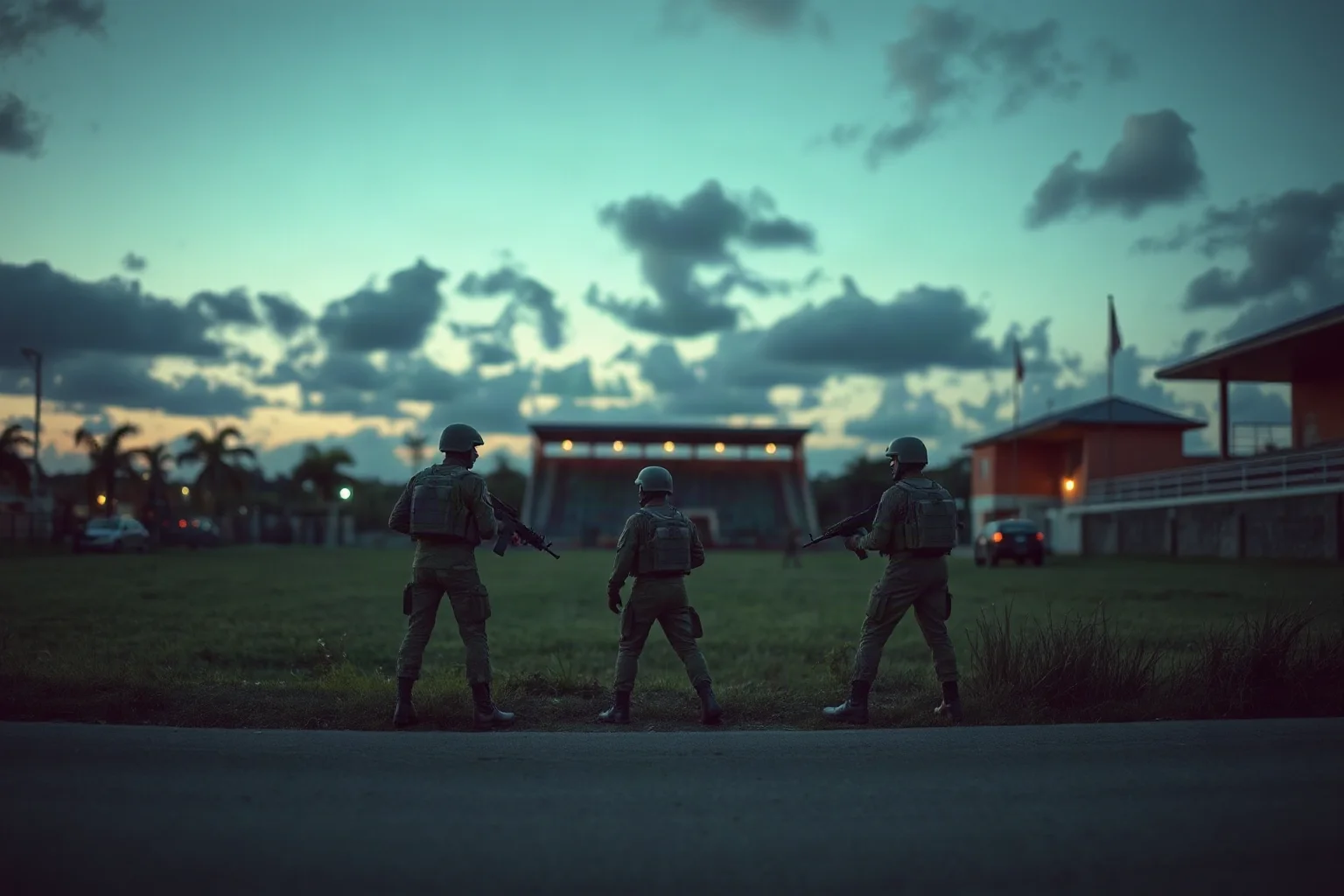
Fought between El Salvador and Honduras, this conflict got its nickname because tensions boiled over around a World Cup qualifying match, though the deeper causes were land disputes and migration issues. The actual fighting lasted about four days, or roughly 100 hours.
It’s a good example of how a short war can still have long-term political consequences, since the conflict disrupted Central American trade agreements for years afterward. The “football” framing is catchy, but historians are clear it was really about land and border tensions.
17. The Russo-Georgian War (2008) – 5 Days
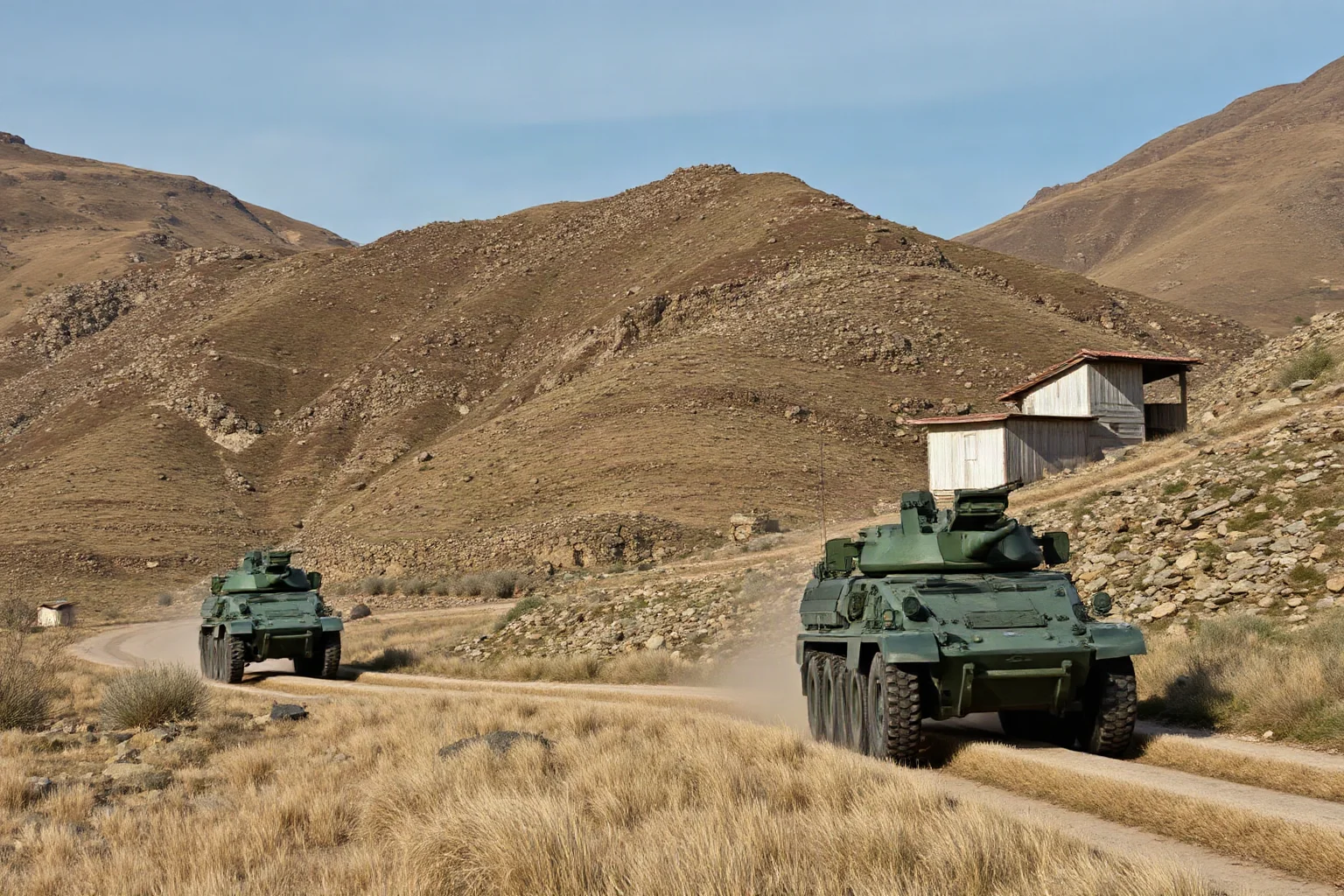
Sometimes called the Five-Day War, this conflict between Russia and Georgia over the breakaway regions of South Ossetia and Abkhazia began in early August 2008 and ended with a ceasefire less than a week later. It’s one of the most recent conflicts short enough to be mentioned alongside history’s classic quick wars.
Despite its brevity, it had lasting geopolitical consequences, reshaping relations between Russia, Georgia, and the West. It’s frequently discussed in debates about which war might rank as the 2nd shortest war in history, though rankings vary depending on the source and how “war” is defined.
18. The Six-Day War (1967) – 6 Days
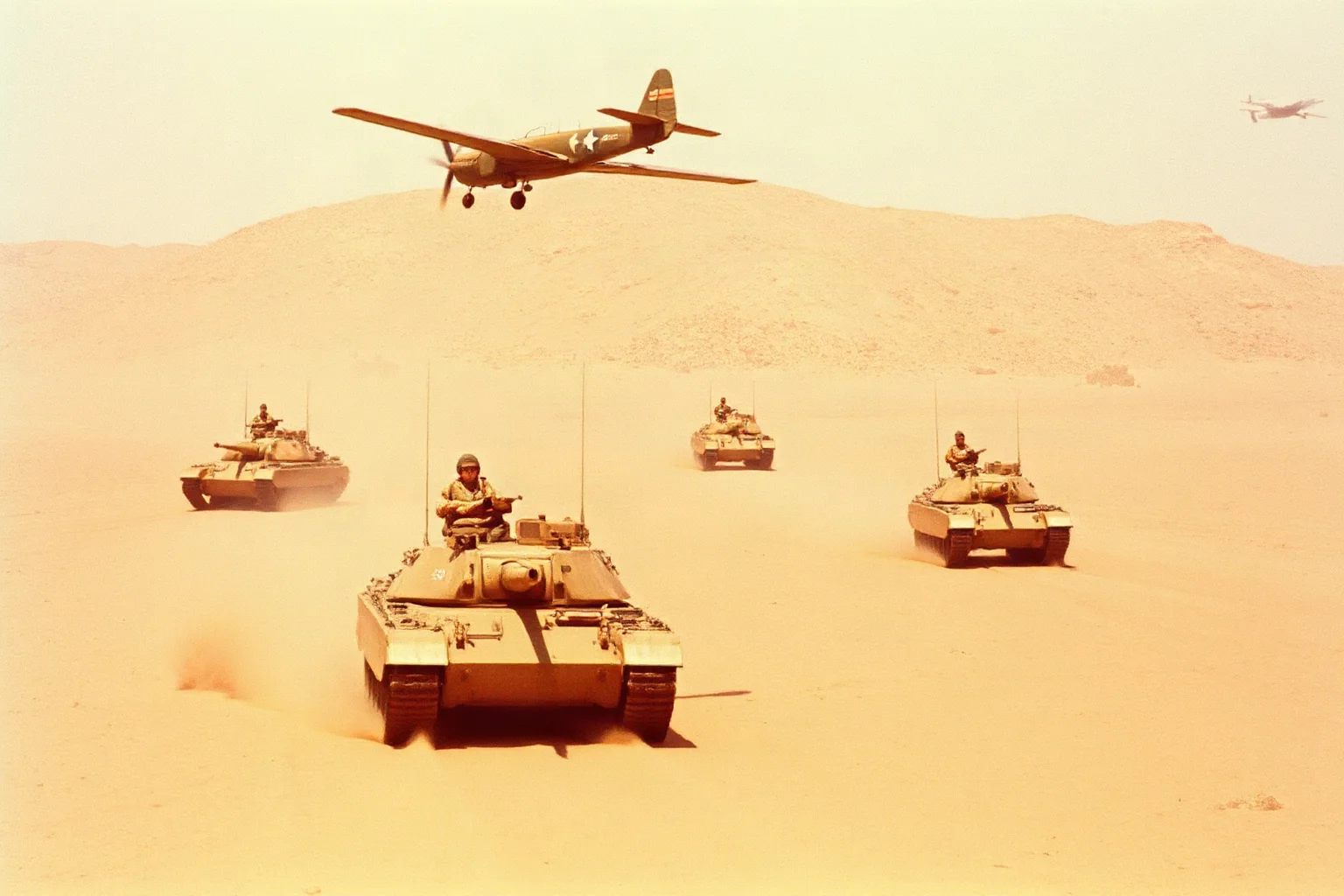
One of the most consequential short wars of the 20th century, the Six-Day War was fought between Israel and a coalition of Egypt, Jordan, and Syria in June 1967. Despite lasting less than a week, it dramatically redrew borders in the Middle East and still shapes regional politics today.
It’s a strong example of how war length and war impact don’t always correlate. Six days of fighting produced consequences that are still being negotiated more than half a century later.
19. The Indo-Pakistani War of 1971 – 13 Days
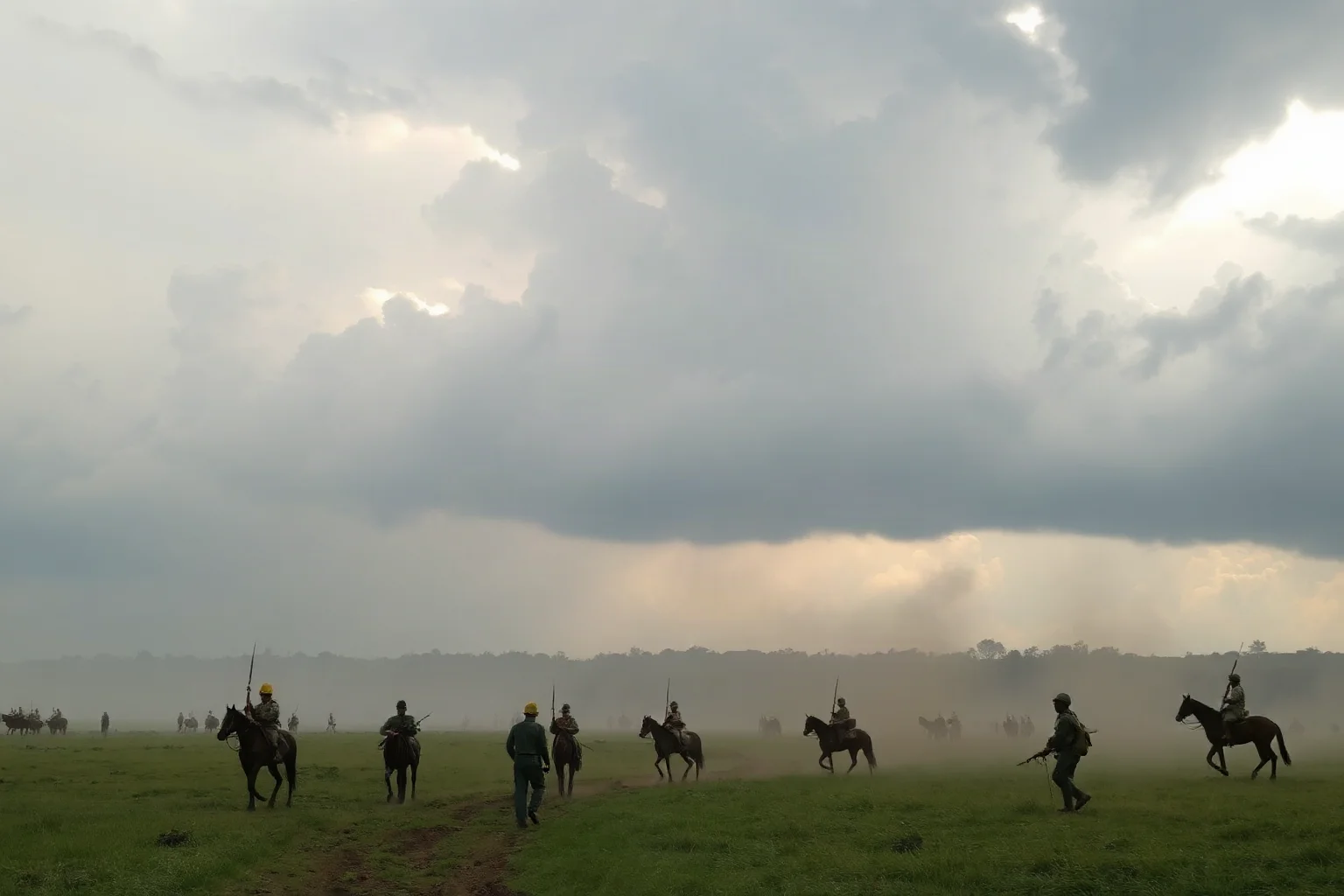
This war led directly to the creation of Bangladesh as an independent nation, separating from Pakistan after a brutal conflict and refugee crisis. The formal war between India and Pakistan lasted about 13 days before Pakistan’s surrender in the eastern theater.
While short in military terms, it followed months of internal conflict and violence in East Pakistan, so the full human story stretches well beyond those 13 days. It remains a pivotal moment in South Asian history.
20. The Serbo-Bulgarian War (1885) – 14 Days
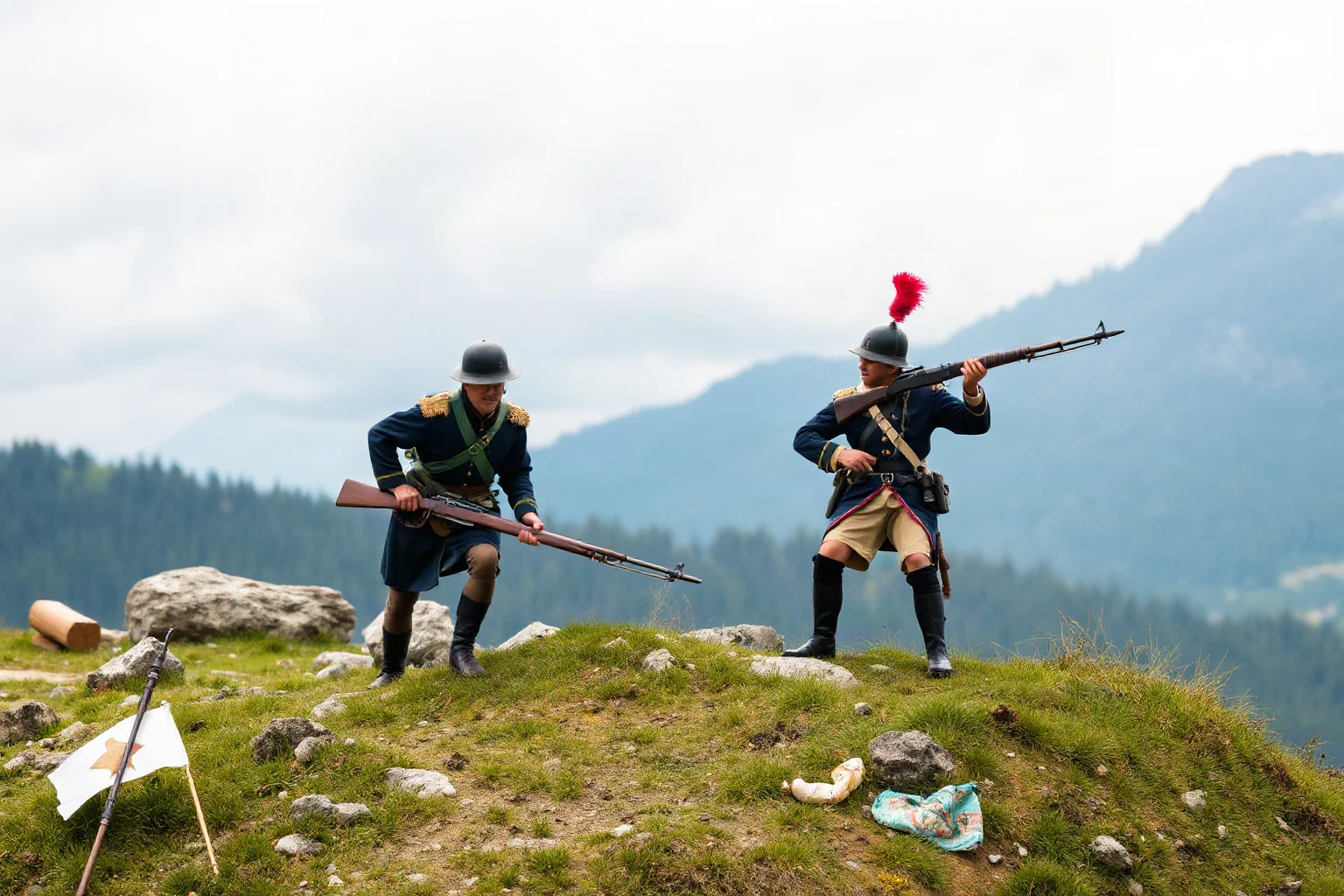
Fought between the Kingdom of Serbia and the Principality of Bulgaria over territorial disputes following Bulgarian unification, this war lasted just two weeks in November 1885. Bulgaria’s decisive victory surprised many European observers at the time.
It’s often listed among the classic short wars of the 19th century, alongside other brief regional conflicts of that era. Like several entries here, its brevity belied its role in shifting the Balkan balance of power.
Longest Wars by Length: A Quick Comparison
If you’re comparing wars by length at a glance, here’s a simplified recap of the ten longest wars covered above, roughly ordered from longest to shortest duration.
| War | Approximate Duration |
|---|---|
| Reconquista | 781 years |
| Roman–Persian Wars | ~682 years |
| Byzantine–Bulgarian Wars | ~675 years |
| “335 Years’ War” (disputed/legendary) | 335 years (unverified) |
| Arauco War | ~280–345 years |
| Byzantine–Ottoman Wars | 214 years |
| Second Hundred Years’ War | 126 years |
| Hundred Years’ War | 116 years |
| Punic Wars (combined) | 118 years |
| Thirty Years’ War | 30 years |
This kind of table is useful, but it also shows why any single answer to “how long was the longest war” needs a little context. Duration alone doesn’t tell you whether a war was fought continuously or in scattered bursts across centuries.
The Viral “2,248-Year War” Claim: Fact or Myth?
You may have come across the claim that the longest war in history lasted exactly 2,248 years. It’s a striking, specific number, and specific numbers tend to spread quickly online, but it’s worth applying some healthy skepticism here.
No mainstream historical source or academic reference reliably documents a single, continuous war lasting 2,248 years between two identifiable parties. Numbers like this often come from conflating separate, unrelated conflicts between long-standing rival regions or civilizations into one combined figure, or from unsourced trivia sites repeating each other. Until a credible source can point to what conflict this refers to and how the dates were calculated, it’s best treated as internet folklore rather than settled history.
Why Some Wars Drag On for Centuries
Looking at the list above, a pattern emerges: the longest wars tend to be less about constant fighting and more about unresolved rivalries between neighboring powers. Geography, religion, and competing claims to the same territory kept reigniting conflicts across generations, long after the original combatants had died.
Short wars, by contrast, often happen when one side has an overwhelming military advantage, similar to the gap you’d see among today’s largest militaries in the world, or when a specific, narrow dispute gets resolved quickly through decisive battle or negotiation. Length isn’t a reliable measure of importance either way. Some of history’s shortest wars, like the Six-Day War, reshaped entire regions, while some of the longest, like the legendary 335-year “war,” may not have involved real combat at all.
Final Thoughts
So, what is the longest war in history? The most defensible, well-documented answer is Spain’s Reconquista, spanning 781 years from 711 to 1492, with the Roman-Persian Wars and Byzantine-Bulgarian Wars close behind. On the opposite end, the Anglo-Zanzibar War of 1896 holds the record for the shortest war ever fought, wrapped up in well under an hour.
What’s most interesting isn’t really the record-holding numbers themselves, but what they reveal about how conflicts actually unfold. Long wars are usually long because the underlying disputes never got resolved, not because armies fought nonstop for centuries. Short wars remind us that a conflict’s duration says very little about its consequences, since some of the quickest wars on this list changed maps and borders that are still being negotiated today.
Frequently Asked Questions
What is the longest war in history?
The conflict most commonly cited as the longest war in history is Spain's Reconquista, which lasted 781 years, from the Umayyad conquest in 711 to the fall of Granada in 1492. It wasn't continuous fighting the whole time, but rather a centuries-long, recurring struggle for control of the Iberian Peninsula.
What was the longest war ever fought, and is it still going on?
The Reconquista is generally considered the longest war ever fought and formally ended in 1492. Some modern conflicts, like the technically unresolved Korean War armistice, have lasted 70+ years and remain unfinished, which is why some people debate whether an even longer 'war' is quietly ongoing today.
How long did the longest war last?
The Reconquista lasted 781 years in total, from 711 to 1492. The Roman-Persian Wars are a close second at roughly 682 years, and the Byzantine-Bulgarian Wars ran for about 675 years.
What is the 2nd shortest war in history?
There's genuine debate here, since rankings depend on how sources define a war's start and end. The Anglo-Zanzibar War (1896, about 38-45 minutes) is the undisputed shortest, while contenders for second-shortest often include the Football War (1969, roughly 100 hours) or the Russo-Georgian War (2008, five days), depending on the source.
What is the shortest war in history?
The Anglo-Zanzibar War of August 27, 1896, is widely recognized as the shortest war in history, lasting only about 38 to 45 minutes between British forces and the Sultanate of Zanzibar.
Is the ‘335 Years’ War’ between the Netherlands and the Isles of Scilly real?
It's a popular legend rather than a confirmed historical fact. There's no verified declaration of war in the archives, so most historians treat the '1651-1986' story as folklore, not a genuine 335-year conflict.
Is there really a war that lasted 2,248 years?
No credible historical source documents a single continuous war lasting exactly 2,248 years. This figure appears to be an unverified internet claim, possibly stemming from combining several unrelated long-running rivalries into one number, and it shouldn't be treated as settled history.
What is considered the world’s longest ongoing war today?
The Korean War is often cited as the world's longest ongoing conflict because it ended with an armistice in 1953 rather than a formal peace treaty, meaning North and South Korea remain technically at war more than 70 years later.
What was the longest war involving the United States?
The U.S. war in Afghanistan, from 2001 to 2021, is widely described as the longest war in American history, lasting nearly 20 years.
How do historians measure the length of a war?
Historians typically measure a war from the first major hostilities to a formal peace treaty, surrender, or ceasefire. This gets complicated for wars fought in multiple phases with truces in between, which is why total duration figures for ancient and medieval wars can vary between sources.

Alex Warren
Related Articles