The ocean has a way of swallowing even the most heavily armed warships. Unlike a missing rowboat or fishing vessel, a Navy ship carries logbooks, radio gear, and a command structure that expects it to arrive on schedule. When such a vessel goes silent, the absence of evidence becomes a story all its own.
Some lost ships leave scattered debris or at least survivors with partial accounts. The vessels on this list left neither. These are cases in which no confirmed wreck, no survivor testimony, and no definitive enemy claim ever closed the file.
TL;DR: These 20 warships vanished on operational voyages with no confirmed wreck or survivors, and the strongest evidence points to storms, accidents, or wartime action rather than paranormal causes.
What Counts as a Truly Missing Warship?
For this list, a warship counts if it disappeared on an operational voyage and no confirmed wreck has been identified. Some missing boats sent a final distress call, but that call did not reveal a position precise enough to locate the hull. Others simply fell silent after a routine position report.
Navy records often list these cases as lost at sea, cause unknown. That phrase sounds tidy but hides an enormous gap in evidence. It also helps explain why supernatural theories cluster so quickly around incidents that usually have more earthly explanations.
20 Warships That Disappeared Without a Trace
1. USS Cyclops (AC-4) — Lost March 1918
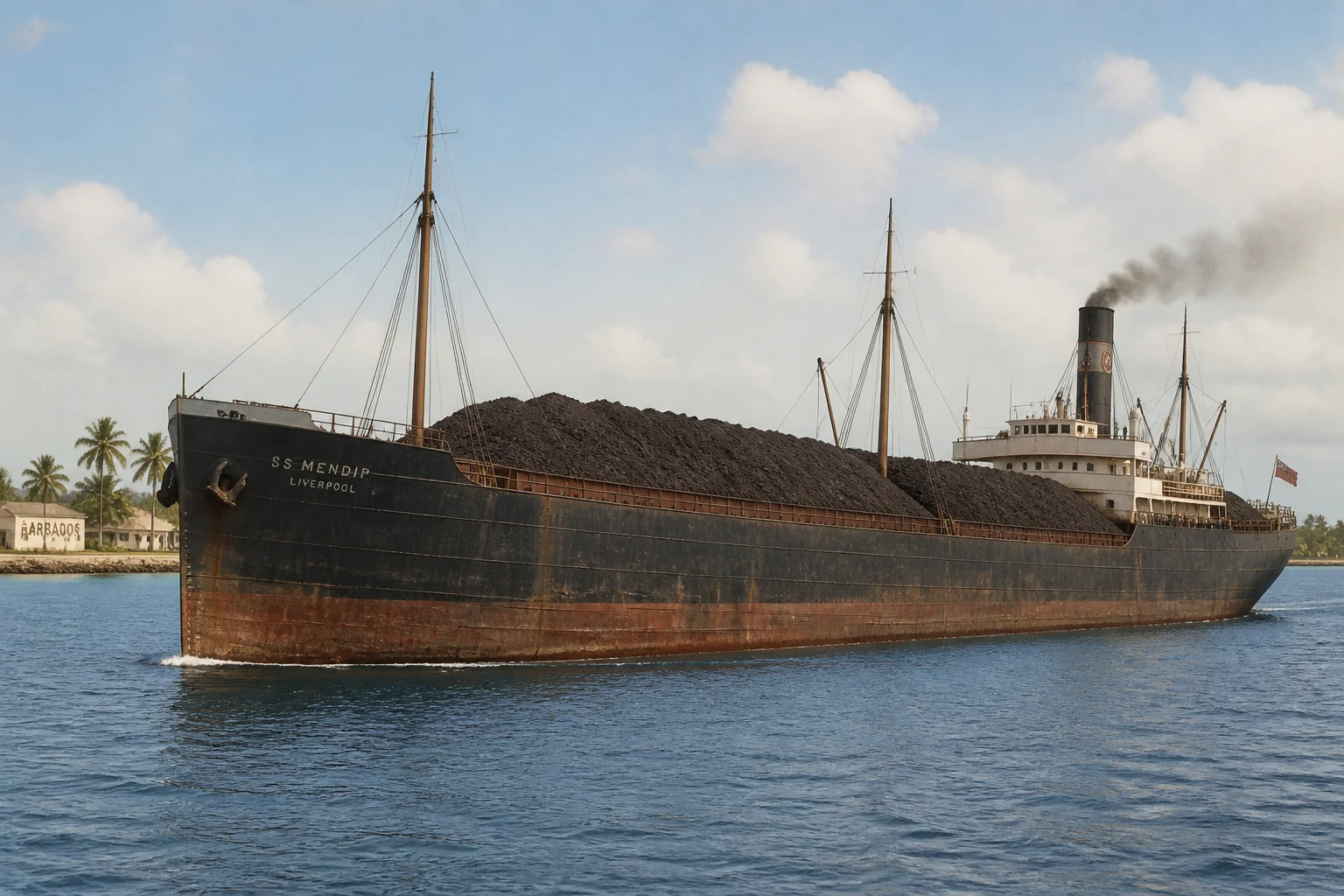
USS Cyclops is the most famous of the missing ships on this list. The Proteus-class collier left Barbados on March 4, 1918, bound for Baltimore with 306 officers, crew, and passengers. She also carried a load of manganese ore that would have made her ride low in the water.
No confirmed wreckage or survivor account has ever been located. Navy investigators found no solid evidence of a U-boat attack, storm damage, or mutiny. Because her route crossed the Bermuda Triangle, Cyclops became a fixture of paranormal lore, but historians generally point to overloaded cargo and structural weakness as more plausible factors.
2. USS Proteus (AC-9) — Lost November 1941
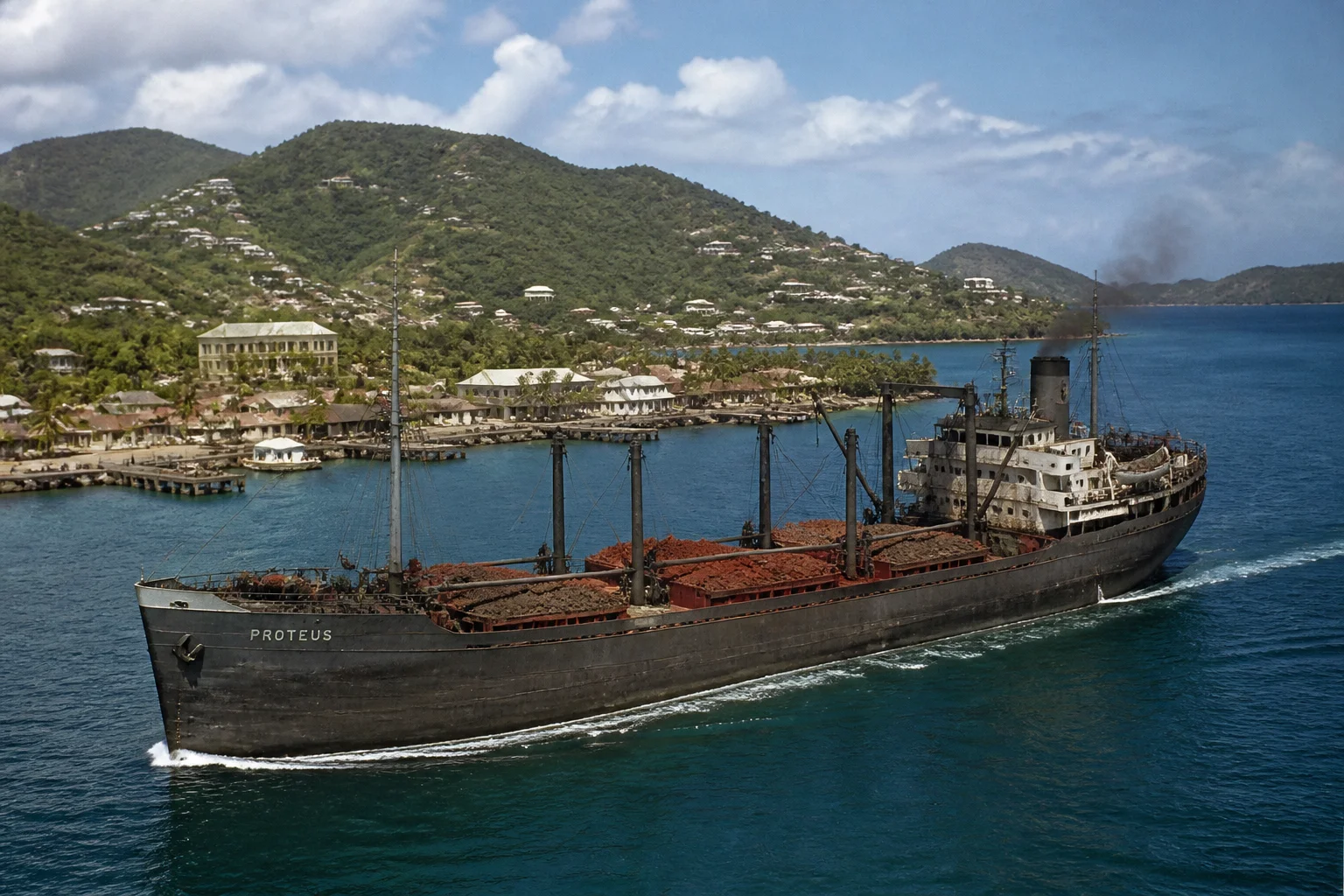
USS Proteus was a sister ship of Cyclops, and her disappearance followed an eerily similar pattern. On November 23, 1941, she sailed from St. Thomas in the Virgin Islands bound for Norfolk with 58 men aboard. She never arrived.
Like her sister, Proteus carried a heavy cargo of bauxite ore. No distress call was received, no confirmed wreckage was found, and no U-boat commander later claimed credit. The case is often folded into Bermuda Triangle folklore, though fuel vapor explosions and structural failure in heavy seas remain more grounded explanations.
3. USS Nereus (AC-10) — Lost December 1941
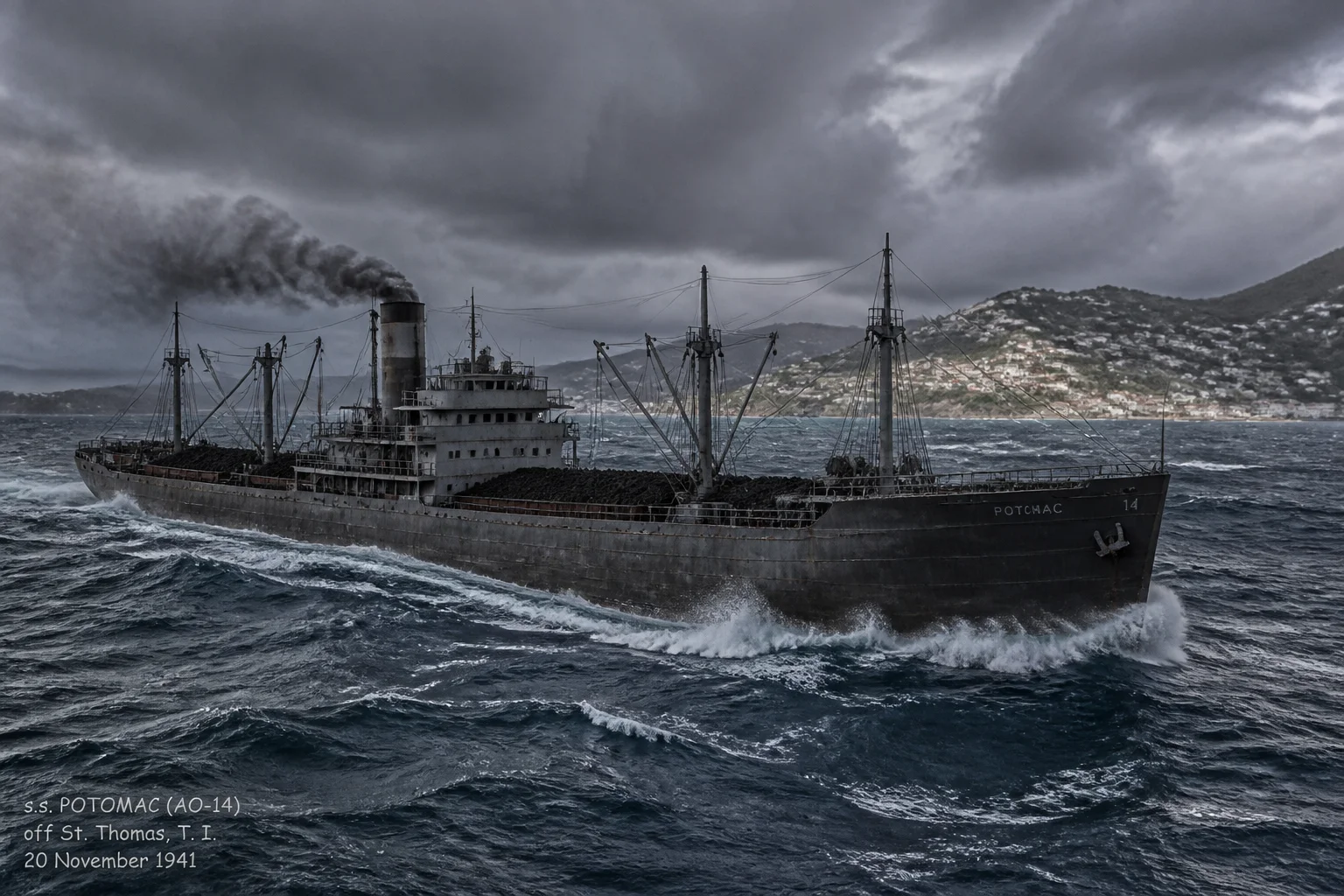
Less than three weeks after Proteus vanished, USS Nereus disappeared along a closely similar route. The collier departed St. Thomas on December 10, 1941, only days after the attack on Pearl Harbor, with 61 men aboard. She, too, was never seen again.
The timing made many people suspect a German submarine, but no confirmed attack was ever documented. Both Proteus and Nereus had similar construction histories and faced the same structural stresses. Their twin losses remain one of the most baffling clusters among ships that disappeared early in World War II.
4. USS Insurgent — Lost September 1800
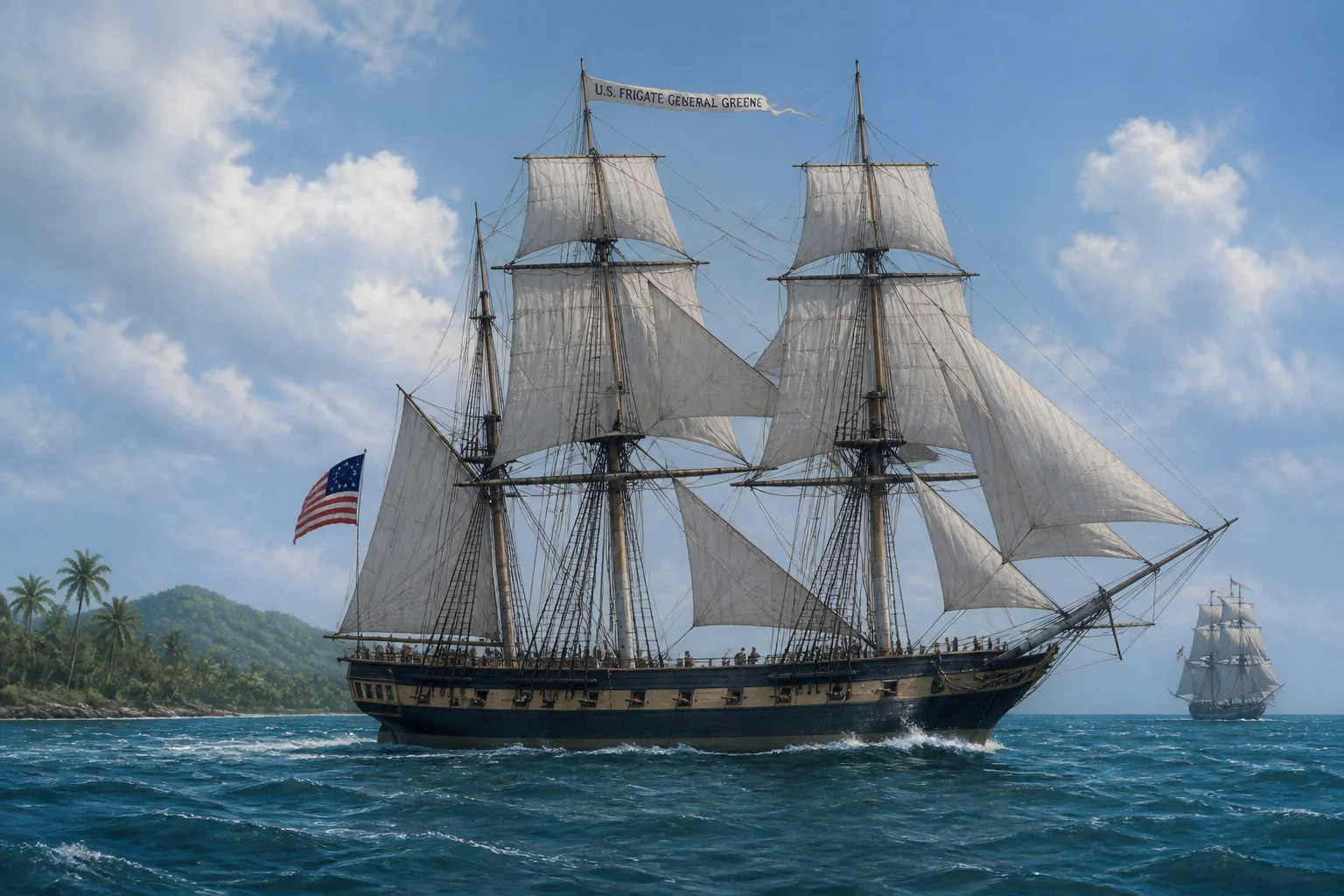
USS Insurgent began as the French frigate L’Insurgente before her capture by USS Constellation in 1799. Taken into U.S. service, she sailed into the Caribbean during the Quasi-War. In September 1800, she departed the Virginia coast and vanished with roughly 340 people aboard.
No confirmed wreck, body, or floating debris was ever reported. A severe West Indies storm is the most frequently cited explanation, but the official record simply ends. Her loss is one of the deadliest early disappearances in U.S. naval history.
5. USS Pickering — Lost August 1800
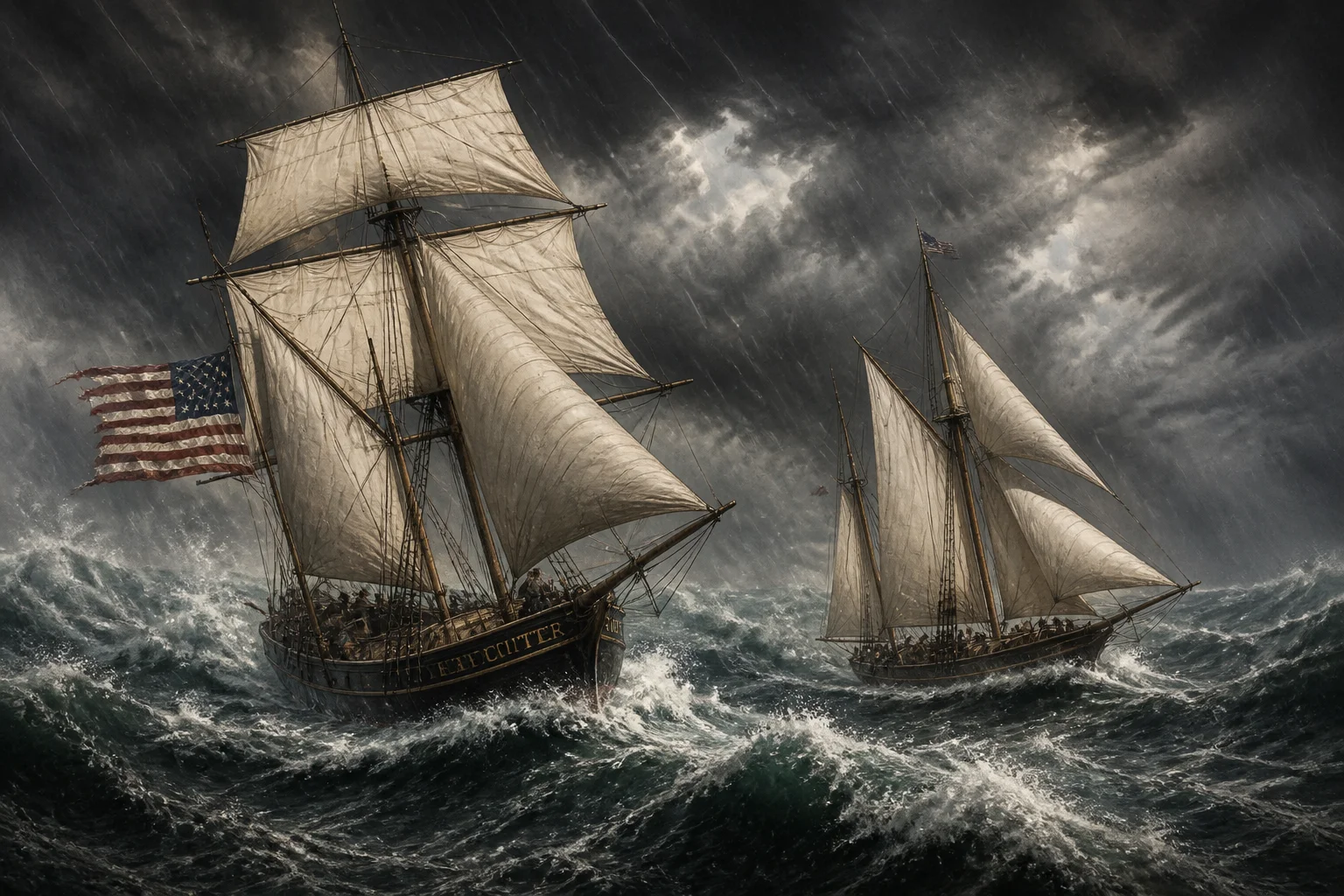
USS Pickering was a topsail schooner that served as a revenue cutter before joining the Navy during the Quasi-War. In August 1800, she sailed from New Castle, Delaware, for Guadeloupe with about 90 men. She never reached her destination.
No definitive traces of the ship were ever found. A September hurricane in the Caribbean is the leading explanation, but no one can say exactly where she went down. Her case shows how many missing boats from the wooden navy simply dropped out of the historical record without a closing note.
6. USS Saratoga (1780) — Lost March 1781
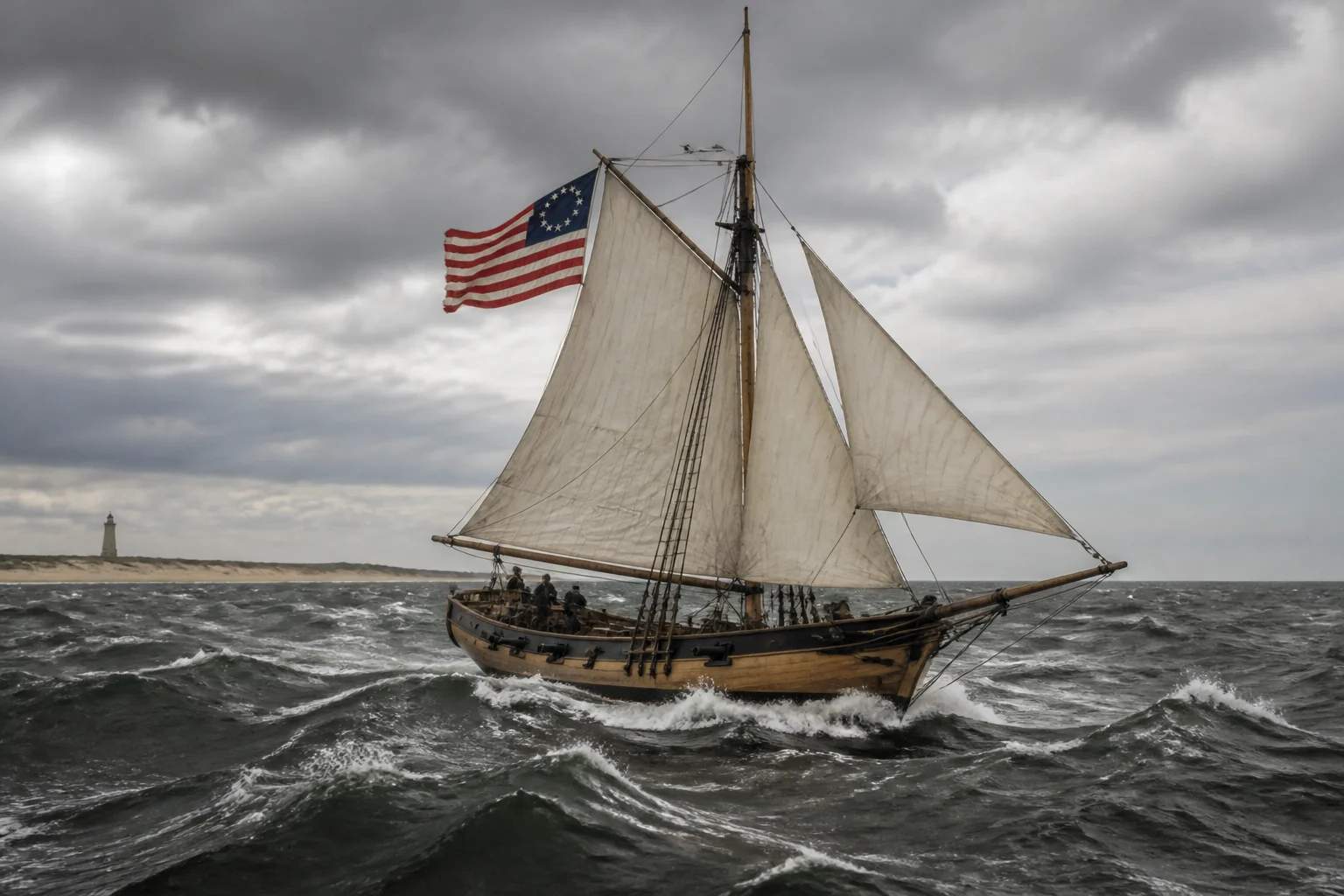
This early sloop of war was not the aircraft carrier made famous in a later century. The Revolutionary War-era USS Saratoga sailed from the Delaware Capes in March 1781 with 86 men. She was never heard from again.
No confirmed survivors or wreckage were ever reported. A fierce gale or an encounter with a stronger British cruiser could have overwhelmed her, but the records are too sparse to know. She remains one of the earliest U.S. warships to vanish without a confirmed trace.
7. USS Wasp (1814) — Lost October 1814
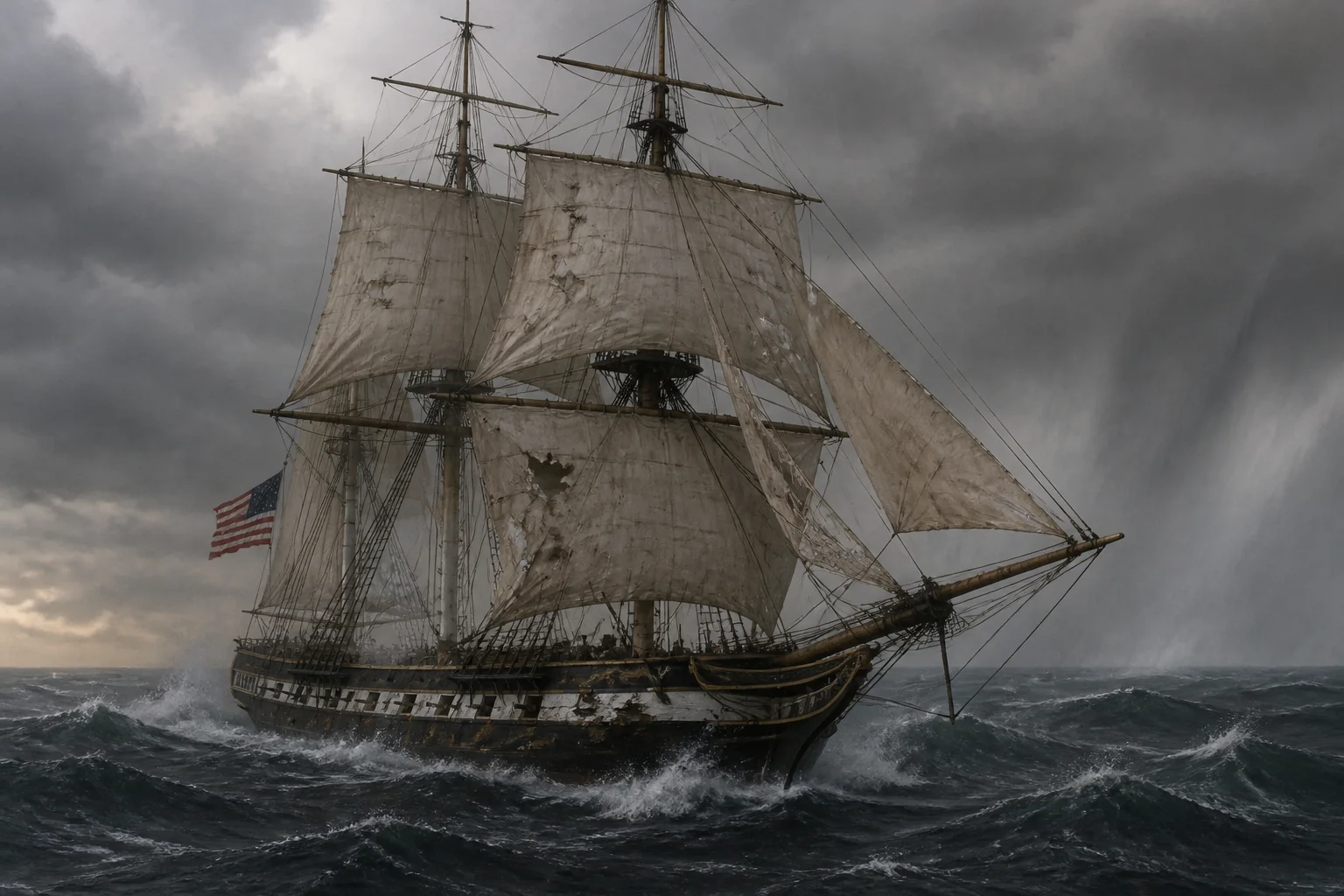
USS Wasp was a sloop-of-war that fought a successful action against British ships during the War of 1812. In October 1814, she was last sighted by another vessel in the Atlantic. She disappeared with 173 officers and crew.
No wreckage or survivors were found, and British records show no capture. A storm, a magazine explosion, or an uncharted reef could have destroyed her quickly. The exact end of USS Wasp has never been established.
8. USS Epervier — Lost 1815
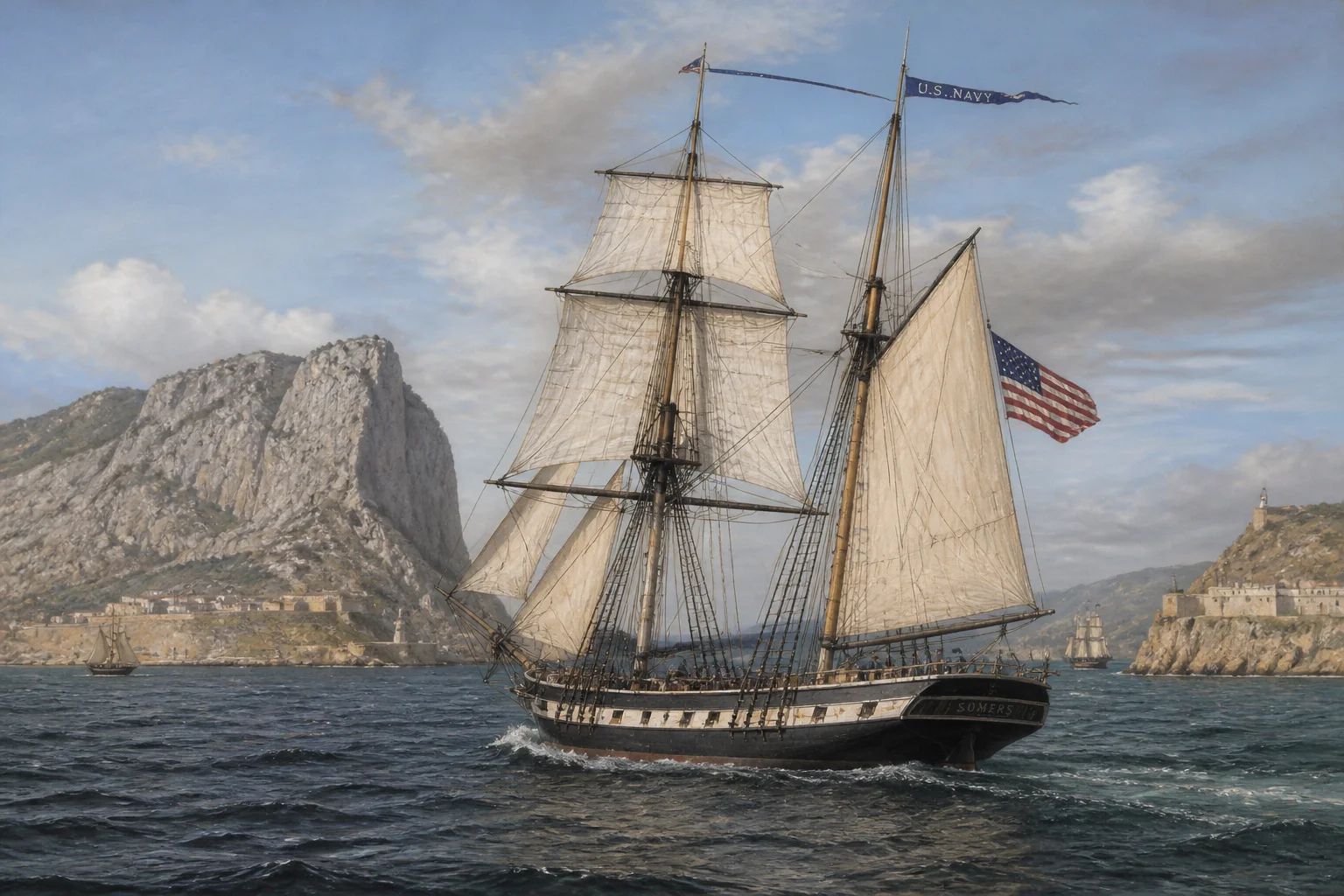
USS Epervier was a British brig-sloop captured and taken into American service. In 1815, she passed Gibraltar on a voyage from the Mediterranean to the United States. She vanished with about 132 people aboard.
No documented storm along her route was large enough to explain the loss with certainty. A slow leak or shifting cargo may have taken her down without leaving visible wreckage. Her disappearance is one of the more puzzling missing ships of the early nineteenth century.
9. USS Lynx — Lost January 1820
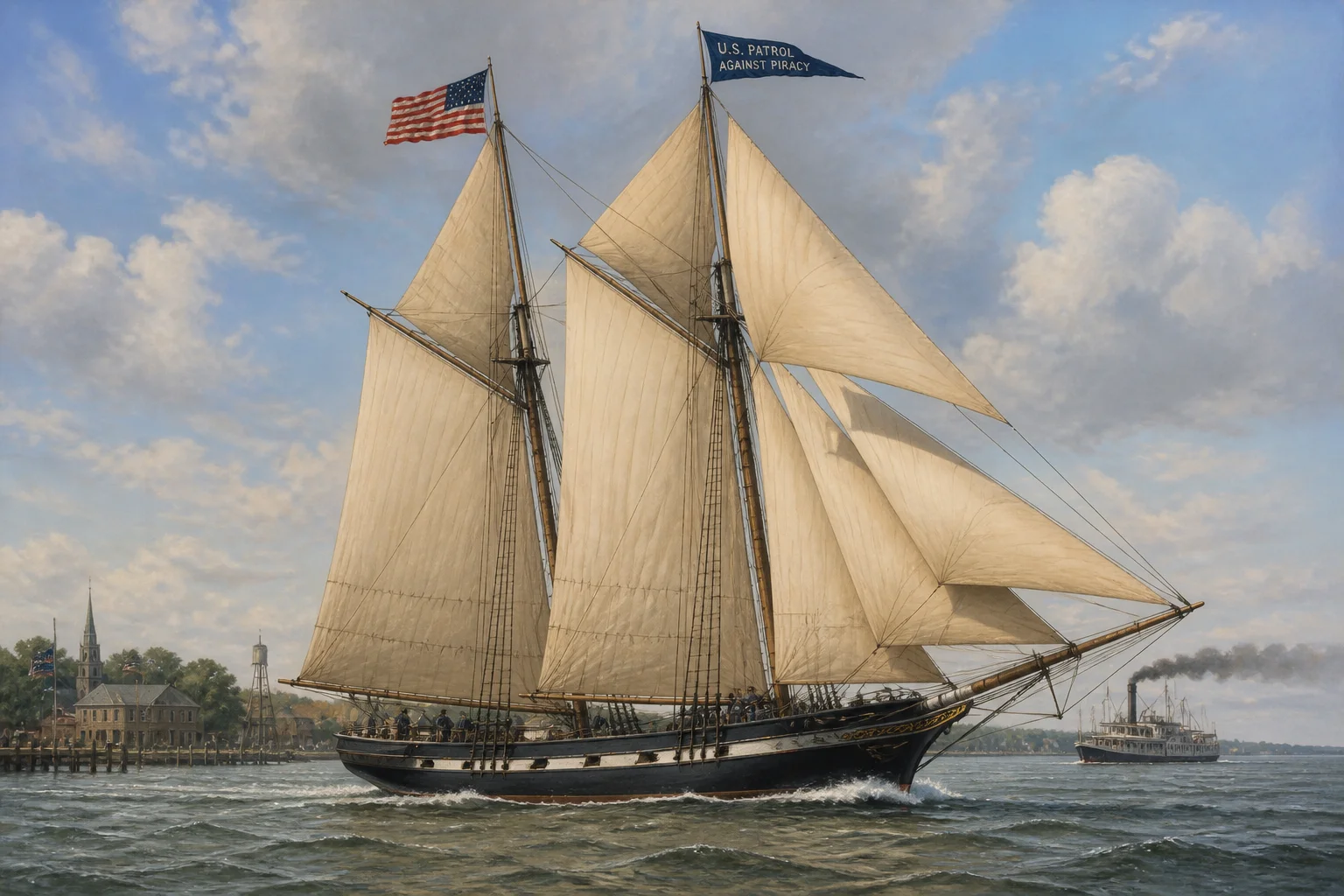
USS Lynx was a fast schooner built for the U.S. Navy and used for anti-piracy patrols. In January 1820, she sailed from St. Marys, Georgia, toward Jamaica with about 50 men. She never arrived.
A heavy storm passed through the region around that time, making foundering the most probable cause. No confirmed debris or bodies were recovered. Lynx is often cited among ships that disappeared during the Navy's early Caribbean patrols.
10. USS Albany — Lost 1854
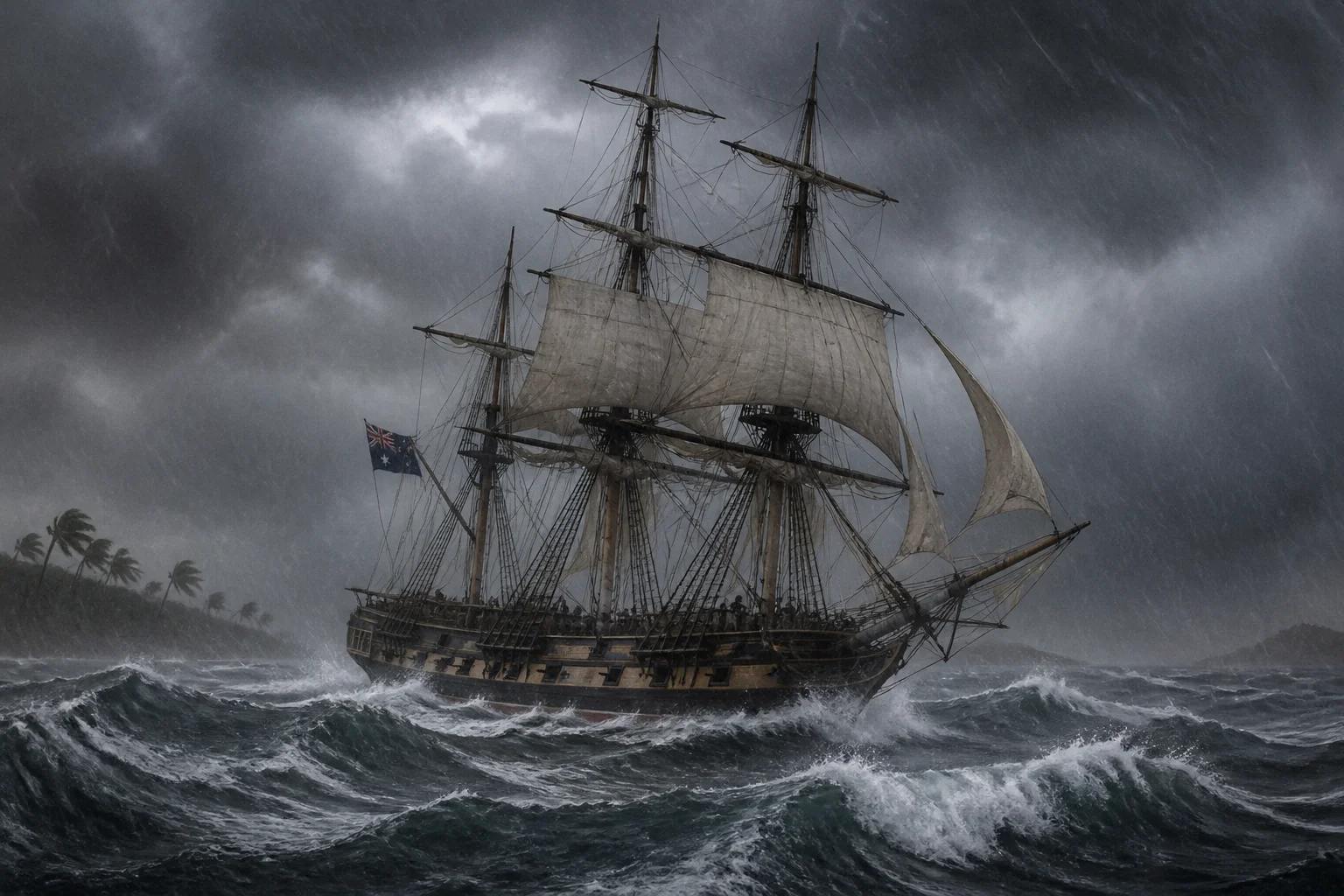
USS Albany was a sloop-of-war assigned to the Caribbean station in 1854. She sailed from New York that year and disappeared in September or October with roughly 197 men. No distress message, wreckage, or survivor account ever surfaced.
A powerful hurricane struck the western Caribbean around that period, and historians generally assume Albany foundered in it. Her wooden hull and heavy armament may have made her especially vulnerable. Still, the absence of trace has kept her loss a matter of official uncertainty.
11. USS Porpoise — Lost September 1854
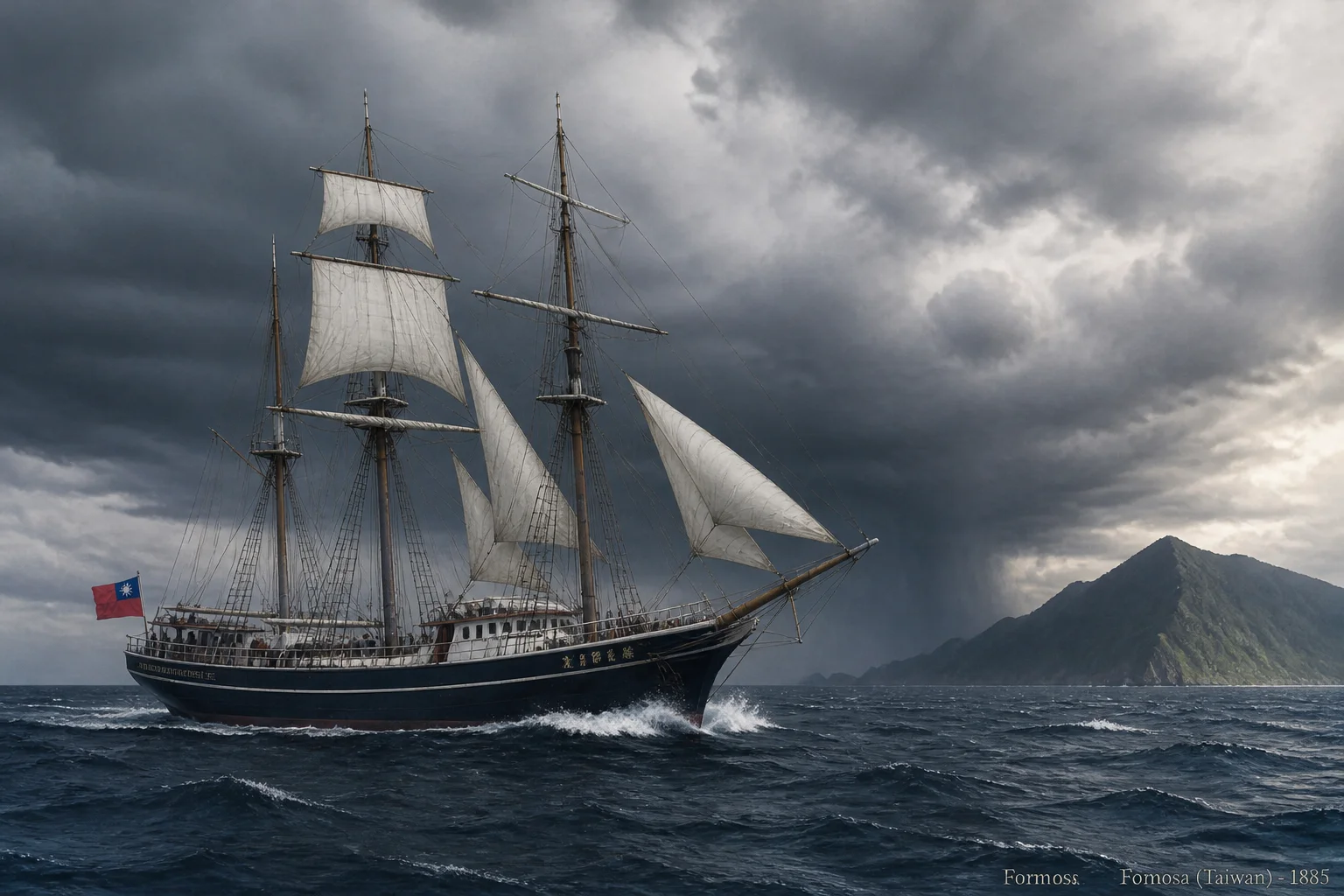
USS Porpoise was a brigantine that served on survey and patrol missions before joining a squadron in East Asia. In September 1854, she separated from the squadron near Formosa, now Taiwan. She carried about 69 men and was never seen again.
A typhoon battered the area at the time, and most researchers consider it the likely cause. No confirmed wreck or survivor report was recorded in local sources. Her loss is another case in which weather probably holds the answer, but the ocean offered no final proof.
12. USS Grampus — Lost March 1843
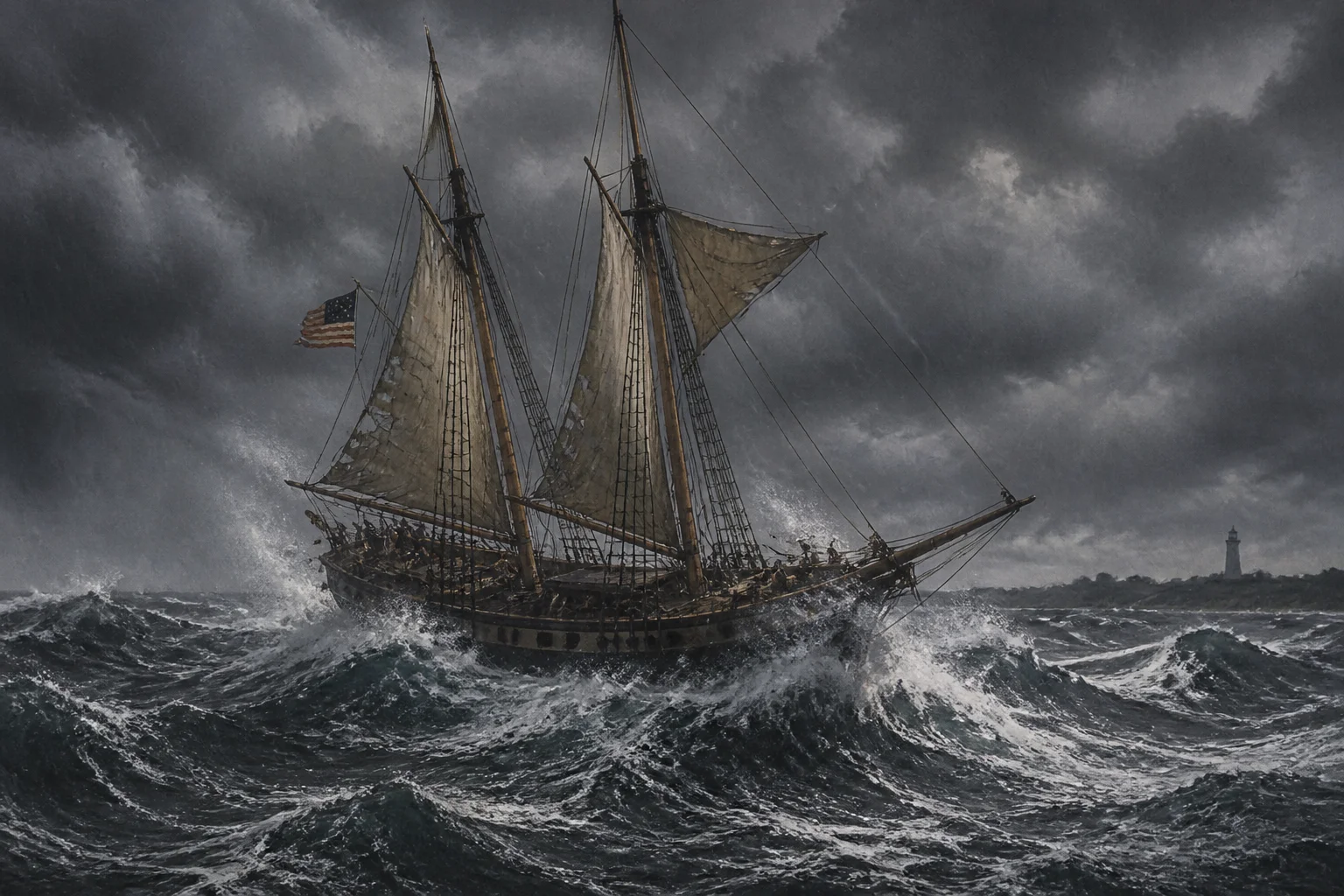
USS Grampus was an early schooner with a long record of anti-piracy service. In March 1843, she encountered severe weather off the coast of South Carolina. She vanished with her crew, and no confirmed wreckage was ever located.
Grampus is less famous than Cyclops or Wasp, but her case follows the same pattern. A wooden warship could break apart quickly in a gale and leave little floating evidence. Her absence makes her part of any serious survey of missing ships from the age of sail.
13. French Submarine Surcouf — Lost February 1942
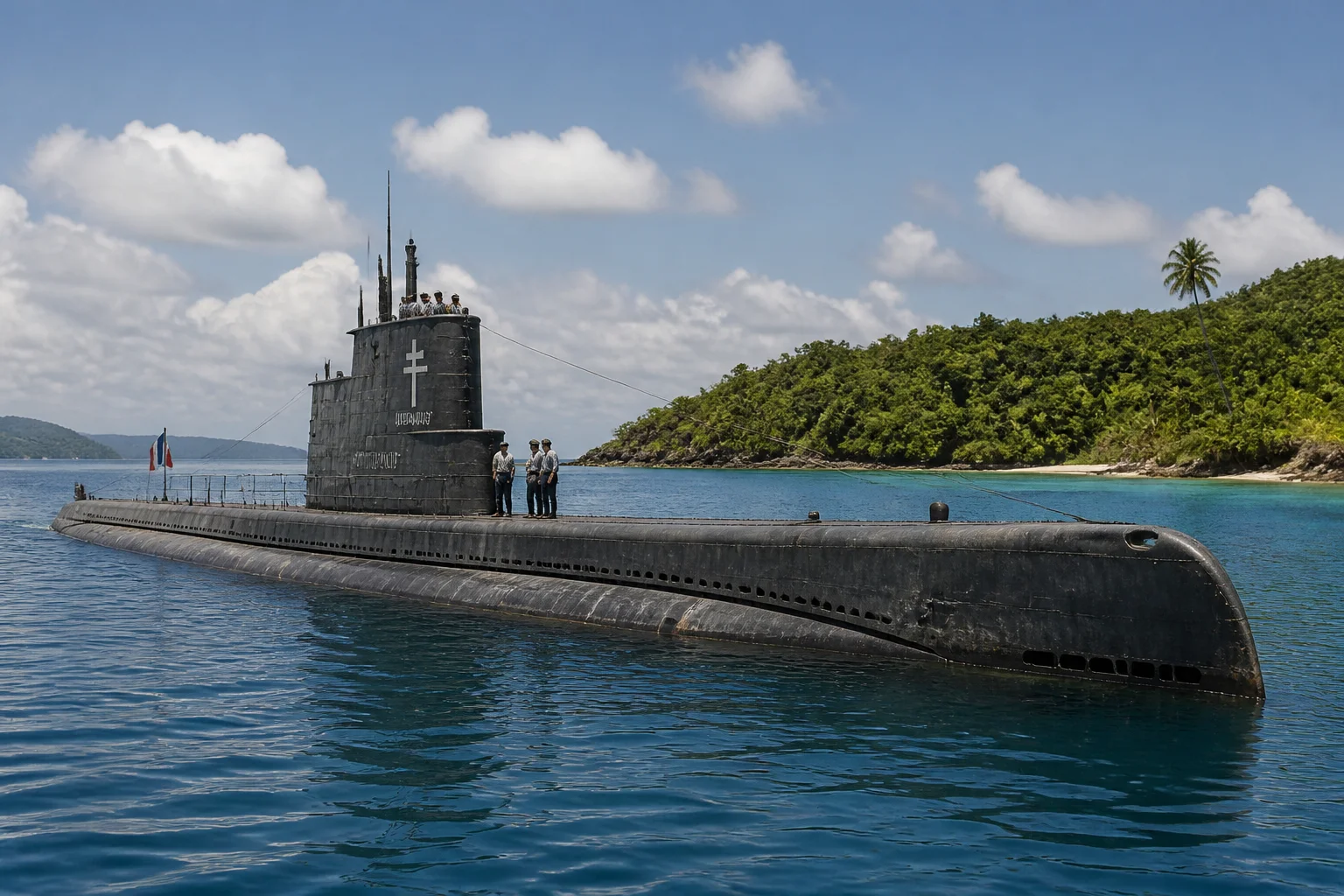
Surcouf was one of the largest submarines of her era and served with Free French forces after 1940. In February 1942, she was sailing through the Caribbean when all contact ceased. She carried roughly 130 crew and passengers.
The most widely repeated explanation is that she collided with the American freighter Thompson Lykes on the night of February 18. That account has never been conclusively proven, and no wreck has been definitively identified. Surcouf remains one of the most debated missing boats of World War II, tangled up in secrecy and shifting alliances.
14. USS Capelin (SS-289) — Lost Late 1943
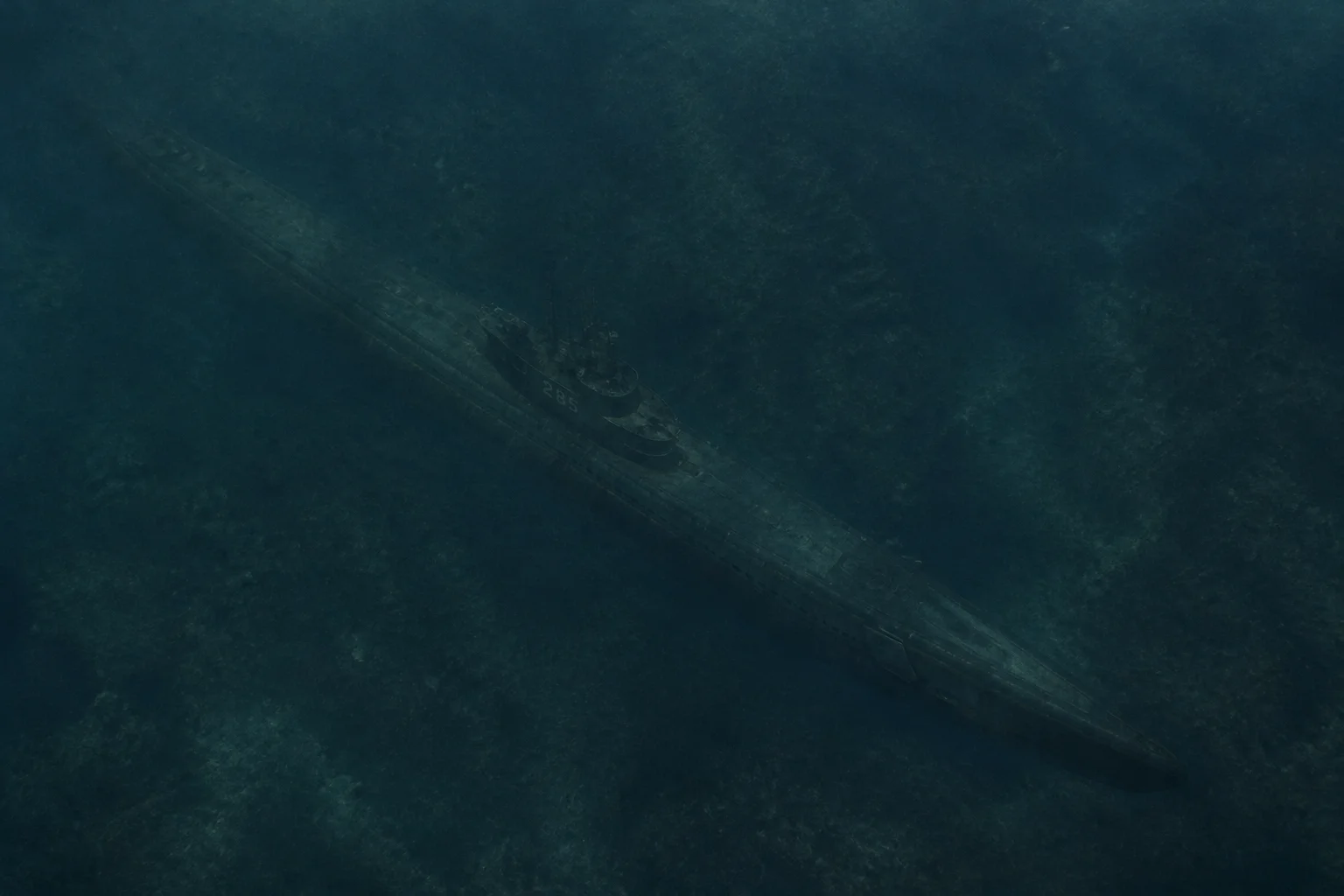
USS Capelin was a Balao-class submarine on her second war patrol when she vanished in late 1943. She was last heard from on November 17 in waters near the Philippines and Indonesia. All 78 men aboard were lost.
A Japanese mine, a depth-charge attack, or an undersea accident could have claimed her. No enemy action has been definitively linked to her loss. Among the lost ships of ww2, Capelin shows how a modern submarine could still disappear beneath an enormous patrol area without leaving a clue.
15. USS Kete (SS-369) — Lost March 1945
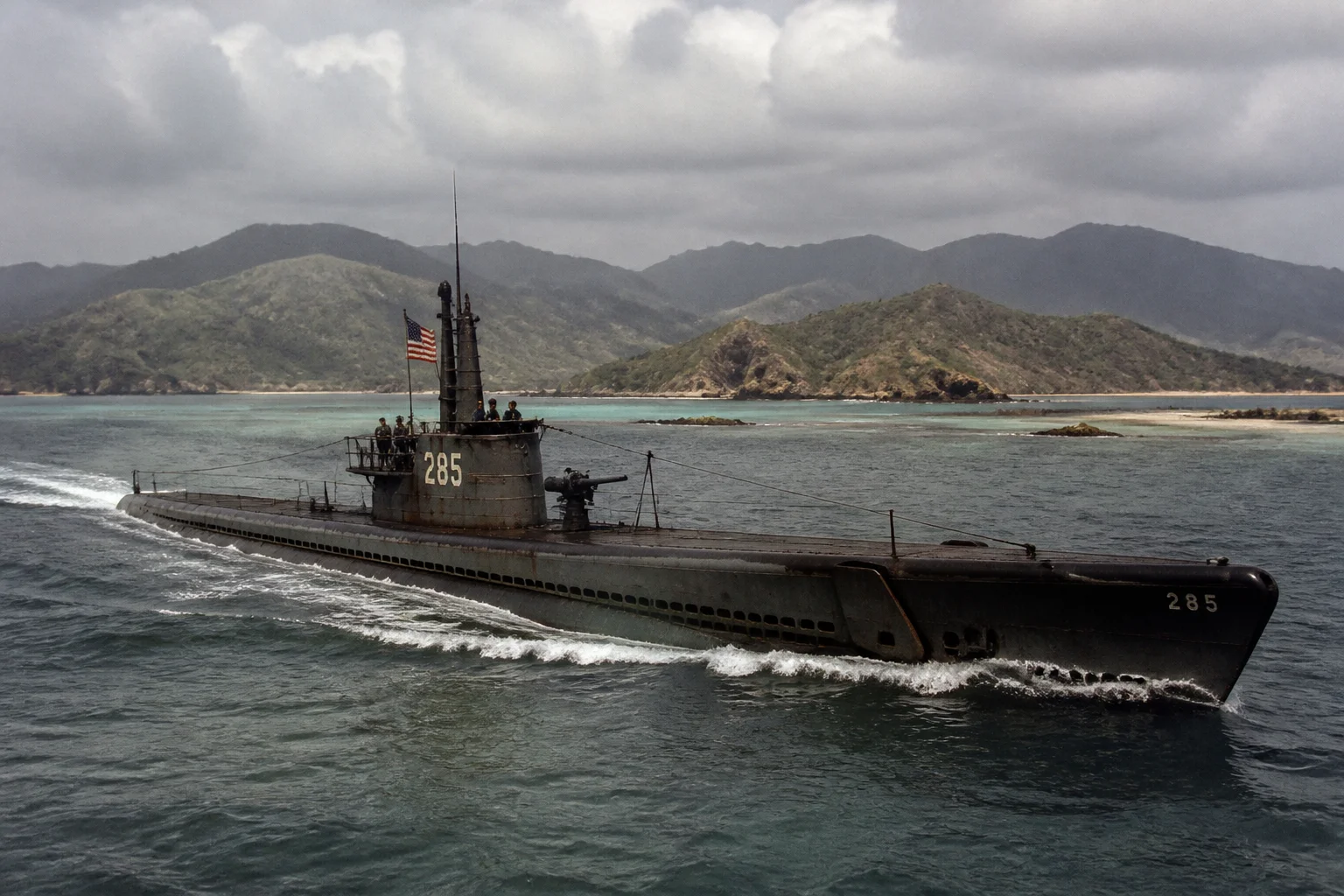
USS Kete was a Balao-class submarine operating near the Ryukyu Islands in March 1945. She was last heard from on March 19, and a final message on March 20 gave no sign of trouble. Then she went silent with 87 men aboard.
No confirmed Japanese attack matches her disappearance. Poor weather and the dangers of operating close to enemy shores created many possible failure points. Her exact fate remains unknown.
16. USS Grayling (SS-209) — Lost September 1943
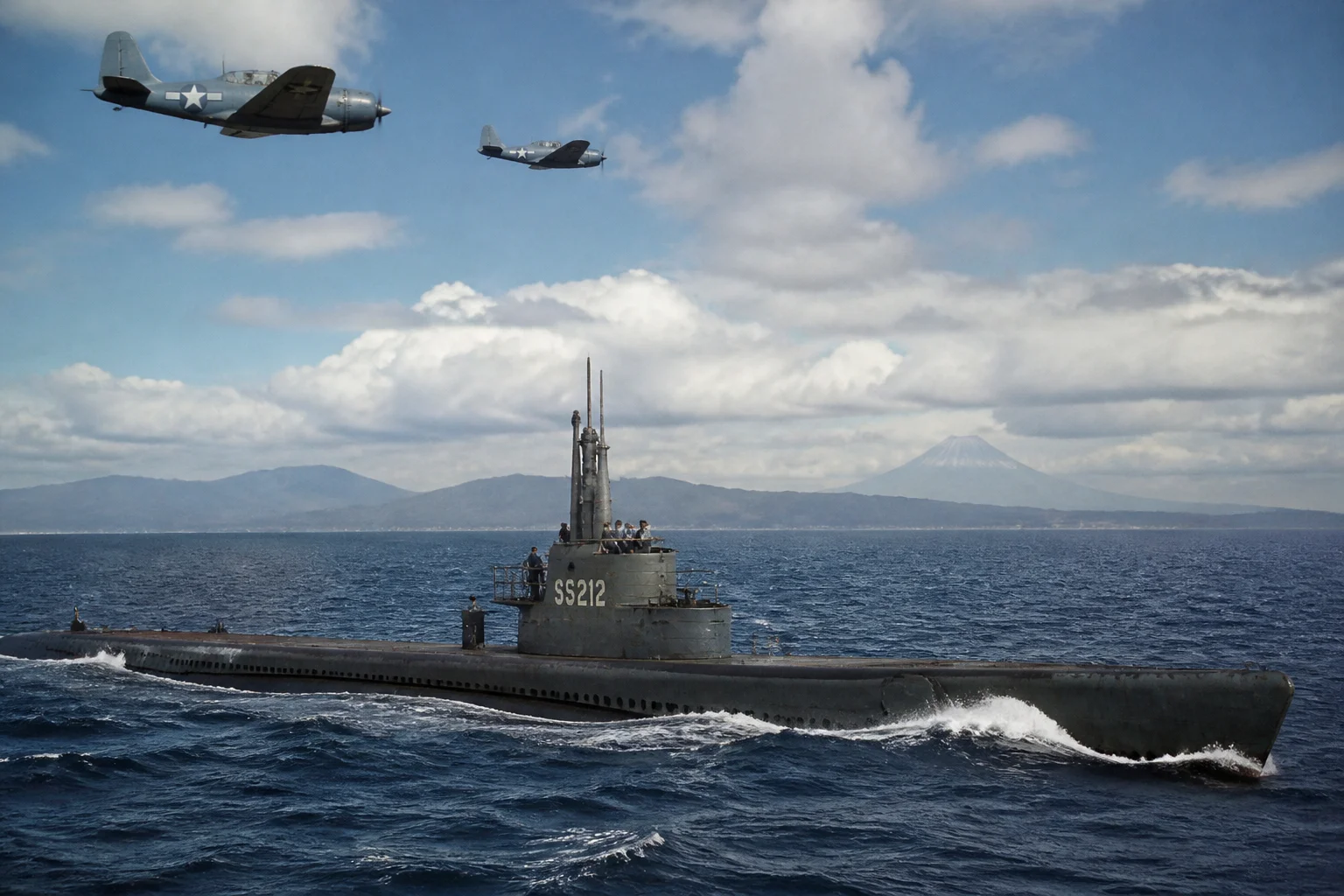
USS Grayling was a veteran submarine on patrol near the Philippines in September 1943. After she left base on September 9, no further reliable contact was received. She disappeared with 76 officers and crew.
Japanese records contain no confirmed sinking that lines up with her final patrol. A mine or an operational accident are possible explanations, but no wreck has been found. Grayling is one of several U.S. submarines still listed as missing in action in the Pacific.
17. USS Pompano (SS-181) — Lost September 1943
USS Pompano went missing in September 1943 while patrolling off the coast of Honshu, Japan. She was last reported in the early part of the month, and contact then stopped. She carried 77 men.
A Japanese aircraft reported attacking a submarine in that general area, but the report does not conclusively match Pompano. No wreck has been located. She remains one of several American submarines classified as missing in action during the Pacific war.
18. USS Runner (SS-275) — Lost June 1943
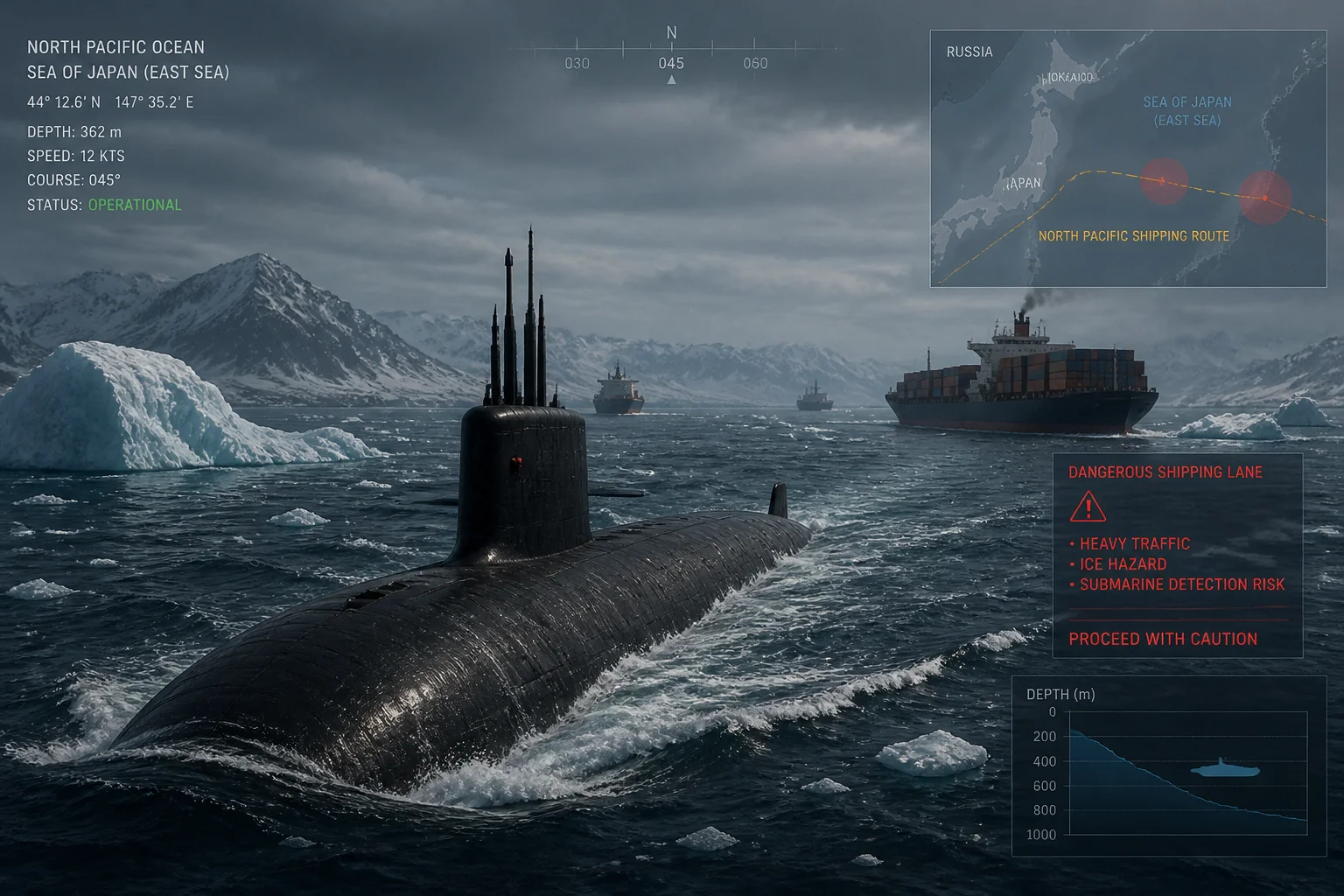
USS Runner was patrolling the northern Pacific when she disappeared in mid-1943. She was last heard from in late June and never returned to base. All 78 crew members were lost.
Her patrol area lay near Japanese home waters, where mines, patrol aircraft, and escort vessels were constant threats. No confirmed attack explains her loss, and no wreck has been found. She vanished without a trace in one of the war's busiest submarine zones.
19. USS Snook (SS-279) — Lost April 1945
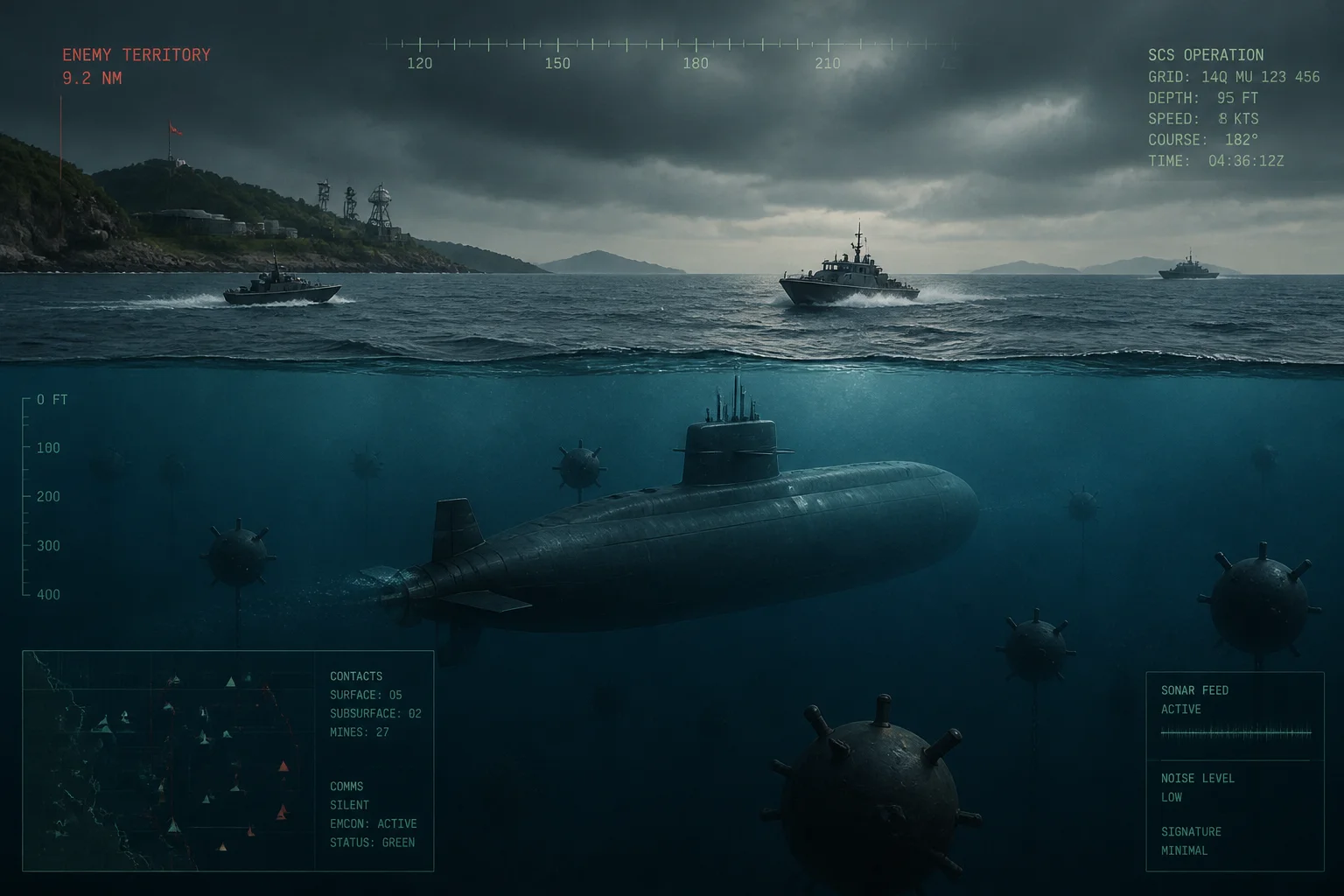
USS Snook was on patrol in the South China Sea when she went silent in April 1945. She was last heard from on April 8, and no further contact was made. She carried 84 men.
Japanese submarine chasers reported an engagement around that time, but the details do not conclusively account for her. No wreck has been located. Snook is one of the last American submarines lost during World War II, and her exact fate remains undetermined.
20. USS Bullhead (SS-332) — Lost August 1945
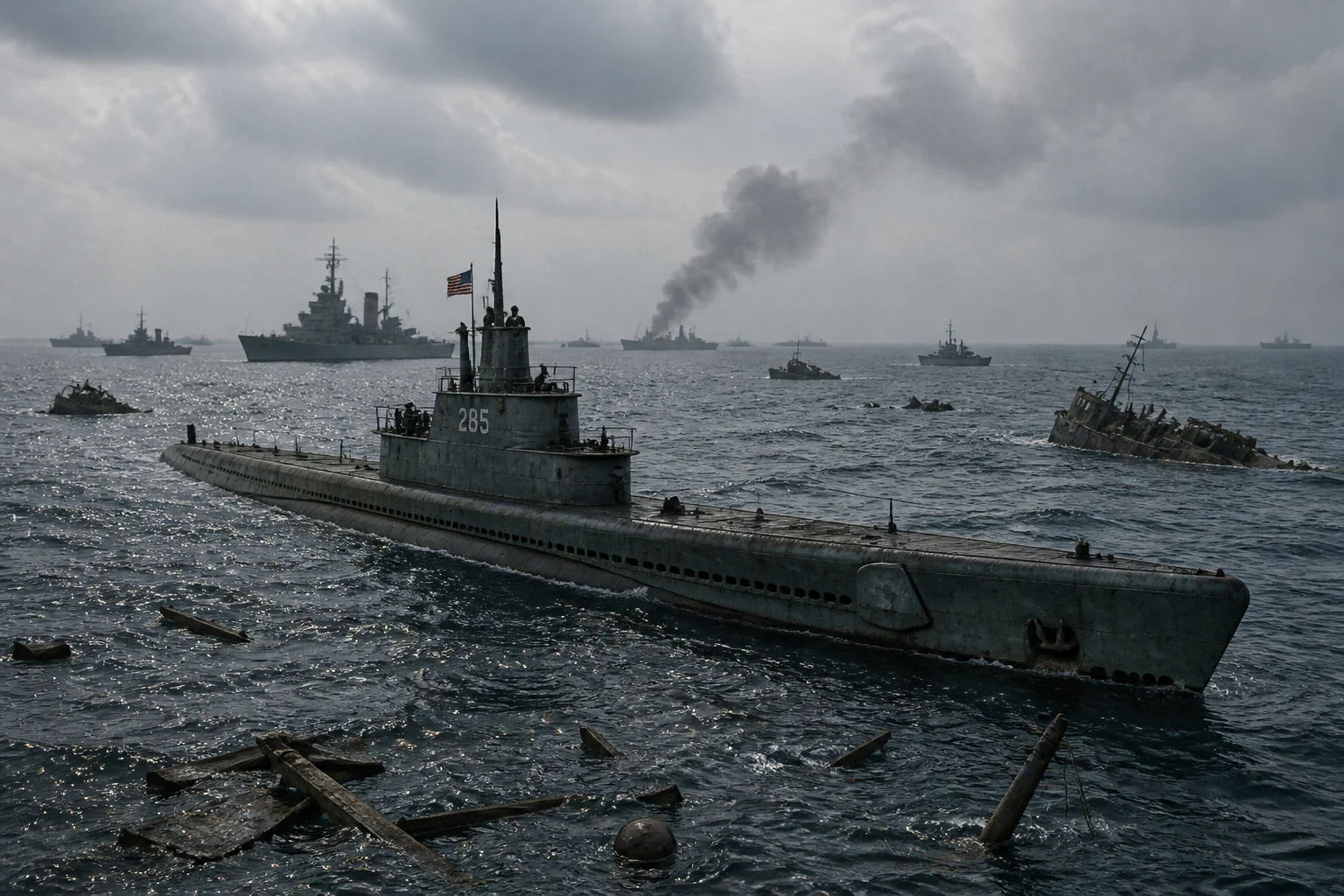
USS Bullhead holds the distinction of being the last U.S. Navy submarine lost during World War II. She disappeared in the Java Sea in August 1945, just days before Japan's surrender. She carried 84 men.
A Japanese army aircraft reported bombing a submarine on August 6, and that remains the most widely accepted explanation. However, no wreck has been confirmed, so the link is not absolutely certain. Bullhead closes this list as a reminder that some naval vessels remain lost even after decades of archival research.
Why So Many of These Ships Left No Trace
Many of these missing ships were wooden sailing vessels that faced hurricanes, uncharted shoals, and structural failure. A ship that broke apart could leave little or no floating wreckage, especially before modern search-and-rescue coordination existed. The ocean often erased the evidence faster than anyone could look for it.
During World War II, submarines operated alone and far from support. A depth-charge attack or a mine could send them to the bottom without anyone knowing the exact position. The common thread in most of these cases is not a strange force but the scale, depth, and violence of the sea.
Extraordinary claims require extraordinary evidence. While it is tempting to reach for Bermuda Triangle stories or secret weapons, the more credible explanations are usually storms, accidents, or enemy action. The myth-busting approach does not make these losses less tragic; it makes them more real.
How to Research Missing Ships and Decommissioned Navy Vessels
Many people searching for a list of decommissioned navy ships are tracing family history or researching old warships. The U.S. Naval History and Heritage Command and the National Archives hold official loss records and ship histories that are far more reliable than viral list posts. These records sometimes include digitized deck logs and war patrol reports.
Decommissioned naval vessels are not exactly the same as ships lost at sea, but the categories overlap. A ship may have been formally decommissioned before being sold or sunk as a target, while another might disappear before that paperwork ever happens. In this article, several vessels were lost in active service, not after retirement.
When you research ships that disappeared, cross-reference military archives, wreck databases, and foreign-language sources. Treat each disappearance as an open question rather than a solved mystery. The strongest conclusions usually come from primary records, not from dramatic speculation.
Closing: The Sea Keeps Some Files Open
These 20 warships are not the only ones that have disappeared, but they show how little the ocean is obligated to reveal. Each name represents real people whose families waited for a ship that never came home. The unanswered questions are part of what makes naval history so haunting.
Modern sonar and satellite technology have solved some historical mysteries, yet many wrecks remain undiscovered. Until they are found, these ships sit in a liminal space between fact and folklore. They remind us that the past is not always a closed book.
If this journey through missing ships and lost ships of ww2 has sparked your interest, start with official maritime archives. The real stories are often more complex, and more human, than the myths.
Frequently Asked Questions
Is there a list of decommissioned navy ships that also includes ships lost at sea?
Yes. Official sources like the U.S. Naval History and Heritage Command and the National Archives maintain records for decommissioned naval vessels. Some of those vessels overlap with ships that disappeared, especially older sailing ships and World War II submarines lost before any formal decommissioning.
What is the most famous warship that disappeared without a trace?
USS Cyclops is probably the most famous. The Proteus-class collier vanished in March 1918 with 306 people aboard, and no confirmed wreck has ever been found. Its route through the Bermuda Triangle helped turn the case into a lasting maritime legend.
Why do some warships disappear without a trace even in modern times?
Modern warships usually have better communication and tracking, but a sudden explosion, collision, or extreme weather can still destroy a vessel before a useful distress signal is sent. For older ships and World War II submarines, the ocean was simply vast and deep enough to hide the evidence.
How many missing ships are there in U.S. Navy history?
Official U.S. Navy loss records list dozens of vessels as lost at sea with no confirmed cause or no known wreck. The exact number depends on how you define missing ships, since some later found wrecks were removed from the missing list.
Were the Proteus-class collier disappearances caused by the Bermuda Triangle?
There is no credible evidence that USS Cyclops, Proteus, and Nereus disappeared for supernatural reasons. Historians generally favor ordinary explanations like structural failure, cargo issues, or sudden storms, though the official causes were never determined.

Alex Warren
Related Articles