
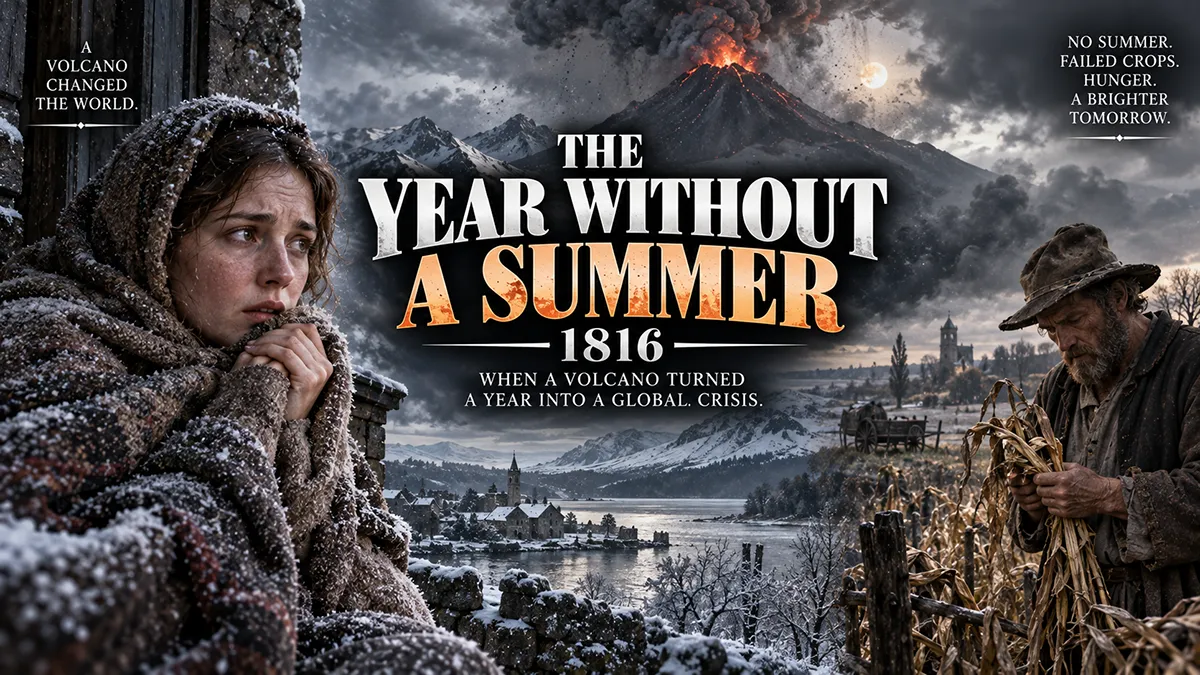
Imagine waking up on a June morning to find snow piling up on your windowsill, your garden frozen solid, and the sky tinted an odd, hazy brown.
That’s not a scene from a science-fiction film. That’s exactly what happened across parts of North America and Europe in 1816, a year that farmers, diarists, and newspapers soon began calling the Year Without a Summer.
The cause wasn’t some mysterious curse or a sign of the apocalypse, even though plenty of people at the time thought it might be.
It was a volcano on the other side of the planet, one most people had never heard of, that quietly reshaped global weather, triggered famine on multiple continents, and even helped inspire one of literature’s most famous monsters.
Here’s the real story behind the summerless year of 1816, separating documented history from the myths that have grown up around it.
TL;DR: A massive volcanic eruption in Indonesia in 1815 cooled the planet so severely that 1816 became the Year Without a Summer, causing crop failures, famine, and mass migration across the Northern Hemisphere.
What Was the Year Without a Summer?
The Year Without a Summer refers to 1816, when abnormally cold, wet, and dark weather struck much of the Northern Hemisphere during what should have been the warmest months. Snow fell in New England in June, frosts destroyed crops in July, and parts of Europe endured weeks of relentless rain and gloom.
Historians and climate scientists now agree the culprit was volcanic, not supernatural, even though people living through it had no way of knowing that.
Below are 23 essential facts about the causes, consequences, and strange cultural legacy of this remarkable climate disaster.
1. The Real Culprit Was Mount Tambora, Not a Curse
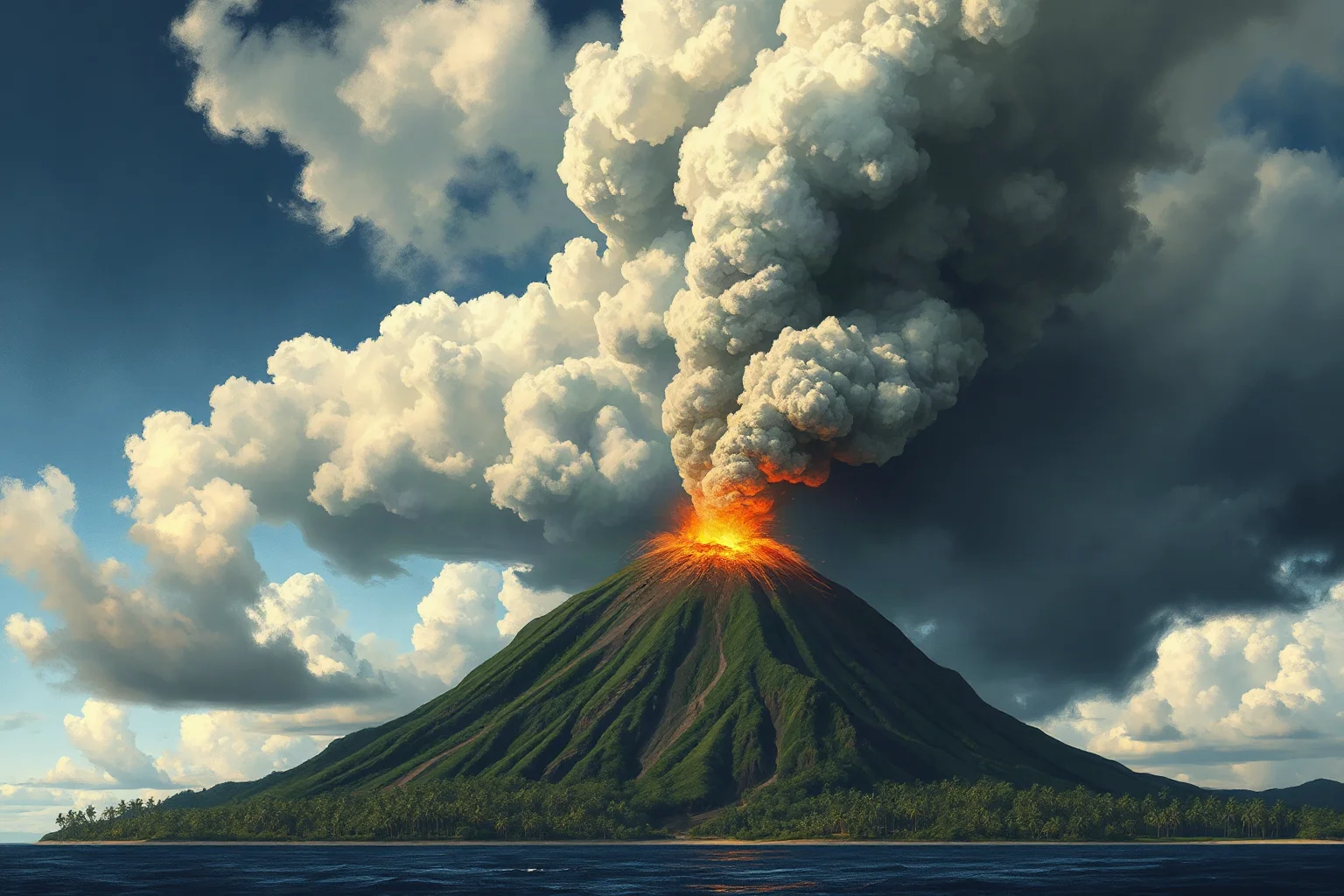
The chain of events began not in Europe or America, but on the island of Sumbawa in what is now Indonesia. In April 1815, Mount Tambora erupted with a force almost impossible to overstate, following months of smaller warning tremors and eruptions.
At the time, virtually no one in Europe or North America connected this distant disaster to the strange weather that followed a year later. The link between Tambora and the summerless year of 1816 wasn’t scientifically confirmed until long after the fact.
2. It Was the Most Powerful Eruption in Recorded History
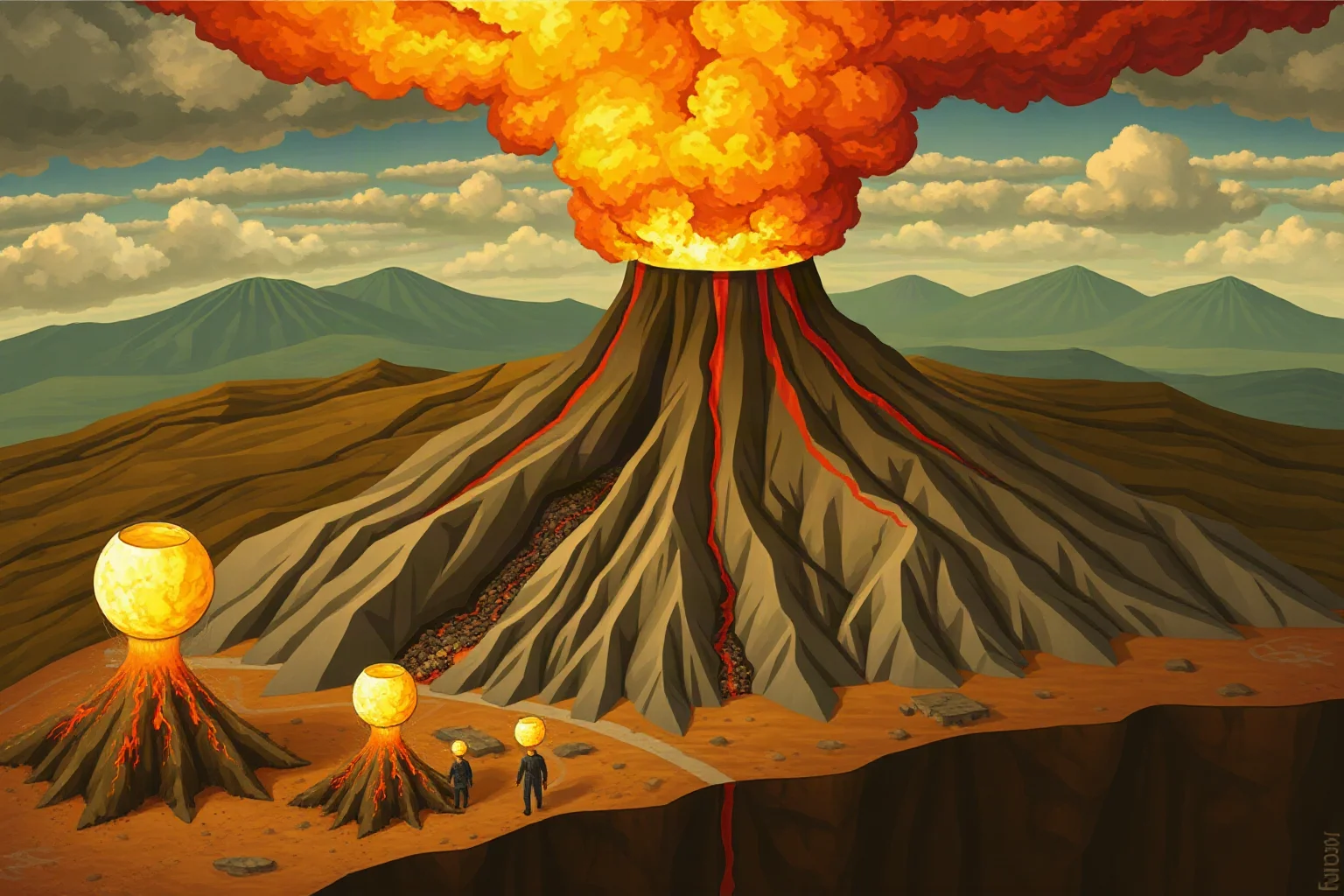
Tambora’s 1815 eruption is generally ranked as a VEI 7 event, the most powerful eruption documented in recorded human history. It ejected an estimated 100 cubic kilometers or more of ash, rock, and gas into the atmosphere.
The explosion was so loud that it reportedly was heard over 1,000 miles away, with some observers mistaking it for cannon fire or distant warfare. Ash fall darkened skies across a huge swath of Southeast Asia for days.
3. Tens of Thousands Died Almost Immediately
The human toll on Sumbawa and the neighboring island of Lombok was staggering. Historians estimate that around 10,000 people died directly from the eruption itself, through pyroclastic flows, falling debris, and tsunamis triggered by the blast.
When famine and disease that followed the eruption locally are factored in, some estimates put the total death toll in the tens of thousands, with certain accounts suggesting numbers as high as 60,000 to 100,000. These figures vary by source, and exact numbers from this period are difficult to verify with precision.
4. Volcanic Winter: The Science Behind the Cooling
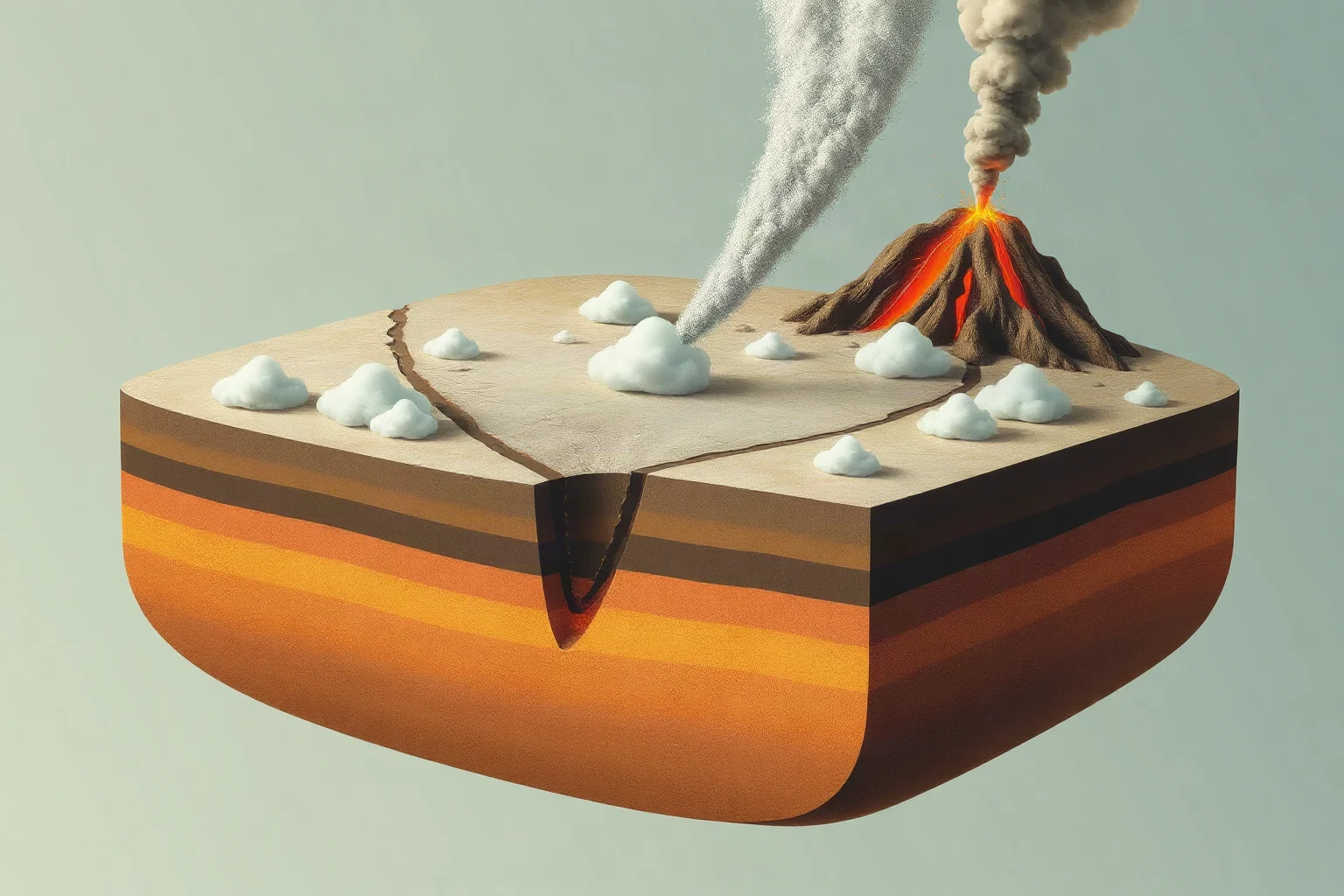
Massive eruptions like Tambora’s don’t just spew ash into the sky; they inject huge amounts of sulfur dioxide into the stratosphere. This gas converts into tiny sulfate aerosol particles that spread around the globe and reflect sunlight back into space.
This process, sometimes called a volcanic winter, can lower global temperatures for a year or more after a major eruption. It’s the same basic mechanism scientists point to when explaining the climate disruption of 1816.
5. Global Temperatures Dropped Dramatically
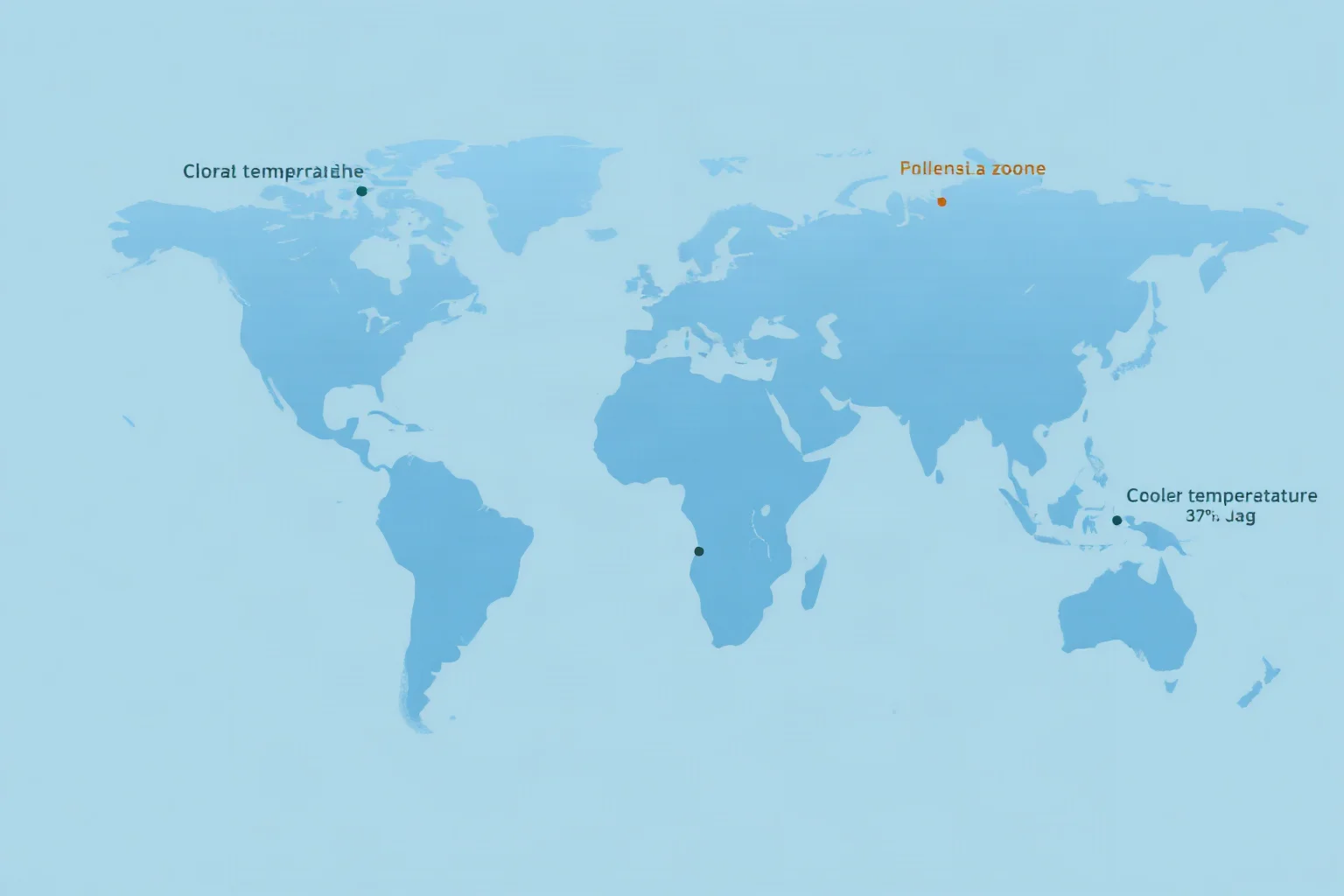
Climate reconstructions suggest the average Northern Hemisphere temperature fell by roughly 0.4 to 0.7 degrees Celsius in 1816, which might sound small until you consider how disruptive even minor shifts can be to growing seasons. In certain regions, the local drop was far more severe.
This was enough to shift frost lines, delay planting, and shorten already-short growing seasons across North America and Europe. For farmers dependent on predictable seasons, even a few extra weeks of cold made the difference between a harvest and a disaster.
6. Snow Fell in New England in June
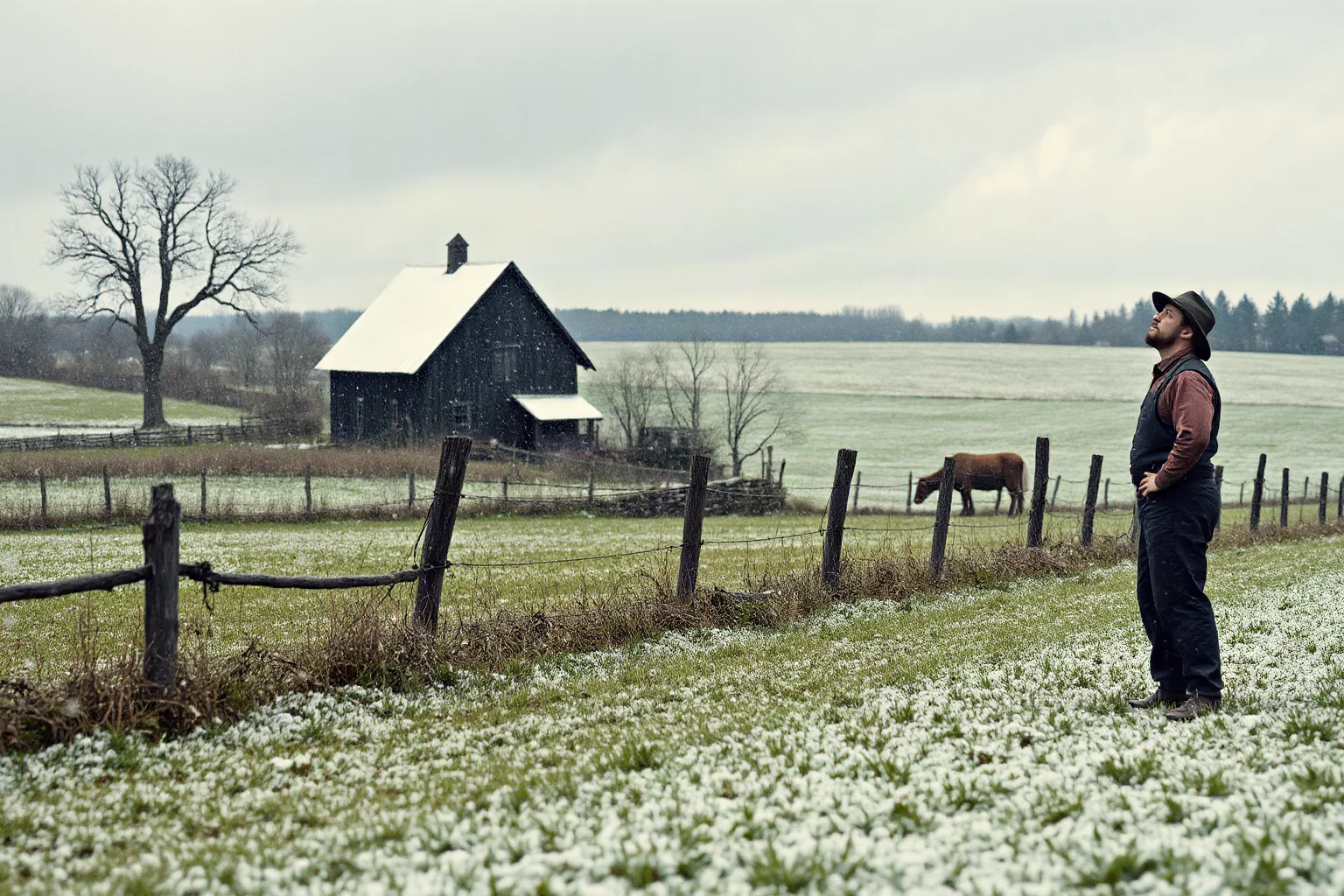
One of the most famous anecdotes from the Year Without a Summer comes from New England, where residents reported snow flurries in June 1816. Vermont, New Hampshire, and upstate New York all recorded unseasonable snow and hard frosts during a month that should have brought warm planting weather.
Some contemporary accounts describe the snow as having an odd tint, though such details should be treated as period observation rather than confirmed scientific record. What is well documented is that the cold snap devastated newly planted crops across the region.
7. Killer Frosts Wrecked Crops All Summer Long
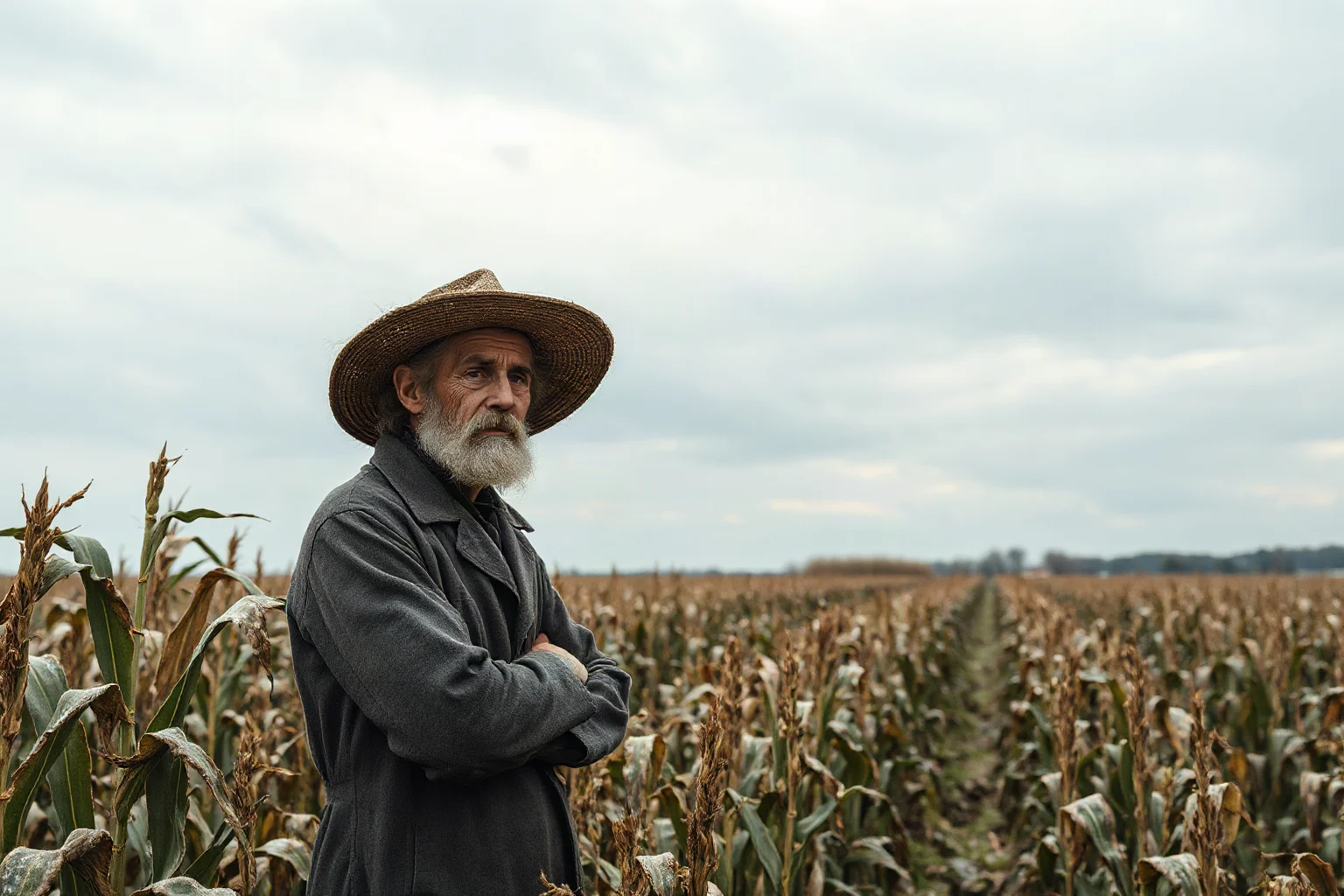
It wasn’t just June that suffered. Hard frosts returned in July and again in August 1816, killing corn, wheat, and other staple crops just as they were beginning to establish themselves.
Farmers who replanted after the June frost often lost their second attempt too. For subsistence farming communities with little financial cushion, this repeated failure was catastrophic.
8. Europe Endured Its Wettest, Grayest Summer in Memory
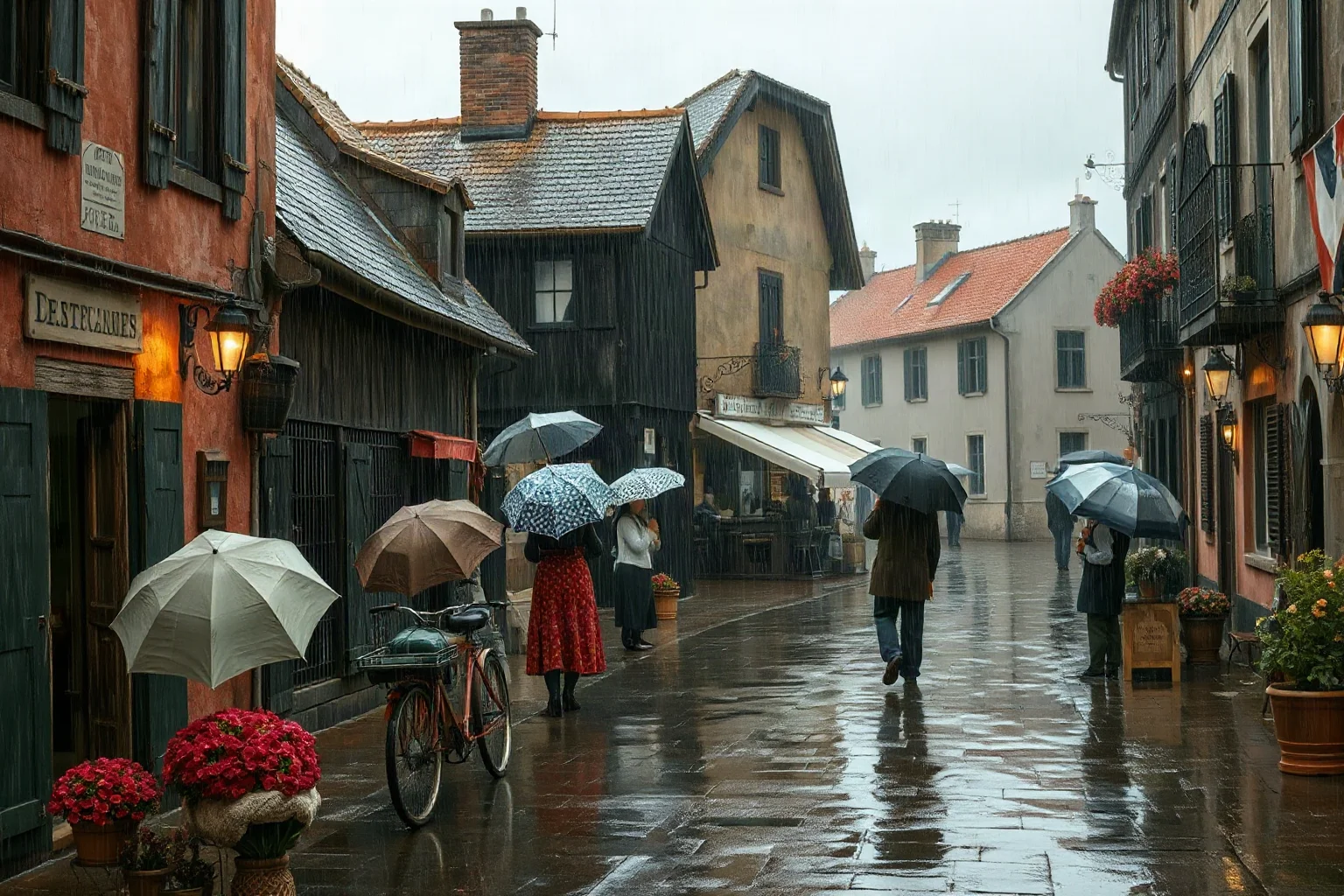
Across the Atlantic, Britain, Ireland, France, Germany, and Switzerland experienced a summer defined by relentless rain, thick cloud cover, and unusually cold temperatures. Diarists in England described entire weeks without a clear sky.
Switzerland in particular saw dramatic flooding alongside the cold, ruining fields that were already struggling. This combination of cold and wet weather proved just as damaging to European harvests as the frosts were in America.
9. Grain Prices Skyrocketed
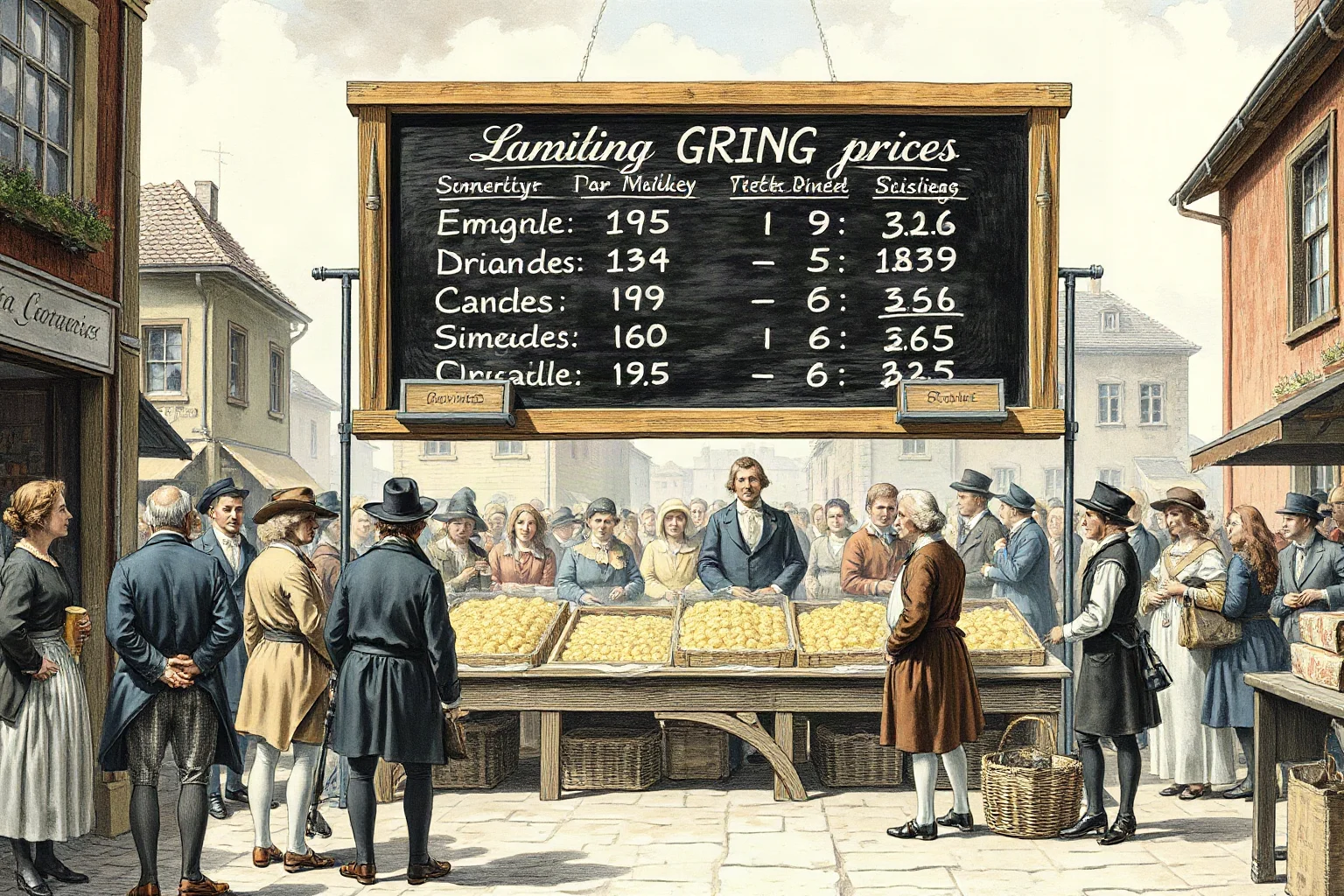
With harvests failing across two continents, grain prices surged dramatically through 1816 and into 1817. In parts of Europe, prices for wheat and other staples more than doubled, putting basic food out of reach for many working families.
This price shock hit hardest in regions still recovering economically from the Napoleonic Wars, which had only recently ended. The timing made an already fragile economic situation even worse.
10. Famine Swept Across Multiple Continents

The consequences went far beyond inconvenience. Widespread crop failure led to genuine famine conditions in parts of Ireland, Wales, Germany, and Switzerland, with historians often referring to 1816-1817 as marking one of the worst subsistence crises in 19th-century Europe.
The disruption reached even further, with some historical accounts linking failed monsoons in Yunnan, China, to Tambora’s global climate effects, contributing to famine there and reportedly pushing some farmers toward opium poppy cultivation as a cash crop alternative. The scale of this global reach is part of why historians treat 1816 as a genuinely worldwide event, not just a regional cold spell.
11. It Earned Grim Nicknames Like “Poverty Year”
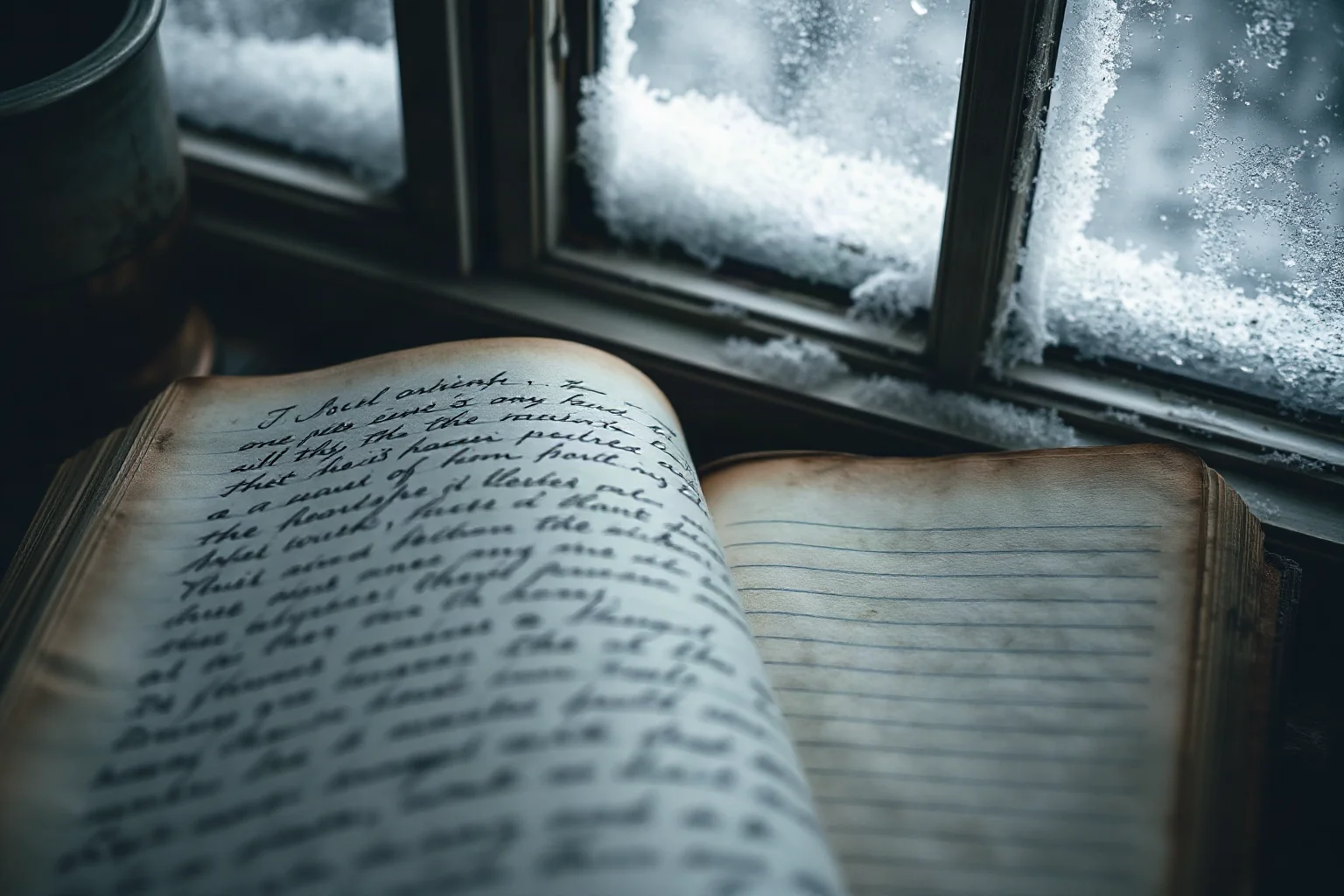
People living through the crisis gave it names that reflected the hardship it caused. In New England, 1816 became known colloquially as “Eighteen Hundred and Froze to Death” and “The Poverty Year,” phrases that stuck in local folklore for generations.
These nicknames capture how deeply the summerless year embedded itself in community memory, long before anyone understood the volcanic cause behind it.
12. Starvation and Disease Claimed Thousands of Lives
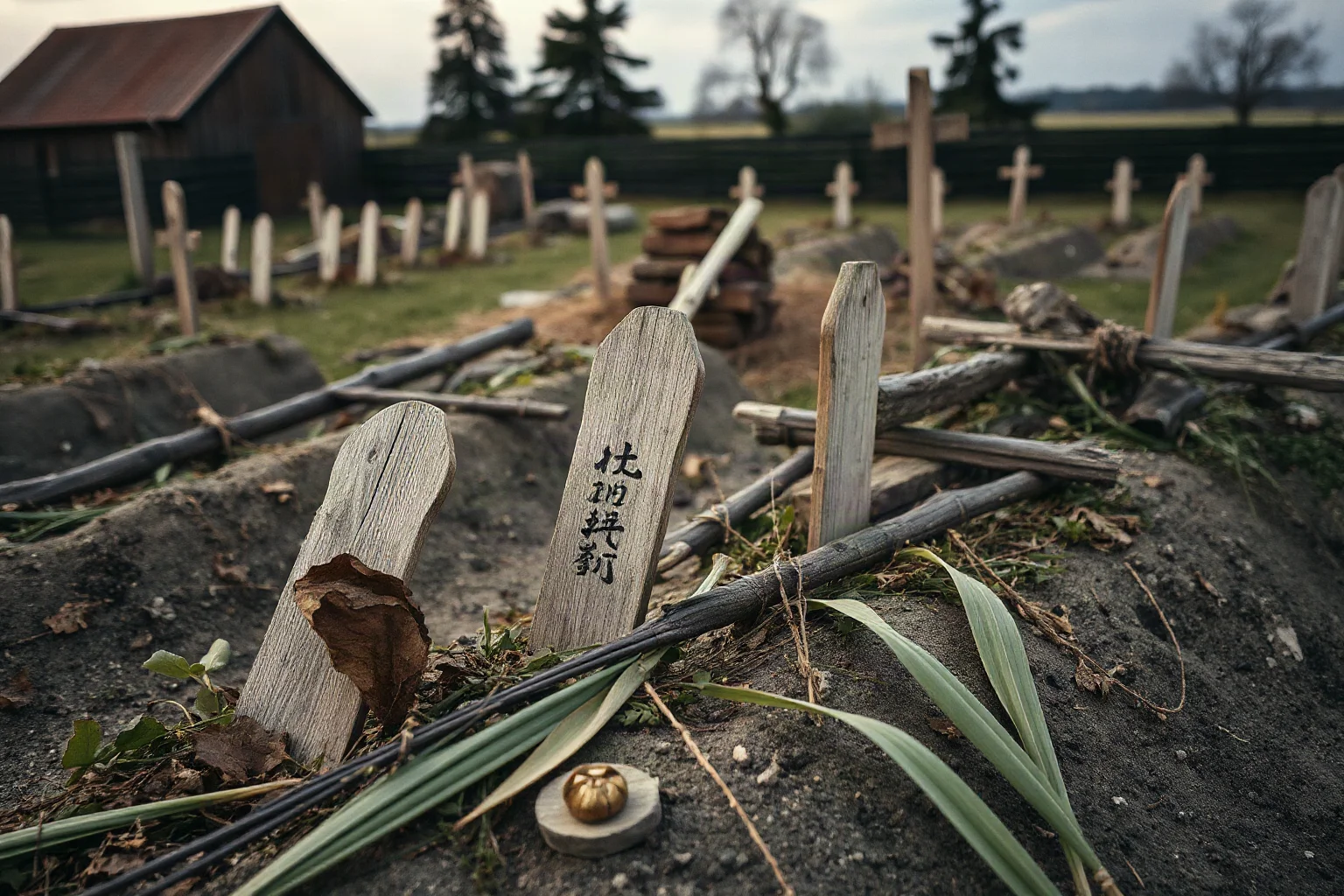
Beyond hunger itself, the weakened, malnourished populations of Europe became vulnerable to disease outbreaks, including typhus epidemics that swept through Ireland and parts of Britain in 1816 and 1817. Historians estimate that tens of thousands of additional deaths across Europe can be attributed to the famine and disease that followed the failed harvests, though precise figures are difficult to pin down given the record-keeping of the era.
The combination of hunger, cold, and illness made 1816 one of the deadliest non-military years in parts of Europe during the entire 19th century.
13. A Possible Link to a New Cholera Pandemic
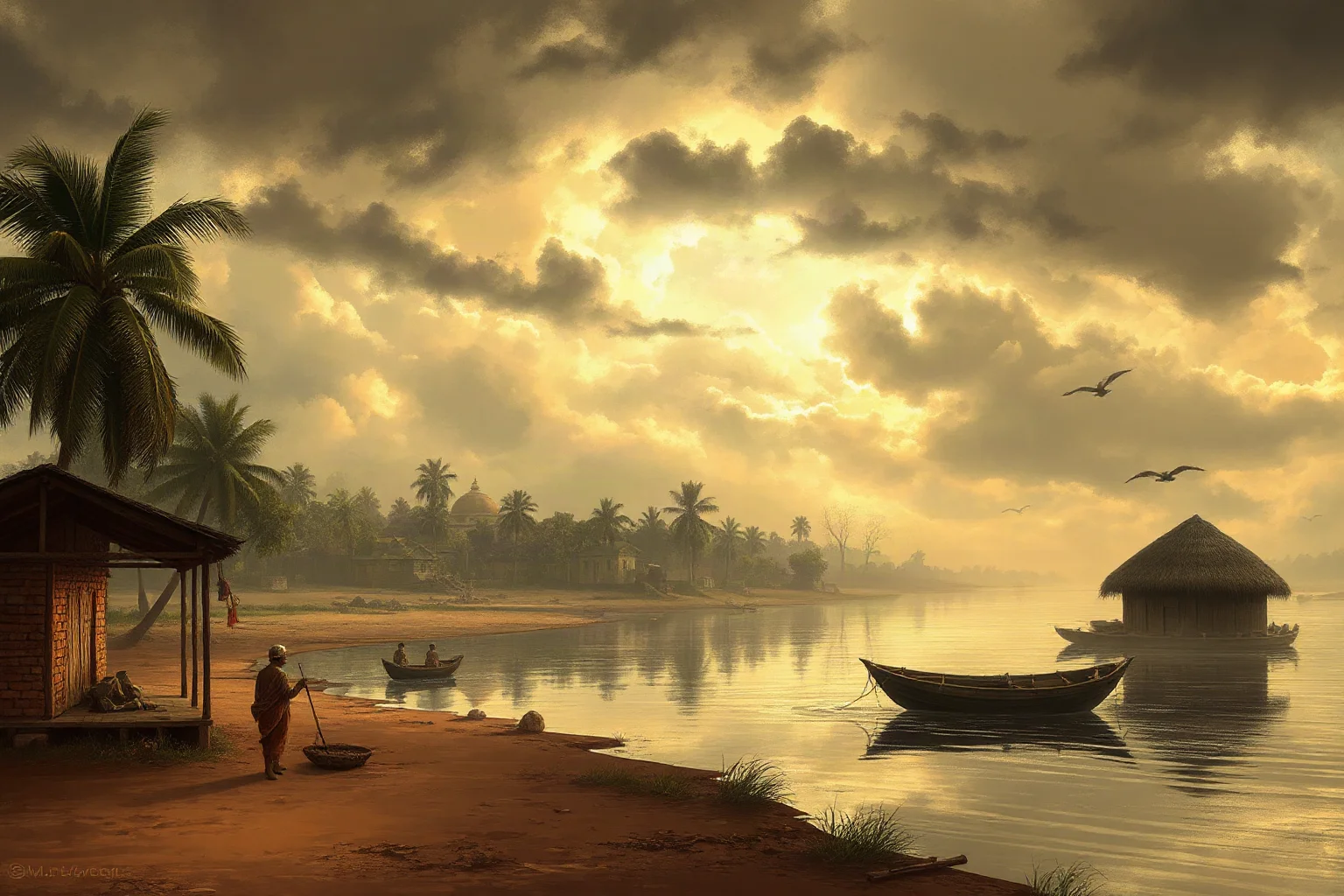
Some researchers have proposed a more speculative connection: that the disrupted monsoon patterns in India caused by Tambora’s climate effects may have contributed to the emergence of a new, more virulent cholera strain in Bengal around 1817. That outbreak is generally recognized as the start of the first global cholera pandemic.
This theory is taken seriously by some historians of disease, but it remains a hypothesis rather than a settled fact, and it’s worth treating with appropriate caution. What’s clear is that the years following Tambora saw significant disease burden across multiple regions.
14. Mass Migration Out of New England
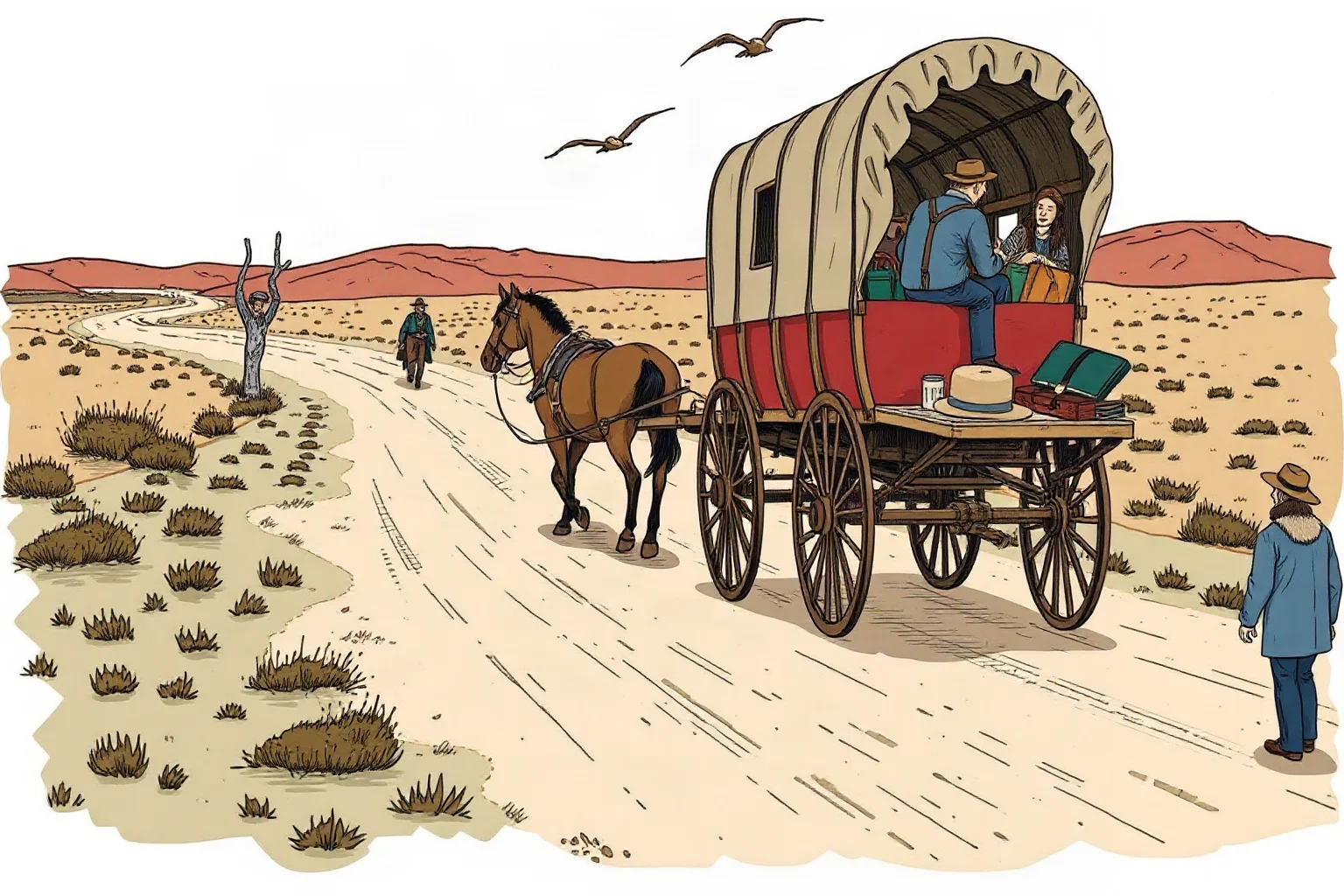
Faced with repeated crop failures, thousands of New England families packed up and headed west during and after 1816, in a wave sometimes referred to as “Ohio Fever.” Vermont alone reportedly lost a significant portion of its population to westward migration in the years following the disaster.
This migration helped accelerate the settlement of Ohio, Indiana, and other parts of the Midwest, reshaping the demographic map of the young United States, a shift now counted among the biggest events in American history. It’s one of the more lasting, if indirect, legacies of the summerless year.
15. European Emigration to America Also Surged
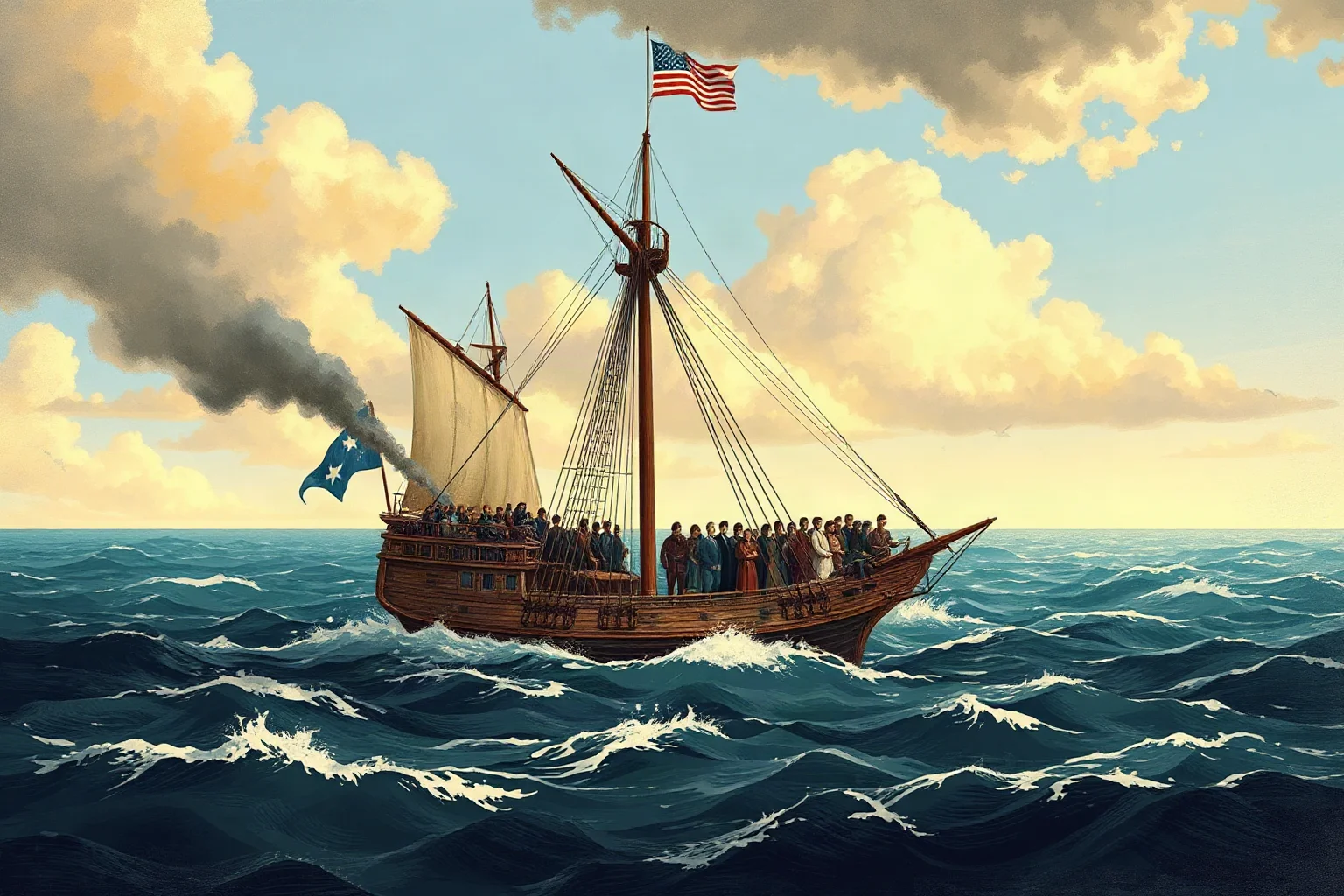
The hardship wasn’t confined to America. Facing famine and skyrocketing food prices, many families in Britain, Germany, and Switzerland chose to emigrate to the United States during this period, adding another wave of arrivals to an already-shifting population.
The Year Without a Summer therefore played a small but real role in the broader story of 19th-century transatlantic migration, pushing people to seek stability on new shores.
16. The Dark Summer That Gave Us Frankenstein
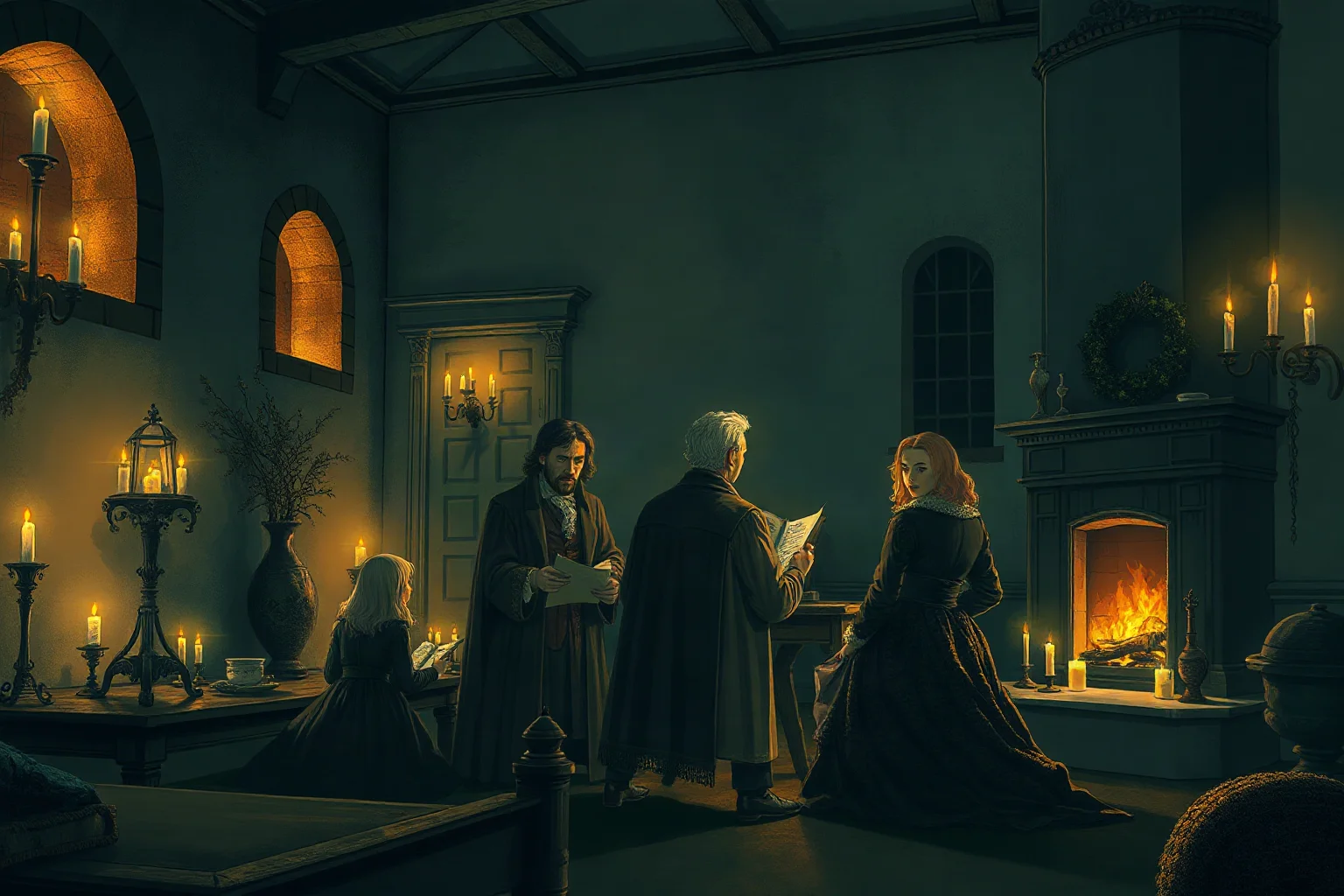
Perhaps the most famous cultural legacy of 1816 comes from a rented villa on the shores of Lake Geneva. Mary Shelley, Percy Shelley, Lord Byron, and John Polidori found themselves stuck indoors for days on end by the incessant cold rain, a direct result of the volcanic climate disruption gripping Europe that summer.
To pass the gloomy hours, Byron challenged the group to each write a ghost story. Out of that challenge came the first draft of what eventually became Mary Shelley’s novel Frankenstein, published in 1818.
17. Byron’s Poem “Darkness” Captured the Mood
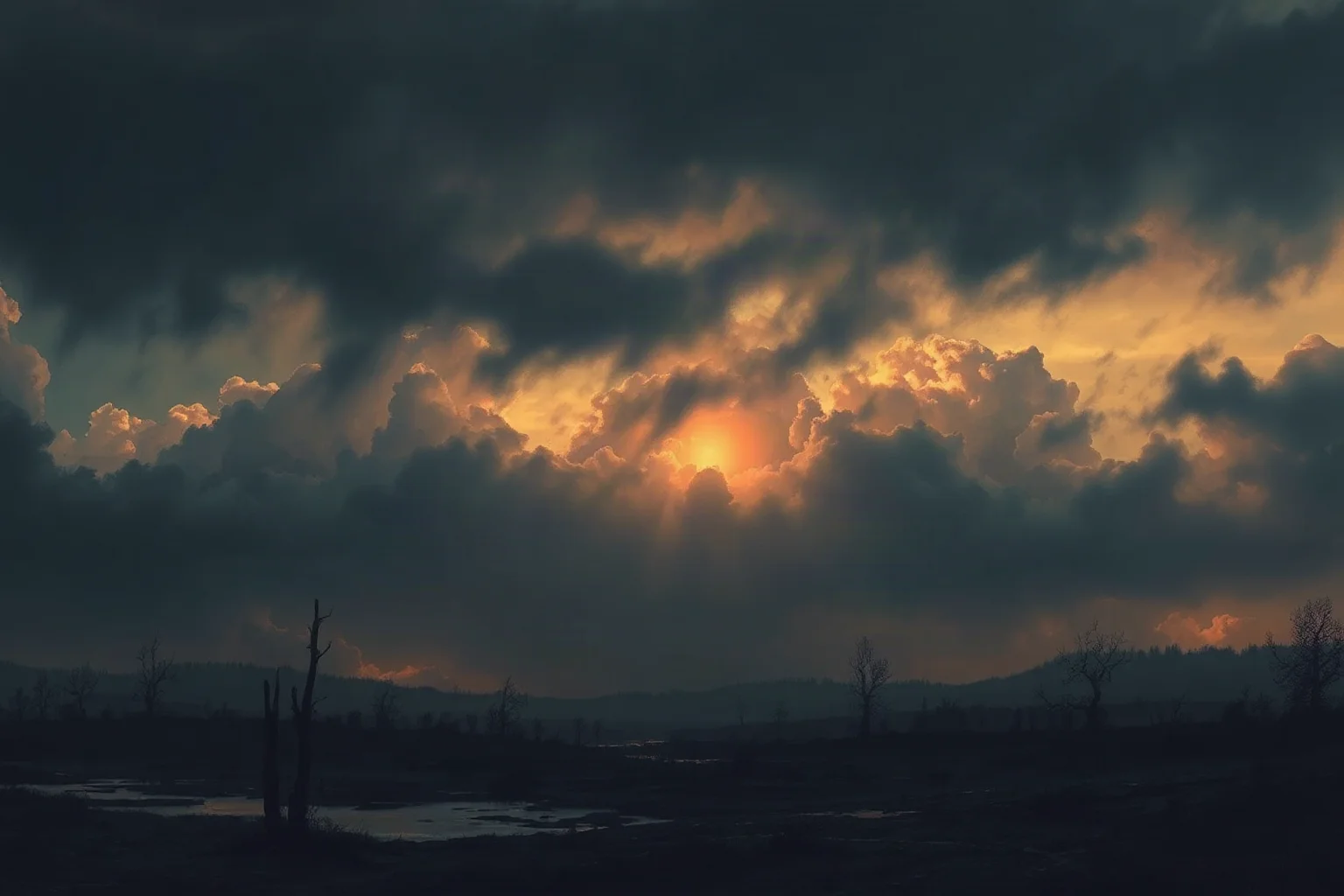
That same summer at Lake Geneva, Lord Byron wrote his poem “Darkness,” a bleak, apocalyptic vision of a sunless world. The imagery of extinguished light and a dying planet closely mirrors the eerie atmosphere many Europeans were experiencing firsthand.
While Byron wasn’t writing a scientific account of volcanic winter, his poem is often cited by historians as a striking literary reflection of just how strange and unsettling that summer felt to those living through it.
18. Vivid Sunsets May Have Inspired Turner’s Paintings
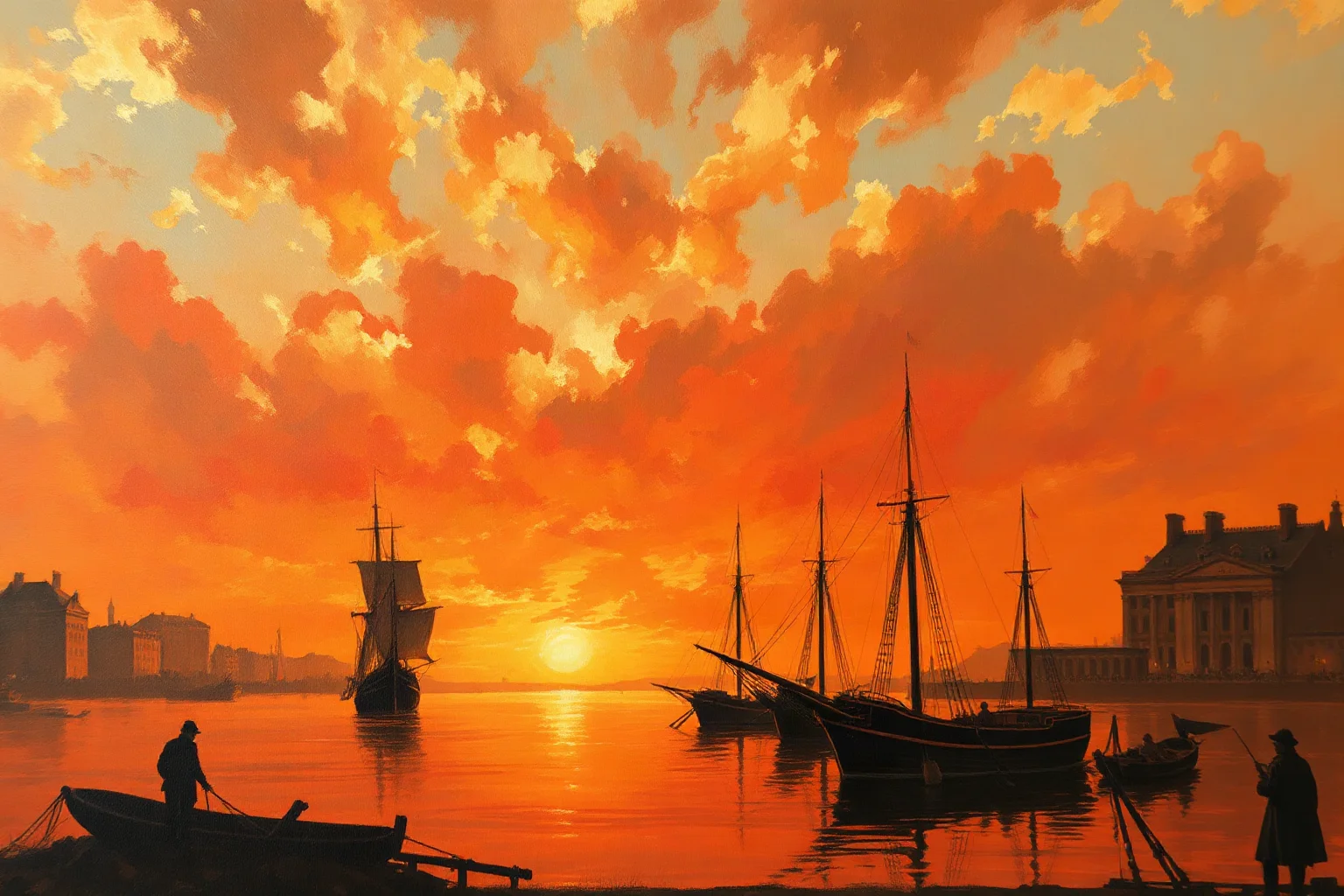
Some art historians and atmospheric scientists have noted that the English painter J.M.W. Turner produced especially vivid, fiery sunset paintings in the years following major volcanic eruptions, including Tambora. The theory is that sulfate aerosols in the atmosphere can scatter light in ways that produce unusually intense red and orange skies at sunset.
This connection is intriguing and has been explored in academic research, but it remains a topic of ongoing discussion rather than an absolute, universally agreed conclusion. It’s a good reminder that even beautiful art can carry traces of environmental history.
19. It May Have Accidentally Led to the Bicycle
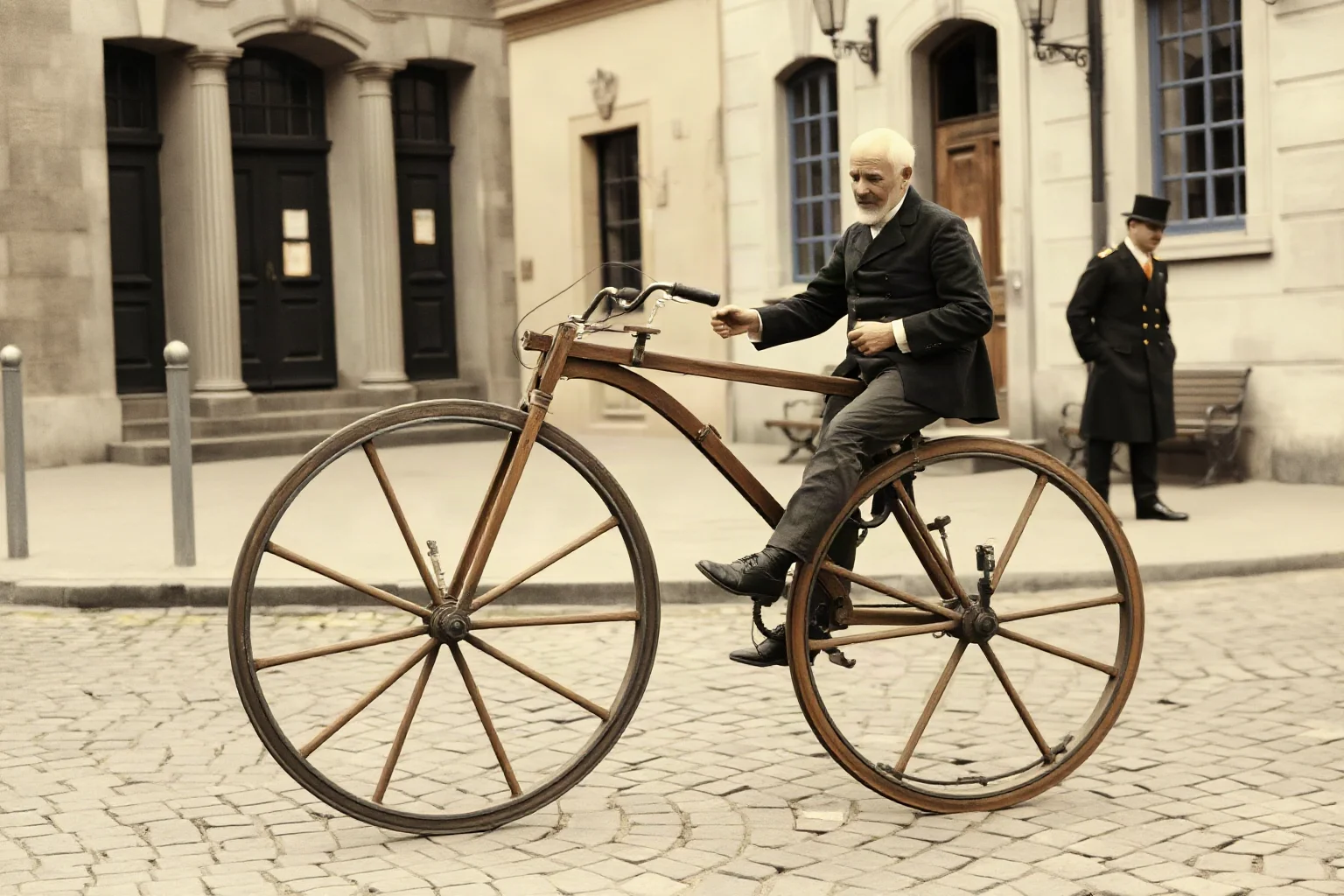
Here’s a lesser-known ripple effect: with oat and hay crops failing across Europe, many horses starved or became too costly to feed, creating real difficulties for transportation. In 1817, German inventor Karl Drais introduced his “Laufmaschine,” a two-wheeled, foot-propelled precursor to the modern bicycle.
Some historians suggest the horse shortages of the post-Tambora years helped spur interest in alternative transportation. This causal link is debated among historians, but it remains a popular and plausible piece of the story.
20. Farmers and Governments Scrambled to Adapt
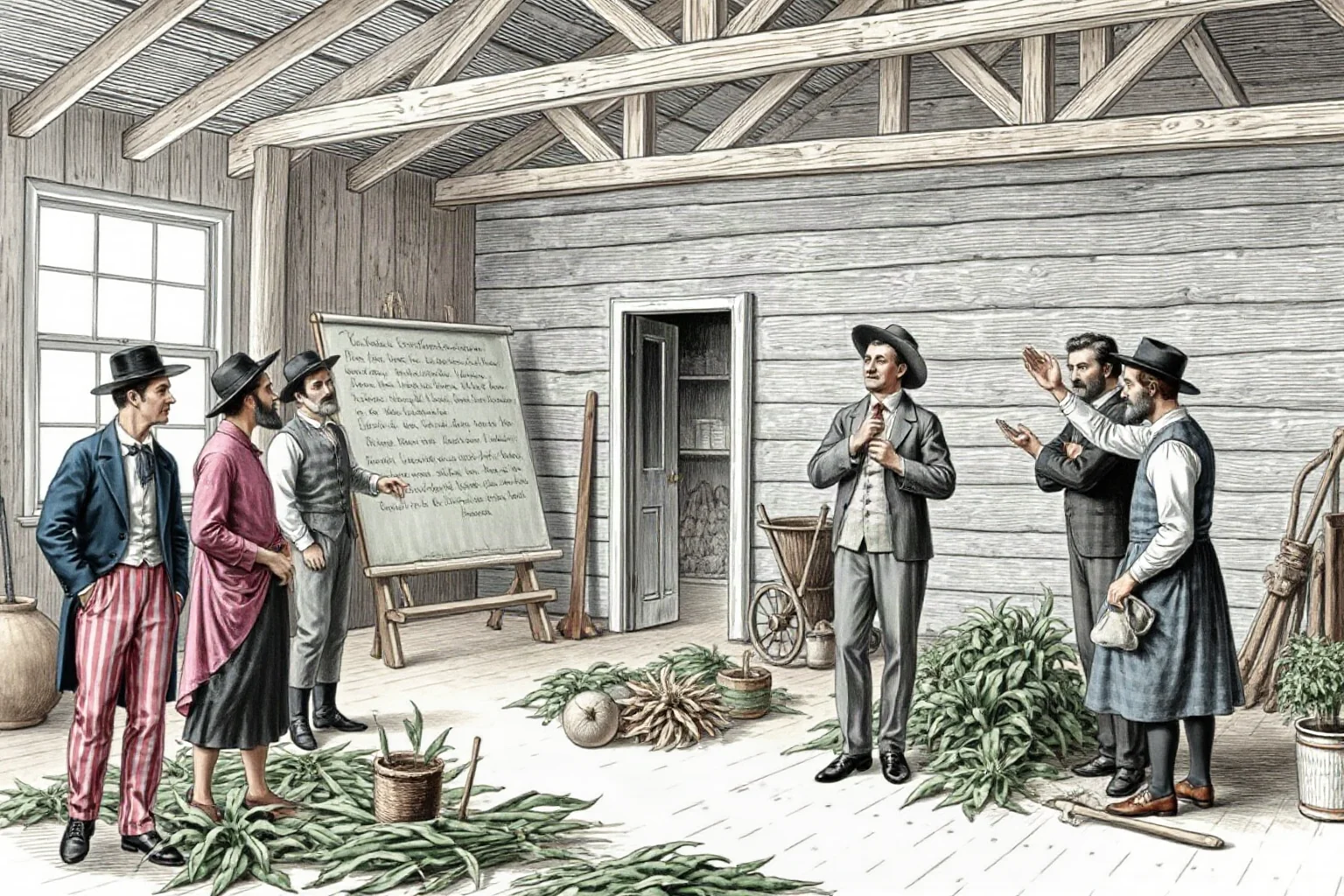
In the aftermath, agricultural communities and governments looked for ways to prevent future disasters of this scale. Interest grew in hardier crop varieties, improved almanacs, and agricultural societies dedicated to sharing best practices.
In Britain, the economic strain of the crisis also fed into ongoing debates over the Corn Laws and food trade policy, tensions that occasionally spilled over into some of the biggest riots in history. The Year Without a Summer became a case study in just how fragile food systems could be when weather turned against them.
21. It May Have Shaped the Origins of a New Religious Movement
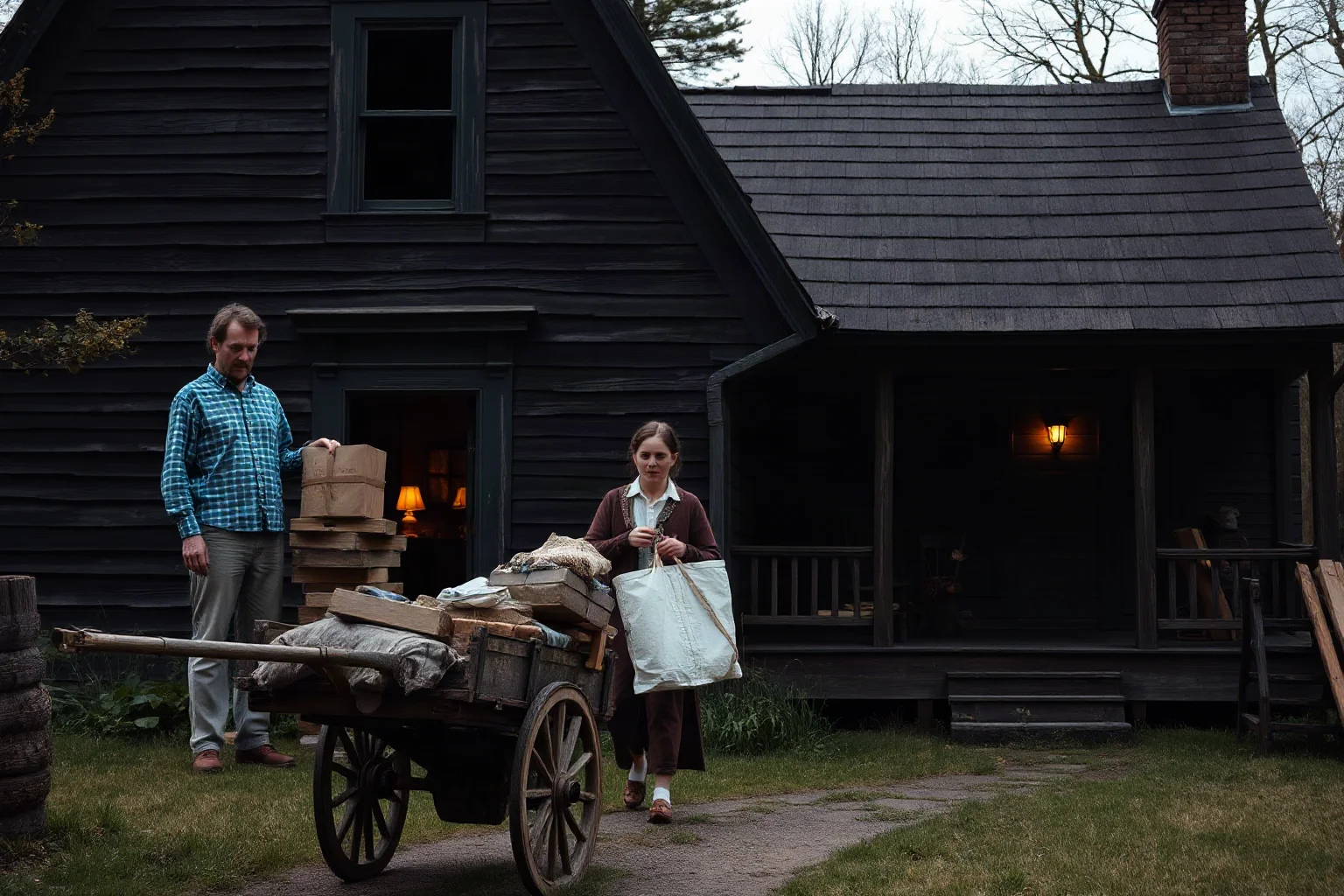
Among the families affected by New England’s failed harvests was that of young Joseph Smith, whose family struggled through the crop failures in Vermont before relocating to Palmyra, New York. Some historians note this hardship as one contributing factor in the family’s decision to move, a relocation that placed Smith in the setting where he would later found the Latter Day Saint movement.
It’s important to note that this connection is one contributing factor among several discussed by historians, not a sole or definitive cause. Still, it’s a striking example of how a single climate event rippled into unexpected corners of history.
22. Scientists Didn’t Connect the Dots for Nearly a Century
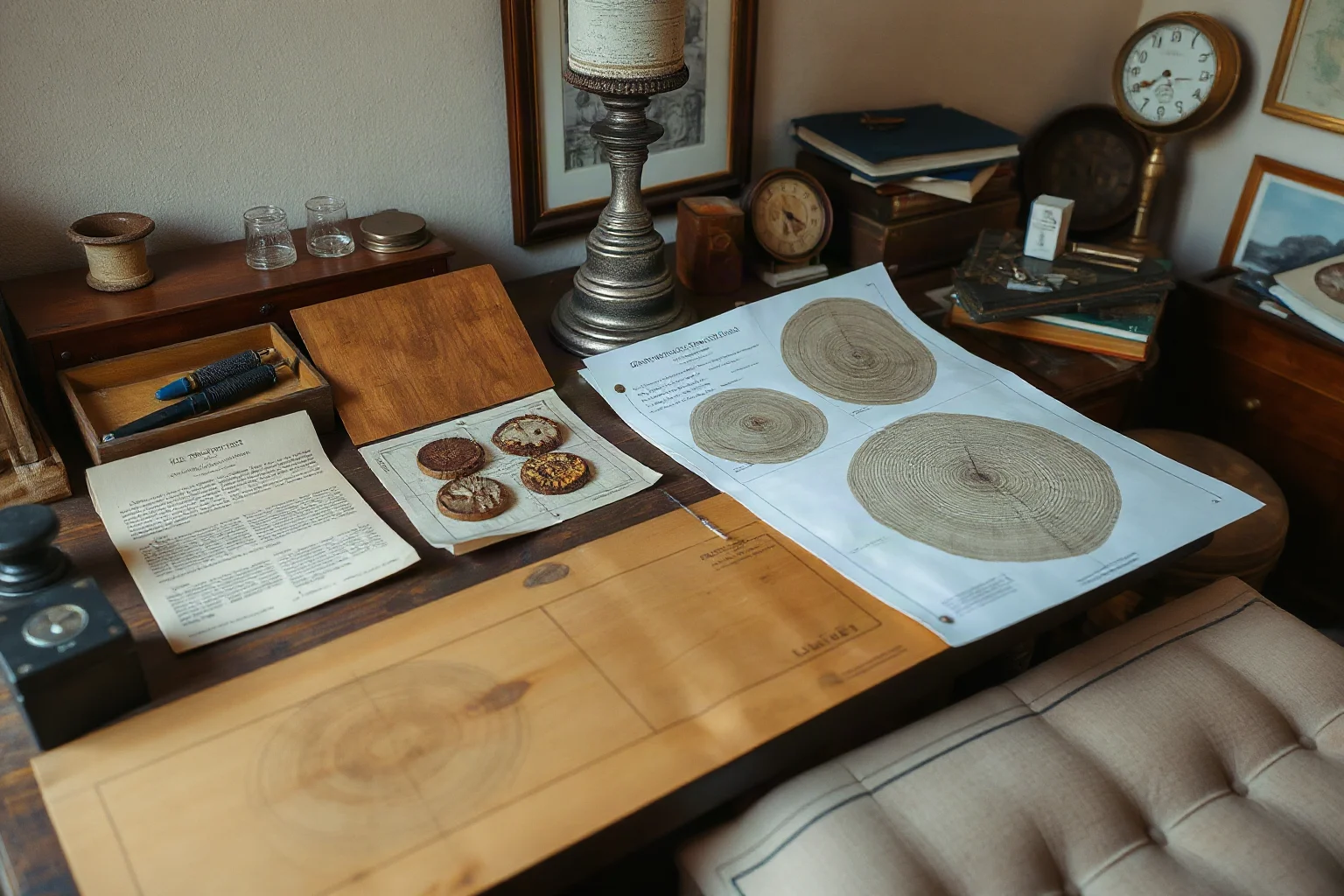
Remarkably, the link between Tambora’s eruption and the global cooling of 1816 wasn’t scientifically established until well into the 20th century. Early researchers like William Humphreys explored the connection between volcanic dust and climate in the early 1900s, and later ice core and tree-ring studies in the late 20th century provided much stronger confirmation.
For the people living through 1816 itself, the cause remained a mystery, often blamed on sunspots, divine punishment, or simple bad luck. It’s a useful reminder that even major historical events can go scientifically unexplained for generations.
23. Could a Summerless Year Happen Again?
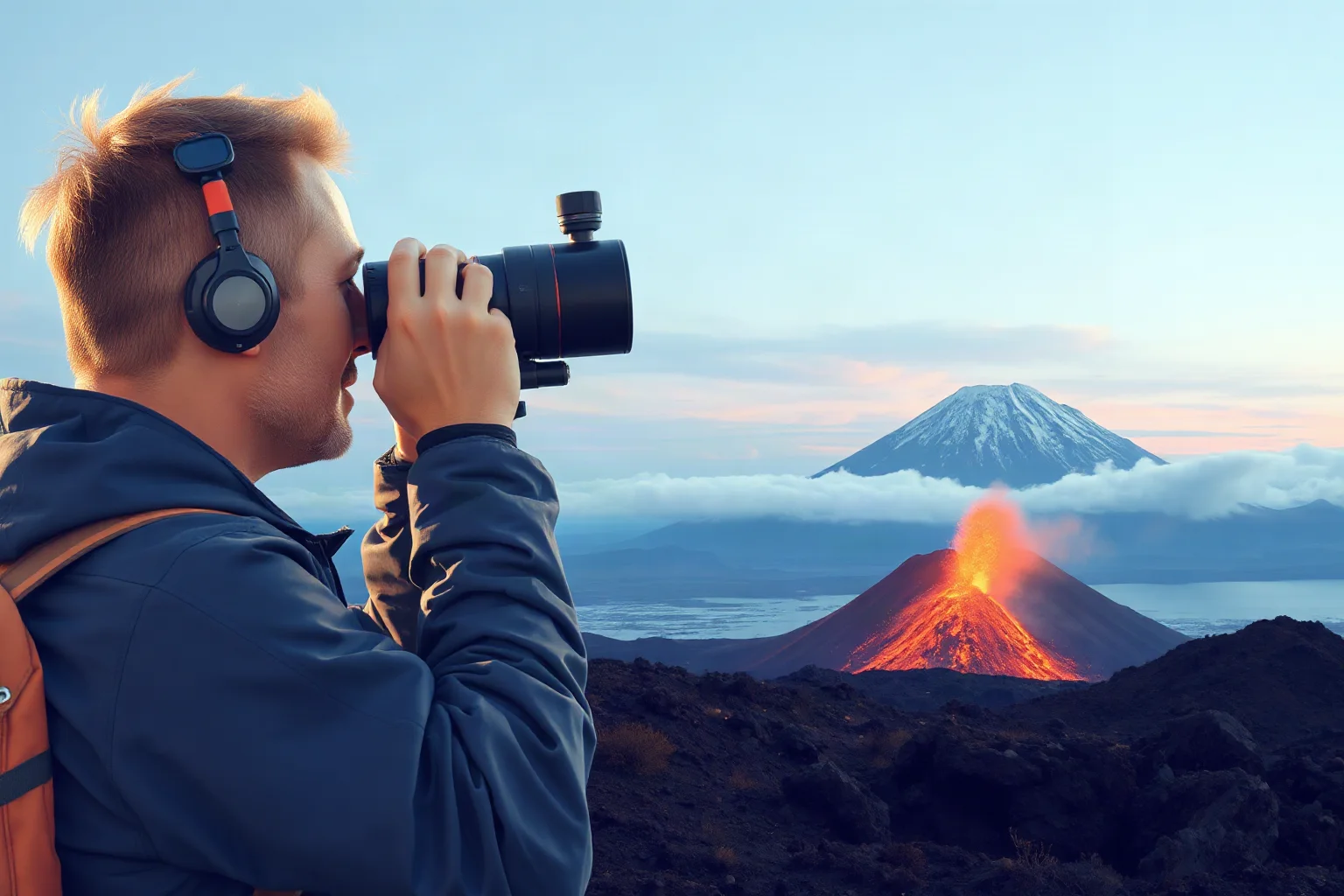
Modern volcanologists point out that eruptions on the scale of Tambora are rare but not impossible. The 1991 eruption of Mount Pinatubo in the Philippines, much smaller than Tambora, still cooled the planet by roughly 0.5 degrees Celsius for around two years, showing the mechanism is still very much active today.
Scientists continue to monitor volcanoes with the potential for major eruptions, and the events of 1816 remain a key historical case study for understanding how quickly a single geological event can disrupt global food systems. It’s a sobering thought, and one reason the Year Without a Summer continues to fascinate historians and climate scientists alike.
The Lasting Legacy of the Year Without a Summer
The Year Without a Summer of 1816 stands as one of the historical events that changed the world more than people realize, a clear example of how interconnected our world truly is. A volcano erupting on a remote Indonesian island managed to trigger famine in Ireland, snowstorms in Vermont, a literary masterpiece in Switzerland, and possibly even a disease outbreak in Bengal.
It’s a story that resists simple explanations, blending hard climate science with genuine human suffering and unexpected cultural creativity. The next time summer feels a little too hot or a little too short, it’s worth remembering just how much worse, and how much stranger, things once got when the sun simply didn’t show up.
Frequently Asked Questions
What was the year without a summer?
The Year Without a Summer refers to 1816, a year marked by abnormally cold temperatures, snow in June, and failed harvests across parts of North America and Europe. It was caused by the massive 1815 eruption of Mount Tambora in present-day Indonesia, which released enough sulfate aerosols into the atmosphere to temporarily cool the planet.
What caused the year without a summer in 1816?
The primary cause was the eruption of Mount Tambora in April 1815, one of the most powerful volcanic eruptions in recorded history. The eruption sent huge quantities of sulfur dioxide into the stratosphere, where it formed aerosol particles that reflected sunlight and cooled global temperatures throughout 1816.
Did it actually snow in the summer of 1816?
Yes, multiple regions of New England, including Vermont and New Hampshire, recorded snowfall and hard frosts in June 1816. Similar unseasonable cold and frost events occurred again in July and August, repeatedly damaging crops across the region.
How many people died because of the 1816 year of no summer?
Estimates vary, but tens of thousands of people are believed to have died from famine and disease across Europe due to the failed 1816 harvests, in addition to the estimated tens of thousands killed directly and indirectly by the Tambora eruption itself in Indonesia. Precise figures are difficult to confirm due to limited record-keeping at the time.
How is the year without a summer connected to Frankenstein?
During the unusually cold, rainy summer of 1816, Mary Shelley, Percy Shelley, Lord Byron, and John Polidori were staying near Lake Geneva and were largely confined indoors by the poor weather. Byron proposed a ghost-story writing contest to pass the time, which led directly to Mary Shelley's first drafts of what became her novel Frankenstein.
Could another summerless year happen today?
It's possible, though large eruptions on the scale of Tambora are rare. Smaller eruptions, like Mount Pinatubo in 1991, have still caused measurable global cooling for a year or two, showing that the same basic volcanic winter mechanism remains an active climate risk today.

Alex Warren
Related Articles