
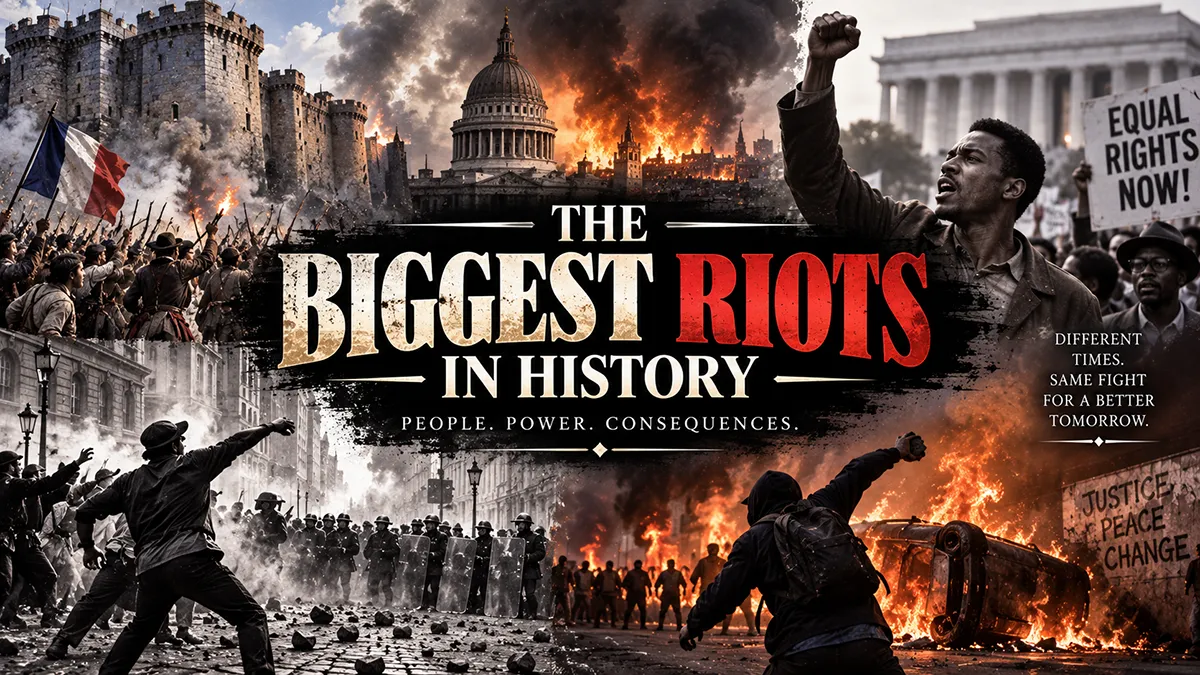
When crowds take to the streets, history tends to remember what happens next. Some of these gatherings stayed peaceful and still managed to topple governments.
Others spiraled into violence that left cities in ashes and reshaped laws forever. Understanding the difference — and the messy overlap — between a protest and a riot is key to understanding how ordinary anger becomes historical change.
This list pulls together some of the largest riots and protests in world history, from a chariot-racing feud that nearly toppled a Byzantine emperor to the record-setting demonstrations of the last few years.
Along the way, we’ll look at what these events were actually about, how big they really got, and separate the well-documented facts from the exaggerated legends.
TL;DR: Throughout history, riots and mass protests — from the Nika Riots of 532 AD to the George Floyd protests of 2020 — have repeatedly forced governments to change laws, resign, or fall entirely.
What Are Riots, Really? Riots vs. Protests Explained
A protest is a planned, collective expression of grievance, and most protests in history have stayed nonviolent from start to finish. A riot, by contrast, involves a crowd engaging in disorderly, often destructive behavior, whether that’s property damage, looting, or clashes with police and counter-demonstrators.
The two aren’t always separate categories. Many of history’s biggest riots actually began as peaceful protests that boiled over after a specific trigger, like a violent arrest, a heavy-handed police response, or a provocative rumor.
When people ask “what are the riots about,” the honest answer is usually layered: there’s an immediate spark, and then there’s years or decades of underlying frustration that the spark ignites.
Economic hardship, racial and ethnic tension, government repression, and perceived injustice in the courts are the recurring fuel behind almost every major riot in this list. The spark is rarely the real cause; it’s just the moment the pressure finally releases.
A Short History of Rioting: Why Crowds Turn to Violence
Rioting in history is nothing new. Ancient Rome saw bread riots when grain shipments failed, and medieval European cities regularly erupted over taxes, food prices, and religious persecution.
The history of rioting in America follows a similar pattern, with unrest tied to labor conditions, racial injustice, war policy, and policing showing up again and again across three centuries.
What’s changed is scale and visibility. Modern communication means a local incident can trigger simultaneous demonstrations across dozens of cities within days, something that was physically impossible before telegraphs, television, and social media.
That’s part of why so many of the largest protests in history — in terms of raw participant numbers — have happened within the last 15 years.
Ancient and Early Modern Riots
1. The Nika Riots (532 AD)
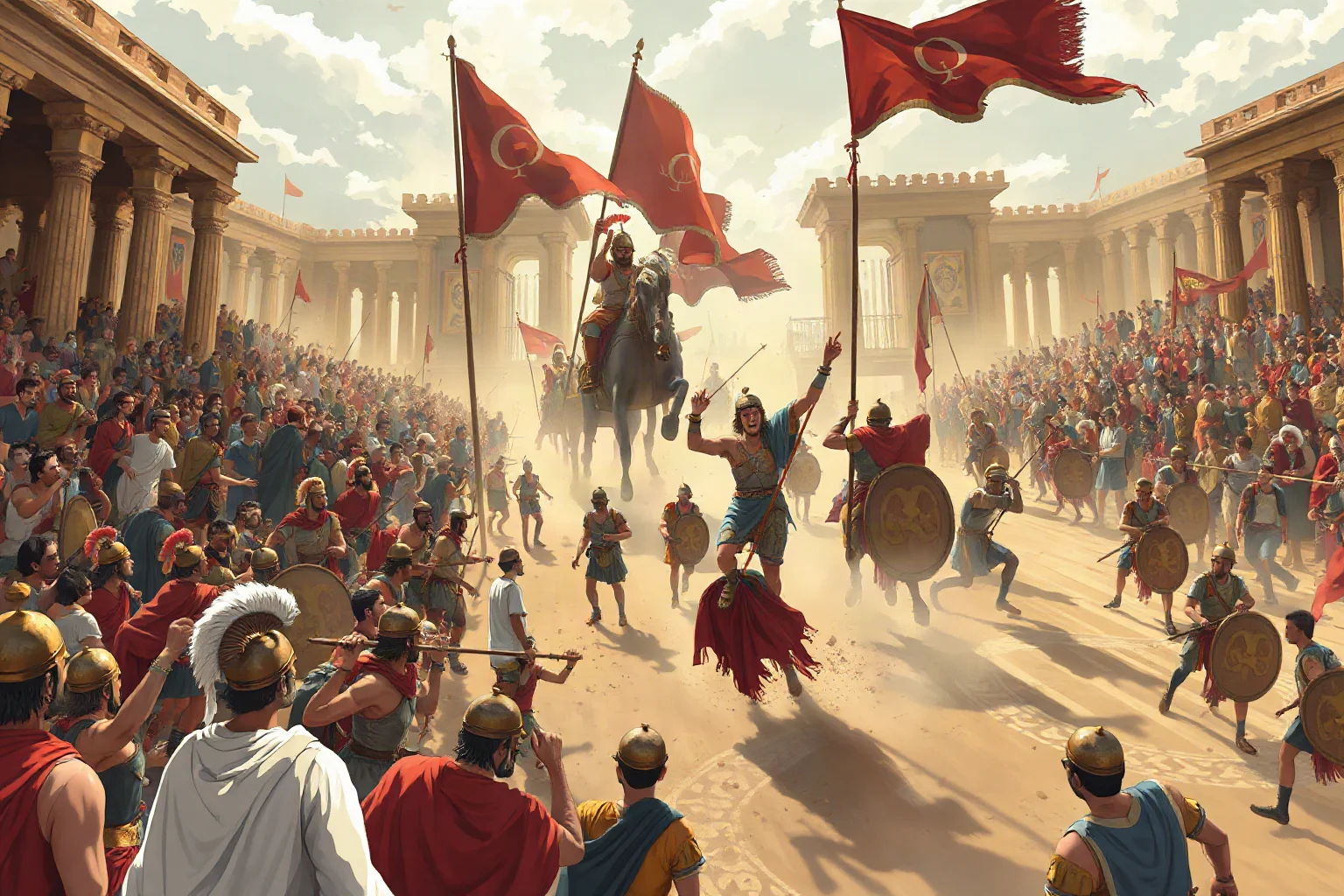
The Nika Riots erupted in Constantinople when two rival chariot-racing factions, the Blues and the Greens, briefly united against Emperor Justinian I over unpopular taxes and unjust sentencing. What started as sports hooliganism turned into a week-long uprising that torched large parts of the city, including the original Hagia Sophia.
According to the contemporary historian Procopius, tens of thousands of people were killed when Justinian’s generals, Belisarius and Mundus, trapped and slaughtered the crowd in the Hippodrome. While exact numbers are impossible to verify today, it’s widely regarded as one of the deadliest riots in ancient history.
2. The Peasants’ Revolt (1381)
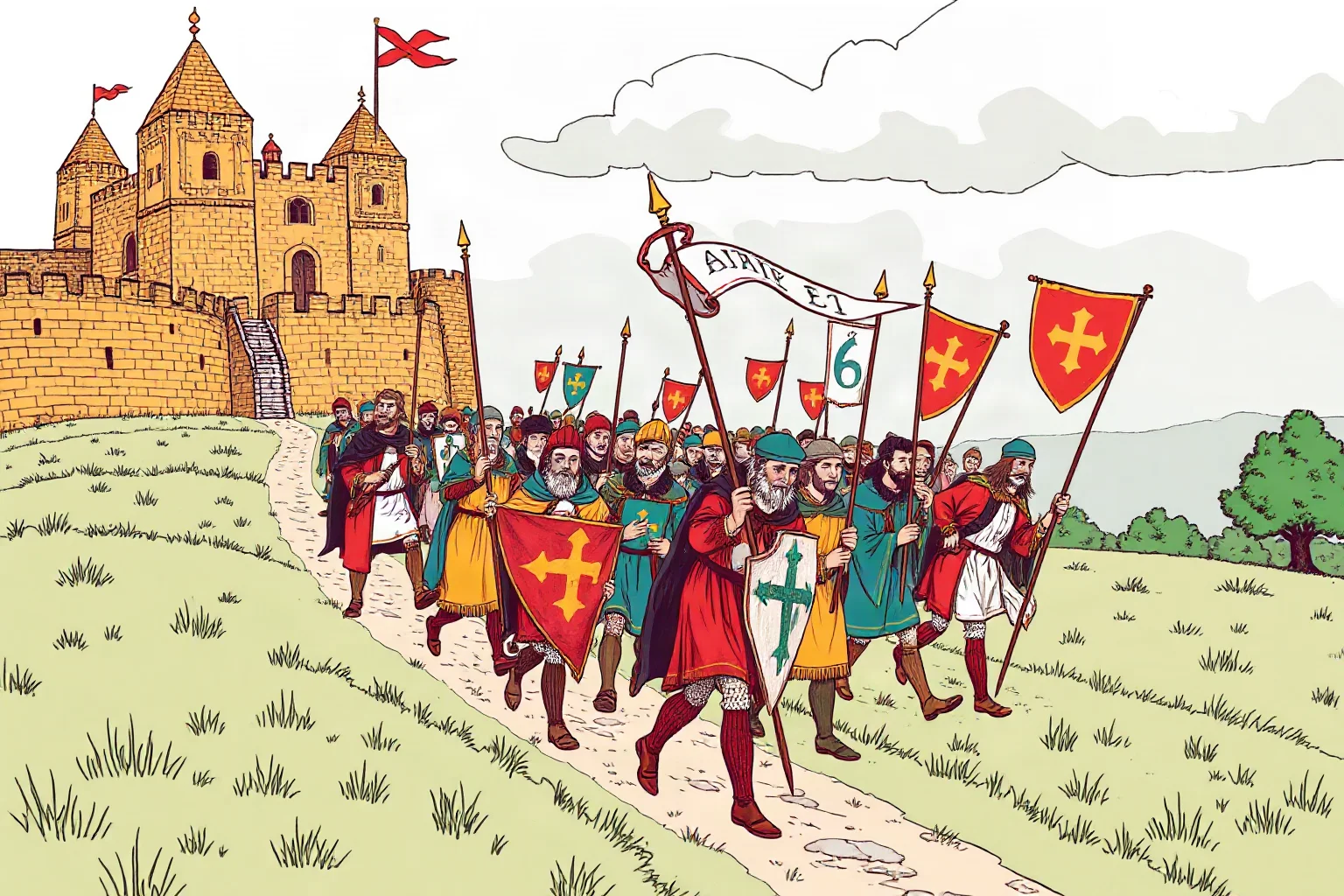
England’s Peasants’ Revolt began as anger over a repeated poll tax and the lingering aftershocks of the Black Death’s labor shortages. Led by Wat Tyler, thousands of rural laborers marched on London, stormed the Tower of London, and even met face-to-face with teenage King Richard II.
Tyler was killed during a tense negotiation, and the revolt collapsed soon after. Even so, the poll tax was abandoned, making this one of the earliest examples of a violent protest producing a real, if delayed, policy win.
3. The Gordon Riots (1780)
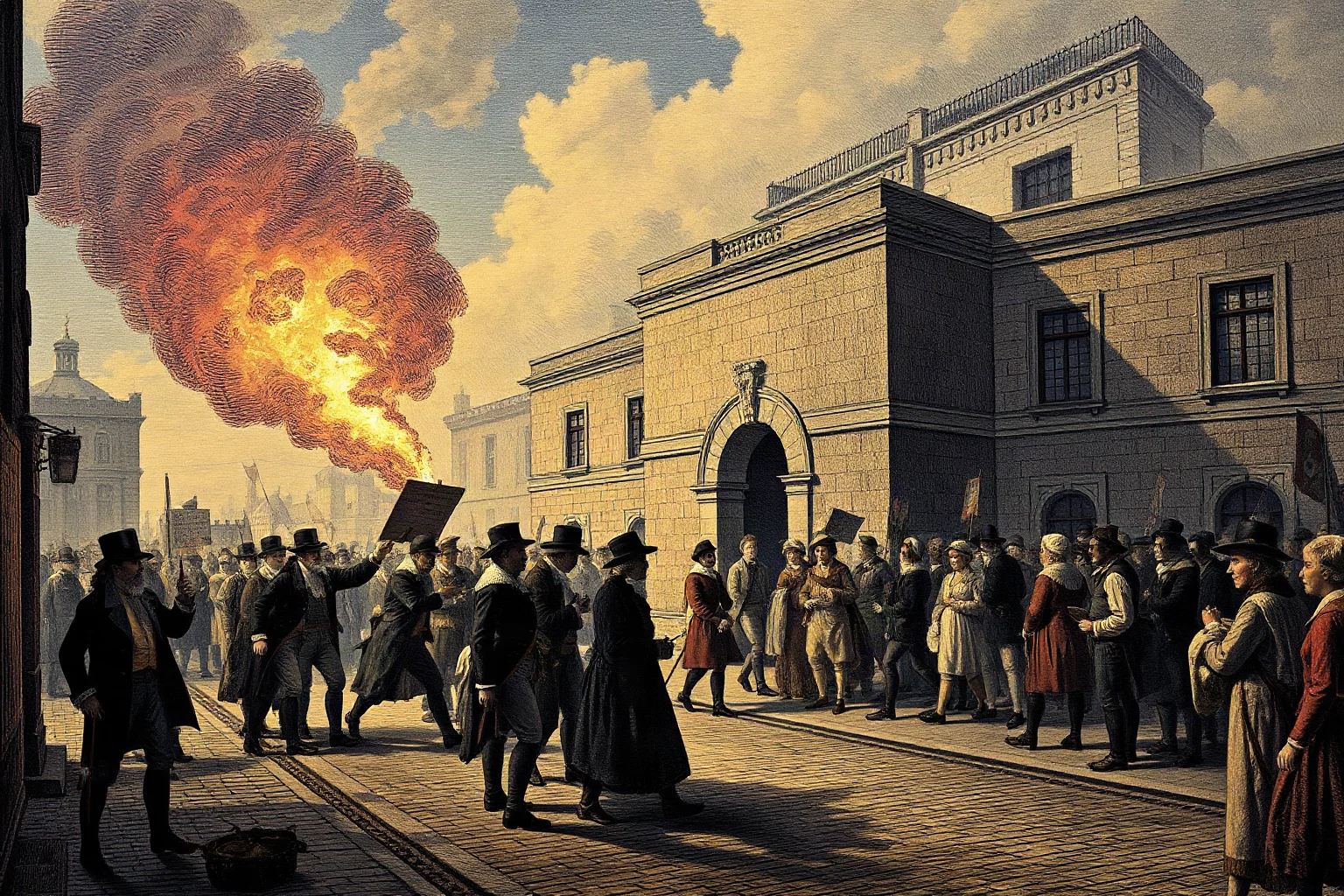
London’s Gordon Riots began as an anti-Catholic protest led by Lord George Gordon against the Papists Act, which had eased restrictions on Catholics. The demonstration spiraled into nearly a week of looting, prison-storming, and arson across the city.
Newgate Prison was burned, and government troops eventually opened fire on crowds, with estimates of several hundred deaths from the violence and its suppression. It remains one of the most destructive riots in British history.
4. The Paris Commune Uprising (1871)
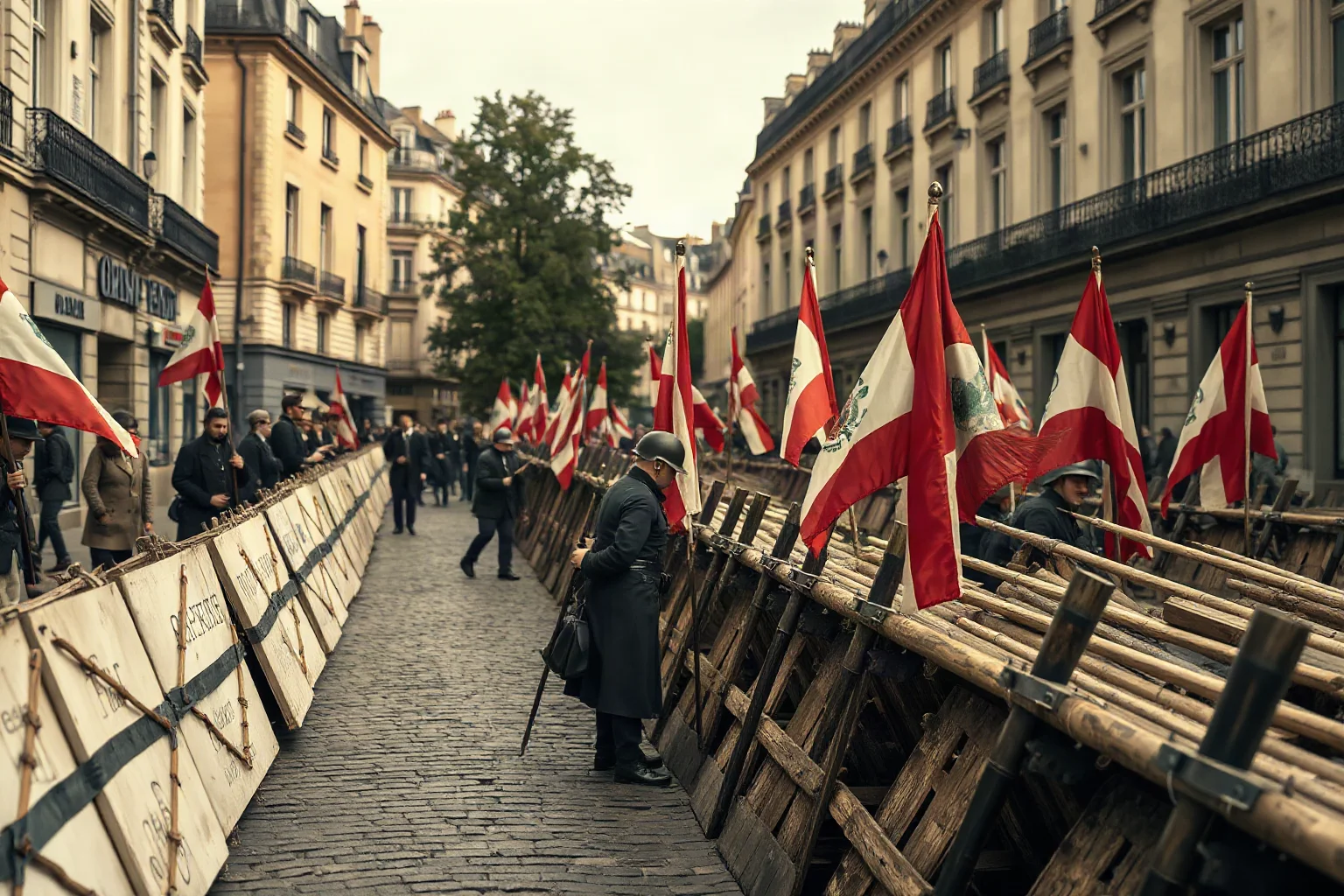
After France’s defeat in the Franco-Prussian War, Parisians formed a short-lived revolutionary government known as the Commune. The national government responded with overwhelming force during what’s remembered as “Bloody Week,” retaking the city street by street.
Historians estimate thousands of Communards were killed in the fighting and the executions that followed, making it one of the bloodiest suppressions of a popular uprising in modern European history.
Riots That Shaped Modern America
5. The Astor Place Riot (1849)
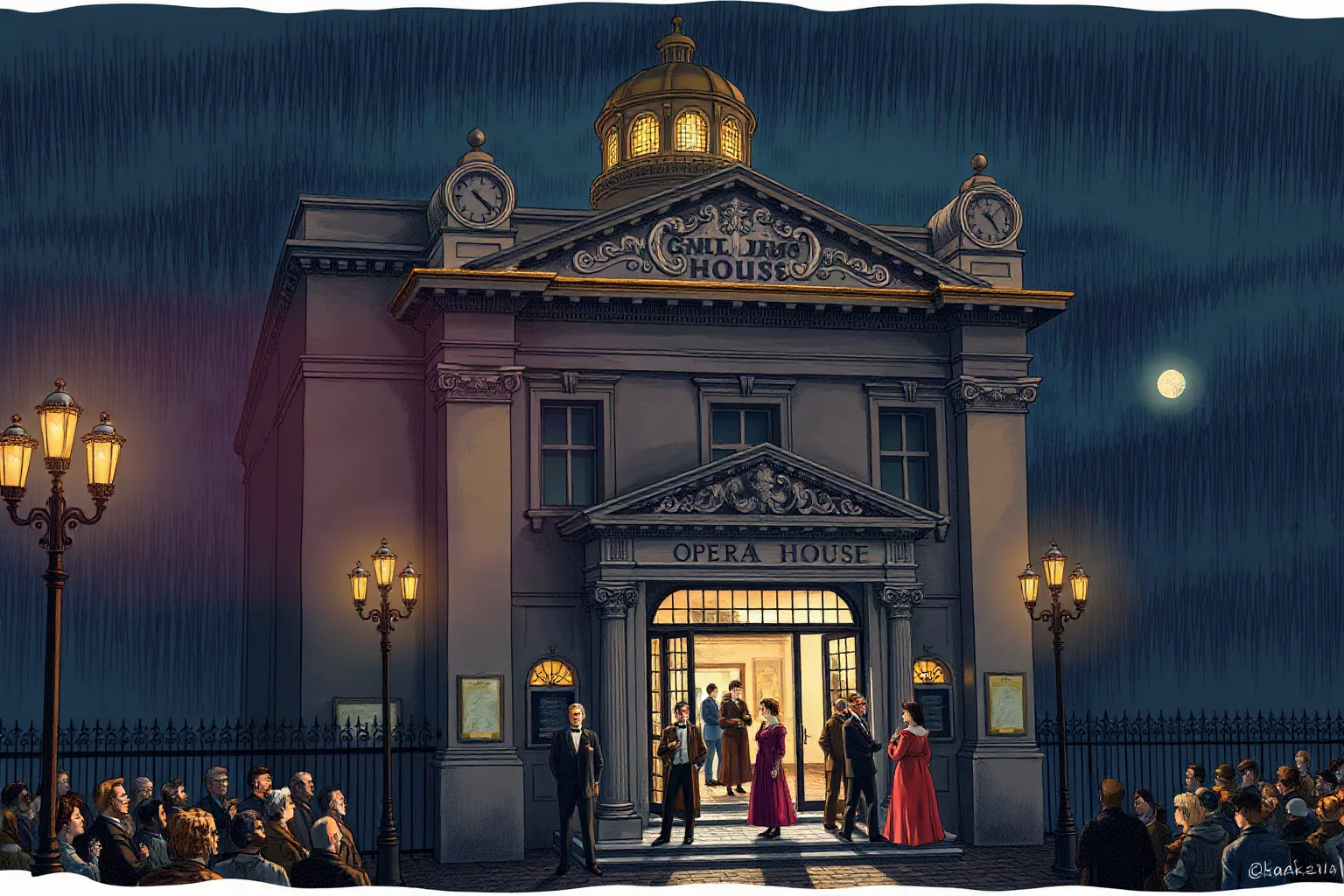
This New York City riot sounds almost absurd today: it was sparked by a rivalry between two Shakespearean actors, one American and one English, whose fans represented deeper class tensions in the city. When a mob gathered outside the Astor Place Opera House, the militia opened fire.
Estimates put the death toll between roughly 22 and 31 people, making it one of the deadliest theater-related riots ever recorded and an early warning sign of how class resentment could turn violent in American cities.
6. The New York City Draft Riots (1863)
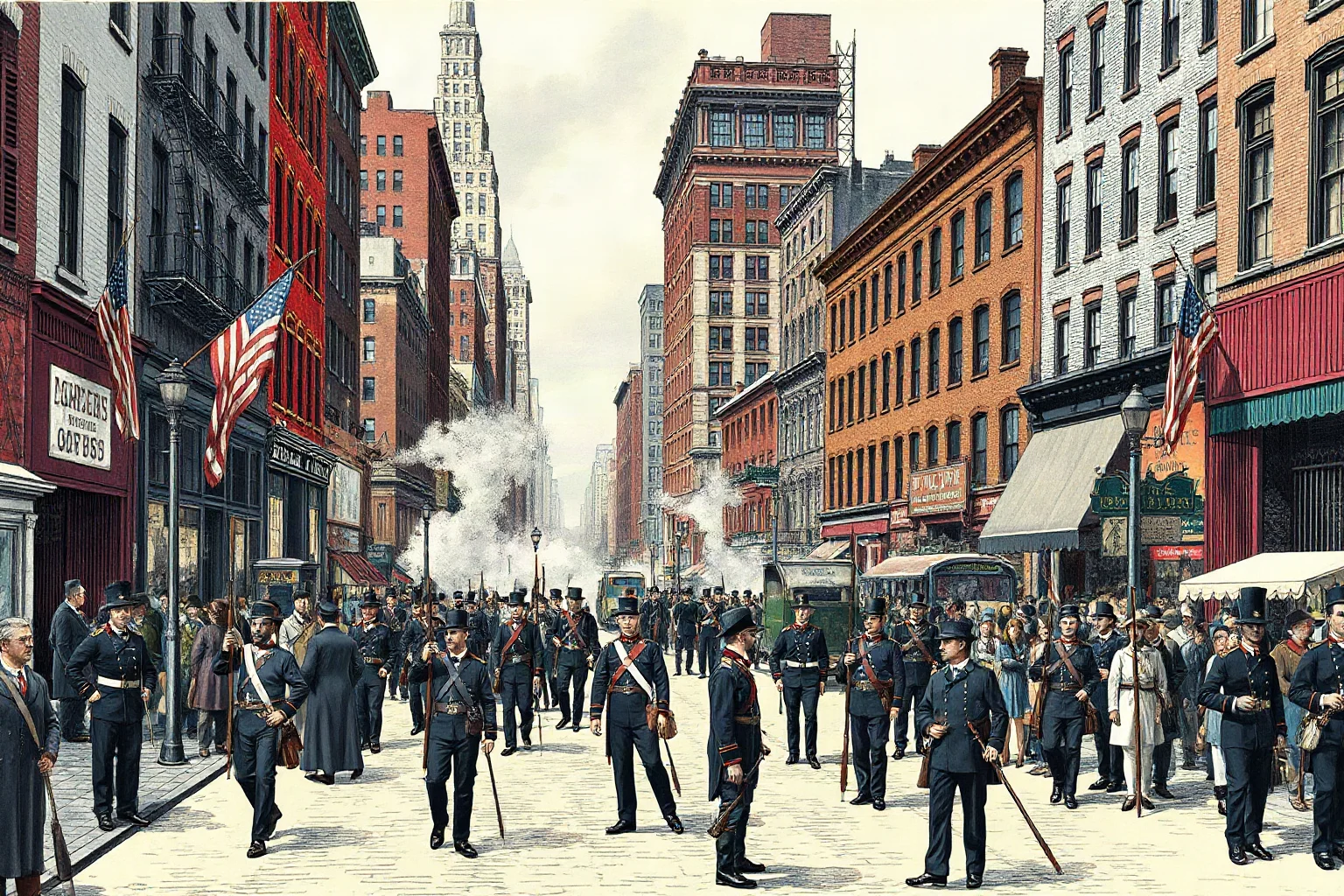
Often cited among the worst riots in American history, the 1863 Draft Riots began as protest against Civil War conscription and quickly turned into deadly violence targeting Black New Yorkers. For four days, mobs attacked buildings, an orphanage, and residents across the city.
Union troops, some pulled directly from the Gettysburg campaign, were deployed to restore order. Estimates of the death toll vary but commonly range from about 105 to 120 people, making it one of the deadliest riots in U.S. history.
7. The Haymarket Affair (1886)
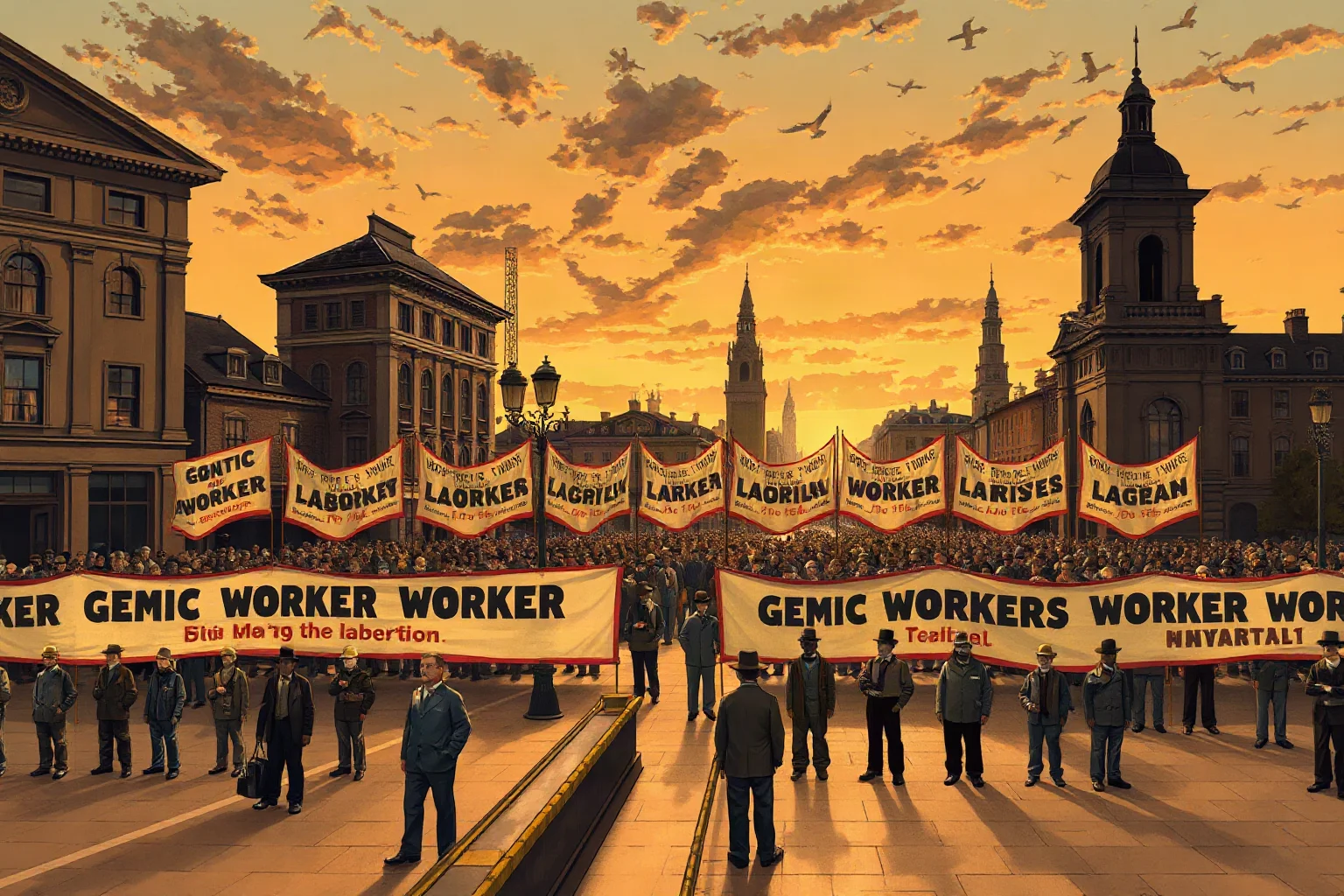
Chicago’s Haymarket Affair grew out of a labor rally supporting an eight-hour workday. When someone threw a bomb at police attempting to disperse the crowd, officers opened fire, and seven police officers along with several civilians were killed.
The resulting trial and executions of several labor organizers made Haymarket a global symbol of workers’ rights, and it’s part of why May 1st is celebrated as International Workers’ Day in much of the world.
8. The Tulsa Race Massacre (1921)
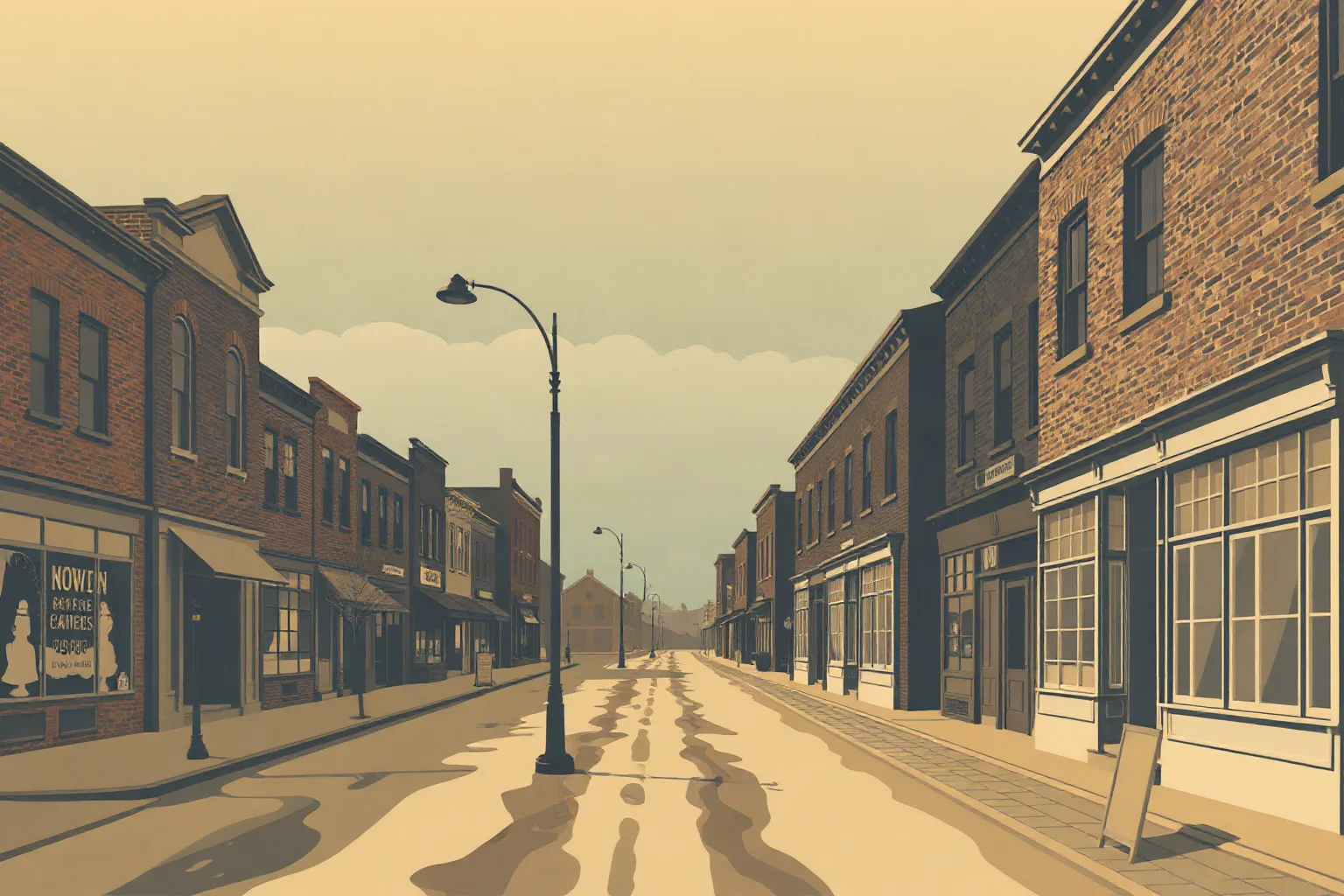
Over roughly 18 hours, a white mob destroyed the prosperous Greenwood District of Tulsa, Oklahoma, known at the time as “Black Wall Street.” Homes, churches, and businesses were burned, and thousands of Black residents were left homeless.
The official death toll recorded at the time was around 36, but later investigations and historians have suggested the real number could be much higher, possibly in the range of 100 to 300. Because records were suppressed for decades, the exact figure remains genuinely disputed, and the massacre is now widely counted among the worst man-made disasters in American history.
9. The Watts Riots (1965)
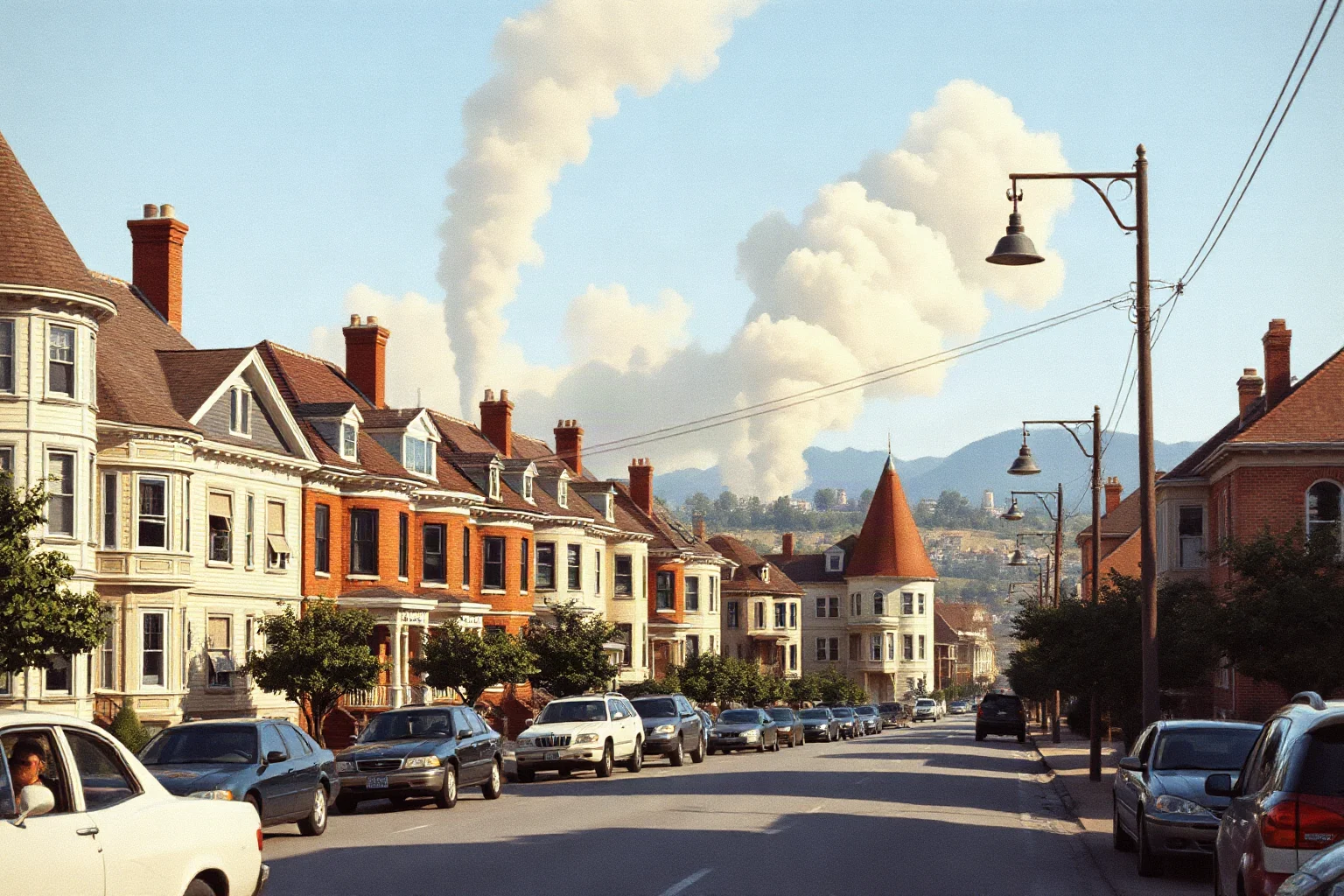
Sparked by a traffic stop that escalated into a confrontation with police, the Watts Riots consumed a Los Angeles neighborhood for six days. By the end, 34 people were dead, over a thousand were injured, and property damage reached roughly $40 million.
The unrest drew national attention to the deep economic and racial inequality faced by Black residents of South Los Angeles, and it became a touchstone reference point for every major American riot that followed.
10. The Detroit Riots (1967)
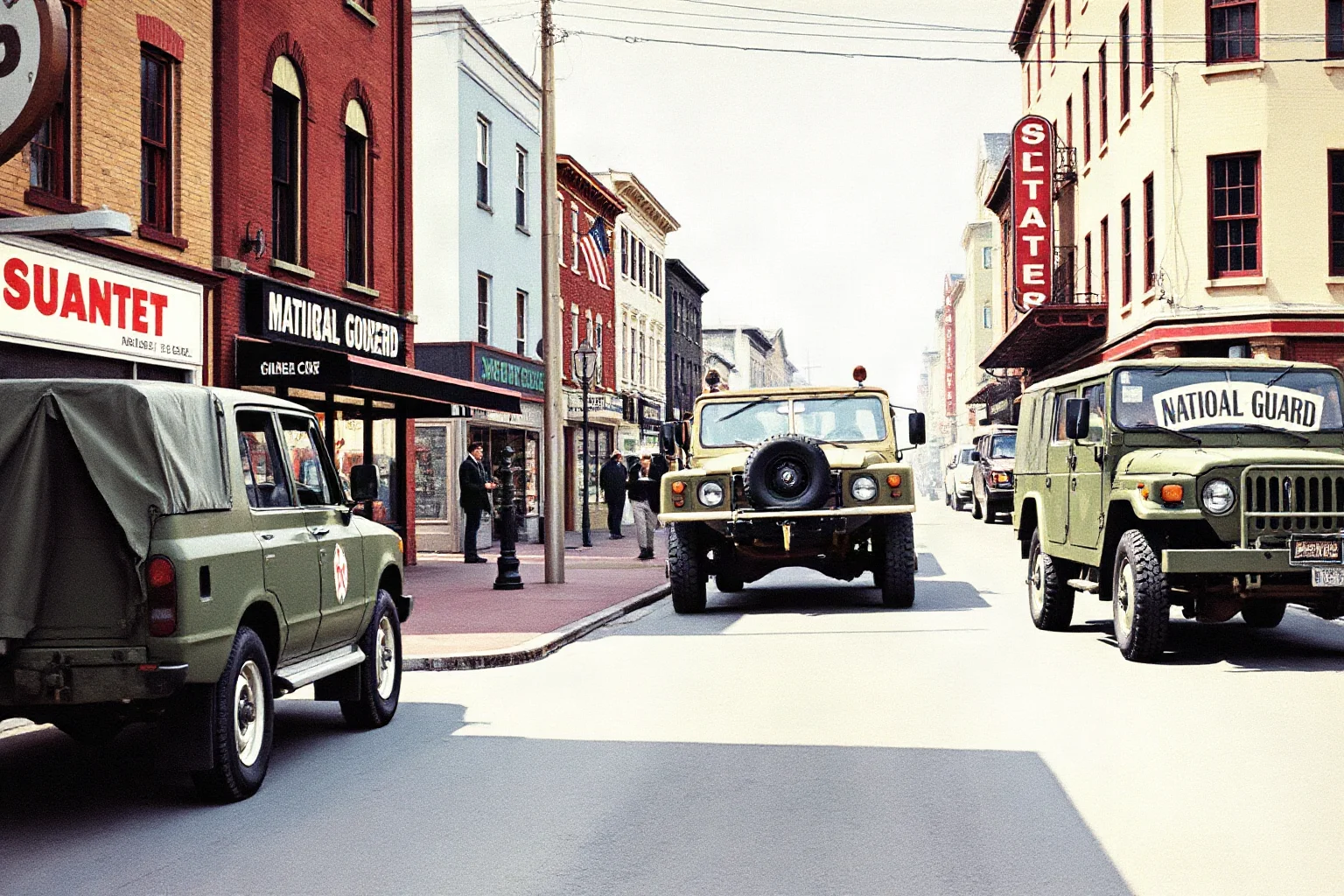
Also known as the 12th Street Riot, this five-day uprising began after police raided an unlicensed bar. It became one of the deadliest urban riots in U.S. history, with 43 people killed and thousands arrested before National Guard and federal troops restored order.
The scale of the destruction directly prompted President Lyndon Johnson to form the Kerner Commission, which concluded that racism and inequality in policing and housing were the true root causes.
11. The 1968 Riots and Chicago Convention Clashes
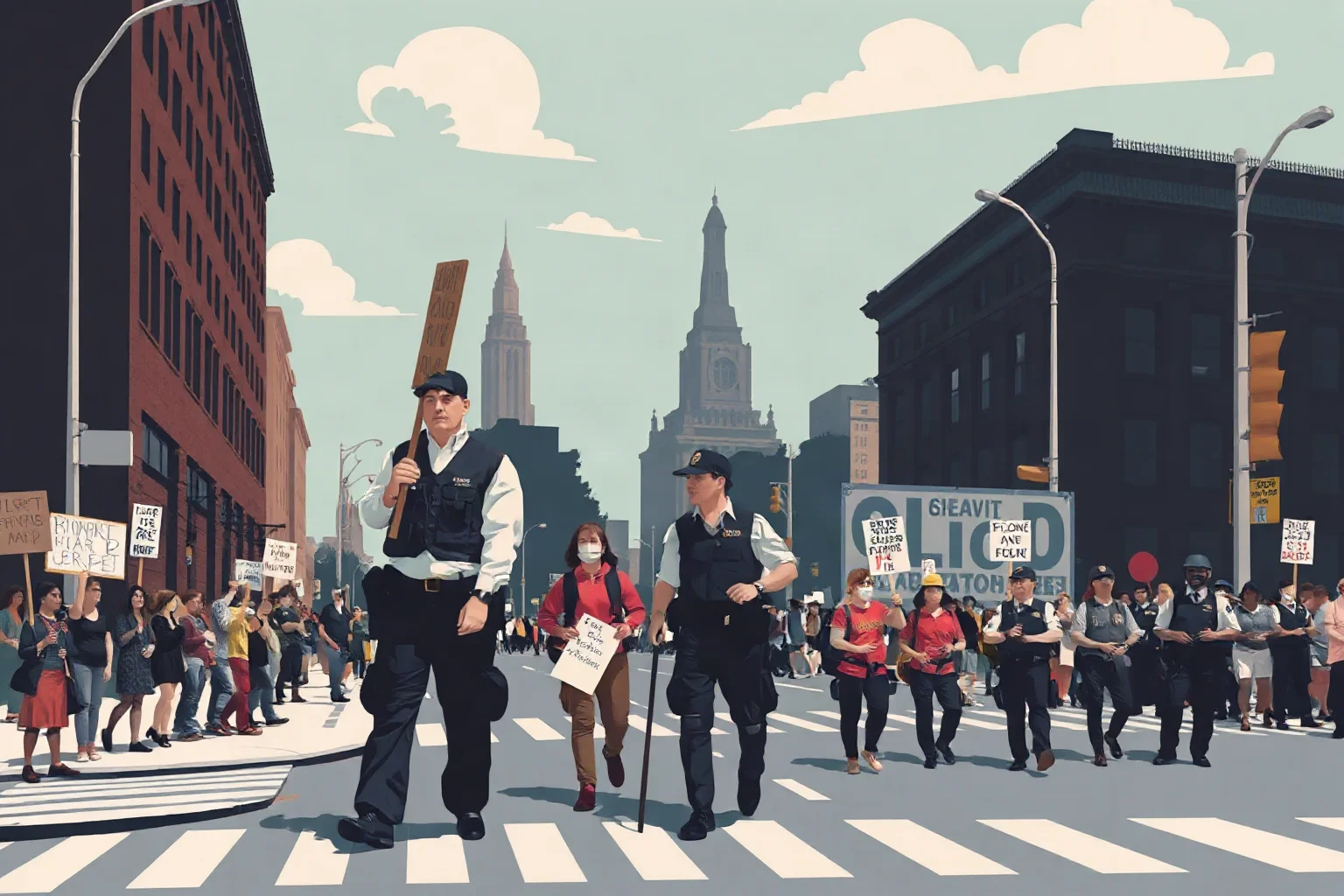
The assassination of Martin Luther King Jr. in April 1968 triggered rioting in over 100 American cities within days, including Washington, D.C., Baltimore, and Chicago. Later that same year, the Democratic National Convention in Chicago saw violent clashes between police and anti-Vietnam War demonstrators.
A subsequent government-commissioned report described the convention clashes as a “police riot,” a term that itself sparked debate about who really escalated the violence. Together, these events made 1968 one of the most turbulent years in the history of rioting in America.
12. The Stonewall Riots (1969)
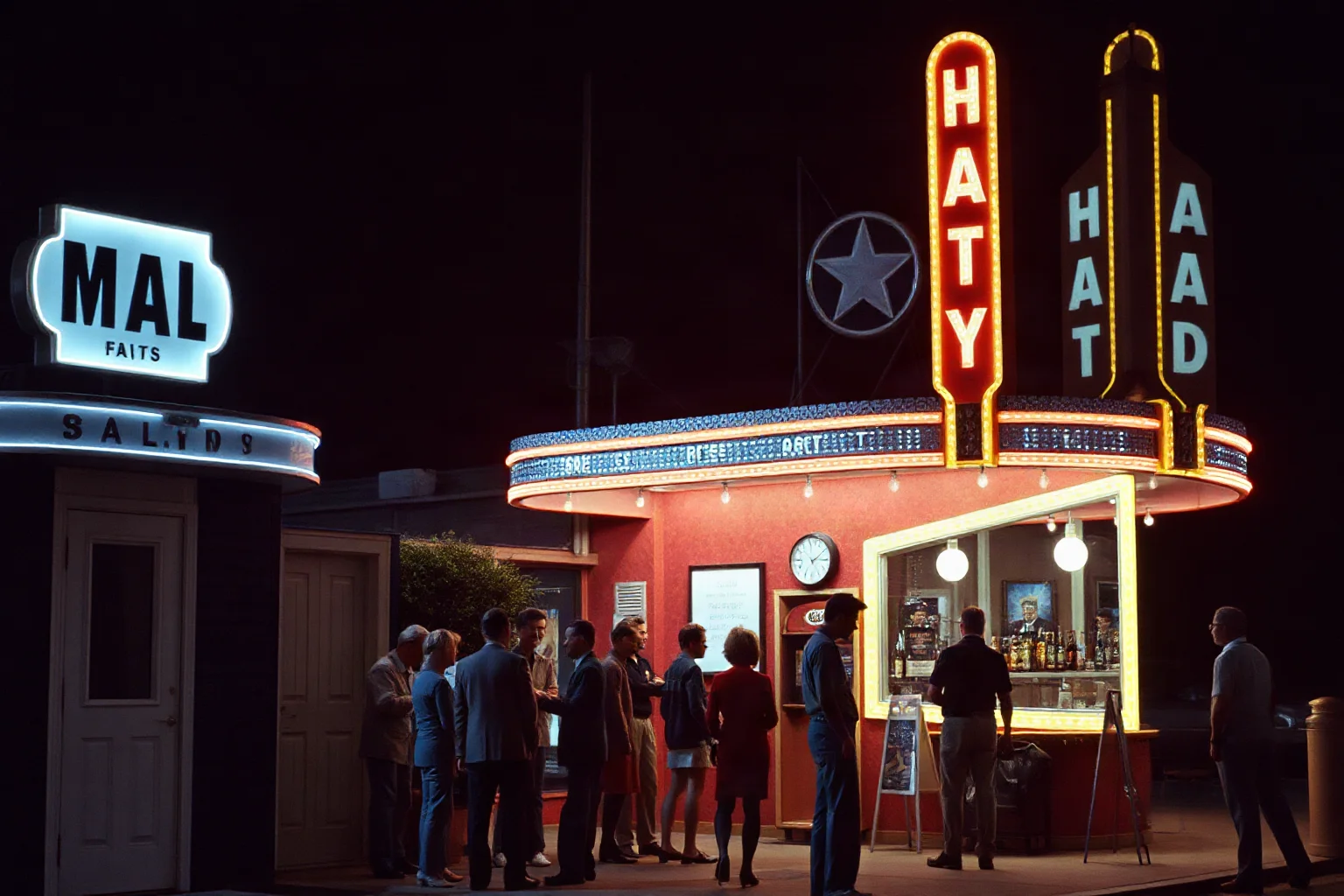
When New York police raided the Stonewall Inn, a gay bar in Greenwich Village, patrons and neighborhood residents fought back instead of dispersing. Several nights of confrontation followed, turning a routine police raid into a landmark moment.
Stonewall is widely credited as the catalyst for the modern LGBTQ+ rights movement, and the first Pride marches were held in New York and other cities the following year to commemorate it.
13. The Attica Prison Uprising (1971)
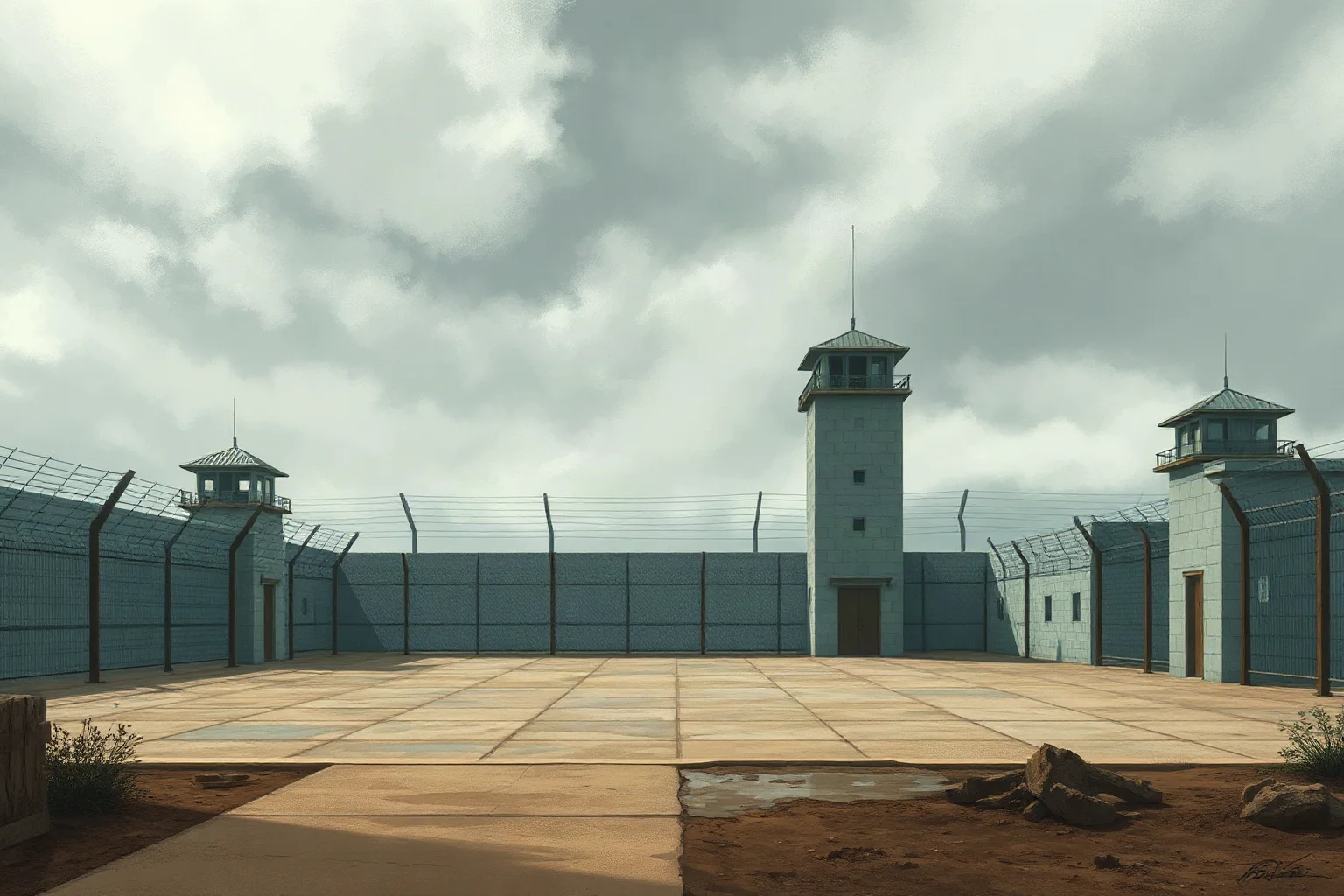
Inmates at New York’s Attica Correctional Facility took control of the prison for four days, demanding better living conditions and reforms. Negotiations broke down, and state police retook the facility by force.
The retaking left 43 people dead, including hostages and inmates, most killed during the final assault rather than the initial uprising. Attica remains one of the deadliest prison riots in American history and a lasting case study in prison reform debates.
14. The Los Angeles Riots (1992)
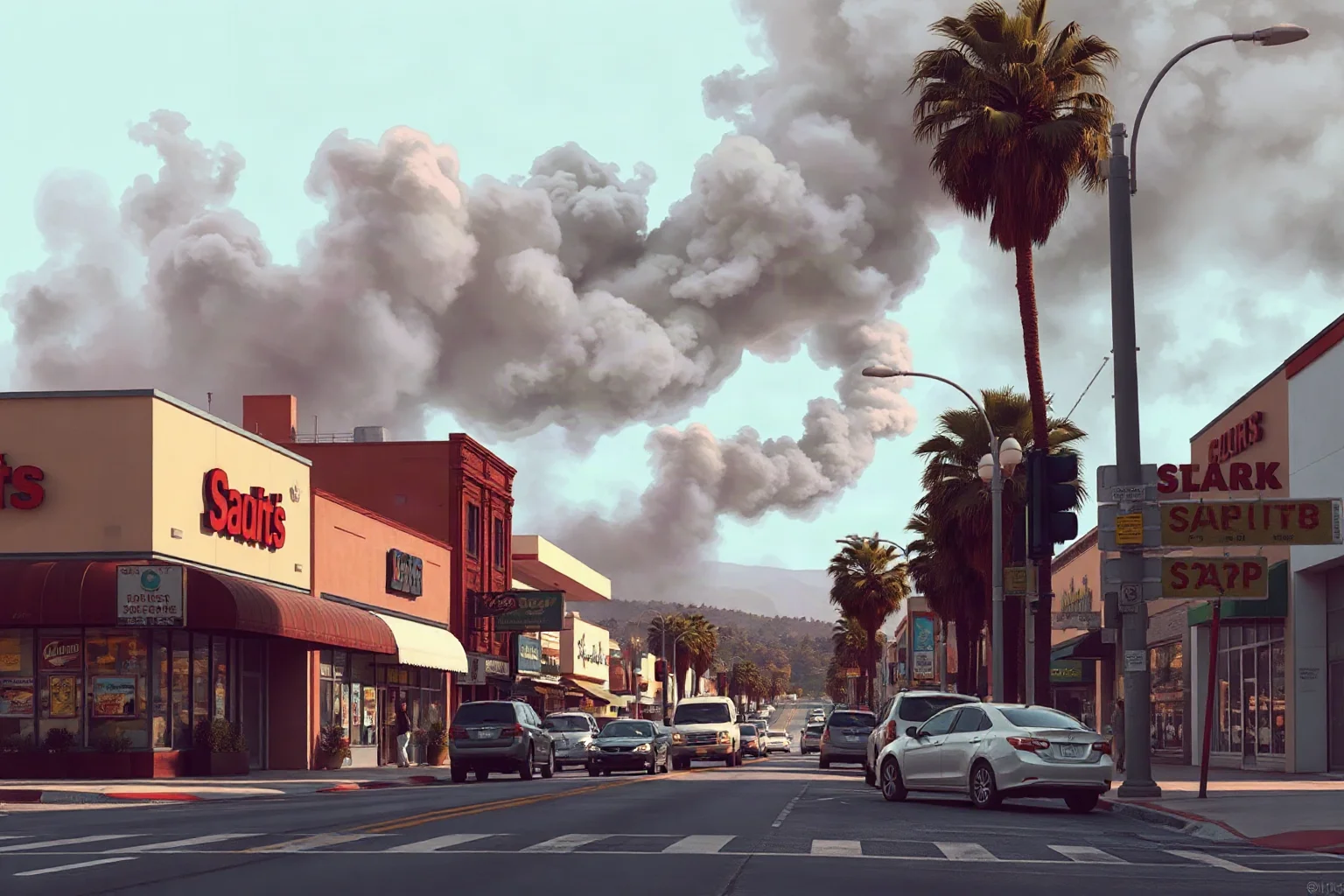
After the acquittal of four police officers filmed beating Rodney King, Los Angeles erupted into six days of rioting, looting, and arson. Sixty-three people died, more than 2,000 were injured, and property damage ran into the billions of dollars.
National Guard troops and federal forces were eventually deployed to restore order. The 1992 riots remain one of the most destructive incidents of urban unrest in modern U.S. history and a defining moment in conversations about policing and race.
15. The U.S. Capitol Riot (January 6, 2021)
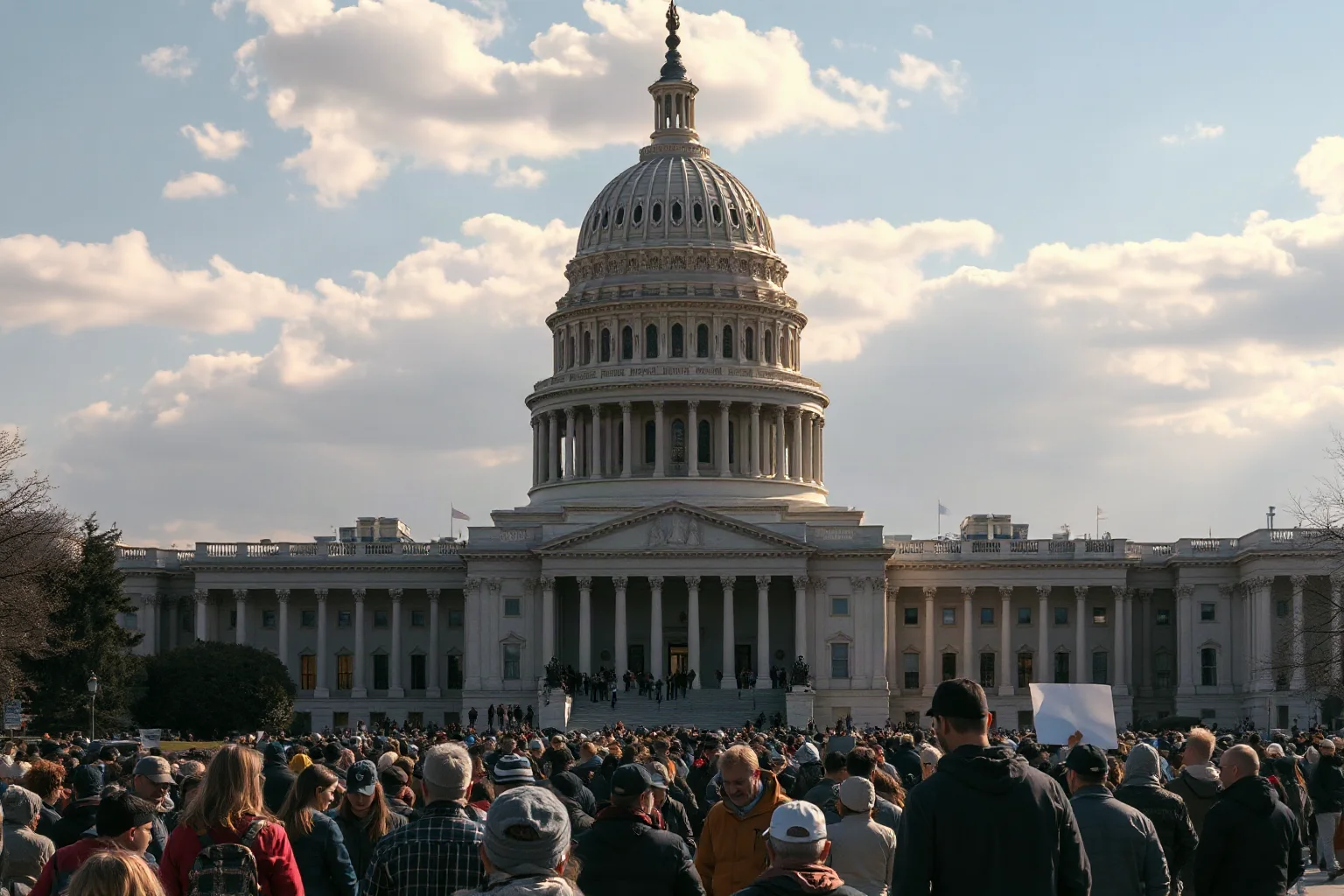
On January 6, 2021, a crowd breached the U.S. Capitol building during the certification of the presidential election, forcing lawmakers to evacuate. Five deaths were ultimately connected to the events of that day, and well over a thousand people were later charged with federal crimes.
It marked the first breach of the Capitol building since the War of 1812 and remains one of the most scrutinized riots in modern American political history.
The World’s Biggest Modern Protest Movements
16. The EDSA People Power Revolution (1986)
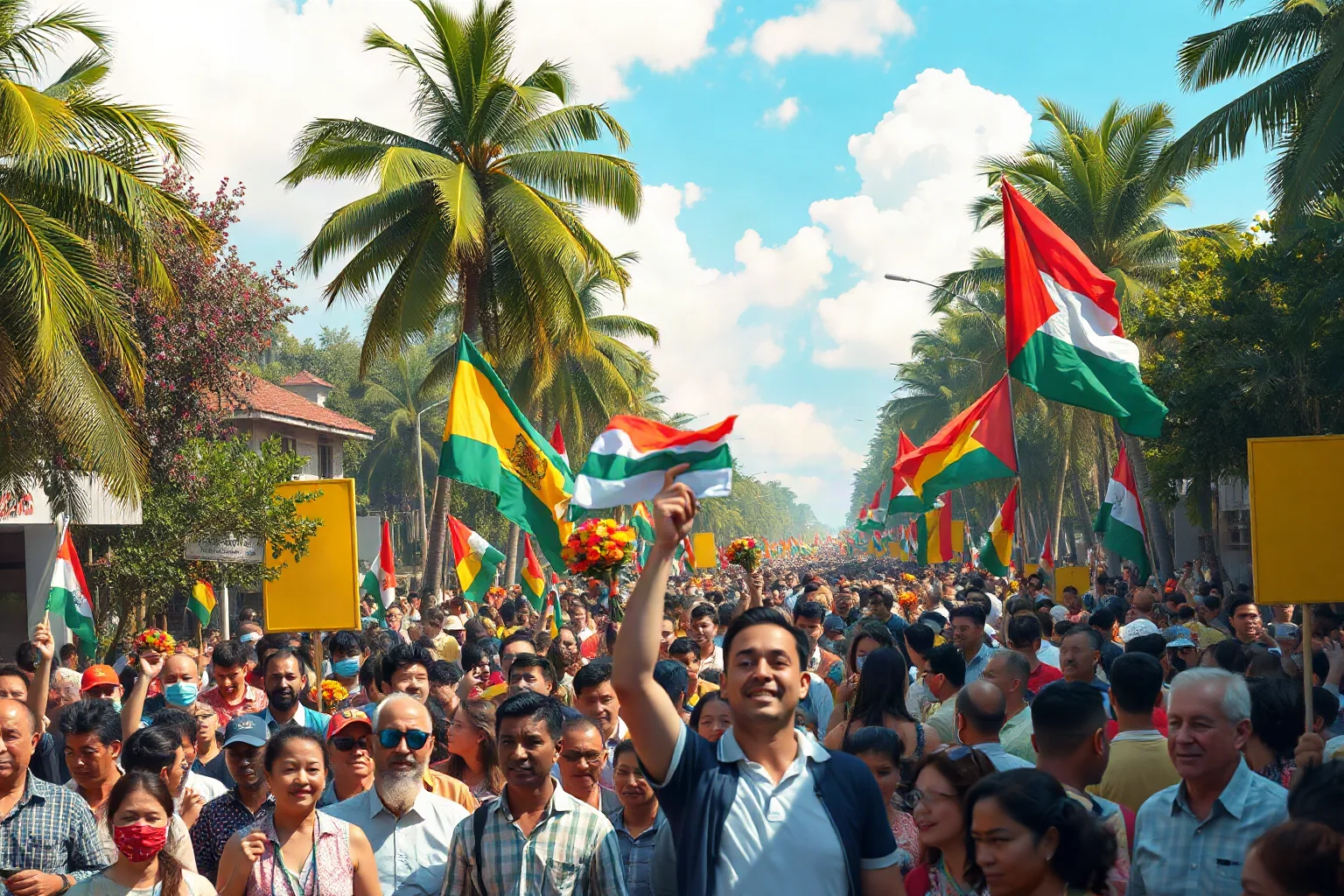
In the Philippines, millions of ordinary citizens filled Epifanio de los Santos Avenue in Manila to oppose the Marcos regime after a widely disputed election. Remarkably, the movement stayed largely nonviolent.
Within days, President Ferdinand Marcos fled the country, and Corazon Aquino was installed as president. EDSA is frequently cited as one of history’s clearest examples of a peaceful mass protest successfully overthrowing an entrenched government.
17. The Tiananmen Square Protests (1989)
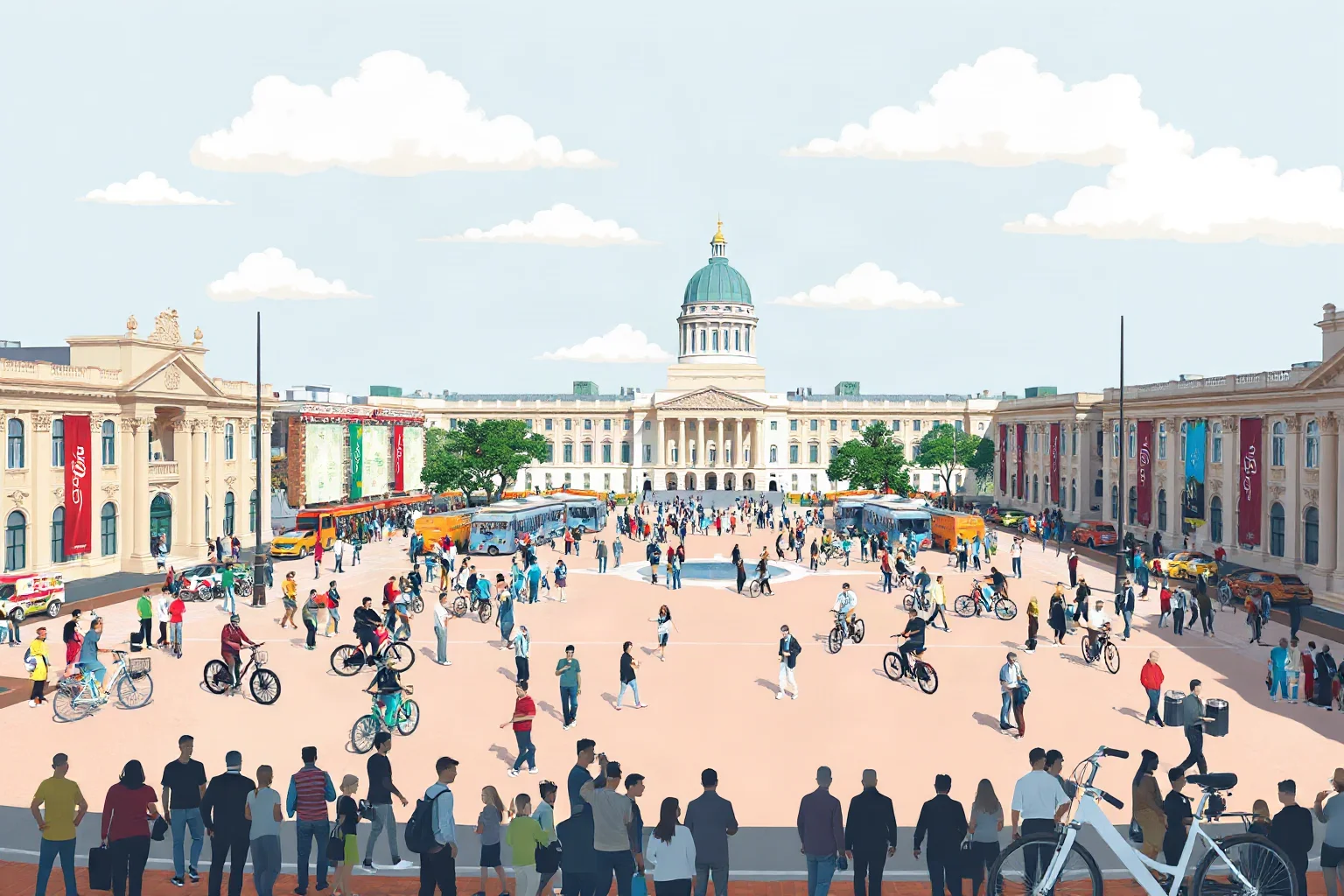
Student-led pro-democracy demonstrations filled Beijing’s Tiananmen Square for weeks in the spring of 1989, drawing support from workers and citizens across the city. The government declared martial law and sent in troops and tanks on June 3rd and 4th to clear the square.
The exact death toll has never been officially confirmed and remains a subject of dispute, with estimates ranging from the low hundreds into the low thousands. The event remains heavily censored in China today, but it’s remembered globally as one of the starkest examples of state force used against a peaceful protest.
18. The Cronulla Riots (2005)
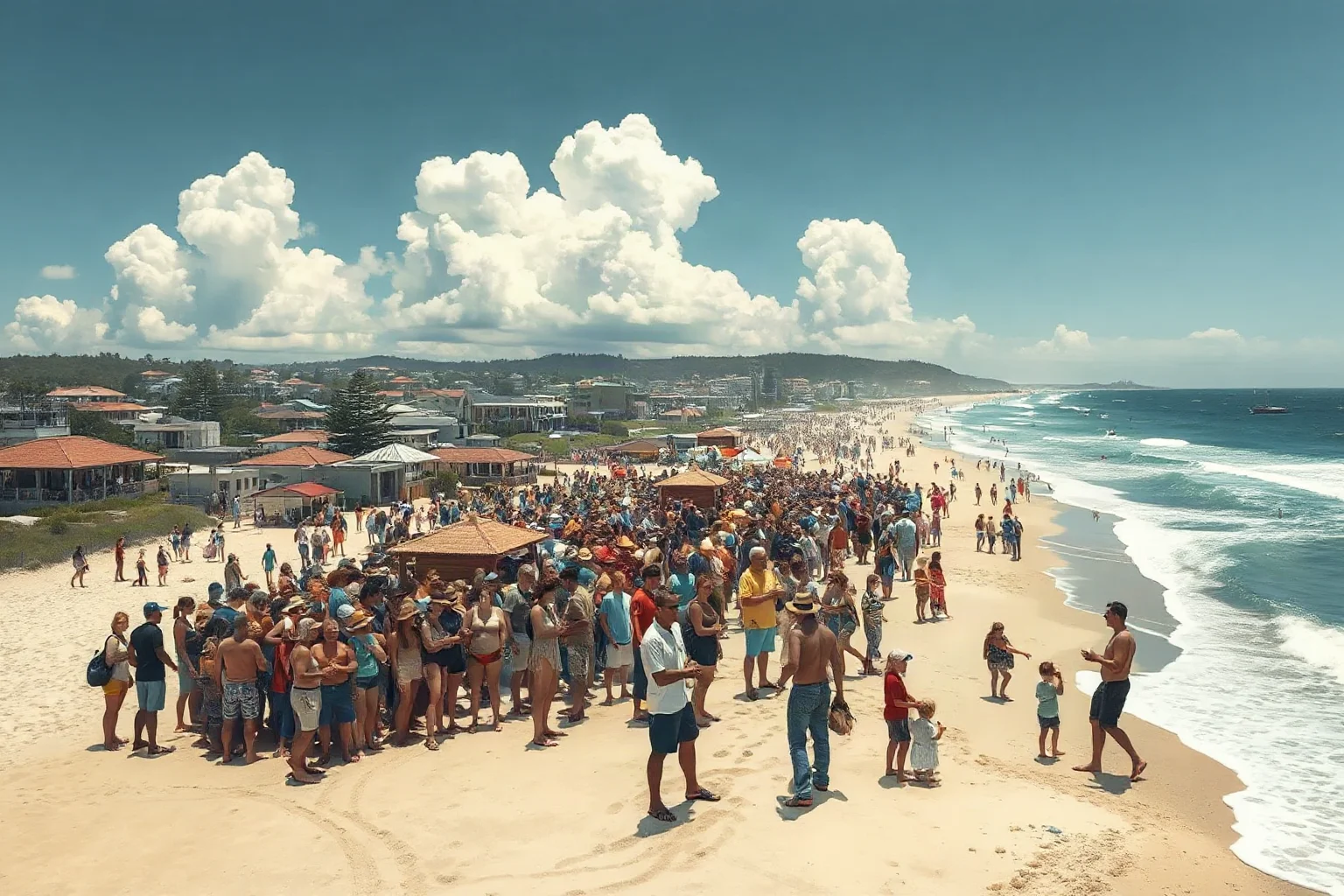
In Sydney, Australia, long-simmering tension between Anglo-Australian beachgoers and young men of Lebanese descent exploded into a single day of rioting at Cronulla Beach. Retaliatory attacks followed in the days after.
The riot sparked a national conversation in Australia about multiculturalism, racism, and media sensationalism, and it’s still referenced today as a cautionary example of how quickly local tension can turn into open violence.
19. The Arab Spring (2010–2012)
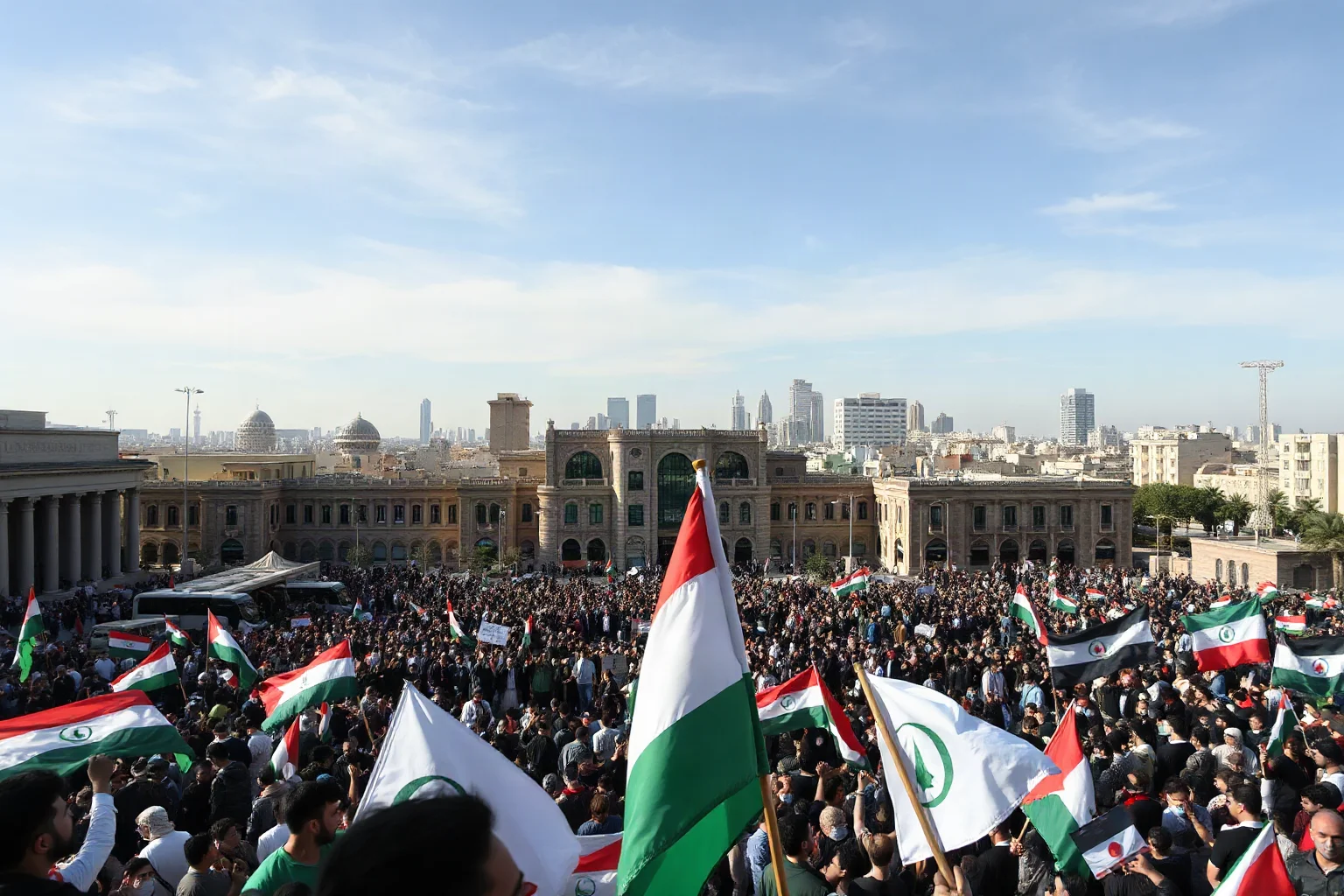
Starting in Tunisia in late 2010, a wave of protests spread across the Middle East and North Africa, toppling long-standing governments in Tunisia, Egypt, and Libya within months. Protesters used social media to organize rapidly, a tactic that became a template for later movements worldwide.
Not every uprising ended peacefully; Syria’s protests escalated into a prolonged civil war, and Libya’s transition was similarly violent. The Arab Spring stands as proof that a single regional wave of protest can simultaneously succeed, stall, and collapse into conflict depending on the country.
20. The Women’s March (2017)
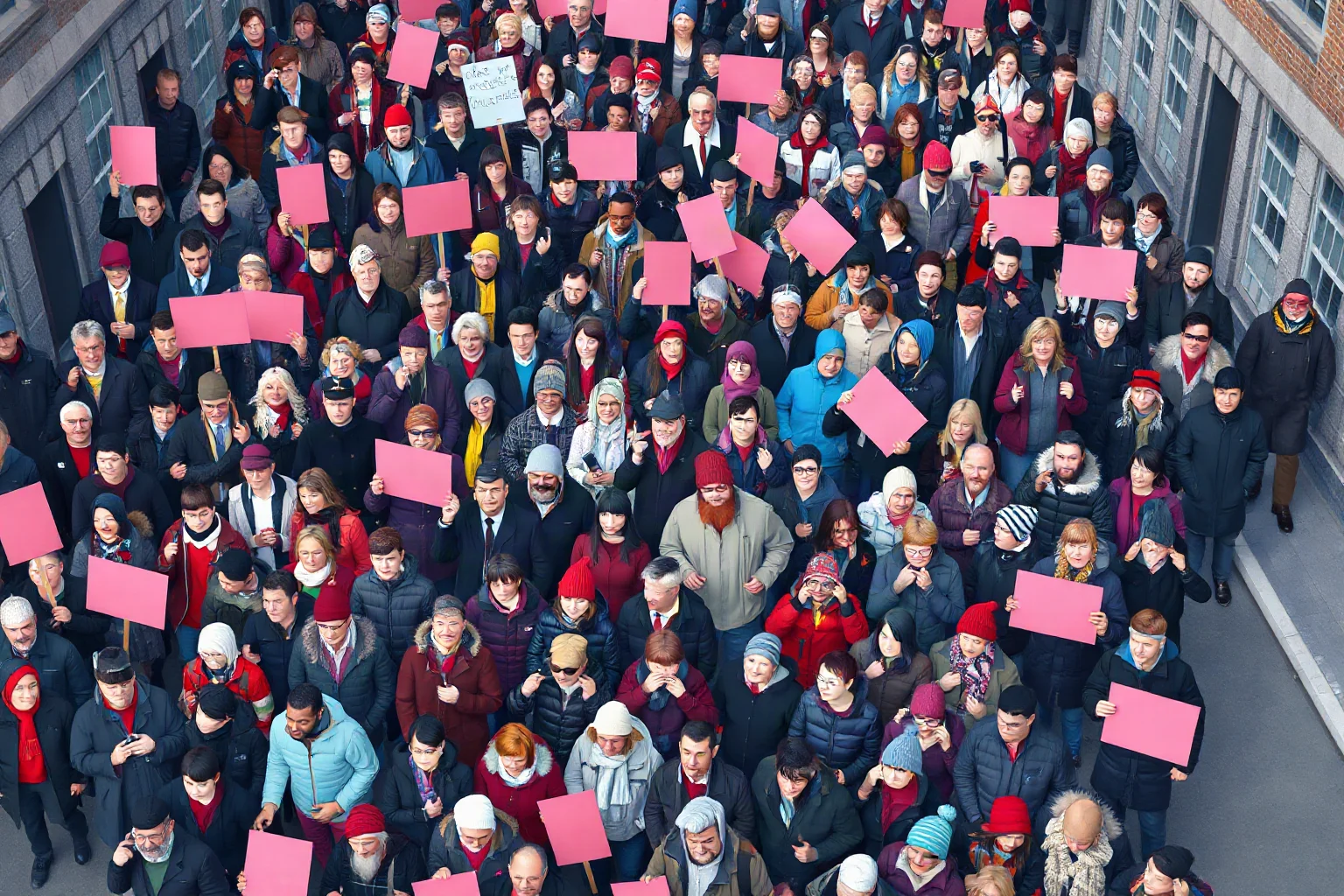
Held the day after a U.S. presidential inauguration, the Women’s March drew an estimated three to five million participants across the United States, with sister marches held on every continent, including Antarctica. It’s widely regarded as the largest single-day protest in U.S. history.
The march stayed almost entirely peaceful, and it helped spark a wave of political organizing that continued for years afterward, showing that scale alone can make a protest historically significant even without any violence.
21. The March for Our Lives (2018)
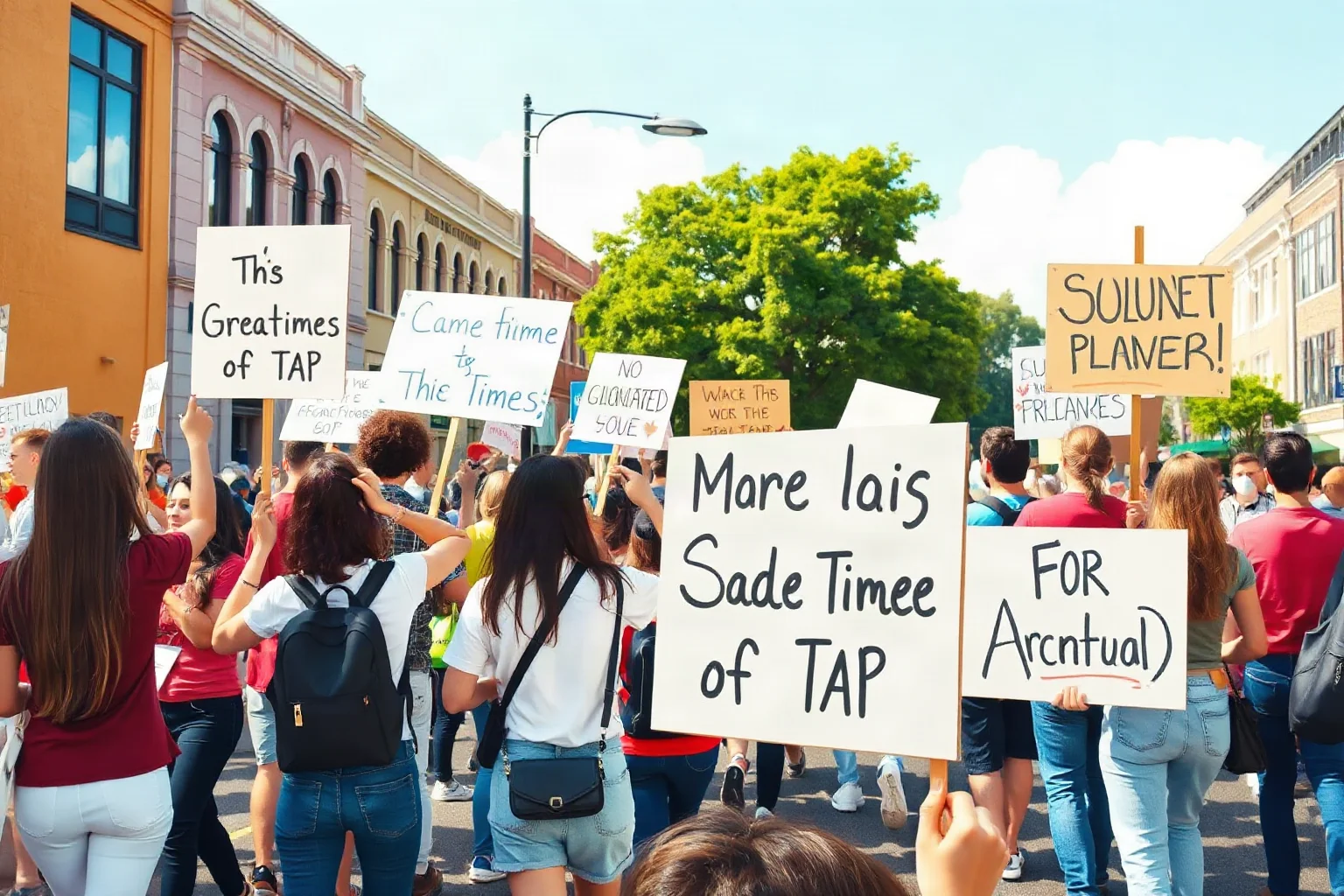
Organized largely by teenage survivors of the Parkland, Florida school shooting, this protest brought hundreds of thousands of demonstrators to Washington, D.C., with sister marches held nationwide. It’s one of the largest youth-led protests in American history.
The march pushed gun control back into national political debate and demonstrated how quickly students could organize a large-scale demonstration using social media in the weeks after a tragedy.
22. The Hong Kong Protests (2019–2020)
What began as opposition to a proposed extradition bill grew into a broader pro-democracy movement, with some marches drawing well over a million participants in a city of about 7.5 million people. The protests continued for months, marked by both peaceful marches and intense clashes with police.
Beijing’s eventual imposition of a national security law significantly curtailed the movement, but the scale of participation made it one of the largest protest movements in Asia’s recent history.
23. The George Floyd Protests (2020)
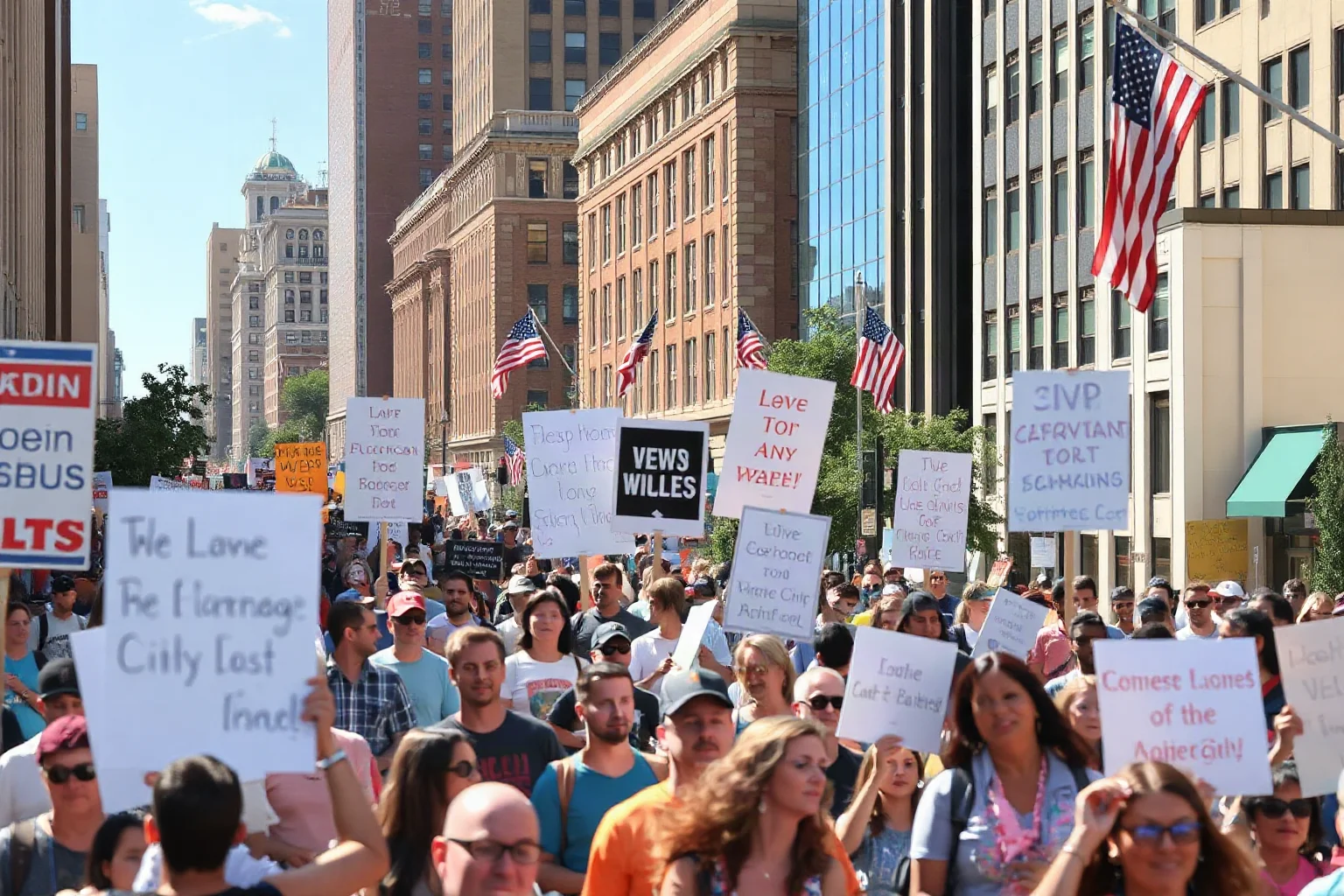
Following the killing of George Floyd by a Minneapolis police officer, protests broke out in all 50 U.S. states and in cities around the world within days. Some polling-based estimates suggest 15 to 26 million people participated across the U.S. over the following weeks, which would make it one of the largest protest movements in the country’s history by total participation.
The overwhelming majority of demonstrations were peaceful, though a number of cities also experienced looting and property destruction alongside the protests. The movement renewed national debate over policing, race, and criminal justice reform that continues today.
24. The Indian Farmers’ Protest (2020–2021)
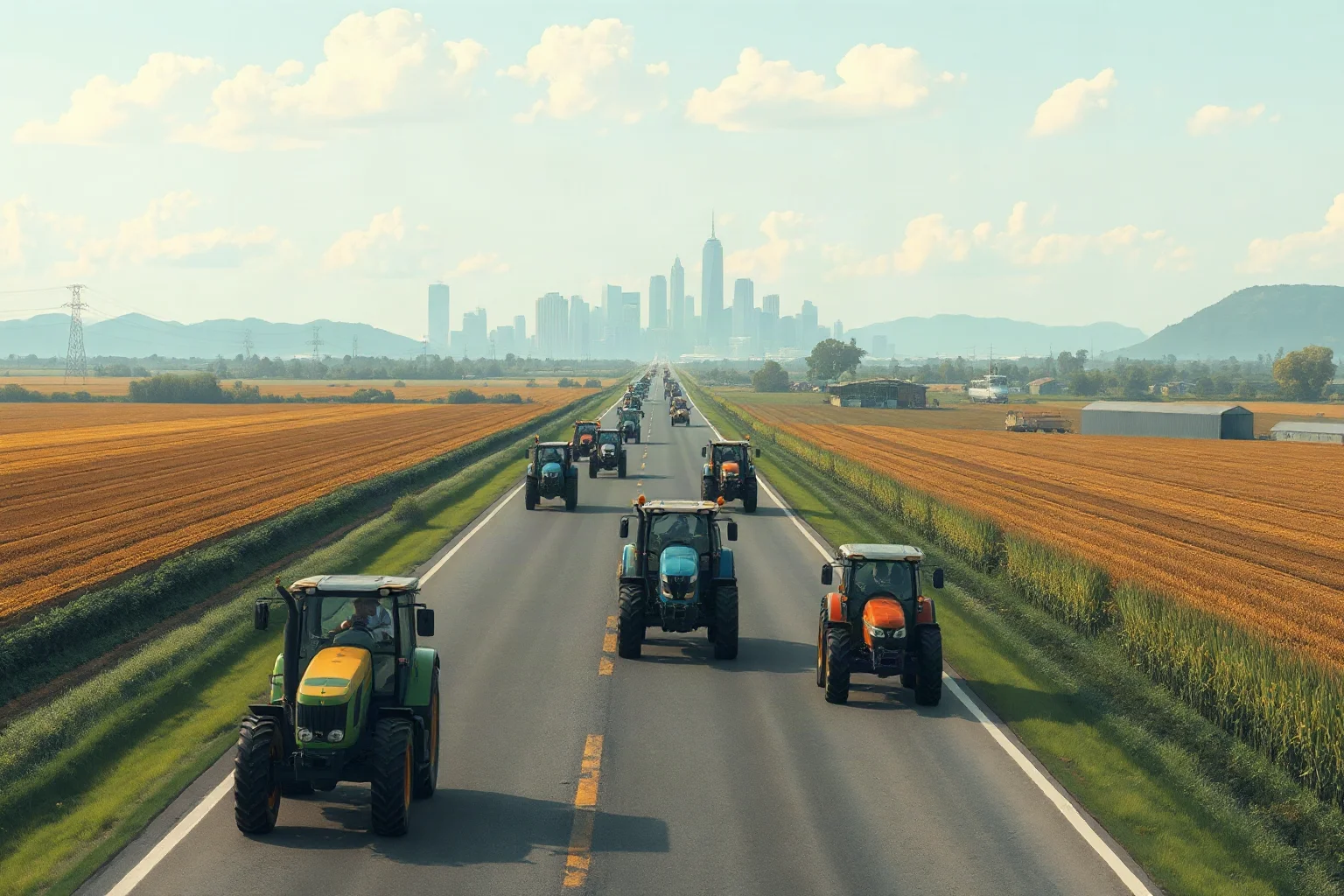
Farmers across India protested for over a year against new agricultural reform laws they feared would undermine guaranteed crop prices. The movement culminated in coordinated general strikes, with organizers and some media reports citing participation estimates as high as 250 million people on a single strike day.
Because figures of that scale are extremely difficult to independently verify, they should be treated as organizer and media estimates rather than confirmed counts. Still, even conservative estimates place it among the largest protests in the world in recent memory, and the Indian government repealed the laws in late 2021.
Top Largest Protests in U.S. History at a Glance
For readers specifically looking for the biggest U.S. demonstrations by turnout, here’s a quick recap of the events most frequently cited by historians and journalists as the largest protests in U.S. history:
- The George Floyd protests (2020), with estimated total participation in the tens of millions nationwide.
- The Women’s March (2017), the largest single-day protest in U.S. history.
- The March for Our Lives (2018), one of the largest youth-organized protests ever held.
- The Tax Day/Anti-Iraq War protests of the early 2000s, which drew millions across multiple cities.
- The Moratorium to End the War in Vietnam (1969), with an estimated two million participants nationwide.
- The Earth Day demonstrations (1970), credited with launching the modern environmental movement.
- The Million Man March (1995) in Washington, D.C.
- The 2006 immigration reform marches, which drew massive crowds in cities like Los Angeles and Chicago.
Exact attendance figures for older protests are notoriously hard to pin down, since crowd-counting methods have changed a lot over the decades. Treat any specific number as a reasonable estimate rather than an exact count.
Do Riots and Violent Protests Actually Change History?
It’s tempting to assume that the loudest, most destructive protests are the ones that produce change, but history doesn’t fully support that idea. The Peasants’ Revolt and the Haymarket Affair both involved real violence and did lead to lasting policy shifts, but so did the entirely peaceful EDSA Revolution and the Women’s March.
What successful protests tend to share isn’t violence itself, but scale, persistence, and a clear demand that’s hard for those in power to ignore. Violence can sometimes draw attention to a cause quickly, but it can just as easily undermine public sympathy and give authorities justification for a harsh crackdown.
The more reliable pattern is that riots often happen when peaceful channels have already failed or feel inaccessible to the people involved. In that sense, a riot is frequently a symptom of a much older, unresolved grievance rather than the actual cause of change itself.
The Legacy of History’s Biggest Uprisings
Looking across more than a thousand years of unrest, a few patterns hold up again and again. Economic pressure, racial and ethnic injustice, and government overreach show up as root causes far more often than any single news headline suggests.
It’s also worth resisting the urge to treat every big crowd number as gospel. Many of the largest figures cited for historical protests, from ancient death tolls to modern turnout estimates, come from contemporary chroniclers, organizers, or media outlets with their own incentives, and later historians often revise them. Approaching these numbers with healthy skepticism doesn’t make the events any less significant.
What’s clear is that the biggest riots and protests in history, violent or peaceful, tend to mark the exact moments when public patience ran out. Studying them isn’t just an academic exercise; it’s a pretty reliable way to understand how societies actually change.
Frequently Asked Questions
What are some famous protests in history?
Some of the most famous protests in history include the 1986 EDSA People Power Revolution in the Philippines, the 1989 Tiananmen Square protests in Beijing, the 2017 Women's March, the 2018 March for Our Lives, and the 2020 George Floyd protests. Each drew massive crowds and left a lasting mark on politics and law in its respective country.
What is considered the largest protest in history?
By participation estimates, the 2020–2021 Indian Farmers' Protest is often cited as one of the largest in world history, with organizer and media estimates suggesting up to 250 million participants on general strike days. Because crowd figures at that scale are hard to independently verify, they're best treated as estimates rather than confirmed counts.
What was the worst riot in American history?
There's no single agreed-upon answer, since 'worst' can mean deadliest, most destructive, or most consequential. The 1863 New York City Draft Riots and the 1921 Tulsa Race Massacre are both commonly cited among the deadliest, while the 1992 Los Angeles Riots caused some of the greatest property damage in modern U.S. history.
What’s the difference between a riot and a protest?
A protest is a planned, collective demonstration of opinion or grievance, and the vast majority stay peaceful. A riot involves disorderly crowd behavior, often including violence or property destruction, and it can either start that way or emerge after a peaceful protest escalates.
What are riots usually about?
Most riots have an immediate trigger, like a controversial arrest, court verdict, or election result, but the deeper causes are usually long-standing issues such as economic hardship, racial or ethnic tension, and frustration with government or policing. The trigger is rarely the full story.
Have violent protests ever successfully changed history?
Yes, though violence isn't a guarantee of success. England's Peasants' Revolt of 1381 led to the abandonment of an unpopular poll tax, and the Haymarket Affair helped establish May Day as an international workers' rights holiday. That said, plenty of peaceful protests, like the EDSA Revolution, have achieved equally dramatic results without violence.
What’s considered the deadliest riot in U.S. history?
Estimates vary depending on sourcing, but the 1921 Tulsa Race Massacre is widely regarded as one of the deadliest, with death toll estimates ranging from the officially recorded 36 up to 150–300 according to later historical investigations. The 1863 NYC Draft Riots, with roughly 105–120 deaths, are also frequently cited among the deadliest.

Alex Warren
Related Articles