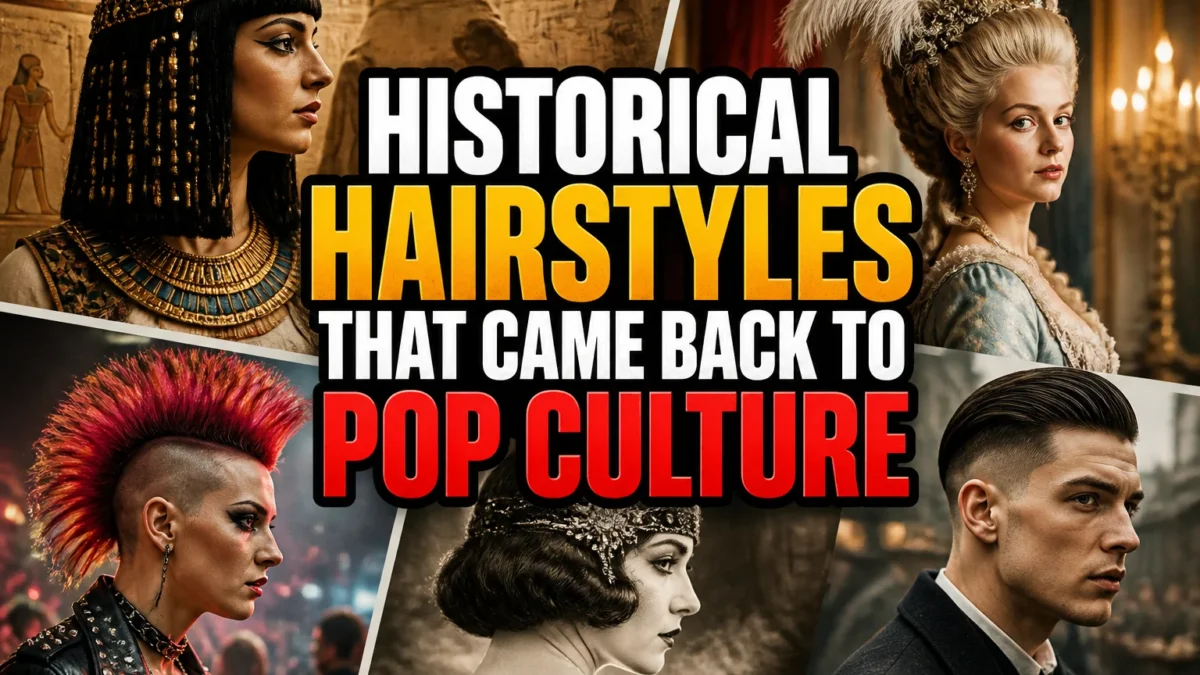
Most people imagine the past as a series of stiff, forgotten silhouettes. Yet step onto a modern runway or scroll through a street-style feed, and you will see echoes of ancient Egypt, the courts of 18th-century France, and 1970s punk. Hair, it turns out, has a long memory.
That is where hair style history gets fun. Because hair grows and gets cut constantly, it reacts quickly to politics, technology, and status. Many 'new' looks are actually historical hairstyles that were updated with better tools or a fresh cultural meaning.
TL;DR: The most modern-looking cuts and styles are usually recycled historical hairstyles, from bobs and buzz cuts to finger waves and the artichoke hairstyle.
Why Pop Culture Raids Hair History
Pop culture loves a shortcut to identity. A revival style can signal rebellion, nostalgia, luxury, or irony without saying a word. Because historical haircuts often carried strong social meanings, they are ready-made visual shorthand.
That does not mean every revival is accurate. Movies, music videos, and social media often flatten a complicated origin story into a vibe. The real hair style history is usually messier and more global than a single image suggests.
Some comebacks are accidental, driven by a celebrity or a character. Others are deliberate tributes to a subculture. Either way, a style rarely returns with exactly the same rules it had the first time.
1. The Bob
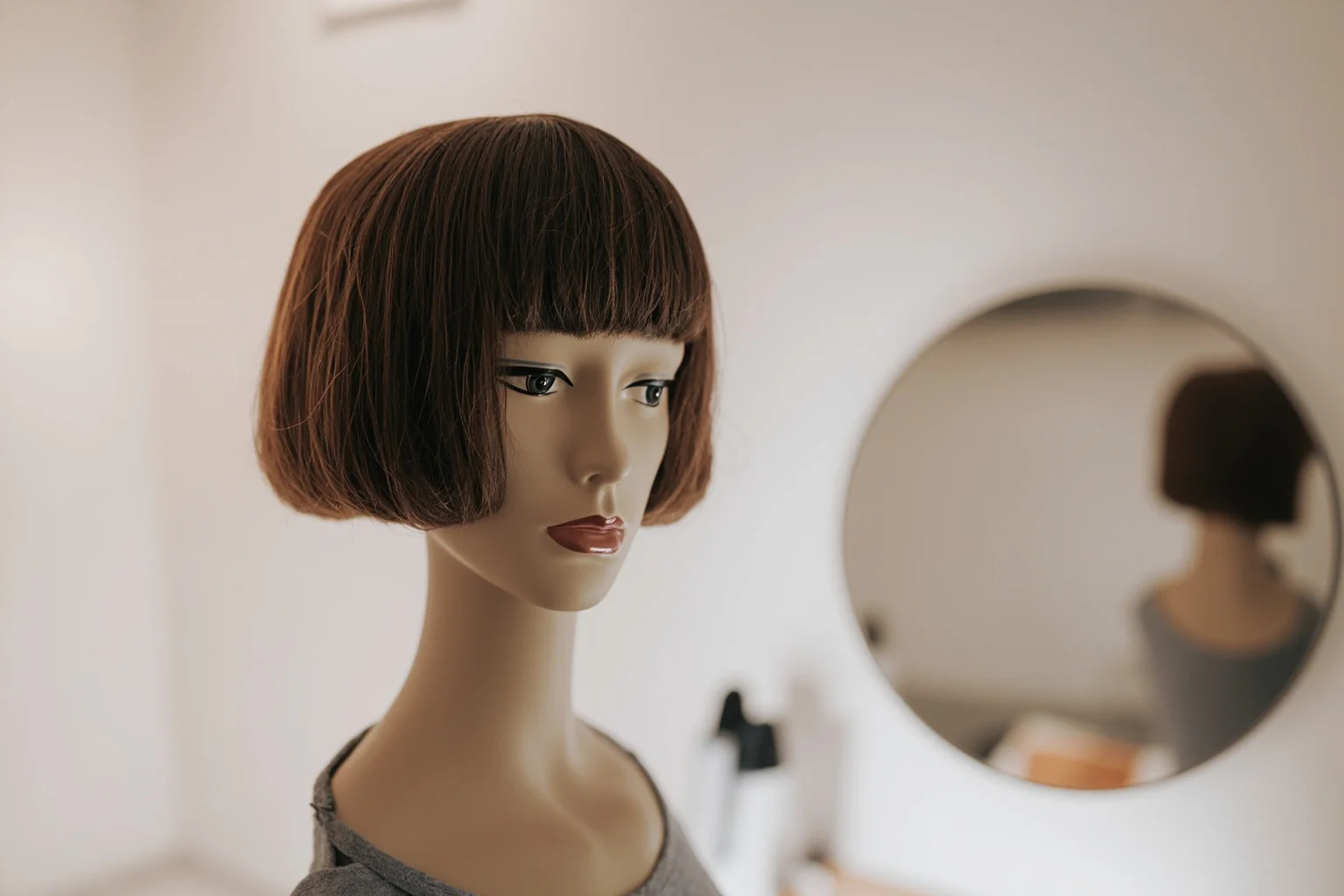
Short bobs are often sold as a daring 1920s invention, but the cut has much older roots. Ancient Egyptian art shows men and women wearing chin-length or shoulder-length bobbed wigs, especially among elite classes. The silhouette reappeared in the 1910s and 1920s when women began cutting off long hair to signal modern independence.
Today the bob is a permanent part of popular fashion rather than a rebellion. Stylists keep refreshing it as the sharp blunt bob, the French bob, or the grown-out lob. What changed is meaning: a cut once tied to scandal is now considered one of the most versatile historical haircuts.
2. The Buzz Cut
Very short military crops were practical long before electric clippers existed. Roman soldiers and some medieval monks kept hair close to the scalp to reduce lice, show discipline, or mark religious separation from worldly fashion. The buzz cut's modern name comes from the sound of electric clippers, but the idea is ancient.
In pop culture, the buzz cut moves between army realism, punk toughness, and high-fashion blankness. It reappears whenever a star shaves off a signature style to signal a new era. Because it exaggerates bone structure, it often reads as either intimidating or angelic.
3. The Caesar Cut
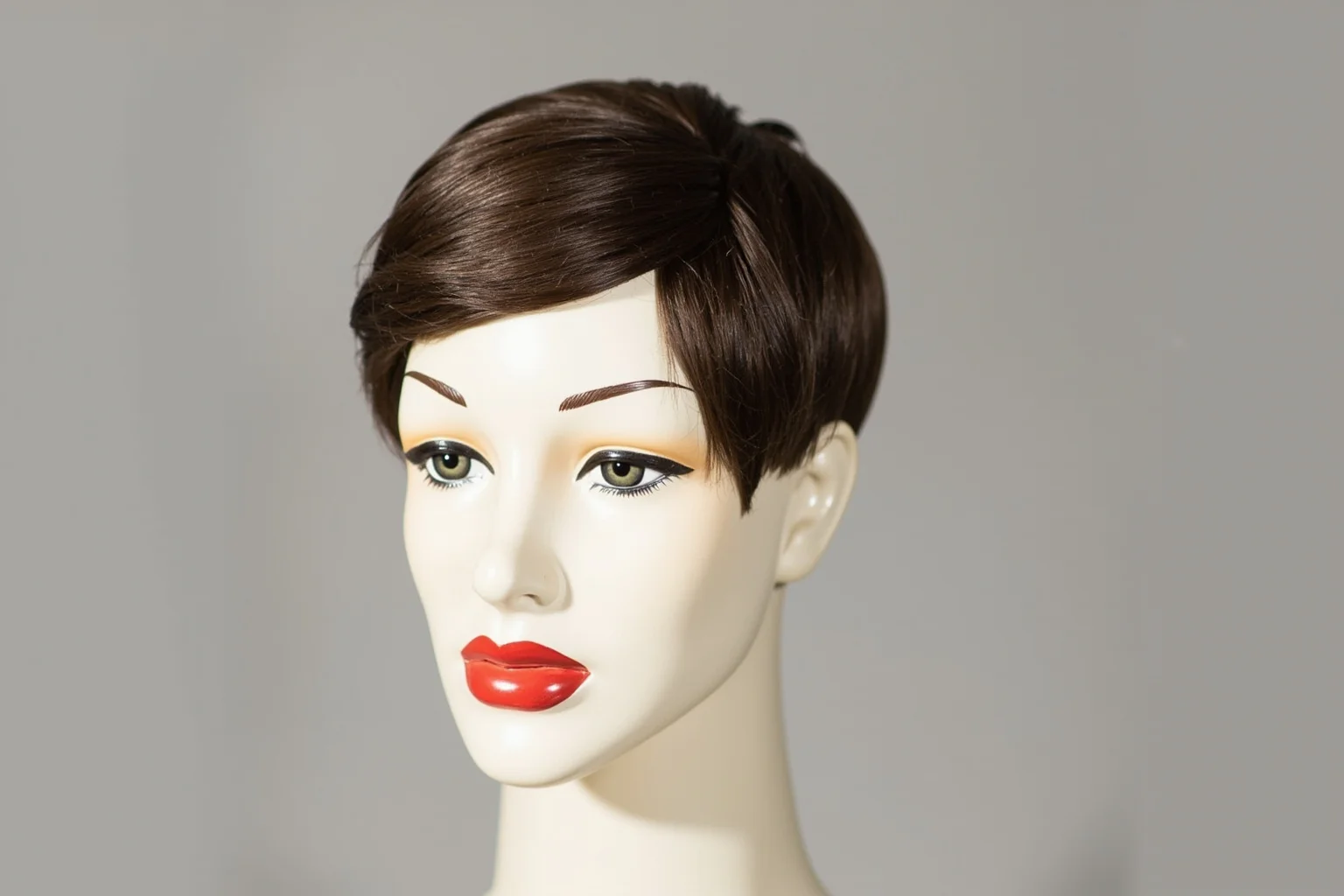
The Caesar cut is named for Julius Caesar, though surviving busts show him with a short, forward-combed style rather than a precise modern fade. Roman men often kept hair clipped short and styled forward, a practical choice for soldiers and a mark of restrained public life. The modern version arrived in the 1990s as a low-maintenance men's cut.
George Clooney's character in ER and countless boy-band members helped make the Caesar one of the decade's defining looks. It returned again in the 2010s as part of the broader short fringe trend. Its appeal is simple: it hides a receding hairline and requires little daily work.
4. The Pompadour
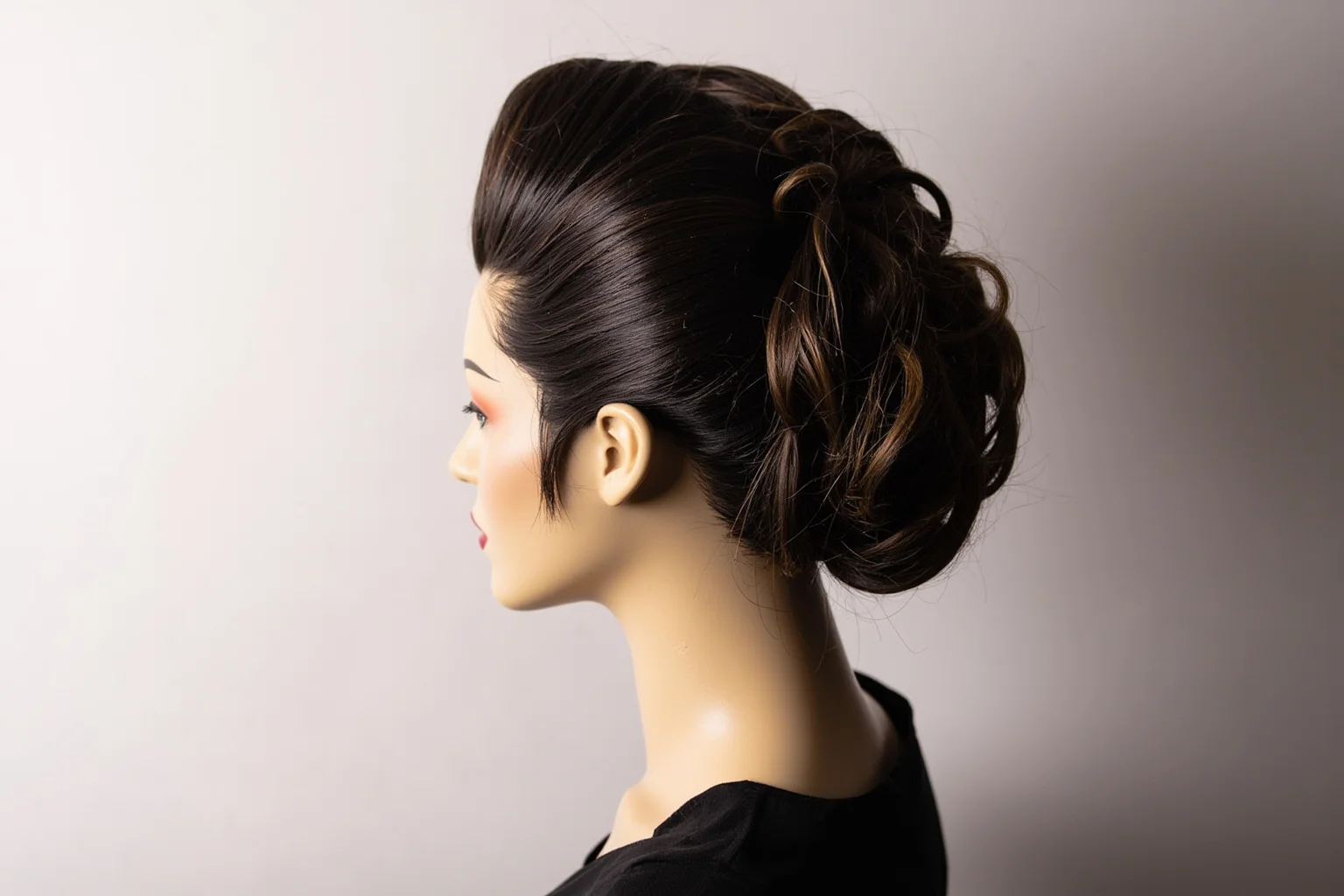
The pompadour takes its name from Madame de Pompadour, a powerful figure at the 18th-century French court. She wore the front hair swept upward and back, creating height above the forehead. In the 1950s, the style crossed gender lines and became a rock-and-roll staple for men like Elvis Presley.
Modern versions range from the low-shine executive pompadour to the high-gloss pompadour fade. Each revival keeps the essential gesture: volume on top and tighter sides. It remains one of the clearest examples of a culture hairstyle that changed gender and class meanings without losing its shape.
5. The Shag
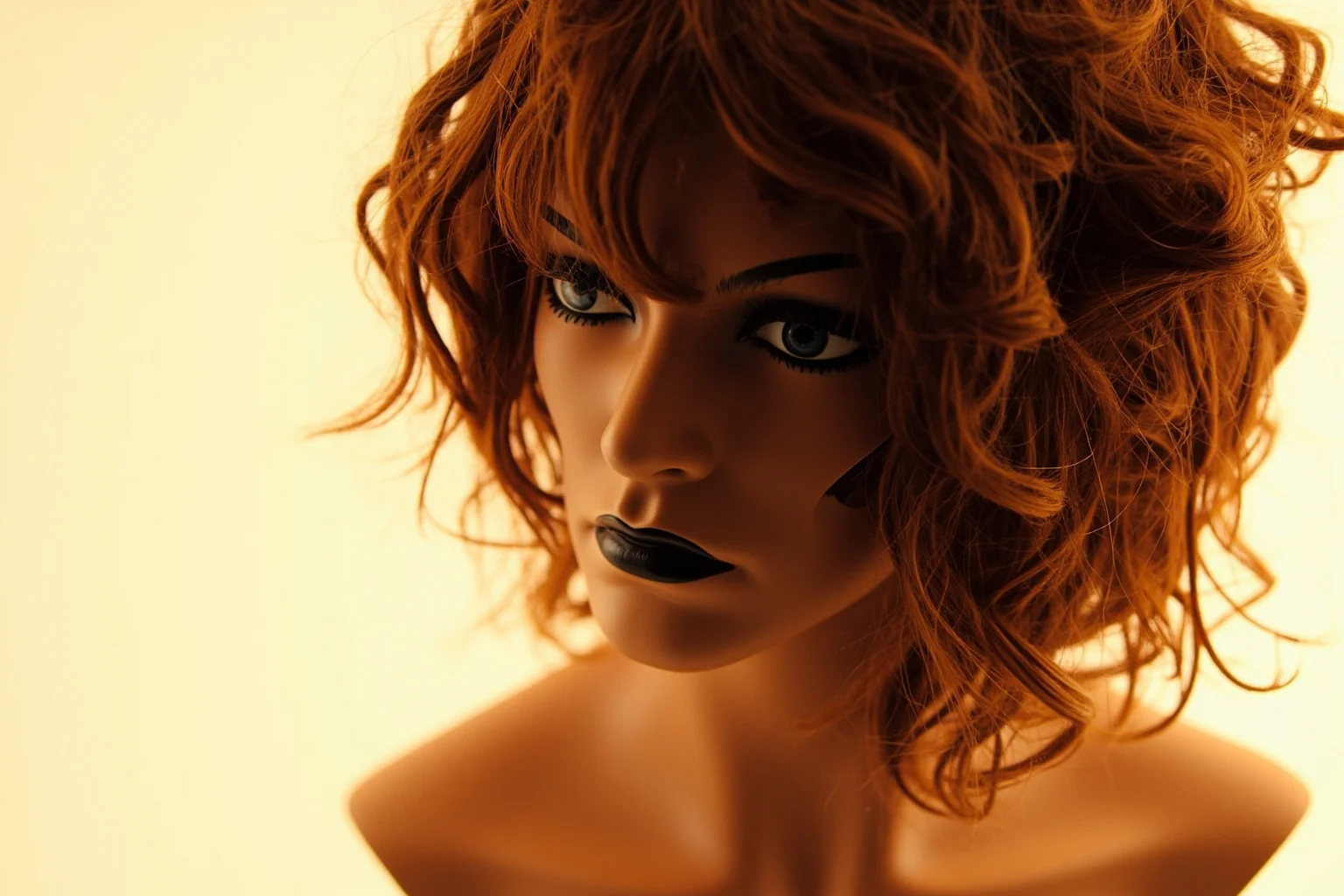
The shag began as a 1970s rock haircut with feathered layers, a full crown, and shaggy ends. It was unisex and deliberately messy, which made it feel anti-establishment. Musicians and movie stars spread it as a low-effort alternative to the structured bouffants of the previous decade.
The shag returned strongly in the 2020s, often renamed the modern shag or the wolf cut when it grows longer and wilder. This time, curl creams and texturizing sprays replaced a purely air-dried look. The historical silhouette remains, but the tools and tutorials have changed.
6. The Mullet
The mullet's history is often traced to 1970s and 1980s rock stars, but short-in-front and long-in-back hair appears in much older visual records. Some historians point to ancient Greek and Roman depictions of short forelocks with longer neck hair as distant cousins of the concept. The term 'mullet' itself only became common in the 1990s.
The modern mullet revival is part irony, part regional pride, and part high-fashion experiment. Runway versions soften the original look with curly texture, pastel color, or a softer transition. It is a useful reminder that historical haircuts are not always respectable ones.
7. The Pixie Cut
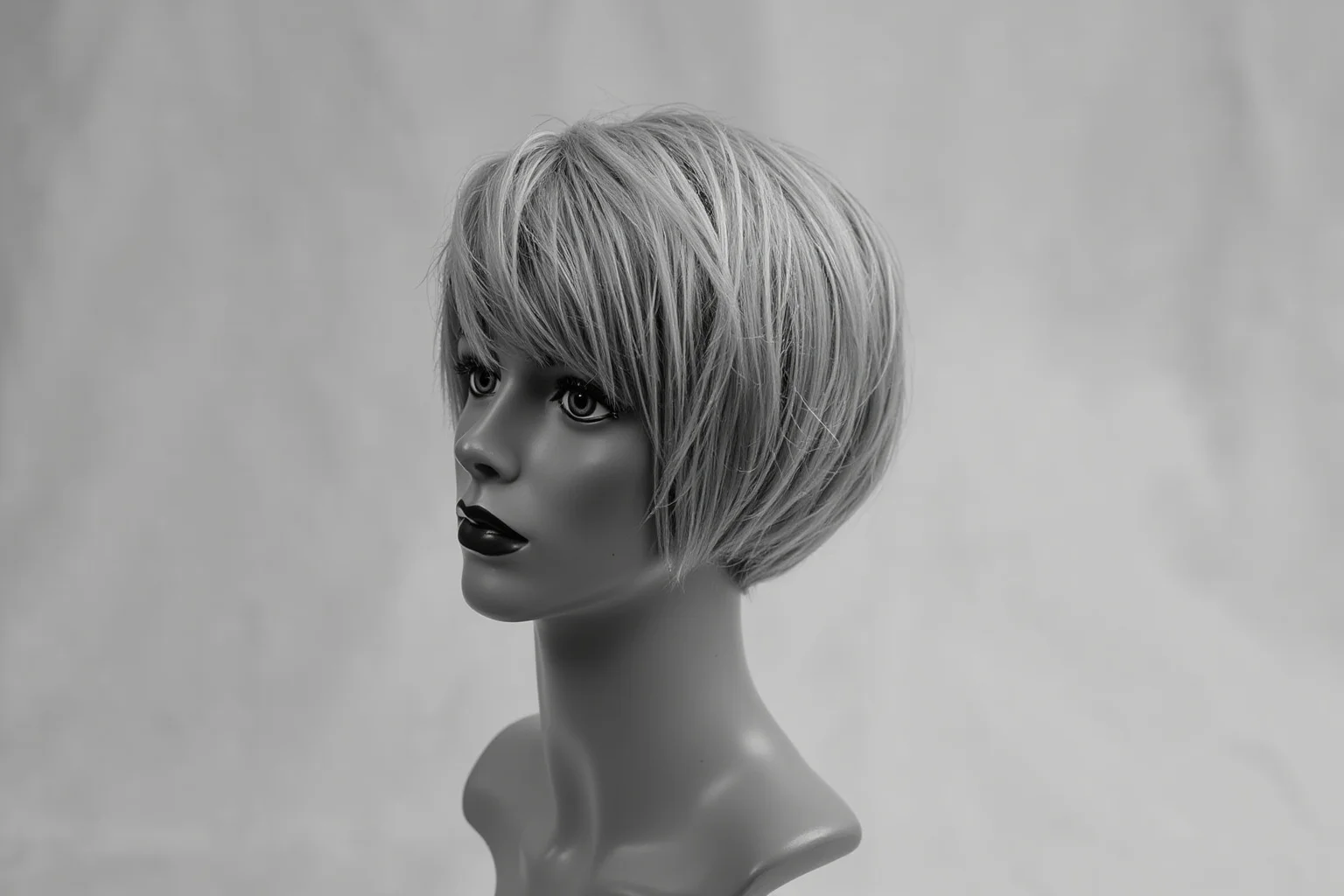
The pixie cut emerged in the 1950s and 1960s as a very short, gamine style for women. Audrey Hepburn and Mia Farrow made it look elegant rather than severe. Short hair for women was not new, but the pixie framed it as youthful and modern rather than matronly.
Every generation has a pixie moment, from 1990s supermodels to 2010s actresses. It often cycles back when women want a dramatic break with a long-hair identity. The style is tricky to wear, but that risk is part of its enduring fame.
8. The Mohawk
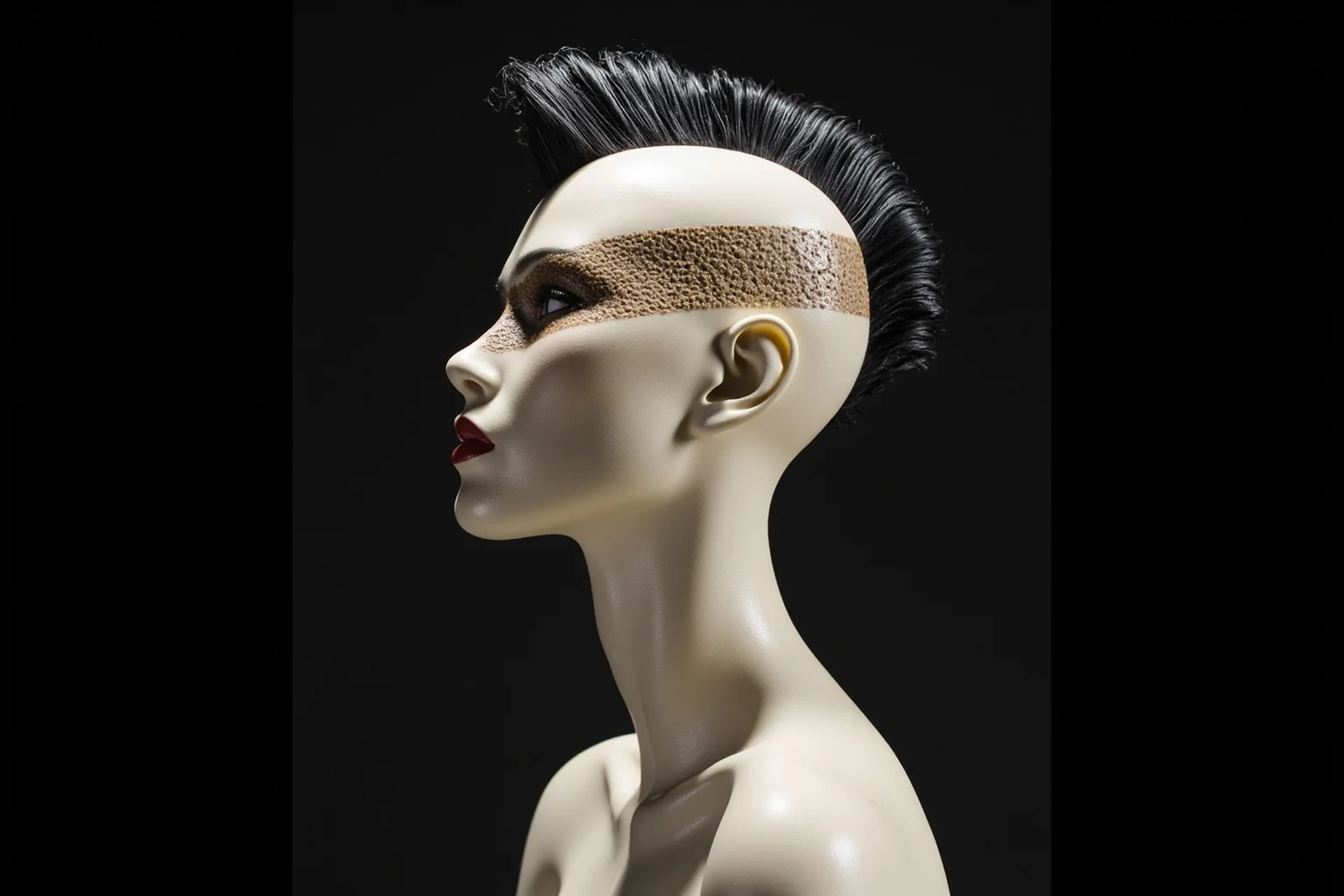
The mohawk is often associated with 1970s and 1980s punk, but its backstory is heavily misunderstood. The name was borrowed from the Mohawk people, yet the style was not simply a direct tribal tradition worn by all Mohawk men. Indigenous hairstyles varied by nation, time, and purpose.
Punk adopted the shaved sides and central strip as a confrontational symbol. Later versions, including the fauxhawk, kept the visual shock but removed the full shave. Because the history is so tangled, any honest account should separate the pop-culture mohawk from Indigenous cultural practices.
9. Cornrows
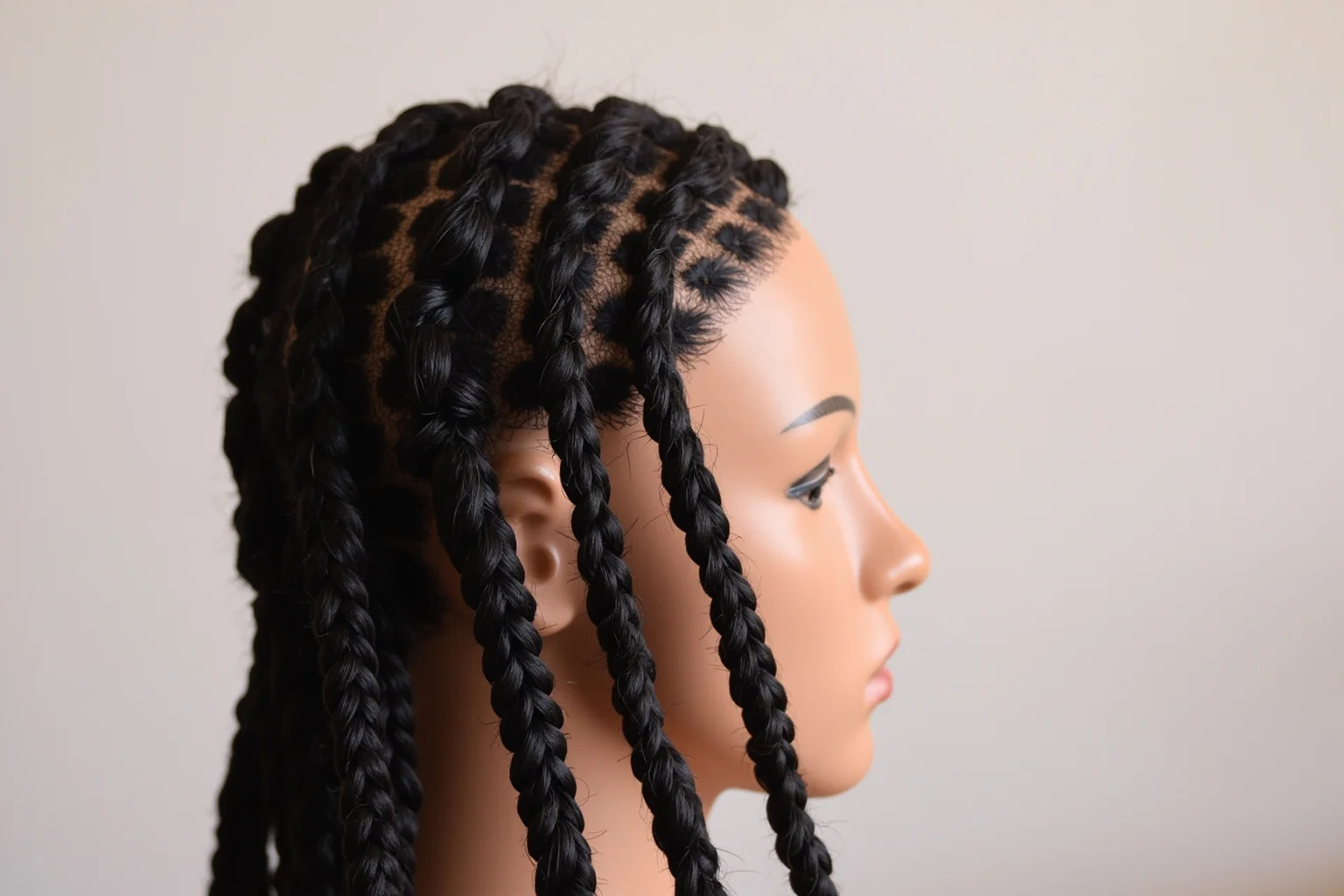
Cornrows are one of the oldest continuous braiding traditions in the world. Rock art and sculptures from parts of Africa show tight, raised rows braided close to the scalp for thousands of years. They served practical, social, and aesthetic purposes across many societies.
In modern pop culture, cornrows have been both celebrated and contested. Black artists and athletes made them a visible symbol of heritage and style, while fashion industries have repeatedly been called out for erasing their origins. Their long hair style history makes cornrows much more than a passing trend.
10. Box Braids
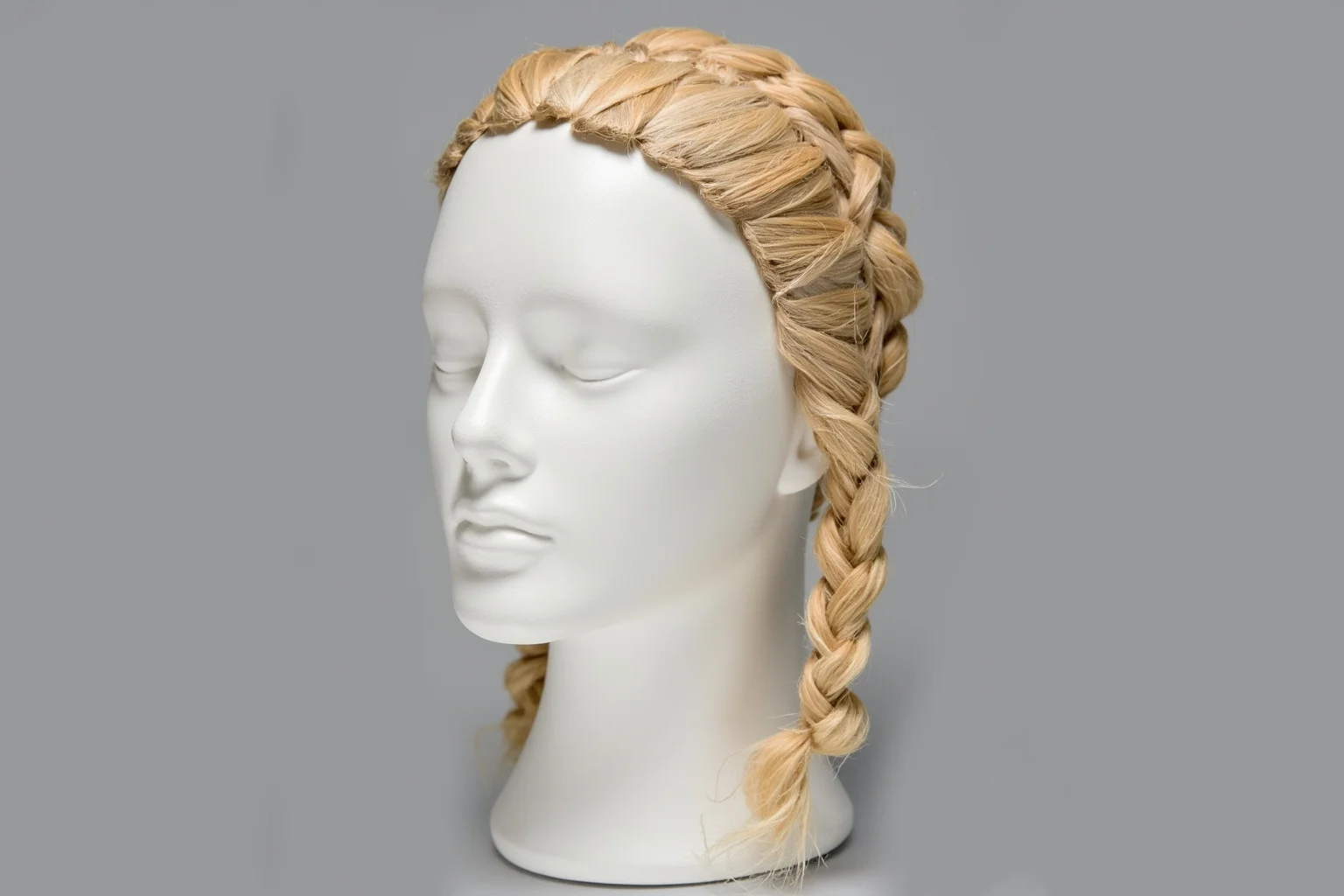
Box braids are individual plaits divided into square sections, a technique with deep roots in African hair traditions. Because the style is modular and protective, it allowed for creative length, color, and adornment. Historical images and accounts show braided styles across many regions of the continent.
The 1990s and 2010s brought box braids back into mainstream music and film. They remain a protective style, but they are also a canvas for modern accessories and color. Calling them 'new' ignores centuries of skill encoded in the technique.
11. The Chignon
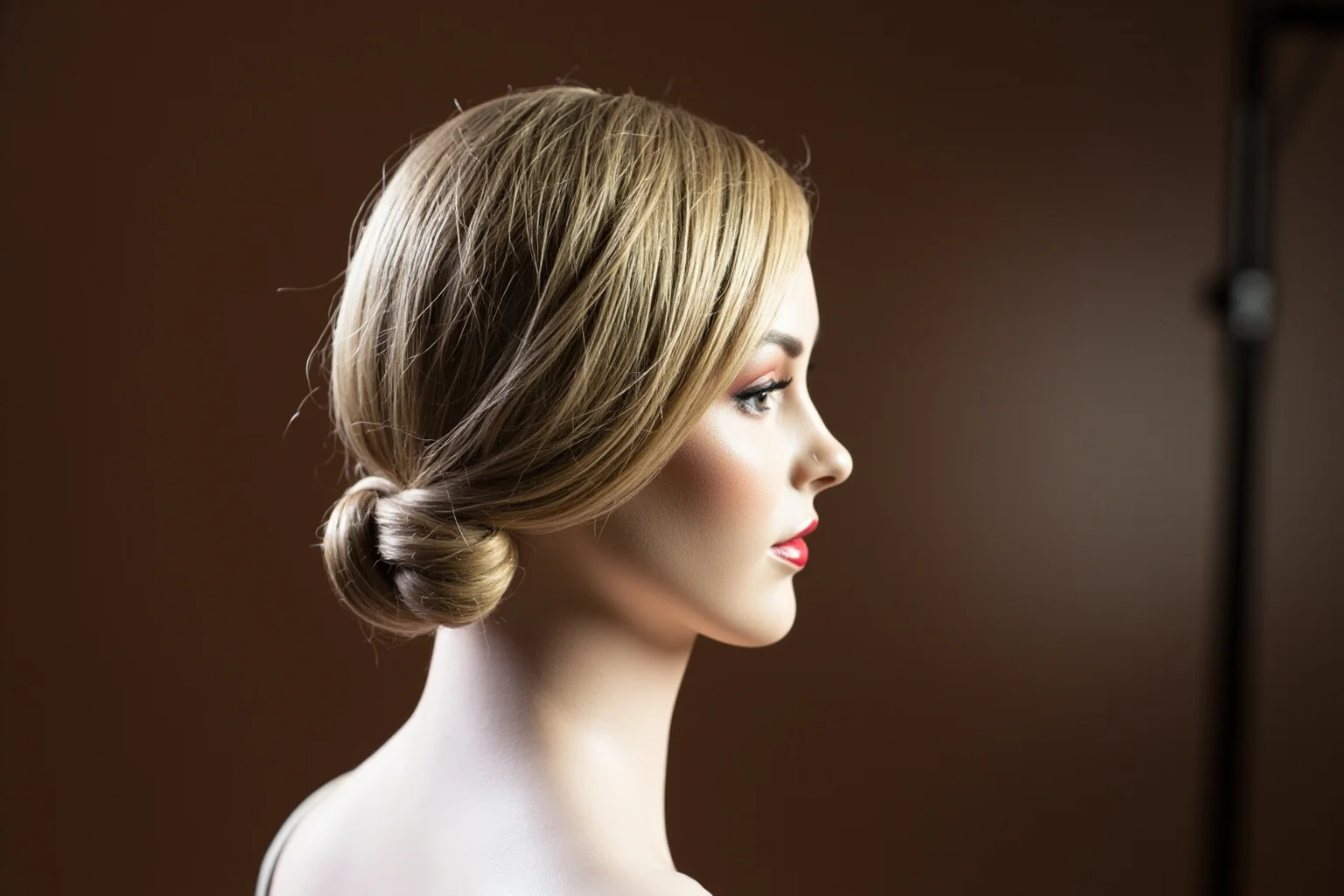
The chignon is a low bun pinned at the nape of the neck or slightly higher. Ancient Greek and Roman women wore variations of the low knot, and East Asian traditions also used similar coiled shapes for courtly or married women. The word 'chignon' comes from a French term referring to the nape.
The style returns whenever minimalism and old Hollywood glamour collide. It is a red-carpet workhorse because it works with strapless gowns and draws attention to the face. The modern chignon may be sleek or loose, but its basic architecture is thousands of years old.
12. The Artichoke Hairstyle
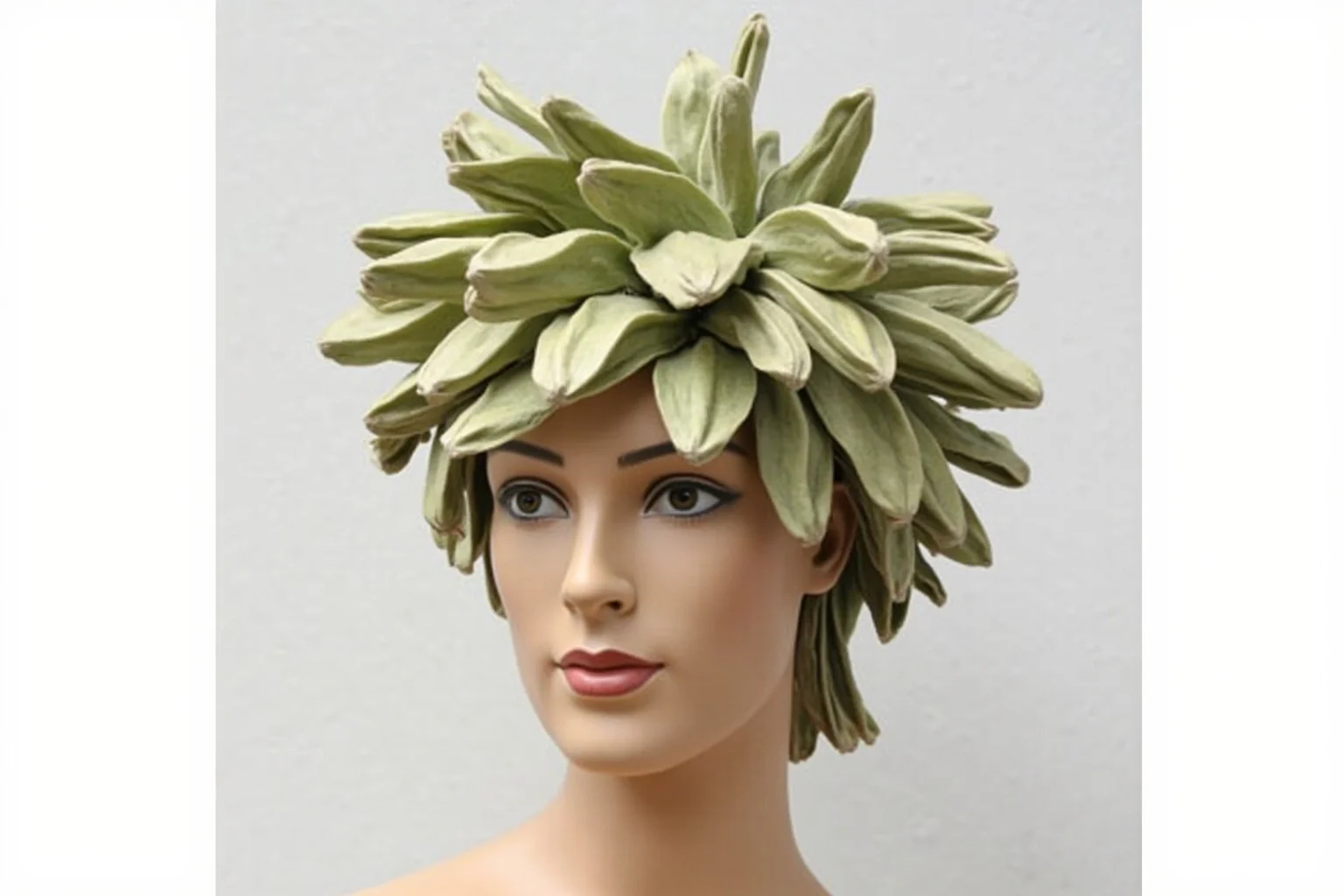
The artichoke hairstyle is a sculpted short cut made of overlapping, spiky layers that fan out like the leaves of an artichoke. It became a salon talking point in the mid-20th century, when stylists began treating hair like geometric architecture rather than soft waves. The result was a structured halo that moved as one piece.
Modern versions appear in pixie-mullet hybrids and heavily layered crops, especially when stylists want a vintage-futurist edge. The artichoke hairstyle proves that historical cuts are not always long or romantic. Some comebacks are sharp, sculptural, and a little strange.
13. Finger Waves
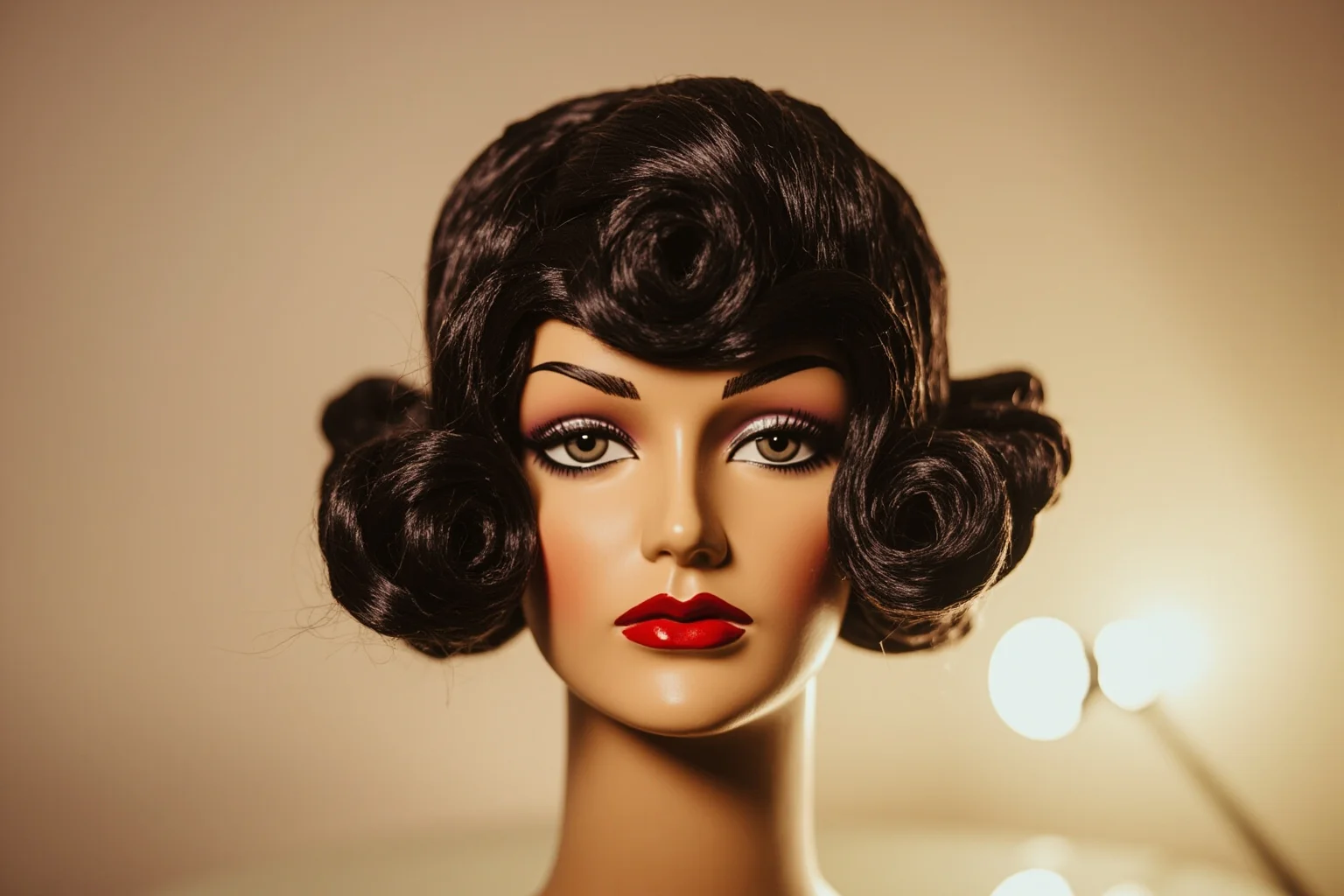
Finger waves were a signature of the 1920s and early 1930s, created by pinching wet hair into S-shaped ridges. They let short bobs look polished without heat tools. The style spread through jazz-age nightlife and early Hollywood glamour.
Modern red-carpet and editorial teams bring back finger waves for awards season, often paired with sleek updos or undercuts. The technique is slower than curling iron waves, but the sculptural effect is hard to copy. It remains one of the most recognizable historical hairstyles of the 20th century.
14. Victory Rolls
Victory rolls were a 1940s style in which sections of hair were rolled upward and pinned to frame the face. The name came from wartime victory symbolism, though the style was also practical for women working in factories. It kept hair off the face while still looking polished.
Rockabilly and swing-dance scenes have kept victory rolls alive for decades. Today they appear at festivals, vintage photoshoots, and even modern runways. Their comeback depends on nostalgia, but the style also reads as deliberately feminine and strong.
15. The Beehive
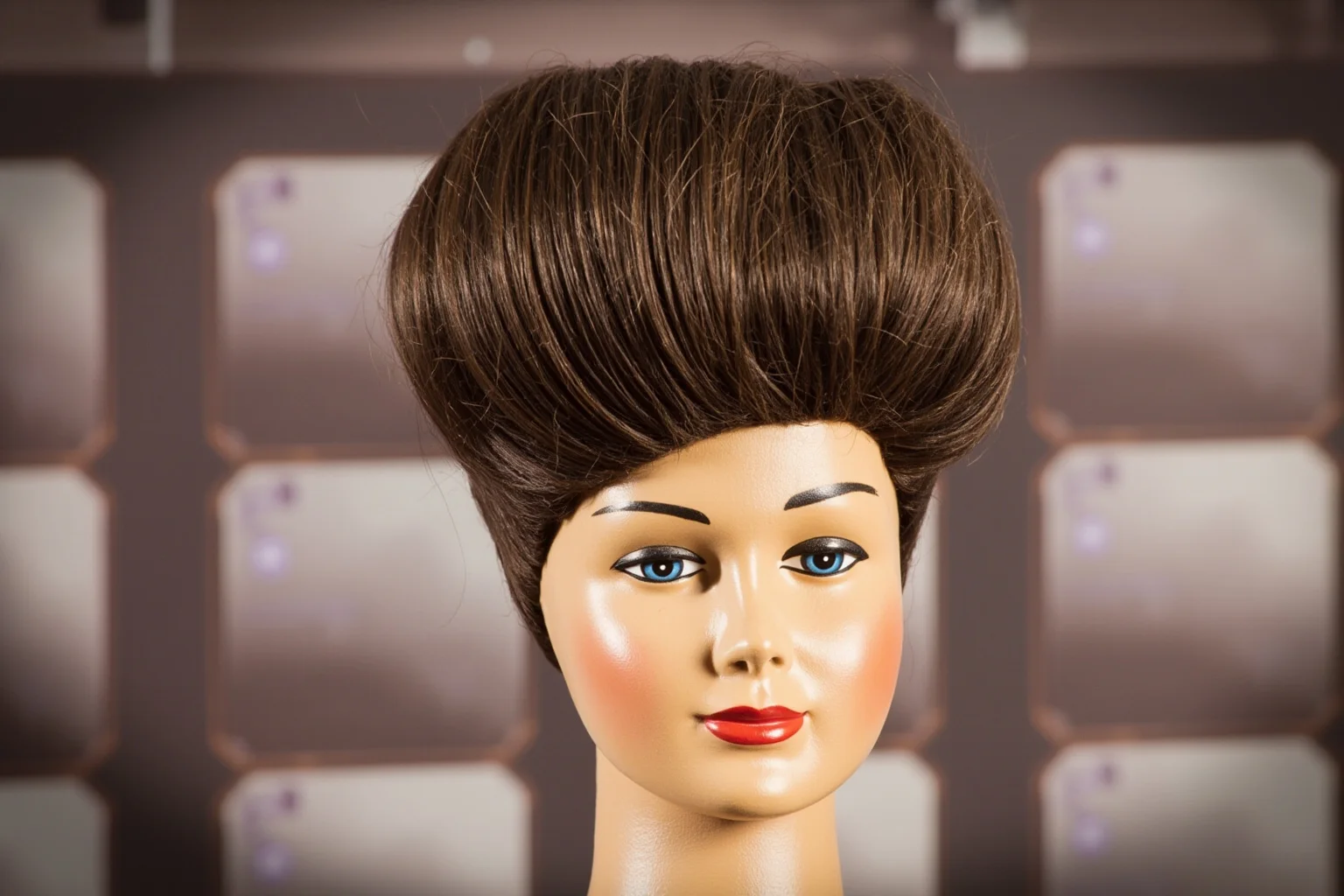
The beehive was developed around 1960 and became a towering symbol of suburban glamour. It worked by backcombing or teasing hair into a tall, rounded shape that resembled a hive. Hairspray made the style possible on a mass scale.
The beehive returned in the 2010s through pop stars and retro-inspired fashion. Modern versions often lower the height or blend it with undercuts. The silhouette still communicates drama, but today it is more likely to be worn as a knowing throwback than an everyday look.
16. The French Twist
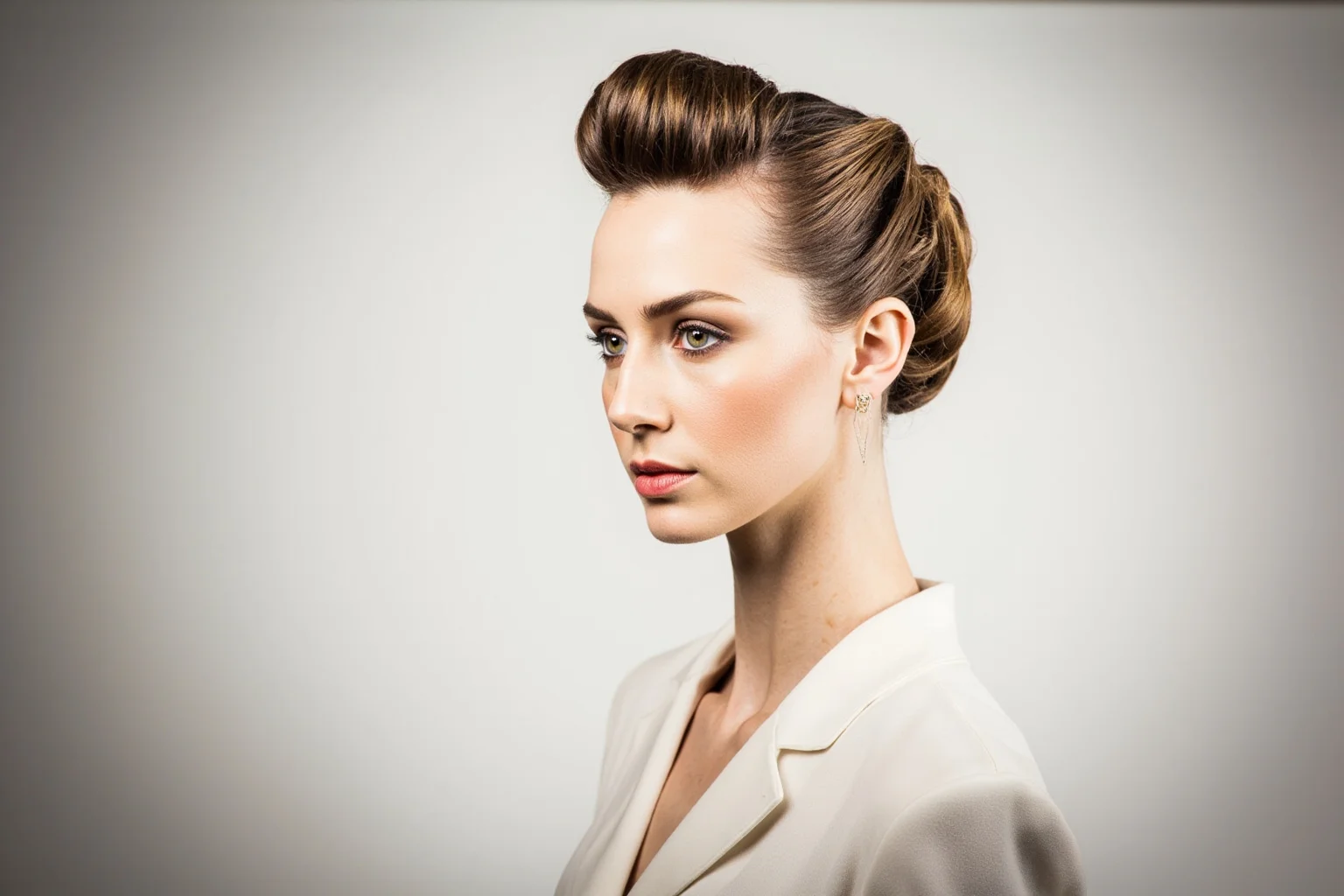
The French twist is an elegant updo in which hair is gathered, twisted upward, and pinned vertically against the back of the head. It became a standard formal style in the mid-20th century, though similar tucked updos appear much earlier in European portraiture. The name implies French sophistication, but the origin is not strictly national.
It cycles back whenever prom season, weddings, or gala fashion wants instant polish. Modern versions loosen the twist, leave face-framing pieces out, or add a deep side part. The basic trick of hiding the ends creates a clean line that never really disappeared.
17. The Hime Cut
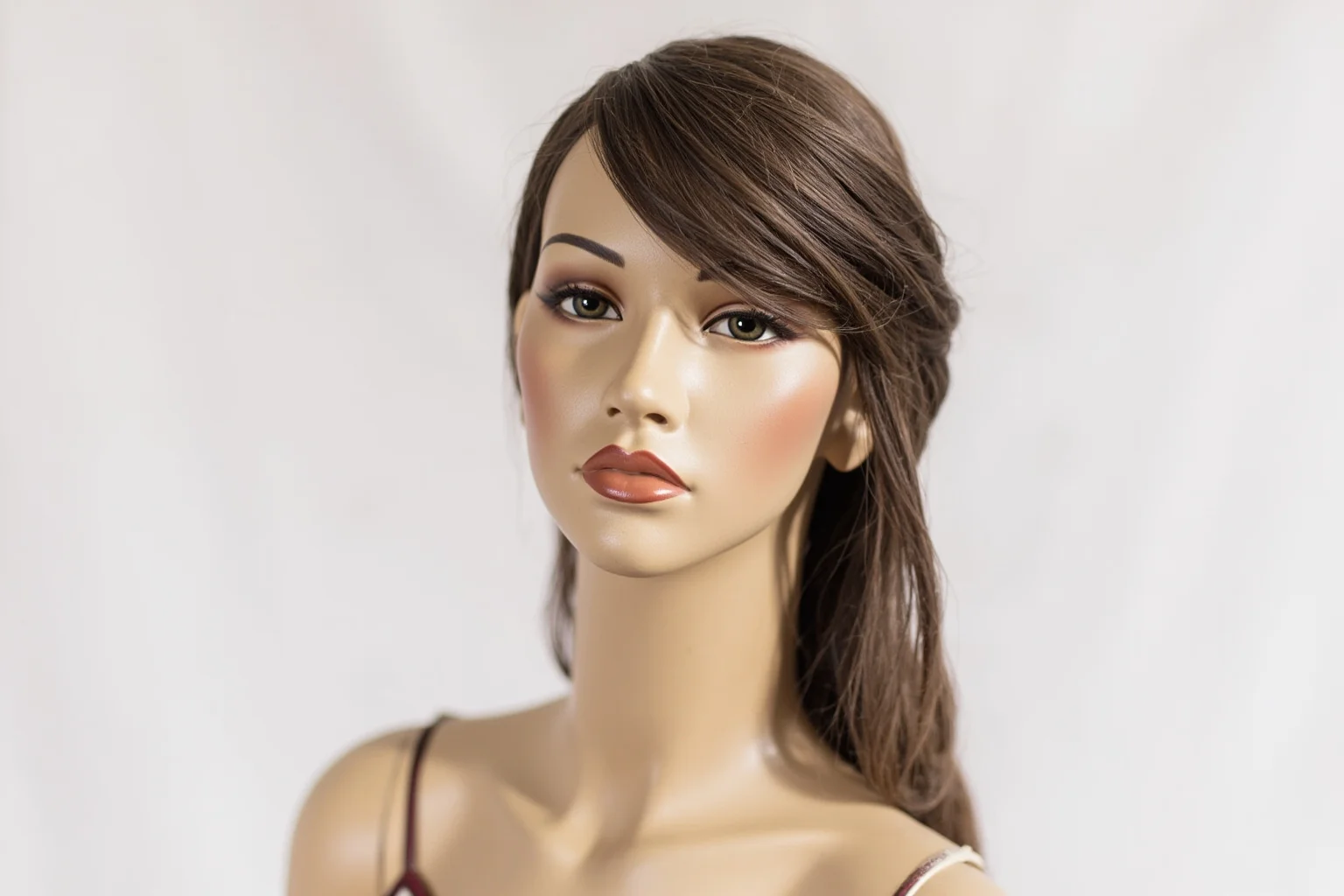
The hime cut, or 'princess cut,' is a Japanese style with straight cheek-length side locks, a blunt fringe, and long back hair. It appears in Heian-period noble imagery and later became a marker of aristocratic and supernatural female characters in anime. The style is highly structured and high-contrast.
Western pop culture noticed the hime cut through anime, manga, and social media beauty trends. Modern wearers sometimes blend it with color or softer layers, but the three-part silhouette stays recognizable. It is a clear case of a historical hairstyle crossing from courtly tradition to global screens.
18. The Undercut
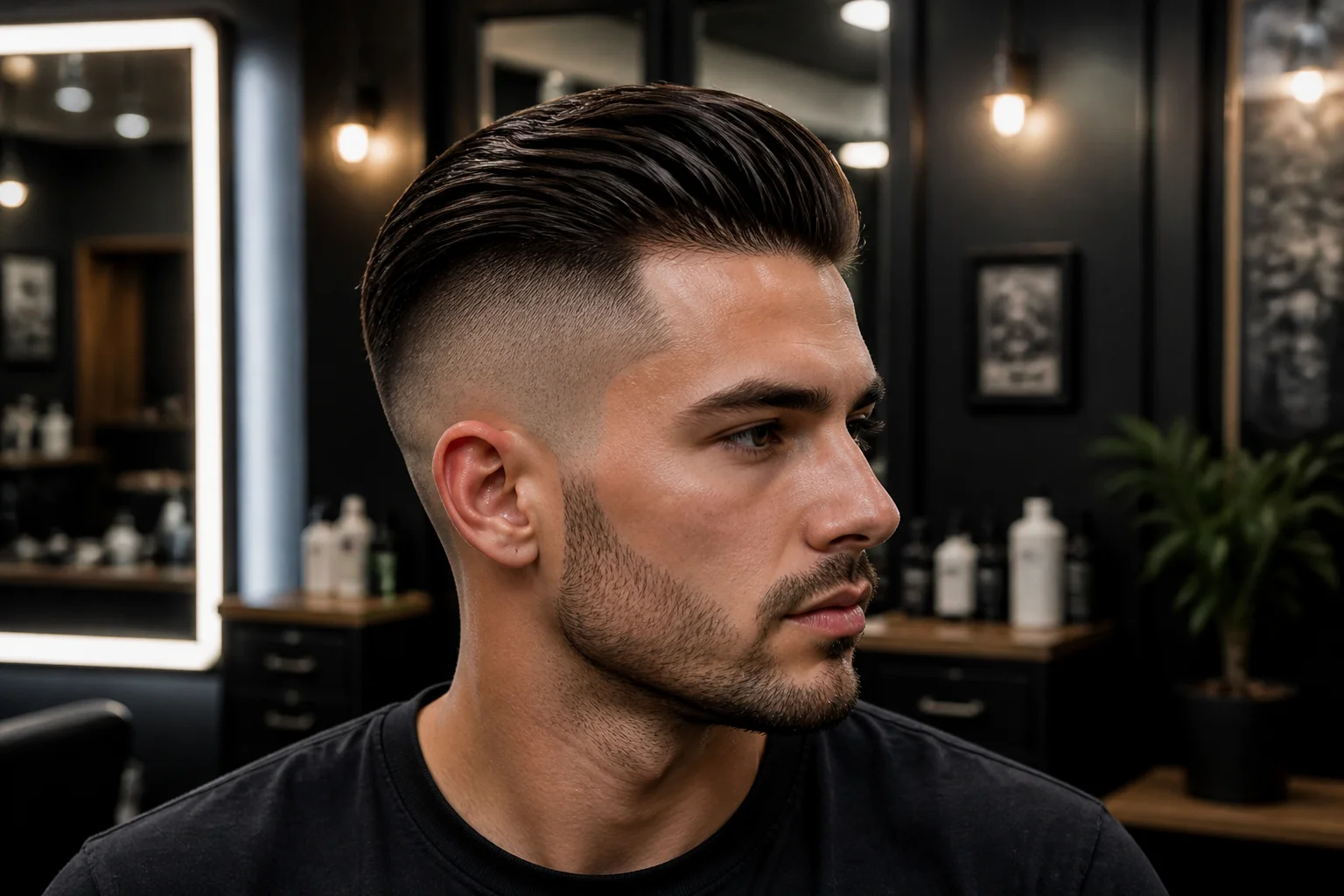
The undercut is not a single era's invention. Closely shaved sides or nape with longer hair on top appear in early 20th-century working-class styles, 1920s fashion, and various military cuts. It became a fashion statement again in the 2010s, often paired with slicked-back tops or long flowing crowns.
The style can read as sleek, rebellious, or utilitarian depending on how it is worn. Because it creates strong contrast, it photographs well and adapts to almost any hair texture. Its long history as a practical cut makes the modern undercut fade less new than it looks.
19. The Bowl Cut
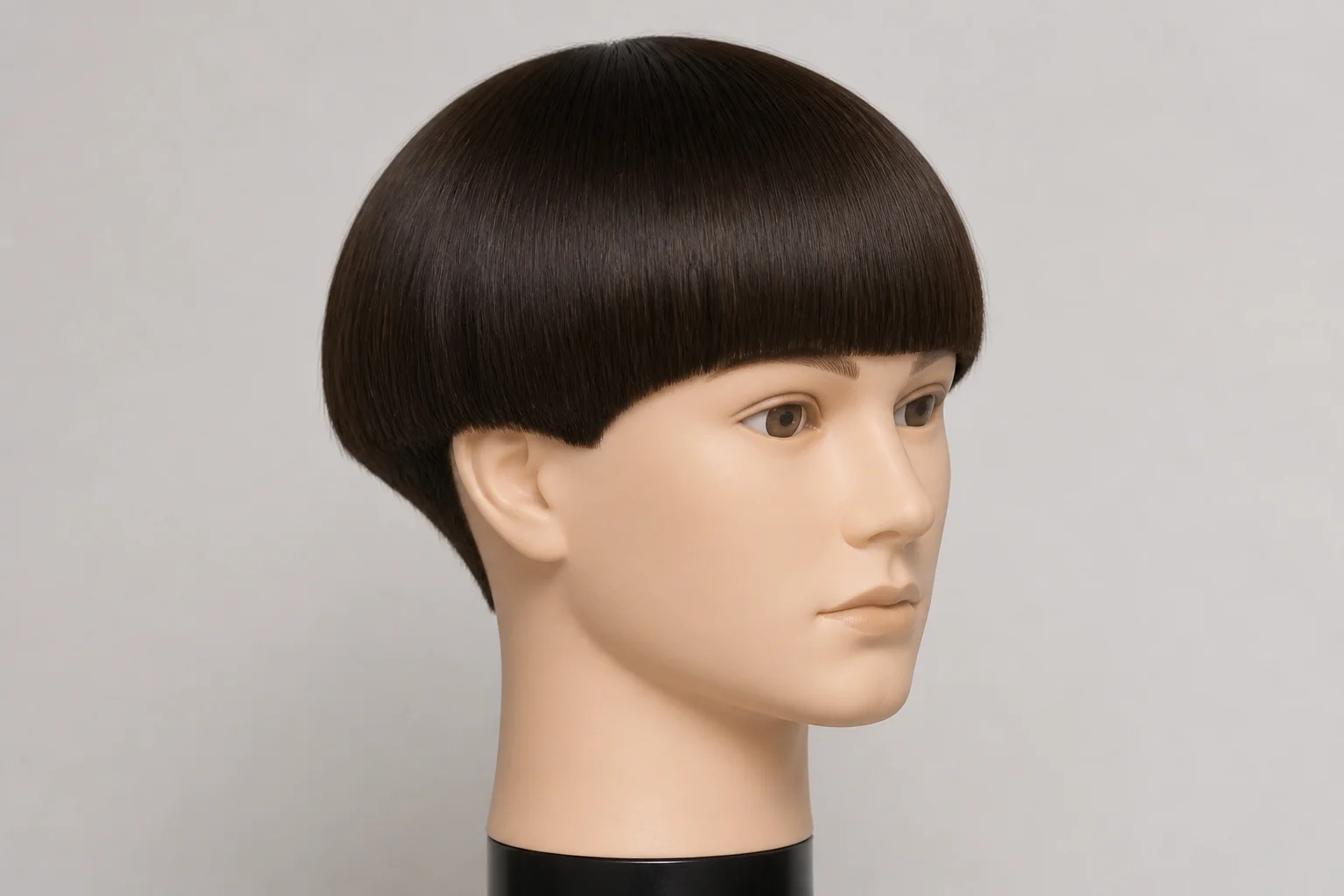
The bowl cut has an unexpectedly deep history. Simple bowl-shaped crops appear in medieval European art and later in working-class portraits, often because they were easy to cut at home. A literal bowl may have been used as a cutting guide, but the name describes the silhouette.
The 1990s made the bowl cut a mainstream children's and teen style, and it later returned as an ironic or high-fashion look. Modern versions soften the edges or pair the fringe with a fade. It is a useful reminder that historical haircuts can become punchlines before becoming trends again.
20. The Perm
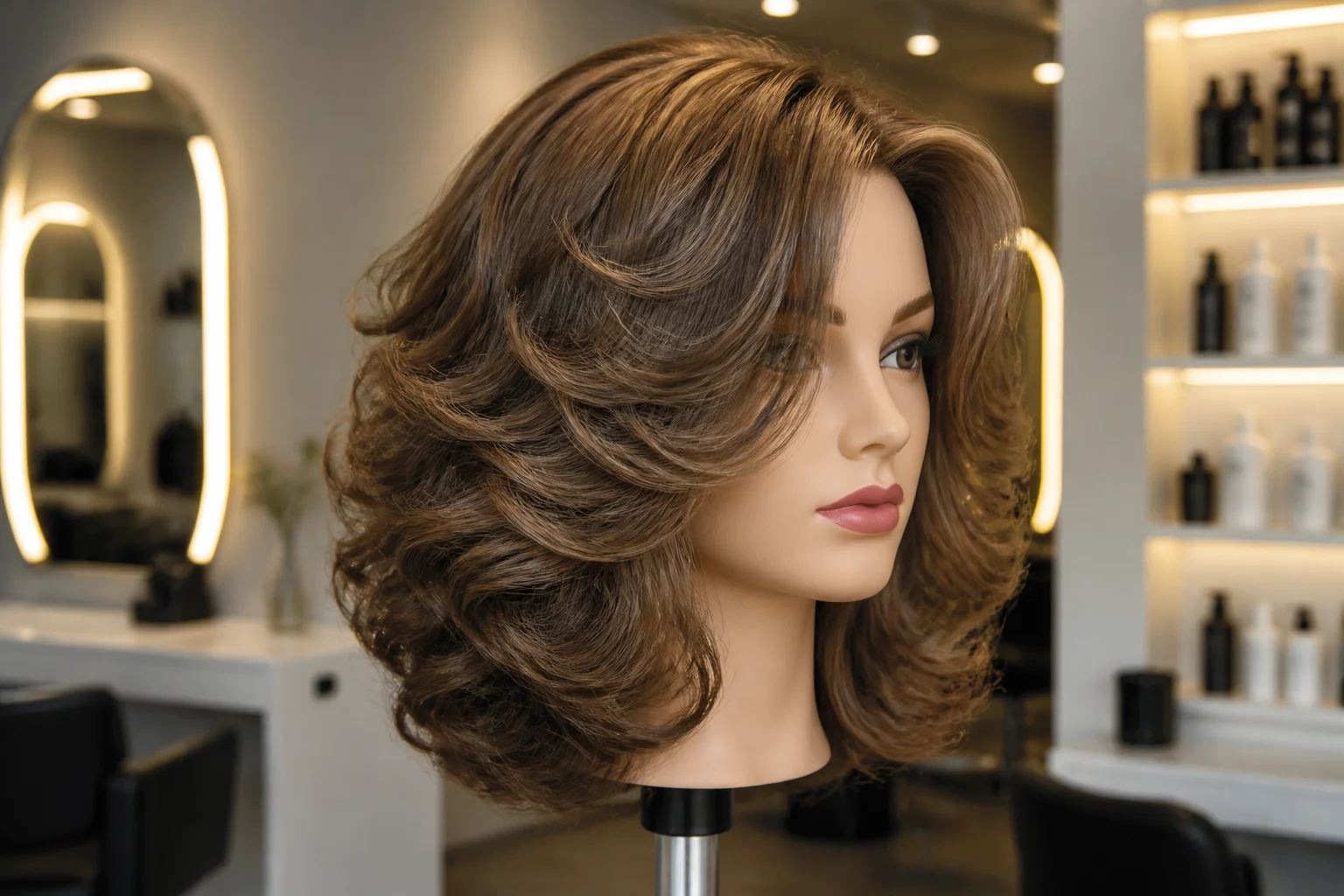
The perm, short for permanent wave, has roots in early 20th-century chemical experiments to curl straight hair. The first machines were cumbersome and sometimes dangerous, but by the 1980s perms were cheap, salon-standard, and everywhere. Big curls became a mainstream phenomenon.
The modern perm returned as the digital perm or loose wave perm, with softer results and less damage. It now serves people who want texture, volume, or a beachy wave without daily heat styling. The technology changed radically, but the desire for long-lasting curl is old.
21. The High-Top Fade
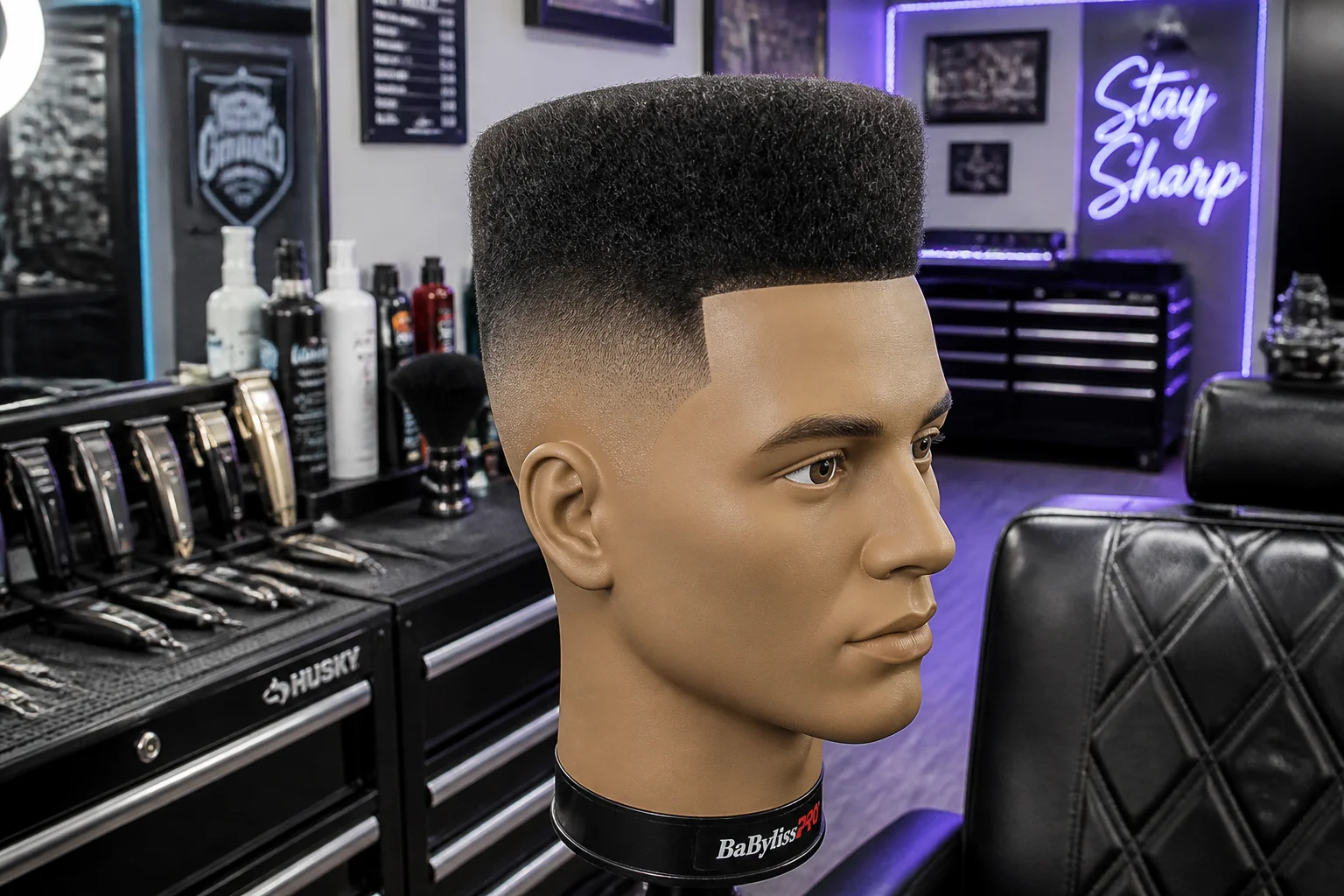
The high-top fade became a defining Black hair style of the 1980s and early 1990s, shaped into a flat or curved box on top with tight faded sides. It grew out of Black barbering traditions and hip-hop culture, not a single inventor. The silhouette was sculptural, precise, and often paired with line designs.
After years of retro jokes, the high-top fade returned in the 2010s through hip-hop nostalgia and high-fashion editorials. Modern versions sometimes lower the height or blend the top into curls. It shows how a style tied to one musical era can become a fresh statement decades later.
22. The Pageboy
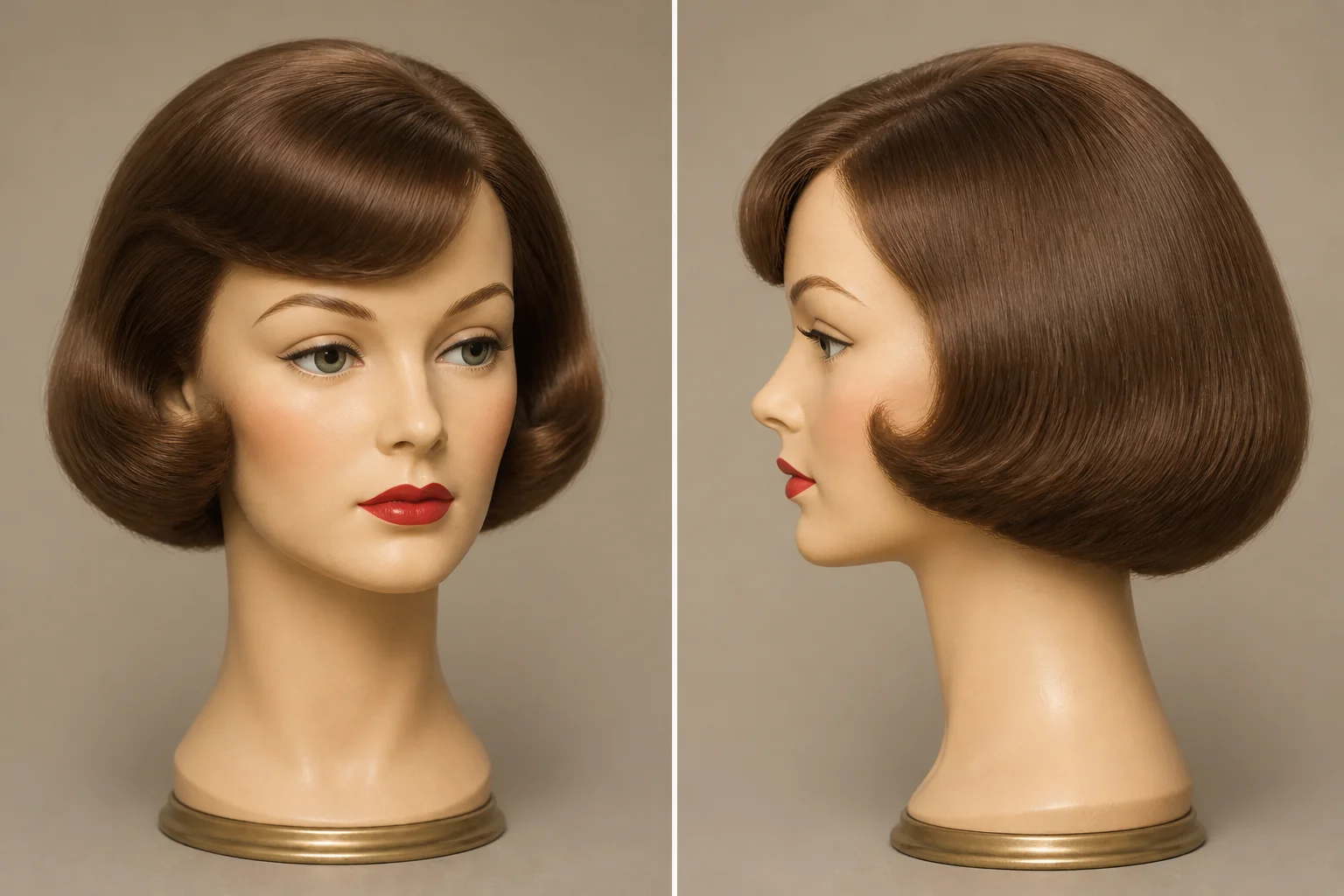
The pageboy was a polished mid-century cut with smooth, turned-under ends and a rounded silhouette. It took its name from the bowl-like styles associated with medieval pages, though the 1950s version was far more styled. The cut worked on straight hair and became a mainstream women's style.
Modern versions return whenever fashion revives 1950s and 1960s silhouettes. Stylists may add a deep side part or blunt fringe, but the turned-under shape remains. The pageboy is proof that a very controlled haircut can still feel fresh when paired with modern makeup and clothes.
What Hair Comebacks Actually Tell Us
Hair style history teaches us that no look is entirely original. Every era borrows, distorts, and recombines older forms. That does not make a revival shallow; it shows how style works as a living archive.
Historical hairstyles return when they solve a modern problem or add a missing emotion to the moment. A bob can mean liberation or simply low maintenance. A mohawk can mean punk shock or a runway silhouette.
The risk is treating these styles as costumes with no context. When a culture hairstyle crosses borders, it can lose the meaning it carried at home. Good pop-culture history should acknowledge the original wearers, not just the celebrity who made it go viral.
Hair archives are not static. They keep being edited by new tools, new audiences, and new arguments about who gets to wear what. That is exactly why a 2,000-year-old braid or a mid-century artichoke crop can suddenly feel like the most modern choice in the room.
Next time you ask for a 'new' cut, look at old paintings, photographs, and films. The salon chair may be modern, but the shape in the mirror probably has ancestors.
Frequently Asked Questions
What is the oldest known hairstyle?
Braided and cropped styles are among the oldest documented looks. Rock art and sculptures from parts of Africa show cornrow-like braids thousands of years old, while ancient Egyptian art shows bobbed wigs.
Why do historical hairstyles keep coming back?
They return because they carry strong visual meanings and can be updated with modern tools. A cut linked to rebellion, luxury, or practicality gives pop culture a ready-made shorthand for identity.
Is the mullet really a historical haircut?
Short-in-front and long-in-back styles appear in some ancient depictions, but the modern 'mullet' as a named pop-culture style emerged in the late 20th century. The idea is older than the word.
What is the artichoke hairstyle?
It is a sculpted short cut with overlapping, spiky layers that fan out like artichoke leaves. The style became popular in the mid-20th century during the geometric haircut movement.

Alex Warren
Related Articles