

For centuries, kings, sultans, and emperors competed to own the strangest, rarest, and most terrifying animals on Earth. A polar bear fishing in the Thames, a rhinoceros wandering the gardens of Versailles, a giraffe paraded through Renaissance Florence — these weren’t fairy tales. They were real royal menageries, and they said as much about power and propaganda as they did about curiosity.
If you’ve landed here searching for “menegarie,” don’t worry — that’s just a common misspelling of menagerie, and you’re in exactly the right place. This post digs into the real history of royal animal collections, separates the myths from the documented facts, and shows why the glamour of these menageries so often had a much darker underside.
TL;DR: Royal menageries showcased exotic animals as symbols of wealth and conquest, but most of these creatures suffered short, confined, and often tragic lives far from their natural habitats.
What Exactly Is a Menagerie?
The word menagerie comes from the French “ménagerie,” which originally referred to the management of a household or its livestock. By the 1600s, it had shifted to mean a collection of wild or exotic animals kept for display rather than farming.
Unlike a modern zoo, a menagerie wasn’t built around conservation, education, or animal welfare. It existed to impress. A royal menagerie was, in essence, a living trophy case — proof that a ruler’s reach extended to the farthest corners of the known world.
That distinction matters, because it explains a lot of what follows. When animals are collected as status symbols rather than living creatures with complex needs, things tend to go badly for the animals. The next 22 entries show exactly how badly, and how often.
1. King John and the First Royal Beasts at the Tower
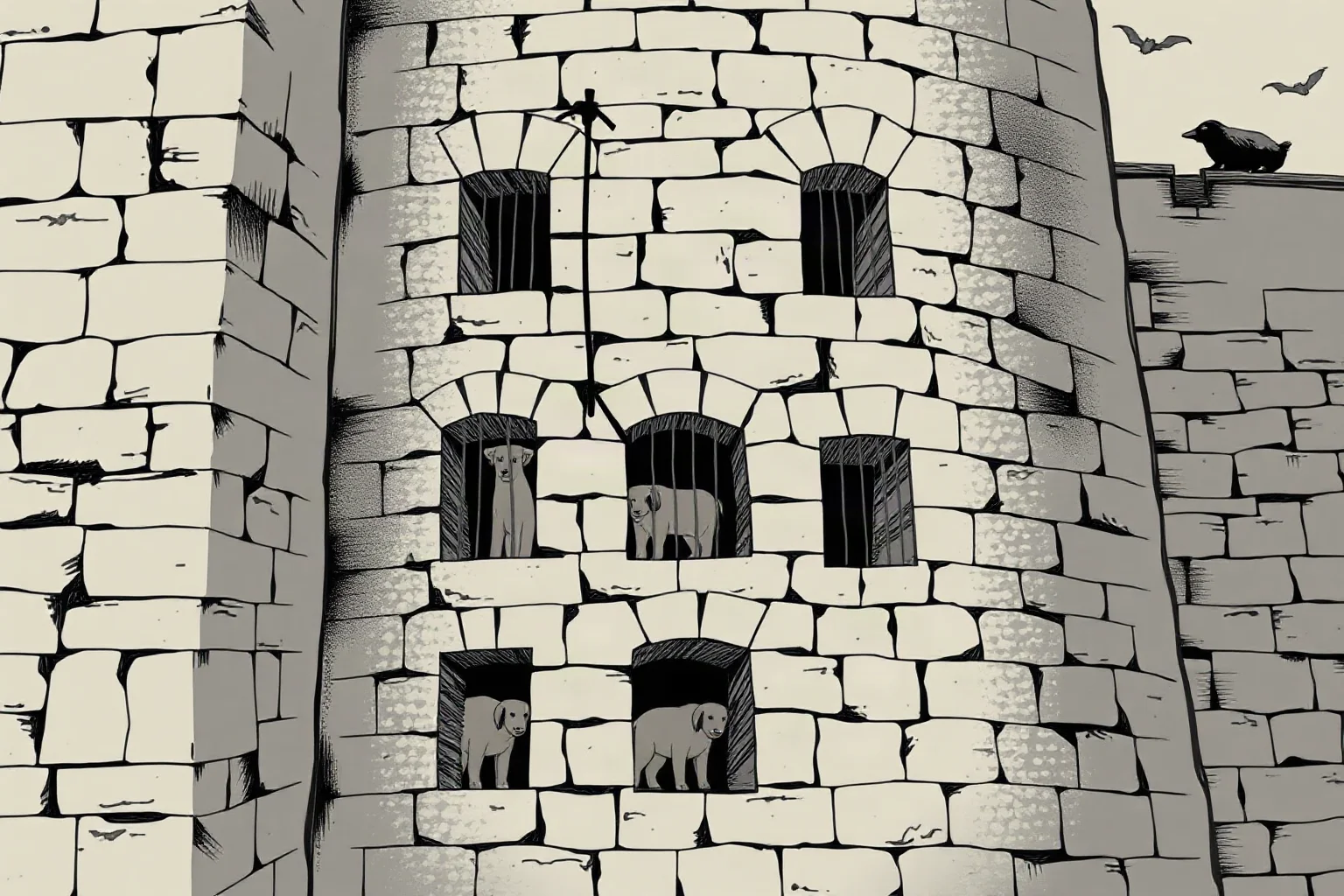
England’s tradition of royal animal-keeping likely began under King John in the early 1200s, a period covered in our broader look at historical time periods and eras, though the record becomes much clearer under his son. Big cats, described in old chronicles simply as “leopards” (possibly lions), were among the first exotic animals associated with the English crown.
These early animals were kept less for spectacle and more as curiosities befitting a monarch. They set the stage for one of history’s longest-running menageries, which would occupy the Tower of London for over 600 years.
2. Henry III’s Polar Bear on a Thames Leash
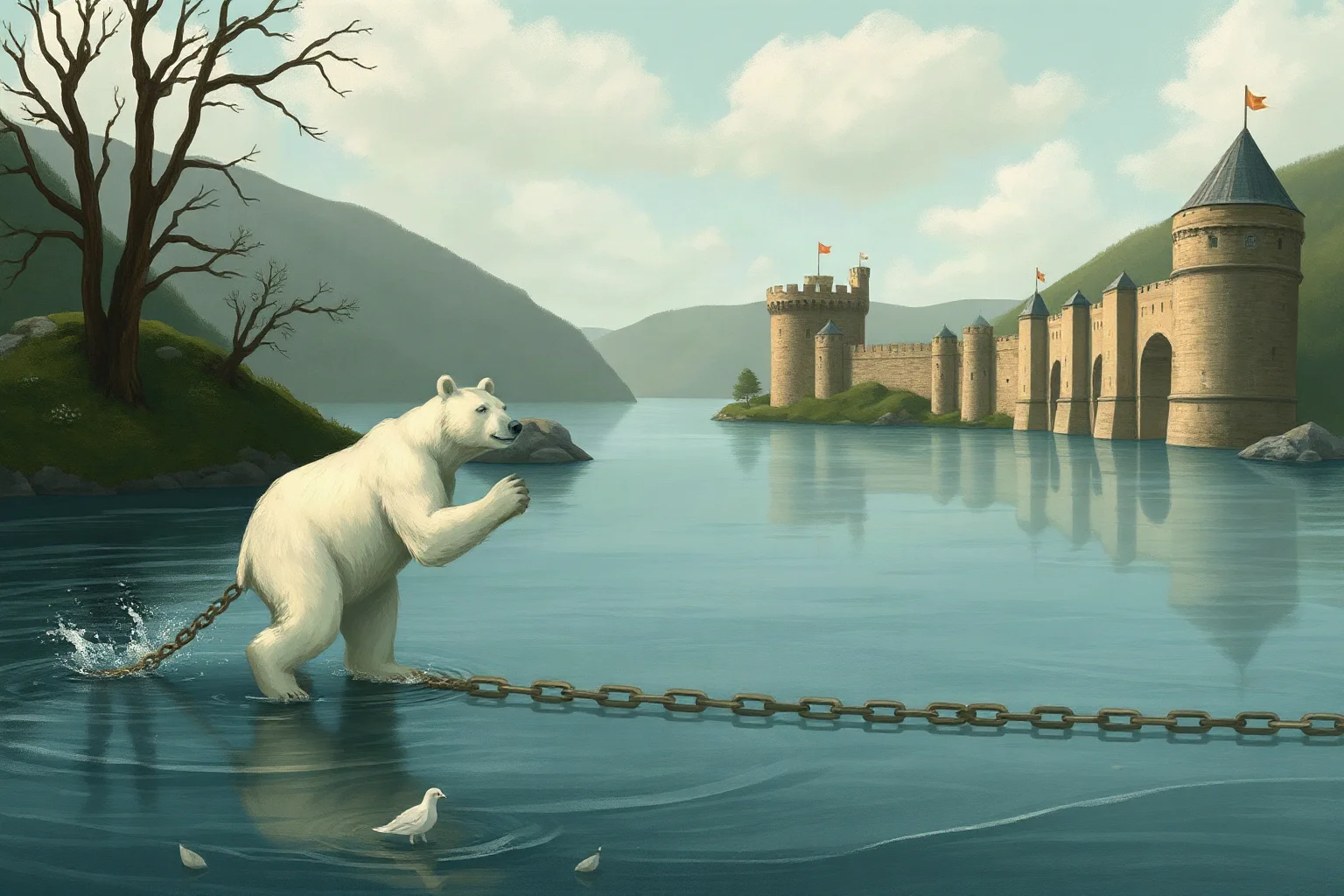
In 1252, King Haakon IV of Norway gifted Henry III a polar bear, according to the medieval chronicler Matthew Paris. The bear was reportedly kept on a long chain and allowed to swim and fish in the River Thames while Londoners watched from the banks.
It’s a striking image, and it’s genuinely documented rather than legend. Still, it’s worth pausing on what that life actually meant for the animal: a solitary Arctic predator, tethered by rope, paraded for entertainment in a city nothing like its home.
3. Henry III’s Elephant from the King of France
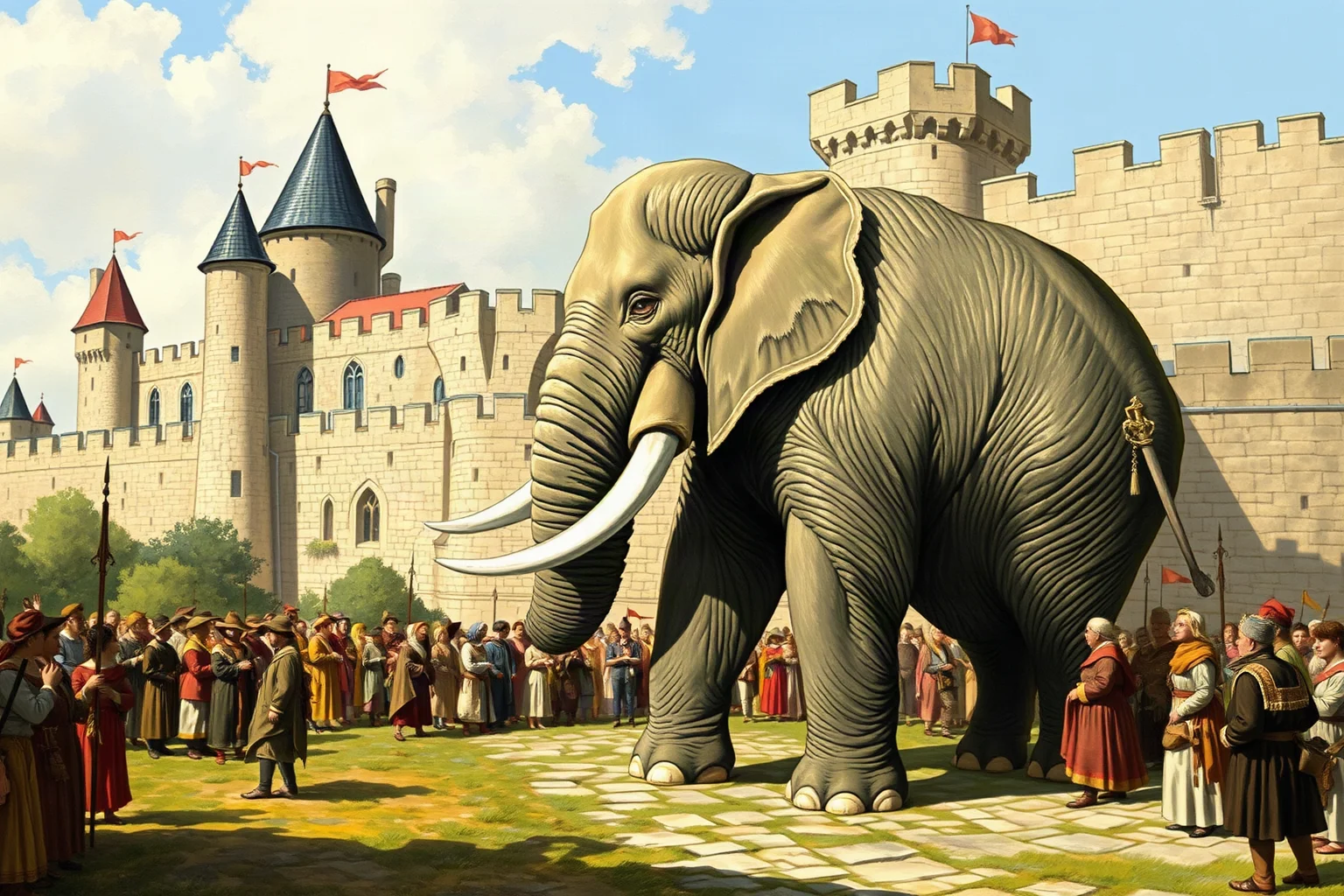
A few years later, in 1255, Louis IX of France gave Henry III an African elephant, the first most English people had ever seen. Crowds reportedly traveled long distances just to glimpse it at the Tower.
The elephant did not fare well. Kept in an unsuitable enclosure with a diet no one fully understood, it died within about two years — a grim pattern that would repeat itself across royal menageries for centuries.
4. The Tower’s Lion Tower and Public Spectacle
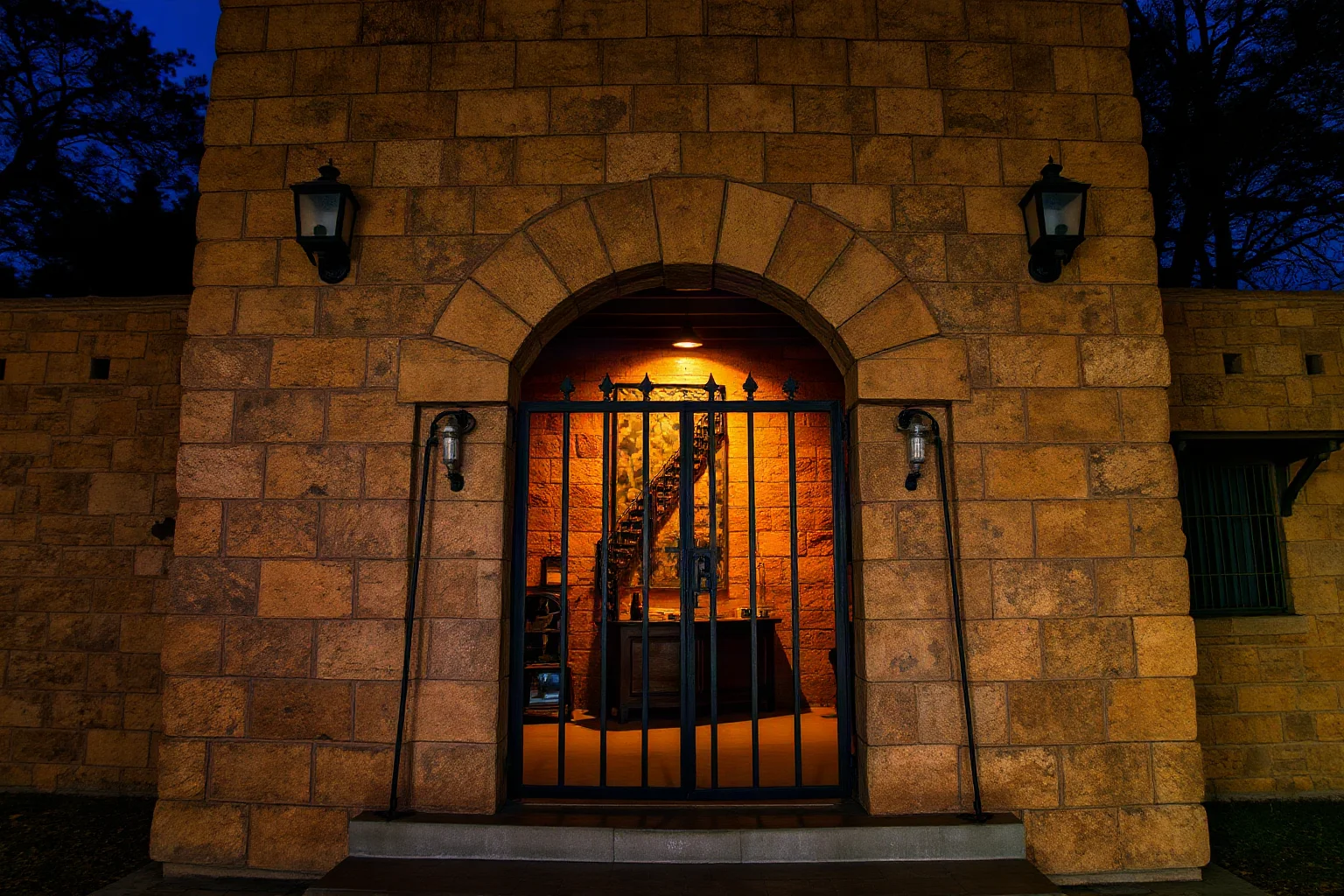
By the late medieval period, the Tower of London had a dedicated structure known as the Lion Tower, where big cats were displayed to paying visitors. It functioned as Britain’s first real public zoo, centuries before London Zoo existed.
The animals lived in small stone cells with barred openings, a far cry from any natural habitat. Visitors came for the thrill of danger, rarely thinking about the animal pacing behind the bars.
5. The Myth of Paying Admission With a Cat or Dog
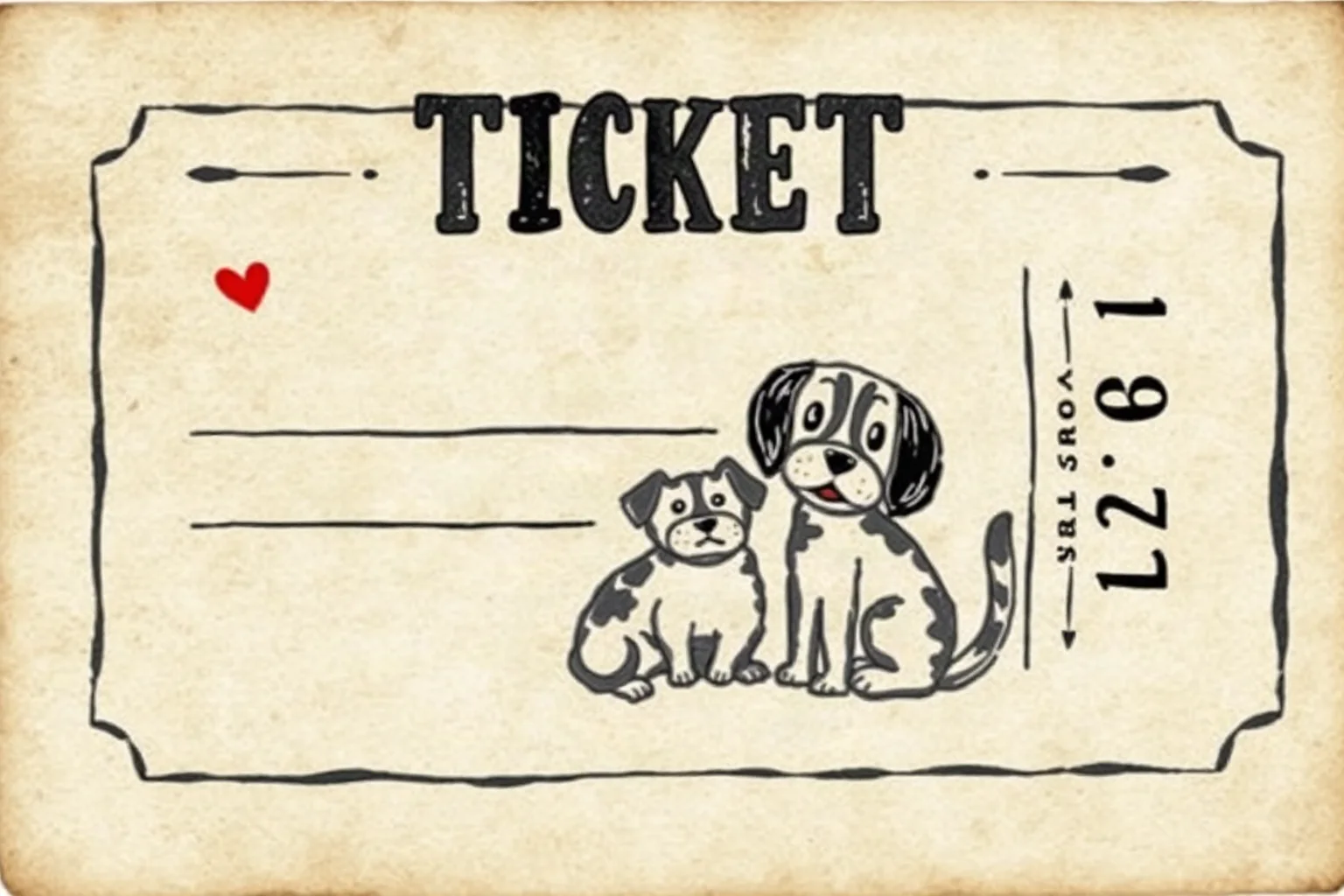
Here’s where myth-busting matters. A popular legend claims visitors to the Tower Menagerie could get in free by bringing a cat or dog to feed to the lions. In reality, this appears to have started as an 18th- or 19th-century prank — fake tickets were reportedly handed out as a joke, not an official policy.
There’s no reliable historical record of the Tower running an actual “pay with a pet” admission scheme. It’s a great story, but it belongs in the folklore column rather than the fact column.
6. James I and the Tower’s Animal-Baiting Pit
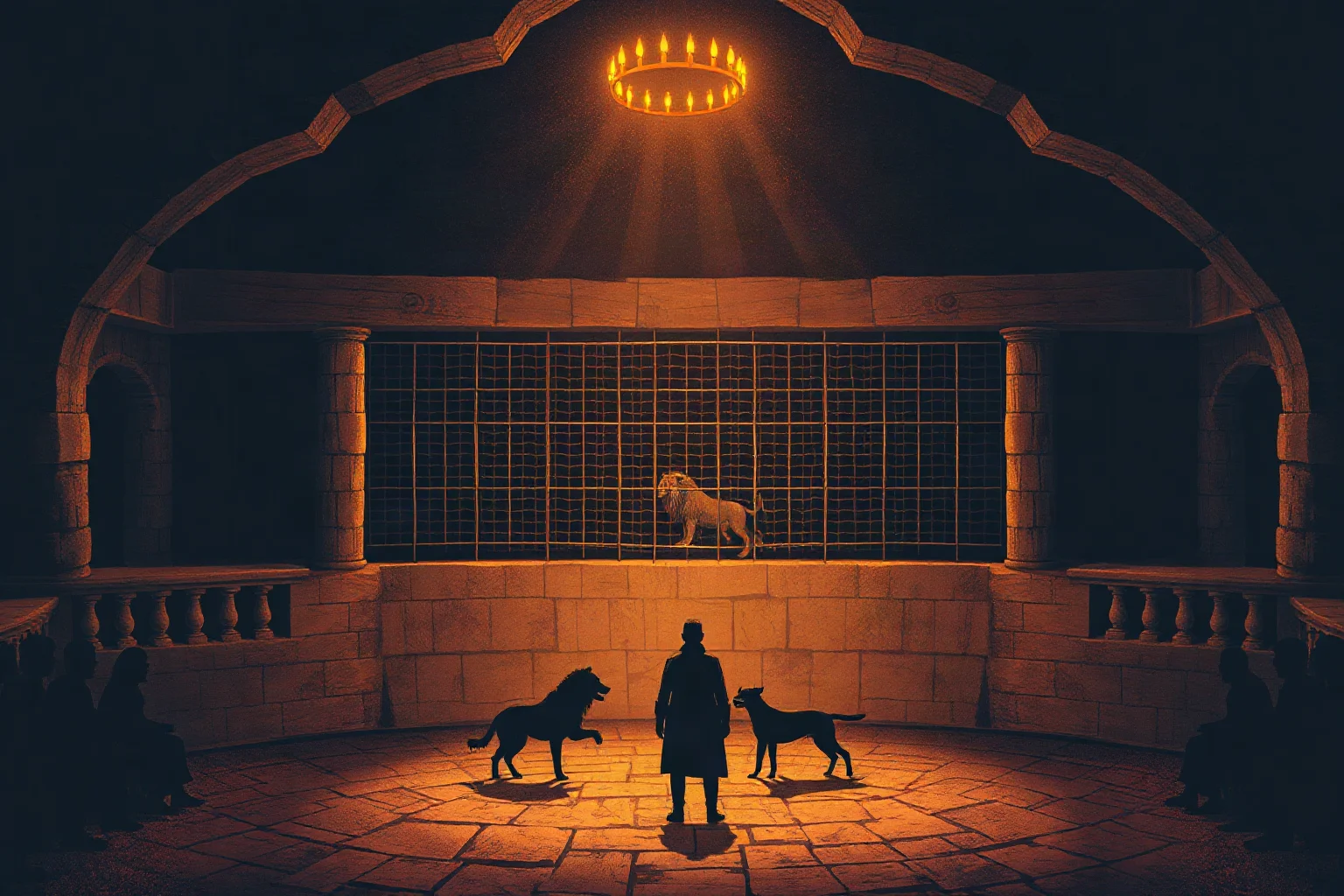
James I of England, who reigned in the early 1600s, is documented as having a taste for violent animal spectacles. He reportedly staged fights at the Tower involving lions, dogs, and other captive animals for the entertainment of the court.
This wasn’t unique to England — baiting spectacles involving bears and bulls were common across early modern Europe. But when it happened to a royal menagerie’s own exotic animals, it turned a symbol of majesty into a source of forced violence.
7. Louis XIV’s Menagerie de Versailles
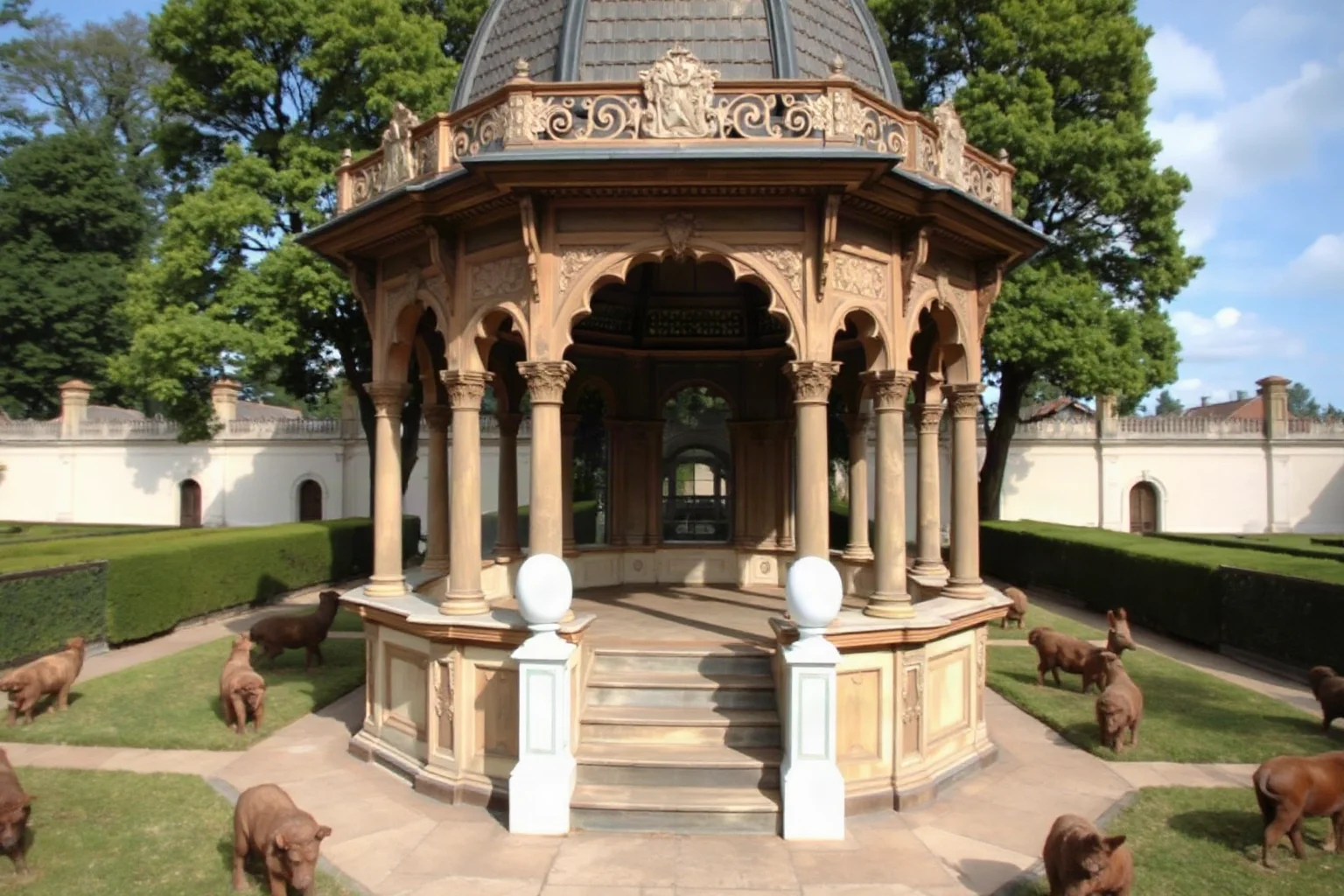
When Louis XIV built his menagerie at Versailles in 1664, he designed it as an architectural showpiece, with animal enclosures arranged around a central pavilion so the Sun King could view multiple species at once. It was less a zoo than a stage set for absolute power.
Animals arrived from across the growing French colonial network, including an elephant gifted by the King of Portugal in 1668 that reportedly survived there for over a decade. Even in its “successes,” the menagerie reflected conquest and diplomacy more than genuine animal care.
8. The Doomed Rhinoceros of Versailles
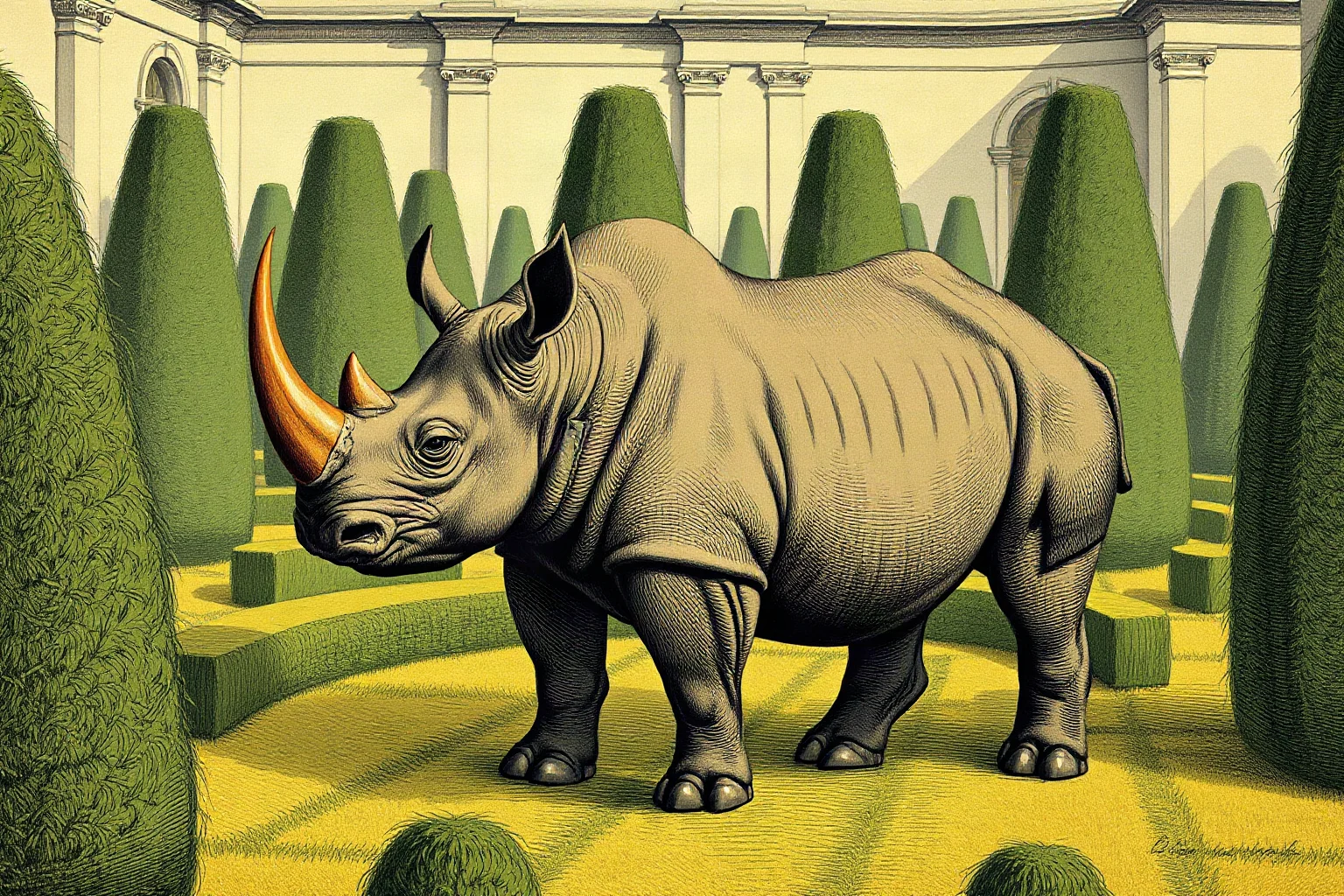
In 1770, a rhinoceros arrived at Versailles as a diplomatic gift, becoming one of the menagerie’s most famous residents. It survived the fall of the monarchy for a time, still housed at the royal grounds even as revolution swept France.
In 1793, amid the chaos of the Revolution, the rhinoceros was killed. Its remains were preserved and mounted, and they can still be seen today in the Muséum national d’Histoire naturelle in Paris — a strange, quiet survivor of a vanished royal world.
9. Moctezuma’s Legendary Menagerie in Tenochtitlan
Spanish chroniclers, including soldiers who accompanied Hernán Cortés, described an enormous menagerie kept by the Aztec emperor Moctezuma II — ruler of one of the ancient civilizations that still fascinates historians today — complete with aviaries, aquatic birds, and predator enclosures. By these accounts, it dwarfed anything seen in Europe at the time.
Some conquistador writings claim predatory animals in the collection were fed prisoners or sacrificial victims. Historians treat this specific claim with caution, since Spanish accounts of Aztec practices were often shaped by a desire to justify conquest. What’s less disputed is that the menagerie itself was real, vast, and reflected serious zoological knowledge.
10. Emperor Jahangir’s Curious Mughal Zoo
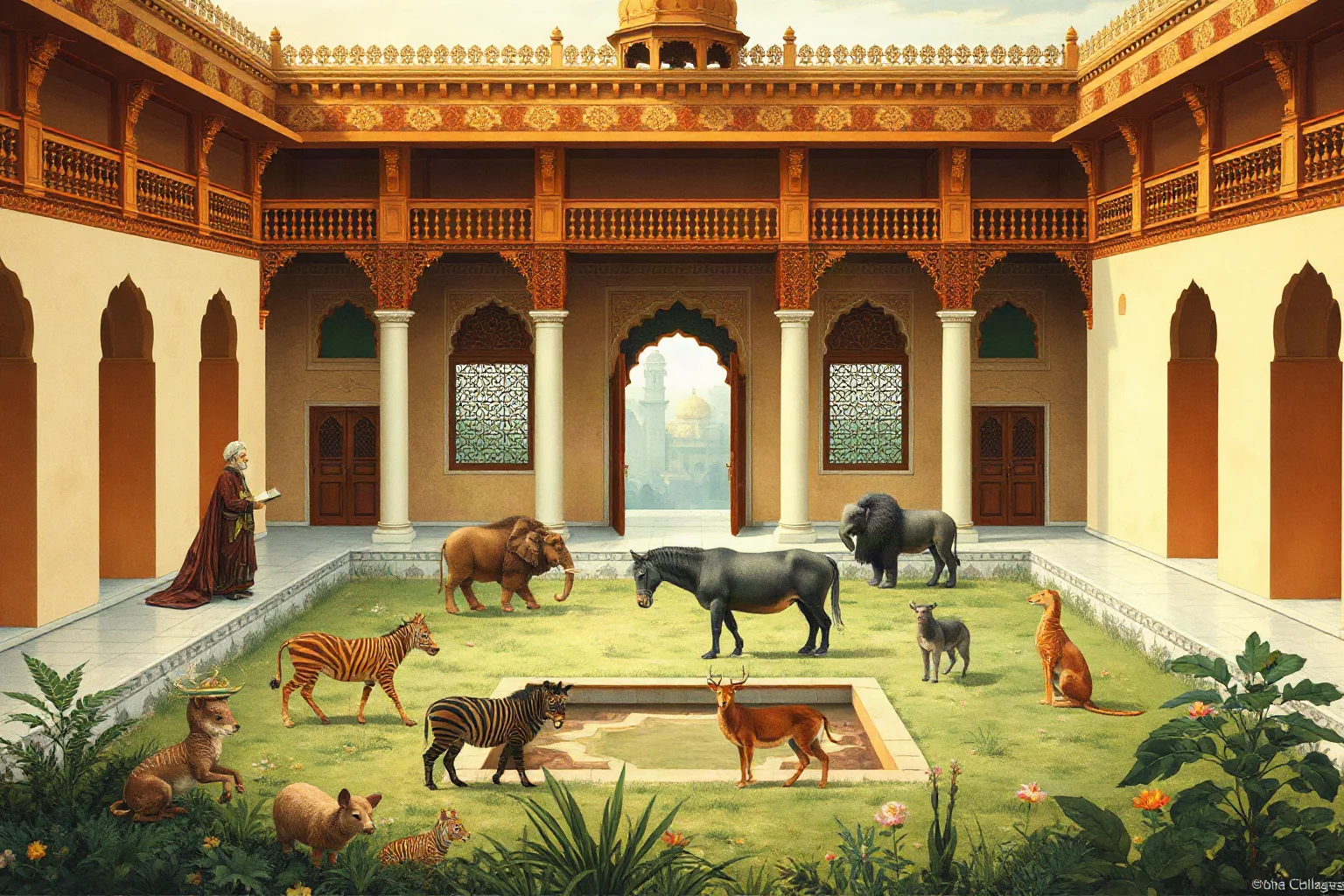
The Mughal emperor Jahangir, who ruled in the early 1600s, kept an extensive menagerie at his court and recorded detailed observations of animal behavior in his memoirs, the Jahangirnama. He was known for experimenting with cross-breeding different species and documenting the results with real scientific curiosity.
Jahangir’s approach was unusually observational for a royal collector of his era. Still, the animals themselves lived in captivity for the emperor’s fascination, not their own wellbeing.
11. The Ottoman Sultans’ Lion House at Topkapi
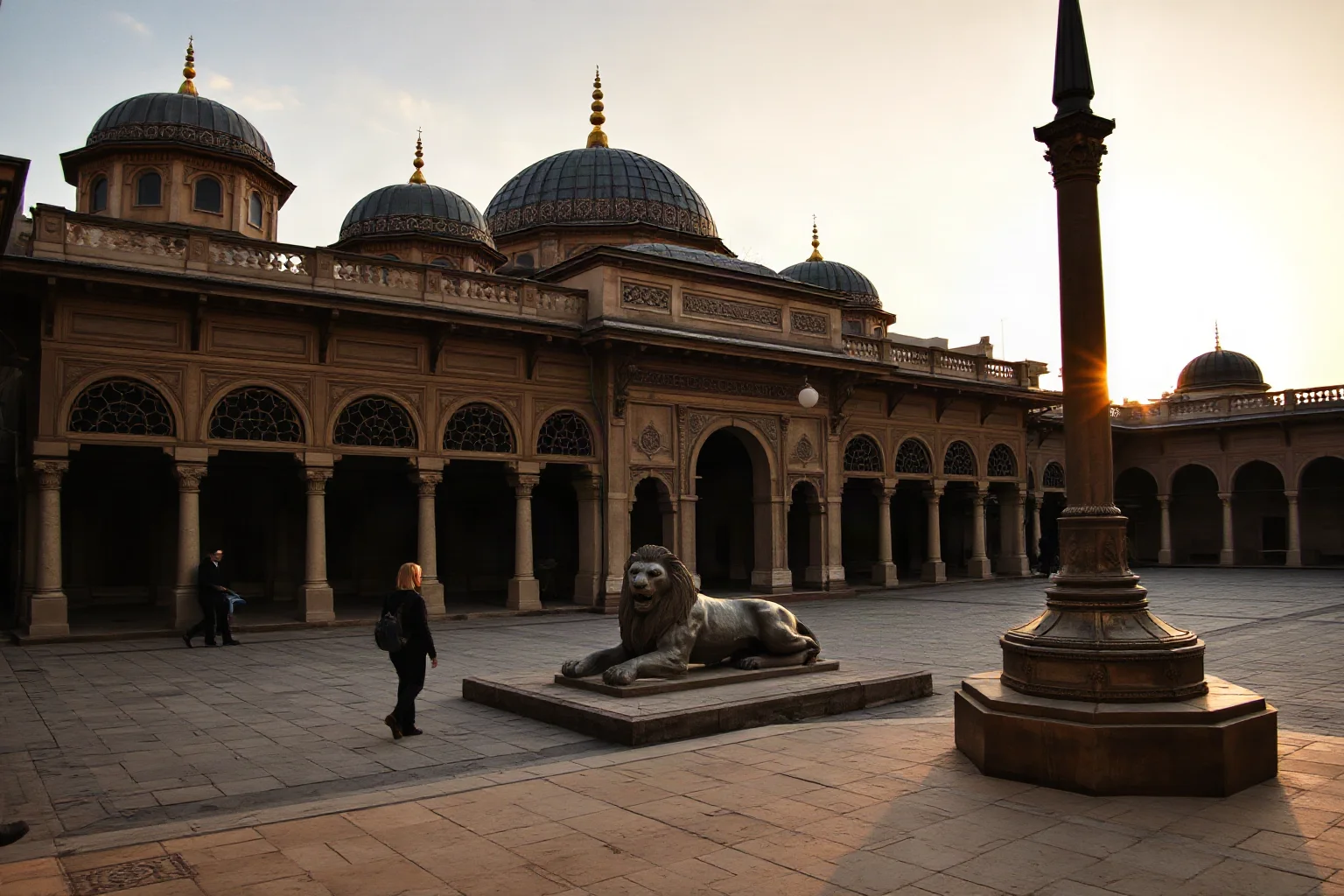
The Ottoman sultans kept an “Arslanhane,” or lion house, within the grounds of Topkapi Palace, housing lions and other big cats gifted by foreign rulers or captured during military campaigns. The collection reinforced the sultan’s image as a ruler whose power extended over nature itself.
Like most royal menageries, the animals were valued primarily as symbols. Detailed veterinary records from this era are scarce, but the cramped, ornamental nature of palace animal housing across the period suggests conditions were far from ideal.
12. Empress Josephine’s Exotic Retreat at Malmaison
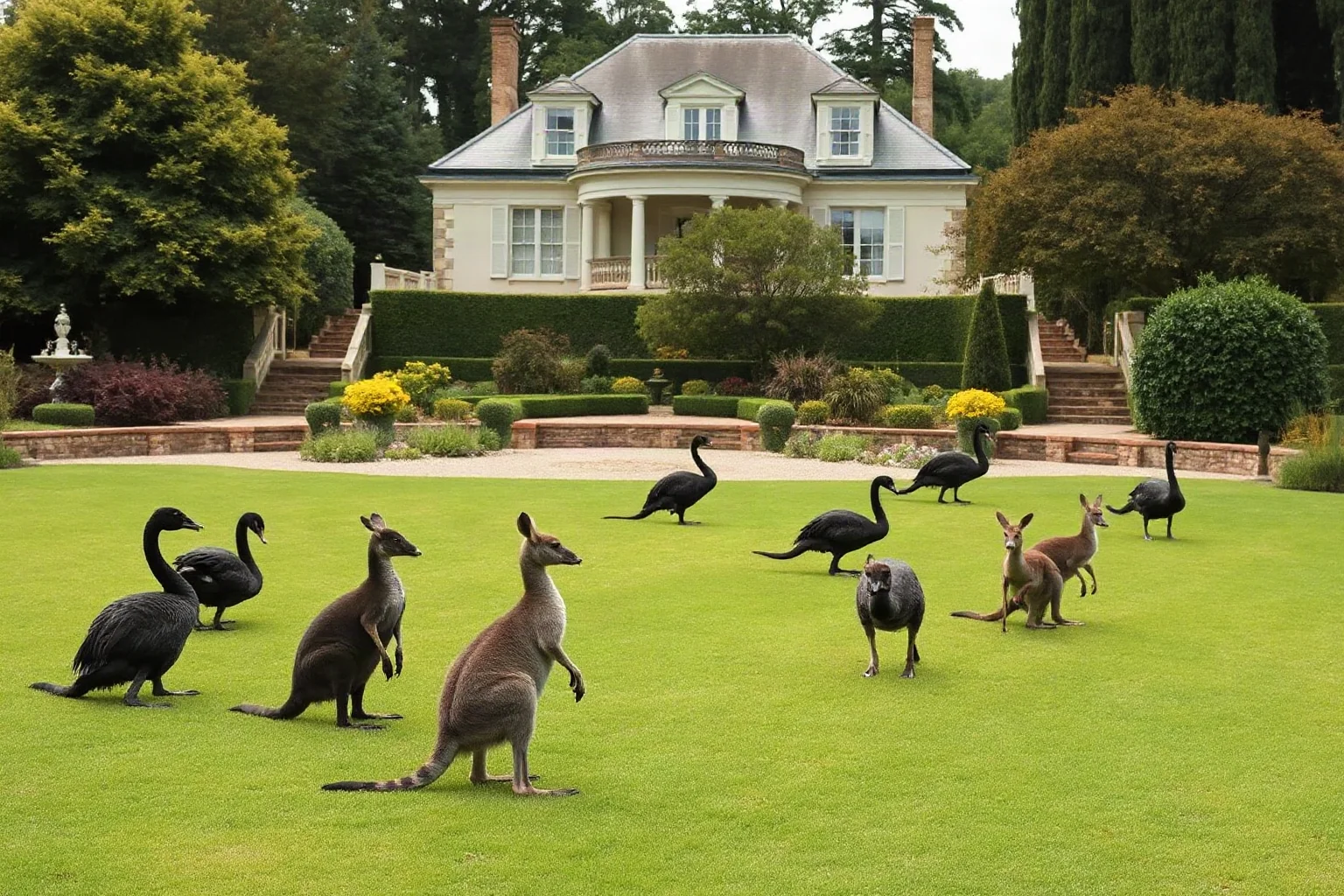
At Château de Malmaison in the early 1800s, Empress Josephine Bonaparte assembled one of Europe’s most unusual menageries, including kangaroos, black swans, and an orangutan, many sourced from expeditions to Australia. She took a genuine personal interest in the animals, unlike many royal collectors before her.
Even so, the animals were still thousands of miles from their native ecosystems, kept for a French empress’s private enjoyment. Good intentions didn’t erase the fundamental mismatch between their needs and their new home.
13. The Medici Giraffe That Stunned Florence
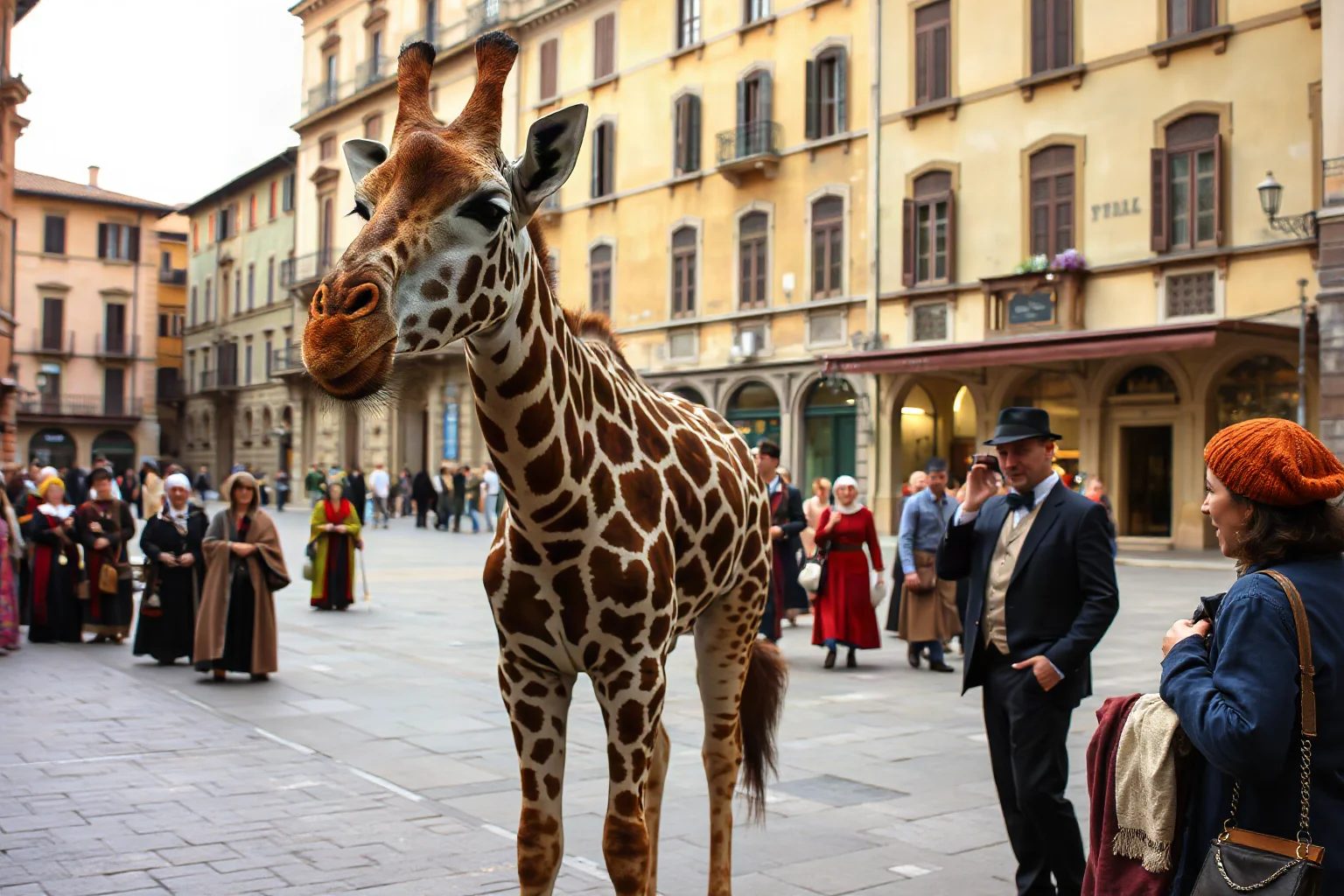
In 1487, Lorenzo de’ Medici received a giraffe as a diplomatic gift from the Mamluk Sultan of Egypt. It caused a sensation in the same Renaissance Florence that would later give the world the Mona Lisa, with residents reportedly lining the streets to see an animal most had only heard described in ancient texts.
The giraffe became something of a local celebrity, but its time in captivity was short-lived. Like so many exotic gifts of the era, it succumbed within a few years to a climate and diet nothing like its native savanna.
14. Suleiman the Elephant’s Long March to Vienna
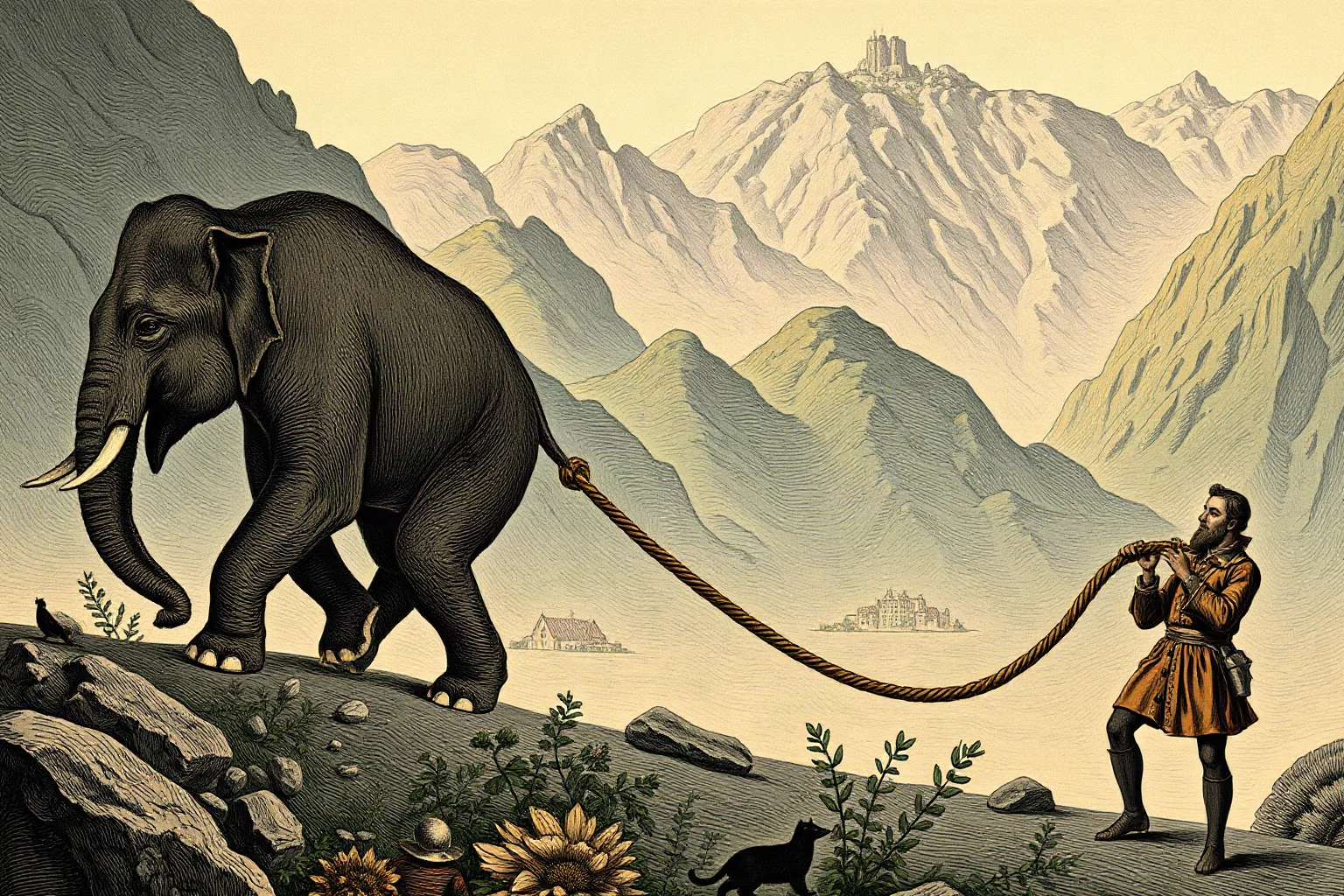
In 1551, an elephant named Suleiman was gifted by King John III of Portugal to Archduke Maximilian II of Austria. The animal was walked overland from Genoa to Vienna, a journey of hundreds of miles that drew crowds in every town it passed through.
The story later inspired the novelist José Saramago’s book “The Elephant’s Journey.” It’s a memorable tale of spectacle, but it’s also a reminder of how casually exotic animals were transported across entire continents for royal amusement.
15. Hanno the Elephant and the Pope’s Menagerie
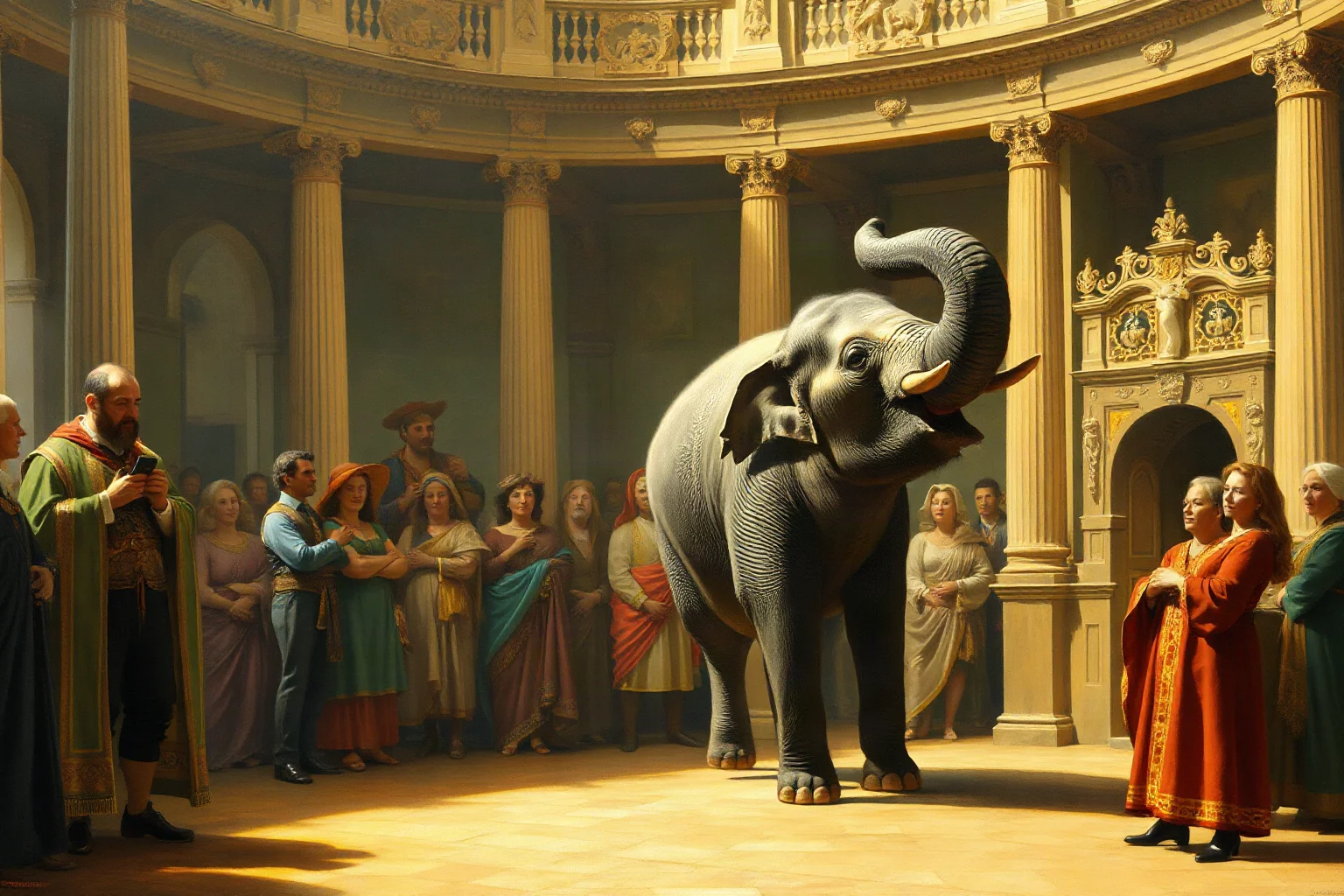
In 1514, King Manuel I of Portugal sent an elephant named Hanno to Pope Leo X in Rome as part of a broader diplomatic charm campaign. Hanno became enormously popular, reportedly performing tricks for crowds and even inspiring a portrait attributed to Raphael, which has since been lost.
Hanno died just two years after arriving in Rome. His brief, celebrated life is a near-perfect example of how quickly the excitement of an exotic animal gift could turn to tragedy.
16. Elephant Diplomacy as a Political Tool
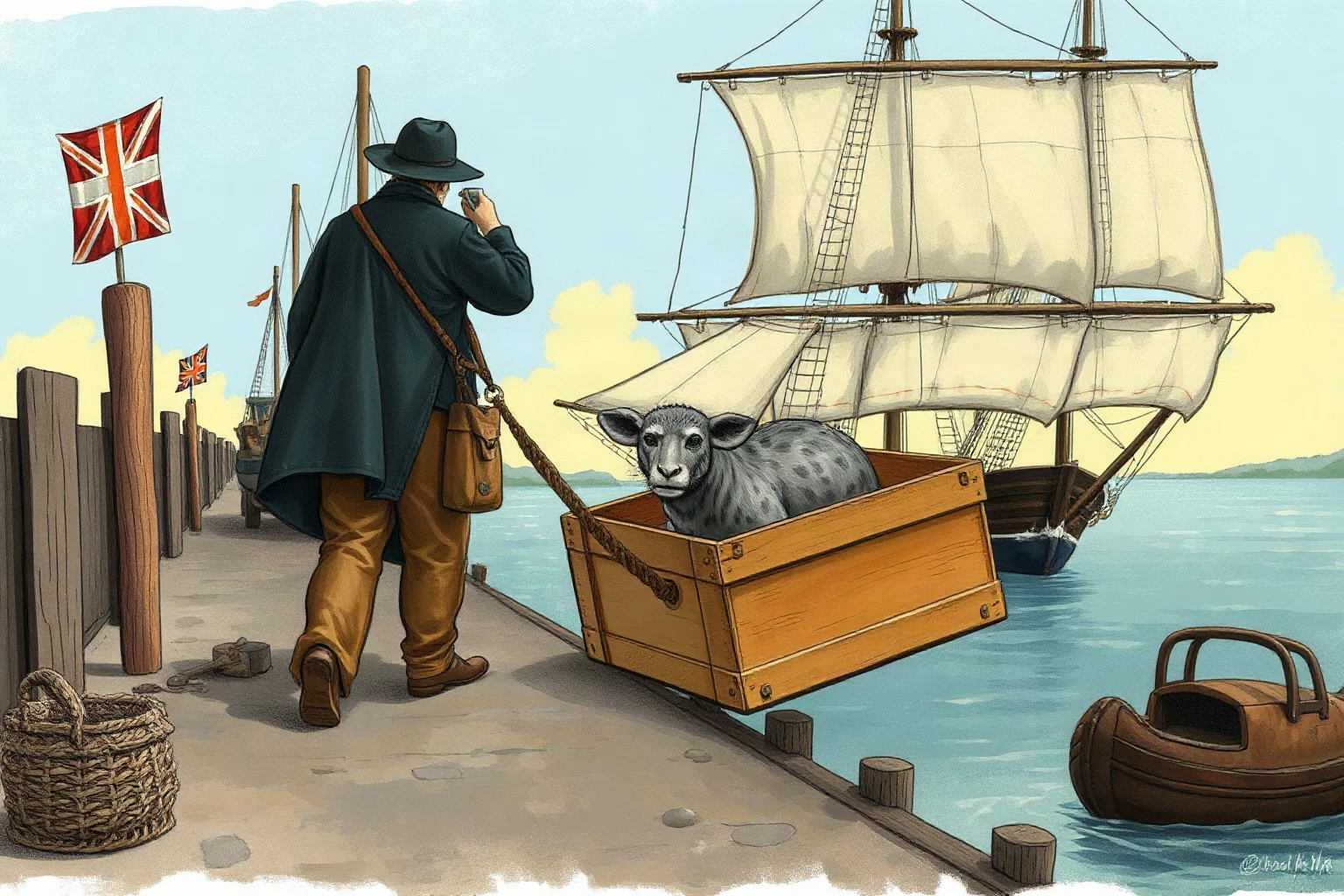
Hanno and Suleiman weren’t isolated cases — gifting elephants, lions, and other exotic animals between rulers was a recognized diplomatic strategy for centuries. A live animal was a far more dramatic gift than gold or textiles, and it signaled the giver’s reach and generosity.
The practice is sometimes called “elephant diplomacy” by historians studying early modern international relations. It worked politically, but it rarely worked out well for the animals involved, who were rushed through unfamiliar climates with little understanding of their needs.
17. The Grim Survival Rate of Royal Gift Animals
Across dozens of documented cases, one pattern stands out: most exotic animals gifted between royal courts died within just a few years of arrival. Diets were guessed at, enclosures were built for visual impact rather than comfort, and basic veterinary knowledge for non-native species simply didn’t exist yet.
It’s tempting to romanticize these menageries as wonders of their age, and in some ways they were. But the animal welfare cost behind that wonder was almost always severe, even by the standards of the time.
18. Bear-Baiting, Lion Fights, and Court Entertainment
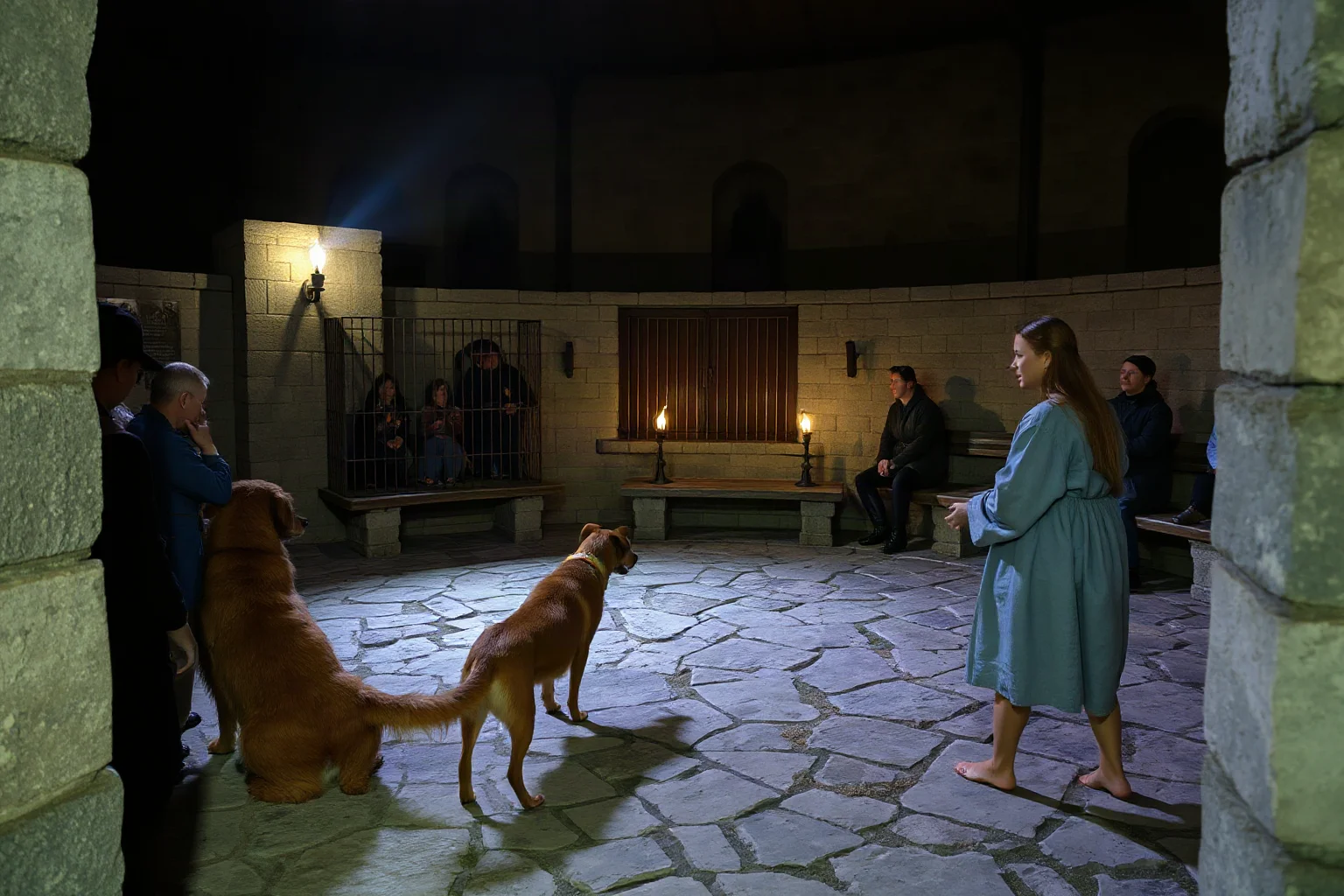
Beyond simple display, several European and Ottoman courts staged violent contests between menagerie animals, or between animals and dogs, for entertainment. These “blood sports” were popular across social classes, not just among royalty, but royal courts had the resources to stage them on a grand scale.
Such spectacles reveal a harder truth about the era’s relationship with exotic animals. They weren’t just symbols of majesty — they were also, quite literally, treated as disposable performers in violent theater.
19. Escapes and Menagerie Disasters
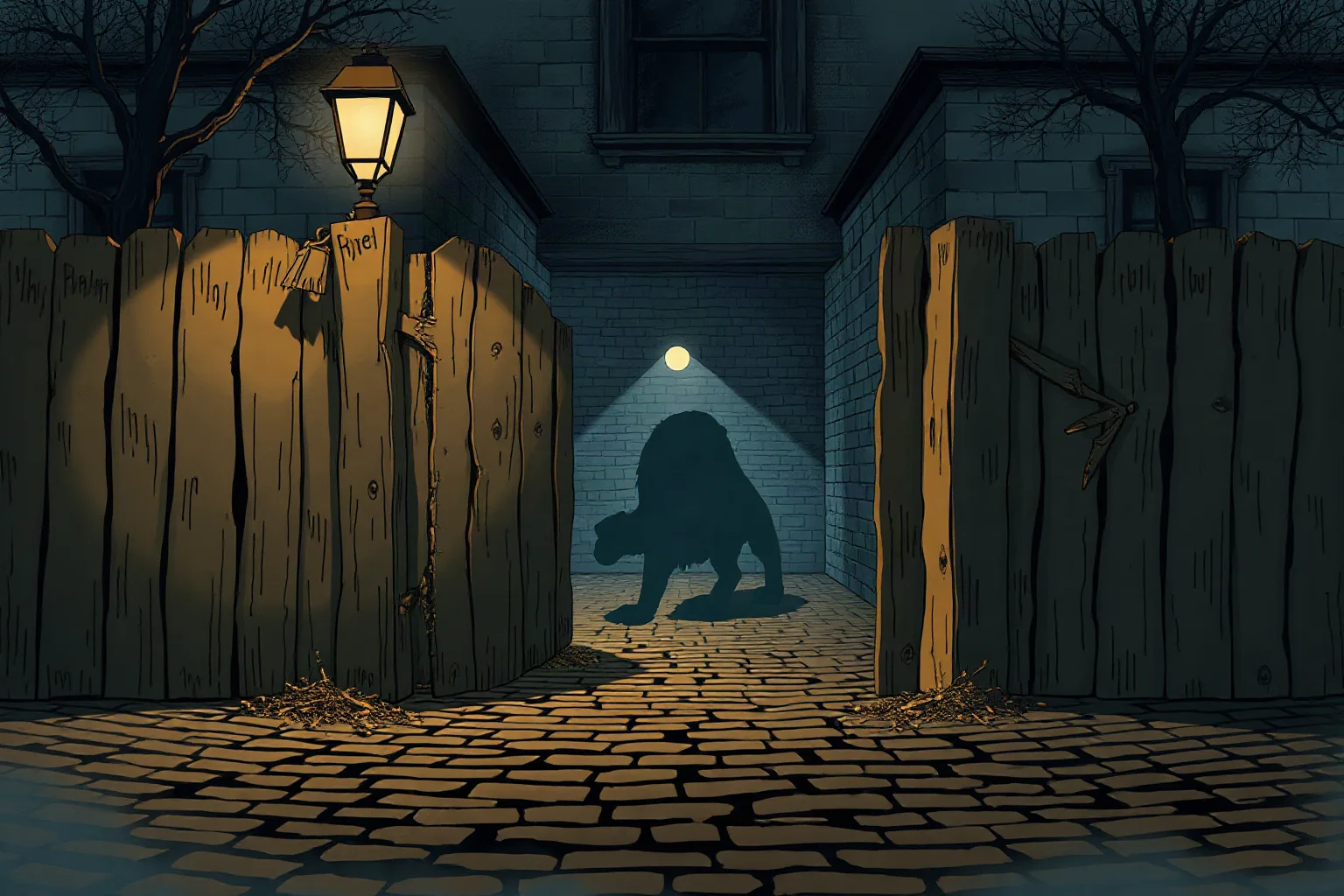
Keeping large predators in insecure medieval and early modern enclosures inevitably led to escapes and near-misses. Historical records from various European menageries describe animals breaking loose, attacking keepers, or causing panic among visitors and palace staff.
These incidents weren’t just dramatic footnotes — they were often the direct cause of tighter (and sometimes crueler) confinement measures afterward. A single escape could set animal welfare back further, as rulers prioritized public safety and reputation over the animals’ quality of life.
20. The Closure of the Tower of London Menagerie
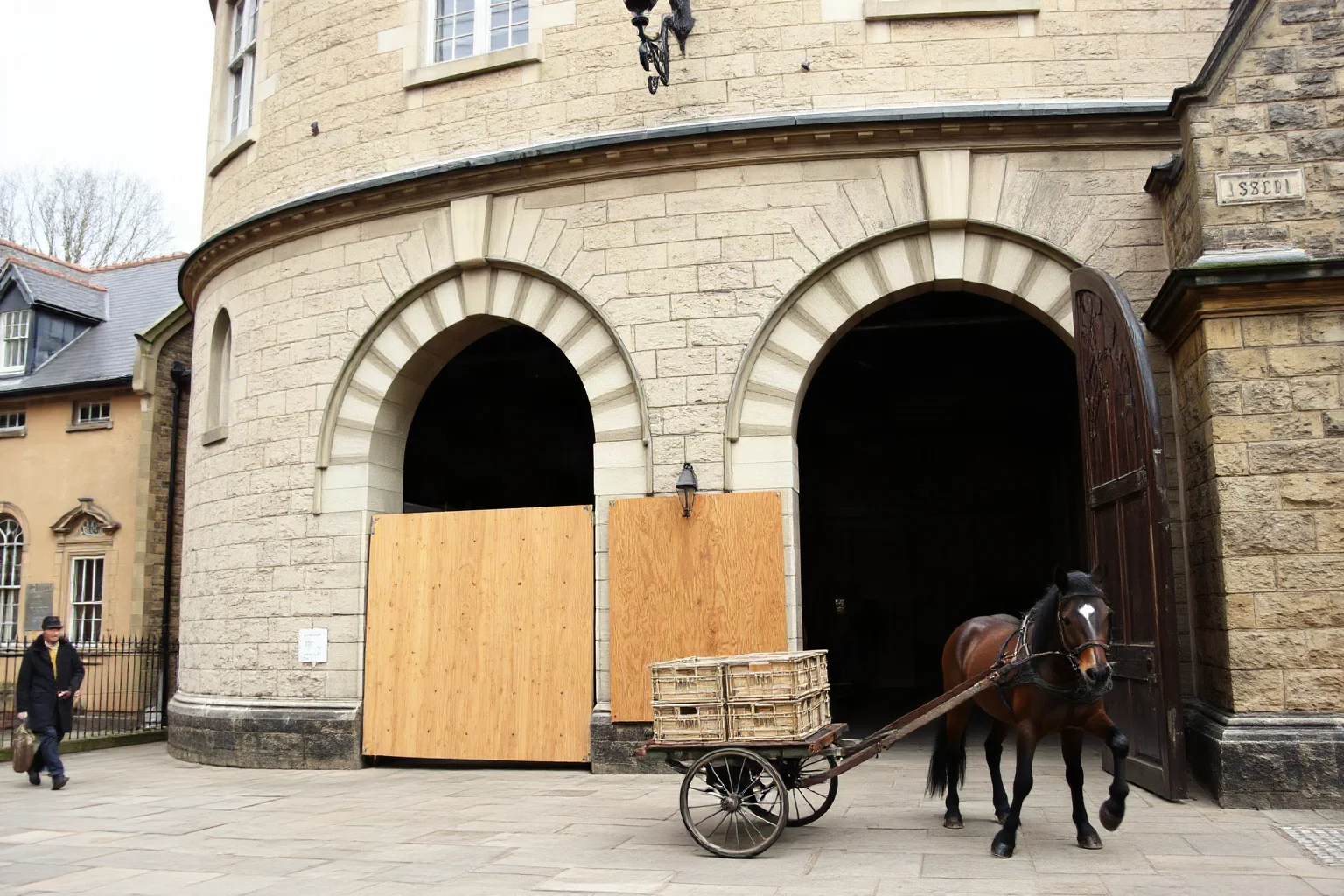
By the early 1800s, public attitudes and safety concerns were catching up with the Tower Menagerie’s centuries-old traditions. Following a series of incidents involving animals injuring keepers or visitors, the Duke of Wellington, then Constable of the Tower, moved to shut the menagerie down.
Between 1828 and 1835, the remaining animals were transferred to the newly founded Zoological Society of London’s collection in Regent’s Park — the institution now known as London Zoo. It marked the symbolic end of Britain’s oldest royal menagerie.
21. From Royal Trophy to Scientific Institution
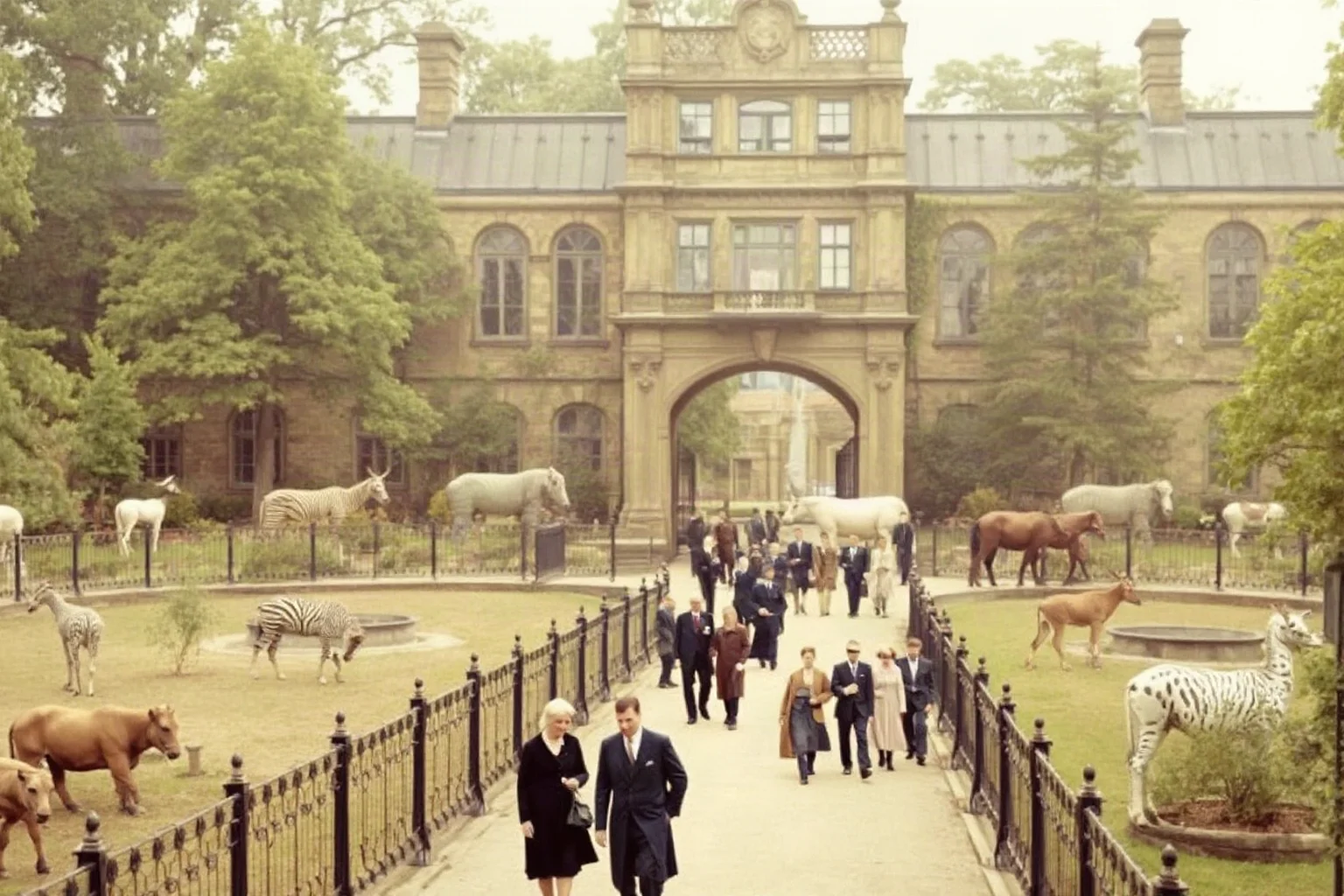
The closure of the Tower Menagerie mirrored a broader shift happening across Europe. Royal and aristocratic animal collections were gradually reorganized into public zoological societies with at least a stated interest in science and education, rather than pure spectacle.
This didn’t fix animal welfare overnight — early zoos still had cramped cages and poor understanding of animal needs. But it did represent the first real move away from menageries as pure propaganda tools.
22. The Lingering Shadow on Modern Zoos

Many of today’s oldest and most respected zoos trace their institutional roots directly back to royal or aristocratic menageries. London Zoo, the Ménagerie du Jardin des Plantes in Paris, and Vienna’s Tiergarten Schönbrunn (established from a Habsburg imperial menagerie in 1752) are prime examples.
That lineage is a useful reminder. Even institutions built on genuine conservation goals today can carry the DNA of a much darker history, one where exotic animals existed primarily to flatter the powerful.
Why This History Still Matters
Royal menageries weren’t simply early zoos with fewer resources. They were deliberate expressions of political power, where a lion in a cage or a rhinoceros on a leash told a story about a ruler’s reach across land and sea.
That story came at a steep cost for the animals themselves, most of whom lived short, confined, and poorly understood lives thousands of miles from home. Recognizing that cost doesn’t diminish the genuine historical fascination of these collections — it just gives us a fuller, more honest picture.
Modern zoos and conservation programs have moved a long way from the Tower’s Lion Tower or the animal pits of Renaissance courts. But the next time you see the word menagerie in a museum plaque or a novel, it’s worth remembering the real, complicated history packed into that one deceptively charming French word.
Frequently Asked Questions
What does the word “menagerie” actually mean?
Menagerie comes from the French word "ménagerie," originally related to managing a household or livestock. By the 1600s it had come to mean a collection of wild or exotic animals kept for display, usually by wealthy or royal owners.
Is a menagerie the same thing as a zoo?
Not quite. A menagerie was typically a private or royal collection of exotic animals kept mainly as a status symbol, while a zoo (as the concept developed from the 1800s onward) was generally organized around public access, education, and eventually conservation, even if early zoos still had serious welfare shortcomings.
Did people really get free admission to see the Tower of London’s lions by bringing a cat or dog?
This is a popular legend, but there's no reliable historical evidence of an official policy like this. It most likely started as a prank in the 18th or 19th century, where fake tickets were handed out as a joke rather than reflecting genuine Tower Menagerie policy.
What happened to the animals when the Tower of London Menagerie closed?
Between roughly 1828 and 1835, the remaining animals were transferred to the newly established Zoological Society of London's collection in Regent's Park, which became London Zoo. The Duke of Wellington, as Constable of the Tower, oversaw the menagerie's closure after several safety incidents.
Were exotic animals often gifted between rulers as a diplomatic strategy?
Yes, this was a well-documented practice, sometimes referred to as elephant diplomacy. Famous examples include the elephant Hanno, sent by Portugal's King Manuel I to Pope Leo X in 1514, and the elephant Suleiman, walked from Genoa to Vienna in 1551-52 as a gift to Archduke Maximilian II.
Did most exotic animals survive long in royal menageries?
Generally, no. Without modern veterinary knowledge or understanding of native diets and habitats, many exotic animals gifted or captured for royal menageries died within just a few years of arrival, despite the fanfare that greeted them.

Alex Warren
Related Articles