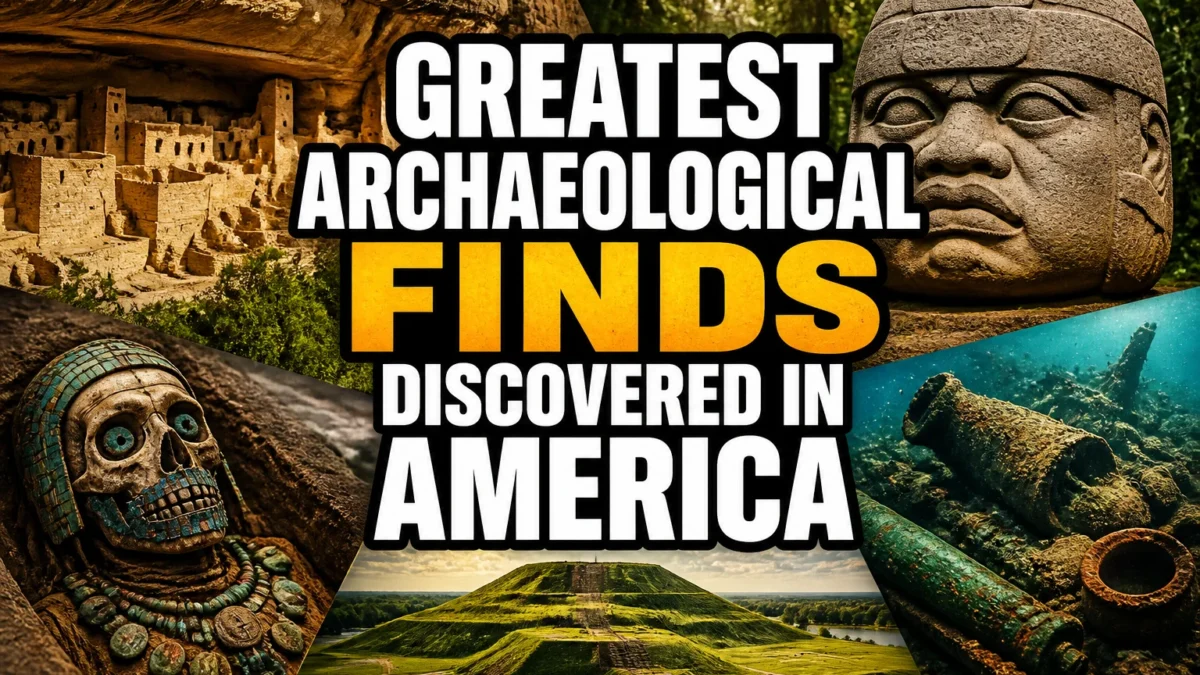
When Spanish and English colonists first asked when was the United States discovered, they were already centuries behind the people who lived here. The lands now called the United States were not empty wilderness, and American archaeology proves it. A long human record lies under the soil, in caves, along rivers, and beneath coastal waters.
The greatest archaeological finds discovered in America range from ice age footprints to a hand-cranked Civil War submarine. These 25 sites are among the most important archaeological finds on U.S. soil, and each one changed the way researchers understand early America.
TL;DR: The greatest American archaeological finds stretch from ice-age footprints to a Civil War submarine, proving that “discovery” is a misleading word for a land that was already inhabited for millennia.
What “Discovered” Really Means in American Archaeology
Many people ask when was the USA discovered as if there should be one clean date. The archaeological record gives a much older and richer answer. For thousands of years before Columbus, Indigenous societies built cities, traded across the continent, and shaped the landscape.
Researchers in American archeology now generally agree that people entered the Americas by at least 15,000 to 16,000 years ago. Some sites, including White Sands and Cooper’s Ferry, suggest an even earlier arrival, though those dates are still debated. The word “discovered” usually reflects a sixteenth-century European perspective, not an actual beginning.
The 25 Most Important Archaeological Finds in U.S. History
These archaeological sites in America appear in rough chronological order, from the earliest contested footprints to colonial and Civil War archaeology. Not every site is open to visitors, but many are public parks, monuments, or museums.
1. White Sands Footprints, New Mexico
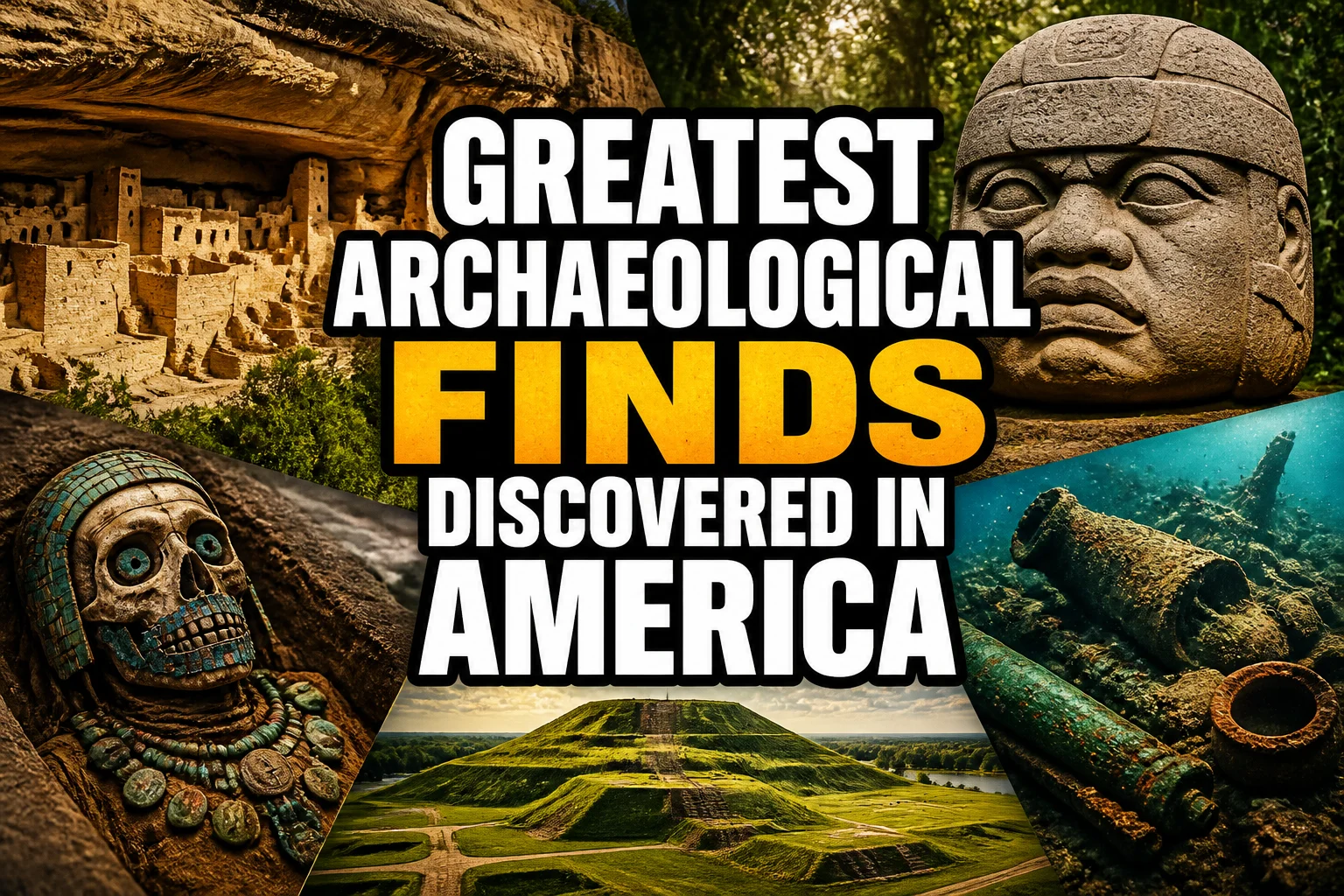
At White Sands National Park, researchers found fossilized human footprints pressed into ancient lakebed sediment. Radiocarbon dating of aquatic seeds in the same layers suggests the tracks may be between 21,000 and 23,000 years old. If those dates are correct, people were walking across North America long before the Clovis-first model allowed.
The dating remains controversial because lakebed sediments can shift and old seeds can move through layers. Still, the footprints capture a direct, human-scale moment from the ice age. They are among the most fiercely debated American discoveries of the twenty-first century.
2. Cooper’s Ferry, Idaho
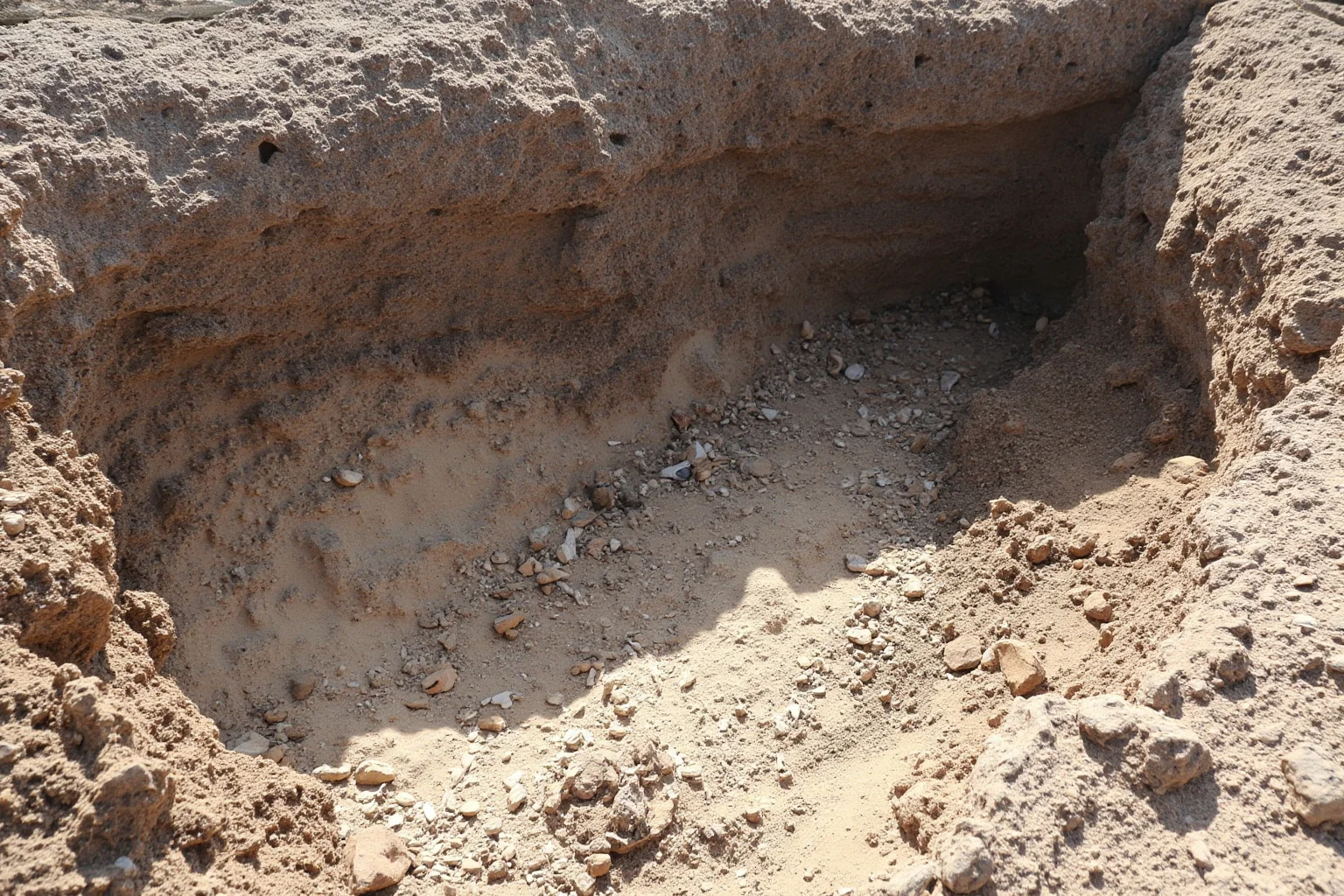
Cooper’s Ferry sits along the Salmon River and contains stone points, hearths, and other camp debris. Radiocarbon dating places the earliest occupation at roughly 15,700 years ago. That makes it one of the oldest well-documented pre-Clovis sites in the Americas.
The tools resemble early stone points from Japan and northeast Asia, which supports the idea that people moved along the Pacific coast. The site challenged older models that insisted the first Americans walked through an ice-free corridor east of the Rockies. It is now a key reference point for American archaeology.
3. Paisley Caves, Oregon
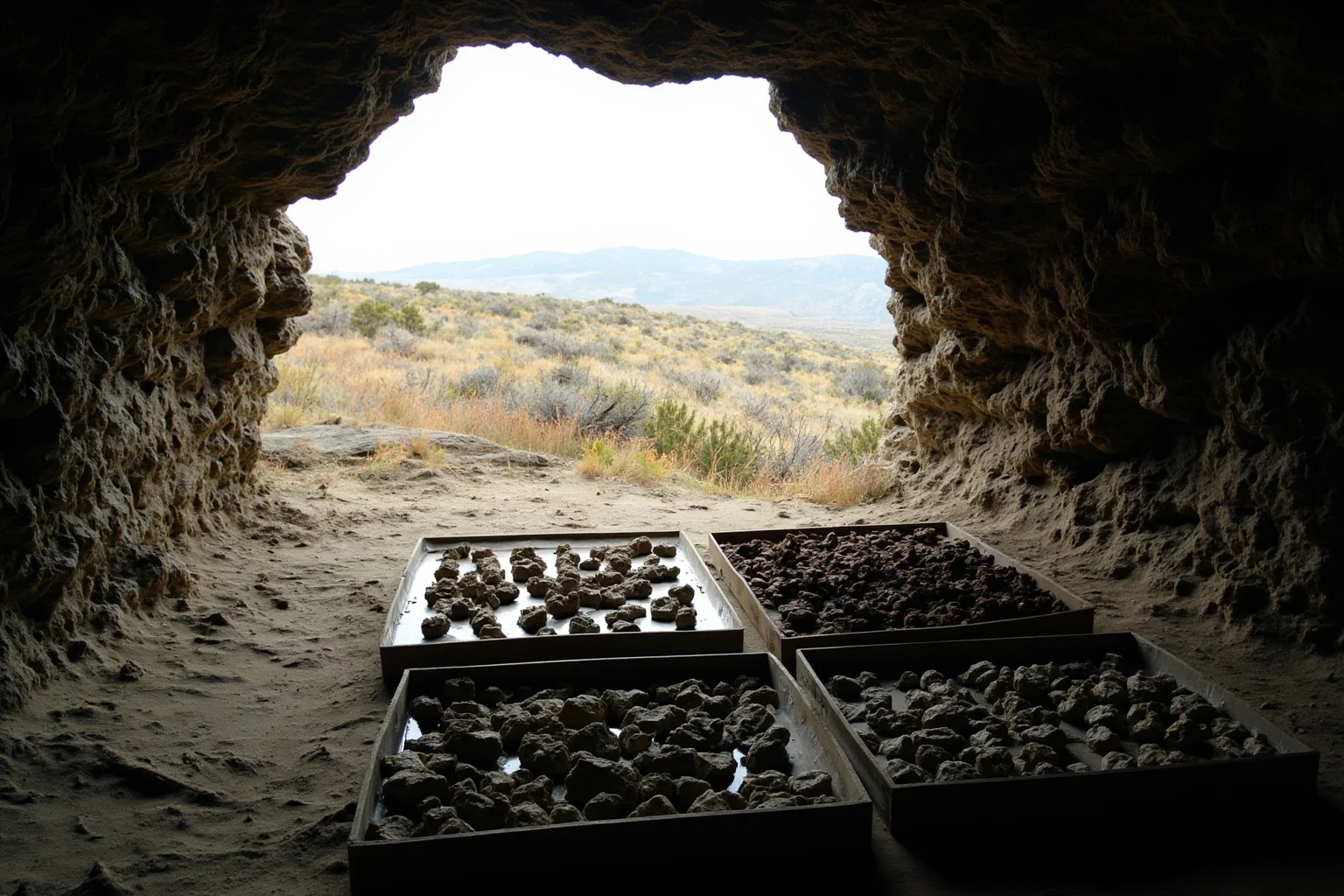
Paisley Caves produced human coprolites, or fossilized feces, dated to about 14,200 years ago. DNA from the coprolites links them to Native American populations. That evidence pushed human arrival back beyond the Clovis horizon.
Because the artifacts come from a cave environment, skeptics questioned whether younger material might have moved downward. Multiple analyses, however, have supported the early dates. Paisley remains a central piece of the pre-Clovis puzzle.
4. Meadowcroft Rockshelter, Pennsylvania
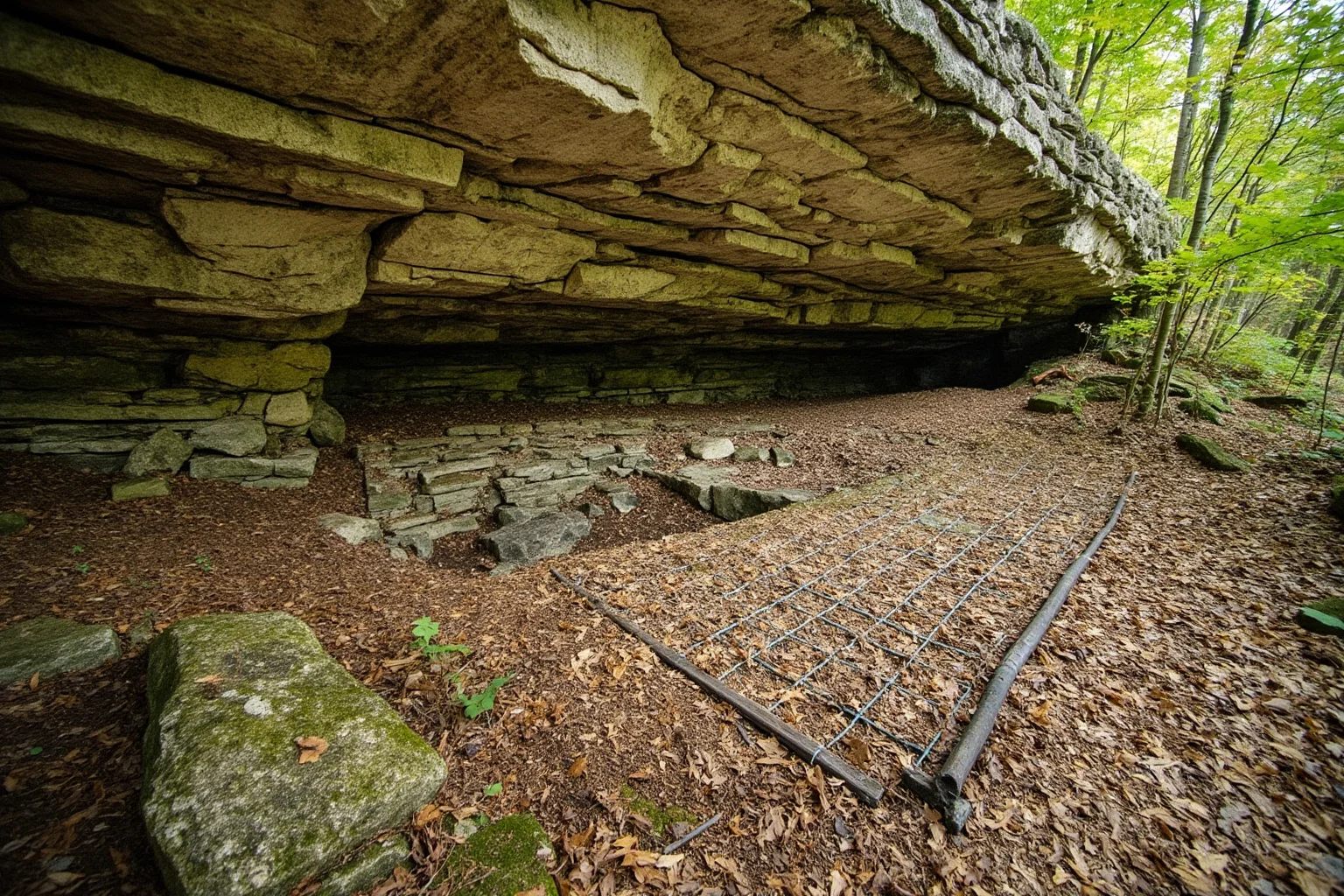
Meadowcroft Rockshelter in Pennsylvania has yielded stone tools and plant remains from levels radiocarbon dated as early as 16,000 years ago. If those dates are secure, the site would be among the oldest places of human occupation in North America. The early layers remain controversial because some critics argue groundwater or root activity could have contaminated the samples.
The rockshelter’s long sequence also includes later Archaic and Woodland material. Whether or not the oldest dates hold, Meadowcroft forced archaeologists to look beyond big-game Clovis sites. It remains a classic stop in discussions of archaeological sites in the USA.
5. Cactus Hill, Virginia
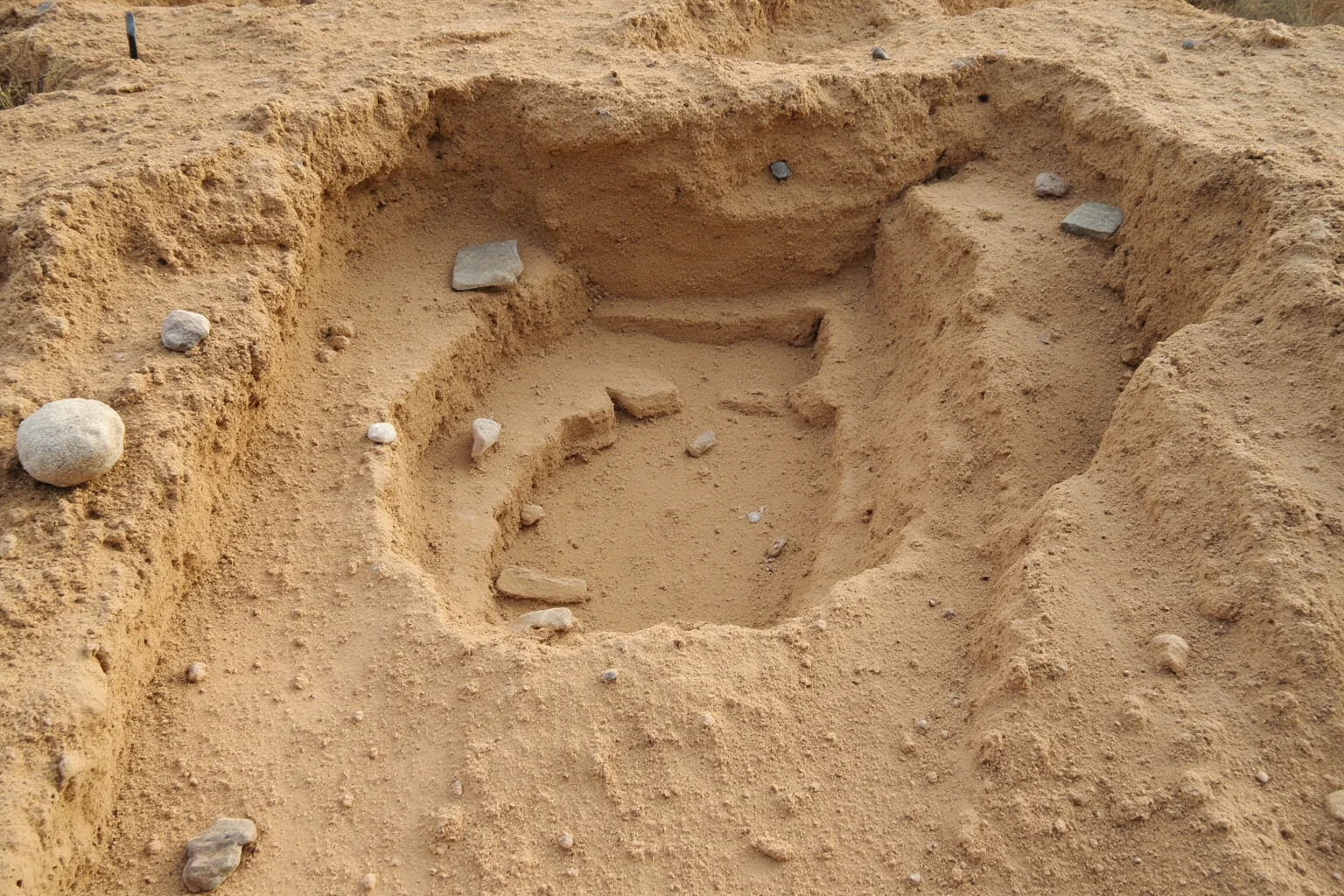
Cactus Hill is a sandy slope in southeastern Virginia where researchers found stone tools below a clearly dated Clovis layer. The pre-Clovis levels may be 15,000 to 20,000 years old. The blades and points from those lower sands differ from typical Clovis technology.
Because the site is in an open sand deposit, some archaeologists question whether artifacts moved downward over time. Supporters point to the layered stratigraphy and distinctive tool types. Cactus Hill is another site that keeps the earliest American story open.
6. Clovis Site / Blackwater Draw, New Mexico
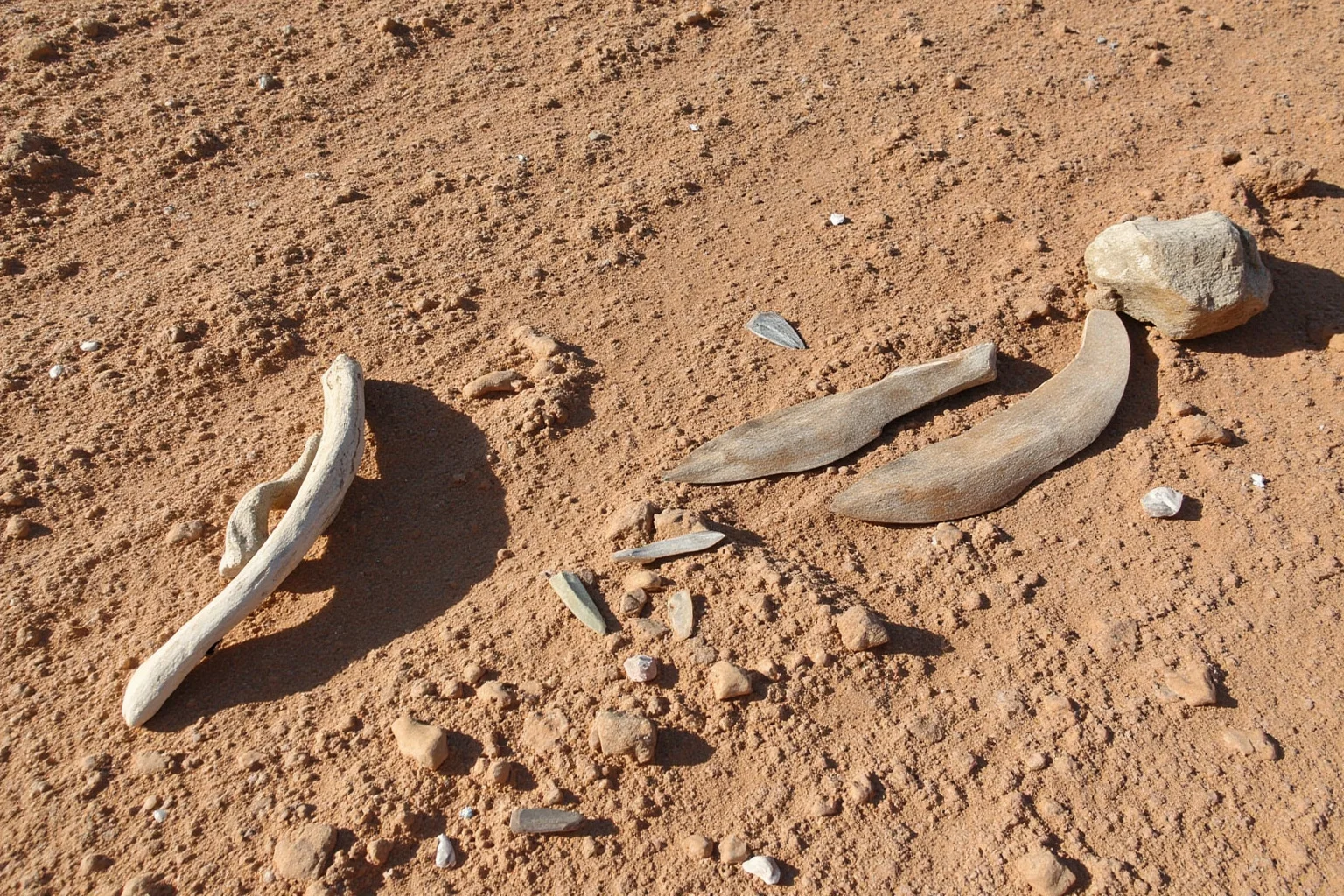
Near Clovis, New Mexico, Blackwater Draw gave the Clovis culture its name. In the late 1920s, researchers found distinct fluted spear points alongside mammoth bones. The discovery created the first widely accepted archaeological evidence that people hunted ice age megafauna.
For decades, Clovis points were considered the oldest American technology, dated to around 13,000 years ago. Today the site is still central to American discoveries, even though earlier sites now exist. The Clovis pattern of fluted points remains one of the most recognizable artifact styles in the Americas.
7. Folsom Site, New Mexico
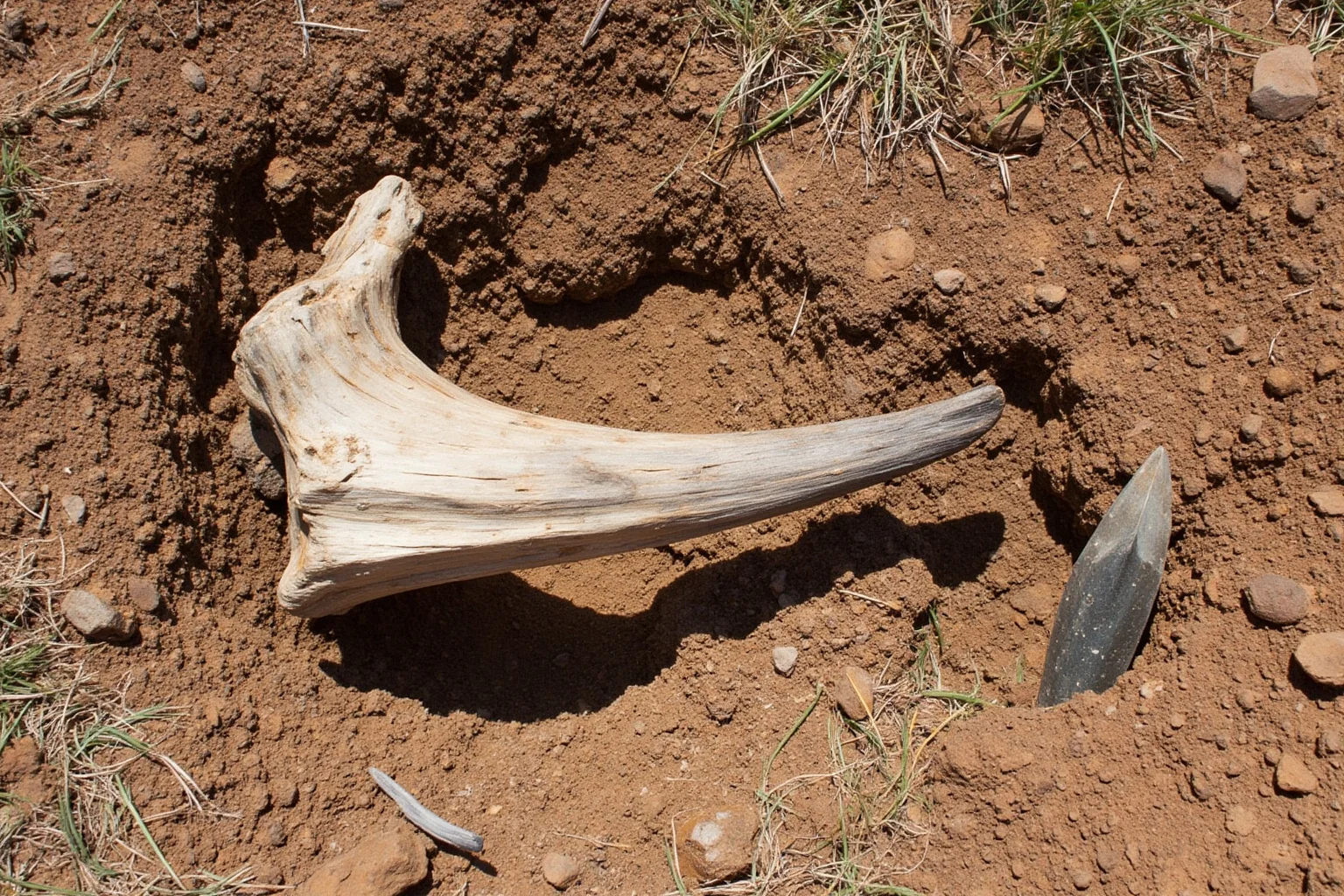
The Folsom site in New Mexico supplied one of the most important archaeological finds in U.S. science. In 1908, cowboy and formerly enslaved man George McJunkin noticed large bones eroding from a gully. In the 1920s, excavations showed a Folsom point lodged between the ribs of an extinct bison.
That direct association proved humans had lived alongside ice-age animals much earlier than most scholars believed. Folsom helped establish the discipline of scientific American archaeology. It also opened the door for later discoveries at Clovis and beyond.
8. Upward Sun River, Alaska
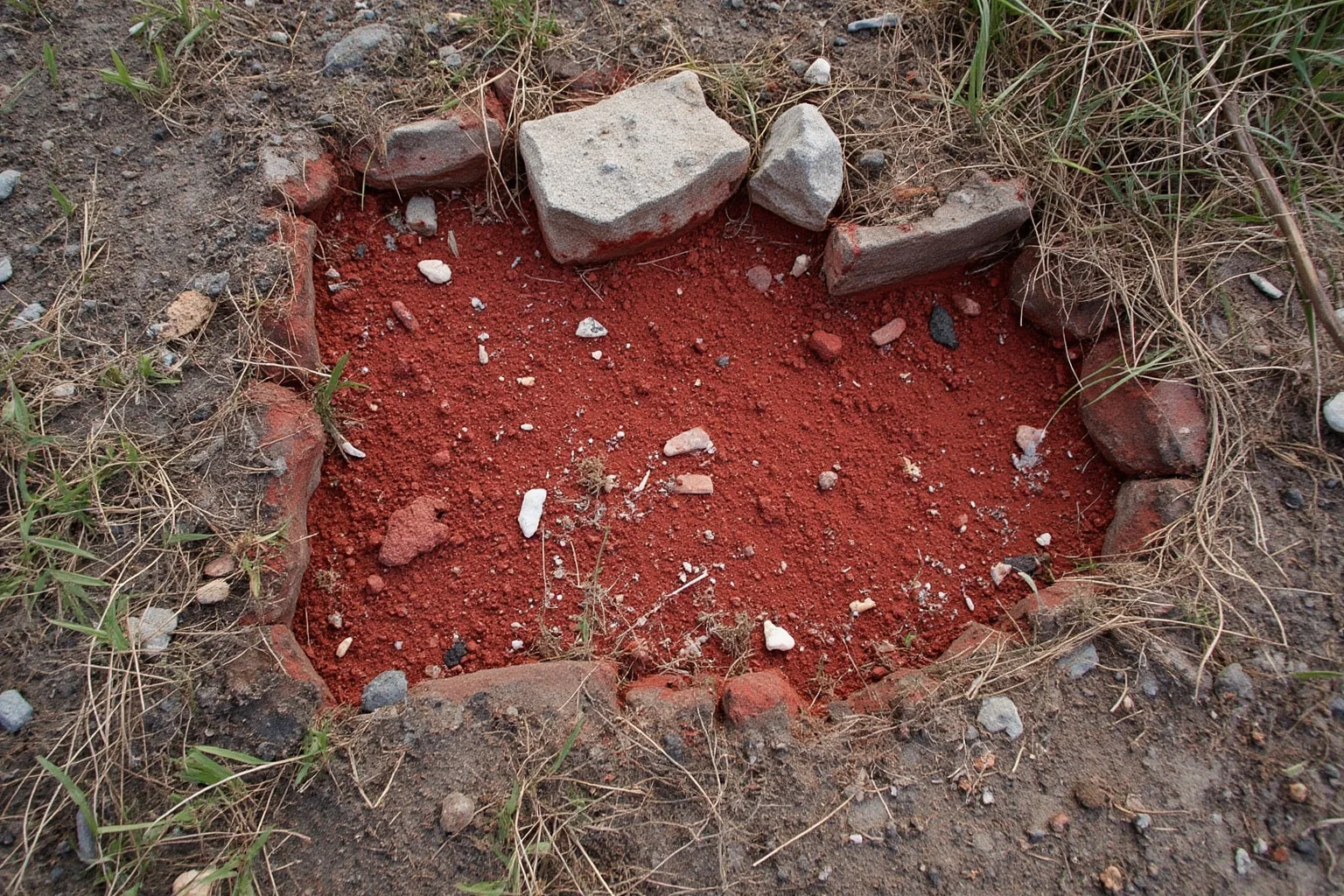
Upward Sun River in central Alaska contained the remains of two ice-age infants buried about 11,500 years ago. One burial included a stone cutting tool and red ochre. A third child nearby had been cremated in a hearth.
The site offers rare insight into the emotional and ceremonial lives of early Alaskan peoples. It also shows that small foraging groups invested real care in burying their young. Such evidence is rare at most early American archaeological sites.
9. Spirit Cave Mummy, Nevada
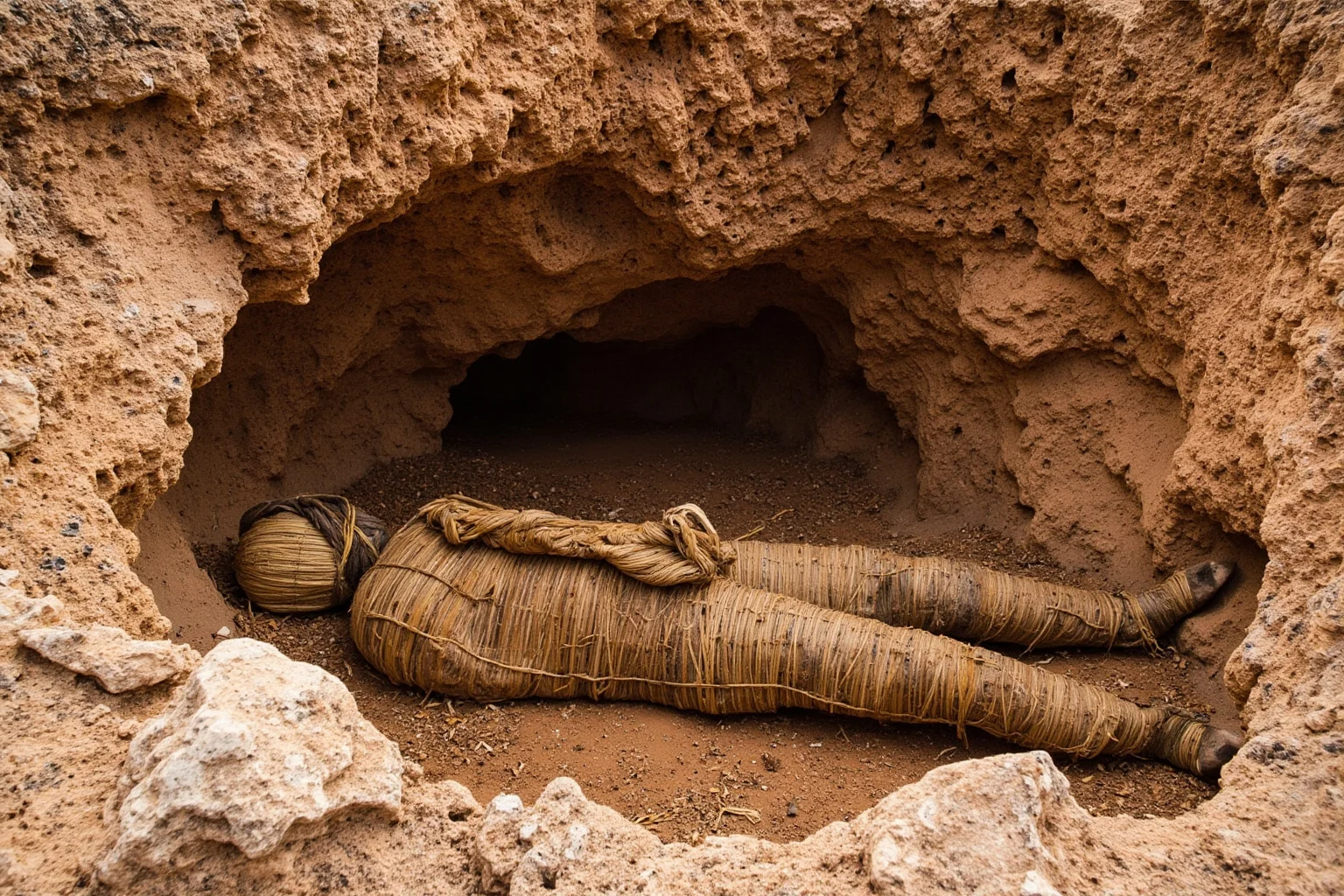
Spirit Cave in Nevada held a naturally mummified man wrapped in woven mats and blankets. Radiocarbon dating later placed him at about 10,600 years old. He became one of the oldest natural mummies in North America.
For years, the remains were at the center of a legal and ethical battle over repatriation. In 2018, after DNA analysis linked him to a Nevada tribe, he was reburied. The case transformed how American archaeology handles ancient human remains.
10. Kennewick Man / The Ancient One, Washington
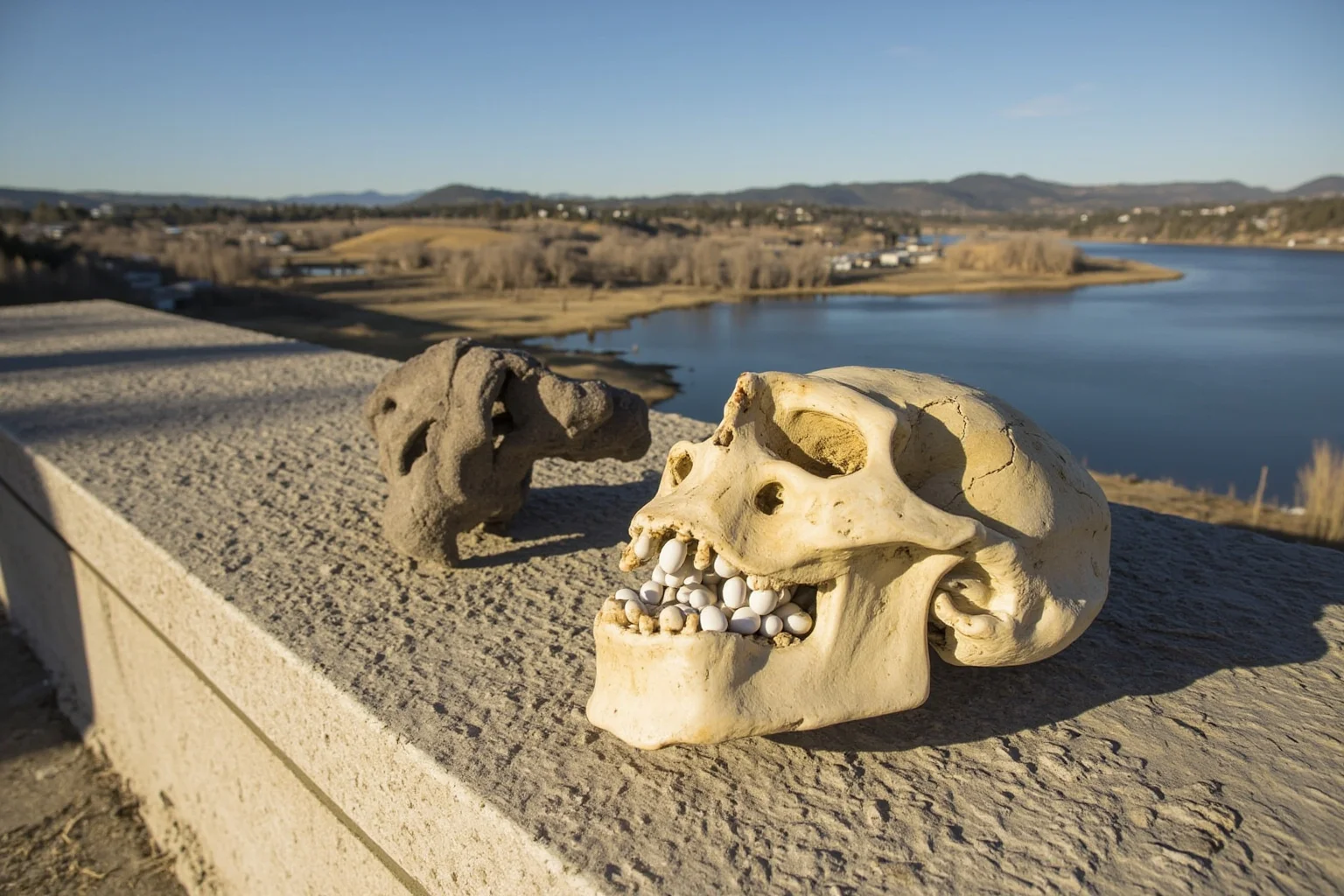
In 1996, two men found a human skull along the Columbia River in Washington. The remains, known as Kennewick Man or the Ancient One, were dated to roughly 8,400 to 8,690 years ago. The discovery sparked a long legal dispute between scientists, federal agencies, and Native American tribes.
DNA analysis later confirmed that the Ancient One was closely related to modern Native peoples of the Columbia Plateau. Under federal law, the remains were ultimately returned and reburied in 2017. The case reshaped public understanding of archaeological sites in America and repatriation.
11. Windover Bog, Florida
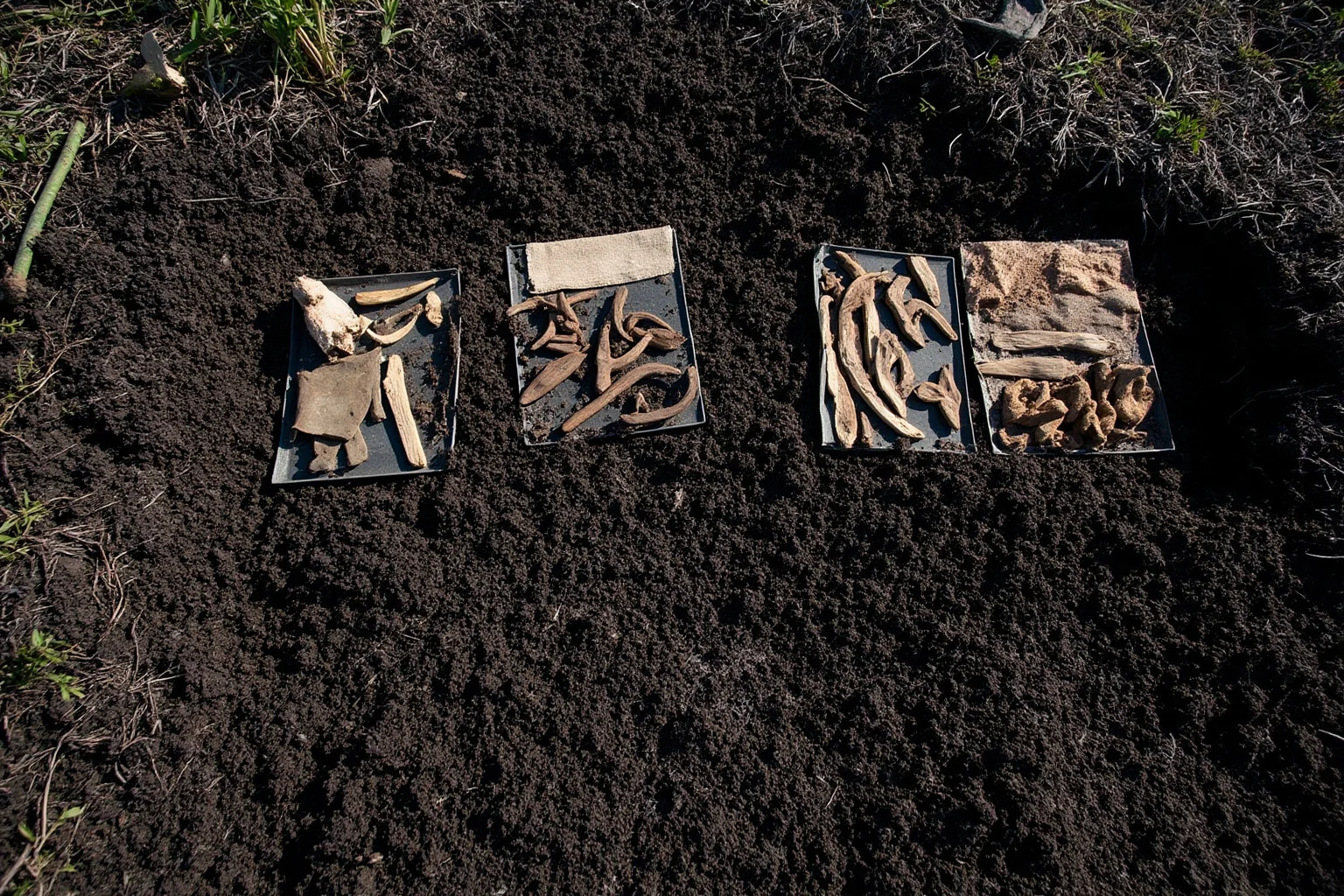
Windover Bog near Titusville, Florida, held at least 168 human burials in a peat pond. The site dates to roughly 7,000 to 8,000 years ago. Waterlogged conditions preserved brain tissue, textiles, and wooden tools that rarely survive at dry sites.
The burials reveal that early Archaic people practiced deliberate, repeated cemetery use over generations. Windover’s enormous textile collection is one of the oldest in the Americas. It remains a benchmark for wetland archaeology in the eastern United States.
12. Watson Brake, Louisiana
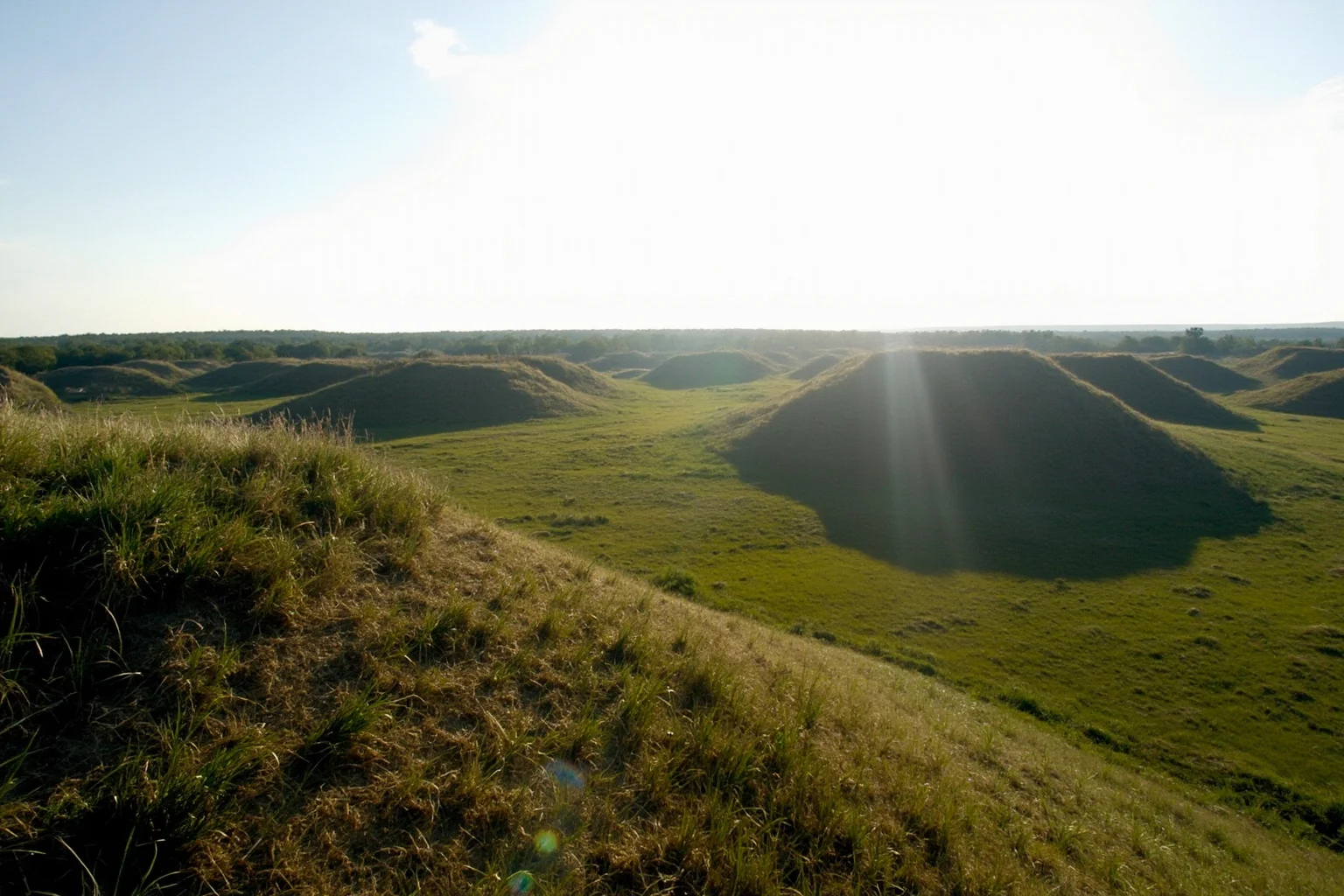
Watson Brake in Louisiana is an oval arrangement of eleven mounds connected by ridges. It dates to about 5,400 years ago, long before the famous Mississippian mound centers. That makes it one of the oldest earthwork complexes in North America.
The builders were hunter-gatherer groups, not settled farmers, which overturned older ideas about mound construction. Watson Brake shows that mobile people could organize large-scale labor projects. It is among the most important archaeological finds for understanding early monumentality.
13. Poverty Point, Louisiana
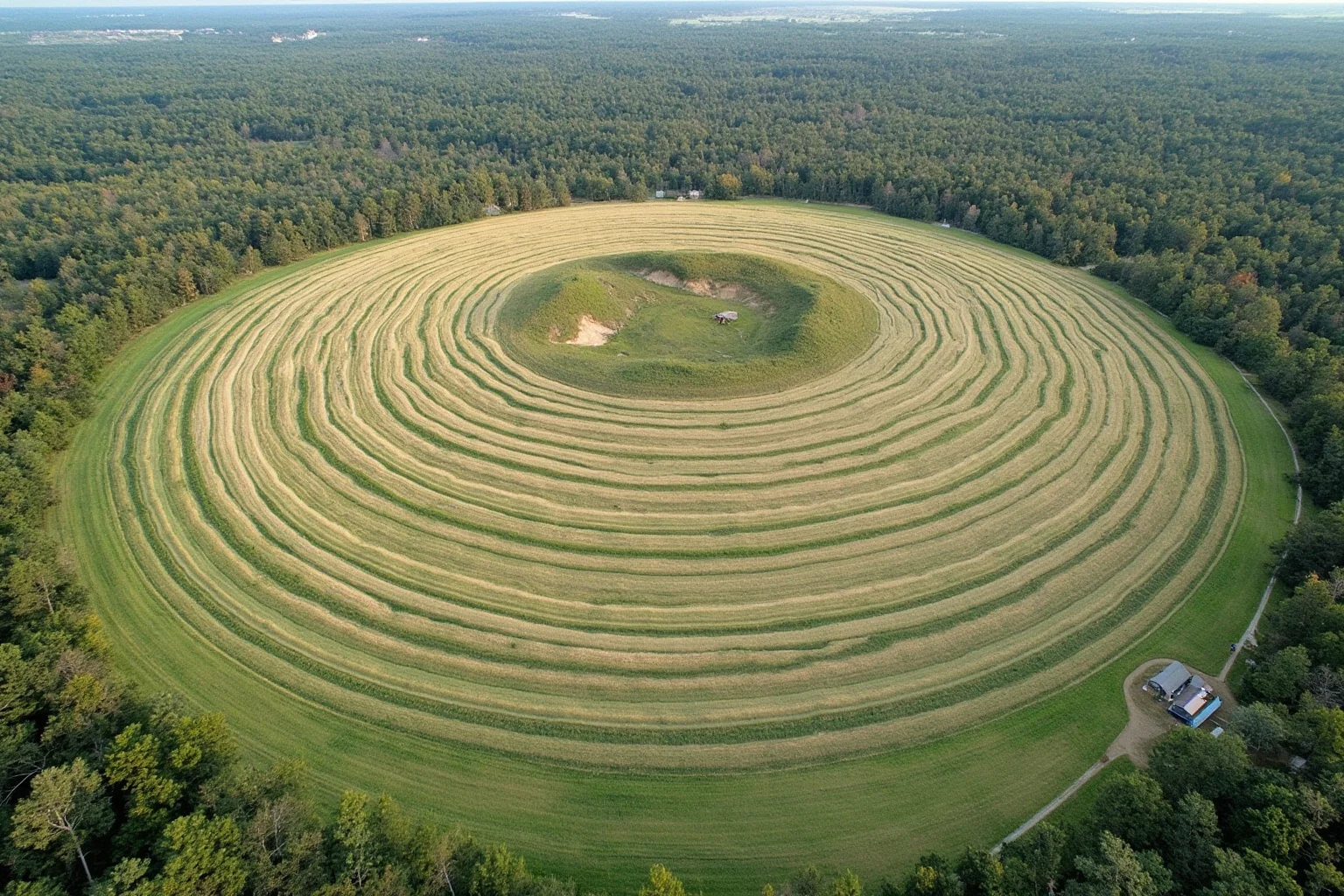
Poverty Point is a massive earthwork site in northeastern Louisiana built between roughly 1700 and 1100 BCE. Its six concentric ridges, large mounds, and central plaza required coordinated labor on a monumental scale. The builders imported stone from as far away as the Ohio Valley and the southern Appalachians.
The site demonstrates that complex trade and construction networks existed in North America long before farming dominated the region. Poverty Point is now a UNESCO World Heritage Site. It stands among the greatest archaeological sites in the USA.
14. Serpent Mound, Ohio
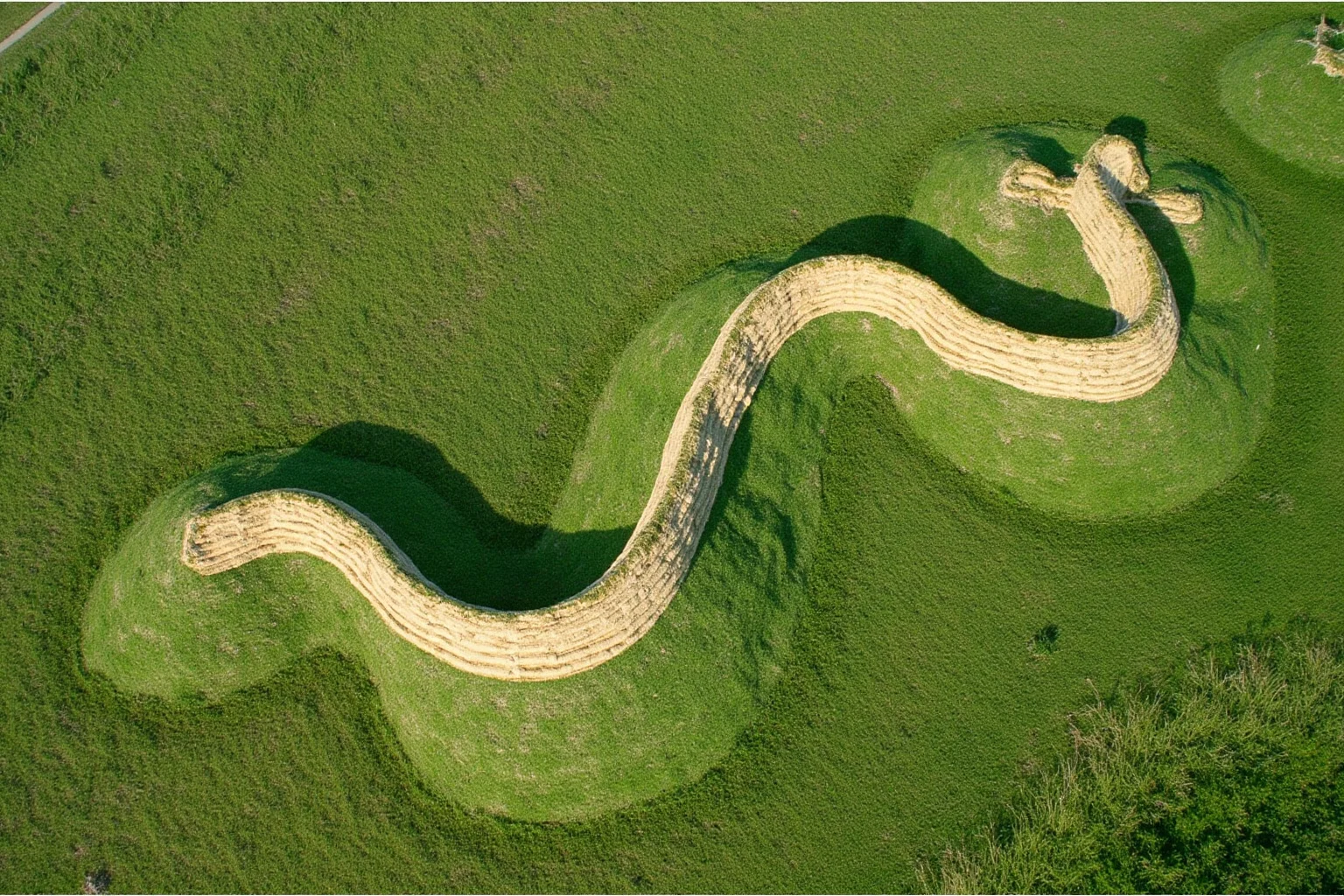
Serpent Mound in Adams County, Ohio, is a sinuous earthen effigy more than 1,300 feet long. The snake’s open jaws appear to engulf an oval earthwork, possibly representing an egg or the sun. Different studies have dated the mound to either the Adena culture around 300 BCE or the Fort Ancient culture around 1070 CE.
Because the date is uncertain, the mound’s creators remain debated. Either way, it is one of the largest and most striking effigy earthworks in the world. Serpent Mound is a key stop among archaeological sites in America.
15. Chaco Canyon, New Mexico
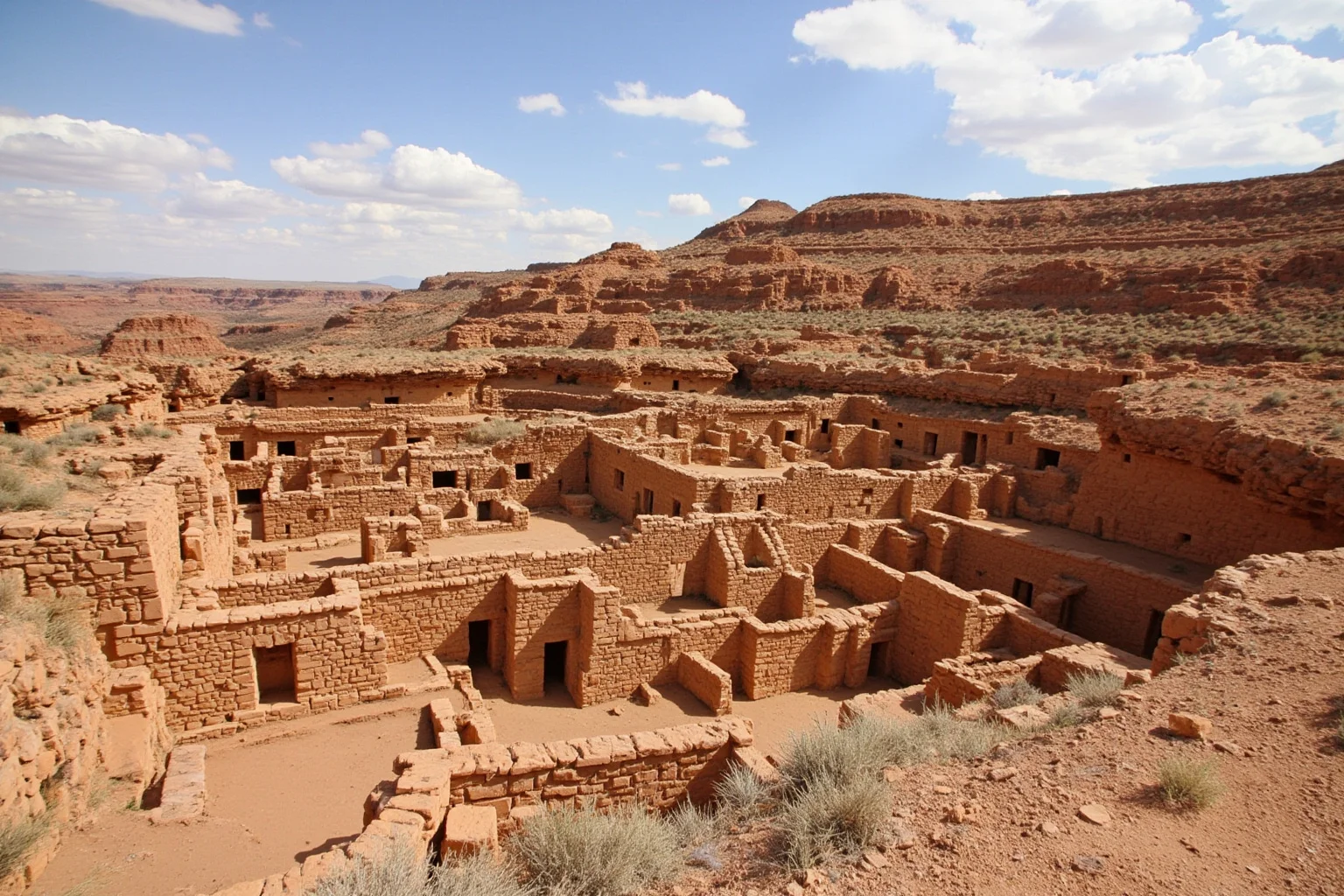
Chaco Canyon in northwestern New Mexico was a major Ancestral Pueblo center between about 850 and 1150 CE. Great houses such as Pueblo Bonito contained hundreds of rooms, enormous timber roofs, and carefully aligned sightlines to the sun and moon. A network of roads connected Chaco to distant communities across the Southwest.
The canyon’s scale suggests centralized planning and long-distance trade. Timber for its construction had to be hauled from forests many miles away. Chaco remains a central puzzle in Southwestern American archaeology.
16. Mesa Verde, Colorado
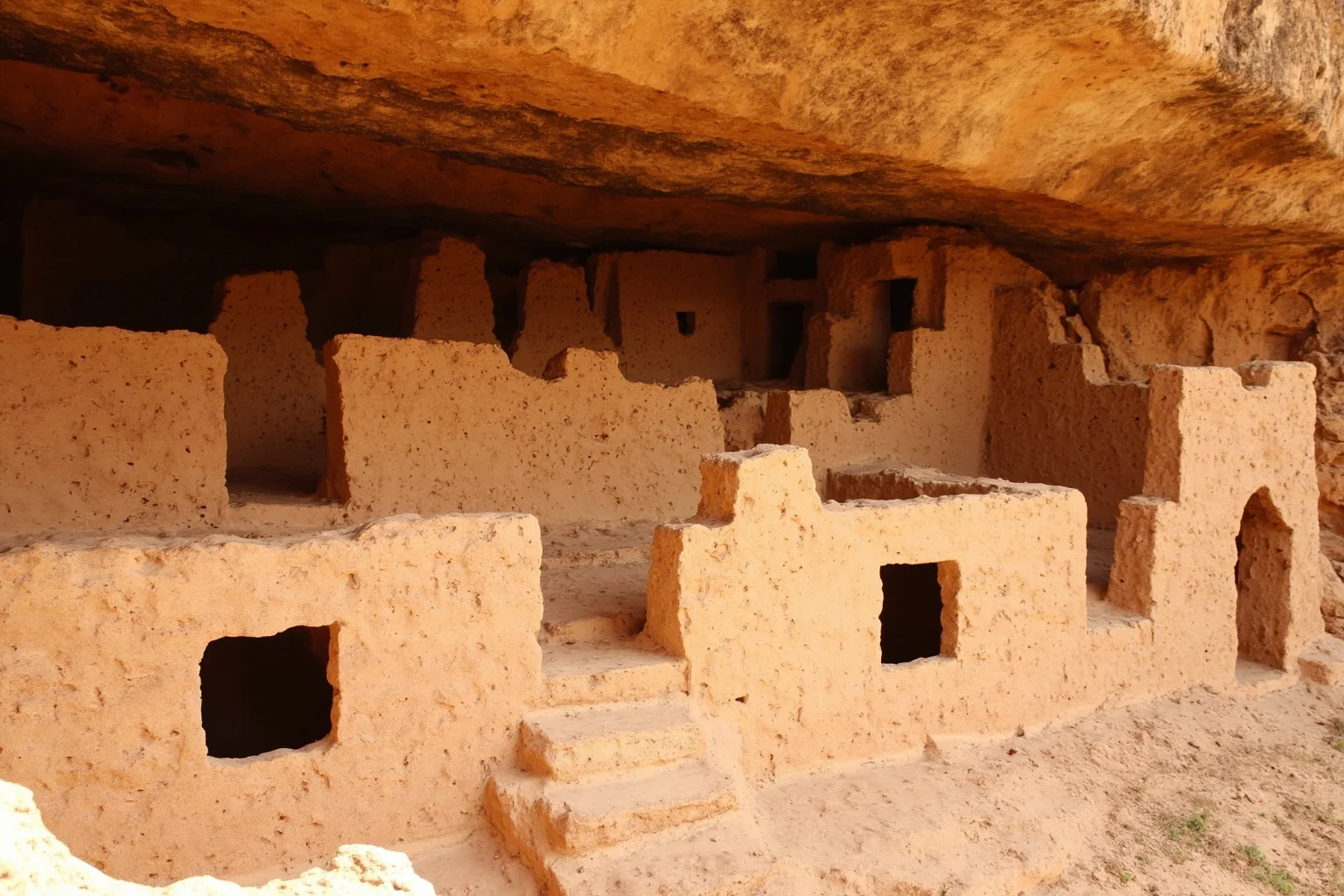
Mesa Verde in southwestern Colorado preserves cliff dwellings built by Ancestral Pueblo people. Cliff Palace alone contains about 150 rooms and more than 20 kivas, tucked into a sandstone alcove. Construction peaked between roughly 1190 and 1300 CE.
By the late 1200s, the region was largely depopulated, likely because of drought, resource stress, and social change. The abandoned villages became one of the first great American archaeological attractions. Today Mesa Verde is a national park and UNESCO World Heritage Site.
17. Cahokia Mounds, Illinois
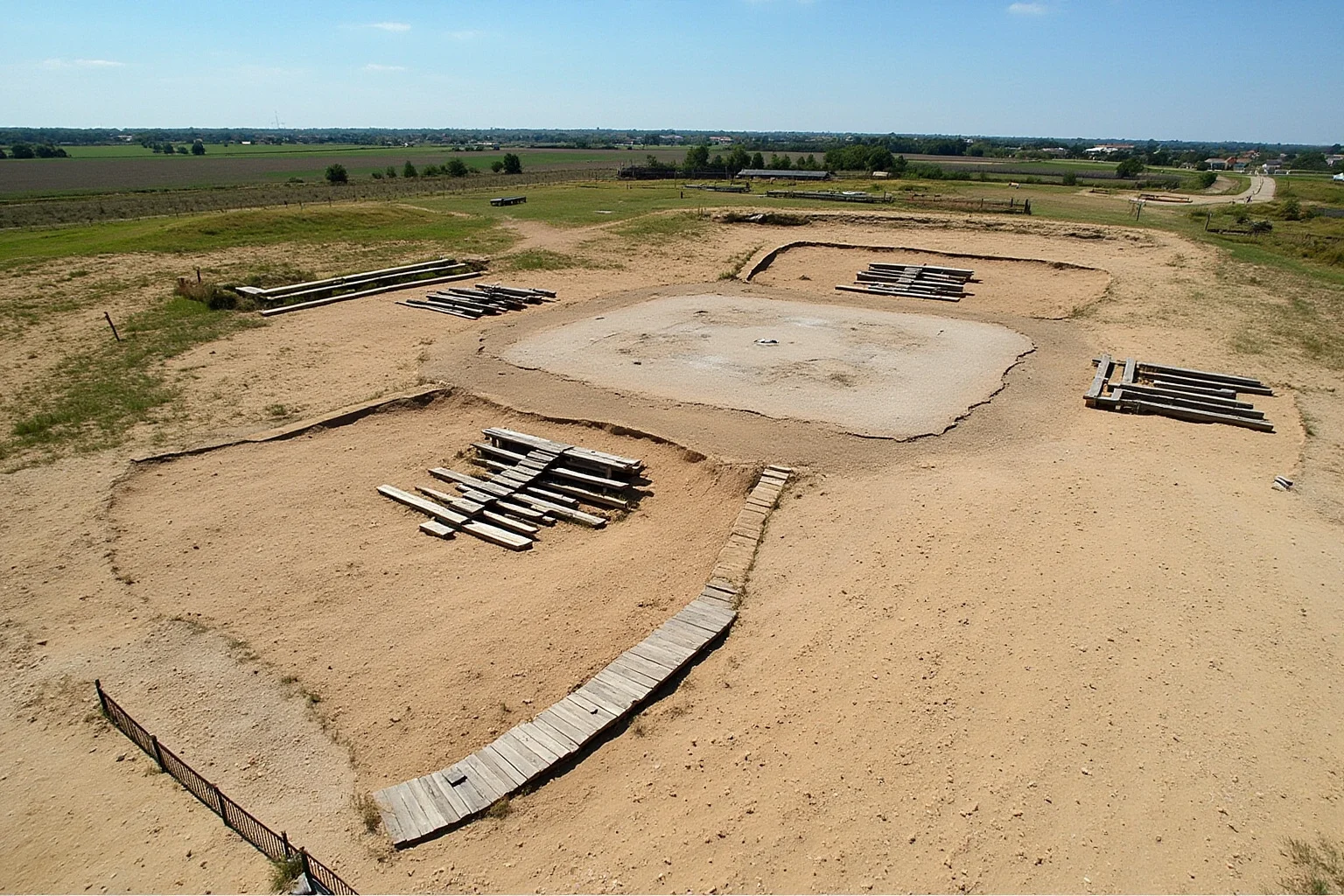
Cahokia Mounds near modern St. Louis was the largest pre-Columbian city north of Mexico. At its height around 1050 to 1200 CE, it may have housed 10,000 to 20,000 people. Monks Mound, the central earthwork, covers over 14 acres and rises about 100 feet.
Planners laid out the city around large plazas, neighborhoods, and possibly astronomical alignments. The so-called Woodhenge post circles helped track the seasons. Cahokia is now a UNESCO-listed landmark and a cornerstone of American discoveries about Mississippian society.
18. Moundville, Alabama
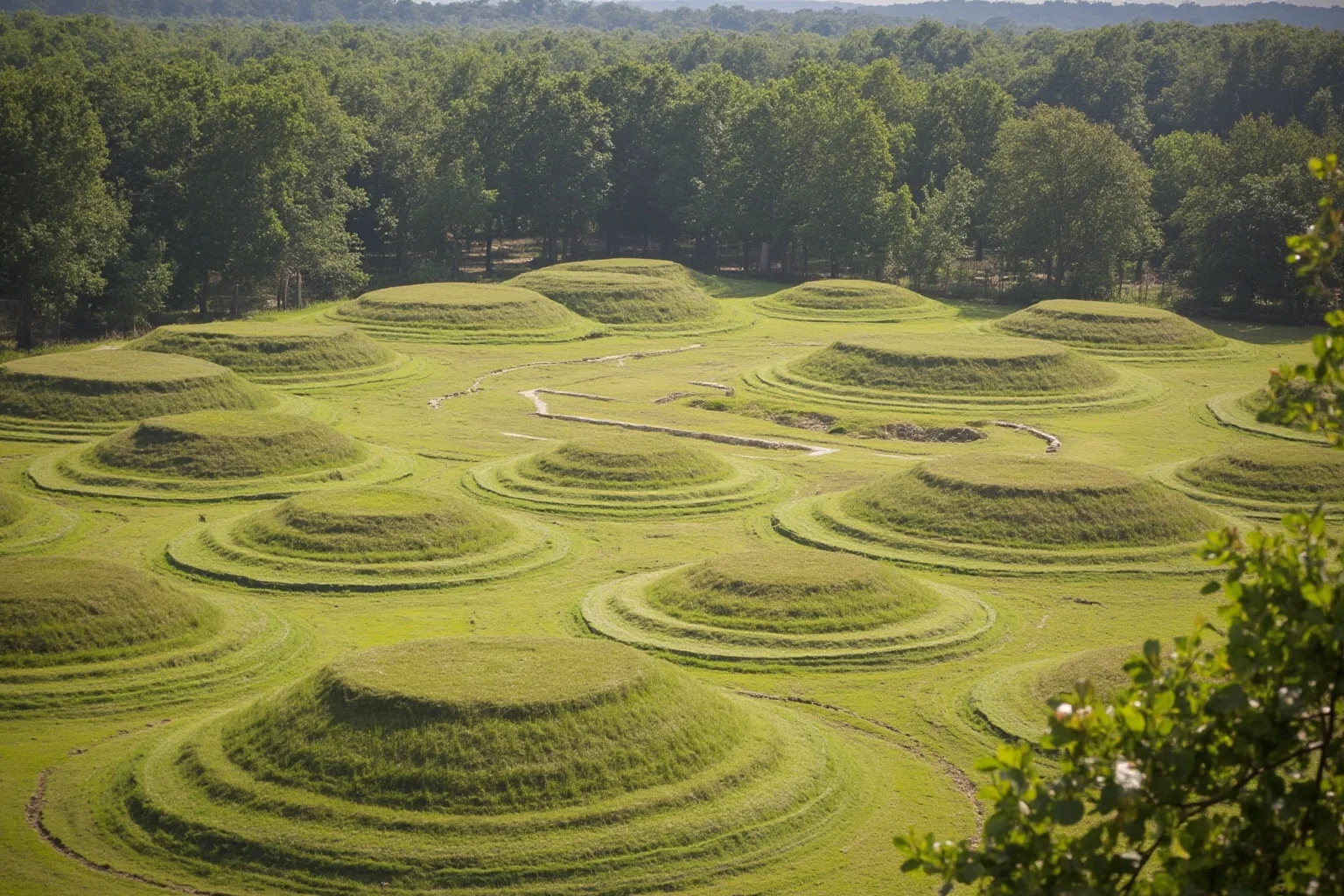
Moundville in west-central Alabama was a Mississippian political and ceremonial center from about 1000 to 1450 CE. The site contains more than two dozen mounds arranged around a central plaza. Elites lived on mounds, while thousands of people occupied surrounding villages.
Artifacts from Moundville include engraved pottery, copper ornaments, and shell gorgets linked to the Southeastern Ceremonial Complex. The site helped archaeologists understand Mississippian religion and power. It is one of the best-preserved archaeological sites in the USA.
19. Etowah Mounds, Georgia
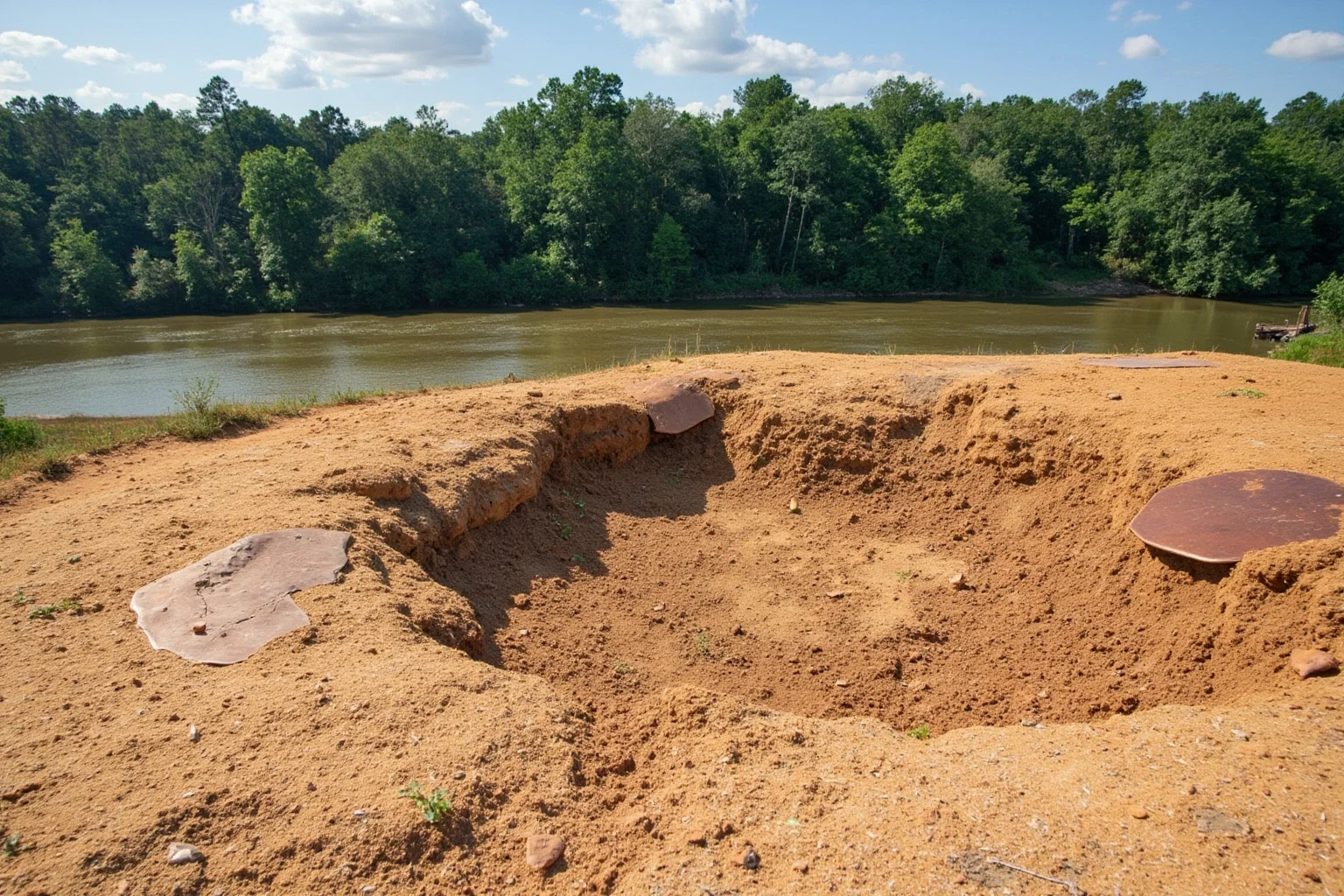
Etowah Mounds in northwestern Georgia flourished as a Mississippian center from about 1000 to 1550 CE. Excavations at Mound C revealed elaborate burials with copper plates, shell masks, and stone statues. Some of the copper plates show figures with forked-eye motifs and bird-man imagery.
The finds suggest Etowah’s leaders participated in a shared elite belief system across the Southeast. The site also preserves fish traps, defensive ditches, and residential areas. Etowah remains a rich source for Southeastern American archaeology.
20. Spiro Mounds, Oklahoma
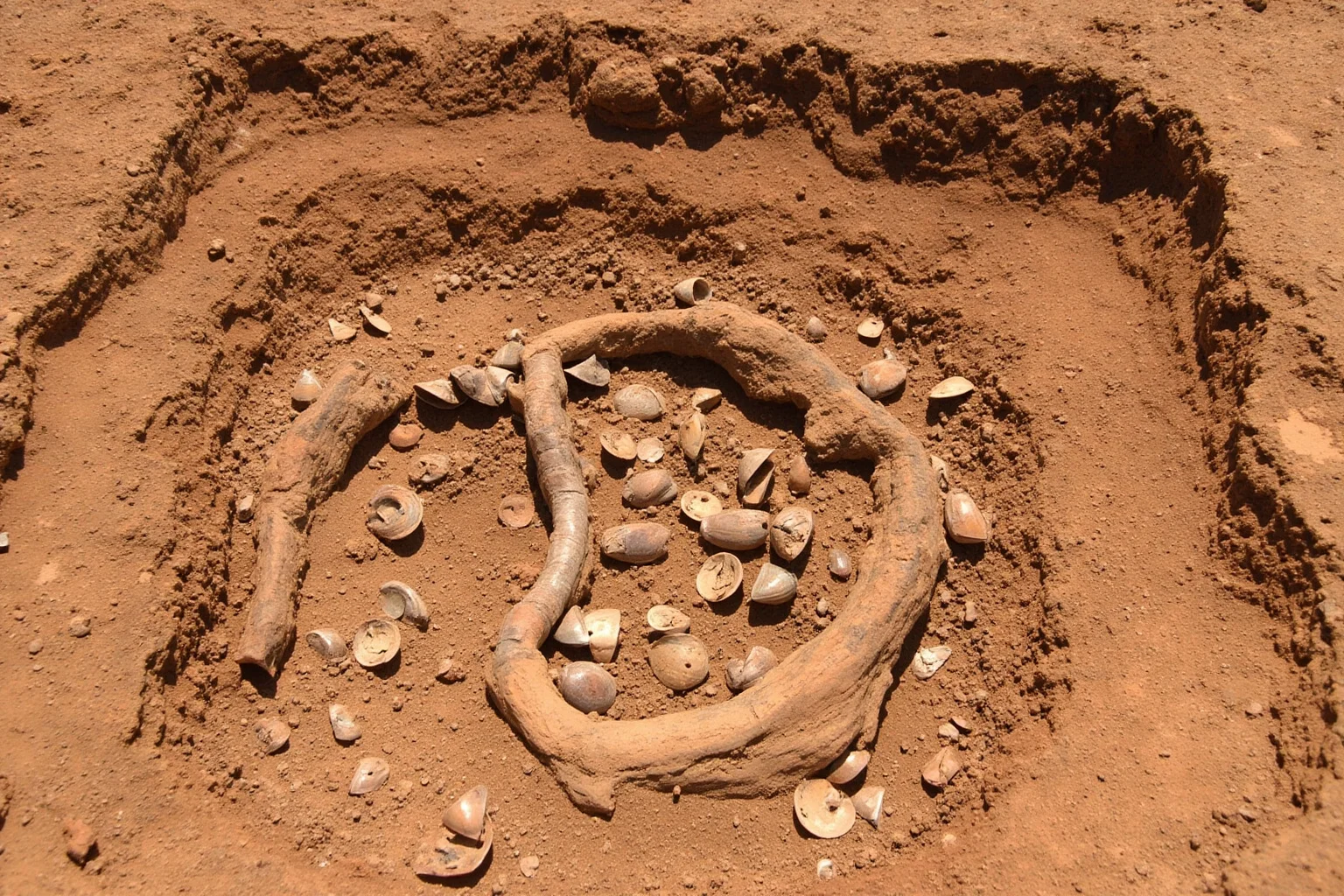
Spiro Mounds in eastern Oklahoma is famous for the “Great Mortuary” inside Craig Mound. Between roughly 800 and 1450 CE, people deposited thousands of objects, including engraved shells, copper plates, textiles, and stone effigies. The trove was so rich that it was once called the “King Tut’s tomb of the West.”
Early looting destroyed much of the context, but later excavations recovered vast amounts of material. Spiro demonstrated that Mississippian trade networks stretched from the Great Lakes to Mexico. It is among the most significant American discoveries for understanding prehistoric exchange.
21. Key Marco, Florida
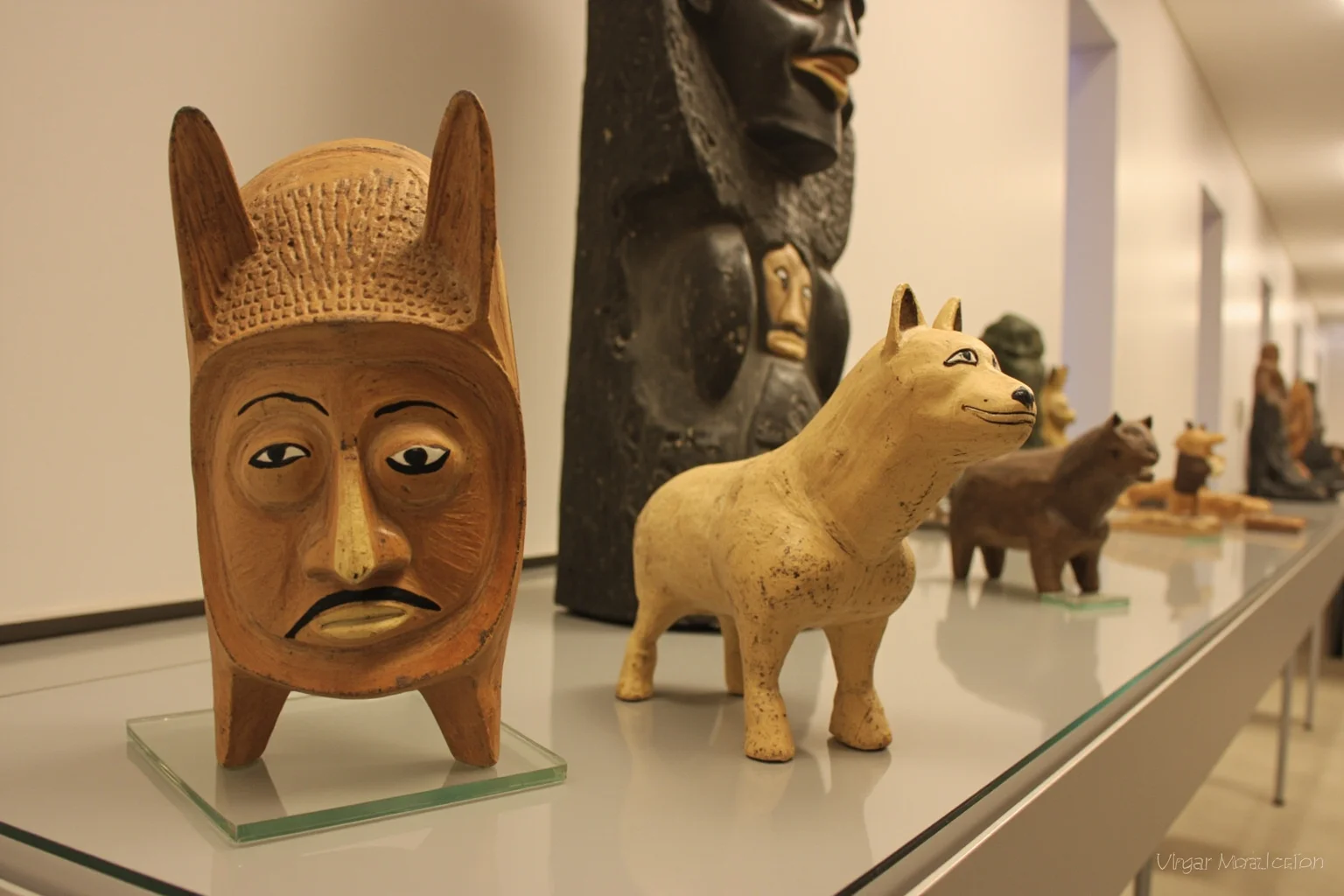
Key Marco in southwest Florida produced one of the most extraordinary collections of wooden Native American art ever found in North America. In 1896, Frank Hamilton Cushing recovered painted masks, carved animal figures, nets, and tools from a waterlogged Calusa site. The objects survived because they were buried in oxygen-poor muck.
The carvings show a vibrant aesthetic tradition among the Calusa and their neighbors around 500 to 1500 CE. Much of the collection is now at the Smithsonian and other museums. Key Marco remains a highlight of Florida’s archaeological record.
22. Ozette Village, Washington
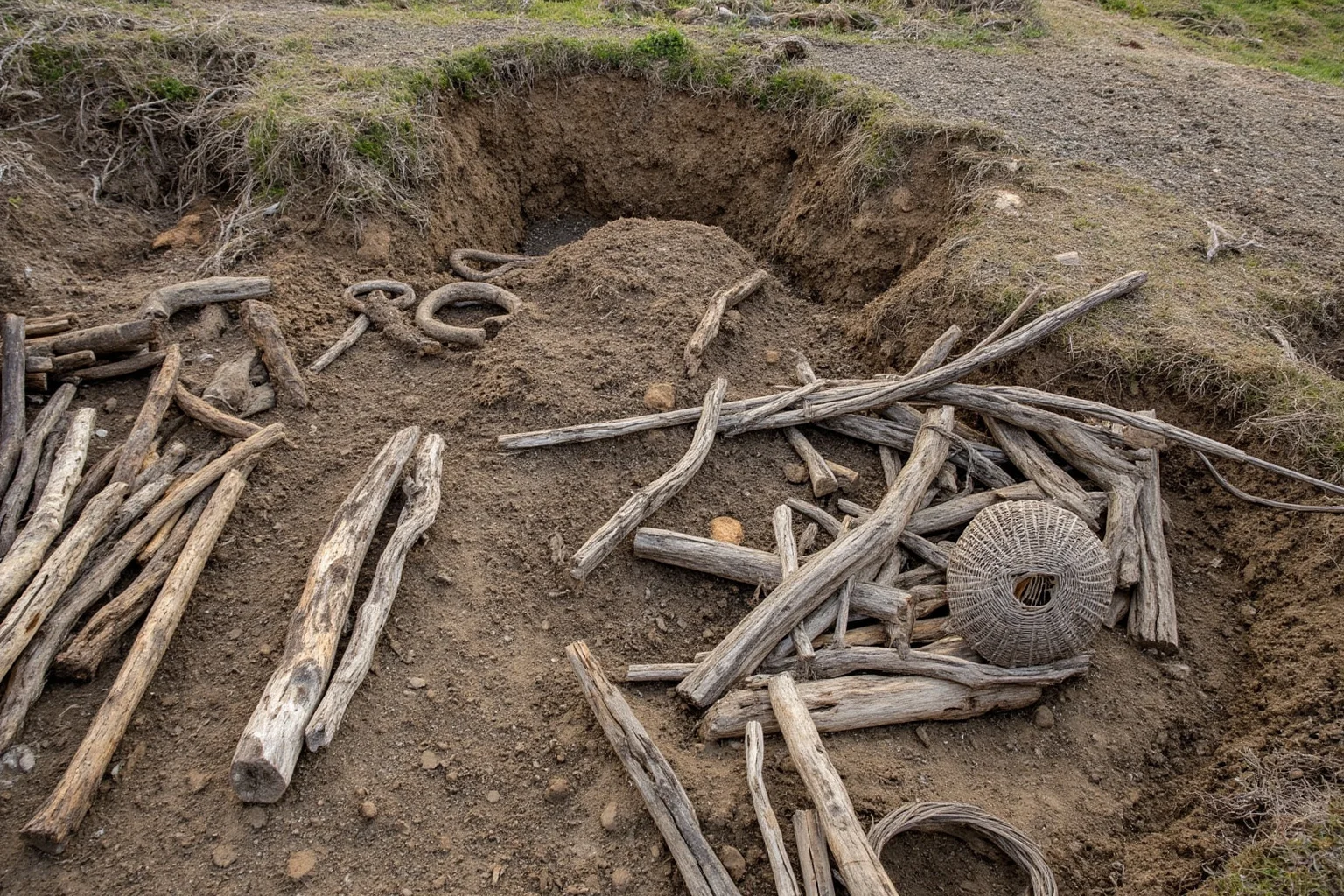
Ozette on Washington’s Olympic Peninsula was a Makah village buried by a massive mudslide around 1750. The wet clay preserved longhouses, wooden storage boxes, basketry, whaling gear, and fishing equipment. Excavations in the 1970s recovered thousands of everyday objects.
The site gave researchers an unprecedented look at Northwest Coast life before European contact. Oral histories from the Makah people helped guide the work and explain the site. Ozette is a model for collaborative American archaeology.
23. Jamestown Rediscovery, Virginia
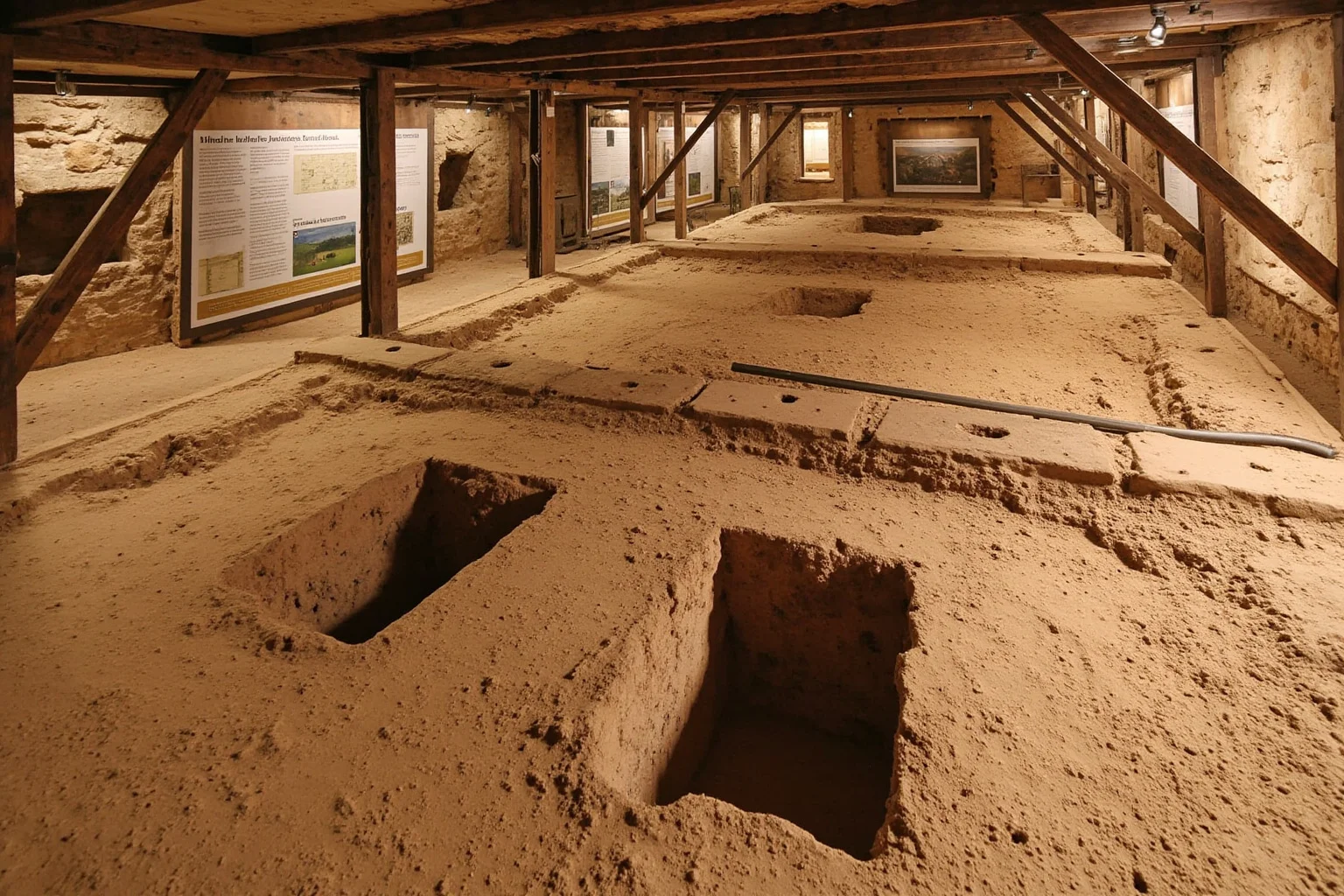
For centuries, scholars thought the original 1607 James Fort had washed into the James River. Beginning in 1994, archaeologists found postholes, ditches, wells, and artifacts from the first permanent English settlement. The discovery rewrote early colonial history in North America.
Excavations revealed evidence of the “Starving Time,” early industry, and interactions with Indigenous Powhatan people. Burials inside the fort document the hard lives of early colonists. Jamestown is now one of the most studied historic archaeological sites in America.
24. La Belle Shipwreck, Texas
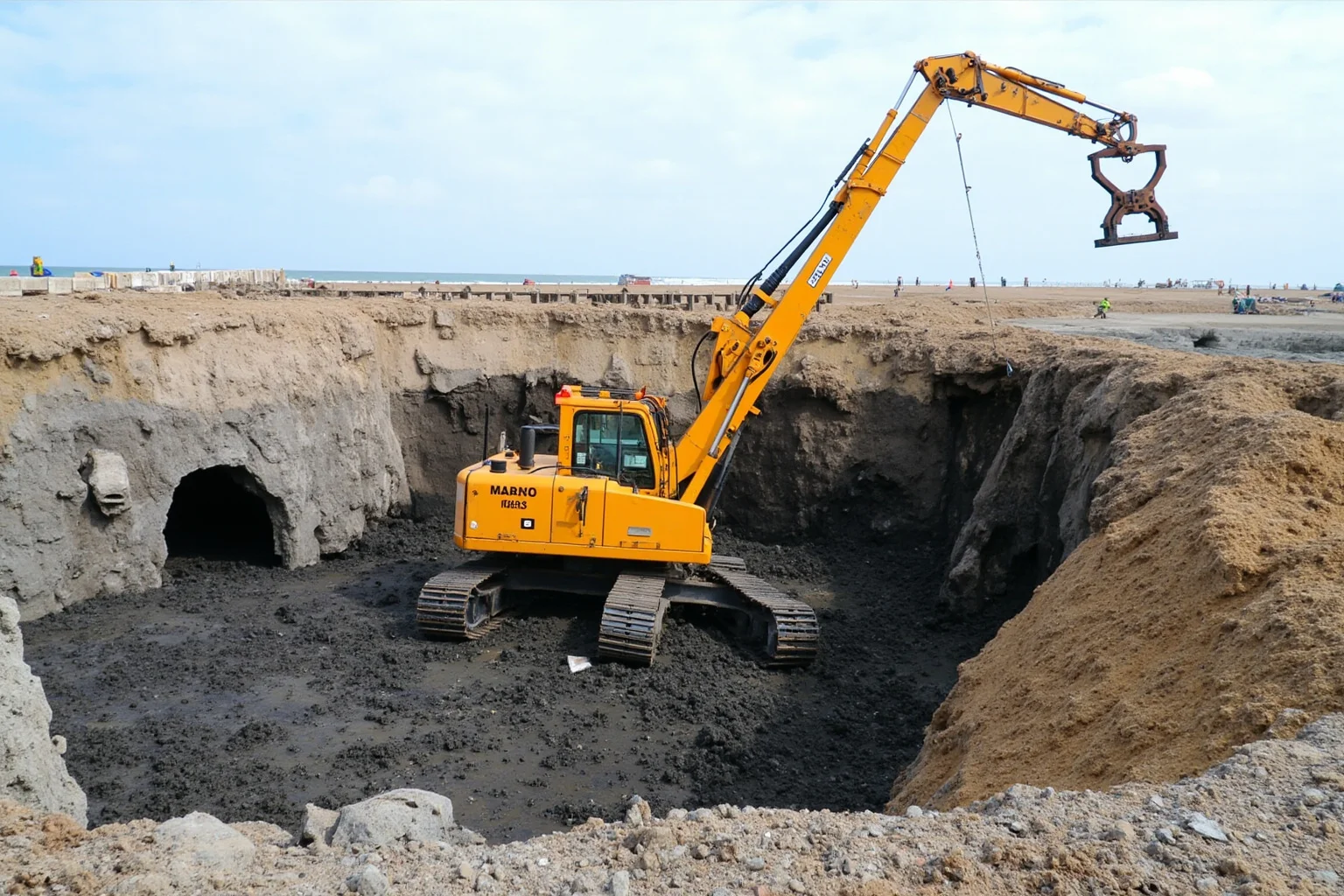
La Belle was a small French ship lost in Matagorda Bay in 1686 during René-Robert Cavelier, Sieur de La Salle’s expedition. Discovered in 1995, the wreck contained trade goods, weapons, tools, and personal items preserved in mud. Its excavation required a cofferdam that held back the bay.
The ship helped archaeologists understand French colonial ambitions in Texas and the Gulf. It also provided a remarkably complete look at seventeenth-century ship construction. La Belle is one of the most important archaeological finds in North American colonial history.
25. H.L. Hunley Submarine, South Carolina
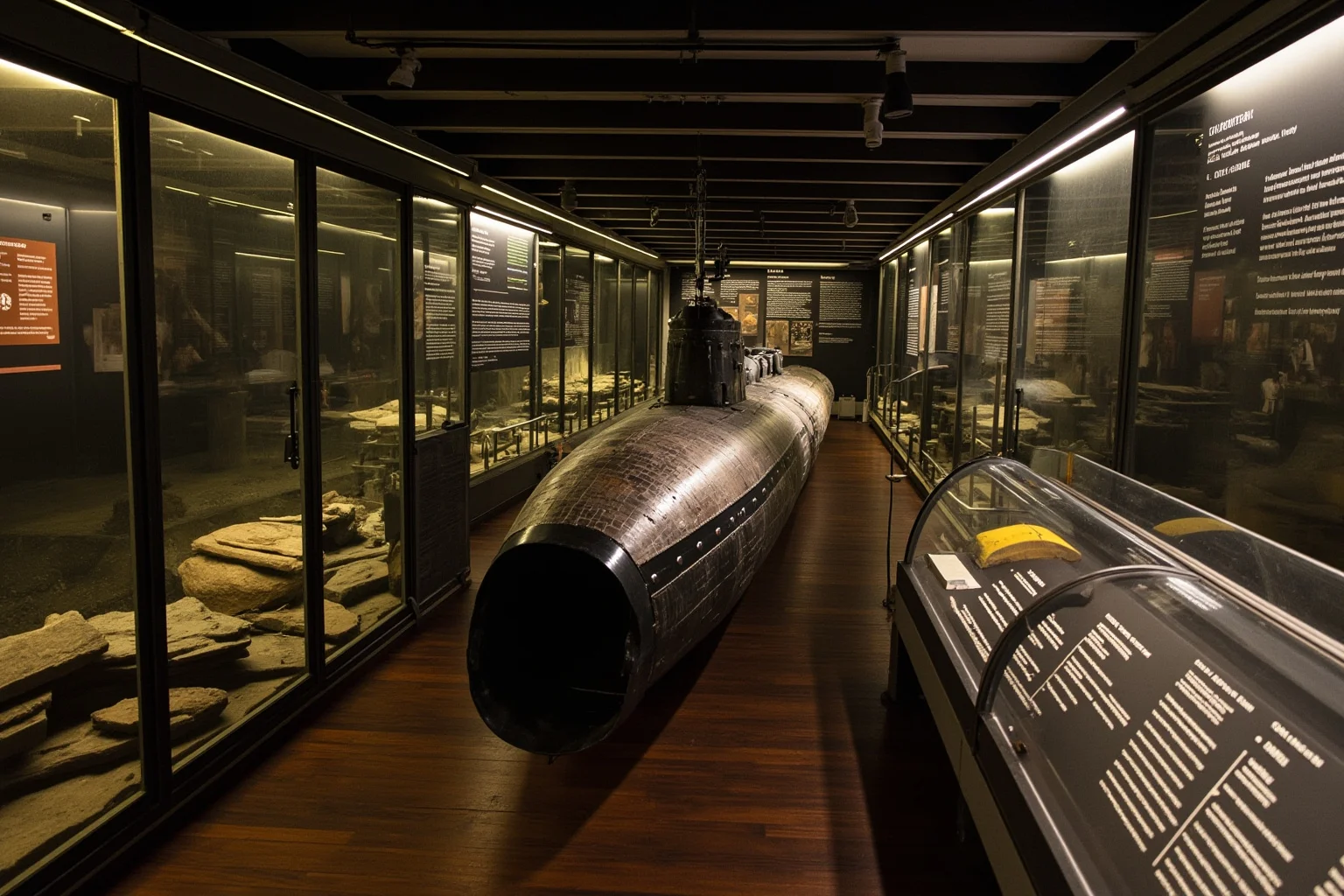
The H.L. Hunley became the first submarine in history to sink an enemy warship when it attacked the USS Housatonic off Charleston in 1864. The Hunley vanished that same night and was lost for more than a century. It was located in the 1990s and raised in 2000.
Inside, the crew’s remains were recovered along with personal gear and the vessel’s hand-cranked propulsion system. Research continues into why the submarine sank. The Hunley is now a popular archaeological and engineering attraction in South Carolina.
Why America’s Archaeological Record Matters
These 25 sites only scratch the surface of documented archaeological sites in USA state and federal databases. Thousands more are recorded, and countless others remain undiscovered or unexamined. Every new excavation can shift the timeline for American archaeology.
The question of when was the United States discovered depends on what kind of discovery you mean. European contact is one chapter in a much longer story, not the opening line. From ancient footprints to a lost Civil War submarine, American discoveries keep revealing how deep and varied that story really is.
Frequently Asked Questions
When was the United States discovered?
There is no single discovery date. Paleoindian ancestors reached the Americas at least 15,000 to 16,000 years ago, and some contested sites suggest even earlier arrivals. Norse sailors reached Newfoundland around 1000 CE, Spanish and other European expeditions arrived after 1492, and the United States as a political nation was founded in 1776.
What is the most important archaeological find in American archaeology?
There is no single most important find. The Folsom site proved that humans hunted extinct ice age animals, the Clovis site defined a major early tool tradition, and discoveries at White Sands, Cooper\u2019s Ferry, and Paisley Caves have challenged old models of the first Americans. Importance depends on the question being asked.
Where can I visit archaeological sites in the USA?
Many major sites are open to the public as national parks, monuments, and state historic sites. Examples include Mesa Verde, Chaco Culture National Historical Park, Cahokia Mounds, Poverty Point, Ocmulgee Mounds, Serpent Mound, and Jamestown. Access policies vary, so check official websites before visiting.
What is the oldest archaeological site in the United States?
White Sands in New Mexico has produced footprints dated to roughly 21,000 to 23,000 years ago, though the dating remains debated. Cooper\u2019s Ferry in Idaho has well-documented occupation around 15,700 years ago, and Paisley Caves in Oregon dates to about 14,200 years ago.

Alex Warren
Related Articles