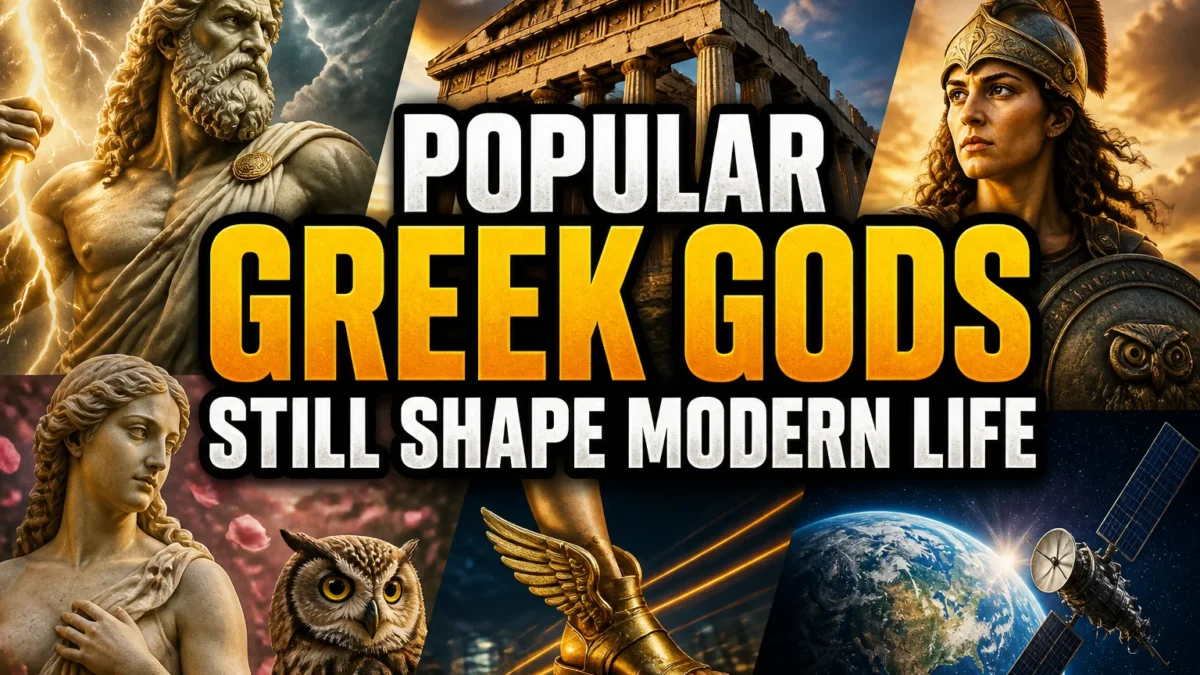
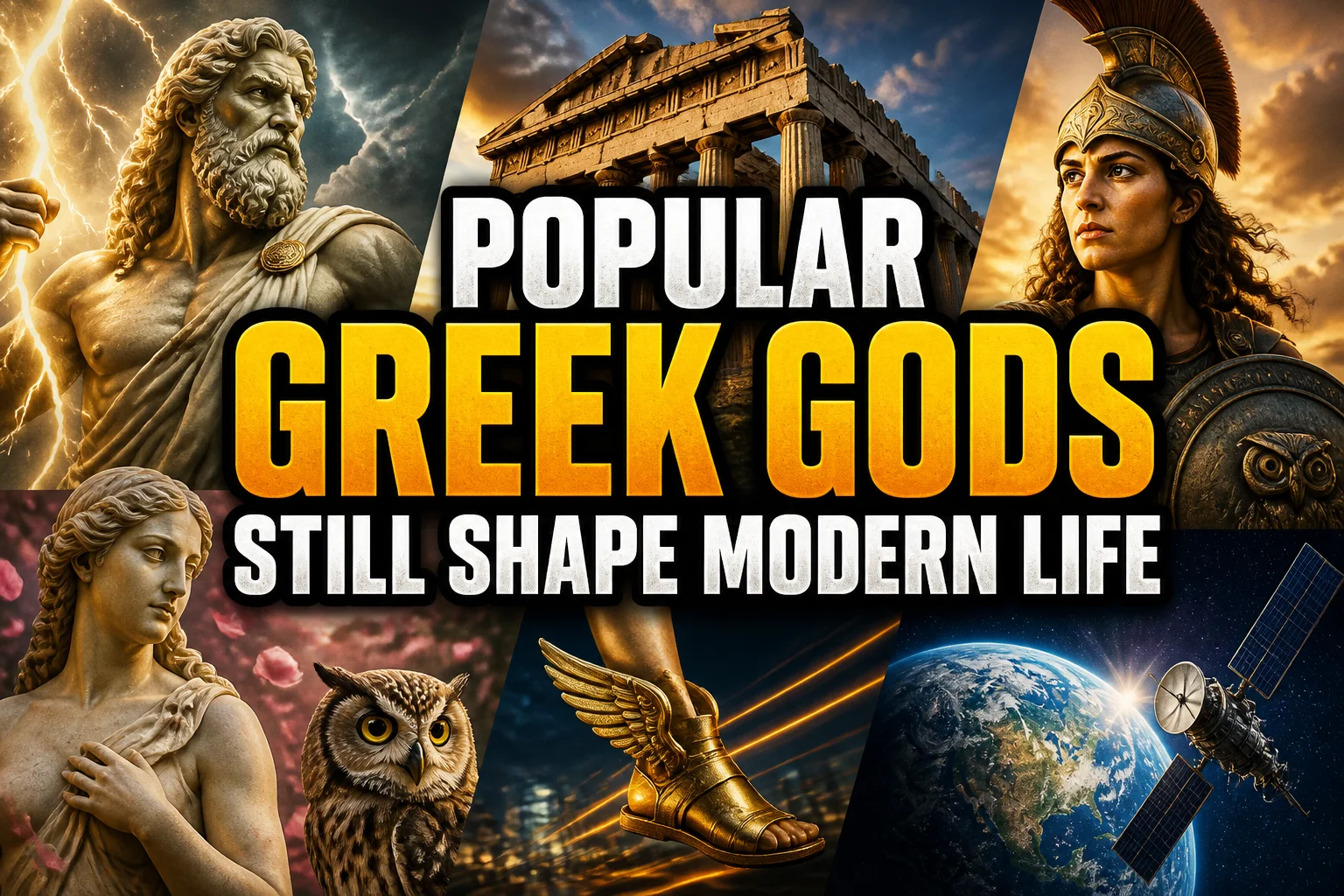
Ancient Greek religion was never a closed book. The gods were local, messy, contradictory, and constantly reimagined by different city-states and generations. Today, popular Greek gods appear in brand names, planet names, medical symbols, films, games, and phrases.
That can make it tricky to separate ancient worship from modern myth-making. In this list, we treat the stories as exactly that—stories that people told, adapted, and borrowed—not literal claims about supernatural beings.
TL;DR: The most popular Greek gods survive because their personalities and powers map neatly onto modern love, war, tech, medicine, sports, and brand identity—not because ancient worship never ended.
Why the Greek Gods Still Show Up Today
The Greek pantheon works like an early personality system. Deities controlled domains—sea, sky, crops, war, love, craft—which makes them easy to reuse in modern stories and logos. Because those domains still matter, the gods feel strangely contemporary.
Ancient sources such as Hesiod, Homer, and local cult records show that worship varied widely by region and period. What we call Greek mythology is not one uniform faith, but centuries of regional storytelling. That flexibility helps explain why the figures remain so adaptable.
When modern writers, game designers, and advertisers need an instantly recognizable figure, they often turn to modern day Greek gods drawn from this old cast. A moody sea god or strategic goddess carries built-in meaning. That shorthand is older than most of the brands using it.
Top Greek Gods in Modern Culture: The Recognizable Core
The Olympians are usually the first names people learn. If you check any list of the top ten Greek gods, Zeus, Poseidon, Hades, Athena, Apollo, Aphrodite, and Hermes tend to appear near the top. These are not ranked by ancient importance, because different city-states elevated different deities.
Instead, the order here is a modern recognition ranking, based on how often these figures appear in culture, language, and media. It is a snapshot of modern attention, not a claim about ancient worship.
1. Zeus: The Greek Top God Who Never Left the Sky
Zeus was king of the Olympian gods and lord of the sky, thunder, and justice. Ancient Greeks honored him at Olympia and Dodona, but they also understood his power as stormy and unpredictable. That tension between authority and appetite still drives modern portrayals.
His name shows up in phrases like 'by Jove,' an old way of invoking Jupiter, his Roman counterpart. Thunderbolt imagery, regal branding, and even cinematic sky gods all borrow from Zeus. He remains the Greek top god in popular imagination even when the myths are softened for children.
Ancient Greeks did not always present Zeus as a perfect moral authority. His myths include failures, deceptions, and affairs, which later art often sanitized. That complexity is part of why he remains a compelling modern character.
2. Poseidon: The Sea God Still Steering Modern Symbols
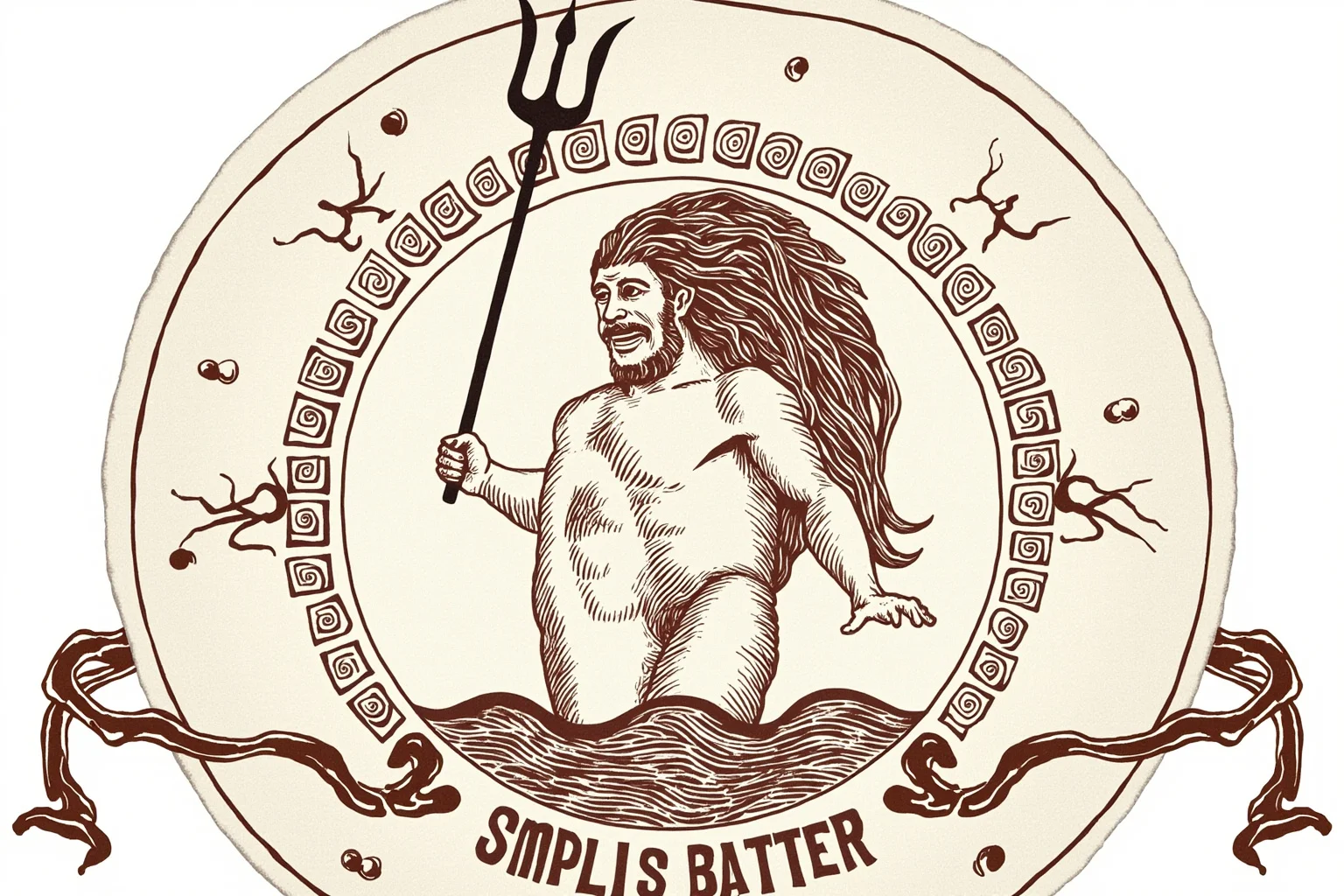
Poseidon ruled the sea, earthquakes, and horses in Greek myth. Coastal communities treated him as a powerful and dangerous patron, because survival often depended on the water. His trident became a shorthand for all things oceanic.
Today, Poseidon appears in ocean-themed branding, environmental campaigns, and fantasy franchises. He also lingers in language through terms like 'shaking the earth' as a literary image. As climate change raises sea-level anxiety, the sea god's symbolic power feels freshly relevant.
His Roman name, Neptune, is carried by the planet Neptune and countless nautical institutions. Ancient sailors often prayed to Poseidon for safe passage, a reminder that his worship was practical rather than purely poetic. Modern ocean imagery still uses his trident as a visual shortcut.
3. Hades: The Coolest Greek God of the Underworld in Pop Culture
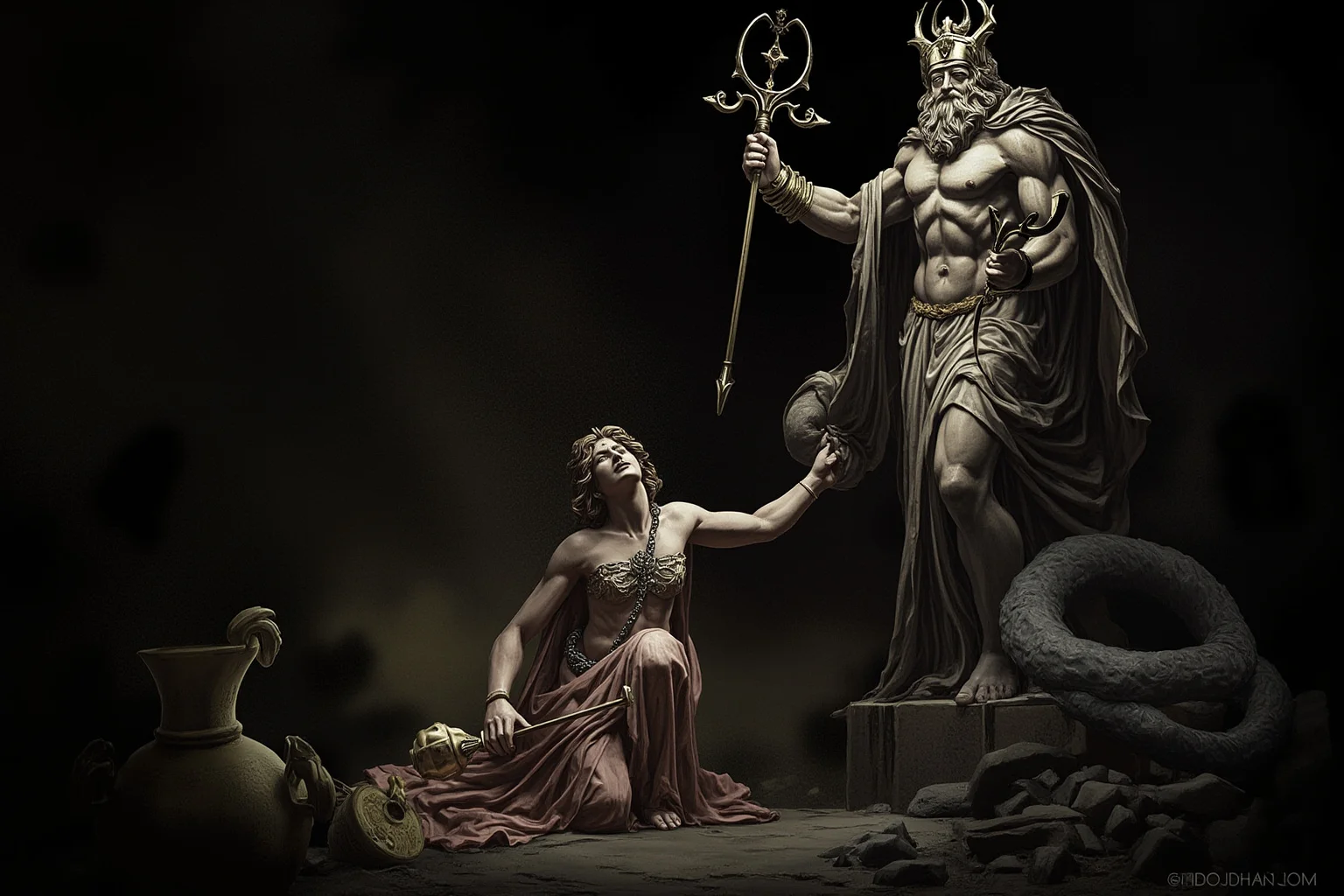
Despite his grim domain, Hades was not the Greek equivalent of a devil. He ruled the underworld and the dead, but he was not evil in the way later Christian-influenced retellings often suggest. That myth-busting point matters because modern pop culture usually makes him a villain or a misunderstood loner.
For many fans, Hades has become the coolest Greek god because he combines gothic aesthetics, wealth under the earth, and a stable marriage story with Persephone. Video games, musicals, and comics often rework him as a bureaucratic ruler with family drama. The ancient myths, however, described him as mostly grim, distant, and occasionally tender.
The underworld was not simply a punishment zone. It was the realm of all the dead, and Hades oversaw its boundaries. That fact helps explain why modern writers can so easily turn him into a misunderstood administrator.
4. Athena: The Most Well Known Greek Goddess of Strategy and Cities
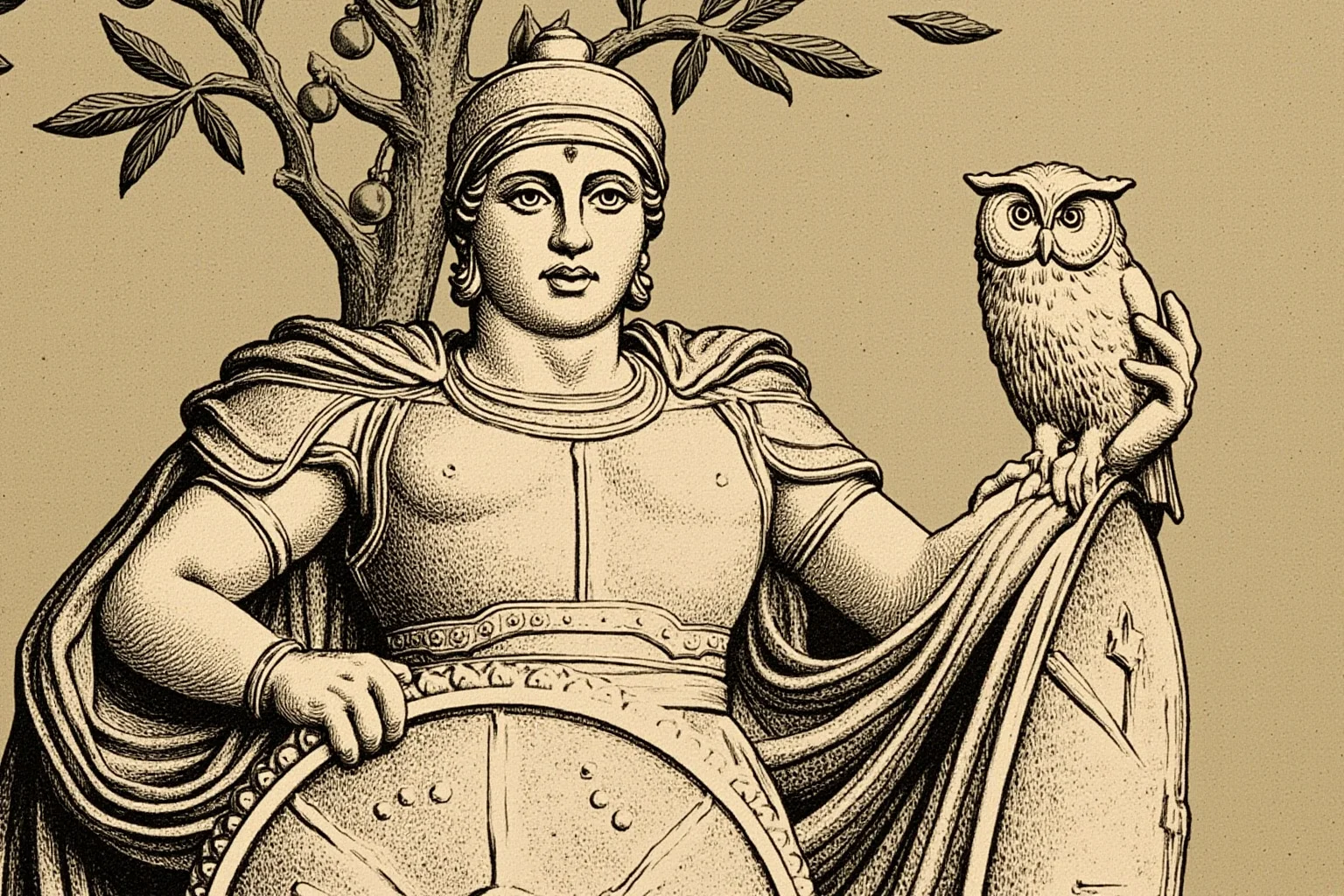
Athena was born from Zeus's head in one famous myth, fully armed and ready for strategy. She presided over wisdom, crafts, and the defense of cities, especially Athens. Her association with rational planning made her a favorite of civic ideology.
Her name is visible in the city of Athens, numerous universities, and the Parthenon. Athena often appears as a symbol of wisdom in modern government seals, libraries, and educational brands. She remains one of the most well known Greek gods—and arguably the most influential goddess in Western civic tradition.
Athenian coinage, civic art, and public buildings used Athena to signal order and protection. Her association with weaving and craft also made her a patron of skilled work, not just abstract wisdom. That blend of practicality and intellect still appeals to modern readers.
5. Aphrodite: The Popular Greek Goddess Who Still Defines Love and Beauty
Aphrodite was not only a love goddess. She also embodied desire, beauty, fertility, and even sea-born power in some traditions. Her myths range from romantic to awkward, humorous, and politically charged.
Modern beauty, romance, and cosmetics industries constantly recycle Aphrodite's name and image. She is a popular Greek goddess because she represents a human experience that never goes out of style. From 'aphrodisiac' to Valentine's marketing, her symbolic reach is enormous.
Some ancient cults emphasized Aphrodite's power over sea travel and civic harmony, not only romance. That broader role gets lost when modern culture reduces her to a beauty symbol. Recovering the wider Aphrodite makes the myth more interesting.
6. Apollo: The Sun God of Art, Medicine, and Media
Apollo was not technically always the sun in every Greek source; that role sometimes belonged to Helios. But Apollo governed music, prophecy, healing, and later became closely linked with the sun. He was one of the most widely worshiped Greek gods across the Mediterranean.
Today, his name appears in NASA's Apollo program, music halls, and medical references. The idea of Apollo as a rational, artistic, healing force persists in everything from poetry prizes to space exploration. He offers a lighter counterweight to the wilder gods on this list.
The famous Oracle at Delphi was associated with Apollo's prophetic power. Pilgrims traveled there with questions about politics, health, and daily life. Modern storytelling still uses Apollo as the god who brings hidden knowledge to light.
7. Artemis: The Independent Goddess Who Still Inspires Conservation
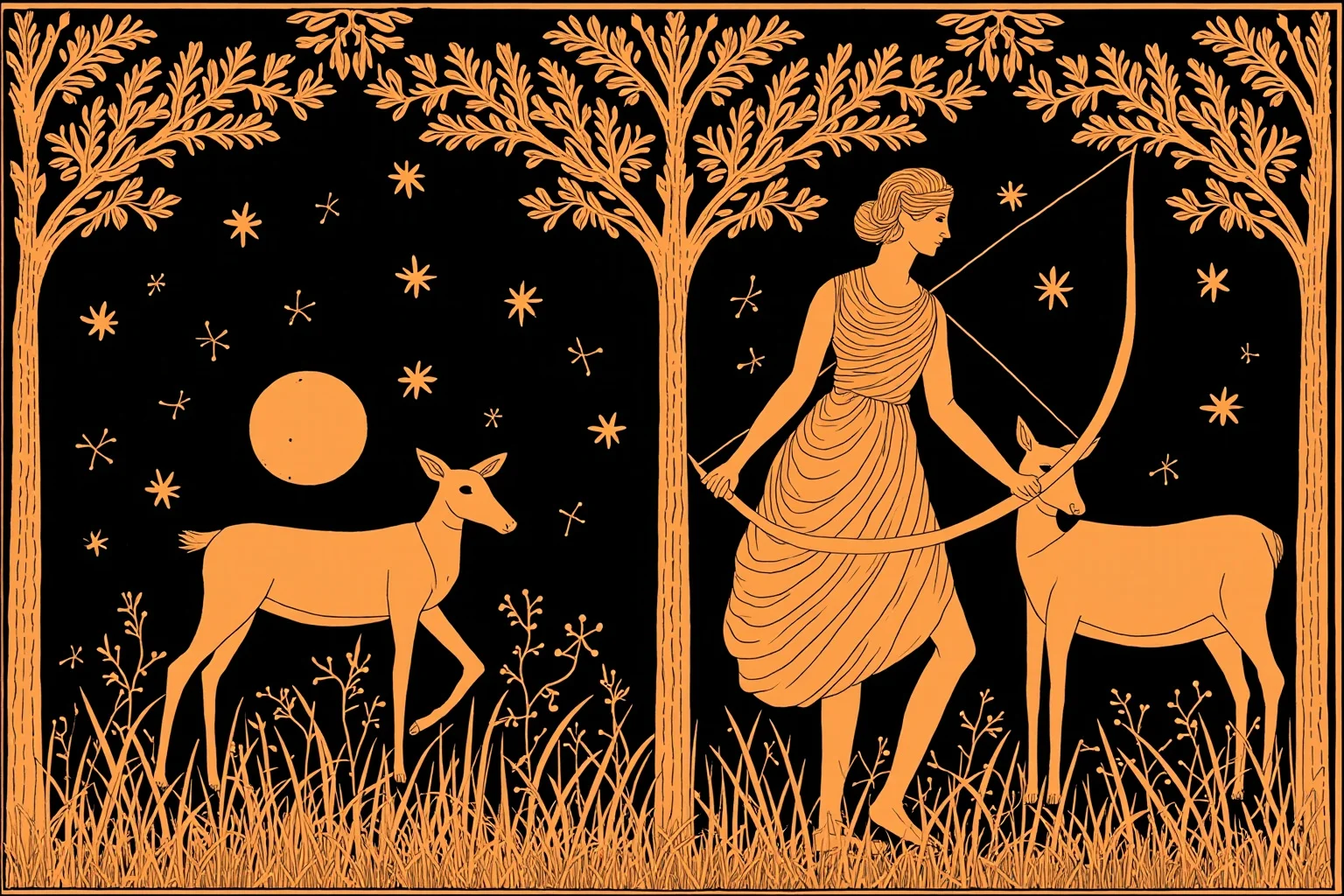
Artemis was goddess of the hunt, wild animals, childbirth, and the moon in later tradition. She was often portrayed as a fiercely independent figure who protected young women and wilderness. Unlike many Olympians, her myths stress boundaries and autonomy.
Modern environmental campaigns, outdoor brands, and feminist retellings often claim Artemis as a symbol. Her association with wildlife makes her a favorite among groups focused on conservation and animal welfare. She also shows how a popular Greek goddess can be reinterpreted across very different eras.
Her Roman counterpart Diana appears in everything from Wonder Woman's full name to astronomical naming. Artemis was also a protector of girls before marriage in some Greek rites. Those life-stage rituals often get overlooked in modern action-focused retellings.
8. Hermes: The Messenger God Behind Modern Brands and Delivery
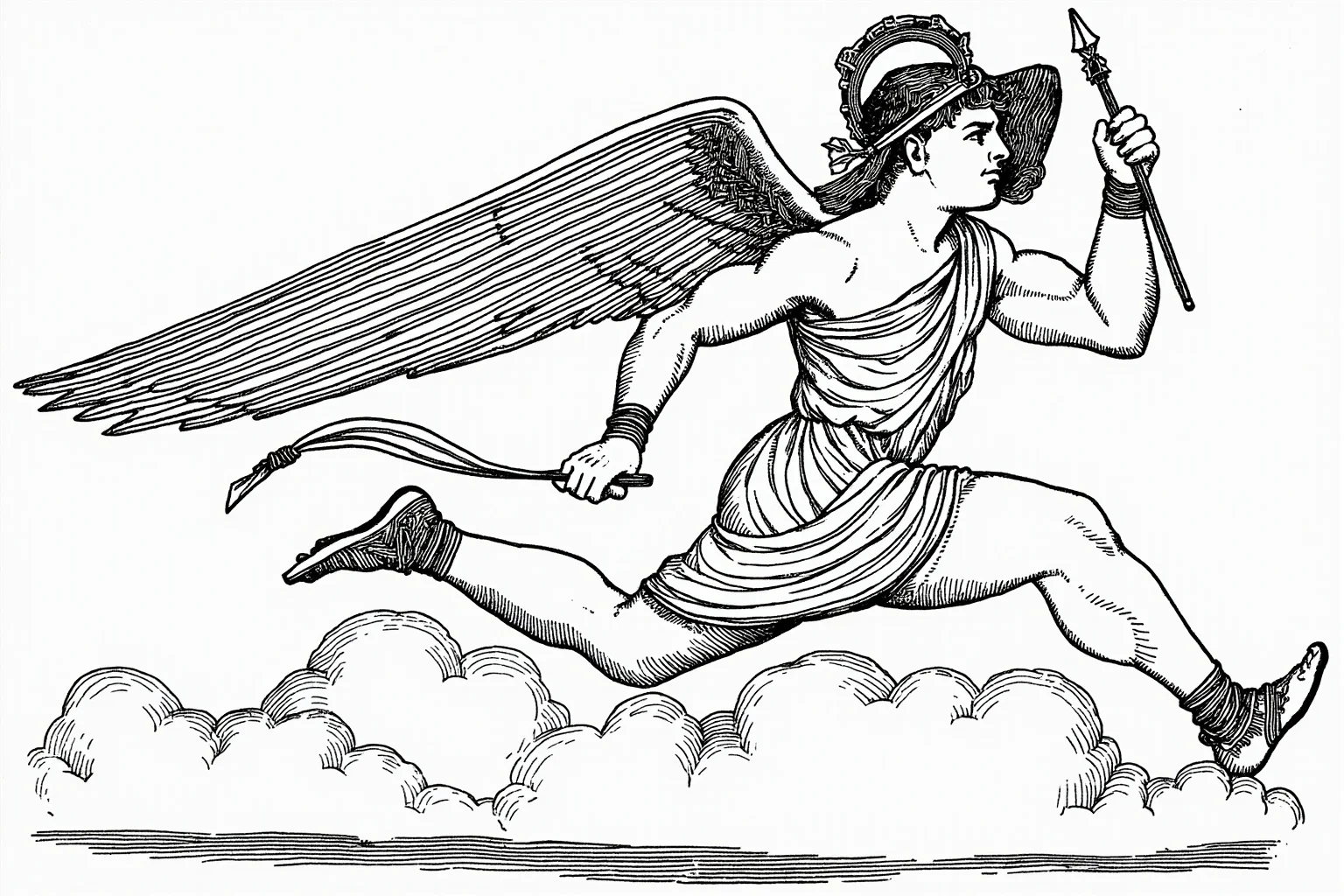
Hermes was the god of travel, commerce, communication, trickery, and boundaries. He moved between worlds, which made him an ideal messenger for the gods. His winged sandals and caduceus remain instantly recognizable.
Today, Hermes shows up in global delivery services, fashion houses, postal imagery, and logistics branding. He is essentially the ancient patron of networking and speed. In a digital economy built on constant movement and messages, Hermes may be the most modern Greek god of all.
The caduceus is often mistaken for the Rod of Asclepius in medical contexts. That confusion actually proves how deeply Hermes's messenger staff has penetrated visual culture. Precision matters, but the mix-up is a real-world example of mythic symbols drifting.
9. Ares: The War God Who Pops Up in Sports and Conflict
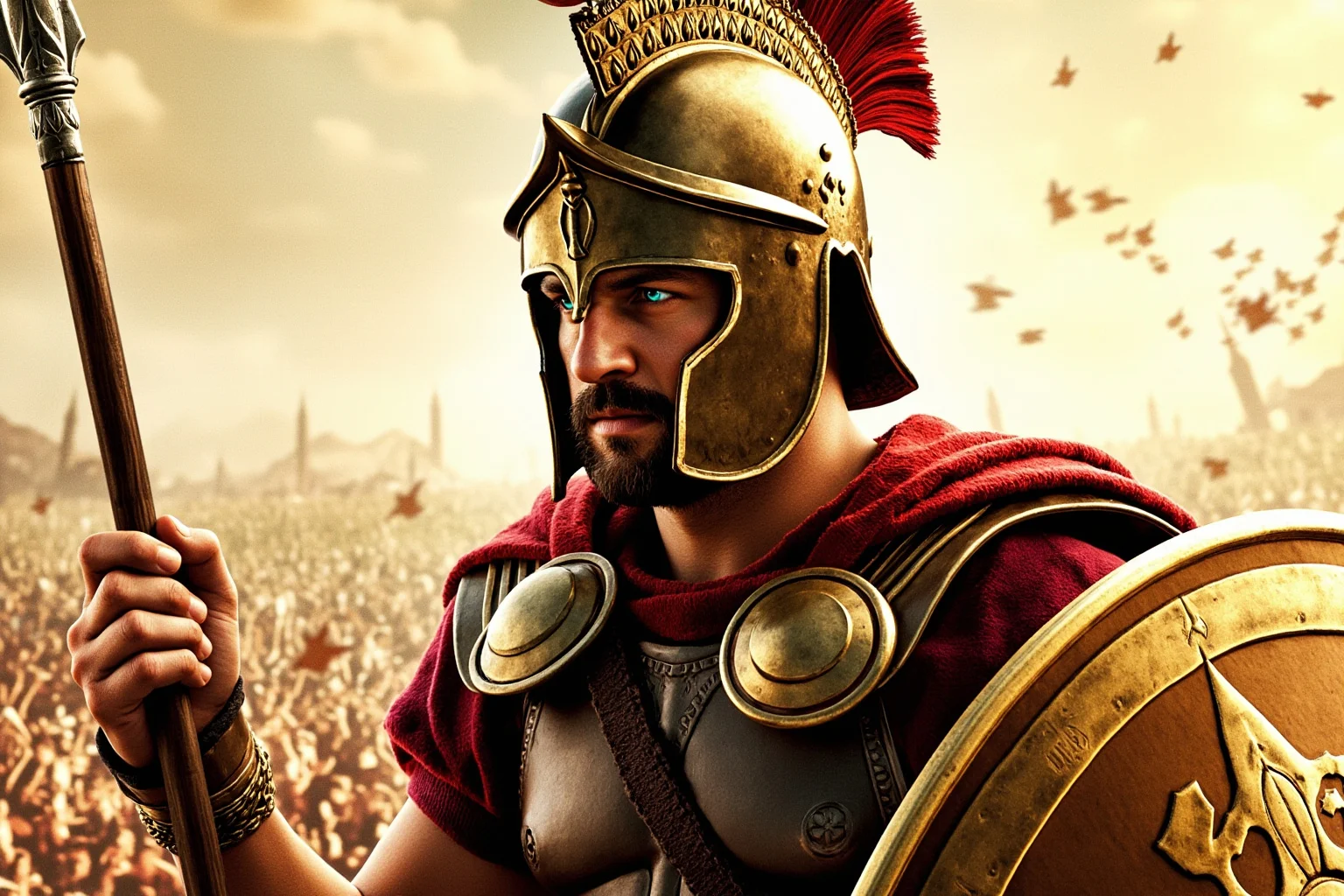
Ares represented the raw violence and chaos of battle, not the strategic side of war. The Greeks often treated him with suspicion, and myths made him impulsive and unpopular. That makes him interesting: he was powerful but not always admired.
Modern sports teams, video games, and action films use Ares-style imagery to suggest aggression and intensity. His name appears in phrases and franchises connected to conflict. He is not usually the hero, but he remains one of the more popular gods for high-energy storytelling.
Ares was not widely worshiped compared with Athena or Zeus, but he had important cult sites, including in Thrace and Sparta. The Spartans valued martial competence, though their favored gods were varied. Modern pop culture often borrows Ares more for his look than for his actual cultic role.
10. Hephaestus: The Maker God Behind Technology and Craft
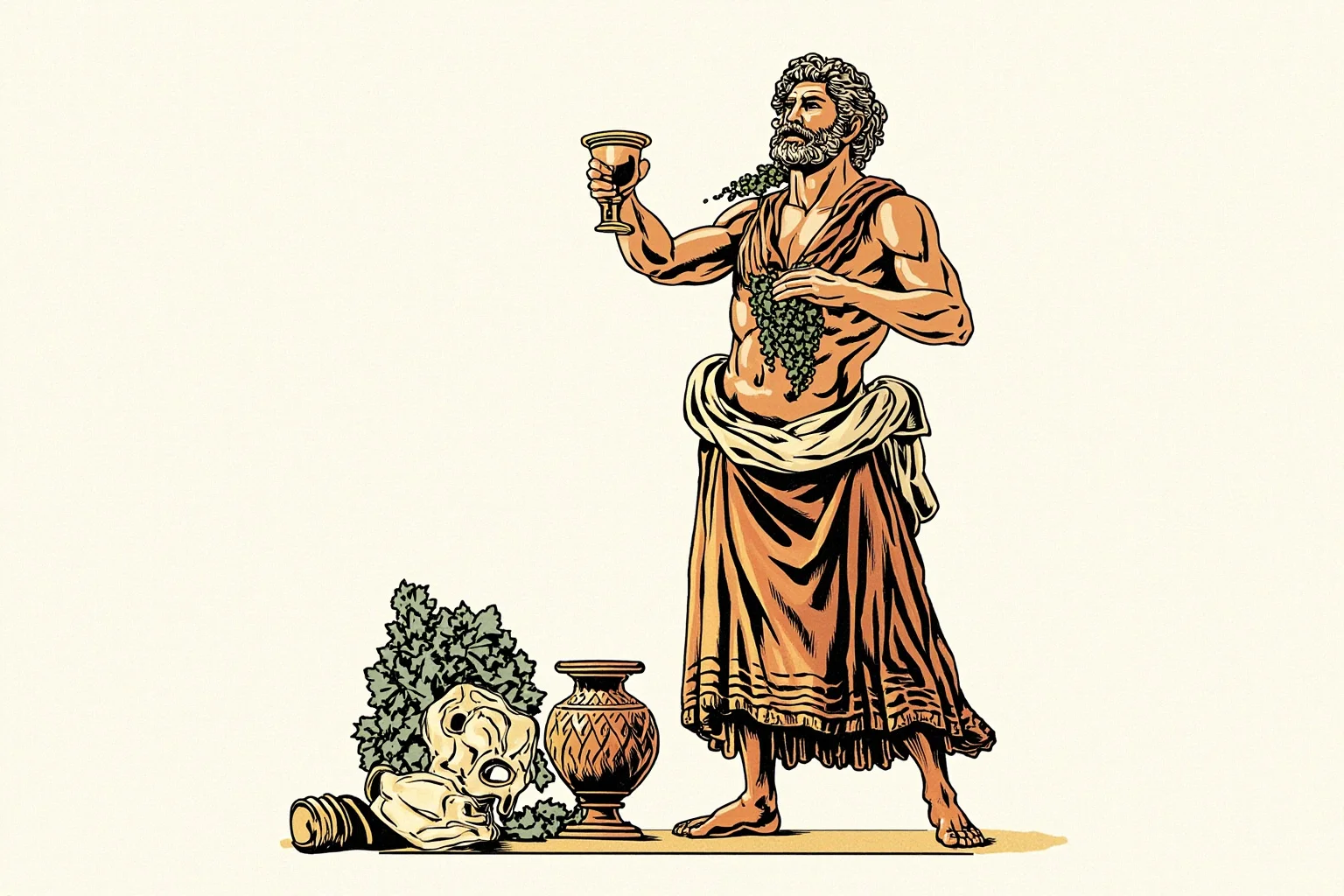
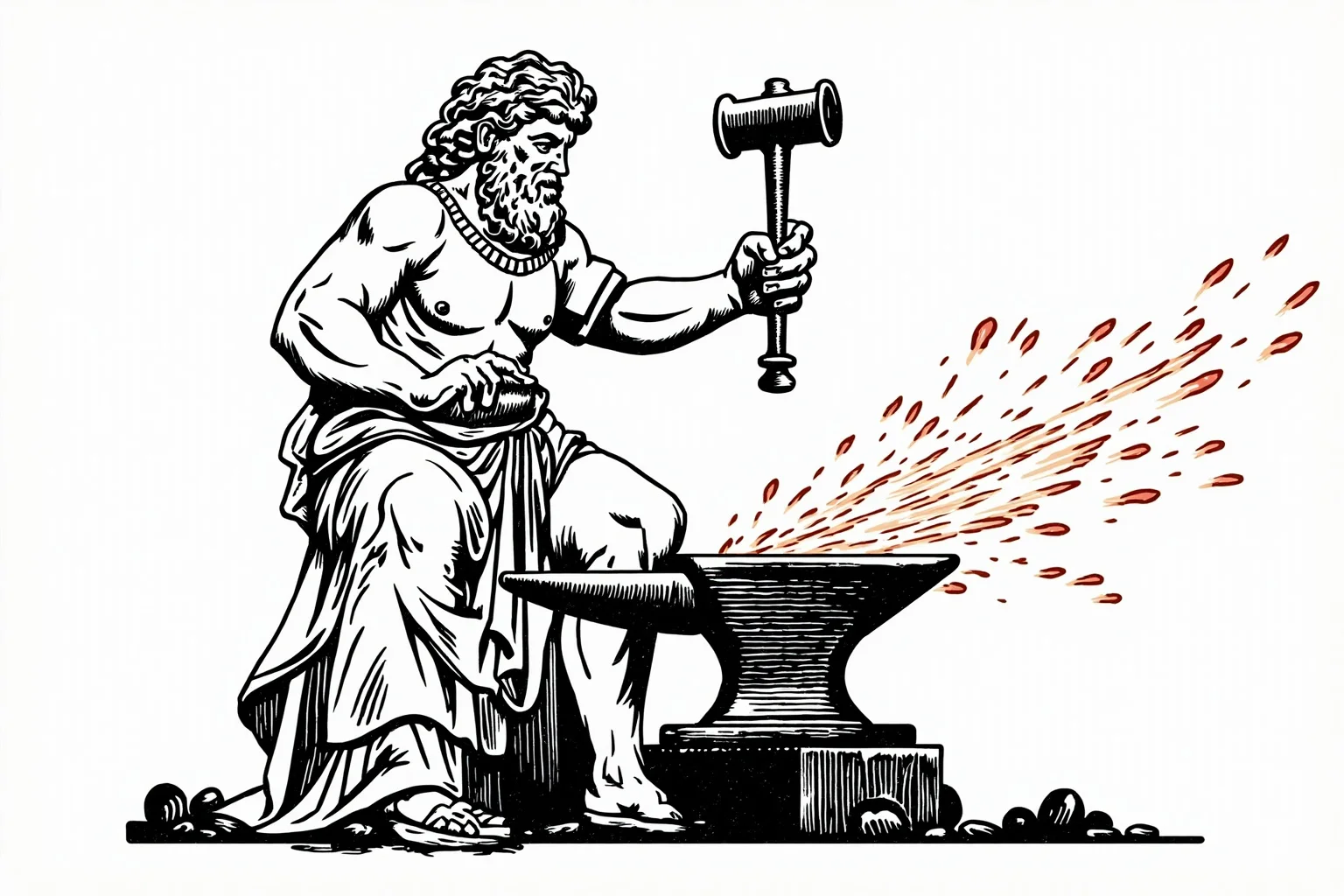
Hephaestus was the blacksmith god who made weapons, armor, and clever devices. He was also physically disabled in some myths, and his stories include both ostracism and brilliant craftsmanship. That has made him a surprisingly resonant figure for modern conversations about ability and innovation.
Tech companies, maker spaces, and engineering projects sometimes draw on Hephaestus as a symbol of creation. His workshop represents the value of skilled labor and problem-solving. In a world obsessed with building, he is one of the most interesting Greek gods to reclaim.
His marriage to Aphrodite appears in humorous myths, but his craftsmanship was taken seriously. He created objects that were both magical and functional, from armor to automated helpers. That makes him an ancient ancestor of the idea that technology can be divine.
11. Dionysus: The God of Wine, Theater, and Festivals
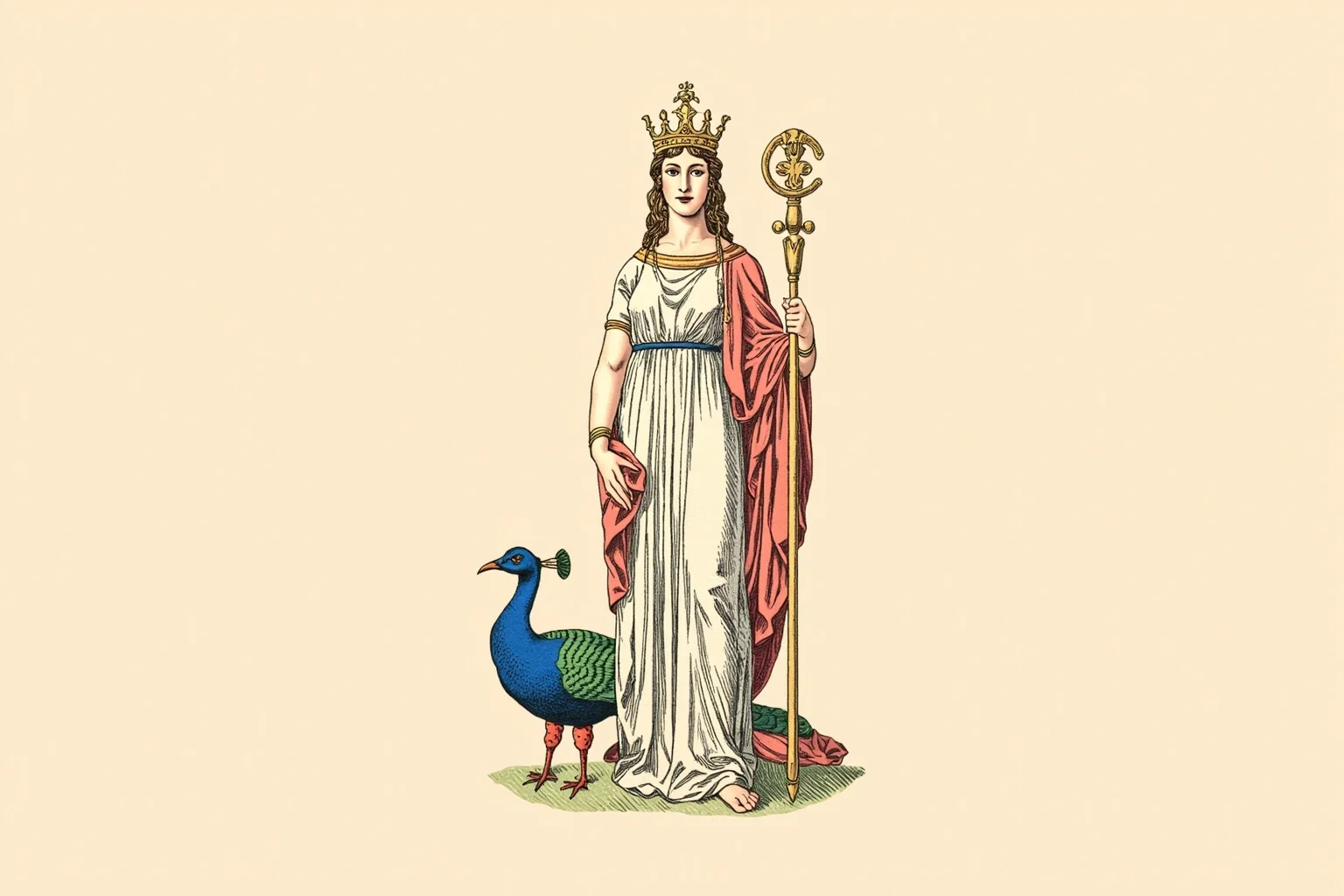
Dionysus was the god of wine, ecstasy, theater, and transformation. He was different from many Olympians because his worship involved ecstatic ritual and boundary-breaking. His myths often feature resistance, madness, and eventual recognition.
Modern wine culture, theater festivals, and even psychology borrow from Dionysian ideas. He also represents the appeal of letting go in a controlled way. That dual nature—festive and frightening—keeps him among the top Greek gods in modern culture.
Dionysus was also associated with rebirth and mystery cults, not only drunkenness. His followers sometimes sought spiritual transformation through ritual. That serious side is easy to miss when modern culture focuses only on wine and parties.
12. Hera: The Queen Goddess Still Shaping Ideas About Power and Marriage
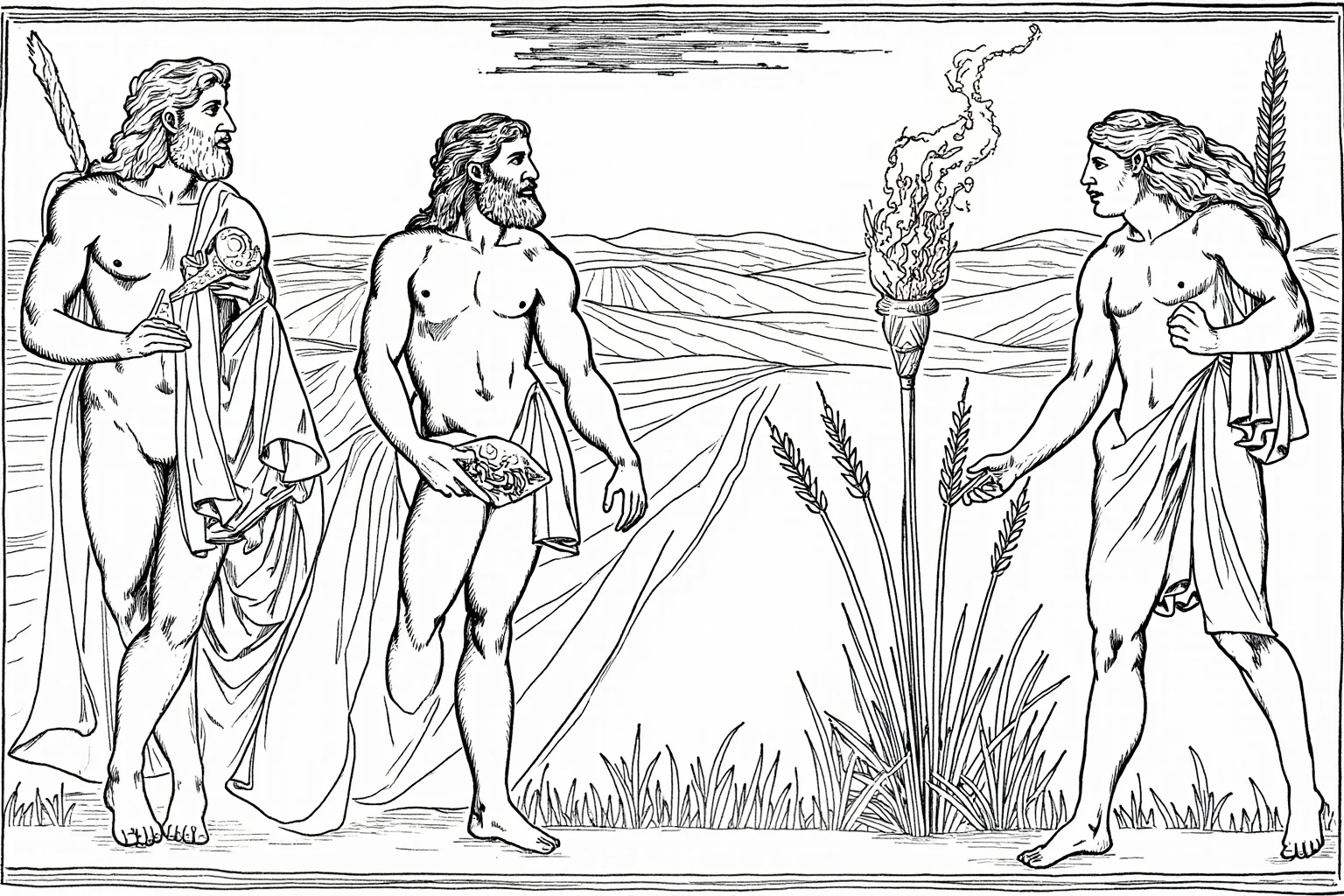
Hera was queen of the gods and the goddess of marriage, women, and childbirth. Her myths often focus on jealousy and revenge, but that is only one part of a larger cultic role. Ancient worshipers honored her as a powerful protector of households and civic order.
Modern discussions of Hera often swing between villainizing her and reclaiming her as a symbol of wronged dignity. She is a popular Greek goddess because her stories spark debate about marriage, power, and double standards. Her name appears in wedding branding and in conversations about goddess archetypes.
Her Roman counterpart Juno gave her name to the month of June, a popular time for weddings in many Western cultures. That bridge from ancient goddess to modern calendar is a quiet but powerful survival. Hera also appears in civic identities and women's organizations.
Beyond Olympus: Interesting Greek Gods and Popular Goddesses in Plain Sight
Some of the most interesting Greek gods were never part of the twelve Olympian circle, or they existed at its edges. Their names still appear in everyday English, often without people realizing they are using a deity's name. That is a quiet form of cultural survival.
13. Demeter: The Harvest Goddess Hidden in Cereal and Seasons
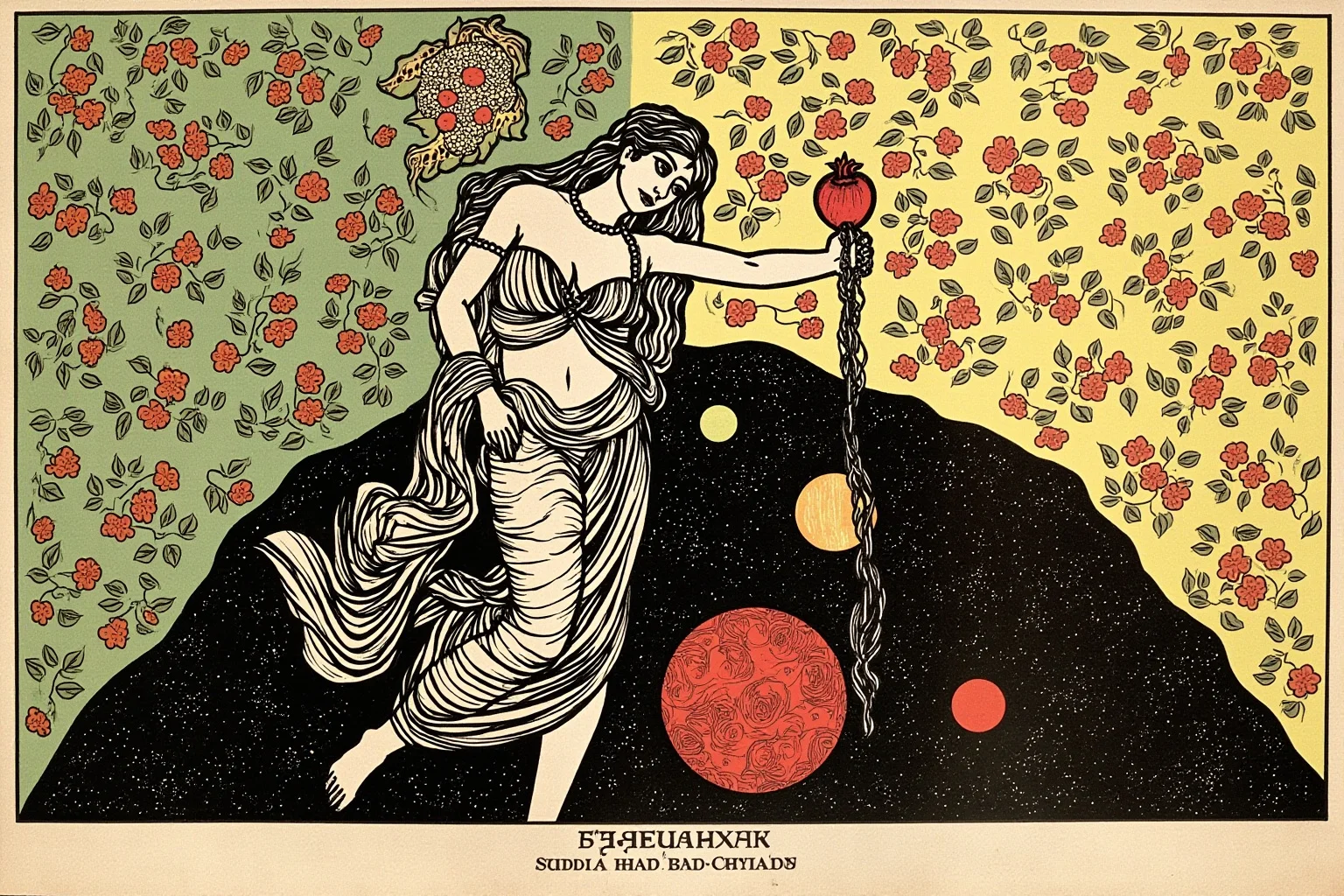
Demeter governed grain, harvest, and agricultural fertility. The Eleusinian Mysteries, one of the most important Greek religious traditions, centered on Demeter and Persephone. Her grief over Persephone's absence was used to explain the cycle of the seasons.
Today, Demeter's name survives in the word 'cereal,' which comes from Ceres, her Roman equivalent. Agriculture-focused organizations and sustainability projects sometimes use her image to represent seasonal growth. She is a reminder that ancient religion was often deeply tied to food security.
The Thesmophoria was a women's festival held in Demeter's honor in several Greek cities. It focused on fertility and agricultural renewal. That ritual context shows Demeter was not only a mythic mother figure but also a deity of communal survival.
14. Persephone: The Underworld Queen Who Explains Spring and Change
Persephone appears in myth as both Demeter's daughter and Hades's wife. Her yearly descent to the underworld was linked to winter, while her return brought spring. Ancient sources differ on whether her story is about abduction, transformation, or both.
Modern retellings often reimagine Persephone as a figure of agency and seasonal identity. She is beloved in literature, fashion, and online communities focused on personal growth. Her story remains one of the most adaptable Greek myths because it operates on literal and psychological levels.
The Homeric Hymn to Demeter tells a detailed version of Persephone's descent and return. It explores grief, negotiation, and the bond between mother and daughter. Modern readers often notice emotional depth that older summaries leave out.
15. Nike: The Victory Goddess Whose Name Is Everywhere
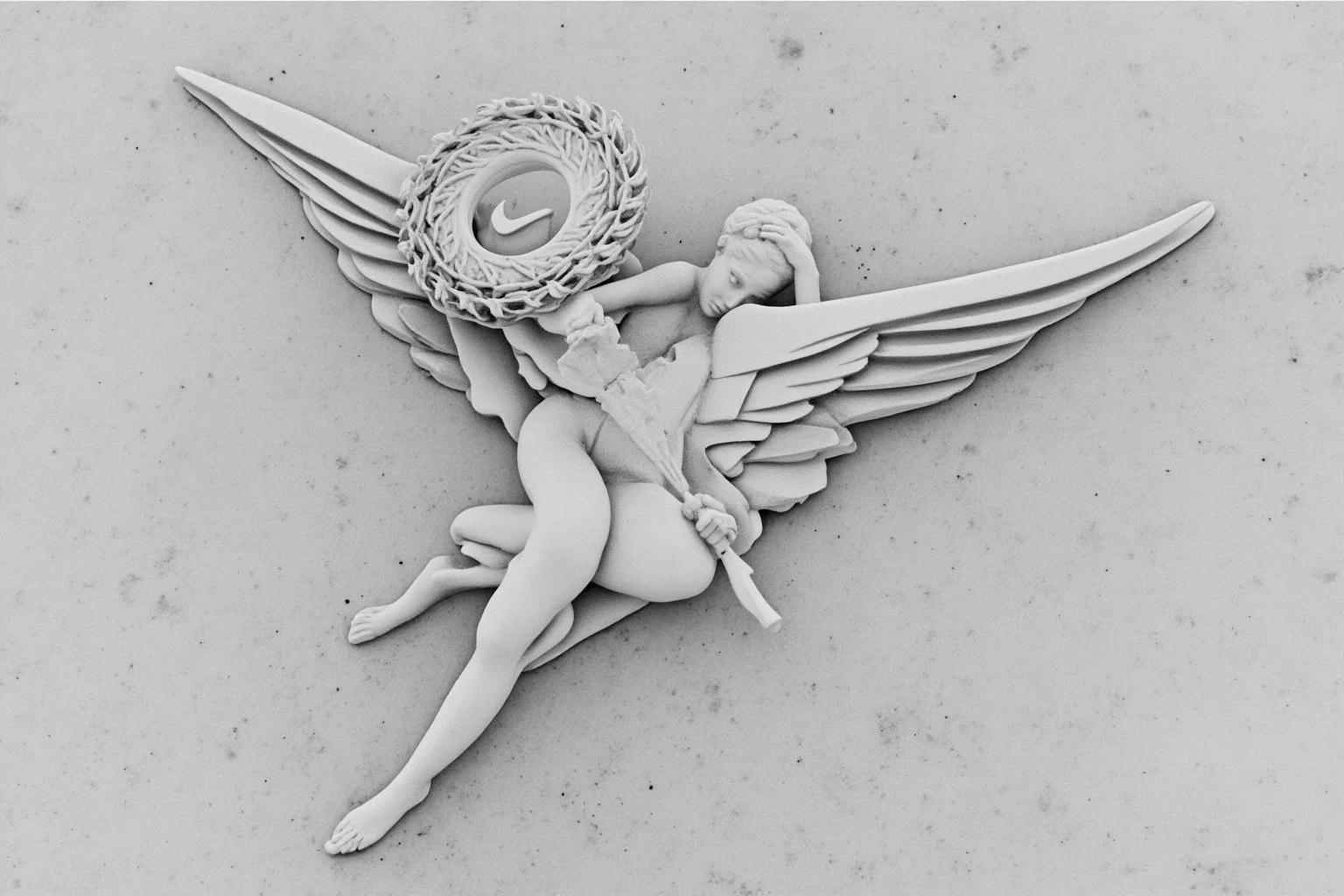
Nike personified victory in Greek art and literature. She was often shown winged, flying above battlefields or offering a crown of laurels. The famous Winged Victory of Samothrace is one of the most celebrated sculptures from antiquity.
The sportswear brand Nike is the clearest modern example of a Greek deity being used as a global brand identity. But her name also appears in military and civic symbolism around the world. This makes Nike one of the most commercially visible famous gods in the pantheon.
Ancient artists sometimes depicted Nike in the hand of Zeus or Athena, signifying that victory came from divine favor. Her wings made her an ideal figure for athletic and military commemorations. That visual language still works on trophies, medals, and event branding.
16. Eros: The Famous God of Desire From Myth to Valentine
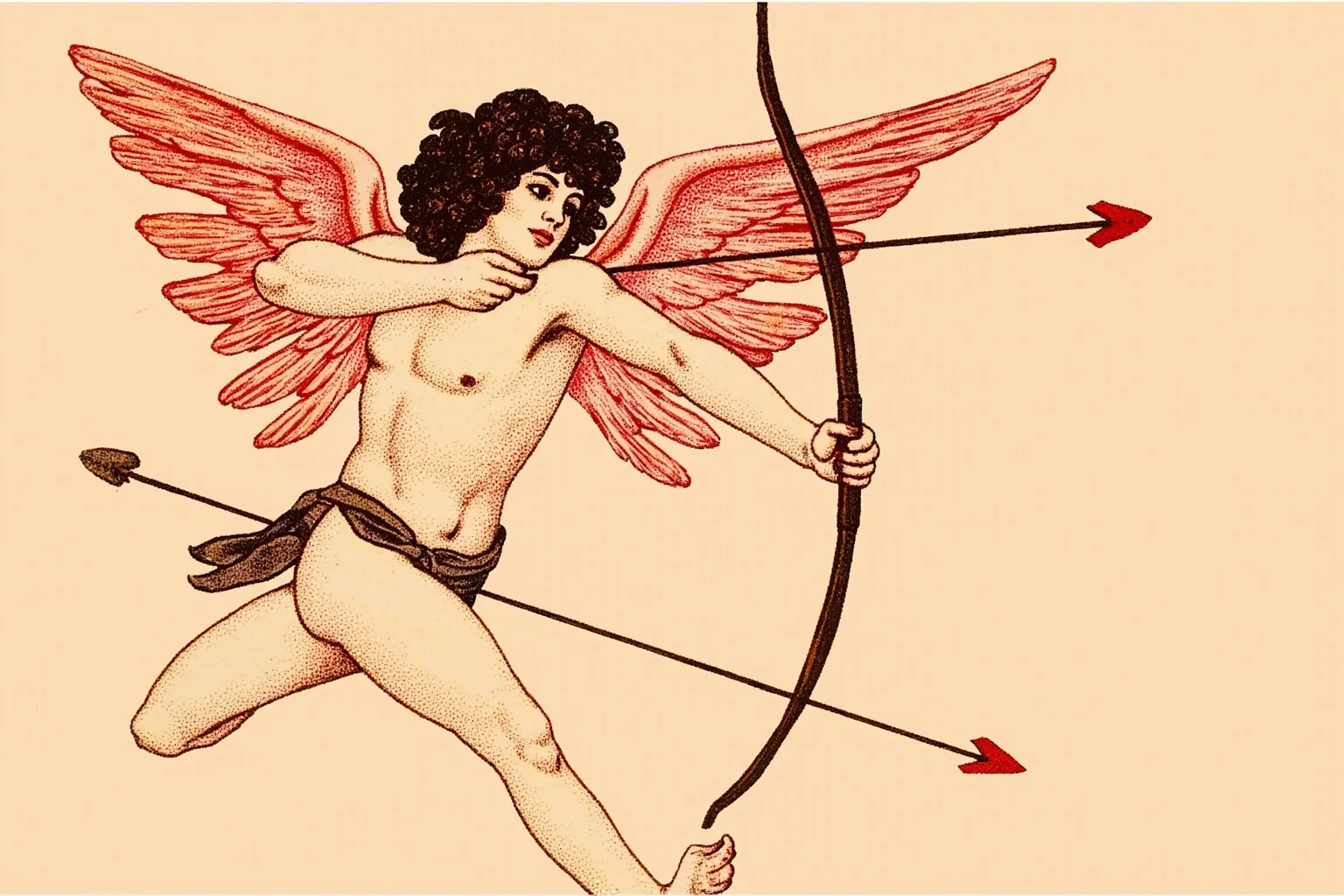
Eros evolved over time. In early Greek thought, he could be a primordial force of desire, while later myth made him a winged child with a bow. He was not originally a chubby Valentine's Day cherub, though modern images often blur that line.
His name gives us 'erotic,' and his Roman counterpart Cupid is everywhere in romance marketing. Eros raises real questions about love as desire, chaos, or playful mischief. He is among the most popular Greek mythological figures in mainstream holiday culture.
In some philosophical traditions, Eros represented desire for wisdom and beauty, not only physical attraction. That broader meaning influenced later poetry and psychology. Valentine's Day may shrink him into a cute matchmaker, but the older myth is far stranger.
17. Nemesis: The Goddess of Consequences in Sports and Storytelling
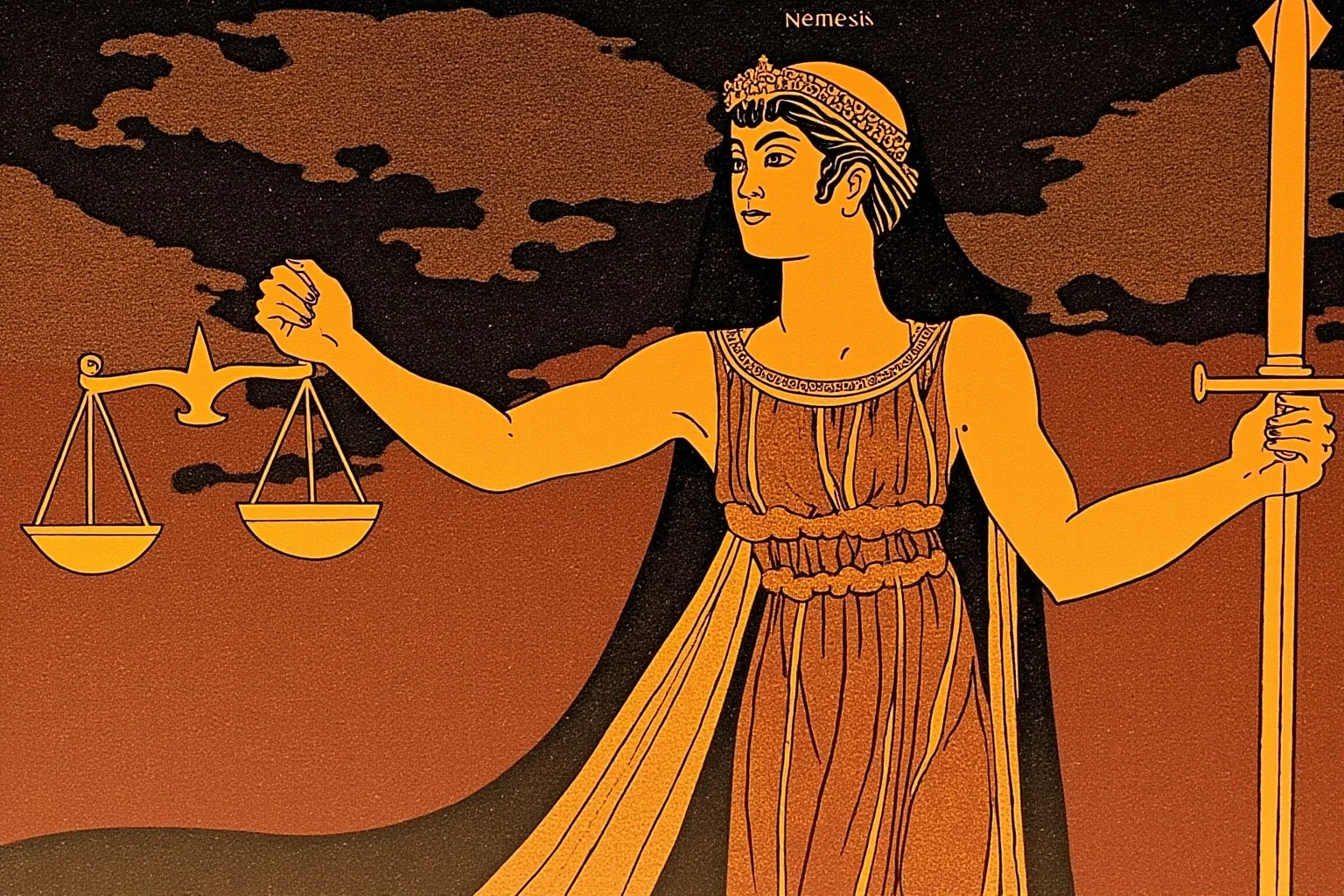
Nemesis personified retribution and the balancing of fortune. She was not simply revenge; she was the idea that excessive pride or luck would eventually meet a corrective force. That concept still shapes storytelling, legal language, and sports rivalries.
Today, 'nemesis' is used for an unbeatable rival or unavoidable consequence. Writers and commentators use the term constantly, often without realizing its mythic roots. Nemesis proves that even lesser-known Greek gods can profoundly shape modern vocabulary.
The idea of nemesis appears in Greek tragedy and later in sports rivalries. It is not always violent; sometimes it is the dramatic moment when excessive confidence collapses. That narrative tool remains central to modern books, films, and journalism.
18. Pan: The Wild God Behind Panic and Modern Fantasy
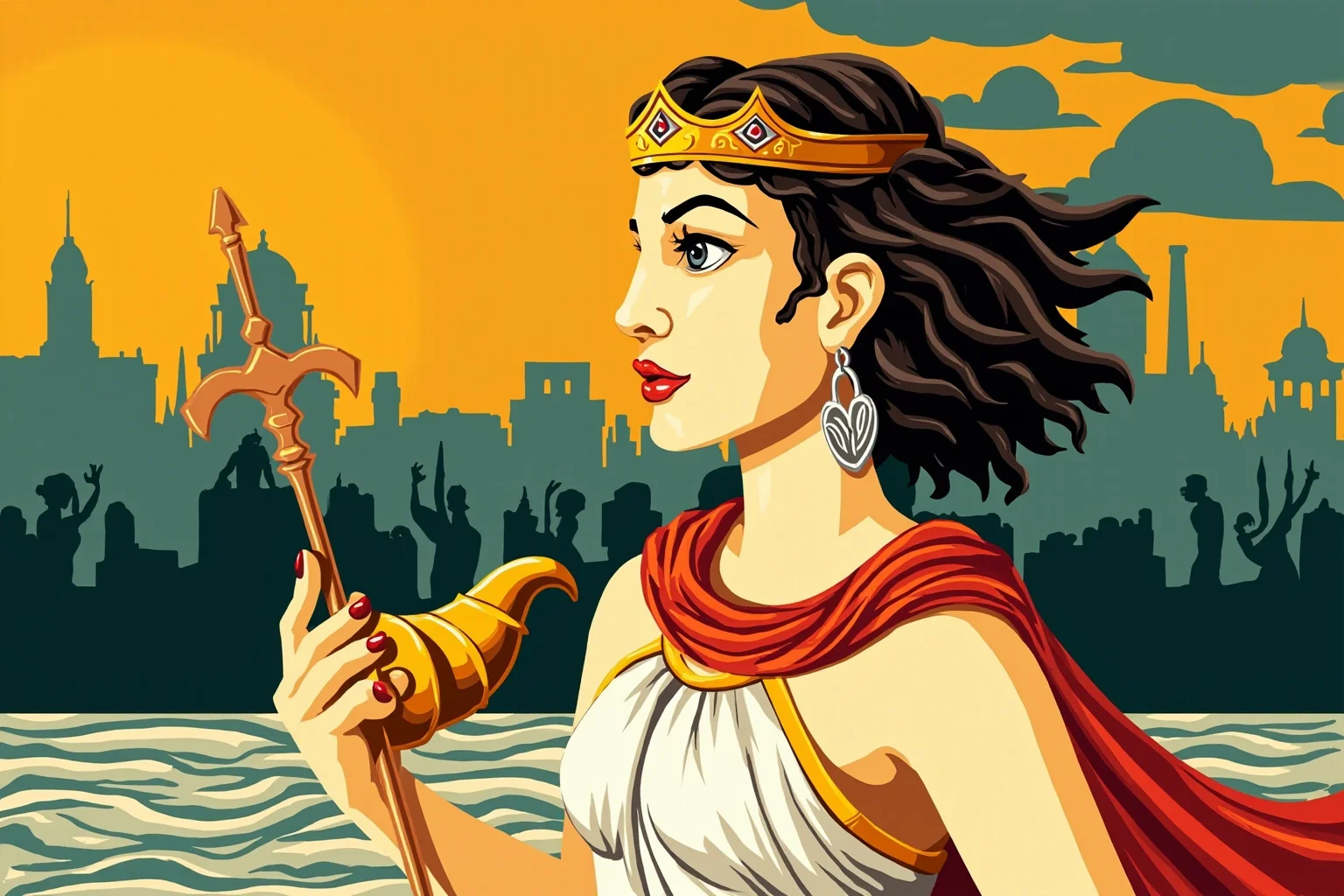
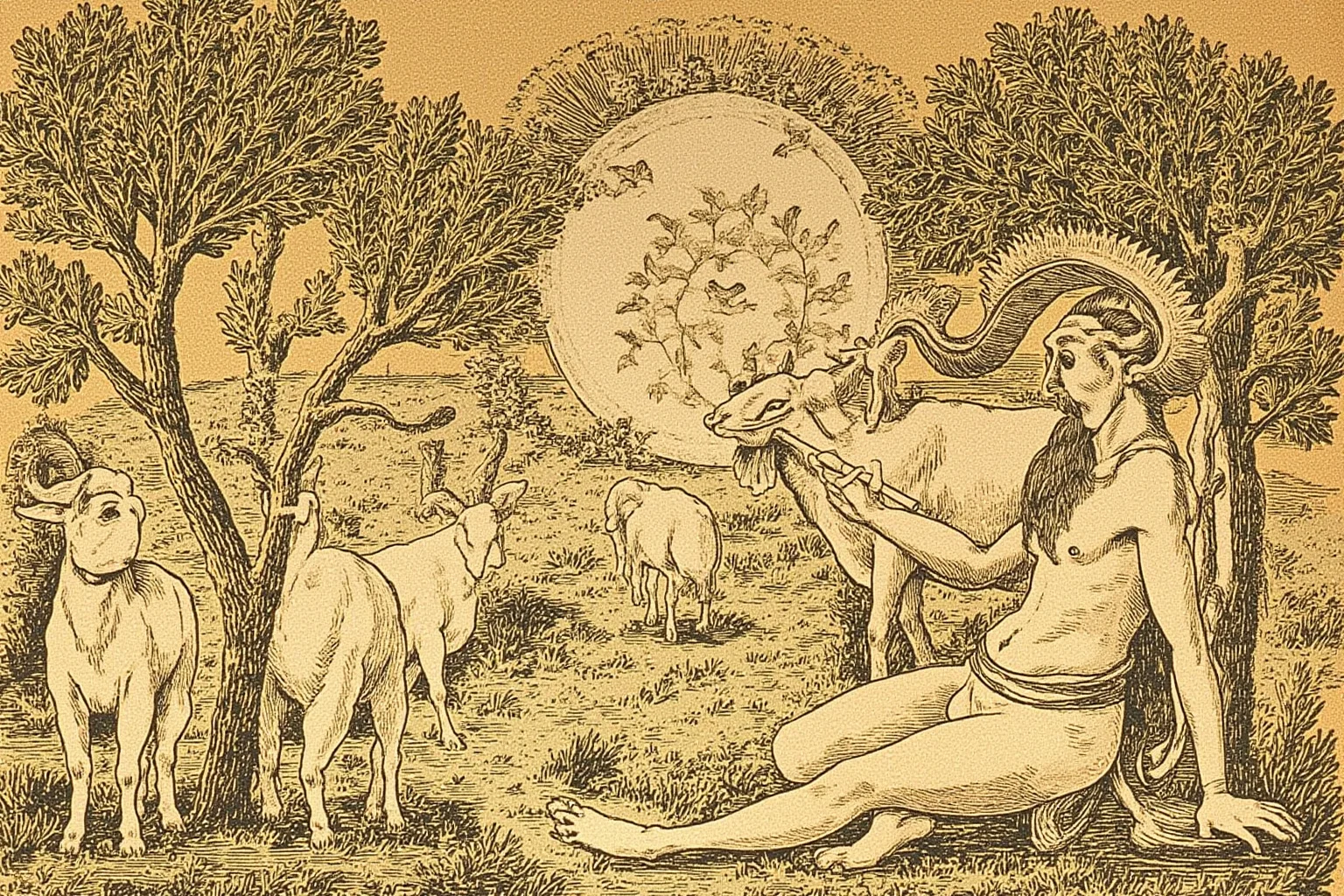
Pan was the god of shepherds, wild places, and rustic music. He was half goat, half human, and associated with sudden fear in lonely places. That fear is the origin of the word 'panic.'
Modern fantasy creatures, pastoral art, and nature music all owe something to Pan's image. He also appears in discussions of the wild, the rural, and the instinctive. Pan remains an interesting Greek god because he sits at the boundary between human and animal.
The word 'panic' comes directly from the sudden dread Pan was said to inspire in travelers. Ancient pastoral poetry also celebrated his music and laughter. Modern nature writing and ecocriticism have started to reclaim Pan as a symbol of wild ecology.
19. Tyche: The Luck Goddess Still Spinning Fortune and Brand Names
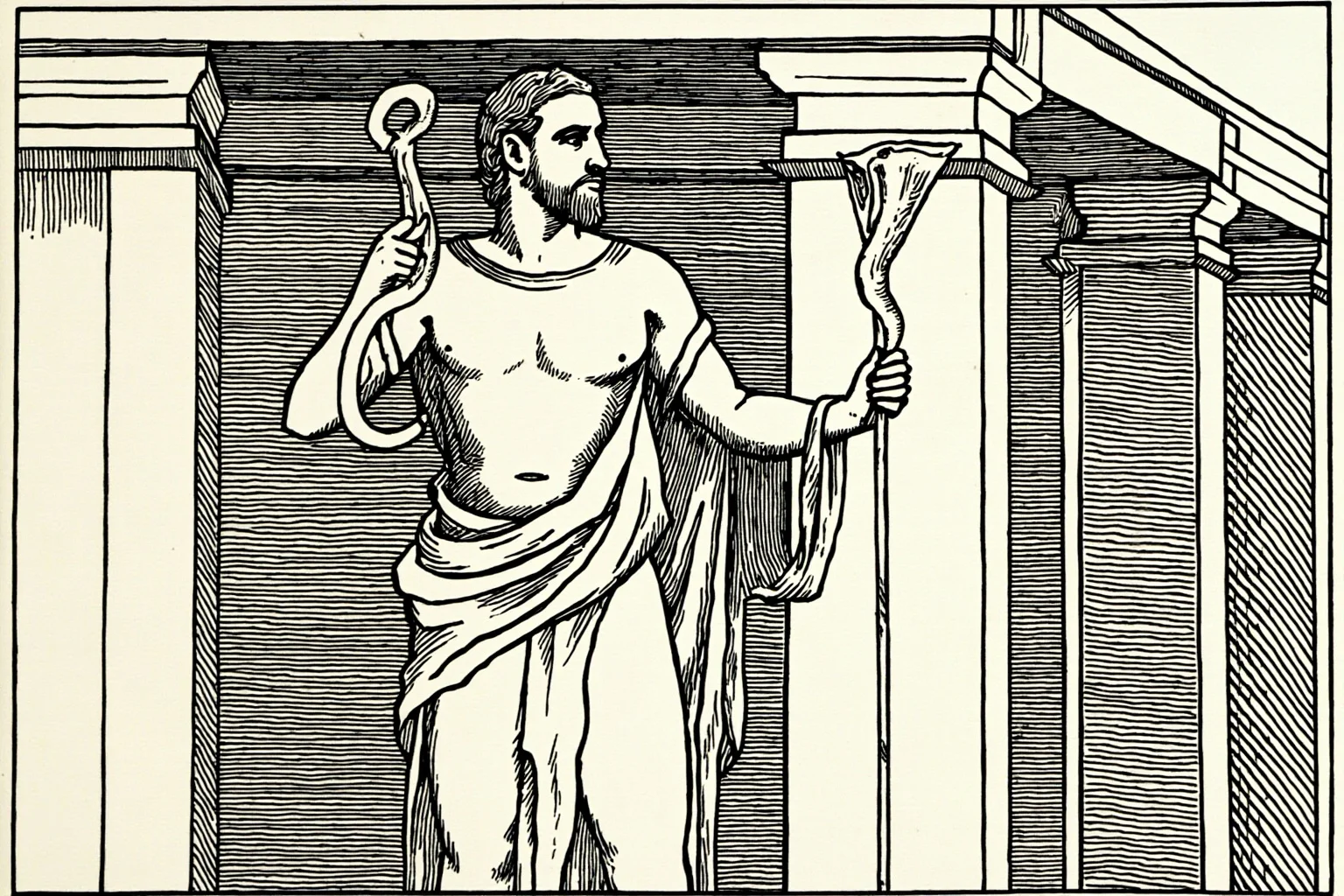
Tyche was the goddess of fortune and the fate of cities. In the Hellenistic period, her cult became especially popular because life felt unpredictable. She was often shown with a crown, a cornucopia, or a ship's rudder.
Her Roman counterpart Fortuna gives us 'fortune' and 'fortunate.' Modern gambling, lottery, and investment branding often use luck-goddess imagery. Tyche is a strong example of how ancient anxieties about chance still feel relevant today.
Cities often had their own Tyche, pictured as a crowned woman representing local fortune. That tradition influenced later personifications of cities and nations. Modern lottery imagery still taps into the same hope that luck can be visualized and courted.
20. Asclepius: The Healing God Carried Into Modern Medicine
Asclepius was the god of medicine and healing, and his cult centers attracted people seeking cures. He was often shown with a staff and a snake, a symbol of renewal and healing. His daughters included Hygieia, from whom we get 'hygiene.'
The Rod of Asclepius remains a global medical symbol, used by hospitals and health organizations. This is not the same as the caduceus, Hermes's messenger staff, though the two are often confused. Asclepius is a powerful example of a Greek god whose symbolic work continues inside modern institutions.
His healing sanctuaries, called asklepieia, sometimes involved sleep, diet, and ritual purification. Patients recorded their experiences on stone inscriptions. These practices were not modern medicine, but they reveal an ancient healthcare system with its own logic.
What Modern Day Greek Gods Reveal About Us
The popularity of these figures says less about ancient religion than about our own habits. We still use gods to personify desire, risk, healing, speed, and success. A logo, a planet name, or a medical symbol carries an old story into a new context.
Some of these modern meanings would have puzzled ancient worshipers. For instance, Hades was not a slick antihero, and Eros was not always a cute baby. Recognizing that distance helps us enjoy the stories without pretending they were all loved in the same way.
A Short Myth-Busting Note on Ancient Worship
Ancient Greek religion was not a single unified system. Different city-states honored different gods, and many local spirits never made it into the famous pantheon. We also know the gods primarily through literature, art, and inscriptions, not a single sacred text.
Modern novels, games, and films often flatten these gods into personality types. That is fine for entertainment, but it should not be confused with how every Greek person actually worshiped. When in doubt, look at the ancient source context rather than the latest blockbuster.
The Pantheon Is Not Done With Us
From the Greek top god Zeus to the smaller cult of Tyche, Greek gods in modern day life still shape modern language, brands, and stories. They survive because they are useful metaphors for forces that remain hard to control: weather, love, luck, sickness, and ambition.
The most popular Greek gods are not frozen in marble. These modern Greek gods are active cultural tools, constantly updated by artists, marketers, and storytellers. You can spot them hidden in plain sight on a sneaker, a hospital wall, a movie poster, or the word 'panic.'
That hidden presence is a remarkable afterlife for a religion that ended centuries ago. Next time you see an athletic logo or a medical sign, remember that a Greek god may still be doing what it always did: giving shape to big human forces.
Frequently Asked Questions
Who are the most popular Greek gods?
The most popular Greek gods in modern recognition are usually Zeus, Poseidon, Hades, Athena, Aphrodite, Apollo, Artemis, Hermes, Ares, and Dionysus. Ancient popularity varied by city-state, but these figures dominate modern retellings, brand names, and cultural references.
Which Greek god is the top god?
Zeus is generally considered the Greek top god because he rules Olympus and presides over the sky, thunder, and justice. In ancient practice, other gods could be more important locally, but Zeus was widely honored as king of the gods.
Why are Greek gods still relevant today?
Greek gods still appear in modern language, medical symbols, sports brands, movies, and games because their domains—love, war, sea, wisdom, luck, healing—still map onto everyday life. They function as instant cultural shorthand.
Who is considered the coolest Greek god?
Many modern fans name Hades as the coolest Greek god because his underworld setting, gothic style, and misunderstood characterization have been popularized by games and fiction. Historically, he was a grim and often distant ruler, not a villain.
Which popular Greek goddess appears most in modern culture?
Athena, Aphrodite, Artemis, and Nike are among the most visible popular Greek goddesses today. Athena represents wisdom and strategy, Aphrodite love and beauty, Artemis independence and wildlife, and Nike victory in global brand culture.

Alex Warren
Related Articles