
Ancient legal codes are often remembered for their marble monuments, severe judges, and sweeping ideals. But when you read what were laws in ancient civilization actually like, the details get strange very quickly.
Many old laws were not random cruelty. They were serious attempts to keep order in worlds where debt, disease, and violence were everyday threats, and where law, religion, and superstition blurred together.
TL;DR: Ancient lawmakers mixed religious ritual, social rank, and brutal public deterrence into rules that feel surreal today, from punished oxen to builders' sons paying for their fathers' mistakes.
Why Old Laws Feel So Bizarre to Modern Readers
One reason ancient statutes surprise us is that they treated animals, objects, and family members as legally responsible parties. Another is that most societies did not separate law from religion, so a courtroom could look like a temple ritual.
These rules were also shaped by scarcity. Without prisons, police forces, or forensic science, early states relied on severe, visible punishments and divine oaths to settle disputes and deter crime.
1. A Son Could Lose His Hand for Striking His Father (Babylon)

Law 195 of Hammurabi's Code says that if a son strikes his father, his hands shall be cut off. In Babylonian legal thought, the offending body part paid the price directly.
This punishment made the family hierarchy brutally clear. A son's body was seen as bound to a chain of obedience, and rebellion against one's father was treated almost like treason.
This law also reveals how much power fathers held in Babylonian households. The state protected that power because stable families were considered the foundation of public order.
2. Surgeons Risked Amputation if a Patient Died (Babylon)

Hammurabi's Code set different fees and penalties for physicians depending on the patient's social rank. If a doctor opened a free man's wound with a bronze knife and the patient died, the surgeon's hand could be cut off.
The rule seems monstrous, but it may have discouraged reckless surgery in a time without anesthesia or antibiotics. The same text also awarded fixed payments for successful operations, so medicine was both regulated and dangerous.
Medical penalties depended on the patient's class. A doctor who harmed a slave faced a fine, not amputation, which shows that even body parts had different legal values.
3. Builders Could Be Executed if a House Collapsed — and So Could Their Sons (Babylon)

Law 229 states that if a builder constructed a house poorly and it collapsed, killing the owner, the builder was put to death. If the owner's son died in the collapse, the builder's son was killed instead.
Modern readers often fixate on the injustice of punishing a child for a parent's error. To Babylonian lawmakers, however, this was symmetrical justice: one loss in a household demanded an equal loss from the household responsible.
Some historians see this as terrifying but rational in a premodern economy. Construction failures could destroy whole families, so the law made builders financially and bodily responsible for their craft.
4. A False Murder Accusation Could Be a Death Sentence (Babylon)

Hammurabi's Code demanded proof before punishment. If a person accused someone else of a killing but failed to prove the charge, the accuser could be executed.
This rule was meant to stop malicious charges from tearing communities apart. Even so, the logic of prove it or die made coming forward a terrifying gamble for witnesses and victims alike.
The code also used oaths and divine witnesses when human evidence was weak. In cases where no one could prove the truth, the gods themselves were called into the courtroom.
5. An Adultery Accusation Could Send a Wife Into the River (Babylon)

If a wife was accused of adultery but not caught in the act, she could swear an oath and throw herself into the Euphrates. Her survival was read as a divine verdict of innocence.
Known as the river ordeal, this practice treated water as both judge and executioner. In reality, whether she drowned or survived depended partly on swimming ability, not guilt.
River ordeals were not unique to Babylon. Variants appear in other ancient legal cultures, showing a shared belief that divine forces would protect the innocent.
6. A Tavern-Keeper Could Be Drowned for Short-Changing Customers (Babylon)

Several laws in Hammurabi's Code regulated beer sellers, who were often women. A tavern-keeper who took payment in silver instead of the required grain, or who gave less beer than the agreed measure, could be thrown into the water.
Beer was a staple food and a controlled commodity in Mesopotamia. Cheating on its sale was therefore treated as a serious threat to public trust and economic order.
The image of drowning a beer seller may overstate everyday practice. Legal codes often list maximum penalties, and we do not know how often such sentences were carried out.
7. An Eye for an Eye Was Not Just a Saying (Babylon)
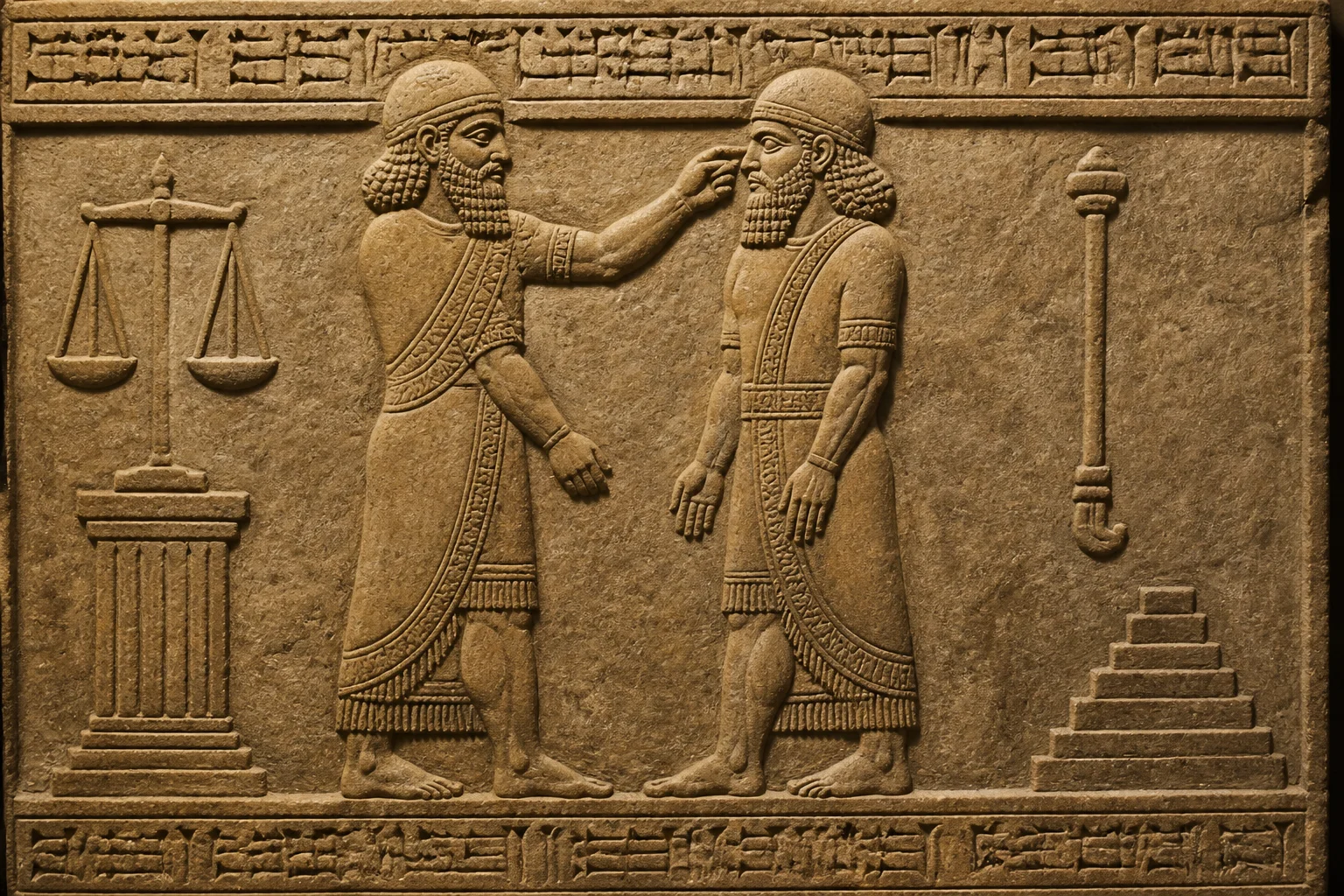
The Code of Hammurabi made retaliation literal for certain injuries. If a free man destroyed another free man's eye or broke his bone, his own eye or bone could be destroyed in return.
This principle, called lex talionis, limited revenge rather than encouraging it. It told victims they could not demand more than equal harm, at least among people of the same social rank.
This equality had limits. Punishments changed according to the social status of the victim, so an eye for an eye applied mainly between people of the same rank.
8. A Goring Ox Could Be Stoned to Death (Ancient Israel)

Under biblical law in Exodus, an ox that gored a person to death was to be stoned, and its meat could not be eaten. If the owner knew the ox was dangerous and did not restrain it, the owner could also face death.
Treating an animal as guilty seems strange today. In an ancient world without animal-control agencies or criminal negligence laws, the ox represented a public danger that had to be removed and publicly condemned.
Similar ideas appear in other Near Eastern legal traditions. The law treated dangerous animals as agents of death, which allowed a community to resolve the event ritually.
9. Draco's Athens Prescribed Death for Almost Everything (Greece)
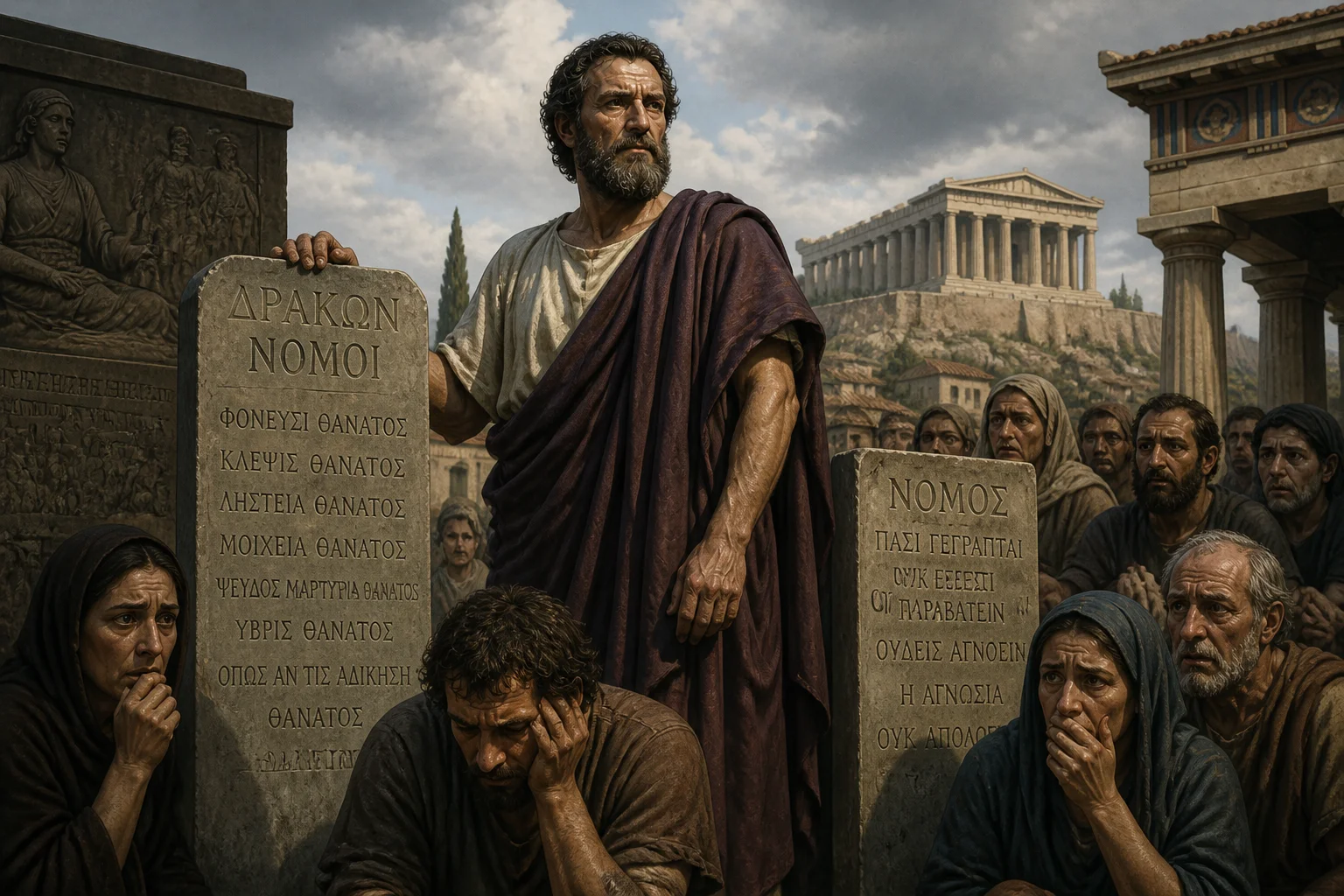
Around 621 BCE, the Athenian lawgiver Draco wrote a code so severe that later Greeks said it was written in blood. Many offenses, from murder to minor theft or idleness, were said to carry death, although the exact wording of his laws is now lost.
Later Athenians replaced much of his code with gentler reforms. His name survives in the modern word draconian, which still means shockingly harsh.
Draco's name remains a warning about legal overreach. When every offence carries the same ultimate penalty, the law loses its ability to distinguish small wrongs from grave ones.
10. Solon Required Athenians to Pick a Side in Civil Conflict (Greece)
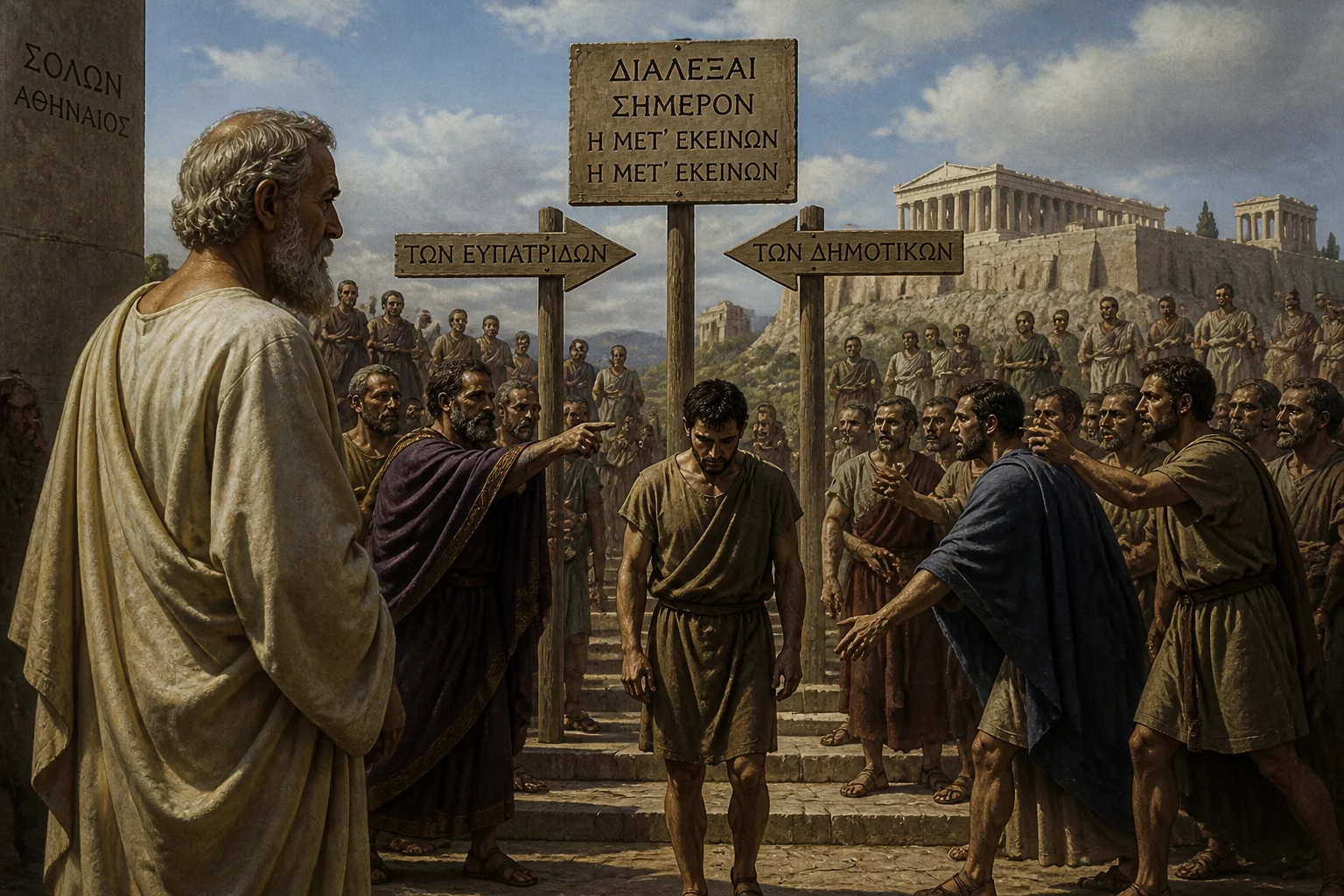
The Athenian reformer Solon, working in the early sixth century BCE, allegedly passed a law that any citizen who stayed neutral during a civil crisis could lose his civic rights. Aristotle later described this unusual rule.
It sounds like an invitation to violence, but the logic was civic. Solon may have hoped that forcing moderate citizens into the struggle would keep extreme factions from running away with the city.
Solon's law survives only in later sources. Some historians wonder whether it was ever enforced, or whether it was mainly a political statement about civic duty.
11. Spartan Elders Could Reject Weak Newborns (Greece)
According to ancient sources such as Plutarch, Spartan elders examined newborn boys. Those judged weak or deformed could be left at a place called the Apothetae, a chasm near Mount Taygetus.
Modern historians caution that Greek writers often exaggerated Spartan harshness. Even so, Sparta's obsession with military fitness clearly shaped its social rules and family practices.
Greek attitudes toward infanticide varied by city and period. Athens also allowed infant exposure in some circumstances, but Spartan practice became the most notorious in later memory.
12. Rome's Twelve Tables Allowed a Debtor to Be Cut Into Pieces (Rome)

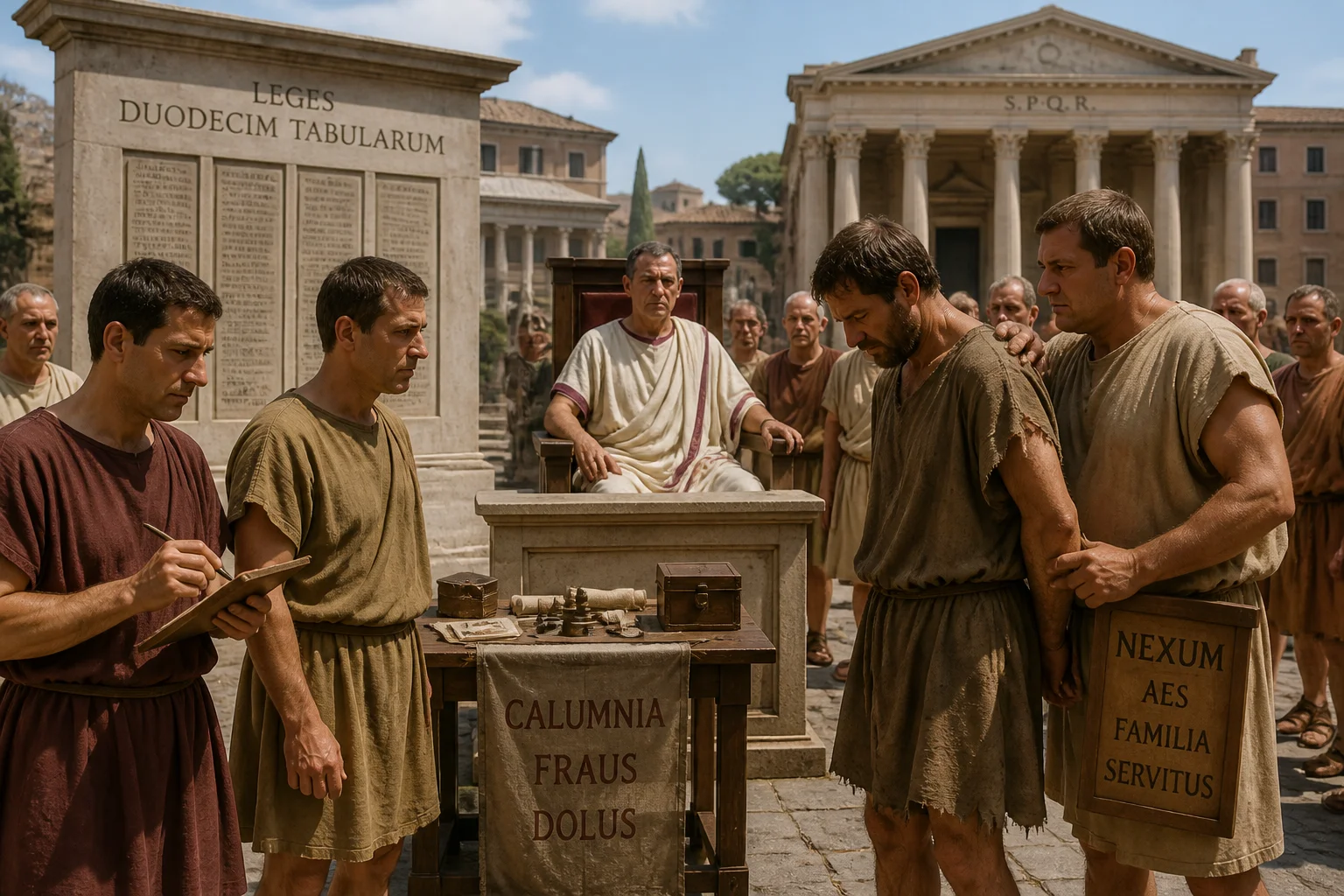
Ancient Rome's rules and laws were famously blunt, and the Twelve Tables were no exception. One provision says that if a debtor had multiple creditors, they could divide his body into pieces after a certain period.
Scholars debate whether this penalty was ever carried out or whether it served as a terrifying threat. Either way, it shows how brutal debt enforcement could be in the early Roman Republic.
The provision may also reflect early Roman ideas about debt as a personal, almost religious obligation. Failure to repay was not just an economic problem but a violation of trust.
13. A Roman Father Could Sell His Son Three Times (Rome)
Under the early Roman system of patria potestas, a father had enormous legal power over his children. The Twelve Tables stated that if a father sold his son three times, the son was finally freed from that authority.
This rule was less about routine child-selling and more about legal control. Roman jurists later used the triple-sale fiction to allow adult sons to be legally emancipated from their fathers.
Patria potestas gave Roman fathers powers that feel tyrannical today. Yet this authority also came with expectations of protection and family duty.
14. The Twelve Tables Ordered Deformed Infants to Be Killed Quickly (Rome)

Table IV of the Twelve Tables contains a shocking line: a father was to quickly kill a dreadfully deformed child. The wording is terse and has provoked debate for centuries.
Some scholars see this as formal recognition of a practice of infant exposure or infanticide. Others argue it may address only extreme malformation, but the law remains disturbing no matter how it is interpreted.
Infant exposure and infanticide were practiced across the ancient Mediterranean, often under economic pressure. Rome's law formalized what other societies sometimes left to custom.
15. Vestal Virgins Could Be Buried Alive (Rome)
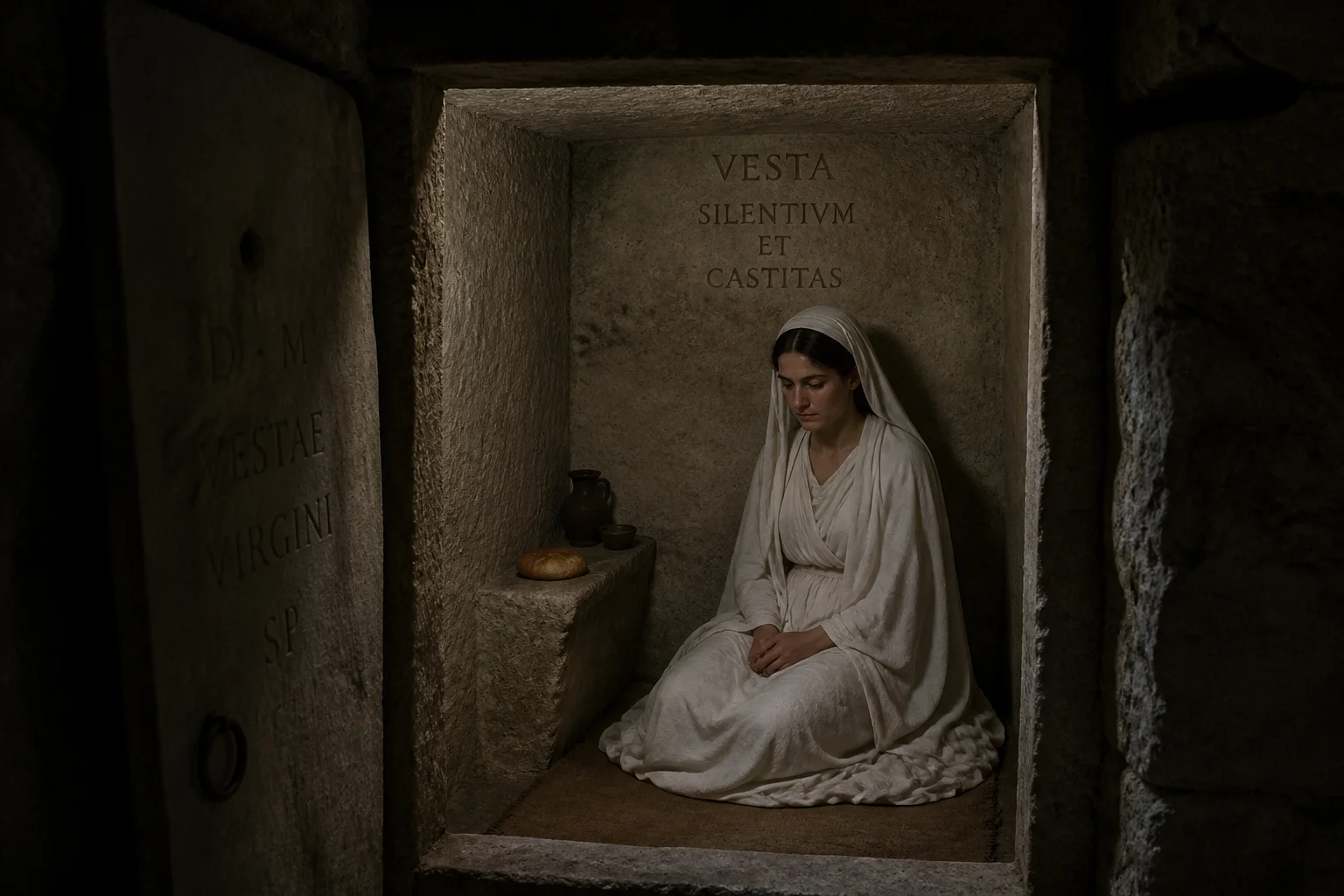
Vestal Virgins guarded Rome's sacred hearth and enjoyed unusual public honor. If one was convicted of breaking her vow of chastity, the punishment was to be buried alive in a small underground chamber with only a little food and water.
Romans considered the city's safety tied to the Vestals' purity. Because they avoided shedding a Vestal's blood, live burial became the grim workaround.
The method of execution preserved the fiction that Rome did not execute a holy woman. Even in punishment, religious categories shaped what the law could do.
16. Roman Wives Who Drank Wine Could Face Severe Penalties (Rome)
Ancient writers claim that early Rome had rules against women drinking wine. Some sources say a husband could punish or even kill a wife caught drinking, though historians debate how consistently such rules were enforced.
The concern may have been connected to fears about adultery or religious ritual. The claim is stronger in anecdote than in surviving statute, so it should be read with caution.
Some scholars think the wine prohibition was less about alcohol and more about male control over household ritual. Women's access to certain food and drink could be tightly regulated.
17. Wearing Tyrian Purple Could Be a Crime (Rome)
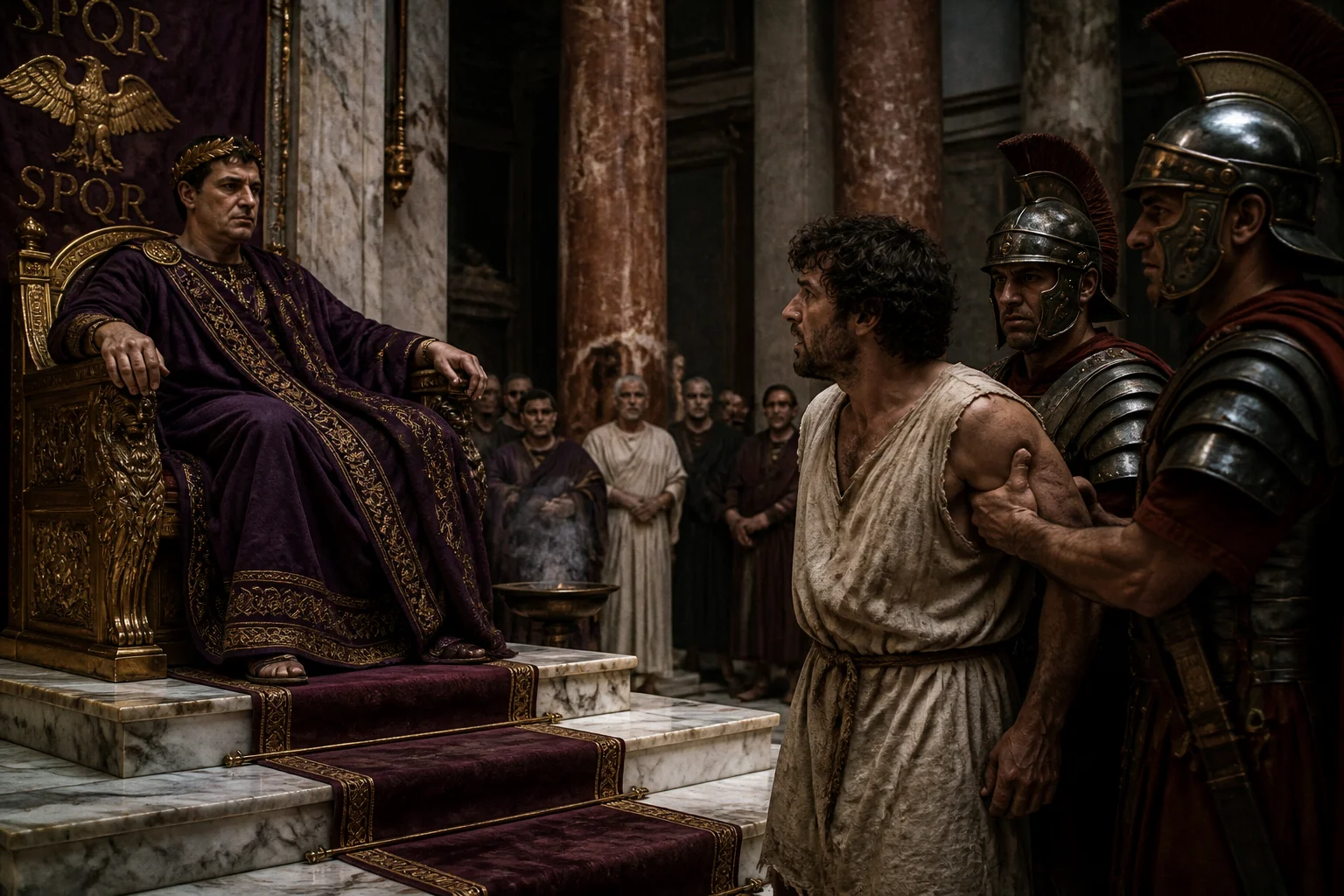
Sumptuary laws regulated who could wear certain colors, fabrics, and ornaments. In imperial Rome, the richest Tyrian purple became increasingly associated with the emperor and high office.
An ordinary person who wore the wrong shade of purple could be accused of overstepping his rank. The rule was as much about visible hierarchy as it was about fashion or luxury.
Tyrian purple was prohibitively expensive, made from thousands of murex snails. Sumptuary laws therefore policed a visual signal that was easy to recognize but difficult to produce.
18. Singing a Defamatory Song Could Bring Severe Punishment (Rome)

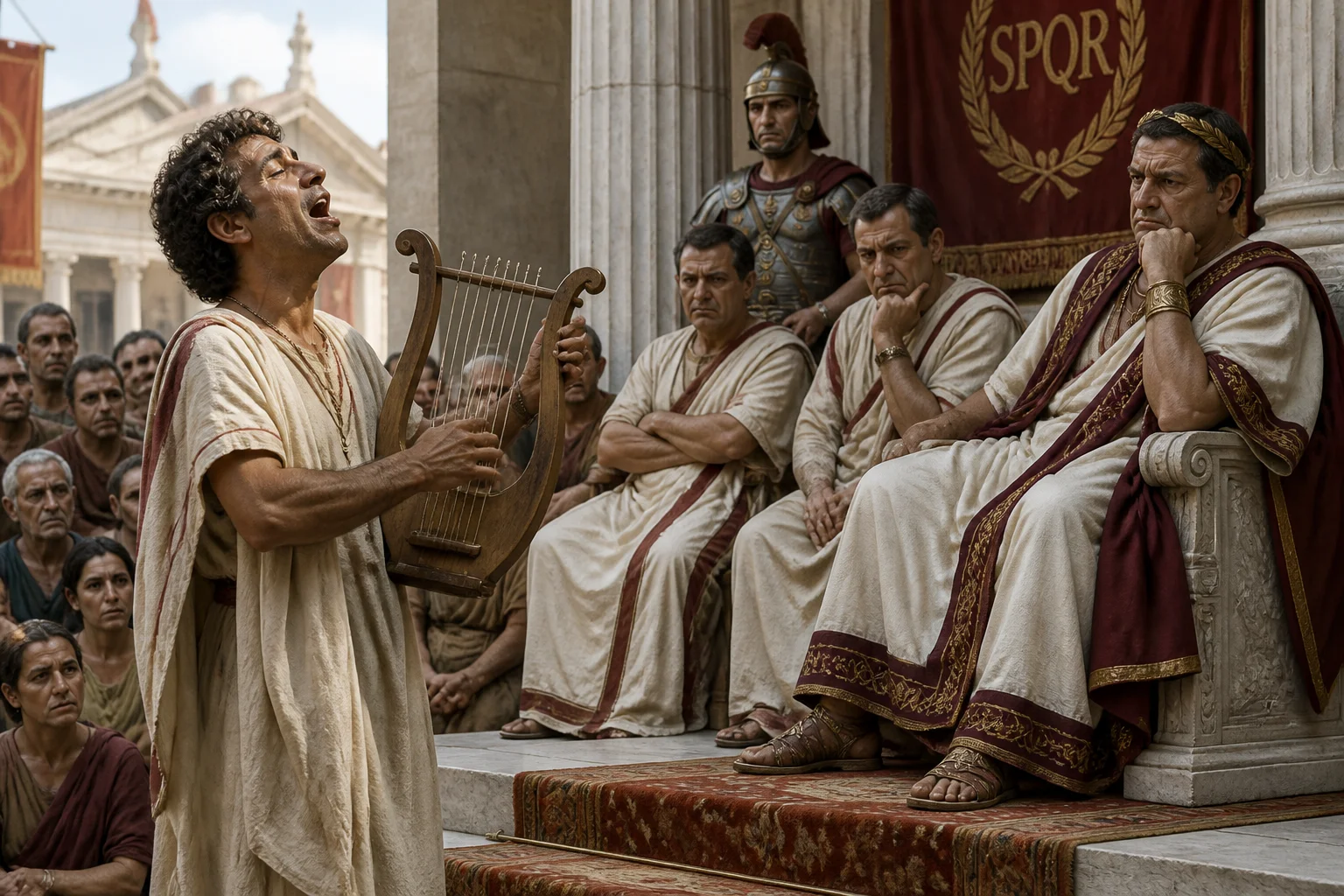
The Twelve Tables targeted harmful songs and public chants. One surviving provision says that whoever composed or sang a song that caused slander or insult to another person was to be punished, though the exact penalty is not fully preserved.
Later Roman law treated public ridicule as a form of injury. In a small community, a memorable insult could destroy a person's standing as thoroughly as a physical beating.
The Twelve Tables were written down partly to limit the abuse of unwritten custom. Even so, many of their provisions still strike modern readers as harsh or strange.
19. Egyptian Tomb Robbers Faced Death, Mutilation, and Curses (Egypt)

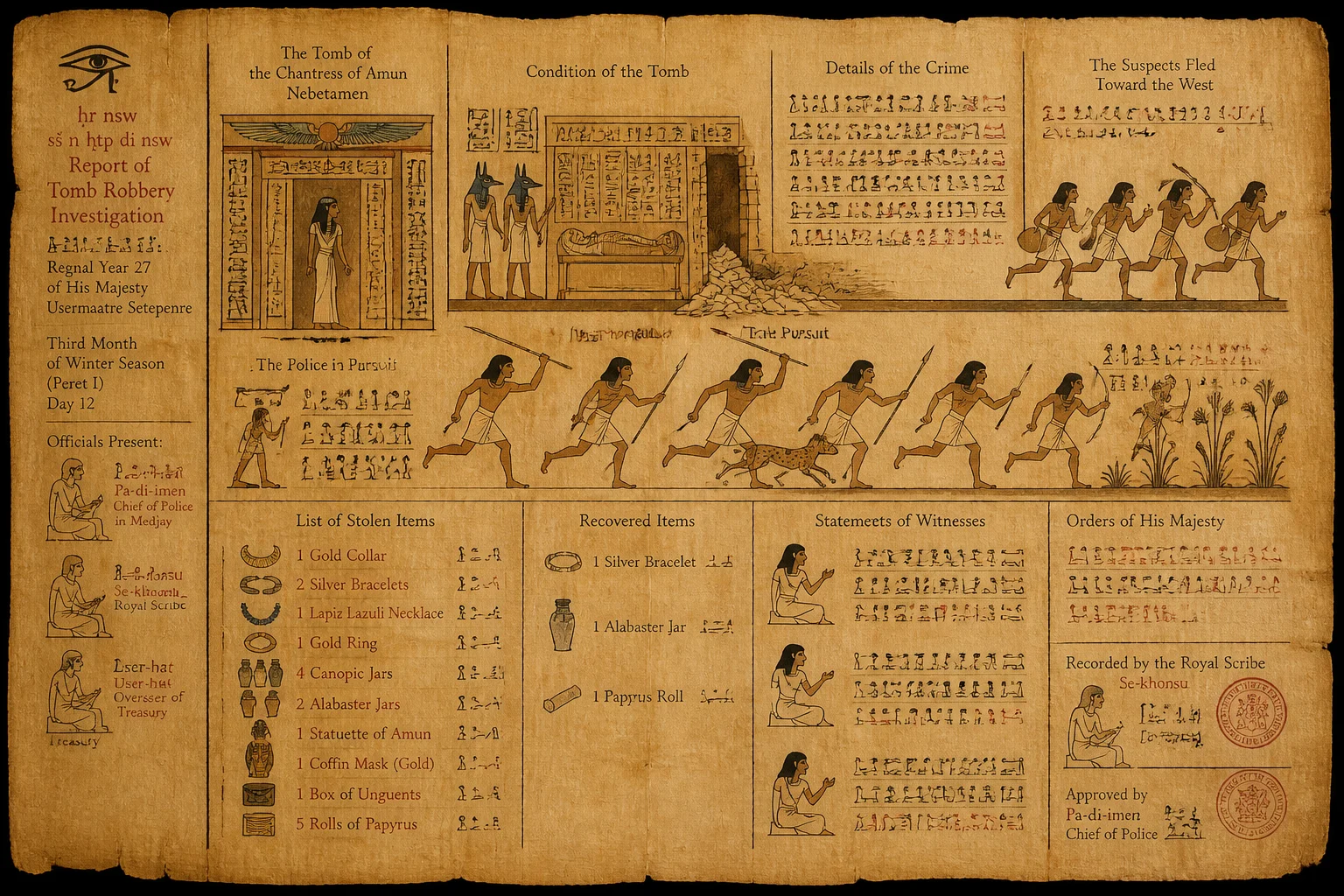
Ancient Egyptian legal records show that tomb robbery was punished harshly, sometimes with execution, impalement, or mutilation. The Great Tomb Robbery Papyri document investigations into grave thefts during the reign of Ramesses IX.
Beyond formal penalties, tomb inscriptions often threatened divine punishment and a second death in the afterlife. This mix of law and curse made tombs legally and spiritually protected.
The curse texts were not empty threats. For Egyptians, a destroyed name or body could mean the loss of eternal life, so a curse could operate as a kind of spiritual law.
20. Qin China Punished People for Not Reporting Crimes (China)
The legalist state of Qin in ancient China operated on collective responsibility. If someone failed to denounce a serious crime, that person could be punished as if they had committed it.
These laws tried to turn every household into a surveillance network. They also created an atmosphere of fear that contributed to the Qin dynasty's short and notoriously harsh rule.
Qin legalism differed sharply from Confucian ethics, which emphasized virtue and ritual. Its harsh rules were effective for state building but deeply resented by later Chinese historians.
21. Athens Put Murder Weapons on Trial (Greece)
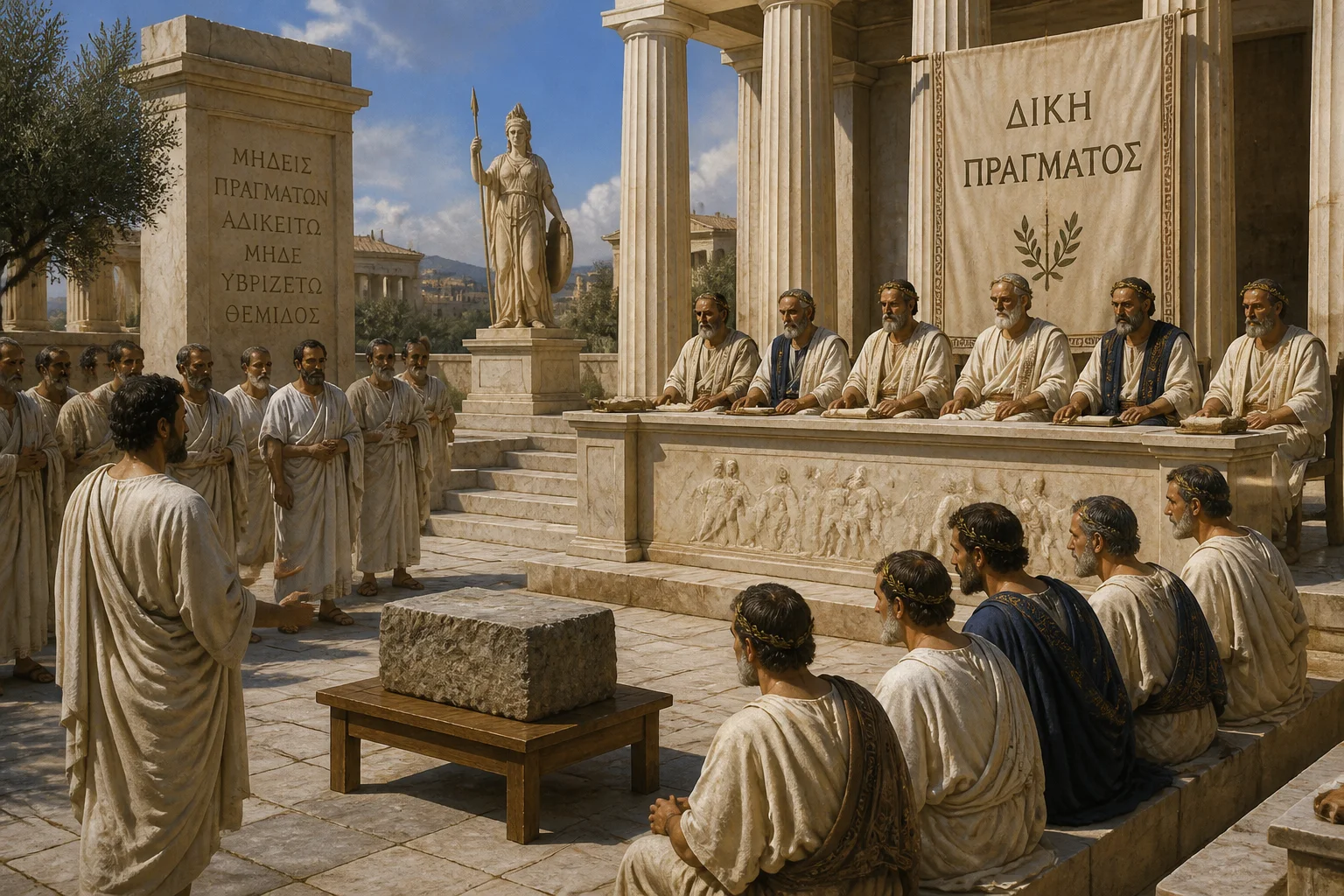
In Athens, if an object such as a stone, beam, or bronze axe caused a death without direct human intent, the object could be formally tried in a special court. If found guilty, it was cast beyond the borders of Attica.
This custom looks absurd, but it made a practical point. The community still wanted to process the pollution of an unnatural death, even when no living person was clearly to blame.
The Prytaneion court also handled animals and other non-human defendants. This was not about punishing the object but about cleansing the community from pollution.
22. A Free Roman Thief Could Be Flogged and Assigned to His Victim (Rome)
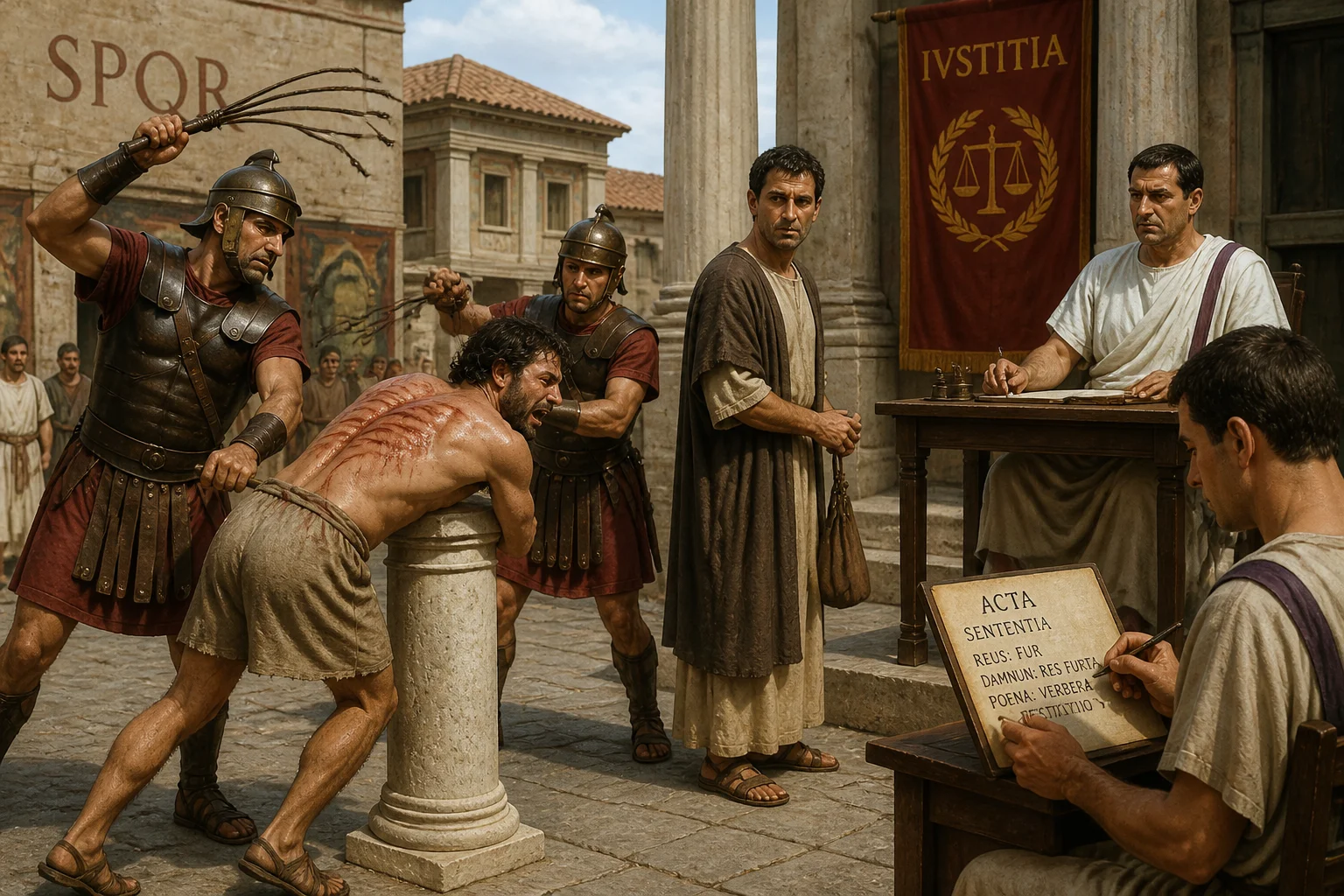
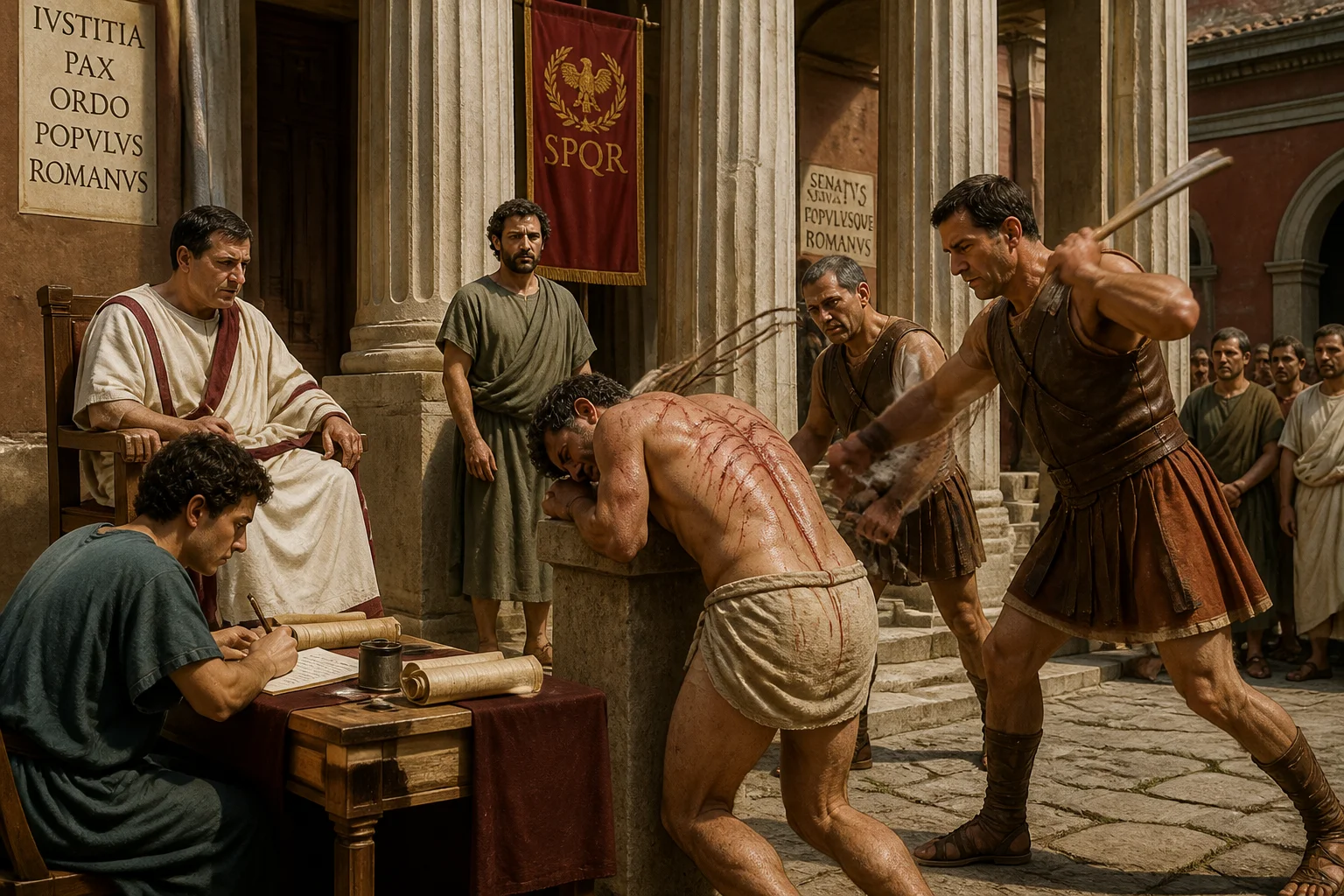
The Twelve Tables distinguished between theft caught in the act and theft discovered later. A free person caught in the act could be flogged and then formally assigned to the person from whom he had stolen.
This penalty blurred the line between punishment and compensation. The thief's labor, and perhaps his person, became a way to repay the immediate harm caused by the crime.
Roman law later softened many of these early penalties. Still, the severe logic of the Twelve Tables influenced how Romans thought about theft, property, and personal responsibility for centuries.
Why These Laws Were Not Always Enforced
A written law code is not the same as daily reality. Many of the harshest penalties we read about may have been maximum punishments, negotiated settlements, or symbolic threats rather than routine sentences.
Courts often preferred fines, oaths, and mediation, especially when powerful families were involved. Ancient societies also lacked the bureaucratic machinery to enforce every rule, so local custom usually filled the gaps.
The gap between law and practice helps explain why some strange provisions survive on tablets. A rule could exist for centuries without being applied literally, yet it still told people what their society valued.
What These Old Laws Tell Us About Ancient Life
Reading these laws reveals how much ancient societies worried about debt, property, family authority, and divine approval. They used punishments that look bizarre now partly because they lacked prisons, police, and forensic science.
The strangeness of old laws is not proof that ancient people were irrational. It shows that every legal system is a mirror of its culture, limited by its tools and shaped by its fears.
When we study what were laws in ancient civilization, we are really studying how ordinary people tried to hold their fragile communities together. The rules may have changed, but the need for order, fairness, and fear of chaos remains familiar.
Frequently Asked Questions
What were laws in ancient civilization?
Laws in ancient civilizations were written and unwritten rules that governed daily behavior, property, family authority, and religious duties. They often mixed harsh physical penalties with oaths, fines, and rituals, as seen in codes like Hammurabi's Code, the Twelve Tables, and Mosaic law.
What is the oldest known law code?
The Code of Ur-Nammu from Sumer, dated to around 2100-2050 BCE, is often cited as the oldest known legal code, though earlier legal fragments exist. Unlike Hammurabi's Code, it often used fines instead of literal eye-for-eye punishments.
Why were ancient punishments so harsh?
Ancient states lacked strong police forces, prisons, and forensic science, so they relied on severe public penalties to deter crime and prevent feuds. Publicly punishing the body or property of an offender also demonstrated the ruler's power and the seriousness of breaking a rule.
Did ancient Rome have rules and laws that still influence us?
Yes, ancient Rome's rules and laws introduced influential ideas about contracts, property, legal procedure, and family authority. Many modern legal systems in Europe and beyond still reflect Roman legal concepts and vocabulary.
What are some old laws that seem weird today?
Examples include stoning a goring ox, putting a murder weapon on trial in Athens, cutting off a son's hand for hitting his father, and allowing a Roman debtor to be cut into pieces. These rules made sense within their cultural and religious systems, but they often shock modern readers.

Alex Warren
Related Articles