
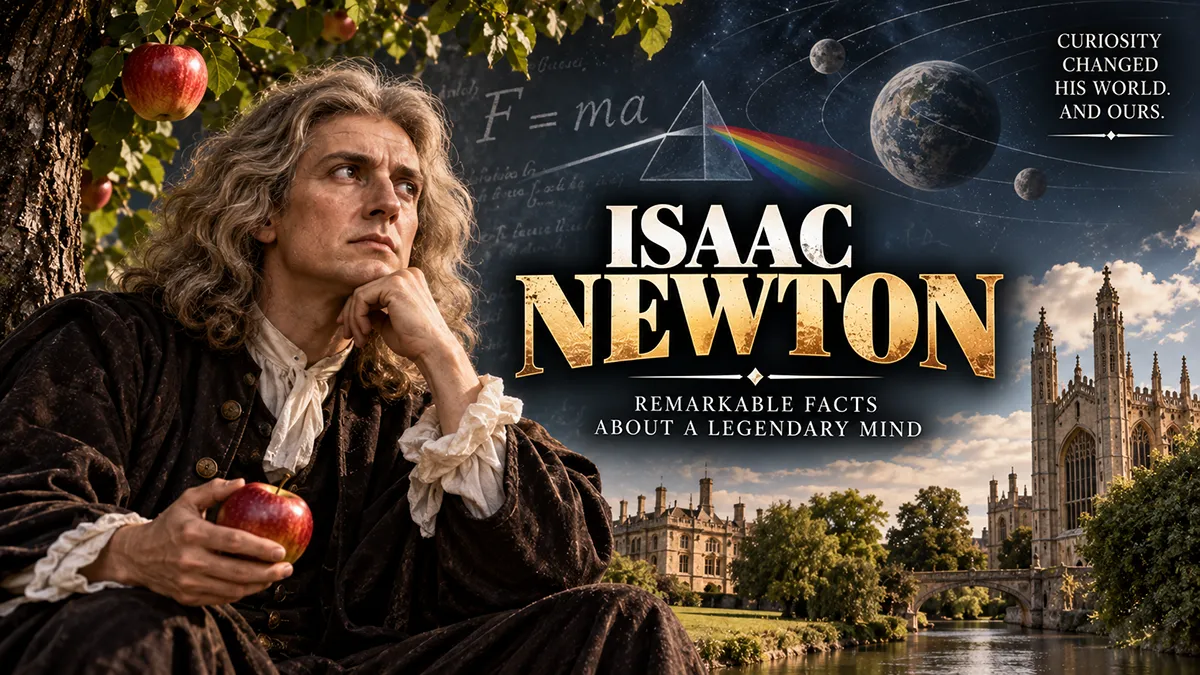
Most people know Isaac Newton as the guy who “discovered gravity” after an apple bonked him on the head. That story is a huge oversimplification of a much stranger, messier, and more fascinating life.
The real Newton was a sickly premature baby, a secretive alchemist, a ruthless coin-counterfeiter hunter, and a man who spent more time studying the Bible than physics.
Newton is routinely named among the most recognized historical figures of all time, but this fact file on Isaac Newton digs past the textbook summary to bring you the real story — the challenges he faced, the rivalries he fought, and the personal quirks that rarely make it into school lessons.
Whether you’re after quick isaac newton fun facts for a school project or a genuinely deep dive into his life, you’ll find it below.
TL;DR: Isaac Newton overcame a fragile childhood and personal isolation to reshape math, physics, and astronomy — while secretly pouring just as much energy into alchemy and Biblical prophecy.
Sir Isaac Newton Fact File: Quick Reference
Before diving into the full list, here’s a quick fact file on Isaac Newton for anyone who needs the essentials fast. This snapshot covers the core facts of Isaac Newton that most students and trivia fans are looking for.
- Born: December 25, 1642 (Julian calendar) / January 4, 1643 (Gregorian calendar), in Woolsthorpe-by-Colsterworth, England
- Died: March 20, 1727 (Julian) / March 31, 1727 (Gregorian), in London, England
- Known for: Laws of motion, universal gravitation, calculus, and foundational work in optics
- Major work: Philosophiæ Naturalis Principia Mathematica (1687)
- Roles held: Fellow of Trinity College Cambridge, President of the Royal Society, Warden and later Master of the Royal Mint, Member of Parliament
- Marital status: Never married, no confirmed romantic relationships
- Knighted: 1705, by Queen Anne
- Buried: Westminster Abbey, London
With that baseline covered, let’s get into the deeper, stranger, and more human side of Newton’s story.
1. He Was Born So Small He Wasn’t Expected to Survive

Isaac Newton arrived prematurely on Christmas Day 1642 under the old Julian calendar, and by most accounts he was tiny and frail. Family tradition held that he was small enough to fit inside a quart mug, though that detail comes from later biographical retellings rather than a medical record.
His father had died just months before he was born, leaving his mother, Hannah Ayscough, a widow. Given the infant mortality rates of the era, nobody expected the fragile baby to live very long, let alone grow up to reshape modern science.
2. He Never Met His Father
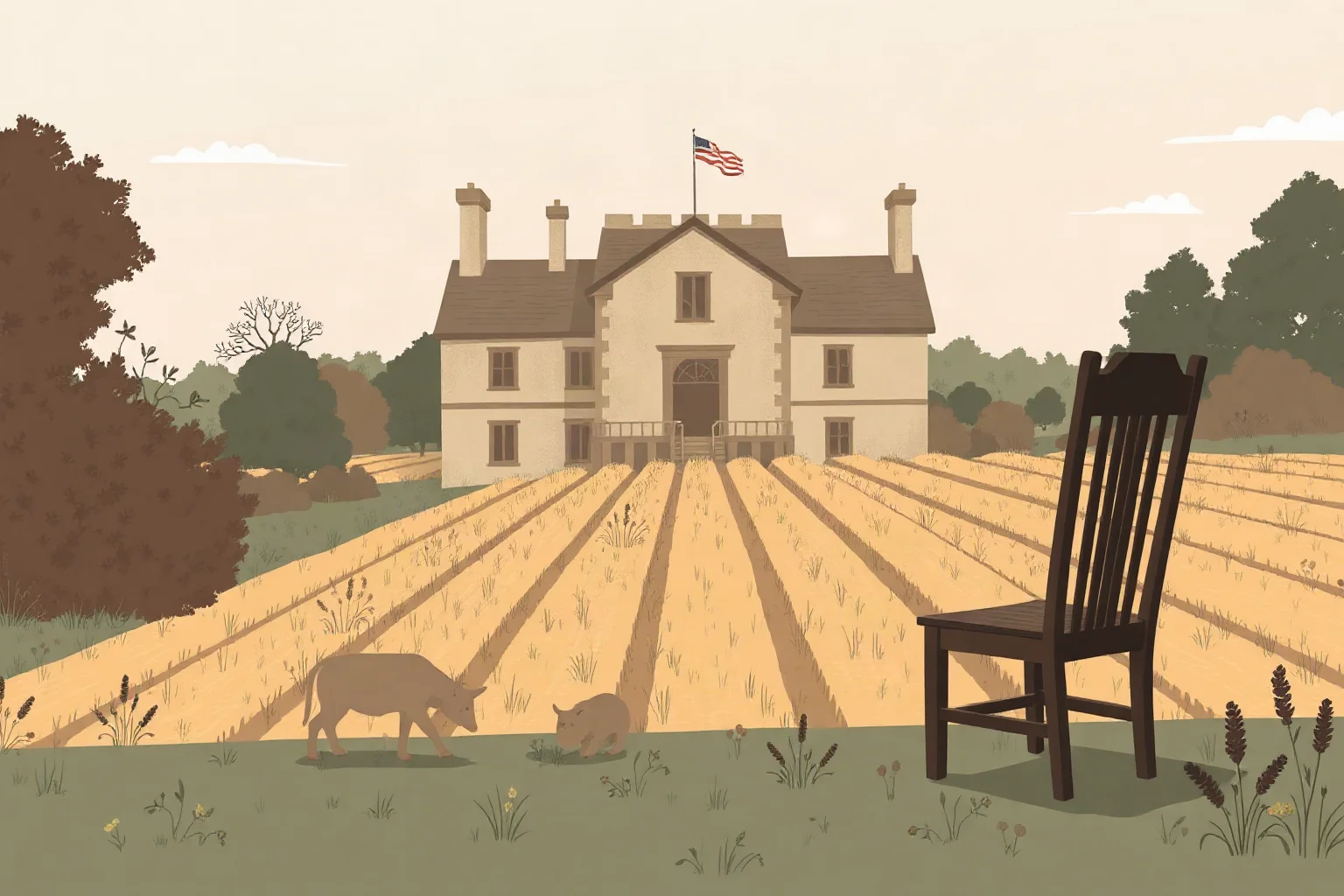
One of the more sobering facts about Isaac Newton is that his father, also named Isaac, died about three months before his son was born. The elder Newton was a yeoman farmer who was, by surviving descriptions, illiterate and fairly unremarkable.
This meant young Isaac grew up without a paternal figure from day one. That absence would soon be compounded by another major disruption to his early family life.
3. His Mother Left Him With His Grandmother

When Newton was about three years old, his mother remarried and moved away to live with her new husband, a wealthy clergyman named Barnabas Smith. She left young Isaac behind in Woolsthorpe to be raised by his grandmother.
Many historians believe this early separation deeply affected Newton emotionally, and some point to journal entries from his later life expressing resentment toward his mother and stepfather. It’s one of the more personal facts about Isaac Newton that helps explain the guarded, solitary adult he became.
4. He Was Nearly Pulled Out of School to Become a Farmer
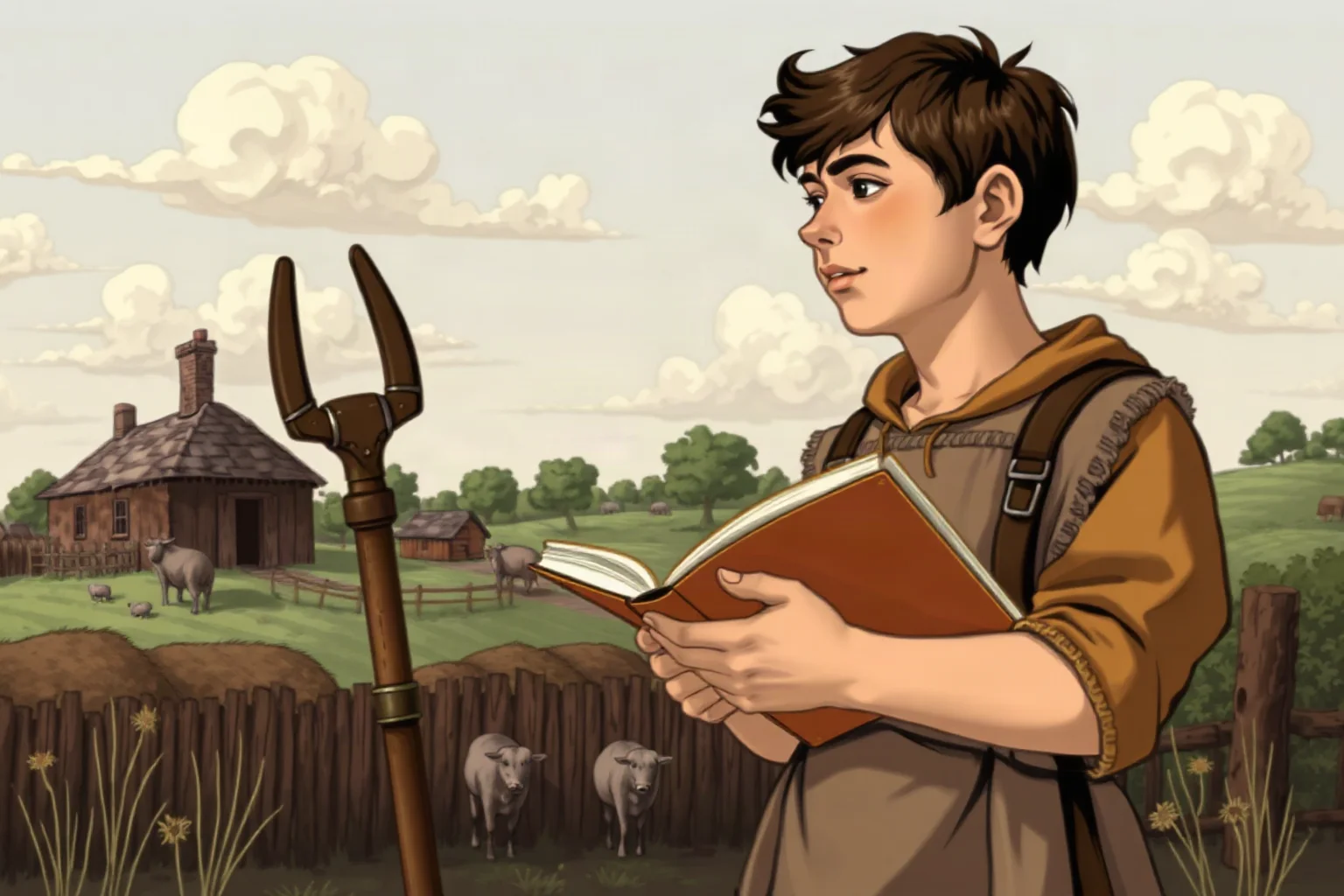
After his stepfather died, Newton’s mother wanted him to leave grammar school and manage the family farm instead. For a while, it looked like the future author of the Principia would spend his life tending livestock and crops in rural Lincolnshire.
Fortunately, his old schoolmaster and an uncle recognized his academic talent and convinced his mother to let him return to school. That intervention was arguably one of the most important turning points in scientific history.
5. His Most Productive Years Happened During a Plague Outbreak
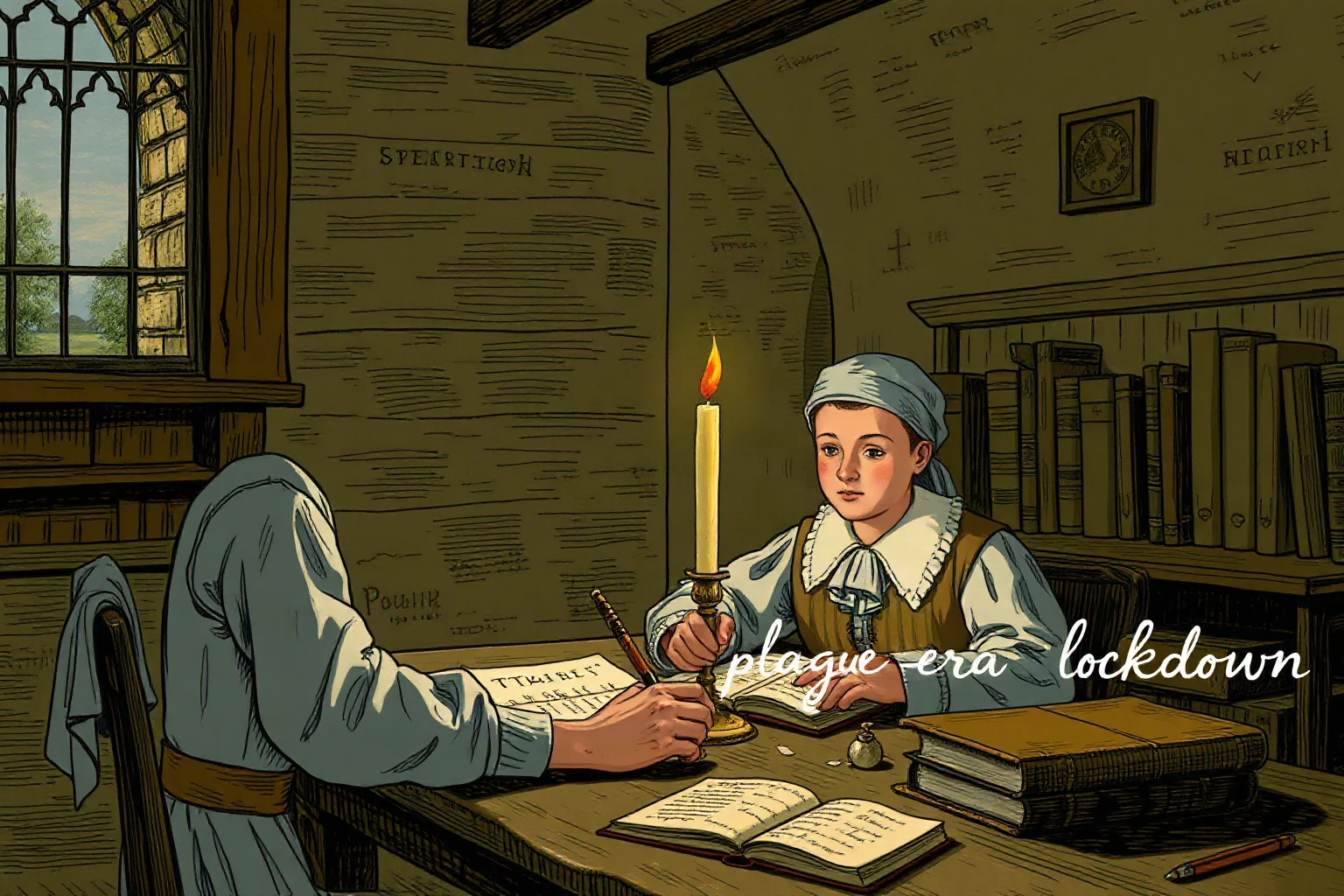
In 1665 and 1666, the University of Cambridge closed because of a devastating outbreak of bubonic plague, and Newton returned home to Woolsthorpe. Rather than treating this as downtime, he used the isolation to work on ideas about calculus, optics, and gravitation.
This stretch is often called his “annus mirabilis,” or miracle year, even though it technically spanned closer to two years. It’s a genuinely remarkable example of major scientific breakthroughs emerging from what was essentially a pandemic lockdown.
6. The Falling Apple Story Is Likely Exaggerated

One of the most repeated interesting facts about Isaac Newton is the apple story, and it’s more myth than clean historical record. Newton himself, later in life, told acquaintances that watching an apple fall at Woolsthorpe helped set him thinking about gravity extending far beyond Earth’s surface.
However, there’s no credible evidence the apple actually hit him on the head, and the story likely became simplified and dramatized over generations of retelling. It’s a pattern of historical embellishment similar to the cherry tree legend told about George Washington, where a tidy, dramatic anecdote overshadowed the more complicated truth. The core idea — that he connected falling objects with the motion of the Moon — is probably genuine, even if the cartoonish version isn’t.
7. He Helped Invent Calculus, Then Got Into a Bitter Fight Over It
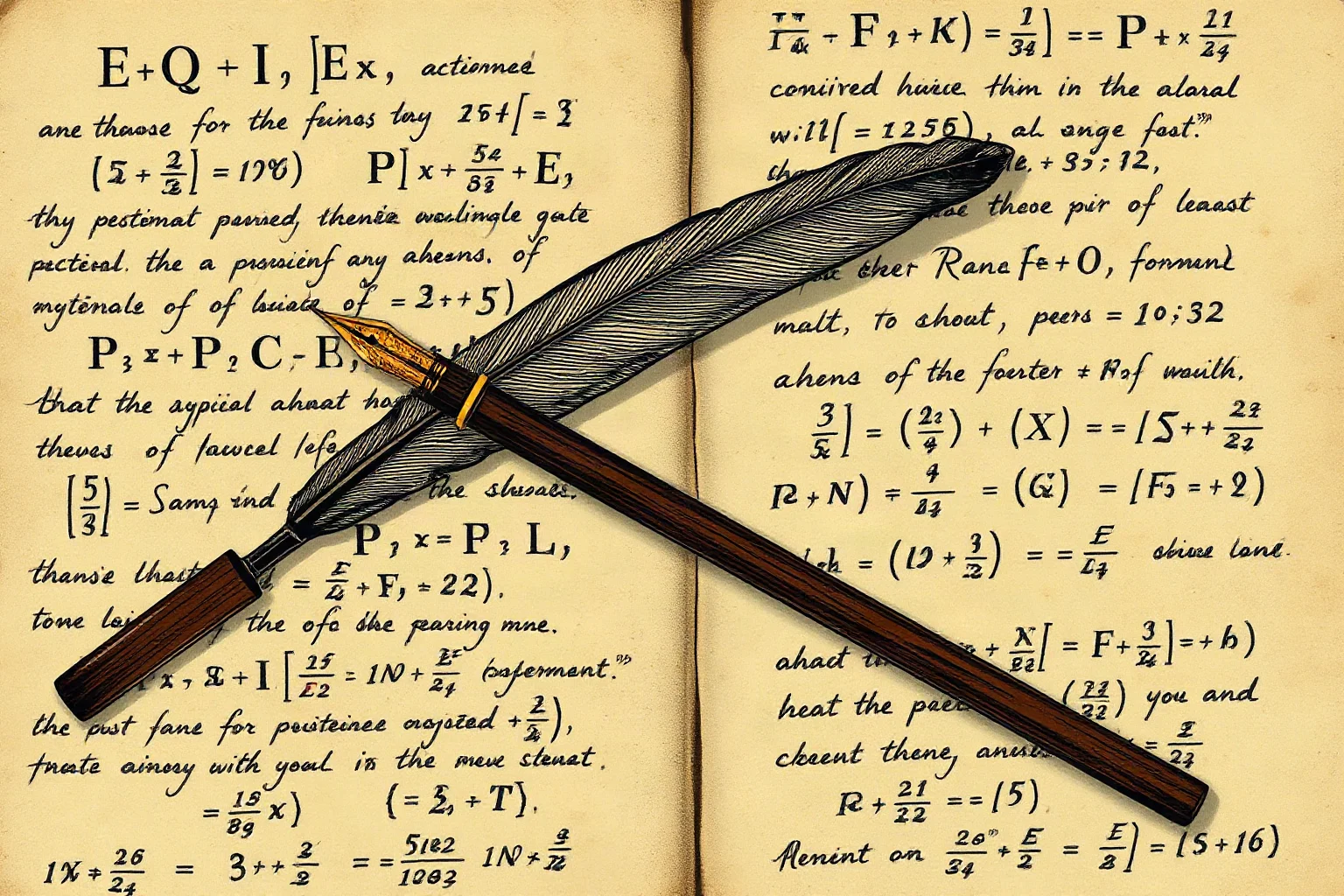
Newton developed a method he called “fluxions,” which we now recognize as differential and integral calculus. German mathematician Gottfried Wilhelm Leibniz independently developed a similar system around the same period, using different notation.
This led to one of the nastiest priority disputes in scientific history, with supporters of each man accusing the other of plagiarism. Most modern historians now credit both men as independent co-developers of calculus, which is a fairer resolution than either side wanted at the time.
8. He Built His Own Reflecting Telescope
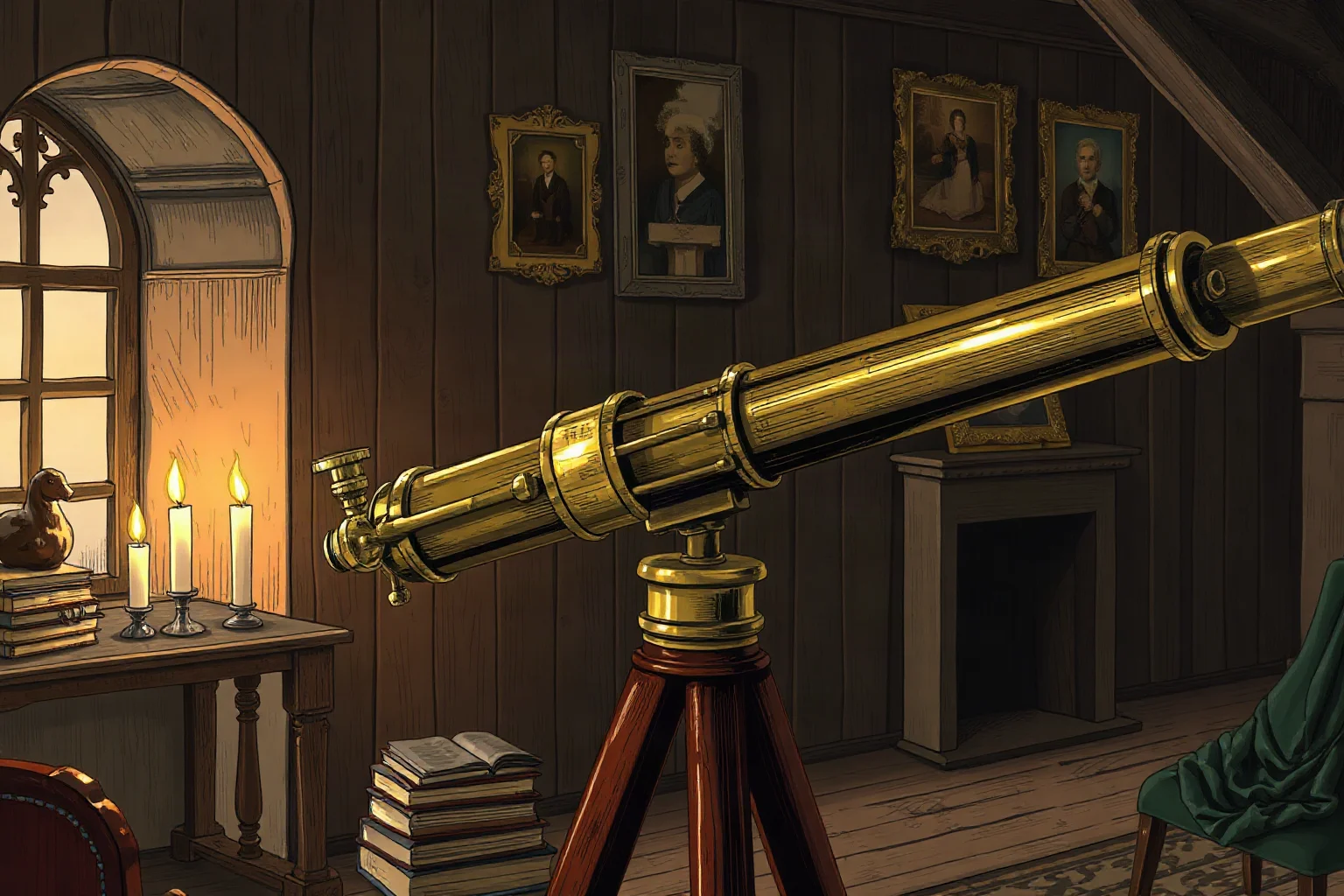
Frustrated with the color distortion in standard refracting telescopes, Newton designed and built a reflecting telescope that used a curved mirror instead of lenses. His version, built around 1668, was compact but powerful enough to impress the Royal Society when he presented it in 1672.
This invention is a direct product of his optics research, and reflecting telescopes based on similar principles are still used in professional astronomy today. It’s a great example of how his facts of Newton’s scientific life often connect directly to inventions we still rely on.
9. He Led the Royal Society for Decades
Newton became President of the Royal Society, Britain’s leading scientific institution, in 1703 and held the position until his death in 1727. This gave him enormous influence over British science, including control over publications, memberships, and disputes between rival scientists.
He used this position assertively, sometimes to settle old scores, including his long-running conflict with Robert Hooke. Whatever his personal flaws, his leadership helped cement experimental science as a respected, organized pursuit in Britain.
10. He Ran the Royal Mint and Hunted Counterfeiters
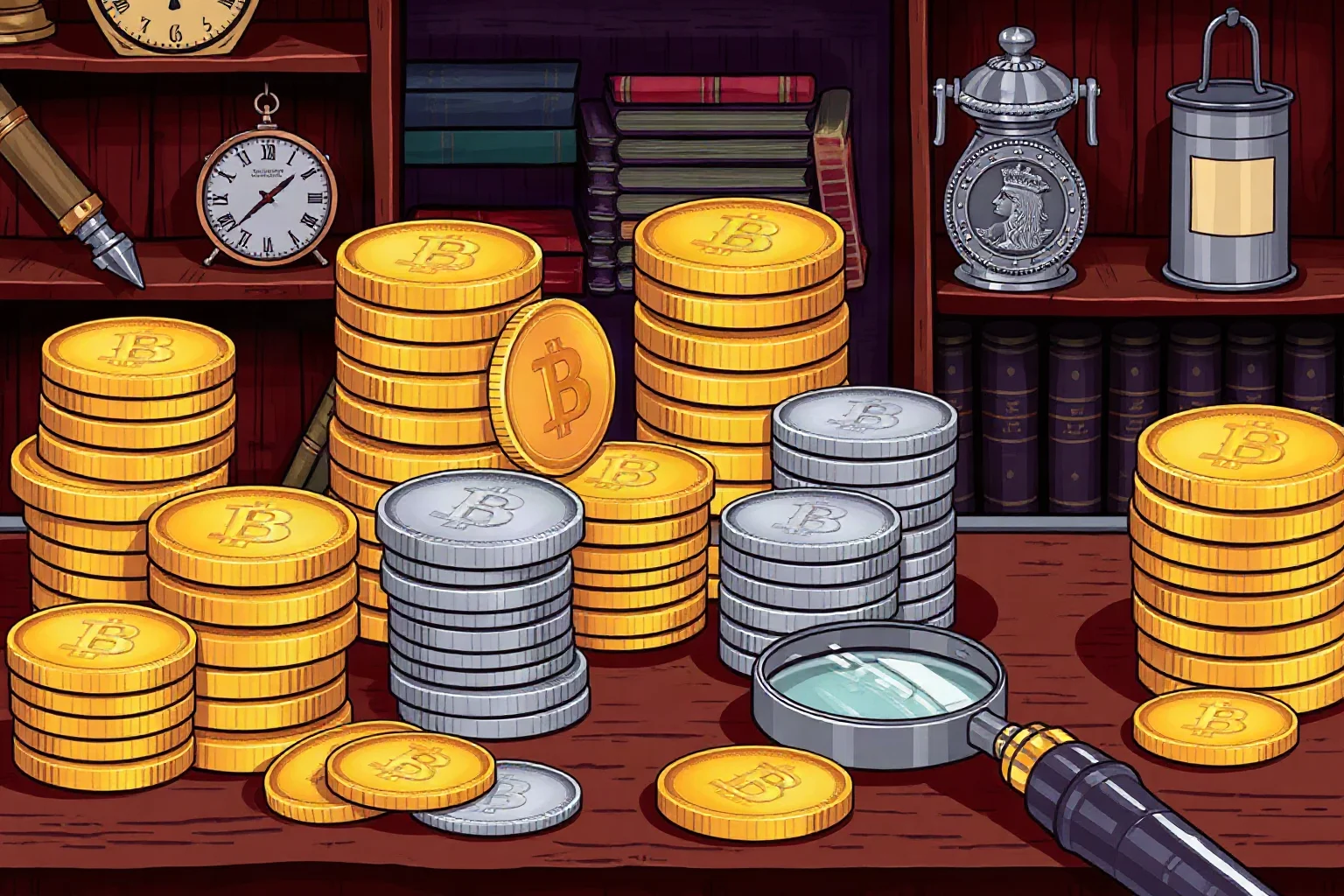
In 1696, Newton took a government post as Warden of the Royal Mint, later becoming its Master in 1699. Far from a ceremonial role, he personally investigated counterfeiting operations, a serious crime that could carry the death penalty in that era.
He interrogated suspects, gathered evidence, and helped send numerous counterfeiters to trial. This lesser-known chapter is one of the more surprising personal facts about Isaac Newton, since it shows him acting more like an investigator than an academic.
11. He Served in Parliament but Barely Said a Word

Newton was elected as a Member of Parliament representing Cambridge University on more than one occasion. According to popular anecdote, his only recorded request during a session was to ask that a window be closed because of a draft.
While this specific story is often repeated, it should be treated as anecdotal rather than a documented transcript, since detailed parliamentary records from that period are limited. What is well documented is that Newton was not known for public speaking or political maneuvering.
12. He Spent Years Secretly Practicing Alchemy
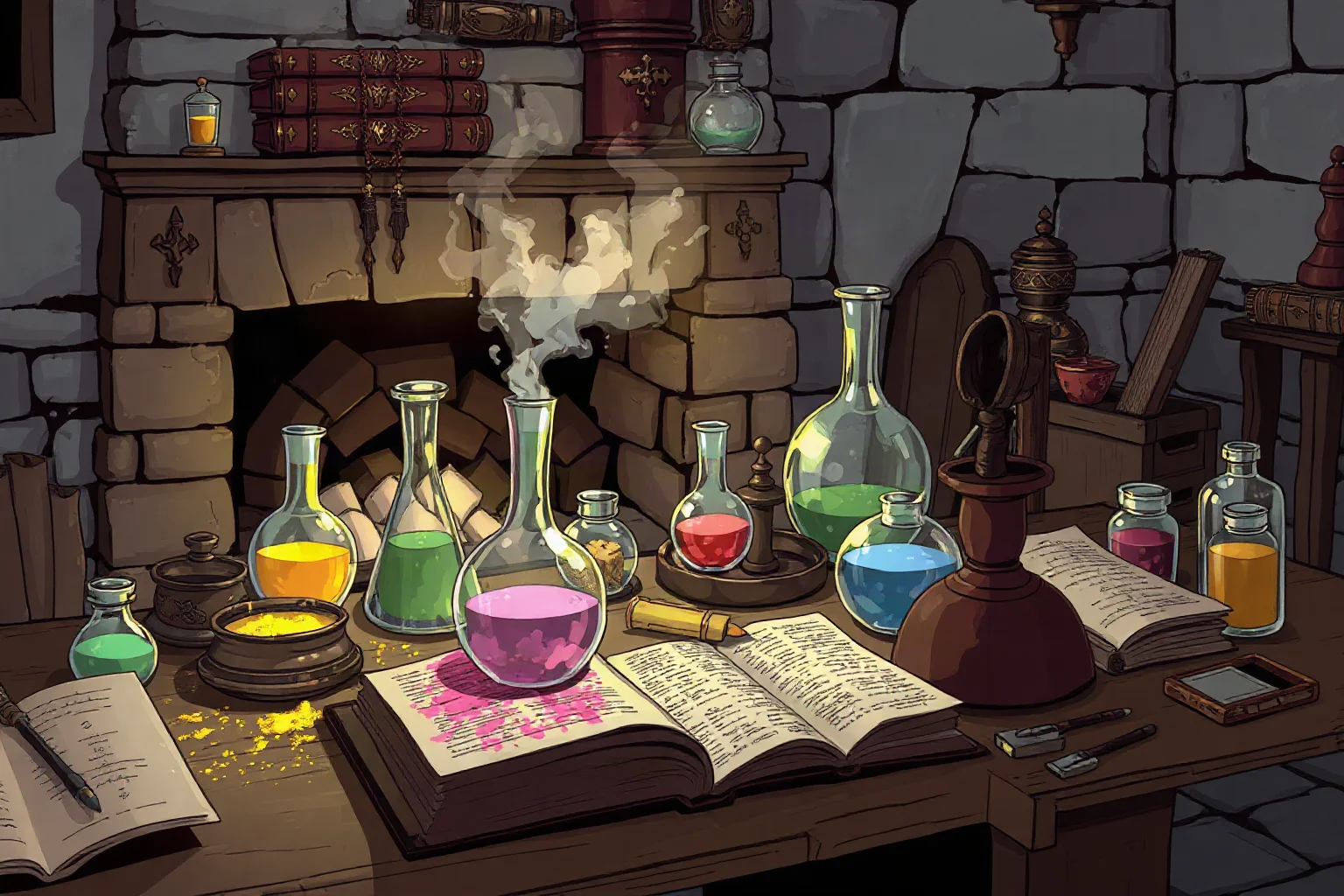
Long before modern chemistry existed, alchemy blurred the line between mysticism and early experimental science, and Newton was deeply immersed in it. He wrote well over a million words on alchemical experiments and theories, most of which he never published.
Because alchemy was technically illegal in England at the time due to fears about counterfeiting gold, Newton kept much of this work hidden. Modern historians now view his alchemical notebooks as a serious part of his scientific curiosity, not just an embarrassing side hobby.
13. He Wrote More About Religion Than Science
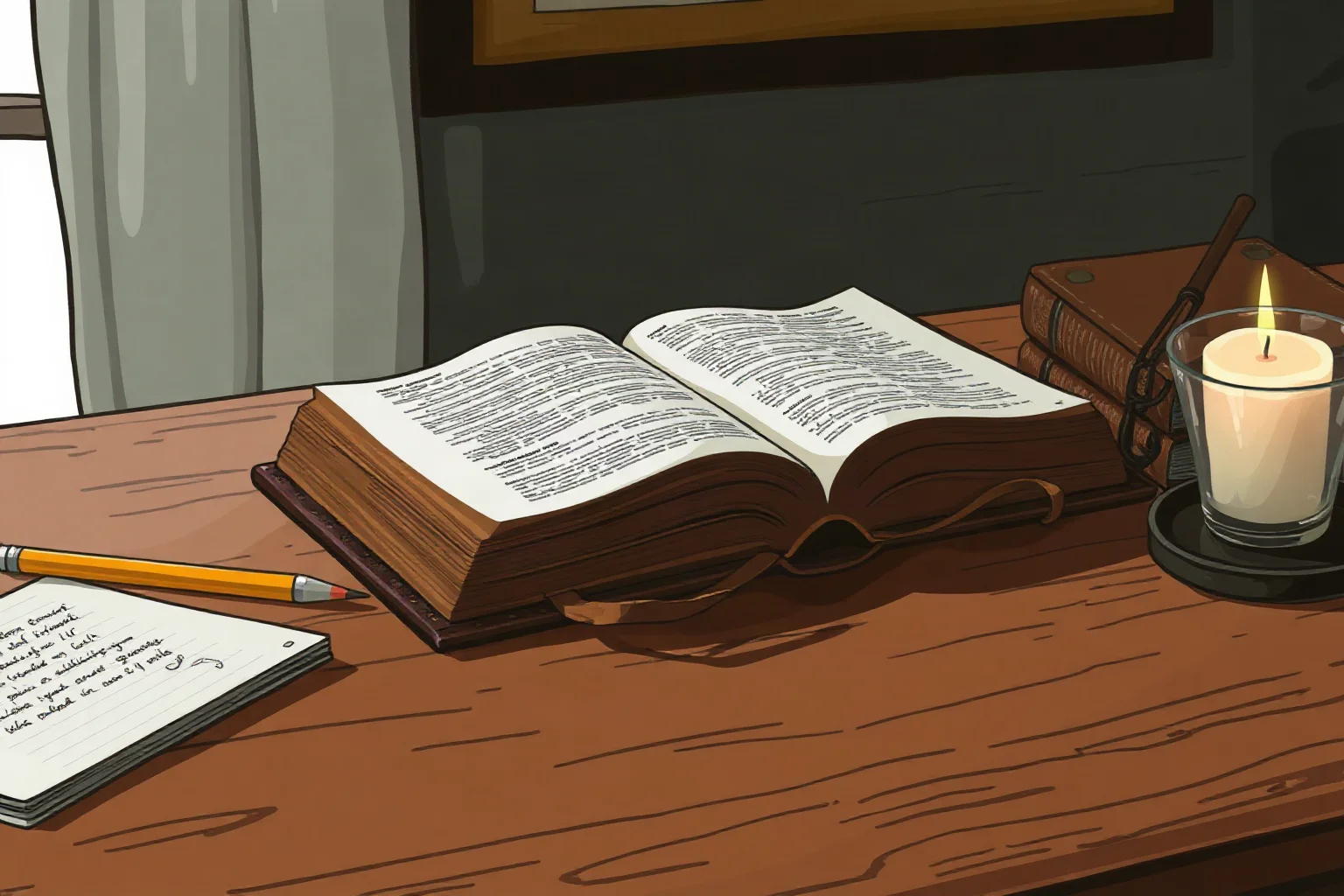
It might be one of the most surprising facts of Isaac Newton’s life: he wrote more pages on theology, biblical chronology, and prophecy than on physics or mathematics combined. He was fascinated by biblical history and spent enormous energy trying to date events in scripture.
Newton held unorthodox religious views for his time, privately rejecting the doctrine of the Trinity, which could have caused serious professional and social trouble if it became widely known. He kept many of these theological writings private during his lifetime.
14. He Never Married and Left No Known Romantic Relationships
Unlike many prominent historical figures, Newton never married and there’s no solid historical evidence of a confirmed romantic partner. Biographers have speculated about his personal life for centuries, but concrete evidence remains thin.
He seems to have poured most of his emotional energy into his work, his theological studies, and occasional friendships with fellow scholars. This intense focus is a recurring theme across nearly every serious biography of him.
15. His Feud With Robert Hooke Ran for Decades
Robert Hooke, another prominent scientist of the era, clashed with Newton repeatedly over credit for ideas related to optics and gravitation. The dispute became personal and bitter, and it never fully resolved before Hooke’s death in 1703.
Some historians note that after becoming Royal Society president, Newton had less enthusiasm for preserving certain records connected to Hooke. Whether that was deliberate erasure or simple neglect is still debated among historians.
16. He May Have Suffered From Mercury Poisoning
Newton’s alchemical experiments involved handling mercury and other toxic substances without modern safety precautions. Analysis of preserved hair samples attributed to Newton has shown mercury levels higher than typically expected, though this evidence isn’t fully conclusive on its own.
Some researchers have proposed that mercury exposure may explain periods of erratic behavior, paranoia, or nervous breakdowns later in his life. This remains a theory rather than a settled medical diagnosis, since we can’t run modern tests on Newton himself.
17. He Suffered at Least One Major Nervous Breakdown
Around 1693, Newton experienced a significant psychological crisis, sending unusually erratic and accusatory letters to friends, including philosopher John Locke. He later apologized, attributing his behavior to lack of sleep.
Historians have debated the cause ever since, citing overwork, isolation, possible chemical exposure, or a combination of factors. It’s a rarely discussed but genuinely important fact about Isaac Newton’s personal struggles.
18. Queen Anne Knighted Him in 1705
Newton received his knighthood from Queen Anne in 1705, making him “Sir Isaac Newton” for the remainder of his life. Interestingly, this honor is often linked more to political considerations at the time than purely to his scientific achievements.
Still, the knighthood cemented his elevated public status in Britain, adding formal prestige to his already significant reputation. It’s why so many sir isaac newton facts and fact files specifically use his full honorary title.
19. Edmond Halley Basically Talked Him Into Writing His Masterpiece
Astronomer Edmond Halley, famous for the comet that bears his name, visited Newton in 1684 to ask about the mathematics behind planetary orbits. Newton revealed he had already worked out much of the answer years earlier but hadn’t published it.
Halley encouraged, and eventually helped fund, the writing and printing of the Principia Mathematica, published in 1687. Without Halley’s persistence, one of the most important scientific texts ever written might never have reached the public.
20. His Three Laws of Motion Still Anchor Modern Physics
The Principia introduced three laws of motion describing inertia, the relationship between force and acceleration, and action-reaction pairs. These laws became the backbone of classical mechanics for more than two centuries.
Even after Einstein’s relativity refined our understanding of physics at extreme speeds and scales, Newton’s laws remain perfectly accurate for everyday engineering, spaceflight calculations, and basic physics education. That kind of staying power is rare in any scientific field.
21. He Used Prisms to Prove White Light Isn’t Simple
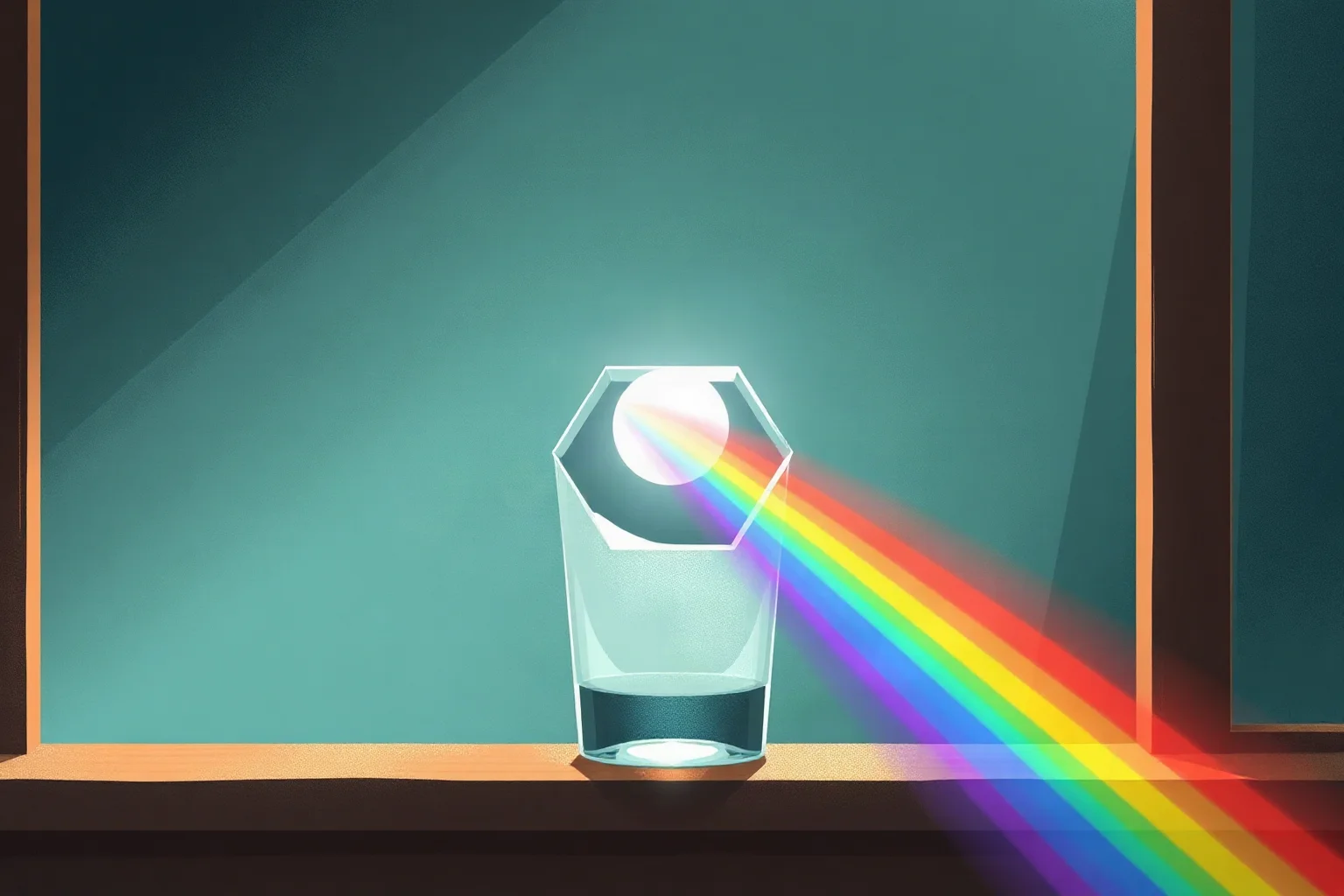
Before Newton’s optics experiments, many assumed white light was fundamentally pure and colors were somehow added to it. Newton used prisms to split sunlight into a spectrum and then recombined the colors back into white light, proving color was a property already contained within light itself.
This experiment, detailed in his 1704 work Opticks, was groundbreaking for understanding how light and color actually work. It remains one of the clearest, most elegant experiments in the history of physics.
22. He Lost a Fortune in the South Sea Bubble
Despite his mathematical brilliance, Newton wasn’t immune to financial mistakes. He invested in South Sea Company stock during the speculative frenzy of 1720 and reportedly sold at a profit early on, only to buy back in later at a higher price before the bubble collapsed.
He is said to have lost a substantial sum, sometimes estimated around 20,000 pounds, though exact figures vary between historical sources. It’s a humbling reminder that even brilliant scientists can fall for financial hype.
23. He Died Wealthy and Was Buried Among Kings
By the time of his death on March 20, 1727 (Julian calendar), Newton had accumulated significant wealth through his Mint salary, investments, and inheritance. He was given a state funeral and buried in Westminster Abbey, an honor typically reserved for royalty, military heroes, and the most eminent statesmen.
His tomb features an elaborate monument celebrating his scientific achievements, and it remains a popular stop for visitors today. Being buried there placed him among Britain’s most celebrated historical figures.
24. His Famous “Giants” Quote Wasn’t Fully Original
Newton once wrote, “If I have seen further, it is by standing on the shoulders of giants,” acknowledging earlier scientists like Galileo and Kepler. The phrase sounds humble, but it wasn’t Newton’s own invention.
Similar “shoulders of giants” phrasing had circulated among scholars for centuries before him, tracing back to medieval philosophers. Newton was borrowing a well-known intellectual tradition, not coining an original line.
25. He Delayed Publishing Many of His Ideas for Years
Newton was notoriously secretive and often reluctant to publish his findings, partly due to fear of criticism and partly due to his intense perfectionism. His work on calculus, for example, sat unpublished for years while Leibniz developed and published a similar system independently.
This habit of delay contributed directly to the priority disputes that plagued much of his later career. It’s a genuinely important but often overlooked fact about Isaac Newton: his caution may have cost him credit he otherwise would have secured outright.
What Challenges and Obstacles Did Isaac Newton Face?
People often ask what problems Isaac Newton faced, assuming a genius like him had an easy path. In reality, his life was full of obstacles, starting with a fragile premature birth and an absent father before he was even born.
His childhood involved emotional separation from his mother, financial pressure to abandon his education for farm work, and a generally isolated personality that made close relationships difficult. As an adult, he dealt with bruising academic rivalries, particularly with Robert Hooke and Gottfried Leibniz, that consumed years of energy and correspondence.
He also faced at least one serious nervous breakdown, financial losses from speculative investing, and the constant tension of keeping his unorthodox religious views and alchemical research hidden from public scrutiny. Understanding these isaac newton challenges and obstacles makes his scientific achievements feel less like effortless genius and more like the product of relentless, often difficult, personal focus.
Why These Facts Matter Today
Newton’s laws of motion, his work on calculus, and his optics experiments still form the foundation of how we teach physics and engineering. Even space agencies use Newtonian mechanics for the vast majority of everyday orbital calculations, since relativistic corrections are usually only necessary in extreme conditions.
Beyond the equations, Newton’s personal story is a useful reminder that historical figures are rarely as simple as the textbook summary suggests. A man capable of revolutionizing physics also spent enormous time on alchemy, biblical prophecy, and bitter personal feuds, proving that brilliance and human complexity often go hand in hand.
Final Thoughts
Isaac Newton’s life is far richer and stranger than the simplified apple-and-gravity story most of us learned in school. From a fragile, fatherless childhood to secret alchemical experiments and a fortune lost in a stock market bubble, the real facts about Isaac Newton reveal a deeply human figure behind the towering scientific legacy, not unlike the myth-busting truths behind Saint Patrick or Christopher Columbus.
Next time someone mentions Newton, you’ll have plenty of genuinely interesting facts about Isaac Newton ready to share, well beyond the falling fruit. His true story proves that even history’s greatest minds were shaped as much by struggle and eccentricity as by pure genius.
Frequently Asked Questions
What is a good fact file on Isaac Newton?
A solid fact file on Isaac Newton includes his birth on December 25, 1642 (Julian calendar) in Woolsthorpe, England, his death in 1727, his major work Philosophiæ Naturalis Principia Mathematica, his laws of motion and theory of universal gravitation, his role as President of the Royal Society, and his later career running the Royal Mint. It should also note that he never married and was knighted by Queen Anne in 1705.
What are 5 important facts about Isaac Newton?
Five key facts: he formulated the three laws of motion and the theory of universal gravitation; he co-developed calculus alongside Gottfried Leibniz; he proved that white light is made up of a spectrum of colors using prisms; he served as Master of the Royal Mint and pursued counterfeiters; and he was posthumously buried in Westminster Abbey, an honor rarely given to scientists of his era.
What problems and challenges did Isaac Newton face?
Newton faced a fragile premature birth, the death of his father before he was born, and early separation from his mother. As an adult, he dealt with bitter academic rivalries with Robert Hooke and Gottfried Leibniz, at least one serious nervous breakdown, financial losses from the South Sea Bubble, and the pressure of hiding unorthodox religious views.
Did Isaac Newton really discover gravity because an apple fell on his head?
Not quite. Newton did later describe watching an apple fall at his family home in Woolsthorpe as something that helped him start thinking about gravity extending beyond Earth's surface, but there's no credible historical evidence the apple actually struck him. The dramatic head-bonking version is a simplification that grew over generations of retelling.
Was Isaac Newton married or did he have children?
No, Isaac Newton never married and had no children. Historical records show no confirmed romantic relationships throughout his life, and he appears to have devoted most of his time to his scientific, theological, and administrative work.
How did Isaac Newton die?
Isaac Newton died on March 20, 1727, under the Julian calendar then in use in England (March 31, 1727, on the modern Gregorian calendar), at the age of 84. He had been in declining health for some time and was given a state funeral before being buried in Westminster Abbey.

Alex Warren
Related Articles