

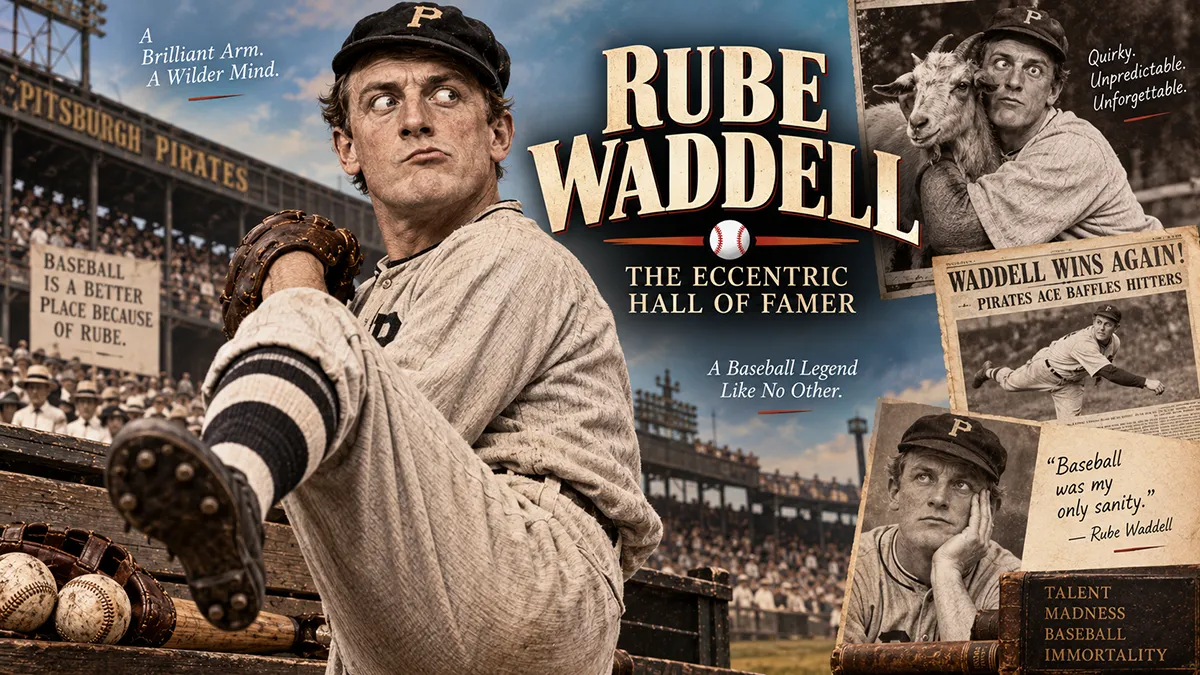
Baseball has produced plenty of colorful characters, but few can match the sheer unpredictability of Rube Waddell. He was, by nearly every account, one of the most dominant left-handed pitchers of the dead-ball era. He was also, by nearly every account, a man who might vanish mid-game to chase a passing fire wagon.
Rube Waddell’s story sits at the intersection of genuine athletic greatness and baseball folklore that has grown taller with every retelling. Separating the documented facts from the exaggerated legends is part of what makes him so fascinating more than a century later.
TL;DR: Rube Waddell was a genuinely dominant strikeout pitcher and Hall of Famer whose off-field eccentricities, some real and some exaggerated over time, made him one of baseball’s most legendary characters.
1. Who Was Rube Waddell?
Rube Waddell was a left-handed pitcher who played in Major League Baseball from 1897 to 1910, most famously with the Philadelphia Athletics. He is remembered today for two very different reasons: his overpowering pitching and his reputation as one of the sport’s original free spirits. Baseball historians and sportswriters have spent over a century trying to untangle which stories about him are true and which grew with each retelling, much like the myths that still swirl around gunslinger Wyatt Earp.
2. Small-Town Pennsylvania Roots

George Edward Waddell was born on October 13, 1876, in Bradford, Pennsylvania, a small oil-boom town in the northwestern part of the state. He grew up in a working-class family and showed an early talent for throwing hard, a skill that would eventually carry him out of rural Pennsylvania and into professional baseball. Like many pitchers of his era, he learned the game on sandlots rather than through any formal coaching.
3. How George Waddell Became “Rube”
In the early 1900s, “Rube” was a common nickname sportswriters slapped on players who came from rural or small-town backgrounds. Waddell fit that mold perfectly, and the nickname stuck to him more firmly than it did to almost anyone else in the game. By the time he reached the major leagues, almost nobody called him George anymore; he was simply “the Rube” to fans, teammates, and reporters alike.
4. A Wild Ride Through the Minor Leagues
Waddell’s early professional career was a chaotic bounce between minor league teams, a pattern that would define much of his career. He was talented enough that managers kept giving him chances, but his unreliability off the field meant he rarely stayed in one place long. Contract disputes, disappearances, and general unpredictability became recurring themes even before he reached the majors.
5. Breaking Into the Majors With the Louisville Colonels
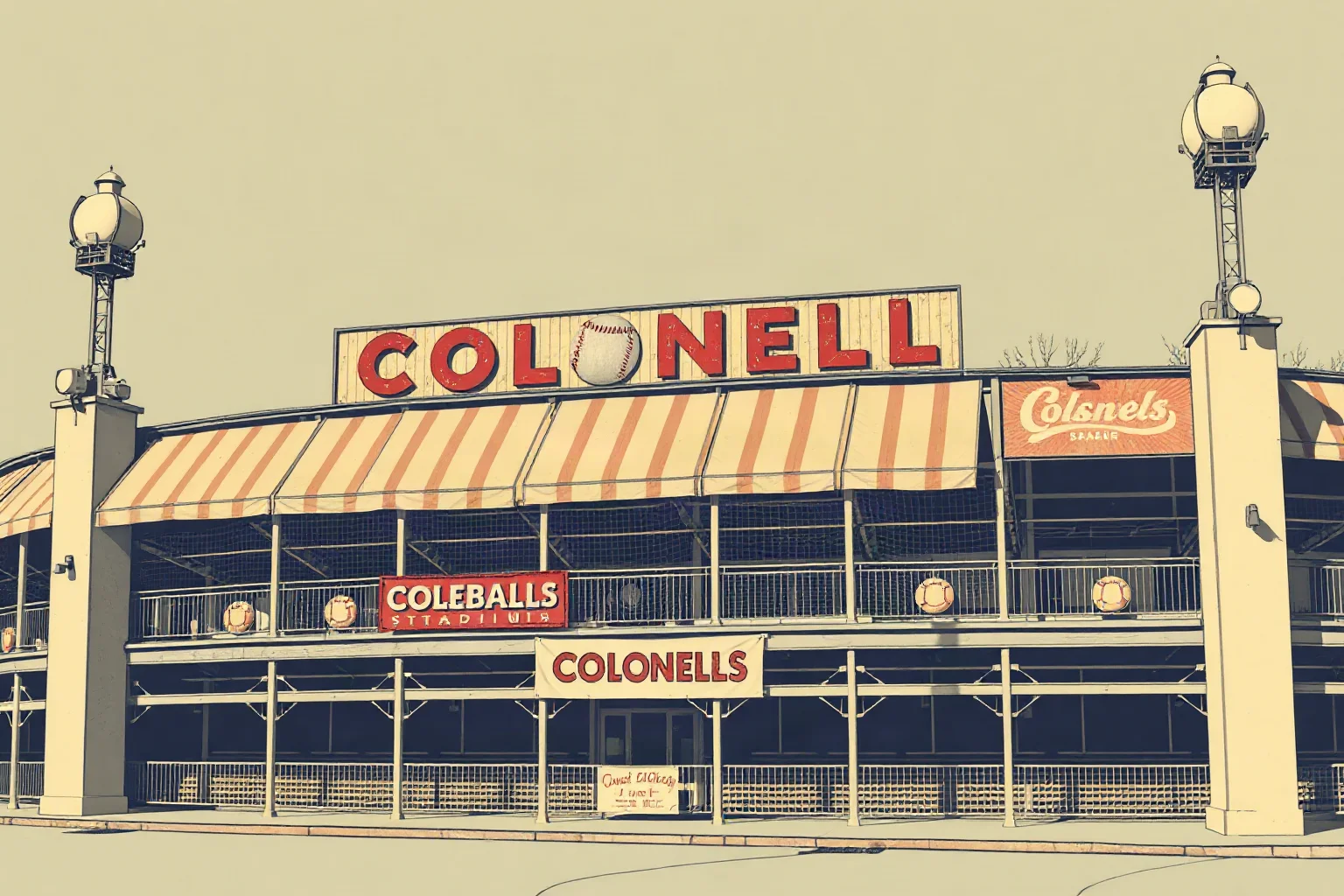
Rube Waddell made his major league debut in 1897 with the Louisville Colonels of the National League. His raw talent was obvious from the start, but so was his difficulty following team rules and staying focused on the business of baseball. This tension between brilliance and unreliability would follow him for the rest of his career.
6. Bouncing Between the Pirates, Cubs, and Beyond
After Louisville, Waddell moved through the Pittsburgh Pirates and the Chicago Orphans, the franchise now known as the Cubs. Each stop followed a similar pattern: dazzling performances on the mound followed by frustration from managers who struggled to keep him disciplined. Teams were willing to tolerate a great deal because his left arm was simply that valuable.
7. Finding a Home With Connie Mack’s Athletics
Everything changed in 1902 when Waddell joined the Philadelphia Athletics under legendary manager Connie Mack. Mack had a rare talent for managing difficult personalities, and he seemed to understand that Waddell needed patience rather than punishment. The Athletics years, from 1902 to 1907, became the peak of Waddell’s career and the seasons for which he is best remembered.
8. Six Straight Strikeout Titles

From 1902 through 1907, Rube Waddell led the American League in strikeouts every single season, an extraordinary run of dominance for any pitcher. As a pitcher, Rube Waddell combined a blazing fastball with an unusual amount of deception for the era, making him nearly impossible for hitters to time. That six-year streak remains one of the most impressive strikeout stretches in early baseball history.
9. The Unforgettable 1904 Season
Waddell’s finest individual season came in 1904, when he struck out 349 batters, a modern-era record for left-handed pitchers that stood for decades. That mark wasn’t surpassed until Sandy Koufax broke it in 1965, more than sixty years later. It’s a testament to just how far ahead of his era Waddell was on the mound, whatever chaos surrounded him off of it.
10. A Pitching Duel for the Ages
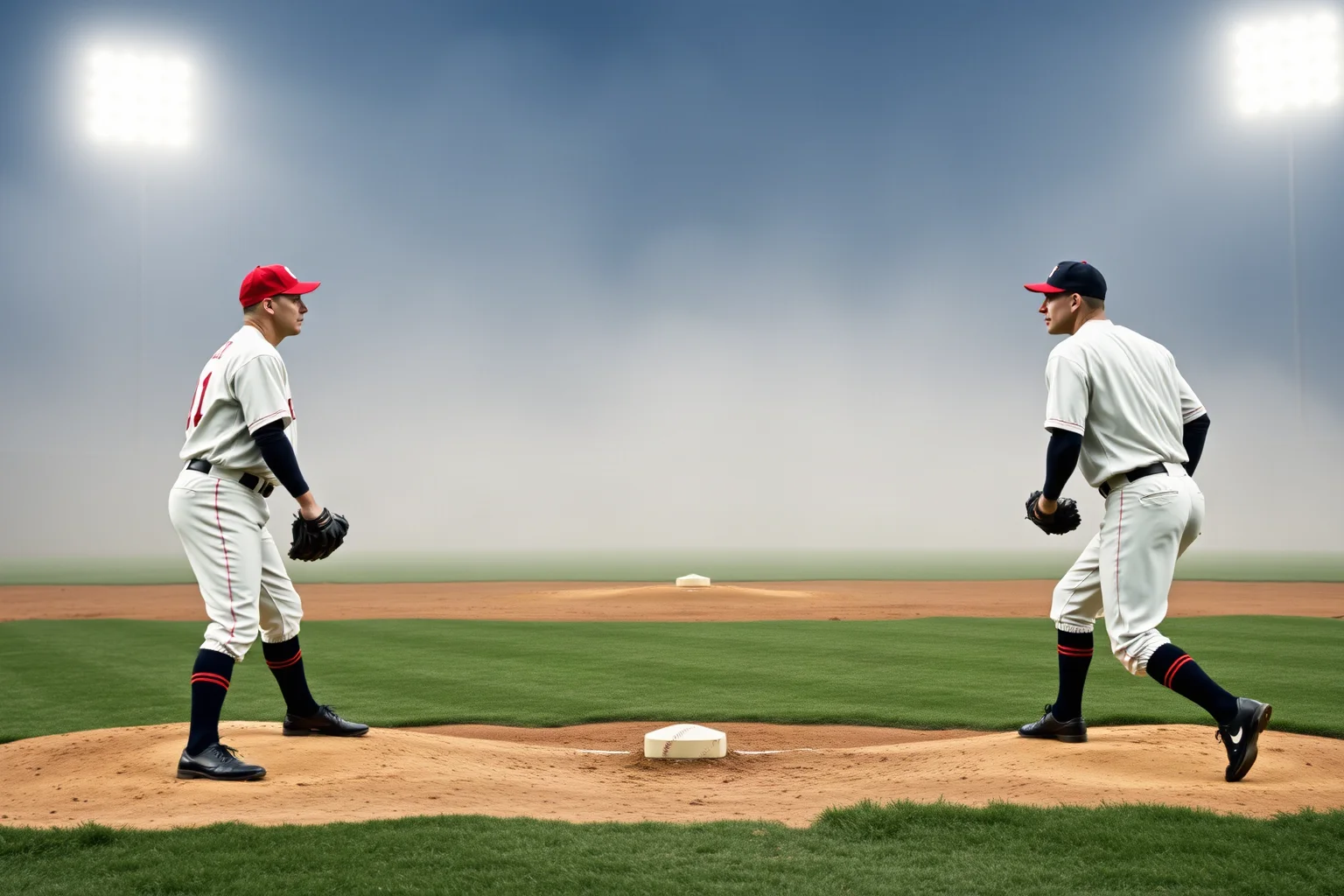
On July 4, 1905, Waddell faced off against Cy Young in a doubleheader that became one of the most talked-about pitching duels of the dead-ball era. The game stretched to 20 innings before the Athletics finally won, with Waddell outlasting one of the greatest pitchers in baseball history. It remains one of the signature moments of his career and a favorite story among baseball historians.
11. The Fire Truck Story: Rube Waddell’s Most Famous Legend
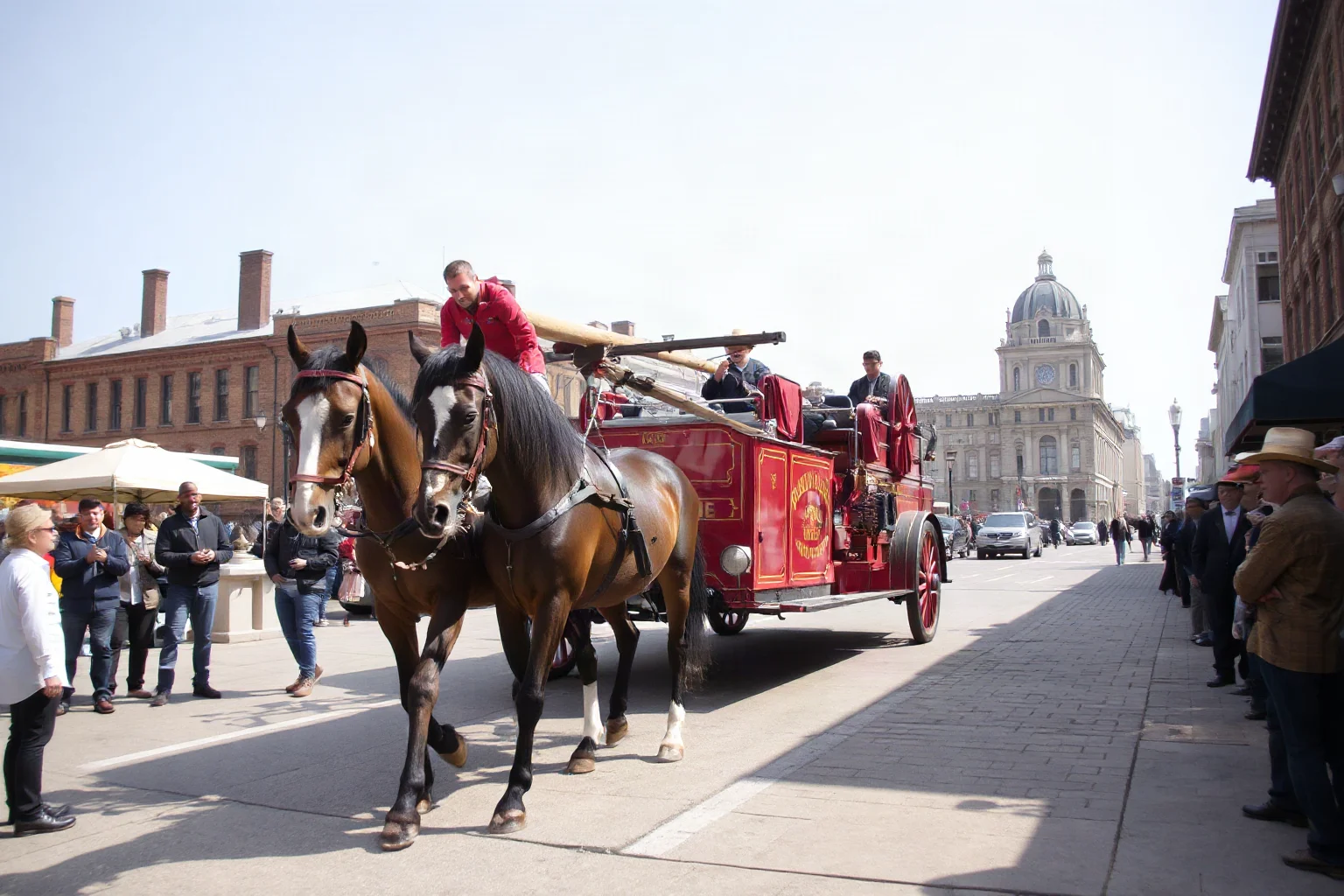
No Rube Waddell story is repeated more often than the claim that he would abandon games to chase passing fire trucks. According to baseball lore, Waddell had a genuine fascination with fires and firefighting equipment, and some accounts claim he once left the mound mid-game after hearing a fire bell. The exact details vary wildly depending on who is telling the story, and modern researchers caution that the tale has likely grown more dramatic with each decade of retelling, not unlike other stubbornly persistent legends such as the Green Children of Woolpit.
What’s more verifiable is that Waddell was known to be easily distracted and prone to disappearing without warning, which made a fire truck story plausible enough to stick. Whether every version of the legend happened exactly as described is impossible to confirm from contemporary sources. Still, the story has become such a permanent part of his identity that it’s often the first thing people mention when his name comes up.
12. Marbles, Fishing Trips, and Mid-Game Disappearances
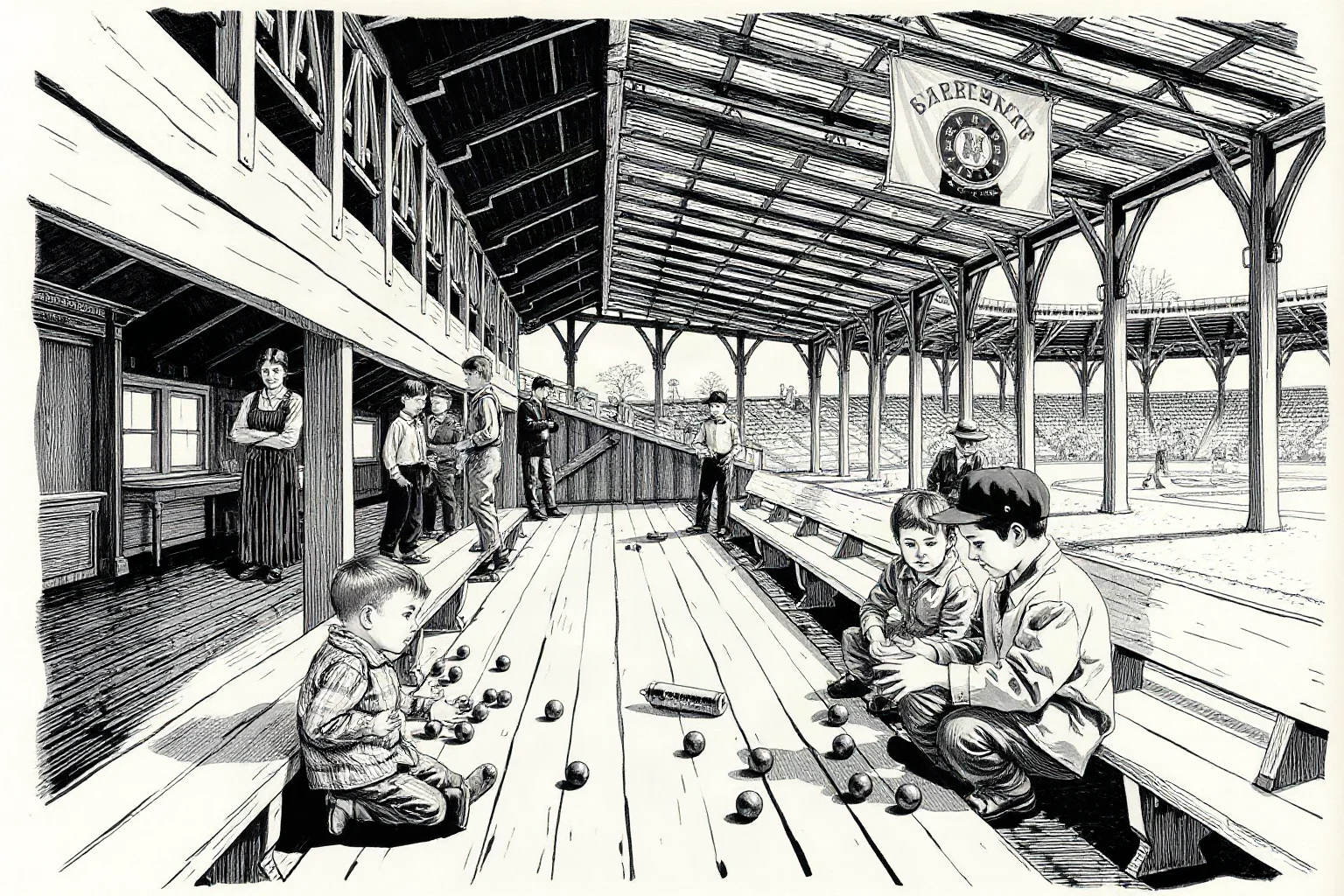
Beyond the fire truck legend, Waddell was reportedly known to play marbles with children under the grandstands before games, sometimes losing track of time entirely. Teammates and reporters also told stories of him skipping games to go fishing, a habit that reportedly tested Connie Mack’s patience more than once. These anecdotes, while colorful, come largely from newspaper accounts and later reminiscences rather than official records, so they should be treated as well-documented reputation rather than verified play-by-play fact.
13. The Alligator-Wrestling Rumors

Among the wilder stories attached to Waddell is the claim that he wrestled alligators as part of an off-season sideshow or promotional stunt. This story appears in various forms across baseball folklore, though solid documentation is harder to pin down than for his on-field achievements. It’s the kind of tale that fits Waddell’s larger-than-life reputation perfectly, which is likely part of why it has survived for over a century.
14. A Showman on and off the Mound
Waddell’s flair for the dramatic extended beyond baseball into show business, and he reportedly appeared in vaudeville acts during the off-season. Some accounts describe him performing stunts related to his baseball fame, capitalizing on his larger-than-life public image. This willingness to entertain crowds off the field mirrored the showmanship he brought to his pitching performances.
15. Drinking, Debt, and Personal Turmoil

Behind the entertaining stories, Waddell struggled seriously with alcohol throughout much of his adult life. His drinking contributed to financial troubles, strained relationships with teammates, and repeated conflicts with managers who needed him focused and available. It’s a part of his story that’s important not to romanticize, since it reflects genuine personal hardship rather than harmless eccentricity.
16. Marriages and Family Struggles

Waddell’s personal life away from baseball was similarly turbulent, marked by multiple marriages and ongoing financial difficulties. Reports from the period describe custody disputes and money troubles that followed him from city to city. These struggles paint a more complicated picture of a man whose public charm masked real personal pain.
17. Decline of a Once-Unhittable Arm

By 1907, Waddell’s control problems, injuries, and off-field issues had begun to catch up with his once-dominant fastball. Connie Mack eventually sold him to the St. Louis Browns, where he pitched through 1910 with diminishing effectiveness. The overpowering strikeout numbers of his Athletics years never fully returned.
18. The Minor League Twilight

After his major league career ended, Waddell continued pitching in the minor leagues, chasing the game he loved even as his skills faded. He bounced through smaller leagues in the early 1910s, still drawing curious crowds who remembered his major league fame. It was a quieter, less celebrated chapter, but he remained connected to baseball until nearly the end of his life.
19. The Flood, the Fever, and a Hero’s Ending
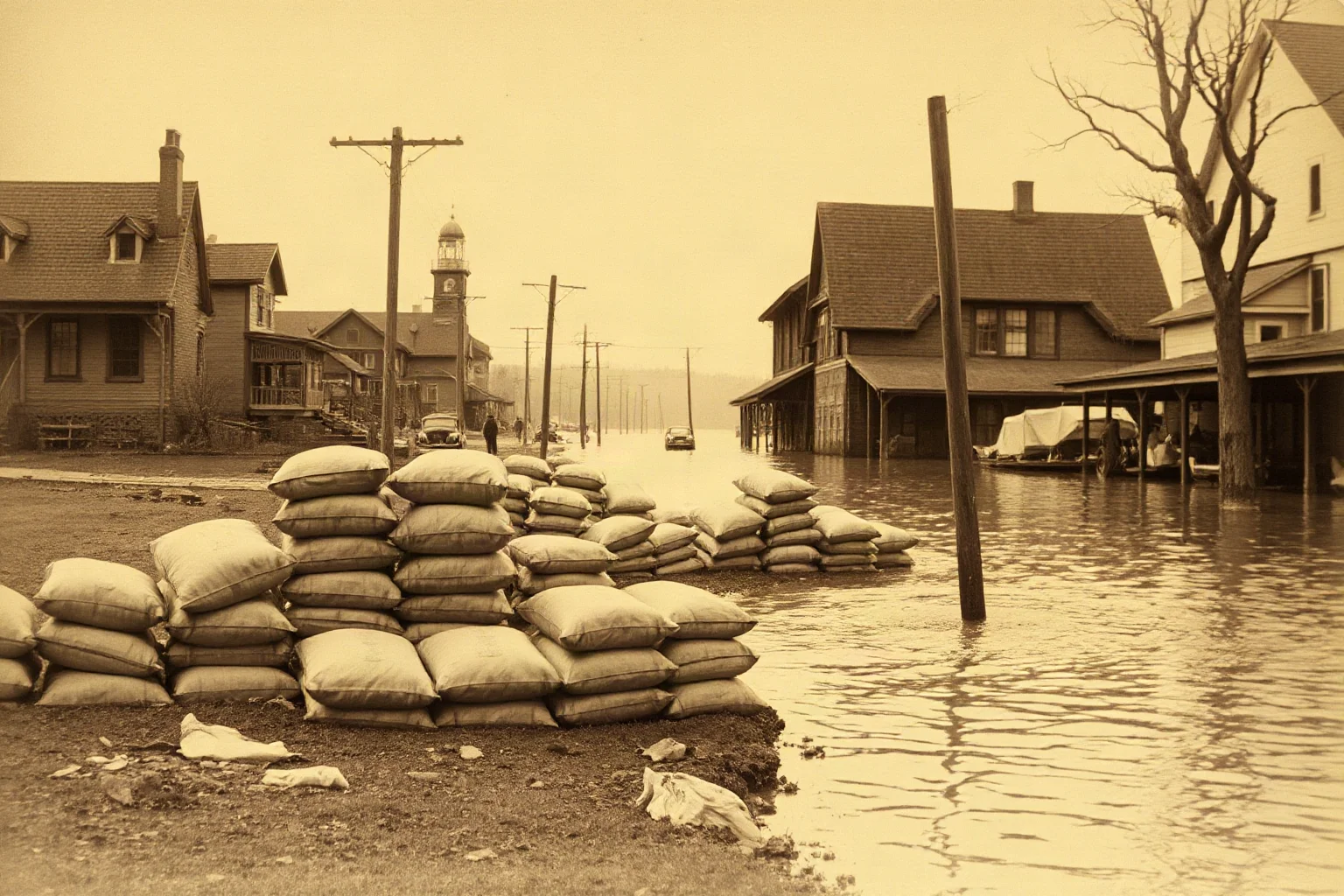
In 1912, while playing minor league ball, Waddell was reportedly in Hickman, Kentucky, when a severe flood struck the town. According to accounts later cited by baseball historians, Waddell helped stack sandbags for hours in cold floodwaters to protect the town, an effort that may have seriously damaged his health. Many biographers connect this exposure to the tuberculosis that would ultimately end his life, though the full medical picture can’t be reconstructed with certainty from historical records.
20. Death at 37
Rube Waddell died on April 1, 1914, in San Antonio, Texas, succumbing to tuberculosis at just 37 years old. His decline was rapid, and friends and former teammates were reportedly shocked by how quickly the once-powerful pitcher’s health deteriorated. He was buried in San Antonio, far from the Pennsylvania town where his baseball journey began.
21. Enshrined in Cooperstown: The 1946 Hall of Fame Class
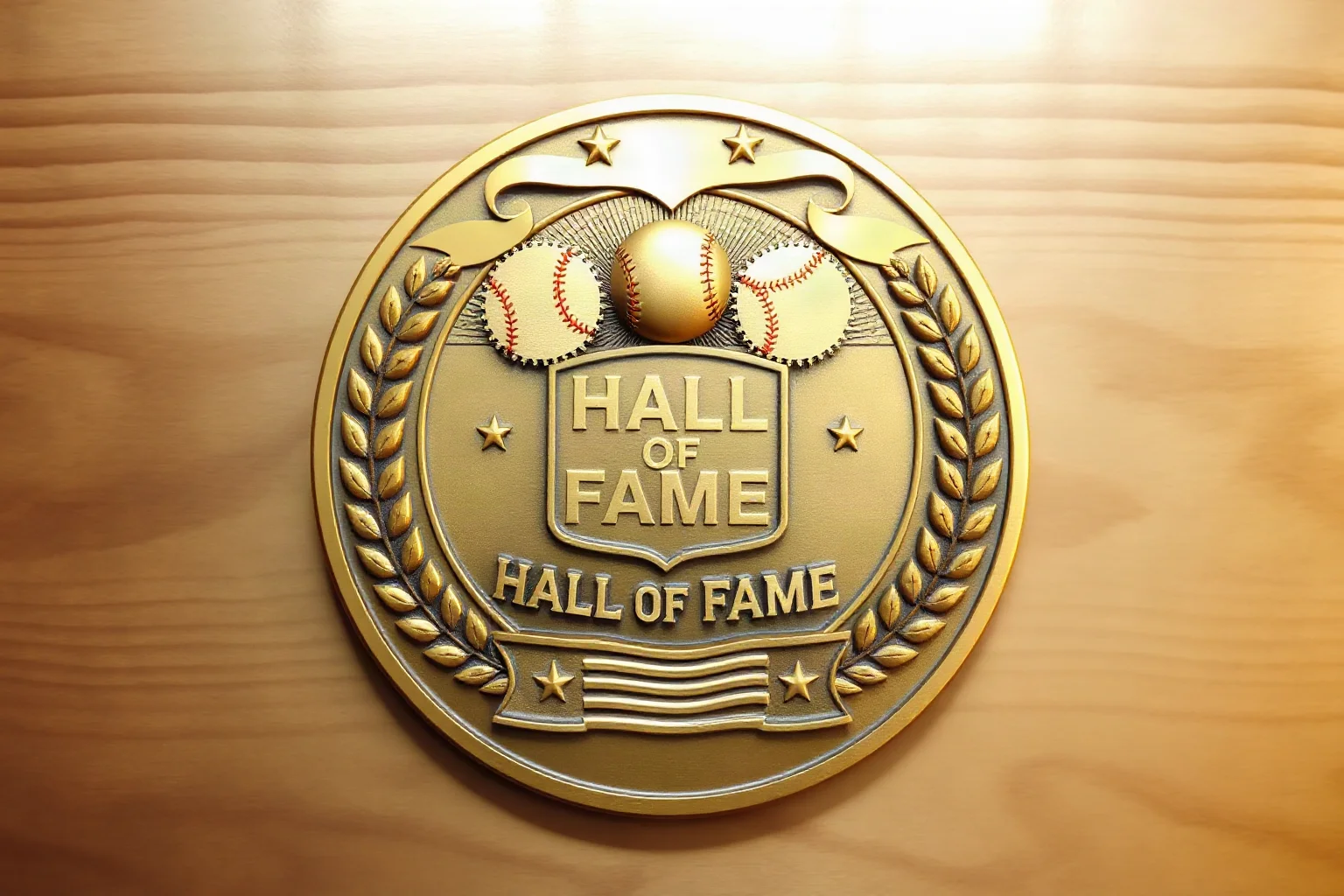
Despite his short life and turbulent career, Waddell’s dominance on the mound was never forgotten by those who covered the game. He was elected to the National Baseball Hall of Fame in 1946 by the Old Timers Committee, decades after his death. His career totals, a 193-143 win-loss record, a 2.16 ERA, and 2,316 strikeouts, still stand up remarkably well against the numbers of any era.
22. Rube Waddell’s Legacy in Baseball Culture
Today, Rube Waddell is remembered as a cautionary tale, a folk hero, and a genuine baseball legend all at once, in much the same way that General Patton remains one of history’s most mythologized and controversial figures. Stories about the Rube in baseball circles have taken on a life of their own, sometimes overshadowing just how good he actually was between the lines. His combination of jaw-dropping talent and unmanageable eccentricity has made him a permanent fixture in conversations about the strangest and most fascinating figures the sport has ever produced.
The Enduring Fascination With Rube Waddell
Rube Waddell’s career is a reminder that baseball history isn’t only made up of statistics and championships. It’s also made up of characters whose personalities became inseparable from their performance on the field. Waddell earned his Hall of Fame plaque through genuine, jaw-dropping pitching dominance, even if the stories about fire trucks and alligators tend to get more attention at dinner parties.
More than a century after his final pitch, Rube Waddell still occupies a unique space in baseball lore. He’s proof that talent and eccentricity aren’t mutually exclusive, and that sometimes the most memorable players are the ones who never quite fit the mold of a model professional. Whatever the exact truth behind every legend, his strikeout numbers alone secured his place in the game’s history forever.
Frequently Asked Questions
Did Rube Waddell really chase a fire truck during a game?
The Rube Waddell fire truck story is one of baseball's most repeated legends, claiming he would abandon games to chase passing fire engines because of his fascination with firefighting. While Waddell was genuinely known for being easily distracted and prone to sudden disappearances, historians note that specific details of the fire truck tale vary between sources and likely grew more dramatic over decades of retelling. It's best understood as a well-known piece of baseball folklore rather than a precisely documented event.
What made Rube Waddell such a great pitcher?
Rube Waddell combined an overpowering fastball with excellent movement, allowing him to lead the American League in strikeouts for six consecutive seasons from 1902 to 1907. His 349 strikeouts in 1904 stood as a modern-era record for left-handed pitchers until Sandy Koufax broke it in 1965. His career ERA of 2.16 remains one of the best in baseball history.
Why was George Waddell nicknamed ‘Rube’?
"Rube" was a common nickname sportswriters gave to players from small-town or rural backgrounds in the early 1900s. Since George Waddell grew up in the small Pennsylvania town of Bradford, the nickname was applied to him early in his career and stuck for the rest of his life, eventually becoming more recognizable than his real name.
Is Rube Waddell in the Baseball Hall of Fame?
Yes, Rube Waddell was elected to the National Baseball Hall of Fame in 1946 by the Old Timers Committee, more than three decades after his death. His induction recognized his dominant strikeout numbers and overall impact as one of the era's most feared left-handed pitchers.
How did Rube Waddell die?
Rube Waddell died on April 1, 1914, in San Antonio, Texas, from tuberculosis at the age of 37. Many biographers link his declining health to his time spent helping sandbag against a flood in Hickman, Kentucky, in 1912, though the exact medical connection can't be confirmed with certainty from historical records.
What was Rube Waddell’s career record and stats?
Over his major league career from 1897 to 1910, Rube Waddell posted a 193-143 win-loss record with a 2.16 ERA and 2,316 strikeouts. He led the American League in strikeouts for six straight seasons while pitching for the Philadelphia Athletics under manager Connie Mack.

Alex Warren
Related Articles