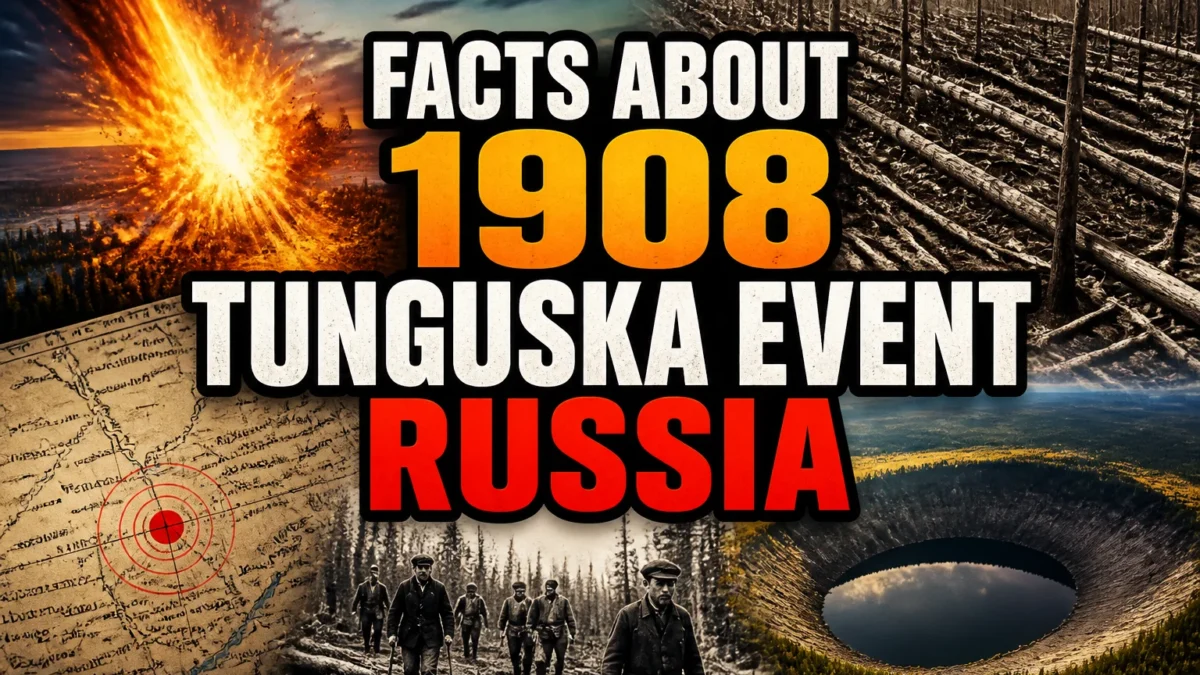
In the early morning of June 30, 1908, something tore across the sky over Siberia and unleashed one of the most powerful explosions in recorded history. The blast near the Podkamennaya Tunguska River flattened vast forests, lit up skies across Europe, and left no obvious crater behind. More than a century later, the 1908 Tunguska event still occupies a strange place in history, halfway between a clear natural disaster and an unsolved cosmic puzzle.
This was not a bomb test, a volcanic eruption, or a ground impact in the usual sense. It was, according to the broad scientific consensus, an airburst caused by a small asteroid or comet fragment entering Earth's atmosphere at high speed. Yet many details remain elusive, and that gap of certainty has produced more than a century of speculation.
TL;DR: The Tunguska event was a massive 1908 airburst over remote Siberia that flattened about 80 million trees, left no impact crater, and was most likely caused by a stony asteroid or comet fragment.
What Was the Tunguska Event? A Remote 1908 Mystery
Put simply, the Tunguska event was an enormous mid-air explosion that occurred on June 30, 1908, near the Stony Tunguska River in central Siberia. It released enough energy to flatten an area larger than many major cities and created seismic and atmospheric disturbances recorded around the world. Because there was no obvious impact crater or recovered meteorite, the question of what exactly exploded has never been fully closed.
The Tunguska event Russia witnessed was not the first time a cosmic object entered Earth's atmosphere, but it was the largest such event in modern history. Most researchers now describe it as a 'Tunguska impact' even though the object likely disintegrated before touching the ground. The scale of the destruction was almost impossible for early investigators to fathom.
Understanding the facts means separating what instruments, tree patterns, and eyewitness reports actually show from the wilder ideas that grew around them. The story begins with a remote forest, a bright morning sky, and a blast that sent a pressure wave around the planet.
Part of the difficulty in understanding the Tunguska event size is that the destruction was not caused by a solid object hitting the ground. The shock wave did most of the damage from above, creating a pattern that would puzzle scientists for decades. That combination of enormous scale and absent crater has kept the story uniquely strange.
20 Odd Facts About the 1908 Tunguska Event
1. It Struck on June 30, 1908, at 7:14 A.M. Local Time
The explosion is usually dated to June 30, 1908, at about 7:14 a.m. local time. Because the Russian Empire still used the Julian calendar, contemporary records sometimes list the event as June 17. Modern researchers use the Gregorian date when comparing the blast with seismic and atmospheric data.
Eyewitnesses in the region were already awake and going about their work when the sky suddenly brightened. That timing helps explain why so many accounts mention seeing a fireball or hearing a series of thunderous booms. It also places the event squarely in the short Siberian summer, when the ground was soft and swampy.
2. The Tunguska Blast Event Hit a Remote Part of Siberia
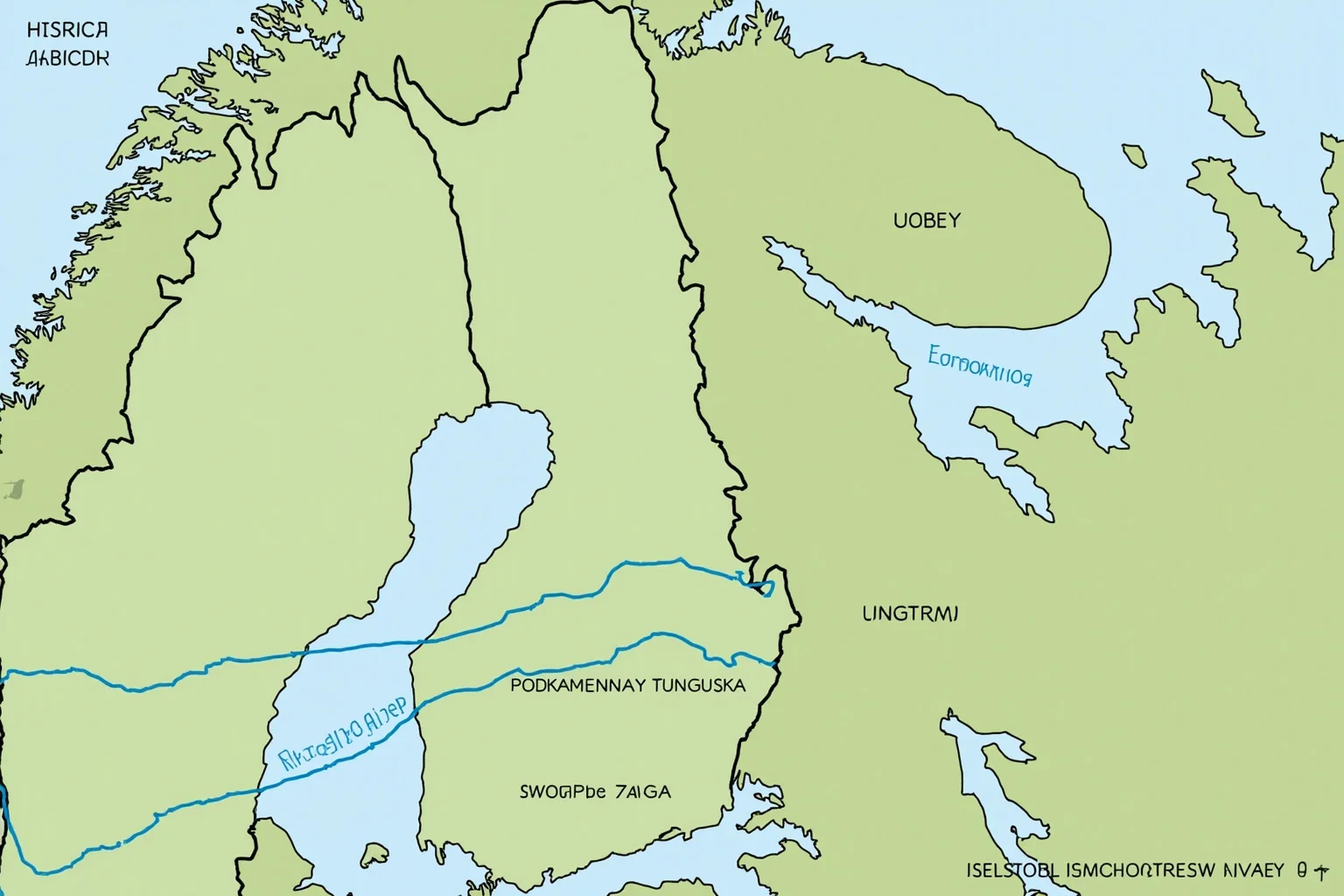
The center of the disturbance lay near the Podkamennaya Tunguska River, a tributary of the Yenisei in what is now Krasnoyarsk Krai. The area is a landscape of dense taiga, peat bogs, and very few permanent settlements. The nearest trading post, Vanavara, sat roughly 65 kilometers away.
This remote setting was central to both the event's strangeness and the slow official response. There were no major roads or railway lines into the blast zone, so early travelers moved by river, horseback, and foot. The isolation also meant that the event Russia had just experienced was felt far more than it was immediately understood.
3. It Flattened an Estimated 80 Million Trees

Estimates of the damage remain staggering. The explosion knocked down about 80 million trees across an area of roughly 2,150 square kilometers, or about 830 square miles. That is larger than many modern metropolitan areas, but the forest was extremely remote.
The fallen trunks lay in a roughly radial pattern, with trees pointing outward from the center of the blast. However, close to ground zero, many trees were left standing upright but stripped of limbs and bark. This pattern would later become a crucial clue that the object exploded in the air rather than on the surface.
4. Witnesses Described a Fireball Brighter Than the Sun
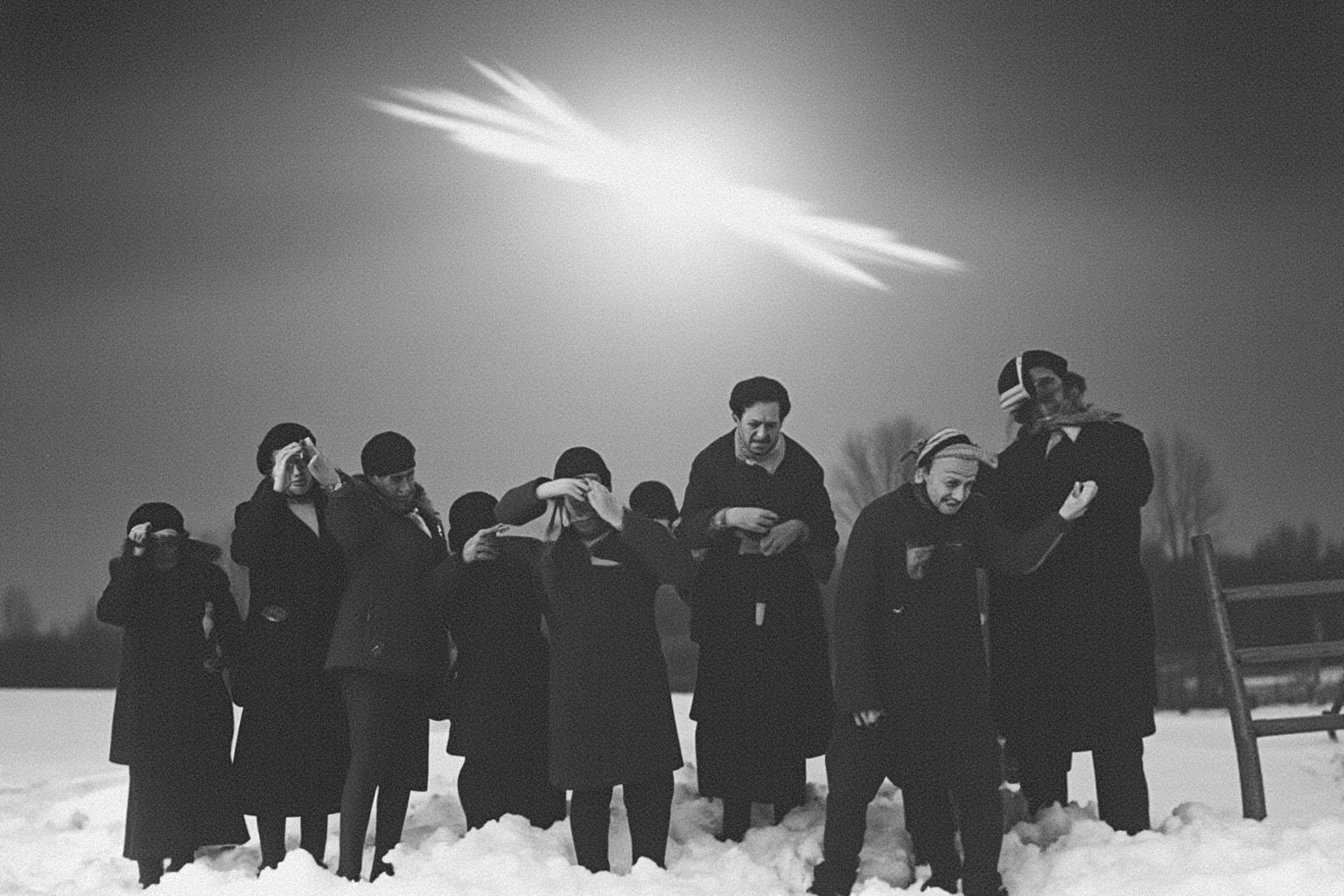
Local accounts collected years later describe a dazzling fireball moving rapidly across the sky. Some observers said it was brighter than the sun and trailed a long column of smoke and flame. The light was visible for hundreds of kilometers.
Witnesses also reported intense heat that could be felt from a great distance. Some people were knocked off their feet by the shock wave, and windows shattered in scattered settlements. Because the region was sparsely populated, these reports came from traders, herders, and hunters rather than from a dense urban record.
The brightness and heat are consistent with an atmospheric explosion rather than a slow-burning surface fire. A fast-moving cosmic object compresses the air in front of it so violently that temperatures rise dramatically. The resulting fireball can be visible over a much larger area than the actual blast zone.
5. The Blast Was Recorded on Seismographs Across Eurasia

The explosion produced seismic waves that registered on early seismographs at stations across Russia and beyond. Instruments in Irkutsk, Tbilisi, and other cities detected ground shaking consistent with a large atmospheric disturbance. The readings helped later researchers estimate the event's energy.
Scientists also used those seismic records to identify the approximate location of the blast. The timing and intensity of the waves suggested a massive release of energy, but not necessarily a standard earthquake. It was one of the first clear signs that the source had been something in the atmosphere.
6. Barometers Detected the Shock Wave as Far as London

The blast's atmospheric pressure wave traveled around the globe in a matter of days. Barographs in London and other European cities recorded a sudden jump in air pressure hours after the explosion. These records helped confirm the enormous scale of the Tunguska blast event.
Modern analyses of those pressure readings suggest the shock wave circled the planet at least once. The event registered on sensitive instruments thousands of kilometers from Siberia. It was an early demonstration that a remote cosmic explosion could have worldwide atmospheric effects.
7. The Night Sky Glowed for Days Afterward
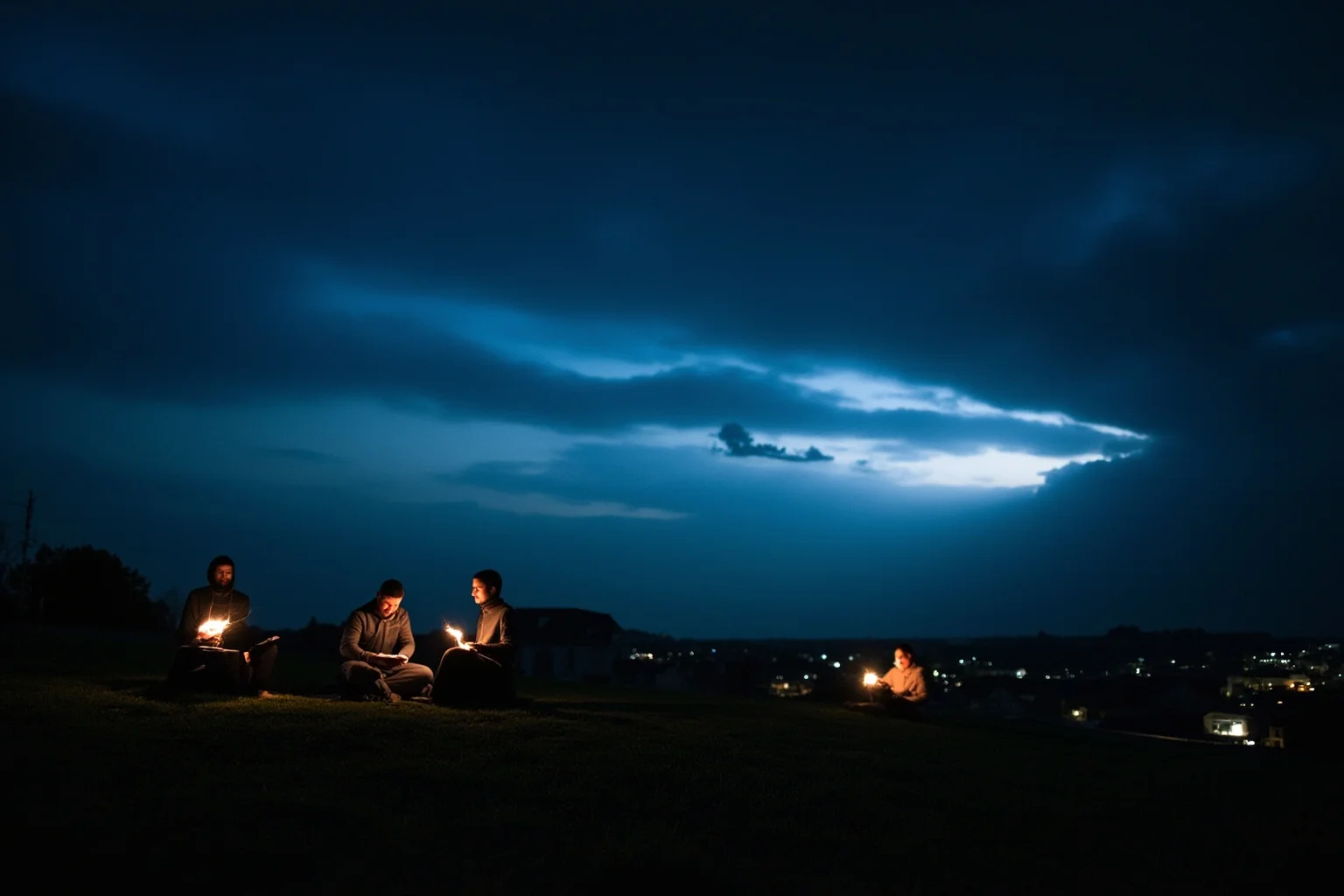
For several nights after the event, skies over Europe and parts of Asia remained unusually bright. Reports from London, Paris, and other cities described reading newspapers outdoors at midnight without artificial light. The glow was not caused by ordinary weather.
Scientists later proposed that sunlight was scattered by huge amounts of dust, water vapor, or ice particles injected into the upper atmosphere by the explosion. This luminous aftereffect was one of the most puzzling parts of the 1908 Tunguska event. It also gave atmospheric scientists an early natural experiment in global-scale dust transport.
8. No Scientific Expedition Reached the Site for Nearly Two Decades
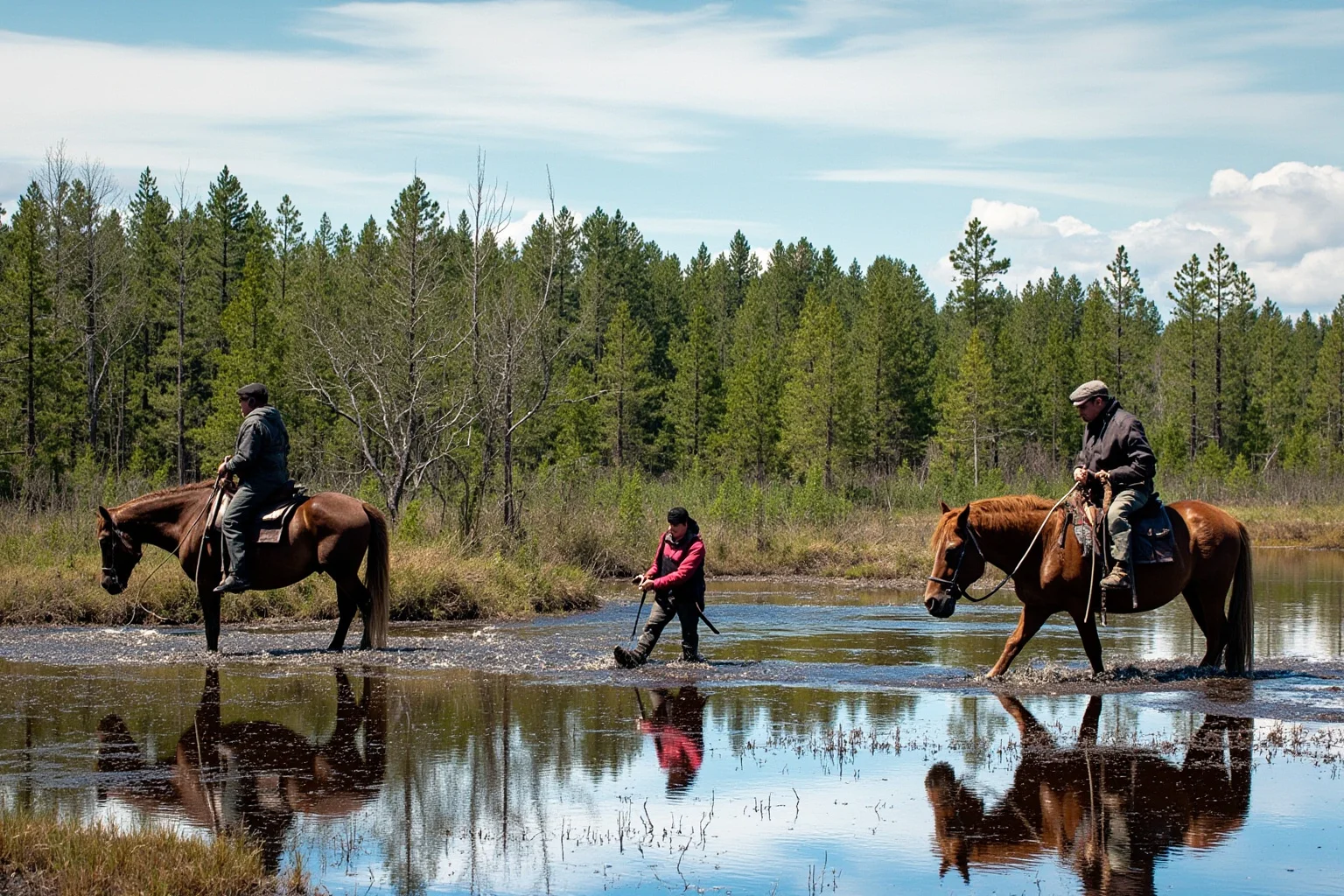
Despite the enormous blast, no scientist visited the remote blast zone until many years later. Tsarist Russia's limited resources, political upheaval, and the sheer difficulty of travel all delayed an official investigation. The First World War and the Russian Revolution made research almost impossible for years.
The 1908 Tunguska event therefore sat largely unstudied during one of the most turbulent periods in Russian history. Early newspaper reports and scattered eyewitness accounts existed, but no organized expedition was mounted until the 1920s. That delay allowed myths and speculative explanations to take root.
The lag in investigation is one reason the event became a magnet for exotic stories. Without fieldwork, distant observers could only speculate about what had happened in the empty taiga. That gap between the blast and the first solid data remains central to the Tunguska mystery.
9. Leonid Kulik Led the First Major Investigation in 1927
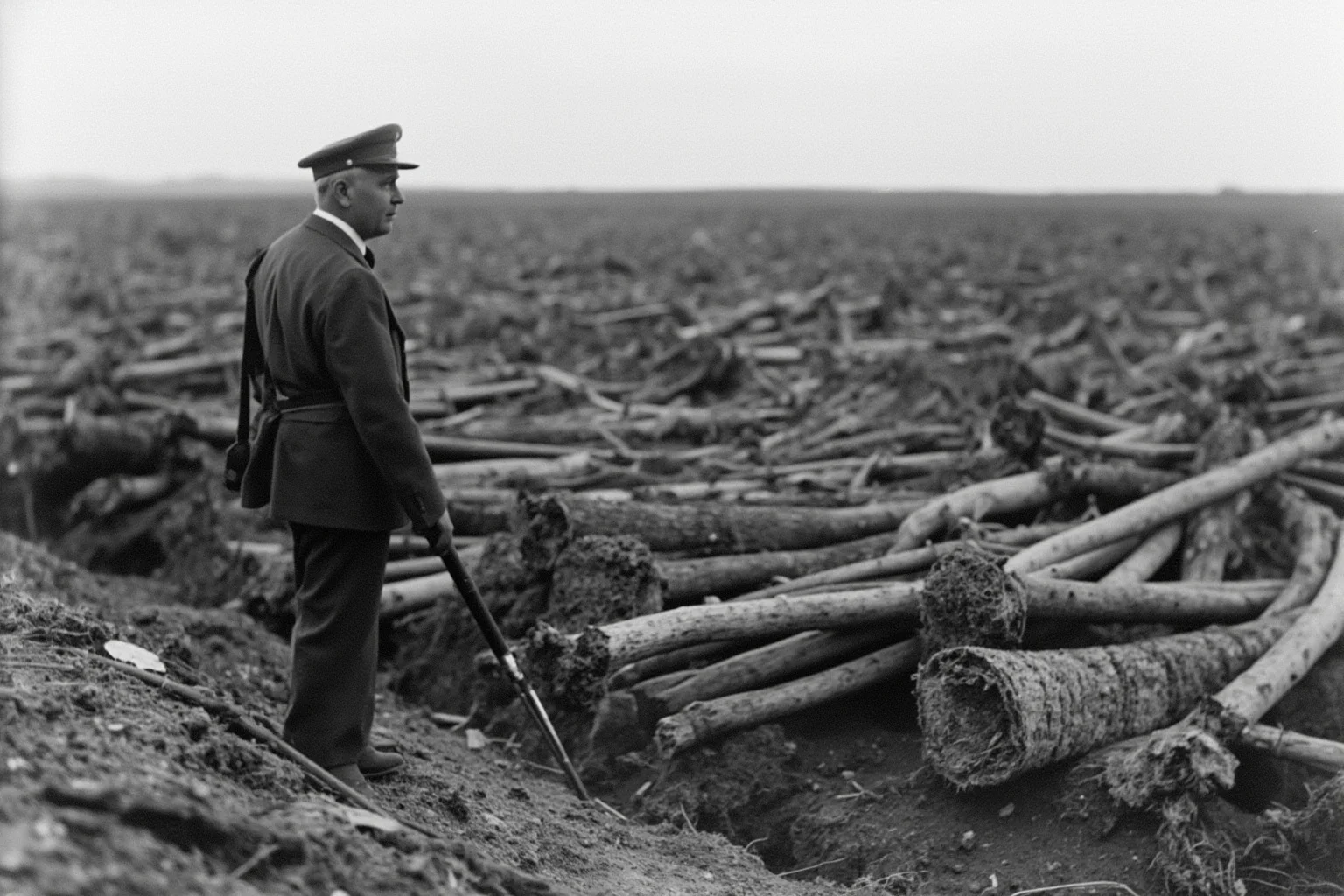
Russian mineralogist Leonid Kulik became obsessed with the event after reading about the flattened forest. He conducted preliminary work in 1921, but his major expedition reached the central blast zone in 1927. Kulik and his team expected to find a large meteorite crater.
What they found instead was a vast field of fallen trees and an apparent lack of any obvious crater. Kulik's expeditions helped document the radial pattern of destruction and collected early eyewitness testimony. His work transformed the Tunguska blast event from a rumor into a serious scientific field.
10. Kulik Found a Radial Pattern of Fallen Trees, Not a Crater
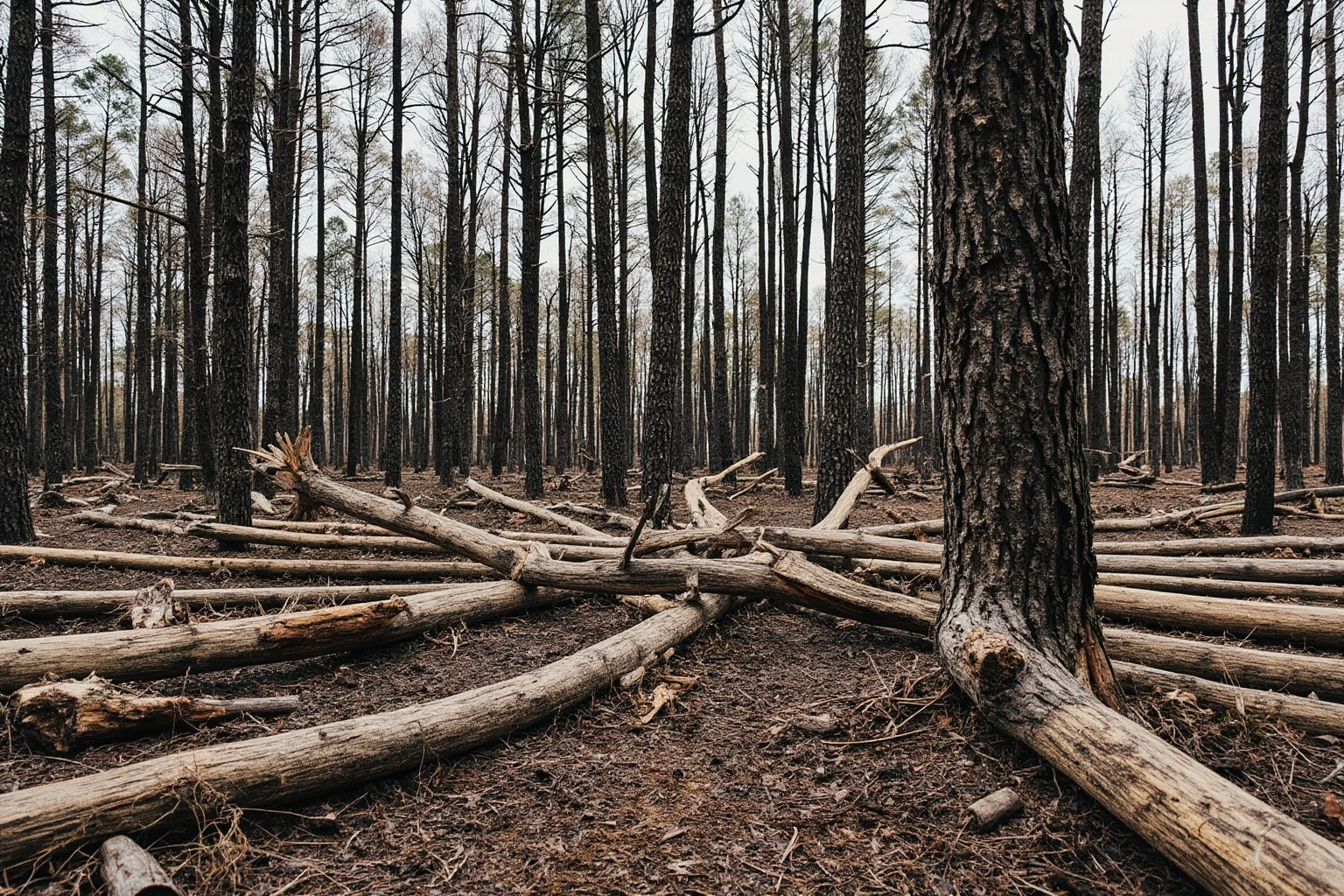
Kulik's team mapped thousands of downed trees and observed that they pointed outward from a central zone. This radial pattern suggested a powerful shock wave radiating from a point above the forest floor. The pattern was strongest some distance from the center, which confused early investigators.
Kulik had expected a crater, but the central area contained standing, heavily damaged trees with branches stripped away. He initially thought a meteorite might be buried in a bog, but drilling and digging found no large impact mass. The tree evidence ultimately became the foundation for the airburst explanation.
11. The Tunguska Impact Left No Crater on the Ground
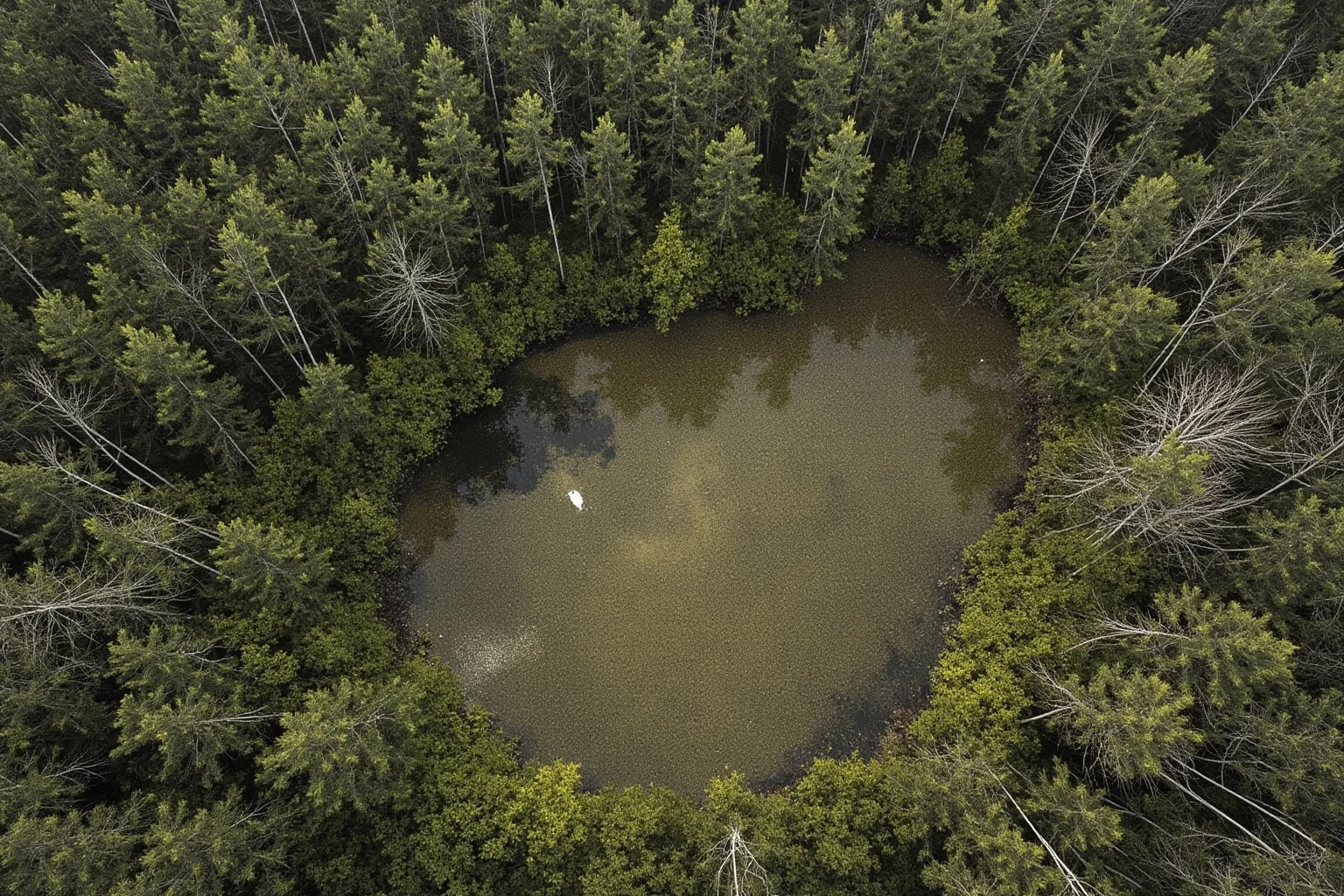
One of the most unusual features of the event is the absence of a definitive impact crater. Search teams have explored the region repeatedly, and no large hole matching an object of the estimated size has been confirmed. This is why scientists use the term 'Tunguska impact' loosely, since the object likely never reached the surface.
Instead, evidence points to an explosion in the atmosphere at an altitude of about 5 to 10 kilometers, or 3 to 6 miles. The downward pressure of the shock wave shattered the forest without leaving a traditional crater. This makes Tunguska an important case for understanding airburst threats.
12. No Meteorite Fragments Have Been Definitively Recovered

Despite decades of searching, no large meteorite fragments have been found and definitively linked to the Tunguska blast event. Some researchers have reported tiny particles and chemical anomalies in the soil, but none are universally accepted as proof of an impactor. The absence of a smoking gun fragment is one reason the story remains open to debate.
Several factors could explain the lack of debris. A porous stony asteroid might have shattered into dust at high altitude, or a comet fragment made mostly of ice would have vaporized almost completely. The remote, swampy ground also makes preserving and locating small fragments extremely difficult.
Researchers have used modern geochemical analysis to search for microscopic traces of an impactor. Some studies report possible anomalies, but results are often hard to separate from background soil chemistry. Until a confirmed fragment appears, the exact composition of the object will remain uncertain.
13. What Caused the Tunguska Event? Most Scientists Favor a Stony Asteroid Airburst
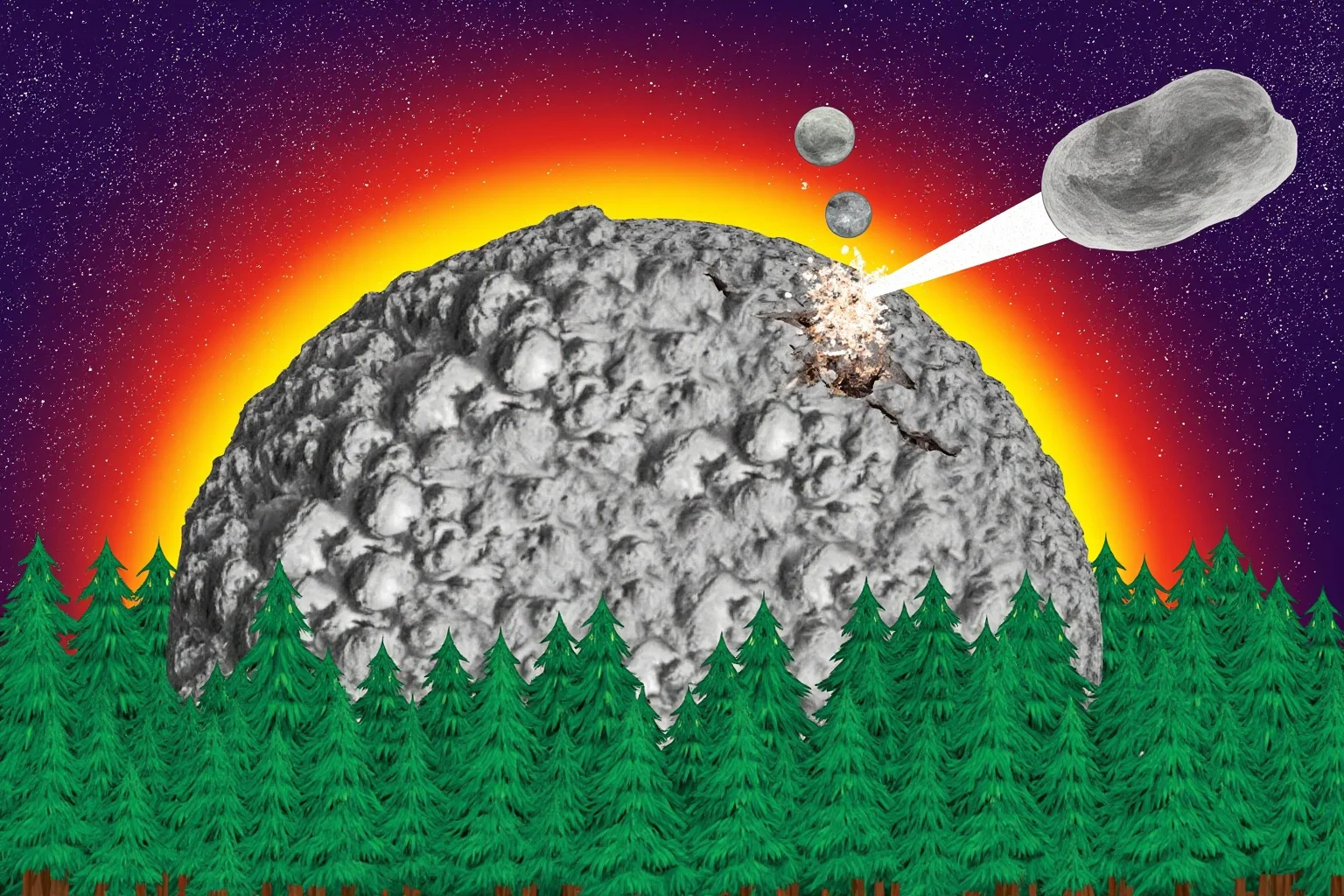
The leading scientific explanation is that a stony asteroid roughly 50 to 60 meters across entered the atmosphere at high speed. As it descended, aerodynamic stress caused it to break apart and release its energy in a colossal airburst. No large surviving fragment would be expected in that scenario.
This model fits the tree pattern, the lack of a crater, the seismic records, and the atmospheric glow. It also matches smaller observed events, such as the 2013 Chelyabinsk meteor in Russia, which produced a powerful airburst without a major crater. That comparison has strengthened confidence in the asteroid explanation.
14. A Comet Fragment Is the Strongest Rival Explanation
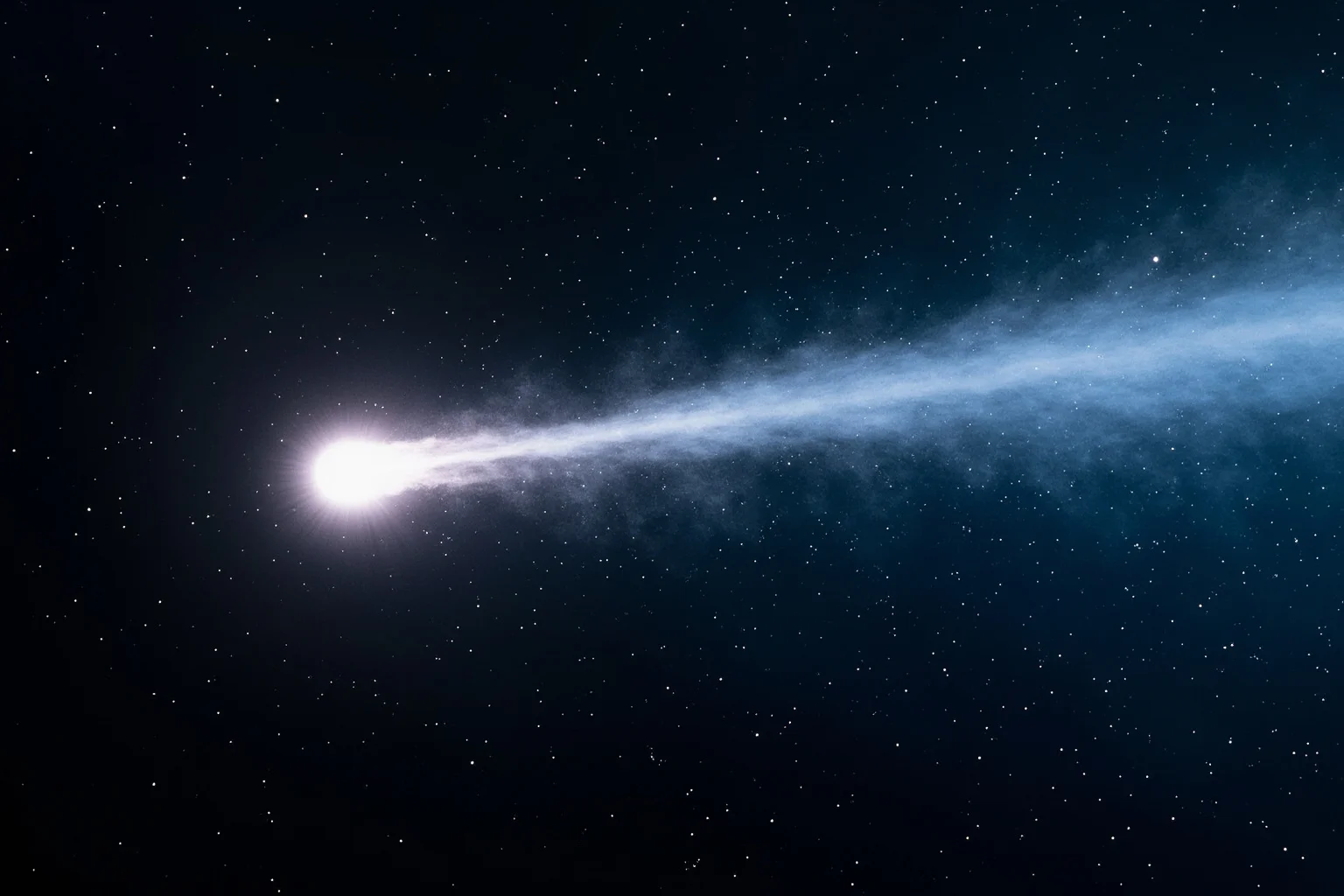
Some researchers argue that a fragment from a comet is a better explanation for the lack of rocky debris. A comet would have contained large amounts of water ice and volatile compounds, which would vaporize more completely in an airburst. That could explain the bright night skies and the absence of meteorite fragments.
The comet hypothesis has appealing points, but it also has weaknesses. Comet fragments are generally more fragile and may break up higher in the atmosphere, which makes some of the observed damage patterns harder to match. Most scientists do not reject the comet idea outright, but they see a stony asteroid as the best current fit.
15. The Estimated Energy Release Reached 10 to 15 Megatons
The explosion's energy is usually estimated at around 10 to 15 megatons of TNT, though some calculations range from 3 to 30 megatons. By comparison, the atomic bomb dropped on Hiroshima released about 15 kilotons, meaning the Tunguska blast may have been hundreds of times more powerful. The event was not nuclear, but the scale is often described in those terms for public understanding.
The energy estimate comes from seismic records, barometric readings, and the extent of the fallen forest. Different models of atmospheric explosion produce slightly different numbers. Despite the uncertainty, the Tunguska event size and power clearly make it the largest known natural airburst in recorded history.
16. The Object Was Probably 50 to 60 Meters Across
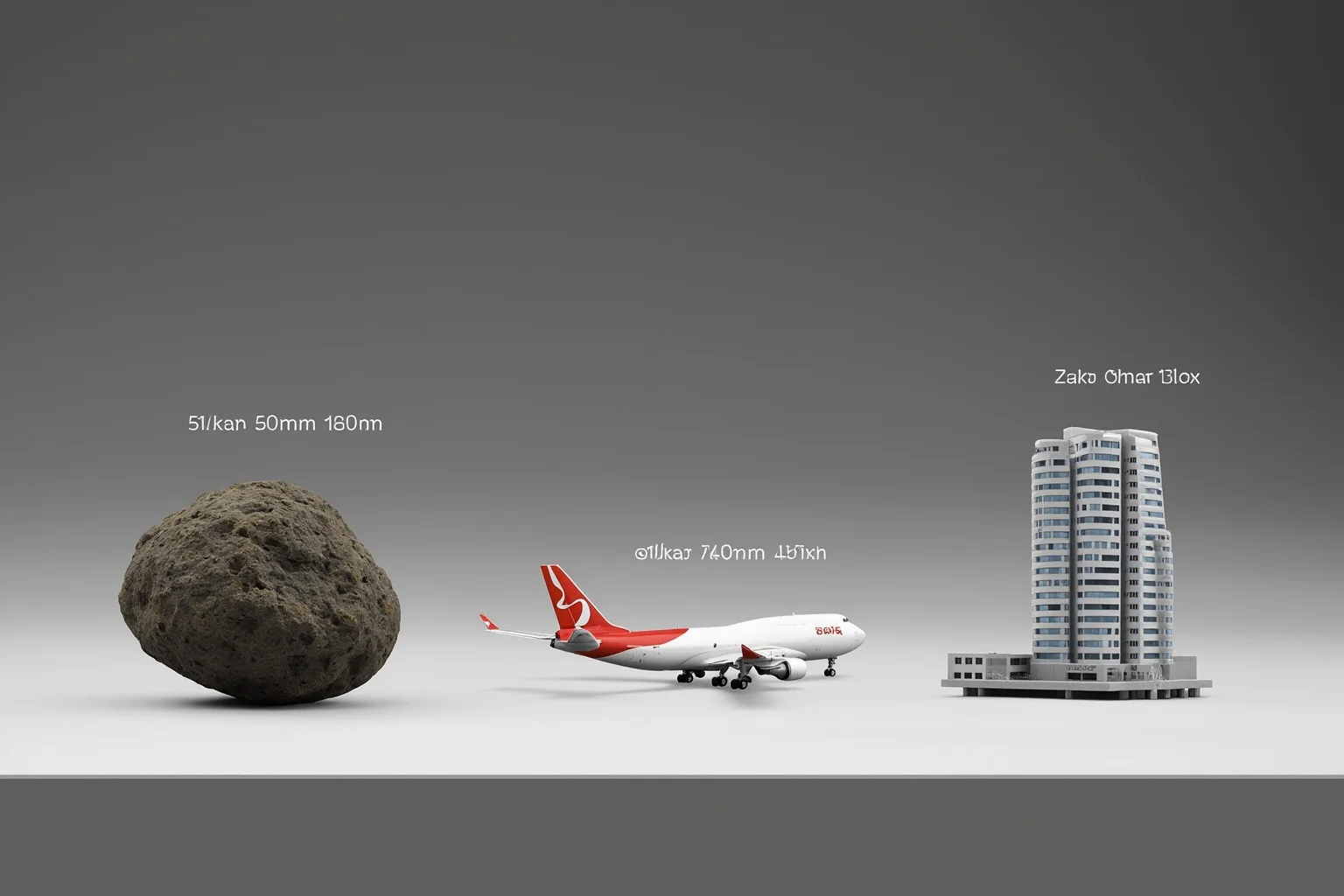
Modern computer models suggest the object that caused the Tunguska blast event was probably about 50 to 60 meters, or roughly 160 to 200 feet, across. Some estimates range up to 100 meters depending on composition and speed. Even a 50-meter object can carry enormous kinetic energy.
That is much smaller than the asteroid that contributed to the extinction of the dinosaurs, but still large enough to devastate a modern city. The key variable was not just size but velocity, because the object entered the atmosphere at tens of thousands of kilometers per hour. The energy of that motion converted into heat and blast force in seconds.
For comparison, the Chelyabinsk object in 2013 was roughly 20 meters across and injured more than a thousand people, mostly from broken glass. The Tunguska object was probably two to three times wider and released far more energy. That difference in size made the 1908 event vastly more destructive.
17. Lake Cheko Was Proposed as a Possible Impact Scar
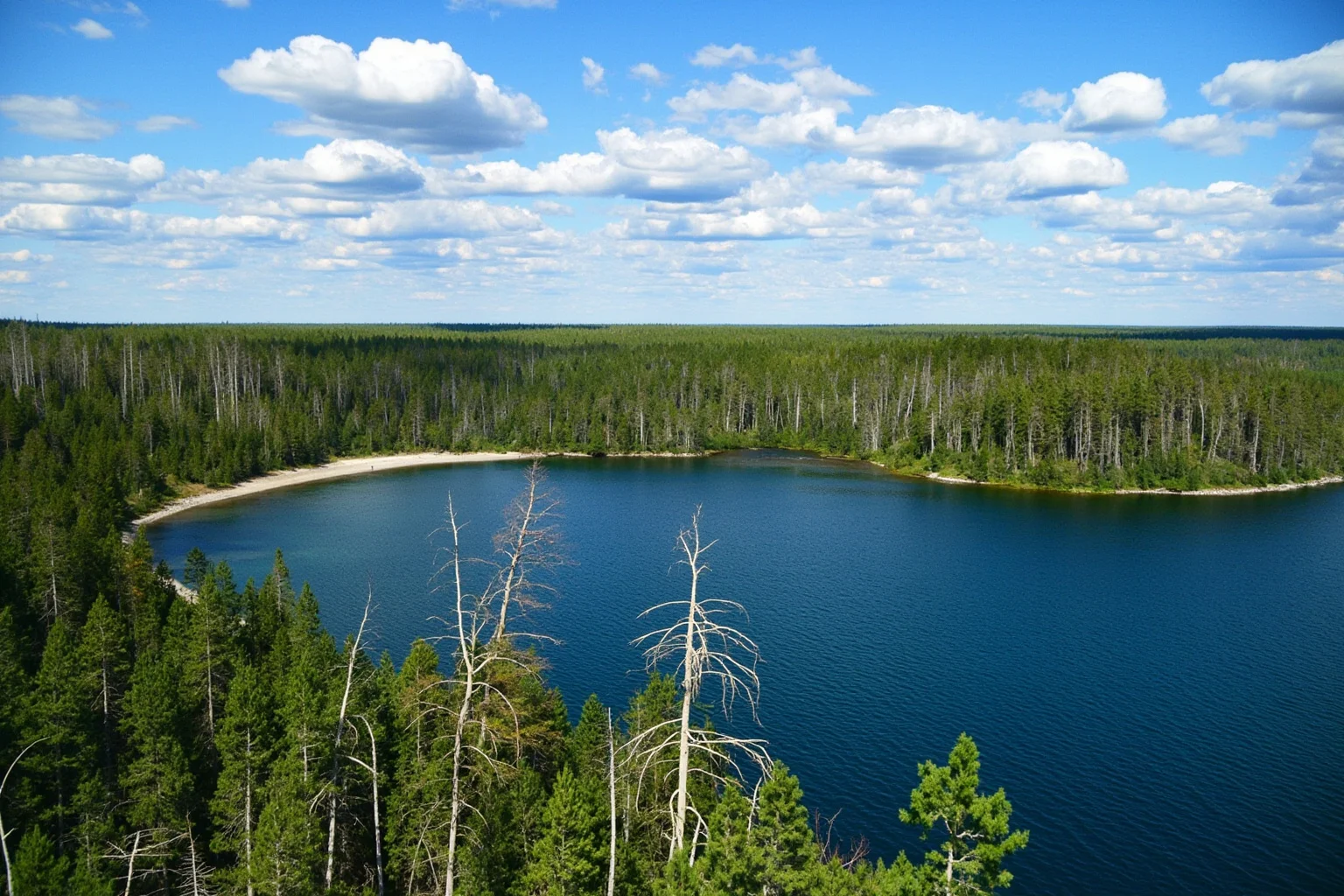
Lake Cheko, a small lake near the blast center, attracted attention as a possible impact feature. Some researchers suggested that a fragment of the Tunguska object might have struck the ground and created the lake. If true, that would revise the purely airburst explanation.
However, later studies of sediment and the lake's shape have generally supported the view that Lake Cheko is older than 1908. Most scientists now treat it as a natural landscape feature rather than a crater from the Tunguska impact. The debate shows how hard it can be to close every scientific loose end in a remote area.
18. Speculative Theories Have Included Black Holes, Antimatter, and Alien Craft
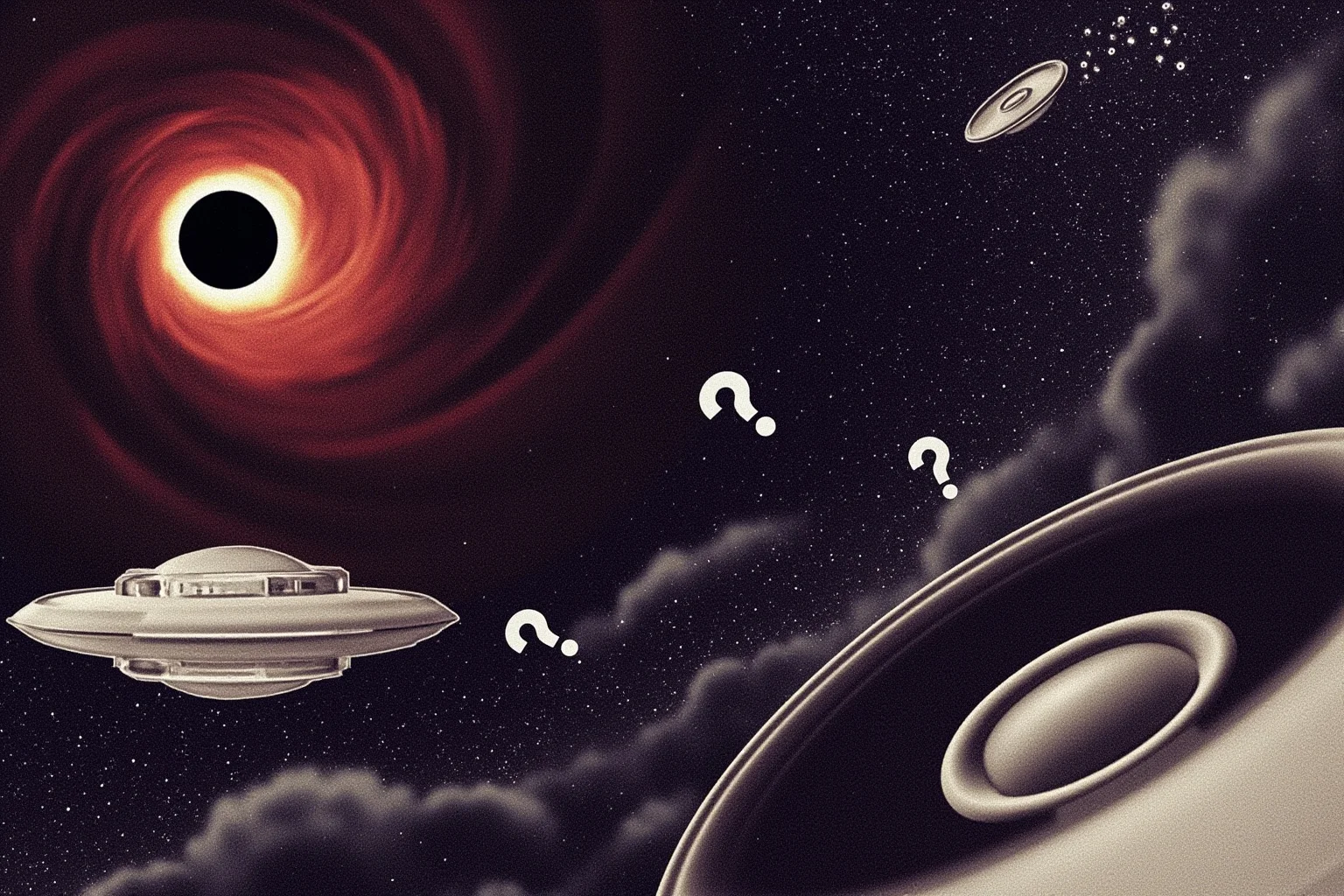
Because no impactor was found, the Tunguska event attracted a long list of speculative theories. Some authors proposed that a tiny black hole passed through the atmosphere and released energy. Others suggested antimatter annihilation or a crash by an extraterrestrial spacecraft.
There is no convincing evidence for any of these ideas, and mainstream science treats them as fringe explanations. They became popular in part because the event seemed so unusual and because early data were incomplete. The real lesson is that natural cosmic impacts can be far stranger than people expect.
19. It Is the Largest Known Natural Explosion of the 20th Century
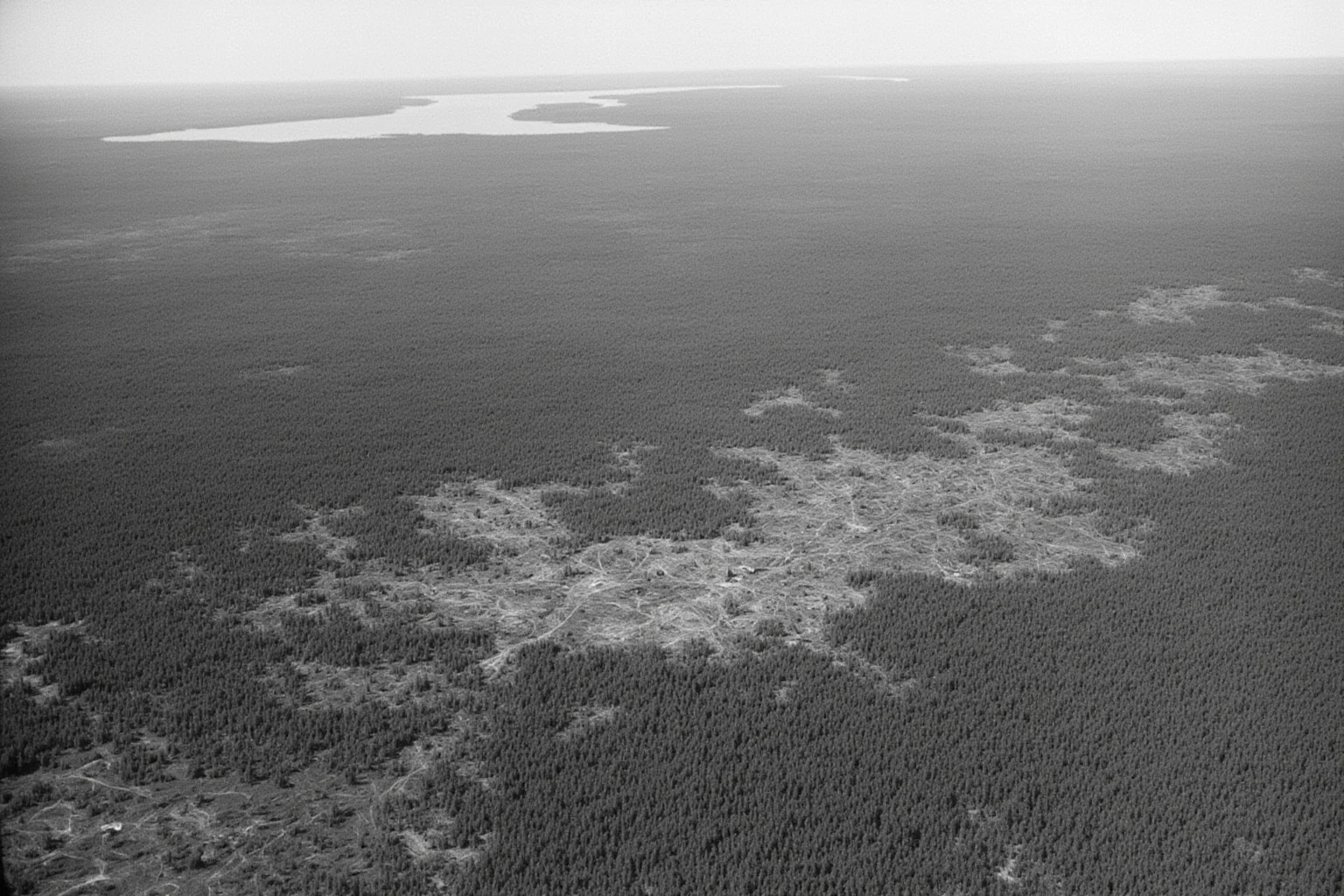
Before nuclear weapons, the Tunguska blast event produced one of the largest known explosions in modern history. It dwarfs conventional volcanic eruptions and industrial accidents in terms of immediate energy release. Only nuclear tests later in the 20th century would exceed it, but those were human-made.
The statement requires careful wording, since some volcanic eruptions release more total energy over longer periods. But as a sudden, point-source explosion, Tunguska remains the largest documented natural airburst. That is why it is often called the biggest cosmic impact event in recorded human history.
20. The Tunguska Event Shapes Modern Planetary Defense Today
The Tunguska blast event is frequently cited by planetary defense researchers as the best modern example of a small-asteroid airburst. It demonstrates that an object too small to leave a crater can still cause regional devastation over hundreds of square kilometers. Agencies now track near-Earth objects to identify similar future threats.
The event also helps scientists interpret airburst damage patterns and estimate risk from objects tens of meters across. Although no specific asteroid currently poses a known imminent threat, Tunguska is a reminder of the need for monitoring. It turned a remote Siberian forest into a permanent case study in planetary defense.
The Lasting Mystery of the 1908 Tunguska Event
The 1908 Tunguska event remains a powerful mixture of solid evidence and unresolved detail. The tree pattern, seismic records, and pressure waves tell a clear story of a huge atmospheric explosion, but the missing fragment and the delayed investigation left room for myth. Modern science has narrowed the cause to a natural airburst, most likely from a stony asteroid or comet fragment.
What was the Tunguska event ultimately? It was a warning from space delivered to an empty forest rather than a crowded city. It flattened an enormous area, lit up the night sky for days, and changed the way scientists think about cosmic impacts. That strange explosion in Siberia still echoes in every modern conversation about planetary defense.
Frequently Asked Questions
What was the Tunguska event?
The Tunguska event was a massive explosion that occurred on June 30, 1908, near the Podkamennaya Tunguska River in Siberia, Russia. It flattened an estimated 80 million trees across roughly 2,150 square kilometers and left no confirmed impact crater. Most scientists believe it was an airburst from a stony asteroid or comet fragment.
What caused the Tunguska event?
The leading explanation is that a stony asteroid about 50 to 60 meters across entered Earth's atmosphere and exploded about 5 to 10 kilometers above the ground. A comet fragment is also possible, but no large meteorite fragments have been definitively recovered.
How large was the Tunguska event size?
The Tunguska event size is usually described by its blast area and energy. It flattened about 80 million trees over 2,150 square kilometers, and researchers estimate the blast released about 10 to 15 megatons of TNT.
Did the Tunguska impact leave a crater?
No confirmed impact crater has been found. The evidence suggests the object exploded in the atmosphere before reaching the ground, which is why the event is called an airburst rather than a standard impact.
Was anyone killed in the 1908 Tunguska event?
No confirmed deaths were documented in the immediate blast zone. The region was extremely remote and sparsely populated, which is one reason the event produced so much damage but so few direct casualties.

Alex Warren
Related Articles