
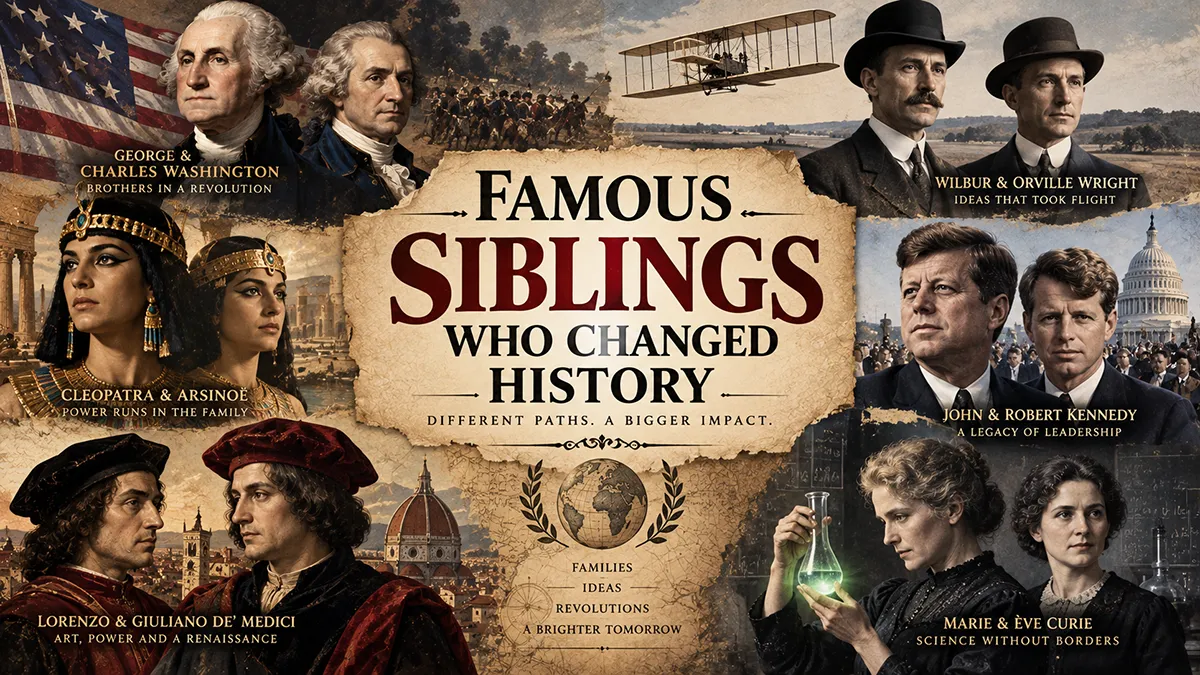
History tends to remember lone geniuses, but a surprising amount of it was actually built by twos and threes who happened to share a childhood bedroom.
Look closely at almost any major leap forward — in flight, literature, science, politics, or business — and you’ll often find a sister and brother, or a pair of brothers, working (or fighting) side by side.
Some of these famous brothers and sisters loved each other fiercely, some competed until the bitter end, and a few ended up on opposite sides of history entirely.
This list rounds up 22 of the most famous siblings in history, spanning ancient myth to modern sports. Along the way, we’ll separate the well-documented facts from the popular legends, because sibling history is often exaggerated in the retelling.
TL;DR: From the Wright brothers to the Brontë sisters, history’s most consequential breakthroughs were often the work of siblings, not lone geniuses.
What Makes a Sibling Duo Historically Significant?
Not every set of famous brothers or sisters made this list just for sharing a surname. The pairs and trios below are here because their relationship — whether collaborative, competitive, or tragic — directly shaped the outcome of a historical event, scientific discovery, artistic movement, or industry.
Some of these are famous brother and sister names you already know, like Elizabeth I and Mary I. Others, like the Dassler brothers, are less familiar by name even though their creations (Adidas and Puma) are on millions of feet today. Together they show just how often sibling history quietly drives the bigger story.
1. Romulus and Remus – The Legendary Founders of Rome
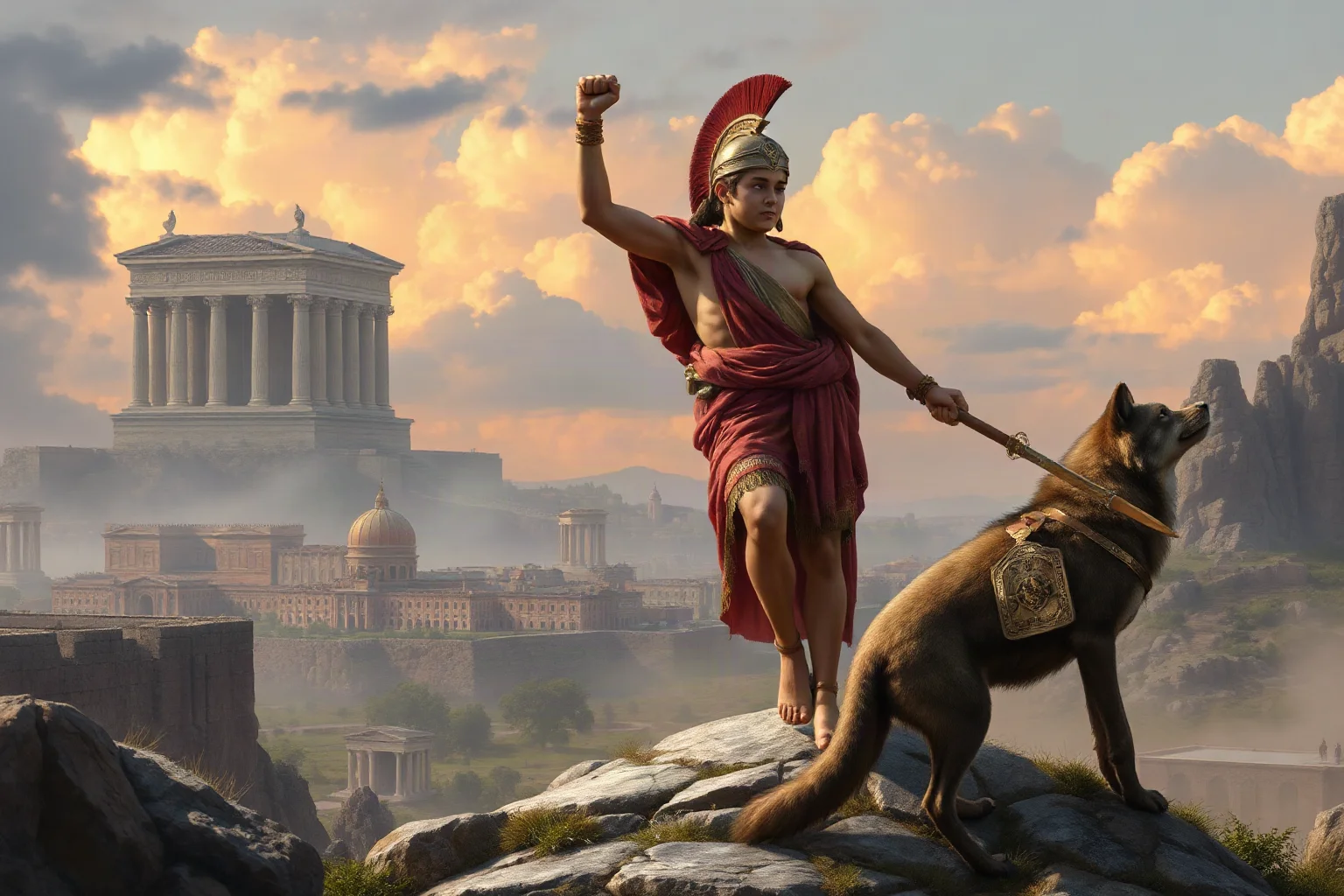
According to Roman legend, twin brothers Romulus and Remus were abandoned as infants and raised by a she-wolf before growing up to found the city of Rome around 753 BCE. The story says the brothers quarreled over where to build the city, and Romulus ultimately killed Remus and became Rome’s first king.
It’s important to be upfront here: historians widely regard this as founding mythology rather than verified fact. There is no archaeological or contemporary written evidence for twin founders, and the tale was likely shaped centuries later to give Rome a dramatic origin story.
Still, the legend endures as one of the most famous brother pairs in Western storytelling, sitting alongside other influential ancient Roman figures who shaped Rome’s identity long after its mythic founding. It also set an early template — sibling rivalry deciding the fate of an empire — that shows up again and again in real history.
2. Cleopatra VII and Her Ptolemaic Siblings
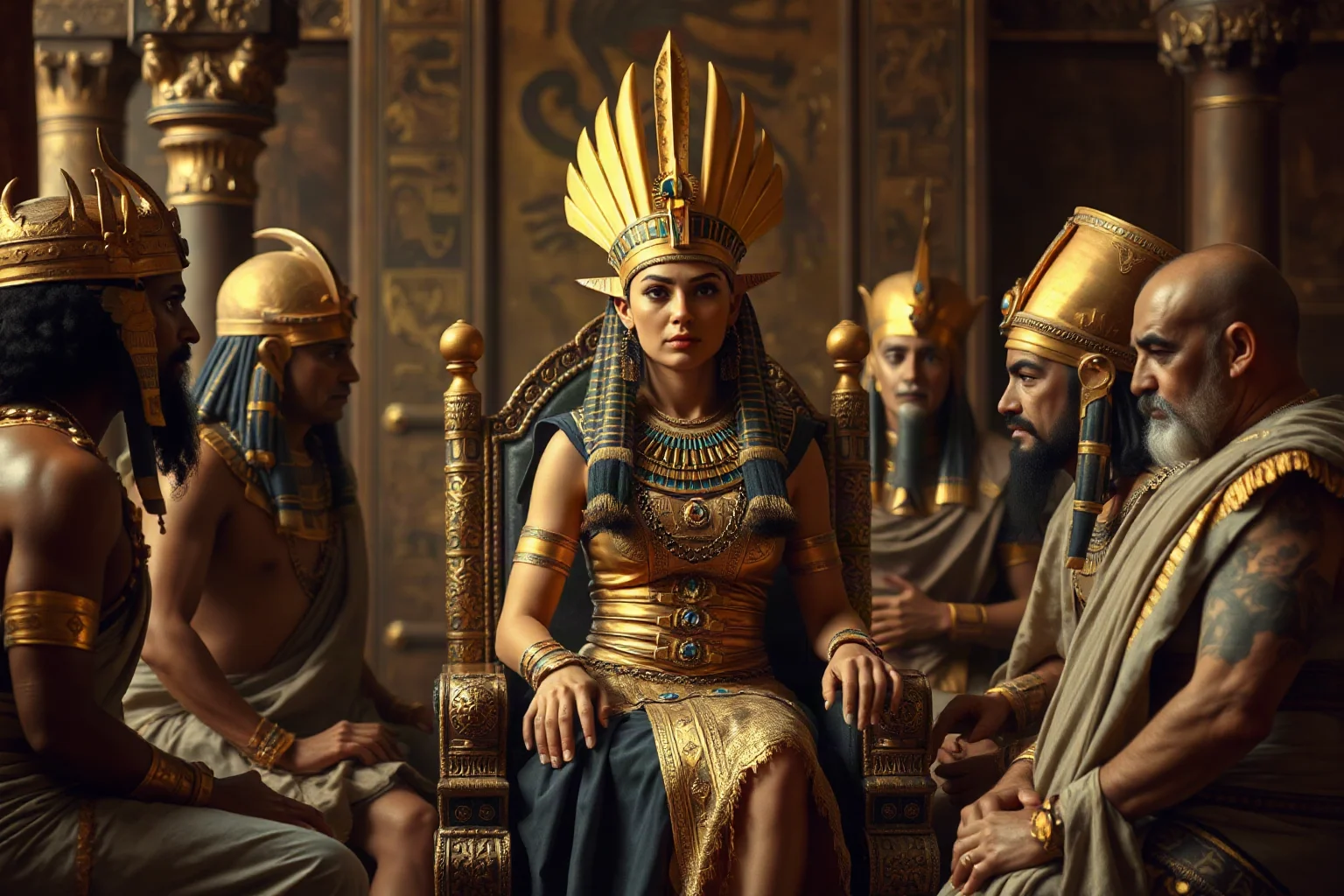
Cleopatra VII of Egypt is often remembered as a solo figure, but she spent much of her reign locked in power struggles with her own brothers and sister. She co-ruled with, and later warred against, her younger brothers Ptolemy XIII and Ptolemy XIV, both of whom she outmaneuvered with Roman help.
Her sister Arsinoe IV also tried to claim the throne and was eventually captured and executed on Cleopatra’s orders, according to ancient sources like Josephus and later Roman writers. This wasn’t a warm sibling story — Ptolemaic Egypt treated siblings as rivals for the crown as much as family.
The pattern reveals something important about ancient dynasties: royal sister and brother relationships were frequently political alliances or threats, not just family ties. Cleopatra’s ability to outlast her siblings was central to her decades on the throne, and it’s part of why she remains one of history’s most powerful women.
3. Elizabeth I and Mary I of England – Tudor Sisters on the Throne
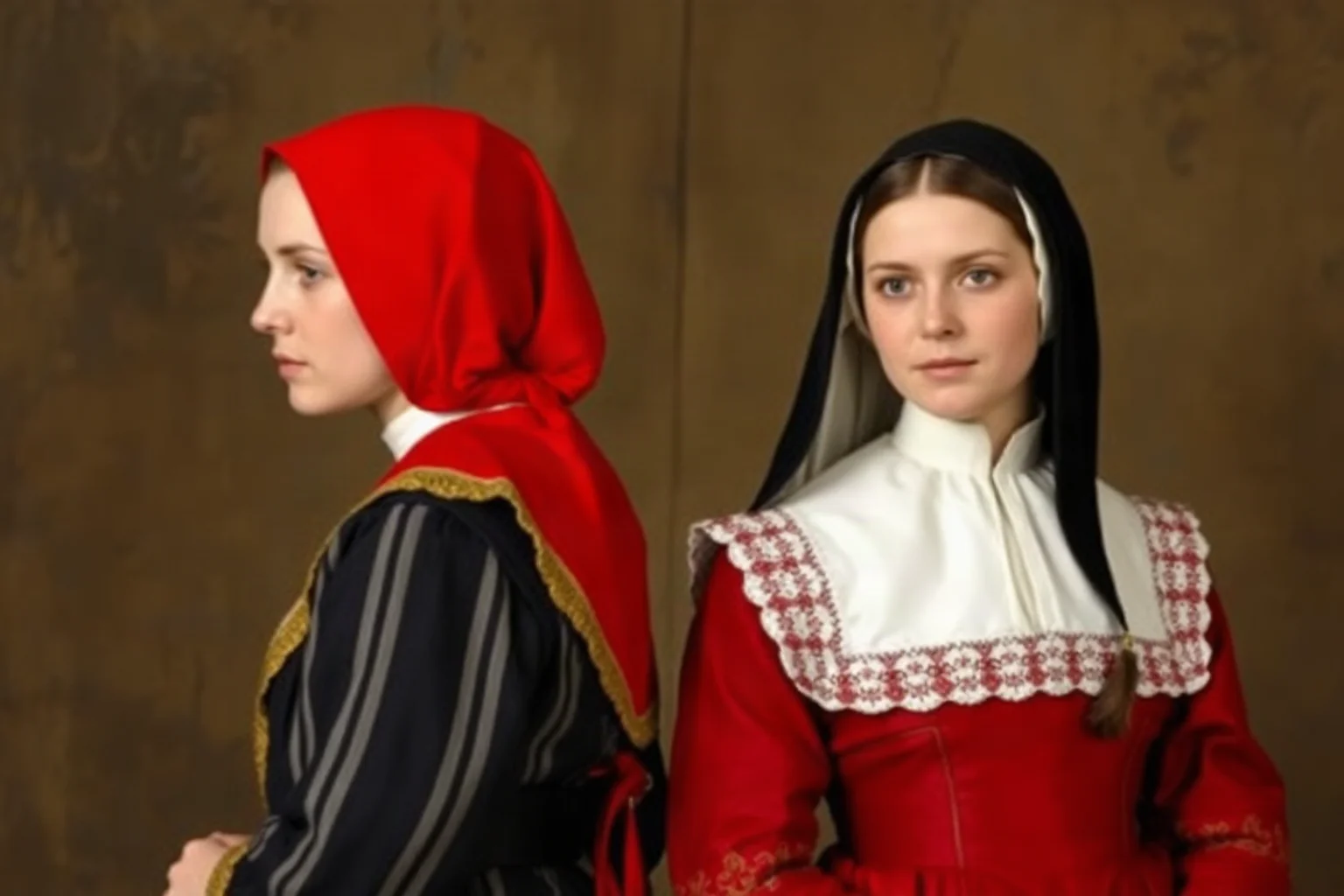
Half-sisters Mary I and Elizabeth I both ruled England in the 16th century, but their relationship was shaped by religious conflict and the shadow of their father, Henry VIII. Mary, a devout Catholic, briefly imprisoned Elizabeth in the Tower of London amid suspicions of plotting against her.
When Mary died in 1558, Elizabeth inherited the throne and reversed much of her sister’s religious policy, ushering in the Protestant Elizabethan era. Their story is a reminder that even famous historical sisters could be separated by profound political and religious divides.
Despite the tension, Elizabeth reportedly visited Mary during her final illness, showing the relationship wasn’t purely adversarial. Their combined reigns still shape how England’s Reformation-era history is understood today.
4. The Brothers Grimm – Jacob and Wilhelm Grimm

Jacob and Wilhelm Grimm were 19th-century German academics who collected and published European folk tales, giving the world stories like “Cinderella,” “Snow White,” and “Hansel and Gretel.” They weren’t simply writing fairy tales for children; their original goal was academic, preserving Germanic language and oral folklore.
The brothers worked so closely throughout their lives that they’re rarely discussed separately, making them one of the most well known brothers in literary history. Wilhelm handled most of the editing and storytelling polish, while Jacob focused on linguistic research, including work that led to “Grimm’s Law” in historical linguistics.
Their first edition, published in 1812, was actually much darker and more violent than the sanitized versions most people know today. Later editions were softened for a general audience, which is part of why the “Disney-fied” versions feel so different from the originals.
5. The Wesley Brothers – John and Charles Wesley

John and Charles Wesley were 18th-century Church of England clergymen whose preaching and hymn-writing launched the Methodist movement. John is usually credited as the movement’s chief organizer and theologian, traveling extensively across Britain to preach.
Charles, meanwhile, became one of history’s most prolific hymn writers, composing thousands of hymns including “Hark! The Herald Angels Sing.” Their brotherly partnership blended organization with artistry in a way neither could have achieved alone.
Methodism eventually grew into a global denomination with tens of millions of adherents, and much of its early theological and musical identity traces directly back to these two brothers. Few famous brothers in history had such a lasting religious footprint.
6. William and Caroline Herschel – Siblings Who Mapped the Sky

William Herschel is famous for discovering Uranus in 1781, but his sister Caroline Herschel was far more than an assistant. She was a skilled astronomer in her own right, discovering several comets and becoming the first woman to receive a salary for scientific work in Britain.
Caroline meticulously cataloged stars and nebulae alongside William, and her contributions were formally recognized when the Royal Astronomical Society awarded her a Gold Medal in 1828. That honor wasn’t repeated for another woman astronomer for over 150 years.
Their partnership is a good corrective to the idea that women were absent from early scientific breakthroughs. Caroline Herschel remains one of the most famous historical sisters in the story of astronomy, even though William’s name is better known.
7. Napoleon Bonaparte and His Siblings – The Bonaparte Dynasty
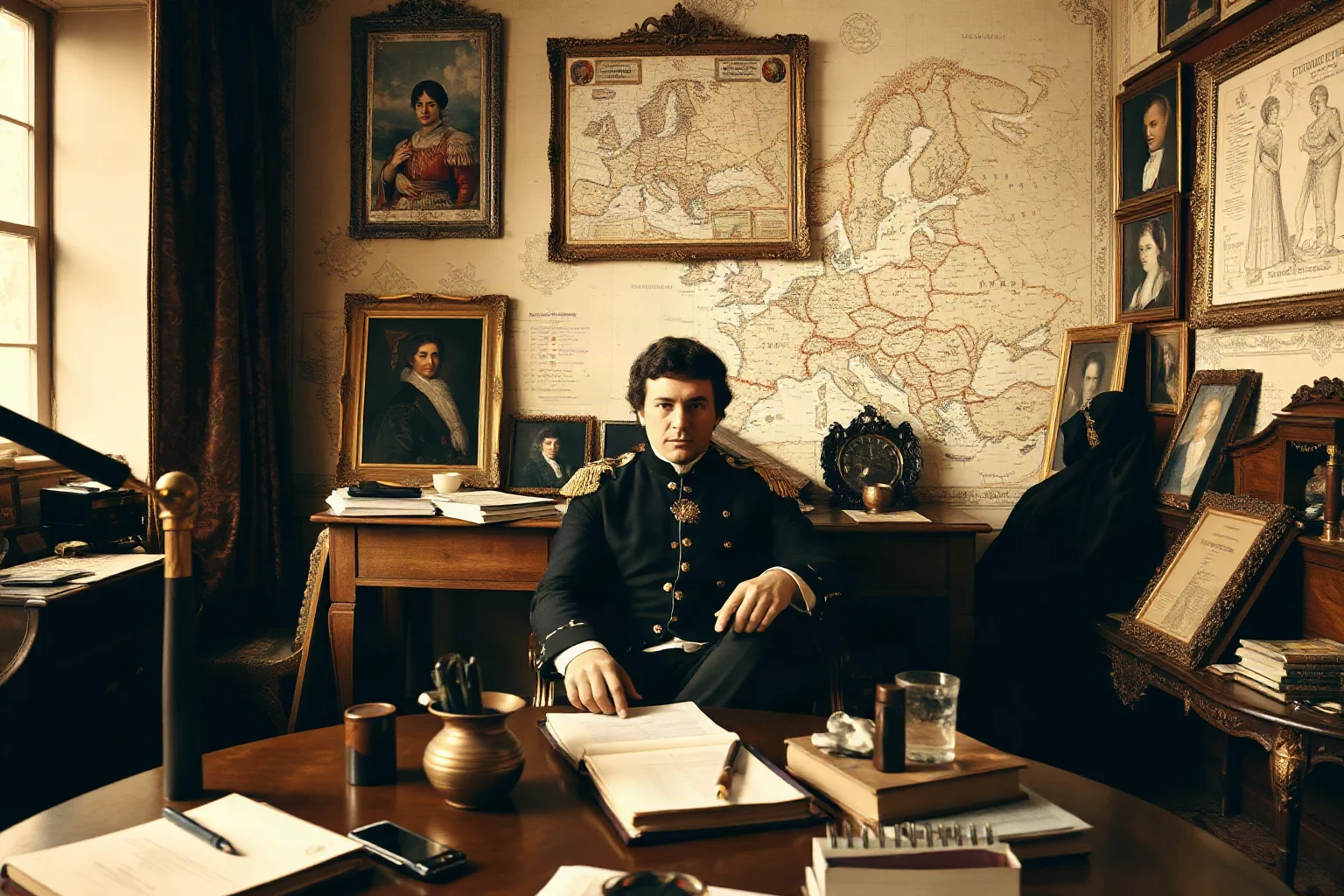
Napoleon Bonaparte didn’t rise to power alone; he installed several of his brothers and sisters as monarchs across Europe once he became emperor of France. Joseph became King of Naples and later Spain, Louis became King of Holland, and Jérôme became King of Westphalia.
His sisters Elisa, Pauline, and Caroline were granted titles and territories as well, effectively turning the Bonaparte family into a continent-spanning royal network. Napoleon trusted family loyalty over experience in many of these appointments, which sometimes backfired when his siblings proved politically unreliable.
The arrangement collapsed along with Napoleon’s empire after his defeat at Waterloo in 1815. Still, for a brief period, this was one of the most powerful sibling networks in European history, built entirely on one brother’s ambition.
8. The Brontë Sisters – Charlotte, Emily, and Anne
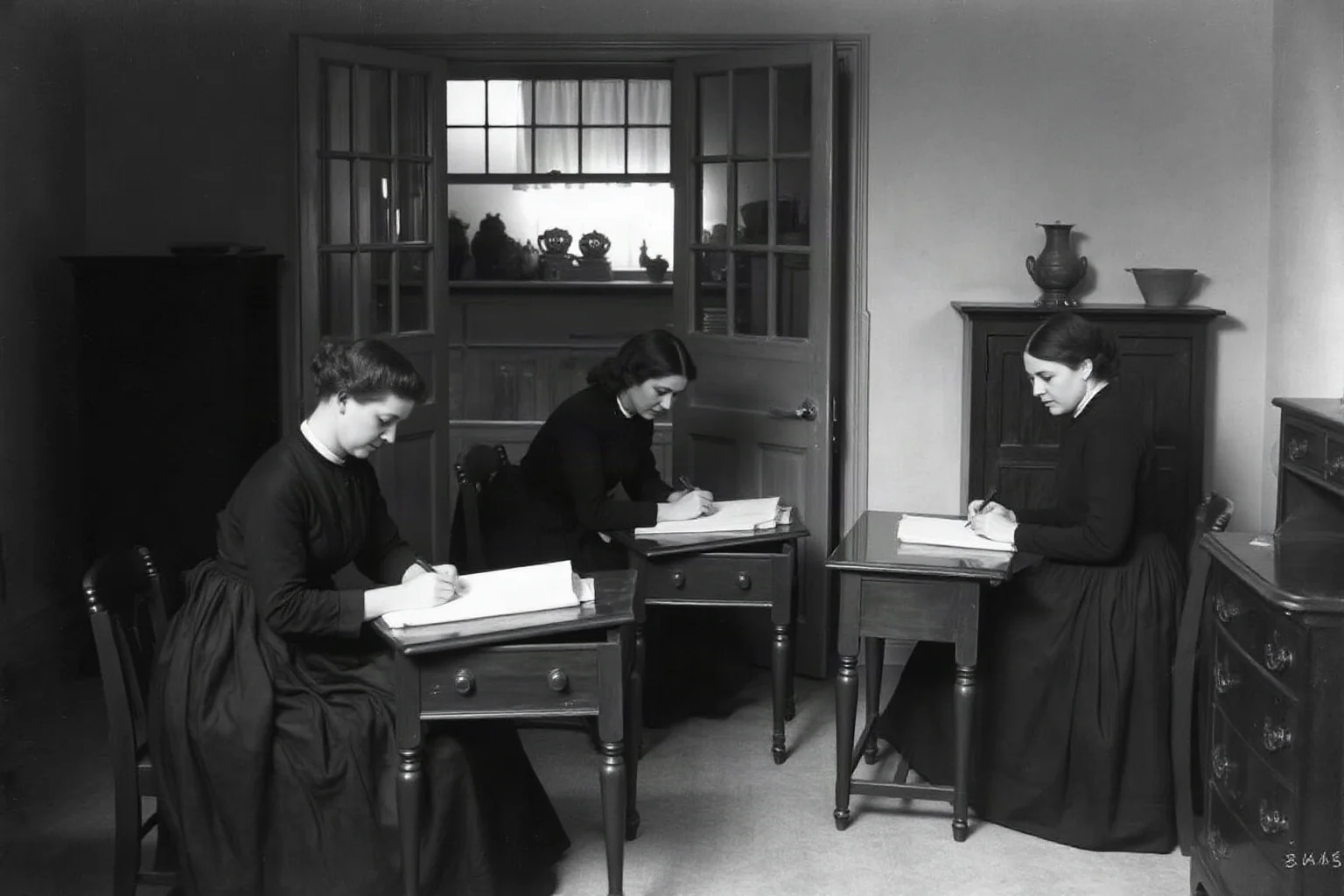
Charlotte, Emily, and Anne Brontë grew up in a remote Yorkshire parsonage and went on to write some of the most enduring novels in English literature, including “Jane Eyre,” “Wuthering Heights,” and “Agnes Grey.” They initially published under male pseudonyms — Currer, Ellis, and Acton Bell — because Victorian publishing was heavily biased against women writers.
All three sisters died young, with Emily and Anne dying of tuberculosis within about a year of each other, and Charlotte passing a few years later. Their brother Branwell, often overlooked, was a talented but troubled artist and writer whose struggles with addiction cast a shadow over the household.
Despite their short lives, the Brontë sisters remain some of the most famous historical sisters in publishing, ranking among history’s most influential writers, and their novels are still bestsellers nearly two centuries later. Their story shows how sibling encouragement can turn quiet, isolated lives into literary powerhouses.
9. Vincent and Theo van Gogh – Art Sustained by Brotherly Devotion
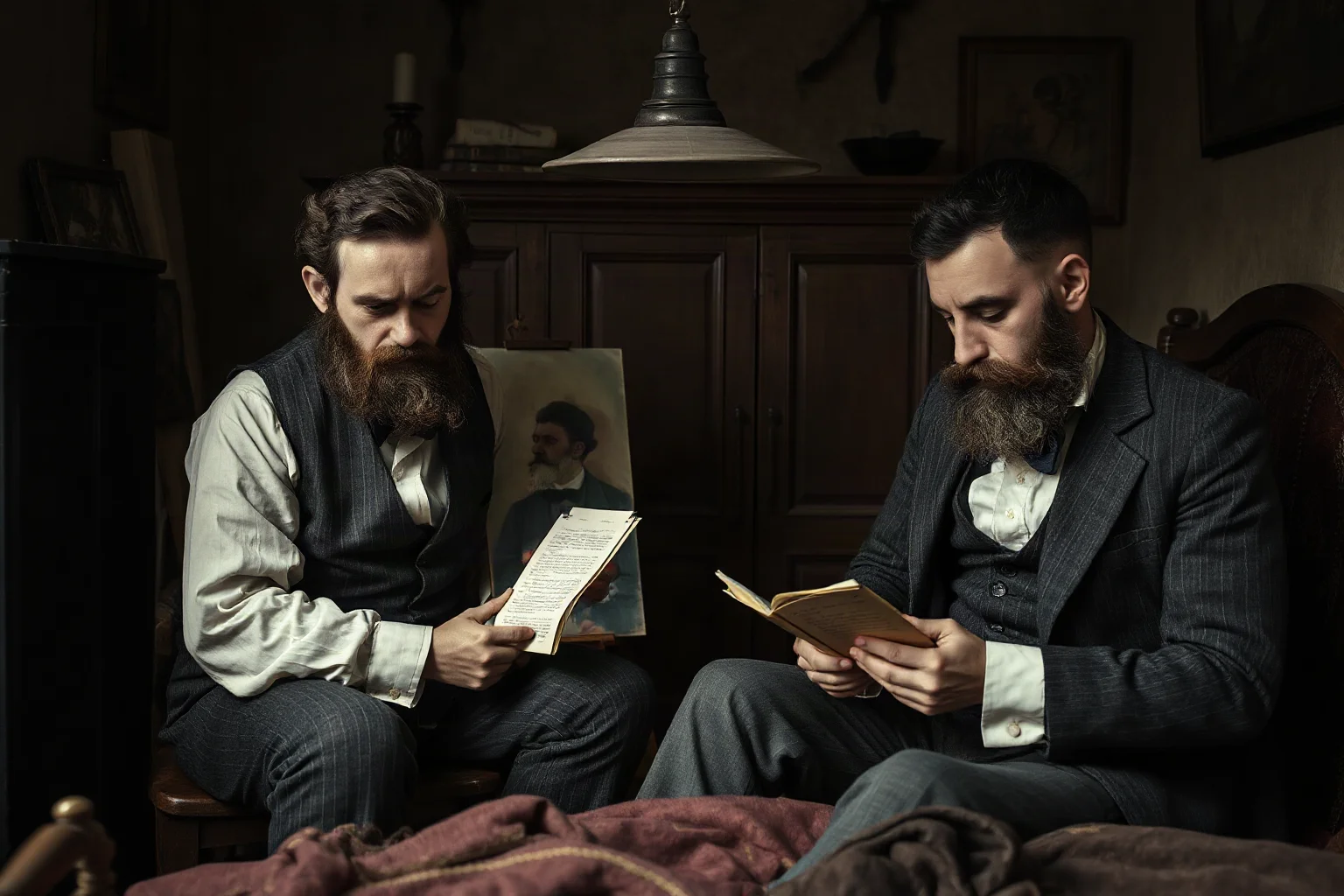
Vincent van Gogh is remembered today as one of history’s great painters, but during his lifetime he sold almost nothing and relied heavily on financial and emotional support from his younger brother, Theo. Theo, an art dealer in Paris, sent Vincent money for paint, canvas, and living expenses for years.
The brothers exchanged hundreds of letters that survive today, giving historians remarkable insight into Vincent’s mental state and artistic philosophy. Theo also worked to promote Vincent’s paintings, though real commercial recognition didn’t arrive until after Vincent’s death in 1890.
Theo died just six months after his brother, and their bodies were eventually buried side by side in Auvers-sur-Oise, France. Their bond is one of the most poignant examples of famous brothers in history whose partnership was creative rather than competitive.
10. The Grimké Sisters – Sarah and Angelina, Voices Against Slavery
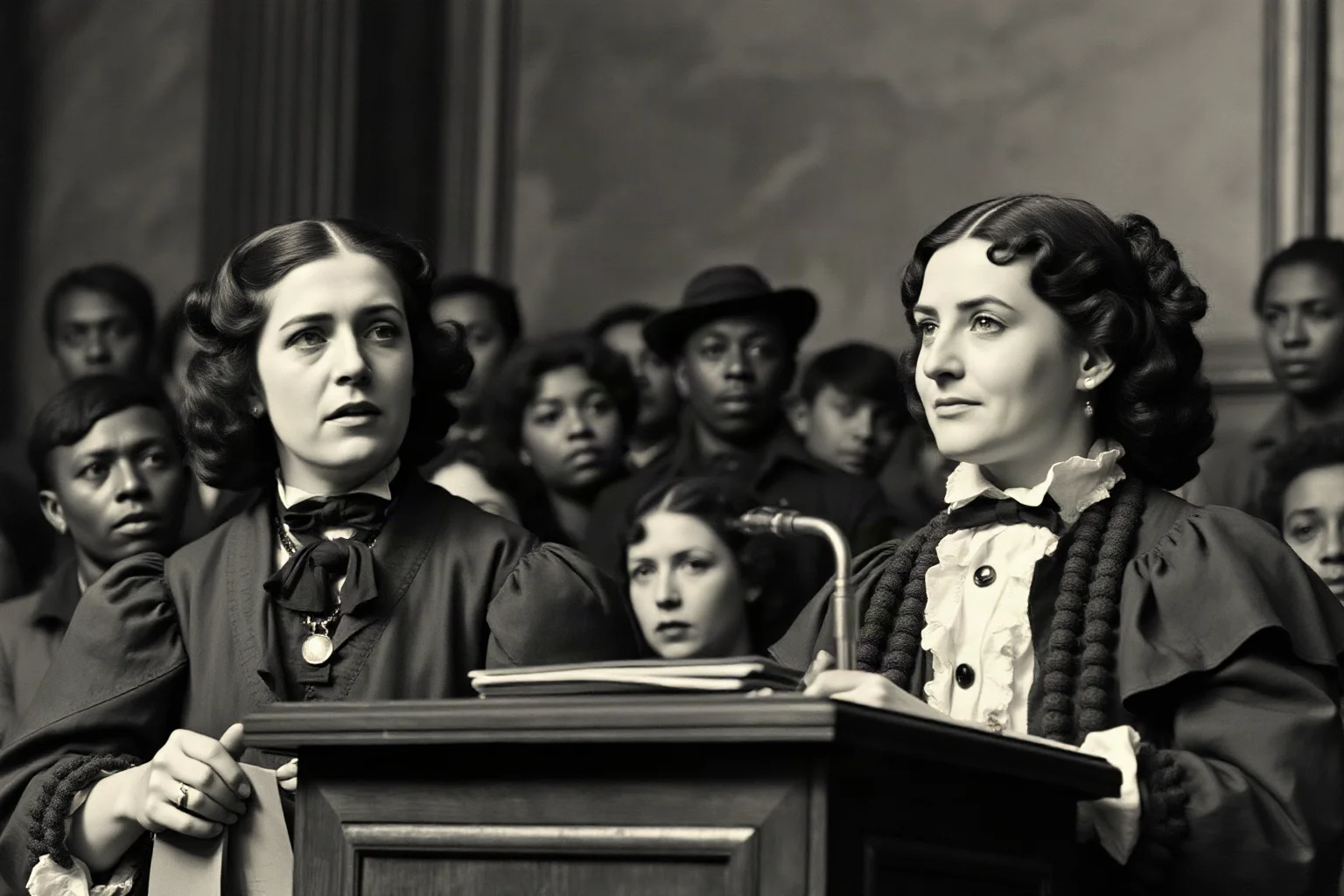
Sarah and Angelina Grimké were born into a slaveholding South Carolina family in the early 1800s but became two of the most outspoken abolitionists and early women’s rights advocates in the United States. Their pamphlets and public speeches were groundbreaking, especially because it was considered scandalous for women to lecture publicly at the time.
Angelina’s 1836 “Appeal to the Christian Women of the South” directly challenged slaveholding women to confront the institution’s cruelty. Sarah, meanwhile, wrote extensively connecting abolition with women’s rights, arguing the two causes were deeply linked.
Their activism cost them socially, alienating them from much of their family and community. Even so, the Grimké sisters remain some of the most important — if underappreciated — famous historical sisters in American reform movements.
11. The Wright Brothers – Orville and Wilbur, Pioneers of Flight
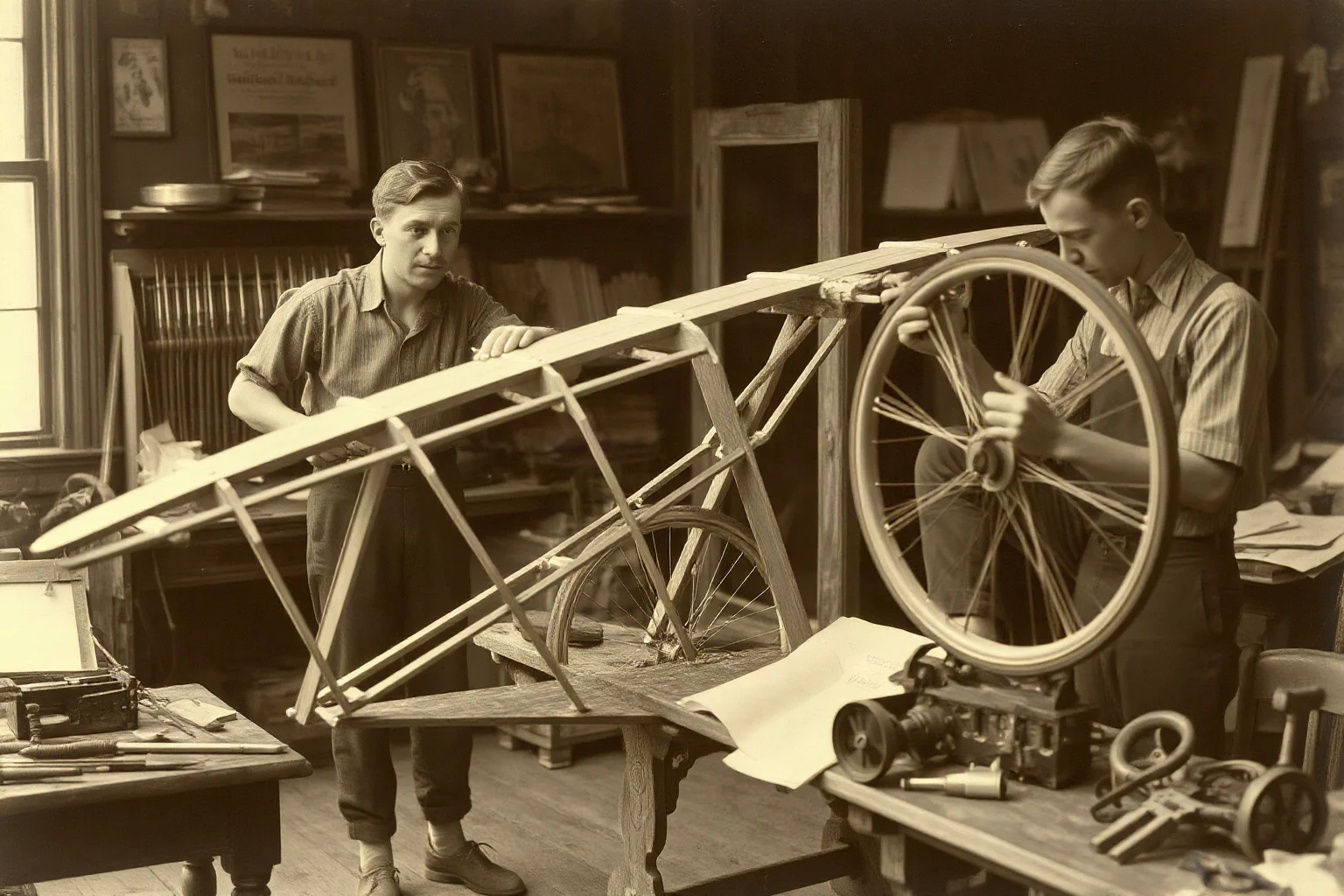
Orville and Wilbur Wright ran a bicycle shop in Dayton, Ohio, before turning their mechanical know-how toward a much bigger problem: powered human flight. On December 17, 1903, at Kitty Hawk, North Carolina, their aircraft made the first controlled, sustained flight of a powered airplane.
Neither brother ever married, and biographers often note how completely their working lives were intertwined, with decisions made jointly and credit shared. They tested designs meticulously using a homemade wind tunnel, which set them apart from other aviation experimenters of the era who relied more on guesswork.
Their 1903 flight lasted only 12 seconds and covered about 120 feet, a modest start compared to modern air travel. Still, the Wright brothers are arguably the most famous brothers names in the history of invention, and their careful, evidence-based approach to engineering became a model for the field.
12. The Pankhurst Family – Mothers, Sisters, and the Fight for the Vote
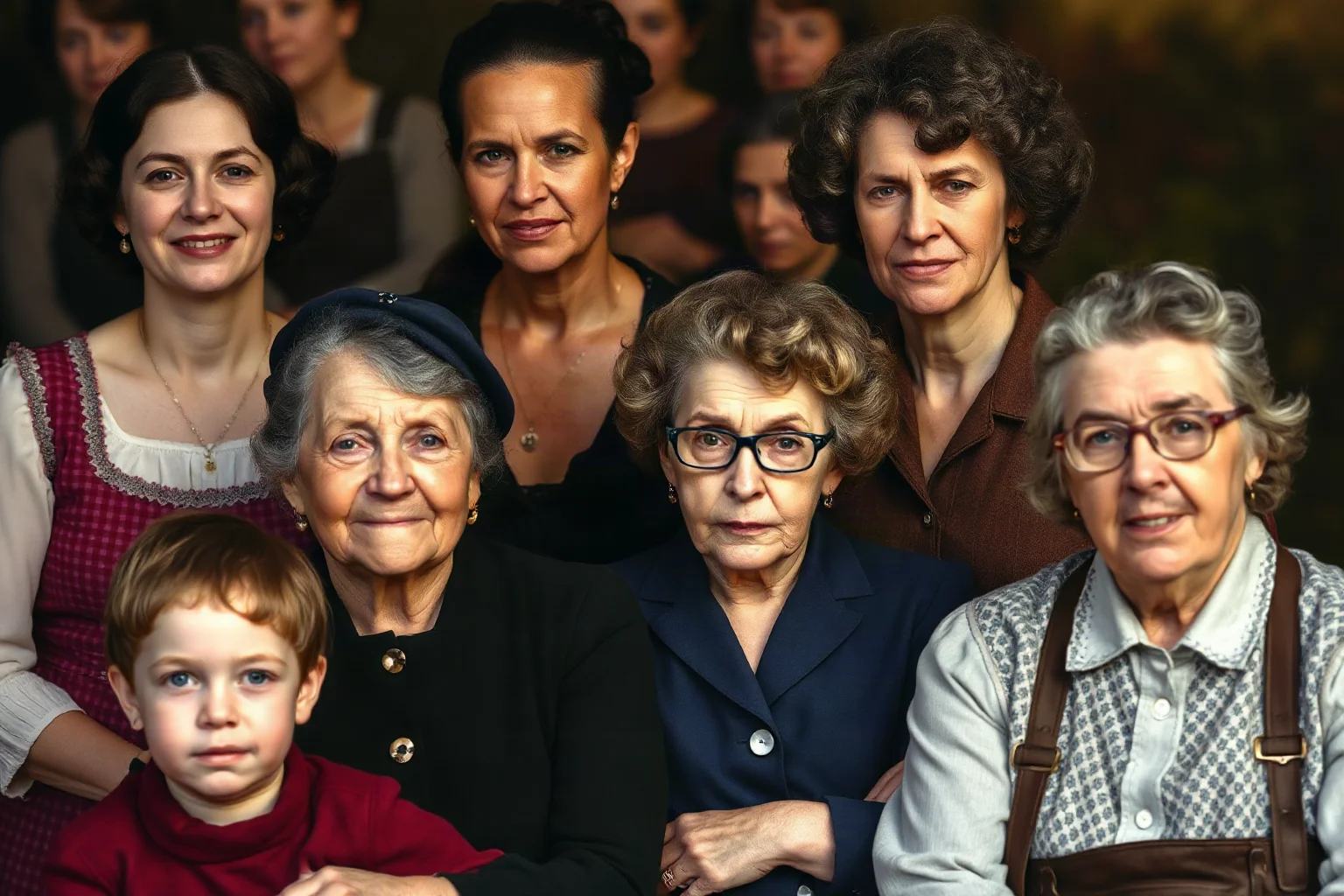
Emmeline Pankhurst founded the Women’s Social and Political Union in 1903, but the fight for British women’s suffrage was very much a family affair involving her daughters Christabel, Sylvia, and Adela. The sisters didn’t always agree on tactics or politics, and the family split publicly over strategy and, later, over World War I.
Christabel favored the militant, headline-grabbing direct action the WSPU became known for, while Sylvia moved toward socialism and worked closely with the East London working class. Adela eventually emigrated to Australia after further political disagreements with her mother and sisters.
Despite the internal conflict, the combined efforts of this family are credited as a major force behind the Representation of the People Act of 1918, which gave some British women the right to vote. It’s a striking example of famous brothers and sisters in history — in this case sisters — whose disagreements didn’t stop them from changing the law.
13. Marie Curie and Bronisława Dłuska – Sisters Who Pushed Each Other Forward

Marie Curie’s fame as a two-time Nobel laureate, and her place among history’s smartest people, often overshadows the role her older sister, Bronisława Dłuska, played in her success. The sisters made a pact in Warsaw: Bronisława would study medicine in Paris first, with Marie’s financial help, and then support Marie’s education in return.
Bronisława went on to become one of Poland’s first female physicians, later co-founding a sanatorium and working in public health. Marie lived with Bronisława’s family for a time while pursuing her own studies at the Sorbonne, giving her the stability to focus on physics and chemistry.
Without that sisterly agreement, Marie Curie’s path to Paris — and eventually to isolating radium and polonium — might have looked very different. It’s a quieter, less mythologized example of famous brothers and sisters in history working as a genuine team.
14. The Marx Brothers – Comedy Built on Sibling Chemistry

Groucho, Chico, Harpo, Zeppo, and Gummo Marx grew up performing in vaudeville before becoming one of the most influential comedy acts in American film history. Their films, including “Duck Soup” and “A Night at the Opera,” combined verbal wit, physical comedy, and pure chaos in a style that still influences comedians today.
Gummo left performing early to become the brothers’ manager, while Zeppo eventually stepped away from acting for an engineering and manufacturing career. The remaining trio of Groucho, Chico, and Harpo carried the act through its most iconic film years in the 1930s and 40s.
Their sibling dynamic — sharp-tongued Groucho, scheming Chico, and silent Harpo — worked precisely because each brother had a distinct, well-defined comedic role. Few well known brothers have shaped an entire genre of entertainment quite like they did.
15. Edwin and John Wilkes Booth – A Family Split by Tragedy

Edwin Booth was one of 19th-century America’s most celebrated Shakespearean actors, widely admired for his performances as Hamlet. His younger brother, John Wilkes Booth, was also an actor — but is remembered instead as the assassin of President Abraham Lincoln in April 1865.
The brothers came from a famous theatrical family founded by their father, Junius Brutus Booth, and had performed together on stage before the assassination. Edwin was reportedly devastated and largely withdrew from public life for a time after his brother’s crime, even though he had no involvement in it.
Interestingly, Edwin had once saved the life of Lincoln’s son, Robert, in an unrelated incident, a detail often noted for its grim irony. This is one of history’s darkest examples of famous brothers whose lives diverged in the most consequential way possible.
16. The Dassler Brothers – The Sneaker Feud Behind Adidas and Puma

Adolf “Adi” Dassler and Rudolf Dassler co-founded a shoe company in Herzogenaurach, Germany, in the 1920s, which became hugely successful making athletic footwear. A bitter falling-out after World War II — the exact causes remain debated by historians, and family tensions were compounded by wartime politics — split the brothers permanently.
Adi went on to found Adidas, while Rudolf started Puma just across the same small town, creating a rivalry that reportedly divided the local community for decades. Residents were sometimes informally identified by which brand they wore, showing how deeply the feud embedded itself locally.
Both companies grew into global sportswear giants, which makes the Dassler brothers one of the most consequential — and least amicable — famous brothers in business history. The brothers reportedly never reconciled before their deaths.
17. The Ringling Brothers – Building an American Circus Empire
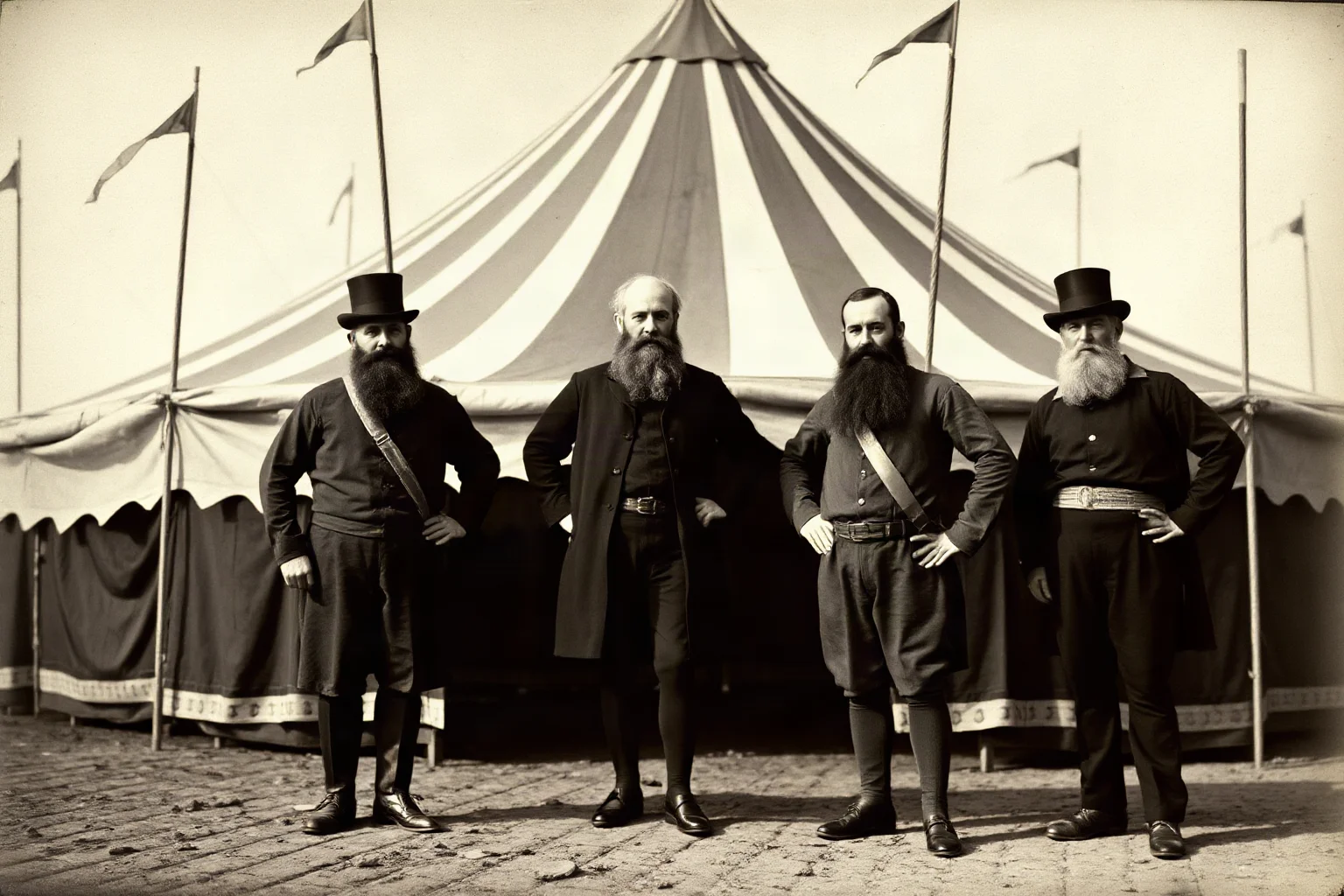
Five of the seven Ringling brothers — Al, Otto, Alfred, Charles, and John — founded a small traveling circus in Wisconsin in 1884 that eventually grew into the Ringling Bros. and Barnum & Bailey Circus. Each brother took on a distinct operational role, from finance to logistics to performance booking, which helped the business scale rapidly.
By the early 20th century, they had absorbed their biggest competitor, the Barnum & Bailey Circus, creating what was billed as “The Greatest Show on Earth.” Their combined business instincts turned a modest wagon show into a national entertainment institution that lasted well over a century.
The circus itself finally closed in 2017, but the Ringling name remains tied to the golden age of American traveling entertainment. Few famous brothers names are as closely associated with a single industry as the Ringlings are with the circus.
18. The Kennedy Brothers – A Political Dynasty

John F. Kennedy, Robert F. Kennedy, and Edward “Ted” Kennedy became three of the most prominent American politicians of the 20th century, with John serving as president and Robert as U.S. Attorney General under his brother’s administration. Their political careers were deeply intertwined, with Robert acting as one of JFK’s closest advisors during the Cuban Missile Crisis and other major decisions.
Both John and Robert were assassinated within five years of each other, in 1963 and 1968 respectively, cutting short careers many believed were headed toward further national leadership. Ted went on to serve nearly 47 years in the U.S. Senate, becoming one of its most influential legislators on healthcare and civil rights.
The Kennedy brothers are frequently cited among the most famous brothers in American history, not just for their achievements but for the scale of tragedy that touched the family. Their story remains a defining example of how sibling political dynasties can shape a nation’s trajectory.
19. The Rothschild Brothers – Founders of a European Banking Dynasty
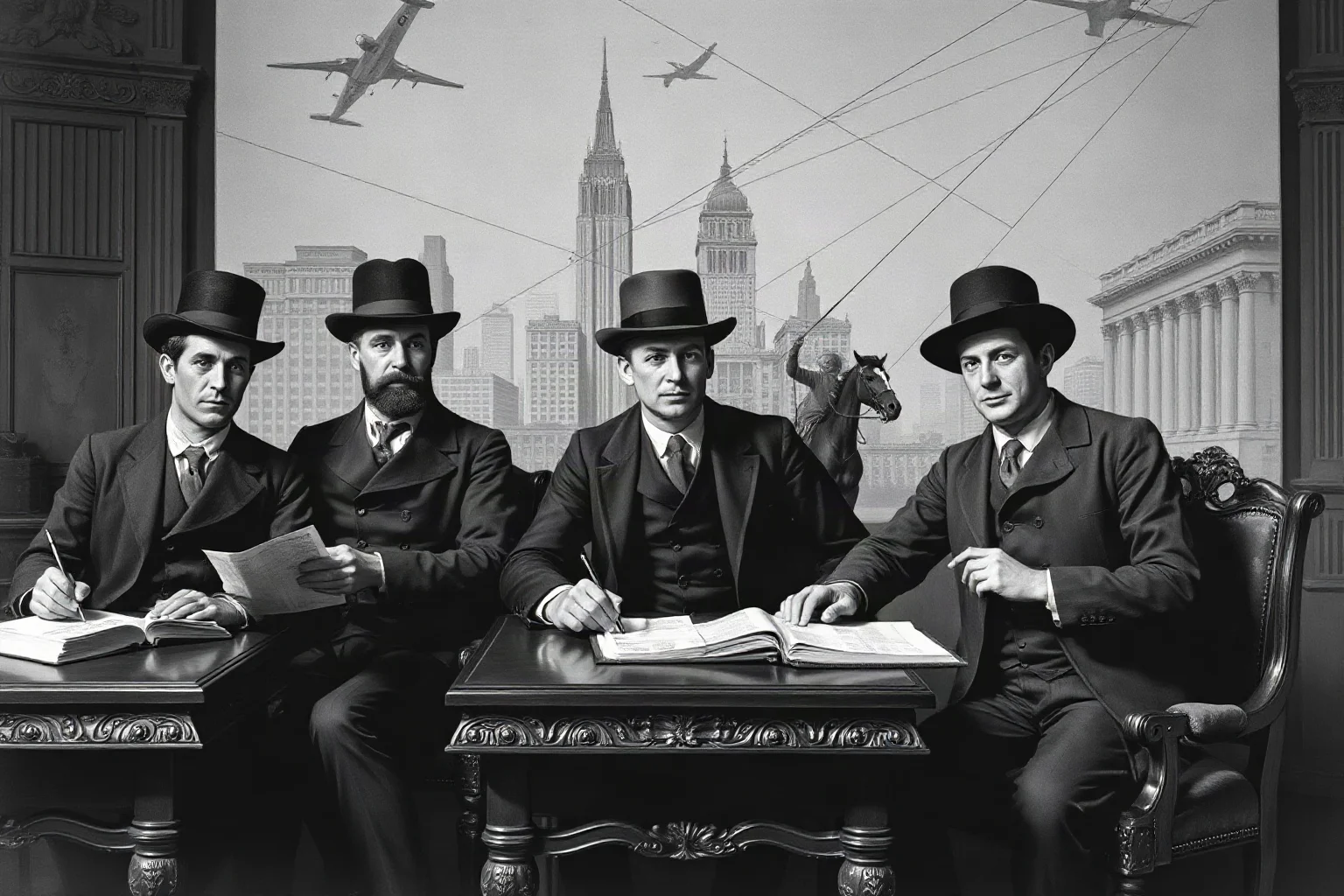
In the early 19th century, Mayer Amschel Rothschild sent his five sons to different European cities — London, Paris, Frankfurt, Vienna, and Naples — to establish banking houses that could coordinate across borders. This network gave the Rothschild brothers, especially Nathan in London and James in Paris, extraordinary financial influence during the Napoleonic Wars and beyond.
Their coordinated communication system, which some accounts say used fast couriers and even carrier pigeons, allowed them to move financial information faster than rivals or governments in an era before telegraphs. That speed advantage helped the family amass enormous wealth and political leverage across multiple countries simultaneously.
While some later legends about Rothschild wealth and influence have been exaggerated or distorted over time, the historical core is well documented: the Rothschilds remain one of the richest and most powerful families in history when it came to building cross-border institutional power. Their banking network still echoes through European financial history today.
20. The Williams Sisters – Venus and Serena Redefine Tennis

Venus and Serena Williams didn’t just become two of the greatest tennis players of all time individually; they also played each other in nine Grand Slam singles finals, an unprecedented sibling rivalry at the top of a sport. Serena holds 23 Grand Slam singles titles, while Venus has won seven, and both have Olympic gold medals to their names.
Their father and coach, Richard Williams, trained them together from childhood in Compton, California, a background far removed from tennis’s traditionally country-club image. That shared training and shared competition helped push both sisters to elite levels that few players, related or not, have matched.
Beyond their on-court rivalry, the sisters have also partnered as doubles champions, winning multiple Grand Slam doubles titles together. They stand among the most famous sisters in modern sports history, showing that sibling competition and sibling partnership aren’t mutually exclusive.
21. The Jackson Siblings – A Musical Dynasty

The Jackson family produced some of the most commercially successful musicians of the 20th century, starting with the Jackson 5 — featuring young Michael, Jackie, Tito, Marlon, and Jermaine — before Michael and Janet Jackson each launched historic solo careers. Michael became one of the best-selling solo artists of all time, while Janet built her own influential career in pop and R&B.
The siblings’ early training under their father, Joe Jackson, was notoriously strict, and several family members have spoken publicly about the pressure and, in some cases, abuse involved in their upbringing. That complicated backstory is an important part of understanding how the family’s fame was built.
Despite internal tensions over the years, the Jacksons remain one of the most commercially significant famous brother and sister groups in American music. Their influence on pop, R&B, and dance music is still audible in artists working today.
22. The Coen Brothers – A Modern Filmmaking Partnership

Joel and Ethan Coen wrote, directed, and produced films together for decades, including “Fargo,” “No Country for Old Men,” and “The Big Lebowski,” before beginning to work on more separate solo projects in the 2020s. For most of their careers, the brothers famously shared directing and writing credit so closely that many fans weren’t sure who did what on any given scene.
Their distinct visual style — dark comedy mixed with regional American settings and often unsettling violence — became instantly recognizable across dozens of films. “No Country for Old Men” won the Academy Award for Best Picture in 2008, cementing their status as major American filmmakers.
While they’ve since branched into some individual projects, their decades-long joint filmography remains one of modern cinema’s most celebrated examples of well known brothers building an entire creative identity together. Few sibling collaborations have shaped an art form as consistently as theirs.
What These Sibling Stories Have in Common
Looking across all 22 entries, a few patterns stand out. Shared upbringing often gave siblings complementary skills — one handled the vision, the other the execution, as with the Wright brothers or the Ringlings. Rivalry, meanwhile, pushed people like the Williams sisters and the Dassler brothers to achievements they might not have reached alone.
It’s also worth noting how often popular retellings smooth over the messier, more complicated parts of these relationships. The Pankhursts didn’t always get along, the Booth family was shattered rather than united, and the Romulus and Remus story is legend rather than fact. Real sibling history is rarely as clean as the highlight reel suggests, and that complexity is part of what makes it worth studying honestly.
Final Thoughts on History’s Famous Siblings
From legendary twins to Grand Slam champions, famous brothers and sisters in history have shaped politics, science, art, and business in ways that rarely get enough credit. Shared childhoods gave many of these pairs a shorthand and trust that outsiders couldn’t easily replicate, whether they were designing airplanes or writing symphonic hymns.
At the same time, plenty of these stories carried real conflict, tragedy, or rivalry alongside the achievement. That mix of loyalty and friction is arguably what makes sibling history so compelling in the first place — it’s rarely simple, but it’s almost always consequential.
Frequently Asked Questions
Who are some of the most famous brothers in history?
Some of the most famous brothers in history include Orville and Wilbur Wright (aviation), Jacob and Wilhelm Grimm (folklore), John and Robert Kennedy (American politics), the Marx Brothers (comedy), and the Rothschild brothers (European banking). Each pair or group left a lasting mark on their field through a distinct mix of collaboration and, in some cases, rivalry.
What is the most famous brother and sister duo in history?
There's no single agreed-upon 'most famous' brother and sister duo, but strong contenders include William and Caroline Herschel in astronomy, Vincent and Theo van Gogh in art, and Michael and Janet Jackson in music. The right answer often depends on the field you're most interested in, since different disciplines have their own iconic sibling pairs.
Are there famous historical sisters who are as influential as famous brothers?
Yes. The Brontë sisters transformed English literature, the Pankhurst family drove British women's suffrage, the Grimké sisters were pioneering abolitionists, and Venus and Serena Williams redefined modern tennis. Sisters have shaped history just as significantly as brothers, even though their stories have sometimes received less mainstream attention.
Why do so many siblings end up famous together instead of individually?
Shared upbringing often gives siblings complementary skills, similar early training, and a level of trust that's hard to replicate with strangers, which makes collaboration easier. In other cases, like the Dassler brothers or the Williams sisters, sibling rivalry itself became a powerful motivator that pushed each person to achieve more.
Is the story of Romulus and Remus founding Rome historically true?
No, most historians treat the story of twin brothers Romulus and Remus founding Rome as legend rather than documented history. There's no contemporary evidence for it, and the tale was likely developed generations later to give Rome a dramatic origin story rather than to record actual events.
What famous brother and sister names appear most often in history?
Names that come up repeatedly in historical records of famous siblings include the Booth family (Edwin and John Wilkes), the Pankhursts (Christabel, Sylvia, and Adela), the Bonapartes (Napoleon and his brothers and sisters), and the Kennedys (John, Robert, and Ted). These families are frequently cited because their sibling relationships directly intersected with major historical events.

Alex Warren
Related Articles