

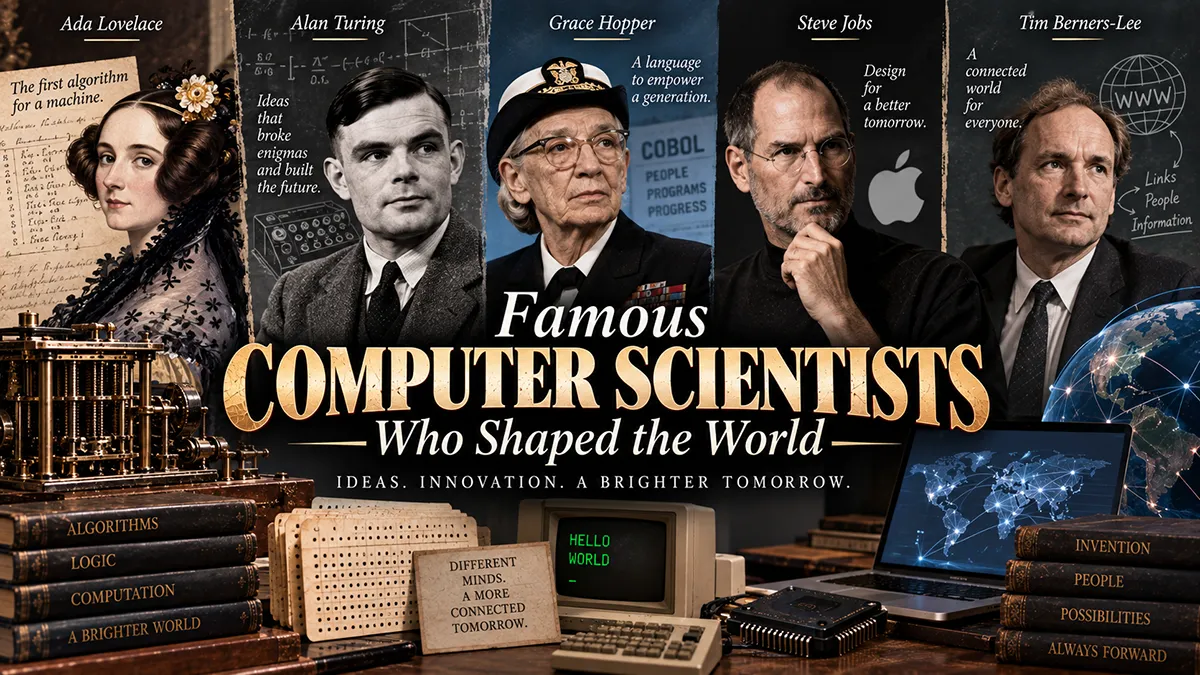
Ask ten people “who invented the computer” and you’ll likely get ten different answers. Some will say Charles Babbage, others will point to Alan Turing, and a fair number will just shrug and say “some guy in a garage.” The truth is messier and far more interesting than any single-inventor story.
Computing wasn’t built by one genius in one flash of insight. It was assembled over roughly two centuries by mathematicians, engineers, codebreakers, and tinkerers who often didn’t know about each other’s work. This guide walks through the most famous computer scientists and inventors in that story, in roughly chronological order, and clears up some of the myths along the way.
TL;DR: No single person invented the computer — it evolved through the combined work of pioneers like Babbage, Lovelace, Turing, Zuse, Hopper, and dozens of others across more than 150 years.
Who Really Invented the Computer? Busting the Myth
The question “who found the computer first” assumes computing has one clean origin point, but it doesn’t. Mechanical calculators existed centuries before electronics, and the word “computer” originally described a person who performed calculations by hand. What changed over time was the machine’s ability to store instructions and follow them automatically.
Historians generally trace the conceptual roots of computing to 19th-century mechanical design, the practical electronic breakthroughs to the 1930s and 1940s, and the personal computer revolution to the 1970s. Each era had its own pioneers, and crediting just one person erases the contributions of everyone else. Keep that in mind as you read through the names below — this is a relay race, not a solo sprint.
1. Charles Babbage — The Analytical Engine Visionary
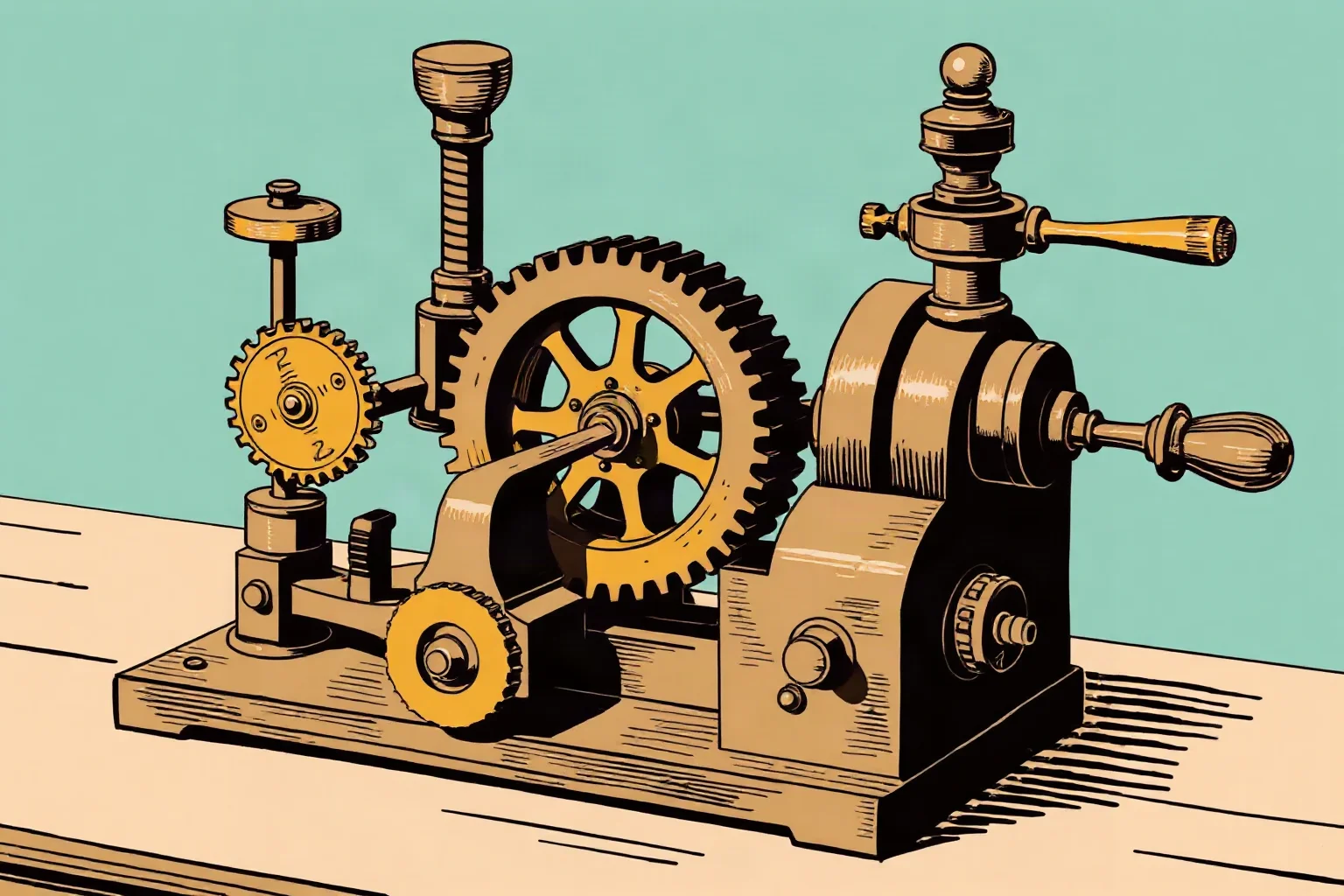
Charles Babbage, a 19th-century English mathematician, designed the Difference Engine and later the Analytical Engine, a mechanical device intended to perform general-purpose calculations using punched cards for instructions. He never finished building a complete working model in his lifetime due to funding and manufacturing limits of the era. Even so, his design included ideas like a memory store and conditional branching that mirror how computers work today.
Because of this, Babbage is frequently called the “father of the computer,” though that title is honorary rather than literal. His machine was never completed as intended, and it ran on gears and steam-era engineering rather than electricity. Still, his blueprint is widely seen as the first real attempt at a programmable, general-purpose computing machine.
2. Ada Lovelace — The First Computer Programmer

Ada Lovelace worked closely with Babbage and translated an Italian paper on the Analytical Engine, adding her own extensive notes. In those notes, she described an algorithm for calculating Bernoulli numbers, which many historians consider the first published computer program written for a machine that didn’t yet exist. She also speculated that such machines might one day manipulate more than numbers, including music and art.
Some historians debate exactly how much of the algorithm was her original work versus Babbage’s input, and that nuance matters. What’s not in dispute is her insight into the machine’s potential beyond arithmetic, which was remarkably ahead of its time. She remains one of the most cited names whenever people search for history’s smartest people or computer science pioneers.
3. George Boole — The Logic Behind the Machine
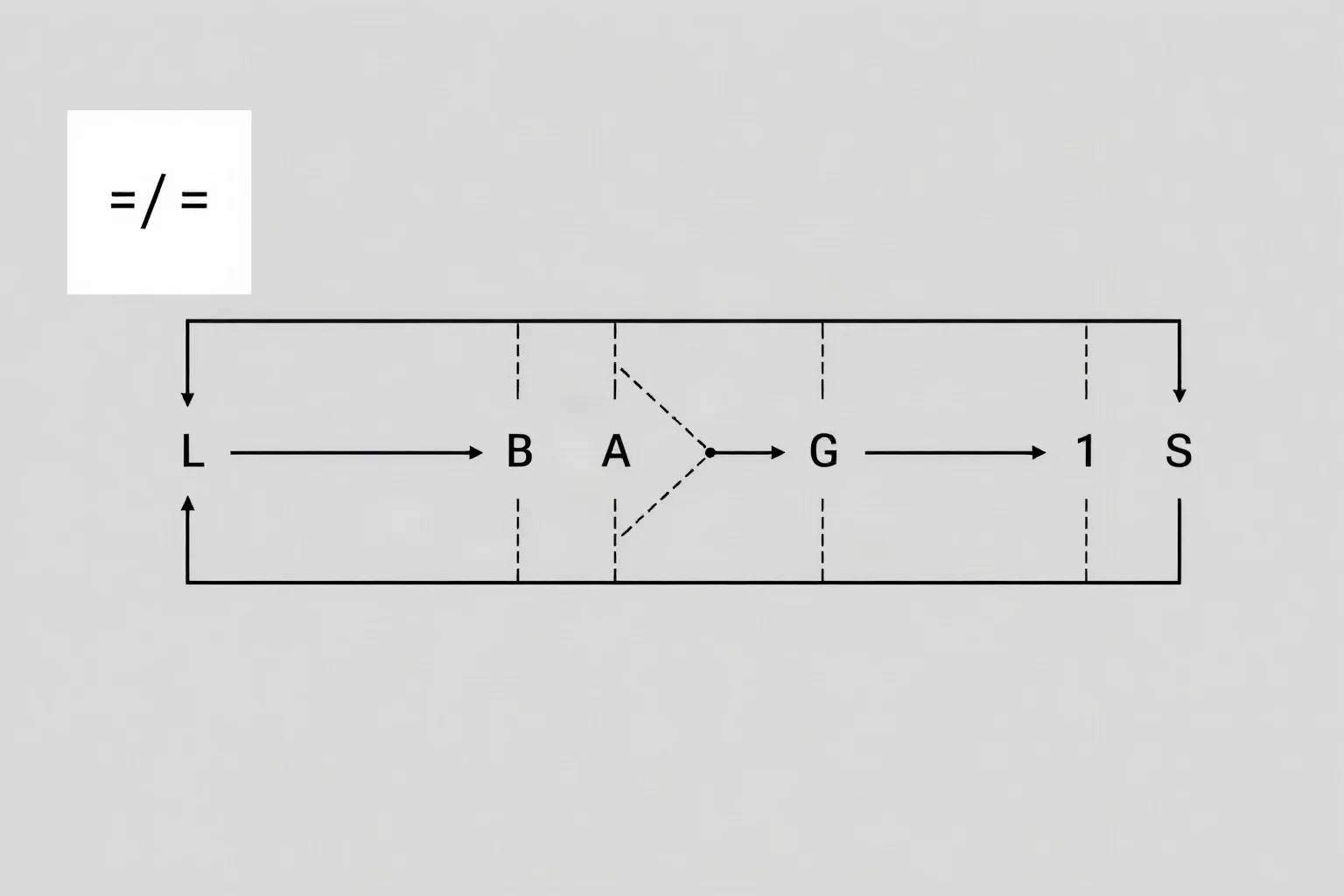
George Boole wasn’t a computer scientist in any modern sense — he died decades before electronic computers existed. But his 1854 work on symbolic logic, now called Boolean algebra, became the mathematical foundation for how digital circuits make decisions using true/false and on/off states. Every logic gate in every modern processor traces back to his framework.
Without Boolean logic, the binary switching that underlies all digital computing simply wouldn’t function the way it does. His inclusion on any serious list of computer science pioneers is less about building machines and more about supplying the mathematical language machines would eventually speak.
4. Alan Turing — Father of Theoretical Computer Science
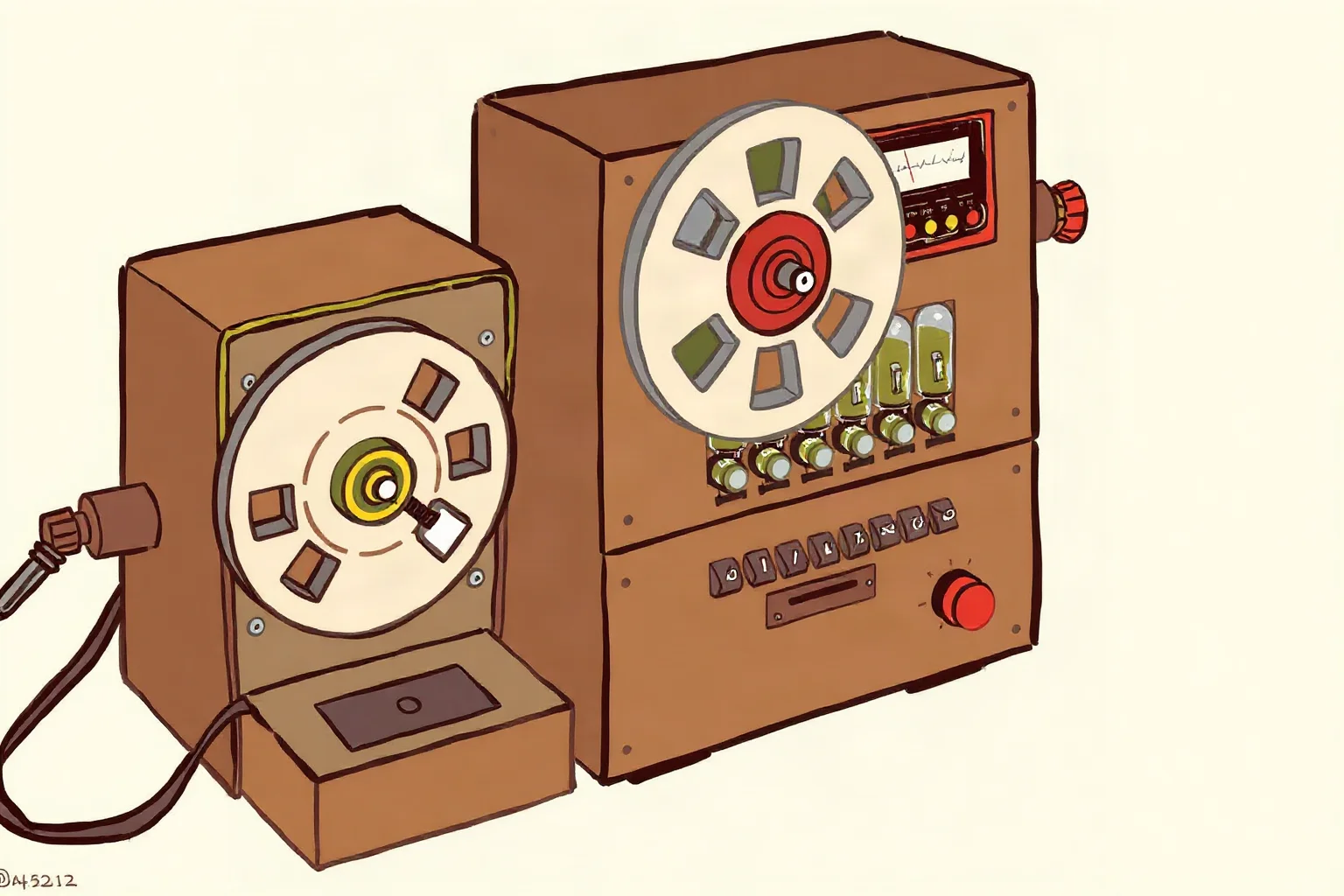
Alan Turing’s 1936 paper on what became known as the Turing machine gave the world a formal definition of computation itself, describing a theoretical device that could solve any problem expressible as an algorithm. That concept still underpins how computer scientists think about what machines can and cannot do. During World War II, he also worked at Bletchley Park on British efforts to break German Enigma-cipher traffic.
It’s worth noting that Turing built on earlier Polish cryptologic work and collaborated with a large team, so crediting him alone for “winning the war through codebreaking” oversimplifies history. After the war, he contributed to early designs for stored-program computers and proposed the famous Turing Test for machine intelligence. His influence on both theoretical and practical computer science is hard to overstate.
5. Konrad Zuse — Germany’s Computing Pioneer
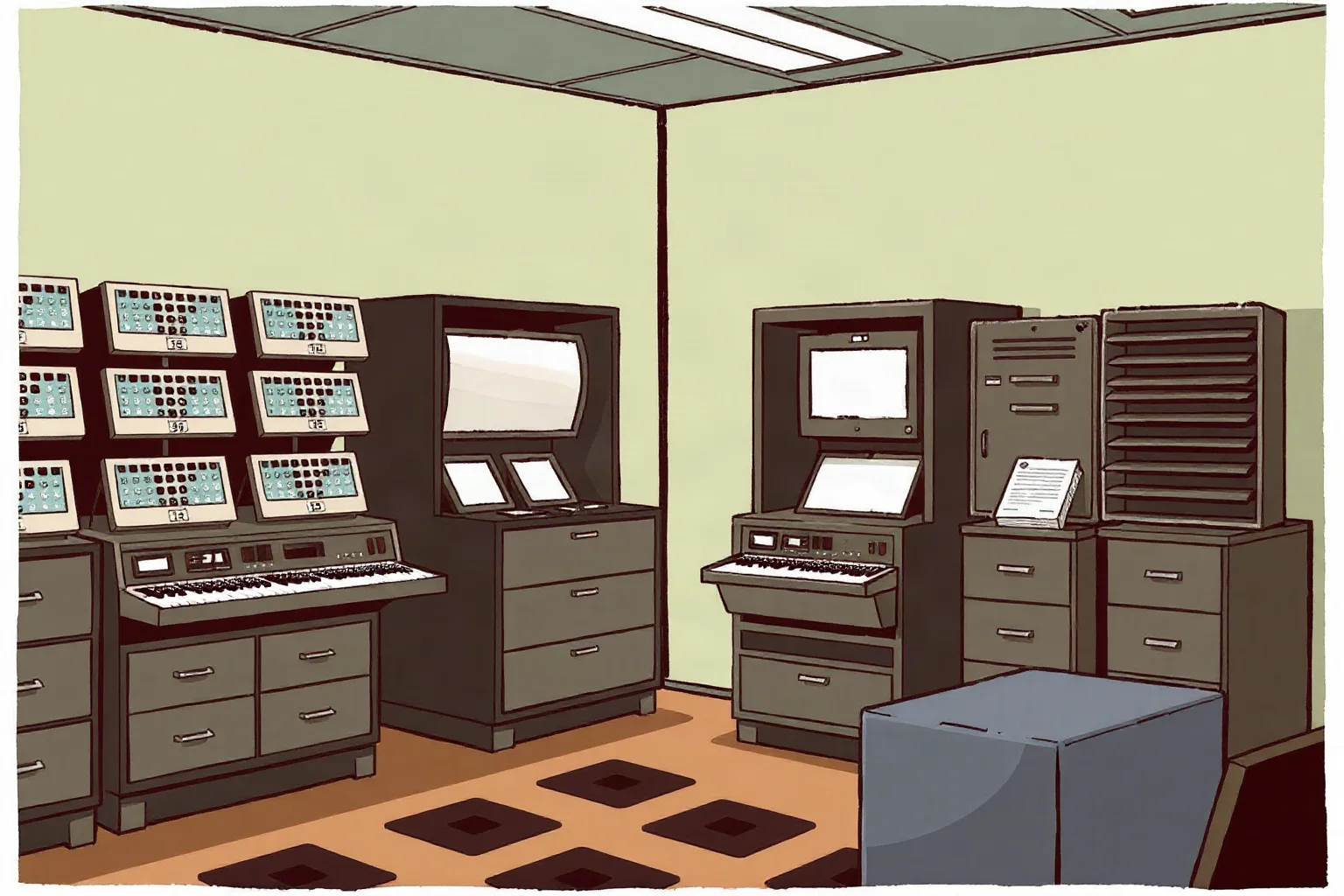
Working largely in isolation in Germany, Konrad Zuse built the Z3 in 1941, widely regarded as the first working programmable, fully automatic digital computer. It used binary floating-point arithmetic and punched film for programs, years before similar ideas gained traction elsewhere. Zuse developed his machines with little awareness of parallel efforts happening in Britain and the United States.
His original Z3 was destroyed in a bombing raid during the war, and his work remained relatively unknown outside Germany for decades. Today he’s recognized as one of the true independent inventors in computer history, even though wartime secrecy and geography kept him out of the spotlight for years.
6. John Atanasoff and Clifford Berry — The ABC Computer
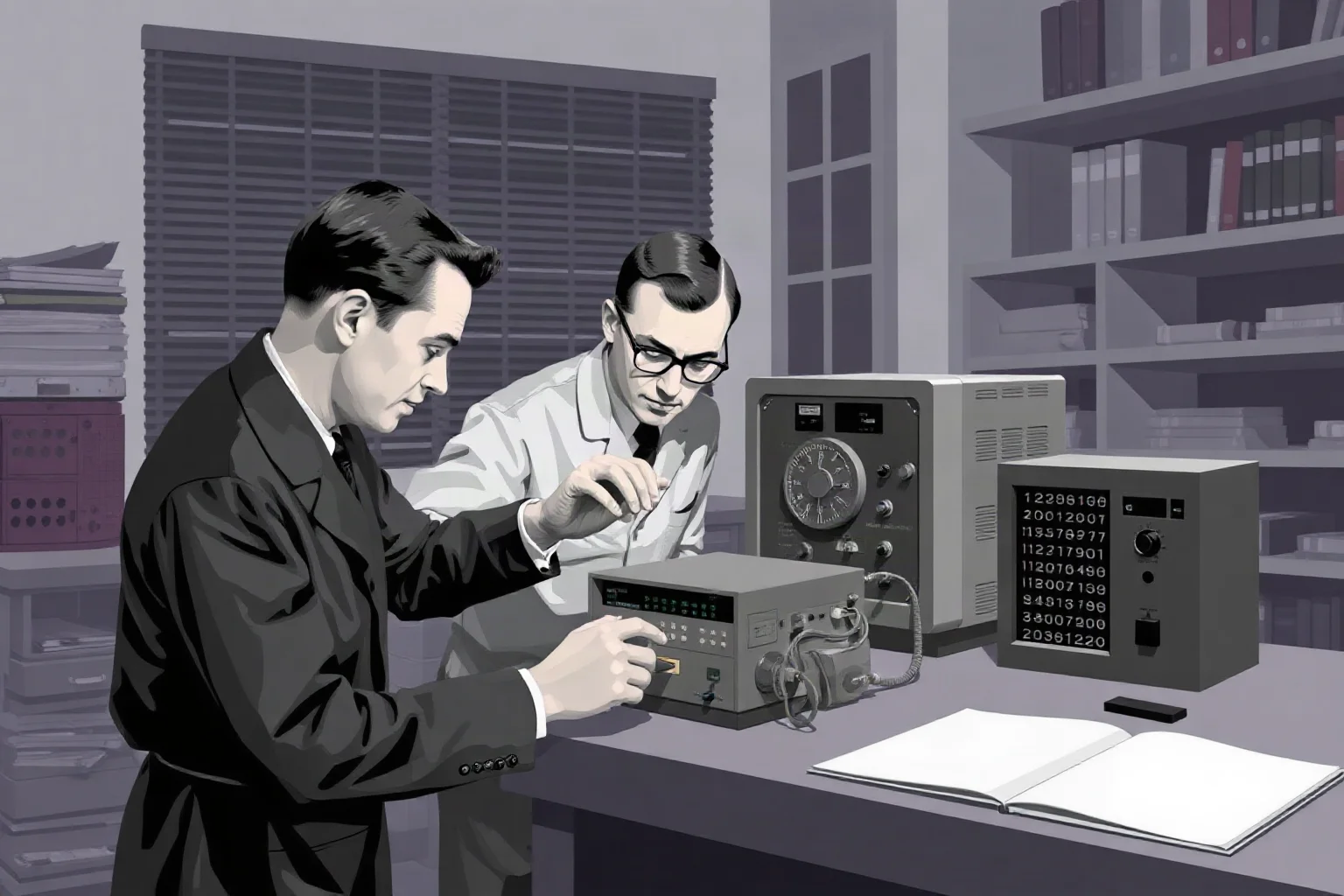
John Atanasoff, a physics professor, and his graduate student Clifford Berry built the Atanasoff-Berry Computer (ABC) between 1937 and 1942 at Iowa State College. It used binary arithmetic and electronic switching, and it directly influenced later machine designs, even though it wasn’t fully general-purpose or widely publicized at the time. It couldn’t store programs the way later computers could.
A 1973 U.S. federal court ruling in the Honeywell v. Sperry Rand case found that key ENIAC concepts had derived from Atanasoff’s earlier work, which legally invalidated the ENIAC patent. That ruling is one of the biggest reasons historians treat “who invented the computer first” as a legally and historically contested question rather than a settled fact.
7. John Mauchly and J. Presper Eckert — ENIAC’s Builders
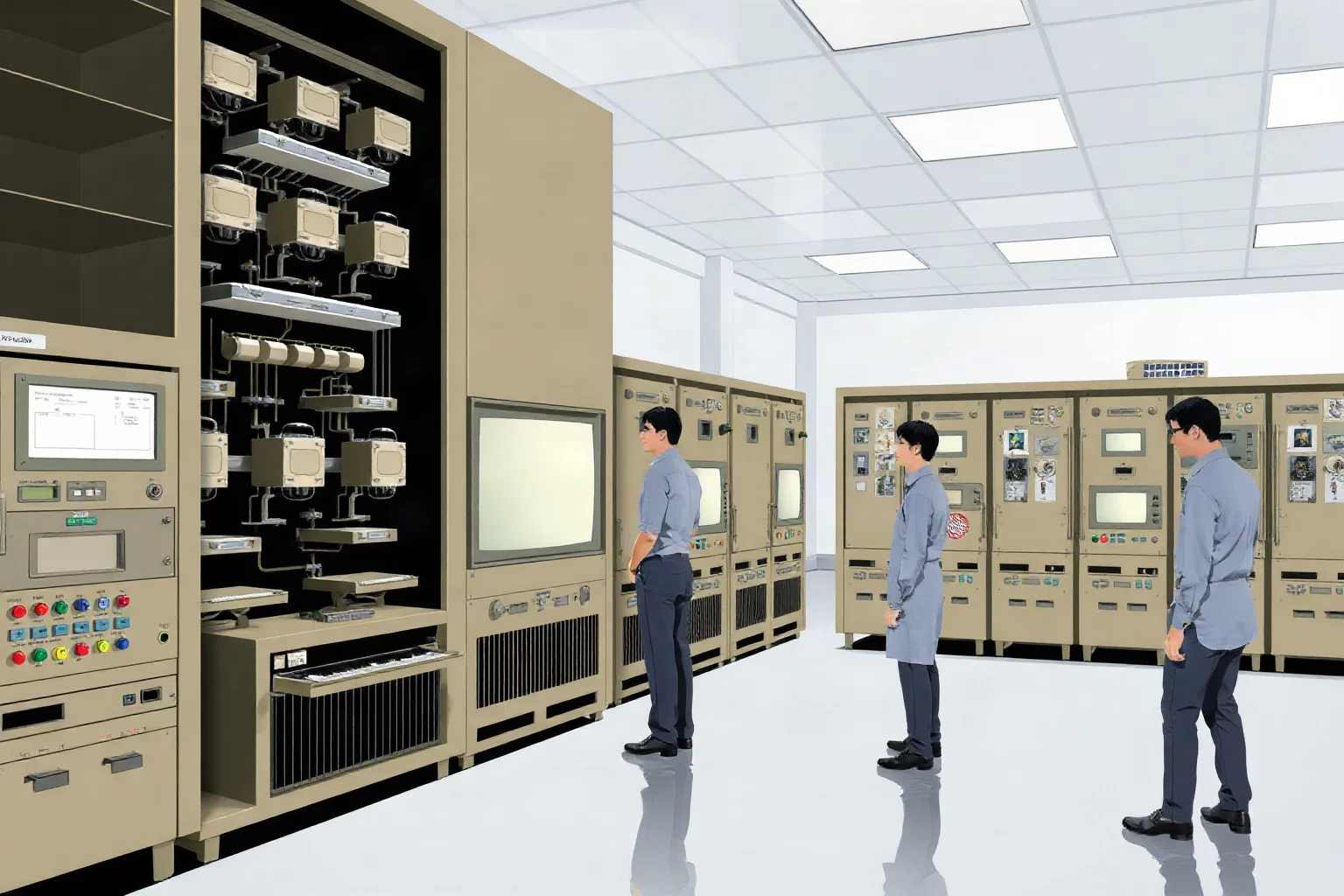
John Mauchly and J. Presper Eckert built the Electronic Numerical Integrator and Computer (ENIAC) at the University of Pennsylvania, completing it in 1945. It’s often cited as the first general-purpose electronic digital computer, capable of being reprogrammed for different calculations, though it required manually rewiring panels rather than running stored software. It was enormous, filling a large room and consuming huge amounts of power.
The pair later built UNIVAC, one of the first commercially sold computers in the United States. Their work is central to almost any list of famous IT inventors, even with the patent dispute mentioned earlier complicating the “first inventor” narrative.
8. John von Neumann — Architect of Modern Computer Design
Mathematician John von Neumann wrote a hugely influential 1945 report describing what’s now called the von Neumann architecture, where a computer stores both its program instructions and data in the same memory. This stored-program concept is the basic design nearly every modern computer still uses. He wasn’t working entirely alone — the ideas built on discussions happening across multiple wartime computing projects.
Von Neumann also made major contributions to game theory, physics, and numerical methods used in scientific computing. His architectural framework is arguably one of the most consequential single contributions in the entire history of computer scientists.
9. Grace Hopper — Compiler Pioneer and Navy Rear Admiral

Grace Hopper worked on the Harvard Mark I computer during World War II and later developed one of the first compilers, a program that translates human-readable code into machine instructions. Her work directly led to the development of COBOL, a programming language still used in banking and government systems today. She pushed hard for the idea that programming languages should resemble English rather than pure machine code.
A popular anecdote credits her with coining the term “computer bug” after finding a moth in a relay in 1947, though the word “bug” for a technical glitch actually predates that incident by decades. What’s well documented is that her team did tape the moth into a logbook, and the story helped popularize the term. She remains one of the most famous computer scientist names associated with making programming accessible.
10. Claude Shannon — The Father of Information Theory

Claude Shannon’s 1948 paper “A Mathematical Theory of Communication” established information theory, providing the mathematical basis for how data is measured, compressed, and transmitted. This work underlies everything from file compression to digital telecommunications and error-correcting codes. He also built early electromechanical devices, including a maze-solving mouse and a chess-playing program concept.
Shannon’s earlier master’s thesis showed how Boolean algebra could be used to design electrical switching circuits, directly linking Boole’s 19th-century logic to real digital circuit design. Few names in computer science pioneers lists carry as much cross-disciplinary weight as his.
11. Tommy Flowers — Builder of Colossus
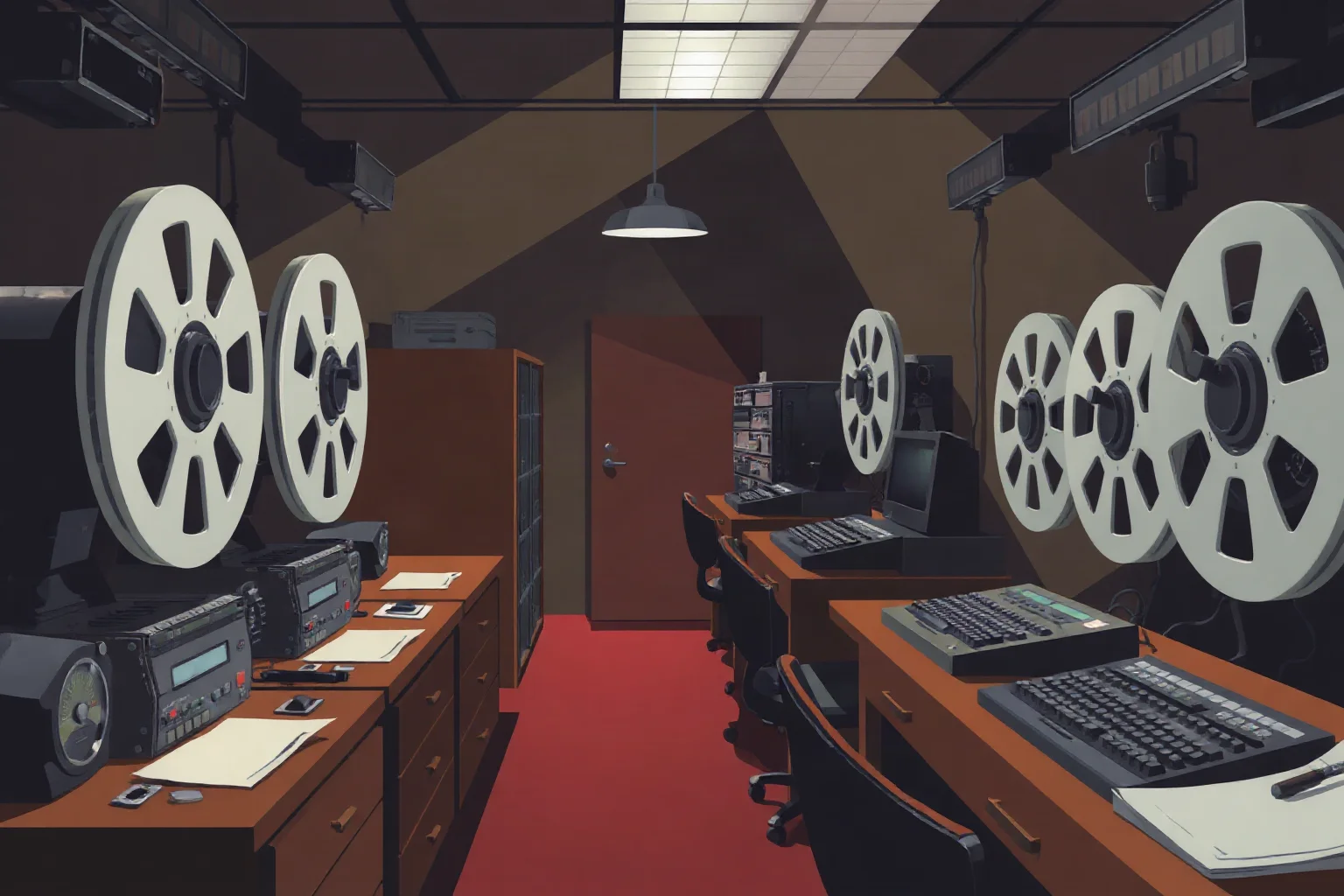
British engineer Tommy Flowers designed and built Colossus, a series of electronic machines used at Bletchley Park from 1943 onward to help break high-level German cipher traffic (distinct from the Enigma-focused work). Colossus is considered by many historians to be among the first programmable electronic digital computers, predating ENIAC. Because of Britain’s Official Secrets Act, Flowers’ contributions were kept classified for decades after the war.
He reportedly received little public recognition or financial reward during his lifetime for what many computer historians now consider a landmark achievement. His story is a strong reminder that wartime secrecy hid several genuine computing breakthroughs from public record for years.
12. Jack Kilby and Robert Noyce — Inventors of the Integrated Circuit
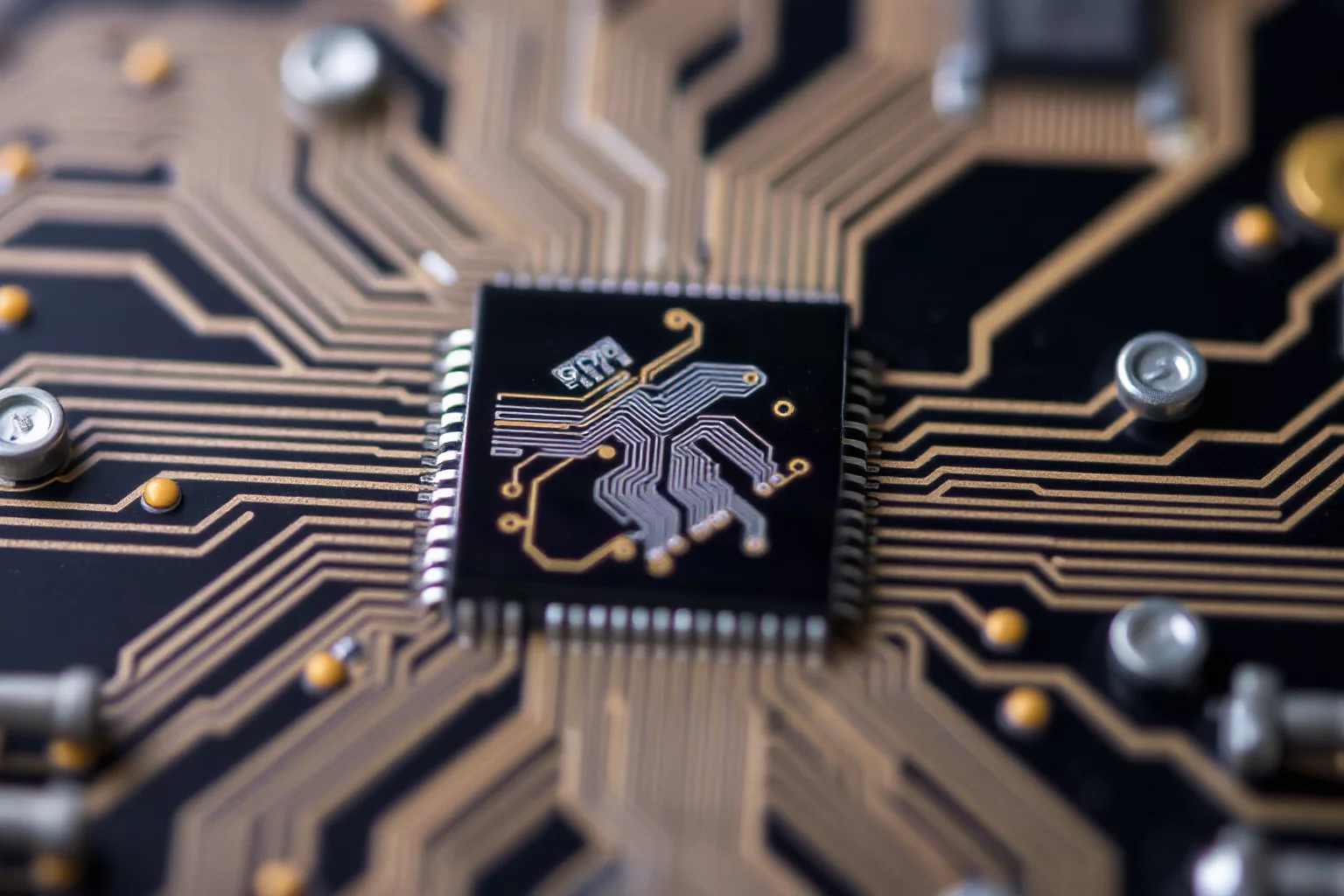
Working separately at Texas Instruments and Fairchild Semiconductor, Jack Kilby and Robert Noyce each developed practical integrated circuits around 1958-1959. Their designs allowed multiple transistors and electronic components to be built onto a single small chip, replacing bulky individual components. This innovation is what made small, affordable, mass-produced computers possible.
Kilby received the Nobel Prize in Physics in 2000 partly for this work, while Noyce went on to co-found Intel. Together, they’re credited among the most famous computer engineers for shrinking computing from room-sized machines toward the pocket-sized devices we use now.
13. Gordon Moore — The Law That Predicted the Chip Race

Gordon Moore co-founded Intel and in 1965 observed that the number of transistors on a chip seemed to double roughly every two years, a trend that became known as Moore’s Law. It wasn’t a law of physics so much as an industry prediction, but it accurately guided decades of chip design investment and planning. It’s one of the most quoted observations in computing history.
Moore’s Law has slowed in recent years as physical limits of transistor size are approached, and engineers now debate how much longer it can hold. Regardless, Moore’s influence on the semiconductor industry places him firmly among history’s most significant computer scientists and engineers.
14. Dennis Ritchie and Ken Thompson — Unix and the C Language
At Bell Labs in 1969, Ken Thompson began developing the Unix operating system, and Dennis Ritchie soon joined the effort, later creating the C programming language around 1972 to help rewrite Unix in a more portable form. Unix’s design philosophy — small, modular tools that work together — still shapes operating systems like Linux and macOS today. C itself became one of the most influential programming languages ever written.
Their work at Bell Labs is a textbook example of how corporate research labs quietly produced some of computing’s most lasting infrastructure. Both were later awarded the Turing Award for their contributions.
15. Donald Knuth — The Art of Computer Programming
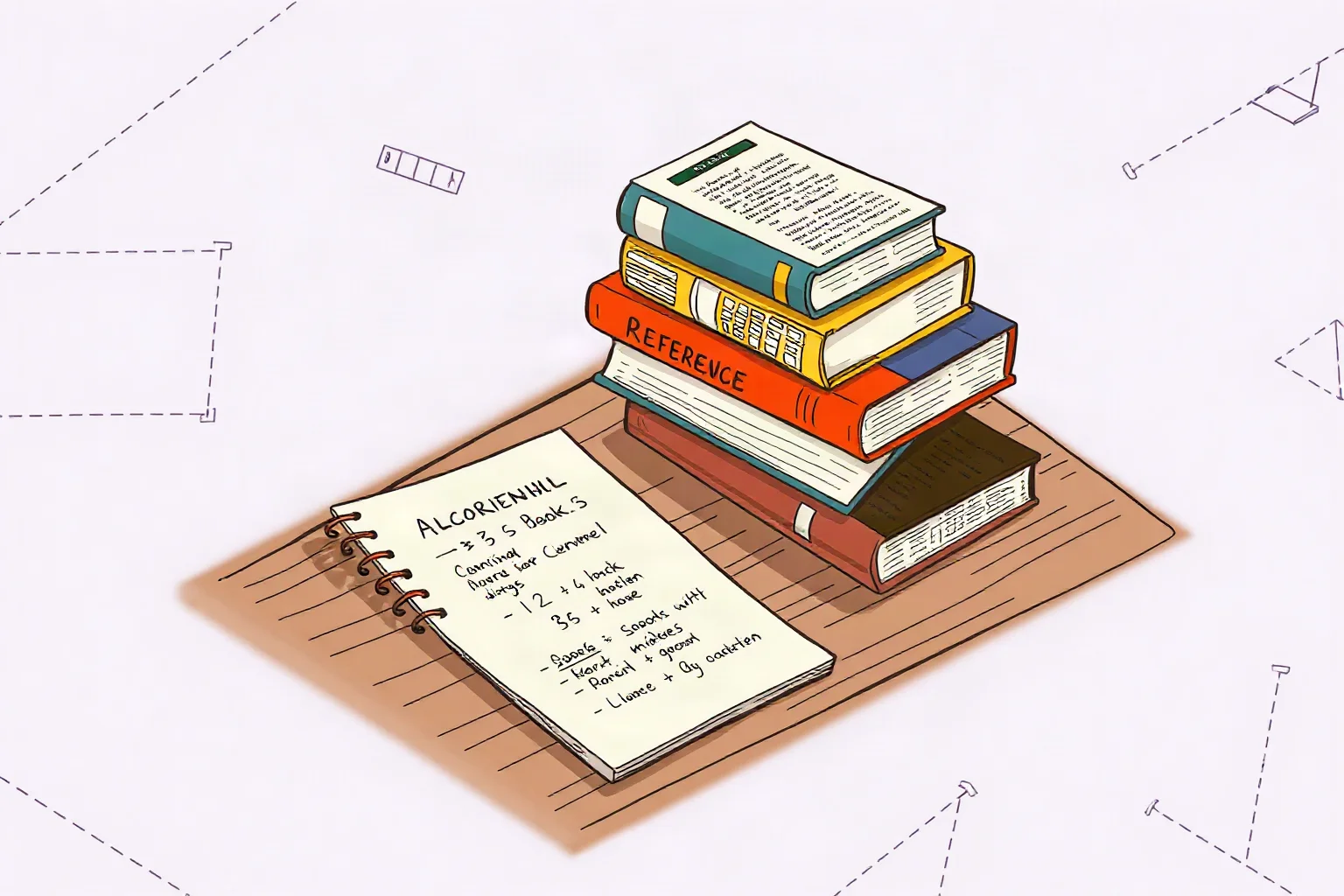
Donald Knuth is best known for authoring “The Art of Computer Programming,” a multi-volume analysis of algorithms that’s remained a reference work for computer scientists since the 1960s. His rigorous approach helped establish algorithm analysis as a serious academic discipline rather than an afterthought. He also created the TeX typesetting system, still widely used for academic and scientific documents.
Knuth’s meticulous, almost encyclopedic style earned him a reputation as one of the most respected computer science pioneers among academics. Many computer historians point to his work as the moment algorithm design became formalized as its own field of study.
16. Margaret Hamilton — Software for the Moon Landing
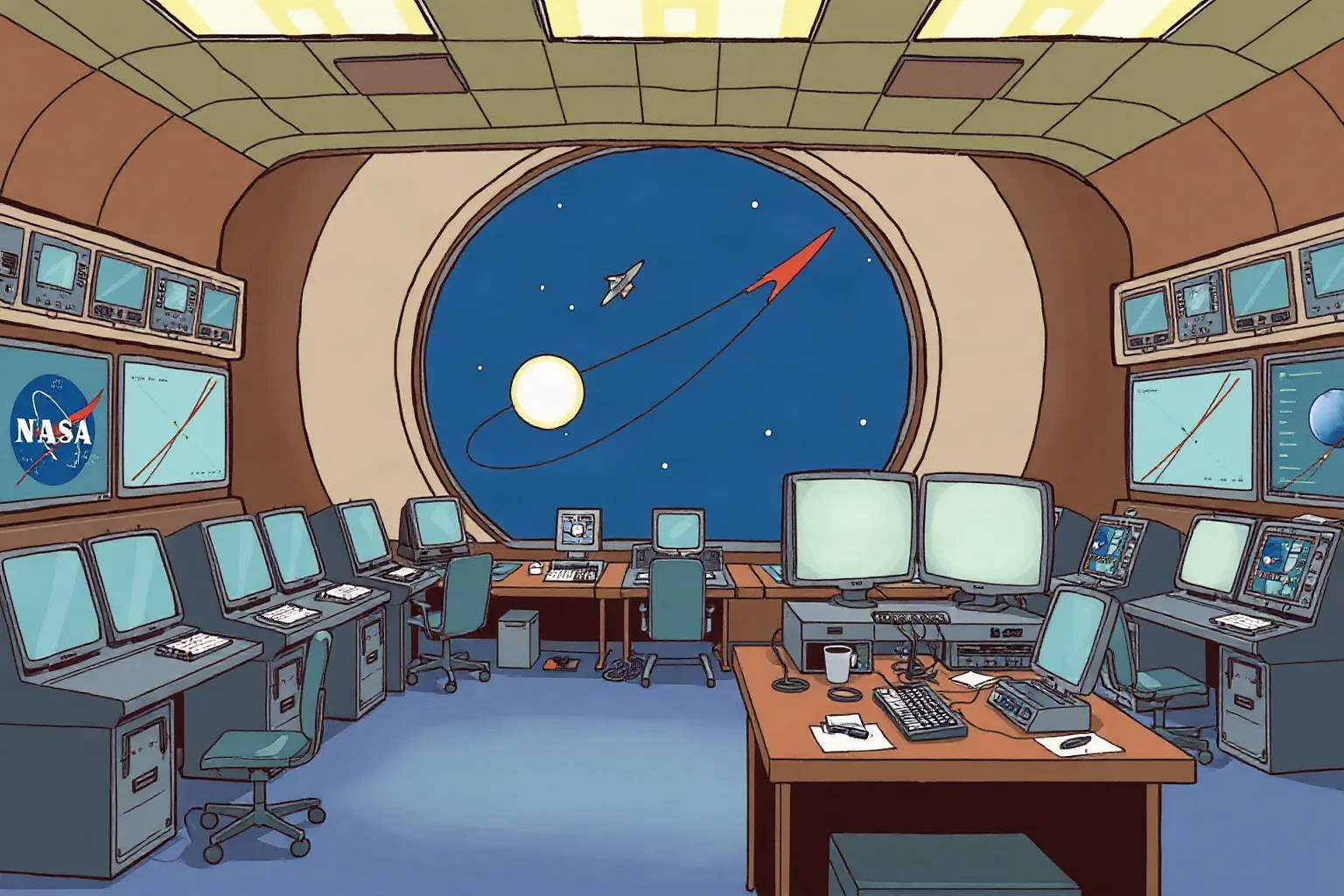
Margaret Hamilton led the team that developed onboard flight software for NASA’s Apollo Guidance Computer, work that was critical to the 1969 Apollo 11 moon landing. Her team’s error-detection code famously allowed the computer to prioritize essential tasks when it became overloaded during the actual lunar descent. This kind of fault-tolerant thinking was ahead of its time for embedded software.
Hamilton is often credited with helping popularize the term “software engineering” as a discipline in its own right, distinct from hardware engineering. She’s frequently highlighted today as one of history’s most powerful women in computer science.
17. Steve Wozniak — The Engineer Behind Apple’s First Computers
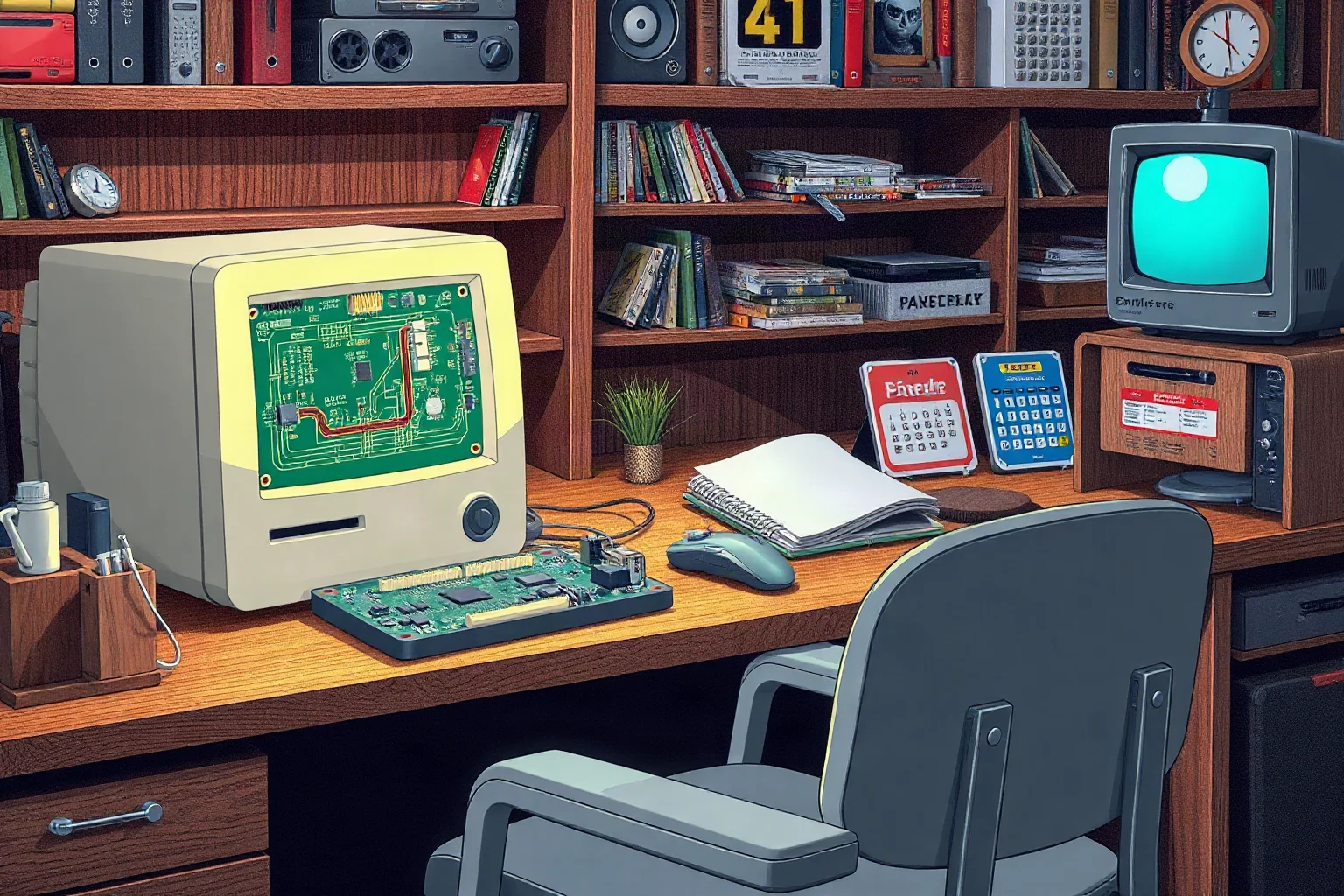
Steve Wozniak designed the Apple I and Apple II computers in the mid-1970s, building much of the hardware and firmware largely by himself. The Apple II in particular became one of the first commercially successful personal computers, with color graphics and an accessible design that appealed to schools and home users alike. His engineering skill was central to Apple’s early technical credibility.
Wozniak’s garage-built prototypes are part of Silicon Valley folklore, though it’s worth noting Apple’s success also depended heavily on manufacturing, marketing, and business decisions made by his co-founder. Together they represent one half of the story people usually mean when asking who were the inventors of the personal computer.
18. Steve Jobs — Turning Computers Into Consumer Products

Steve Jobs co-founded Apple with Wozniak and later drove the development of products like the Macintosh, iMac, and iPhone, focusing heavily on design, usability, and marketing rather than low-level engineering. He didn’t invent the personal computer himself, but he played a defining role in making computing approachable and desirable for everyday consumers. His influence on product design shaped the entire tech industry’s expectations.
Jobs was famously ousted from Apple in 1985 and returned in 1997 to lead its turnaround with products that redefined multiple industries, from music to mobile phones. His story is a useful counterpoint to purely technical narratives — invention and mainstream adoption are often driven by different skill sets entirely.
19. Bill Gates and Paul Allen — Microsoft’s Founders
Bill Gates and Paul Allen founded Microsoft in 1975, initially writing software for early hobbyist computers before landing a pivotal deal to supply an operating system for IBM’s first PC in 1981. That operating system, MS-DOS, and later Windows, became the dominant software platform for personal computers for decades. Their business strategy of licensing software broadly, rather than tying it to one hardware maker, reshaped the entire industry.
Neither Gates nor Allen invented the personal computer itself, but their software decisions arguably did more to standardize how ordinary people interacted with computers than any single hardware breakthrough. Gates later became one of history’s most recognized figures associated with the computing industry, well beyond his technical contributions.
20. Vint Cerf and Bob Kahn — Architects of the Internet’s Backbone

Vint Cerf and Bob Kahn co-designed the TCP/IP protocol suite in the 1970s, creating the technical rules that allow different computer networks to communicate as a single unified internet. Their work built on earlier ARPANET research funded by the U.S. Department of Defense. Without this protocol framework, the modern internet as a network of networks simply wouldn’t function.
Both are frequently called “fathers of the internet,” a title that, like “father of the computer,” simplifies a collaborative, multi-decade engineering effort involving many researchers. Still, their specific protocol design work remains foundational to virtually all networked computing today.
21. Tim Berners-Lee — Inventor of the World Wide Web

Working at CERN, Tim Berners-Lee proposed and built the World Wide Web between 1989 and 1991, creating HTML, the first web browser, and the basic URL and HTTP systems that let documents link to each other across the internet. It’s important to distinguish this from the internet itself, which already existed as a network — the web was the application layer that made it easy for ordinary people to use. This distinction gets confused constantly in casual conversation.
Berners-Lee deliberately chose not to patent his invention, releasing the technology royalty-free to encourage widespread adoption. That decision is a big part of why the web grew as quickly and openly as it did.
22. Linus Torvalds — Creator of the Linux Kernel

In 1991, Finnish computer science student Linus Torvalds released the first version of the Linux kernel as a hobby project, inspired partly by the Unix systems built decades earlier by Thompson and Ritchie. Released under an open-source license, Linux grew through contributions from thousands of volunteer developers worldwide. It now powers everything from Android smartphones to most of the world’s supercomputers and cloud servers.
Torvalds’ approach demonstrated that decentralized, collaborative software development could rival or outperform closed corporate projects. He remains an active and famously blunt voice in ongoing Linux kernel development discussions today.
How Historians Evaluate the Greatest Computer Scientists of All Time
Any computer historian will tell you that ranking the “greatest” computer scientists of all time is part science and part storytelling. Historians typically weigh factors like originality, provable impact on later technology, and how well-documented a person’s contribution actually is. Wartime secrecy, corporate patent disputes, and simple record-keeping gaps mean some deserving pioneers were only recognized decades after their work.
That’s exactly why names like Tommy Flowers and Konrad Zuse are less household-famous than Steve Jobs or Bill Gates, despite arguably comparable technical significance. Fame in computing history often tracks with commercial success and public visibility as much as raw technical achievement, which is worth remembering whenever a list claims to rank pioneers definitively.
Common Myths About Who Invented the Computer
One persistent myth is that a single person, usually Babbage or Turing, invented “the computer” in one identifiable moment. In reality, mechanical calculation, electronic computation, and stored-program design emerged through separate, sometimes overlapping efforts across different countries and decades. Crediting one inventor erases contributions from people like Atanasoff, Zuse, and Flowers.
Another common myth conflates the internet with the World Wide Web, treating Tim Berners-Lee as the inventor of the internet itself. The internet’s networking backbone came from earlier work by researchers including Cerf and Kahn, while Berners-Lee’s web technologies simply made that network far easier to use. Getting this distinction right matters if you want an accurate picture of computing history rather than a simplified legend.
The Legacy These Pioneers Left Behind
Looking across this list, a clear pattern emerges: almost every major leap in computing built directly on someone else’s earlier, often under-credited work. Boole’s logic enabled Shannon’s circuits, Zuse and Atanasoff’s early machines paralleled what became ENIAC, and Unix’s design decisions still echo through Linux today. Progress in computer science has almost always been cumulative rather than singular.
That’s ultimately the most honest way to answer questions like “who invented in computer” or “who is the computer inventor.” It wasn’t one person in one lab — it was a long relay of mathematicians, engineers, and programmers, many of whom never got the public recognition their work deserved. Understanding that collaborative history is far more useful than memorizing a single name.
Frequently Asked Questions
Who invented in computer?
No single person invented the computer. It developed through contributions from many people over roughly two centuries, including Charles Babbage's mechanical Analytical Engine design, Alan Turing's theoretical work on computation, Konrad Zuse's Z3, the ENIAC team of John Mauchly and J. Presper Eckert, and John von Neumann's stored-program architecture, among others.
Who is the computer inventor?
There isn't one official "computer inventor." Charles Babbage is often credited as a conceptual pioneer for his 19th-century Analytical Engine design, while the first working electronic digital computers came decades later from separate teams including Atanasoff and Berry, Zuse, Flowers, and Mauchly and Eckert.
Who found the computer first?
It depends on how you define "computer." Konrad Zuse's Z3 (1941) is often cited as the first working programmable digital computer, Tommy Flowers' Colossus (1943) was an early programmable electronic machine, and ENIAC (1945) is frequently called the first general-purpose electronic computer in the United States. Historians disagree on which milestone truly counts as "first."
Who were the inventors of the personal computer?
The personal computer emerged from several contributors rather than one inventor. Steve Wozniak designed the influential Apple I and Apple II in the mid-1970s, while companies like IBM, Commodore, and Microsoft under Bill Gates and Paul Allen also played major roles in making personal computers commercially widespread.
What are some names of famous computers in history?
Notable historical computers include the Analytical Engine (designed, not fully built), the Z3, the Atanasoff-Berry Computer, Colossus, ENIAC, UNIVAC, the Apollo Guidance Computer, and the Apple II. Each represents a distinct milestone in computing's evolution.
Who is considered the father of computer science?
Alan Turing is most commonly called the father of computer science due to his foundational 1936 work defining computation, though John von Neumann, Claude Shannon, and Charles Babbage are also frequently credited for shaping the field's mathematical and architectural foundations.

Alex Warren
Related Articles