
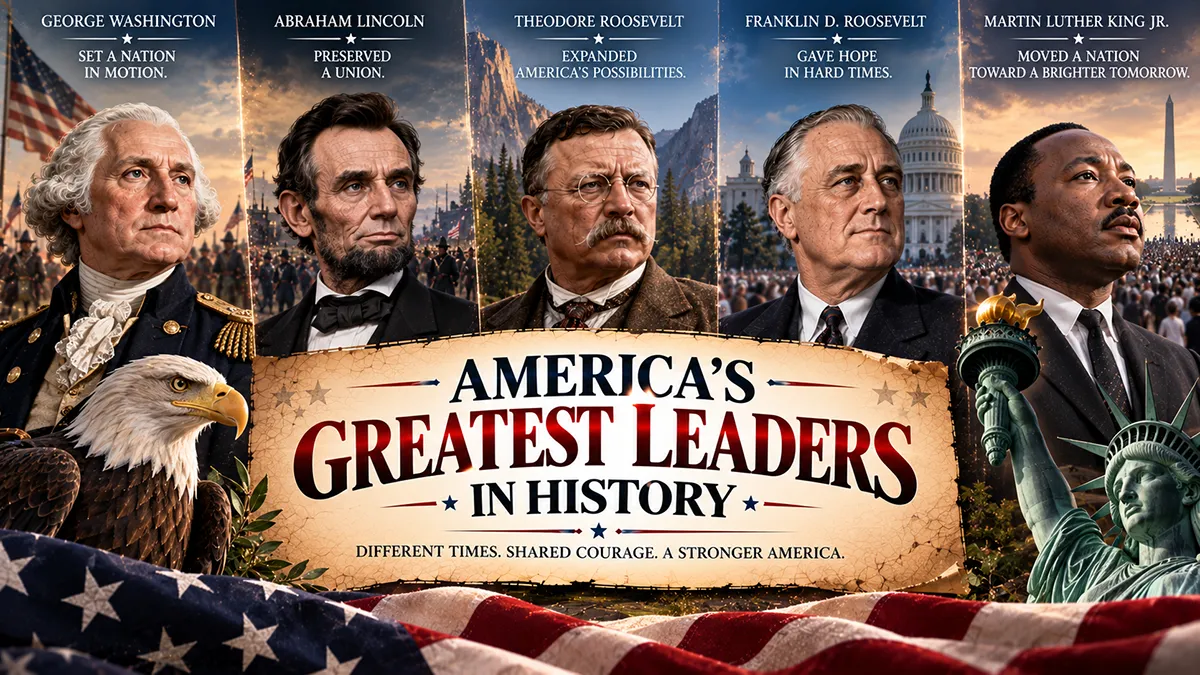
Every country tells its story through the people who led it, and the United States is no exception. Ask ten different historians to name the greatest leaders in American history and you’ll likely get ten different lists — but a handful of names keep showing up, and for good reason.
These are the men and women who steered the country through revolution, civil war, depression, world war, and social upheaval, often at great personal risk.
This list isn’t meant to crown one single “best leader in history” and call it settled — that debate has been going on for centuries and will keep going. Instead, it’s a tour through the presidents, reformers, and everyday citizens-turned-icons whose decisions still shape American life today.
TL;DR: America’s greatest leaders span presidents, abolitionists, and civil rights icons — and what unites them is the courage to act decisively during moments of national crisis.
What Actually Makes a Great Leader?
Before ranking anyone, it helps to define the term. Historians generally look at a few consistent traits when they talk about great leaders: the ability to make hard calls under pressure, a clear moral or strategic vision, and the skill to bring people together around a shared goal.
Greatness isn’t the same as popularity, and it isn’t the same as perfection either. Many of the leaders on this list held views or made decisions that look deeply flawed by today’s standards. Judging them fairly means looking at both their impact and the context of their era, without pretending the uncomfortable parts didn’t happen.
How This List Was Put Together
This roundup blends U.S. presidents with other famous leaders in America — abolitionists, civil rights organizers, Supreme Court justices, and activists — because political office was never the only path to national leadership. The people below are ordered roughly by era rather than a strict ranking, since comparing a Founding Father to a 20th-century activist head-to-head is more art than science.
Each entry focuses on verified historical actions and outcomes rather than legend. Where popular stories about a leader are more myth than fact, that gets flagged too.
1. George Washington
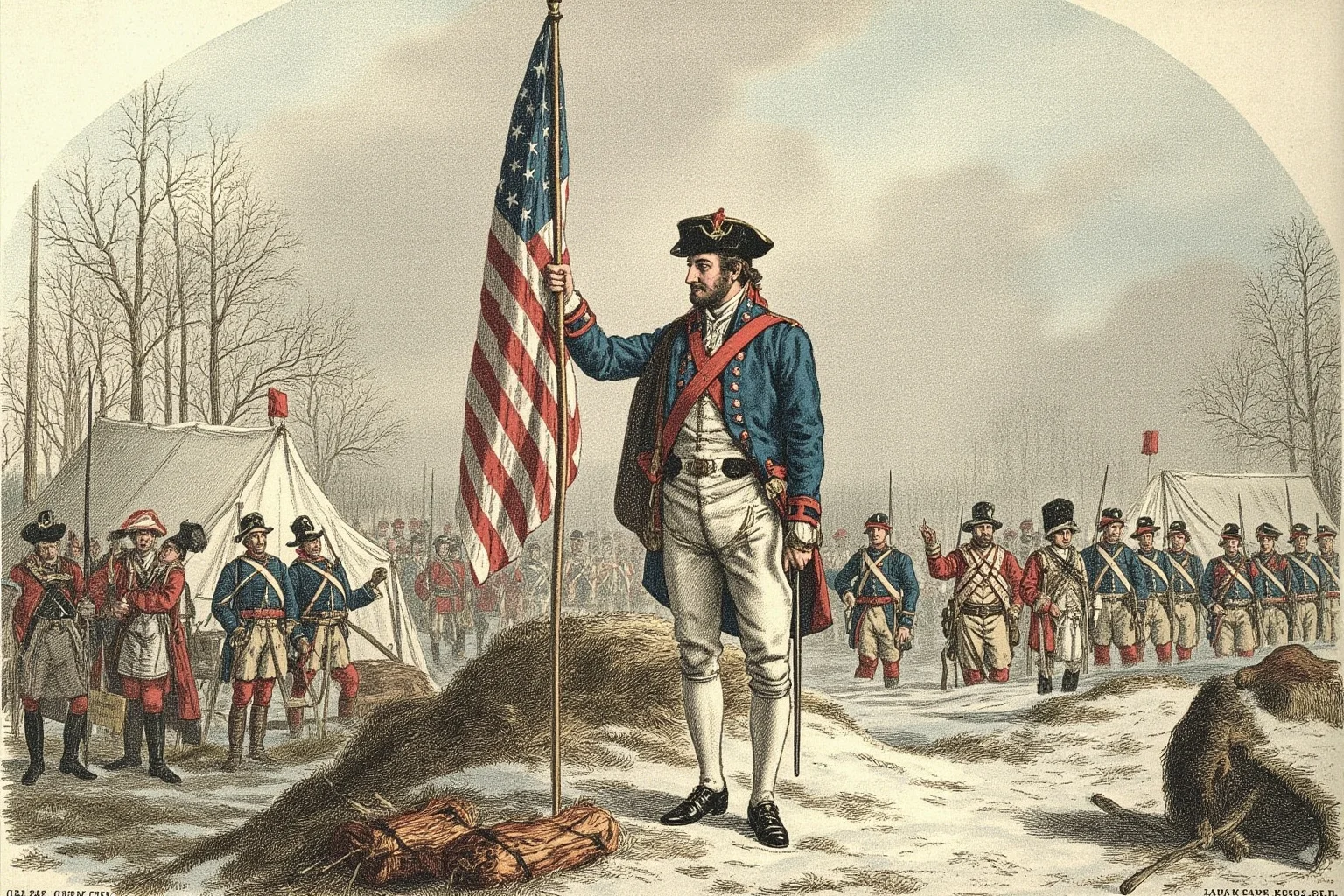
Washington is the obvious starting point for any list of great American leaders, and not just because he was first. As commander of the Continental Army, he held together a poorly-supplied, often outmatched force through years of war against the British Empire.
As the first president, he set precedents that still matter — voluntarily stepping down after two terms being the biggest one. That single choice helped establish the peaceful transfer of power as an American norm rather than an exception.
2. Thomas Jefferson
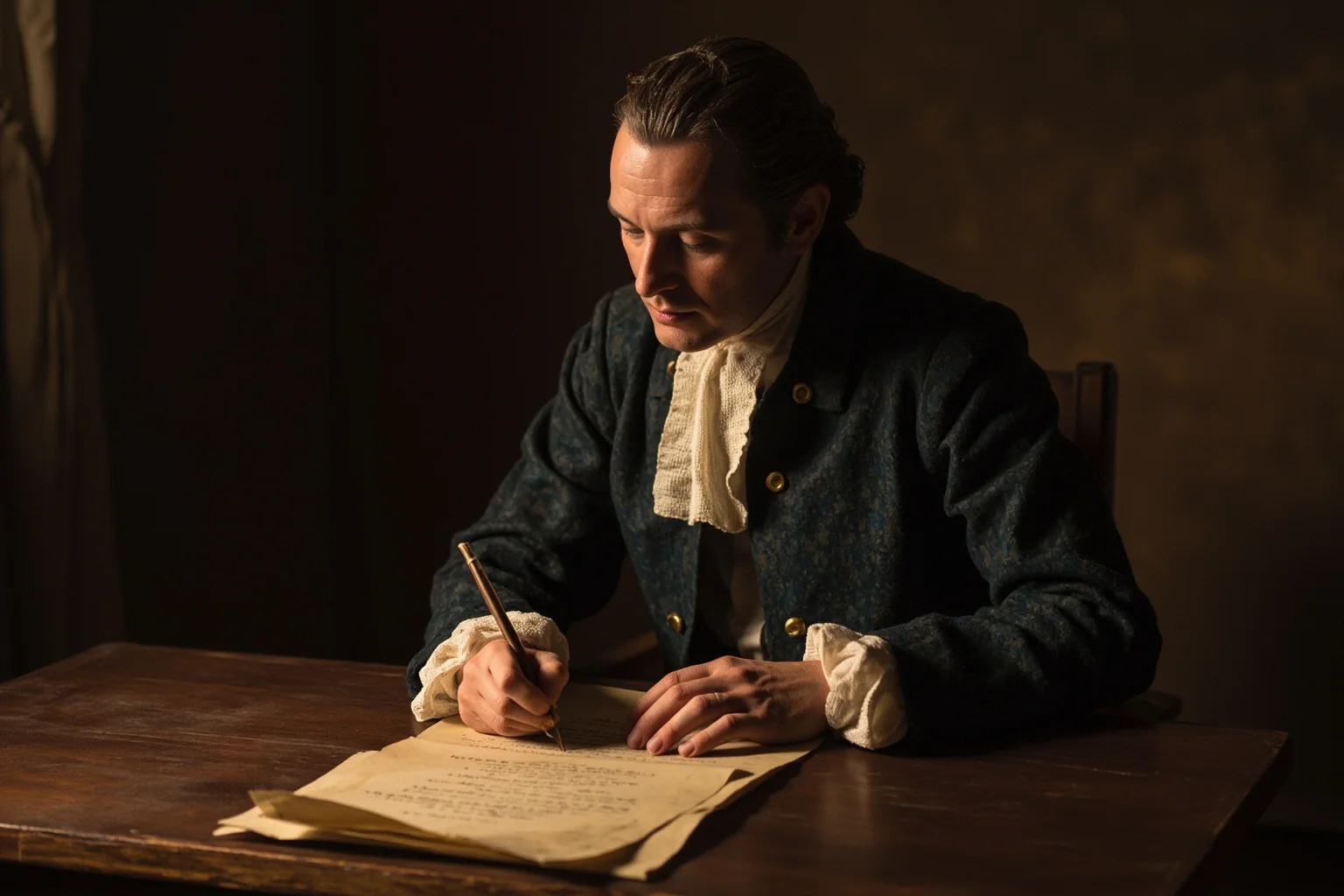
Jefferson’s fingerprints are on the Declaration of Independence, and his phrase about “life, liberty, and the pursuit of happiness” remains one of the most quoted lines in American political history. As president, he doubled the size of the country through the Louisiana Purchase in 1803.
He’s also one of the clearest examples of the contradictions running through early American leadership. Jefferson wrote eloquently about liberty while enslaving hundreds of people at Monticello, a tension historians still wrestle with today.
3. Benjamin Franklin
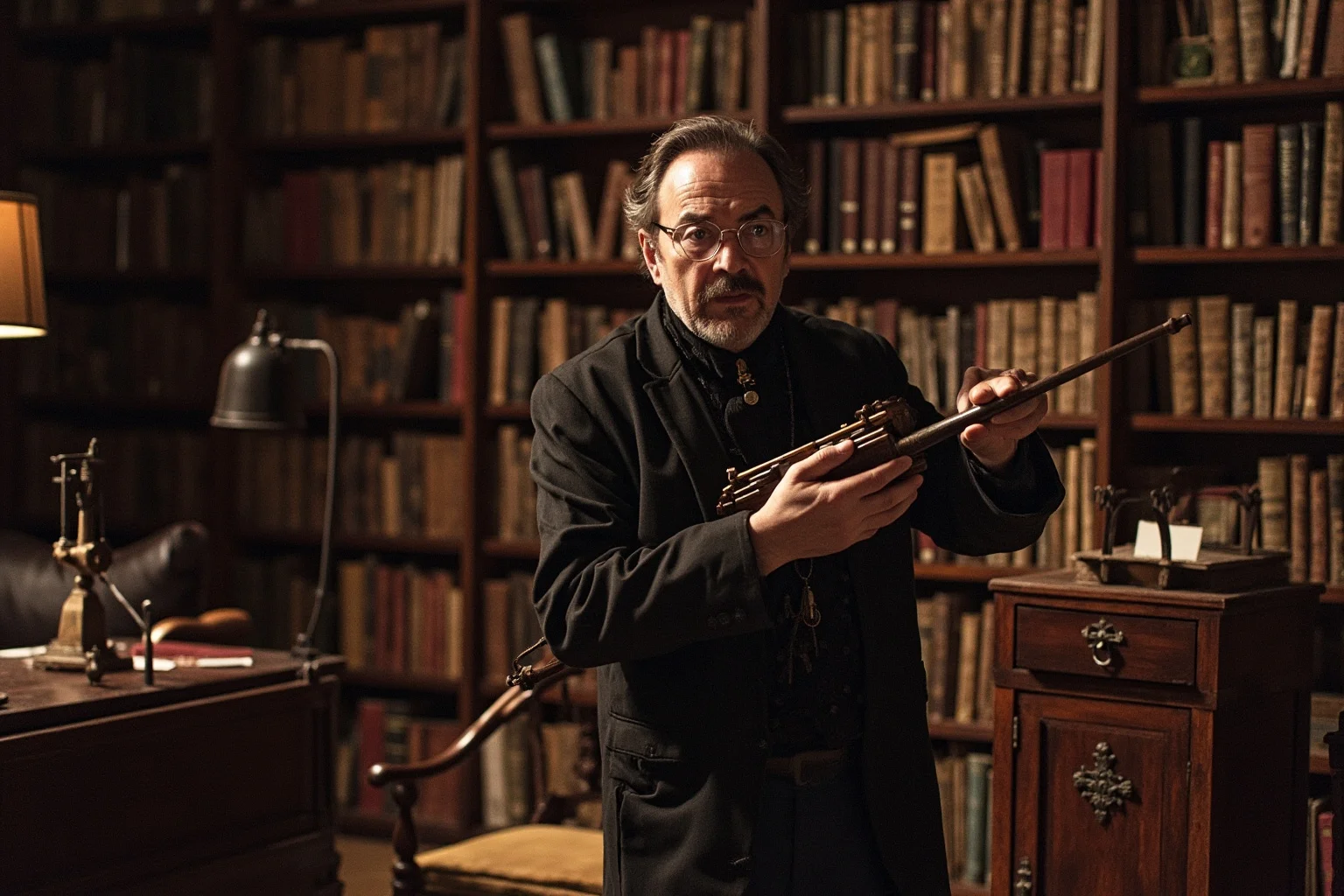
Franklin never held the presidency, but few figures did more to shape the young nation. He was a printer, scientist, diplomat, and one of only two people to sign both the Declaration of Independence and the U.S. Constitution — and he’s frequently included among history’s smartest people for the sheer range of his scientific and civic accomplishments.
His diplomatic work in France was arguably decisive — securing French support helped the colonies win the Revolutionary War. Franklin proved that American leadership didn’t require an elected title.
4. Alexander Hamilton
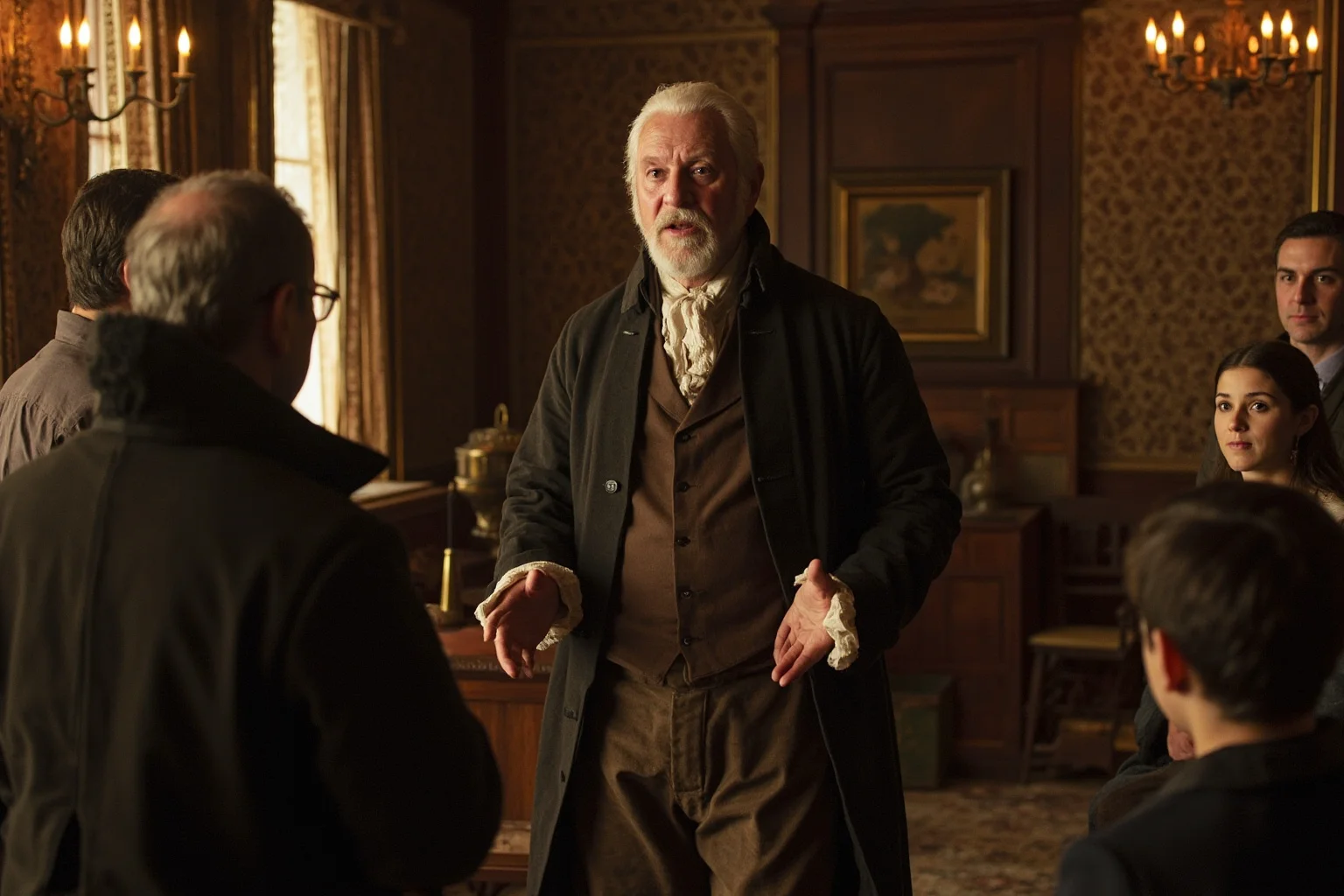
As the first Secretary of the Treasury, Hamilton built the financial architecture that let the young United States actually function as a country. He created the national bank, established the nation’s credit, and pushed for a strong federal government at a time when many favored weaker central authority.
His rivalry with Jefferson defined early American politics and effectively created the country’s first political party system. Hamilton’s ideas about federal power still echo through modern debates about the role of government.
5. Abraham Lincoln
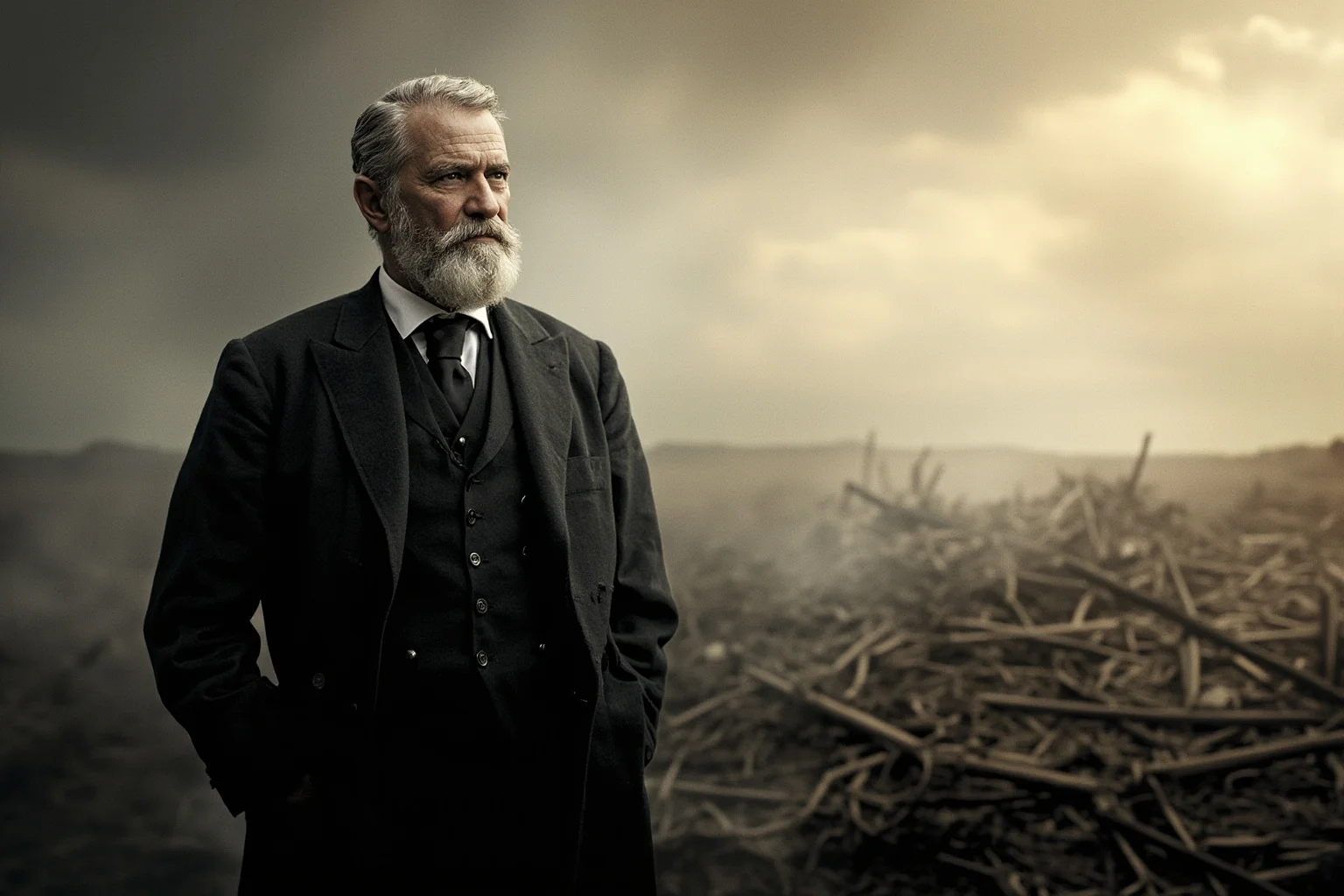
Lincoln is consistently ranked among the best leaders in history by historians, and the reasoning holds up. He guided the country through the Civil War, the deadliest conflict in American history, while working to preserve the Union and end slavery through the Emancipation Proclamation and the 13th Amendment.
His leadership style — patient, strategically flexible, and deeply committed to the idea of a unified nation — is still studied in political science and business leadership courses alike. His assassination in 1865, just weeks after the war’s end, cut short what many believe could have been a transformative Reconstruction era.
6. Ulysses S. Grant
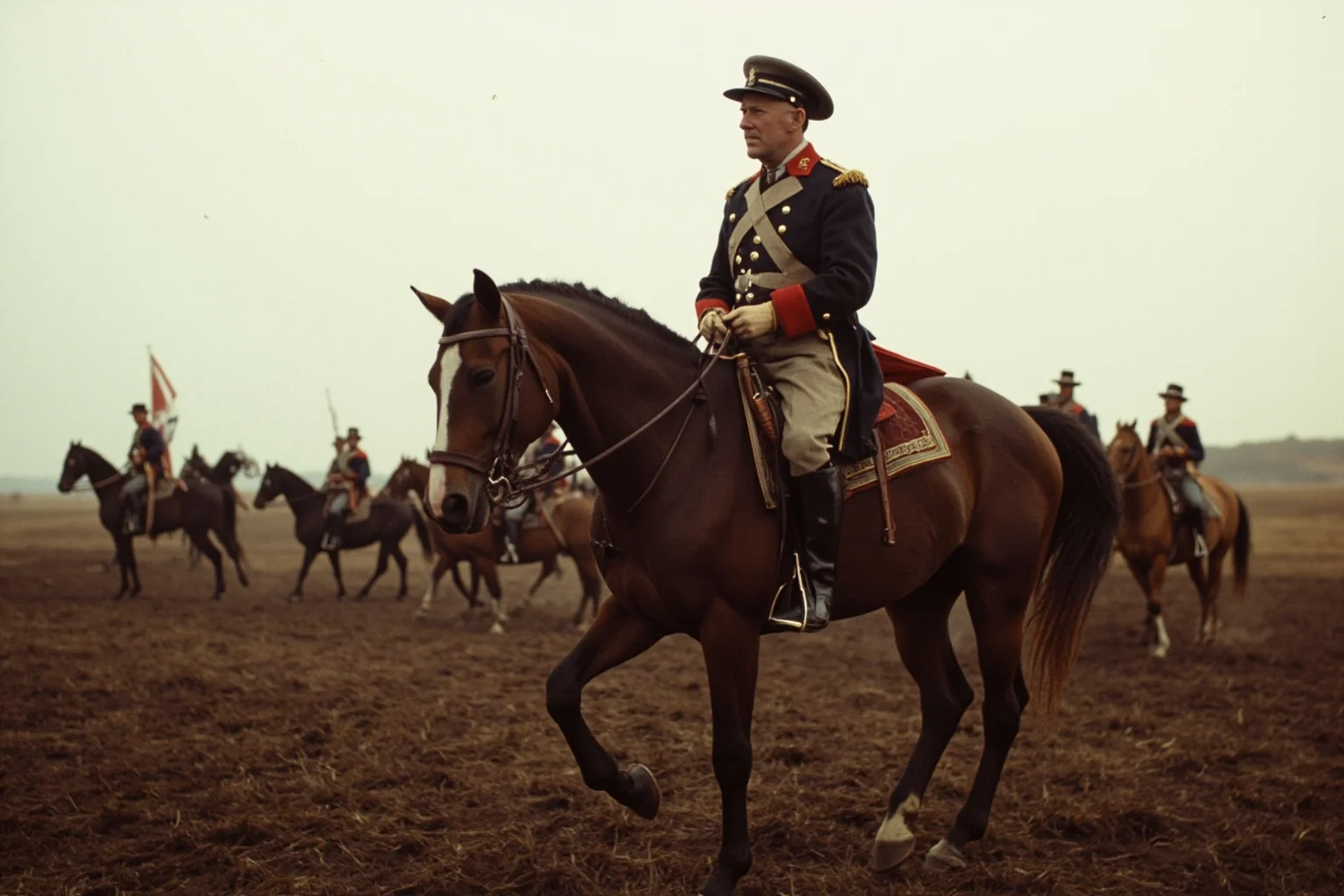
Grant’s reputation has been reassessed significantly by historians in recent decades. As the Union’s top general, his relentless strategy helped bring the Civil War to an end.
As president, his record is mixed: his administration was plagued by corruption scandals among appointees, but he also used federal power to fight the Ku Klux Klan and protect the civil rights of newly freed Black Americans during Reconstruction. That civil rights record is a major reason his historical standing has improved.
7. Susan B. Anthony
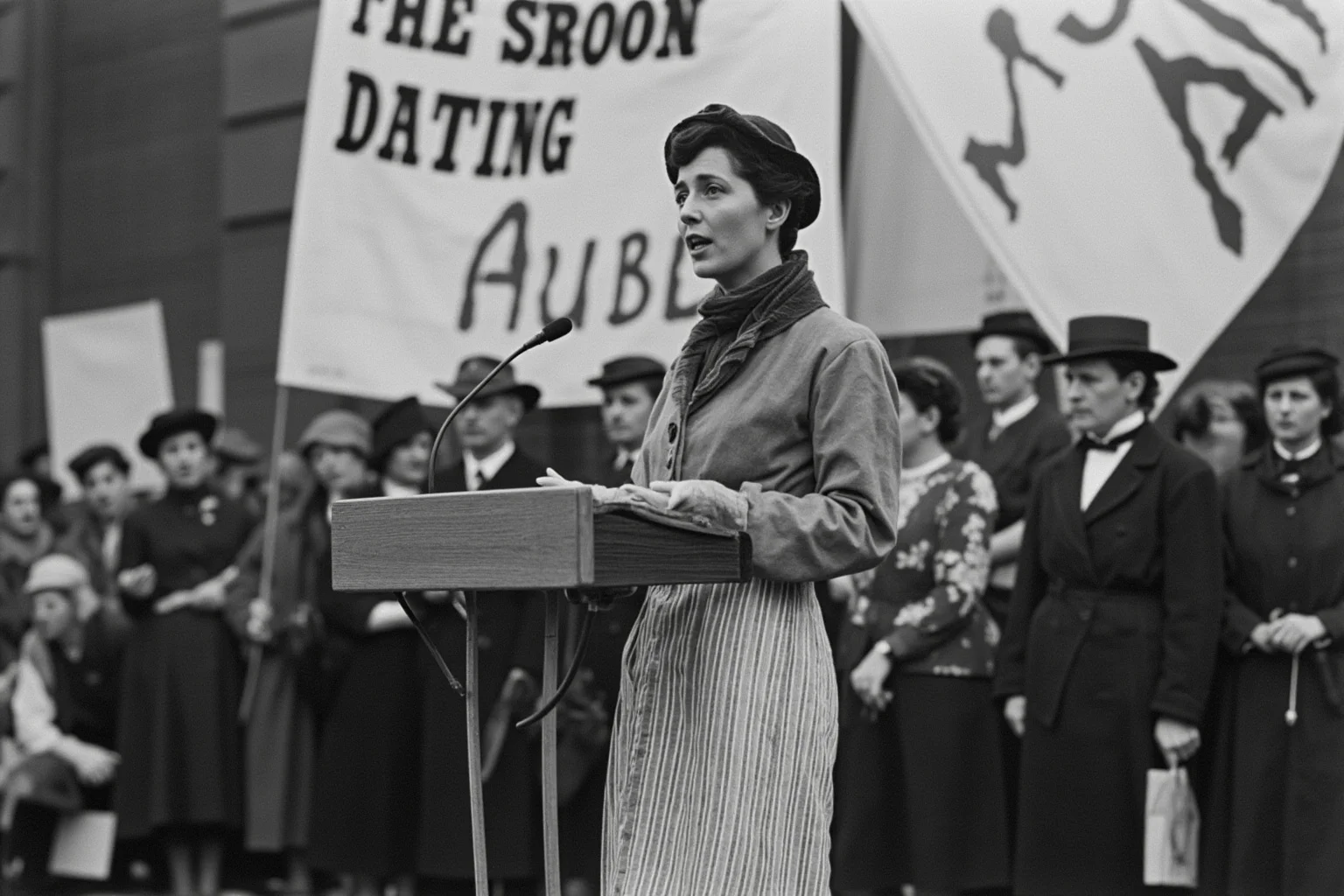
Anthony spent decades organizing, lecturing, and lobbying for women’s right to vote, becoming one of the most recognizable leaders of the American suffrage movement and a regular presence on lists of history’s most powerful women. She was arrested in 1872 for voting illegally in a presidential election, using the trial to publicize the cause.
She didn’t live to see the 19th Amendment ratified in 1920, which finally guaranteed women’s suffrage nationally. Her decades of grassroots organizing laid the legal and political groundwork that made that amendment possible.
8. Frederick Douglass
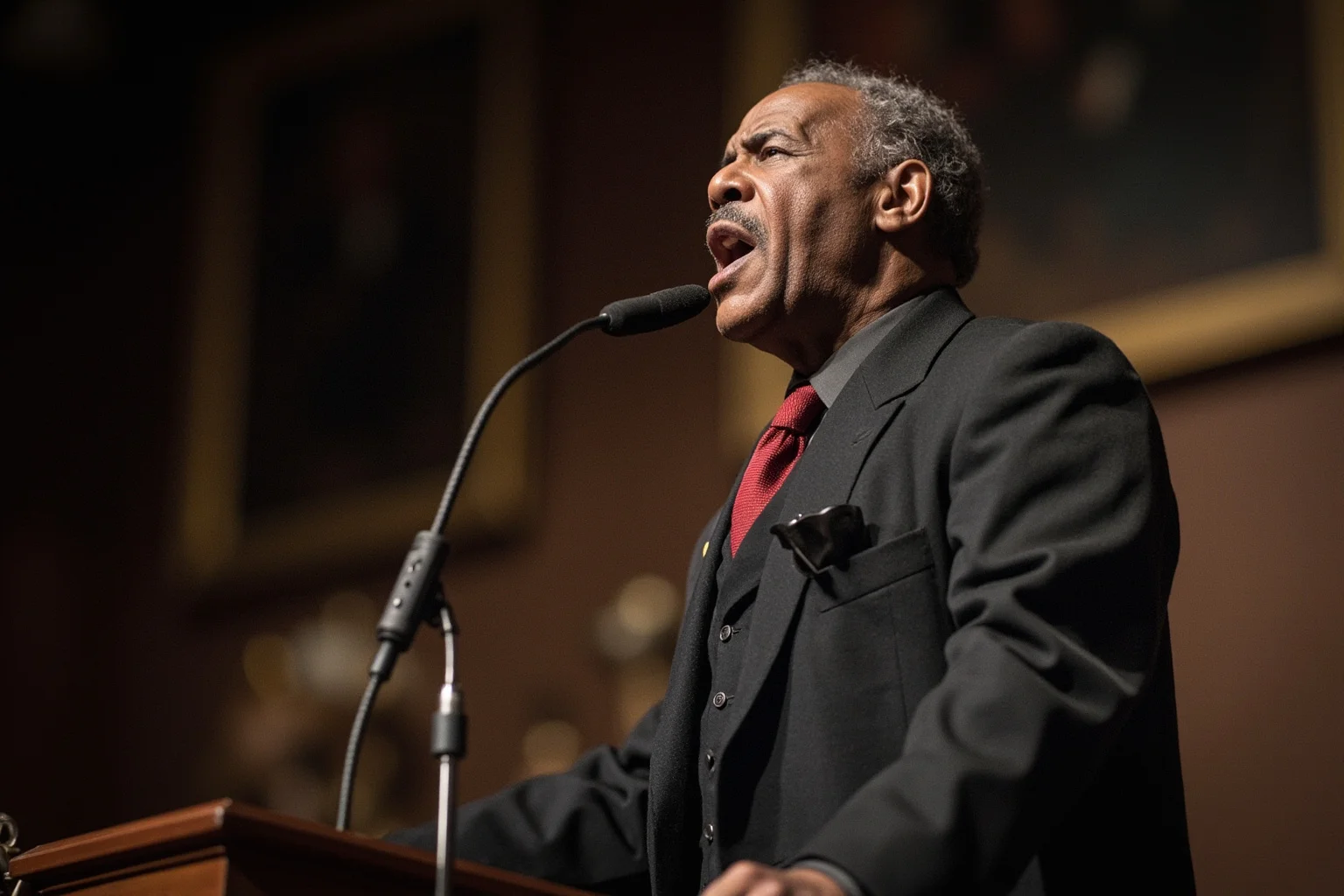
Douglass escaped slavery and became one of the most powerful orators and writers of the 19th century. His autobiographies and speeches exposed the brutal realities of slavery to Northern and international audiences in a way few other accounts could.
He advised Lincoln during the Civil War and continued fighting for civil rights long after emancipation. Douglass remains one of the most famous leaders in American history precisely because he built influence entirely through moral argument and public persuasion.
9. Harriet Tubman

Tubman escaped slavery herself and then returned to the South repeatedly to guide others to freedom via the Underground Railroad. During the Civil War, she also served as a scout and spy for Union forces, becoming one of the few women to lead an armed military operation in U.S. history during the Combahee River Raid.
Her courage under extreme risk makes her one of the most compelling examples of leadership through direct action rather than office or title. She later became active in the women’s suffrage movement as well.
10. Theodore Roosevelt

Roosevelt brought a burst of energy to the presidency, pushing trust-busting reforms against monopolistic corporations and expanding national parks and forests dramatically. His “Square Deal” agenda aimed to balance the interests of workers, businesses, and consumers.
He also expanded America’s role on the world stage, negotiating an end to the Russo-Japanese War, for which he won the Nobel Peace Prize in 1906. Roosevelt’s conservation legacy alone still shapes millions of acres of protected American land today.
11. Woodrow Wilson
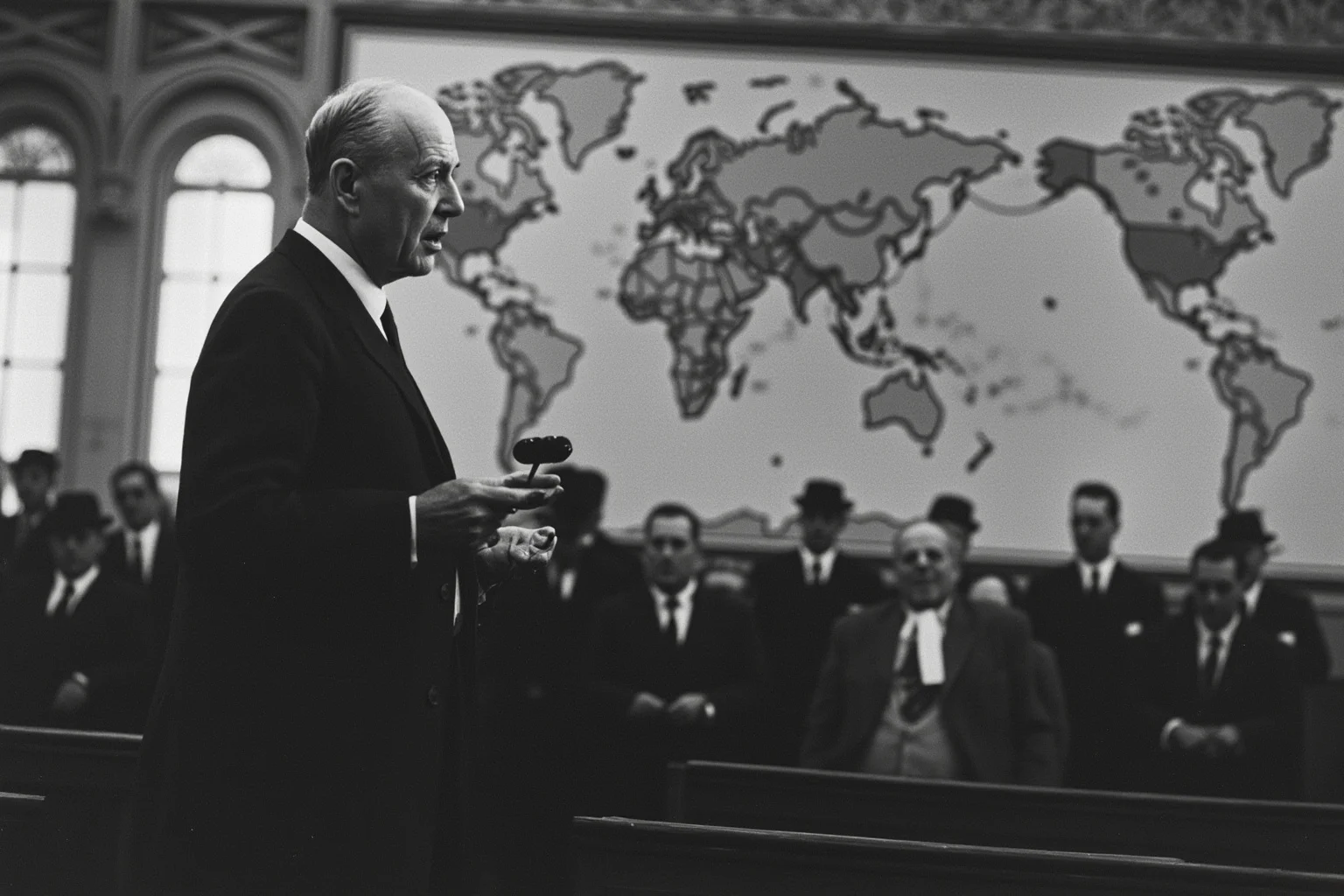
Wilson led the country through World War I and pushed for the creation of the League of Nations, an early attempt at international cooperation to prevent future wars. His domestic record included some progressive economic reforms, like the creation of the Federal Reserve.
His presidency is also marked by significant setbacks for civil rights, including the segregation of federal offices. A fuller picture of his leadership requires holding both realities at once.
12. Franklin D. Roosevelt
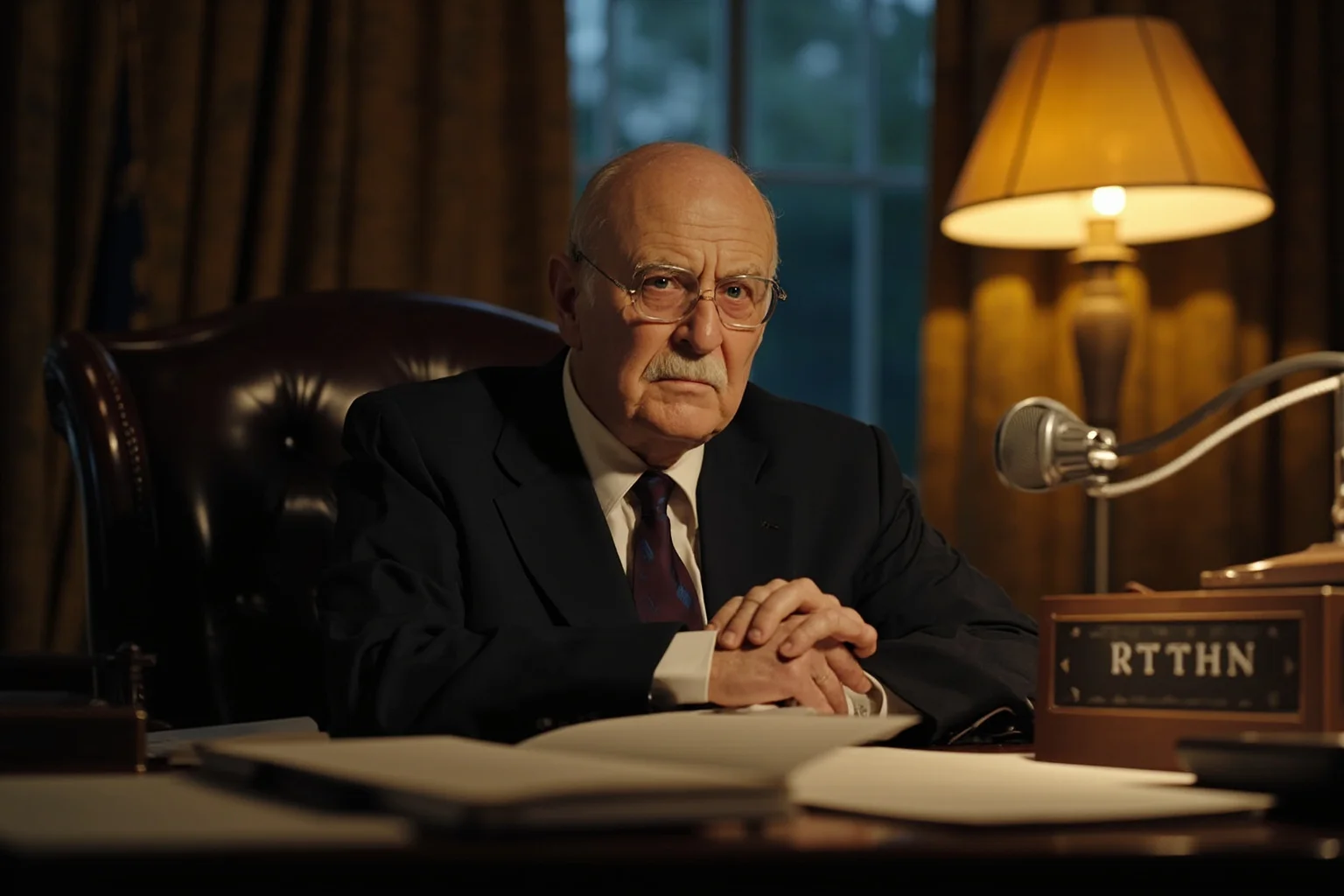
FDR is frequently cited among the greatest leaders of all time for guiding the U.S. through two of its greatest crises: the Great Depression and World War II. His New Deal programs reshaped the relationship between American citizens and their federal government, creating Social Security and numerous public works programs.
Elected to four terms, longer than any other president, his leadership during wartime helped rally a fractured, anxious nation. His fireside radio addresses became a model for direct communication between leaders and the public.
13. Eleanor Roosevelt
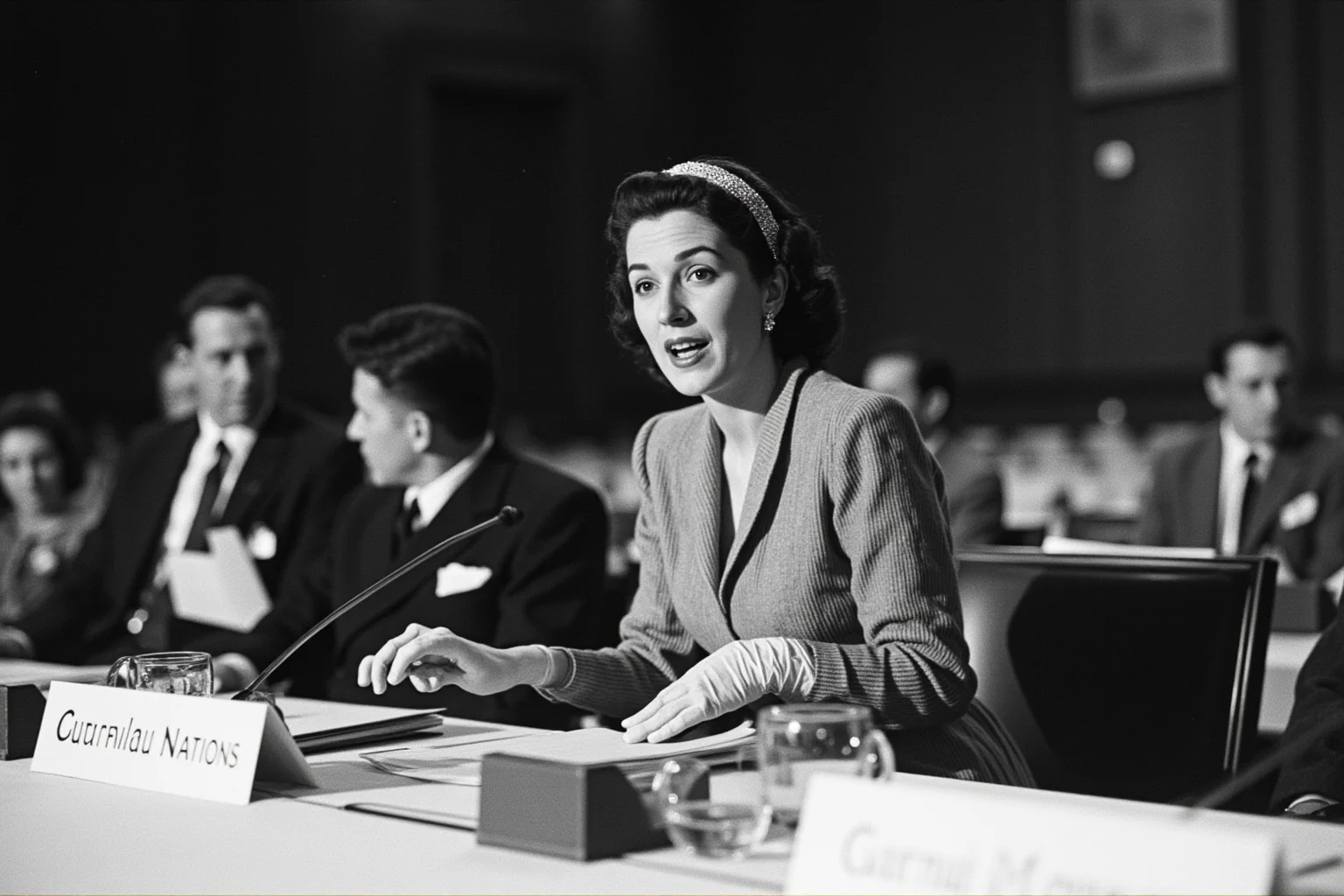
As First Lady, Eleanor Roosevelt redefined the role, becoming an outspoken advocate for civil rights, labor rights, and women’s issues well beyond ceremonial duties. She later served as a U.S. delegate to the United Nations, where she chaired the committee that drafted the Universal Declaration of Human Rights in 1948.
Her influence shows that some of the most famous leaders in America built power through moral advocacy rather than elected office, and she’s routinely counted among history’s most powerful women. She remains a touchstone for what engaged public leadership can look like outside a formal title.
14. Dwight D. Eisenhower
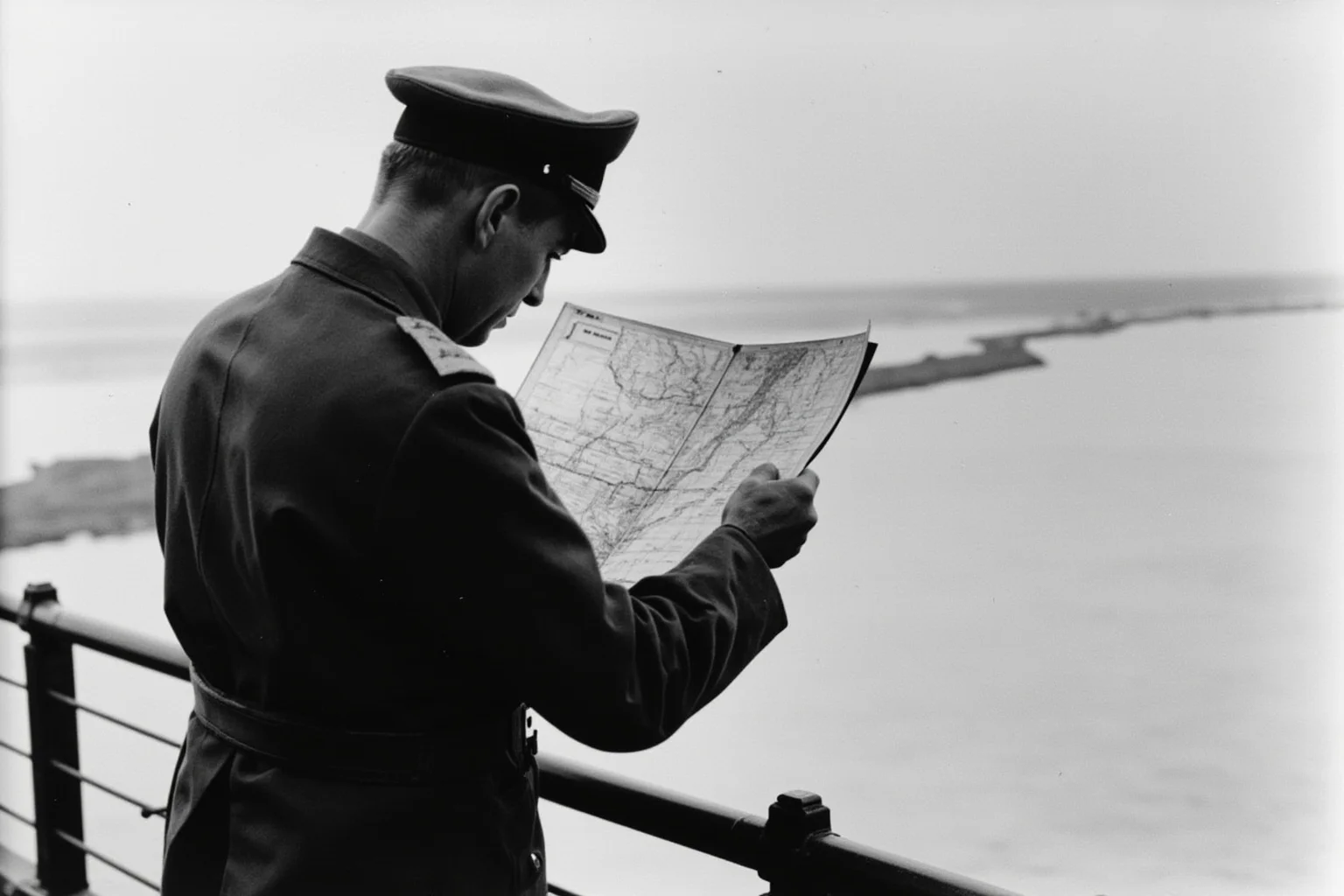
Before becoming president, Eisenhower served as Supreme Commander of Allied forces in Europe during World War II, overseeing the D-Day invasion in 1944. As president, he pursued a cautious, steady approach during the tense early years of the Cold War.
He also signed the Federal-Aid Highway Act of 1956, creating the interstate highway system that still shapes American infrastructure and travel today. His farewell address warning about the “military-industrial complex” remains widely studied.
15. John F. Kennedy
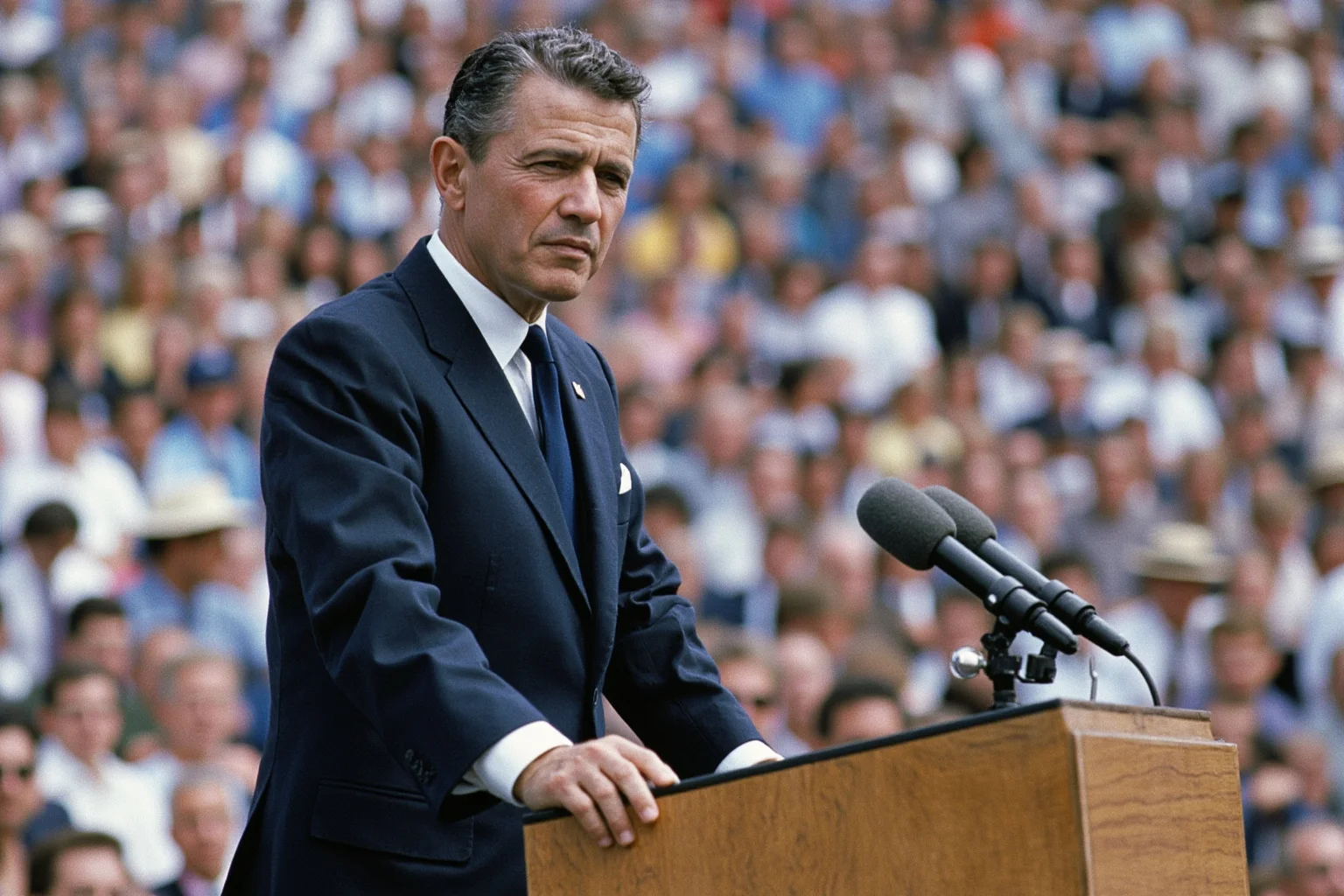
Kennedy’s presidency was short, cut off by his assassination in 1963, but his influence on American political culture was outsized. He navigated the Cuban Missile Crisis in 1962, arguably the closest the Cold War came to direct nuclear conflict.
His rhetoric — from the inaugural “ask not what your country can do for you” line to his commitment to the space program — helped define an era of optimism. Historians continue to debate how his domestic civil rights agenda might have unfolded had he served a full term.
16. Martin Luther King Jr.
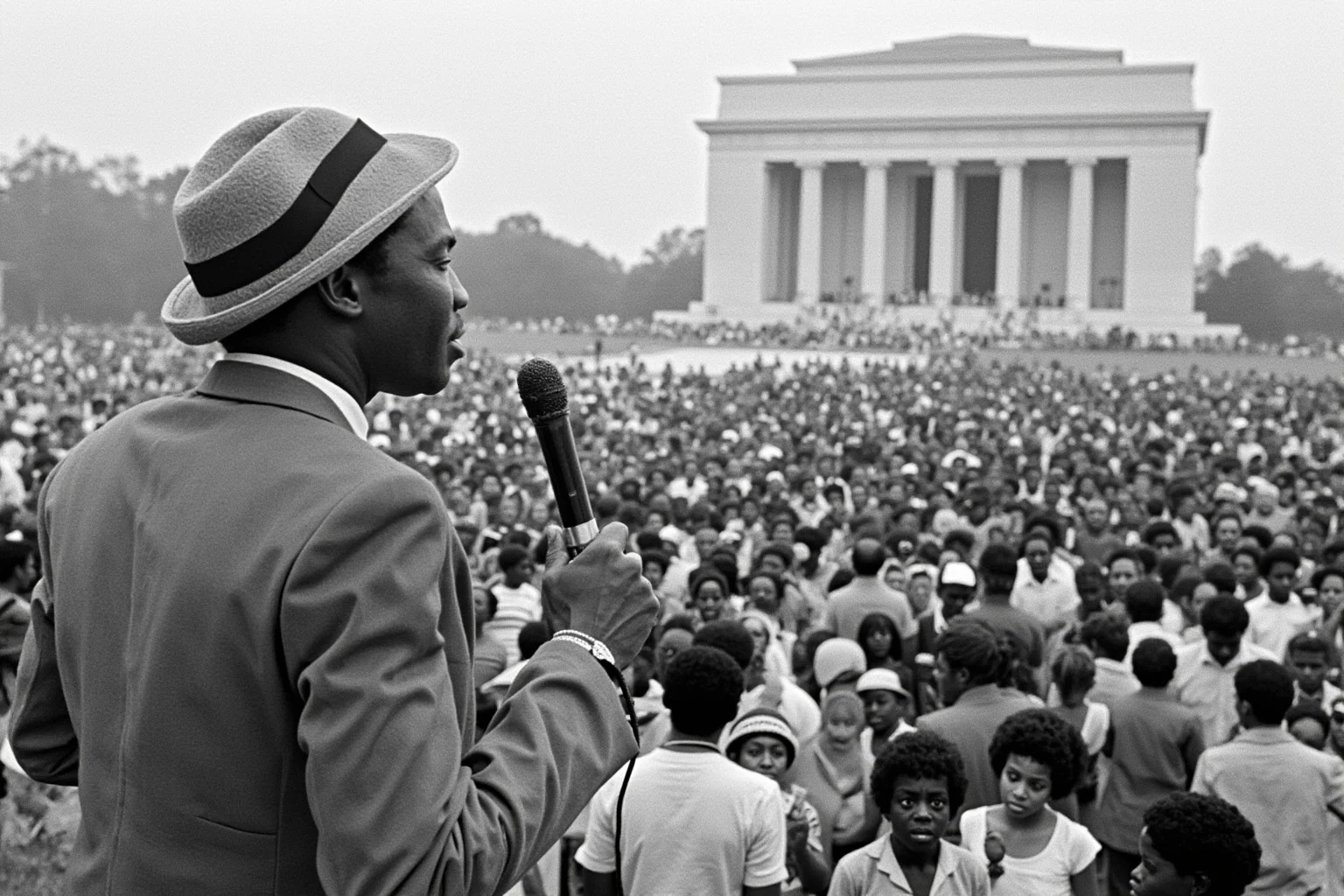
King is one of the most widely recognized great leaders in American history, and globally — a fixture on any list of the most recognized historical figures of all time — for his leadership of the civil rights movement through nonviolent protest. His 1963 “I Have a Dream” speech during the March on Washington remains one of the most famous speeches in American history.
His organizing helped drive passage of the Civil Rights Act of 1964 and the Voting Rights Act of 1965. King was assassinated in 1968, but his strategic use of nonviolent civil disobedience influenced movements for justice around the world.
17. Lyndon B. Johnson
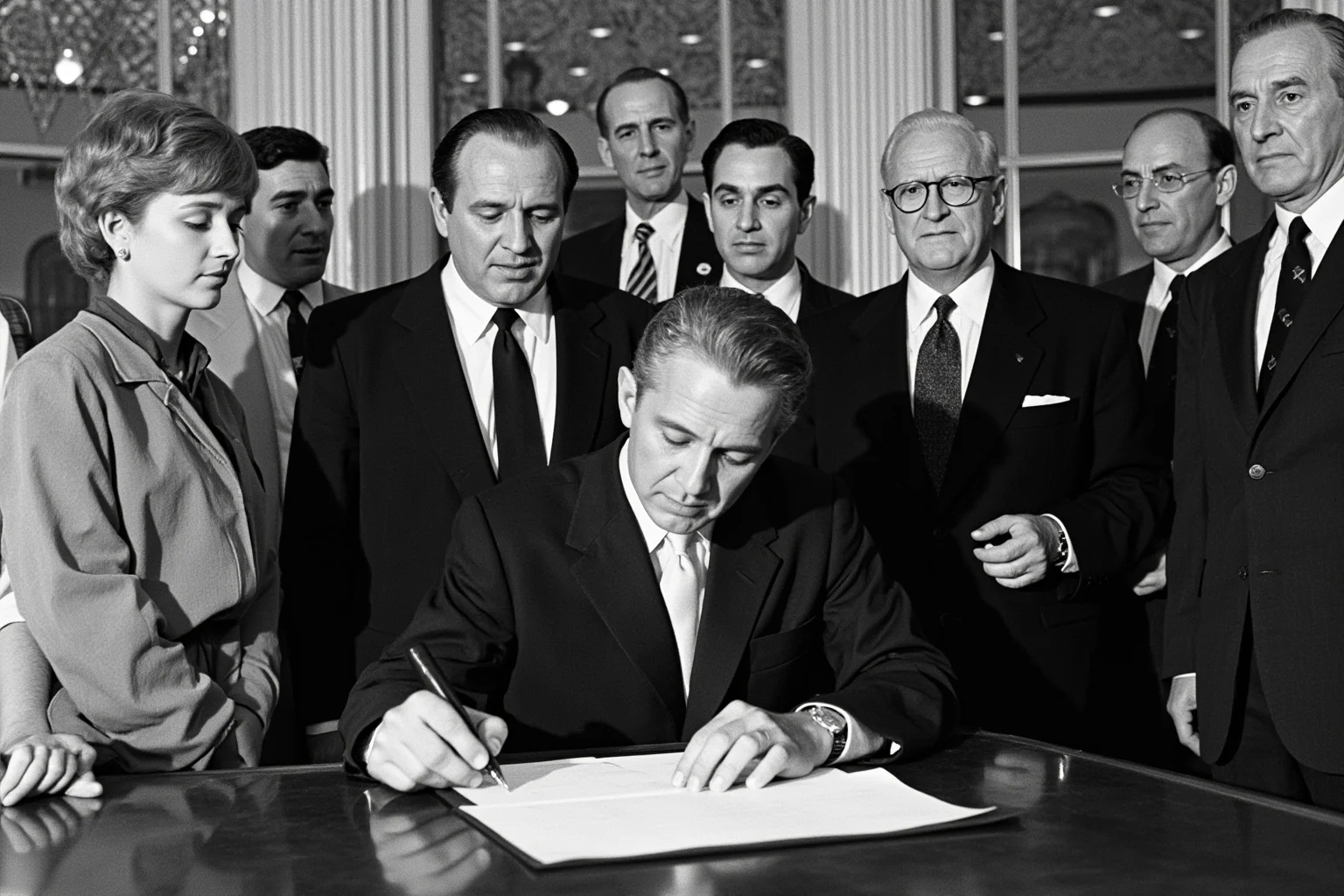
Johnson took office after Kennedy’s assassination and used his deep knowledge of Congress to push through landmark legislation. The Civil Rights Act of 1964, the Voting Rights Act of 1965, and the creation of Medicare and Medicaid all happened under his “Great Society” agenda.
His presidency is also inseparable from the escalation of the Vietnam War, which badly damaged his public support. Johnson’s legacy is a genuine study in how domestic achievement and foreign policy failure can coexist within one leadership record.
18. Cesar Chavez
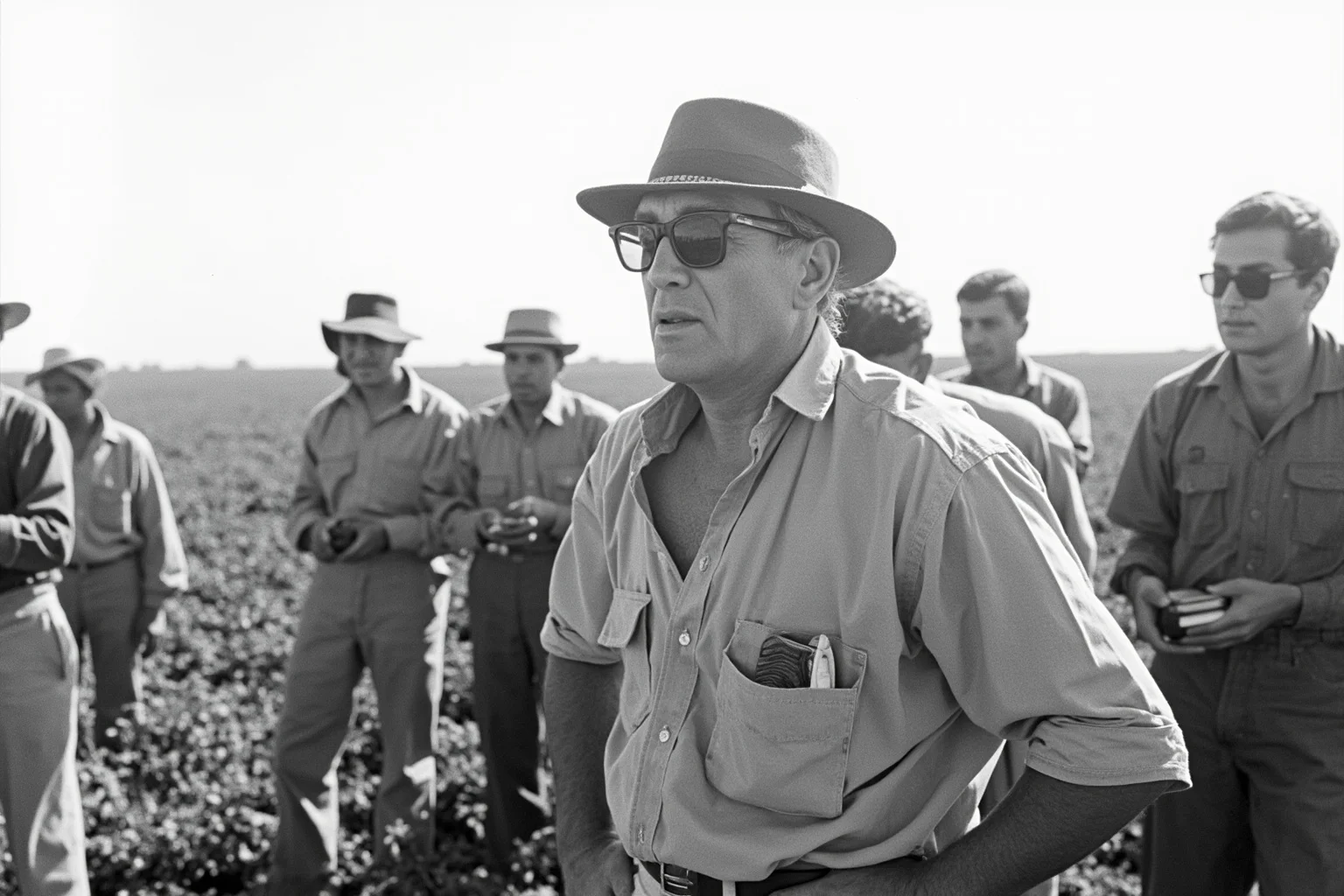
Chavez co-founded the United Farm Workers union and became the most prominent leader in the fight for the rights of agricultural laborers, many of them Mexican-American migrant workers. His organizing tools included boycotts, marches, and hunger strikes rather than elected office.
The Delano grape boycott he helped lead in the 1960s drew national attention to the working conditions of farm laborers. Chavez remains a defining figure in American labor history and Latino civil rights leadership.
19. Thurgood Marshall
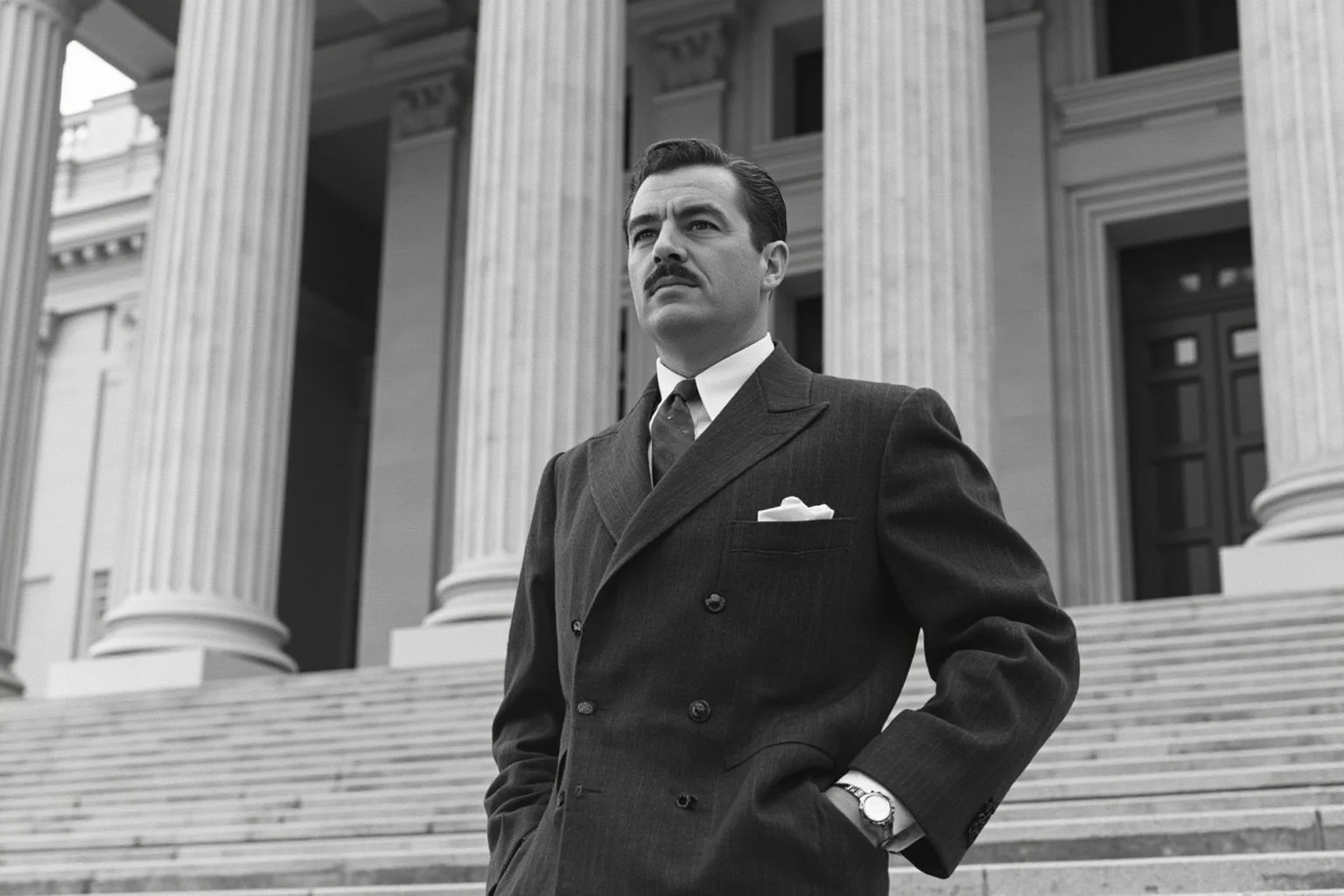
Before becoming the first Black justice on the U.S. Supreme Court, Marshall argued Brown v. Board of Education before the Court in 1954 as a civil rights lawyer, successfully challenging school segregation. That case remains one of the most consequential legal decisions in American history.
He went on to serve on the Supreme Court for 24 years, consistently advocating for civil liberties and equal protection under the law. Marshall’s career shows how leadership within the judiciary can be just as transformative as leadership from elected office.
20. Ronald Reagan
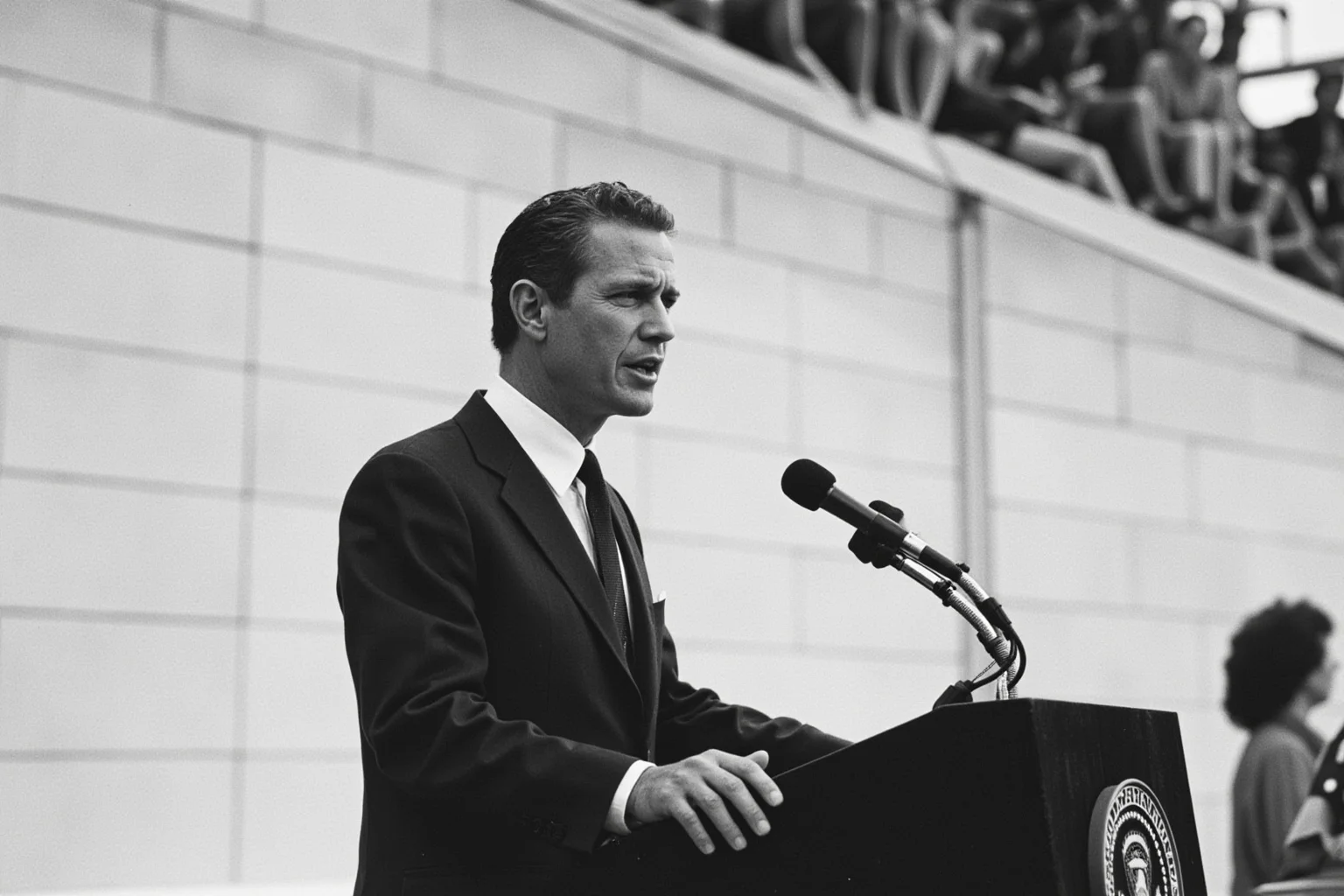
Reagan’s presidency reshaped the modern Republican Party around lower taxes, deregulation, and a strong anti-communist foreign policy. His rhetoric during the later years of the Cold War, including his famous 1987 speech at the Berlin Wall, is often credited as part of the broader pressure that contributed to the wall’s fall in 1989.
Supporters and critics still debate his domestic economic legacy, often called “Reaganomics,” and its long-term effects on income inequality. Few modern American leaders are cited as frequently across the political spectrum as a reference point.
21. John Lewis
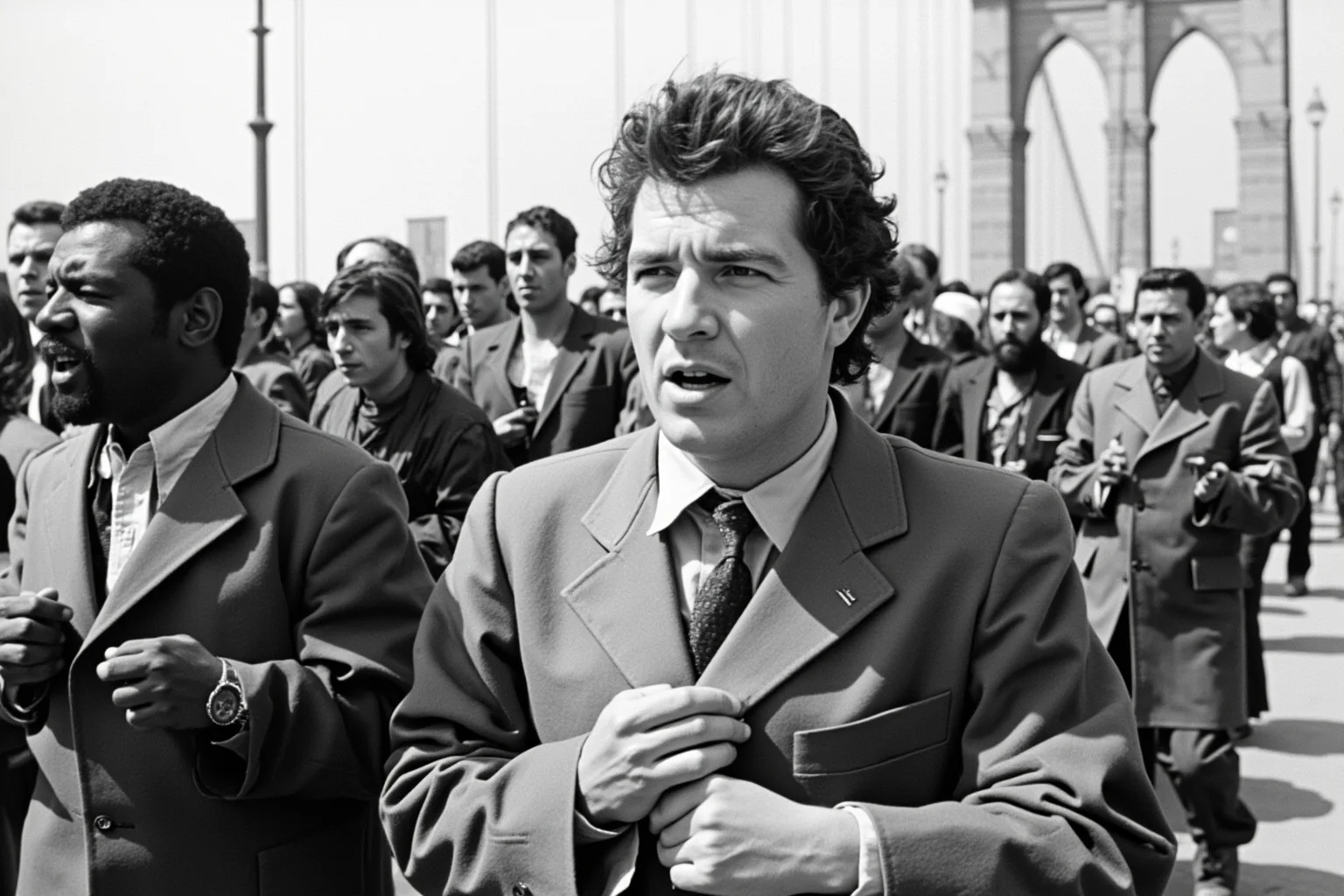
Lewis was beaten and arrested multiple times as a young civil rights organizer, including during the 1965 “Bloody Sunday” march in Selma, Alabama. He later served over three decades in the U.S. House of Representatives, becoming known as the “conscience of Congress.”
His life bridged the era of direct-action civil rights protest and the era of institutional political leadership. Lewis often described his approach as “good trouble” — a phrase that became widely used well beyond his own political career.
22. Barack Obama
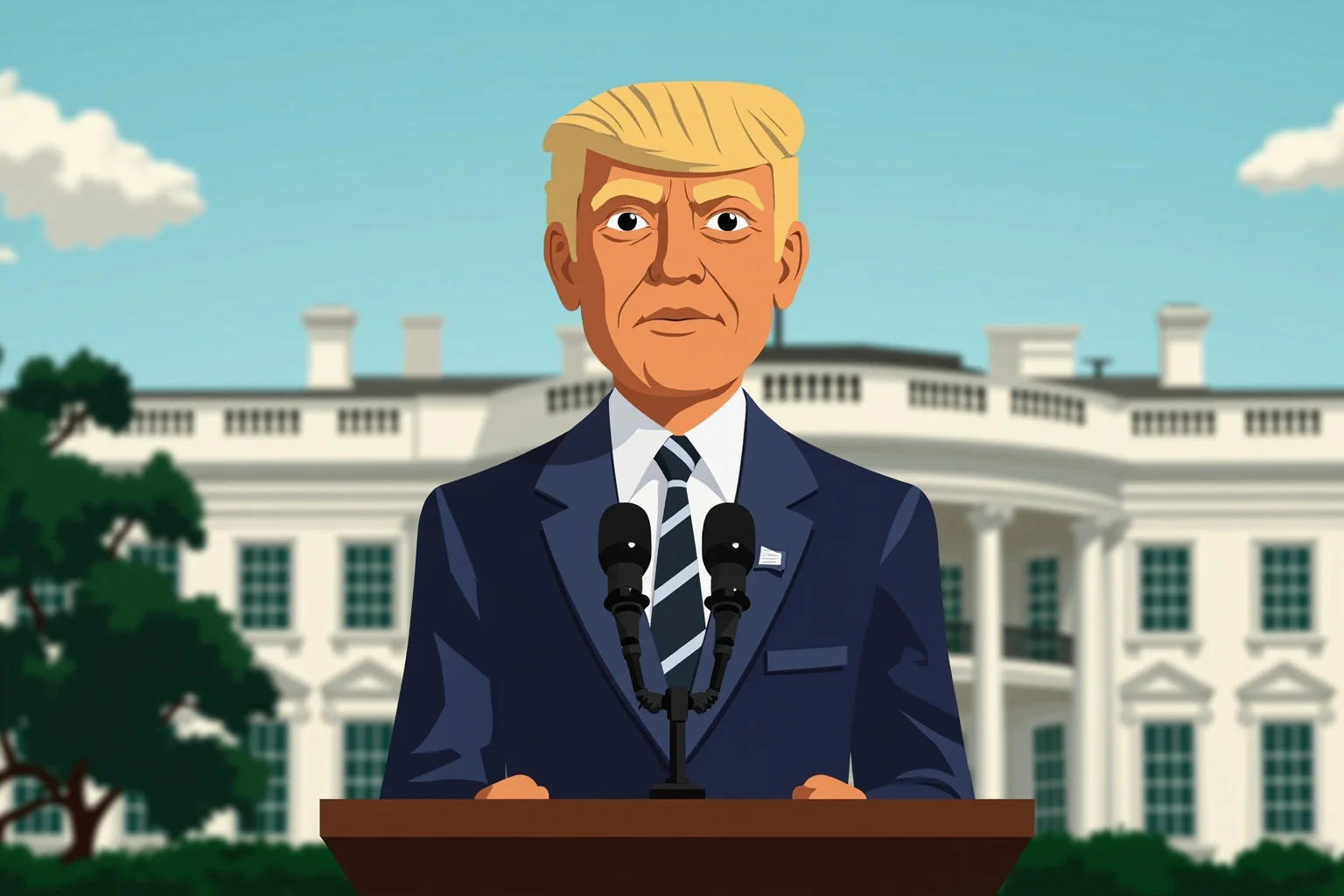
Obama became the first Black president of the United States in 2009, a milestone with deep historical resonance given the country’s history of slavery and segregation. His administration passed the Affordable Care Act, expanding health insurance coverage to millions of Americans.
His presidency also navigated the aftermath of the 2008 financial crisis and shifted U.S. foreign policy priorities in the Middle East. Like every leader on this list, his record draws both strong praise and serious criticism, which is part of what makes evaluating recent leaders harder than evaluating historical ones.
Honorable Mentions Worth Knowing
No list like this can include everyone who shaped the country, and plenty of strong cases exist for names left off. James Madison, often called the “Father of the Constitution,” and Andrew Jackson, whose presidency expanded democratic participation while also driving brutal policies against Native Americans, both come up often in these debates.
More recent figures like Ruth Bader Ginsburg, Sandra Day O’Connor, and Colin Powell also regularly appear on lists of great American leaders, particularly in discussions about judicial and military leadership. The point isn’t to have a definitive final twenty-two — it’s to show how many different paths led to genuine national influence.
What Ties America’s Greatest Leaders Together
Looking across this list, a pattern emerges that goes beyond political party or era. Nearly every leader here acted decisively during a moment when the easier choice would have been to wait, defer, or stay quiet.
Many also built coalitions rather than acting alone, whether that meant Washington keeping a fragile army together or King organizing a mass movement. Leadership in American history, again and again, comes down less to titles and more to the willingness to be accountable for a hard decision.
Final Thoughts on Ranking Greatness
Trying to name the single greatest leader of all time is a fun debate, but it’s ultimately subjective — historians, biographers, and everyday readers will keep disagreeing about it indefinitely. What’s more useful is understanding the range of ways leadership has shown up throughout American history, from the Oval Office to the courtroom to the picket line.
The leaders profiled here didn’t just hold power; they used it, pushed against it, or built entirely new kinds of influence from outside the system. That range is arguably the most American part of this whole story.
Frequently Asked Questions
Who is the leader of the US?
The President of the United States serves as both head of state and head of government, elected to a four-year term. As of early 2025, Donald Trump holds the office, having been inaugurated for a second term on January 20, 2025. Because leadership can change with each election, it's worth checking a current, dated source for the latest confirmation.
Who is the greatest leader of all time?
There's no single agreed-upon answer, since 'greatest' depends on the criteria used, whether that's military success, moral courage, or long-term impact. Within American history, Abraham Lincoln and George Washington are the two names historians cite most consistently, largely for holding the nation together during existential crises.
Who was the best leader in history?
Historians generally avoid naming one definitive 'best' leader in world history, since context, culture, and available evidence vary enormously across eras. Among American leaders, Lincoln, Washington, and Franklin D. Roosevelt are the names most frequently ranked at the top of scholarly and public polls.
What makes someone a great leader in history?
Historians typically look for decisive action under pressure, a clear and communicable vision, and the ability to unite people toward a shared goal. Lasting impact also matters — a truly great leader's decisions tend to shape events well beyond their own lifetime.
Who are considered the best politicians ever?
Rankings vary widely, but names like Abraham Lincoln, George Washington, and Franklin D. Roosevelt appear on nearly every serious list of history's best politicians. Outside the U.S., figures like Winston Churchill and Nelson Mandela are frequently included in global rankings for their crisis leadership.
Were all of America’s great leaders presidents?
No — many of the most influential leaders in American history never held elected office. Figures like Frederick Douglass, Susan B. Anthony, Martin Luther King Jr., and Cesar Chavez shaped the country through activism, organizing, and moral persuasion rather than formal political power.
Why do historians disagree about ranking great leaders?
Rankings depend heavily on which criteria you prioritize, such as military success, economic reform, or civil rights progress, and those priorities shift with each generation of historians. A leader who looks admirable by one measure can look deeply flawed by another, which is why most credible lists avoid presenting a single fixed ranking as fact.

Alex Warren
Related Articles