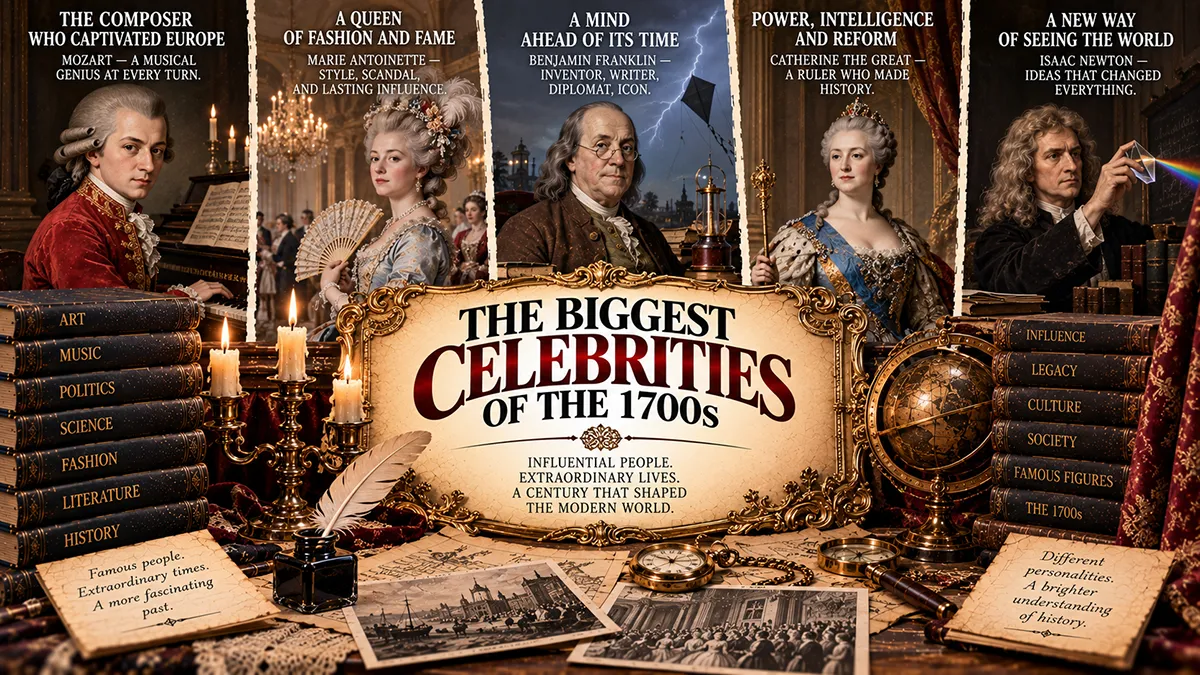
Long before Instagram or the paparazzi, the 1700s had its own version of fame. Portraits circulated like magazine covers, pamphlets and newspapers spread gossip across continents, and a well-placed rumor could make or break a reputation almost as fast as it does today.
Kings, philosophers, composers, and revolutionaries all competed for the public’s attention in an era that gave us the Enlightenment, the Seven Years’ War, and two world-changing revolutions.
This guide rounds up the biggest celebrities of the 1700s, explains what made 18th century people famous in the first place, and clears up a few myths along the way — including whether anyone from that era would actually be considered attractive by today’s standards. We’ll also glance just before and after the century, since plenty of readers searching for 1700s people are really trying to place a name somewhere between the age of Columbus and the age of Napoleon.
TL;DR: The 1700s produced an unforgettable cast of famous people — statesmen, scientists, composers, and revolutionaries — whose fame was built on print, portraiture, and word of mouth rather than modern media.
What Made Someone “Famous” in the 1700s?
Fame in the 18th century worked differently than it does now, but it was no less real. Newspapers, pamphlets, and engraved portraits were the viral content of the day, and a scandal or scientific breakthrough could travel from Paris to Philadelphia within months. Salons, coffeehouses, and royal courts acted as the influencer networks of their time.
Most famous people from the 1700s earned their reputations through one of a few paths: political power, military command, artistic genius, scientific discovery, or sheer scandal. Royalty and aristocrats had a head start because their images were already reproduced on coins and court paintings. But the century’s growing print culture also meant that writers, scientists, and even commoners could become household names purely through their ideas.
It’s worth remembering that historical fame is not the same as historical accuracy. Many stories about 18th century people were exaggerated, sanitized, or invented after the fact, so it pays to separate the documented record from the legend.
The 20 Biggest Celebrities of the 1700s
Here are 20 of the most famous people from the 1700s, spanning politics, science, music, and revolution. Some were adored, some were feared, and a few were both at once.
1. George Washington
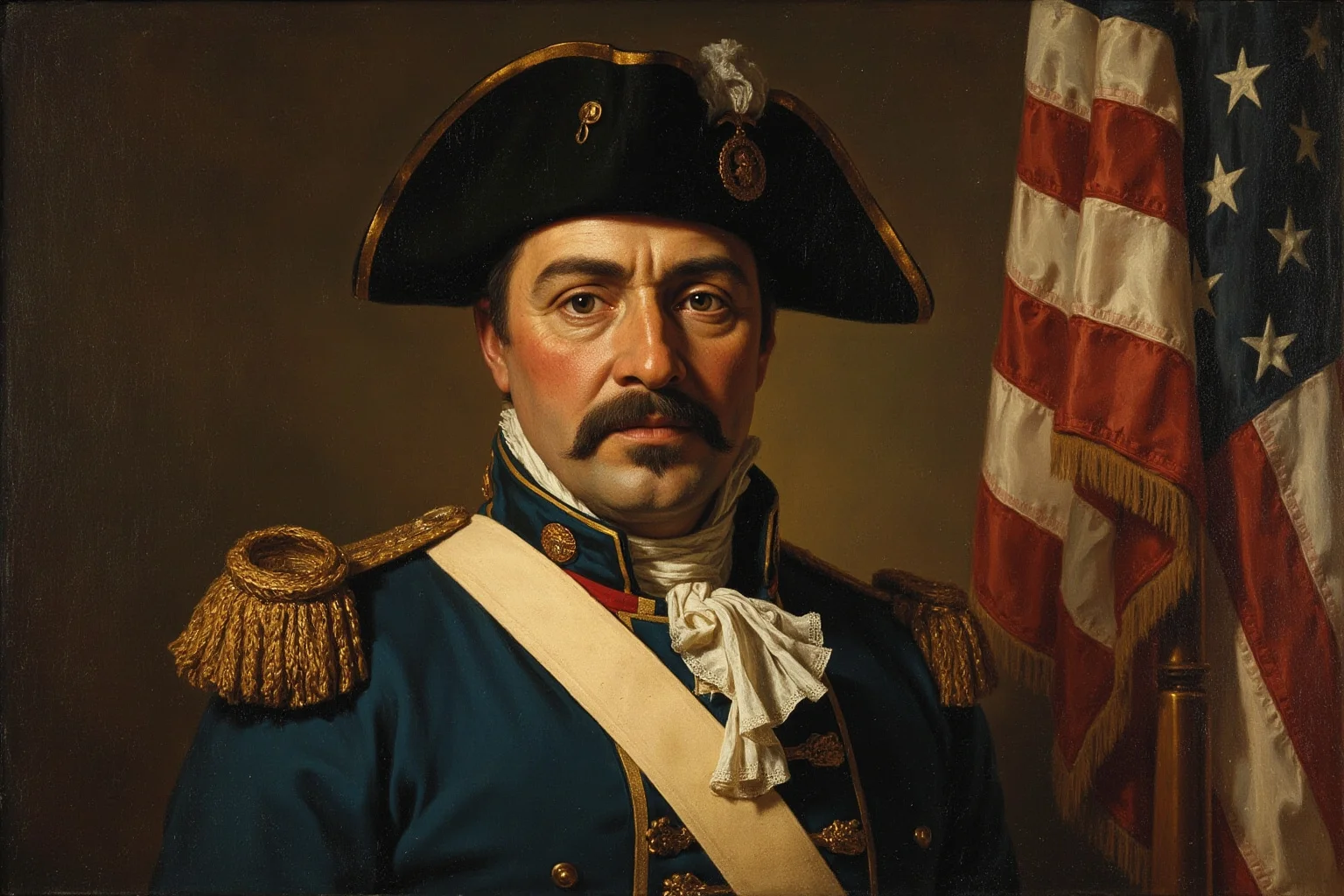
George Washington became one of the most recognized faces in the world after leading the Continental Army to victory in the American Revolutionary War. His decision to step down as president after two terms, rather than cling to power, made him a symbol of restraint at a time when most rulers were monarchs for life.
Washington’s image was reproduced on everything from currency to ceramics well before photography existed, making him one of the first genuinely mass-marketed celebrities of the 1700s. His reputation was carefully managed even in his own lifetime, which means some of the wholesome anecdotes about him are more folklore than fact.
2. Benjamin Franklin
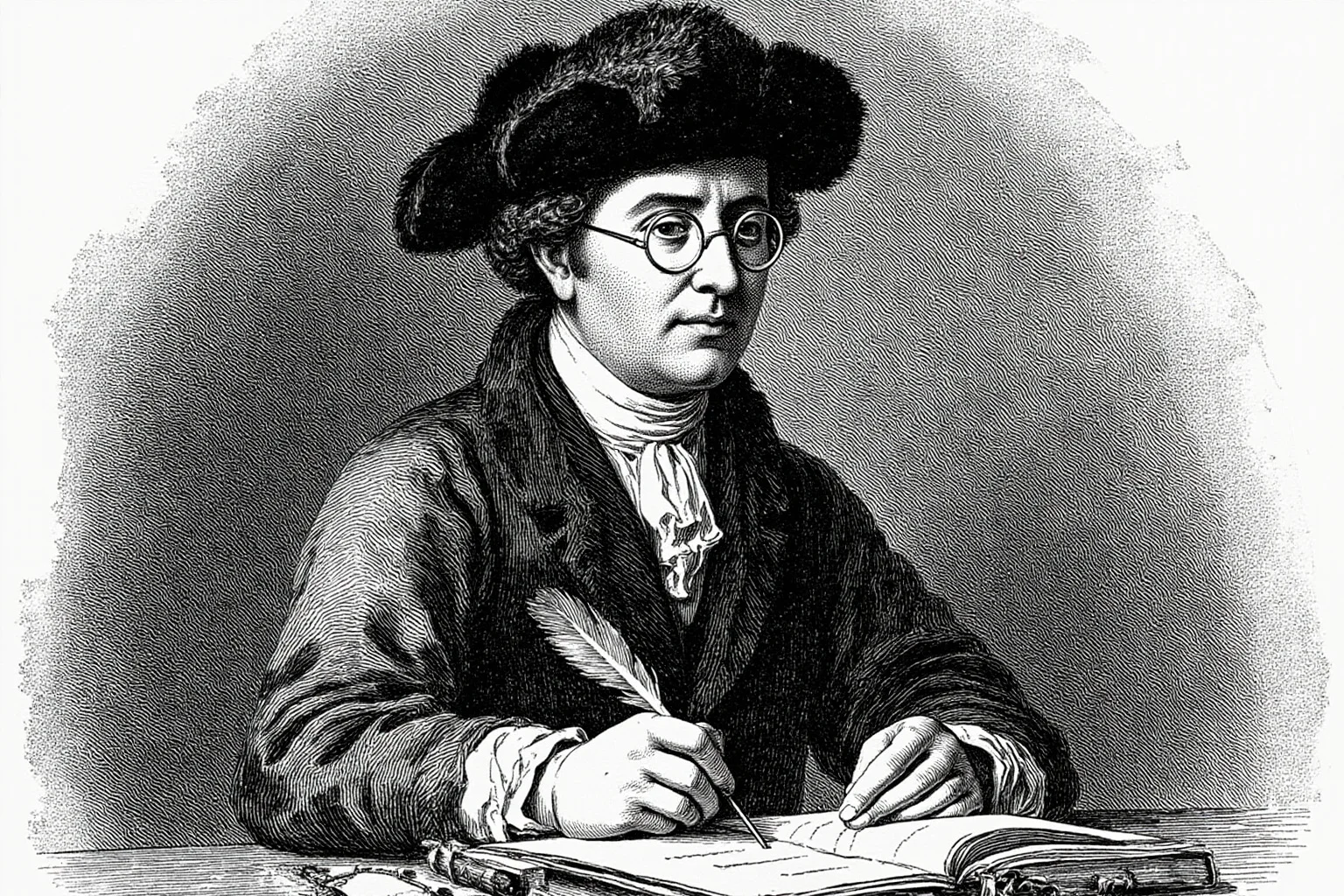
Franklin was arguably the closest thing the 1700s had to a modern celebrity scientist and statesman rolled into one. His kite experiment with electricity, his bifocal glasses, and his diplomatic charm in the French court made him famous on both sides of the Atlantic.
He cultivated his public image deliberately, wearing simple fur caps in Paris to play up an “American frontiersman” persona that French society adored. That media savvy helped secure French support during the American Revolution.
3. King Louis XVI
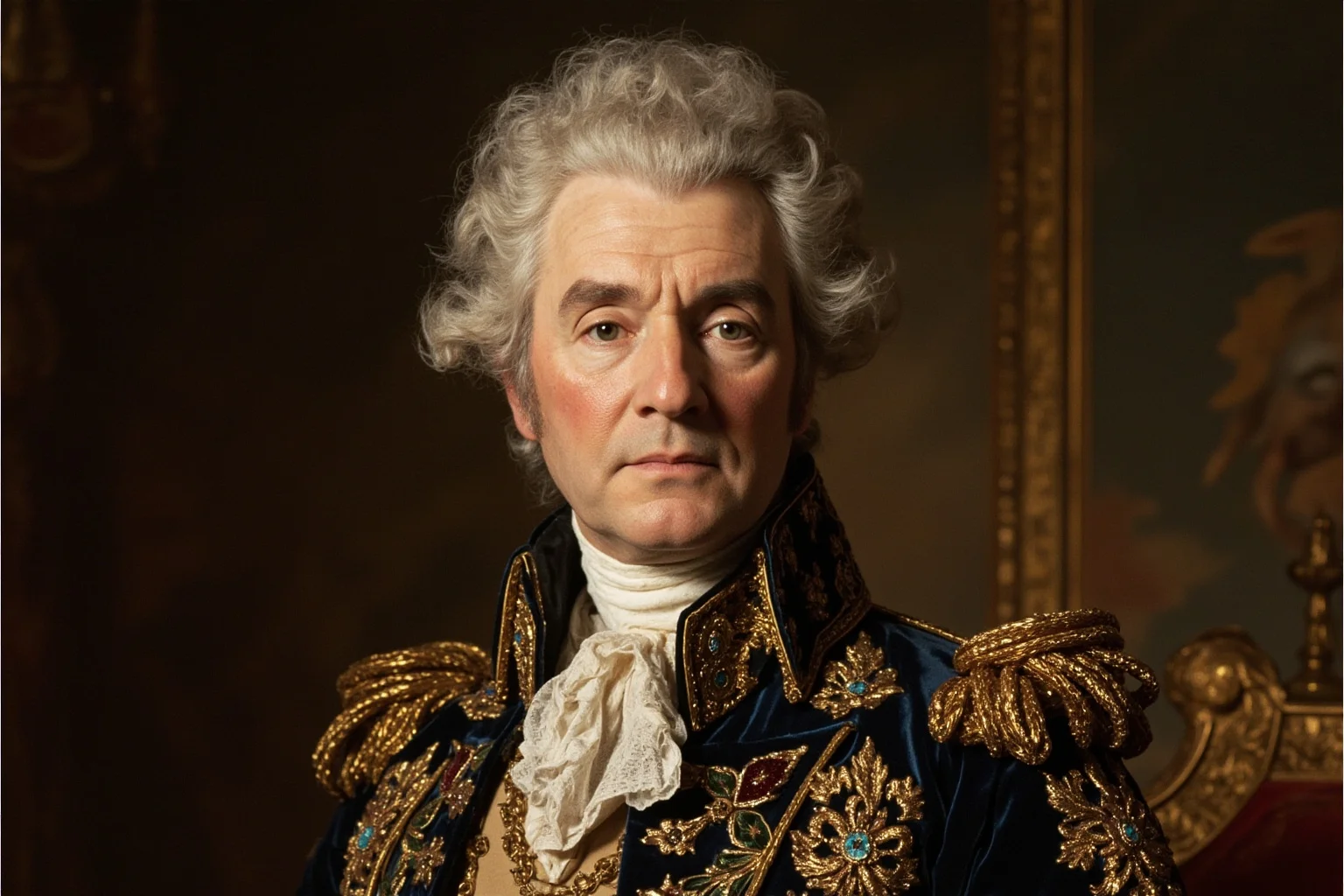
As the last king of France before the Revolution, Louis XVI was famous first for his absolute power and later for losing it entirely. His indecisiveness during the financial crises of the 1780s made him one of the most talked-about rulers in Europe.
His execution by guillotine in 1793 turned him into a permanent symbol of the old aristocratic order collapsing under the weight of revolution.
4. Marie Antoinette
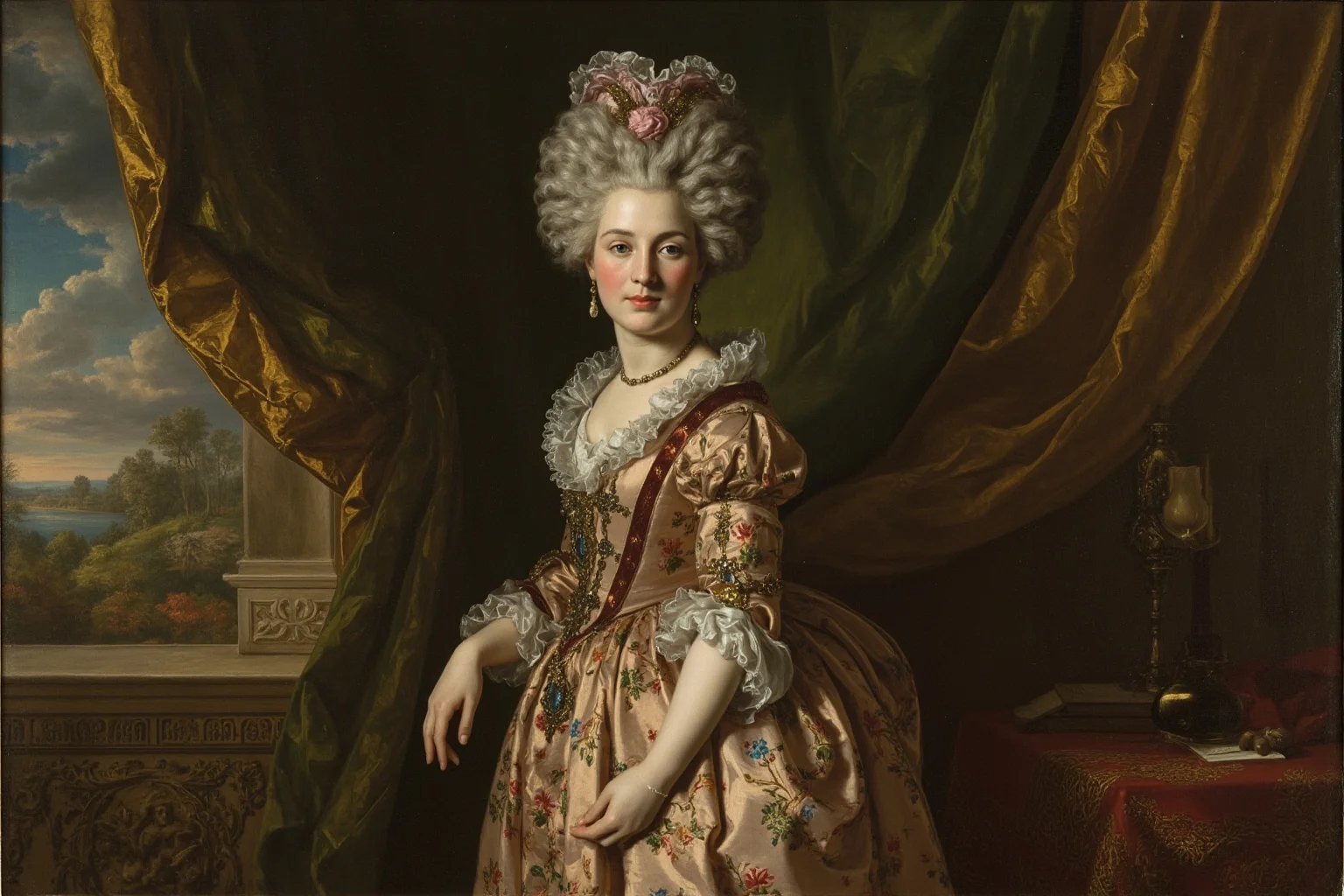
Marie Antoinette remains one of the most famous people of the 1700s, largely because of her lavish reputation at the French court. She was blamed for the monarchy’s excesses even when many of the stories about her, including the famous “let them eat cake” quote, are not supported by solid historical evidence.
Her fashion choices at Versailles influenced European style for a generation, which is part of why she is still remembered as an 18th century style icon today.
5. Catherine the Great
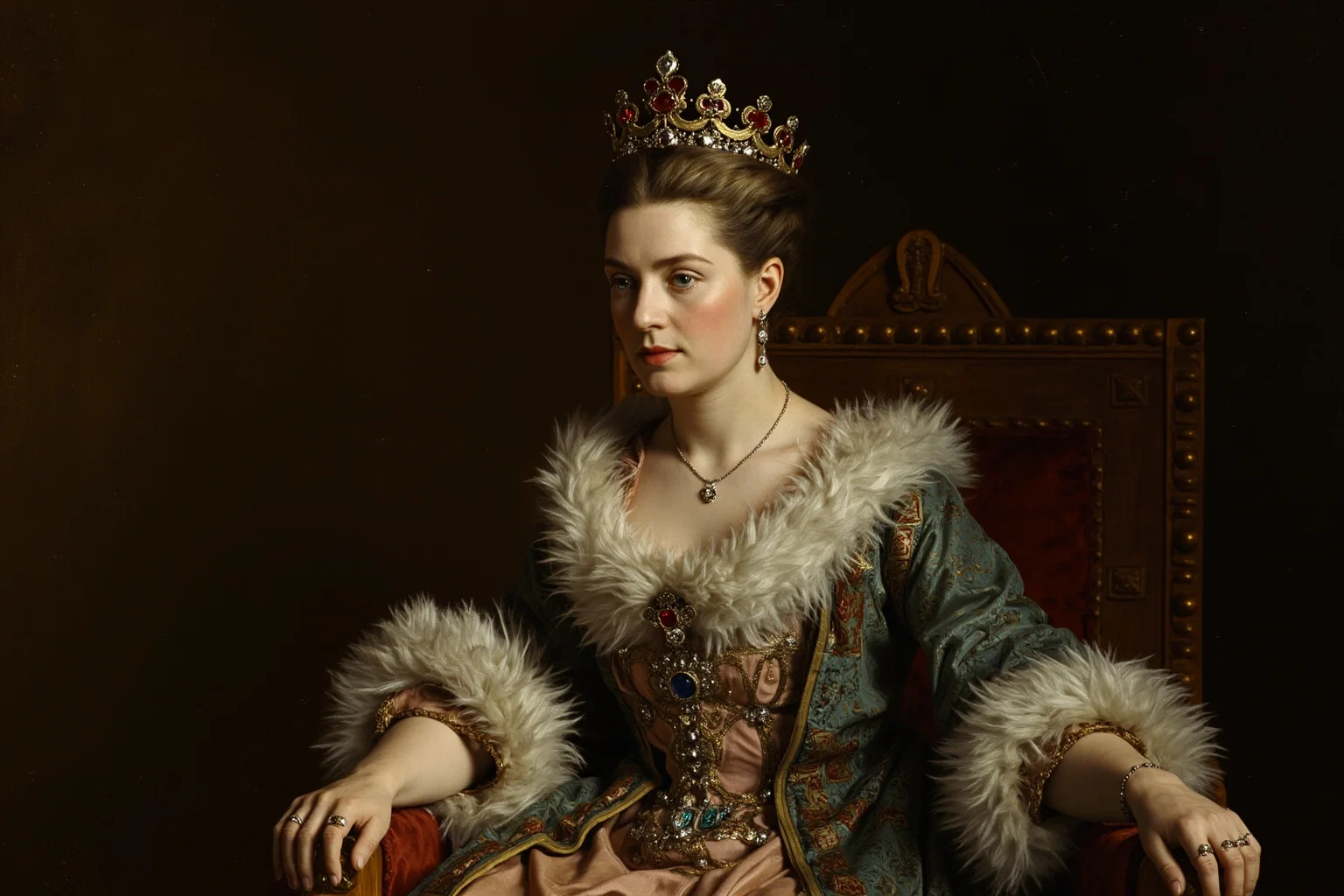
Catherine II of Russia turned a rocky rise to power into a reign that ranks among history’s most powerful women of any century. She expanded Russian territory, corresponded with Enlightenment thinkers like Voltaire, and modernized much of the Russian state.
Many sensational rumors about her personal life circulated during and after her lifetime, most of which have no credible historical basis. Her actual legacy as a patron of the arts and a shrewd political strategist is far better documented.
6. Voltaire
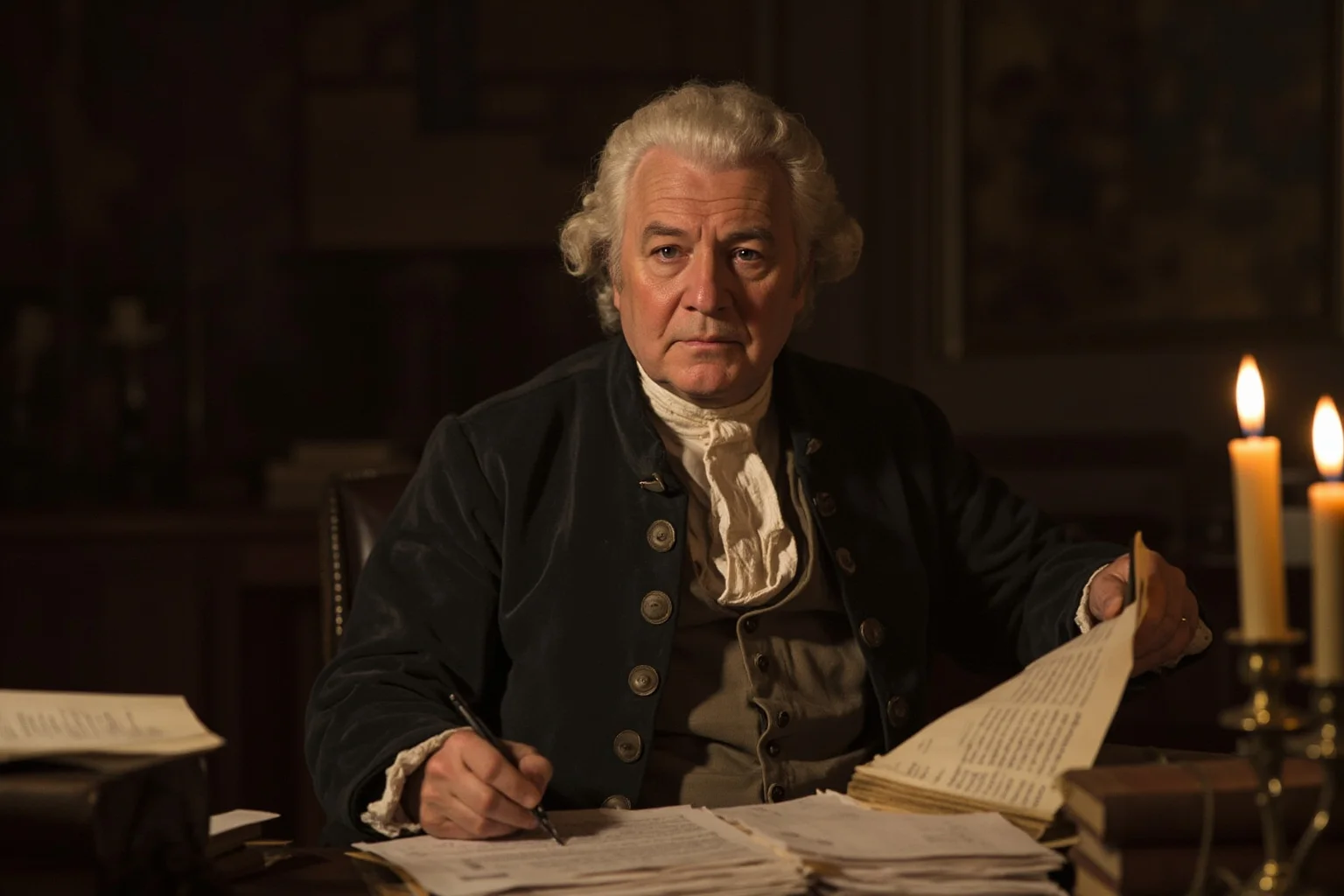
Few people in the 18th century were as widely read, quoted, and feared by censors as Voltaire, one of the most renowned historical philosophers of all time. His sharp wit and relentless criticism of the Catholic Church and French absolutism made him both a celebrity and a target.
His correspondence with royalty across Europe, including Catherine the Great, shows just how far his fame traveled for a writer with no formal political power.
7. Wolfgang Amadeus Mozart
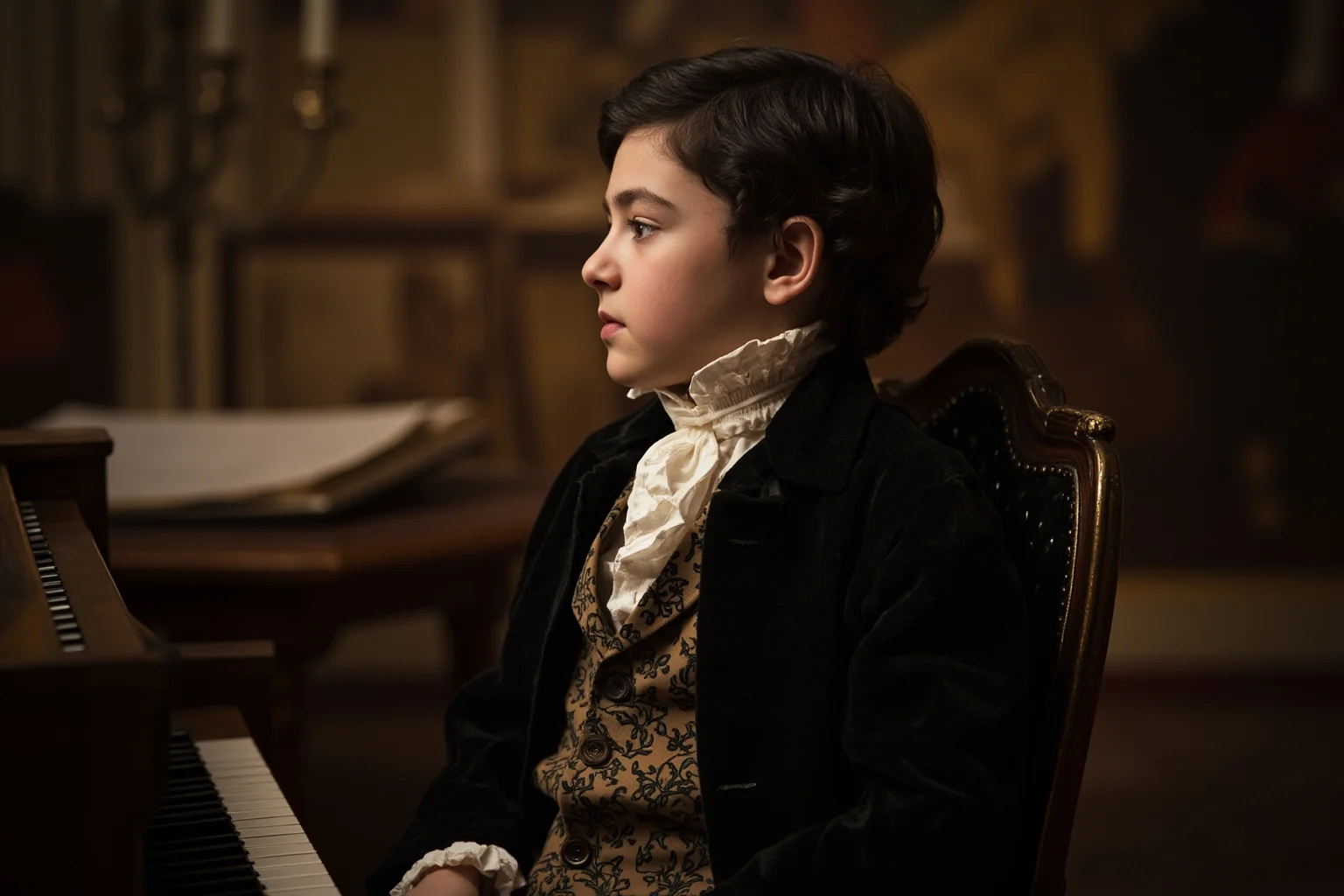
Mozart was a genuine child prodigy who toured European courts as a performer before his teenage years. By adulthood, he was one of the most celebrated composers alive, and audiences treated his premieres the way modern fans treat major album releases.
His early death in 1791 at just 35 only deepened the legend, though many of the dramatic myths about his rivalry with composer Antonio Salieri were popularized much later and are not historically confirmed.
8. Captain James Cook
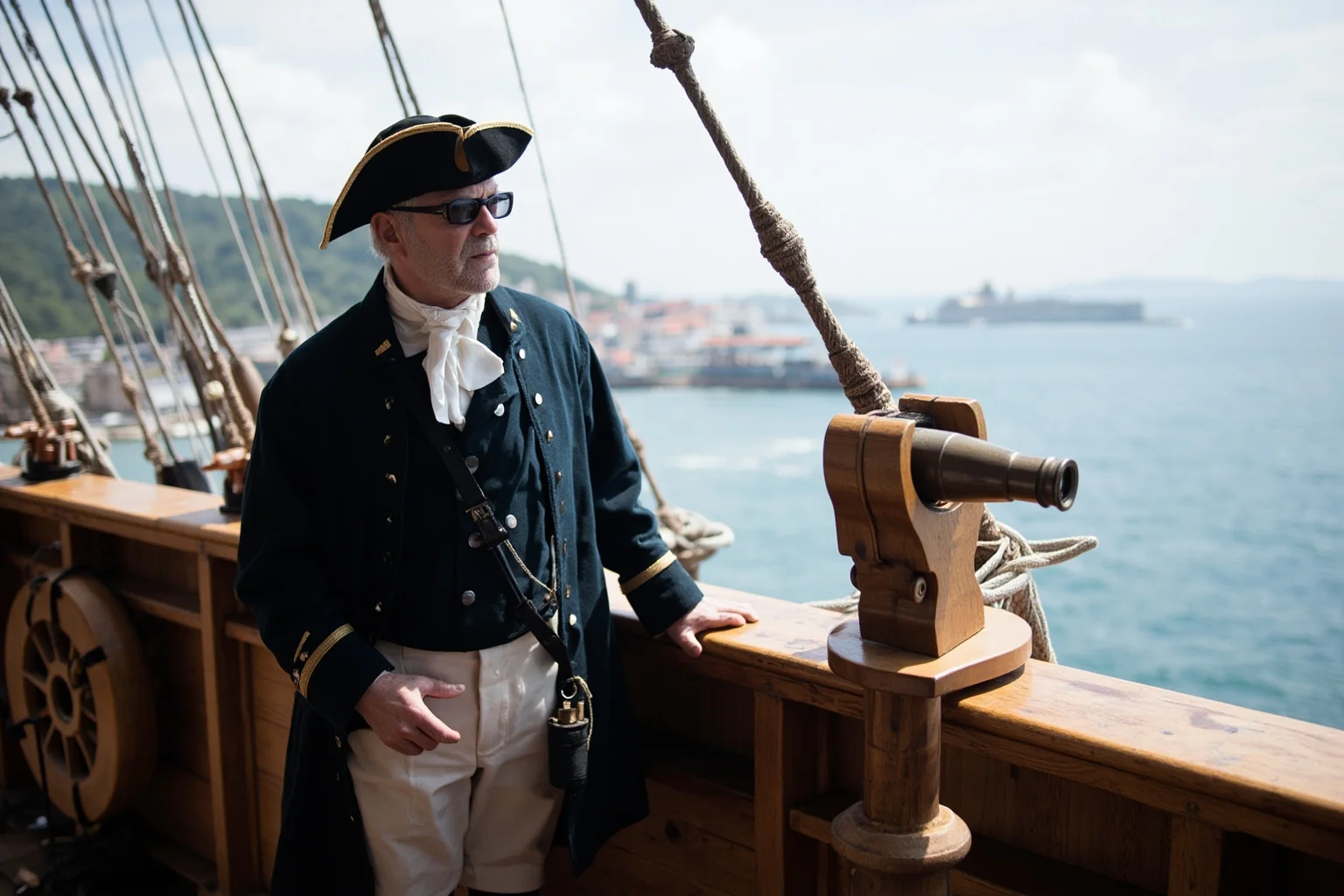
James Cook’s Pacific voyages made him one of the most famous explorers of the 1700s, mapping coastlines from New Zealand to Hawaii for European audiences. His journals were bestsellers back in Britain, feeding a public hungry for stories of distant lands.
Cook’s expeditions also had lasting, often devastating, consequences for the Indigenous peoples he encountered, a part of his legacy that modern historians examine much more critically than earlier accounts did.
9. Thomas Jefferson
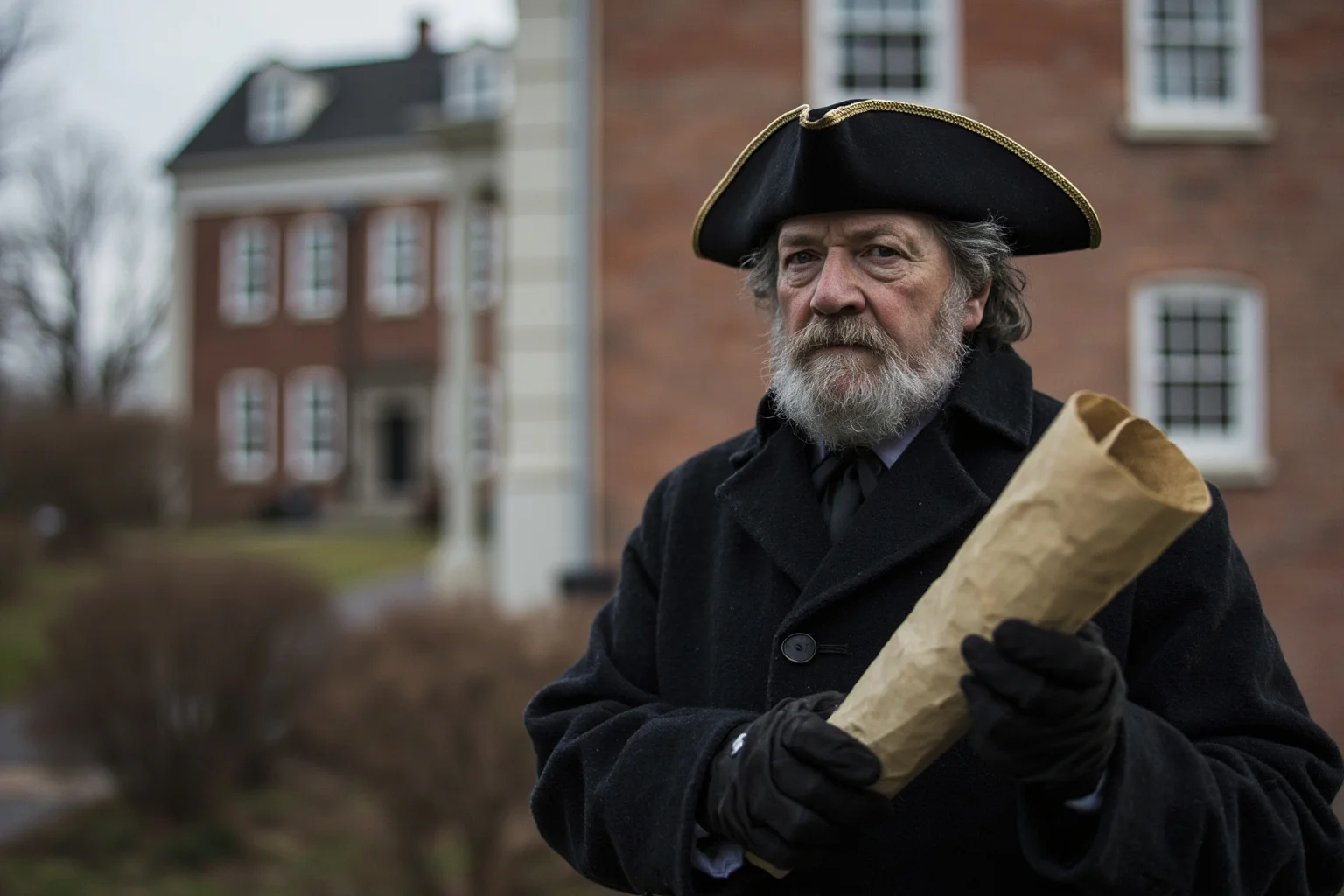
Thomas Jefferson’s authorship of the Declaration of Independence made him one of the most famous people in 1776 and beyond. His later terms as Secretary of State, Vice President, and President kept him in the public eye for decades.
Jefferson was also a slaveholder whose personal life, including his relationship with Sally Hemings, has become an important and unavoidable part of how historians assess his legacy today.
10. Giacomo Casanova
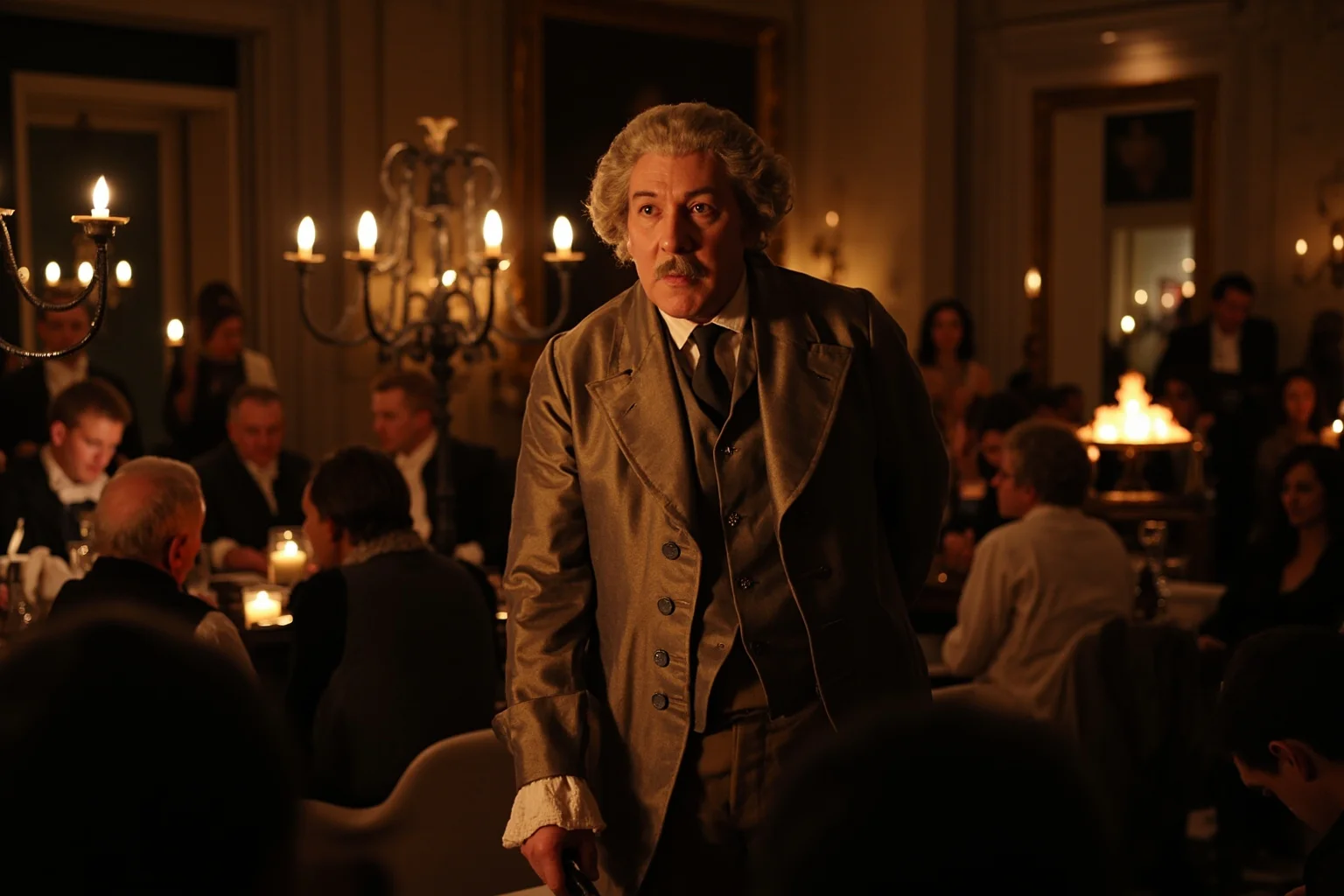
Casanova’s name became so synonymous with romantic conquest that it is still used as a generic term today. His memoirs, detailing travels across European courts and countless personal affairs, made him a scandalous celebrity in his own lifetime.
While some of his adventures were likely embellished for effect, his memoirs remain a genuinely valuable window into the social world of 18th century Europe.
11. Empress Maria Theresa
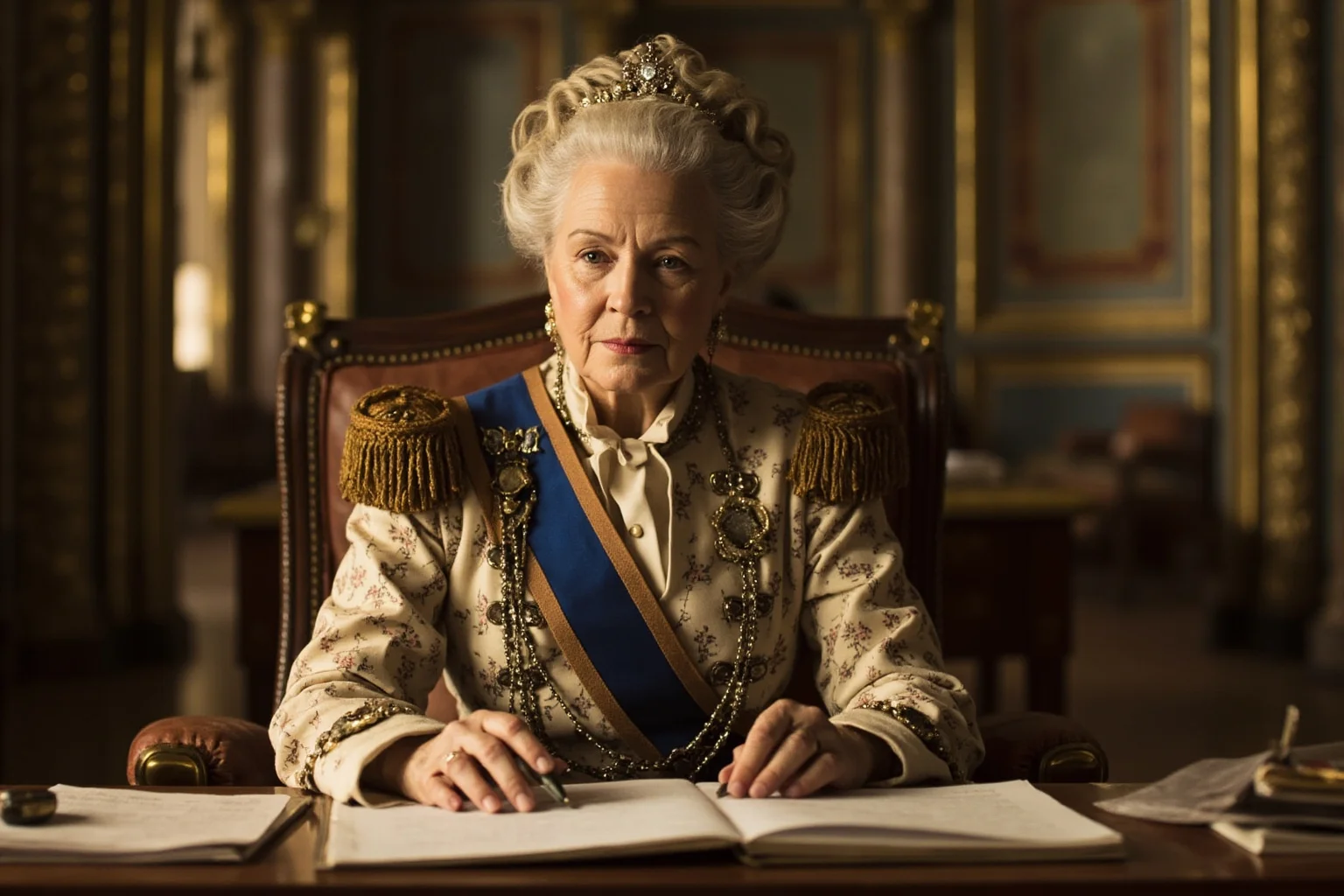
Maria Theresa ruled the Habsburg lands for four decades and stands among history’s most powerful women, one of the few to hold supreme power in 18th century Europe. She reformed the military, economy, and education system of her territories while raising sixteen children, including the future Marie Antoinette.
Her political skill kept the Habsburg monarchy intact through multiple wars, cementing her as one of the most important rulers of the century.
12. Adam Smith
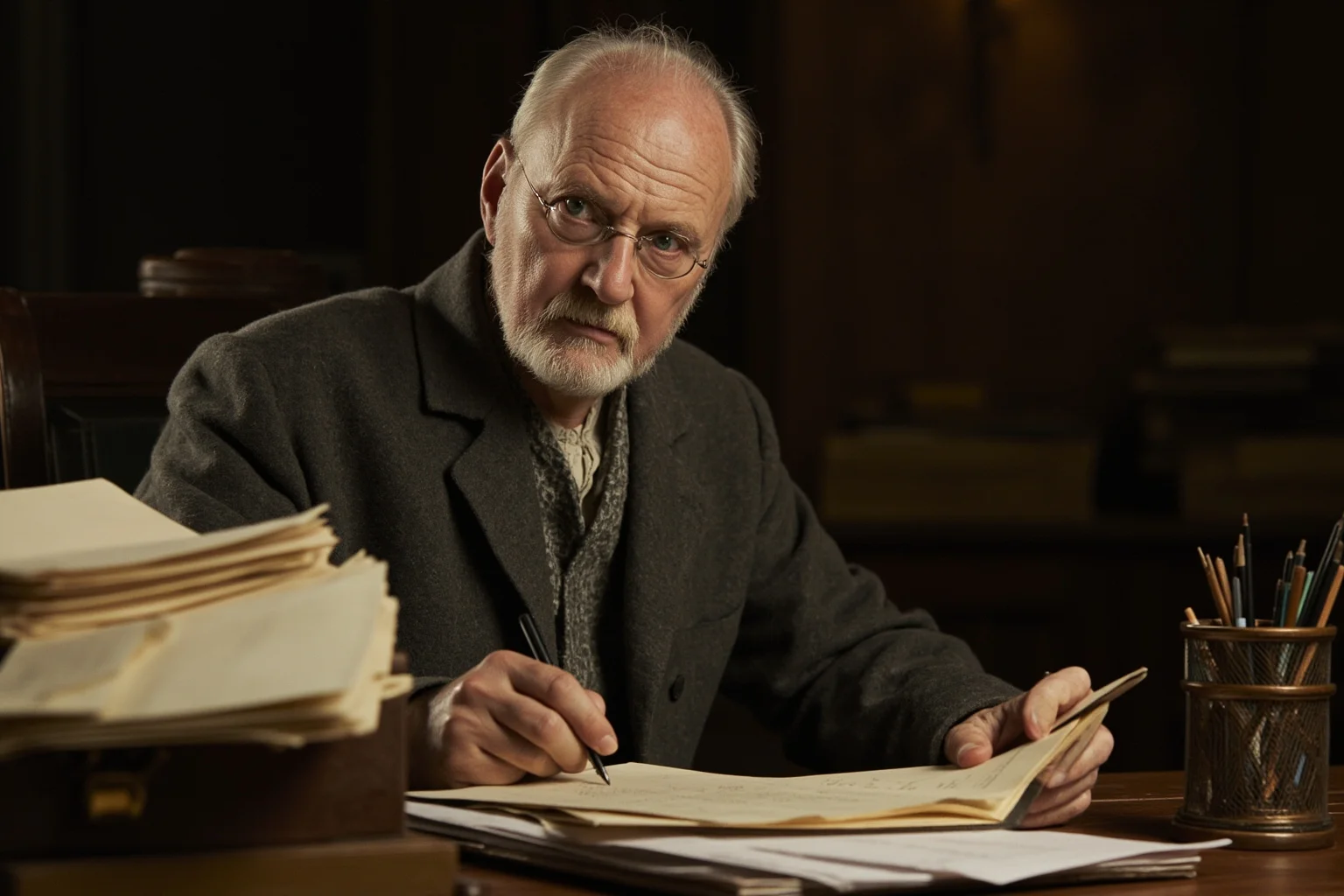
Adam Smith’s 1776 book “The Wealth of Nations” made him one of the most influential thinkers to emerge from the Scottish Enlightenment. His ideas about free markets and self-interest reshaped economic thought for centuries afterward.
Smith’s fame grew steadily rather than explosively, but by the end of the century his name was known in intellectual circles across Europe and the young United States.
13. Samuel Johnson
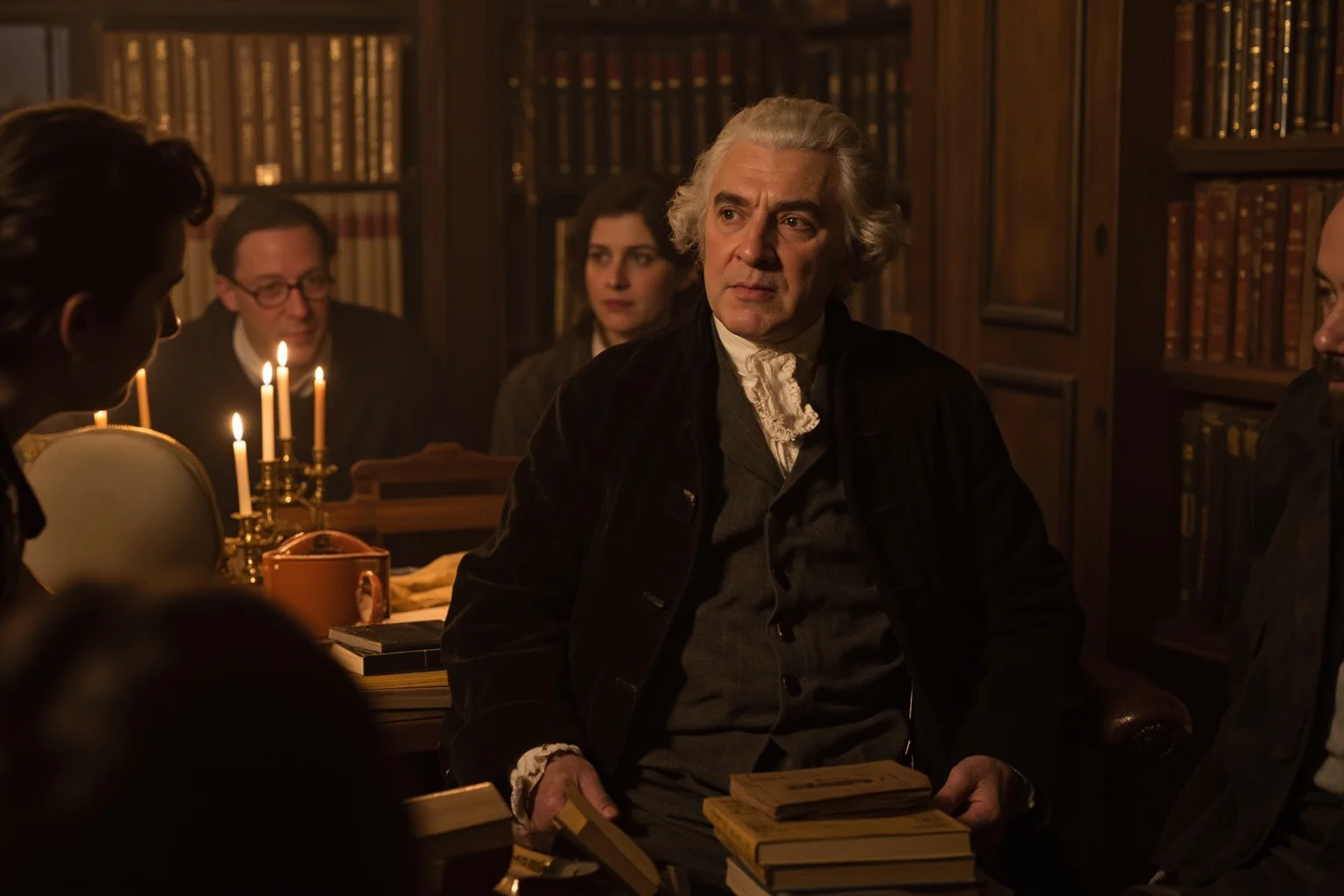
Samuel Johnson was the literary celebrity of London for much of the mid-to-late 1700s, famous for his dictionary, essays, and razor-sharp conversation. His friend and biographer James Boswell documented his life so thoroughly that Johnson became one of the best-known personalities of the era.
His wit made him a fixture of London’s coffeehouse culture, the social media of his day.
14. Marquis de Lafayette
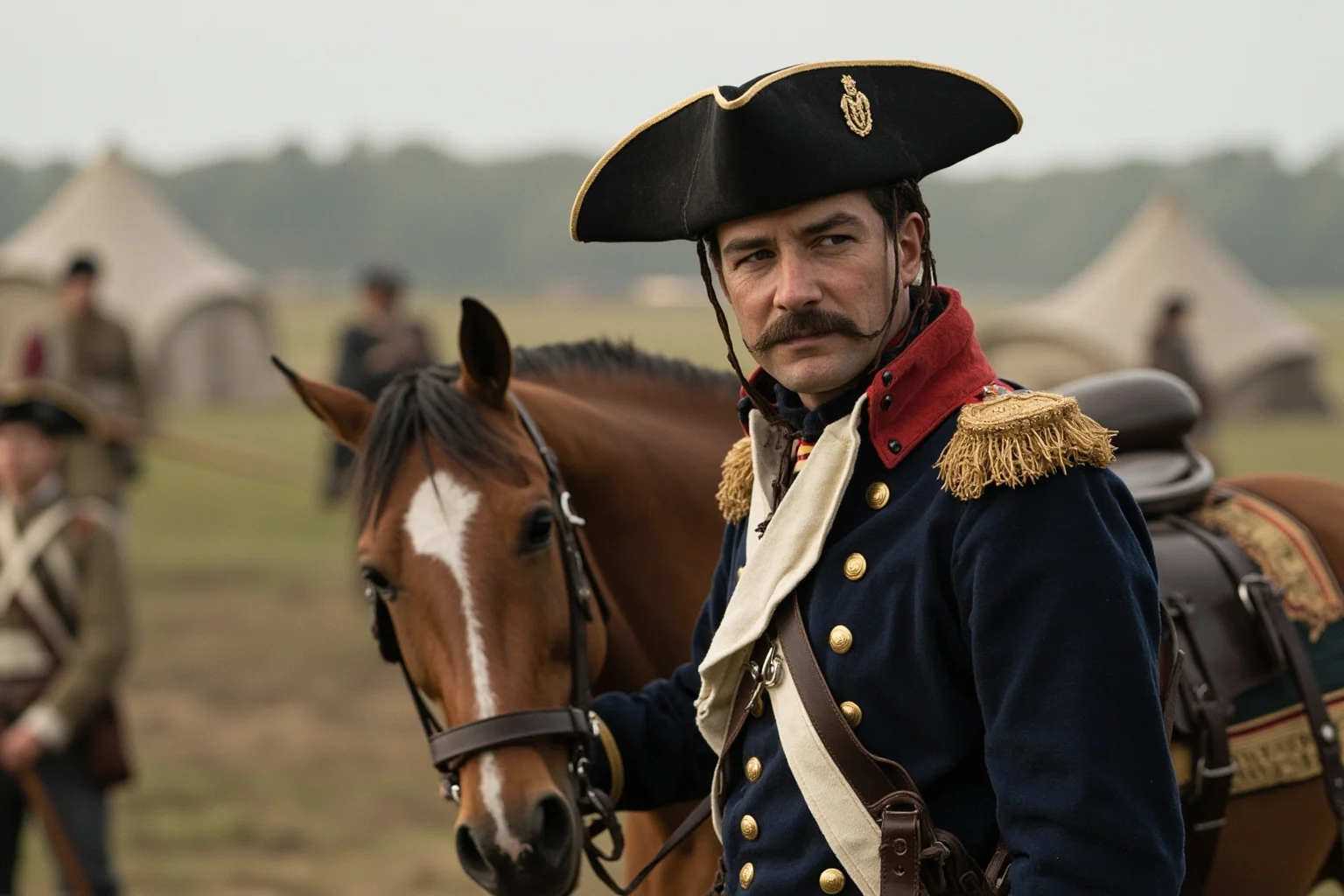
Lafayette became a celebrated hero on two continents by fighting alongside American colonists against Britain and later playing a role in the early French Revolution. Americans in particular treated him as something close to a rock star, naming towns and streets after him for generations.
His later return visits to the United States in the 1820s drew massive crowds, proof that his 1700s fame had real staying power.
15. Toussaint Louverture
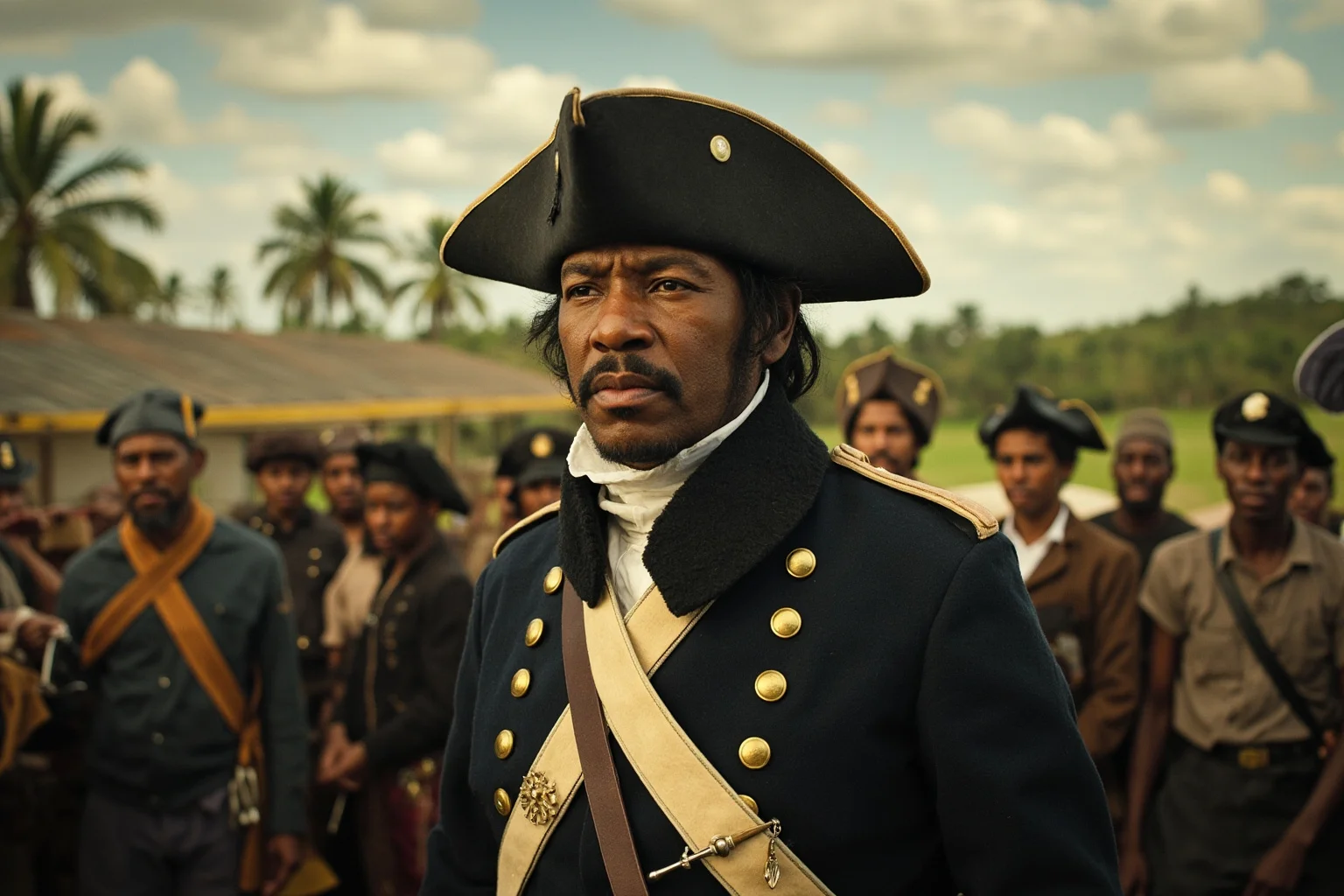
Toussaint Louverture led the Haitian Revolution, the only successful large-scale slave revolt in modern history, turning him into a towering figure of the late 1700s. His military and political leadership eventually helped establish Haiti as the first Black-led republic in the Western Hemisphere.
His fame was more contested in his own time than that of European rulers, since colonial powers had strong incentives to downplay his achievements.
16. Phillis Wheatley
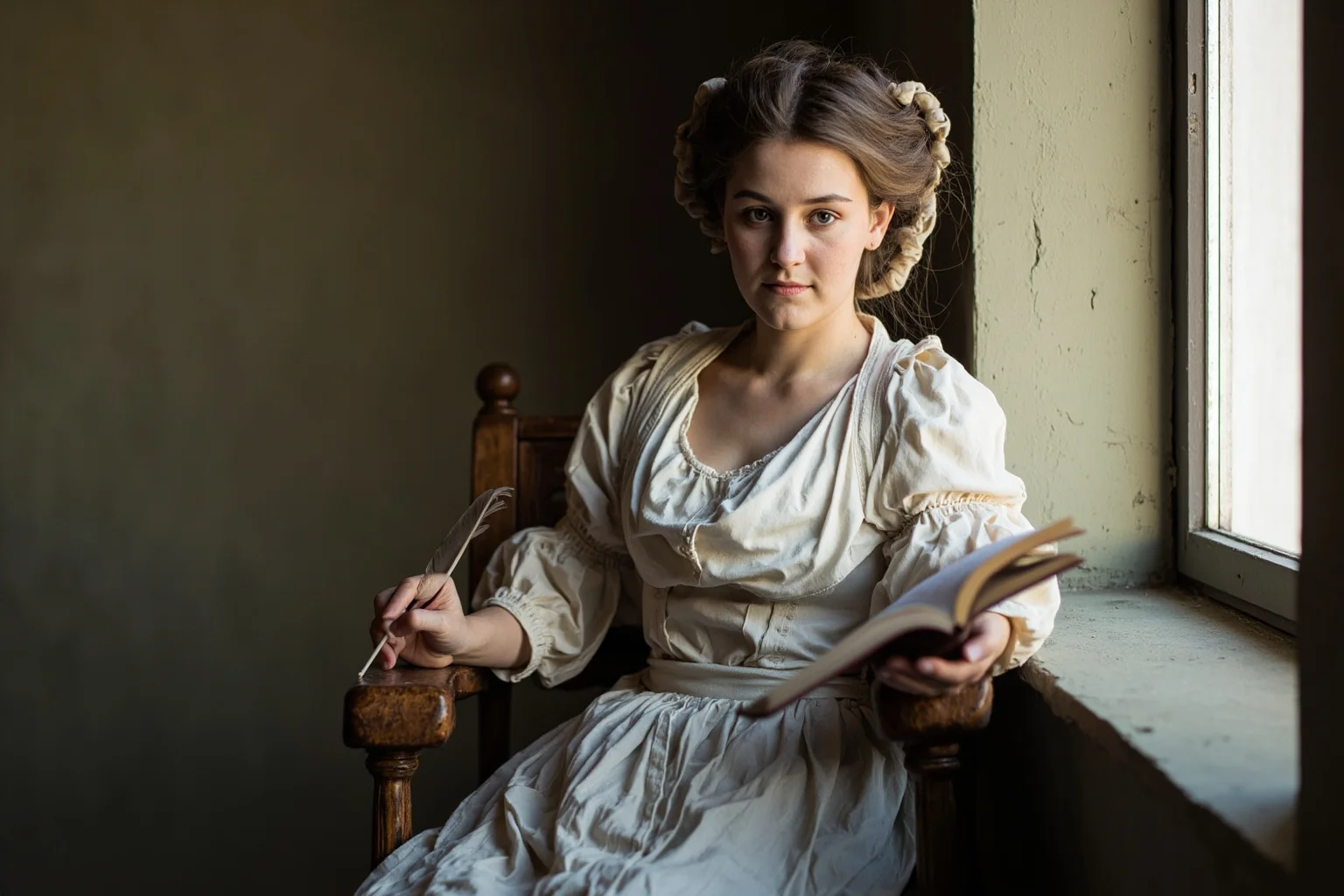
Phillis Wheatley became the first African American woman to publish a book of poetry, earning a place among history’s most influential writers while gaining fame in both colonial America and Britain in the 1770s. Her success was remarkable given that she wrote while enslaved, and her published work was even used to argue against pro-slavery claims about Black intellectual capability.
Her story remains one of the most striking examples of how print culture could create genuine celebrity across social and racial boundaries in the 1700s.
17. James Watt
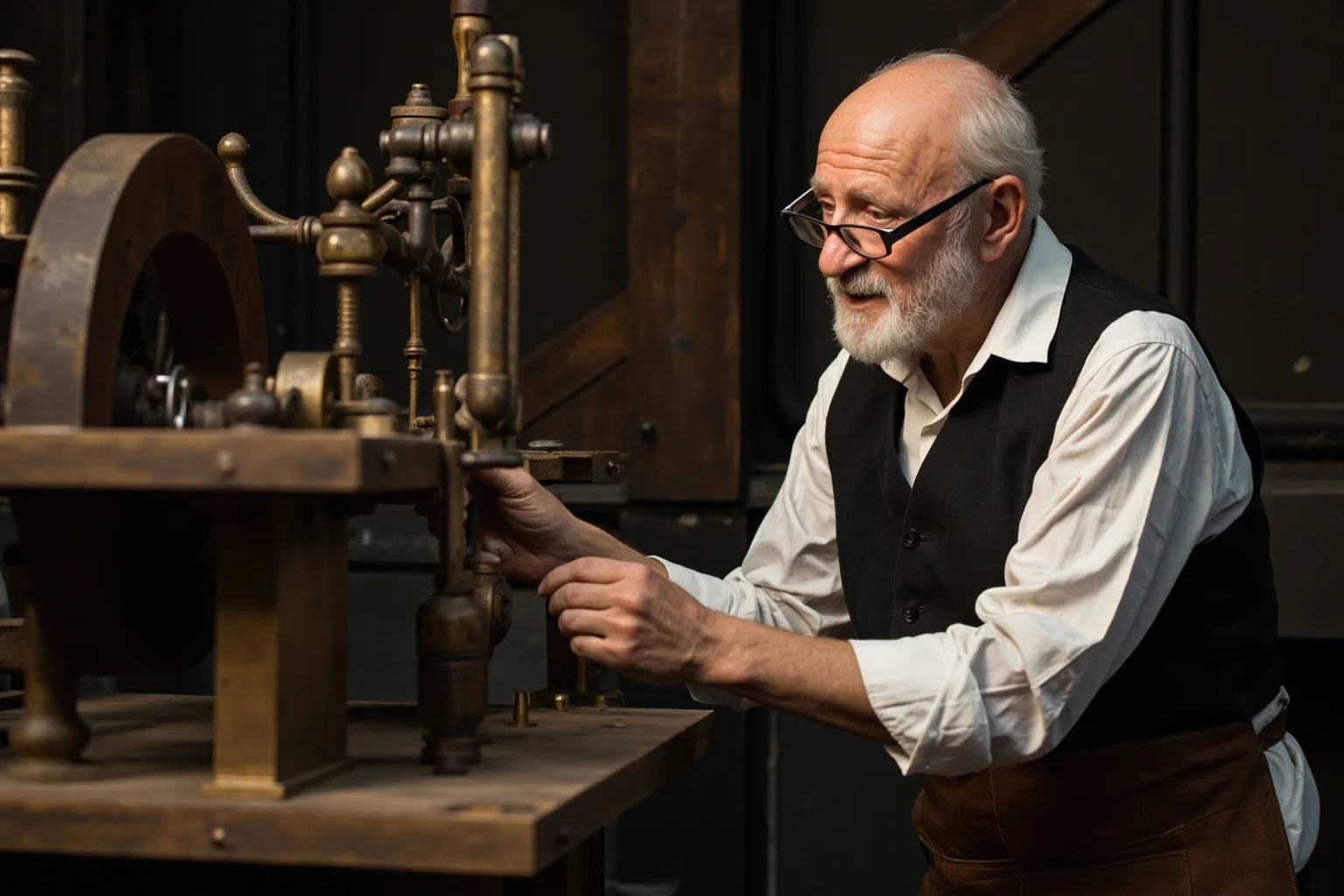
James Watt’s improvements to the steam engine helped ignite the Industrial Revolution, making him one of the most consequential famous people of the 18th century. His name eventually became a unit of power still used worldwide today.
Watt wasn’t a public figure in the way a king or composer was, but his inventions quietly reshaped daily life for millions in the century that followed.
18. Carl Linnaeus
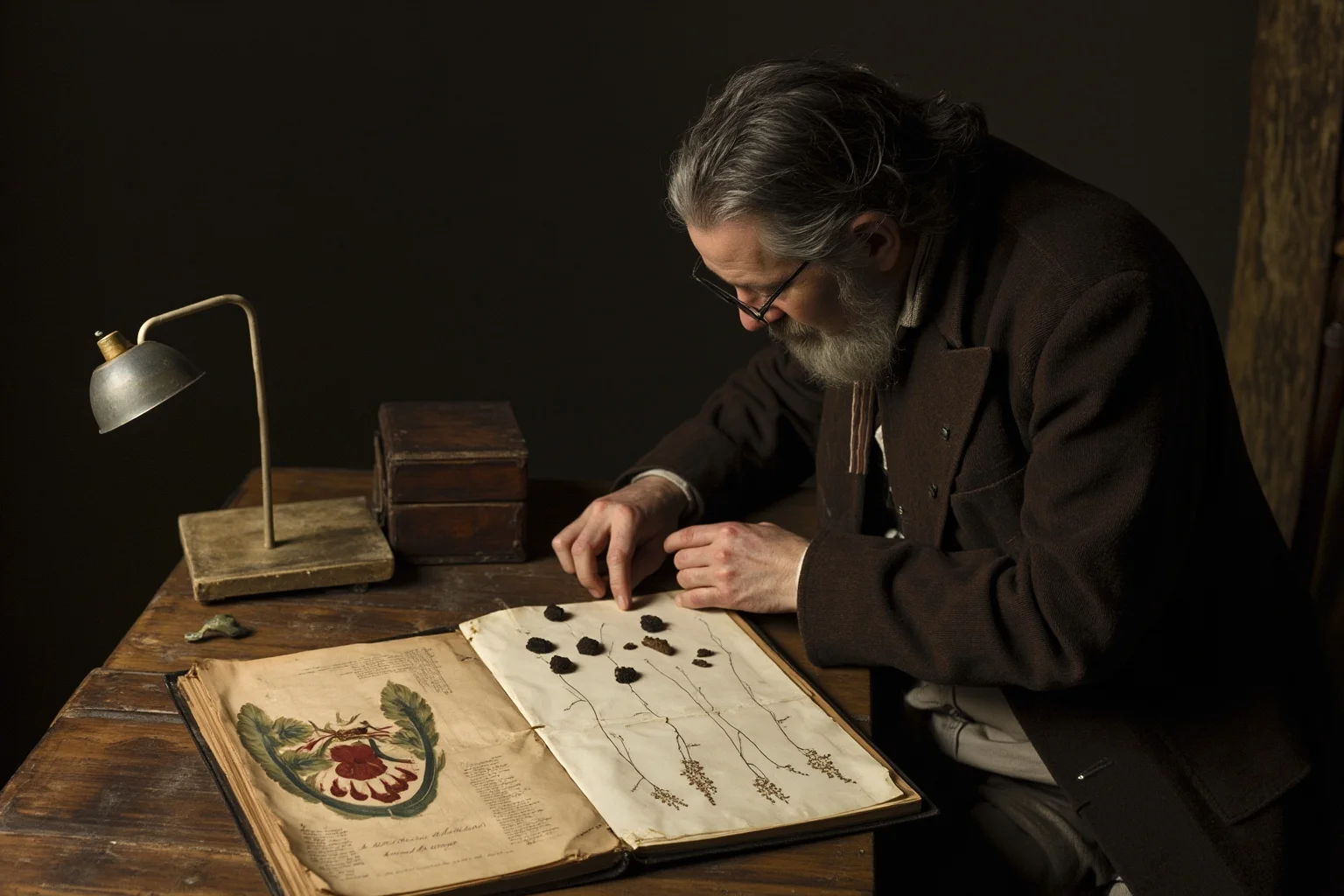
Carl Linnaeus created the system of scientific classification that biologists still use today, organizing plants and animals into genus and species categories. His work made him one of the most respected scientific minds in 18th century Europe.
Students traveled from across the continent to study under him in Sweden, and his classification system remains one of the most durable achievements of the era.
19. King George III
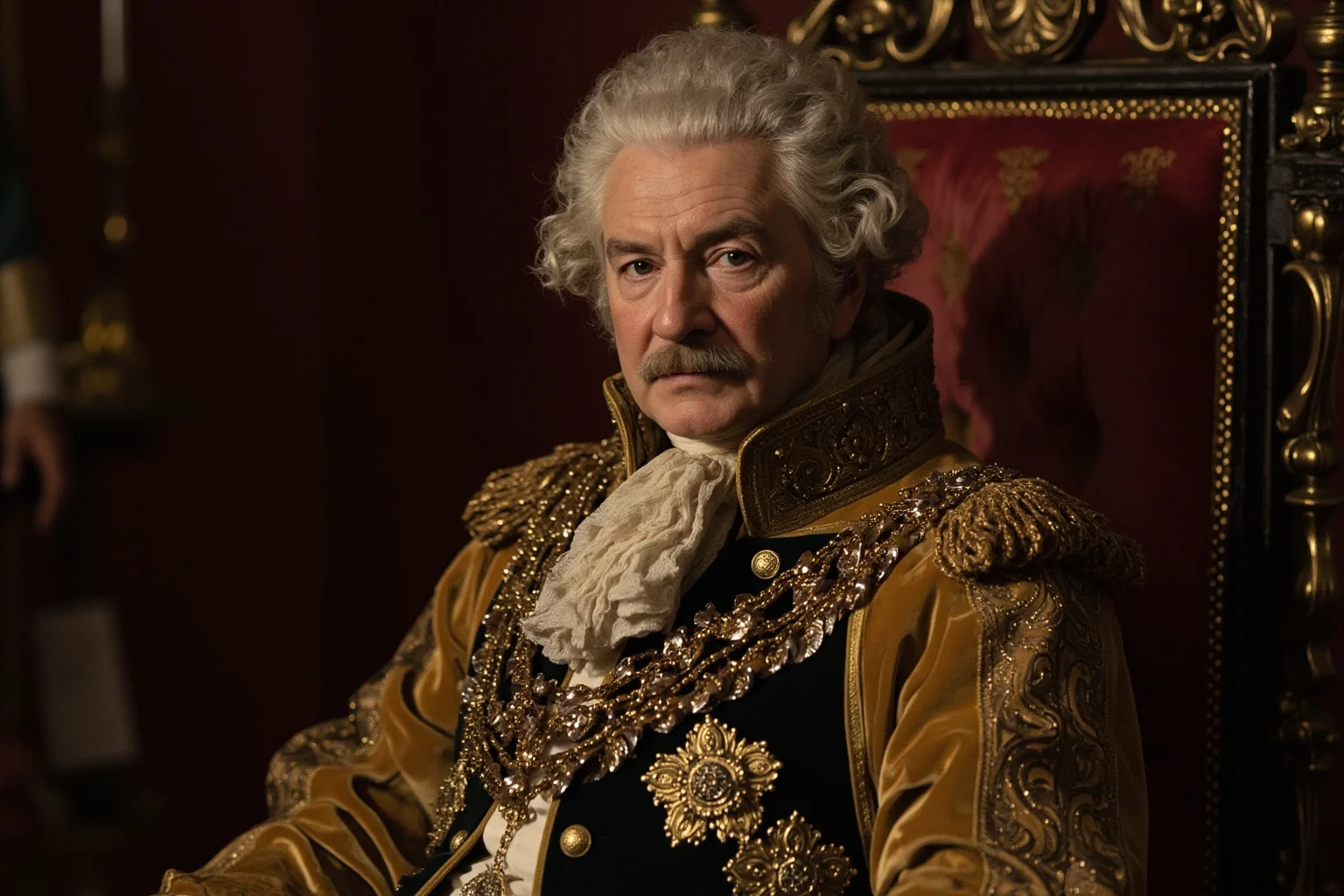
George III is remembered in the United States mainly as the king the colonies rebelled against, but in Britain, his reign spanned some of the most eventful decades of the century. His later struggles with illness, long assumed to be madness, have been reassessed by modern medical historians who point to possible physical causes instead.
His long reign bridged the 1700s and early 1800s, making him a genuine transitional figure between the two centuries.
20. Napoleon Bonaparte
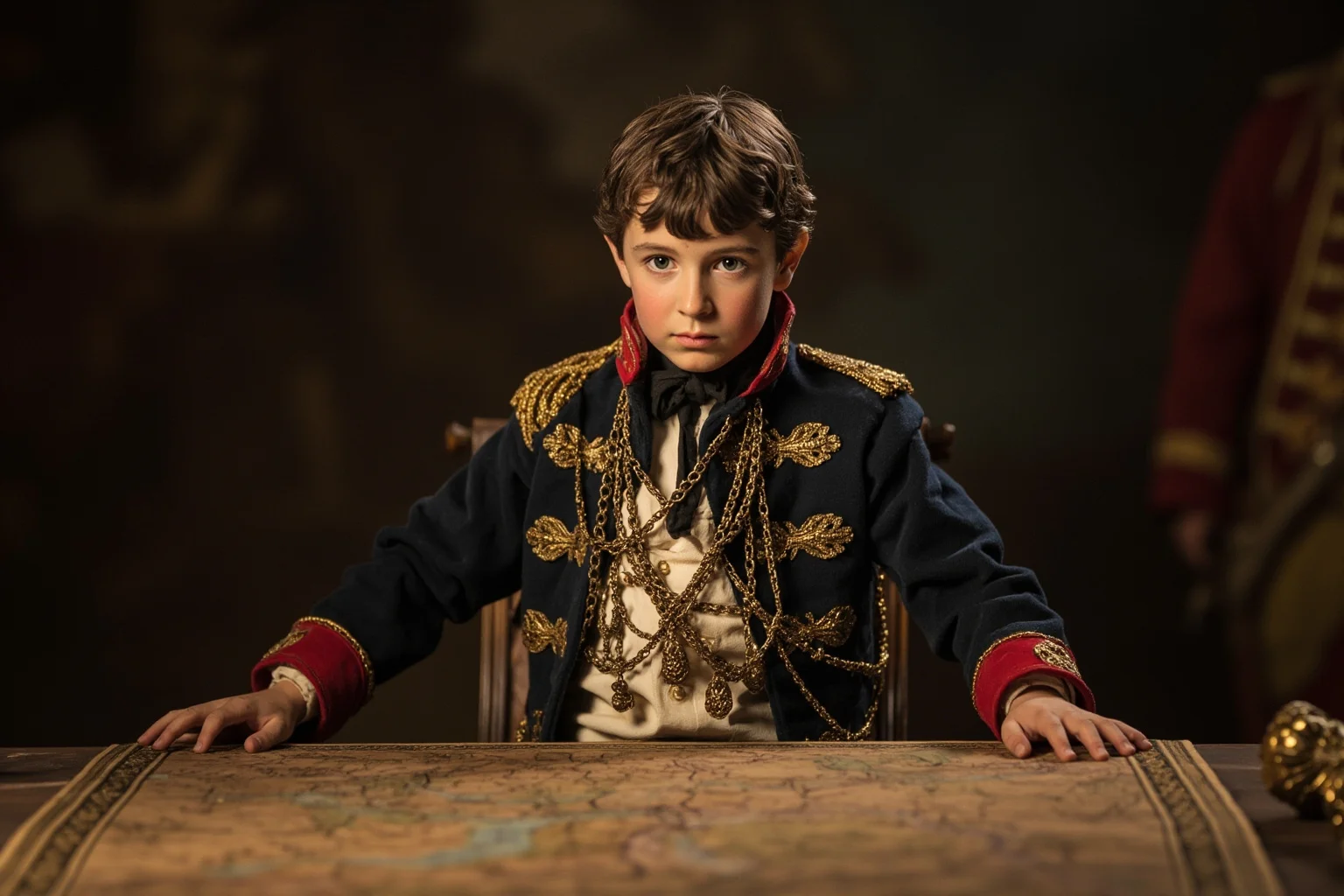
Napoleon was born in 1769 and rose to military prominence in the final years of the 1700s, making him as much a product of that century as of the one that followed. By the time he crowned himself emperor in 1804, he was already one of the most famous and feared men in the world.
His meteoric rise from a minor noble family in Corsica to ruler of France remains one of the most dramatic career arcs of any historical figure from either century.
Famous People Just Before the 1700s: The Age from 1492 to 1754
Some readers researching 1700s people are really trying to place a name somewhere in the broader sweep from 1492 to 1754, a period covering the Age of Exploration through the early Enlightenment. This stretch includes figures like Christopher Columbus, whose 1492 voyage opened an era of European contact with the Americas, and Queen Elizabeth I, who ruled England through much of the late 1500s.
It also covers early scientific pioneers such as Isaac Newton, born in 1642, whose work on gravity and motion laid the groundwork for much of 18th century science. By the time you reach 1754, figures like Franklin and Washington were already adults, showing just how much overlap exists between these historical periods.
Famous Names From the 1600s Worth Knowing
If you’re looking just one century earlier, famous people from the 1600s include figures like Galileo Galilei, whose support of a sun-centered solar system put him at odds with the Catholic Church, and William Shakespeare, whose plays were still being performed and reprinted well into the 1700s. Oliver Cromwell’s rise and fall in England also shaped the political landscape that later 18th century thinkers reacted against.
This earlier century set the stage for the Enlightenment values that so many 1700s celebrities embraced, from scientific skepticism to questions about the limits of royal power.
From the 1700s Into the 1800s: Bridge Figures and Later Names
A number of people straddled both centuries, born in the 1700s but achieving their greatest fame after 1800. Napoleon is the clearest example, but the same is true of composers like Ludwig van Beethoven, born in 1770, who became one of the most famous people in the 1800s after starting his career in the late 1700s.
Meanwhile, people actually born in the early 1800s, such as Charles Darwin and Abraham Lincoln, belong to a different generation entirely, even though they’re sometimes mistakenly grouped with 18th century figures in casual searches. Historical figures from the 1800s, broadly speaking, include everyone from Queen Victoria to Karl Marx, representing a very different world shaped by industrialization rather than Enlightenment philosophy. The 19th century as a whole produced its own enormous cast of famous people, but that’s really a separate story from the 1700s proper.
Popular Names of the 1700s: What Were People Actually Called?
Beyond the famous names, it’s worth looking at what ordinary people in the 18th century were named, since the era’s naming conventions were quite different from today’s. For boys, names like John, William, Thomas, James, and George dominated records across Britain and colonial America, often drawn directly from reigning monarchs and biblical tradition.
For girls, Mary, Elizabeth, Anne, Sarah, and Margaret were extremely common throughout the century. Many of these names stayed popular precisely because they were passed down through generations, a common practice among 1700s families who often named children after parents, godparents, or monarchs.
It’s also worth noting that middle names were far less common among ordinary people in the 1700s than they are today, and spelling of names was often inconsistent in official records. That inconsistency is one reason genealogists researching people from the 1700s sometimes find the same ancestor recorded under slightly different names in different documents.
Attractive People of the 1700s? Busting the Beauty Myths
Searches for attractive people in the 1700s usually come from curiosity about how 18th century beauty standards compare to today’s, but this is trickier territory than it looks. No photographs exist from the era, so our entire visual record comes from paintings that were often commissioned specifically to flatter their subjects.
Court painters were essentially employed to make royals and aristocrats look their best, smoothing features and idealizing proportions in ways that make direct comparisons to modern photography unreliable. Beauty standards themselves were also different: pale skin, powdered wigs, and fuller figures were often prized in ways that don’t map neatly onto today’s preferences.
So while it’s fun to imagine which 1700s celebrities would be considered attractive now, the honest answer is that we’re really judging idealized portraits rather than real, unfiltered faces. That’s not a knock on the art, just a reminder to read 18th century portraiture with a healthy dose of skepticism.
Why These 1700s Celebrities Still Matter
The biggest celebrities of the 1700s shaped the political, scientific, and artistic frameworks that much of the modern world still operates within. Ideas about democracy, free markets, and scientific classification all trace back to figures on this list, as do musical and literary traditions still celebrated today.
At the same time, it’s worth remembering that fame in any century comes with distortion, exaggeration, and sometimes outright myth. Understanding the real, documented lives of these people in the 18th century, rather than just the legends built around them, gives a much richer picture of how the modern world came to be.
Whether you’re drawn to the political drama of Versailles, the genius of Mozart, or the revolutionary courage of Toussaint Louverture, the 1700s offer no shortage of fascinating lives to explore. And the more closely you look, the more you’ll find that history’s biggest celebrities were every bit as complicated as the ones we follow today.
Frequently Asked Questions
Who were the most famous people of the 1700s?
Some of the most famous people of the 1700s include George Washington, Benjamin Franklin, Marie Antoinette, Catherine the Great, Voltaire, and Wolfgang Amadeus Mozart. Fame in this era came through politics, military leadership, science, and the arts, spread mainly through portraits, newspapers, and pamphlets rather than modern media.
What names were most popular in the 1700s?
Common names for boys in the 1700s included John, William, Thomas, James, and George, while Mary, Elizabeth, Anne, and Sarah were among the most popular names for girls. Names were often passed down through families or chosen in honor of reigning monarchs.
Were people in the 1700s actually attractive by modern standards?
It's hard to say for certain, since no photographs survive from the 1700s and our image of the era comes almost entirely from commissioned portrait paintings. Those portraits were typically idealized to flatter their subjects, so judging real attractiveness from them is unreliable.
Who are famous people from the 1600s, and how do they connect to the 1700s?
Famous people from the 1600s include Galileo Galilei, William Shakespeare, and Isaac Newton, whose scientific and cultural work directly influenced 18th century thinkers. Many Enlightenment ideas that shaped the 1700s built on foundations laid during the 1600s.
Which historical figures span from 1492 to 1754?
This broad period covers explorers like Christopher Columbus, scientists like Isaac Newton, and early Enlightenment figures whose work set the stage for the more famous 1700s celebrities. It spans the Age of Exploration through the early Enlightenment era.
Who was born in the year 1000?
Precise birth records from the year 1000 are extremely rare, since formal record-keeping in most regions was limited at the time. Historians generally rely on approximate birth years for medieval figures from this period rather than exact, verified dates, so no widely confirmed famous person is documented as being born in exactly that year.
Who are famous people from the 1800s that are often confused with 1700s figures?
Napoleon Bonaparte and Ludwig van Beethoven were both born in the late 1700s but became most famous after 1800, which often causes confusion. True 19th century figures, born after 1800, include Charles Darwin, Abraham Lincoln, and Queen Victoria.
What made someone famous in the 18th century?
Fame in the 18th century usually came from political power, military achievement, scientific discovery, artistic talent, or scandal. Newspapers, engraved portraits, and pamphlets acted as the era's main channels for spreading a person's reputation across Europe and the Americas.

Alex Warren
Related Articles