

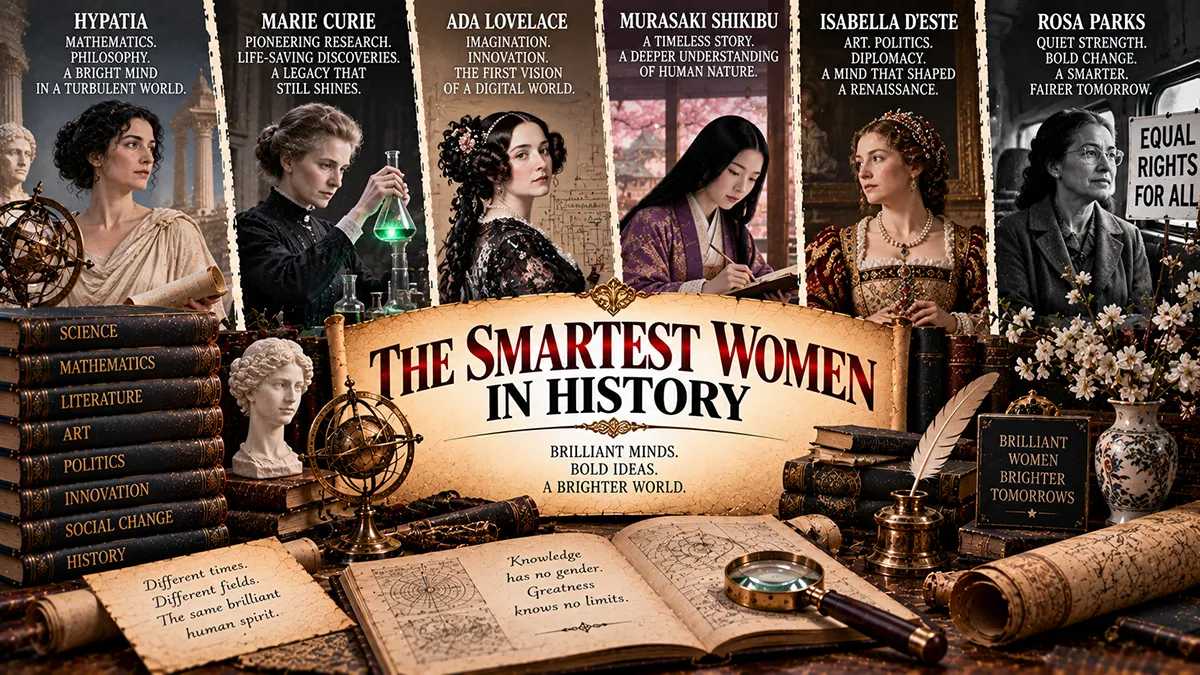
Ask someone to name the smartest woman in the world and you’ll usually get a shrug, a guess at a celebrity with a suspiciously specific IQ number, or a name half-remembered from a school textbook. The real answer is far more interesting than any single ranking could ever capture.
Across thousands of years, brilliant women have quietly reshaped mathematics, medicine, physics, politics, and literature, often while being denied degrees, lab space, or even the right to publish under their own names.
This list isn’t a scientific ranking of IQ scores, because no such ranking meaningfully exists across different eras and testing methods.
Instead, it’s a tour through the lives of women whose intelligence changed the course of history, along with an honest look at the myths, propaganda, and IQ misconceptions that still surround the idea of “female genius” today.
TL;DR: There’s no scientifically valid way to crown one “smartest woman in history,” but the 25 women on this list used extraordinary intelligence to change science, math, medicine, and politics against enormous odds.
What Actually Makes a Woman “Smart”? Rethinking Genius and IQ
Before diving into the list, it helps to untangle what “smart” even means. Pop culture loves to reduce intelligence to a single IQ number, but psychologists have long acknowledged that IQ tests measure a narrow band of reasoning and pattern-recognition skills.
They say very little about creativity, resilience, emotional intelligence, or the kind of stubborn brilliance it took for a 19th-century woman to publish a scientific paper at all.
Most of the women on this list never took a standardized IQ test, because the modern IQ test wasn’t developed until the early 1900s and didn’t become widespread until decades later.
Judging Hypatia or Hildegard of Bingen by a metric invented centuries after their deaths would be historically meaningless. What we can measure instead is impact: the theorems they proved, the diseases they helped cure, the empires they ran, and the barriers they broke down for everyone who came after them.
It’s also worth remembering that for most of recorded history, women were formally barred from universities, academies, and professional societies.
A truly intelligent woman in ancient Rome or Georgian England often had to disguise her work, publish anonymously, or rely on a father, brother, or husband to take her seriously. Any honest discussion of female geniuses has to account for that missing history, not just the names that survived it.
Is There Really a “Smartest Woman in the World”?
People search constantly for the smartest woman in the world or the smartest female in the world, hoping for a tidy, single answer.
The honest answer is that no such title can be awarded with any scientific confidence. IQ tests vary by version, culture, and administration conditions, and the people with the highest recorded scores are rarely household names, let alone independently verified by a single global authority.
The closest thing to a pop-culture answer is Marilyn vos Savant, an American writer who was listed in the Guinness Book of World Records during the 1980s for having one of the highest IQ scores ever recorded on a specific test.
Guinness later retired the “highest IQ” category altogether, partly because the tests used were inconsistent and partly because psychologists agree that extreme IQ scores lose statistical reliability at the tails, a pattern that shows up again and again in debates over which historical geniuses had the highest estimated IQs.
In other words, even the most famous claimed answer to “who is the smartest woman in the world” comes with a large historical asterisk.
That’s exactly why this list focuses on documented achievement instead of contested numbers. A woman who proved a groundbreaking theorem, cured a disease, or ran an empire has left evidence that historians can actually evaluate, unlike a single test score from decades ago.
The 25 Smartest Women in History
These 25 women span more than two thousand years and nearly every continent. Some were mathematicians and physicists, some were writers and rulers, and a few were reduced by their contemporaries to gossip and scandal simply because they were dangerously competent in a man’s world.
Together, they offer a much richer picture of intelligent women in history than any single IQ chart could, much like our wider survey of the smartest people in history reveals across genders.
Ancient and Medieval Trailblazers
1. Hypatia of Alexandria
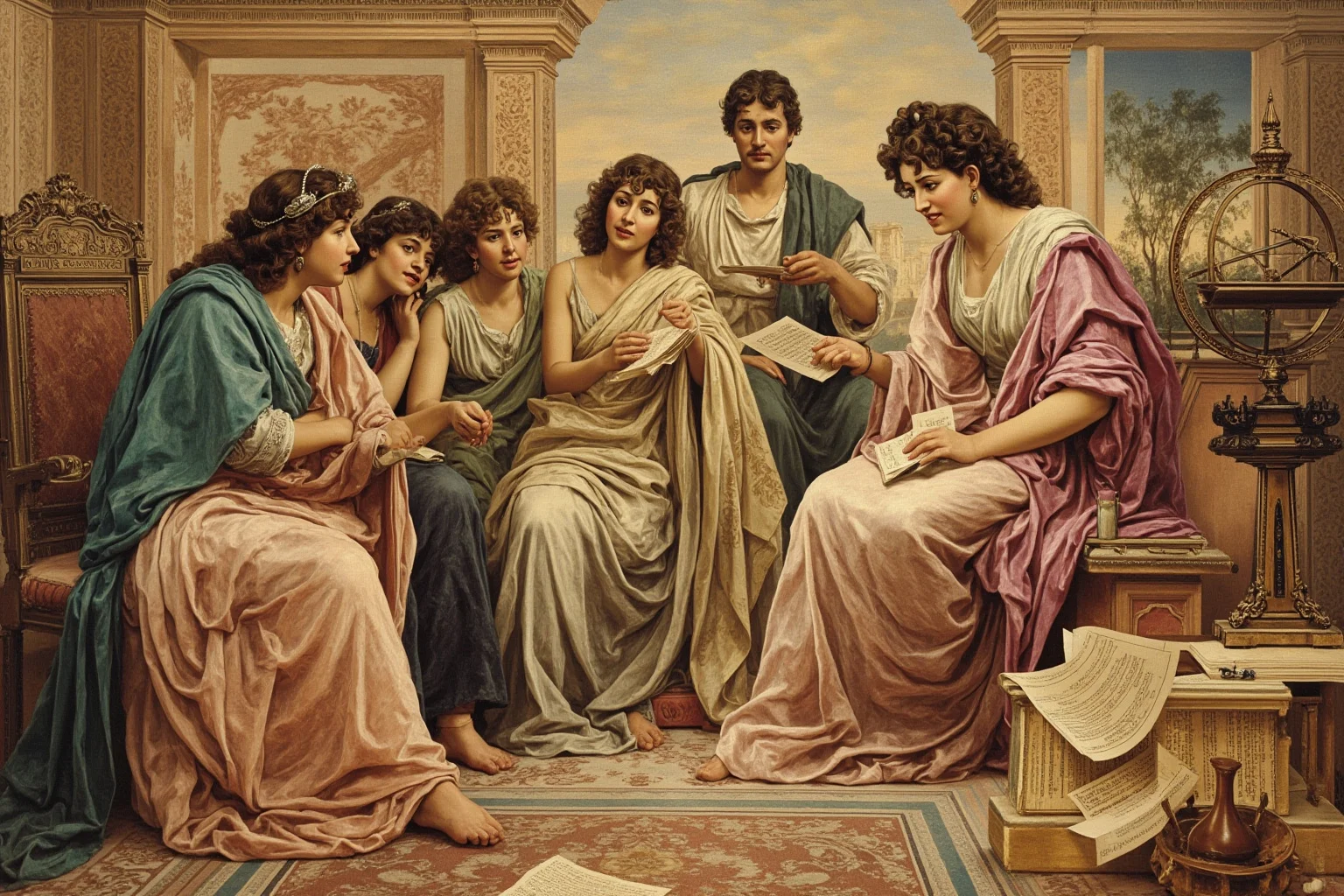
Hypatia (c. 350–415 CE) taught mathematics, astronomy, and Neoplatonist philosophy in Alexandria, Egypt, at a time when few women held any public intellectual role. Students traveled from across the Mediterranean to study under her, and ancient sources describe her as a gifted teacher and respected scholar, earning her a place among history’s most renowned philosophers alongside her male contemporaries.
Her murder by a mob amid the city’s religious and political turmoil later turned her into a symbol of science versus superstition. Modern historians caution that her death was tangled up in Alexandria’s brutal power struggles of the era, not a simple morality tale, though it doesn’t diminish how remarkable her intellectual career was.
2. Hildegard of Bingen
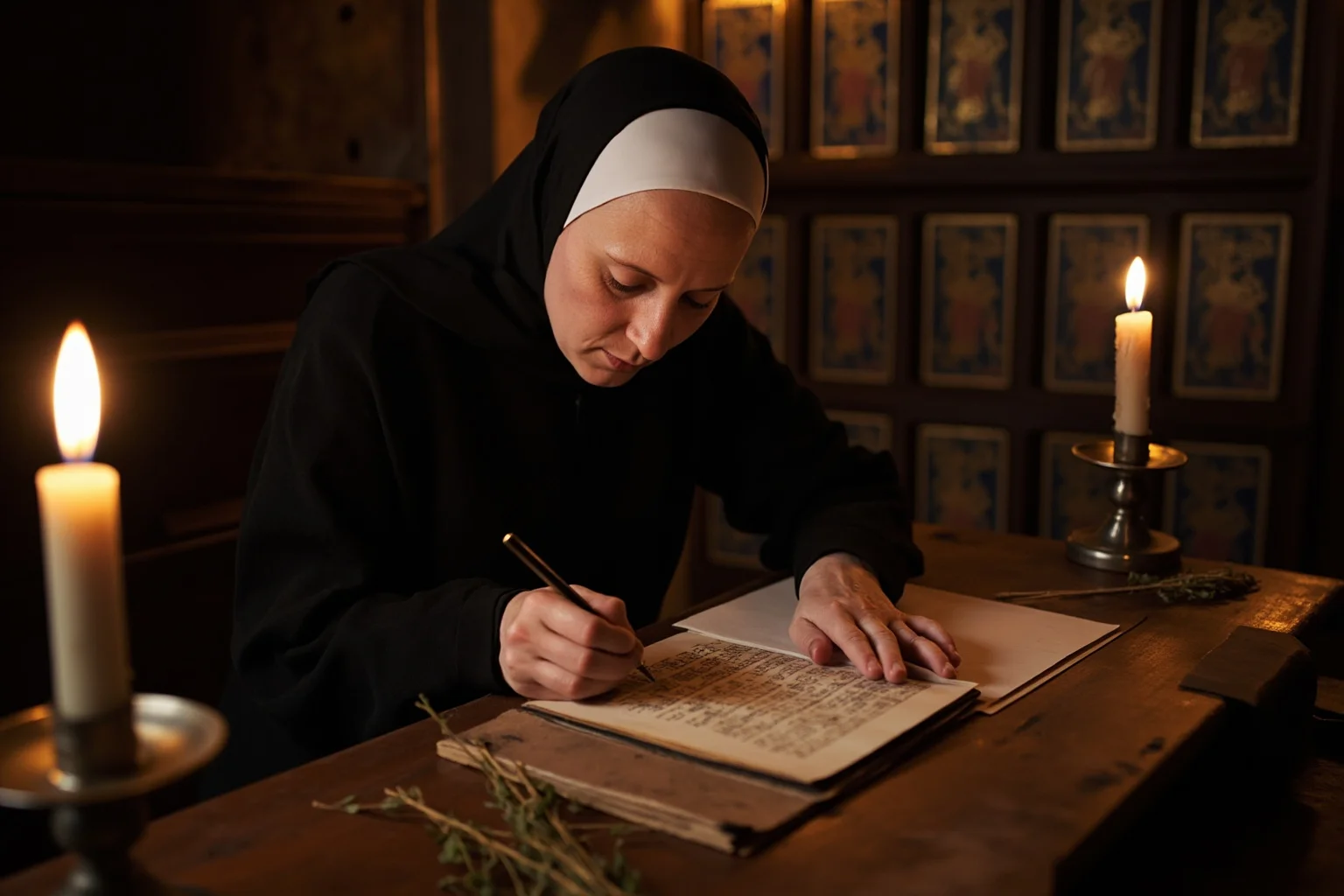
Hildegard (1098–1179) was a Benedictine abbess in the Holy Roman Empire who wrote extensively on theology, natural history, and medicine. She’s also recognized as one of the earliest composers in history whose music has survived complete with her name attached to it.
Popes and kings corresponded with her directly, an extraordinary level of influence for a woman in 12th-century Europe. Her writings blended scientific observation with visionary theology, making her one of the most genuinely multidisciplinary minds of the medieval period.
3. Christine de Pizan
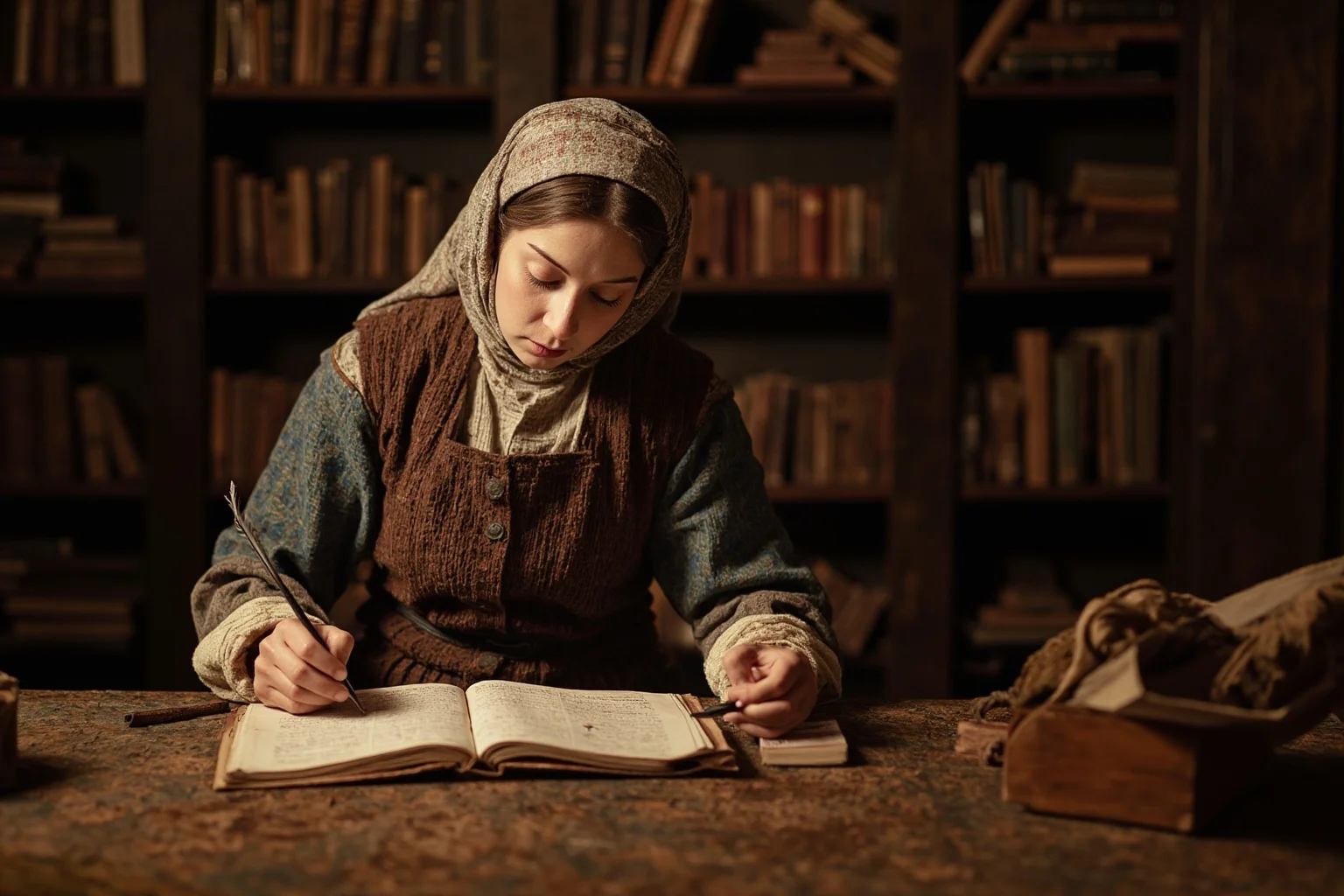
Christine de Pizan (c. 1364–c. 1430) is often credited as the first European woman to earn her living as a professional writer. After her husband’s death left her supporting a family, she turned to writing poetry and prose for aristocratic patrons across France.
Her best-known work, “The Book of the City of Ladies,” directly rebutted the misogynist literature of her day by cataloguing the achievements of intelligent women throughout history. It reads, in many ways, like a medieval ancestor of this very list.
Enlightenment and Scientific Revolution
4. Émilie du Châtelet
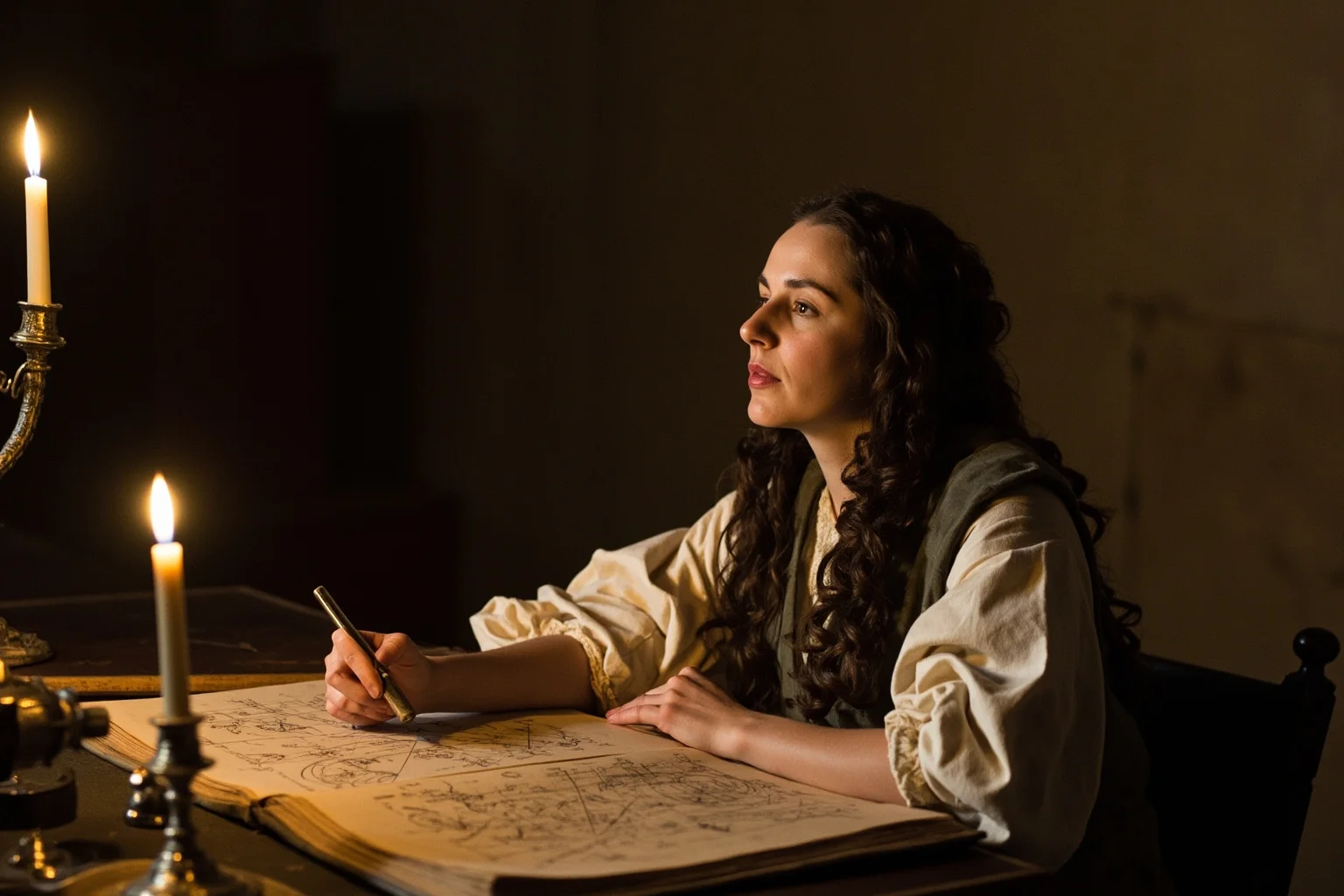
Émilie du Châtelet (1706–1749) was a French mathematician and physicist best known for translating Isaac Newton’s Principia Mathematica into French. Her translation added her own mathematical commentary, including groundbreaking ideas about kinetic energy that anticipated later physics.
Her French edition remained the standard version used by French scientists for well over a century. Contemporaries recognized her sharp mind, though her contributions were frequently overshadowed by her personal life and connections to famous men like Voltaire.
5. Mary Somerville
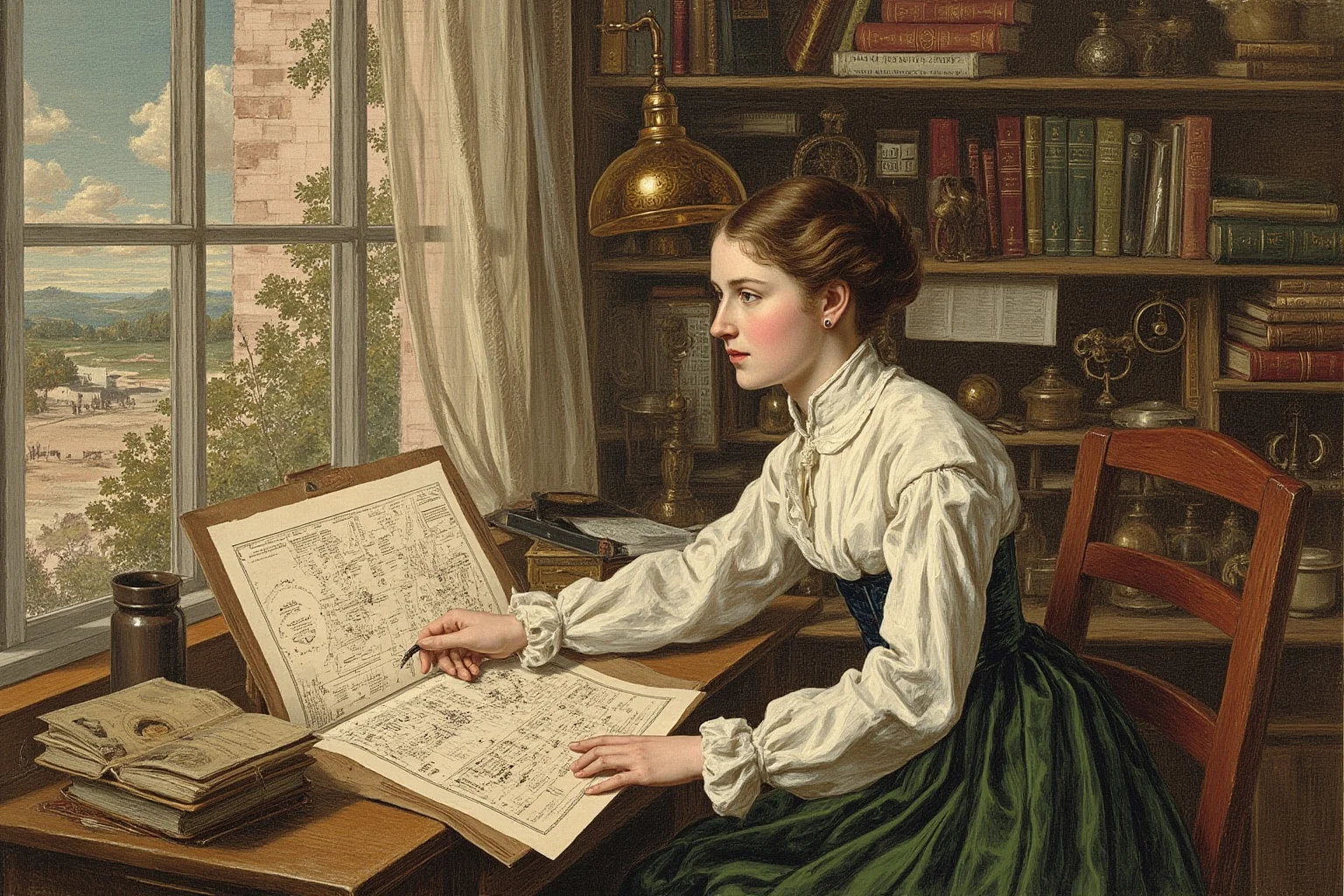
Mary Somerville (1780–1872) was a self-taught Scottish scientist whose book “On the Connexion of the Physical Sciences” made cutting-edge astronomy and physics accessible to a wide audience. She was among the first women, alongside astronomer Caroline Herschel, elected to the Royal Astronomical Society.
Some historians credit her work with helping inspire the modern English use of the word “scientist.” That’s a fitting legacy for a woman who had almost no formal schooling and taught herself advanced mathematics largely in secret.
6. Ada Lovelace
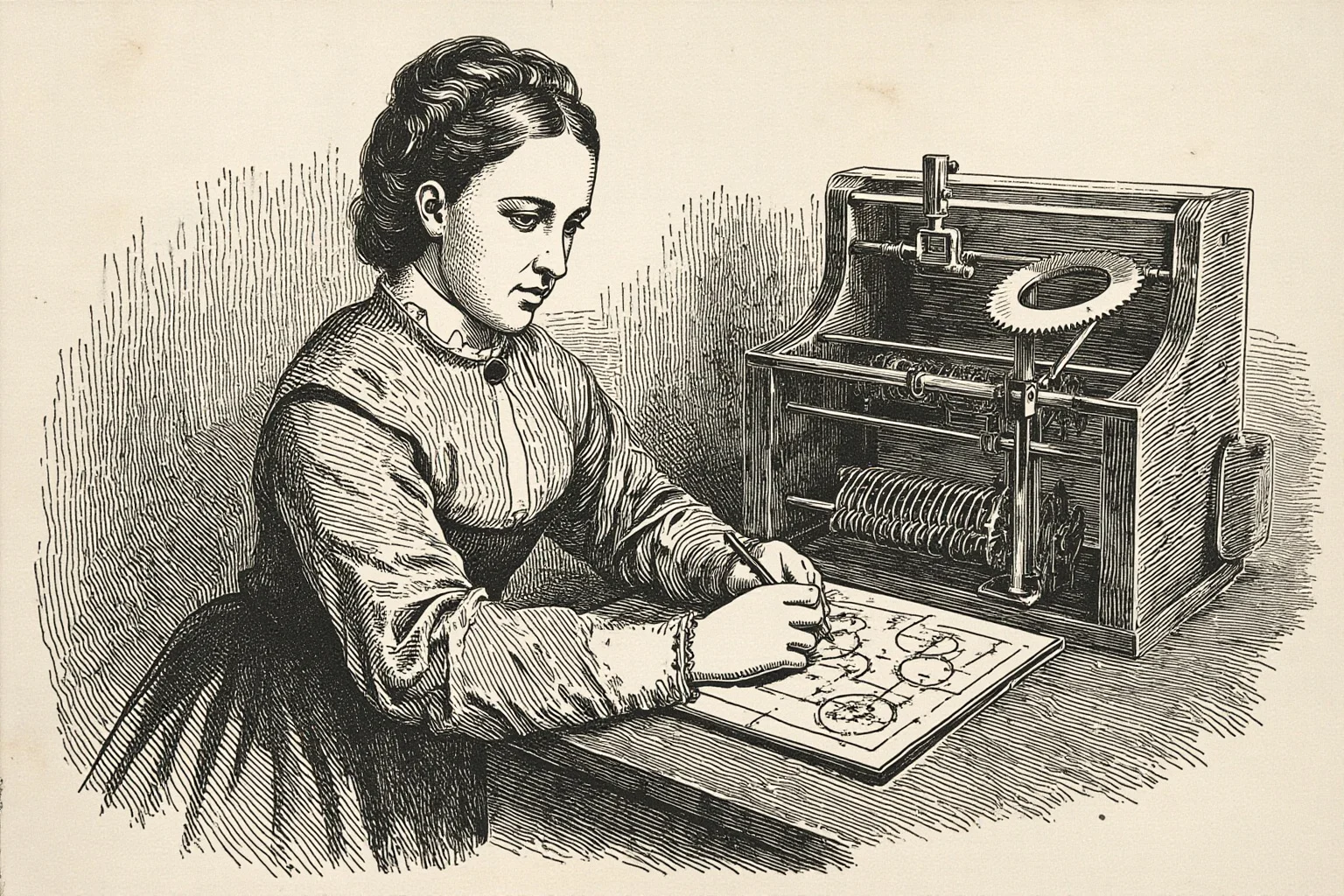
Ada Lovelace (1815–1852) worked closely with inventor Charles Babbage on his proposed Analytical Engine, an early mechanical computer design. Her published notes included a detailed method for calculating Bernoulli numbers using the machine, which many historians consider one of the first algorithms ever written for a computer.
Historians still debate exactly how much of the underlying concept was hers versus Babbage’s, and it’s worth resisting the urge to oversimplify her story. What’s undisputed is that she saw the Analytical Engine’s potential for far more than arithmetic, imagining applications well beyond what Babbage himself described.
7. Mary Anning
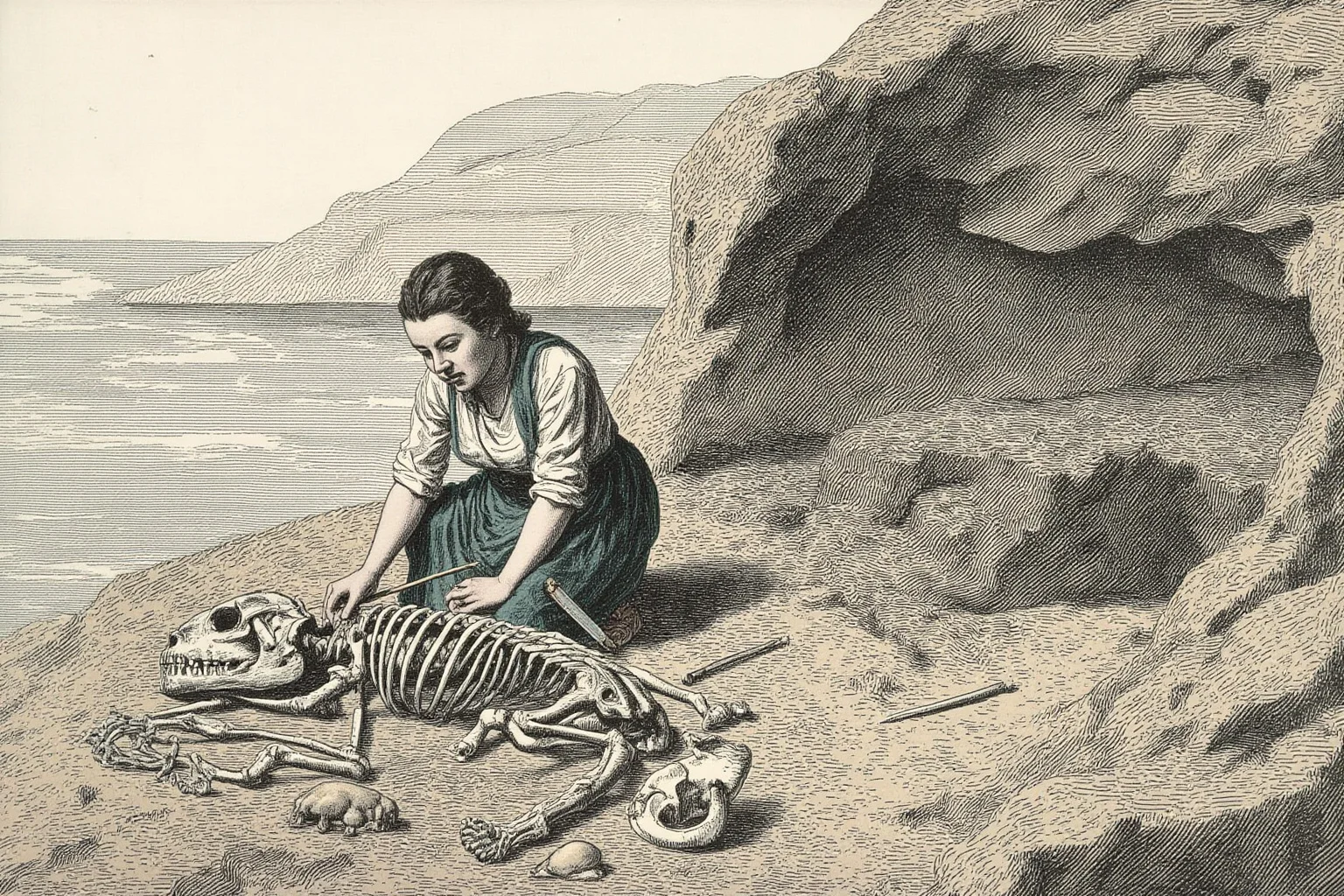
Mary Anning (1799–1847) was a self-taught fossil collector on England’s Jurassic Coast who found the first correctly identified ichthyosaur skeleton and one of the first plesiosaur skeletons. Her discoveries reshaped early 19th-century understanding of prehistoric life, decades before Darwin published “On the Origin of Species.”
Because she was a working-class woman, Anning was barred from joining the Geological Society of London even as male scientists built careers on her finds. Only in recent decades has she received wider recognition as one of paleontology’s true founding figures.
Nobel-Caliber Scientists
8. Marie Curie
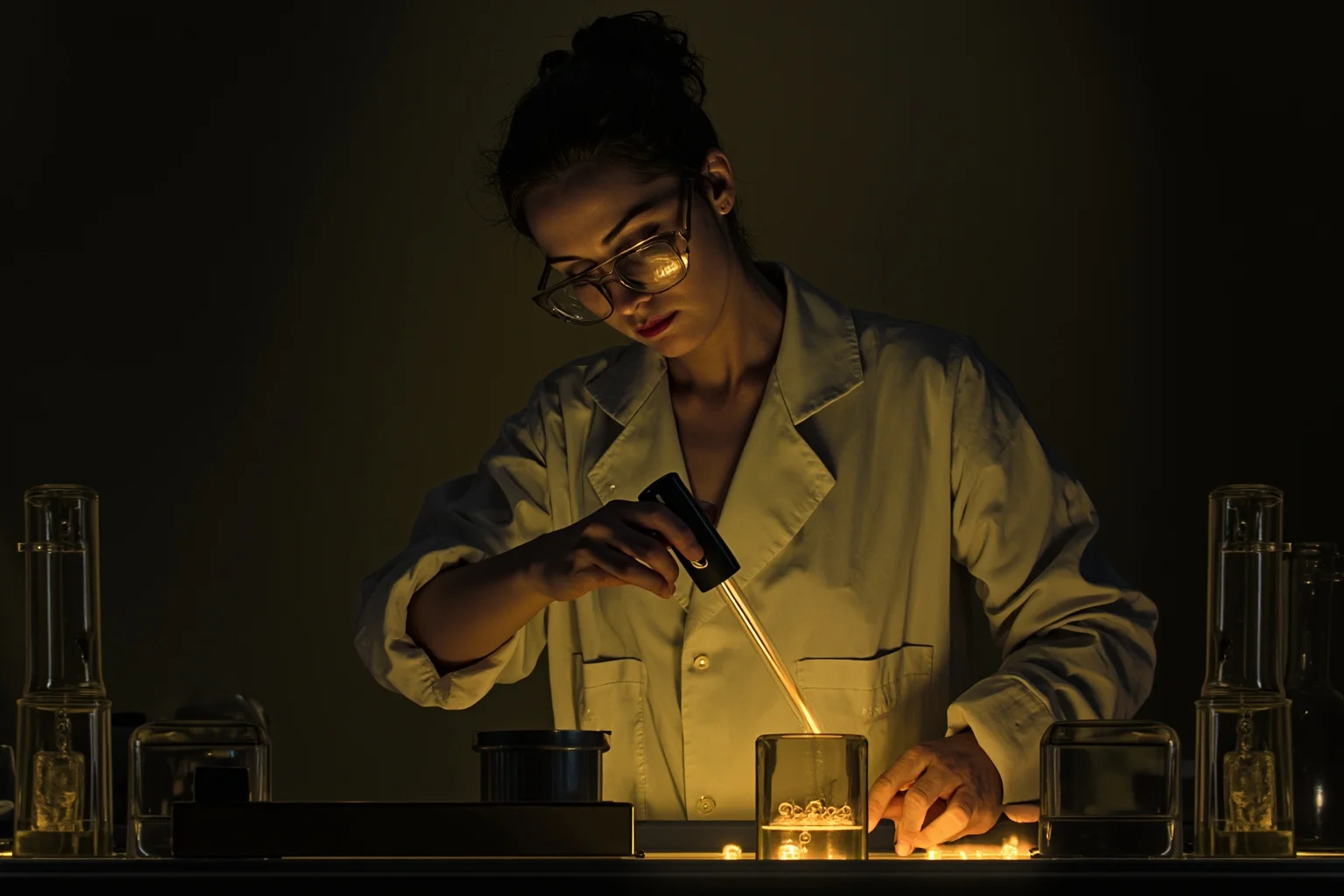
Marie Curie (1867–1934) remains the only person in history to win Nobel Prizes in two different sciences, physics in 1903 and chemistry in 1911. She coined the term “radioactivity” and discovered the elements polonium and radium alongside her husband Pierre.
Her work laid the foundation for both nuclear physics and cancer radiotherapy, and she personally developed mobile X-ray units used on World War I battlefields. She remains, for good reason, one of the most famous smart women in history and a shorthand for scientific genius.
9. Lise Meitner
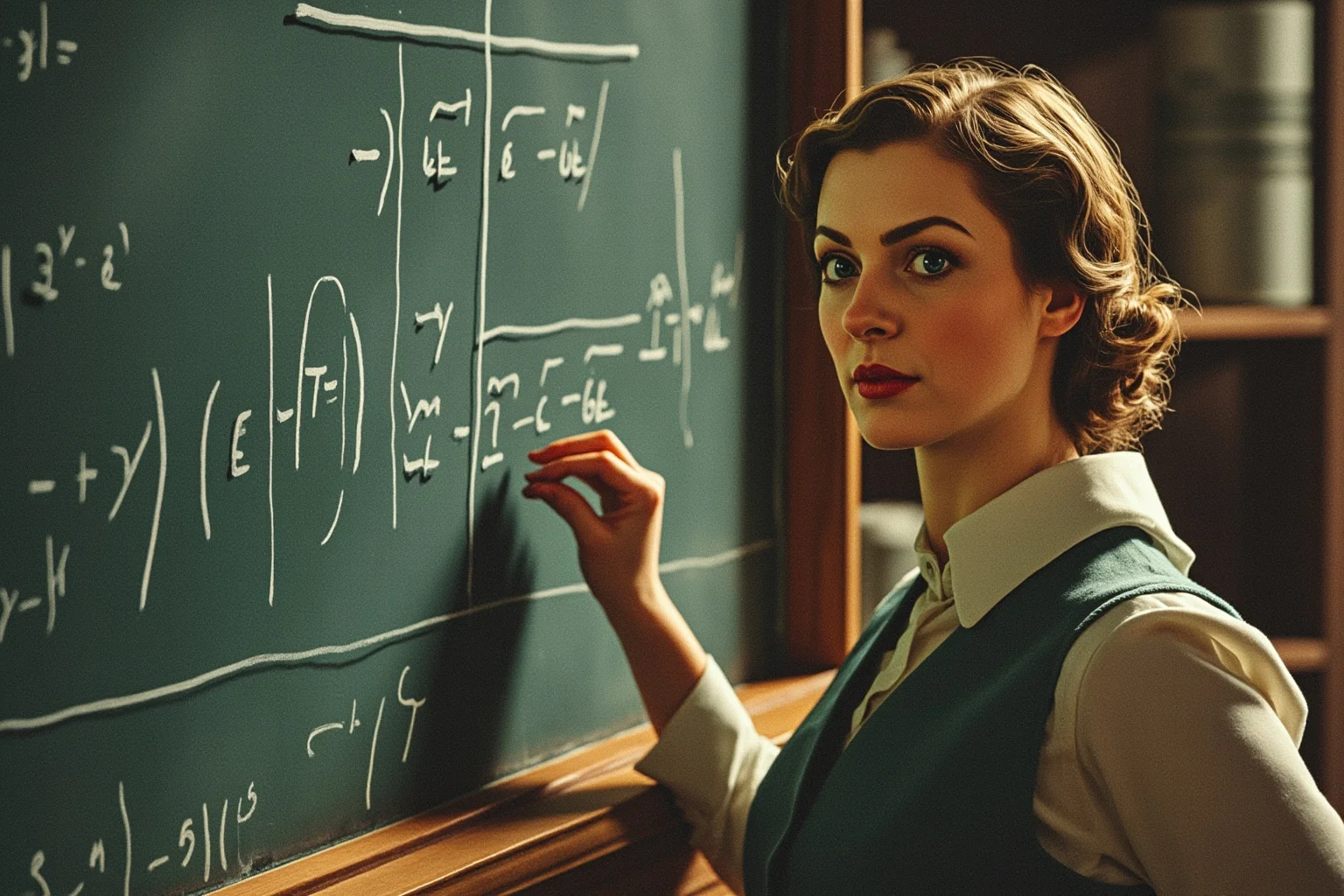
Lise Meitner (1878–1968) was part of the small team that discovered nuclear fission, correctly interpreting experimental results that Otto Hahn and Fritz Strassmann had produced in their Berlin lab. Meitner, who was Jewish and had fled Nazi Germany, worked out the physics explanation from exile in Sweden.
When the 1944 Nobel Prize in Chemistry recognized only Hahn for the discovery, the omission of Meitner was widely criticized by later historians of science as a serious injustice. Element 109, meitnerium, was eventually named in her honor.
10. Emmy Noether
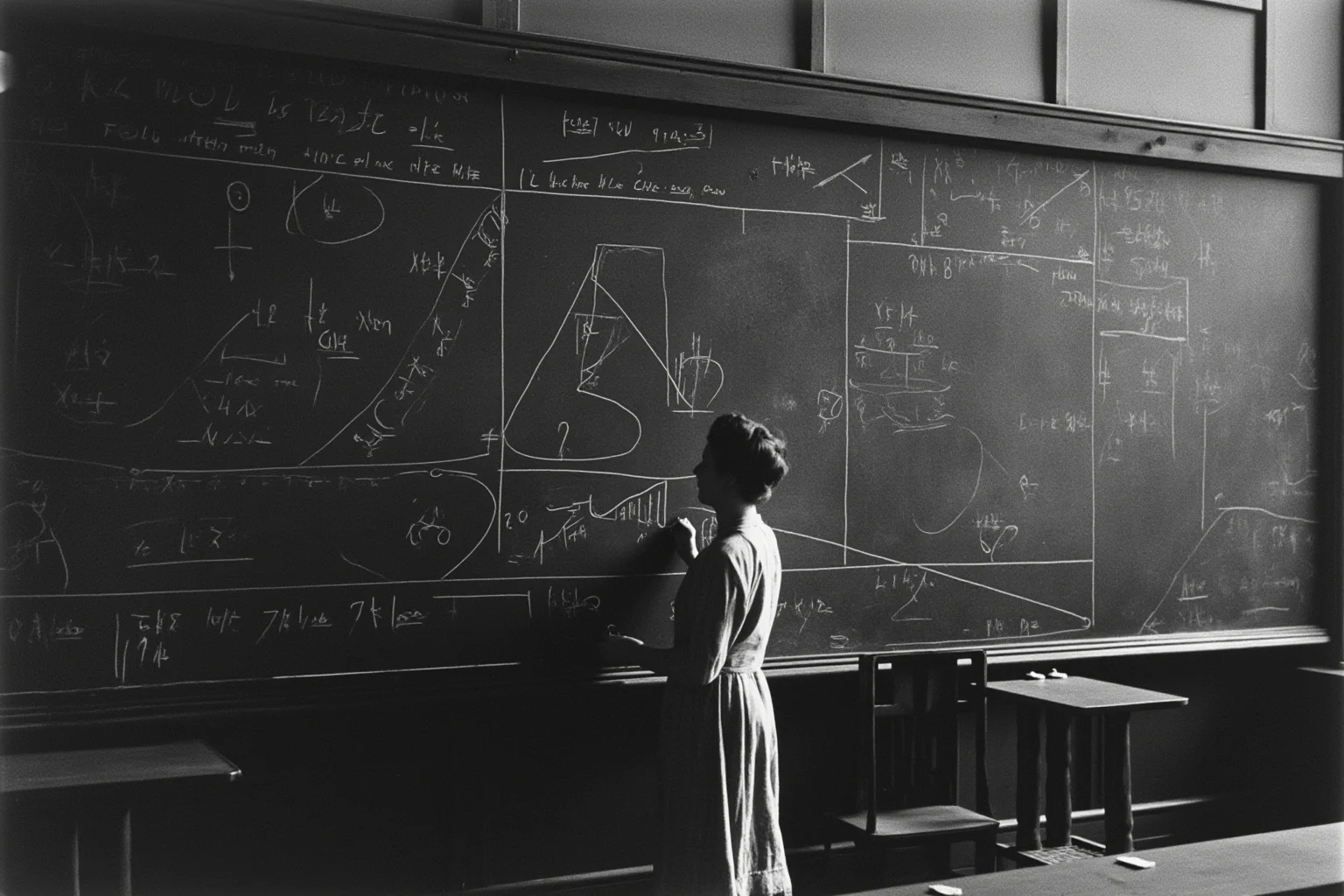
Emmy Noether (1882–1935) developed what’s now called Noether’s theorem, a foundational result linking symmetry in physics to conservation laws like energy and momentum. Albert Einstein publicly praised her as one of the most significant creative mathematical minds since women gained access to higher education.
She taught for years without pay or an official title at the University of Göttingen simply because of her gender, before eventually earning a proper faculty position. Modern theoretical physics, from particle physics to general relativity, still leans on her theorem today.
11. Chien-Shiung Wu
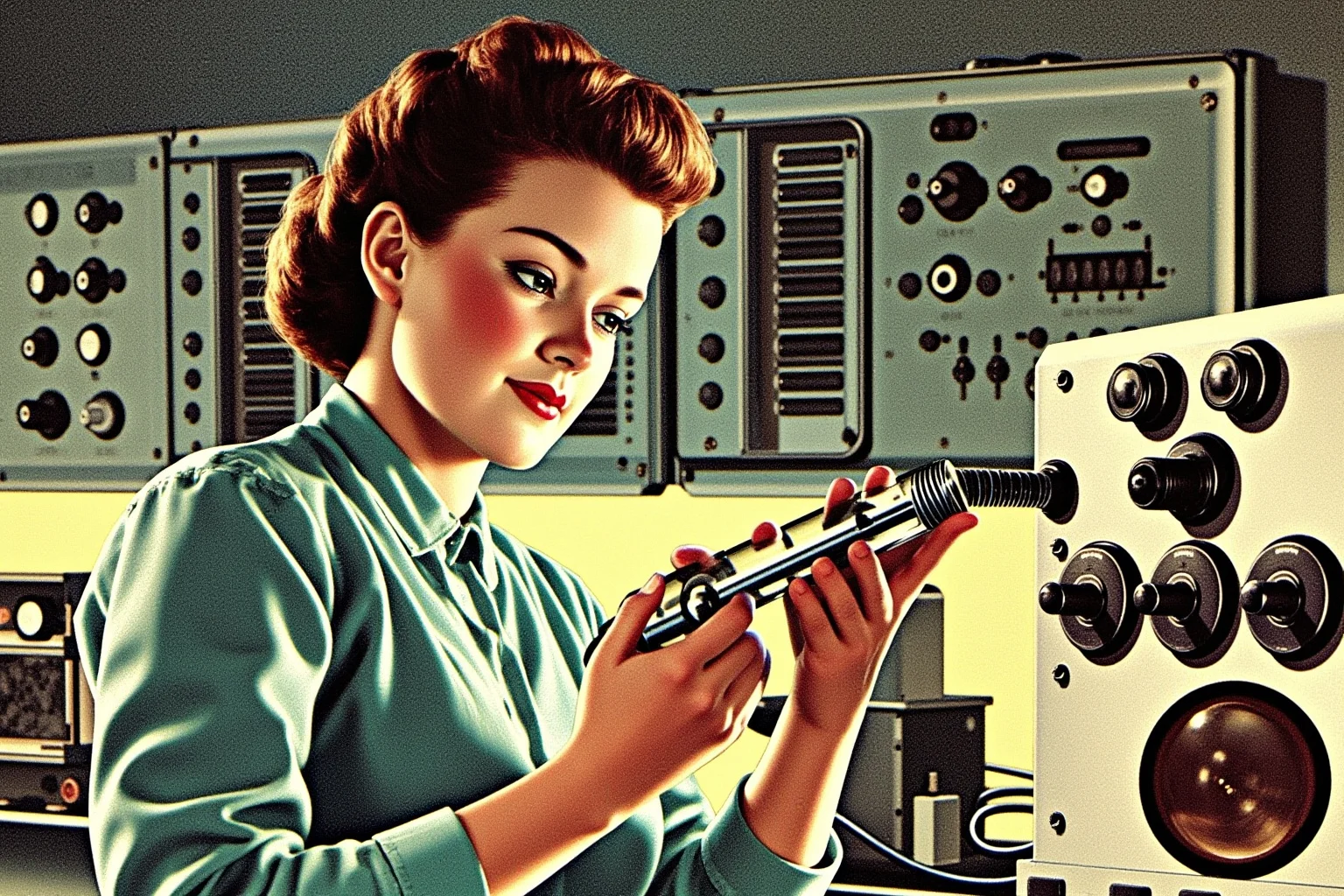
Chien-Shiung Wu (1912–1997) designed and ran the landmark 1956 experiment disproving the assumed law of parity conservation in physics. The theoretical physicists who proposed the idea, Tsung-Dao Lee and Chen-Ning Yang, won the 1957 Nobel Prize in Physics largely on the strength of Wu’s experimental confirmation.
Wu herself was not included in that Nobel Prize, a decision many physicists have since called an oversight. She went on to a decorated career and was sometimes referred to in the press as the “First Lady of Physics.”
12. Rosalind Franklin
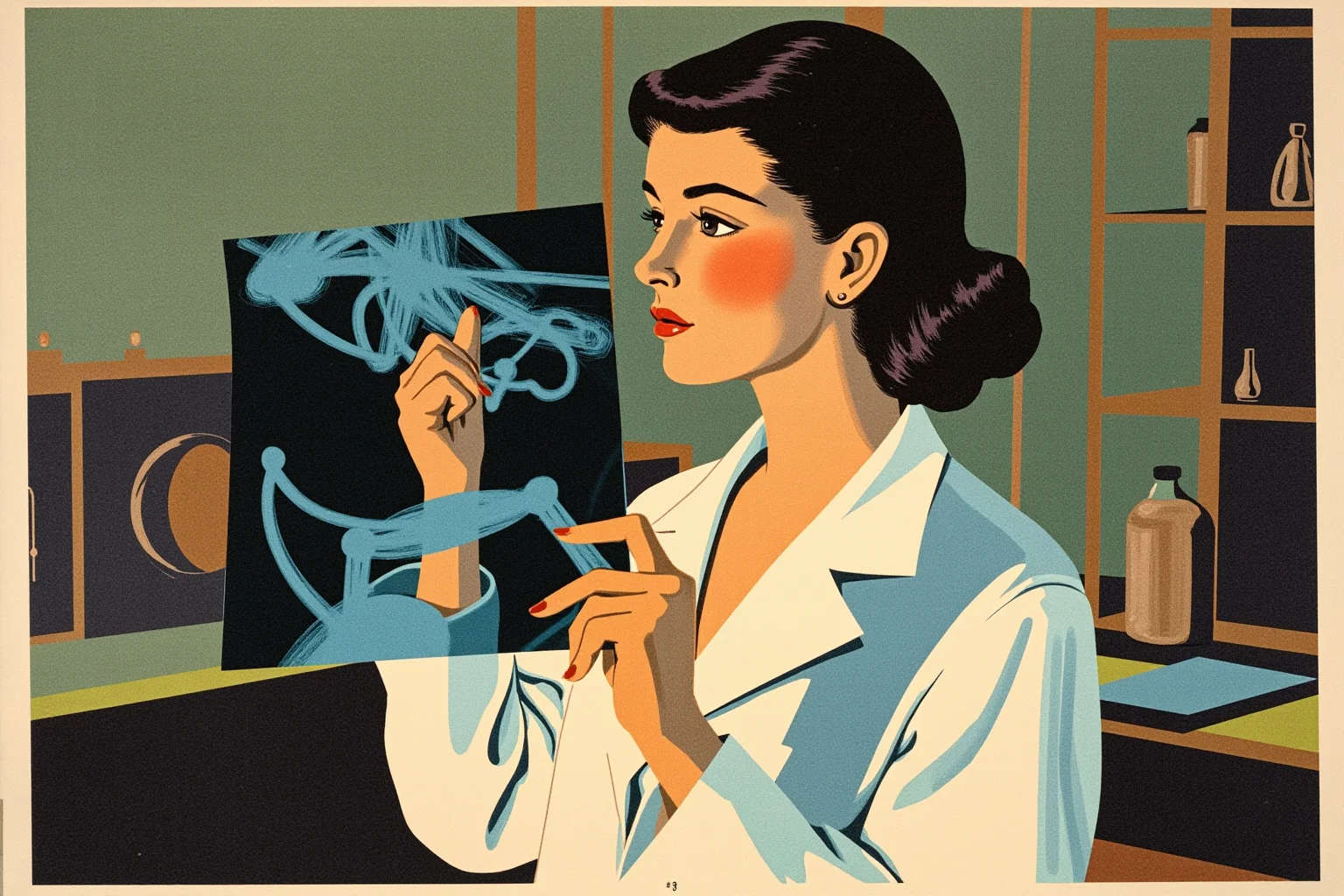
Rosalind Franklin (1920–1958) produced the X-ray crystallography images, most famously “Photo 51,” that were essential to identifying the double-helix structure of DNA. James Watson and Francis Crick used her data, with varying degrees of acknowledgment, in building their famous 1953 model.
Franklin died of ovarian cancer in 1958, four years before Watson, Crick, and Maurice Wilkins received the Nobel Prize in Physiology or Medicine for the discovery. Nobel rules don’t allow posthumous awards, but historians of science now widely credit her as central to one of biology’s biggest breakthroughs.
13. Dorothy Hodgkin

Dorothy Hodgkin (1910–1994) pioneered X-ray crystallography techniques that allowed scientists to determine the three-dimensional structures of complex biological molecules. She mapped the structures of penicillin, vitamin B12, and eventually insulin over a research career spanning decades.
Her work on vitamin B12 earned her the 1964 Nobel Prize in Chemistry, making her the only British woman to win a Nobel Prize in the sciences to date. She mentored future British Prime Minister Margaret Thatcher as an undergraduate chemistry student at Oxford.
14. Rita Levi-Montalcini
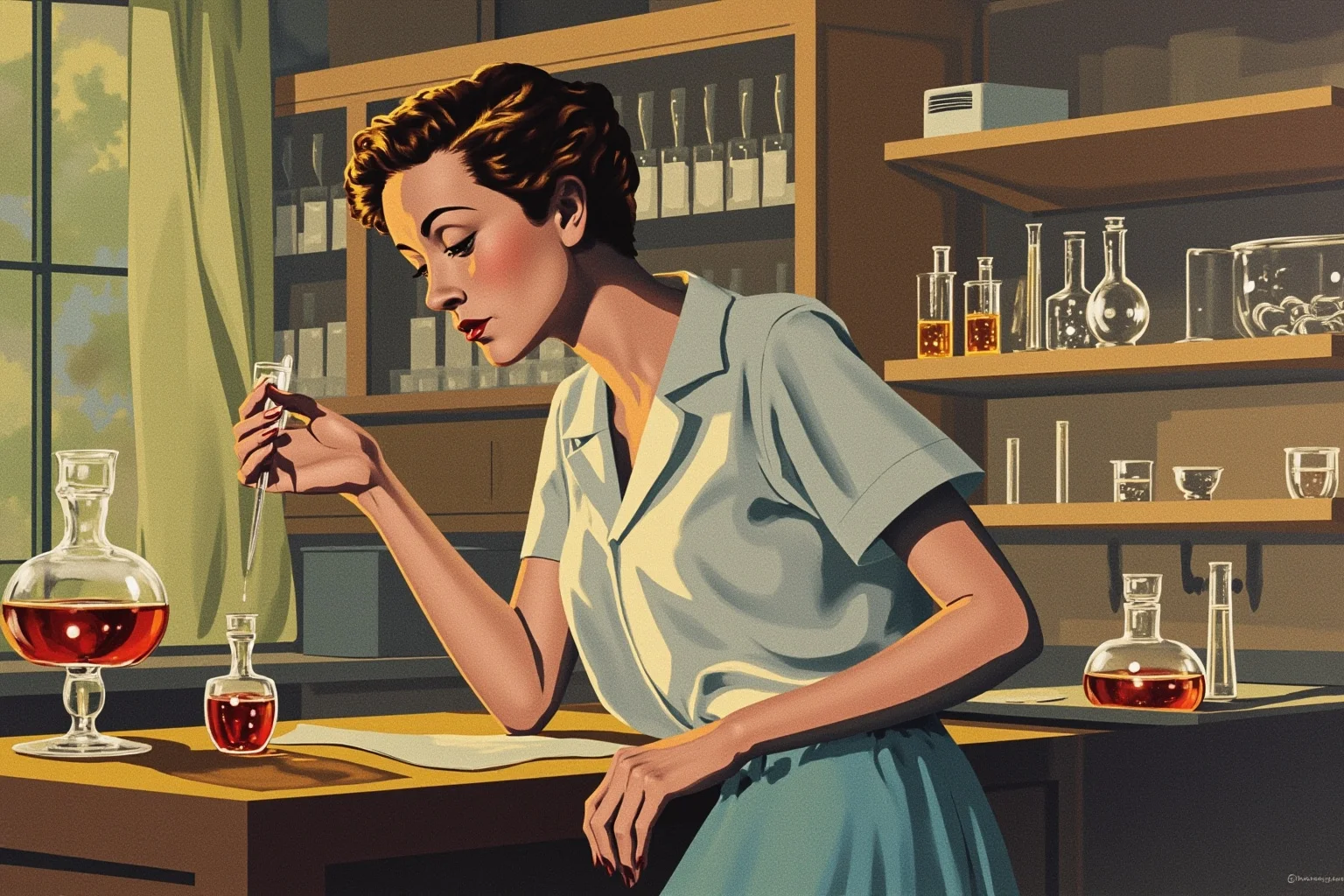
Rita Levi-Montalcini (1909–2012) discovered nerve growth factor, a protein essential for the development and survival of nerve cells. She conducted much of her early research secretly, in a makeshift home laboratory, after Italy’s fascist racial laws barred Jewish citizens from university positions during World War II.
Her perseverance eventually earned her the 1986 Nobel Prize in Physiology or Medicine, shared with Stanley Cohen. She continued publishing scientific work into her 100s, becoming the oldest living Nobel laureate at the time of her death.
Codebreakers, Computers, and Mathematicians
15. Grace Hopper
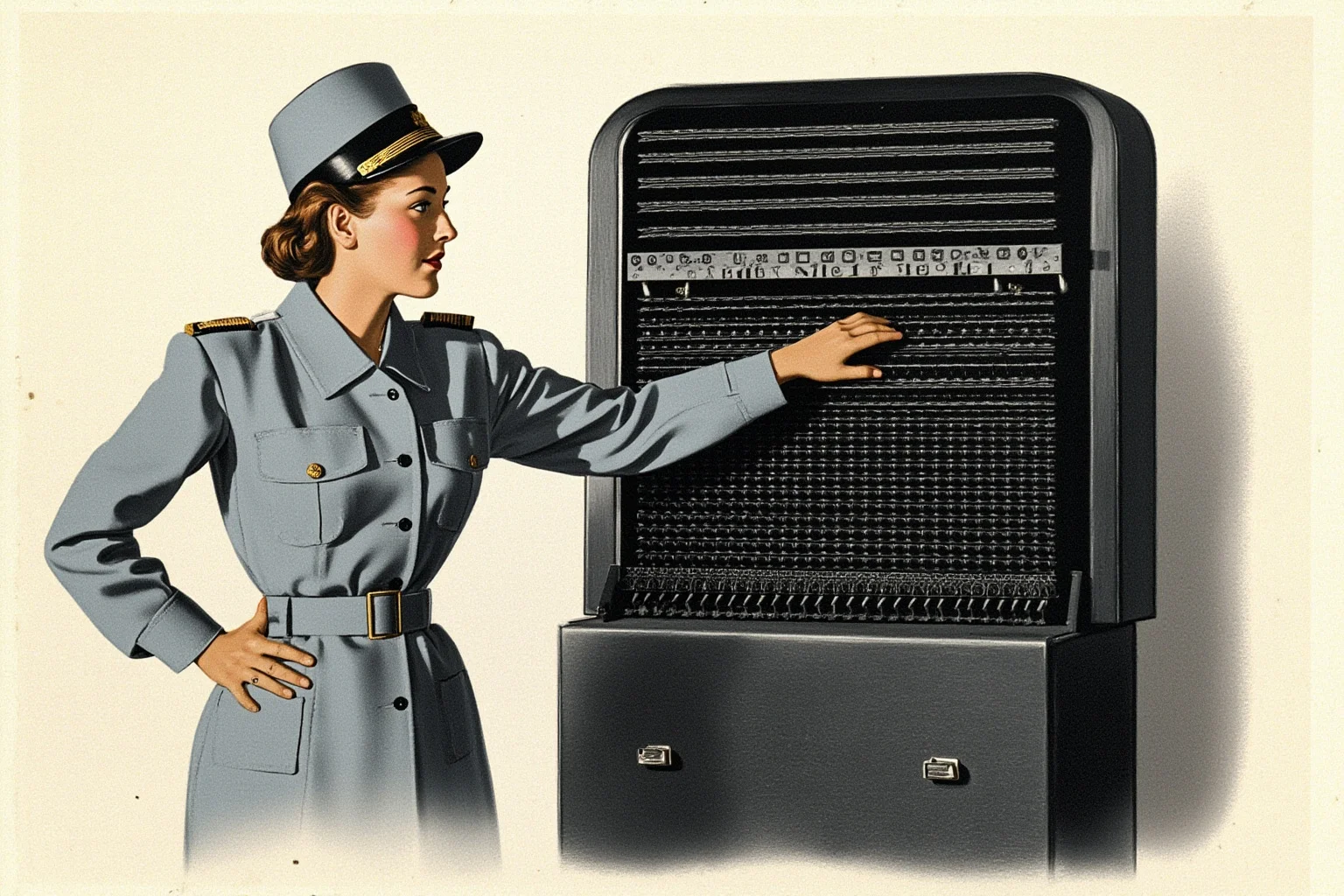
Grace Hopper (1906–1992) was a U.S. Navy rear admiral and computer scientist who developed one of the first compilers, a program that translates human-readable code into machine instructions. Her work directly shaped the development of COBOL, a programming language that still runs banking and government systems today.
Colleagues nicknamed her “Amazing Grace” for both her technical skill and her knack for explaining complex computing concepts in plain language. She’s frequently cited as one of the most intelligent women in history within the tech industry specifically.
16. Katherine Johnson
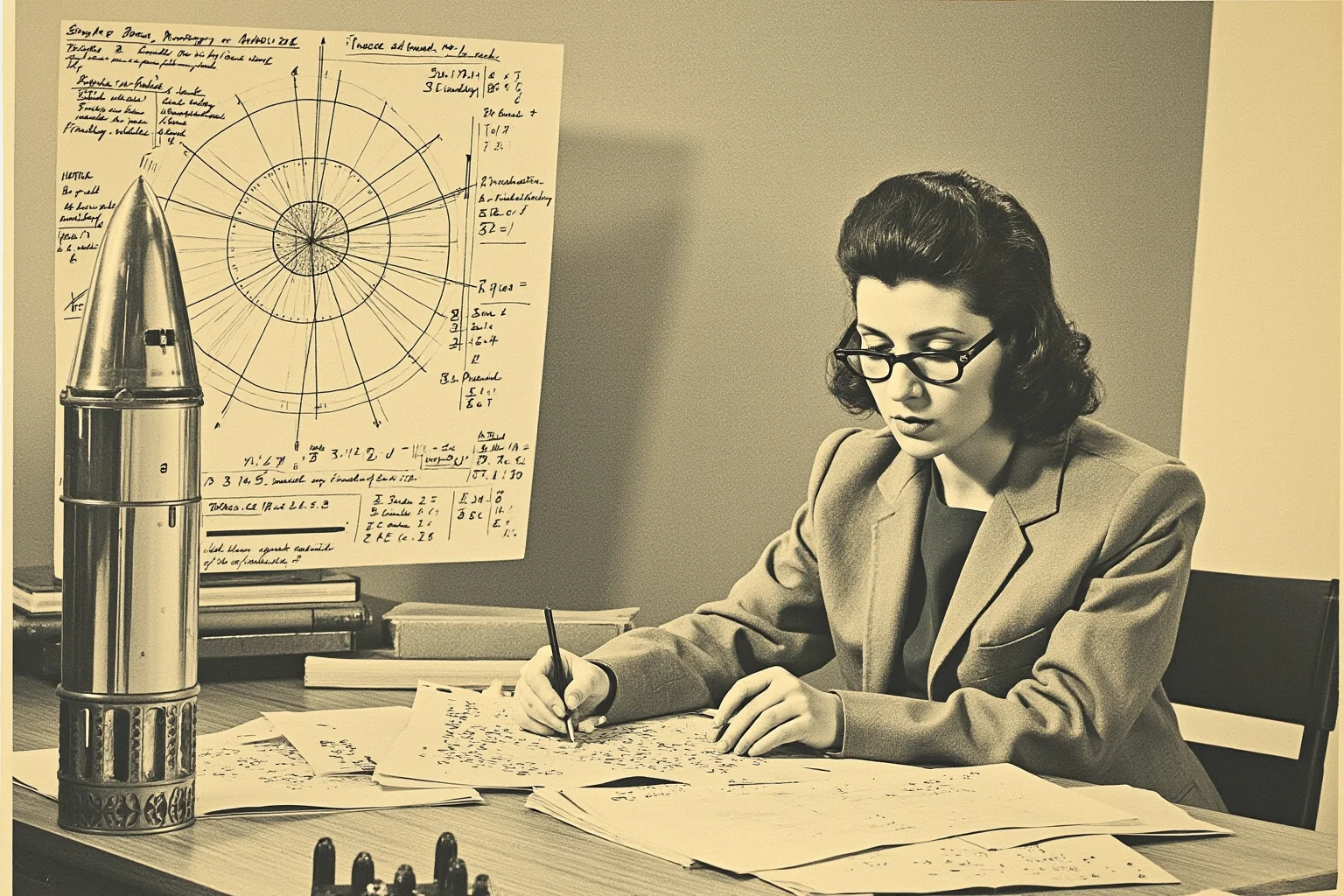
Katherine Johnson (1918–2020) was a NASA mathematician whose hand calculations verified the trajectories for John Glenn’s 1962 orbital flight and later contributed to the Apollo moon missions. She worked for years in NASA’s segregated “West Area Computers” unit before her contributions became more widely known.
Her story, along with colleagues Dorothy Vaughan and Mary Jackson, was popularized decades later by the book and film “Hidden Figures.” NASA awarded her the Presidential Medal of Freedom in 2015 in recognition of her career.
17. Sofia Kovalevskaya
Sofia Kovalevskaya (1850–1891) became the first woman in Europe to earn a doctorate in mathematics, after European universities of the time refused to grant women formal degrees through normal channels. She later became the first woman appointed to a full professorship in Northern Europe, at Stockholm University.
Her mathematical work on partial differential equations, now partly known as the Cauchy-Kovalevskaya theorem, remains foundational in the field. She also wrote novels and memoirs, refusing to limit herself to a single intellectual lane.
18. Maryam Mirzakhani
Maryam Mirzakhani (1977–2017) became the first woman and the first Iranian mathematician to win the Fields Medal, mathematics’ most prestigious prize, in 2014. Her research focused on the geometry of complex curved surfaces known as moduli spaces, work that influenced multiple branches of theoretical mathematics.
She died of breast cancer at just 40 years old, cutting short what colleagues widely expected to be a decades-long influential career. Iran’s government, notably, issued rare public tributes to her despite typically restricting recognition of women’s achievements.
Inventors and Polymaths
19. Hedy Lamarr
Hedy Lamarr (1914–2000) was a Hollywood film star during the 1930s and 40s who also co-invented an early frequency-hopping spread spectrum technology during World War II, intended to help guide torpedoes without enemy jamming. Decades later, the same underlying concept became foundational to modern Wi-Fi, Bluetooth, and GPS technologies.
The U.S. Navy didn’t adopt her wartime patent at the time, and her scientific work went largely unrecognized until long after her acting career had ended. She’s now frequently cited as proof that being famous for beauty and being a serious inventor were never mutually exclusive, even though she’s just as often listed among history’s most beautiful women as she is among its great inventors.
20. Florence Nightingale
Florence Nightingale (1820–1910) is best known as the founder of modern nursing, but she was also a pioneering statistician. She developed the polar area diagram, an early form of data visualization, to demonstrate that poor sanitation, not battlefield wounds, killed most soldiers during the Crimean War.
Her statistical advocacy directly led to major hospital sanitation reforms across the British military. She became the first woman elected to the Royal Statistical Society, a fitting honor for someone who used numbers to save thousands of lives.
21. Barbara McClintock
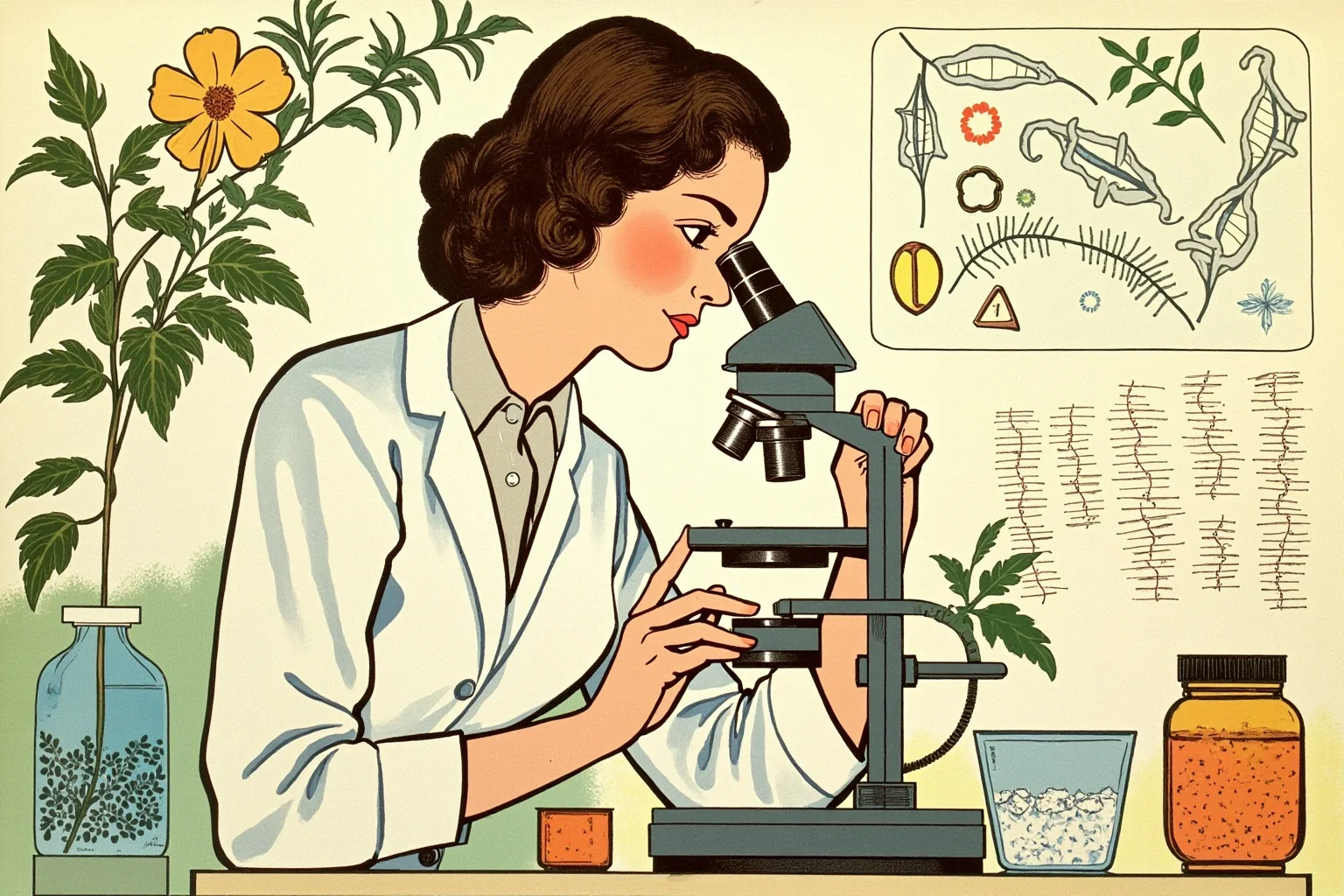
Barbara McClintock (1902–1992) discovered “jumping genes,” or transposable elements, showing that genetic material could move around within a chromosome and switch traits on or off. Her findings were considered so unconventional in the 1950s that many geneticists initially dismissed them.
Decades later, as molecular biology caught up with her ideas, she won the 1983 Nobel Prize in Physiology or Medicine, unshared, making her only the third woman ever to receive that Nobel category alone. Her career is a reminder that genuine intellectual breakthroughs sometimes take years to be believed.
Power, Politics, and the “Evil Genius” Myth
Any honest list of smart women in history has to address a recurring pattern: intelligent, powerful women in antiquity were frequently rebranded by hostile chroniclers as scheming, seductive, or outright evil. Searches for the smartest and most evil women in ancient history usually lead to the same handful of names featured on lists of history’s most villainous women, and it’s worth examining why that reputation stuck.
22. Cleopatra VII
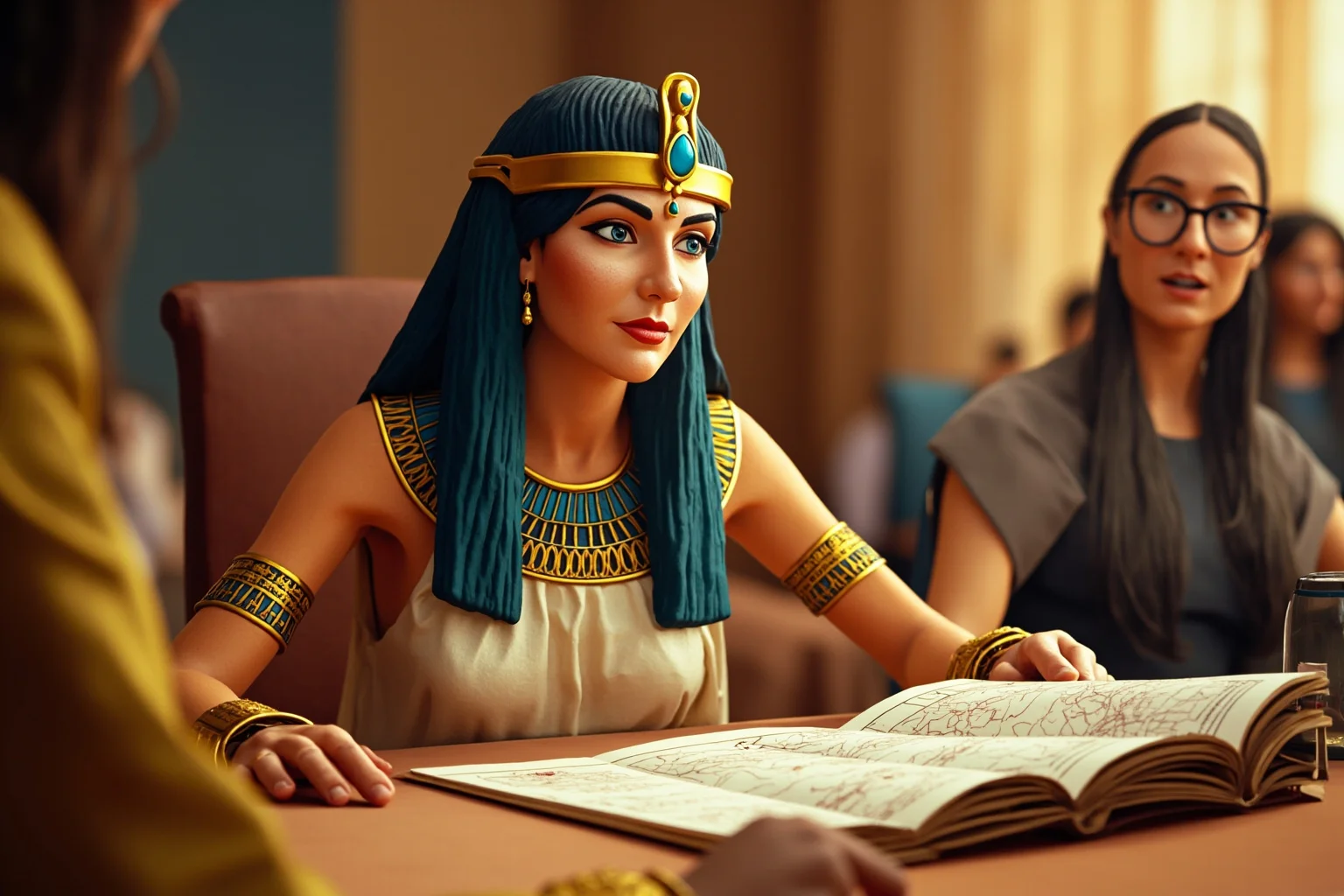
Cleopatra VII (69–30 BCE) was the last active ruler of Ptolemaic Egypt, reportedly fluent in multiple languages and deeply involved in the diplomacy, economics, and administration of her kingdom. Ancient Roman writers, largely hostile to her because of her wars with Rome, portrayed her mainly as a seductress who manipulated powerful men.
Modern historians generally view that image as Roman political propaganda designed to discredit a genuinely formidable foreign ruler. Her real legacy is closer to that of a shrewd strategist who kept Egypt independent longer than many of her predecessors managed, a legacy that also earns her a spot among history’s most powerful women.
23. Livia Drusilla
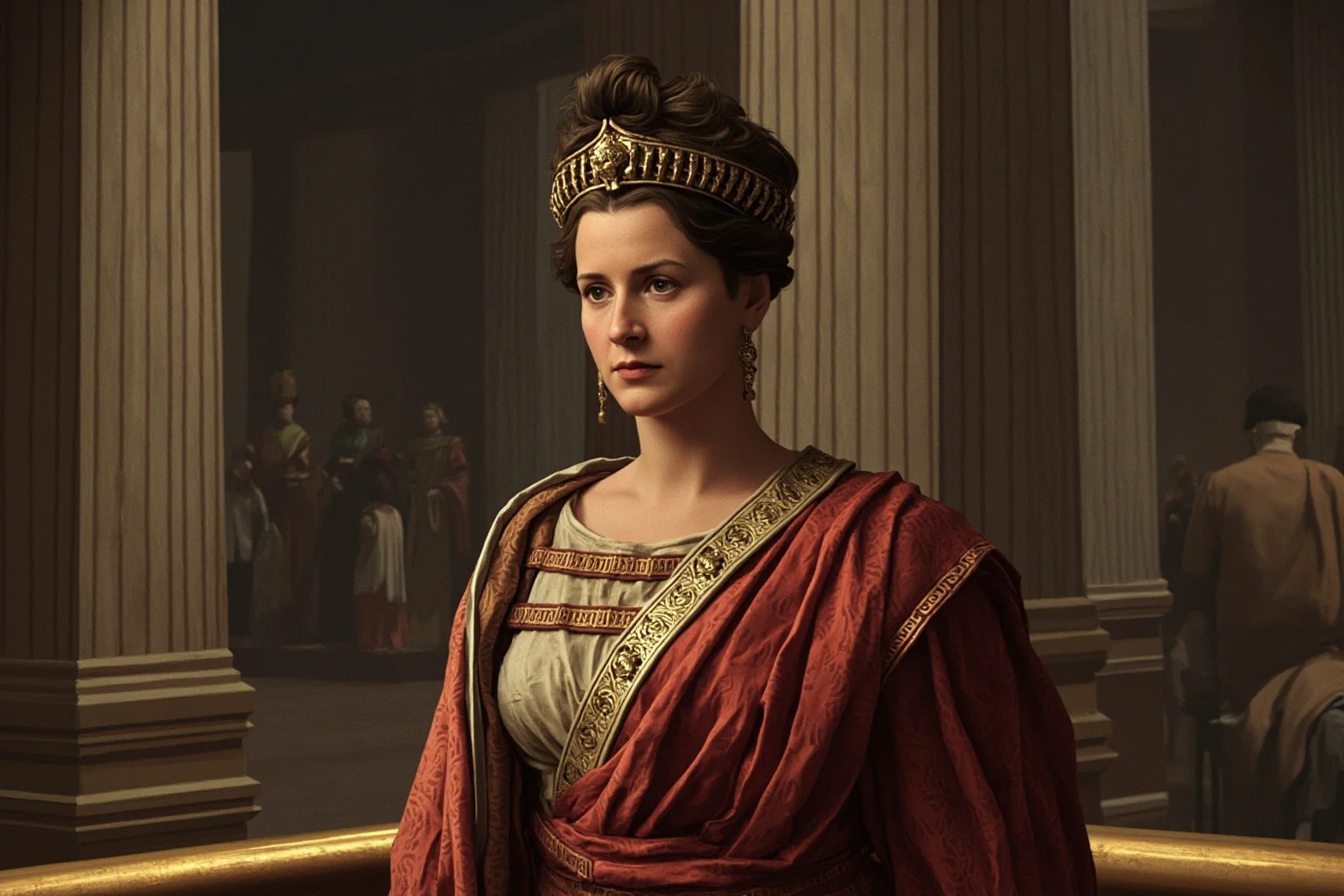
Livia Drusilla (58 BCE–29 CE) was the wife of Rome’s first emperor, Augustus, and served as one of his most trusted political advisors for over 50 years. Later Roman historians, particularly Tacitus, accused her of poisoning rivals to clear a path for her son Tiberius to become emperor.
Most contemporary historians treat those specific poisoning accusations as unproven rumor rather than documented fact, spread partly because a woman with real political influence unsettled Rome’s patriarchal norms. Her actual, verifiable legacy is that of an unusually capable political operator in a system that gave women no formal power at all.
24. Agrippina the Younger
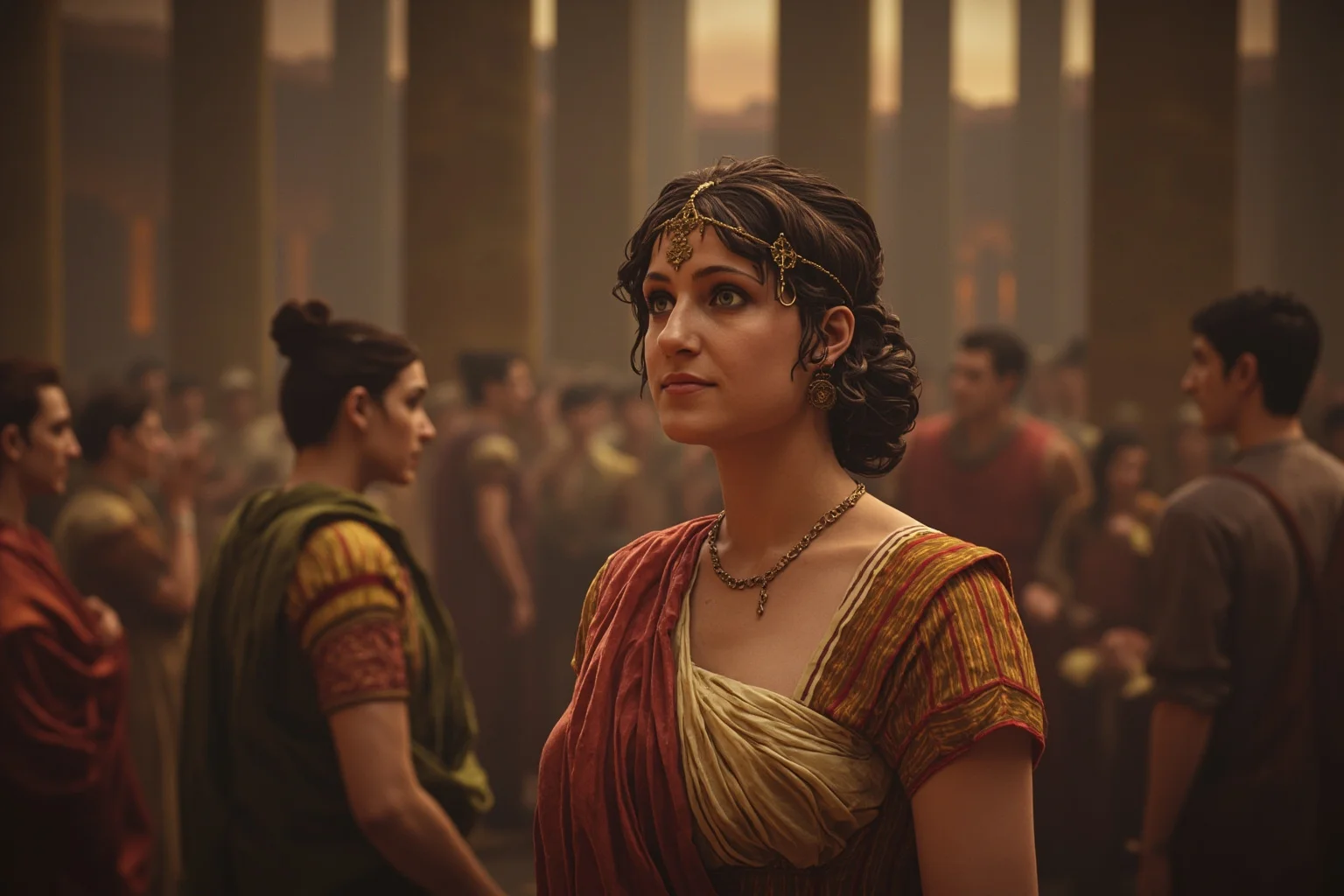
Agrippina the Younger (15–59 CE) was the mother of Emperor Nero and wielded substantial influence within the Roman imperial court, reportedly attending official meetings and issuing coins bearing her own image, which was virtually unheard of for a Roman woman. Ancient sources accuse her of multiple murders on her path to power, including her own husband, Emperor Claudius.
Historians studying Rome today note that most surviving accounts of her life were written by senators and historians who resented her authority in the first place. That doesn’t prove the accusations false, but it’s a useful reminder that history is often written by the rivals of the people it condemns.
25. Wu Zetian
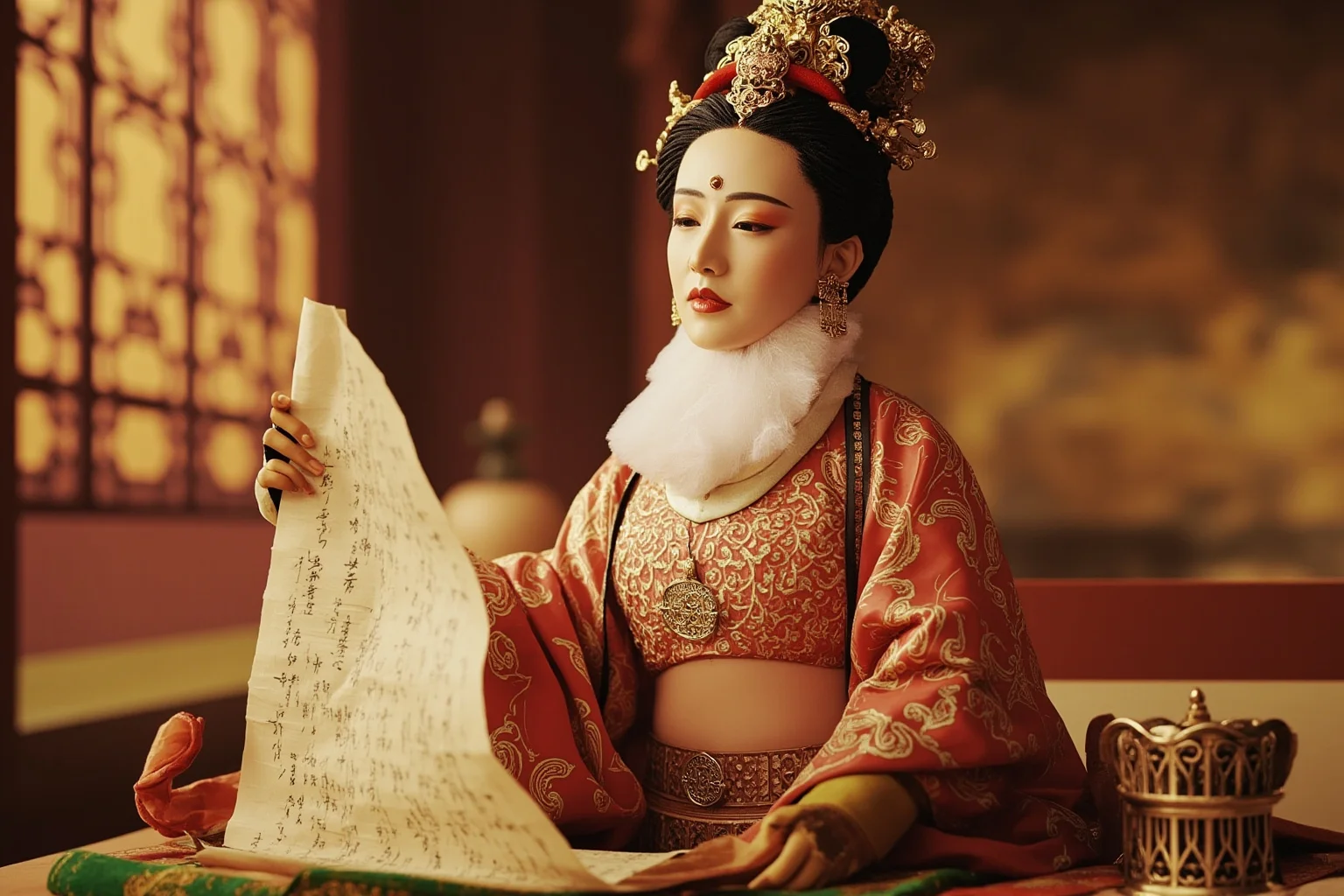
Wu Zetian (624–705 CE) remains the only woman to rule China as emperor in her own right, founding the short-lived Zhou dynasty after decades of political maneuvering within the Tang court. She expanded and reformed the imperial civil service examination system, recruiting officials based on merit rather than aristocratic birth alone.
Traditional Confucian historians, writing under later dynasties, painted her as a ruthless and immoral usurper, partly because a female emperor directly violated their worldview. Modern historians tend to credit her with genuinely effective governance and administrative reforms, alongside the ruthless power struggles common to virtually every emperor of the era, male or female.
Do Women Have Higher IQ Than Men? Separating Data From Myth
Searches for “women with higher IQ” or claims that a particular woman is smarter than her male peers usually assume there’s a clear-cut answer buried in psychological research. In reality, large-scale studies generally find that average IQ scores between men and women are very close to equal, with the most consistent differences showing up in the range and distribution of scores rather than the average itself.
Some studies have found men show slightly more variance, meaning slightly more men appear at both the very high and very low ends of IQ distributions, while women’s scores cluster more tightly around the average.
Other studies dispute even that pattern, and researchers broadly agree that social factors, test design, and access to education complicate any clean comparison.
The honest, myth-busting takeaway is that neither sex has been scientifically proven to be definitively “smarter,” and the women on this list didn’t need a lab-verified IQ score to prove their genius anyway.
From History to Hollywood: What About Fiction’s Smartest Female Characters?
It’s worth briefly addressing why so many people also search for the smartest female characters in fiction alongside real historical figures. Characters like Hermione Granger, Lisa Simpson, or Amy Farrah Fowler have become cultural shorthand for intelligent women, partly because they’re modeled on real patterns of academic excellence and scientific curiosity.
The difference, of course, is that fictional intelligence can be written however the story requires, while historical intelligence had to survive peer review, hostile critics, and in several cases outright political persecution.
Real intellectual women like Marie Curie or Emmy Noether didn’t have a screenwriter clearing their path. If anything, comparing fiction to the true stories above shows how much more remarkable the real history actually is.
Why These Women Still Matter
What ties these 25 women together isn’t a shared IQ score or a tidy ranking system, it’s the sheer range of ways intelligence expressed itself across different centuries and cultures.
Some solved equations that still underpin modern physics, some ran empires with a shrewdness their enemies tried to rewrite as villainy, and some quietly gathered fossils or nerve cells until the world finally caught up to their conclusions.
Treating any one of them as “the” smartest woman in the world would flatten just how differently genius can show up depending on the century, the culture, and the obstacles a woman had to clear just to be heard.
The far more useful takeaway is that intelligent women have always existed in every era of history, often working twice as hard for a fraction of the recognition. The real work now is simply making sure their stories don’t get lost again.
Frequently Asked Questions
Who is the smartest woman in the world?
There's no single, scientifically agreed-upon answer to who the smartest woman in the world is, because IQ testing methods vary widely and don't capture creativity, resilience, or real-world achievement. Marilyn vos Savant was once listed in Guinness World Records for a high IQ score, but Guinness later retired that category due to concerns about test reliability. Most historians and psychologists prefer judging intelligence through documented achievements rather than a single contested number.
Who is considered the smartest woman in history?
There's no official ranking, but names like Marie Curie, Emmy Noether, Ada Lovelace, and Hypatia of Alexandria are among those most commonly cited as the smartest women in history. Each excelled in a completely different field, from physics and mathematics to computing and philosophy, which is part of why comparing them directly is so difficult.
Do women have a higher IQ than men, or is a woman smarter than men on average?
Large-scale studies generally show average IQ scores are very close between men and women, without strong evidence that one sex is consistently smarter than the other. Some research suggests slightly different score distributions between the sexes, but experts caution that social factors and test design make firm conclusions difficult. Intelligence is also far broader than a single IQ number can capture.
Who are considered the smartest and most evil women in ancient history?
Names like Livia Drusilla, Agrippina the Younger, and Cleopatra VII are often labeled both brilliant and villainous in ancient sources, largely written by political rivals who resented their influence. Modern historians treat many of the specific accusations against them as unproven propaganda rather than confirmed fact, while still recognizing their genuine political skill.
What made women like Marie Curie and Ada Lovelace so intelligent?
Their intelligence combined natural aptitude with extraordinary persistence, since both had to work around formal barriers that excluded women from universities and scientific societies of their time. Curie pursued original research in physics and chemistry despite limited resources, while Lovelace applied advanced mathematics to an entirely new field of mechanical computing decades before computers existed.
Are the smartest female characters in fiction based on real historical women?
Many popular smart female characters in books, film, and television draw loosely on the achievements of real historical and scientific figures, even without directly naming them. However, fictional intelligence is written to serve a story, while the real women covered in history had to prove their brilliance under genuine scientific scrutiny, social resistance, and, in several cases, political danger.

Alex Warren
Related Articles





