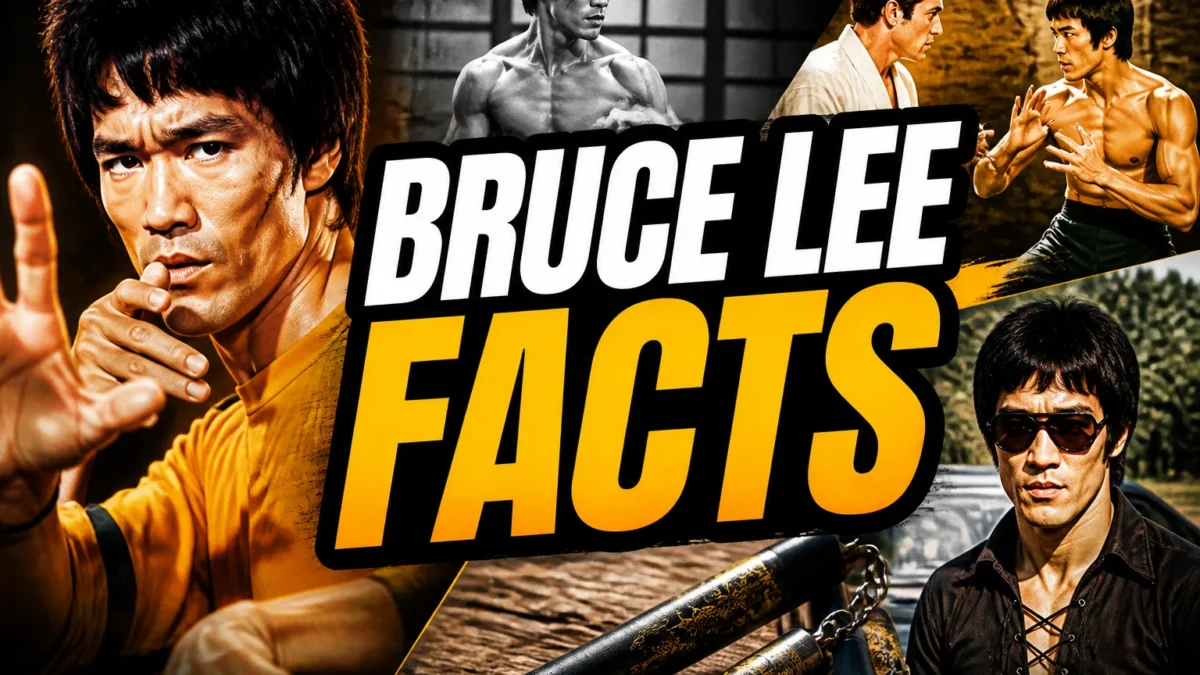
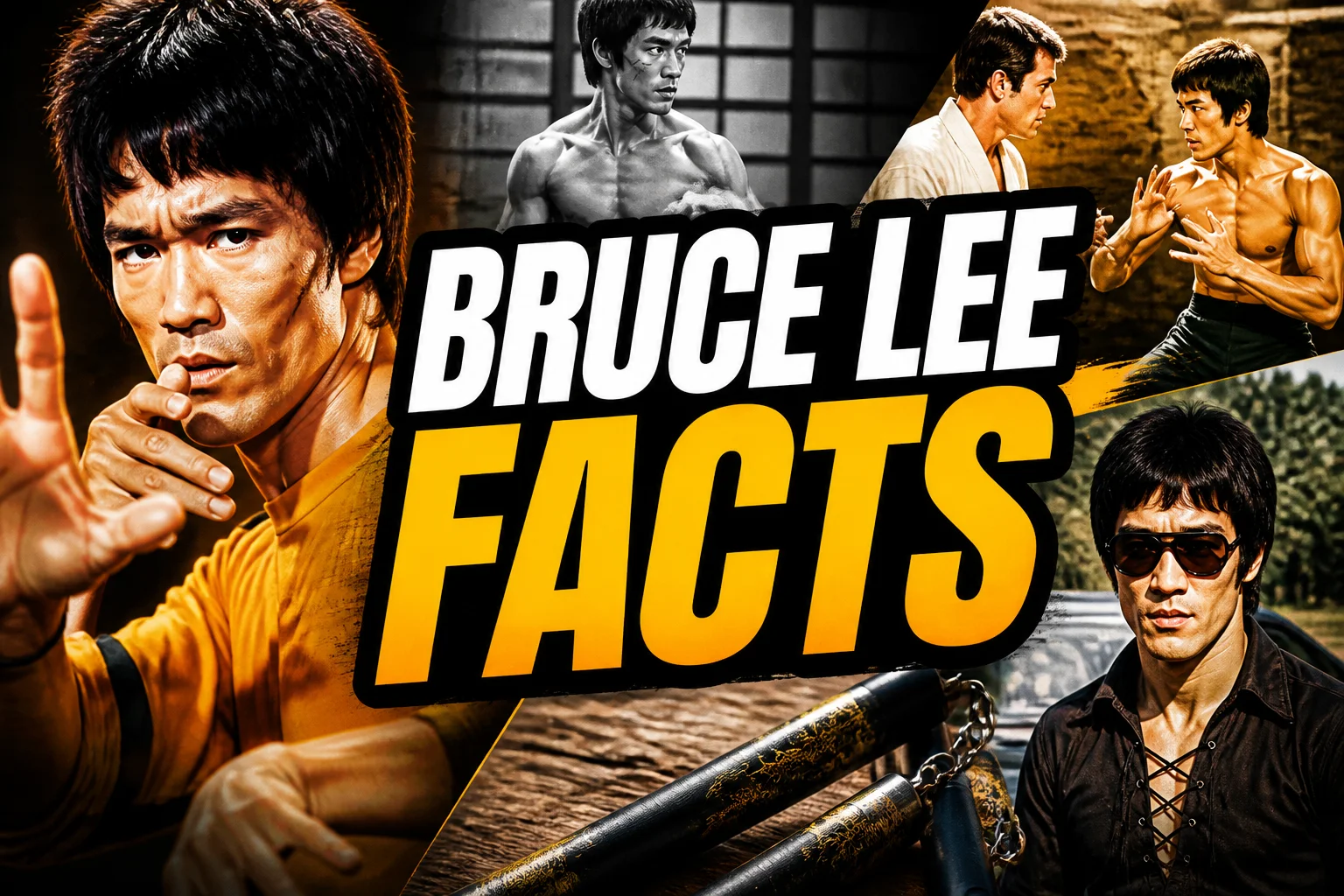
Bruce Lee was far more than a movie star who could throw a lightning-fast punch. He was a philosopher, a teacher, a filmmaker, a father, and one of the most influential figures in modern martial arts history. Search for 'Bruce Lee facts' and you will find a mix of verified achievements, wild legends, and stubborn myths that still circulate today.
This list of 20 Bruce Lee facts goes deeper than the usual 10 facts about Bruce Lee. It covers his unexpected San Francisco birth, his Hong Kong childhood, his real martial arts training, his Hollywood struggles, and the philosophy that still shapes fighters and filmmakers. Along the way, we will separate documented history from the tall tales that cling to his name.
TL;DR: Bruce Lee was a San Francisco-born Hong Kong actor, martial artist, and philosopher who created Jeet Kune Do, broke Hollywood barriers for Asian actors, and became a global icon before his sudden death at 32.
Why the Real Story Matters
Bruce Lee's life has been wrapped in so much mythology that the facts can be hard to find. Some stories make him sound like a comic book hero, while others reduce him to a pop culture logo. This post focuses on what historians, biographers, and primary sources can actually support.
Knowing accurate Bruce Lee facts matters because his influence is still active today. Fighters use his training ideas, filmmakers copy his fight choreography, and readers still quote his philosophy. When we separate real history from exaggerated myth, we gain a more useful understanding of his genius.
20 Bruce Lee Facts Everyone Should Know
These facts follow Bruce Lee's life from birth to legacy. Some are widely known, but many offer a clearer picture of the real person behind the legend.
1. He Was Born in San Francisco, Not Hong Kong
Bruce Lee was born on November 27, 1940, at the Chinese Hospital in San Francisco. His father, Lee Hoi-chuen, was a Cantonese opera singer who was touring the United States at the time. That timing meant the future star entered the world thousands of miles from the city he would later call home.
His birth name was Lee Jun-fan, which is often translated as 'return again' because his mother felt he would one day return to America. Bruce was a name given later by a hospital nurse, and it stuck. He also had the childhood nickname 'Little Dragon,' which echoed throughout his life.
2. He Grew Up as a Child Actor in Hong Kong
Long before he became a martial arts legend, Bruce Lee was a working child actor. By the age of 18, he had appeared in roughly 20 Hong Kong films. He often played scrappy, streetwise characters, which matched his restless energy in real life.
His father's connections in the entertainment world gave him an early start in front of the camera. The experience taught him timing, physical expression, and how to hold a screen. Those skills would later make his fight scenes feel alive.
3. He Faced Prejudice Because of His Mixed Ancestry
Bruce Lee's mother, Grace Ho, was of Chinese and European descent, which made Bruce Lee a mixed-race child in colonial Hong Kong. Some traditional martial arts schools at the time refused to teach non-Chinese or mixed-race students. That prejudice created obstacles before he ever became famous.
Accounts from the era suggest his mixed heritage was one reason some teachers initially viewed him with suspicion. It matters because it shapes one of the strongest themes in his later career. He consistently rejected the idea that martial arts should be locked behind race or nationality.
Hong Kong in the 1940s and 1950s was a British colony with sharp social divisions. Mixed-race families often faced suspicion from both Chinese and European communities. That background gave Lee an early outsider's perspective that later fueled his open-minded approach to students.
4. His Formal Martial Arts Journey Began With Ip Man
At age 13, Bruce Lee started learning wing chun under the legendary Ip Man in Hong Kong. Wing chun emphasized efficiency, close-range strikes, and economy of motion rather than raw strength. That practical foundation stayed with him for the rest of his life.
Ip Man is a mythic figure in his own right, and the teacher-student bond remains a central part of Bruce Lee's origin story. Lee trained hard, but he also got into street fights, which worried his family. Eventually, his parents sent him to the United States to continue his education and stay out of trouble.
5. He Was a Champion Cha-Cha Dancer
One of the most fun facts about Bruce Lee is that he was a serious dancer. In 1958, he won the Crown Colony Cha-Cha Championship in Hong Kong. He reportedly carried a small notebook with cha-cha steps and practiced obsessively.
Lee saw a direct link between dance and martial arts. Both required rhythm, posture, footwork, and the ability to move in response to a partner or opponent. That sense of timing later showed up in his explosive on-screen fighting.
His cha-cha victory is a reminder that Bruce Lee talents were not limited to combat. Dancing taught him to stay light on his feet and shift rhythm without warning. He later applied that same improvisational feel to fighting and screen movement.
6. He Pursued Philosophy at the University of Washington
Bruce Lee moved to the United States in 1959 and eventually settled in Seattle. He enrolled at the University of Washington, where he majored in philosophy. Classes in Eastern and Western thought gave him a vocabulary for ideas he had already begun exploring through martial arts.
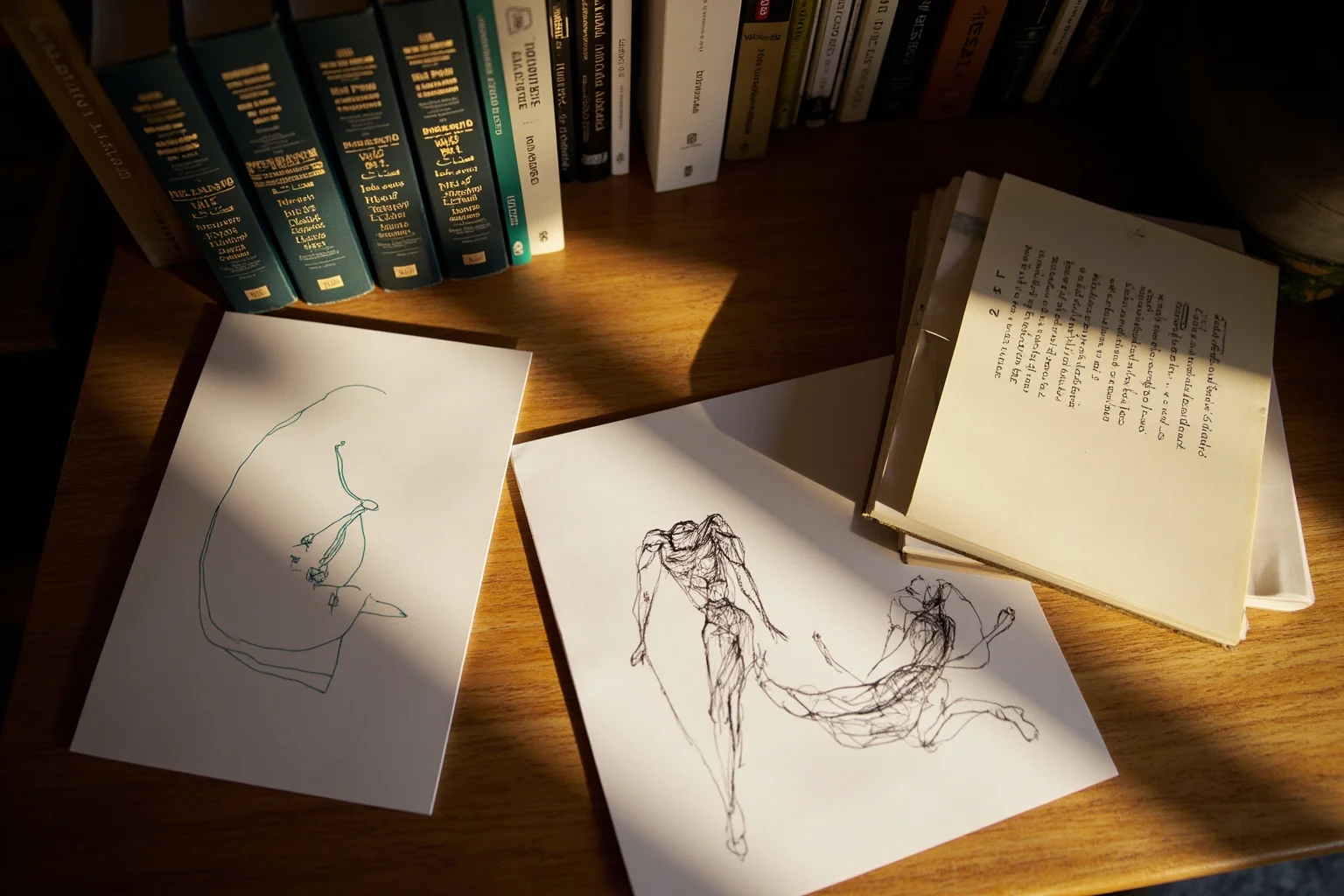
His bookshelves were not limited to fighting manuals. He read deeply in philosophy, psychology, poetry, and self-improvement. Those studies shaped what he later called the 'art of expressing the human body' and the mental side of combat.
7. He Built a Life Around Teaching Martial Arts
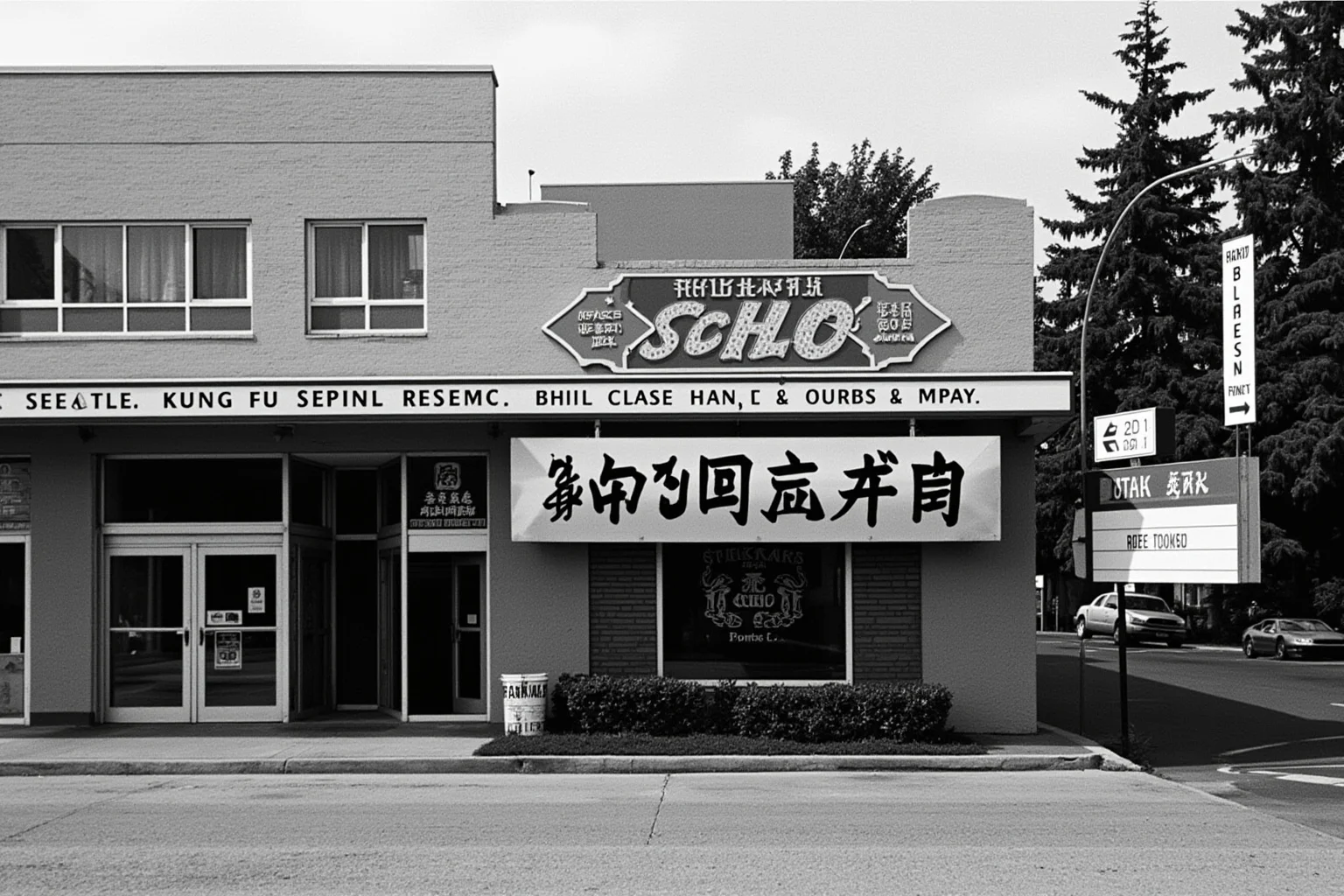
To support himself in Seattle, Bruce Lee began teaching gung fu to friends and fellow students. His lessons soon grew into a formal school called the Jun Fan Gung Fu Institute. That school became a laboratory for his ideas about practical fighting.
Unlike many traditional teachers, Lee welcomed students from different backgrounds. His open door policy was controversial at the time, but it reflected his belief that knowledge should not be hoarded. It also led directly to some of the conflicts that changed his martial path.
8. He Met Linda Emery Through Teaching
Linda Emery came to Bruce Lee for martial arts lessons in Seattle, and the two quickly formed a connection. They married in August 1964 and later had two children, Brandon and Shannon. Linda became one of his closest students and eventually a key guardian of his written legacy.
Their partnership was central to his life, even as his career pulled him in many directions. She helped type his notes and supported his teaching while he worked on films and philosophy. After his death, she played a major role in preserving his work.
9. A Private Fight in Oakland Changed His Approach
In 1964, Bruce Lee fought a private challenge match against Wong Jack Man in Oakland, California. The reason for the fight is still debated, but it is often linked to Lee's practice of teaching non-Chinese students. The fight itself was brief, yet accounts disagree on almost every detail.
What seems clear is that Lee was dissatisfied with how traditional techniques performed under real pressure. That dissatisfaction pushed him to question fixed stances and rigid patterns. The event became one of the key turning points in his move toward Jeet Kune Do.
10. He Created Jeet Kune Do as a Philosophy
In 1967, Bruce Lee gave his evolving approach a name: Jeet Kune Do, or 'The Way of the Intercepting Fist.' He described it as formless, direct, and personal. Its core idea was simple but radical: absorb what is useful and discard what is not.
Jeet Kune Do was not meant to be another rigid style. Lee encouraged students to question everything and adapt constantly. That idea made him an early influence on what would later become mixed martial arts.
11. His Training Methods Were Ahead of Their Time
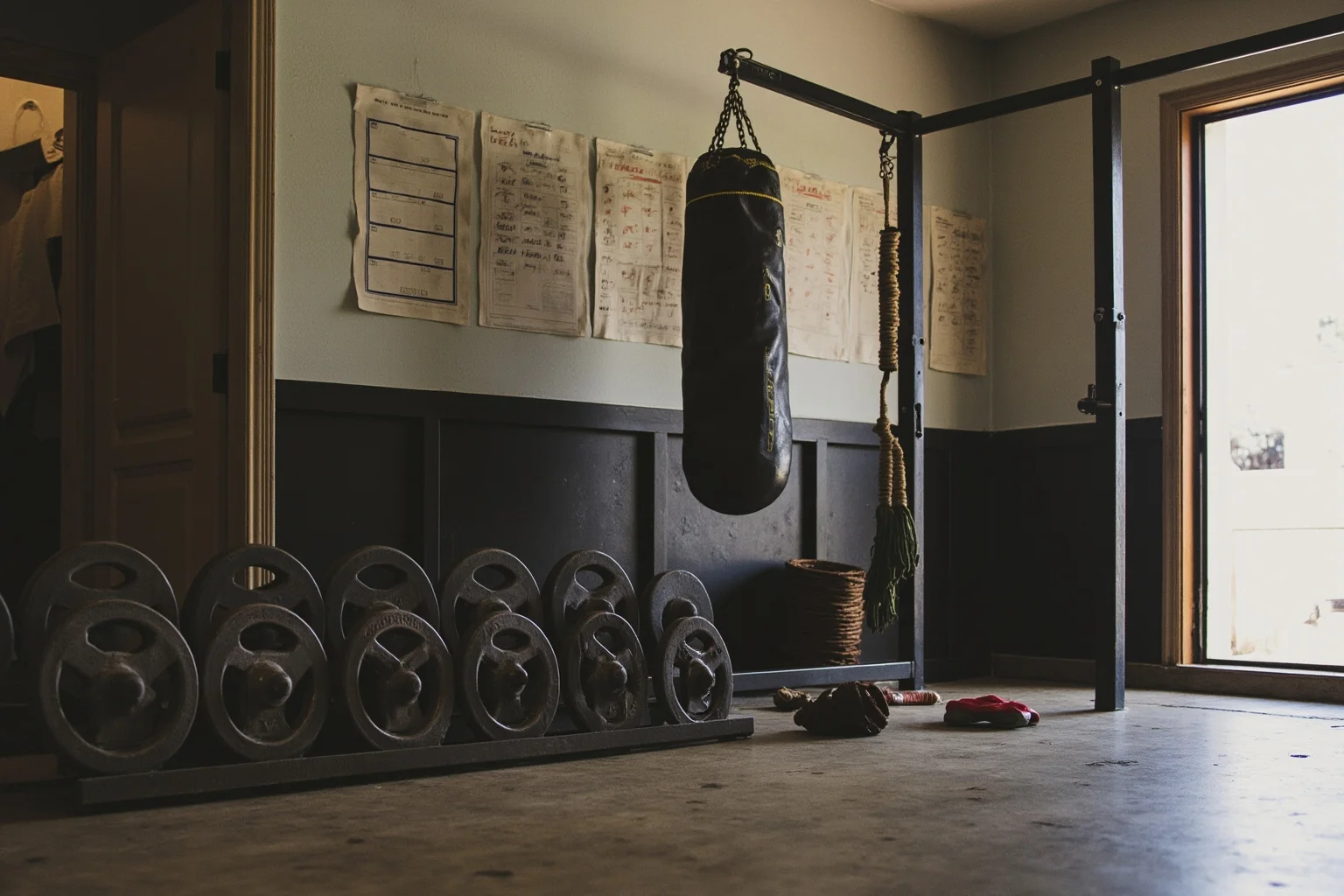
Bruce Lee treated his body like a high-performance machine. He lifted weights, ran, stretched, and drilled at a time when many martial artists believed weightlifting would make fighters slow. He also kept meticulous charts of his workouts and meals.
His home gym included gadgets and homemade equipment that looked unusual for the 1960s. He experimented with isometric exercises, grip training, and even electrical muscle stimulation. That obsessive approach helped turn speed and power into his signature weapons.
12. A Bruce Lee Talent: The One-Inch Punch
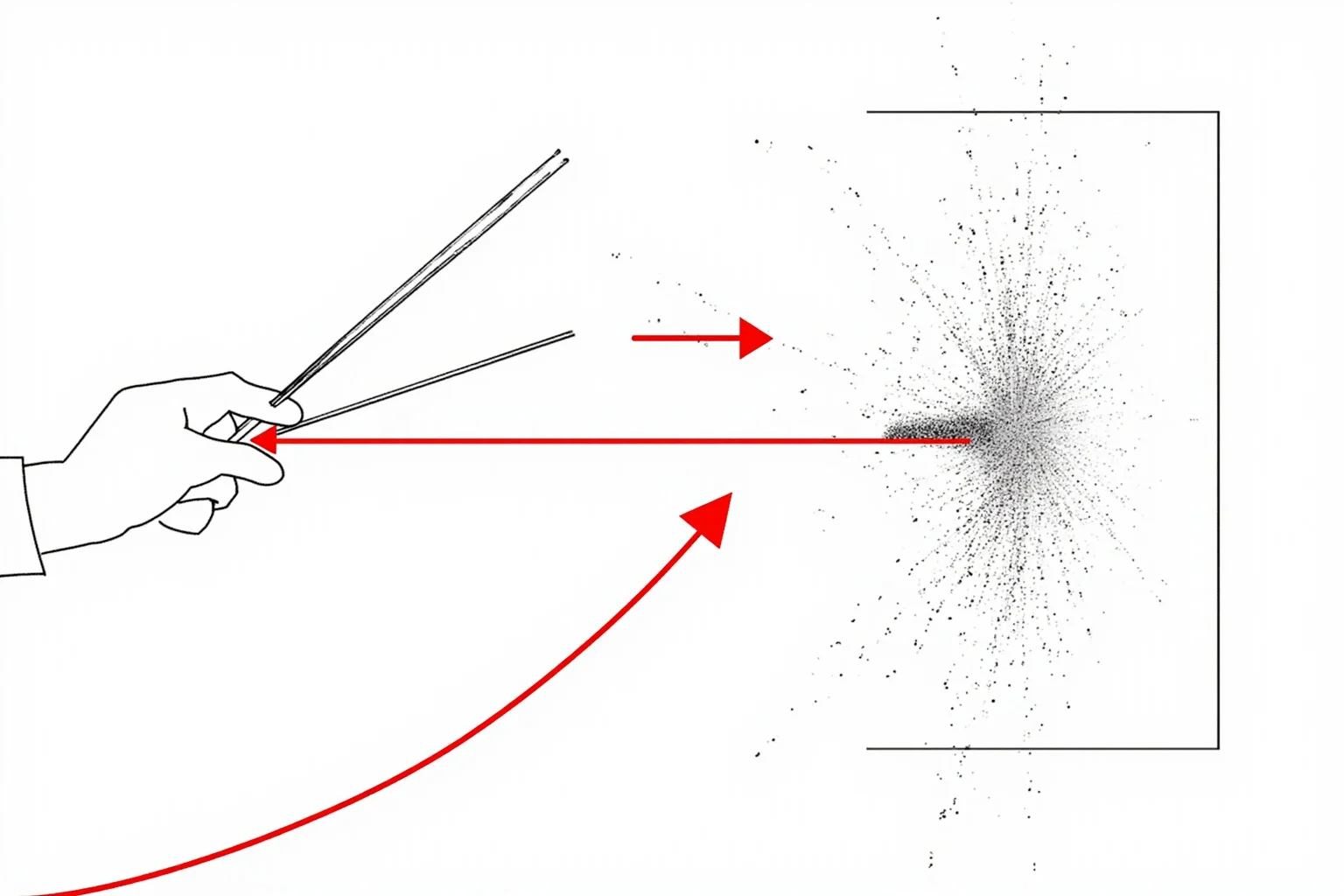
One of the most famous Bruce Lee talents was the one-inch punch. It is a short, explosive strike delivered with almost no wind-up. Lee demonstrated the technique at the 1964 Long Beach International Karate Championships, sending a volunteer backward into a chair.
The one-inch punch became a perfect visual example of his body mechanics. It showed power coming from the ground, through the hips, and out of a relaxed but sudden wrist. Today, the clip remains one of the most studied pieces of martial arts footage.
13. Some Speed Stories Are Part Legend
Many stories about Bruce Lee's reflexes sound almost superhuman. One famous claim is that he could snatch a coin from an open palm before the other person could close their hand. Such feats were described by students and friends, but they are hard to verify with modern standards.
A healthy understanding of Bruce Lee facts requires separating what was documented from what grew into legend. There is no doubt he was unusually fast, but some repeated stories have been embellished over time. The truth is impressive enough without the mythology.
14. He Played Kato on The Green Hornet
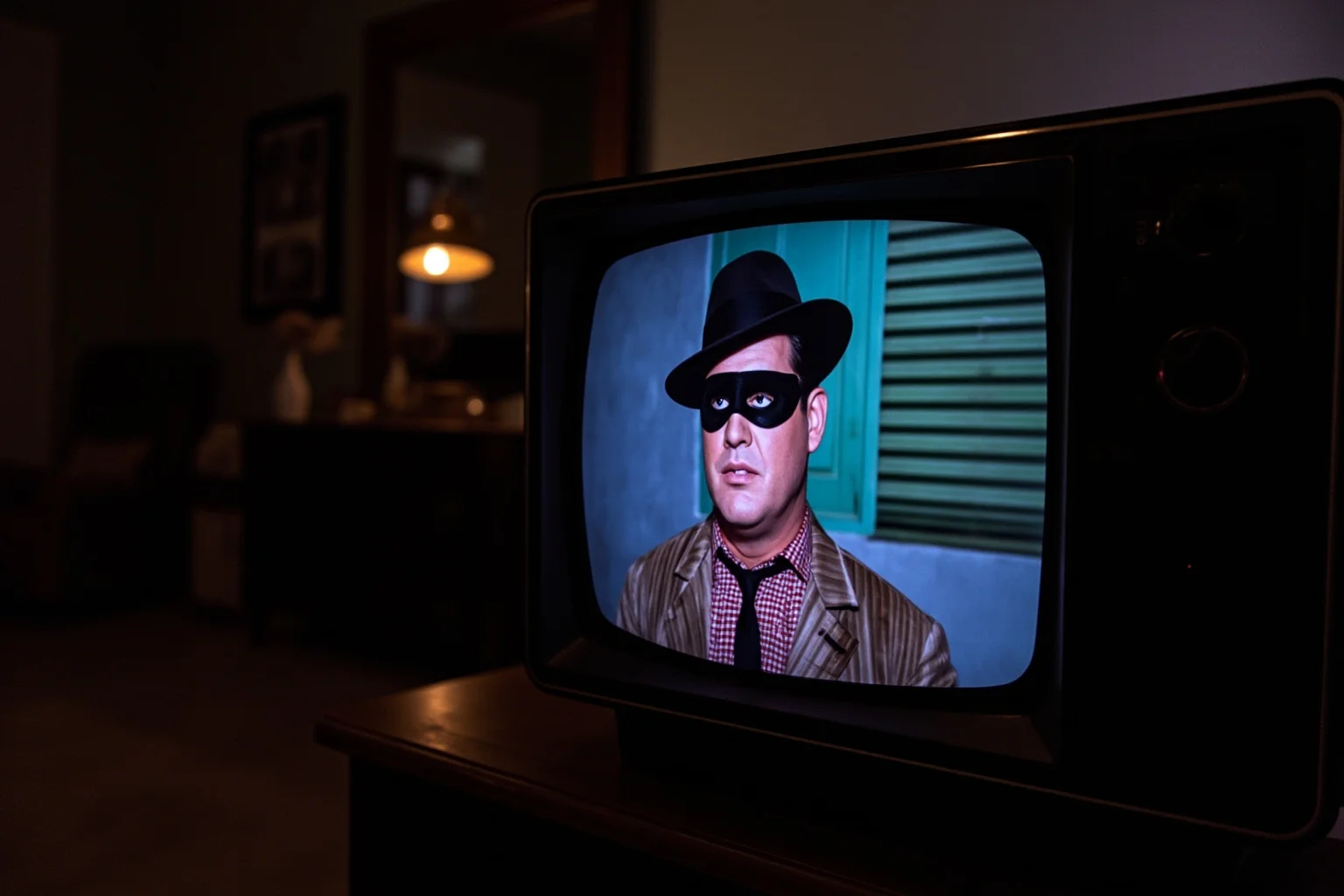
American television audiences first met Bruce Lee as Kato on The Green Hornet in 1966. Kato was the masked driver and bodyguard who handled the show's most athletic fight scenes. Even though the series lasted only one season, Kato made Lee a fan favorite.
The role was a double-edged sword. It gave him huge visibility, but it also placed him in a stereotyped supporting role while the white lead received top billing. Lee later spoke about the difficulty of finding meaningful work in Hollywood because of racism and limited imagination.
15. He Returned to Hong Kong and Became a Superstar
Frustrated by the lack of lead roles in America, Bruce Lee returned to Hong Kong in the early 1970s. His first major Hong Kong film, The Big Boss, was released in 1971 and broke box office records in Asia. It transformed him from a working actor into a regional superstar.
He followed The Big Boss with Fist of Fury in 1972, a film packed with national pride and ferocious fight choreography. Then came Way of the Dragon, which he wrote, directed, and choreographed. His Hong Kong success finally forced Hollywood to pay attention.
16. He Choreographed an Iconic Fight With Chuck Norris
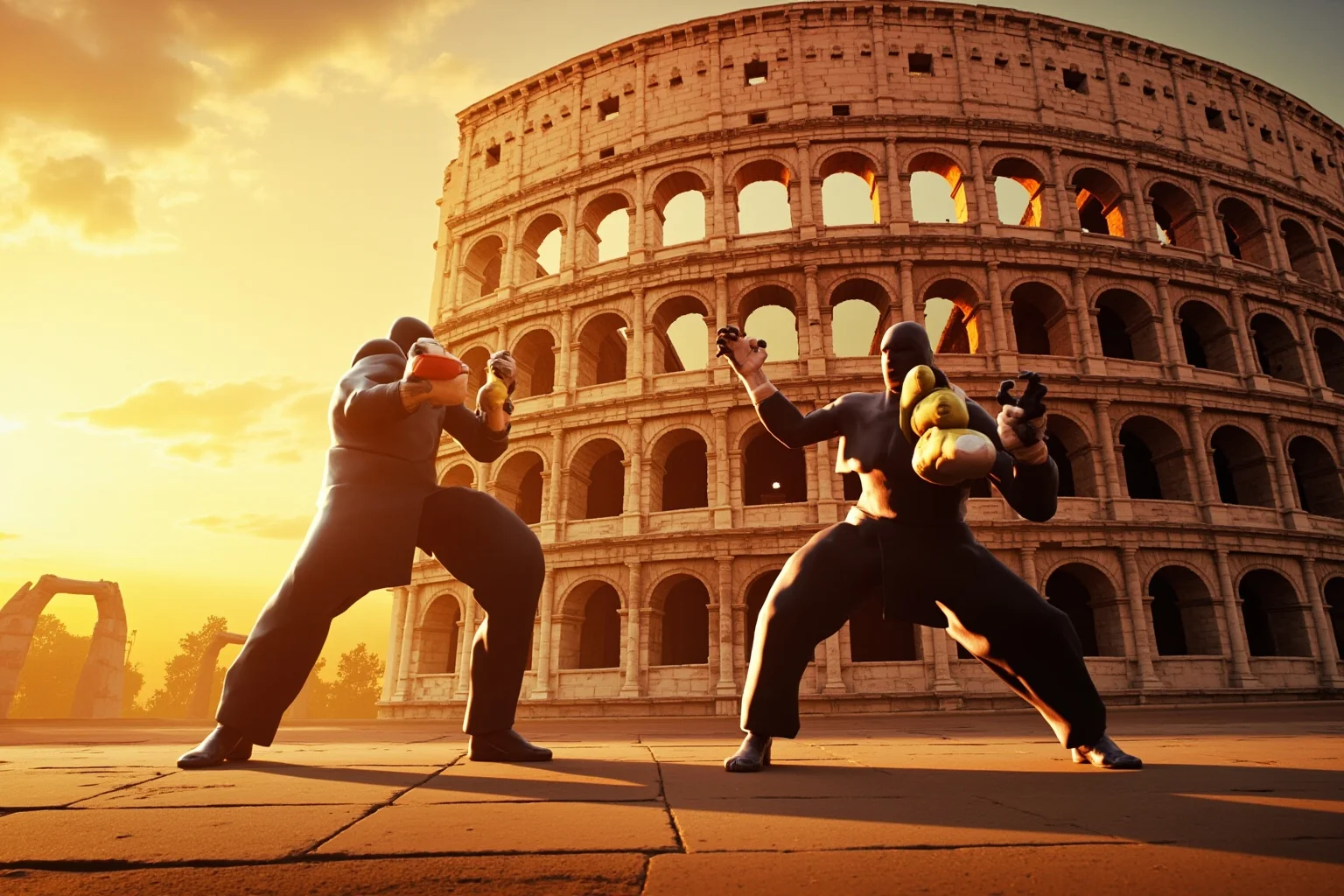
Way of the Dragon features one of the most famous fight scenes in film history. Bruce Lee and Chuck Norris face off inside the Roman Colosseum, a setting that gives the battle a gladiatorial scale. Lee directed the scene and designed the choreography to feel tense and physically believable.
The fight is often praised for its pacing and use of real martial arts movement rather than trick photography. It helped prove that action choreography could be athletic, strategic, and cinematic all at once. Many modern action directors still study the sequence.
17. His 'Be Water' Philosophy Revealed His Mindset
Bruce Lee's personality was a blend of fierce discipline, intellectual curiosity, and playful humor. In a 1971 interview on The Pierre Berton Show, he used water as a metaphor for adaptability. He said water can flow or it can crash, depending on the situation.
The phrase 'Be water, my friend' has become a global symbol of resilience. It captures his belief that people should not cling to rigid identities or styles. That flexibility was both a martial principle and a way of seeing life.
Even outside martial arts, the water metaphor reflects how he saw identity and creativity. He believed people should remain open to new information instead of hardening into one fixed way of thinking. That mindset made him unusually modern for his era.
18. He Died Suddenly at 32
On July 20, 1973, Bruce Lee died in Hong Kong at the age of 32. He had taken a painkiller called Equagesic for a headache, and the official inquest ruled that a hypersensitivity reaction caused his brain to swell. The coroner recorded the death as a result of cerebral edema, or fluid on the brain.
His death produced an enormous wave of grief and a long list of conspiracy theories. Rumors involving curses, triads, and mysterious circumstances still circulate online. However, the official medical conclusion remains the most widely accepted explanation among historians and biographers.
19. His Grave Is in Seattle, Not Hong Kong
Bruce Lee was buried at Lake View Cemetery in Seattle, Washington. His son Brandon, who died in 1993 at age 28, was later buried beside him. The shared gravesite has become a pilgrimage destination for martial artists and film fans.
Seattle was more than a burial place. It was where he studied, taught, married, and built the foundation of his American life. Visitors still leave flowers, notes, and martial arts tokens at the grave.
20. His Legacy Is Bigger Than Any Single Fight
What is Bruce Lee known for today? He is known for transforming martial arts cinema, challenging racial stereotypes, and creating a practical fighting philosophy. His influence reaches from Hong Kong action films to modern mixed martial arts training and pop culture.
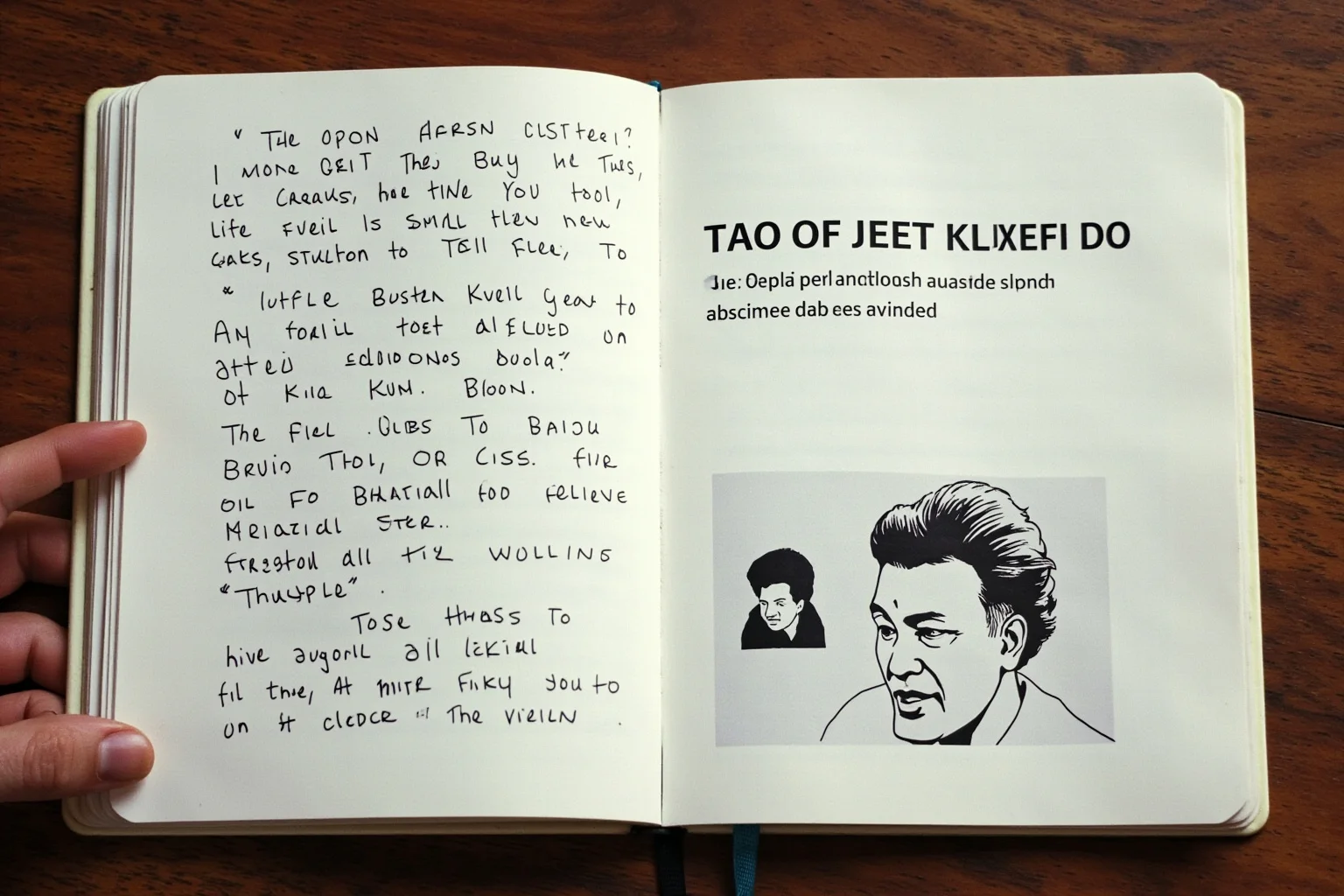
Bruce Lee's work did not end with his films. His writings were collected into books like Tao of Jeet Kune Do, and his family continues to preserve his legacy. He proved that a martial artist could also be a serious thinker, a creative filmmaker, and a global symbol of self-expression.
Bruce Lee Personality and Talents
Bruce Lee's personality was not a simple action-hero stereotype. Friends and students described him as intense, playful, opinionated, and endlessly curious. He could be demanding in training, then switch to making jokes or sketching ideas in a notebook.
His talents stretched far beyond martial arts. He danced, wrote poetry, drew, directed films, choreographed fights, and studied philosophy. Those skills did not exist in separate boxes; they fed one another and made his martial art more expressive. That blend is a big part of why his legacy still feels so modern.
The Global Legacy of a Reluctant Icon
Bruce Lee did not set out to become a symbol, but his image now appears on murals, merchandise, and training posters worldwide. His films opened the door for martial arts cinema outside Asia and changed how action scenes were made. His ideas about personal expression still resonate beyond combat sports.
His legacy also has real educational and cultural weight. Universities study his philosophy, athletes borrow his conditioning methods, and writers continue to debate his influence on race and representation. That staying power is why new generations keep discovering Bruce Lee facts decades after his death.
The Real Bruce Lee Was More Than the Myth
Bruce Lee's short life produced an outsized legacy because he refused to stay inside one box. He was an actor, a teacher, a writer, a dancer, and a philosopher who happened to move with extraordinary skill. Understanding the real man requires looking past the clickbait and the tall tales.
These 20 Bruce Lee facts reveal a person who built his fame through relentless work, honest questioning, and a willingness to break rules. Whether you came for interesting facts about Bruce Lee or a deeper historical portrait, the lesson is the same. The legend is powerful, but the truth is even more compelling.
Frequently Asked Questions
What are some facts on bruce lee?
Bruce Lee was born in San Francisco on November 27, 1940, grew up in Hong Kong, and appeared in around 20 films as a child actor. He studied wing chun under Ip Man, created Jeet Kune Do, and became a global star through films like Enter the Dragon. He died in 1973 at age 32 from cerebral edema linked to a painkiller reaction.
What are some interesting facts about Bruce Lee?
He was a champion cha-cha dancer, a child actor, a philosophy student, and the creator of Jeet Kune Do. He was born in San Francisco, not Hong Kong, and he demonstrated the famous one-inch punch in 1964. His sudden death at age 32 remains one of the most discussed parts of his story.
What is Bruce Lee known for?
Bruce Lee is known for revolutionizing martial arts cinema, founding Jeet Kune Do, and breaking barriers for Asian actors in Hollywood. His roles in The Green Hornet, The Big Boss, and Enter the Dragon made him a worldwide icon.
What were Bruce Lee’s talents outside martial arts?
Bruce Lee was also a champion cha-cha dancer, a trained actor, a writer, and a student of philosophy. He kept detailed notebooks, wrote poems, and later became a director and fight choreographer.
Did Bruce Lee create his own martial art?
Yes. Bruce Lee developed Jeet Kune Do, which means 'The Way of the Intercepting Fist.' He saw it as a philosophy of adaptability rather than a fixed style, emphasizing what was useful and practical.
How did Bruce Lee die?
Bruce Lee died on July 20, 1973, in Hong Kong. The official inquest attributed his death to cerebral edema caused by a hypersensitivity reaction to Equagesic, a painkiller he had taken earlier that day.

Alex Warren
Related Articles