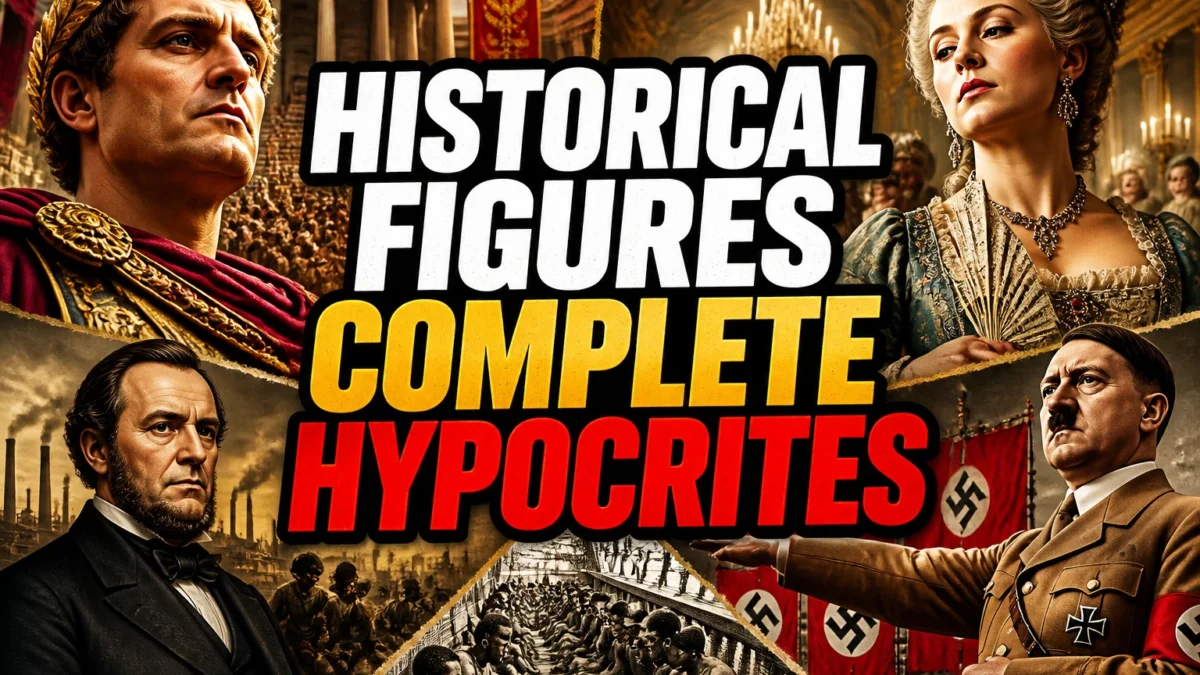
History loves a tidy hero, but real people rarely stay tidy. This post looks at famous figures who preached one standard and lived another, offering clear examples of a hypocrite from across eras and continents.
These stories are not meant as gotcha attacks. They show that powerful ideals often coexist with blind spots, self-interest, and ordinary human failure.
TL;DR: The gap between public ideals and private behavior appears in every era, and these examples of a hypocrite reveal that power often expands ordinary human contradictions into world-changing consequences.
What Makes Someone a Historical Hypocrite?
Before the list, it helps to ask: what is a hypocrisy person? In everyday terms, a hypocrisy person is someone whose stated principles and private behavior point in opposite directions.
Historians are cautious with the label because people change over time. An example of hypocrisy can look different when you add culture, context, and incomplete evidence.
That said, the figures below left enough documentation to make the gap between word and deed impossible to ignore. Each entry includes context rather than reducing a whole life to a single flaw.
The List: 20 Examples of a Hypocrite from Historical Life
These cases range from revolutionaries to popes and presidents. They are arranged roughly by era and geography, not by a ranking of how bad they were.
Some were products of their time. Others were criticized as hypocrites even by their own contemporaries.
1. Thomas Jefferson: The Liberty Writer Who Kept People in Bondage
Jefferson wrote the ringing phrase “all men are created equal” in the 1776 Declaration of Independence. Yet he kept hundreds of enslaved people at Monticello and freed only a small number at his death.
His 1785 book Notes on the State of Virginia sorted people into a racial hierarchy and expressed doubts about the intellectual equality of Black people. Those words were later used by defenders of slavery.
The Thomas Jefferson Foundation now accepts that Jefferson likely fathered children with Sally Hemings, an enslaved woman at Monticello. That relationship was radically unequal in law and power.
Jefferson criticized slavery as a moral evil while participating in it on a massive scale. This remains one of the clearest examples of hypocrisy in early American history.
2. Mahatma Gandhi: The Nonviolence Icon with a Complicated Early Record
Gandhi’s global image rests on nonviolence, truth, and simple living. During his early years as a lawyer in South Africa, he wrote to colonial officials using language that treated Black South Africans as inferior to Indians.
He campaigned mainly for Indian rights and sometimes accepted a racial hierarchy that placed Indians above Black Africans. Later in life he spoke more broadly against racial discrimination, but the early record remains.
Gandhi also practiced controversial “brahmacharya” experiments in which he slept naked with young women to test celibacy. Those actions contradicted the public image of a pure spiritual leader.
These examples of a hypocrite are not simple. They show a person who fought empire while failing to reject the racial thinking of his time.
3. Henry VIII: The “Defender of the Faith” Who Broke the Faith
In 1521 Henry VIII published Defense of the Seven Sacraments, attacking Martin Luther and earning the title Defender of the Faith from the pope. Within fifteen years he declared himself Supreme Head of the Church of England and broke from Rome.
The break was driven less by Protestant theology than by his desire for an annulment and control of church wealth. He dissolved monasteries, seized revenue, and executed some former allies.
Thomas More was executed in 1535 for refusing the royal supremacy, even though Henry had earlier prized his counsel. Thomas Cromwell engineered royal marriages but fell from power and was executed in 1540.
Henry’s life offers a classic example of a hypocrite. He defended papal authority until obedience became inconvenient, then reshaped the church around his own power.
4. Oliver Cromwell: The Parliamentary Champion Who Became a Military Ruler
Cromwell rose as a critic of royal tyranny and a defender of Parliament against Charles I. After the king’s execution in 1649, he became the most powerful figure in the English Commonwealth.
In 1653 he famously dissolved the Rump Parliament and later ruled as Lord Protector. His regime relied on military force and the rule of major generals.
Cromwell also enforced moral reforms, banning theaters and Christmas celebrations in England. A man who had fought against concentrated power ended up holding more of it than many monarchs.
His career is a strong example of hypocrisy. He opposed absolute power in principle, then embraced it when the revolution needed a leader.
5. Maximilien Robespierre: The Anti-Death-Penalty Voice of the Terror
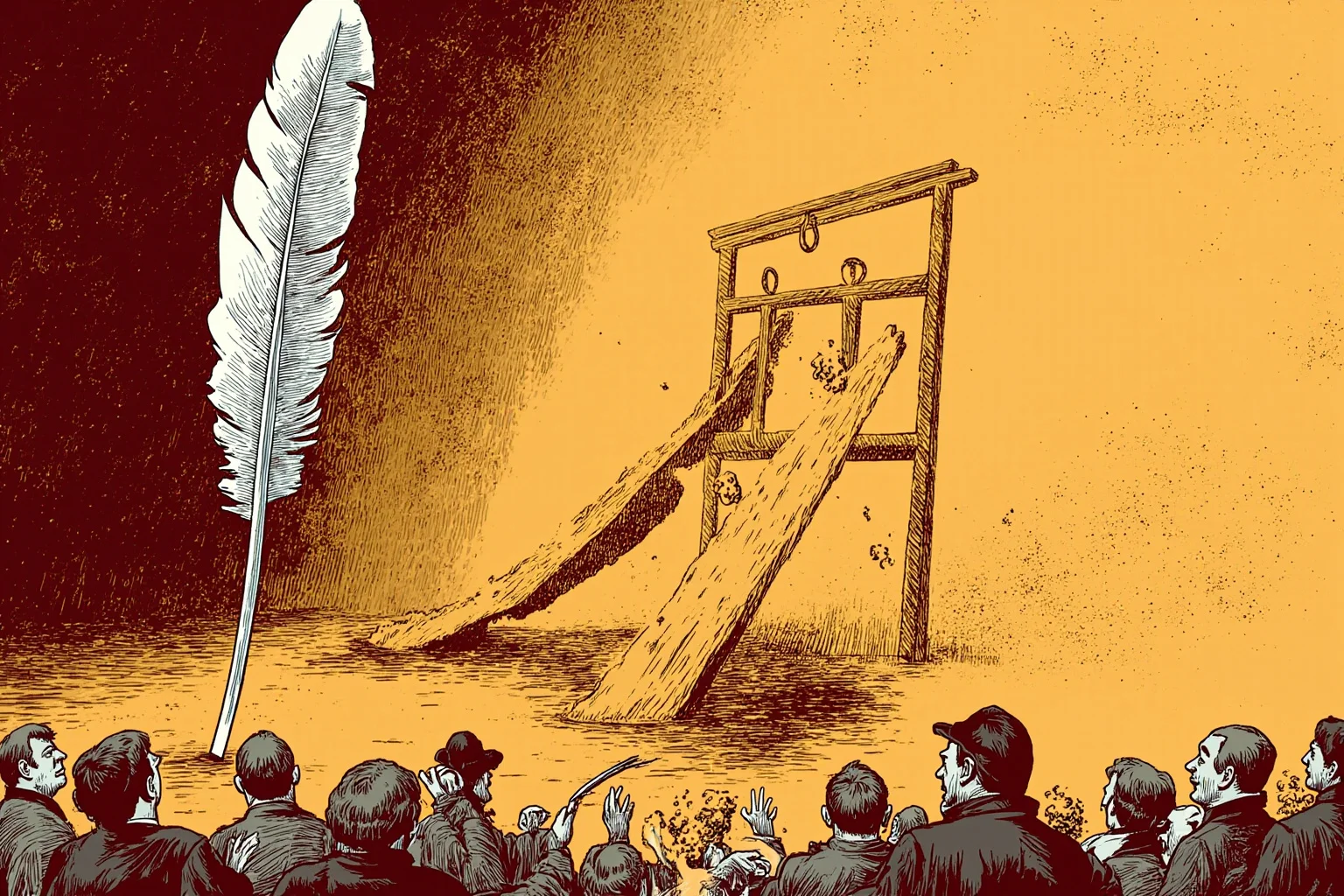
Robespierre made his name as a defender of the poor and a critic of oppressive power. In 1791 he argued in France’s National Assembly against capital punishment, calling it unjust and ineffective.
By 1794 he supported the Law of 22 Prairial, which sped up revolutionary trials and removed most legal protections for the accused. Thousands went to the guillotine during the Reign of Terror.
He still spoke of virtue, purity, and the people. The “Incorruptible” became one of the leading architects of state violence while presenting himself as the voice of the Revolution.
His story is a classic example of hypocrisy. It shows how revolutionary virtue can turn into terror when purity becomes a political weapon.
6. Jean-Jacques Rousseau: The Parenting Expert Who Abandoned His Children
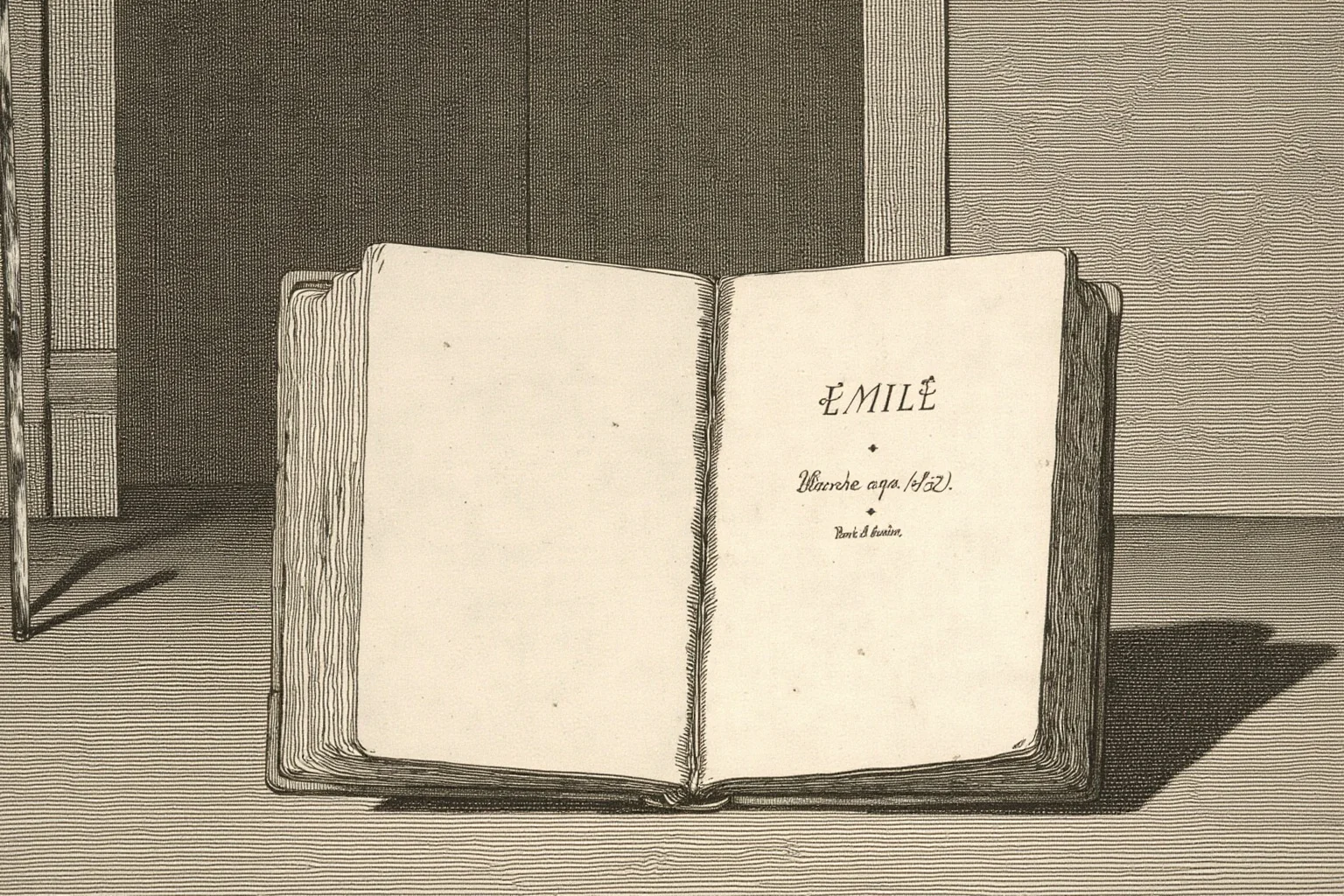
Rousseau’s book Emile, published in 1762, reshaped education by arguing that children should be raised naturally and with empathy. Yet he placed five of his own children in a foundling hospital.
He later wrote that he could not afford to raise them and feared they would be corrupted by his enemies. He also described feelings of regret.
The contradiction between his public philosophy and private behavior was attacked by Voltaire and other enemies during his lifetime. Rousseau became a leading voice on child-centered education while giving up his own children.
This remains one of the most cited hypocrite examples in intellectual history. It raises hard questions about whether ideas can be judged separately from the person who holds them.
7. John Calvin: The Reformation’s Strict Moralist Who Approved an Execution
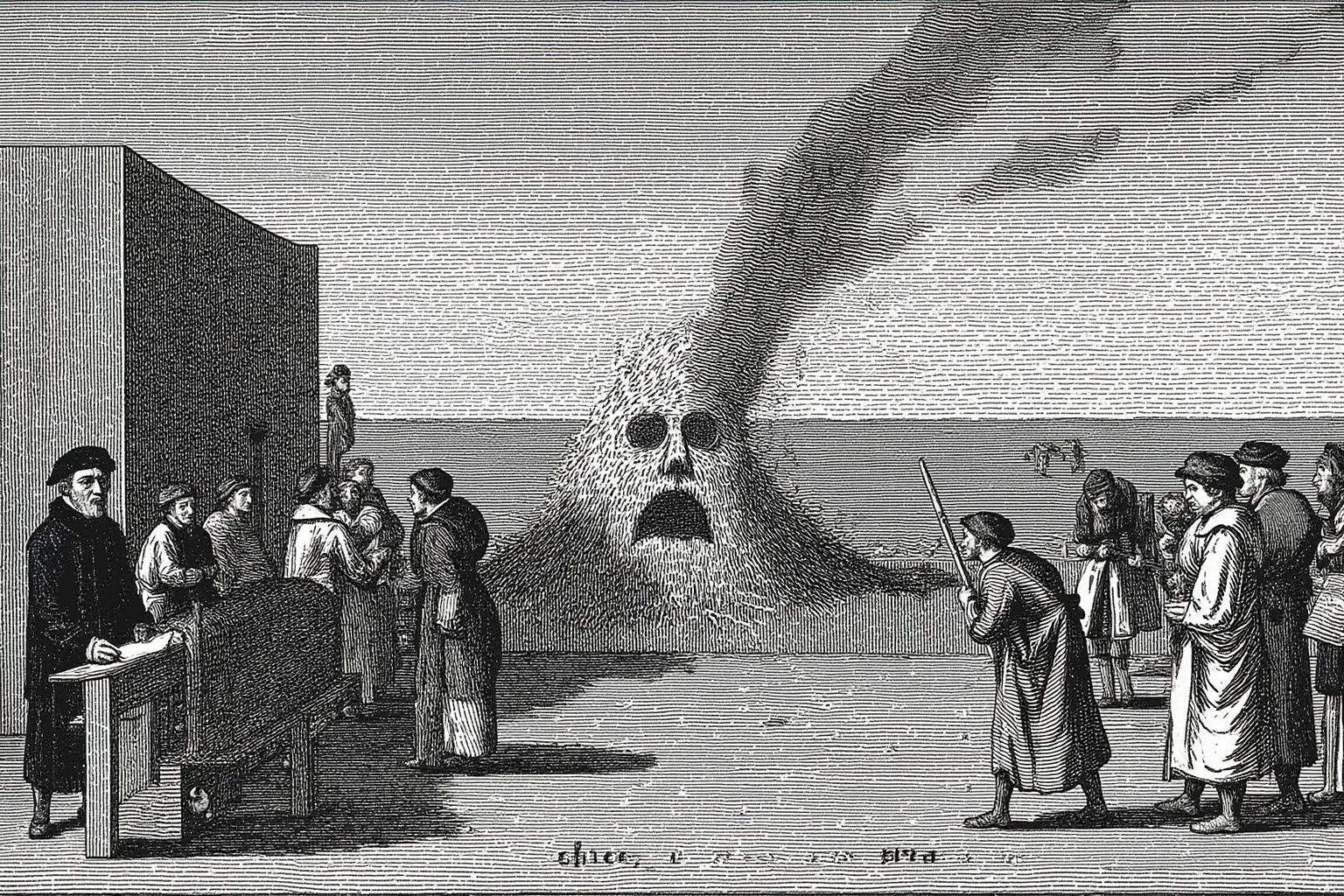
Calvin preached moral discipline and church order in Geneva. He built a reformed church that claimed to follow Scripture rather than papal corruption.
In 1553 Michael Servetus, a theologian who rejected the Trinity, was arrested in Geneva. Calvin supported the trial and execution of Servetus as a heretic.
This was a deliberate use of state power to enforce orthodoxy. Protestant leaders often accused the Catholic Church of persecution, then used similar methods once they held power.
Calvin is a difficult figure. His case is an example of hypocrisy because he demanded liberty of conscience from Rome but denied it to others in his own city.
8. Leo Tolstoy: The Poverty Preacher on a Grand Estate
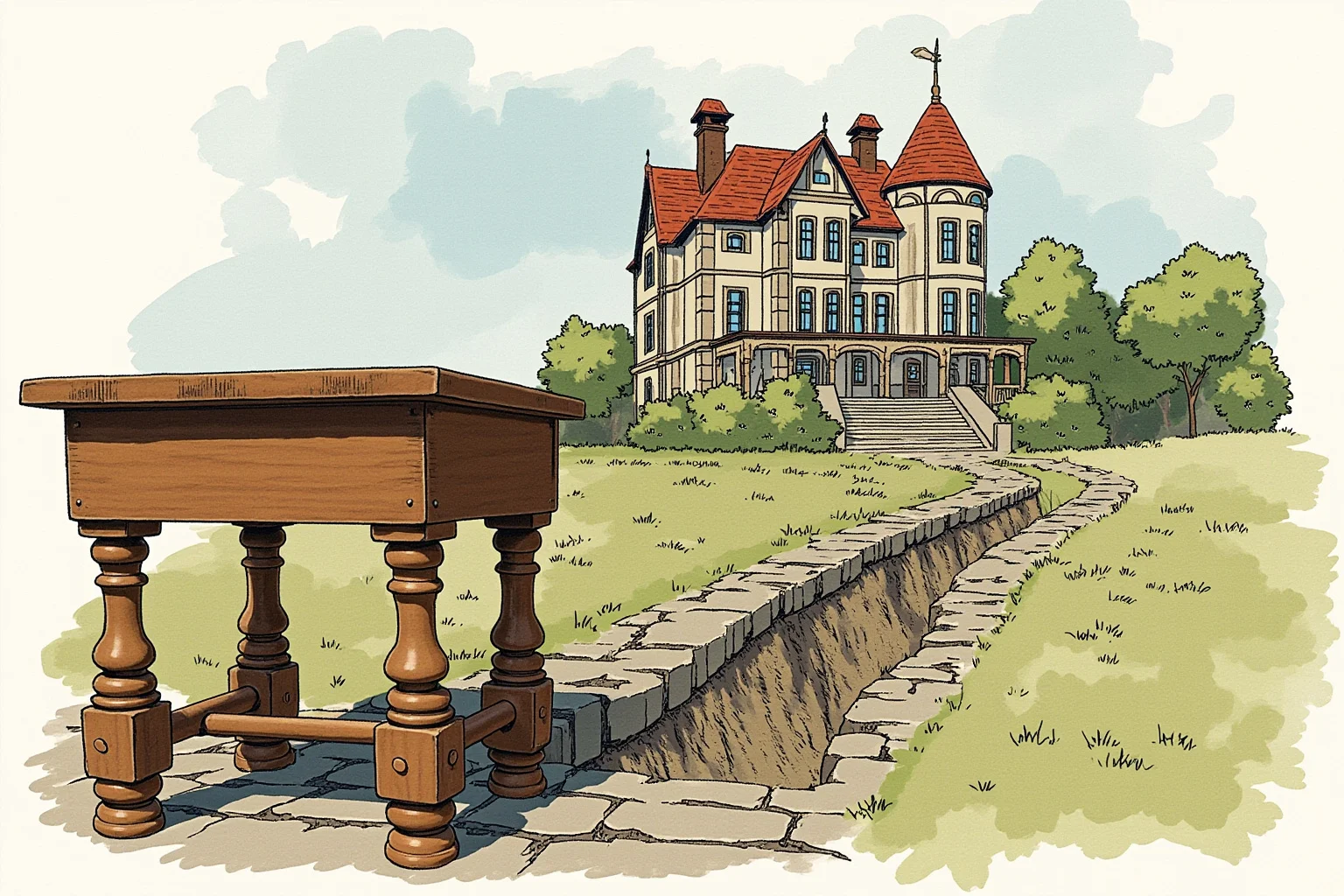
Tolstoy preached radical simplicity, Christian nonviolence, and even celibacy in marriage. His writings influenced later movements for nonviolent resistance and communal living.
He continued to live on Yasnaya Polyana, a large family estate, and fathered thirteen children with his wife Sofia. Though he repeatedly tried to give away property, those efforts created enormous family conflict.
Visitors noticed the gap between his austere message and his aristocratic household. He ate well, had servants, and produced literature while preaching renunciation.
Tolstoy is an example of a hypocrite not because he was uniquely cruel, but because his absolute ideals made normal human compromises look like betrayal.
9. Woodrow Wilson: The Peace Progressive Who Resegregated Washington
Wilson campaigned in 1916 on keeping America out of World War I and later promised a peace based on democracy and self-determination. Within months he asked Congress for war.
His administration also segregated federal offices and dismissed many Black civil servants. Wilson even screened The Birth of a Nation, a film that glorified the Ku Klux Klan, at the White House.
He spoke of making the world safe for democracy while occupying Haiti and the Dominican Republic. His foreign policy expanded American control under the language of freedom.
Wilson is a powerful example of hypocrisy at the highest level. Progressive rhetoric about democracy sat alongside racial exclusion and imperial intervention.
10. Andrew Jackson: The Common Man’s President Who Enabled Land Theft
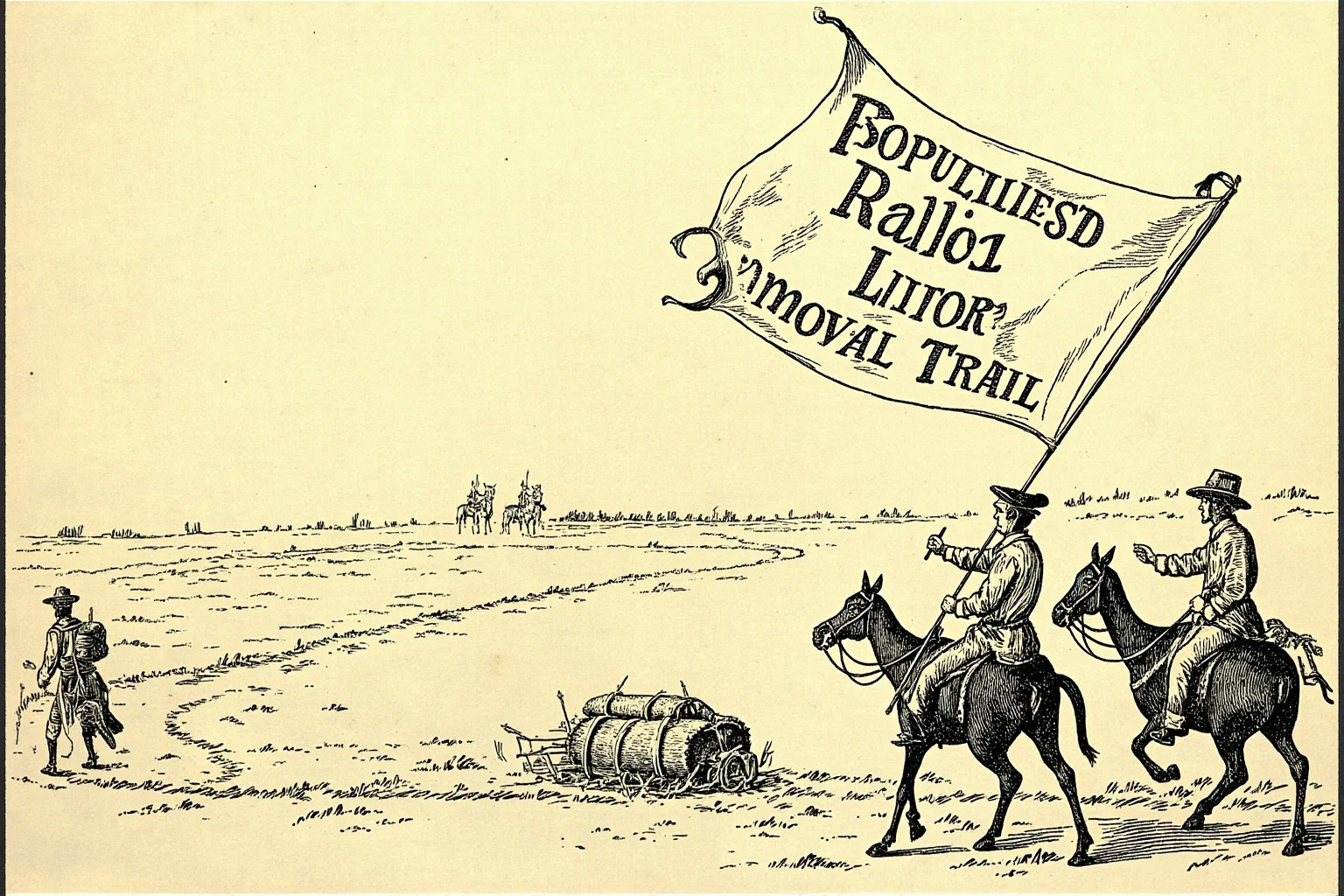
Jackson positioned himself as a champion of the common farmer against banks and eastern elites. His populist style helped expand white male suffrage in American politics.
He was also an enslaver and a leading force behind the Indian Removal Act of 1830. The forced removal of Cherokee, Choctaw, Muscogee, Seminole, and Chickasaw peoples caused thousands of deaths along the Trail of Tears.
Jackson’s democracy was not universal. He fought for ordinary white men while denying land, freedom, and dignity to Native people and enslaved African Americans.
He remains a contentious example of hypocrisy. A president who talked about freedom built his reputation on policies of expulsion and bondage.
11. Cecil Rhodes: The Civilizing-Mission Empire Builder
Rhodes described British rule as a civilizing force and created the Rhodes Scholarship to promote leadership. His public rhetoric framed empire as a moral and educational project.
His fortune came from diamond and gold mines in southern Africa. Those mines depended on harsh labor systems and the dispossession of African land.
Rhodes also advocated for white supremacy and restricted Black African voting rights in the Cape Colony. He helped orchestrate the Jameson Raid against the Transvaal, which undermined diplomacy.
He is a clear example of a hypocrite. His “civilization” came at enormous human cost, and his name remains contested today.
12. Joseph Stalin: The People’s Dictator
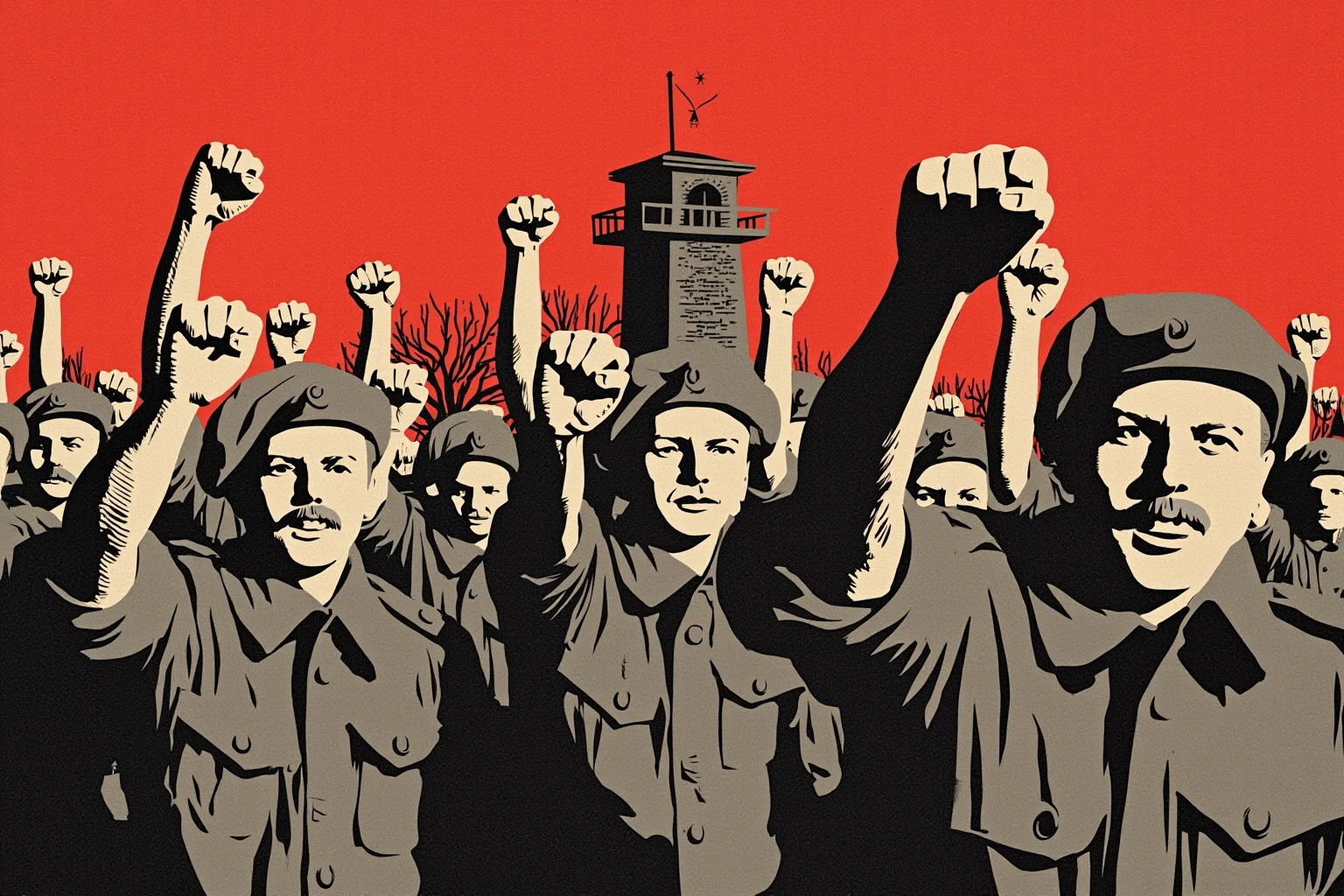
Stalin spoke in the language of workers’ power, equality, and proletarian revolution. The Soviet Union under his rule turned that language into state propaganda.
He created a vast secret-police system, gulags, and a privileged party elite known as the nomenklatura. Ordinary citizens faced famine, terror, and constant surveillance while a new ruling class enjoyed special shops and dachas.
This is one of the most extreme examples of hypocrisy in modern history. The state claimed to represent the working class while crushing strikes and independent labor movements.
Stalin also purged many of the original Bolsheviks who had made the revolution. He preserved revolutionary symbols while eliminating the people who helped create them.
13. Mao Zedong: The Peasant Revolutionary Who Built a Personality Cult
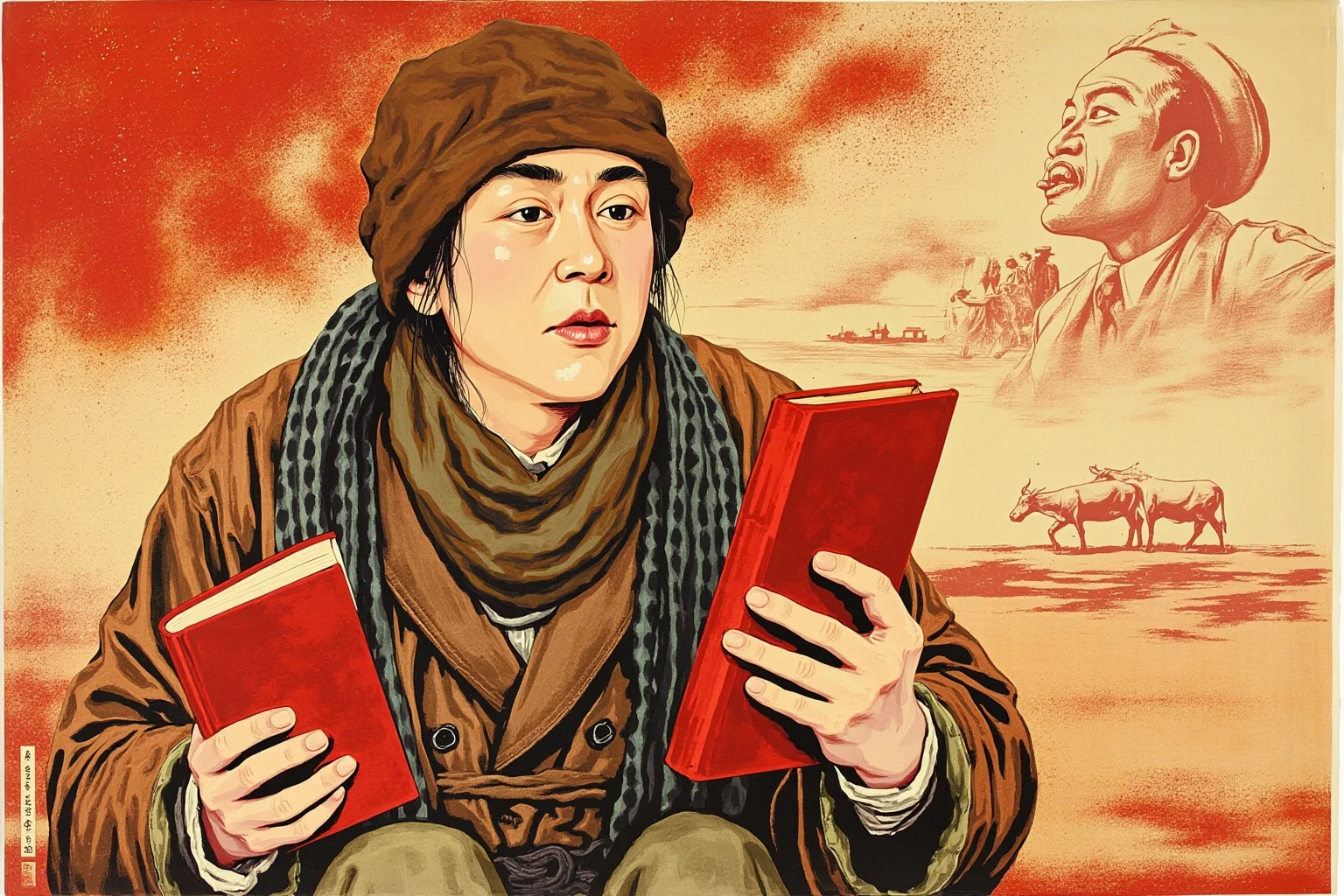
Mao led a peasant-based revolution against landlordism and foreign exploitation. His early rhetoric promised equality and grassroots power.
After 1949 Mao became chairman of the Chinese Communist Party and tolerated no serious opposition. The Great Leap Forward famine of the late 1950s and the Cultural Revolution show the human cost of his rule.
Though Mao urged humility and service, he lived in luxury and maintained a cult of personality. Millions died while his image was presented as the source of all progress.
Mao is a stark example of hypocrisy. A revolution against oppressive hierarchy produced one of the most absolute hierarchies of the twentieth century.
14. Richard Nixon: The Law-and-Order President Who Covered Up a Crime
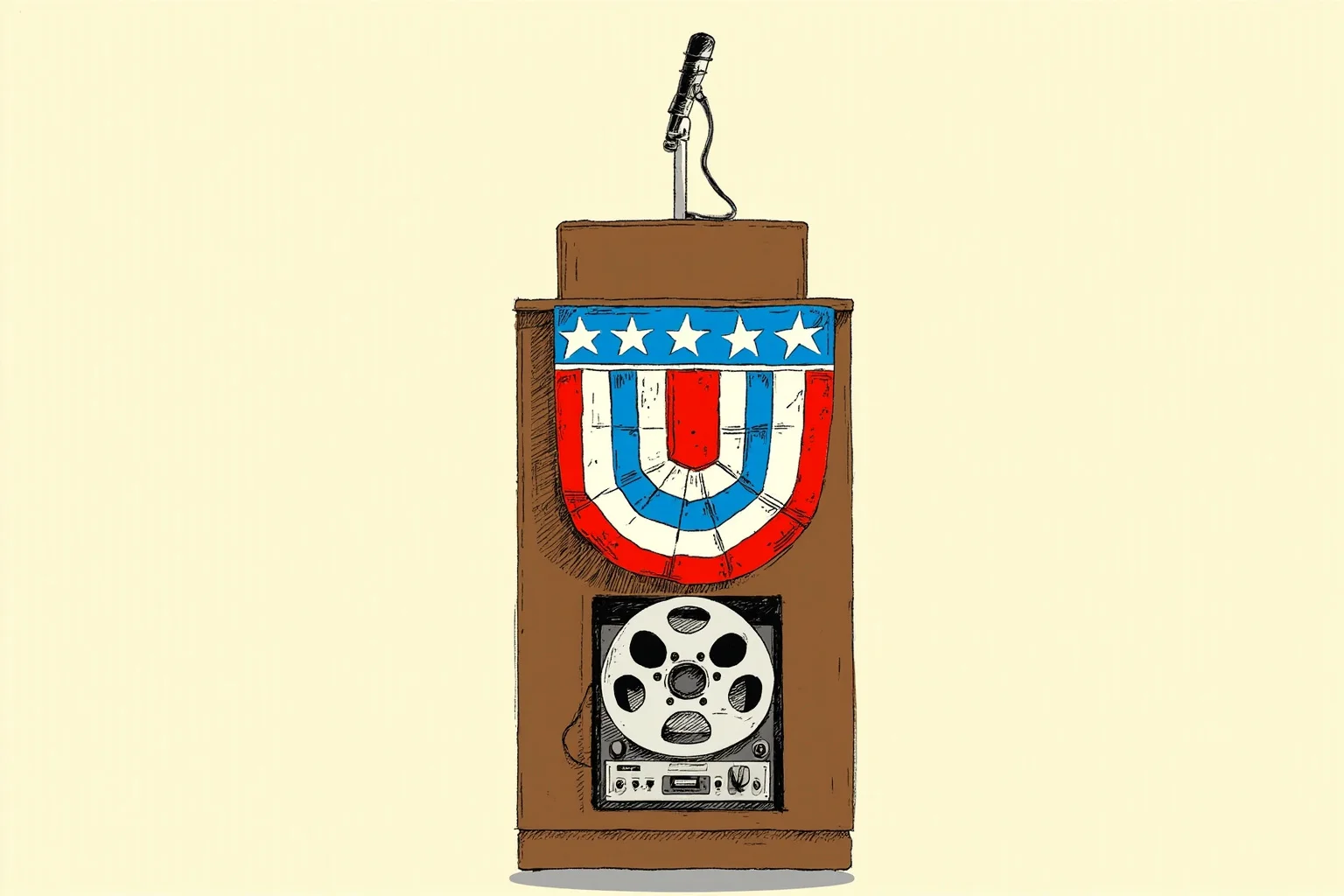
Nixon won office in 1968 as a candidate of law and order and mainstream values. His administration promised to restore respect for the presidency and the rule of law.
The Watergate scandal revealed a break-in at the Democratic National Committee headquarters and a subsequent cover-up directed from the White House.
Nixon denied wrongdoing for months, but tapes he secretly recorded showed his involvement. He resigned in 1974 to avoid likely impeachment.
This is a textbook example of a hypocrite in modern politics. The candidate who attacked elites and promised moral clarity became the first U.S. president to resign.
15. John F. Kennedy: The Public Servant with a Double Life
Kennedy’s inaugural address urged Americans to ask what they could do for their country. He projected a life of family, vigor, and public service.
His private life was much more complicated. Historians and biographers have documented repeated extramarital affairs and serious health problems hidden from the public.
His administration also allowed FBI surveillance of Martin Luther King Jr. through Attorney General Robert Kennedy and J. Edgar Hoover. This sat awkwardly with his speeches about freedom and civic duty.
These contradictions do not erase his legislative record or Cold War leadership. They do make him a human example of a hypocrite, especially because he campaigned on family values and youthful integrity.
16. Mother Teresa: The Saint of the Slums with Institutional Critics
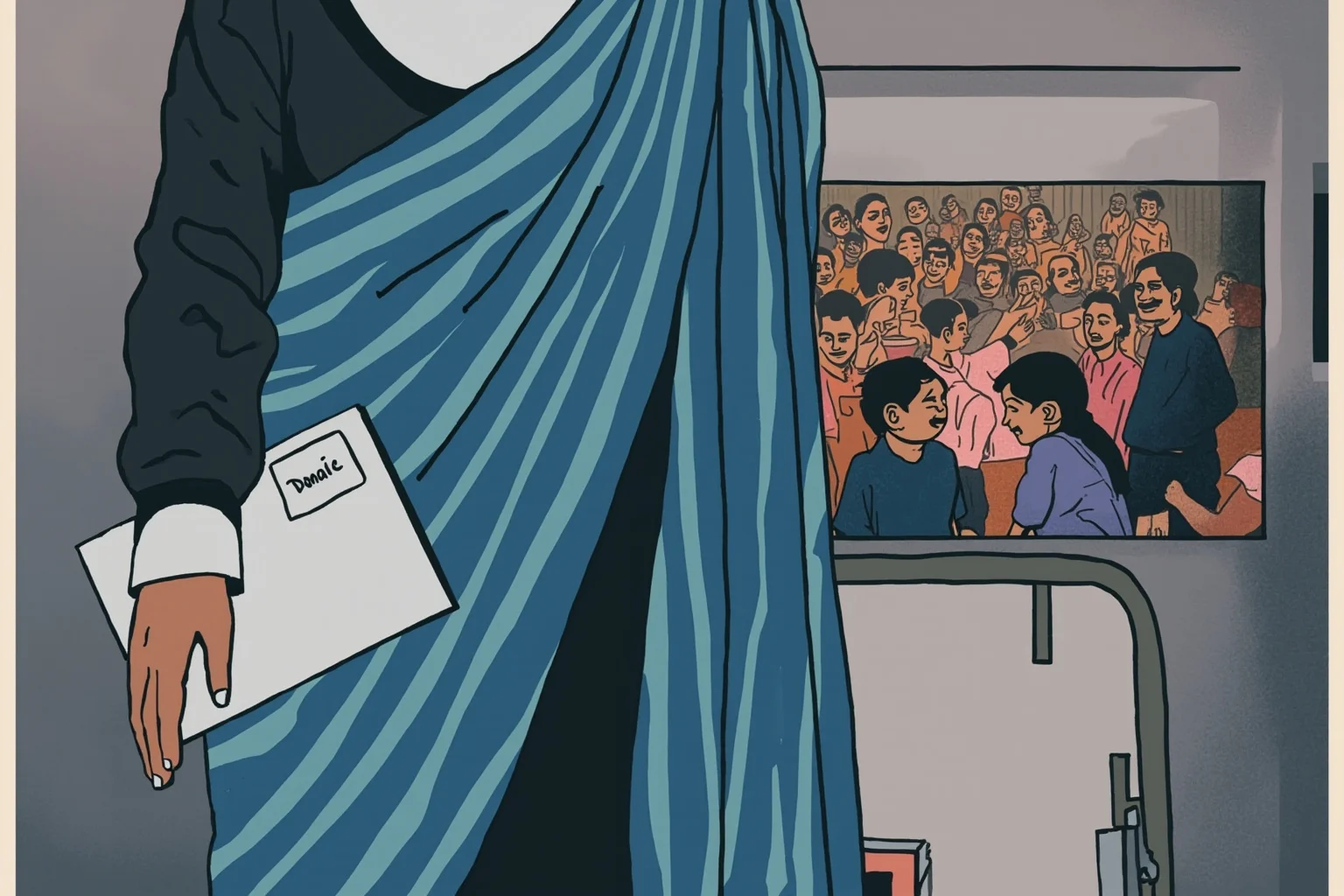
Mother Teresa became the global face of compassion for the poor and won the Nobel Peace Prize in 1979. Her Missionaries of Charity grew rapidly under her leadership.
Critics, including former volunteers and medical professionals, later described crowded facilities, reused needles, and a lack of trained medical care. They argued that her theology of redemptive suffering sometimes replaced actual treatment.
Mother Teresa accepted donations from figures such as Haitian dictator Jean-Claude Duvalier and financier Charles Keating. She also received advanced medical care herself in major hospitals.
Her life is not a simple fraud, but it contains documented contradictions. She is a controversial example of a hypocrite because the public image of care did not always match conditions on the ground.
17. Christopher Columbus: The Christian Explorer Who Enslaved and Mistreated People
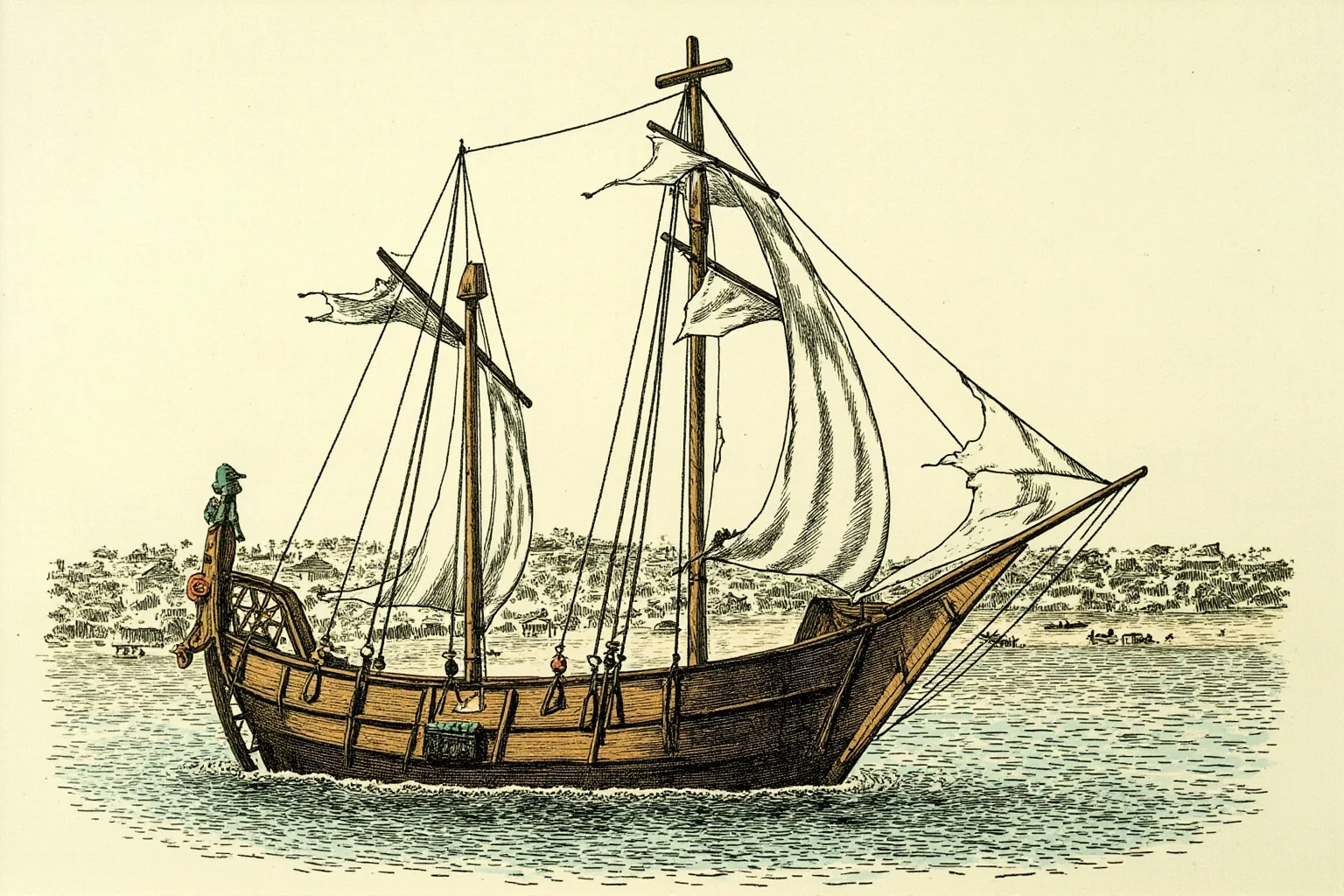
Columbus framed his voyages as a mission to spread Christianity and expand Spain’s reach. His letters describe Indigenous Taíno people as gentle and eager to trade.
He also kidnapped, enslaved, and governed harshly. Spanish colonists under his command carried out brutal labor demands on Hispaniola.
Columbus was eventually arrested and removed as governor because of reported abuses and mismanagement. His case is an early colonial example of hypocrisy: religious language covered violent extraction.
18. John Winthrop: The “City upon a Hill” That Punished Dissent
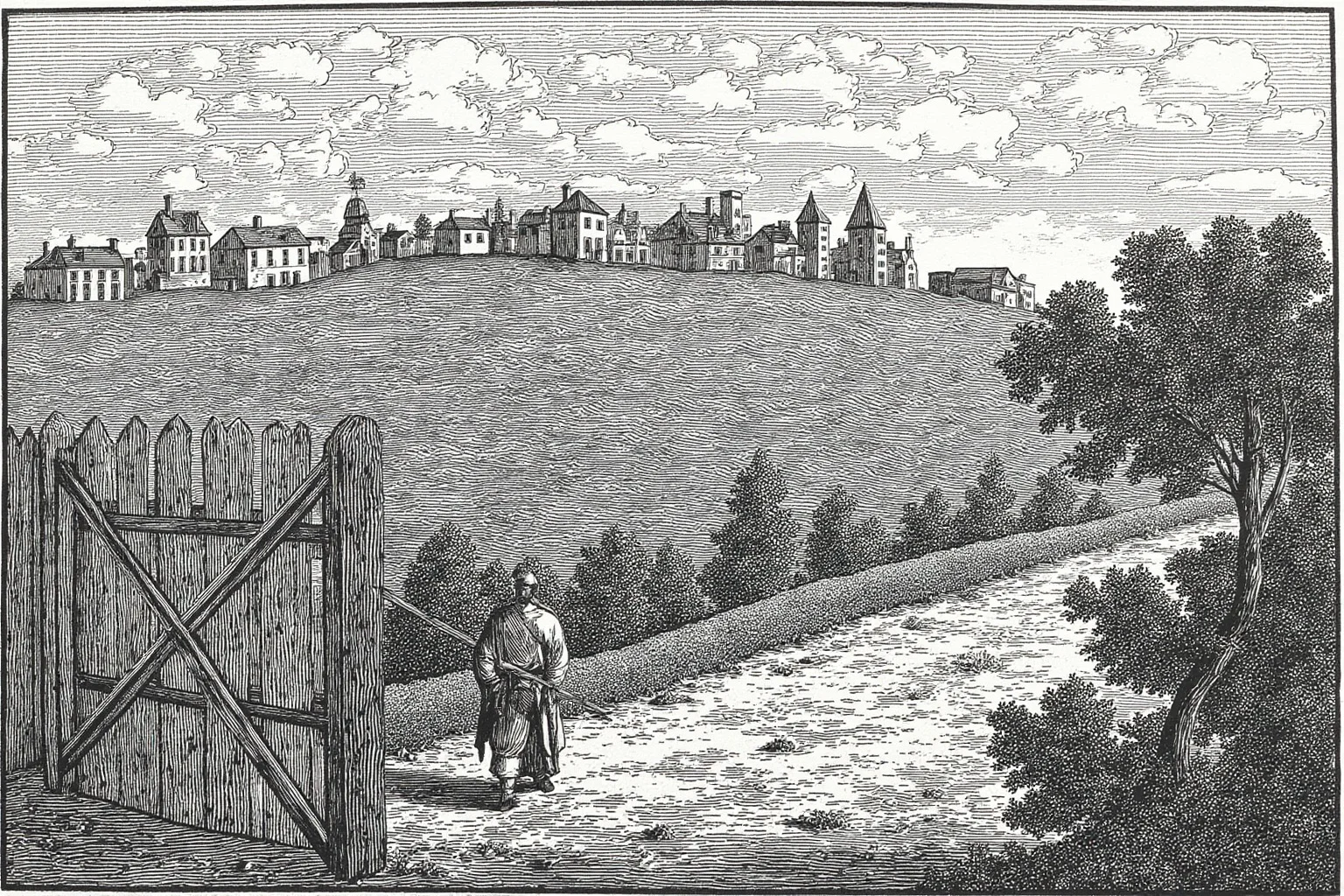
Winthrop’s 1630 sermon “A Model of Christian Charity” called Massachusetts Bay a “city upon a hill.” He cast the colony as a model of Christian charity and covenant.
That vision did not mean tolerance. The colony banished dissenters such as Anne Hutchinson and Roger Williams and used fines, whipping, and banishment to enforce religious conformity.
Winthrop’s ideal of liberty was liberty to obey God as colony leaders understood it. He remains an example of a hypocrite because a community built on escape from persecution quickly punished its own dissenters.
19. Pope Alexander VI: The Celibacy Preacher with a Powerful Family
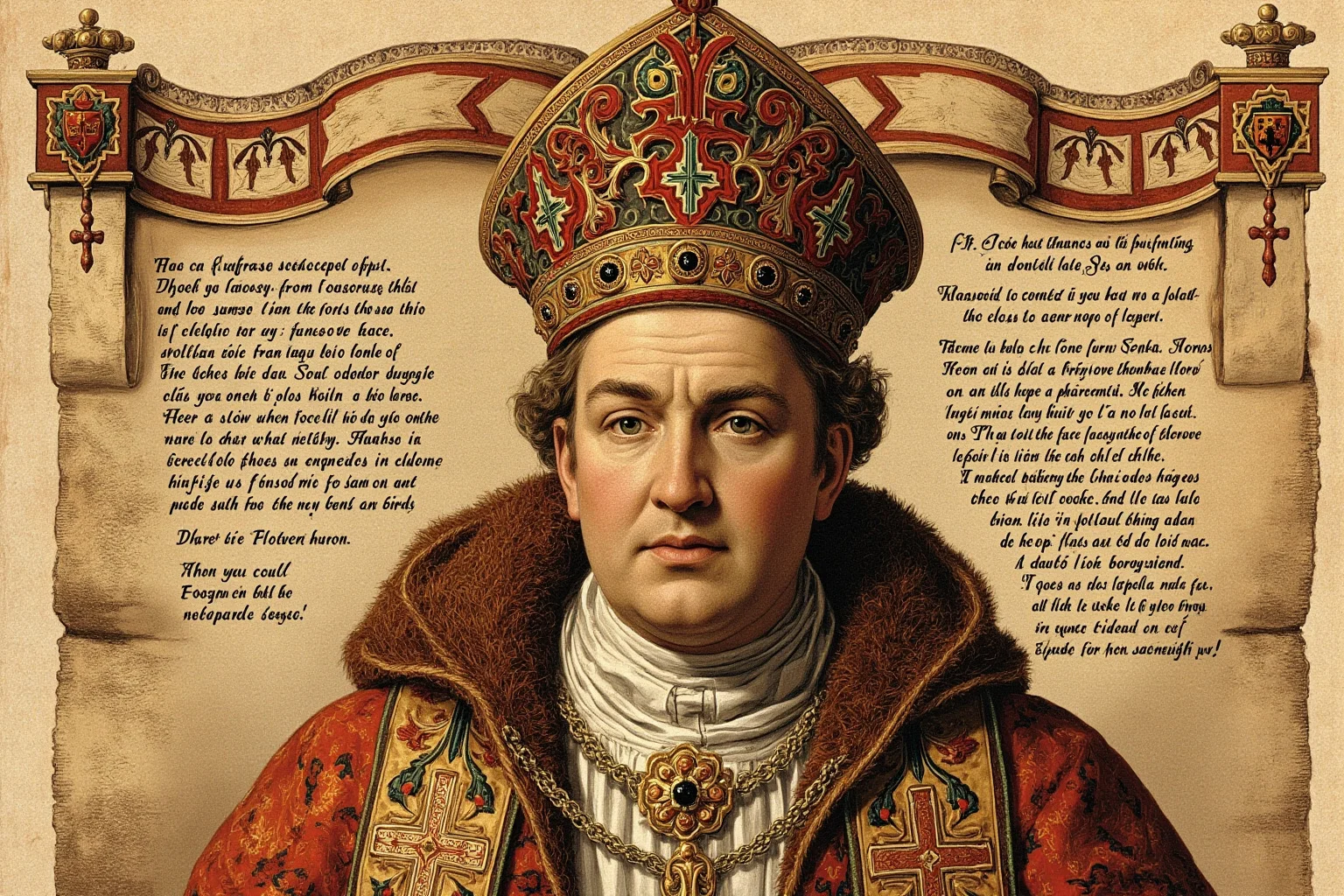
Rodrigo Borgia became Pope Alexander VI in 1492. As pope he was supposed to embody spiritual leadership and clerical celibacy.
He had multiple children, including Cesare and Lucrezia Borgia, and used papal power to advance their lands and titles. His enemies accused him of simony, bribery, and sexual misconduct.
Some accusations were politically motivated, but the basic facts of his family and patronage are well documented. Alexander VI is one of the clearest Renaissance examples of hypocrisy in the papacy.
20. Napoleon Bonaparte: The Revolutionary Who Crowned Himself Emperor
Napoleon rose by defending the French Revolution’s promise of meritocracy and legal equality. The Napoleonic Code spread some revolutionary legal principles across Europe.
In 1804 he crowned himself emperor in the presence of the pope, rejecting the traditional papal crowning. He also restored slavery in French colonies in 1802, reversing revolutionary abolition.
Napoleon centralized power and made members of his family rulers of conquered territories. The man who claimed to represent the people built an empire around himself.
This final example of hypocrisy shows how revolution can produce its own monarch. Napoleon kept the language of liberty while practicing dynastic power.
How to Spot a Hypocrisy Person in Historical Records
Historians look for two things: stated principles and documented actions. A leader may say one thing in speeches while signing policies that do the opposite.
Private letters, financial records, and testimony from contemporaries often reveal an example of hypocrisy more clearly than official statements. Still, every case needs care.
People can change, and a single contradiction does not make someone a complete hypocrite. The strongest examples of a hypocrite show a pattern.
Repeated behavior, deliberate deception, and use of power to shield contradictions separate ordinary weakness from historical hypocrisy. That pattern is what historians look for.
Why These Historical Hypocrisy Examples Still Matter
These lives are not just ammunition for cynical takes. They show that ideals matter precisely because even their strongest champions fail to live up to them.
The question “what is a hypocrisy person?” often assumes a simple villain. History gives us something more useful: people caught between powerful words and the systems that shape them.
That does not excuse cruelty, enslavement, or repression. Context helps us understand why people failed, but it does not erase the harm.
Studying an example of hypocrisy is also a way to examine our own habits. We all live with gaps between values and action.
The difference is scale. A president, pope, or revolutionary leader can transform private contradiction into public suffering.
These twenty examples of a hypocrite remind us to judge power by outcomes, not only by rhetoric.
Frequently Asked Questions
What are examples of a hypocrite in history?
Some well-known examples of a hypocrite include Thomas Jefferson, who wrote that all men are created equal while enslaving people; Henry VIII, who defended the pope before breaking with Rome; and Woodrow Wilson, who promised democracy while segregating federal offices and occupying Caribbean nations. Other examples include Oliver Cromwell, Robespierre, and Napoleon, all of whom fought against concentrated power before wielding it themselves.
What is a hypocrisy person?
A hypocrisy person is someone whose stated moral principles conflict with their actual behavior. In history, this often means a leader who publicly champions freedom, faith, or equality while quietly practicing exploitation, exclusion, or authoritarian control.
Is it fair to call historical figures hypocrites?
It depends on evidence and context. People in the past lived inside systems that shaped their blind spots, and one inconsistency does not make someone a complete hypocrite. However, when there is a documented pattern of preaching one standard and practicing another, the label can be historically useful.
What is an example of hypocrisy that is often debated?
Mother Teresa is a debated example of hypocrisy. Supporters point to her decades of service, while critics highlight documented complaints about medical care, donations from dictators, and the contrast between her advanced treatment and conditions in some facilities.
How do historians know if a historical figure was a hypocrite?
Historians compare stated principles in speeches and writings with documented actions such as laws, letters, financial records, and contemporary testimony. A single contradiction is rarely enough; patterns of behavior and the use of power to cover contradictions make the evidence stronger.

Alex Warren
Related Articles