
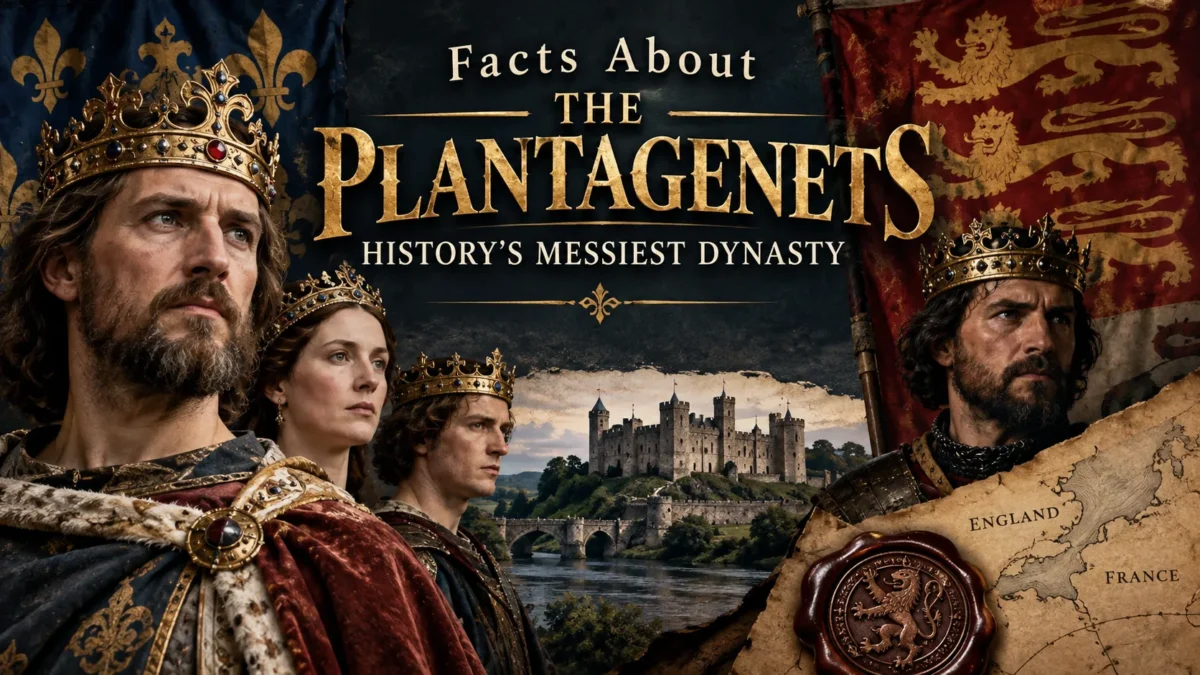
Few royal houses in world history can match the Plantagenets for sheer drama, though the Habsburg dynasty is one of the few worth comparing them to.
Over more than three centuries, this one family produced saintly reformers, murderous rivals, crusading warriors, a Magna Carta, a Black Death, and a civil war so bitter it eventually consumed itself.
If you’ve ever wondered what a “Plantagenet” actually is, or why historians still argue about where one branch of this dynasty ends and another begins, you’re not alone.
This guide breaks down the Plantagenet definition, traces the family from its French origins to its bloody end at Bosworth Field, and separates the well-documented facts from the popular myths.
Whether you’re brushing up for a history class or just fell down a royal-genealogy rabbit hole, here’s everything worth knowing about England’s messiest dynasty.
TL;DR: The Plantagenets were a French-rooted royal dynasty that ruled England for over 300 years (1154–1485), reshaping law, language, and monarchy itself before tearing apart in the Wars of the Roses.
What Is a Plantagenet? Definition and Meaning
So what does Plantagenet actually mean? The word comes from the Latin “planta genista,” referring to the common broom plant, a flowering shrub with bright yellow blooms.
According to long-standing tradition, Geoffrey of Anjou, the father of England’s first Plantagenet king, wore a sprig of broom blossom in his hat or helmet as a personal emblem.
That plant badge is where the plantagenet definition takes root, literally. Geoffrey was known as Geoffrey Plantagenet, and while he never ruled England himself, his son Henry II inherited the English throne in 1154 and carried the nickname into royal history.
It’s worth noting the name wasn’t used as a formal royal surname during most of the dynasty’s rule; it was popularized retroactively by historians centuries later to describe the family line.
In modern usage, “Plantagenet” refers to the royal house descending from Geoffrey and Henry II that occupied the English throne from 1154 until 1485.
So when people ask what is a Plantagenet, the simplest answer is this: it’s the name given to a dynasty, not a single person, spanning kings, queens, and the sprawling web of nobles connected to them by blood and marriage.
Who Were the Plantagenets? A Quick Family Overview
Who were the Plantagenets, in practical terms? They were the ruling royal family of England for roughly 331 years, starting with Henry II in 1154 and ending with Richard III’s death at the Battle of Bosworth Field in 1485. During that stretch, fourteen kings sat on the English throne under the broader Plantagenet family umbrella.
Historians typically split this long dynasty into three overlapping phases: the original Plantagenets (sometimes called the House of Anjou), followed by two rival branches, the House of Lancaster and the House of York, both descended from Plantagenet kings.
This is part of why the question “what are the Plantagenets” doesn’t have a single tidy answer. It depends on whether you’re talking about the whole 331-year royal line or just its earliest, unbroken chapter before the family split into feuding cousins.
What’s certain is that the Plantagenet dynasty didn’t just rule England. It also controlled vast territories in France, fought foundational wars, argued with the Church, faced down peasant uprisings, and eventually devoured itself in a civil war. Below are 25 facts that show exactly how messy, consequential, and fascinating this royal family really was.
25 Facts About the Plantagenets
1. The Name Comes From a Flower, Not a Family Estate

Most royal house names reference a place or ancestor, but Plantagenet is different. It traces back to the yellow broom flower, planta genista, supposedly worn by Geoffrey of Anjou as a badge or crest. It’s a surprisingly humble origin for a dynasty that would go on to rule an empire.
2. Geoffrey of Anjou Never Actually Wore the Crown
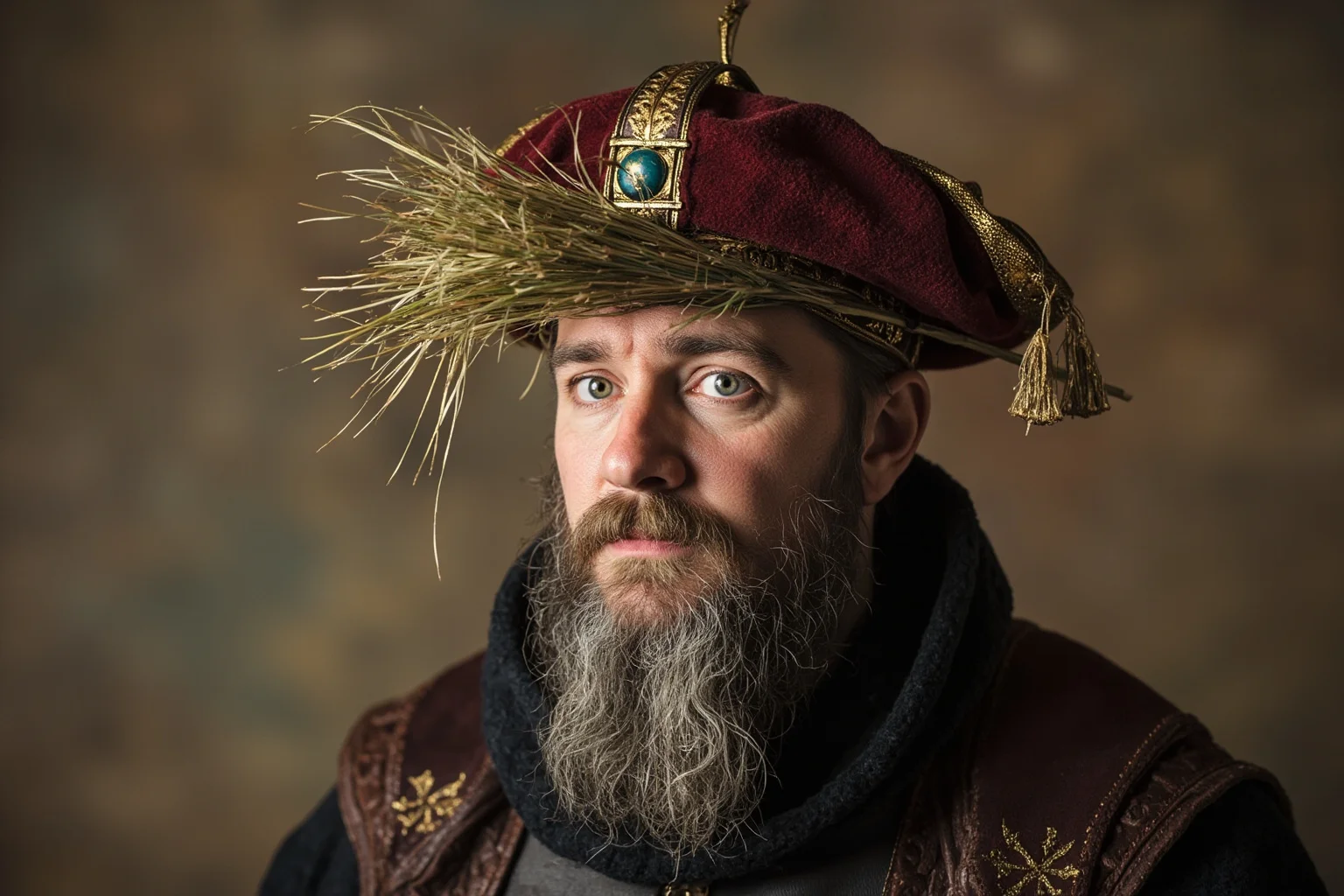
Geoffrey Plantagenet, Count of Anjou, is the namesake of the dynasty, but he was never king of England himself. He earned his claim through marriage to Empress Matilda, daughter of King Henry I, and it was their son who became the first Plantagenet king. Geoffrey’s real legacy was passing on both a title and a nickname.
3. Empress Matilda Fought for the Throne Before Any Plantagenet King Did

Before Henry II ever ruled, his mother Matilda spent nearly two decades fighting for the English crown during a brutal civil war known as the Anarchy. She was never formally crowned, but she never gave up her claim either. Her persistence secured the throne for her son, making her arguably the reason the Plantagenet line exists at all.
4. Henry II Built One of Medieval Europe’s Largest Empires
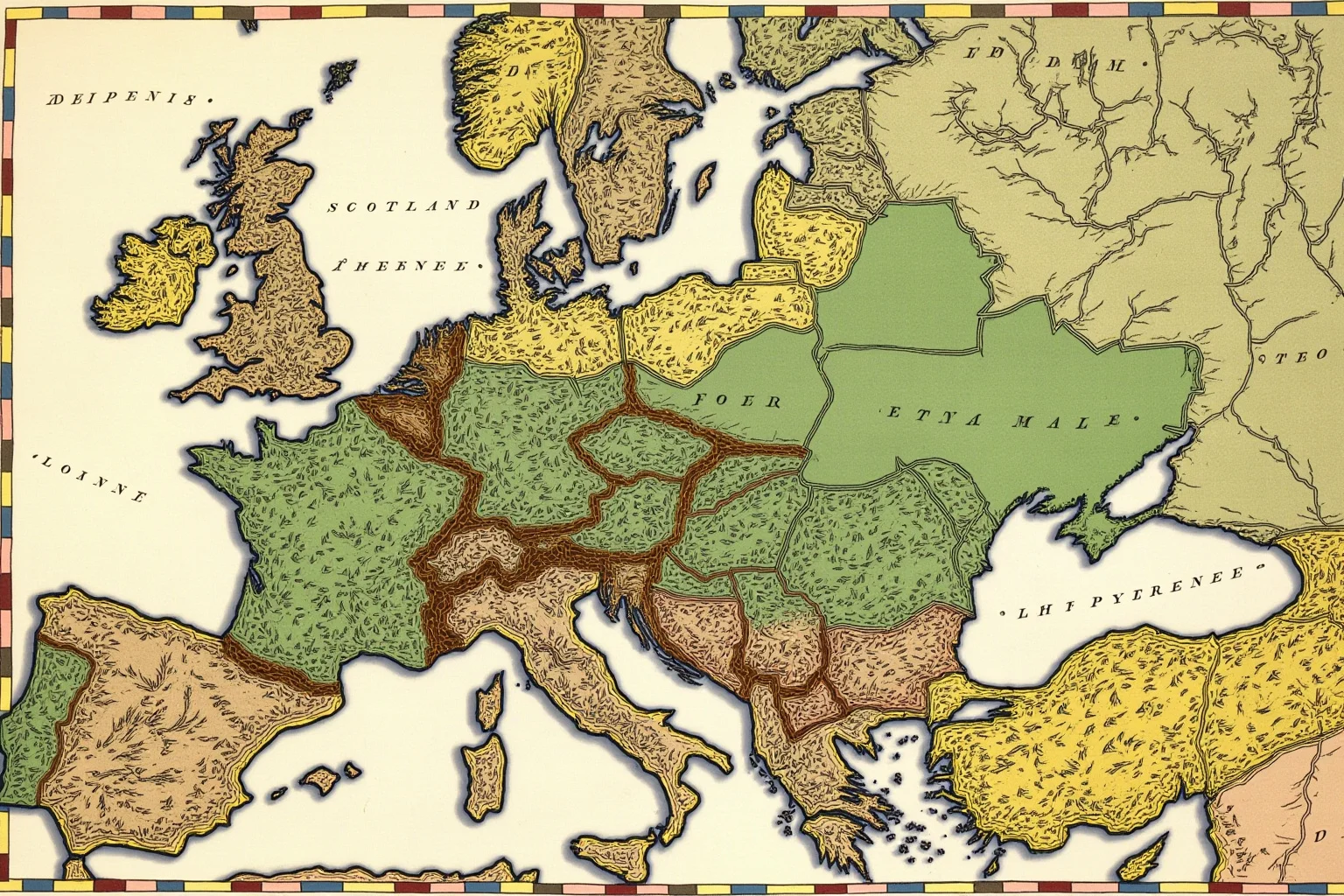
When Henry II became king in 1154, he controlled England plus vast territories across France through inheritance and marriage, an area historians call the Angevin Empire. At its peak, it stretched from the Scottish border to the Pyrenees. Ironically, the King of France technically outranked him in feudal terms despite controlling far less land.
5. Henry II’s Marriage to Eleanor of Aquitaine Was a Political Bombshell
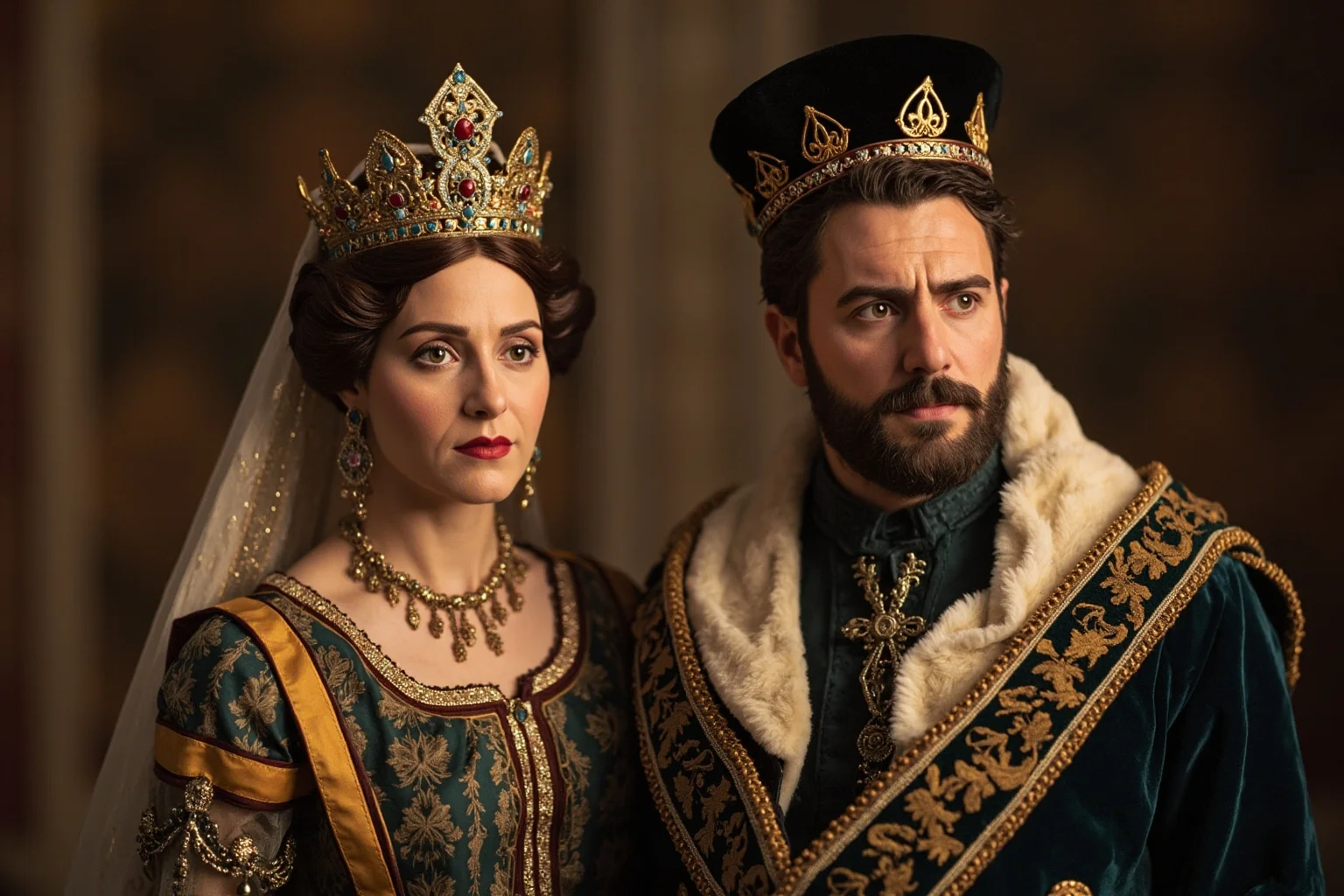
Eleanor of Aquitaine brought enormous French territory into the marriage, but she was also fiercely independent and previously married to the King of France. Their partnership fueled the Angevin Empire’s growth, but it later turned toxic. Eleanor eventually backed her own sons in rebellion against Henry.
6. The Becket Murder Shocked All of Europe
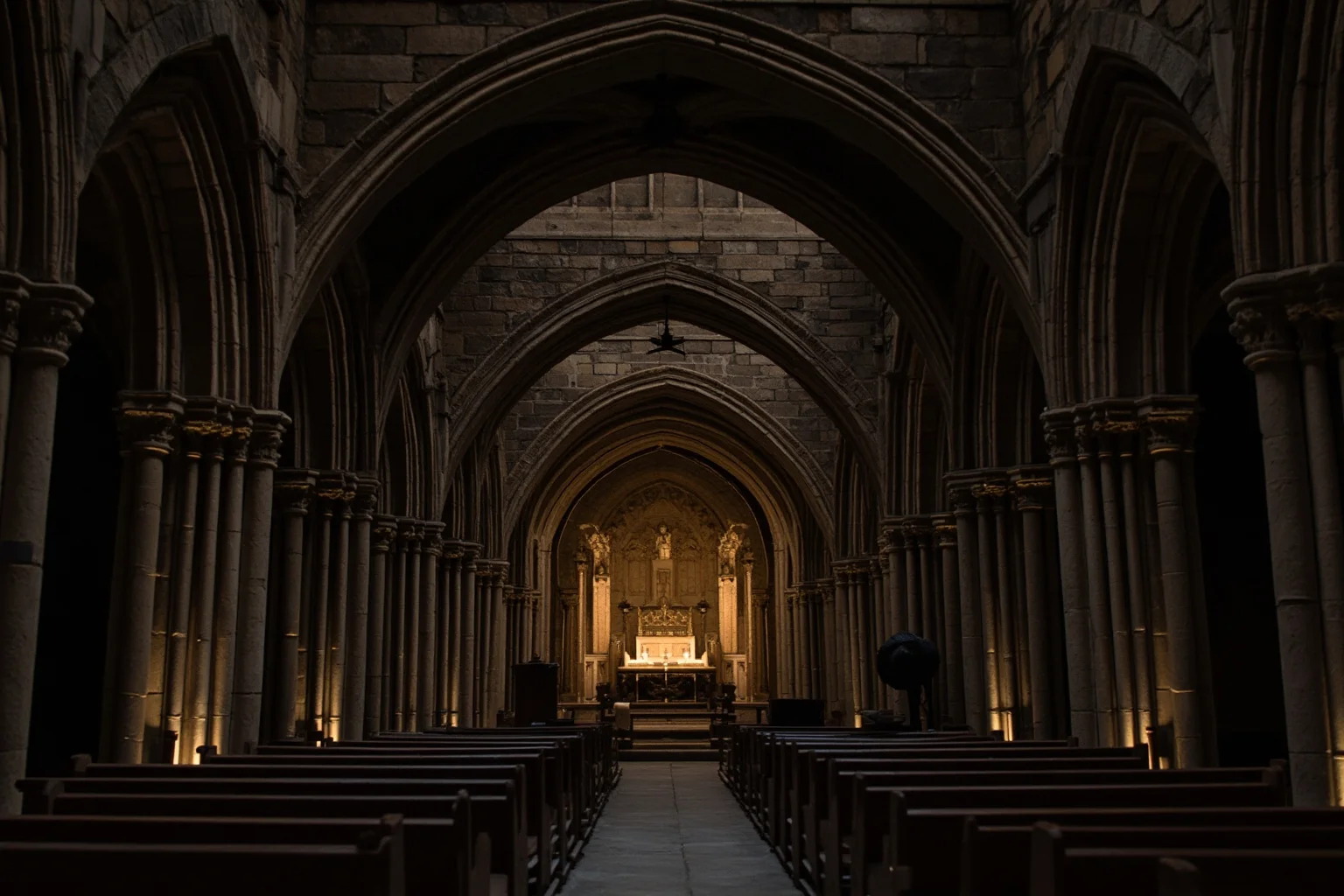
Henry II’s bitter feud with Archbishop Thomas Becket ended in Becket’s murder inside Canterbury Cathedral in 1170, allegedly by knights acting on the king’s angry words. The killing scandalized Christendom, and Henry was forced into public penance. Becket was canonized shortly after and became one of medieval England’s most popular saints.
7. Richard the Lionheart Spent Almost No Time Actually Ruling England

Richard I is one of the most famous Plantagenet kings thanks to his crusading reputation, often ranking among the most recognized historical figures despite spending only a few months of his ten-year reign physically in England. Most of his rule was consumed by the Third Crusade and continental wars. He was even captured and held for ransom on his way home from the Holy Land.
8. King John’s Reign Produced Magna Carta
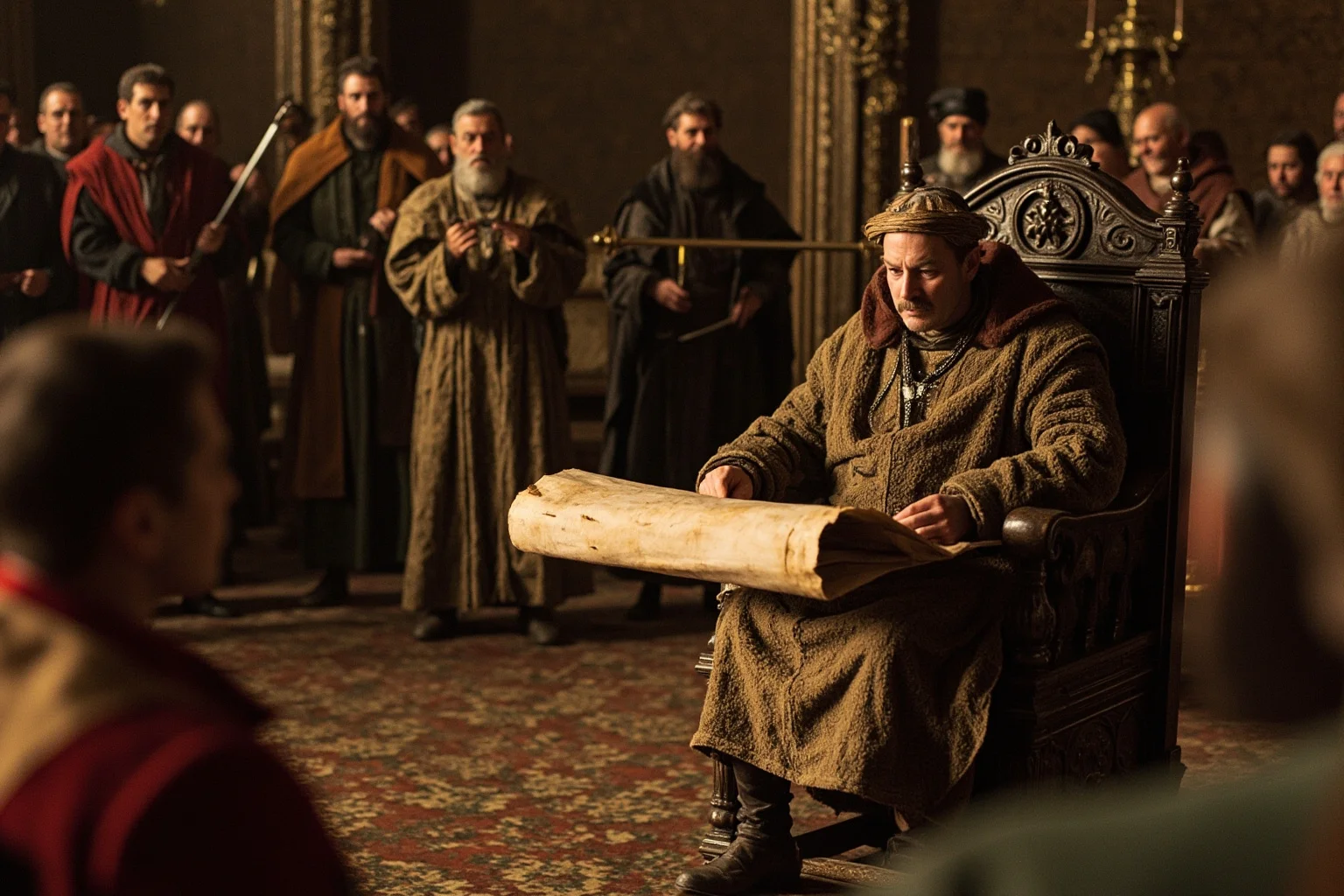
Richard’s brother John is often remembered as one of England’s worst kings, losing most of the family’s French territory and clashing constantly with his barons. That conflict forced him to seal Magna Carta in 1215, a document limiting royal power that would later influence constitutional law worldwide. It didn’t fix John’s reputation in his lifetime, but it outlived him by centuries.
9. Henry III’s Long Reign Gave Rise to Early Parliament
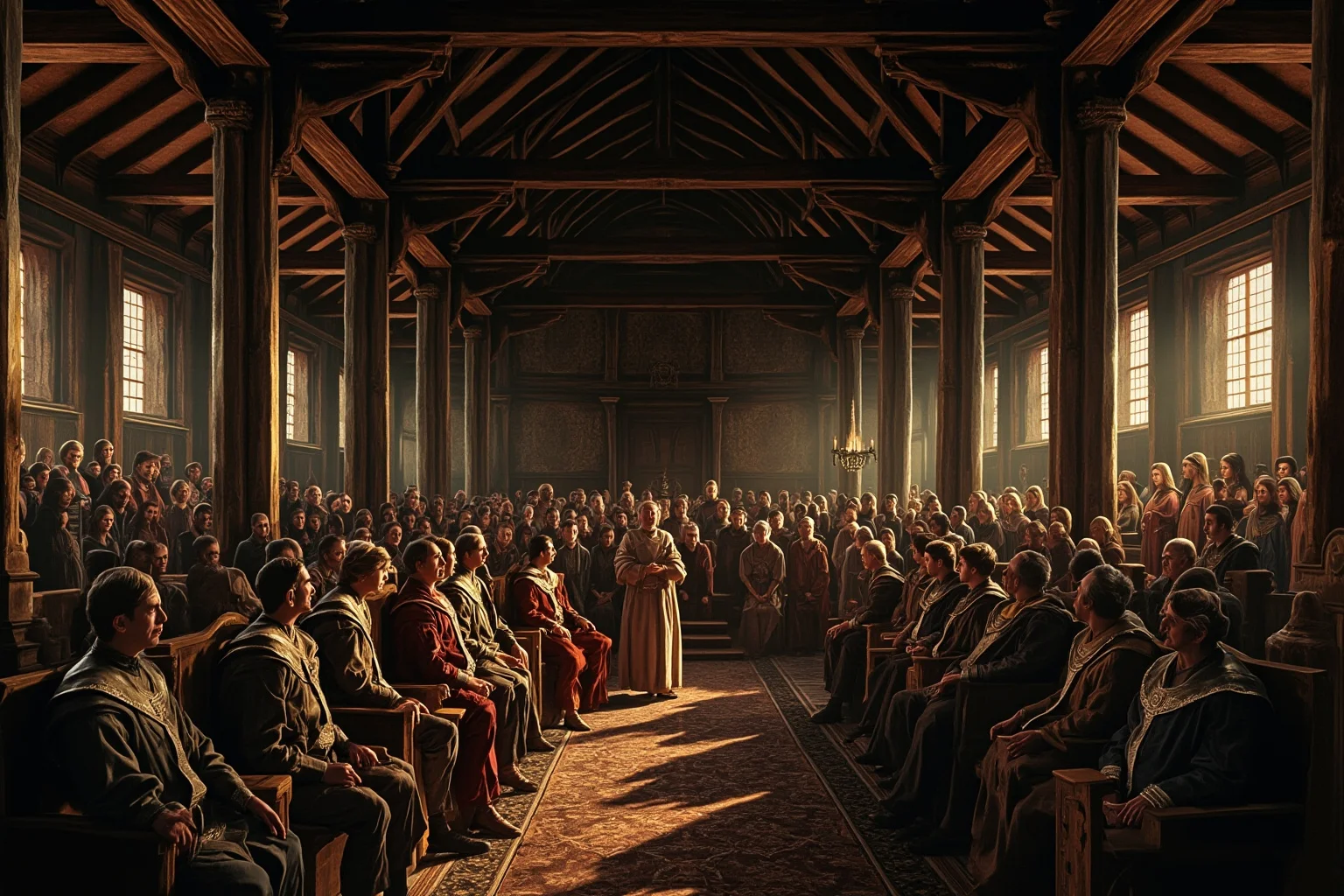
Henry III ruled for 56 years, one of the longest reigns in medieval English history. His conflicts with rebellious baron Simon de Montfort led to early representative assemblies that historians see as forerunners of the English Parliament. Ironically, a king trying to hold onto absolute power helped plant the seeds of shared governance.
10. Edward I Earned a Fearsome Nickname in Scotland
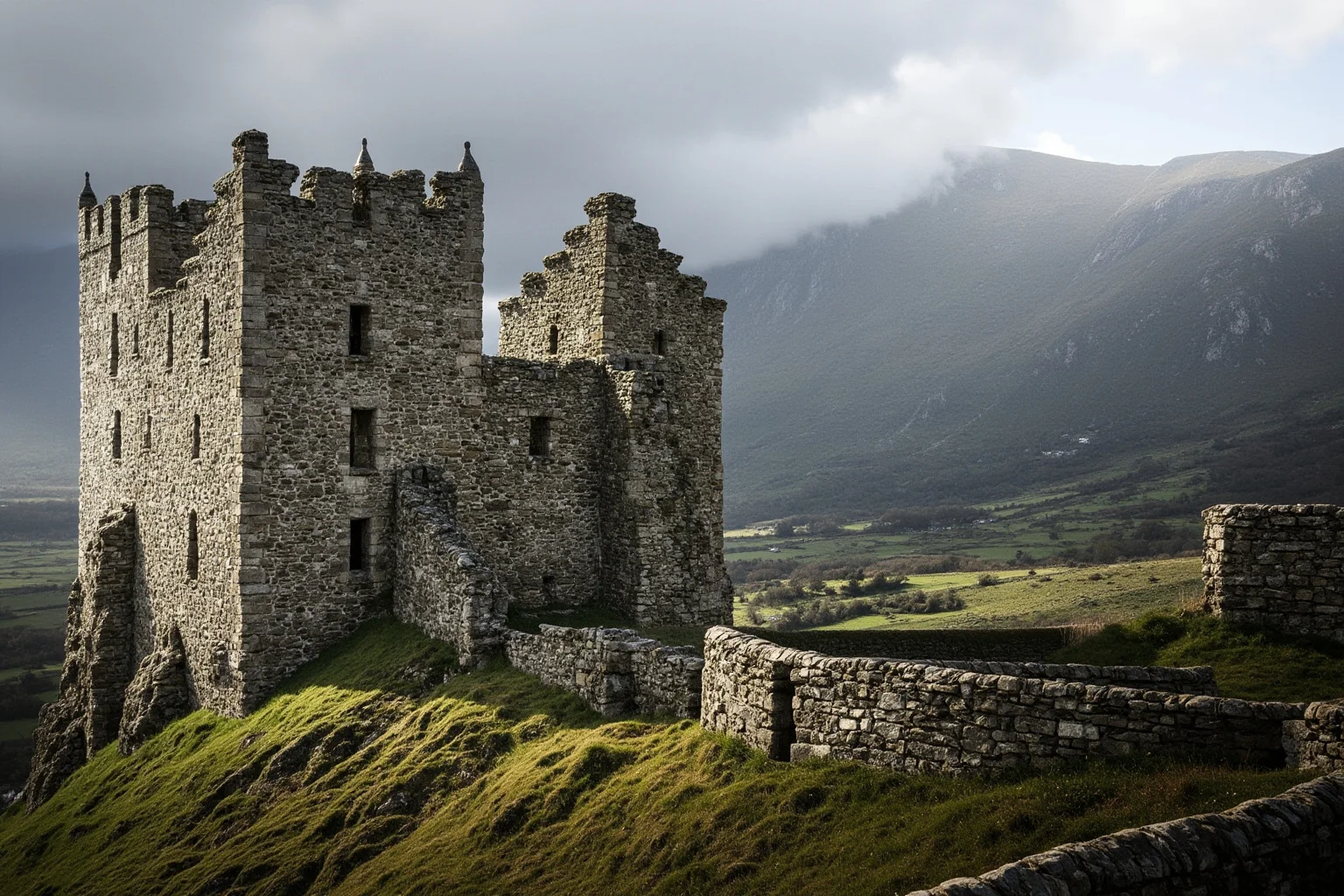
Edward I, known as the “Hammer of the Scots,” waged relentless campaigns to conquer Scotland and clashed with resistance leaders like William Wallace. He was also a prolific castle builder, leaving an enormous mark on Wales after subduing it militarily. His reign was one of expansion, but also of harsh policies, including the 1290 expulsion of Jewish communities from England.
11. Edward II’s Reign Ended in Deposition
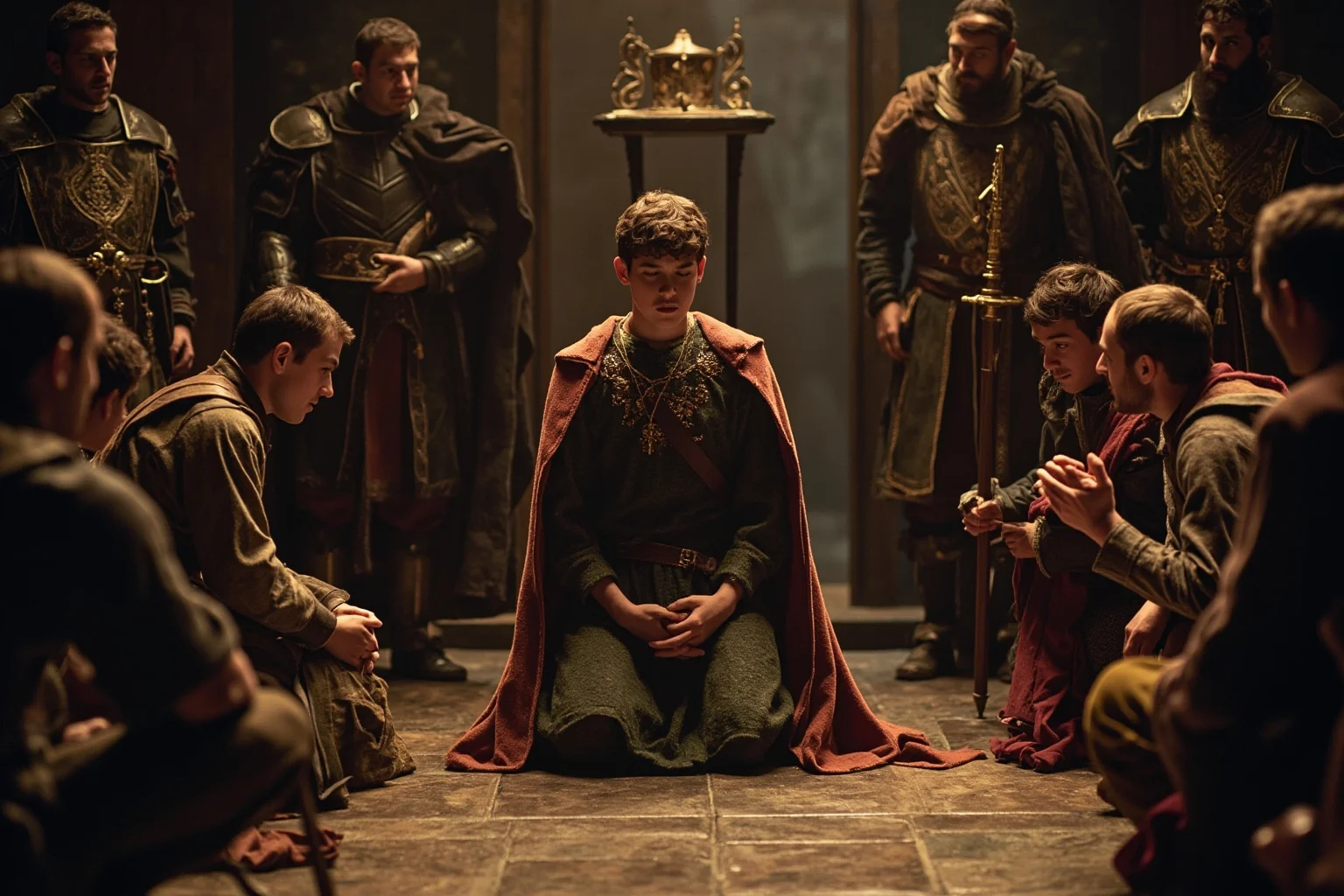
Edward II struggled to command the loyalty of his nobles, partly due to political missteps and his controversial closeness with favorites like Piers Gaveston. He was eventually deposed by his own wife, Isabella of France, and son in 1327. Accounts of his death remain historically murky, and later dramatic stories about it should be treated with caution rather than fact.
12. Edward III Started the Hundred Years’ War
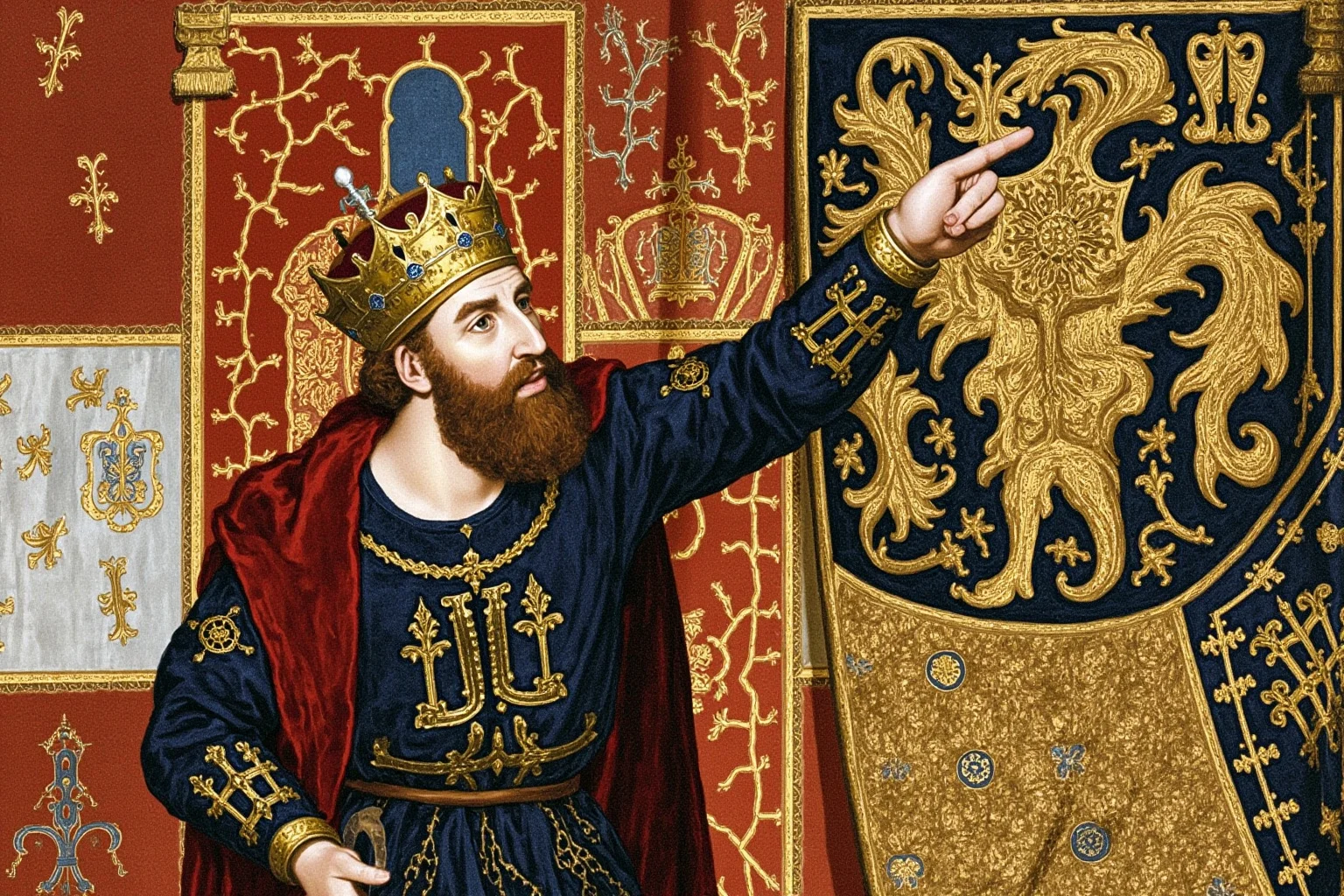
Edward III claimed the French throne through his mother, a claim the French rejected, sparking the Hundred Years’ War in 1337. That conflict between England and France would drag on, with interruptions, for well over a century. Edward’s early military successes, including the Battle of Crécy, made England a serious continental power.
13. The Black Death Arrived Under Edward III’s Watch
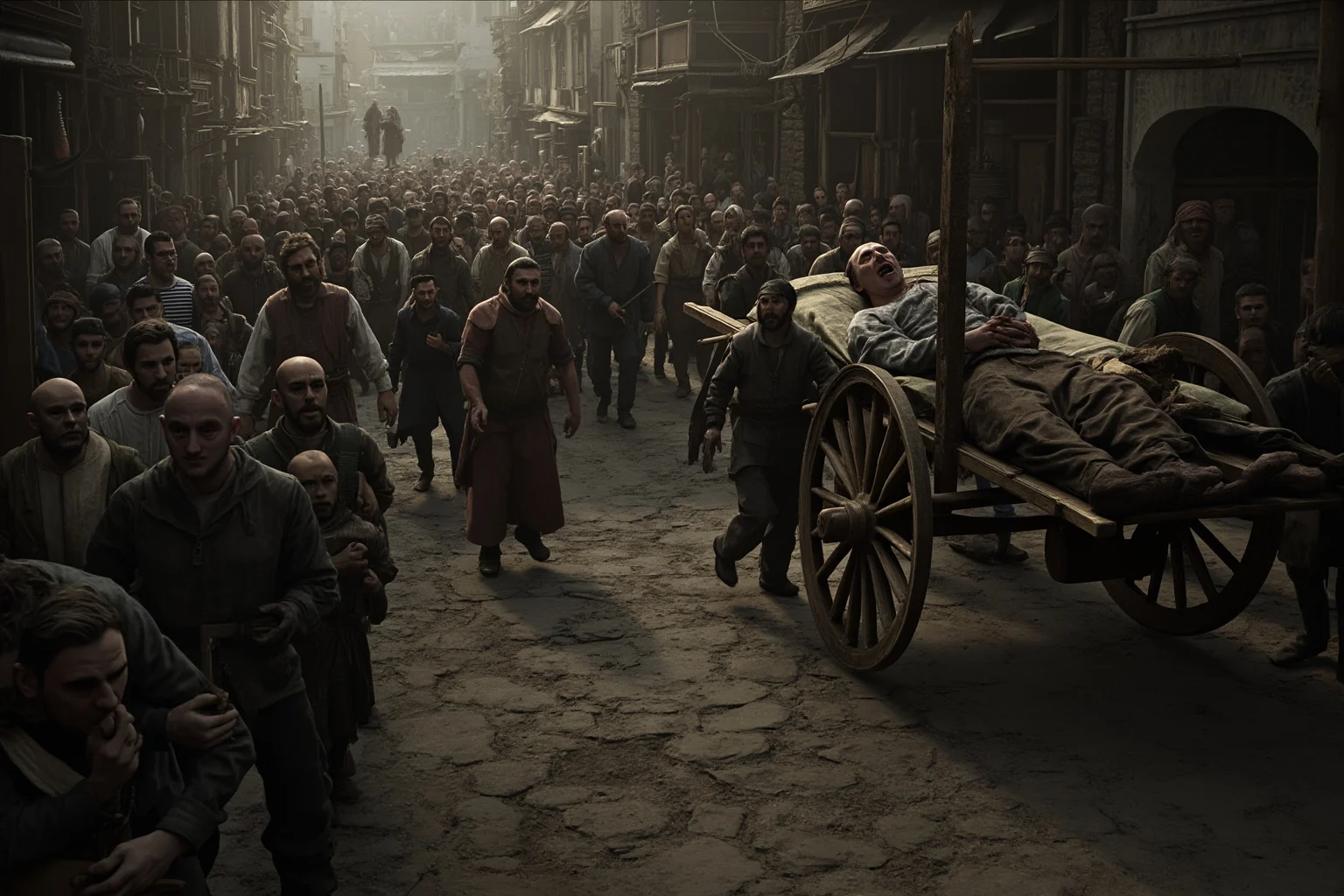
In 1348, the Black Death reached England and killed an estimated third or more of the population within a few years. The devastation reshaped the medieval economy, weakened the feudal system, and increased the bargaining power of surviving laborers. It’s one of the largest demographic catastrophes to occur during any Plantagenet king’s reign.
14. Richard II Faced Down the Peasants’ Revolt as a Teenager
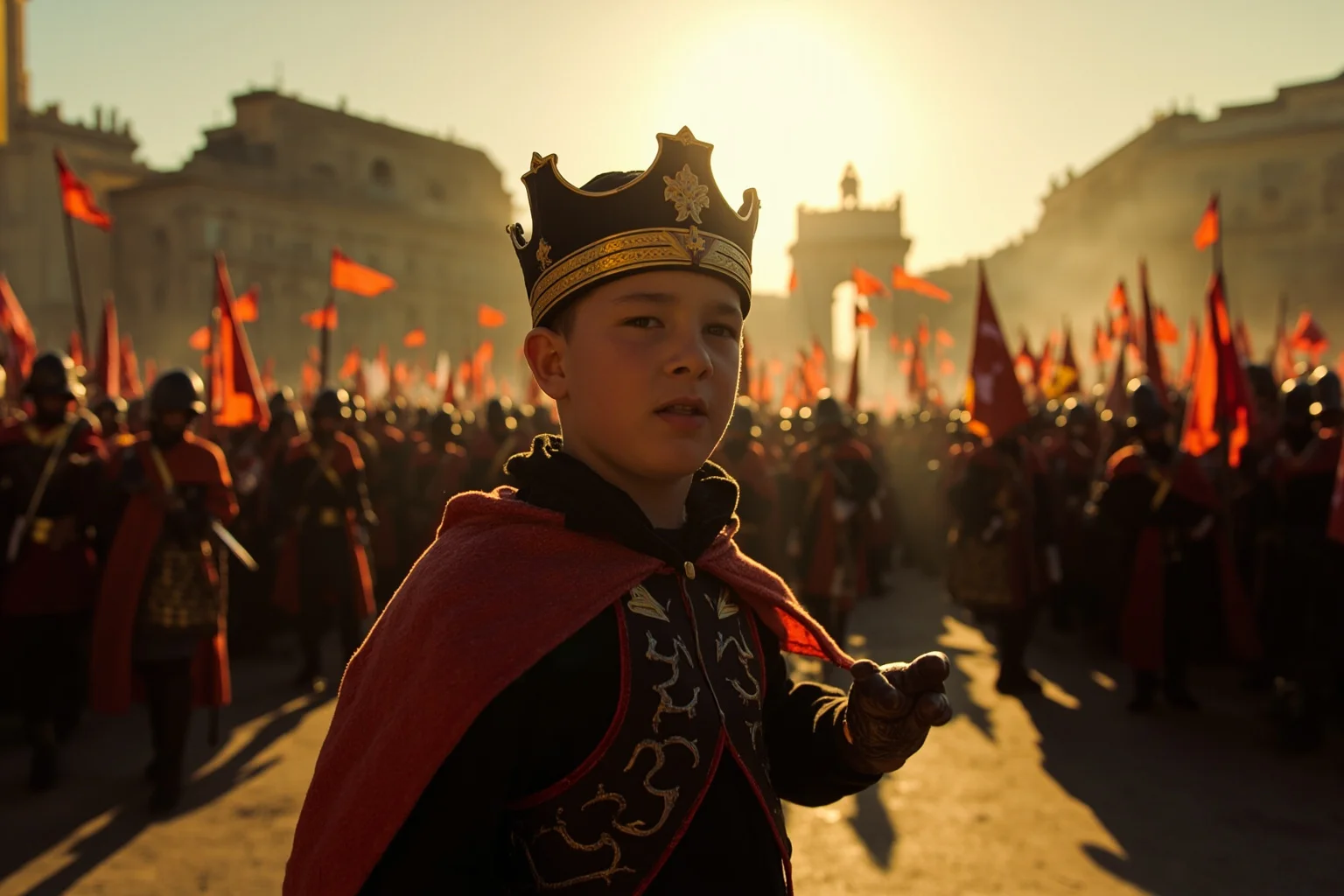
In 1381, a massive uprising known as the Peasants’ Revolt swept through England in response to unfair taxation and lingering post-plague grievances. Richard II, still a teenager, personally negotiated with the rebels at Smithfield. He later broke his promises to them, but the revolt remains a landmark moment of medieval popular resistance.
15. Richard II’s Deposition Split the Family in Two
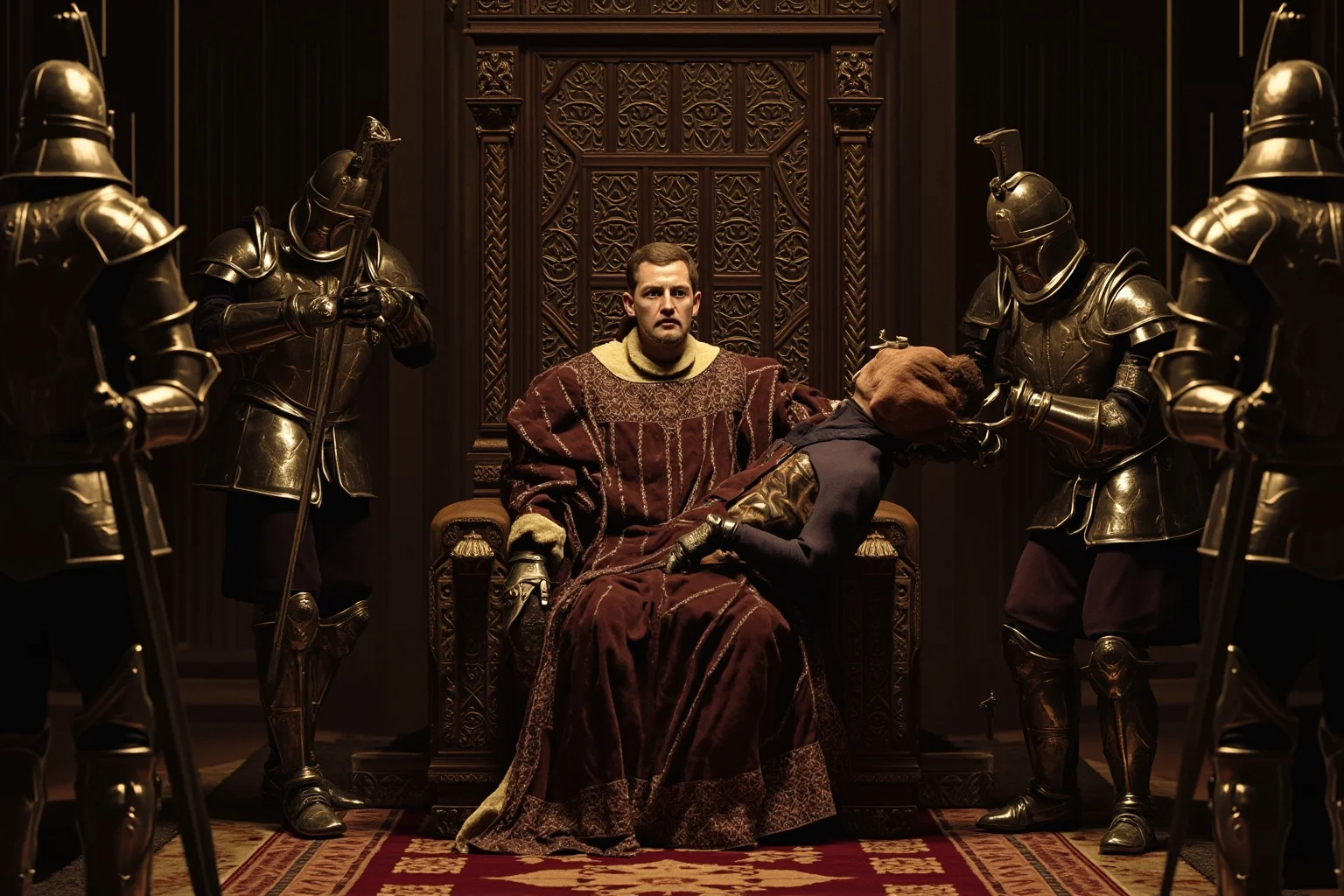
Richard II was eventually overthrown in 1399 by his cousin, Henry of Lancaster, who became Henry IV. This moment effectively created the House of Lancaster as a ruling line, splitting off from the main Plantagenet trunk. It also planted the seeds of a rivalry that would explode decades later.
16. Henry V’s Agincourt Victory Became Legendary
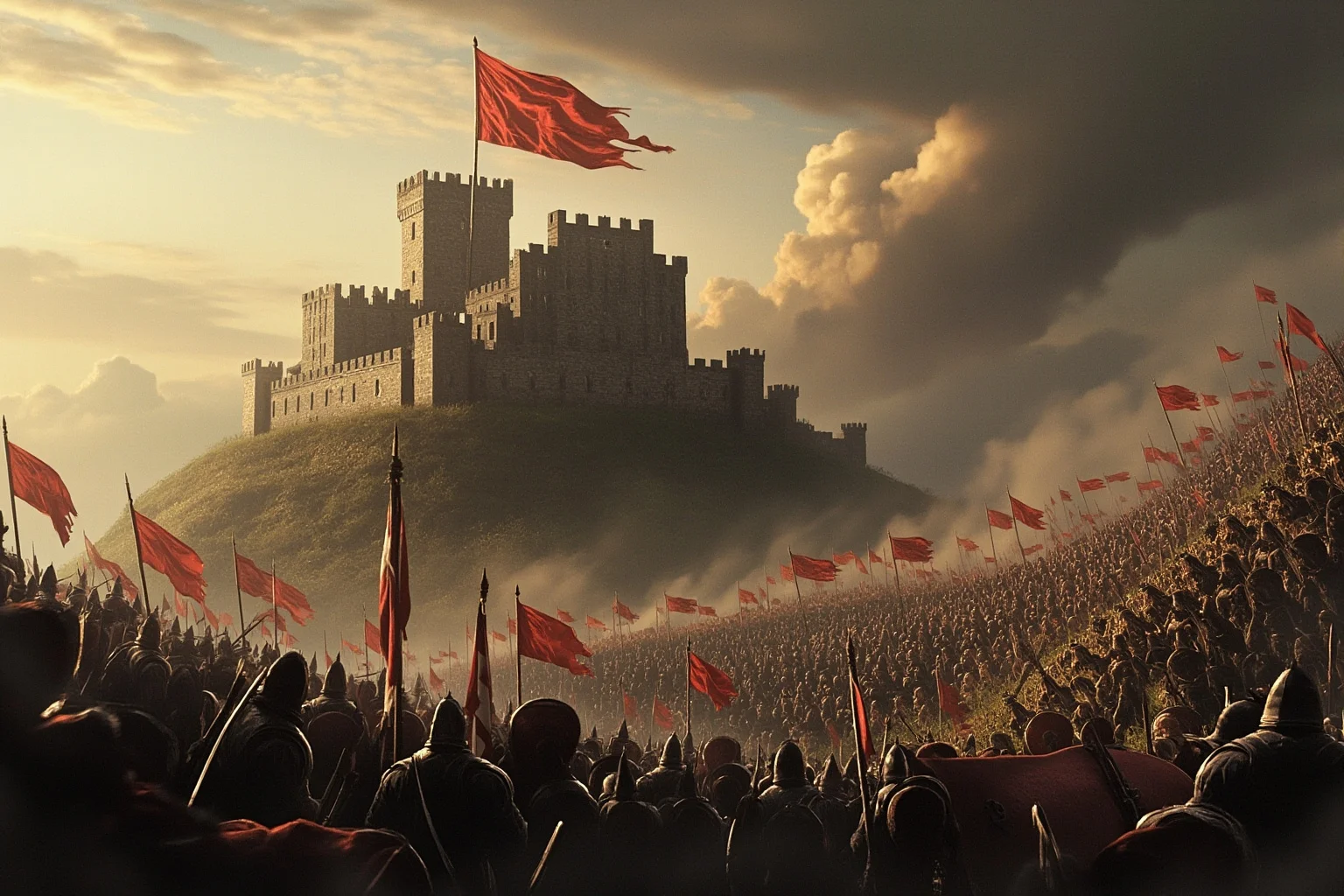
Henry IV’s son, Henry V, led English forces to a stunning victory over a much larger French army at the Battle of Agincourt in 1415. The win became one of the most celebrated military triumphs in English history, later immortalized in literature and drama. It also temporarily revived English claims to French territory.
17. Henry VI’s Weak Rule Helped Trigger Civil War
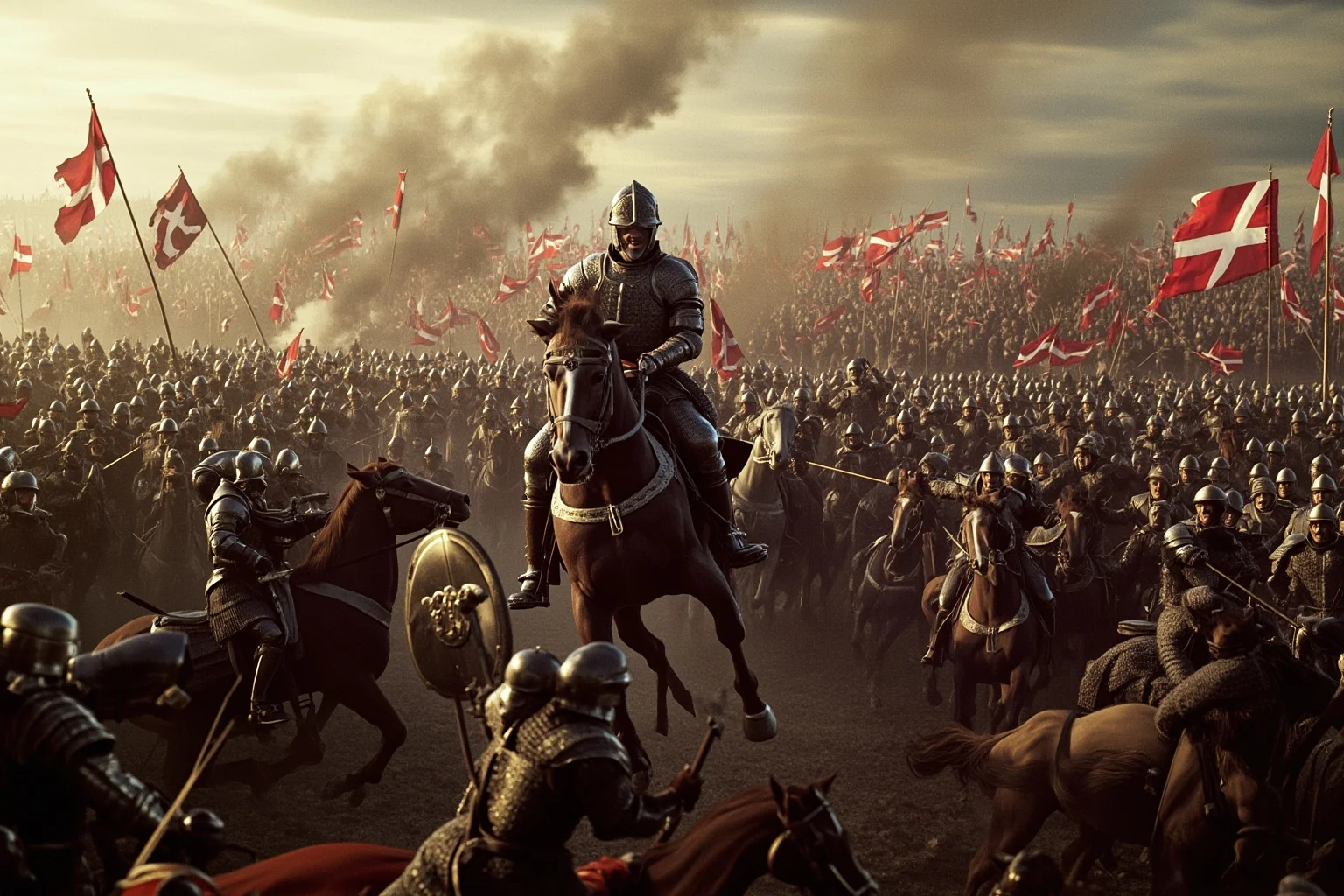
Henry VI inherited the throne as an infant and grew into a king plagued by bouts of mental illness and weak political control. English territory in France was largely lost during his reign, and noble factions began fighting for influence over the crown. His instability is widely seen as a major trigger for the Wars of the Roses.
18. The Wars of the Roses Were a Family Feud on a National Scale
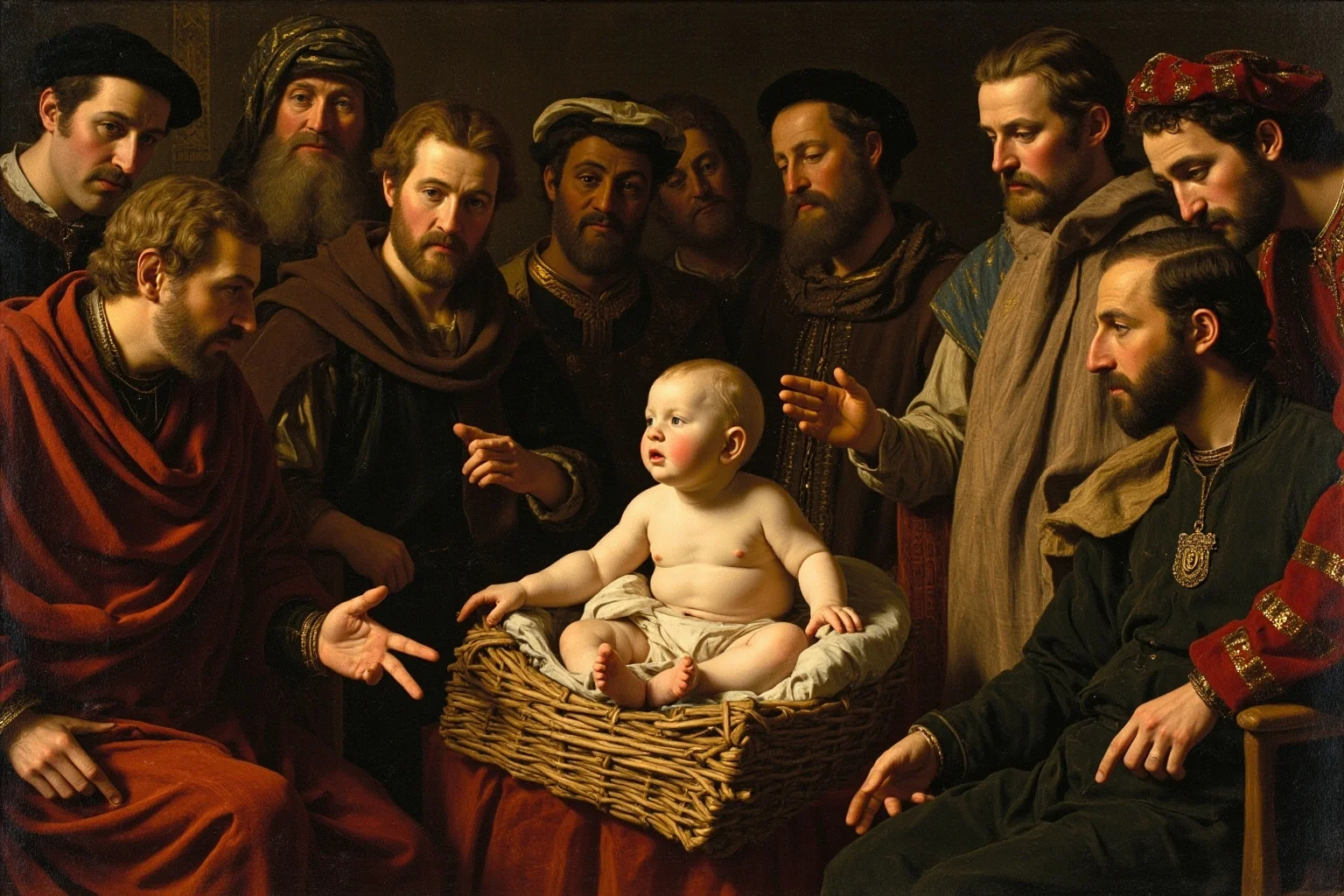
The Wars of the Roses pitted the House of Lancaster against the House of York, both descended from Plantagenet kings, in a series of civil wars from roughly 1455 to 1487. Despite the romantic imagery of red and white roses, contemporary sources rarely used those symbols this way; the naming convention was popularized later. The wars devastated the English nobility and repeatedly changed who sat on the throne.
19. Edward IV Took the Throne Twice
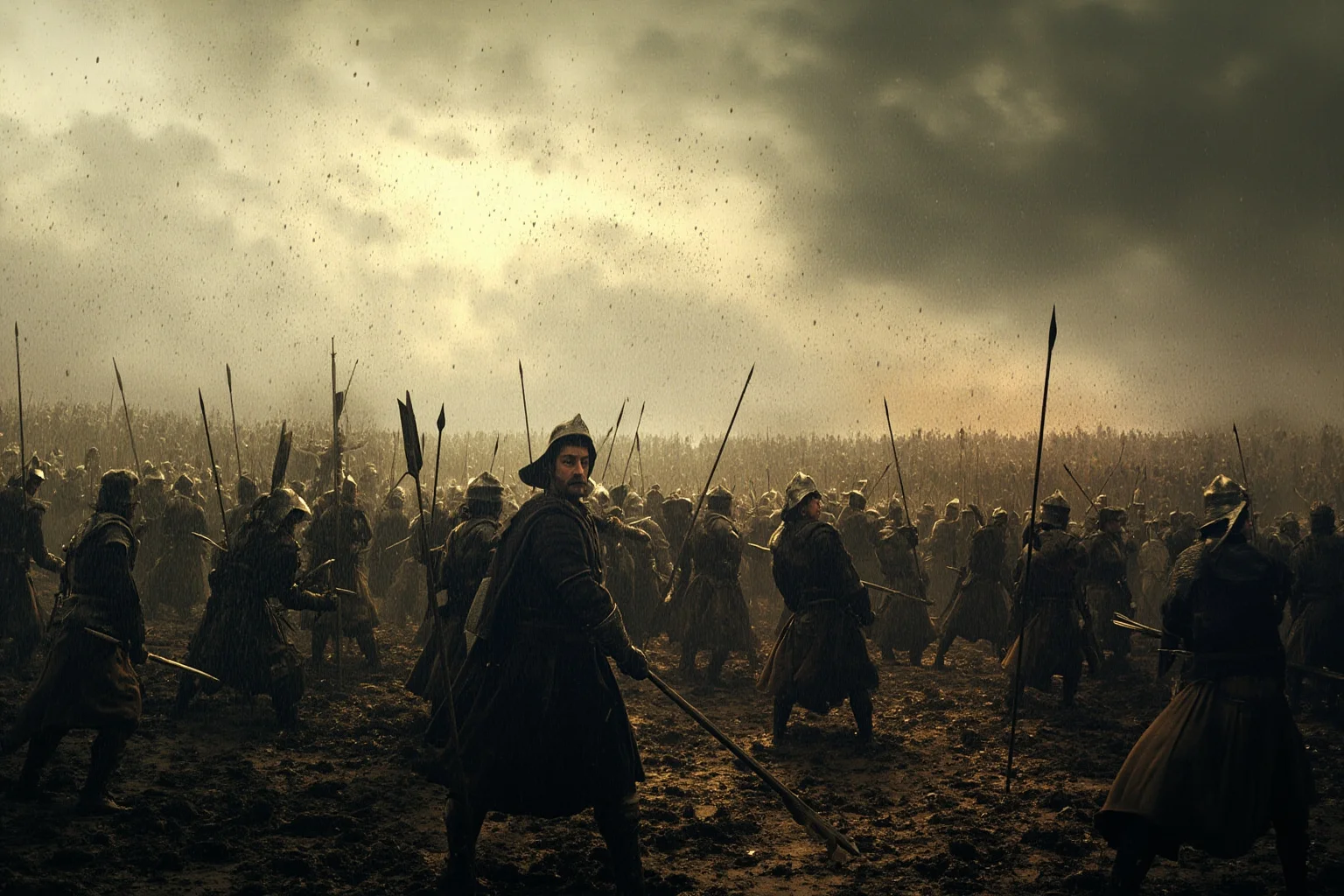
Edward IV of the House of York seized the crown in 1461, lost it briefly in 1470 when Lancastrian forces temporarily restored Henry VI, and then reclaimed it again in 1471. Few English monarchs have had such a stop-and-start reign. His ultimate victory secured Yorkist control, at least for a while.
20. The Princes in the Tower Remain an Unsolved Mystery
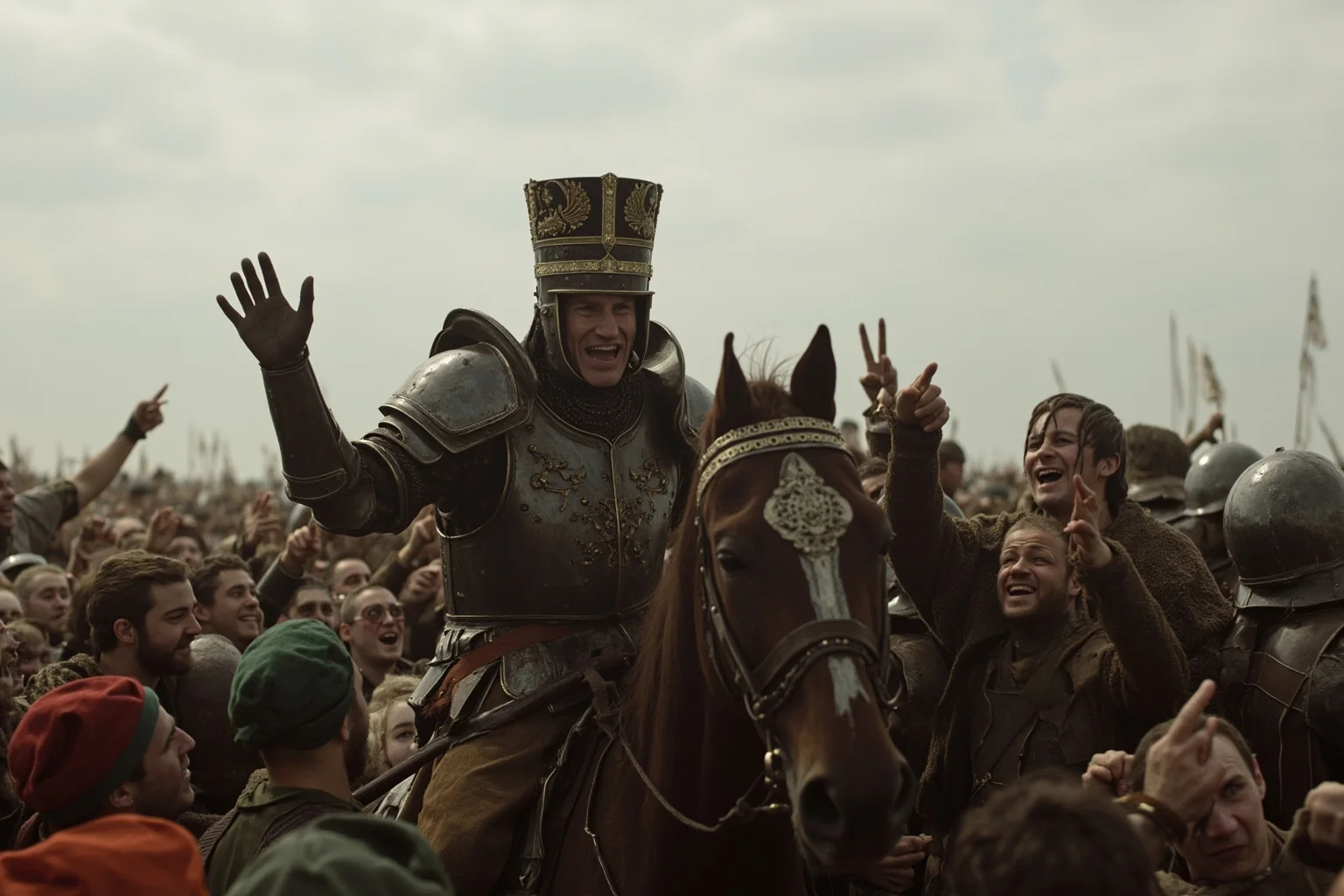
After Edward IV’s death, his two young sons vanished after being placed in the Tower of London under the guardianship of their uncle, who became Richard III. Their fate has never been conclusively proven, though it’s widely suspected they were killed. Historians continue to debate responsibility, and it’s important to treat this as an enduring historical mystery rather than settled fact.
21. Richard III Was the Last Plantagenet King
Richard III’s short, controversial reign ended at the Battle of Bosworth Field in 1485, where he was killed fighting Henry Tudor’s forces. His death is generally treated as the symbolic end of Plantagenet rule, even though Yorkist and Lancastrian blood continued through later royal lines. It also marked the beginning of the Tudor dynasty.
22. Richard III’s Remains Were Found Under a Parking Lot
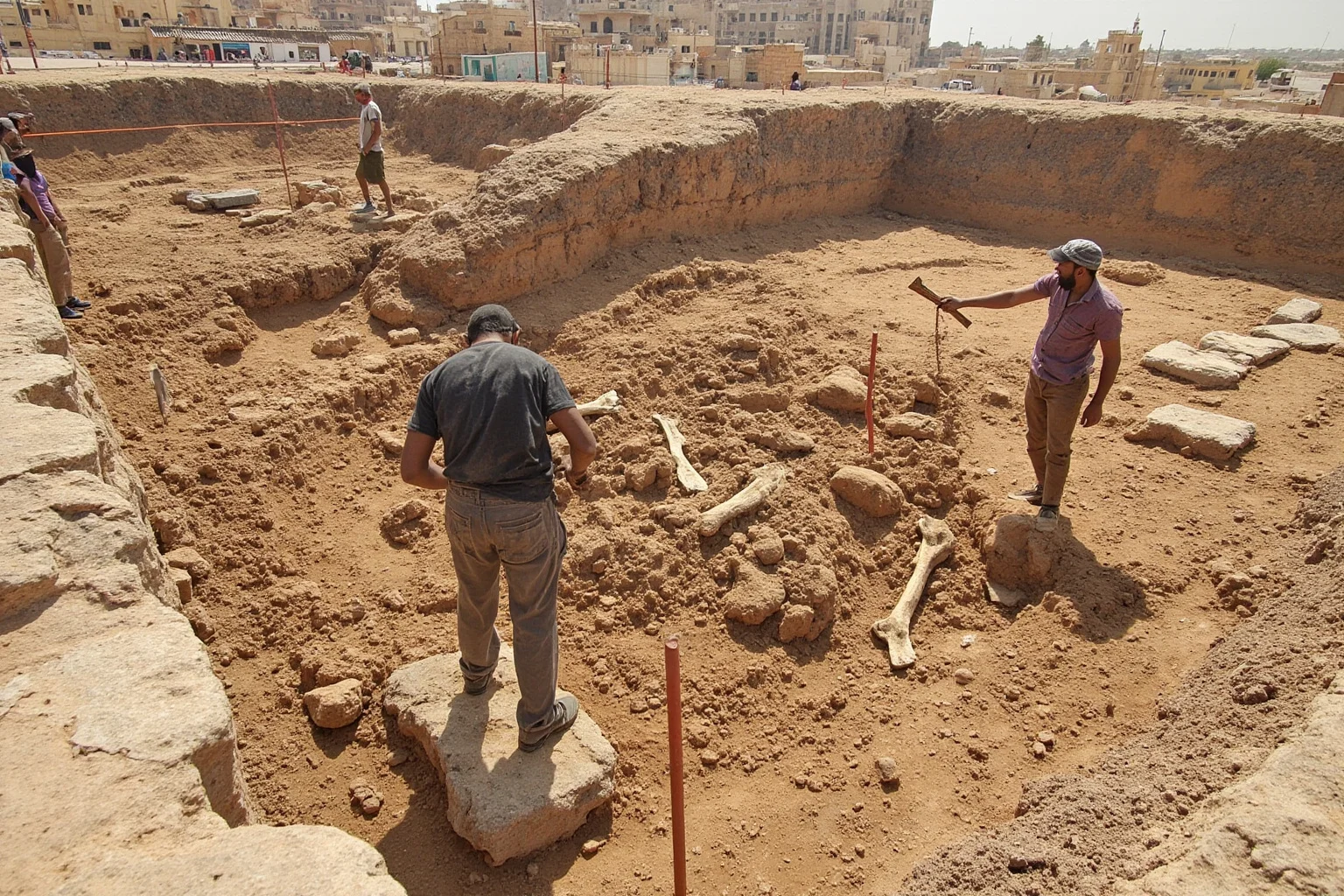
In 2012, archaeologists discovered a skeleton beneath a car park in Leicester that was later confirmed through DNA analysis and skeletal evidence to be Richard III. The find made global headlines and offered fresh physical evidence about his battlefield injuries and spinal condition. He was reburied with royal ceremony at Leicester Cathedral in 2015.
23. The Tudors Ended the Feud Through Marriage, Not Just War
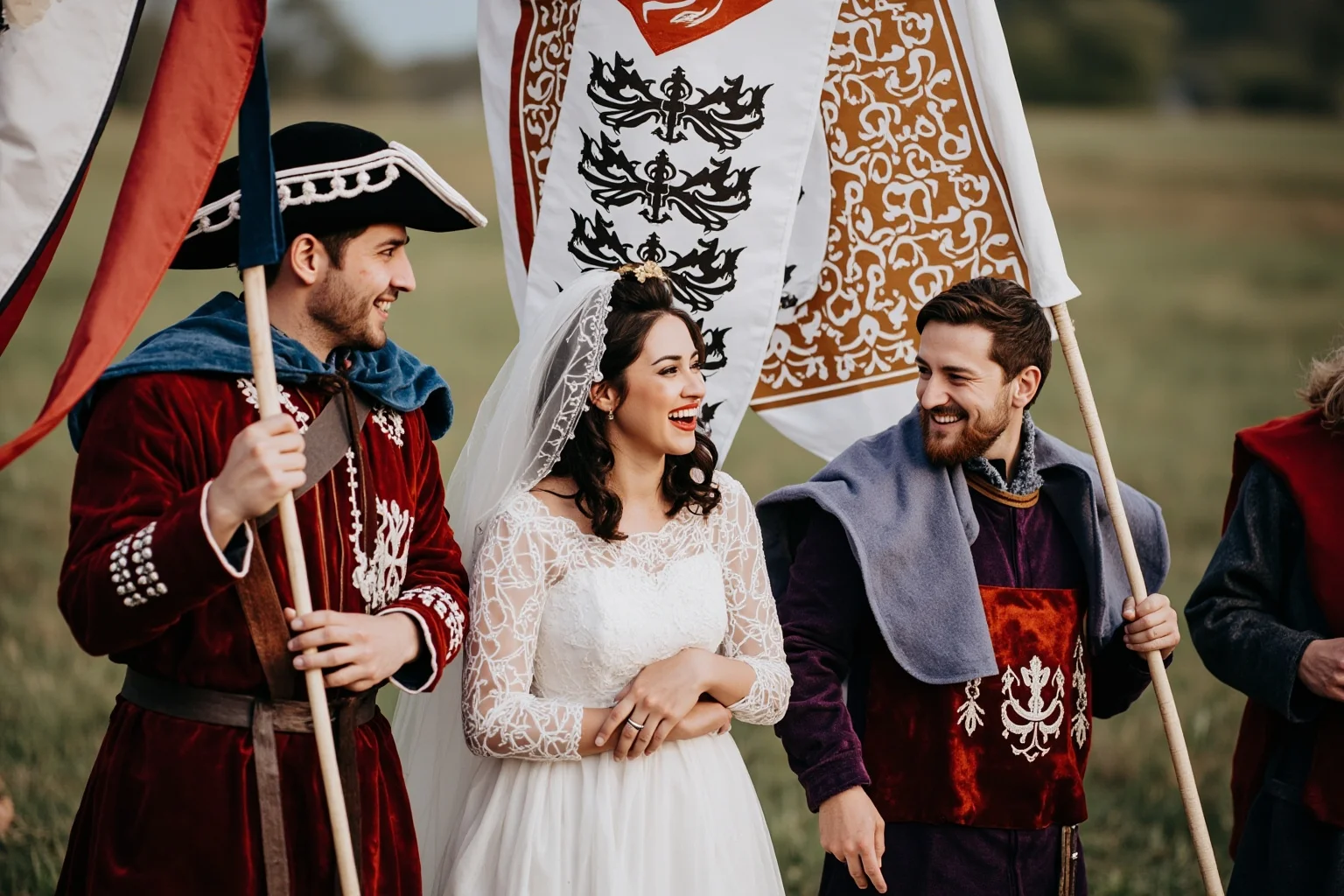
Henry Tudor’s victory at Bosworth was cemented politically when he married Elizabeth of York, uniting the warring Lancastrian and Yorkist bloodlines. This marriage is often credited with symbolically ending the Wars of the Roses. It also gave rise to the Tudor rose emblem, blending the two rival house symbols.
24. Plantagenet Rule Reshaped English Law and Language
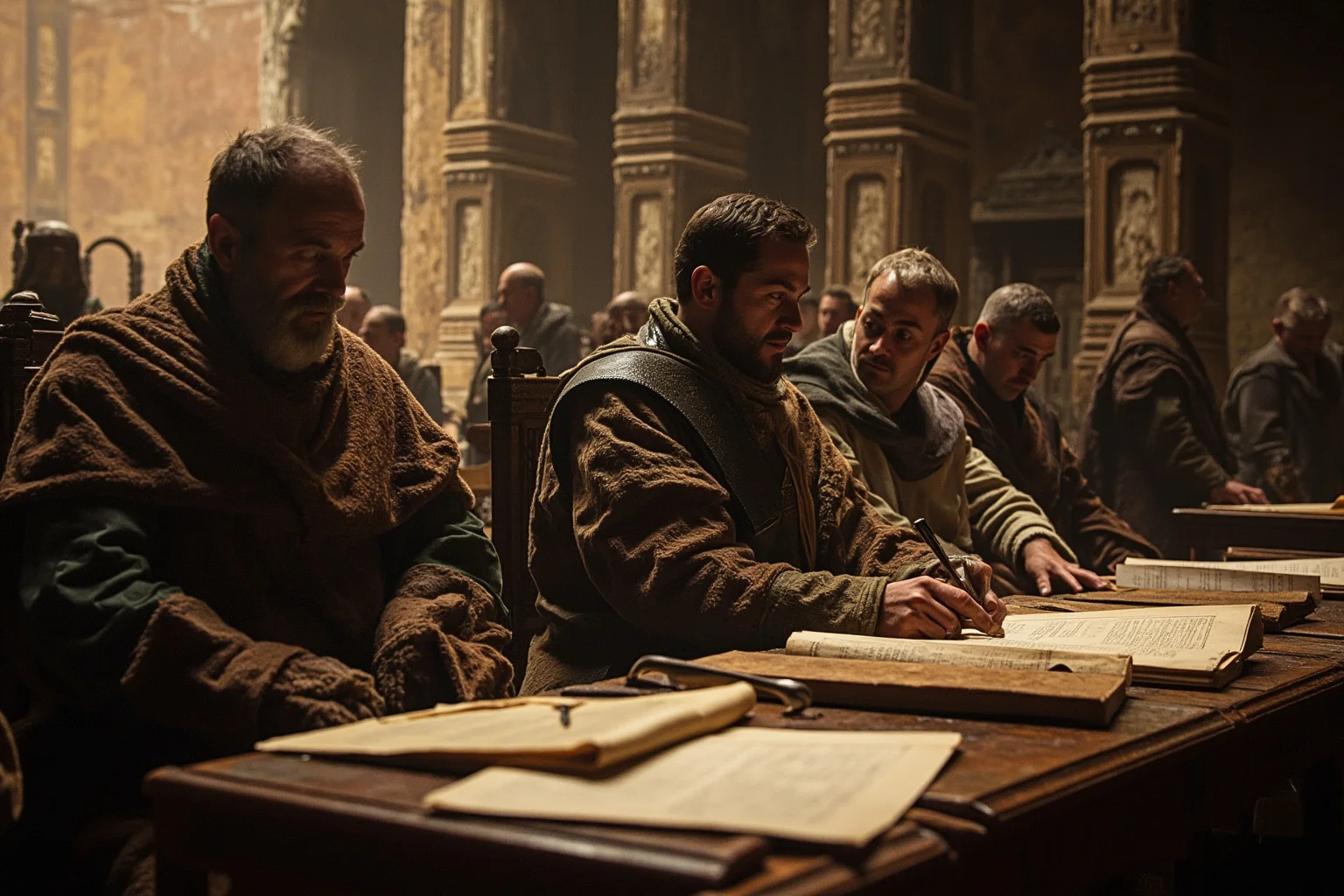
Beyond the battles and betrayals, the Plantagenet era left a lasting institutional legacy, including the growth of common law, trial by jury concepts, and early parliamentary structures. English also gradually replaced Anglo-Norman French as the dominant language of the court during this period. These shifts quietly outlasted every king and queen involved.
25. Historians Still Debate Where the Dynasty’s Boundaries Lie
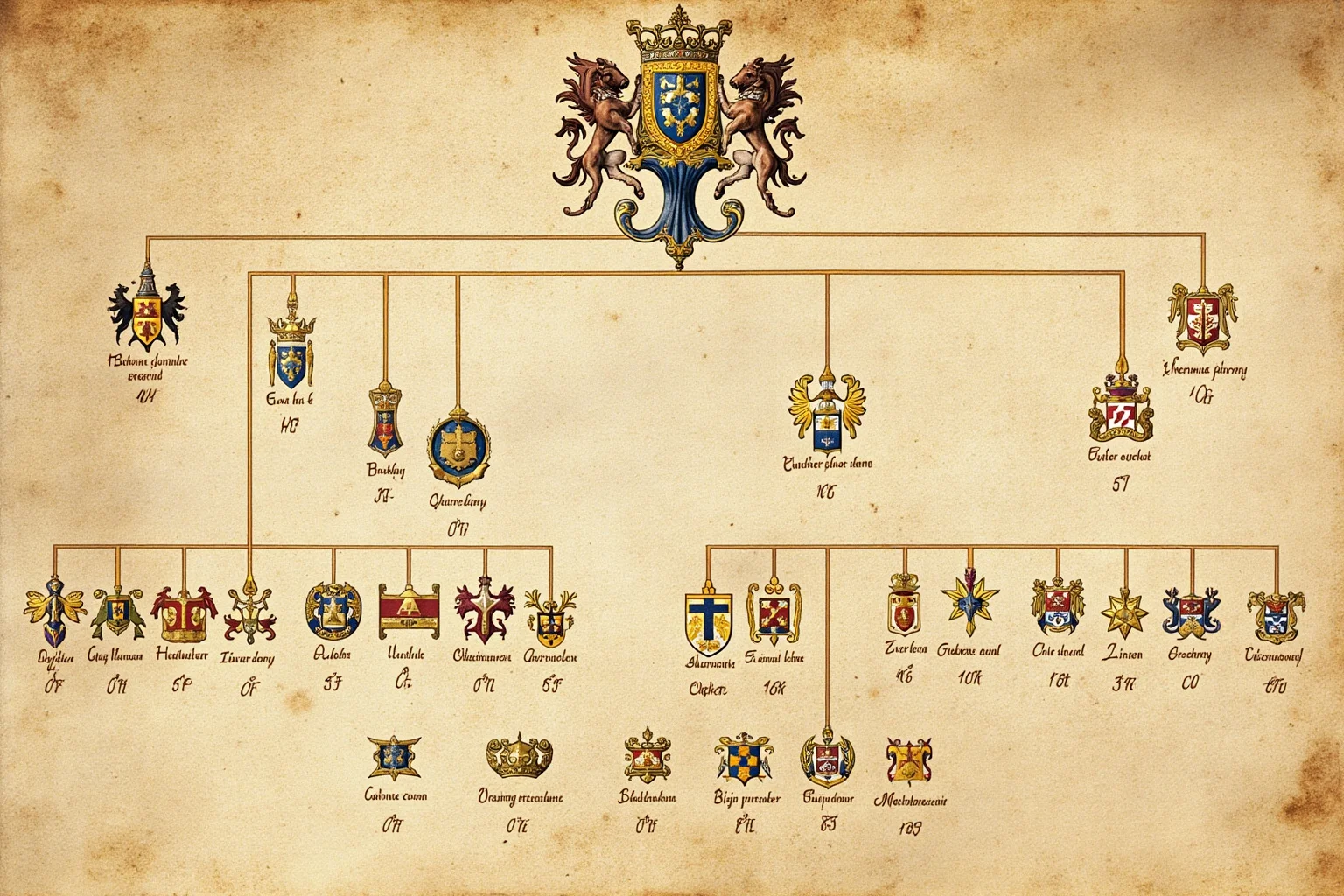
Some historians treat the Plantagenets as a single unbroken royal house from 1154 to 1485, including the Lancaster and York kings. Others prefer to reserve the term strictly for the earlier, undivided line before 1399. Both usages are defensible, which is part of why definitions of Plantagenet vary slightly between textbooks and sources.
The Plantagenet Family Today
A common question is whether the Plantagenet family exists today, and the answer is more nuanced than a simple yes or no. There is no living person holding the throne as a direct “Plantagenet monarch,” since the dynasty’s ruling line ended in 1485. However, Plantagenet bloodlines didn’t vanish; they spread through centuries of aristocratic marriages across Europe.
Genealogists have traced numerous surviving descendants of Plantagenet nobles, and some families and individuals today can claim documented ancestral links to the medieval dynasty. The 2012 discovery of Richard III’s remains even allowed scientists to confirm a genetic connection to a living descendant through the maternal line, adding real DNA evidence to genealogical research.
Even Britain’s current royal family descends from Plantagenet ancestors through the Tudor and later royal marriages, making the dynasty’s bloodline part of the modern monarchy’s deep background rather than a separate, still-reigning house.
Common Misspellings and Related Terms
Because “Plantagenet” is an unusual word borrowed from Latin and Old French, it’s frequently misspelled online, showing up as “Plantangenet,” “Plantaganet,” or even styled as an adjective like “Plantagenist.” None of these are the historically correct spelling, but they’re common enough searches that it’s worth clarifying: the standard spelling used by historians is simply “Plantagenet.”
It’s also common to see people search for a straightforward define-Plantagenets answer, expecting a one-line dictionary entry. The most accurate short definition is this: Plantagenet refers to the royal house that ruled England from 1154 to 1485, founded by Henry II and named after his father Geoffrey’s broom-flower emblem. Everything else, the kings, the wars, the scandals, is really just the long, complicated story of what that one royal family did with several centuries of power.
Final Thoughts on History’s Messiest Dynasty
The Plantagenets weren’t a single tidy royal family so much as a sprawling, feuding network that happened to keep the English crown in the family for over three hundred years, not unlike how the Medici family dominated Florence for generations through wealth and influence rather than a hereditary throne.
They gave England Magna Carta, early parliaments, and lasting legal traditions, while also delivering murdered archbishops, deposed kings, and a civil war that nearly wiped out the nobility. That contradiction is exactly what makes them so endlessly fascinating to historians and casual readers alike.
Understanding the Plantagenet dynasty means accepting that history rarely moves in straight lines. Instead, it moves through ambition, marriage alliances, battlefield luck, and the occasional broom flower pinned to a nobleman’s hat. Few dynasties illustrate that messy, human unpredictability better than this one.
Frequently Asked Questions
Who were the Plantagenets?
The Plantagenets were the royal house that ruled England from 1154 to 1485, beginning with Henry II and ending with Richard III. The family also included the later rival branches known as the House of Lancaster and the House of York, both descended from earlier Plantagenet kings.
What does Plantagenet mean?
Plantagenet comes from the Latin "planta genista," the name for the broom plant. Geoffrey of Anjou, father of the first Plantagenet king, is traditionally said to have worn a sprig of broom blossom as a personal emblem, giving the family its lasting nickname.
How many Plantagenet kings ruled England?
Depending on how the dynasty is defined, historians typically count around 14 kings under the broad Plantagenet umbrella, including the original Plantagenet line plus the later Lancastrian and Yorkist kings. Some narrower definitions count only the kings before the 1399 split between Lancaster and York.
Why did the Plantagenet dynasty end?
The dynasty is generally considered to have ended in 1485 when Richard III was killed at the Battle of Bosworth Field during the Wars of the Roses. His defeat by Henry Tudor marked the start of the Tudor dynasty and the symbolic close of Plantagenet rule.
Is there a Plantagenet family alive today?
No one today holds a formal Plantagenet royal title, since the ruling line ended in 1485, but Plantagenet bloodlines survived through generations of noble marriages across Europe. Genealogists have identified living descendants, and Britain's current royal family also traces ancestry back to Plantagenet forebears.
What is the difference between the Plantagenets, Lancasters, and Yorks?
The House of Lancaster and the House of York were both branches descended from earlier Plantagenet kings, essentially rival cousins fighting over the same family throne. Some historians use "Plantagenet" to cover all three phases collectively, while others reserve it strictly for the unbroken royal line before 1399.

Alex Warren
Related Articles