

Ask ten classicists who Homer really was, and you might get ten different answers. He’s credited as the author of two of the most influential works in Western literature, The Iliad and The Odyssey, yet almost nothing verifiable is known about his life. No portrait, no birth certificate, no contemporary account, and no archaeological trace of the man has ever surfaced.
That hasn’t stopped scholars, poets, and history buffs from piecing together clues from ancient tradition, linguistics, and archaeology, much like the detective work behind other enduring historical puzzles such as who really discovered America first. Below are 25 facts about Homer that separate what historians can reasonably support from what remains legend, myth, and educated guesswork.
TL;DR: Homer is the name tradition gives to the poet behind The Iliad and The Odyssey, but no verified historical record confirms exactly who he was, when he was born, or whether he was even a single real person.
The Mystery Behind the Name “Homer”
Before diving into the numbered facts, it helps to understand why Homer is such a puzzle. Ancient Greeks themselves treated him as a near-legendary figure, writing biographies of him centuries after he supposedly lived, often filling in gaps with guesswork and folklore.
Modern scholars call this puzzle the “Homeric Question,” and it’s one of the oldest unresolved debates in literary history. With that context in mind, here’s what we actually know, what’s plausible, and what’s pure legend.
1. Homer Is the Name Given to the Author of The Iliad and The Odyssey

When people ask “who is Homer,” the simplest answer is that Homer is the name ancient Greek tradition attached to the composer of two epic poems: The Iliad and The Odyssey. These works describe events from the Trojan War and its aftermath, and they became the bedrock of Greek literary and cultural identity.
Whether “Homer” refers to one poet, several poets, or a broader oral tradition given a single name later on is still debated. For simplicity, this article uses “Homer” the way ancient sources did, as the traditional author of these epics.
2. Nobody Can Say for Certain Whether Homer Was a Real Person
This is the question people search for most: was Homer a real person? Historians genuinely don’t know. There’s no surviving primary source, inscription, or physical evidence from Homer’s own lifetime confirming his existence.
Everything we “know” about him comes from stories written centuries after the poems were composed. Because of this, most historians describe Homer as a semi-legendary figure rather than a confirmed historical individual, in the same way scholars still debate whether Joan of Arc was truly the figure of legend she’s remembered as.
3. The “Homeric Question” Has Puzzled Scholars for Over 2,000 Years

The debate over Homer’s identity isn’t new. Ancient scholars in Alexandria were already arguing about whether one person wrote both epics, and the argument has never fully settled.
This long-running academic debate is formally known as the Homeric Question. It covers everything from authorship and dating to how the poems were composed and passed down.
4. Ancient Tradition Placed Him Around the 8th Century BC
When was Homer born? Ancient Greek writers themselves disagreed. The historian Herodotus estimated Homer lived around 400 years before his own time, which would place him roughly in the 9th century BC.
Most modern scholars instead favor a composition date for the poems in the 8th century BC, based on linguistic and archaeological evidence. There is no confirmed “homer birth date,” only a rough window historians debate.
5. No One Knows Homer’s Exact Birthplace
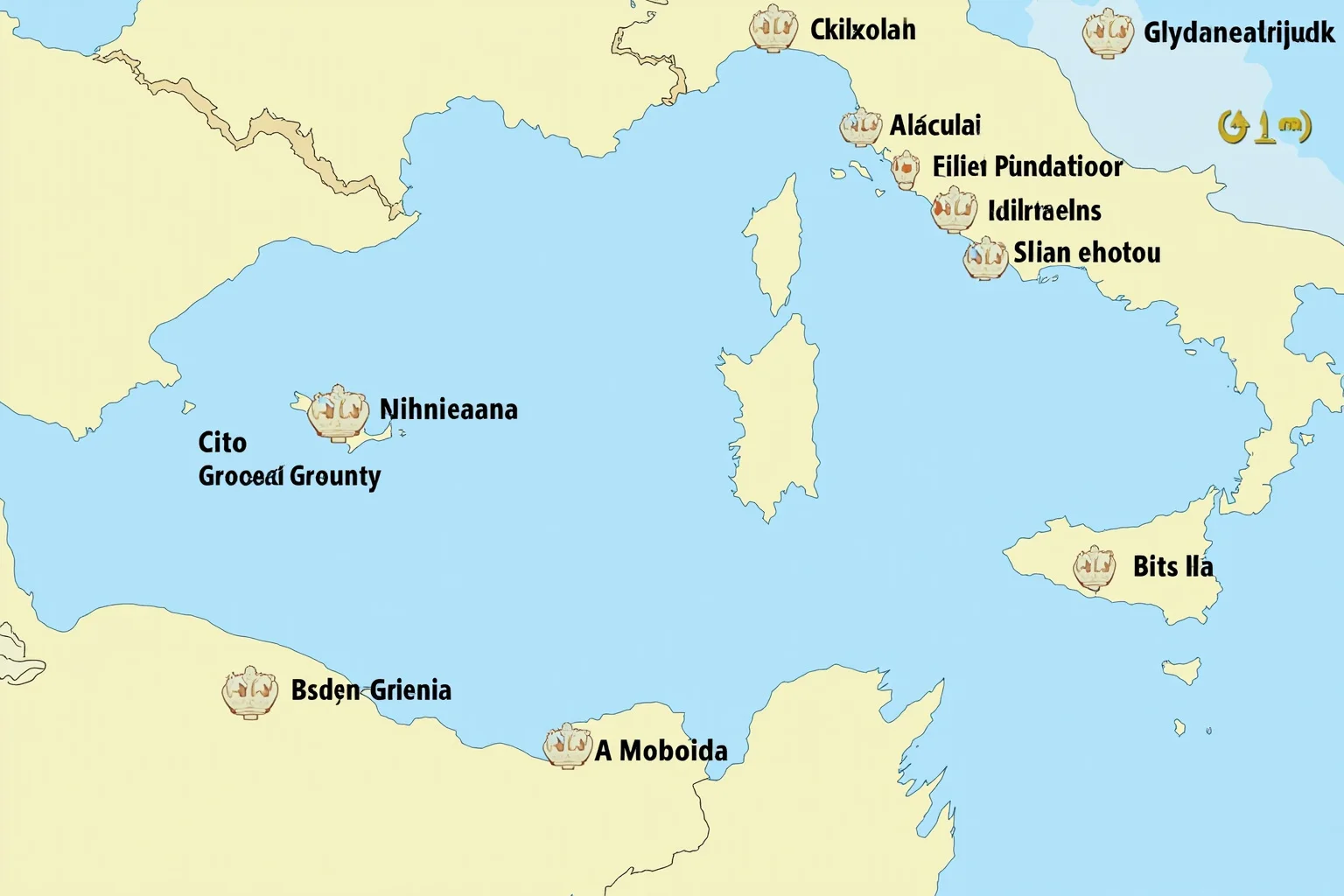
Ask “where is Homer from,” and you’ll get several competing answers. At least seven ancient cities claimed to be his birthplace, including Smyrna, Chios, Colophon, and Athens.
The island of Chios had a particularly strong claim, since a group calling themselves the Homeridae, or “sons of Homer,” lived there and claimed descent from him. None of these claims can be verified with hard evidence.
6. He Is Traditionally Depicted as Blind
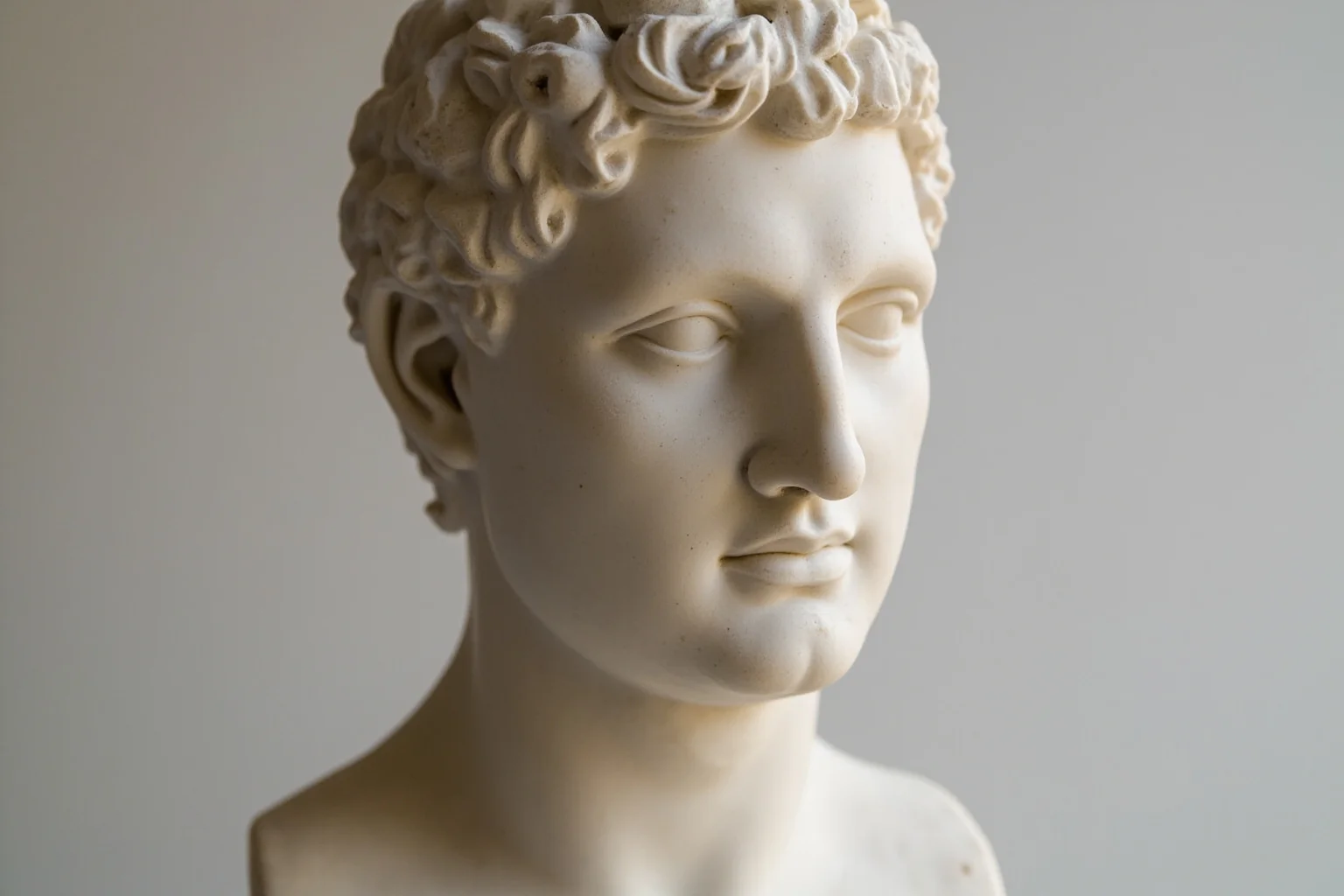
One of the most repeated facts about Homer the poet is that he was blind. This tradition likely comes from a passage in The Odyssey featuring a blind bard named Demodocus, which later writers assumed was a self-portrait.
There’s no historical proof Homer was actually blind. It may simply be a poetic detail readers mistook for autobiography, a common risk when so little else is known about him.
7. His Name May Not Even Mean “Author”
The word “Homeros” in Greek has been interpreted in different ways by scholars. Some suggest it relates to a word meaning “hostage” or “one who is blind,” while others argue it may simply have been a common personal name of the era.
Because the meaning is uncertain, some researchers even wonder whether “Homer” was a title or nickname for a class of performing poets rather than one individual’s birth name. This ambiguity is part of why his full identity remains so elusive.
8. There’s No Agreed “Homer Full Name”
Unlike many historical figures, there’s no recorded full name, family lineage, or personal history tied to Homer that historians consider reliable. Ancient biographies invented parents, teachers, and hometowns for him, but these details contradict each other from source to source.
This is a strong clue that these biographical details were fabricated after the fact to satisfy curious readers. In short, “Homer” functions more like an attributed name than a documented identity.
9. The Iliad and The Odyssey Were Likely Composed Orally

One of the most important facts about Homer the poet involves how the poems were made, not just who made them. Ancient Greek epic poetry was originally composed and performed orally, often accompanied by music, long before writing was common.
Bards memorized and adapted long narrative poems using rhythm, meter, and repeated phrases as memory aids. This oral tradition may have shaped the Iliad and Odyssey for generations before anyone wrote them down.
10. The Poems Show Clear Signs of Oral-Formulaic Composition
In the 20th century, scholar Milman Parry studied living oral poetry traditions in the Balkans and compared them to Homer’s style. He found that repeated phrases like “rosy-fingered dawn” or “swift-footed Achilles” function as memory tools typical of oral storytelling, not literary flourishes.
This research strongly suggests the poems were shaped by generations of oral performers. It also supports the idea that “Homer” might represent a tradition rather than a single author sitting down to write.
11. The Odyssey Follows Odysseus’s Ten-Year Journey Home
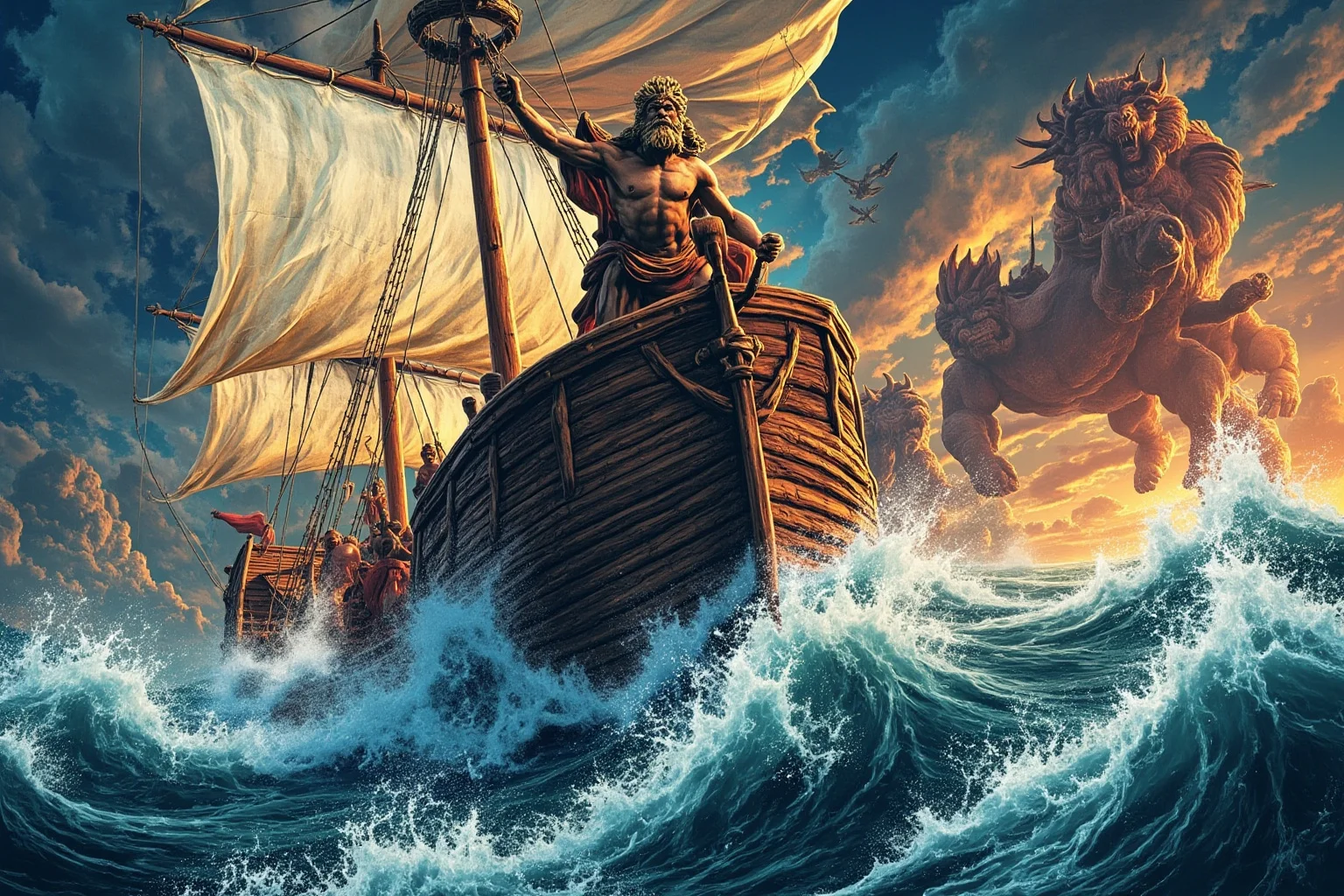
For readers less familiar with the plot, The Odyssey tells the story of Odysseus, a Greek hero trying to return home to Ithaca after the Trojan War. His journey takes ten years and includes encounters with monsters, gods, and magical islands.
The poem is as much about endurance and cleverness as it is about adventure. It’s also where the word “odyssey,” meaning a long, eventful journey, comes from.
12. The Iliad Focuses on a Few Weeks of the Trojan War
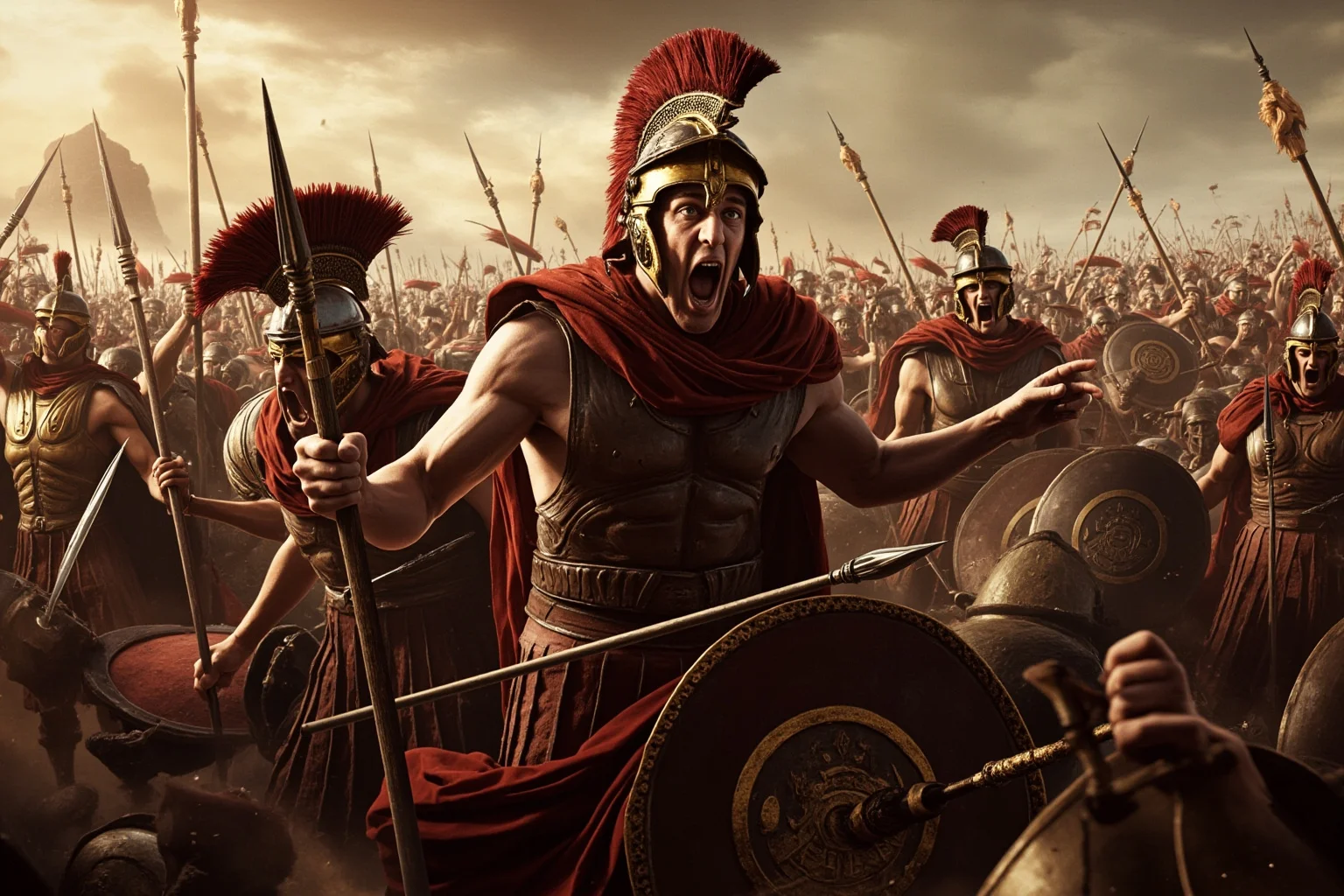
While The Odyssey covers a long journey, The Iliad is narrower in scope. It centers on a dispute between the warrior Achilles and King Agamemnon during the final weeks of the decade-long Trojan War.
Despite its narrow timeframe, the poem is packed with vivid battle scenes, divine interventions, and reflections on glory, mortality, and rage. It’s widely considered one of the founding texts of Western literature.
13. Both Poems Are Enormous in Length

The scale of these epics is genuinely staggering for works believed to have oral roots. The Iliad contains roughly 15,700 lines, while The Odyssey runs to about 12,110 lines, both written in a rhythmic meter called dactylic hexameter.
Memorizing and performing poems of this length would have required extraordinary skill. This is part of why scholars believe multiple performers likely refined and expanded the material over time.
14. Homer’s Greek Was a Literary Dialect, Not a Spoken One
The language used in the poems, often called Homeric Greek, blends elements from different regional Greek dialects across time periods. It wasn’t the everyday speech of any single Greek city or era.
This mixed, artificial-sounding dialect further supports the theory that the poems evolved over a long stretch of oral tradition. Different generations of poets likely added their own regional touches as the story passed along.
15. The “Homeric Hymns” Are Probably Not by the Same Author
A collection of poems called the Homeric Hymns has survived alongside the Iliad and Odyssey, traditionally attributed to Homer. Most modern scholars agree these hymns were written by different poets, sometimes centuries apart from each other.
They were likely just grouped under Homer’s name because of his enormous reputation. This pattern, of works being attached to a famous name for prestige, was common in the ancient world.
16. Ancient Greek Education Was Built Around His Work

Whatever the truth about his identity, Homer’s poems became central to Greek schooling and culture for centuries. Boys across the Greek world memorized long passages of the Iliad and Odyssey as part of their basic education.
His works were treated less like entertainment and more like moral and cultural instruction. This helped cement the poems, and the legendary author behind them, into the core of Greek identity.
17. Alexander the Great Reportedly Revered The Iliad

According to ancient historical tradition, Alexander the Great kept a copy of The Iliad with him during his military campaigns and deeply admired the hero Achilles. While specific anecdotes about this vary between ancient sources and may be embellished, the broader point stands.
Homer’s poems carried enormous cultural weight for centuries after they were composed. Rulers, philosophers, and everyday citizens alike treated the epics as essential cultural touchstones.
18. Homer Heavily Influenced Roman Literature
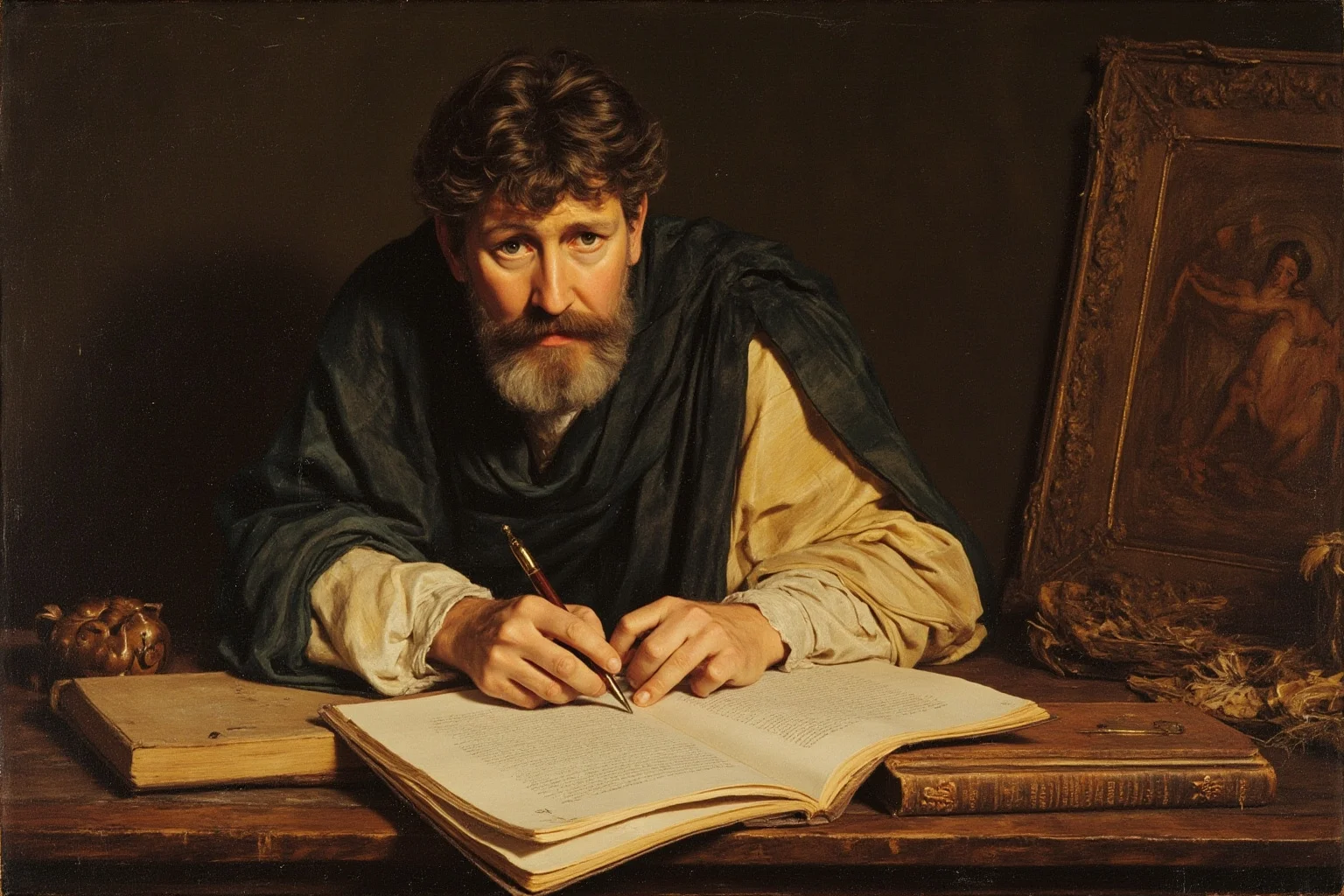
Homer’s impact didn’t stop with the Greeks. The Roman poet Virgil modeled his own epic, The Aeneid, closely on the structure and themes of the Iliad and Odyssey, borrowing everything from narrative techniques to specific scenes.
This chain of influence helped carry Homeric storytelling traditions into Latin literature and, eventually, into the broader canon of Western literature. Many later epics, from Milton’s Paradise Lost to modern novels, still echo Homeric structure.
19. Some Scholars Think “Homer” Represents Multiple Poets
This theory, sometimes called the “Analyst” position, argues that differences in style, vocabulary, and consistency between the Iliad and Odyssey suggest they weren’t written by one person. Analysts point to inconsistencies in geography, character details, and even storytelling techniques between the two epics.
Opponents of this view, called “Unitarians,” argue the poems show enough stylistic unity to have come from a single guiding poetic mind, even if oral tradition shaped earlier versions. Neither camp has definitively won the debate.
20. There Is No Physical or Archaeological Evidence of Homer Himself
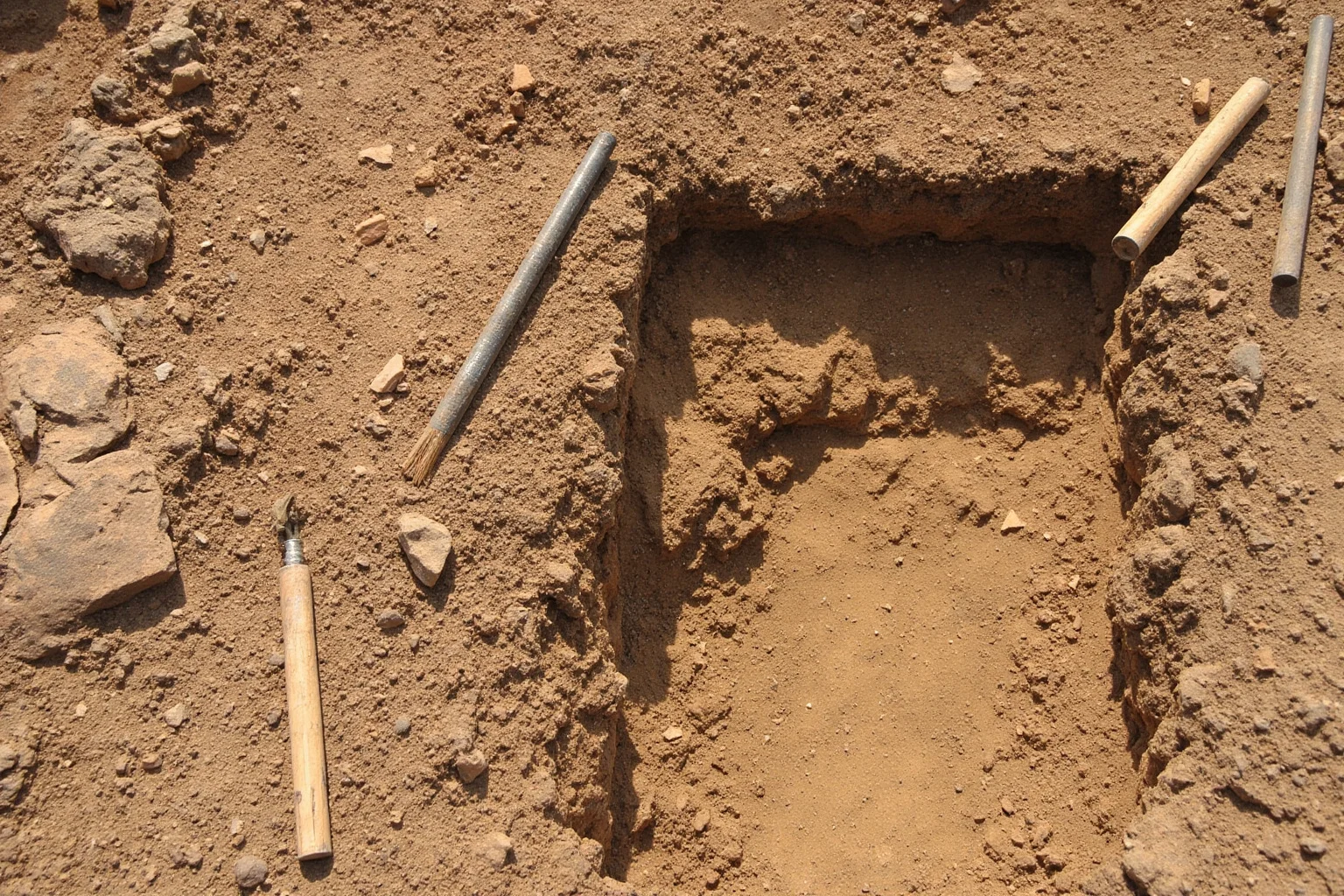
Unlike many historical figures from antiquity, there are no tombs, inscriptions, coins, or contemporary references confirming Homer’s existence. Everything describing his life was written long after the poems themselves were composed.
This absence of hard evidence is central to why the question “was Homer real” remains genuinely open among historians. It’s not that evidence disproves him, it’s that no solid evidence exists either way.
21. His Biography Was Likely Invented After the Fact
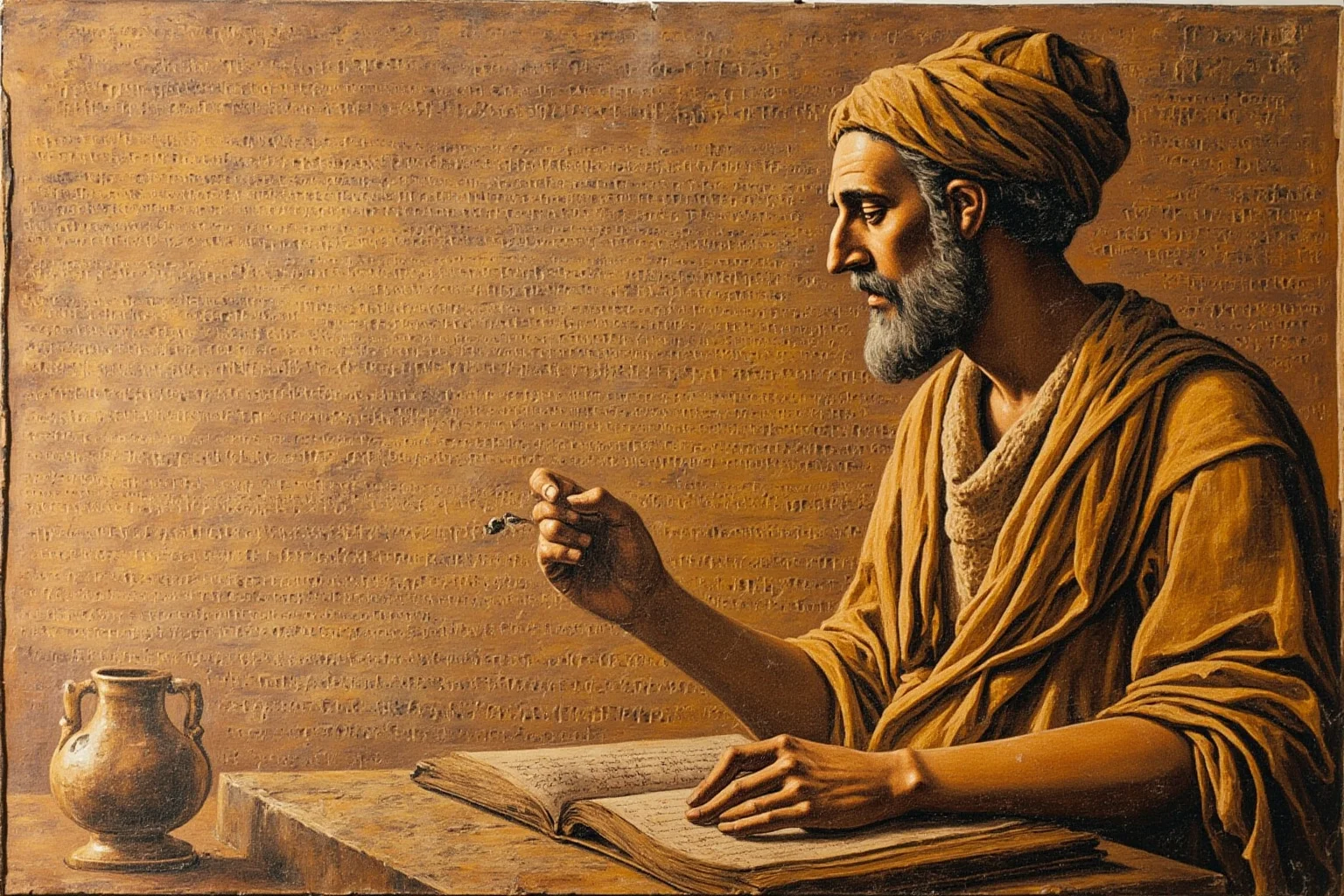
Several ancient “Lives of Homer” were written hundreds of years after the poems’ likely composition, describing his parents, travels, and even his death. These biographies frequently contradict one another on basic facts like his birthplace or family.
Historians generally treat these accounts as legendary reconstructions rather than reliable history, a pattern also seen in the invented biographical details that grew up around the real Saint Patrick. They tell us more about how much the Greeks revered Homer than about who he actually was.
22. The Poems Were Eventually Standardized in Writing
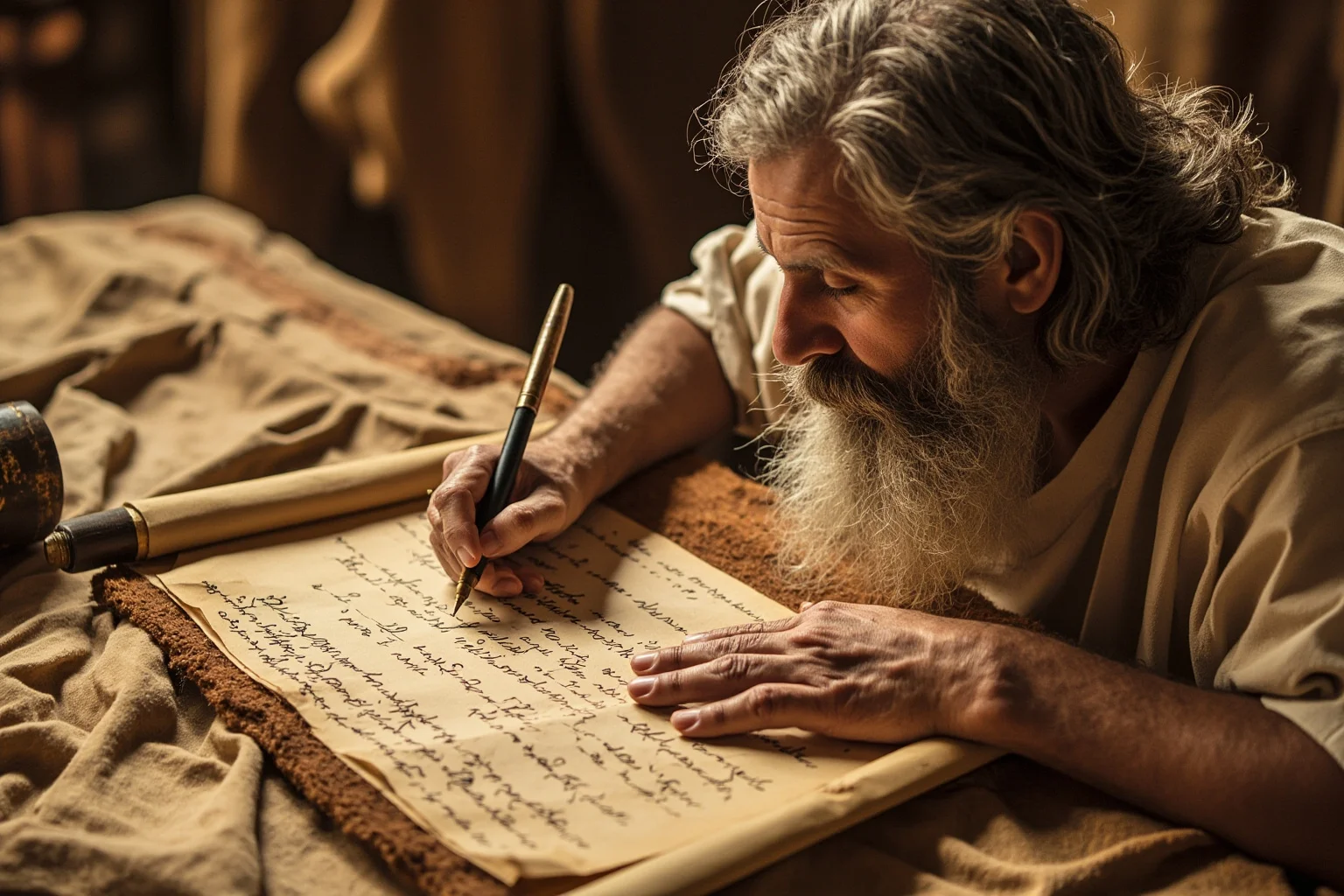
While the Iliad and Odyssey likely began as oral performances, they were eventually transcribed and edited into more fixed written versions. Scholars in Alexandria, particularly during the Hellenistic period, played a major role in standardizing the texts we still read today.
This means the versions available now are the product of centuries of transmission, editing, and copying. The “original” performed version, if such a single thing ever existed, is lost to history.
23. Homer’s Work Helped Shape the Greek Alphabet’s Legacy
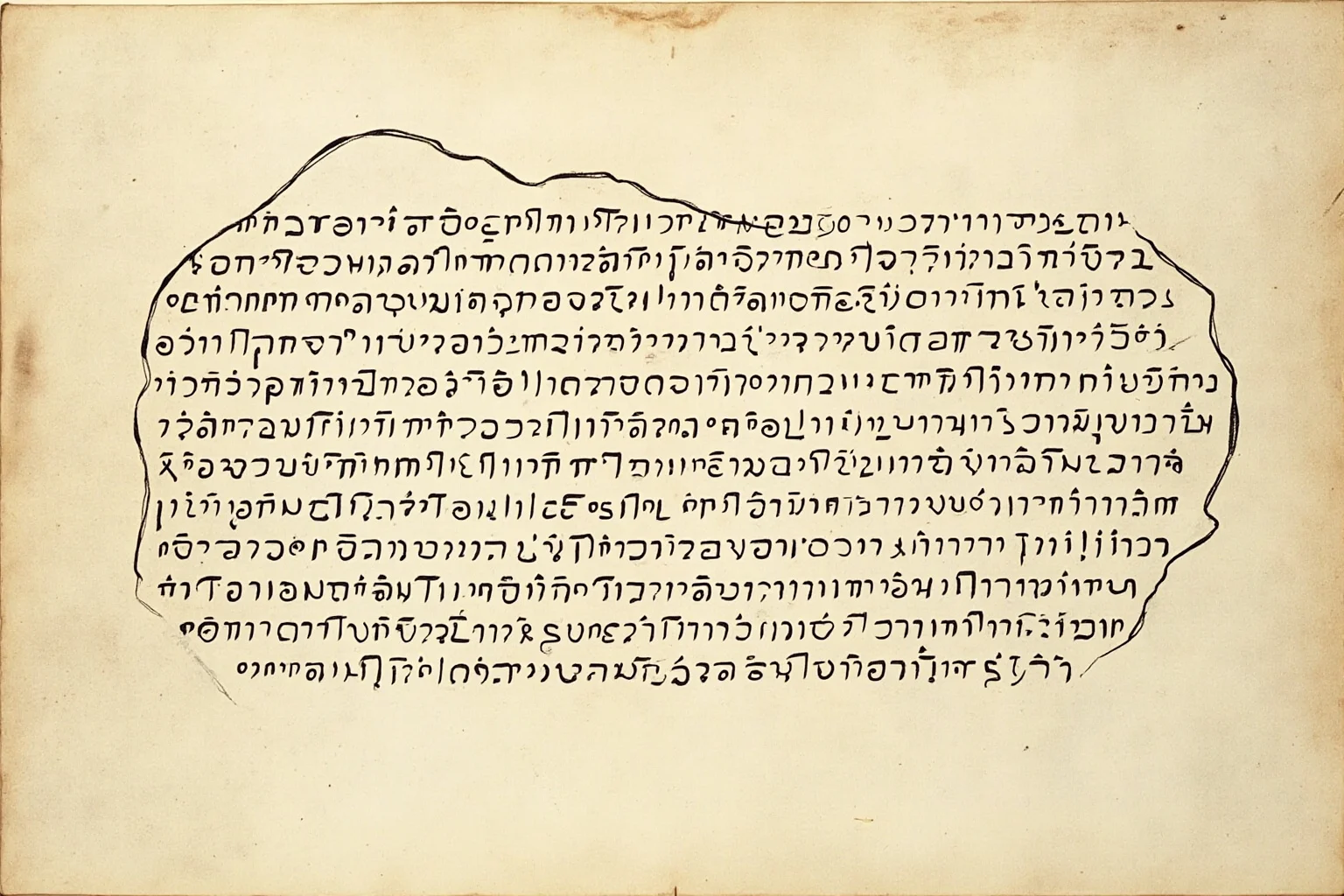
The wide popularity of Homeric poetry is thought to have encouraged the spread and standardization of written Greek during the archaic period. As demand grew to record and preserve these beloved epics, writing became an increasingly valuable cultural tool.
This relationship between oral performance and written preservation reflects a pivotal shift in ancient Greek culture. It marks a turning point between a primarily oral society and one that increasingly relied on the written word.
24. Homer Never “Wrote” in the Modern Sense

Even if a real poet named Homer existed, most historians agree he likely composed by performing and reciting rather than physically writing anything down. Widespread literacy simply didn’t exist in Greece at the time scholars believe the poems originated.
This reshapes how we should think about “what did Homer do.” He was likely a performer and composer working within an oral tradition, not an author sitting at a desk with pen and parchment.
25. His Influence on Literature Has Never Faded

More than 2,500 years later, The Iliad and The Odyssey remain foundational texts in literature courses worldwide. Countless movies, novels, and even video games still borrow characters, structures, and themes directly from these two epics.
Whether Homer was one poet, several poets, or a symbolic name for a rich oral tradition, his contributions to storytelling are undeniable. Few names in history carry this much cultural weight while remaining this mysterious, placing him alongside the most recognized historical figures of all time.
Why Homer’s Mystery Still Matters
Homer’s story is a reminder that history isn’t always about neat, confirmed facts. Sometimes the most honest answer is that we simply don’t know, and that uncertainty is exactly what keeps scholars, students, and casual readers fascinated.
What is certain is the staying power of the works themselves. The Iliad and The Odyssey have survived translation, war, and thousands of years of cultural change, cementing “Homer” as one of the most influential names in the history of storytelling, real person or not.
Frequently Asked Questions
Was Homer a real person?
No one knows for certain. There is no surviving contemporary evidence confirming Homer's existence, and everything historians know about him comes from legends and biographies written centuries after the Iliad and Odyssey were likely composed. Most historians treat him as a semi-legendary figure rather than a confirmed historical individual.
Who was Homer?
Homer is the name ancient Greek tradition gives to the poet credited with composing The Iliad and The Odyssey, two foundational epics of Western literature. Whether he was one person, several poets, or a name attached to a broader oral tradition is still debated by scholars.
When was Homer born?
There's no confirmed birth date. Ancient sources like Herodotus estimated he lived around the 9th century BC, while most modern scholars place the poems' likely composition in the 8th century BC based on linguistic and archaeological evidence.
Where is Homer from?
His birthplace is disputed. At least seven ancient cities claimed him, most notably Smyrna and the island of Chios, but none of these claims can be historically verified.
What did Homer do?
Tradition credits Homer with composing The Iliad and The Odyssey, epic poems about the Trojan War and its aftermath. Most historians believe these works began as orally performed poetry, recited and refined by bards, before eventually being written down.
What is Homer’s full name?
There is no verified full name or personal biography for Homer. Ancient biographies invented details about his parents and hometown, but these accounts contradict each other and are considered unreliable legend rather than fact.

Alex Warren
Related Articles