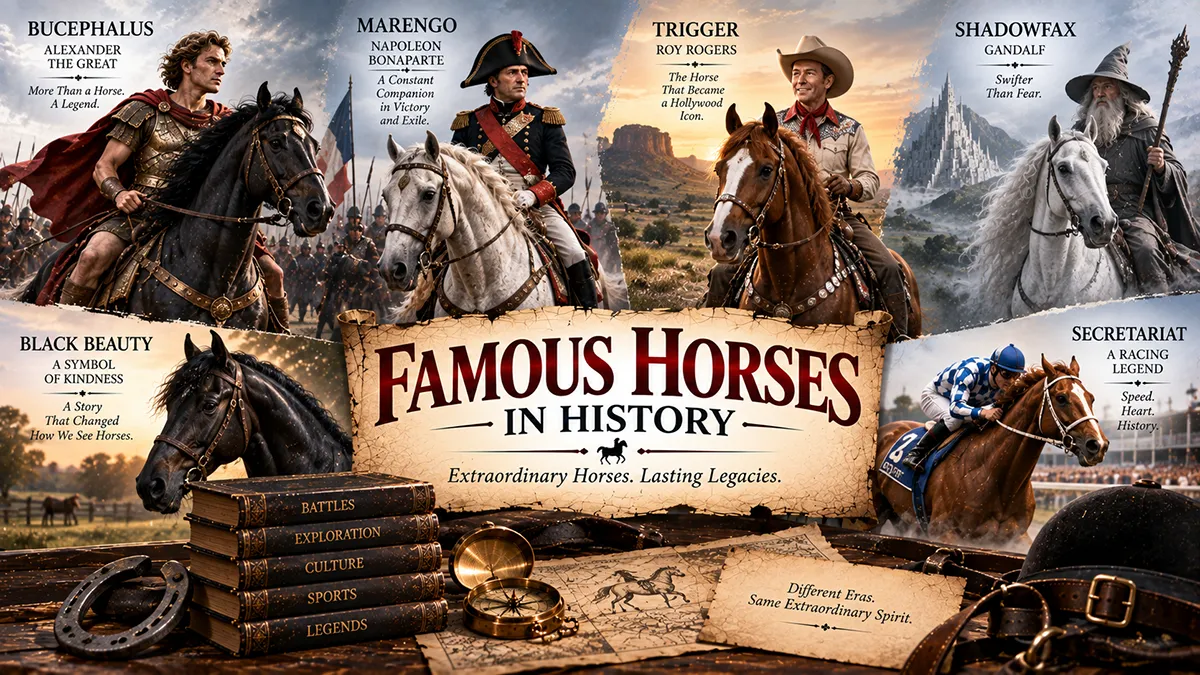
Horses have carried emperors into battle, won impossible races, and galloped straight into our collective imagination through books and film. Long before cars existed, a good horse could decide the outcome of a war, the fate of a kingdom, or the legacy of the rider on its back. It’s no surprise that some of these animals became just as famous as the humans who rode them.
This guide rounds up the most famous horses in history and pop culture, separating well-documented history from legend along the way. We’ll look at war horses, record-breaking racehorses, and the fictional horse characters that have galloped off the page and onto the screen.
TL;DR: From Alexander the Great’s Bucephalus to the record-shattering racehorse Secretariat, history’s most famous horses reveal how deeply these animals shaped war, sport, and storytelling.
What Makes a Horse Historically Famous?
A horse usually earns lasting fame for one of three reasons: it carried someone historically significant, it achieved something extraordinary in competition, or it became a beloved character in literature or film.
Some names on this list, like Bucephalus and Marengo, are tied to military history and come with centuries of embellishment layered on top of the facts. Others, like Secretariat and Man o’ War, are famous purely because of measurable, record-setting athletic performance.
It’s worth noting upfront that many stories about ancient and medieval horses were passed down through oral tradition or written decades after the fact. Where the historical record is thin or contested, we’ll flag it rather than present legend as settled fact.
Legendary War Horses of History
War horses occupy a special place in history because they were often as recognizable as the generals and rulers who rode them. Many became symbols of their owner’s power, temperament, or destiny.
1. Bucephalus — Alexander the Great’s Warhorse
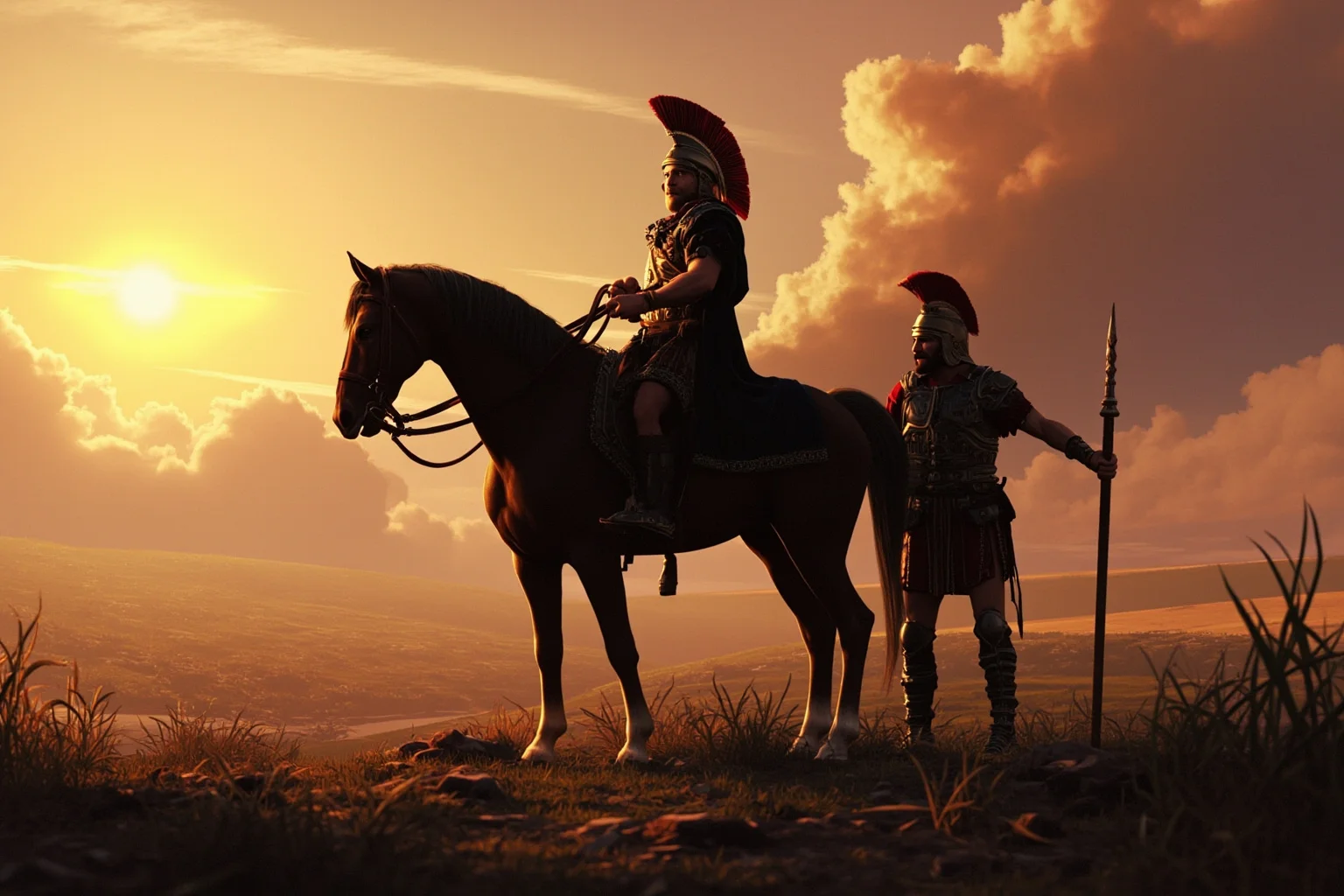
Bucephalus is arguably the most famous horse in ancient history, said to have carried Alexander the Great through most of his major campaigns.
According to ancient biographers like Plutarch, the young Alexander tamed the wild, unrideable horse as a teenager, impressing his father King Philip II of Macedon. The story of the taming is likely partly legendary, but Bucephalus’s presence at battles such as the Granicus and Hydaspes is well attested in ancient sources.
Alexander reportedly founded a city, Bucephala, in the horse’s honor after it died around 326 BCE. Whether every detail of the taming legend is accurate or not, Bucephalus remains a benchmark for what a “famous horse in history” even means.
2. Marengo — Napoleon Bonaparte’s Steed
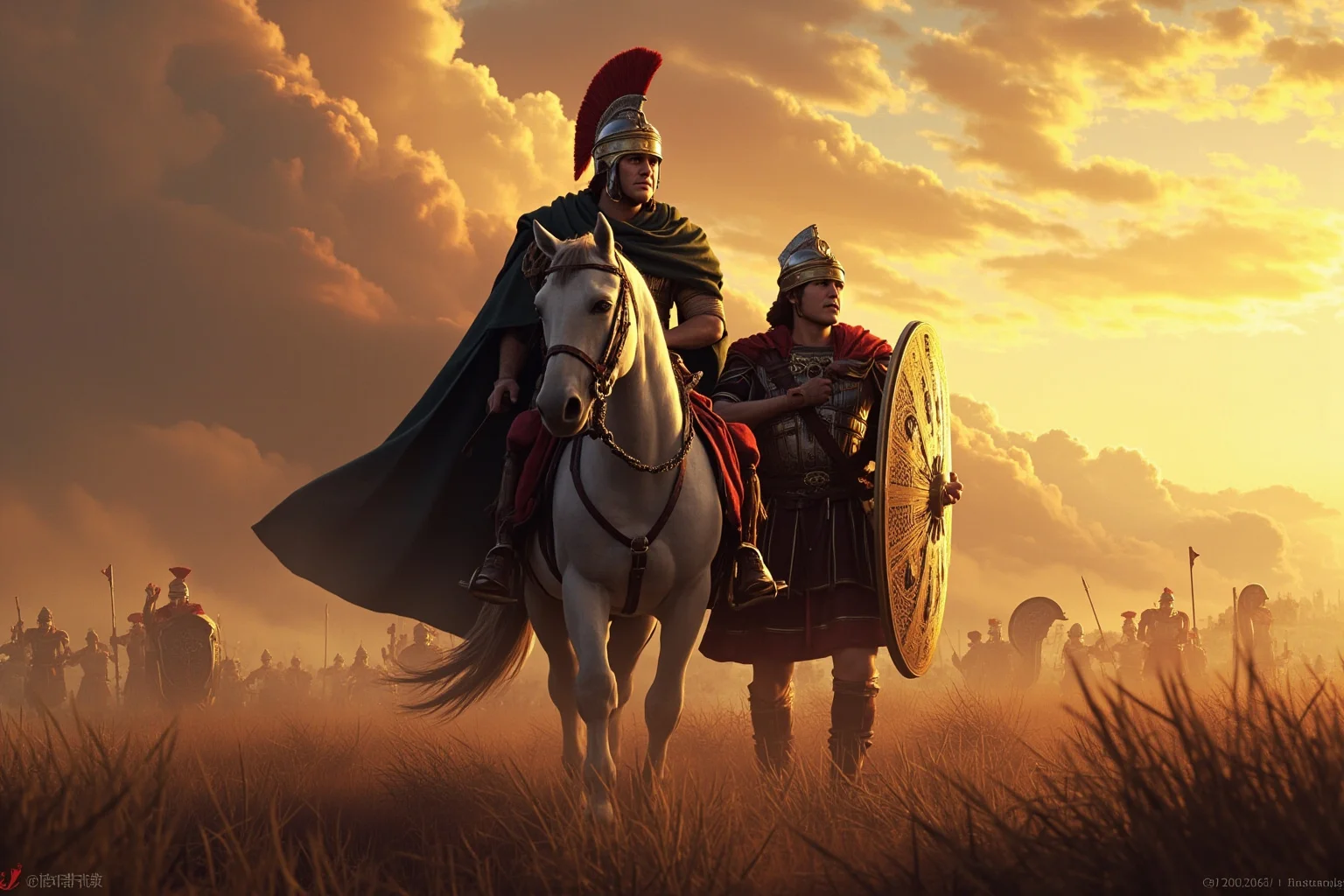
Marengo was the grey Arabian horse most associated with Napoleon Bonaparte, one of history’s most recognized figures, reportedly ridden during several major campaigns including Austerlitz and Waterloo.
The horse was named after Napoleon’s 1800 victory at the Battle of Marengo. After Napoleon’s final defeat, Marengo was captured by the British and lived out his life in England, where his skeleton is still preserved at the National Army Museum in London.
Some specific claims about Marengo’s exact wartime exploits have been exaggerated over the years, so it’s best to treat the more colorful anecdotes with mild skepticism. The documented core of the story, however, is solid.
3. Copenhagen — The Duke of Wellington’s Mount
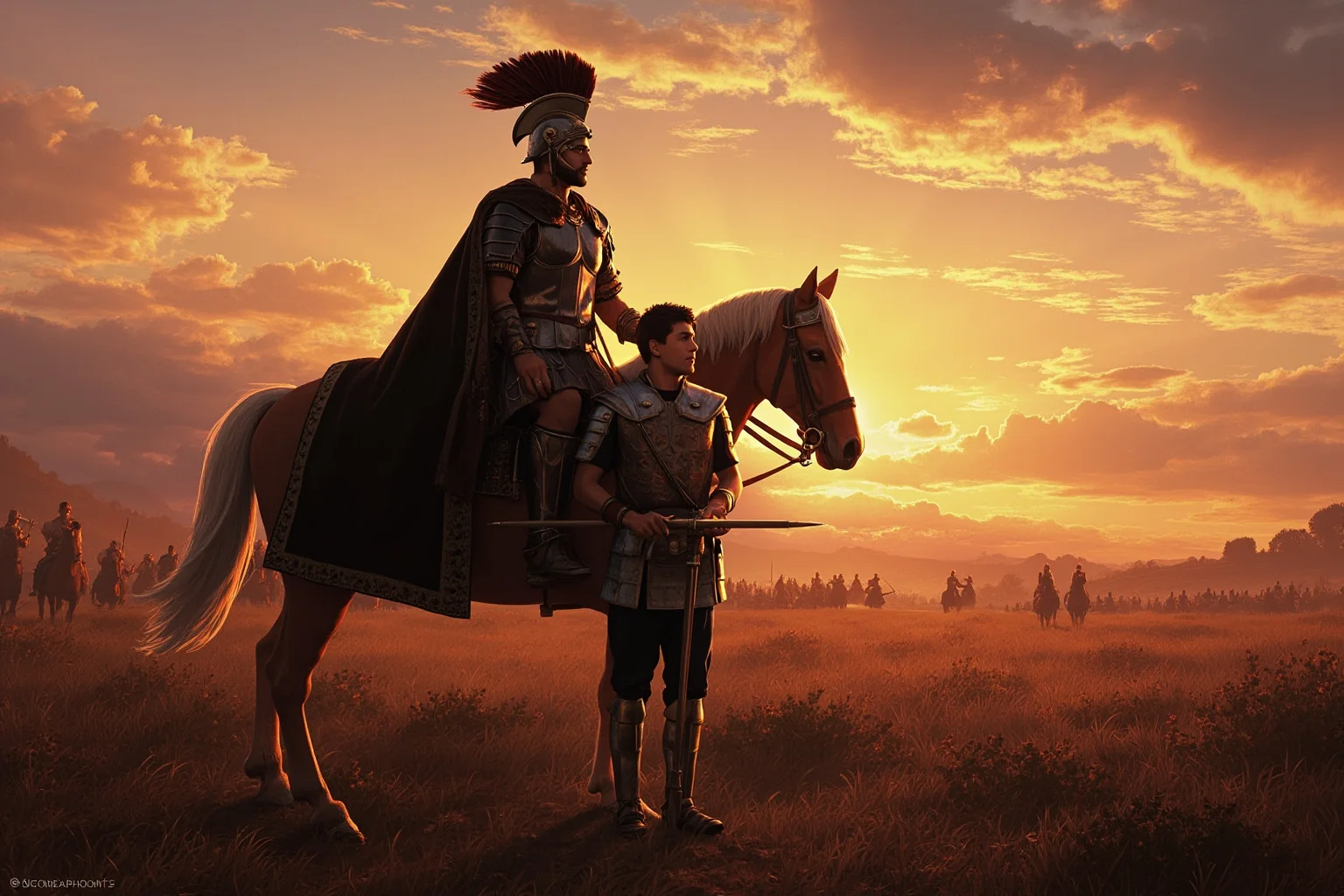
Copenhagen carried the Duke of Wellington throughout the Battle of Waterloo in 1815, reportedly staying in the saddle for nearly the entire day. The horse was known for his stamina and famously bad temper once dismounted; Wellington is said to have narrowly avoided being kicked after finally getting off him.
Copenhagen lived a long retirement at Wellington’s estate and was buried with military honors, a rare tribute for a horse of that era.
4. Incitatus — Caligula’s Infamous Horse
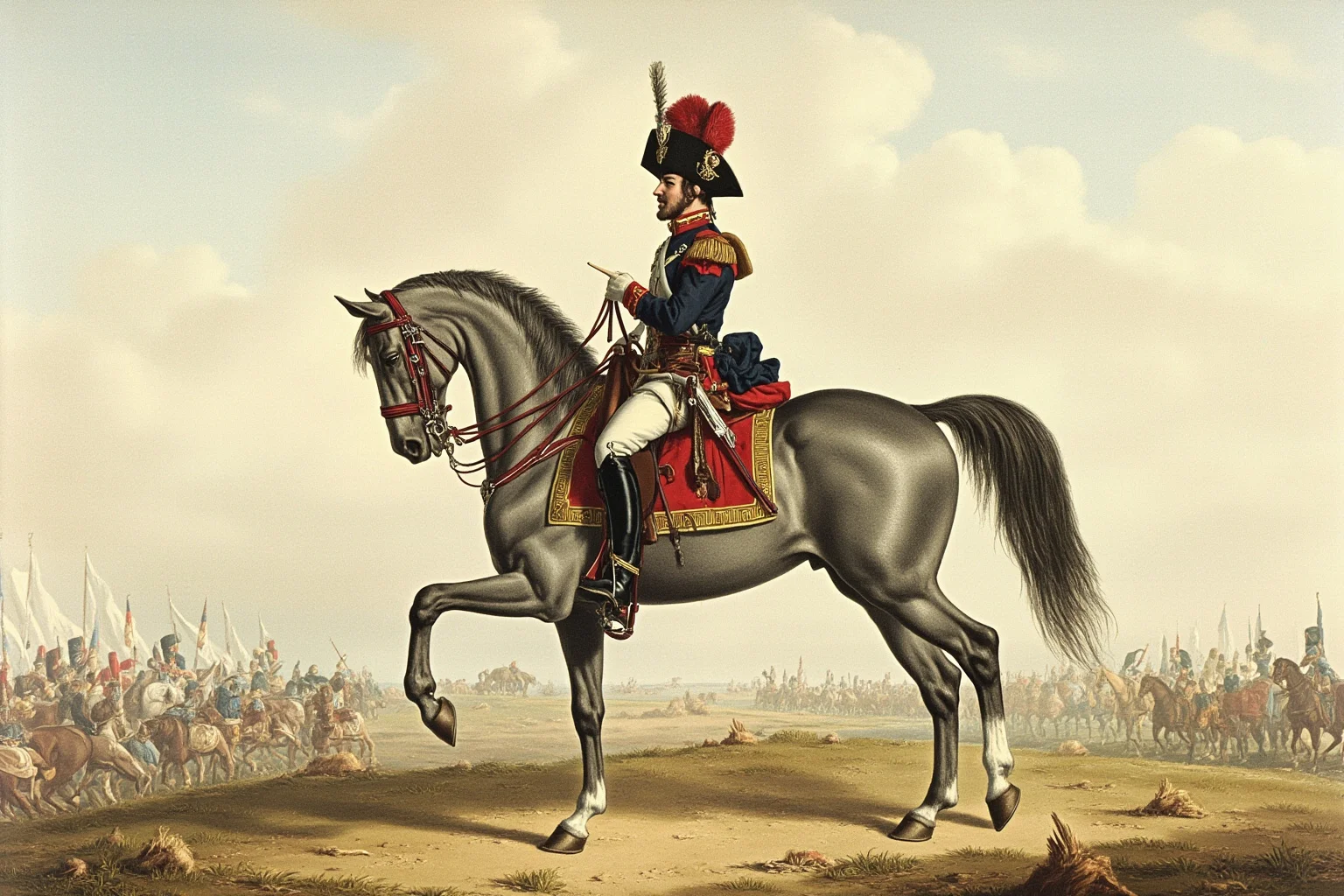
Incitatus belonged to the Roman emperor Caligula, one of the most influential ancient Roman figures in history, and became famous for a claim that has fascinated historians for centuries: that Caligula planned to make the horse a consul of Rome.
The story comes primarily from the Roman historians Suetonius and Cassius Dio, both writing after Caligula’s death, and modern historians debate whether it was literal fact or a satirical exaggeration meant to illustrate the emperor’s erratic rule.
What is agreed upon is that Incitatus was given an extravagantly lavish stable, complete with attendants, marble, and fine food, which was already scandalous enough by Roman standards.
5. Traveller — Robert E. Lee’s Horse
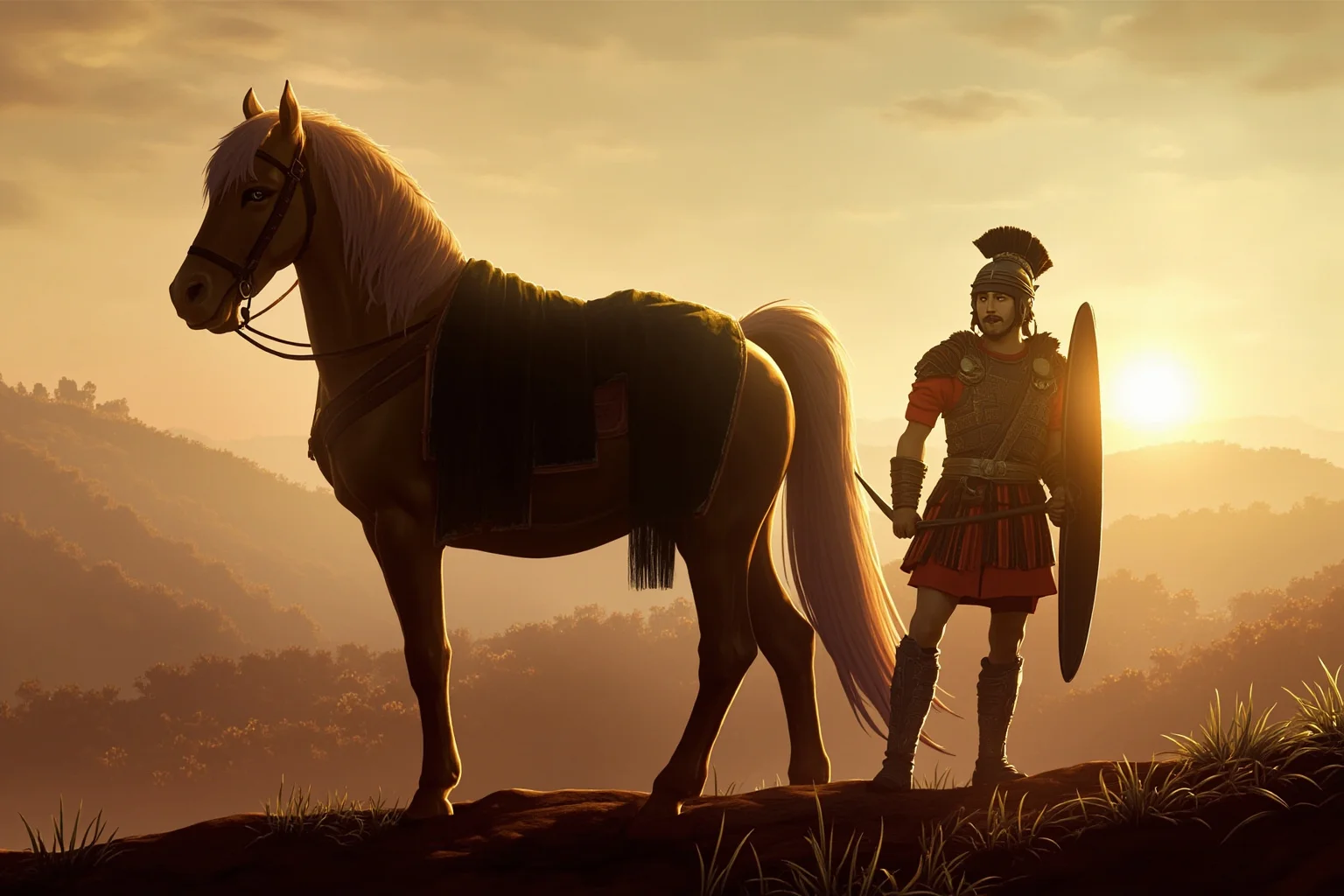
Traveller was the grey American Saddlebred that General Robert E. Lee, counted among America’s greatest war heroes, rode throughout much of the American Civil War.
Lee reportedly grew deeply attached to the horse, praising his endurance and calm temperament under fire in his own letters. Traveller outlived Lee and is buried near his former rider at Washington and Lee University in Virginia.
6. Comanche — Survivor of the Little Bighorn
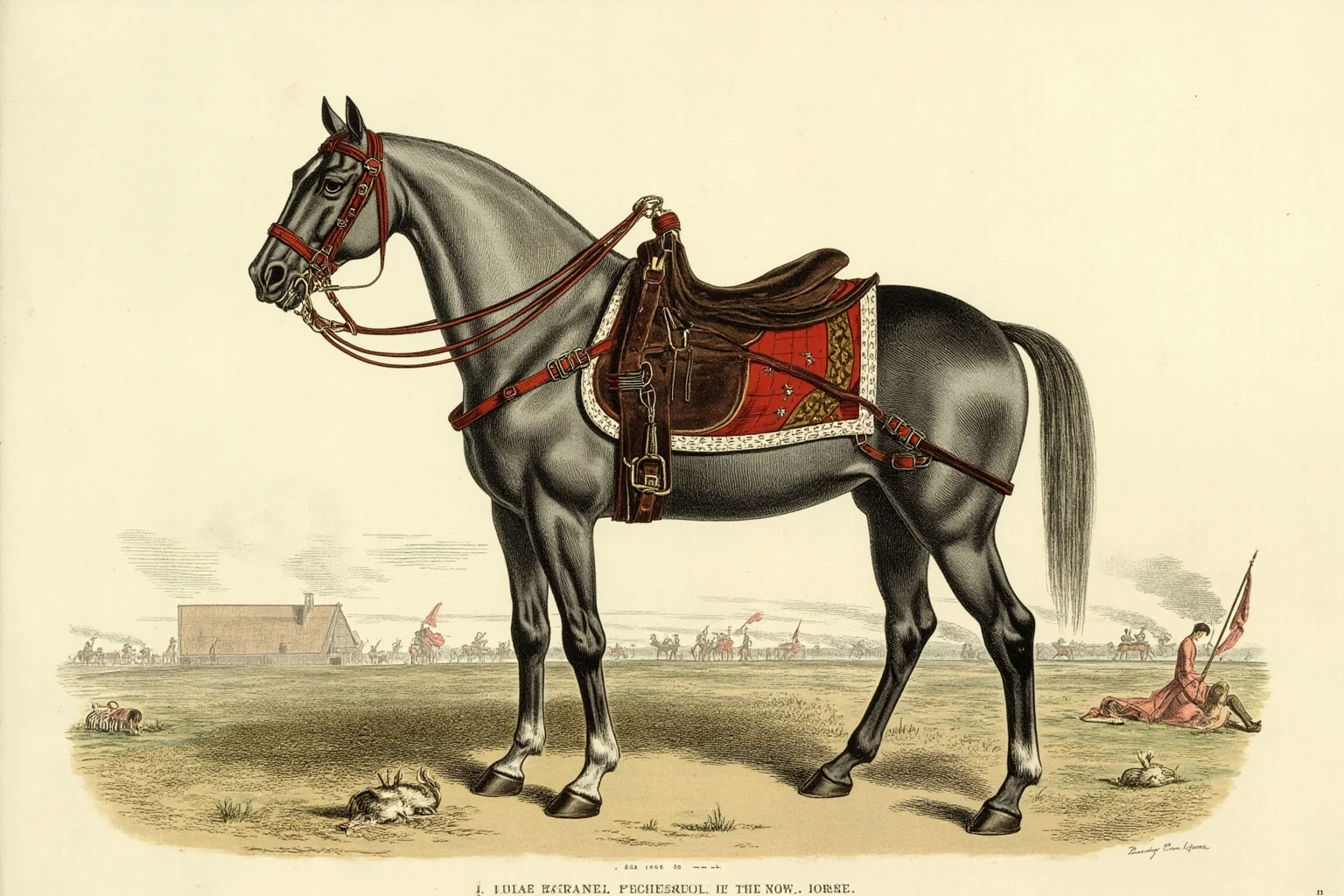
Comanche was a U.S. Cavalry horse famously said to be the only survivor found on the battlefield after the Battle of the Little Bighorn in 1876, though he was severely wounded.
He belonged to Captain Myles Keogh and became something of a living memorial afterward, ceremonially retired from active duty. Comanche’s mounted remains are still preserved and displayed at the University of Kansas.
7. Sergeant Reckless — Korean War Marine Horse
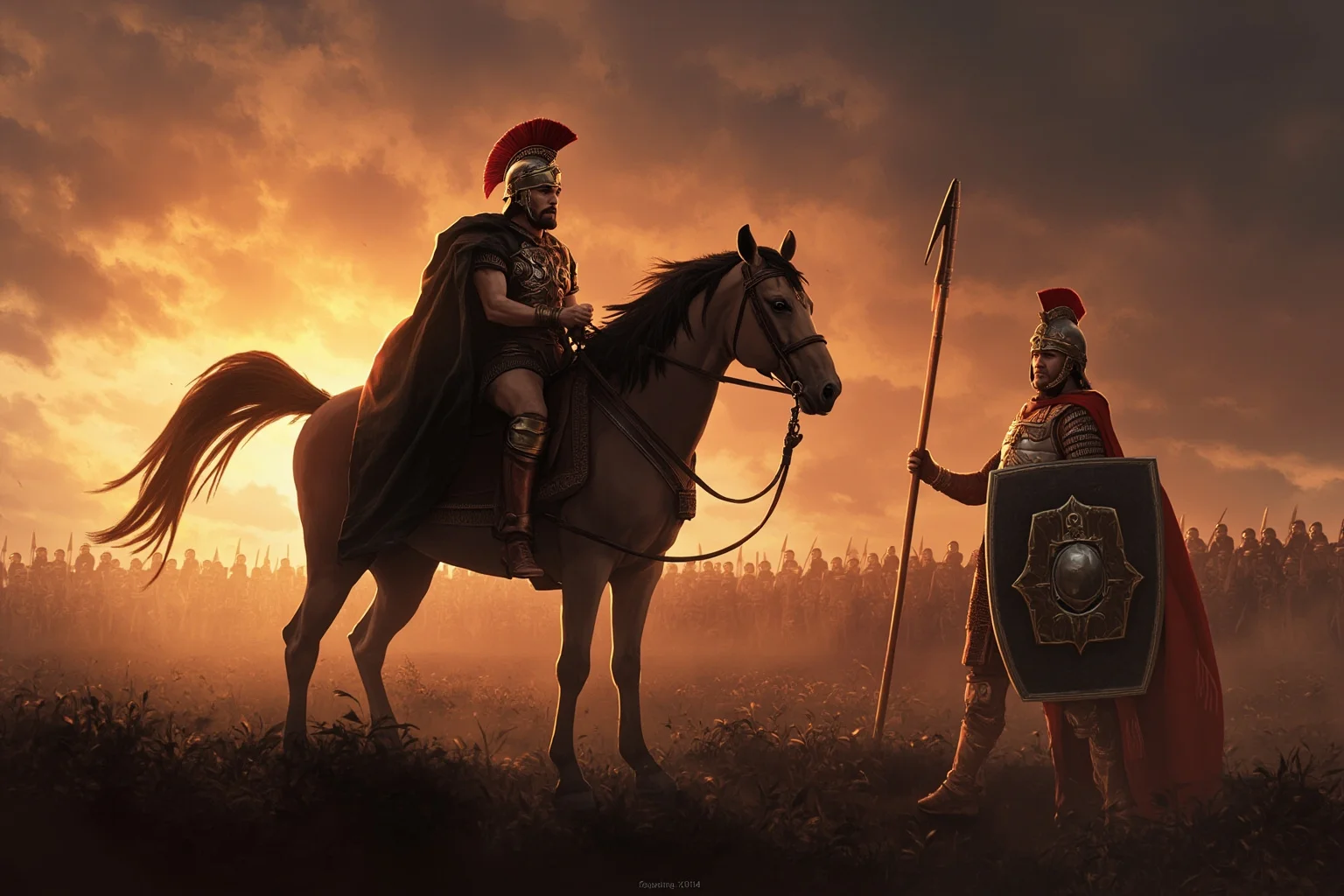
Sergeant Reckless was a Mongolian mare purchased by U.S. Marines during the Korean War, originally to carry ammunition to the front lines. She reportedly made dozens of solo supply trips under fire during the Battle of Outpost Vegas in 1953, and was later given an official military rank and decorated for her service.
She’s one of the more well-documented, twentieth-century entries among history’s famous horses, since her service records and photographs still exist.
Horses of Myth and Legend
Some of history’s most famous horses live in the space between recorded history and legend, tied to figures whose stories were shaped by centuries of storytelling.
8. Babieca — El Cid’s Legendary Horse
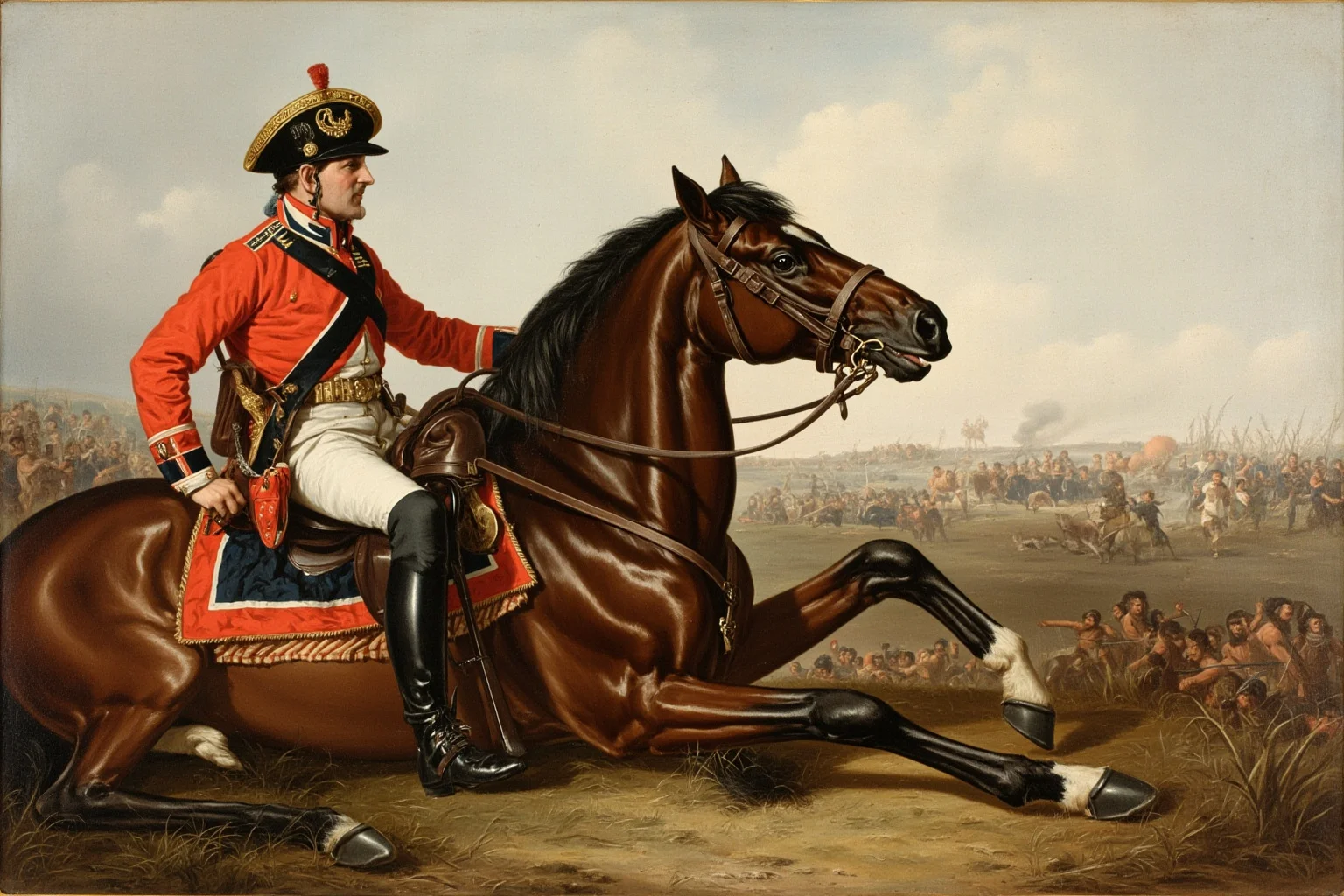
Babieca was the warhorse of the Castilian knight Rodrigo Díaz de Vivar, better known as El Cid, one of the notable historical figures tied to Hispanic heritage, who lived in 11th-century Spain.
Later chronicles and epic poetry, most notably the “Cantar de Mio Cid,” embellished Babieca’s exploits considerably, making it hard to separate the historical horse from the legend. Even so, Babieca remains one of the most enduring names among historical horses in Spanish culture.
9. Rocinante — Don Quixote’s Faithful Horse
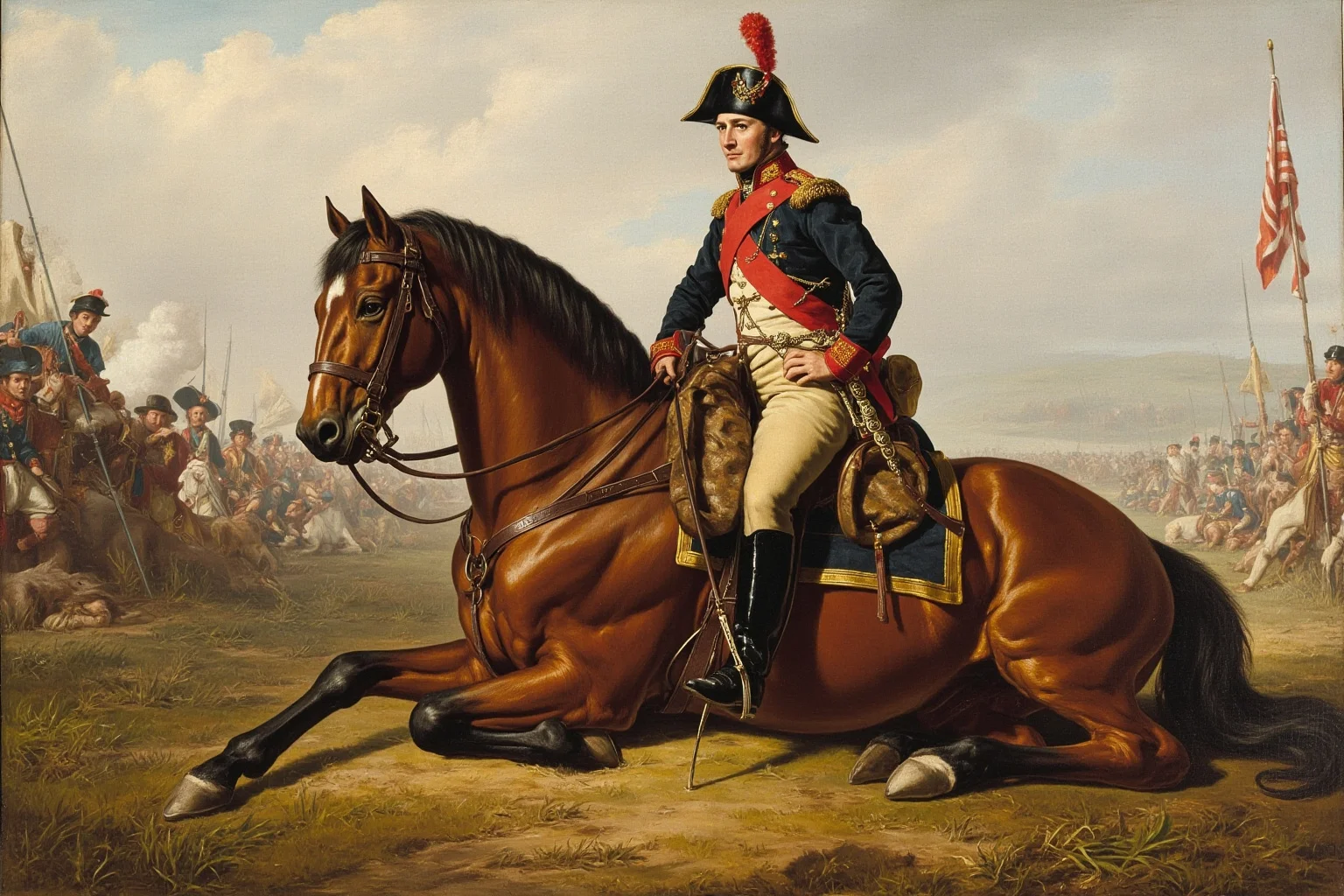
Rocinante isn’t a historical horse at all, but a fictional one, ridden by the title character in Miguel de Cervantes’s 1605 novel “Don Quixote.”
The name is a joke in itself, roughly translating to “former workhorse,” reflecting the broken-down old nag that Don Quixote insists is a noble steed. Rocinante has become shorthand in literature for a humble animal elevated by its rider’s delusions of grandeur.
Racing Legends: The Fastest Famous Horses
No list of famous horse names would be complete without the racehorses who redefined what was thought possible on a track. These are some of the most famous horses in the world of sport, measured in verified times and record books rather than legend.
10. Man o’ War — The “Horse of the Century”
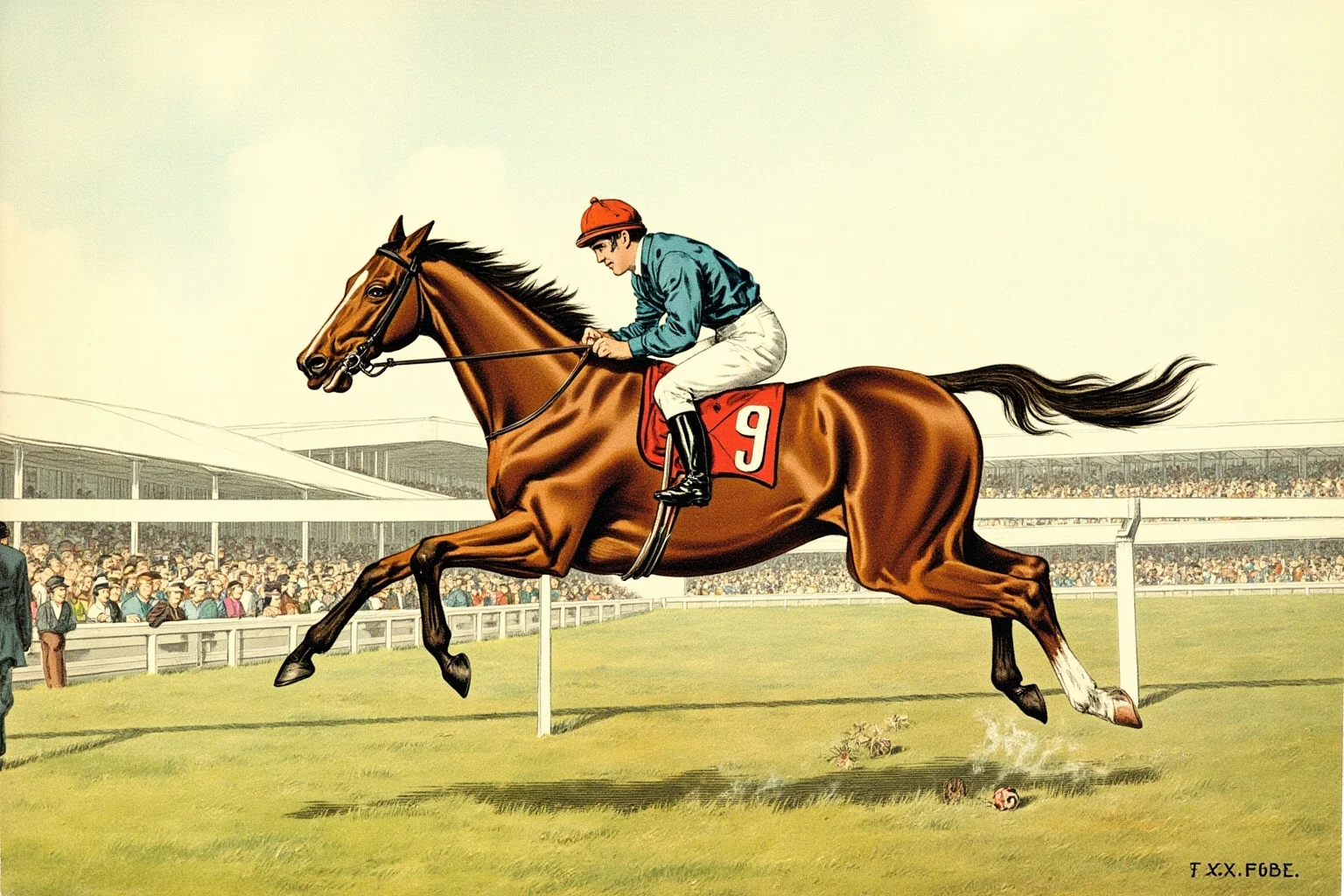
Man o’ War dominated American horse racing in 1919 and 1920, losing only once in 21 starts. His margins of victory were often so large that jockeys were criticized for not pushing him harder, since he simply didn’t need it. He’s frequently cited among the greatest racehorses ever, and his bloodline influenced generations of champion thoroughbreds afterward.
11. Secretariat — The Record-Breaking Triple Crown Winner
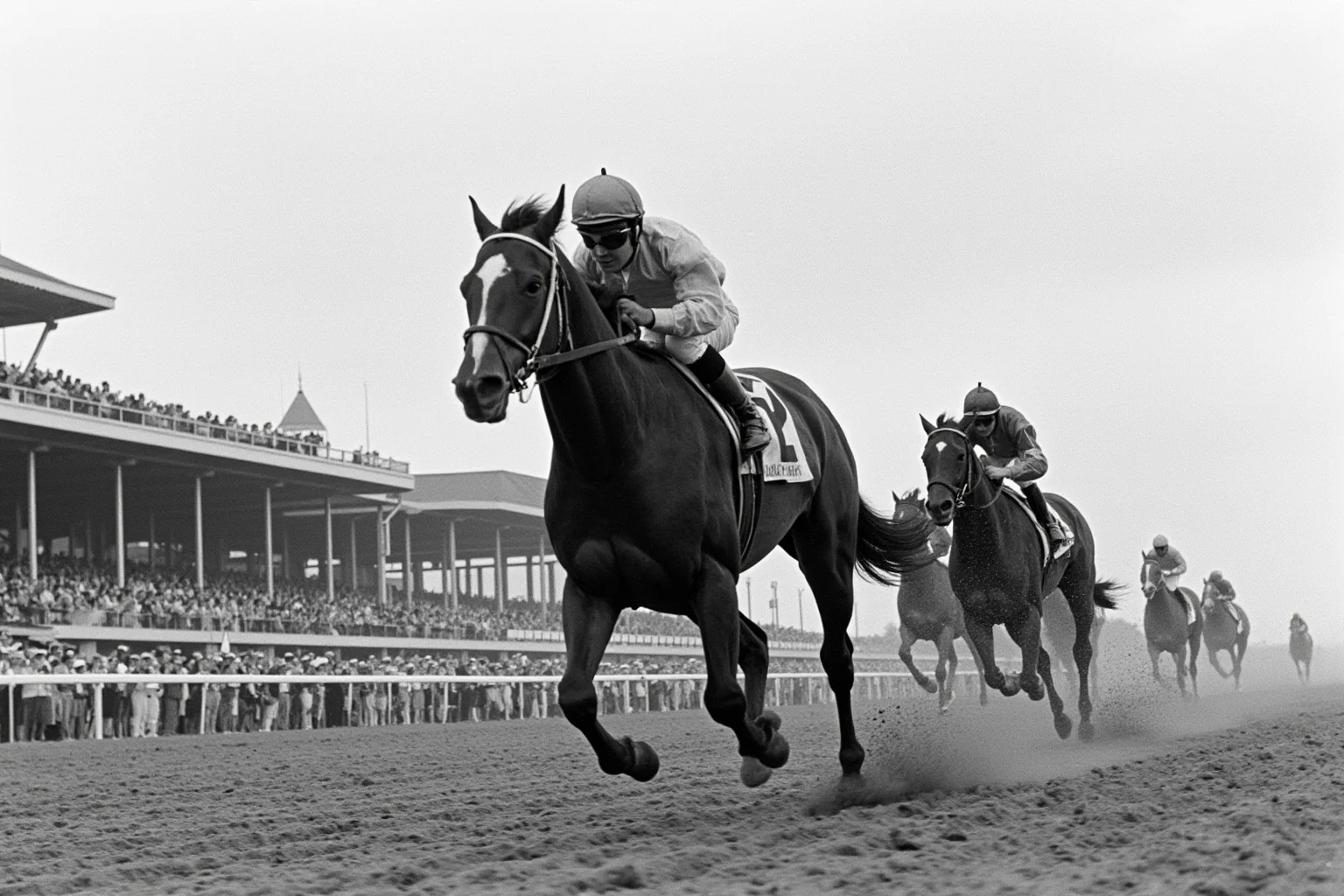
Secretariat is likely the most famous racehorse in American history, winning the 1973 Triple Crown in dominant fashion. His performance at the Belmont Stakes that year, where he won by 31 lengths, still stands as one of the largest margins in the race’s history. His records at the Kentucky Derby, Preakness, and Belmont Stakes have never been broken, more than fifty years later.
12. Seabiscuit — The Depression-Era Underdog
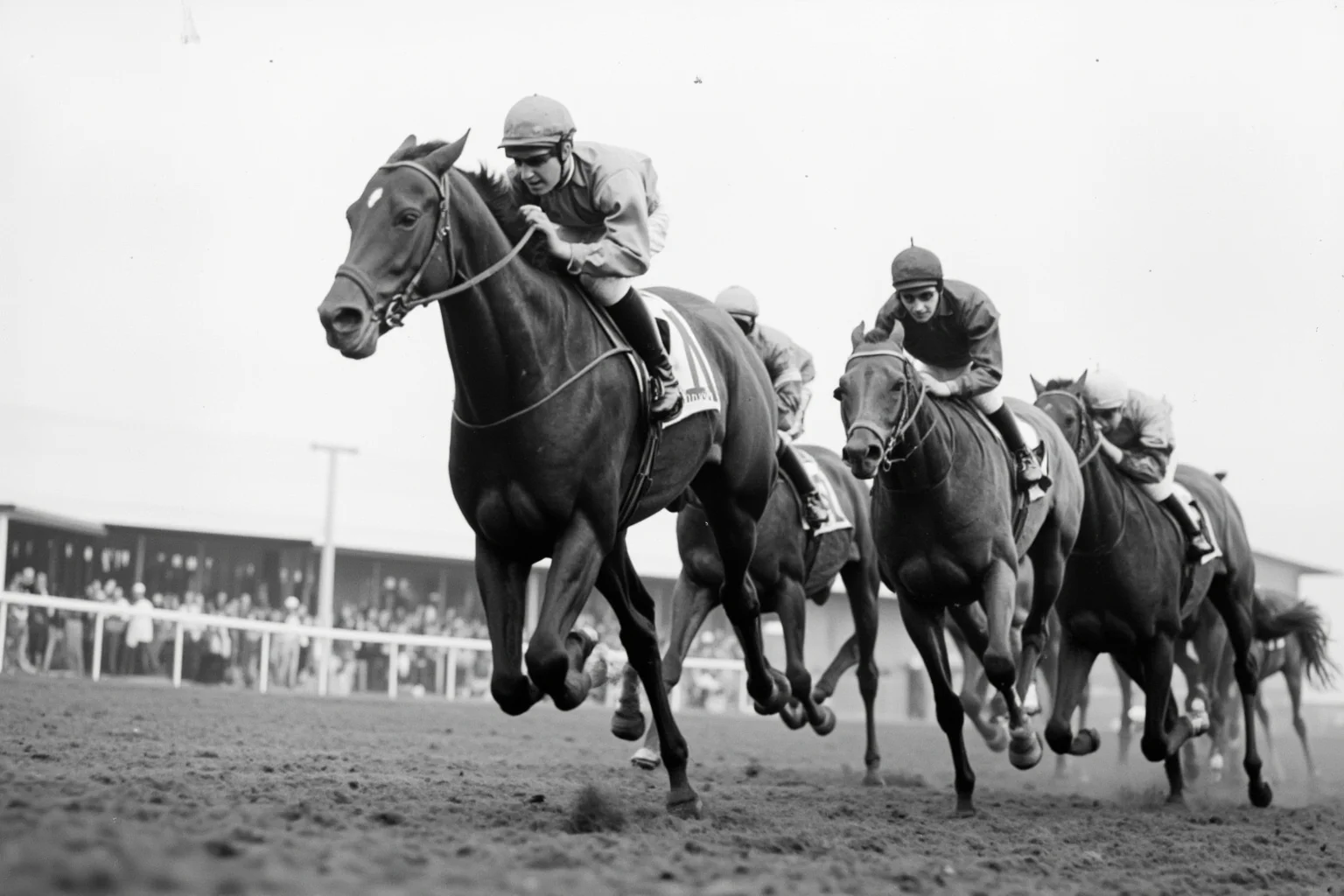
Seabiscuit became a symbol of hope during the Great Depression, an undersized horse who was initially written off before becoming a national sensation. His 1938 match race against the heavily favored War Admiral drew a huge radio audience and remains one of the most famous single races in American sports history.
Seabiscuit’s story has since been retold in books and film, cementing him as one of history’s most beloved underdog horses.
13. Phar Lap — Australia’s Beloved Champion
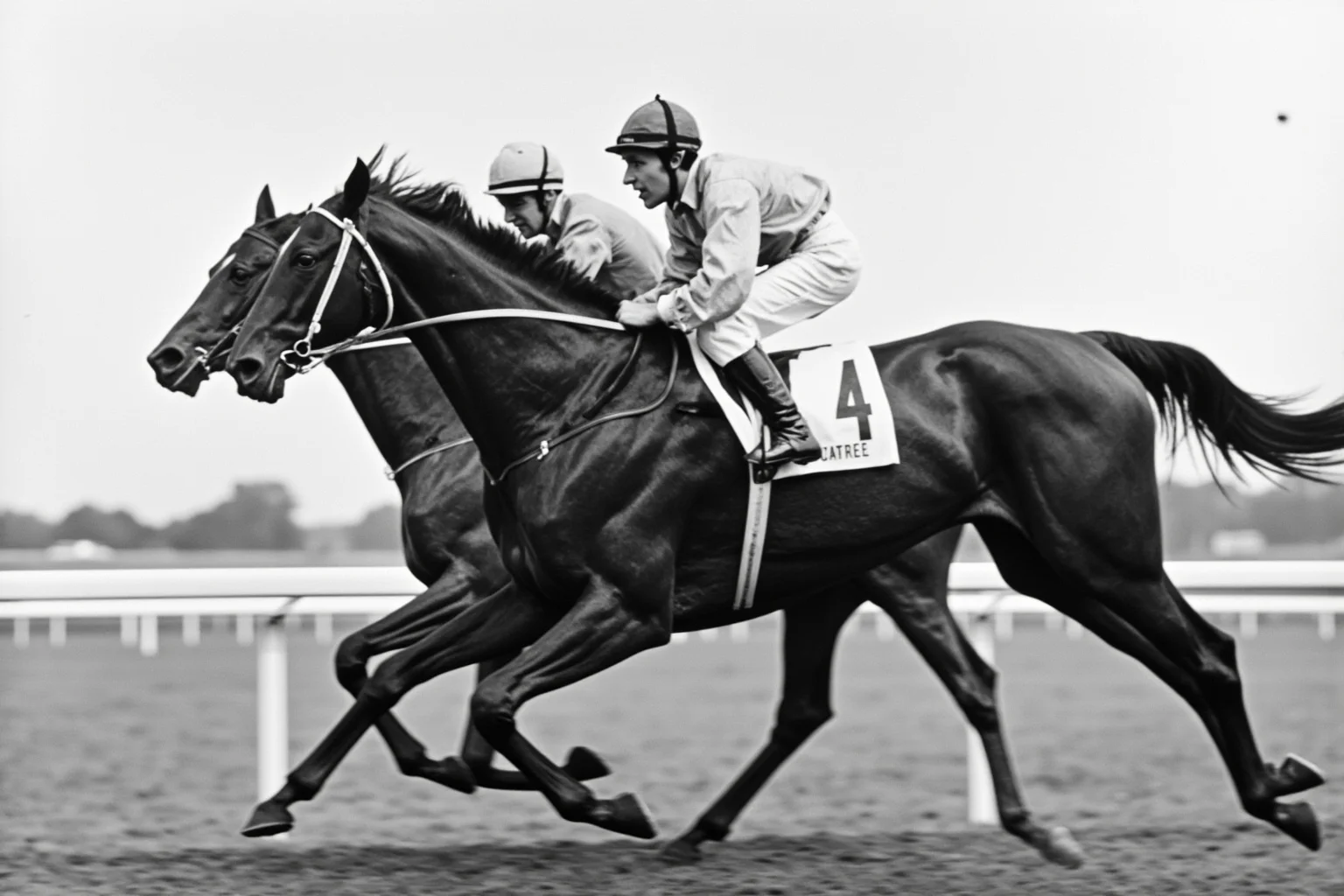
Phar Lap was a New Zealand-bred, Australian-trained racehorse who won 37 of his 51 races during the early 1930s, becoming a national hero during a difficult economic period.
His sudden death in California in 1932, shortly after a big win there, sparked conspiracy theories about poisoning that persisted for decades. A 2006 forensic analysis suggested arsenic exposure, though the exact cause and intent behind it remain debated by historians.
14. Red Rum — The Grand National’s Greatest Champion
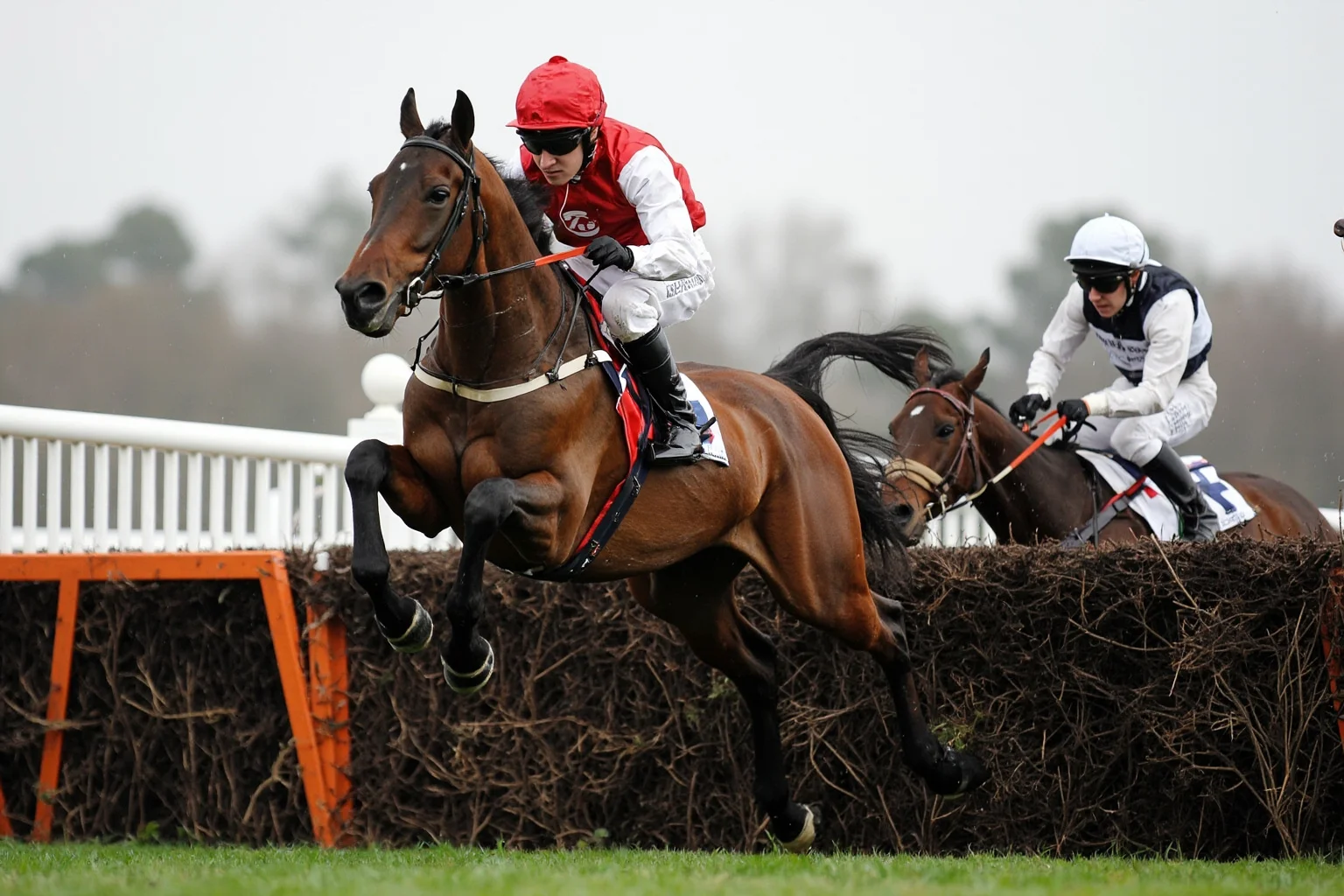
Red Rum is the only horse to win England’s grueling Grand National steeplechase three times, in 1973, 1974, and 1977, with two second-place finishes in between.
The Grand National is famous for its brutal fences and unpredictable outcomes, which makes Red Rum’s consistency almost as remarkable as his victories. He remains a beloved figure in British racing history, with a statue at Aintree Racecourse.
15. American Pharoah — Ending a 37-Year Triple Crown Drought
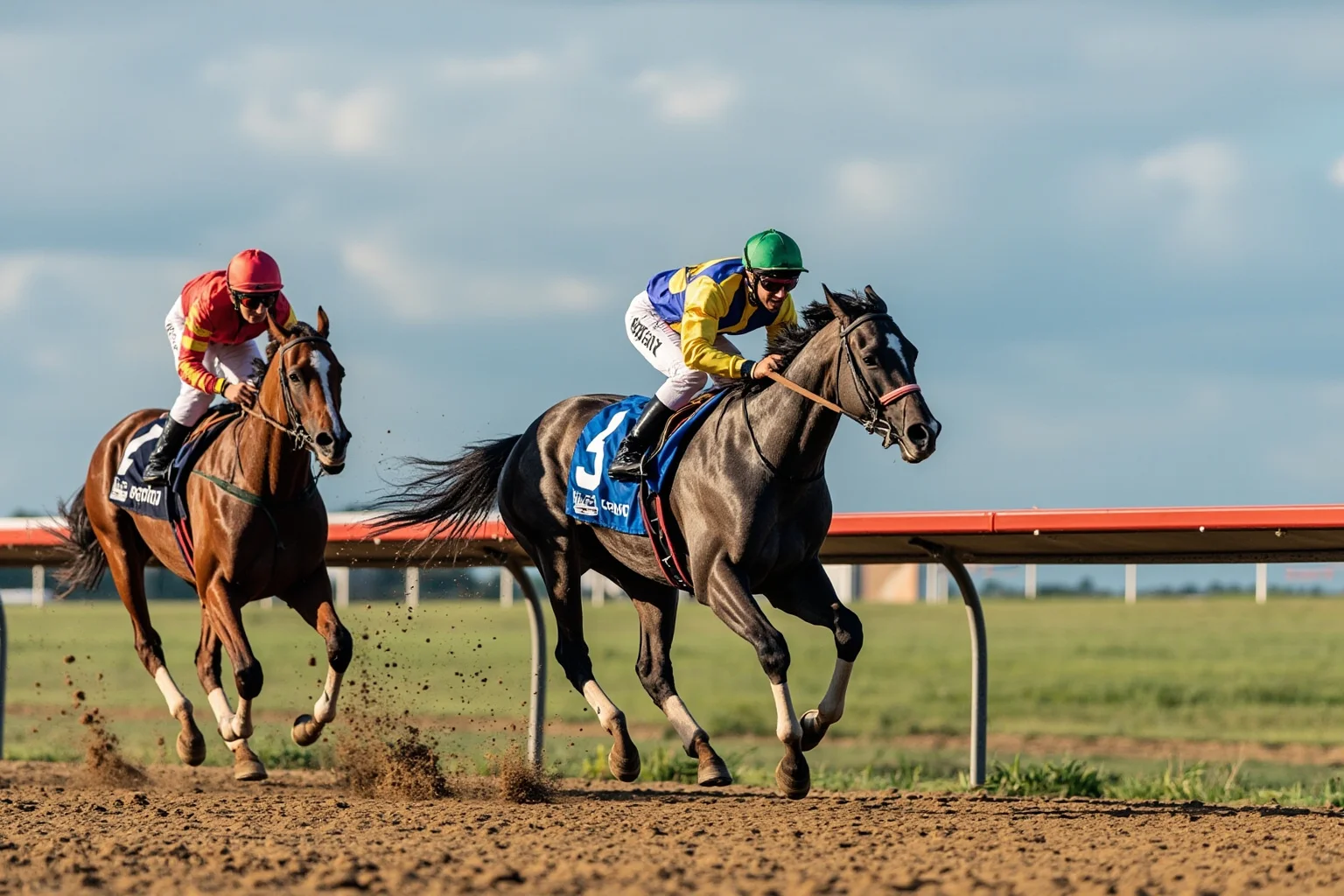
American Pharoah became the first horse in 37 years to win the Triple Crown when he swept the Derby, Preakness, and Belmont in 2015. Before his win, an entire generation of racing fans had grown up never seeing a Triple Crown champion, making his victory a major cultural moment.
He went on to win the inaugural Breeders’ Cup Classic that same year, completing what’s sometimes called the “Grand Slam” of American racing.
Hollywood and Pop-Culture Horse Stars
Beyond the battlefield and the racetrack, some famous horses earned their fame purely through film and television, becoming just as recognizable as their human co-stars.
16. Trigger — Roy Rogers’s Palomino Partner
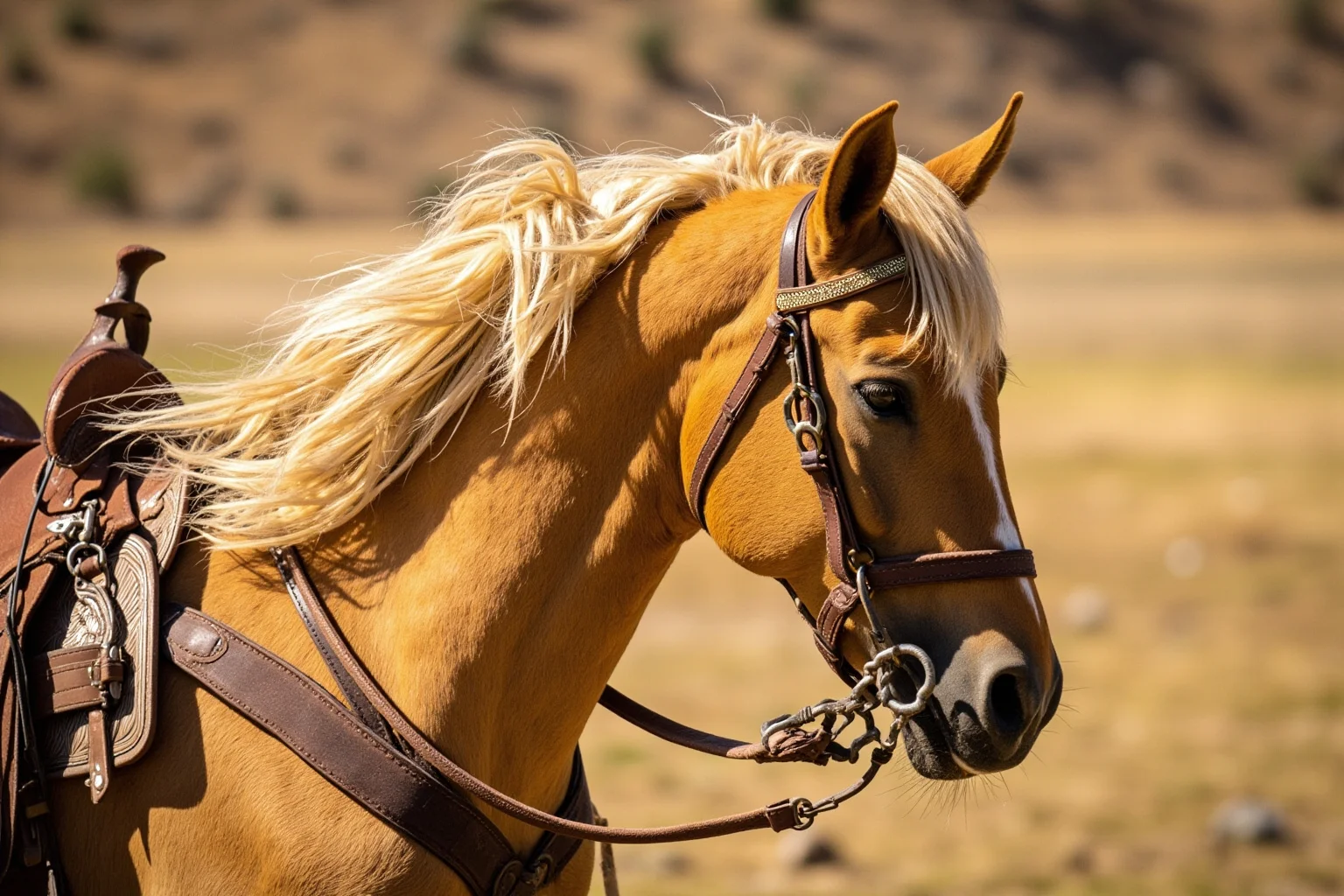
Trigger was the golden palomino ridden by singing cowboy Roy Rogers in dozens of films and television episodes starting in the 1930s and 40s. Billed as “the smartest horse in the movies,” Trigger performed tricks on cue and became a merchandising phenomenon in his own right.
After his death, Rogers had him preserved and displayed, a choice that still surprises modern audiences unfamiliar with mid-century celebrity culture.
17. Silver — The Lone Ranger’s Horse
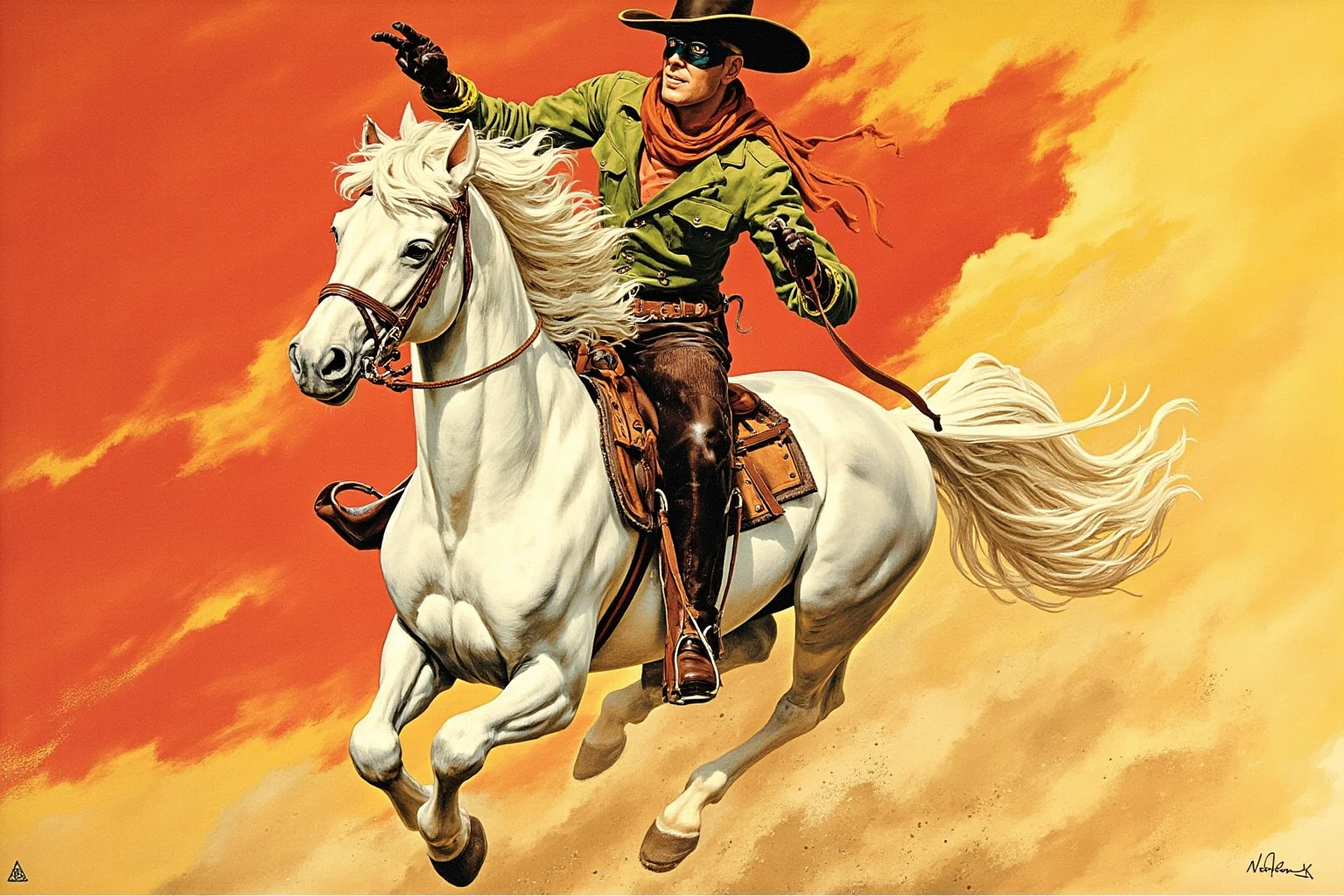
Silver was the fictional white stallion ridden by the Lone Ranger across radio, television, and film adaptations starting in the 1930s. The character’s catchphrase, shouted while riding, “Hi-yo, Silver, away!” became one of the most recognizable lines in American pop culture. Multiple horses actually played Silver across the franchise’s various adaptations over the decades.
18. Mr. Ed — The Talking Horse
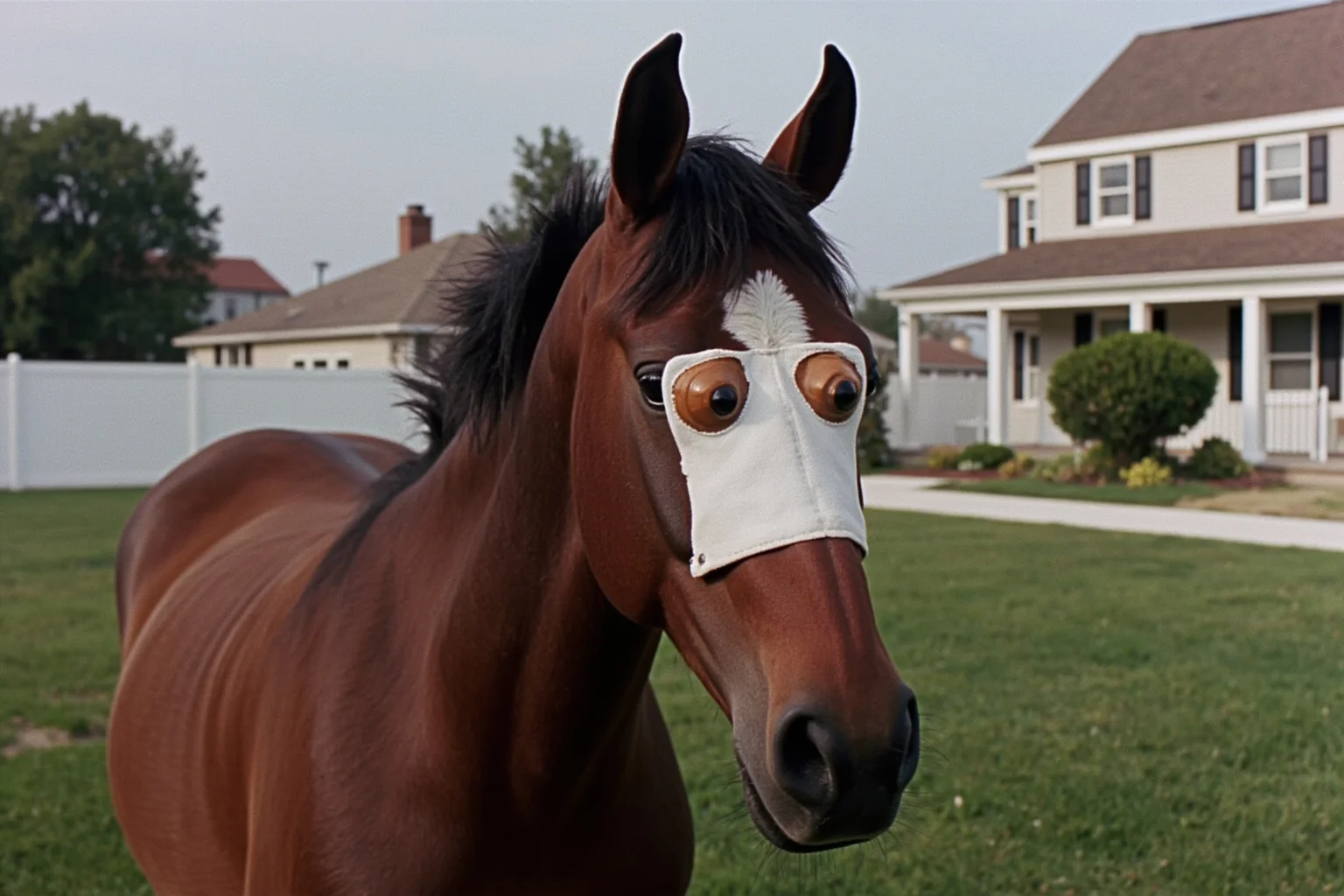
Mr. Ed was the star of a 1960s American sitcom about a horse who could talk, but only to his owner. The show was a genuine hit, running for six seasons, and the horse actor behind Mr. Ed, a gelding named Bamboo Harvester, became a minor celebrity of his own. The show remains a well-known touchstone whenever people discuss famous horse characters from classic television.
19. Black Beauty — The Voice of the Horse Itself
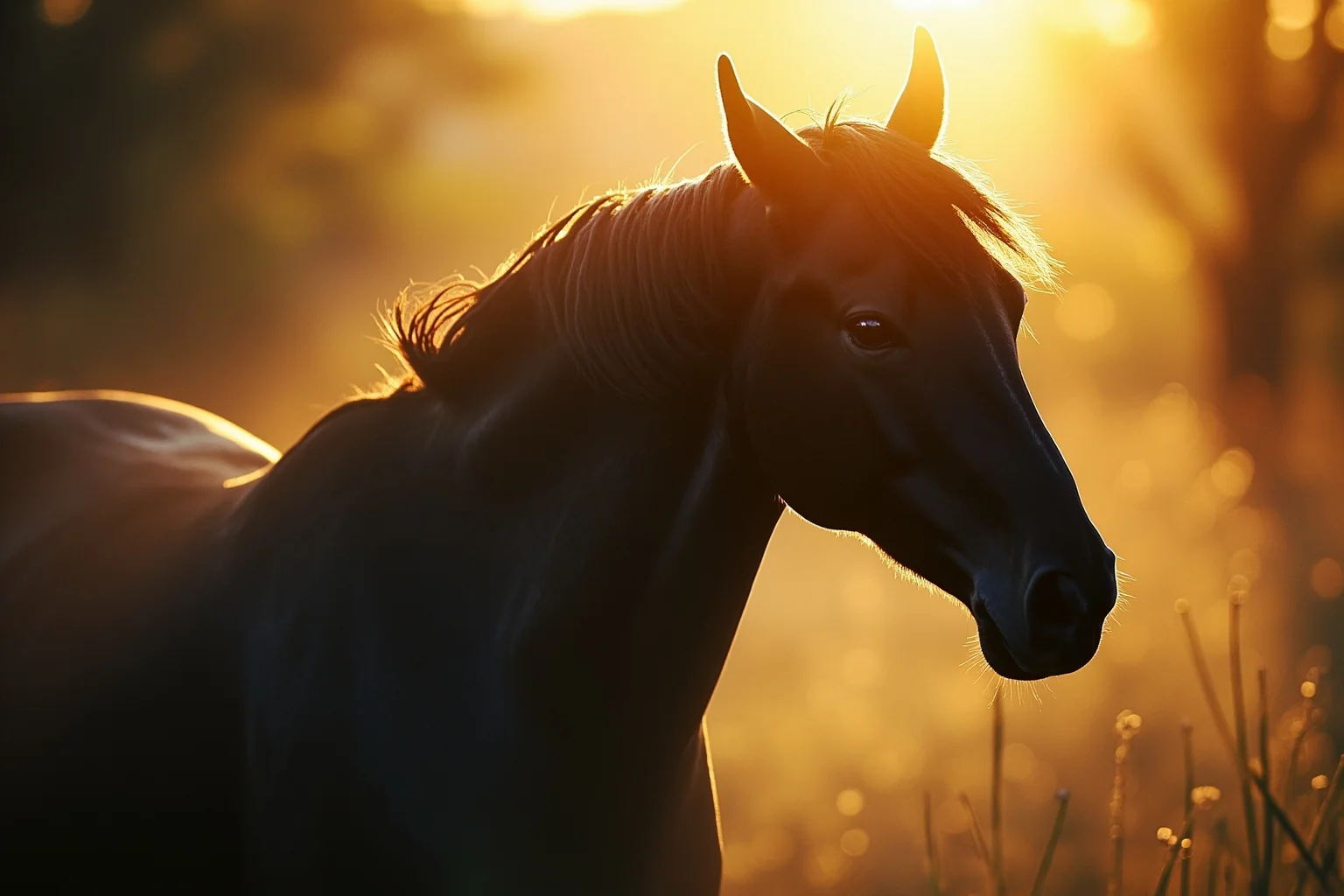
Black Beauty comes from Anna Sewell’s 1877 novel of the same name, unusual for being narrated entirely from the horse’s own point of view. The book was written partly as a protest against the mistreatment of working horses in Victorian England, and it’s credited with influencing animal welfare attitudes at the time. Black Beauty has been adapted into film and television so many times that the name now functions almost as shorthand for “famous horse” in English-speaking culture.
20. Joey — The War Horse
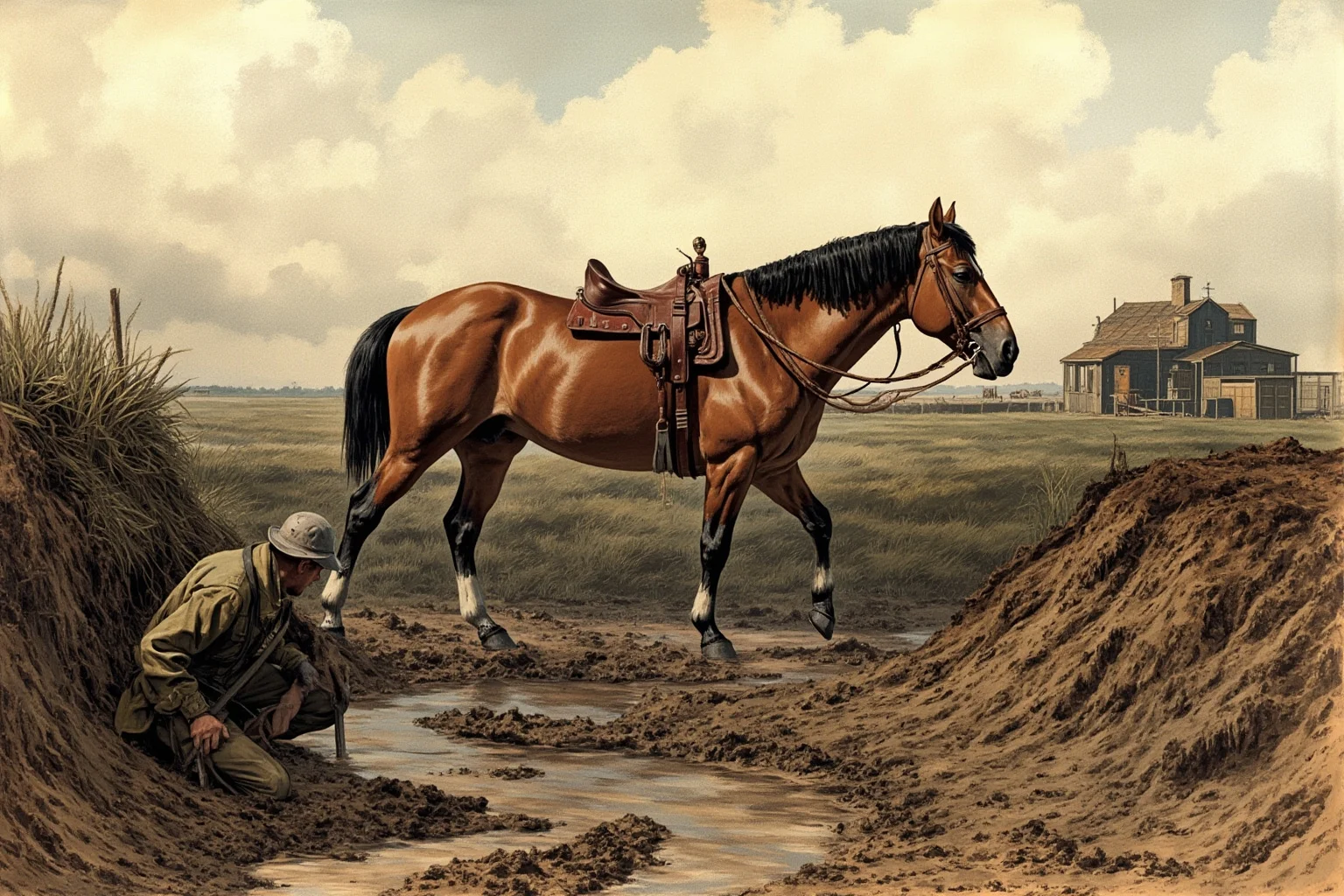
Joey is the central character of Michael Morpurgo’s 1982 novel “War Horse,” later adapted into a hit stage production and a 2011 Steven Spielberg film. The story follows Joey from an English farm into the trenches of World War I, told largely through the horse’s perspective on the war’s brutality. While Joey is fictional, the novel was inspired by the very real fact that roughly eight million horses died in World War I, serving on both sides of the conflict.
21. Shadowfax — Lord of the Rings’ Lord of Horses
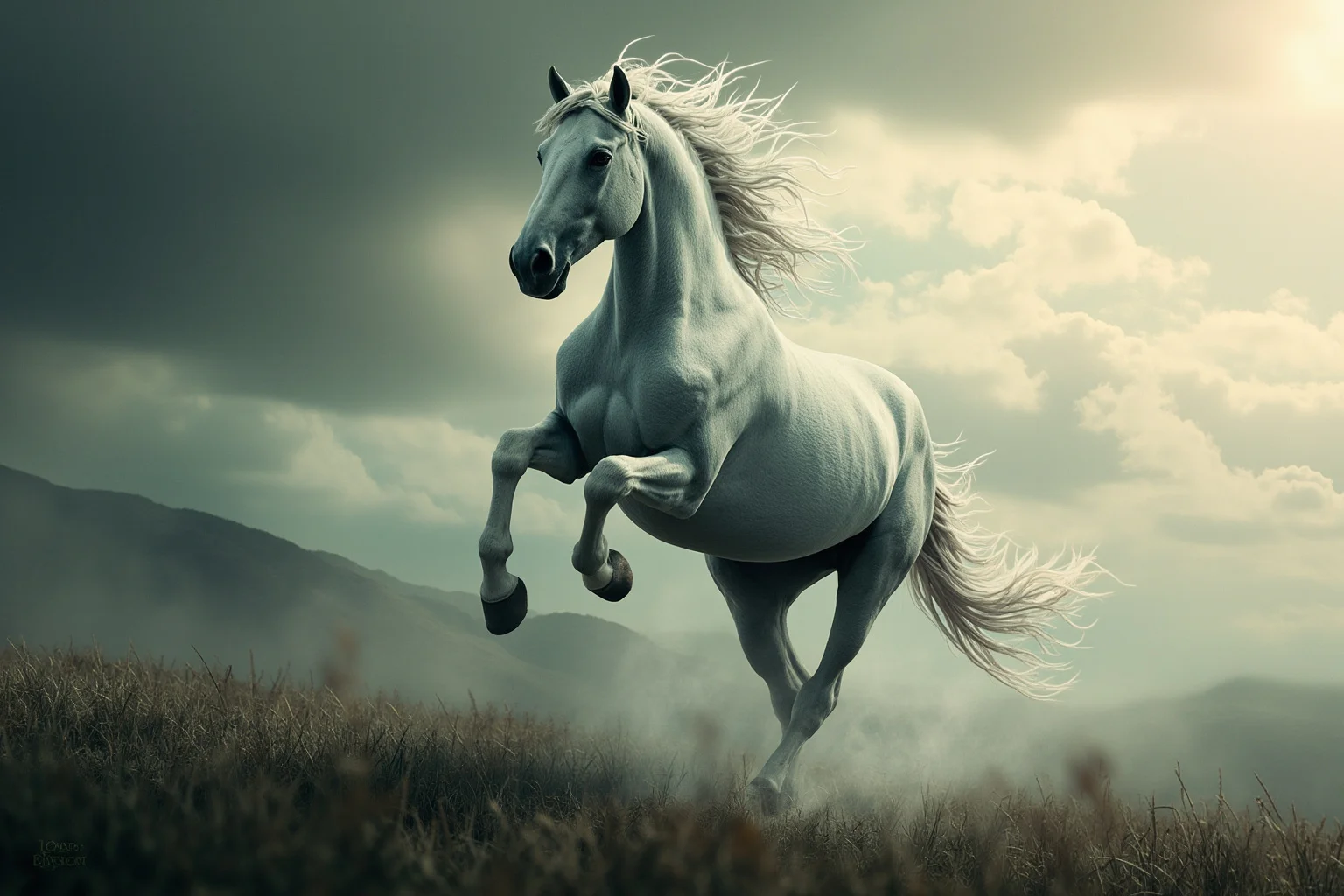
Shadowfax appears in J.R.R. Tolkien’s “The Lord of the Rings” as the fastest and most noble horse in Middle-earth, ridden by the wizard Gandalf. Tolkien describes him as the chief of the Mearas, a legendary breed, and he’s often cited as one of the most famous horse characters in modern fantasy literature. His appearance in Peter Jackson’s film trilogy in the early 2000s introduced the character to an entirely new generation.
22. Bullseye — Woody’s Horse in Toy Story
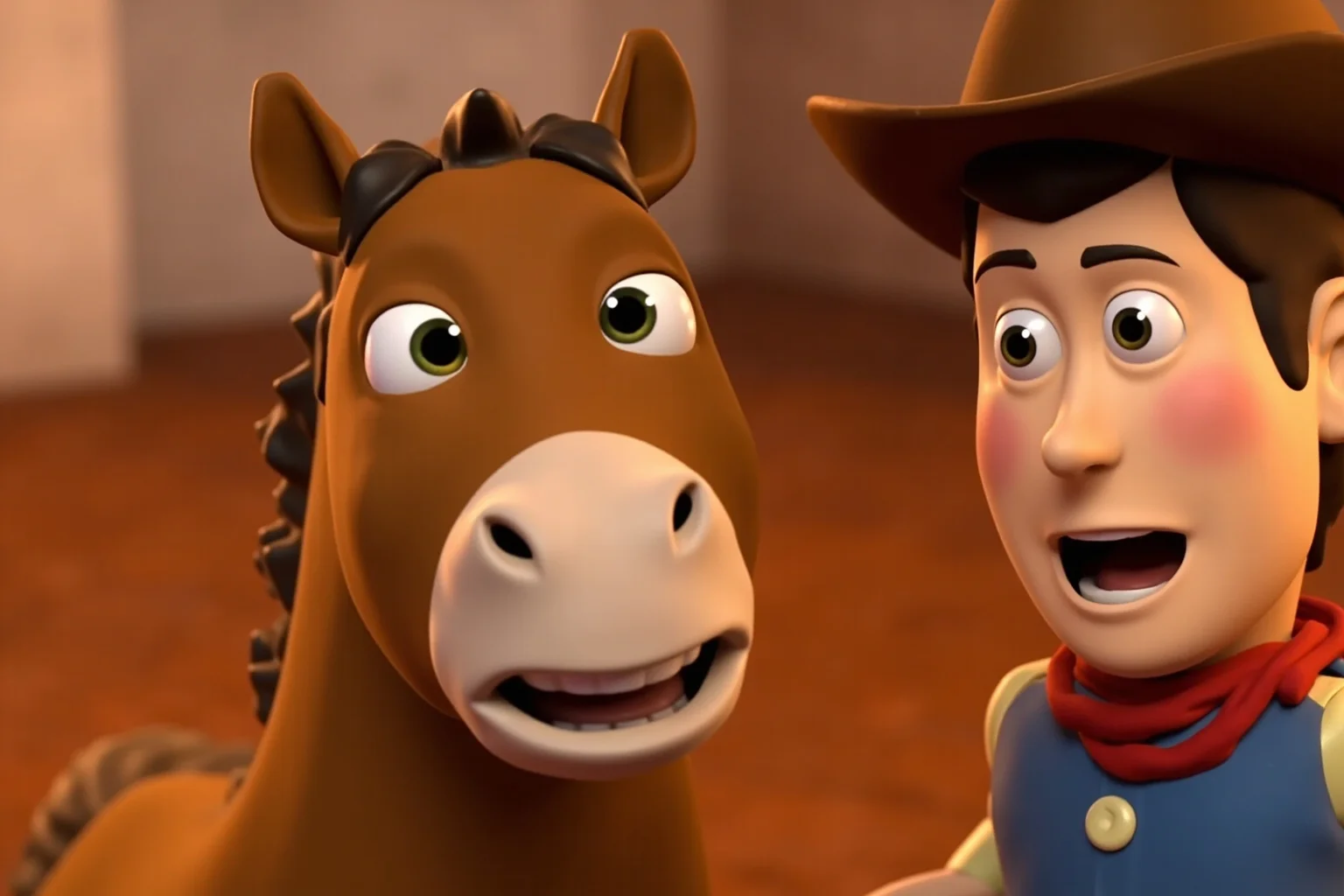
Bullseye is the loyal, silent horse toy who joins Woody’s group of friends starting in “Toy Story 2” in 1999. Unlike most horses on this list, Bullseye never speaks, communicating entirely through expressive behavior similar to a dog. He’s a good example of how animated horse characters have carried the tradition of famous fictional horses into modern children’s entertainment.
Separating Fact from Legend
A recurring theme across this list is that famous historical horses tend to accumulate stories over time, some accurate and some embellished for dramatic effect. Ancient sources on horses like Bucephalus or Incitatus were often written years or decades after the events they describe, and later writers frequently added dramatic flourishes. Even more recent stories, like the exact details of Marengo’s wartime service, have been shaped by decades of retelling.
That doesn’t mean these stories aren’t worth telling. It just means a healthy dose of skepticism is useful whenever a historical horse story sounds a little too perfect or too neatly symbolic.
Why Horses Became So Central to Human History
For most of recorded history, horses were the fastest form of transportation available, which made them essential to warfare, exploration, and daily labor. A skilled horse could mean the difference between a successful cavalry charge and a rout, or between winning a fortune at the racetrack and losing everything. That practical importance is part of why so many cultures across history gave individual horses names, memorials, and even monuments, something rarely extended to other working animals.
The emotional bond between rider and horse also explains why fictional horses resonate so strongly in books and film. Characters like Black Beauty, Joey, and Shadowfax tap into a very old, very real relationship between humans and horses that predates written history itself.
Final Thoughts on History’s Most Famous Horses
From Bucephalus thundering across ancient battlefields to Secretariat rewriting the record books at Belmont Park, famous horses reflect the same range of human ambition, loyalty, and storytelling found everywhere else in history.
Some of these names are backed by solid documentation, while others sit somewhere between fact and legend, shaped by centuries of retelling. Either way, they’ve earned their place among the most recognizable names in history, sport, and fiction alike.
Whether you came looking for real historical horses or the most famous horse characters from books and film, this list hopefully makes clear just how deep that history runs. The next time someone asks you to name a famous horse, you’ll have more than one good answer ready.
Frequently Asked Questions
What are some names of famous horses in history?
Some of the most well-known names of famous horses in history include Bucephalus (Alexander the Great's warhorse), Marengo (Napoleon's horse), Copenhagen (the Duke of Wellington's mount), Traveller (Robert E. Lee's horse), and record-setting racehorses like Secretariat, Man o' War, and Phar Lap. Fictional favorites like Black Beauty, Silver, and Shadowfax are also frequently included on lists of famous horses, even though they aren't historical figures themselves.
Who is considered the most famous horse in history?
Bucephalus, the warhorse of Alexander the Great, is often cited as the most famous horse in ancient history because of his prominent role in Alexander's campaigns across Persia and beyond. In modern sports, Secretariat is frequently named the most famous racehorse due to his record-breaking 1973 Triple Crown win. Which horse is 'most famous' really depends on whether you're asking about military history, horse racing, or pop culture.
What is the most famous horse in the world today?
In contemporary culture, American Pharoah and Secretariat are among the most recognized names in horse racing, while fictional horses like Shadowfax from The Lord of the Rings remain hugely famous in pop culture. Fame tends to be split between real champion racehorses and beloved fictional horse characters rather than one single universally agreed 'most famous' horse.
Are famous horse characters in books and movies based on real horses?
Some are, but many are entirely fictional. Black Beauty and Rocinante (Don Quixote's horse) were invented by their authors to serve the story, while Joey from 'War Horse' was inspired by the real, documented experiences of millions of horses used in World War I. Characters like Silver and Shadowfax are also fictional, though they've become as culturally recognizable as many real historical horses.
What breeds were most famous historical horses?
It varies widely by era and role. Warhorses like Marengo were often Arabians prized for endurance, while American Civil War horses like Traveller were commonly American Saddlebreds. Racing legends such as Secretariat, Man o' War, and Seabiscuit were Thoroughbreds, the breed developed specifically for speed on the track.

Alex Warren
Related Articles