
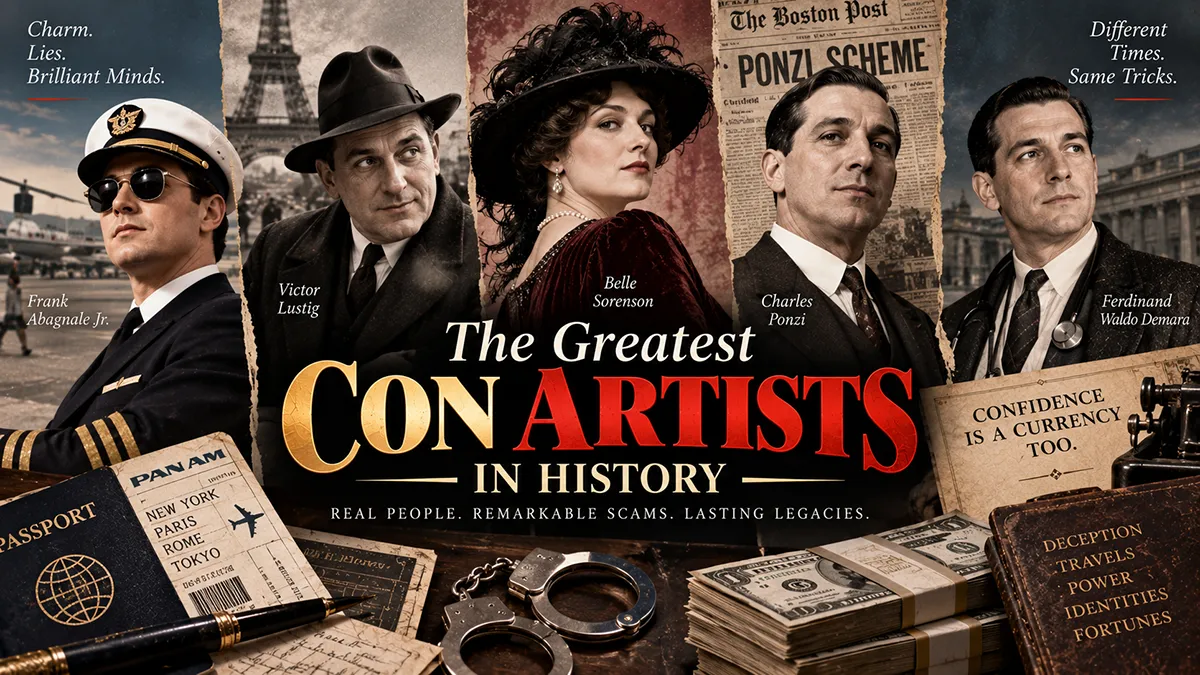
Every era produces its share of swindlers — charming, quick-thinking operators who talk their way into other people’s bank accounts, mansions, and trust funds. Some con artists ran elaborate schemes that unfolded over decades. Others pulled off a single audacious stunt so outrageous it became legend almost overnight.
What they all share is a gift for exploiting confidence, and life stories so strange they barely need embellishing (though plenty of them got embellished anyway).
This list rounds up the most famous con artists, con men, and grifters from the last two centuries, along with the classic tricks of the trade they perfected. We’ll separate the documented history from the Hollywood gloss wherever we can, because even con artists’ own biographies have a habit of becoming their biggest con.
TL;DR: History’s greatest con artists — from Charles Ponzi to Anna Sorokin — all won their marks over with the same weapon: manufactured trust, not brilliance.
What Exactly Is a Con Artist?
The term “confidence man” dates back to 1849, when a swindler named William Thompson was arrested in New York for a simple trick. He’d approach strangers, chat pleasantly, then ask, “Have you confidence in me to trust me with your watch until tomorrow?” People handed it over, and he walked off with it.
Newspapers dubbed him the “Confidence Man,” and the shortened version, con man, stuck for good. Today the word gets spelled and searched in a few different ways — con artist, con-artist, even the one-word “conartist” — but they all describe the same thing: someone who uses manufactured trust rather than force to separate people from their money.
A con man, con woman, or grifter isn’t just a liar. They’re a performer running a script, reading their mark, and adjusting on the fly. That improvisational skill is exactly what separates a forgettable liar from the truly famous con artists who make it into history books.
Common Types of Con Artists and Classic Cons
Con artists generally work one of two timelines. A “short con” is fast — a street hustle or bogus sale finished in minutes. A “long con,” by contrast, can take months or years of careful relationship-building before the payoff, which is exactly how Ponzi and pyramid schemes tend to unfold.
Within those two categories, a handful of scam formats repeat throughout this list of cons. There’s the investment fraud (fake returns funded by new victims’ money), the impersonation con (posing as royalty, heirs, or officials), the romance scam (manufactured intimacy for financial access), and the advance-fee scam (pay a small fee now for a huge reward later that never arrives).
There’s also the sales con, where a con artist sells something they don’t own or that doesn’t exist, and the affinity scam, which targets a specific community, church, or social circle where trust is already built in. Nearly every famous grifter on this list is a variation on one of these themes, dressed up in whatever costume the era demanded.
The Greatest Con Artists in History
Ranking the single “greatest” or “biggest” con artist is tricky, since some stole more money while others stole more headlines. What follows isn’t a strict ranking so much as a tour through the con artists, famous scammers, and grifters whose schemes still get studied, taught, and occasionally romanticized.
1. Charles Ponzi
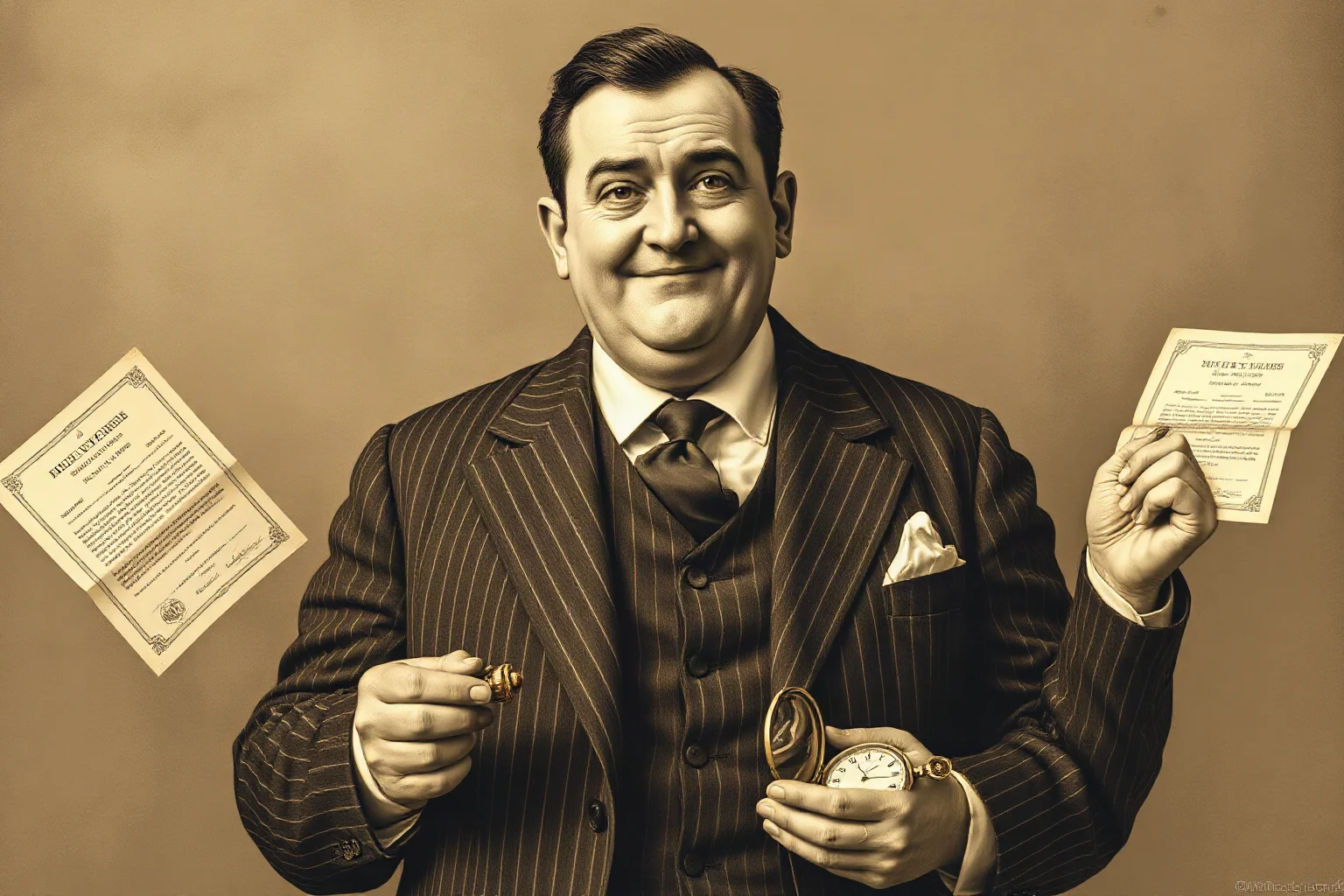
No con man’s name has become more of a household word than Charles Ponzi. In 1920, the Italian immigrant promised Boston investors eye-popping returns from international postal reply coupons, paying early investors with money collected from new ones.
The scheme collapsed within months, wiping out thousands of investors and giving the world the term “Ponzi scheme.” Ponzi wasn’t the first to run this kind of fraud, but he ran it loudly enough, and publicly enough, that his name became permanently attached to it.
2. Victor Lustig
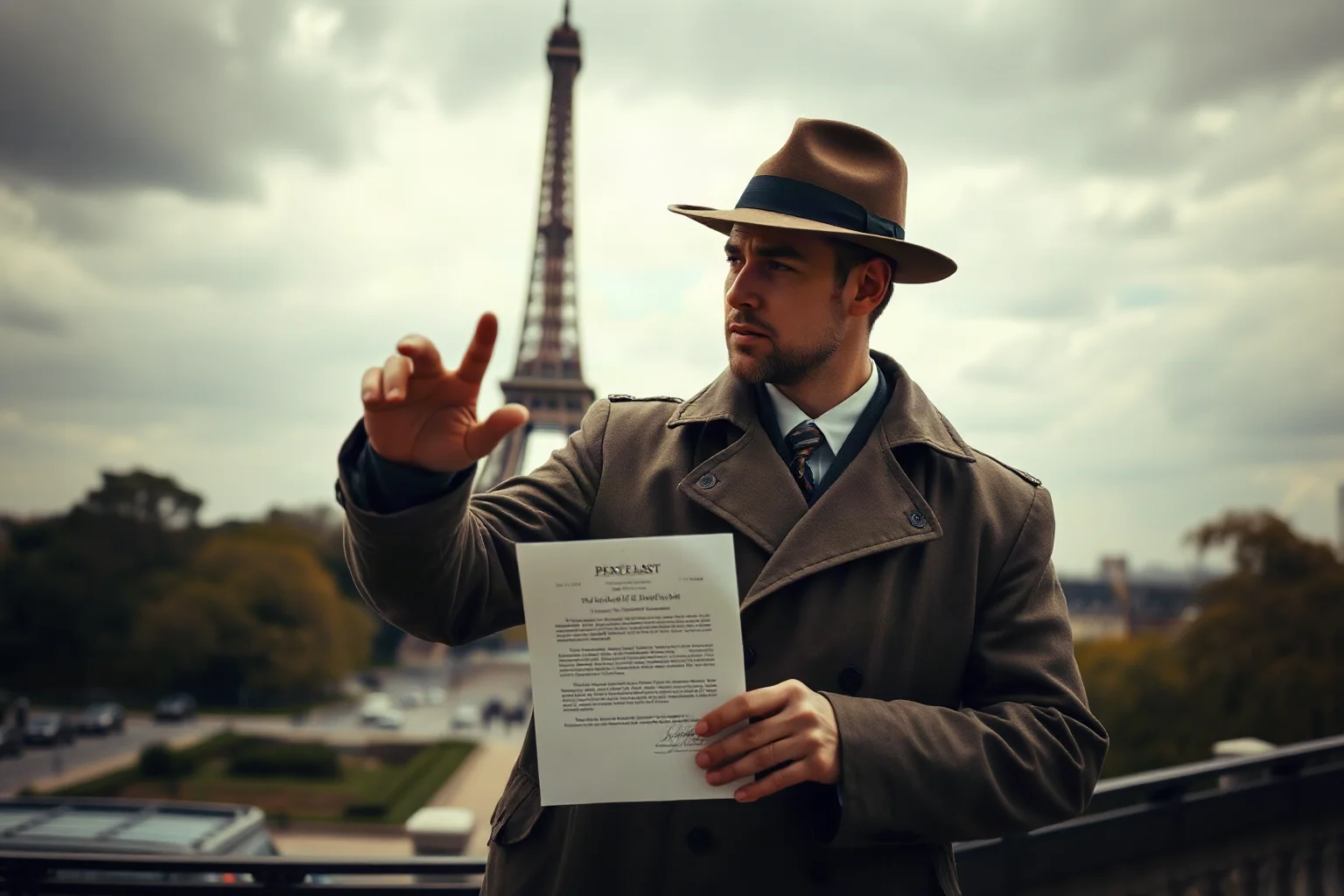
Victor Lustig is often called one of the greatest con men in history for a single, spectacular stunt. In 1925, he posed as a French government official and convinced scrap metal dealers that the Eiffel Tower was being sold for scrap — then took a bribe and vanished before anyone realized there was no deal at all.
He reportedly pulled the exact same con a second time on a different buyer. Lustig later moved to the United States, where he was eventually convicted of counterfeiting and died in prison in 1947.
3. George C. Parker
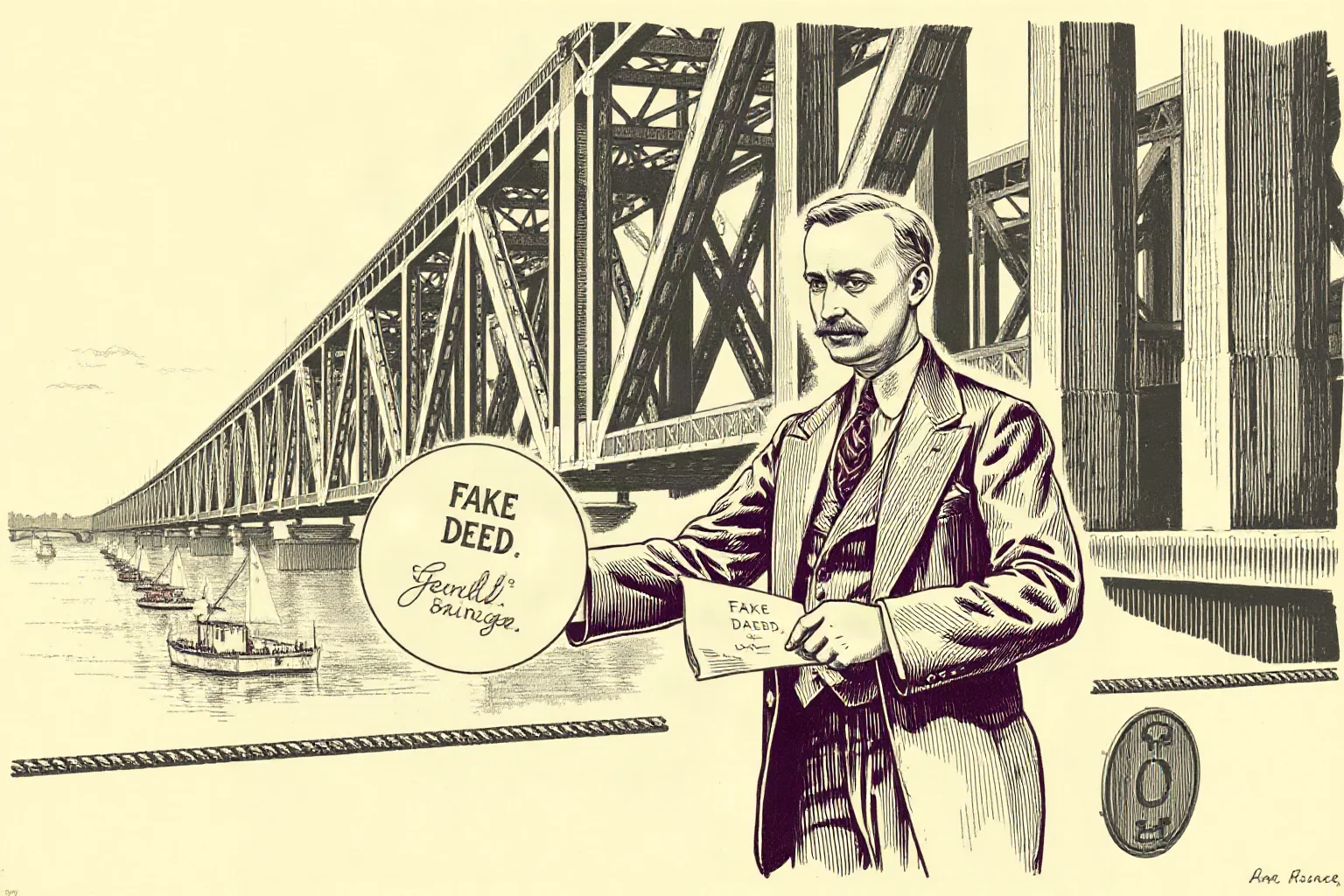
While Lustig sold the Eiffel Tower, George C. Parker made a career of “selling” the Brooklyn Bridge — reportedly several times over, along with Madison Square Garden and the Statue of Liberty. Working New York City in the late 1800s and early 1900s, he forged deeds and posed as a legitimate property owner to fool recent immigrants unfamiliar with American land law.
Parker was eventually convicted of fraud and sent to Sing Sing prison, where he reportedly spent his final years telling fellow inmates about his exploits. His name lives on in the phrase “if you believe that, I’ve got a bridge to sell you.”
4. Cassie Chadwick

Cassie Chadwick built one of the boldest impersonation cons of the Gilded Age by claiming to be the secret illegitimate daughter of steel magnate Andrew Carnegie. She used forged promissory notes supposedly signed by Carnegie to secure enormous loans from Ohio banks in the early 1900s.
Banks extended credit for years based on nothing but her confident claims and paperwork Carnegie never actually signed. When the scheme finally unraveled in 1904, it triggered a banking scandal and landed Chadwick in prison, where she died a few years later.
5. Gregor MacGregor

Scottish soldier Gregor MacGregor ran one of the most ambitious frauds of the 19th century by inventing an entire country. In the 1820s, he claimed to be the “Cazique” of Poyais, a lush Central American nation he described in glowing detail to British and French investors.
Poyais didn’t exist — the land was real, but undeveloped jungle rather than the thriving state MacGregor advertised. He sold bonds, land certificates, and even fake currency for this fictional nation, and hundreds of settlers who sailed there found nothing but wilderness, with many dying before rescue ships arrived.
6. Soapy Smith
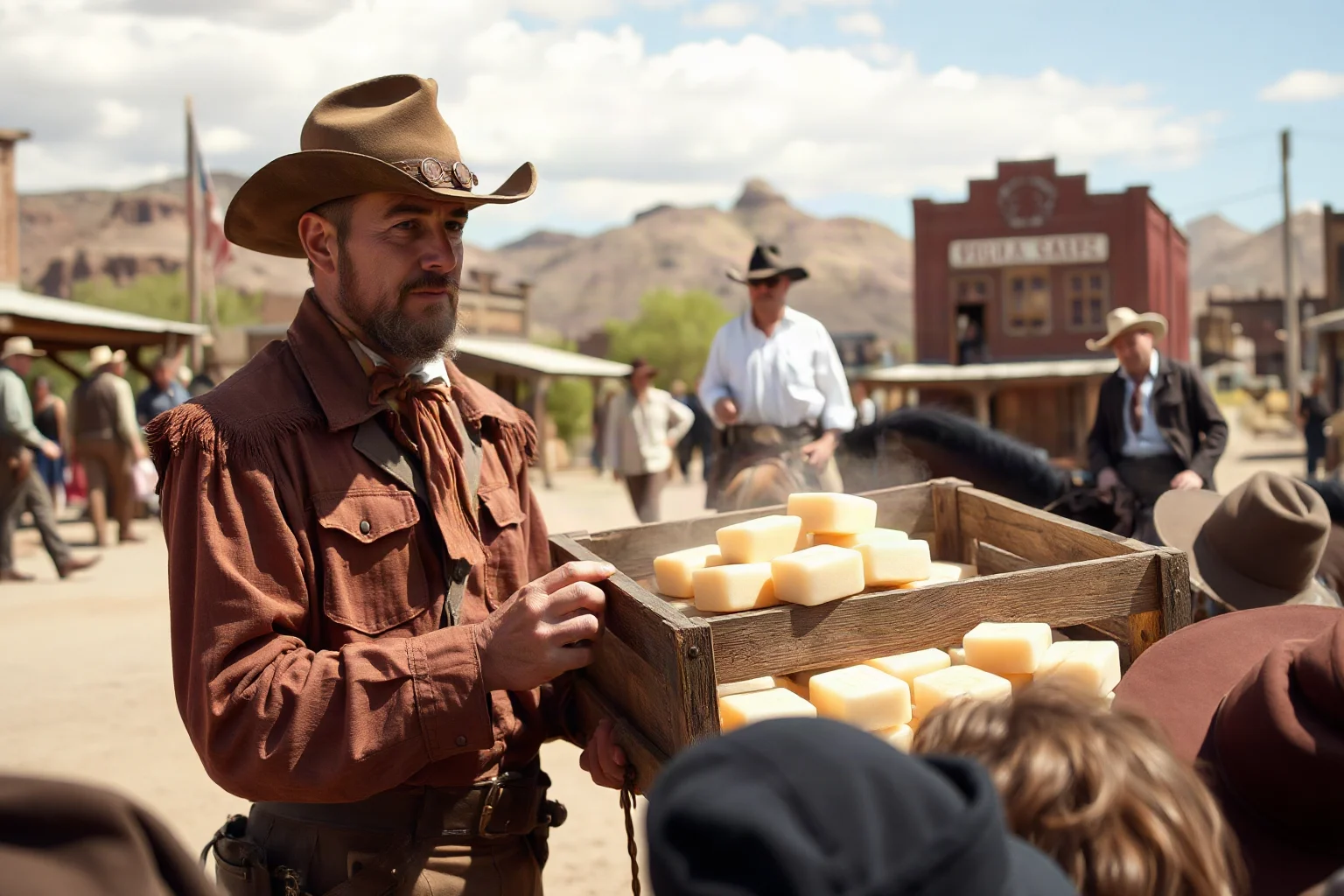
Jefferson “Soapy” Smith earned his nickname running a rigged soap-selling scam in the American West before graduating to bigger operations. He built organized con networks in Denver and later Skagway, Alaska, during the Klondike Gold Rush, using fake telegraph offices and rigged games to fleece prospectors.
Smith effectively ran Skagway’s underworld through bribery and intimidation until 1898, when a vigilante committee confronted him. He was shot and killed in the resulting gunfight, cementing his legend as one of the Old West’s most notorious grifters.
7. Joseph “Yellow Kid” Weil
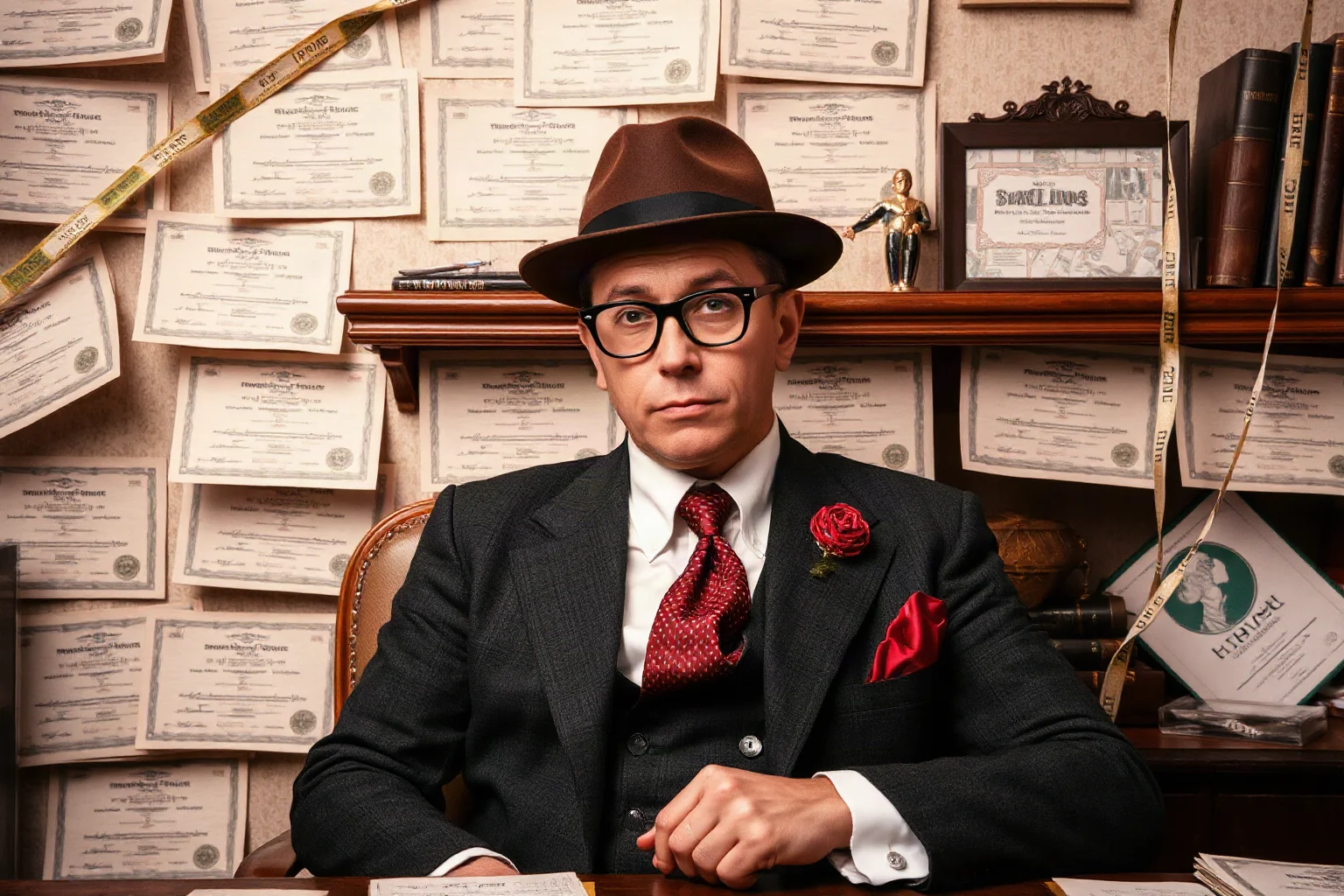
Joseph Weil, better known as the “Yellow Kid,” spent decades running confidence schemes across early 20th-century America, reportedly netting millions through fake stock deals, rigged horse races, and phony banks set up purely for a single con. He was known for meticulous preparation, sometimes renting entire office buildings for a day just to look legitimate.
Weil was arrested numerous times but lived to nearly 100, later cooperating with journalists and writers fascinated by his career. His memoirs helped popularize the romanticized image of the clever, gentlemanly con artist.
8. Lou Blonger
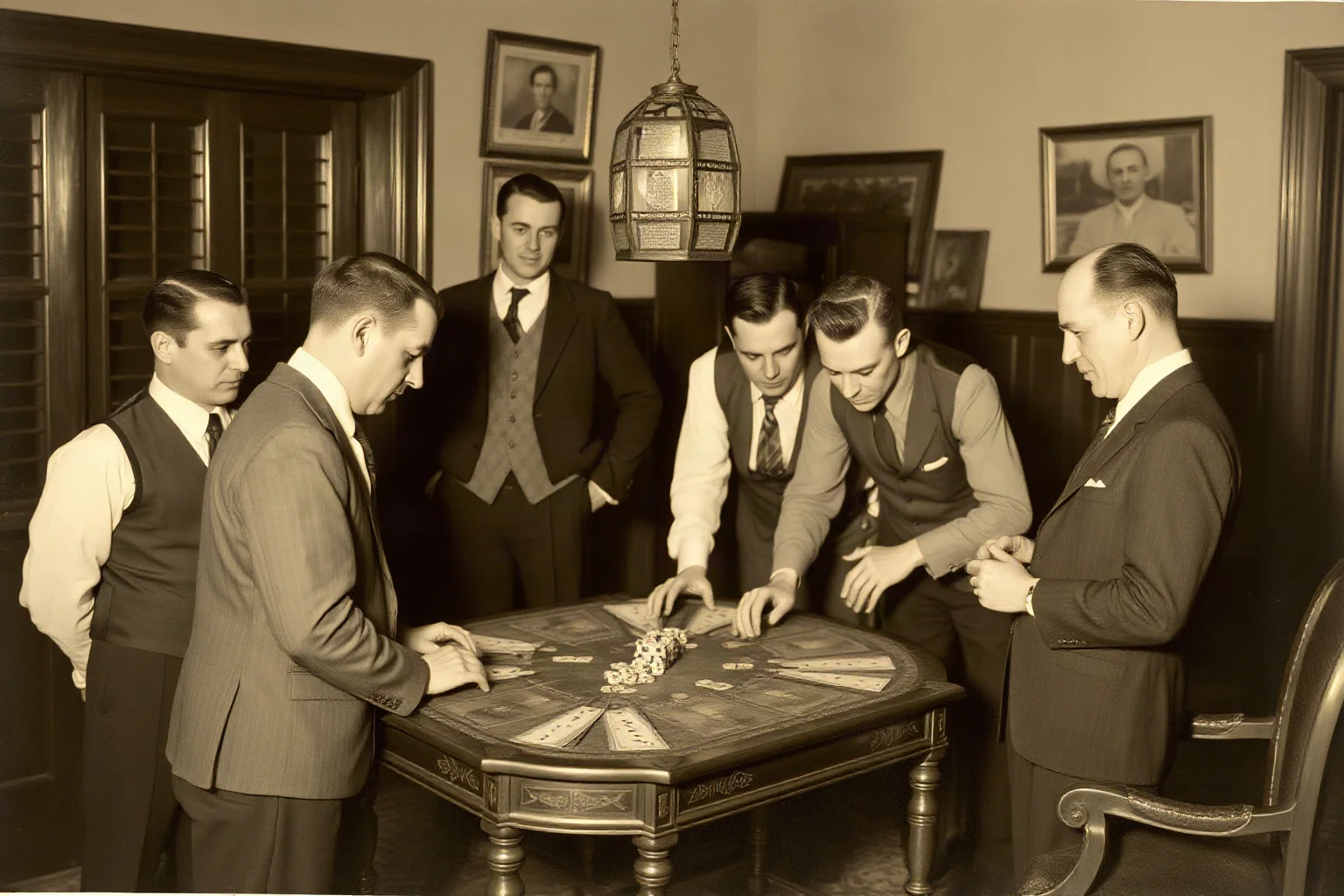
Lou Blonger ran what was essentially a con artist syndicate out of Denver in the early 1900s, coordinating dozens of grifters running rigged betting parlors targeting wealthy visitors — an operation with the kind of organized structure later associated with the notorious gangsters of the 20th century. Blonger had police and political protection for years, which let his operation run virtually unchecked.
His empire collapsed in 1922 after a prosecutor built a case against him and dozens of associates, resulting in one of the largest con-artist trials in American history at the time. Blonger died in prison the following year.
9. Frank Abagnale Jr.

Frank Abagnale became one of the most famous con men of the 20th century after claiming to have impersonated a pilot, doctor, and lawyer while forging checks across several countries as a young man in the 1960s. His story was popularized by his own memoir and the 2002 film “Catch Me If You Can.”
Journalists and researchers have since raised serious doubts about how much of Abagnale’s account is verifiable, noting inconsistencies between his claims and available records. It’s a useful reminder that even a famous con artist’s autobiography deserves a skeptical read.
10. Ferdinand Waldo Demara

Ferdinand Waldo Demara earned the nickname “The Great Impostor” for repeatedly assuming other people’s professional identities without formal training. He served as a civil engineer, a prison warden, a teacher, and most famously a surgeon aboard a Canadian naval ship during the Korean War, performing procedures using knowledge gleaned from textbooks.
Remarkably, his surgical patients reportedly survived. Demara’s life became the basis for a 1961 film, and he spent his later years working legitimately as a hospital counselor.
11. Clifford Irving
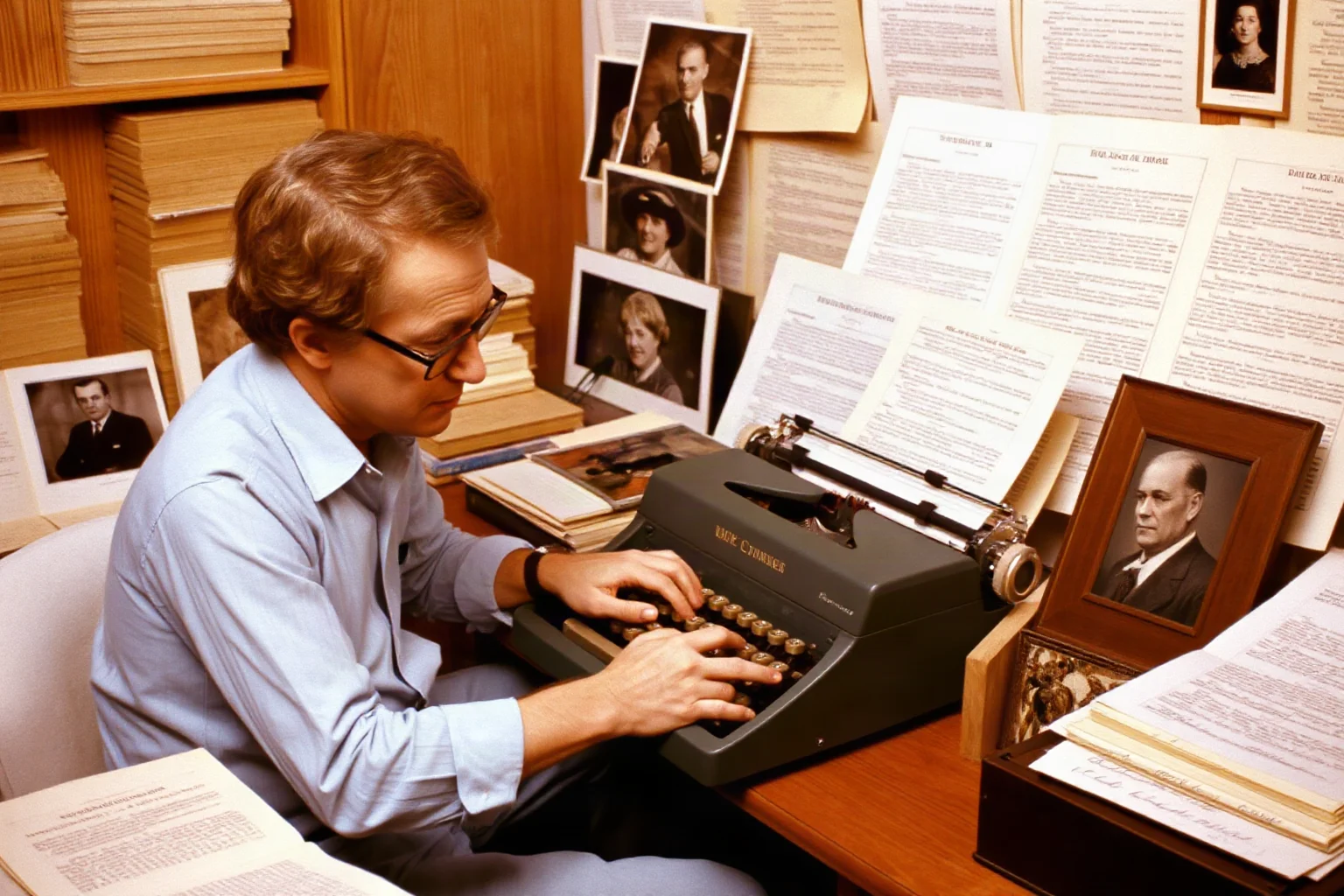
Clifford Irving pulled off one of publishing’s biggest hoaxes in 1971 by convincing a major publisher he’d secured an authorized autobiography from reclusive billionaire Howard Hughes. Irving had never actually met Hughes and fabricated the manuscript along with supporting letters.
The scheme unraveled when Hughes, despite his famous isolation, issued a public denial by phone to journalists. Irving pleaded guilty to fraud and served time in prison, later writing candidly about the deception.
12. Bernie Madoff

Bernie Madoff ran what’s widely considered the biggest con in modern financial history, operating a Ponzi scheme through his investment firm for decades before it collapsed in 2008. Estimates put investor losses in the tens of billions of dollars, making him arguably the biggest scam artist of the modern era by sheer scale.
Madoff was sentenced to 150 years in federal prison in 2009 and died in custody in 2021. His case remains the standard reference point whenever people discuss the greatest con man of the finance world.
13. Sante and Kenny Kimes

Sante Kimes and her son Kenny are one of the rare mother-and-son con-artist partnerships to make it into criminal history, running insurance fraud, real estate scams, and identity theft schemes together across multiple states starting in the 1980s. Their partnership eventually escalated into far more serious crimes.
In 1998, the pair was convicted of murdering a New York socialite to seize her Manhattan mansion. Their case is often cited when people search for a con artist’s partner story, since their crimes were a genuinely collaborative family operation.
14. Christophe Rocancourt

Christophe Rocancourt built a career in the 1990s posing as a member of the Rockefeller family, along with various actors, athletes, and business tycoons, to gain access to wealthy social circles in France and the United States. He used the borrowed prestige to secure loans, luxury goods, and investments from people eager to associate with money and fame.
He was arrested in 2001 and served time in American prisons before being deported to France. Rocancourt later leaned into his notoriety, writing books and giving media interviews about his exploits.
15. David Hampton
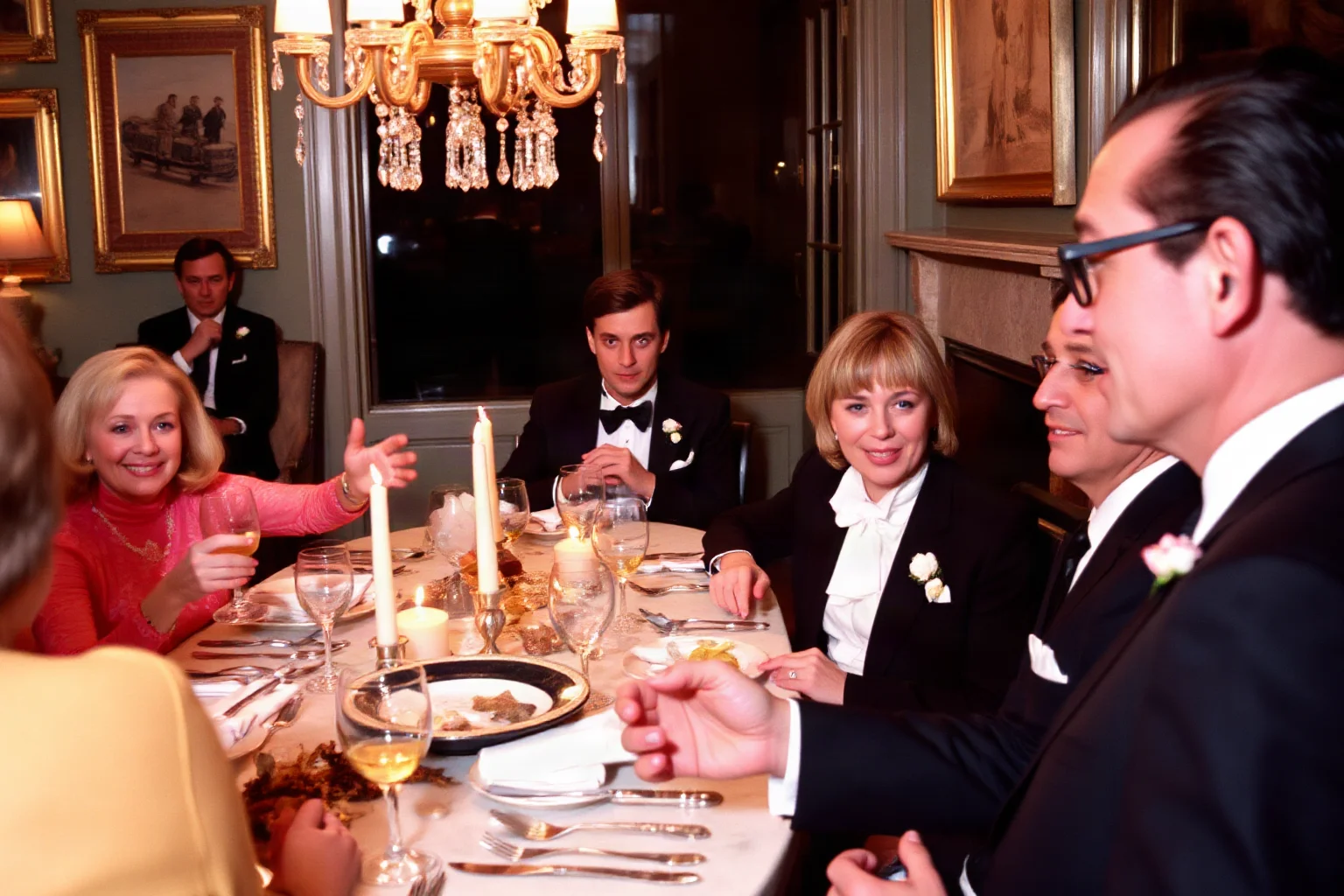
In the 1980s, David Hampton talked his way into wealthy Manhattan households by claiming to be the son of actor Sidney Poitier, charming hosts into giving him money, meals, and lodging. The ruse was eventually exposed, but not before it became a sensation among New York’s social elite.
Hampton’s story inspired the play and film “Six Degrees of Separation.” He spent much of his later life attempting, largely unsuccessfully, to profit from the fame his own con had generated.
16. Steven Jay Russell

Steven Jay Russell built a bizarre career combining insurance fraud, impersonation, and repeated prison escapes across the 1990s, at one point posing as a lawyer and later as a corporate executive to fund an extravagant lifestyle. He escaped custody multiple times using elaborate ruses, including one escape reportedly aided by painting his prison uniform to look like scrubs.
His story became the basis for the film “I Love You Phillip Morris.” Russell remained incarcerated for years afterward, and his case is frequently cited in discussions of famous conman escape artists.
17. Barry Minkow

Barry Minkow founded ZZZZ Best, a carpet-cleaning company he built into a seemingly legitimate public corporation while still a teenager in the 1980s. In reality, the vast majority of its restoration contracts were fabricated, making it one of the more brazen corporate frauds of the decade.
Minkow was convicted in 1988 and served time, then reinvented himself as a fraud investigator and pastor after his release. He was later convicted again in 2011 for a separate fraud scheme, undercutting his redemption narrative.
18. Marc Dreier
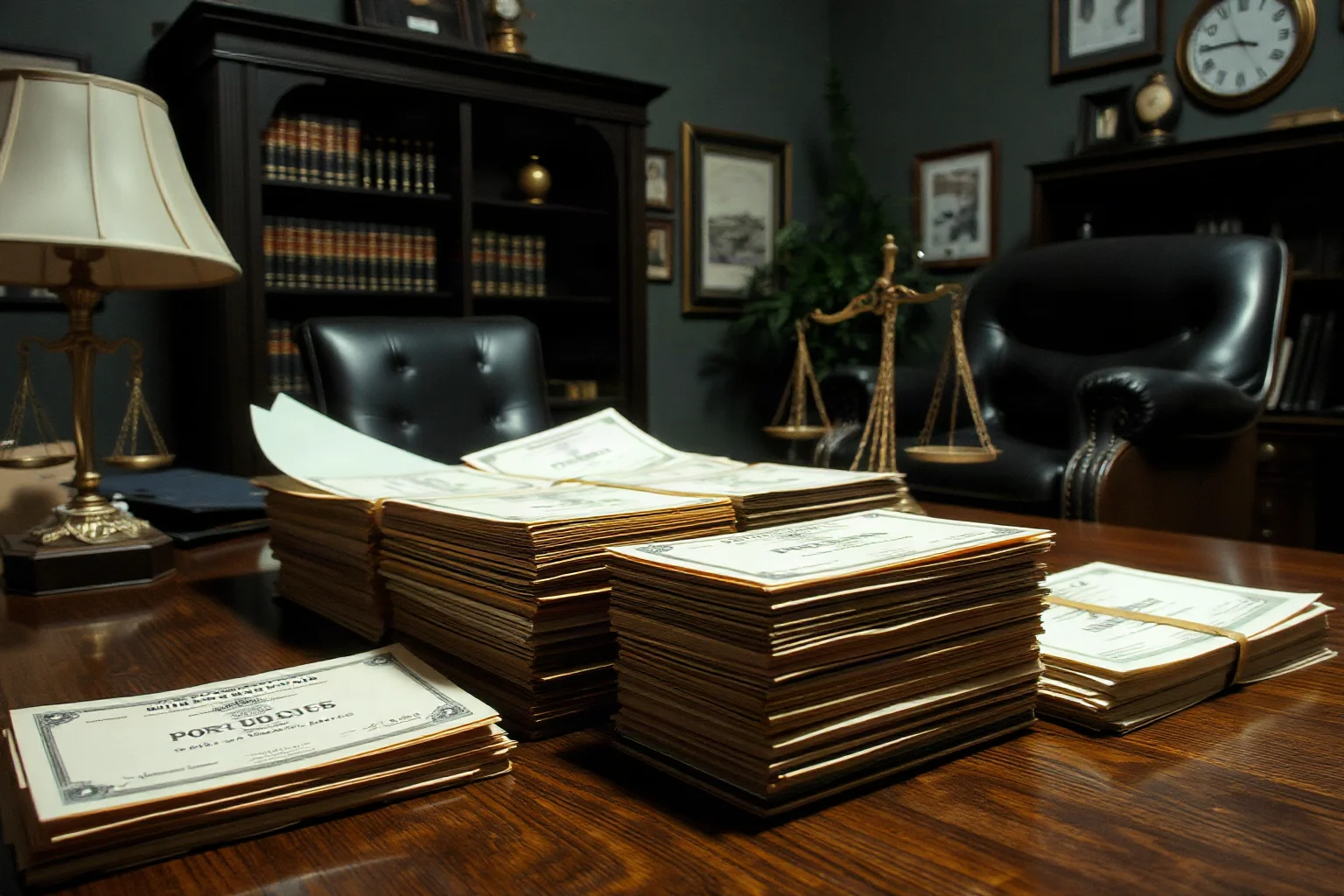
Marc Dreier was a respected New York attorney who secretly ran a massive fraud, selling fake promissory notes from his own law firm to hedge funds, reportedly totaling hundreds of millions of dollars. He impersonated other executives and forged documents to keep the scheme running for years.
Dreier was arrested in 2008, around the same time Madoff’s scheme was collapsing, making that year a particularly rough one for Ponzi-style fraud in America. He was sentenced to 20 years in federal prison.
19. Robert Hendy-Freegard

Robert Hendy-Freegard ran a chilling long con in the United Kingdom during the 1990s and 2000s, convincing multiple victims he was an undercover MI5 agent who needed their money and loyalty to protect them from supposed terrorist threats. Some victims stayed under his psychological control for years, handing over savings and cutting off family ties.
He was convicted of kidnapping, theft, and deception in 2005, though some charges were later overturned on appeal before further convictions followed. His case is often studied as an example of a con artist relying on psychological manipulation rather than paperwork.
20. Anna Sorokin (Anna Delvey)

Anna Sorokin, who went by “Anna Delvey,” convinced New York’s social and financial elite she was a wealthy German heiress in the mid-2010s, securing hotel stays, loans, and lavish experiences on the promise of a trust fund that didn’t exist. She was eventually convicted of theft and fraud in 2019.
Her story became a Netflix series and turned her into one of the more unusual famous scammers of the social media era, partly because she leaned into her own infamy for profile and profit even after conviction. Sorokin has since worked as a commentator and public figure, blurring the line between criminal and celebrity.
21. Elizabeth Holmes

Elizabeth Holmes founded Theranos, a blood-testing startup she claimed could run hundreds of medical tests from a single drop of blood, and the company was valued at roughly nine billion dollars at its peak in the mid-2010s. Investigations later revealed the core technology never worked as advertised, and the company had misled investors, business partners, and patients.
Holmes was convicted of fraud in 2022 and began serving an 11-year federal prison sentence in 2023. Her case is frequently cited as a modern example of how corporate confidence schemes can operate in plain sight for years.
22. Titanic Thompson

Alvin “Titanic” Thompson wasn’t a swindler in the financial-fraud sense, but a legendary hustler who spent the early-to-mid 20th century rigging golf matches, card games, and proposition bets, often by secretly practicing a trick shot for weeks before wagering huge sums on it. His nickname reportedly came from a bet involving luggage he claimed was heavier than it was.
Thompson’s exploits inspired characters in gambling fiction and folklore, blending real cons with tall tales that grew with each retelling. He remains a favorite example of the classic American grifter whose currency was cleverness rather than forged paperwork.
Why Con Artists Still Fascinate Us
Looking across two centuries of famous con artists, a few patterns repeat constantly. Almost every one of them relied on manufactured urgency, borrowed authority, and a victim’s reluctance to admit they’d been fooled, which often delayed exposure far longer than it should have.
Many of the biggest con men also shared a talent for reading social status and flattering it, whether that meant posing as royalty, a government agent, or a Silicon Valley visionary. The costume changed with the decade, but the underlying psychology — exploiting trust faster than skepticism can catch up — stayed remarkably consistent.
It’s also worth noting how often popular culture smooths over the real damage these schemes caused. Films and books tend to frame famous grifters as charming rogues, but their victims often lost savings, homes, or reputations that never fully recovered.
Final Thoughts
The greatest con artists in history didn’t succeed because they were unstoppable geniuses on par with history’s smartest minds. They succeeded because they understood something ordinary about human nature — that most people want to trust, want a good deal, and want to believe a compelling story.
That’s precisely why these cases still get taught in criminology classes, adapted into films, and searched by curious readers more than a century after some of them happened, cementing several of these grifters alongside history’s most recognized figures for entirely the wrong reasons. Understanding how a con works is still one of the best defenses against becoming the next mark in someone else’s story.
Frequently Asked Questions
What are the different types of con artists?
Con artists are usually grouped by method rather than personality. Common types of con artists include investment fraudsters (Ponzi and pyramid schemes), impersonators who pose as officials or heirs, romance scammers who fake relationships for financial access, advance-fee scammers who charge upfront for a payoff that never comes, and affinity scammers who target trust within a specific community. Most historical con artists on record are a variation of one of these categories.
Who is considered the greatest con artist in history?
There's no single agreed-upon answer, since some con artists stole more money while others became more culturally famous. Bernie Madoff is often cited as the biggest con artist by dollar losses, while figures like Victor Lustig and Charles Ponzi are considered among the greatest con men for the boldness and lasting cultural impact of their schemes.
What’s the difference between a con artist and a con man?
"Con man" and "con artist" describe the same type of fraudster; con man is simply the older, gendered version of the term, dating back to the 1849 arrest of swindler William Thompson. Con artist became the more common, gender-neutral phrase over the 20th century, and both terms are used interchangeably in modern writing.
Did Frank Abagnale really do everything shown in Catch Me If You Can?
Almost certainly not in full. While Frank Abagnale was convicted of check fraud and did serve prison time, journalists and researchers have found significant inconsistencies between his memoir's claims and available public records. Much of his famous story should be treated as partly unverified rather than settled history.
What is the biggest con in history?
By financial scale, Bernie Madoff's Ponzi scheme is generally regarded as the biggest con in modern history, with investor losses estimated in the tens of billions of dollars before it collapsed in 2008. Historically, Gregor MacGregor's fictional country of Poyais in the 1820s is one of the most audacious cons ever attempted, given that he sold an entire nonexistent nation to investors and settlers.
Are con artists sociopaths?
Not necessarily, though many display traits associated with manipulation, such as charm, a lack of guilt, and comfort with deception. Psychologists caution against assuming every con artist meets clinical criteria for a personality disorder, since motivations and psychological profiles vary significantly from case to case.

Alex Warren
Related Articles