
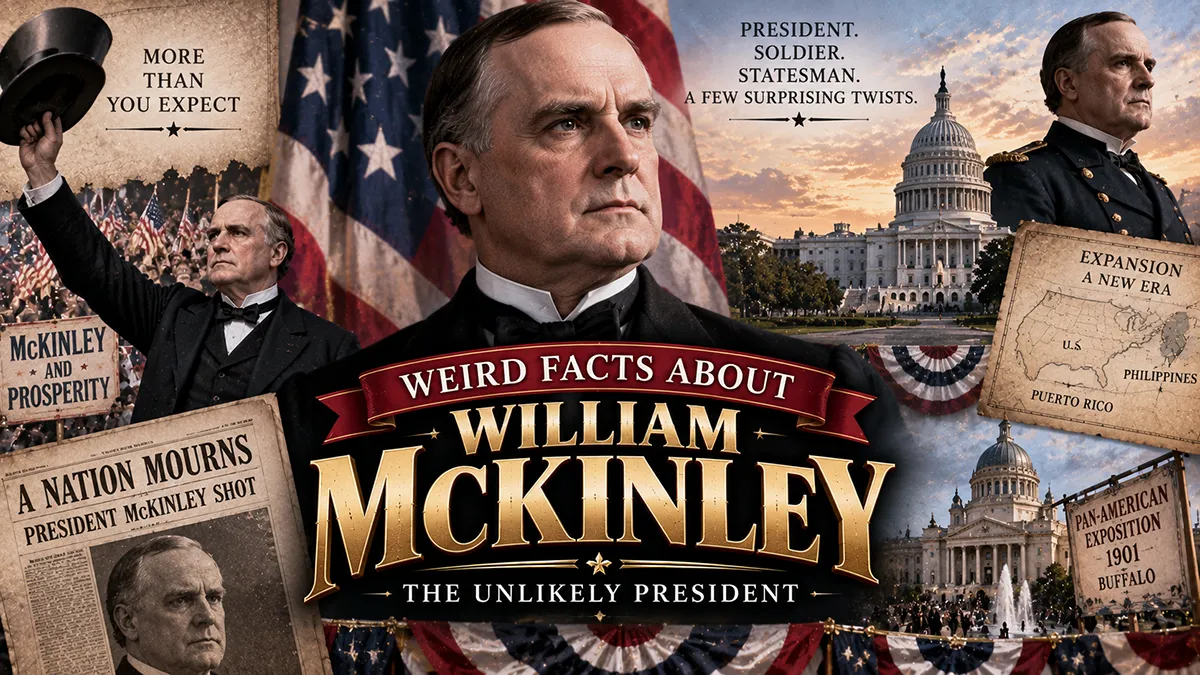
William McKinley doesn’t get talked about much these days, sandwiched in popular memory between the Gilded Age robber barons and Theodore Roosevelt’s larger-than-life legacy — rarely making lists of the most recognized historical figures despite everything that happened on his watch.
That’s a shame, because the 25th president of the USA presided over one of the most consequential stretches in American history — and his own life story is stranger, sadder, and more fascinating than most textbooks let on.
From a Civil War coffee run made under enemy fire to an X-ray machine that sat unused just steps from his deathbed, McKinley’s story is full of details that feel almost too odd to be true.
This guide rounds up the weirdest, most important, and most frequently searched facts about William McKinley (sometimes typed online as McKinely, McKenly, Mickinley, or Kckinley), his presidency, and the assassination that abruptly ended it.
TL;DR: William McKinley, the 25th U.S. president, helped guide America into the modern industrial and imperial age before being assassinated in 1901 — and his short presidency holds far more surprising details than most people realize.
William McKinley Fast Facts
Before diving into the list, here’s a quick snapshot for anyone who just needs the essentials. These are the core facts about President William McKinley that most fast-facts searches are really after.
- Full name: William McKinley Jr.
- Born: January 29, 1843, in Niles, Ohio
- Died: September 14, 1901, in Buffalo, New York
- Political party: Republican
- Presidency: March 4, 1897 – September 14, 1901 (roughly 4.5 years, cut short by assassination)
- Presidential number: 25th President of the United States
- Predecessor: Grover Cleveland
- Successor: Theodore Roosevelt
- Vice Presidents: Garret Hobart (died in office, 1899), then Theodore Roosevelt (1901)
- Spouse: Ida Saxton McKinley
26 Interesting (and Downright Weird) Facts About William McKinley
Here’s the full list, covering everything from his Civil War service to the strange coincidences surrounding his death.
1. He was born into a modest Ohio ironworking family
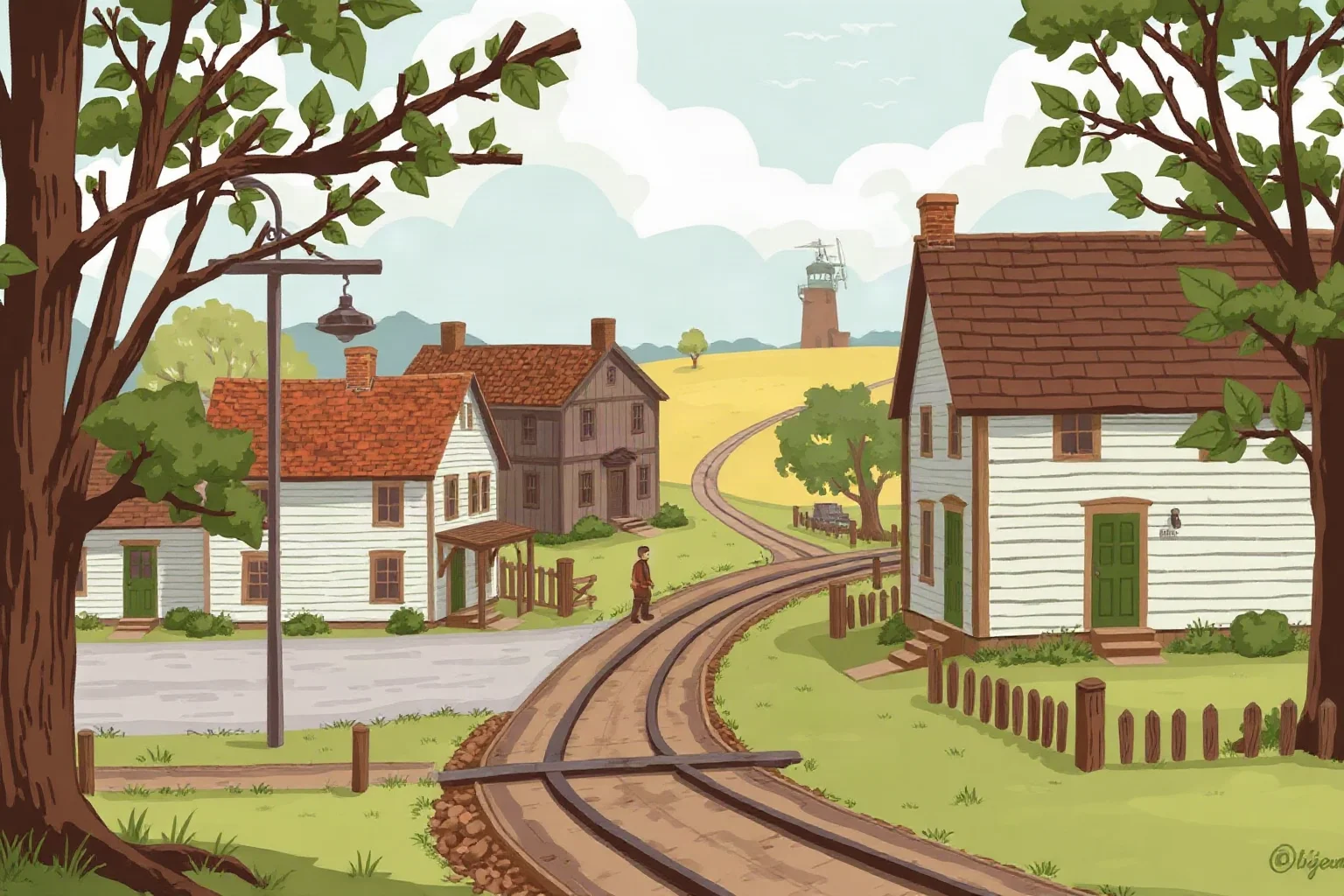
William McKinley Jr. was born on January 29, 1843, in the small town of Niles, Ohio. He was the seventh of nine children in a family of Scots-Irish descent, and his father ran a local iron foundry.
Nothing about his early life suggested he’d one day run the country. He grew up fairly ordinary, attended local schools, and briefly studied at Allegheny College before financial troubles and illness forced him to return home.
2. His name might be the most misspelled in presidential history
William McKinley’s name trips people up constantly. Online searches alone turn up McKinely, McKenly, Mickinley, Mickinly, Kckinley, Mickenley, and even “Mc Kinely” as common variations.
However it’s spelled, the answer to “what number president was William McKinley” is the same: he was officially the 25th president of the USA, serving from 1897 until his assassination in 1901. It’s one of those small, weird facts that shows just how easily history gets scrambled in modern search bars.
3. He was a genuine Civil War hero before he was a politician
McKinley enlisted as a private in the 23rd Ohio Infantry in 1861, at just 18 years old. He served under a commanding officer who would later become president himself, Rutherford B. Hayes, and the two remained close for years afterward.
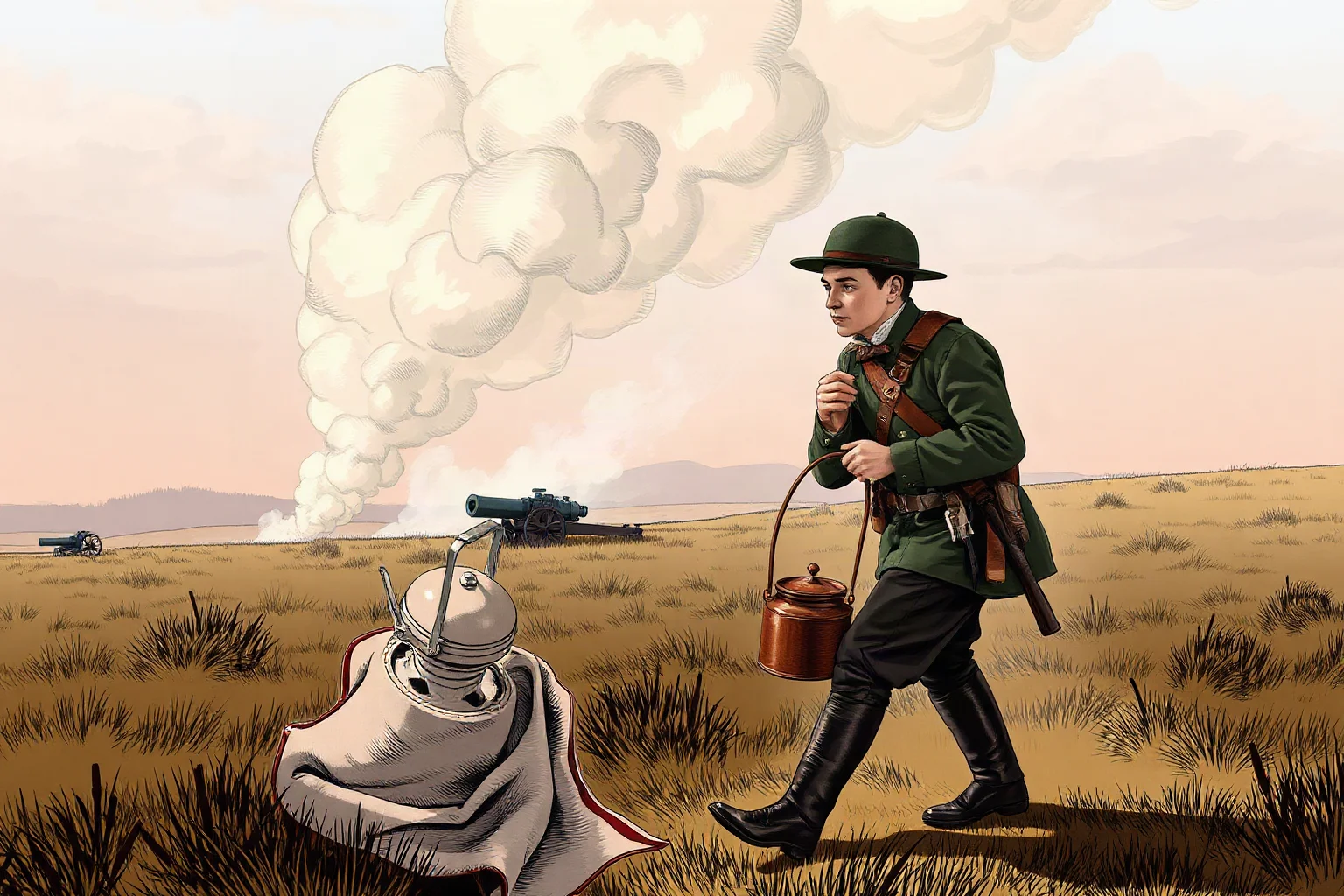
At the brutal Battle of Antietam in 1862, McKinley reportedly drove a supply wagon through active gunfire to bring hot coffee and rations to exhausted troops on the front line. He left the war as a brevet major, a rank he was proud of for the rest of his life.
4. He built a law career and a reputation as a tariff expert
After the war, McKinley studied law and was admitted to the Ohio bar in 1867. He set up practice in Canton, Ohio, and quickly got pulled into local Republican politics.
He was elected to the U.S. House of Representatives in 1876, where he became known almost exclusively for one subject: tariffs. It wasn’t glamorous, but it made him one of the most quoted economic voices in Congress.
5. The McKinley Tariff of 1890 made him famous — and briefly cost him his seat
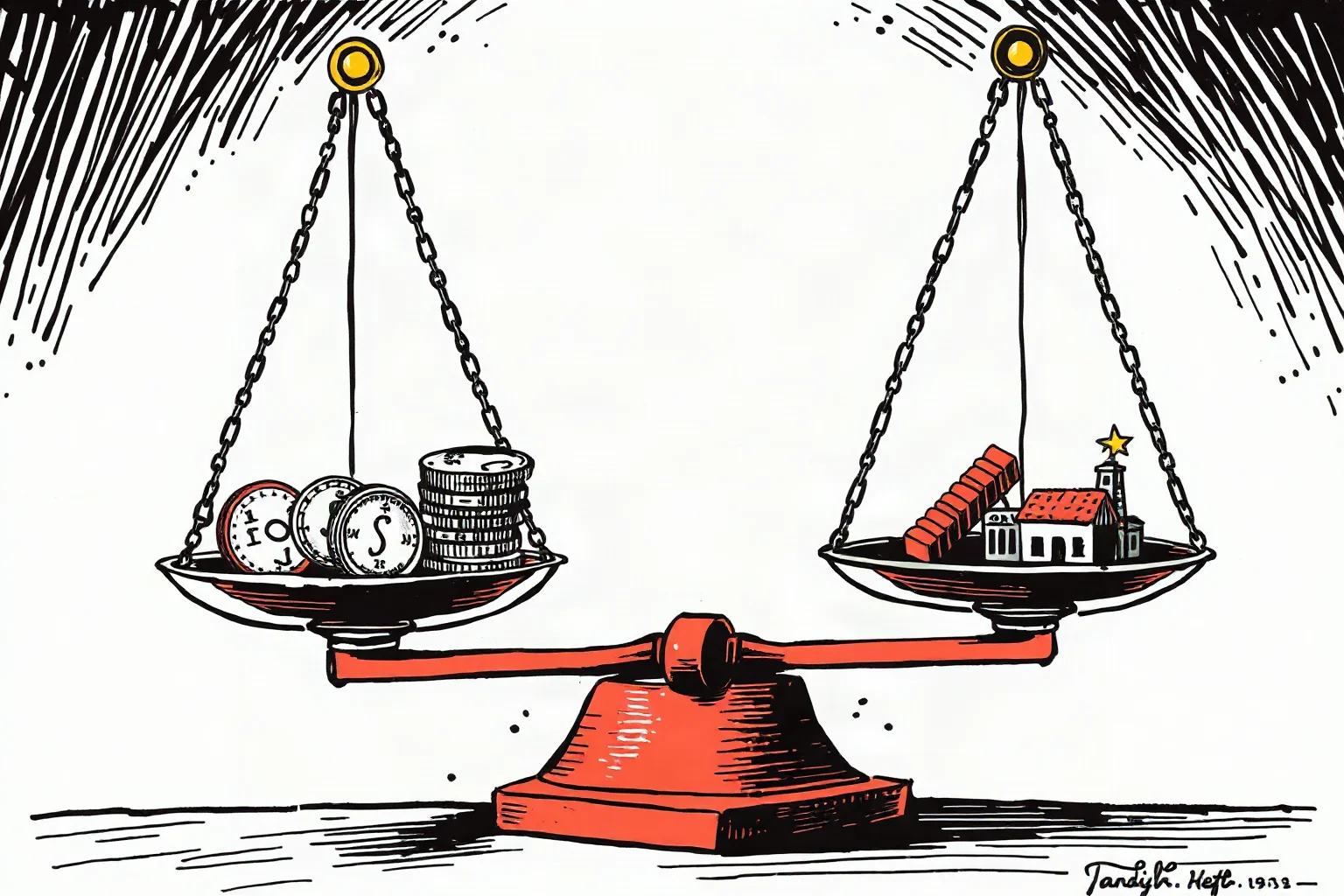
As chairman of the House Ways and Means Committee, McKinley championed the McKinley Tariff Act of 1890, which raised import duties to some of the highest levels in U.S. history. It was meant to protect American manufacturing, but it also raised consumer prices.
Voters were furious, and McKinley actually lost his House seat in the following election. Ironically, the controversy raised his national profile so much that it helped launch him toward the governorship and, eventually, the presidency.
6. He served two terms as Governor of Ohio
McKinley bounced back from his 1890 defeat by winning the Ohio governorship in 1891, and again in 1893. His time as governor was a springboard, giving him executive experience and a strong political base heading into the 1896 presidential race.
It also connected him with Mark Hanna, a wealthy industrialist and political strategist who would become the mastermind behind his national campaigns.
7. His 1896 campaign was famously run from his own front porch

Unlike his rival William Jennings Bryan, who traveled thousands of miles giving fiery speeches, McKinley largely stayed home in Canton, Ohio, during the 1896 campaign. Delegations of supporters would travel to him, and he’d greet them from his front porch.
Meanwhile, Mark Hanna ran what’s often considered the first truly modern political campaign behind the scenes — mass-produced buttons, posters, and pamphlets printed in multiple languages for immigrant voters. It was a preview of 20th-century political marketing.
8. He ran on the gold standard and “a full dinner pail”
The 1896 election became a fight over monetary policy, with Bryan famously demanding free silver in his “Cross of Gold” speech. McKinley campaigned on sound money and economic stability, promising prosperity symbolized by the slogan “a full dinner pail.”
He won convincingly, and in 1900 he signed the Gold Standard Act, formally anchoring the U.S. dollar to gold. This is one of the most important facts about William McKinley’s domestic legacy, even though it rarely gets discussed today.
9. The Spanish-American War transformed the United States into a colonial power
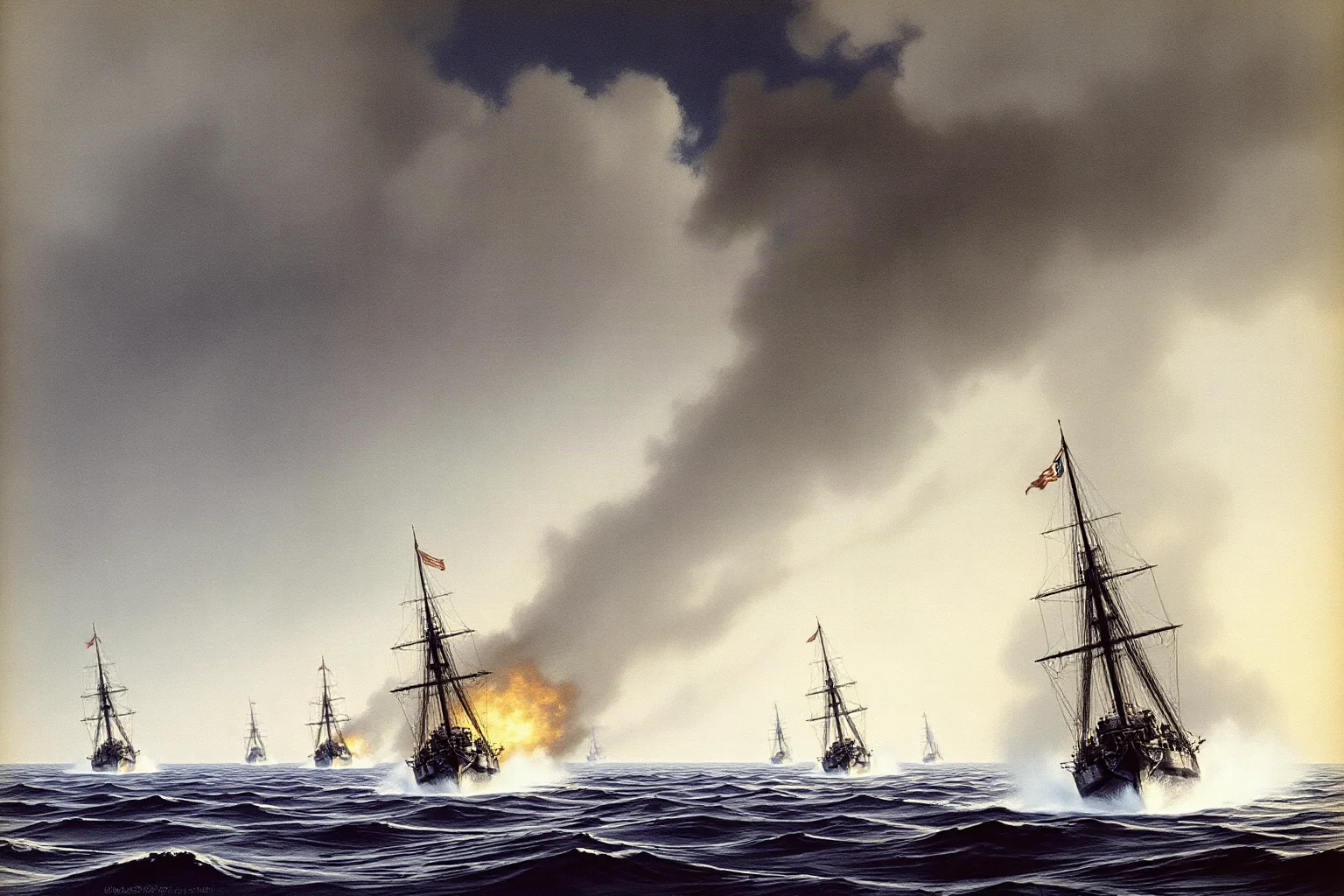
In 1898, after the mysterious explosion of the USS Maine in Havana harbor, the United States went to war with Spain. The conflict lasted only a few months, but its consequences were enormous.
The U.S. gained control of Puerto Rico, Guam, and the Philippines, while Cuba moved toward independence under heavy American influence. Almost overnight, McKinley’s administration turned the United States into an overseas colonial power, something that would have been unthinkable a decade earlier.
10. He annexed Hawaii almost as an afterthought of the war
Amid the excitement of the Spanish-American War, McKinley also signed a joint resolution annexing Hawaii in 1898. The islands had been the subject of controversy for years, especially after the overthrow of Queen Liliuokalani in 1893.
McKinley’s annexation secured a strategic Pacific naval base and cemented America’s growing reach across the ocean. It’s one of those quietly massive decisions that gets overshadowed by louder headlines from the same year.
11. His rhetoric on the Philippines reveals the era’s imperial bias
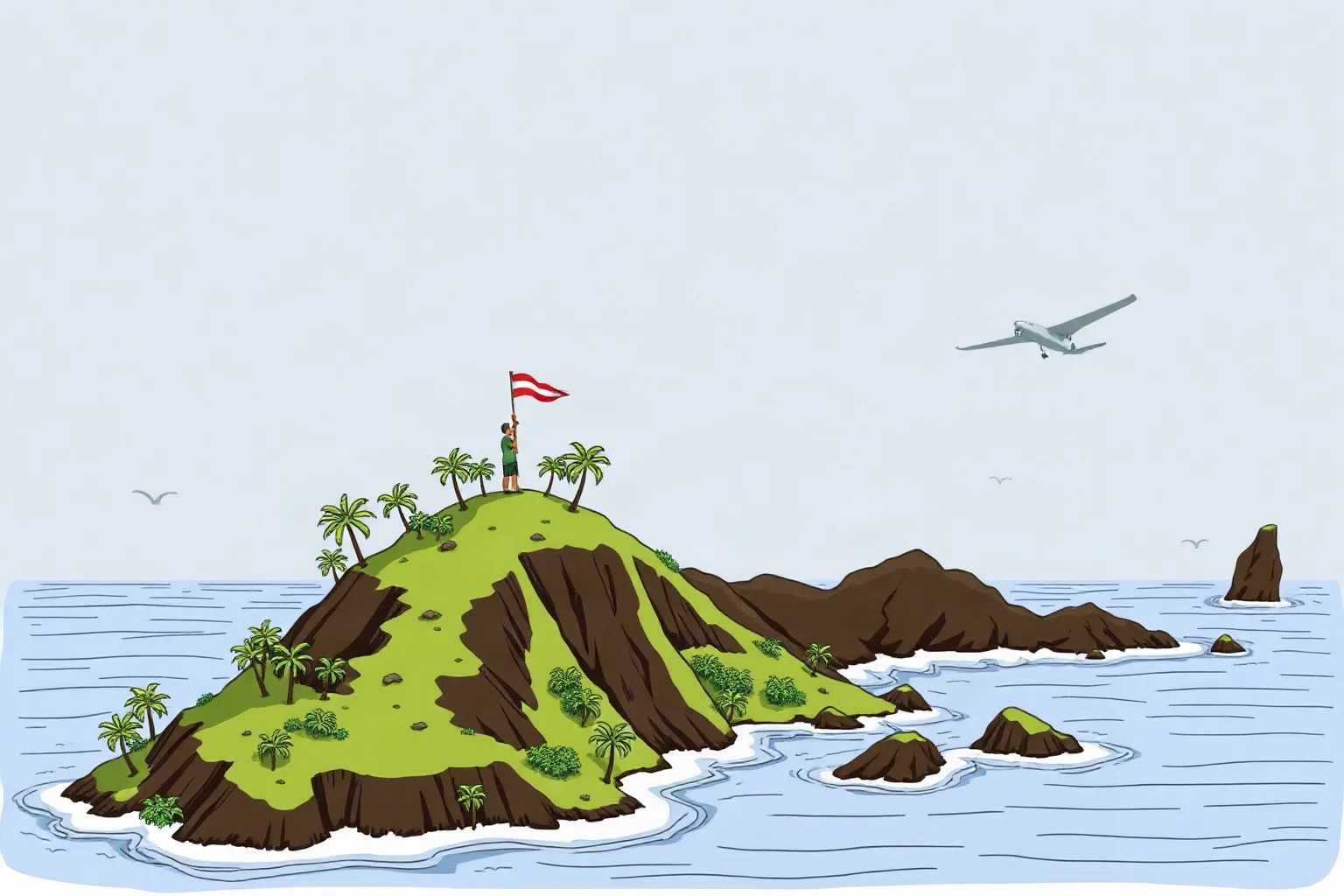
McKinley described U.S. control over the Philippines using the phrase “benevolent assimilation,” framing American rule as a civilizing, almost missionary duty. Historians studying this language point to it as a clear example of the paternalistic and racially charged attitudes common among American leaders at the time.
This is often the context behind questions like “what bias or prejudice does McKinley reveal,” a topic frequently raised in classrooms analyzing his speeches. The brutal Philippine-American War that followed, with significant Filipino civilian casualties, is a sobering counterweight to the era’s talk of progress and uplift.
12. His wife Ida lived with epilepsy, and he was remarkably devoted to her
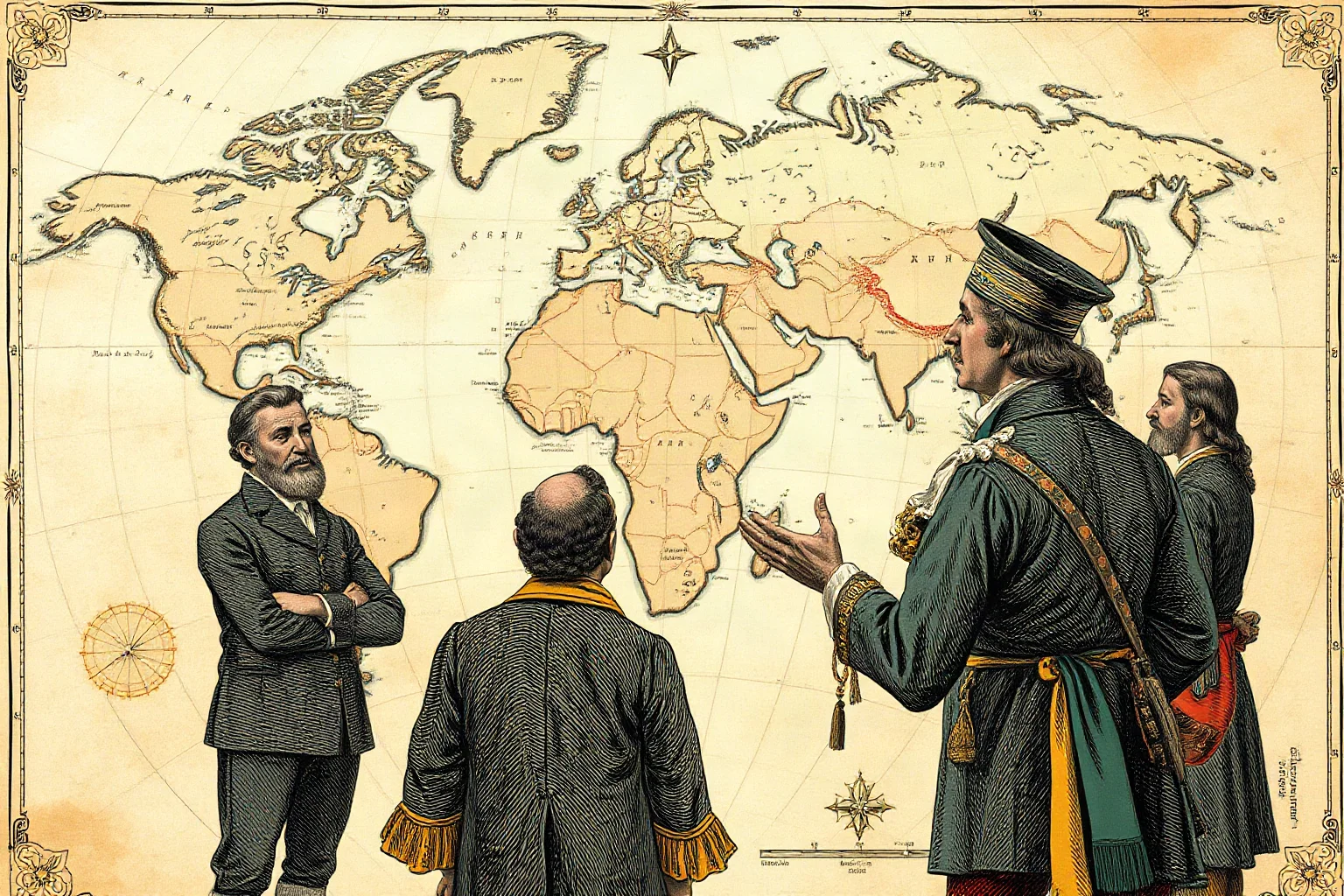
Ida Saxton McKinley suffered from epilepsy and depression, worsened by the deaths of both of the couple’s young daughters. In an era when epilepsy carried enormous stigma — not unlike the whispered rumors that once surrounded Mad King George III and his own health struggles — this was kept largely private from the public.
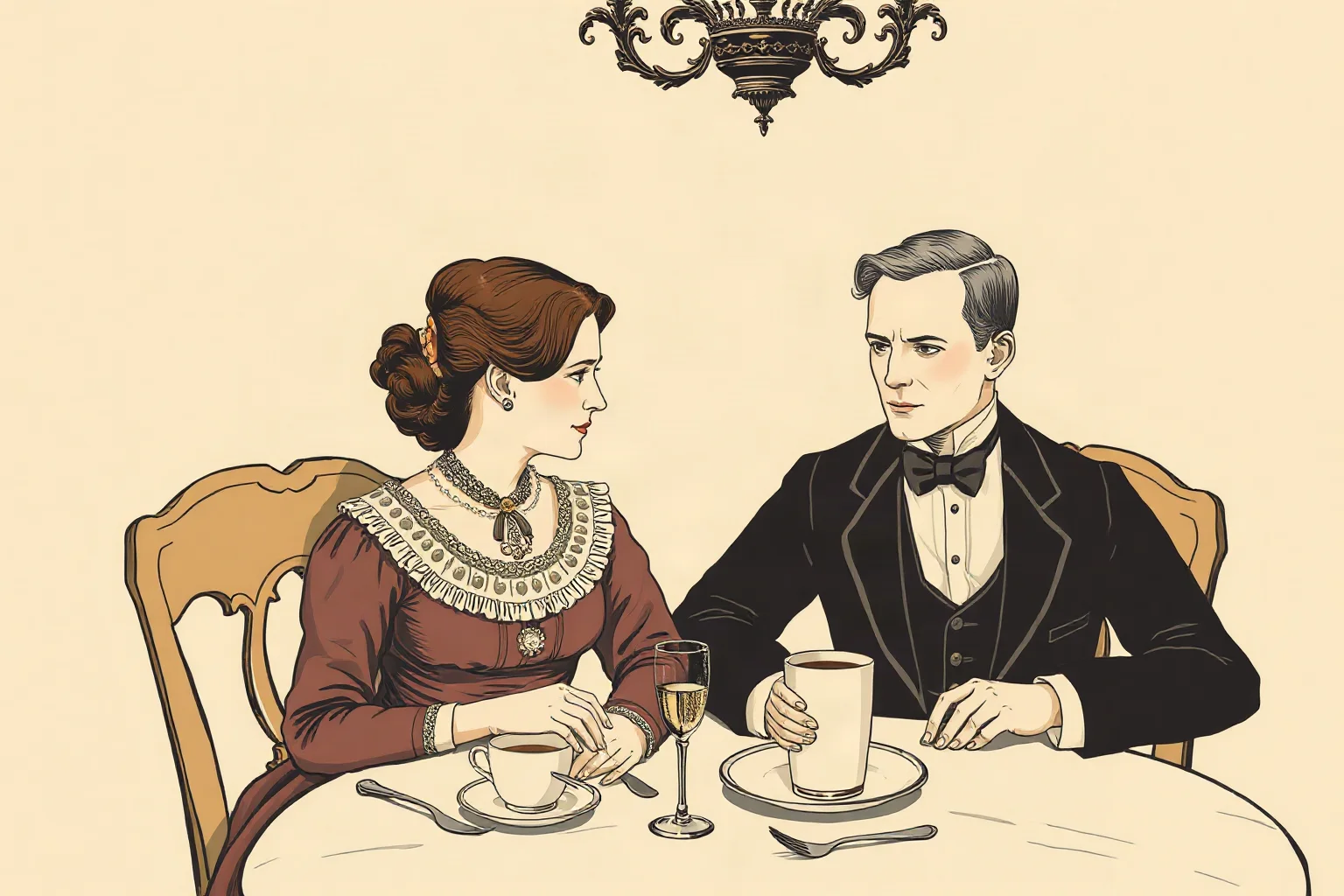
McKinley broke protocol by seating her next to him at formal dinners rather than across the table, and when she had seizures in public, he would gently cover her face with a handkerchief to protect her privacy before calmly continuing whatever he was doing. It’s one of the more touching, lesser-known facts about William McKinley’s personal life.
13. He carried a lucky red carnation everywhere
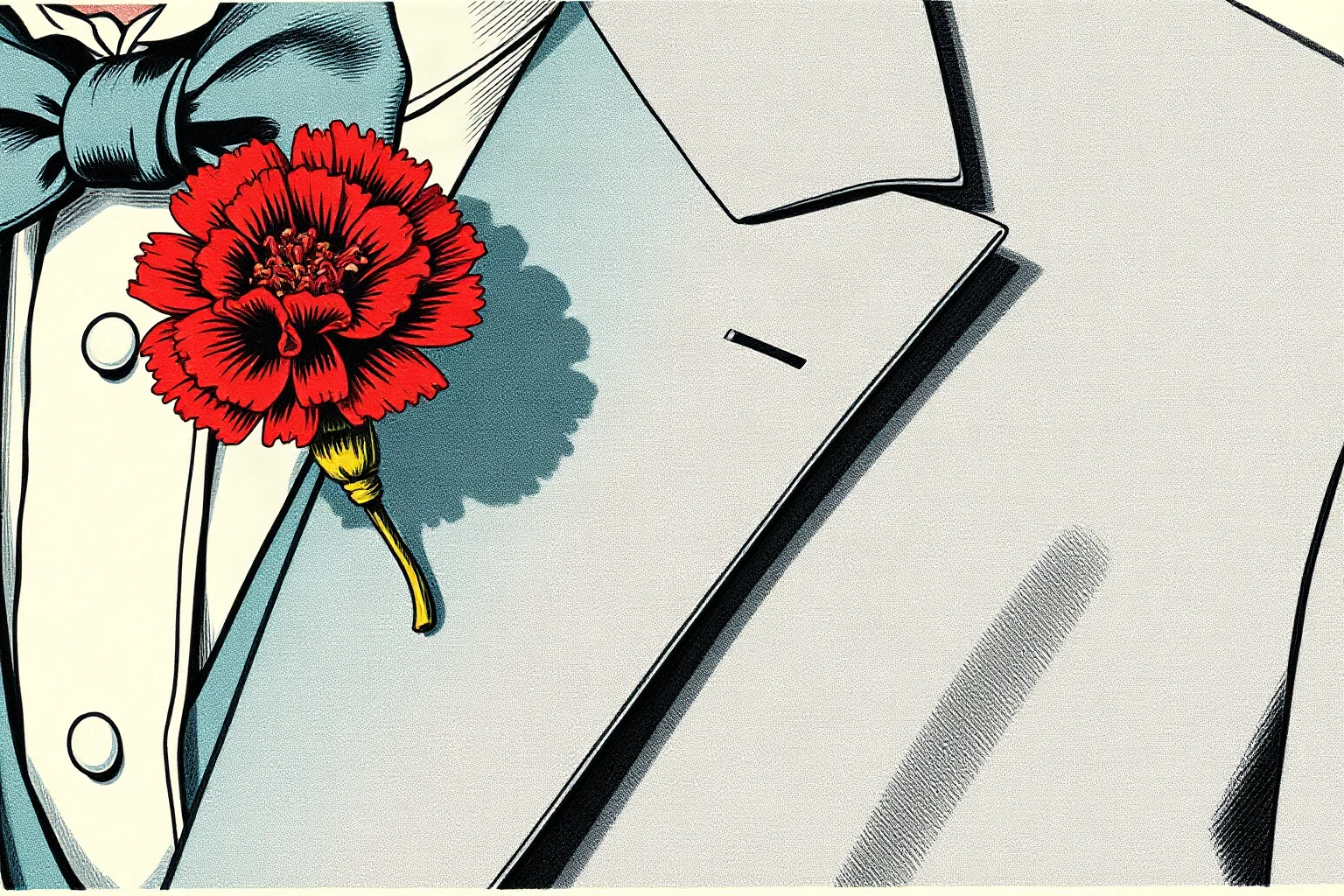
McKinley had a well-known habit of wearing a red carnation on his lapel, which he considered a personal good-luck charm. He often gave his own carnation to admirers or children he met on the campaign trail.
Ohio later adopted the red carnation as its official state flower partly in his honor. It’s a small, oddly charming detail for a man mostly remembered for tariffs and war.
14. He was re-elected in 1900 with a new running mate: Theodore Roosevelt
McKinley’s first vice president, Garret Hobart, died in office in 1899. For his 1900 re-election campaign, Republican Party leaders pushed the young, energetic Theodore Roosevelt onto the ticket, partly to sideline him from New York politics.
McKinley and Roosevelt won easily. Neither of them could have known how quickly and dramatically that decision would reshape American history.
15. He was assassinated at a public reception in Buffalo
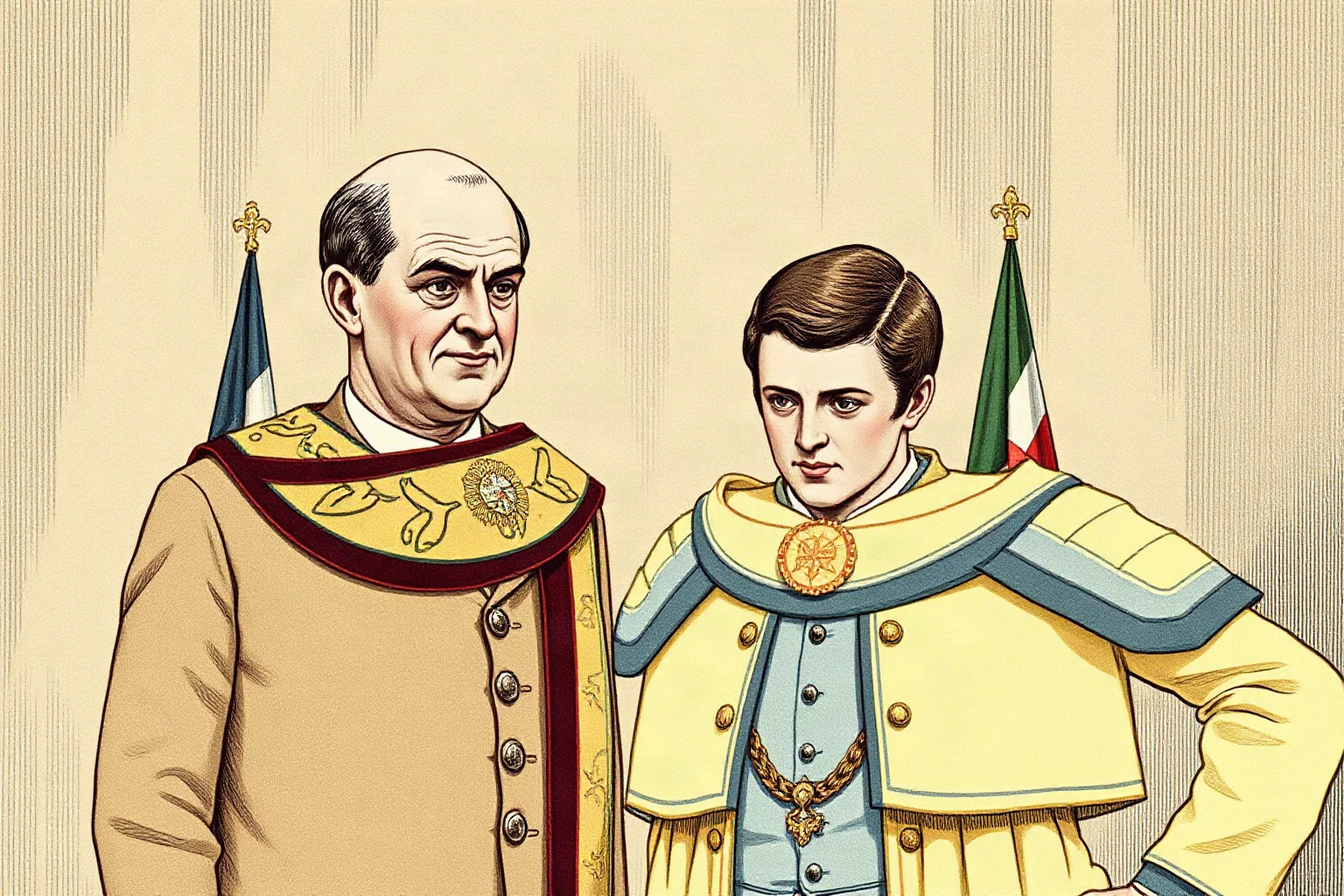
On September 6, 1901, McKinley was greeting the public in a receiving line at the Pan-American Exposition in Buffalo, New York. An anarchist named Leon Czolgosz approached with a revolver concealed inside a handkerchief, and shot the president twice at close range.
McKinley reportedly told his aides not to let them harm his attacker, worried about a violent mob response. It was a strikingly composed reaction for a man who had just been shot.
16. He’d given a speech about progress just one day before the shooting
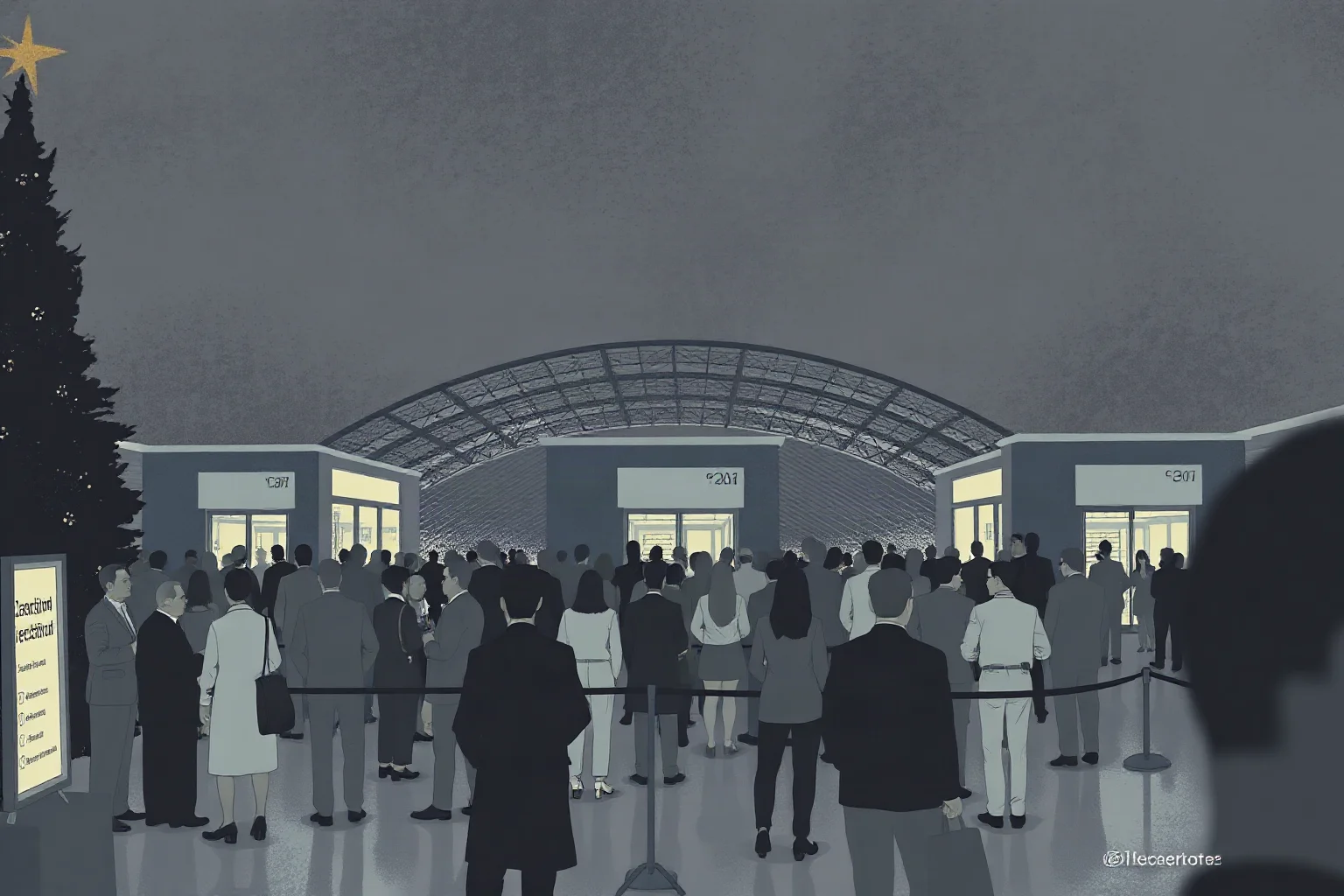
The day before the attack, McKinley delivered a speech at the exposition praising modern invention and industry, famously saying, “Expositions are the timekeepers of progress.” The irony of that phrase, delivered just hours before a moment of shocking violence, has stuck with historians ever since.
The Pan-American Exposition itself was meant to showcase American innovation and unity across the hemisphere. Instead, it became the backdrop for the third presidential assassination in less than 40 years.
17. An X-ray machine sat at the exposition but was never used to help him
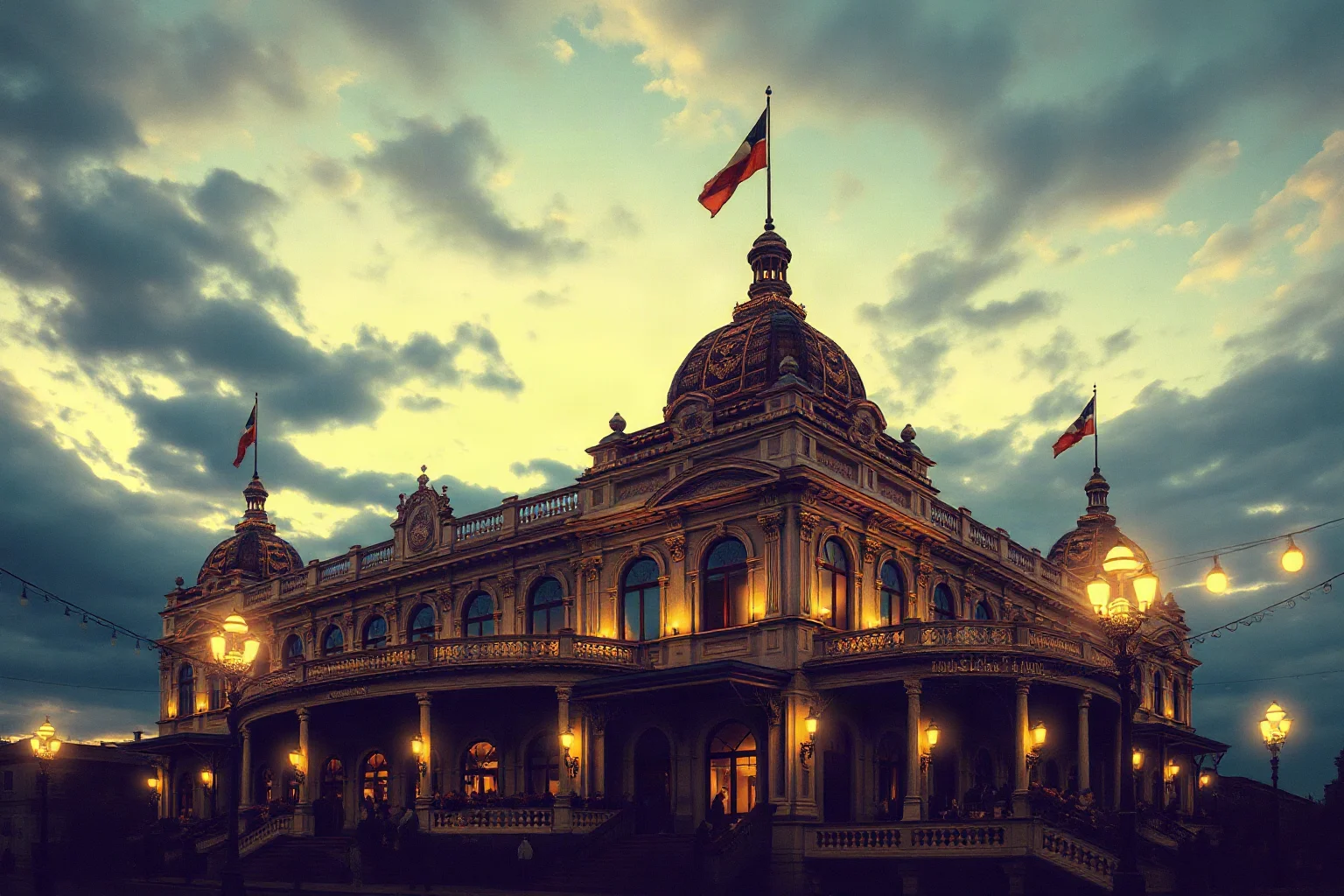
In one of history’s strangest medical near-misses, a working X-ray machine was actually on display at the Pan-American Exposition, just a short distance from where McKinley was being treated. Doctors reportedly hesitated to use it, unsure of its safety and effects, and it was never brought in to locate the bullet still lodged in his body.
Modern medical historians consider this one of the most frustrating what-ifs in presidential history. Had the technology been used and understood better, McKinley’s fate might have been very different.
18. He died from infection, not the gunshot itself
McKinley initially seemed to be recovering, and doctors were cautiously optimistic in the days after surgery. But gangrene set into the wound, and without antibiotics — which didn’t exist yet — his condition deteriorated rapidly.
He died on September 14, 1901, eight days after the shooting. Answering “what happened to McKinley” essentially comes down to a preventable infection that modern medicine could almost certainly treat today.
19. His reported last words referenced a favorite hymn
According to accounts from people at his bedside, McKinley’s final words to his wife were something close to, “Good-bye, good-bye, all. It is God’s way. His will, not ours, be done.” He is also said to have murmured lines from the hymn “Nearer, My God, to Thee” as he was dying.
Exact wording varies slightly between historical retellings, since these accounts were recorded secondhand by grieving witnesses. Still, the moment became one of the most quoted death scenes in presidential history.
20. His death made Theodore Roosevelt the youngest president ever
When McKinley died, Vice President Theodore Roosevelt was sworn in at just 42 years old, making him the youngest person ever to hold the presidency. Roosevelt would go on to reshape the office entirely, but none of it happens without McKinley’s assassination.
It’s a strange twist of fate that America’s most famously energetic, larger-than-life president only got there because of a tragedy in Buffalo.
21. His death changed how presidents are protected
McKinley was the third U.S. president assassinated in less than four decades, following Lincoln in 1865 and Garfield in 1881. That grim pattern finally pushed Congress to act.
In 1902, the Secret Service was formally assigned full-time responsibility for protecting the president, a duty it still holds today. Before McKinley’s death, presidential security had been surprisingly informal by modern standards.
22. Some historians point to an eerie “zero-year” pattern
A long-running piece of political folklore notes that several presidents elected in years ending in zero died in office: Lincoln (1860), Garfield-era timing aside, McKinley (re-elected 1900), Harding (1920), Franklin Roosevelt (1940), and Kennedy (1960) all died before finishing their terms. McKinley’s assassination is often cited as part of this eerie coincidence.
It’s worth stressing this is folklore, not a scientific pattern — Ronald Reagan, elected in 1980, survived an assassination attempt and served two full terms. Still, it’s one of the odder pieces of presidential trivia that keeps coming up in conversations about McKinley, in the same vein as the folklore behind the history of the Grim Reaper himself.
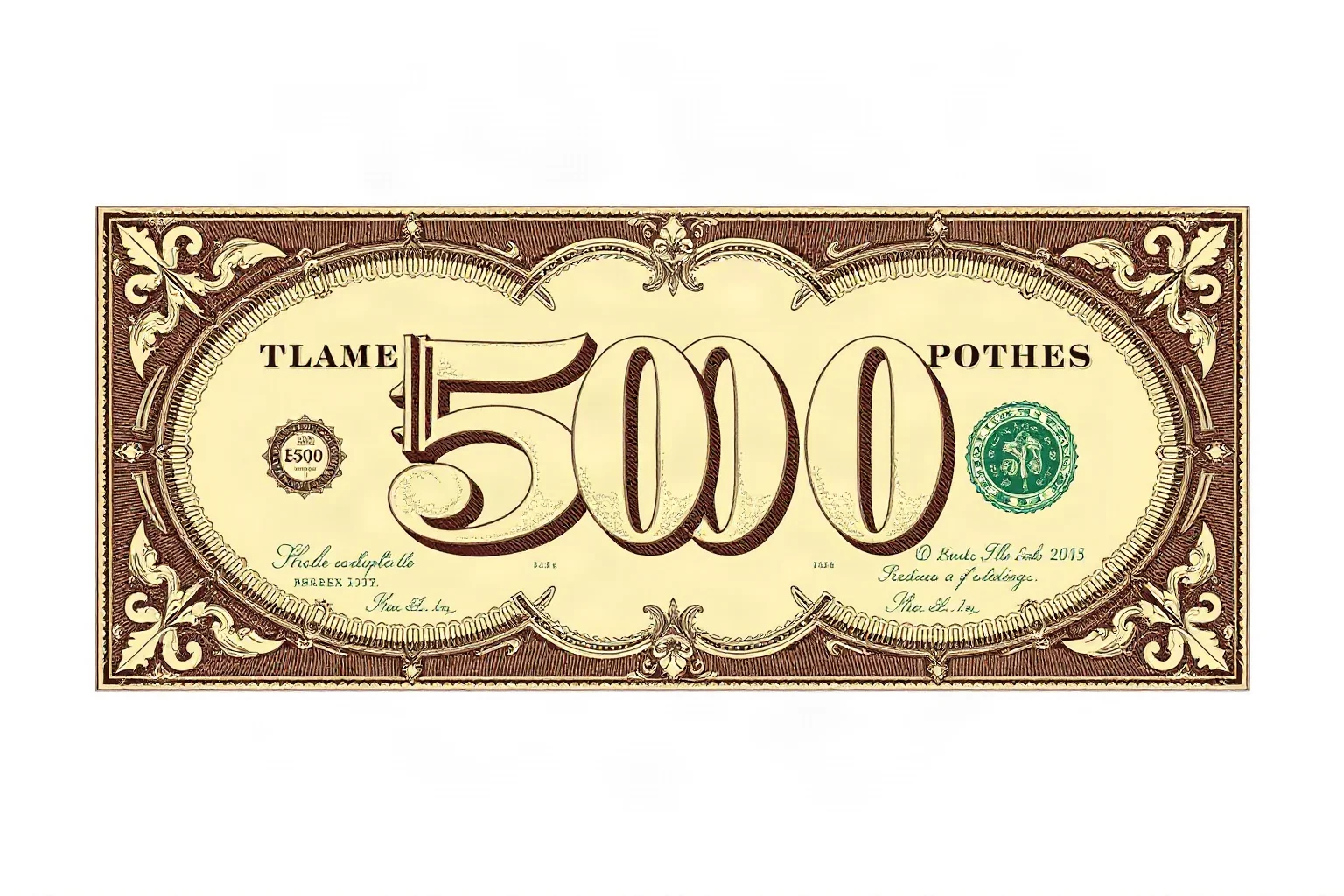
23. His face once appeared on the largest commonly circulated U.S. bill
William McKinley’s portrait appeared on the $500 bill, which the U.S. Treasury printed for decades before discontinuing large-denomination currency in 1969. Very few people alive today have ever seen one in person.
It’s a small but genuinely fun fact about President William McKinley, and a reminder of how differently the country once handled its currency.
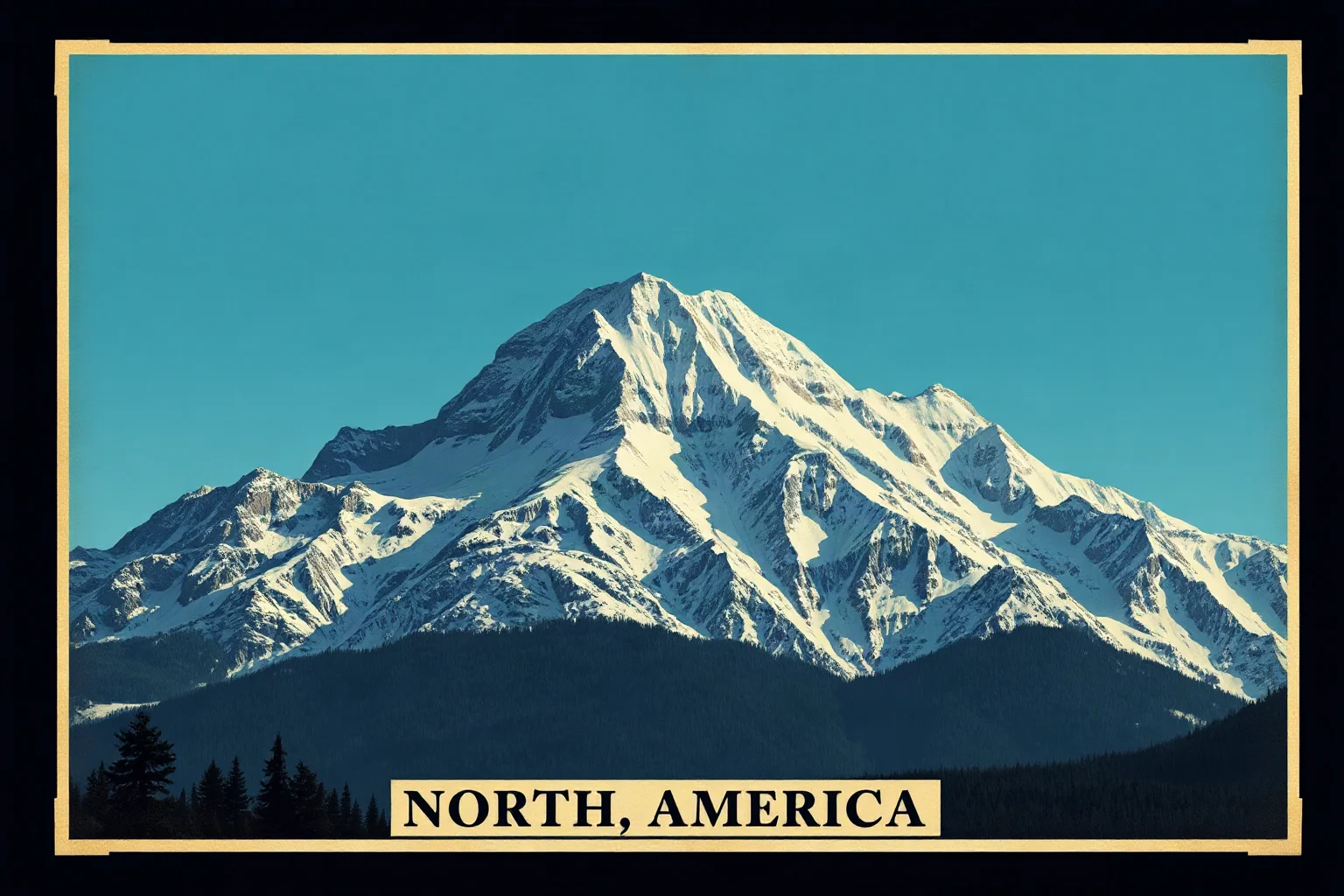
24. Denali was called Mount McKinley for over a century
In 1896, a gold prospector named the tallest peak in North America “Mount McKinley” in support of McKinley’s presidential candidacy, even though McKinley had never set foot in Alaska. The name stuck officially for well over a hundred years.
In 2015, the U.S. government formally restored the mountain’s traditional Koyukon Athabascan name, Denali, following decades of advocacy from Alaska Native communities. It remains one of the more unexpected geographic footnotes tied to his name.
25. He left behind a handful of memorable quotes
McKinley wasn’t known as a flashy orator, but a few lines from his speeches have endured. His 1897 inaugural address included the line, “Our differences are policies; our unity is faith and patriotism,” a call for unity after a bitterly fought election.
His Buffalo speech line, “Expositions are the timekeepers of progress,” remains one of the most quoted William McKinley quotes today, mostly because of the tragic timing that followed it. Anyone searching for quotes from William McKinley will find these two lines showing up again and again.
26. He’s buried in one of the most striking presidential memorials in the country
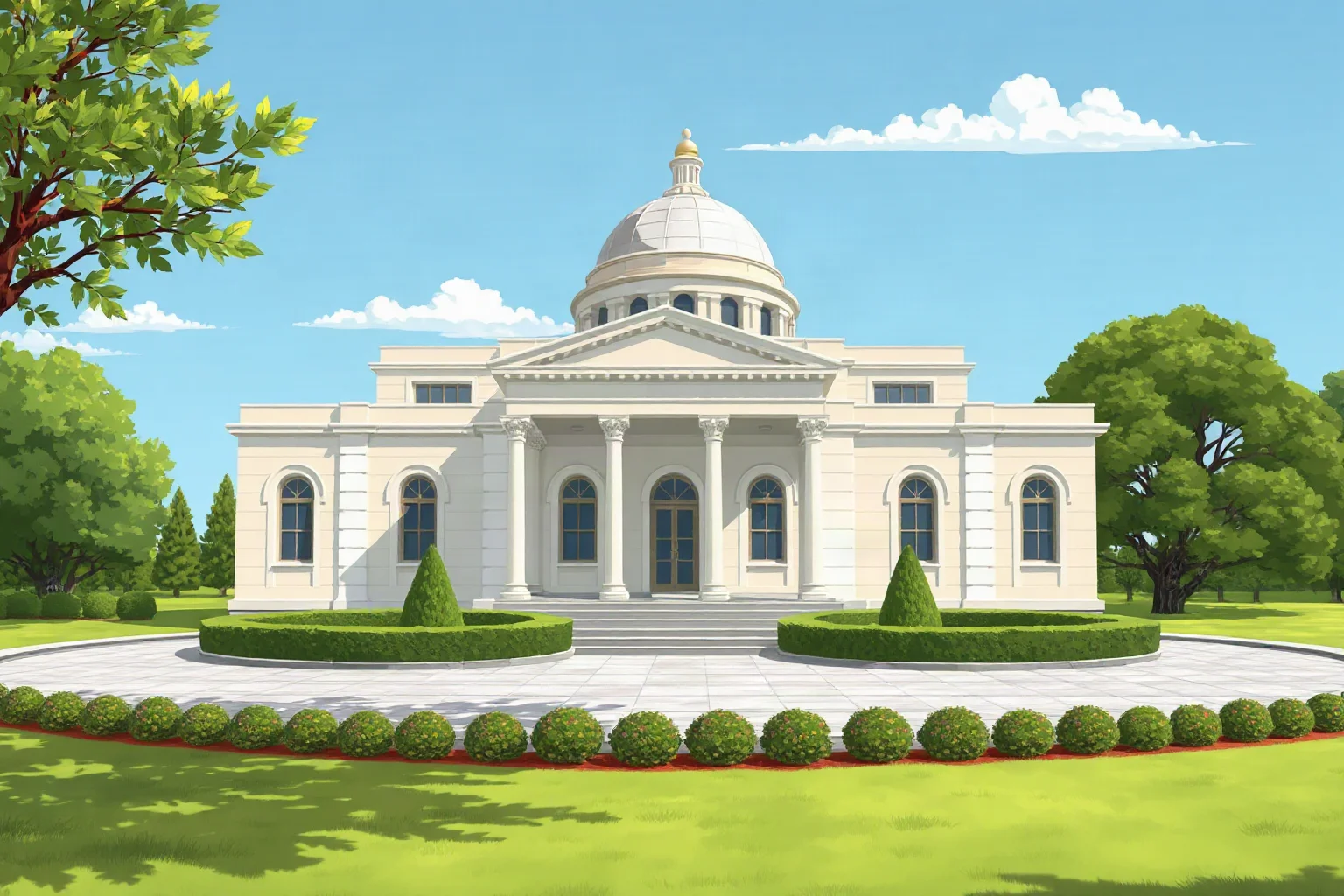
McKinley is interred at the McKinley National Memorial in Canton, Ohio, an imposing domed mausoleum completed in 1907. Both he and Ida are buried there, alongside their two young daughters.
The memorial was funded largely through public donations, a reflection of how deeply the nation mourned him at the time. Today it stands as a quiet, often-overlooked monument to a president whose story deserves more attention than it usually gets.
Was McKinley a Good President? Weighing His Legacy
So, was McKinley a good president? Historians generally place him in the middle-to-upper tier of U.S. presidents, and recent presidential rankings, including surveys like the C-SPAN historians’ poll, tend to rate him respectably rather than exceptionally.
On the positive side, McKinley steered the country through a period of economic recovery, stabilized the currency with the gold standard, and pioneered modern campaign strategy. He’s also credited with setting the stage for America’s emergence as a global economic and military power heading into the 20th century.
On the critical side, his administration’s imperial expansion came at a real human cost, particularly in the Philippines, and his tariff policies drew genuine economic criticism from consumers and farmers. Many modern historians view his presidency as a pivotal but morally complicated turning point rather than a simple triumph.
Why was William McKinley important, then? Mostly because he sits right at the hinge point between 19th-century America and the modern, globally engaged nation the U.S. became in the 20th century. Almost everything that follows him, from Roosevelt’s progressivism to America’s ongoing role on the world stage, traces back in some way to decisions made during his short time in office.
Final Thoughts on America’s Forgotten President
William McKinley isn’t a household name the way Lincoln or either Roosevelt is, but his presidency quietly reshaped what the United States was and what it was becoming. He guided the country through war, economic transformation, and the earliest stages of American global power, all while carrying a genuinely touching personal life story most people never hear about.
His assassination remains one of the strangest and saddest chapters in presidential history, filled with near-misses, unused technology, and eerie coincidences that still get discussed today. Whatever you searched to land here, whether it was fast facts, quotes, or simply “McKinley,” hopefully this gives his legacy the fuller, weirder picture it deserves.
Frequently Asked Questions
Who was the 25th president of USA?
The 25th president of the USA was William McKinley, who served from March 4, 1897, until his death on September 14, 1901. He was assassinated during his second term, making him the third U.S. president to be killed in office.
When was William McKinley president?
William McKinley was president from March 4, 1897, until September 14, 1901. His time in office lasted a little over four and a half years, cut short by his assassination early in his second term.
How long was William McKinley president?
McKinley served roughly four and a half years as president. He won a full first term starting in 1897 and was re-elected in 1900, but he was shot in September 1901 and died just months into his second term.
What party was William McKinley?
William McKinley was a member of the Republican Party. He was known especially for his strong support of protective tariffs and, later, the gold standard for U.S. currency.
What did William McKinley do before he was president?
Before becoming president, McKinley served as a Civil War soldier, worked as a lawyer, spent years in the U.S. House of Representatives focused on tariff policy, and served two terms as Governor of Ohio.
What did McKinley do as president?
As president, McKinley led the U.S. through the Spanish-American War, annexed Hawaii, oversaw the acquisition of the Philippines, Puerto Rico, and Guam, and signed the Gold Standard Act of 1900, which anchored the dollar to gold.
Was McKinley a good president?
Historians generally rank McKinley as an above-average president, crediting him with economic stability and pioneering modern campaign strategy, while criticizing the human cost of imperial expansion under his administration, especially in the Philippines.
What is William McKinley known for?
William McKinley is best known for leading the U.S. through the Spanish-American War, expanding American territory overseas, championing the gold standard, and for being assassinated in 1901, which brought Theodore Roosevelt to power.
What happened to William McKinley?
McKinley was shot twice by anarchist Leon Czolgosz on September 6, 1901, at the Pan-American Exposition in Buffalo, New York. He died eight days later, on September 14, 1901, from gangrene caused by the wound.
What number president was William McKinley?
William McKinley was the 25th president of the United States.

Alex Warren
Related Articles