

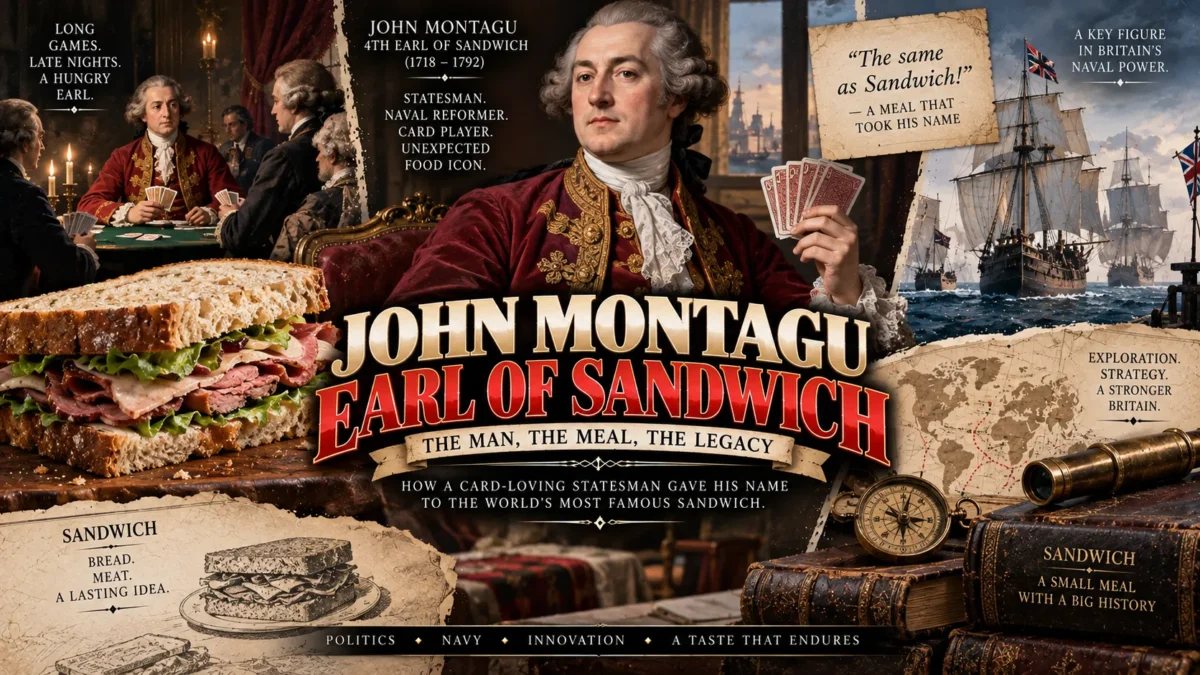
Few sandwiches come with a side of scandal, shipwrecks, and a set of Pacific islands named in their honor—but the story behind the world’s most convenient meal does. John Montagu, the 4th Earl of Sandwich, was a real 18th-century British aristocrat whose name got attached to bread-and-filling combinations almost by accident, and whose actual life was far stranger and more consequential than the snack food legend suggests.
In this guide, we’re separating the well-worn sandwich myth from the documented history, in much the same spirit as untangling the real story of Pocahontas from its own Hollywood version.
That means covering the earl’s political career, the scandal that rocked his personal life, the murky origins of the sandwich story itself, and the modern Montagu family who still carry the title today—from the 11th Earl to his heir, Luke Montagu, Viscount Hinchingbrooke.
TL;DR: John Montagu, the 4th Earl of Sandwich, was a real (and controversial) 18th-century British statesman whose gambling-table legend gave his name to the sandwich, and his family’s earldom—now eleven generations deep—still carries his name today.
1. Who Was John Montagu, the 4th Earl of Sandwich?
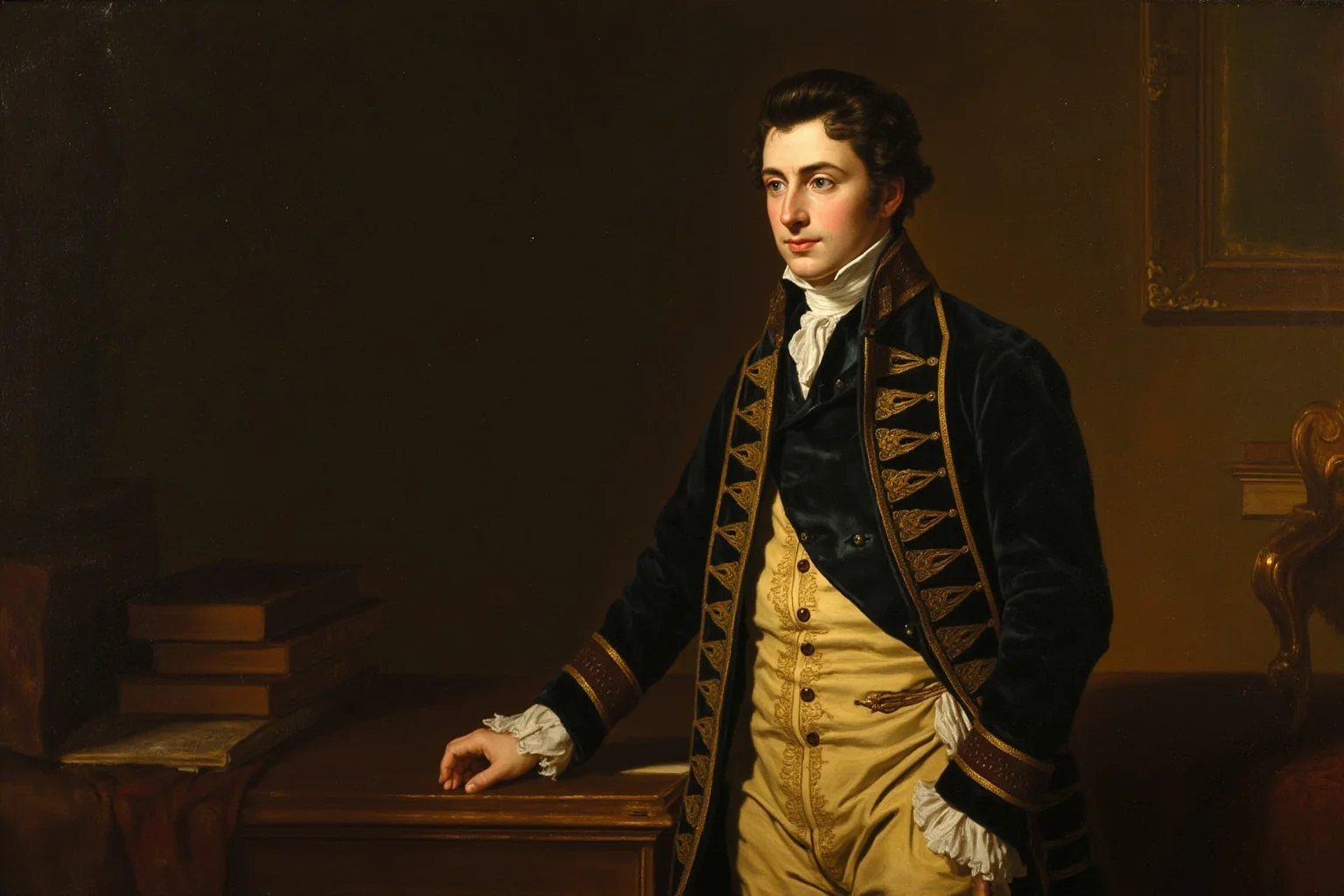
John Montagu was born on November 13, 1718, into one of England’s well-established aristocratic families. He went on to become a career politician and naval administrator, holding some of the most powerful offices in 18th-century Britain. Today, though, most people know him for one thing only: lending his title to the humble sandwich, even though he never comes up in lists of the most recognized historical figures of all time.
2. He Inherited the Earldom as a Child
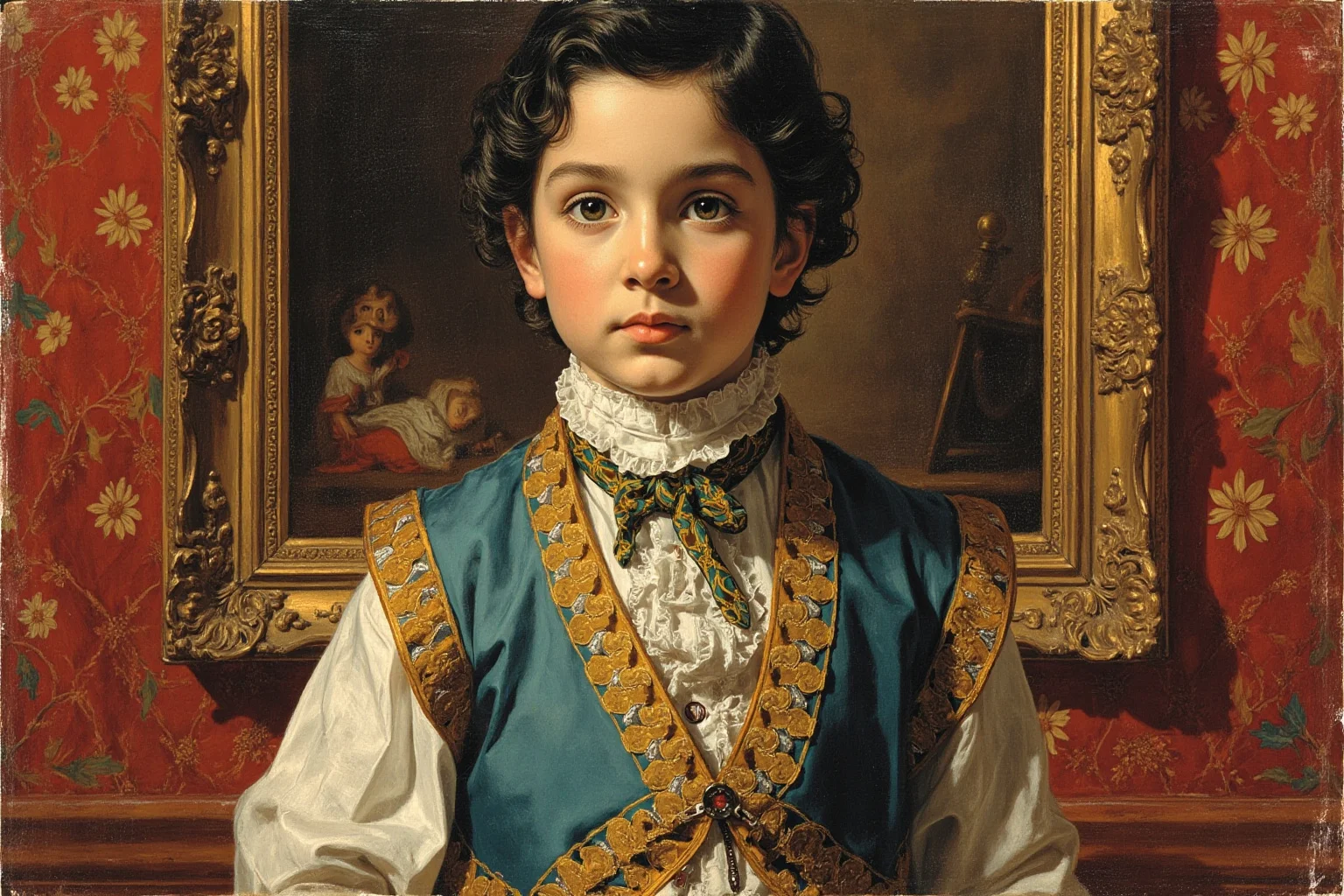
Montagu’s father, styled Viscount Hinchingbrooke as heir to the earldom, died before he could inherit the title himself, so young John became heir to his grandfather instead. When his grandfather, the 3rd Earl of Sandwich, died in 1729, John Montagu became the 4th Earl of Sandwich at around ten years old. That made him a public figure, and a target of political interest, almost before he was old enough to understand what either meant.
3. An Eton and Cambridge Education, Capped by a Grand Tour
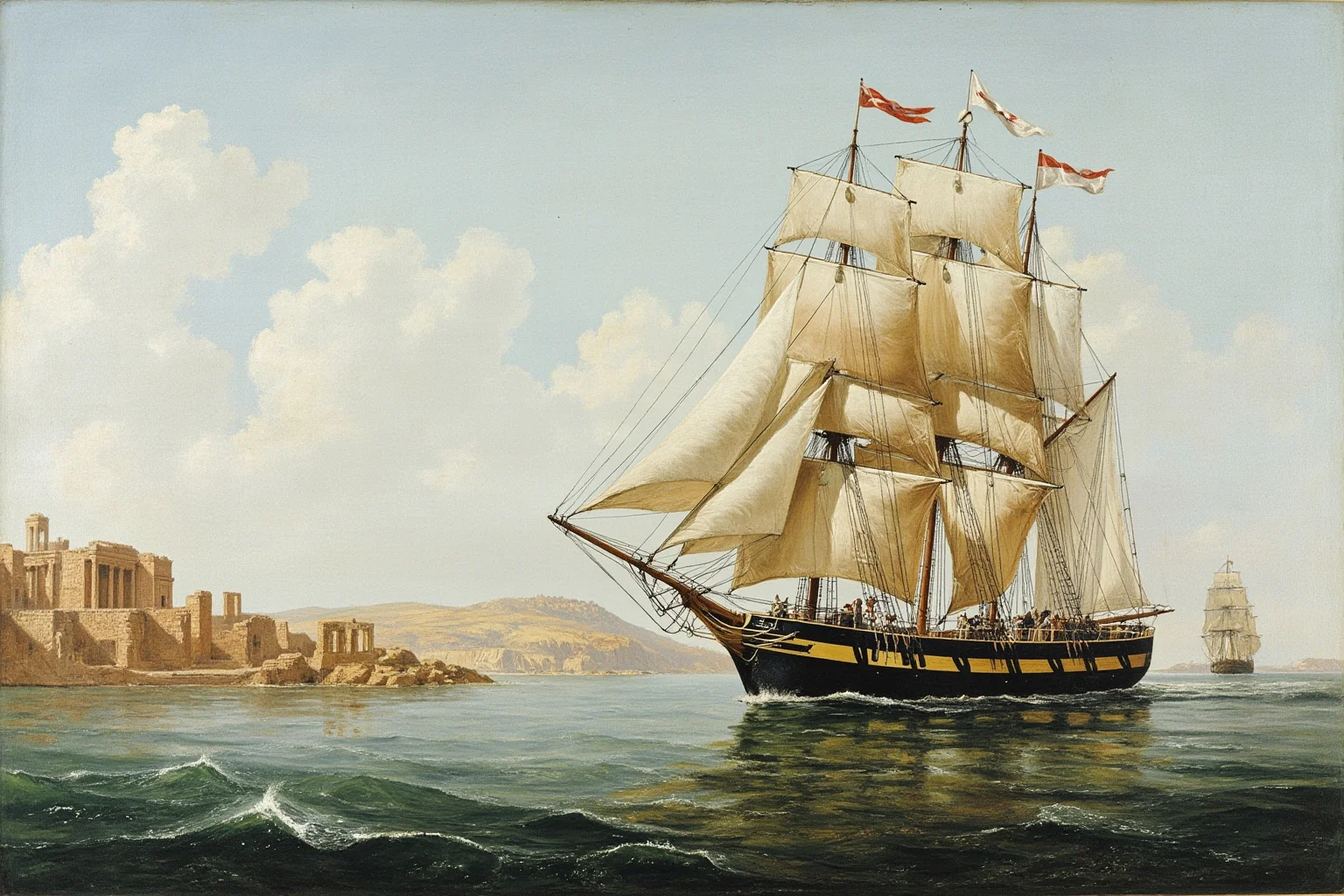
Like most young noblemen of his era, Montagu was educated at Eton College and then Trinity College, Cambridge. In his early twenties, he embarked on an extended Grand Tour through the Mediterranean, visiting Portugal, Spain, Greece, Turkey, and Egypt around 1738 and 1739. An account of his travels was published after his death as “A Voyage Performed by the Late Earl of Sandwich Round the Mediterranean.”
4. Three-Time First Lord of the Admiralty

Montagu’s real career was in government, and his most significant post was First Lord of the Admiralty, a role he held across three separate terms between the late 1740s and early 1780s. In this position he was effectively in charge of Britain’s Royal Navy at a pivotal time, including during the American Revolutionary War. His final term ended in resignation after heavy criticism over naval readiness and setbacks during that conflict.
5. A Political Career Full of Controversy
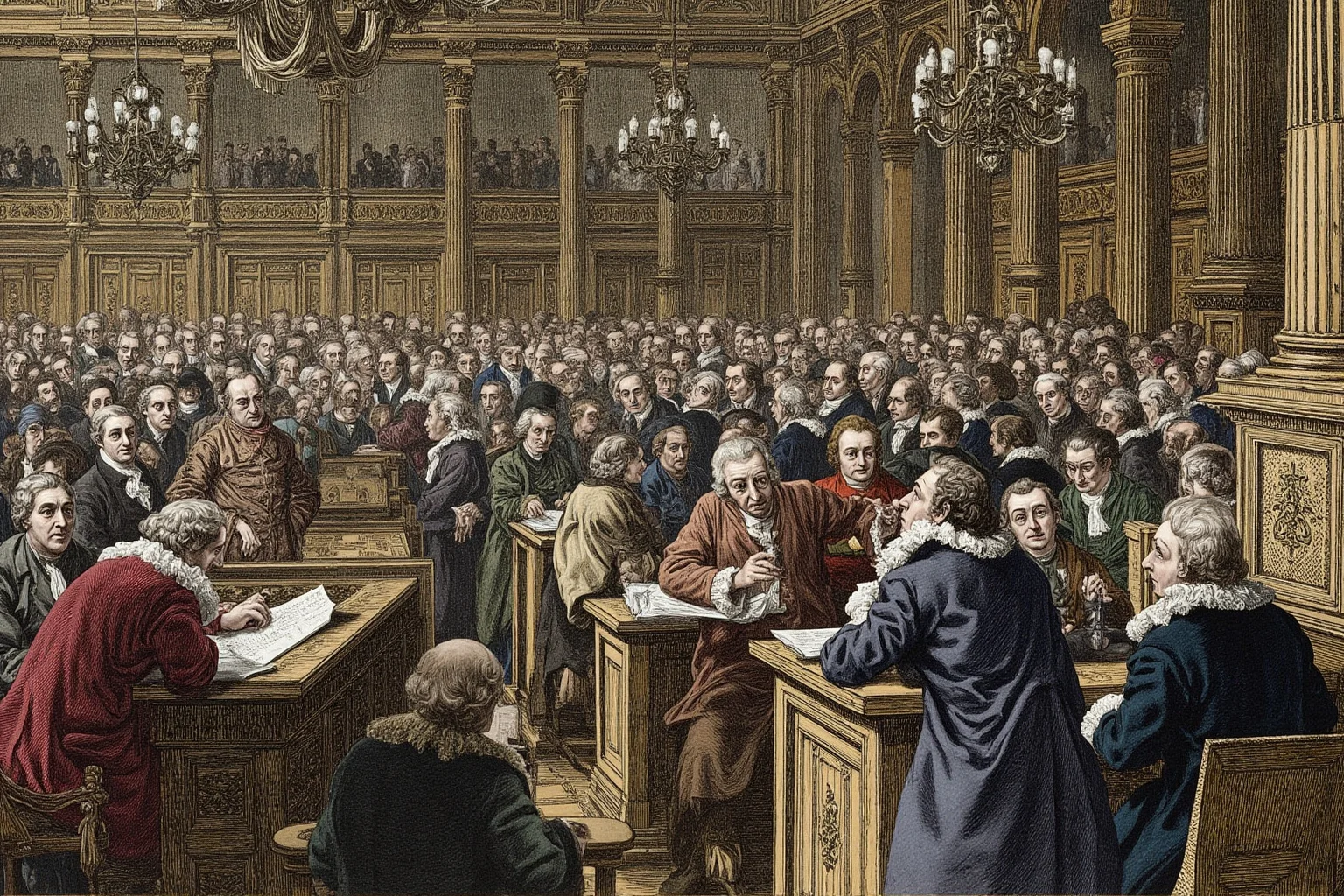
Beyond the Admiralty, Montagu also served as Secretary of State for the Northern Department and as Postmaster General. Contemporaries generally regarded him as a capable administrator but a deeply compromised political operator, tangled up in the patronage networks and factional infighting typical of Georgian-era politics. Corruption allegations followed him for much of his career, some fairly substantiated, others likely exaggerated by rivals.
6. The Nickname “Jemmy Twitcher”
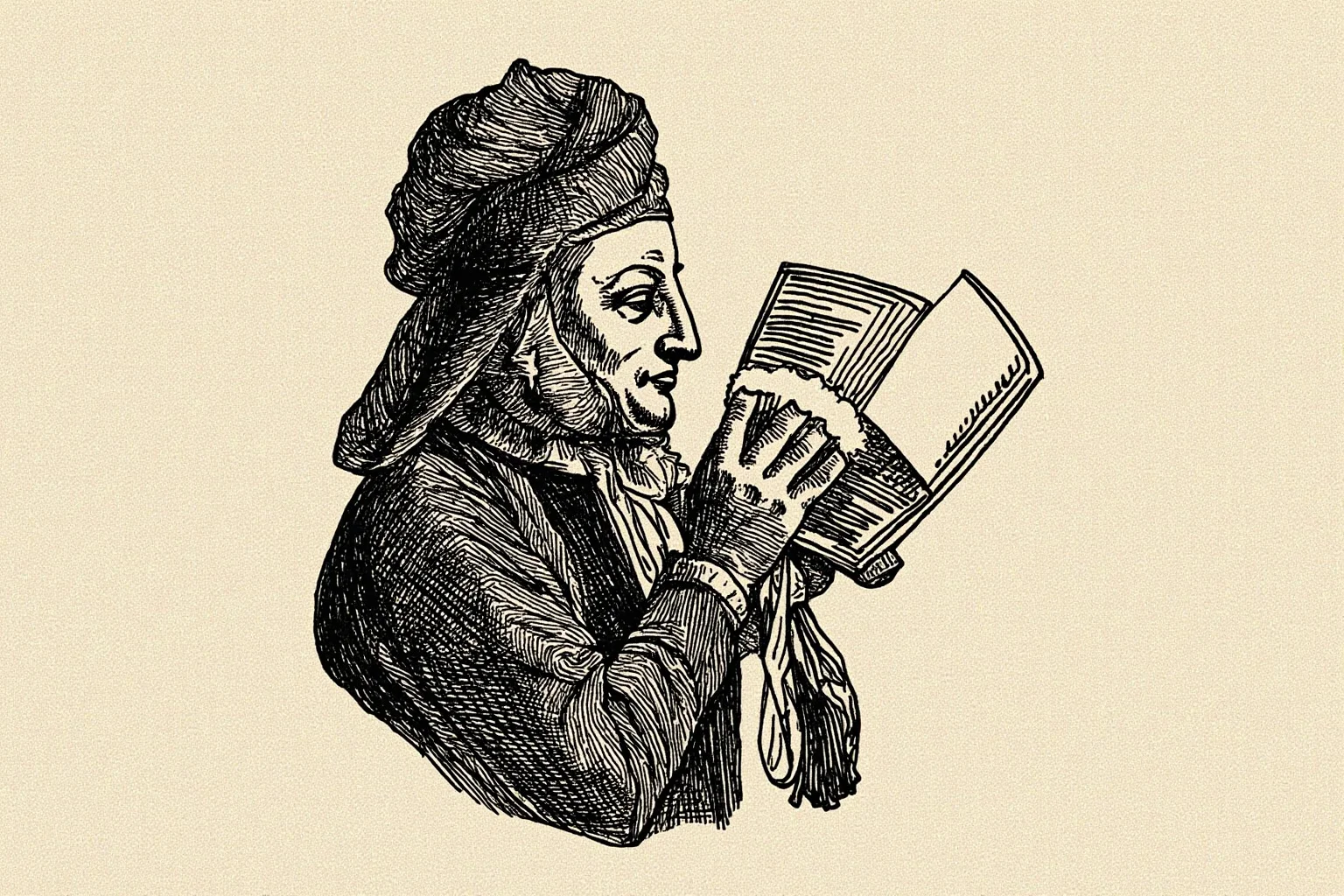
Montagu earned one of history’s more memorable insults: “Jemmy Twitcher,” after a treacherous character in John Gay’s “The Beggar’s Opera.” The name stuck after Montagu was seen as betraying his one-time friend John Wilkes, reading Wilkes’ private and obscene writings aloud in the House of Lords to help destroy him politically in 1763. It was a particularly rich irony, given Montagu’s own reputation for scandalous behavior in his private life.
7. Captain Cook Named the Sandwich Islands (Hawaii) in His Honor
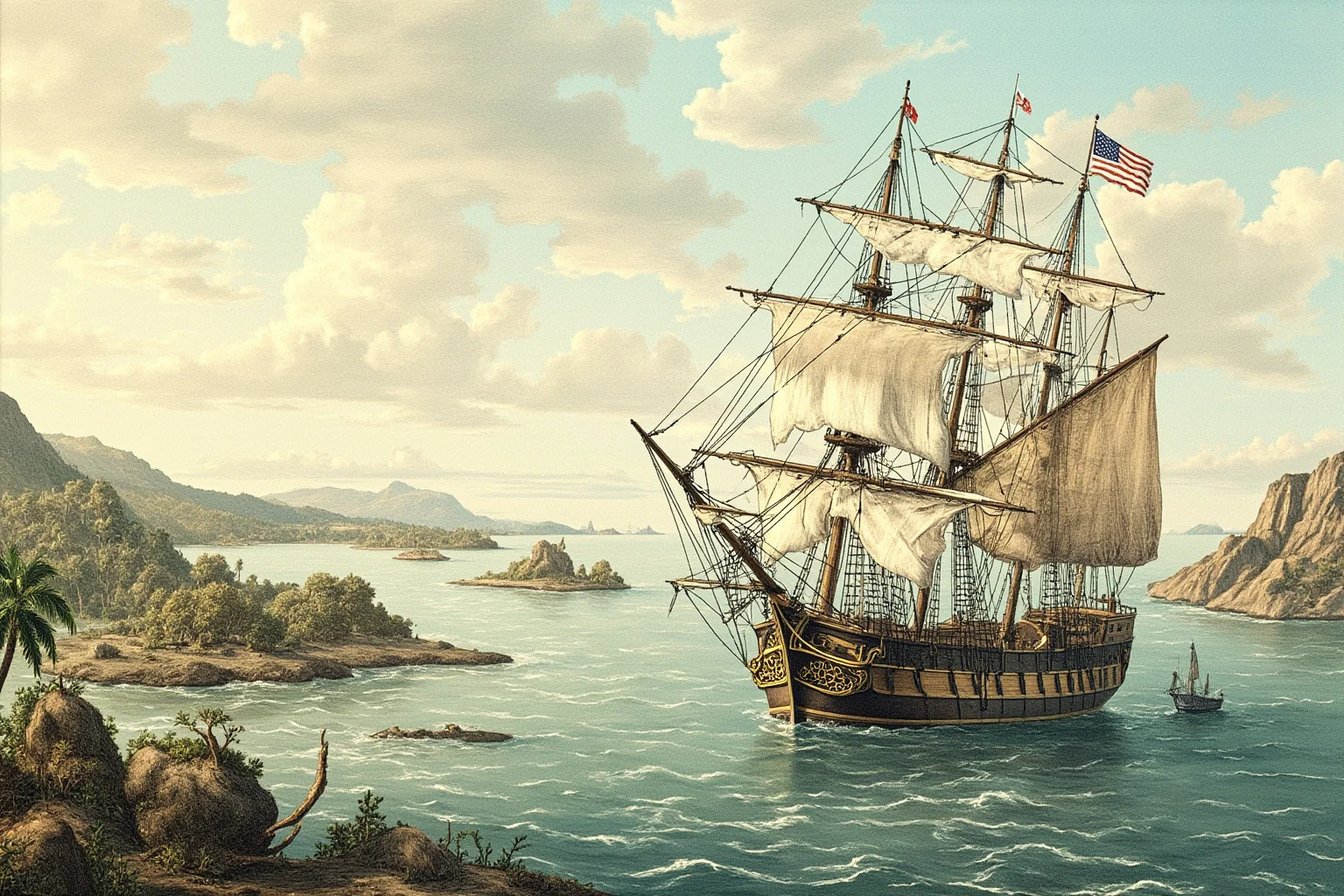
As First Lord of the Admiralty, Montagu was a key patron of Captain James Cook’s Pacific voyages. In gratitude, Cook named the Hawaiian Islands the “Sandwich Islands” in 1778, and separately named the South Sandwich Islands near Antarctica after him a few years earlier. Hawaii’s use of the name faded over time, but the South Sandwich Islands, now a British Overseas Territory, still carry it today.
8. The Notorious Martha Ray Scandal
Montagu’s personal life became a public sensation in 1779, when his longtime companion, singer Martha Ray, was shot and killed outside London’s Covent Garden Theatre. Her killer was James Hackman, a clergyman who had become dangerously obsessed with her and turned the gun on himself immediately after the attack. It was one of the most talked-about crimes of the era, and it devastated Montagu, who had been with Ray for many years and had several children with her.
9. So, Was He Really the Inventor of the Sandwich?
This is where myth and history get tangled together, much like the debunked legends that still cling to some of the greatest American inventors in history. There’s no real dispute that bread with fillings existed long before the 1700s, since people across many cultures had been combining bread, meat, and cheese for centuries. What’s credited to Montagu isn’t the food itself, but the English word “sandwich” and the specific London social habit that helped popularize it.
10. The Card Table Legend
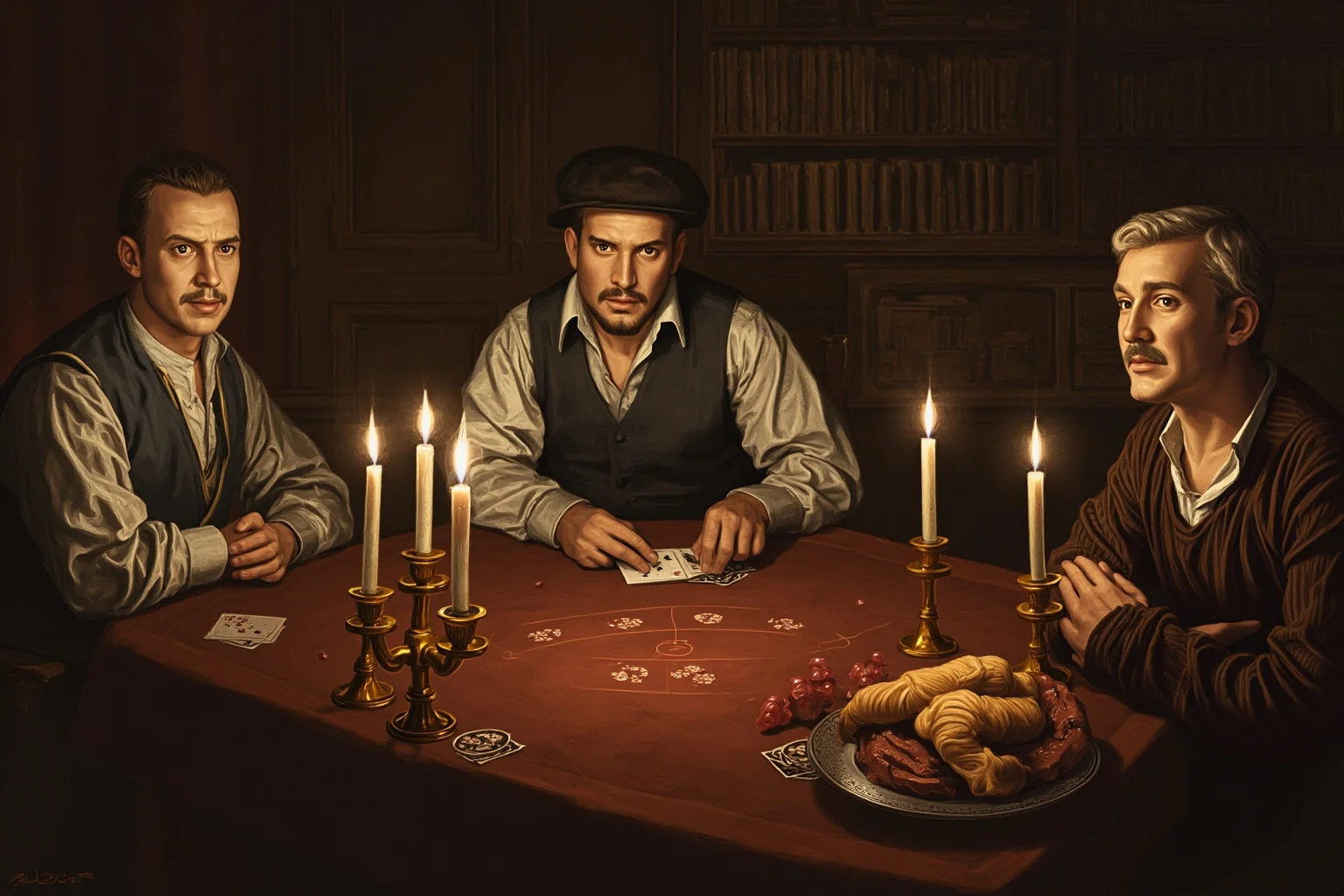
The most repeated story claims that in the early 1760s, Montagu was such a dedicated gambler that he refused to leave the card table even to eat a proper meal. According to legend, he asked for slices of cold meat tucked between bread so he could eat with one hand and keep playing cards with the other, without greasing the cards or the table felt. Other gamblers supposedly started asking for “the same as Sandwich,” and the name reportedly caught on from there.
11. A Lesser-Known Desk-Bound Theory
Some historians offer a quieter, less scandalous alternative: that Montagu simply ate bread-and-filling snacks at his desk during long working hours at the Admiralty, where he had a genuine reputation as a hard-working administrator. Under this theory, the habit had more to do with a busy public servant skipping formal meals than with an all-night gambling binge. Neither story comes with solid, first-hand documentation from the period, so both remain plausible traditions rather than settled fact.
12. The First Written Record of “Sandwich” as Food

The earliest known print reference to “sandwich” as a food term dates to around 1762, appearing in the journal of historian Edward Gibbon. Gibbon described fashionable London gentlemen at a club supping on cold meat between bread, already using the word as a recognizable term for the dish. That timing lines up neatly with Montagu’s most socially active, and most gossiped-about, years in London society.
13. Why the Legend Endures Even Without Proof
Most historians today treat the gambling-table story as unverified folklore rather than settled fact, since no surviving first-hand account from Montagu himself, or a reliable direct witness, confirms exactly how the name spread. That hasn’t stopped the story from becoming one of the most repeated “fun facts” in food history. It’s a good reminder that popular legends often outlive the shaky evidence behind them, especially when the story is this charming.
14. The Earldom of Sandwich Didn’t Start With Him
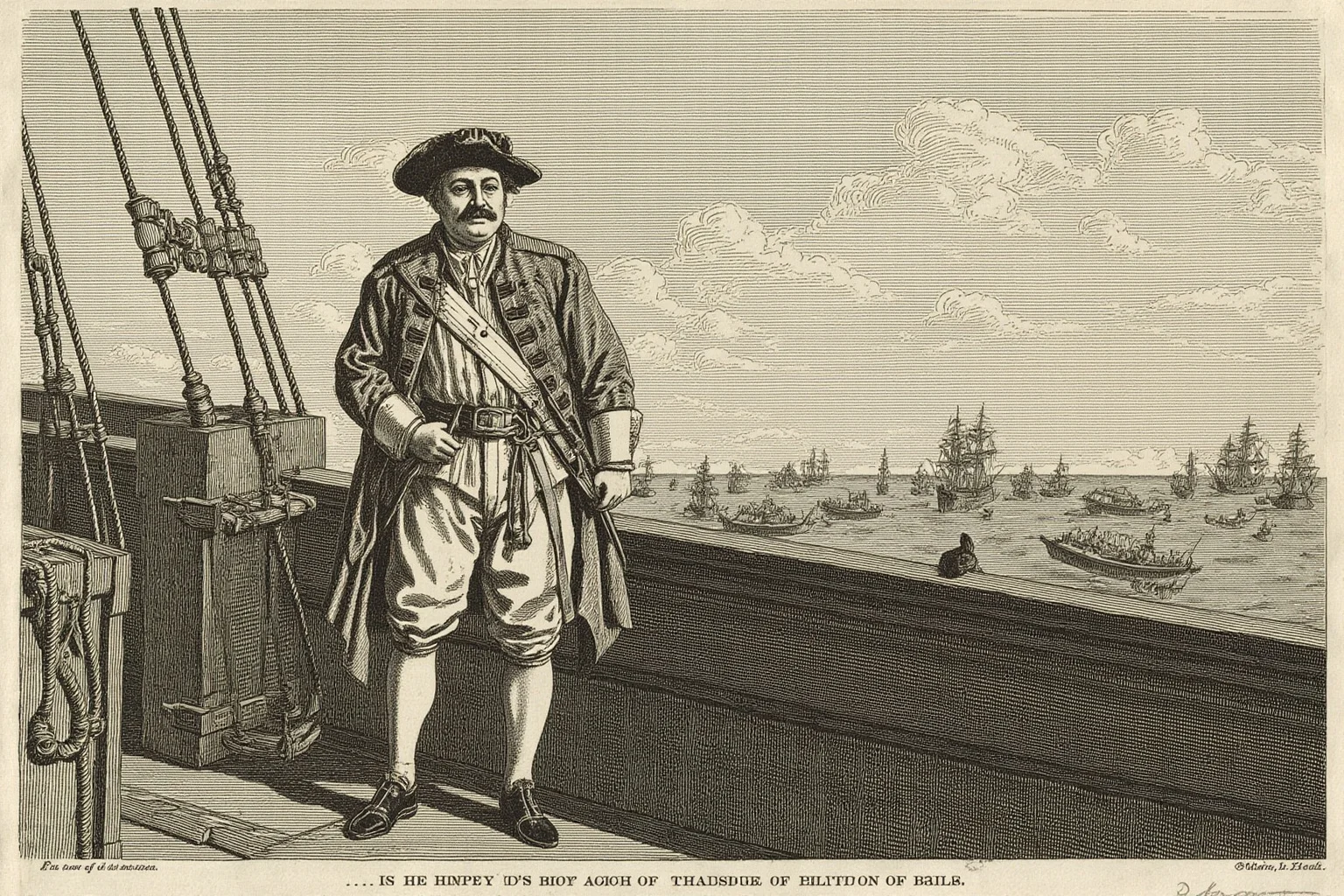
John Montagu was the 4th Earl, not the first, which means the title predates him by more than half a century. The earldom was created in 1660 for Edward Montagu, a naval commander who helped bring about the restoration of King Charles II to the English throne. That 1st Earl of Sandwich is also remembered as the patron and cousin of diarist Samuel Pepys, who served as his secretary early in his career, giving the earldom’s history in England a genuinely rich pedigree.
15. There’s No “Duke of Sandwich” — Here’s the Real Peerage Order
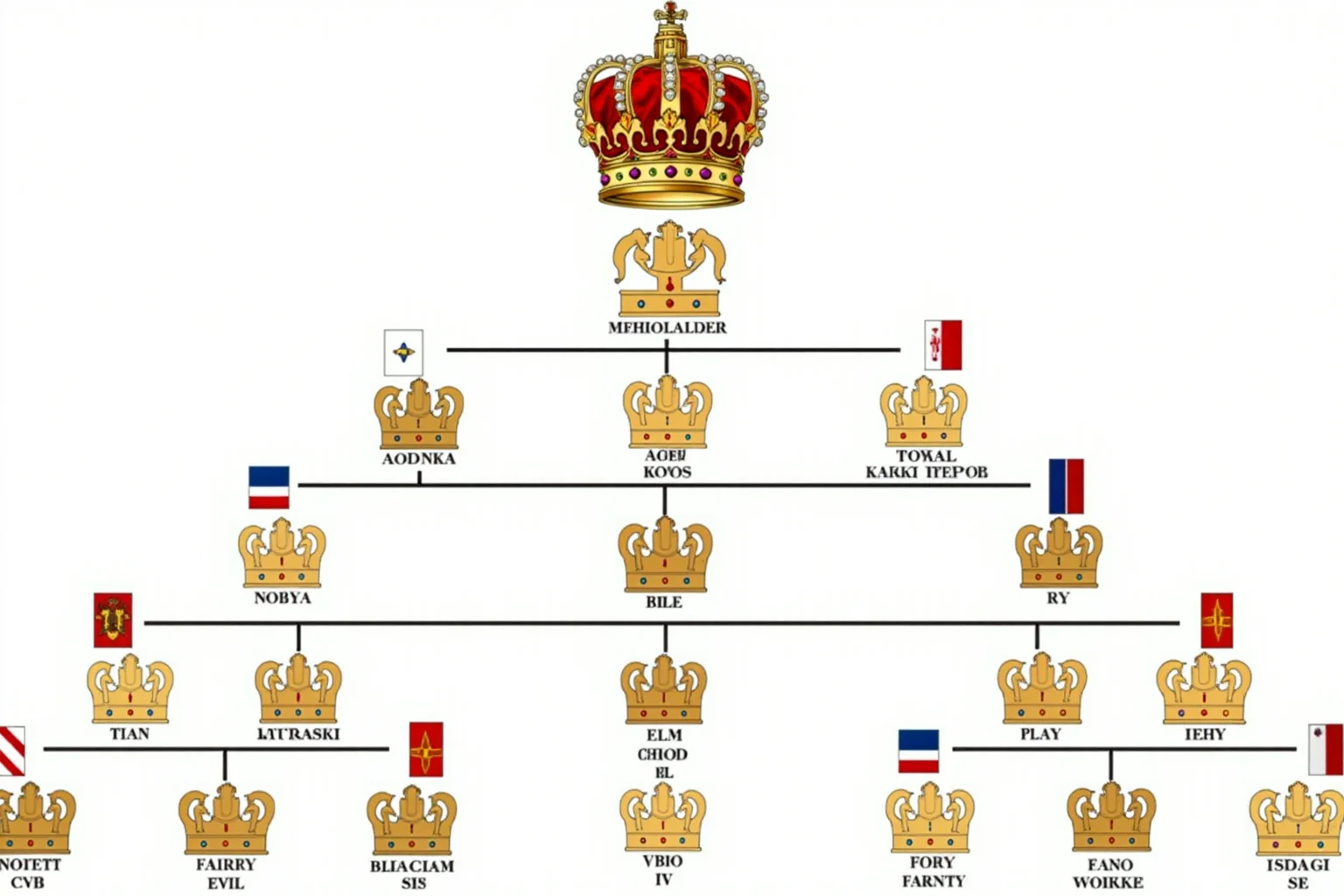
Despite how often people search for a “Duke of Sandwich,” no such title has ever existed. The British peerage runs, in descending rank, from Duke to Marquess to Earl to Viscount to Baron, and Sandwich has always been an earldom rather than a dukedom. It’s an easy mix-up to make, since “Duke” simply sounds grander and more familiar to modern ears than “Earl.”
16. Why People Search for a “Count of Sandwich”
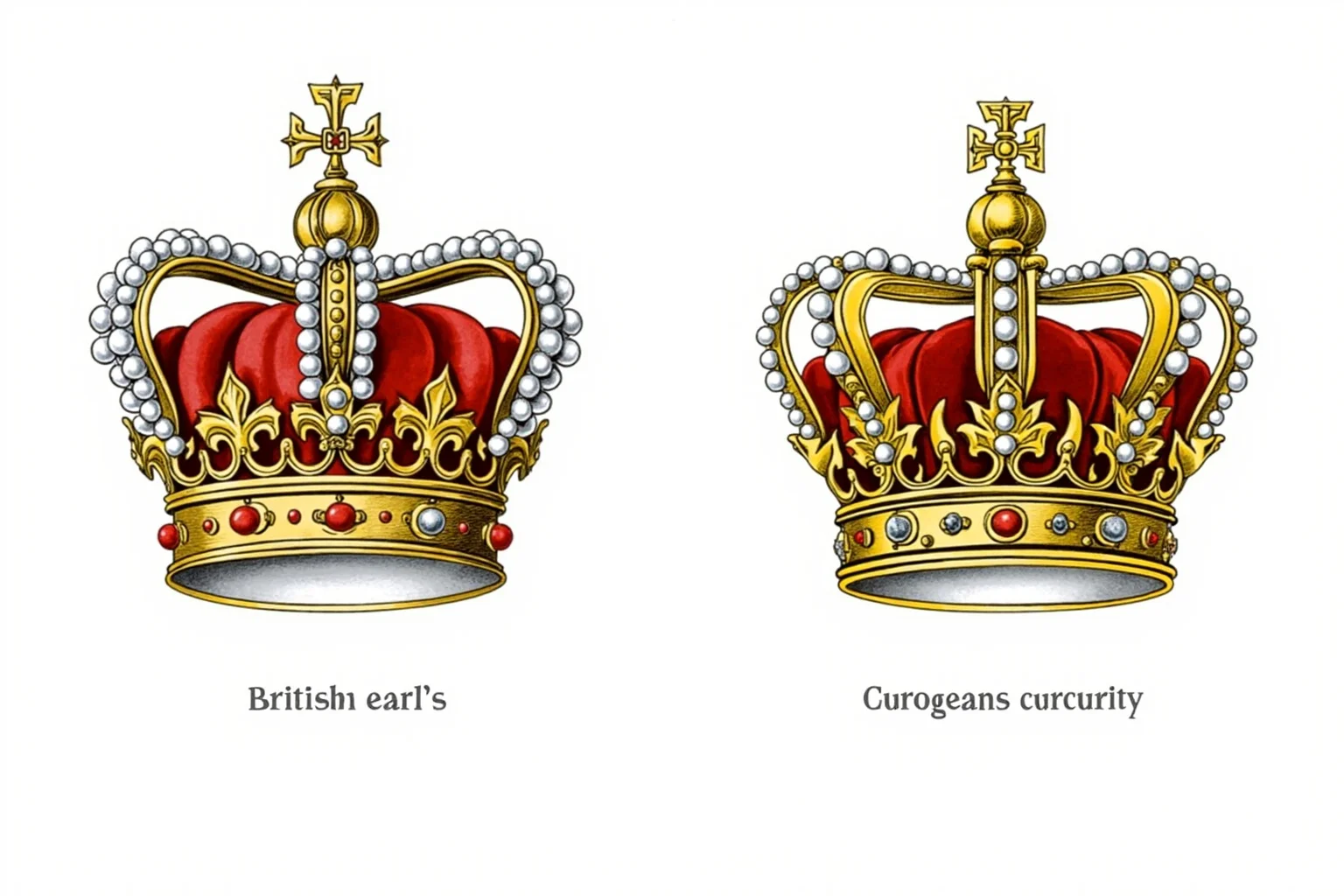
“Count of Sandwich” isn’t a real title either, but the confusion is understandable. “Earl” is the British equivalent of the continental European title “Count,” which is exactly why an earl’s wife is still called a “Countess” rather than something like an “Earless.” So while nobody has ever formally held a “Count of Sandwich” title, the instinct behind the search isn’t entirely wrong, just aimed at the wrong national naming convention.
17. “Lord Sandwich” Is a Real (and Correct) Way to Address Him
Earls in Britain are formally styled as “The Right Honourable the Earl of [Place],” but they’re almost always addressed conversationally as “Lord [Place].” That means “Lord Sandwich” has always been a perfectly correct, informal way to refer to any Earl of Sandwich, including John Montagu himself. Occasional misspellings like “Lord Sandwhich” turn up in online searches, but the underlying title and courtesy form are entirely genuine.
18. Was the Earl of Sandwich Real? Yes — Separating Fact From Marketing
Given how thoroughly the sandwich food industry has leaned into the legend, it’s a fair question—not unlike asking was St. Patrick real—whether “Earl of Sandwich” is a real historical title or just clever branding. It’s very real: John Montagu, 4th Earl of Sandwich, was a documented historical figure who held genuine government offices, and the earldom itself is an authentic, centuries-old hereditary title still in use in the UK today. The food-industry version of the story is a marketing-friendly retelling, but the title and the man behind it are historical fact.
19. The 11th Earl of Sandwich and the Family’s Modern Story

The earldom passed down through many generations after John Montagu, eventually reaching the 10th Earl, Alexander Victor Edward Paulet Montagu, generally known as Victor Montagu, who served as a Member of Parliament. In 1964, Victor Montagu chose to disclaim his hereditary peerage for his own lifetime under the Peerage Act 1963 so he could remain in the House of Commons. When he died in 1995, his son John Edward Hollister Montagu inherited the title in full, becoming the 11th Earl of Sandwich and the current holder of the title on record.
20. Luke Montagu, Viscount Hinchingbrooke: Heir to the Earldom

The 11th Earl’s elder son, Luke Montagu, holds the traditional courtesy title Viscount Hinchingbrooke as heir apparent to the earldom. Under the normal rules of hereditary succession, Luke Montagu is set to become the 12th Earl of Sandwich when the title next passes down, which is why searches for “Luke Montagu 12th Earl of Sandwich” and “Luke heir to the Earl of Sandwich” both point to the same future succession. Luke has also spoken publicly over the years about mental health and personal wellbeing, giving the old aristocratic title a distinctly modern, candid public voice.
21. Orlando Montagu and the Earl of Sandwich Restaurant Chain

In the early 2000s, the 11th Earl of Sandwich partnered with his younger son, Orlando Montagu, to launch a fast-casual restaurant chain called simply “Earl of Sandwich.” Fittingly, the very first location opened at Downtown Disney in Orlando, Florida, creating a memorable coincidence between the founder’s first name and the city where the brand began. The chain has since expanded to multiple locations, openly leaning into the Montagu family’s connection to sandwich history as its core marketing story.
22. The Sandwich Family Legacy Today
More than two centuries after John Montagu’s lifetime, the Earldom of Sandwich remains an active, living title within the British peerage, currently held by the 11th Earl and destined to pass to his son. Whether or not their ancestor truly invented the card-table snack that carries his name, the Montagu family has embraced the association rather than shied away from it. It’s a rare case where a slightly dubious food legend and a very real aristocratic lineage have become permanently, and happily, intertwined.
The Real Legacy of the Earl of Sandwich
John Montagu’s actual résumé, naval reform, political maneuvering, Pacific exploration, and a genuine society scandal, is far more interesting than the single anecdote most people know him for. Yet it’s telling that the sandwich story is the one that survived in popular memory, precisely because it’s simple, funny, and easy to repeat at dinner parties. History has a way of keeping the good stories alive even when the paperwork is thin.
The next time you build a sandwich at lunch, you’re technically nodding to a real British earldom that still exists today, currently held by the 11th Earl of Sandwich and destined for his son Luke. It’s a strange kind of immortality for a man best remembered for something he probably didn’t actually invent, but it’s one that has clearly outlasted every naval battle and political scandal he was ever part of.
Frequently Asked Questions
Who was John Montagu, the 4th Earl of Sandwich?
John Montagu, the 4th Earl of Sandwich, was an 18th-century British statesman, born in 1718, who served multiple terms as First Lord of the Admiralty and held other senior government posts. He's best remembered today for the popular, though historically unverified, legend that he inspired the name of the sandwich during a marathon card game.
Did the Earl of Sandwich actually invent the sandwich?
Not exactly. Bread with fillings existed in many cultures long before the 1700s, so Montagu didn't invent the concept of the food itself. What's credited to him is popularizing the English word "sandwich" through a widely repeated, but unproven, 1760s London gambling anecdote.
Who is the current Earl of Sandwich?
The title has been held by John Edward Hollister Montagu, the 11th Earl of Sandwich, since 1995, when he succeeded his father, Victor Montagu, who had disclaimed the peerage for his own lifetime. His elder son, Luke Montagu, currently holds the courtesy title Viscount Hinchingbrooke as heir apparent.
Is there really a Duke of Sandwich?
No, there has never been a "Duke of Sandwich." Sandwich has always been an earldom, sitting below a dukedom and marquessate in the British peerage ranking, so the correct title is always "Earl of Sandwich."
Was the Earl of Sandwich a real title, or just a marketing story?
It's a real, historic hereditary title. John Montagu, 4th Earl of Sandwich, was a documented historical figure, and the earldom itself dates back to 1660, remaining an active British peerage title to this day, well beyond the modern sandwich restaurant branding built around it.
What is the Earl of Sandwich, exactly?
"Earl of Sandwich" is a hereditary British peerage title, first created in 1660, named after the port town of Sandwich in Kent. It has been passed down through the Montagu family for eleven generations, with the current 11th Earl's family also known for founding the modern Earl of Sandwich restaurant chain.
Who will become the next Earl of Sandwich?
Luke Montagu, who currently holds the courtesy title Viscount Hinchingbrooke as heir apparent, is set to become the 12th Earl of Sandwich when the title next passes down through the family line.
Is “Count of Sandwich” a real title?
No, but the confusion makes sense: "Earl" is the British equivalent of the European title "Count," which is why an earl's wife is called a "Countess." There has never been a formal "Count of Sandwich" title in the British peerage, only "Earl of Sandwich."

Alex Warren
Related Articles





