
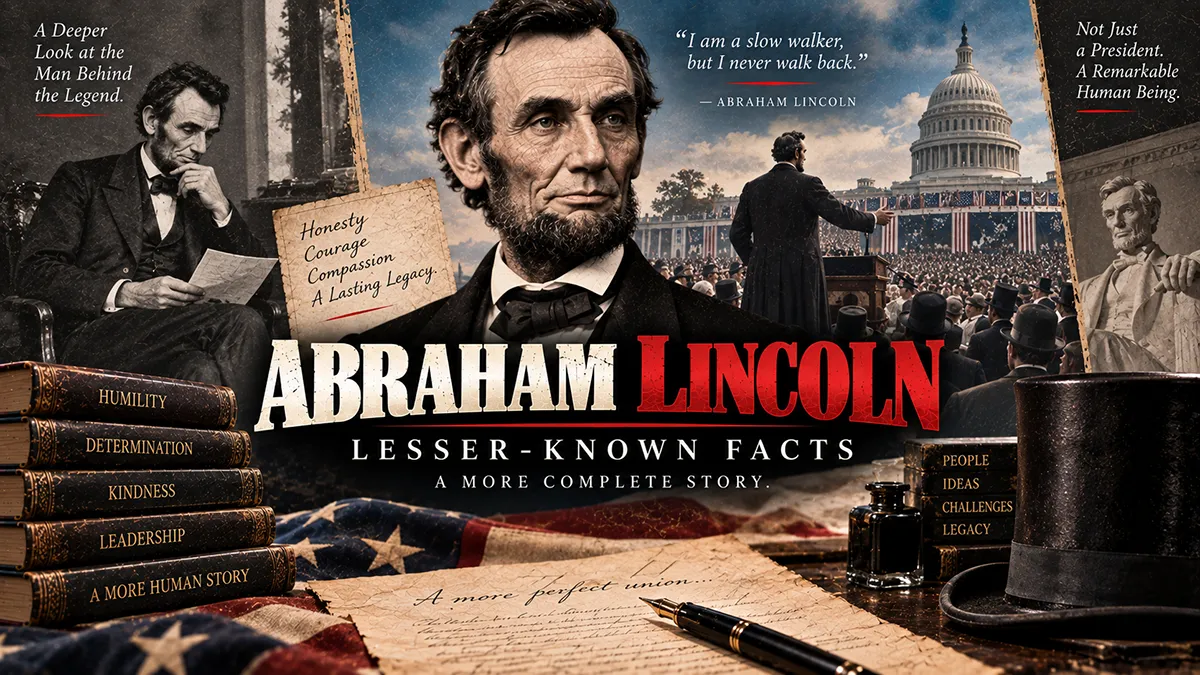
Most people can rattle off the basics about Abraham Lincoln: he freed the enslaved, held the Union together, and was assassinated at Ford’s Theatre. But behind the marble monuments and penny profile was a genuinely odd, funny, and complicated man who wrestled for sport, held a patent, and kept a pet turkey wandering the White House grounds.
This Abraham Lincoln fact file digs past the textbook summary to bring you the fun, weird, and occasionally uncomfortable details of his life. We’ll separate the well-documented history from the folklore that’s grown up around him, so you walk away with facts you can actually trust.
TL;DR: Abraham Lincoln was far stranger and more human than the marble statues suggest — a self-taught lawyer, champion wrestler, and patent-holder who also suspended civil liberties and struggled with lifelong depression.
A Quick Abraham Lincoln Fact File
Before diving into the list, here’s a snapshot for anyone who needs the essentials fast. Abraham Lincoln was born February 12, 1809, in a log cabin in Hardin County, Kentucky, and died April 15, 1865, in Washington, D.C. He served as the 16th President of the United States from 1861 to 1865, representing the newly formed Republican Party.
He led the nation through the Civil War, issued the Emancipation Proclamation in 1863, and was assassinated by John Wilkes Booth just days after the Confederacy’s surrender. He was married to Mary Todd Lincoln and had four sons, only one of whom, Robert Todd Lincoln, survived to adulthood. That’s the short version — now let’s get into the details that rarely make it into the standard biography.
1. He Was the First President Born Outside the Original Thirteen Colonies
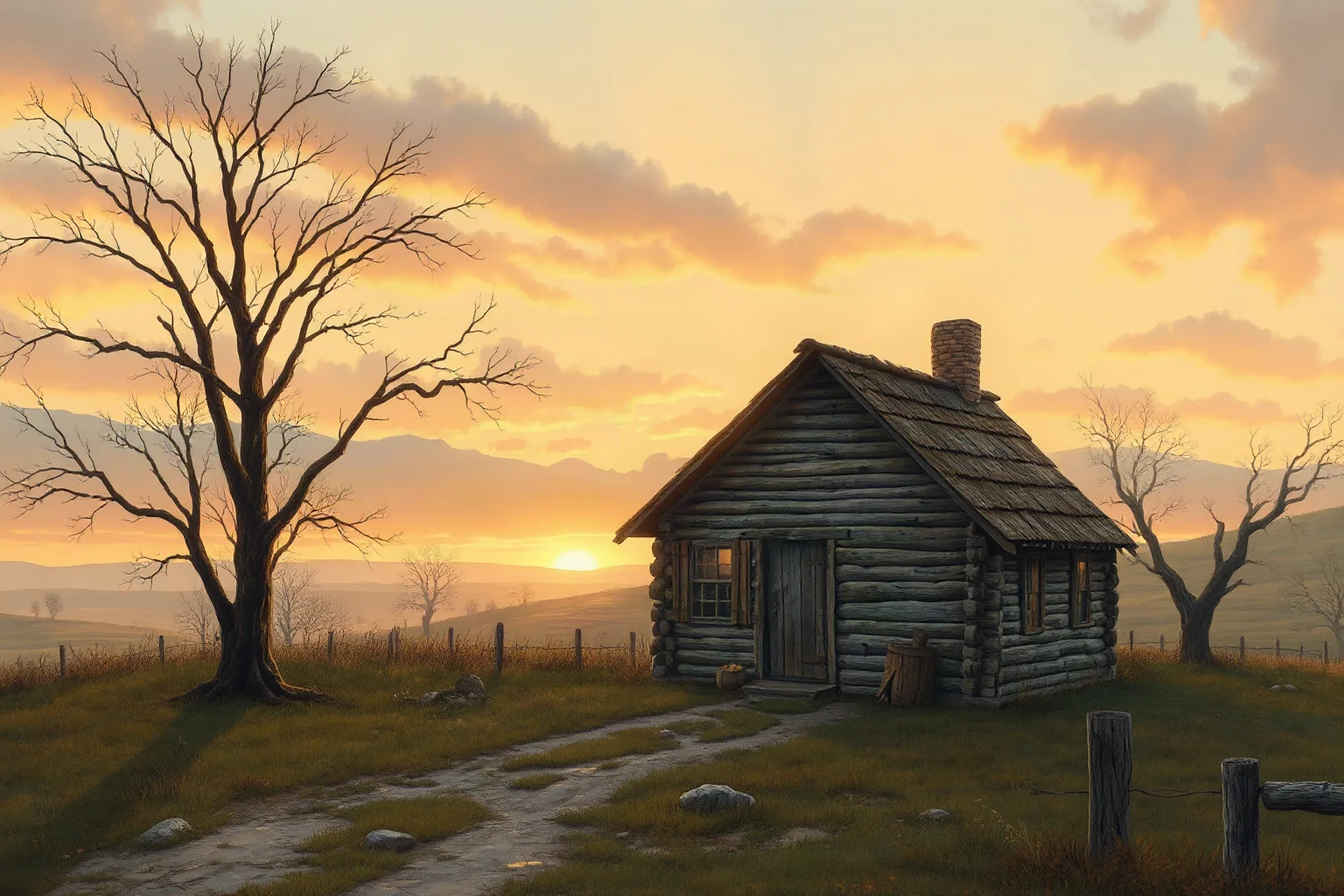
Lincoln’s birthplace in Kentucky made him a genuine frontier president, born in a one-room log cabin far from the political centers of the East Coast. Every president before him, including George Washington, had been born in one of the original thirteen colonies. His humble start became a core part of his political identity and the folksy image that carried him to the White House.
2. He Had Less Than a Year of Formal Schooling
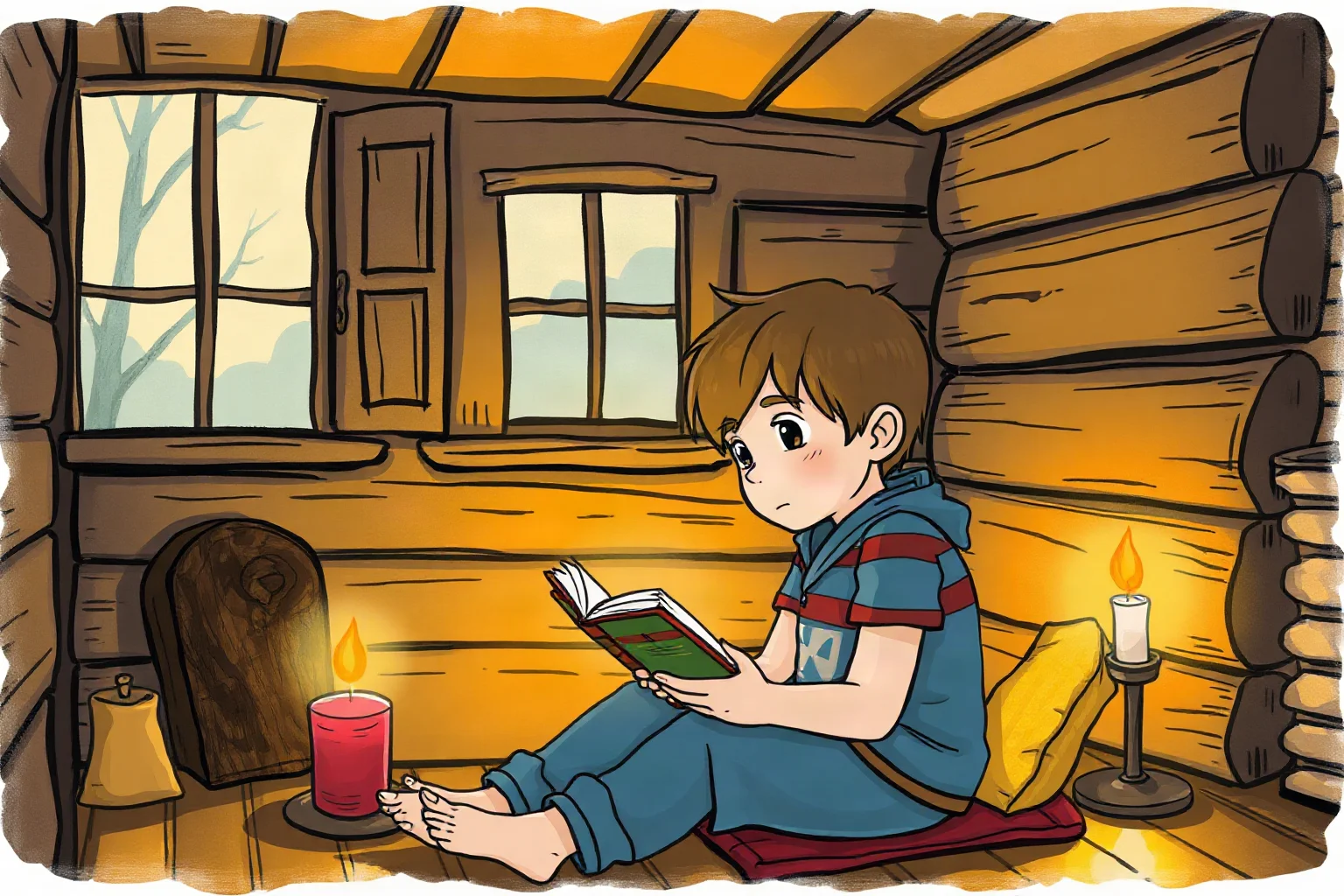
Lincoln attended school on and off for a total of roughly 12 months across his childhood, taught by traveling teachers in one-room schoolhouses. Nearly everything else he learned came from reading borrowed books by firelight, including works like the Bible, Aesop’s Fables, and later legal texts. This self-education is one of the most genuinely inspiring facts about Lincoln, and it shaped his lifelong respect for language and argument.
3. He Was a Licensed Bartender
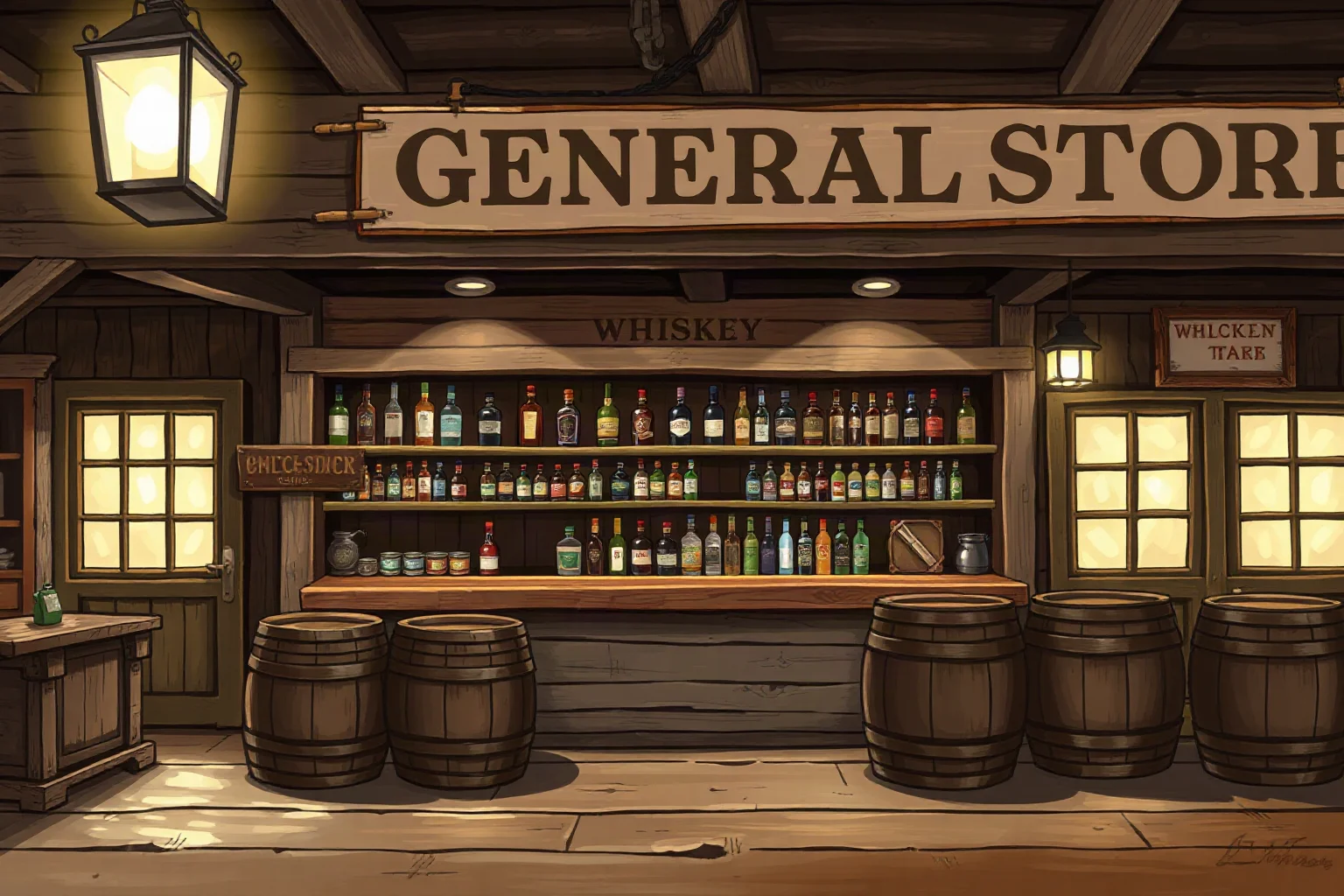
Before law and politics, young Lincoln co-owned a general store in New Salem, Illinois, that held a license to sell whiskey by the drink. That technically made him a bartender for a short stretch of his twenties. It’s a detail that surprises people who only know the temperate, dignified president of later years.
4. He Held a U.S. Patent — The Only President to Do So
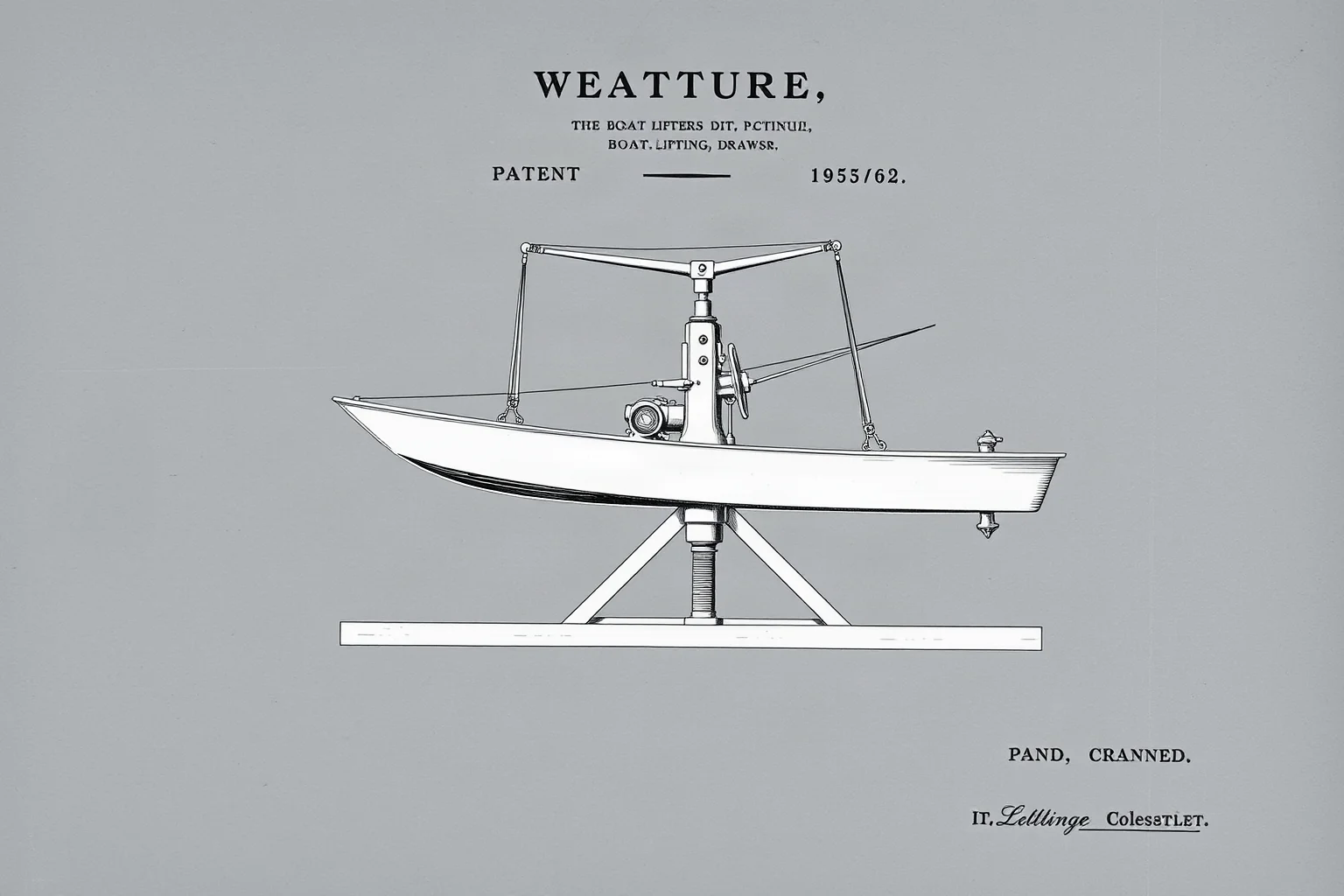
In 1849, Lincoln received U.S. Patent No. 6,469 for a device designed to help lift boats over shoals and sandbars using inflatable bellows. He built a model of it, which is preserved at the Smithsonian today. No other American president has ever held a patent, placing him in unusual company alongside the greatest American inventors in history and making this one of the more unique facts about Abraham Lincoln’s inventive side.
5. He Was Reportedly Nearly Unbeatable in the Wrestling Ring
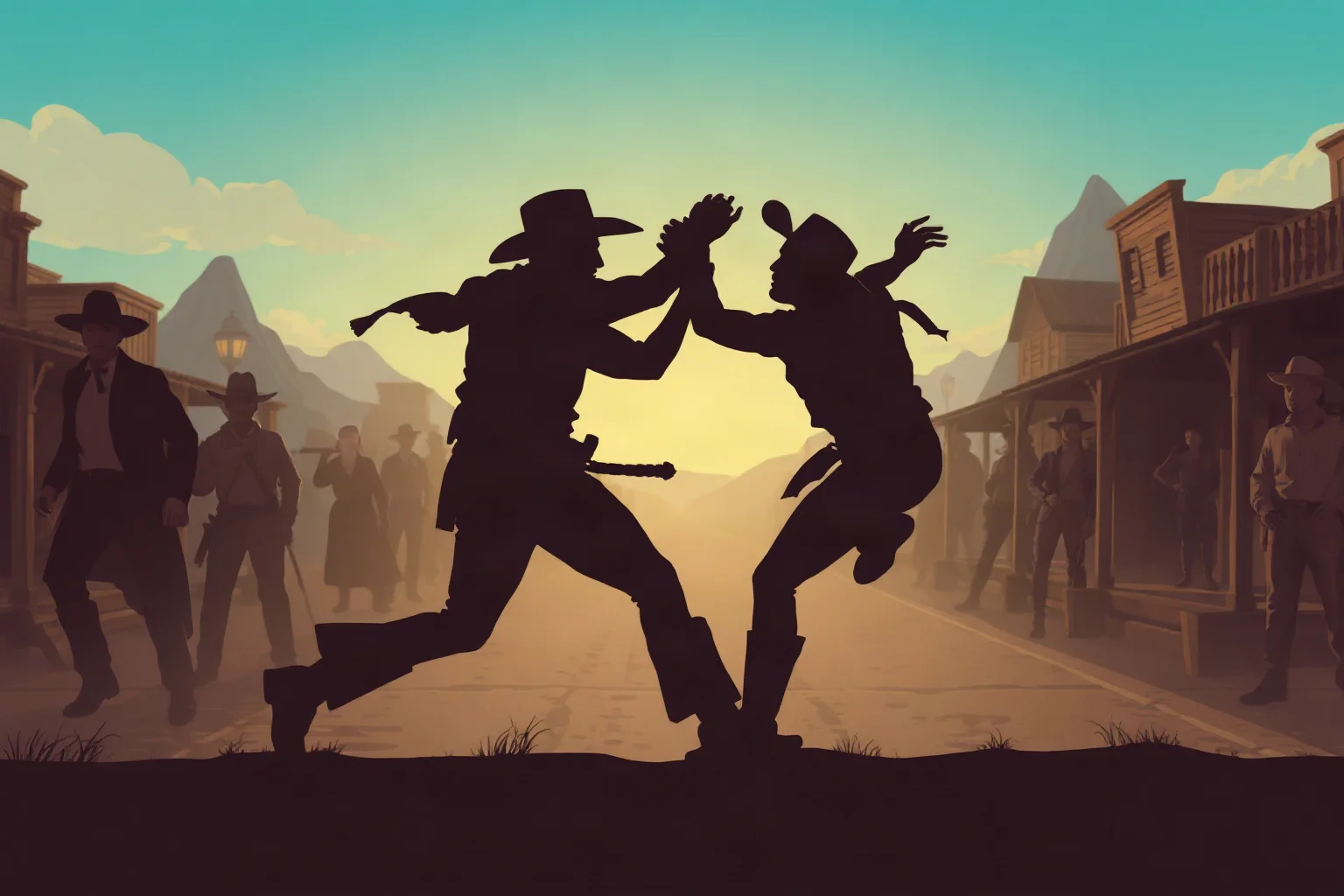
According to popular accounts passed down from his New Salem years, Lincoln wrestled frequently as a young man and lost only one match in roughly 300 bouts. The stories are hard to verify with modern precision, but they were compelling enough that the National Wrestling Hall of Fame inducted him in 1992. At roughly 6-foot-4 with a lean, muscular frame, he was built for it.
6. His Famous Beard Was a Little Girl’s Idea
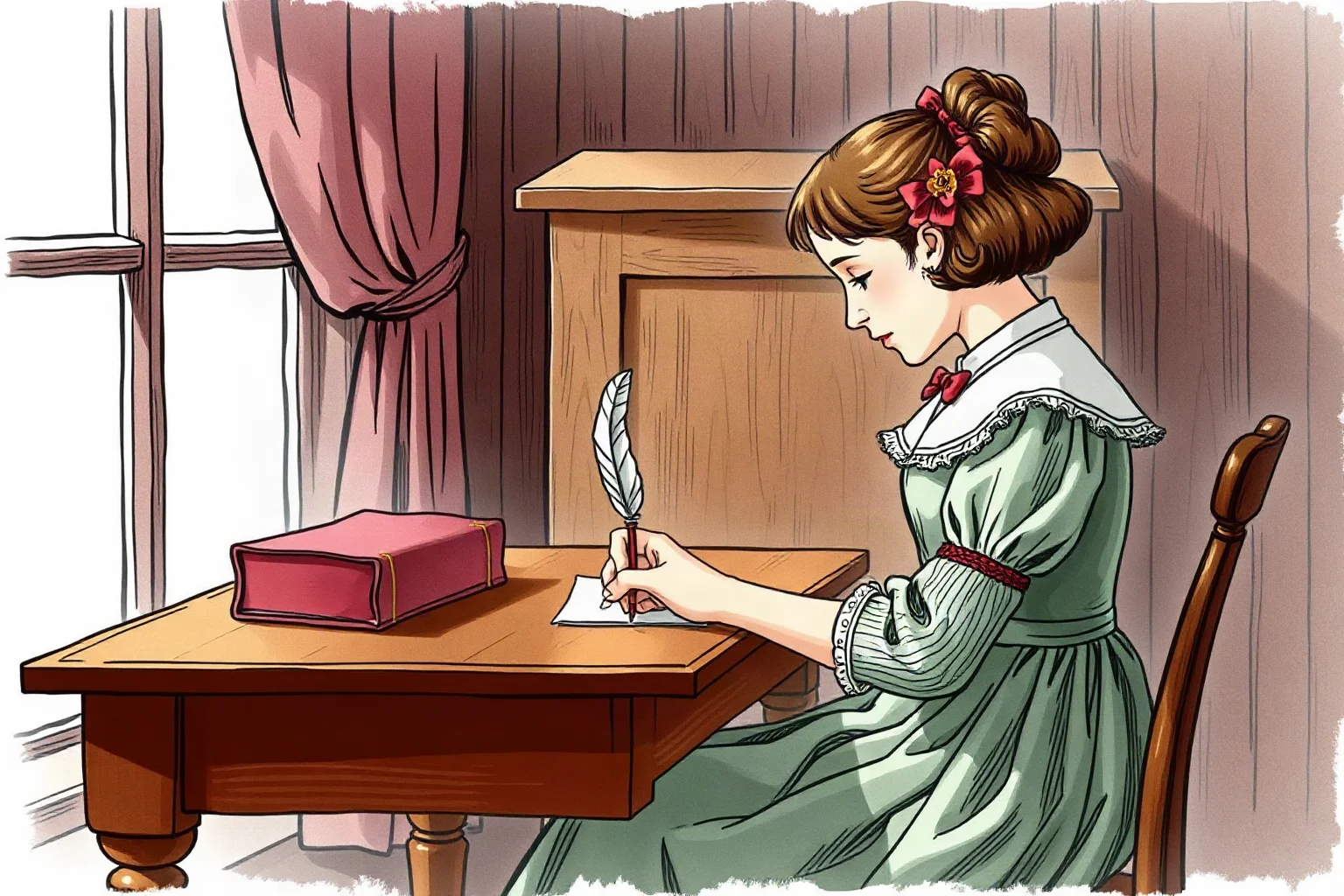
In October 1860, an 11-year-old New York girl named Grace Bedell wrote to candidate Lincoln suggesting he grow whiskers because she thought it would help his appearance and his chances. Lincoln wrote back good-naturedly, and by his inauguration in March 1861, he’d grown the beard that became his trademark. It’s one of the most charming, well-documented interesting facts about Abraham Lincoln’s public image.
7. He Stood 6-Foot-4 and Was Famous for Splitting Rails
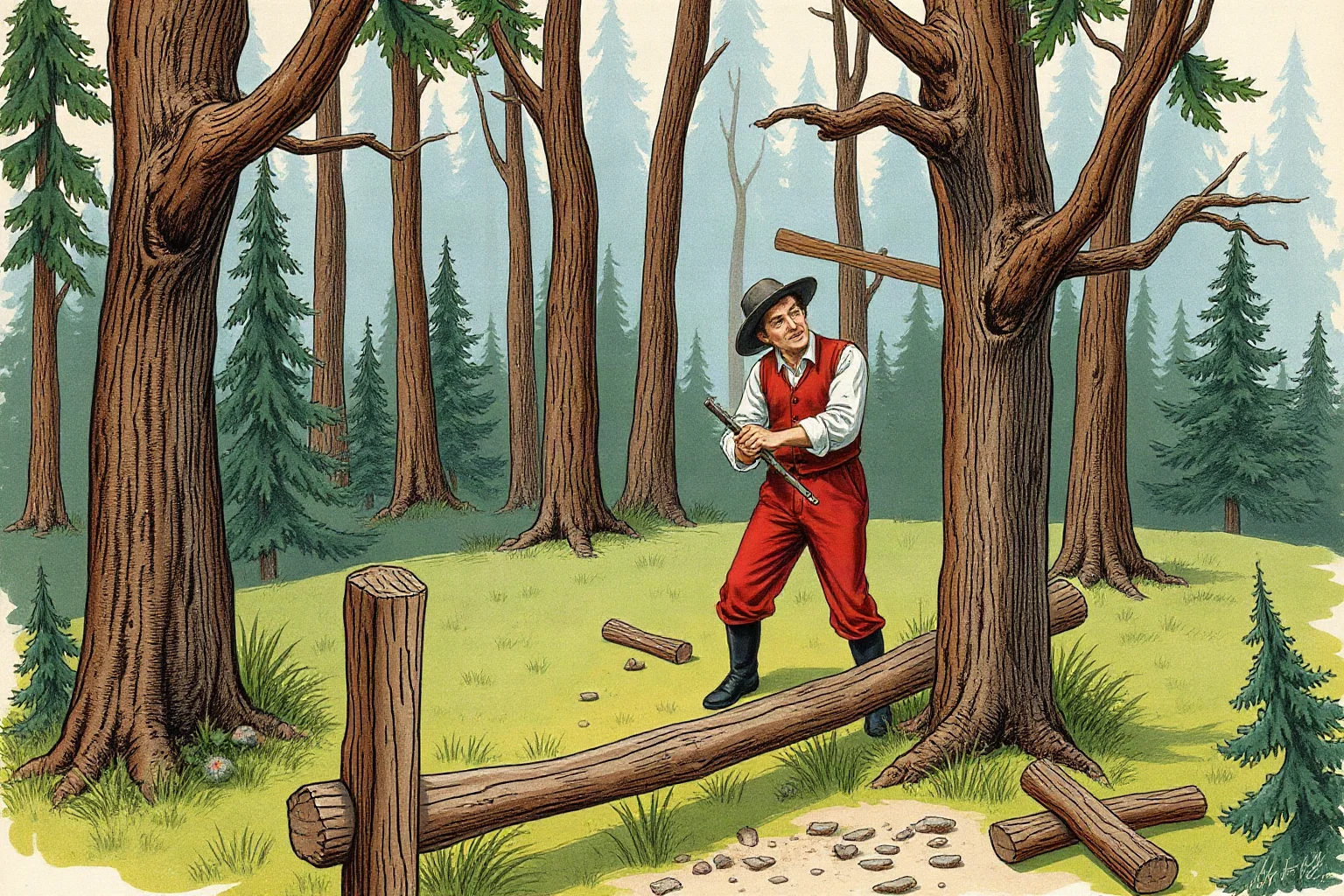
Lincoln remains the tallest U.S. president in history at roughly 6-foot-4, towering over most of his contemporaries, though he’d still look up at some of the tallest people in history. As a young man in Illinois, he earned a living splitting logs into fence rails, physical labor that built the strength behind his wrestling reputation. His nickname, “The Rail-Splitter,” stuck with him all the way into his presidential campaigns.
8. His Top Hat Doubled as a Filing Cabinet
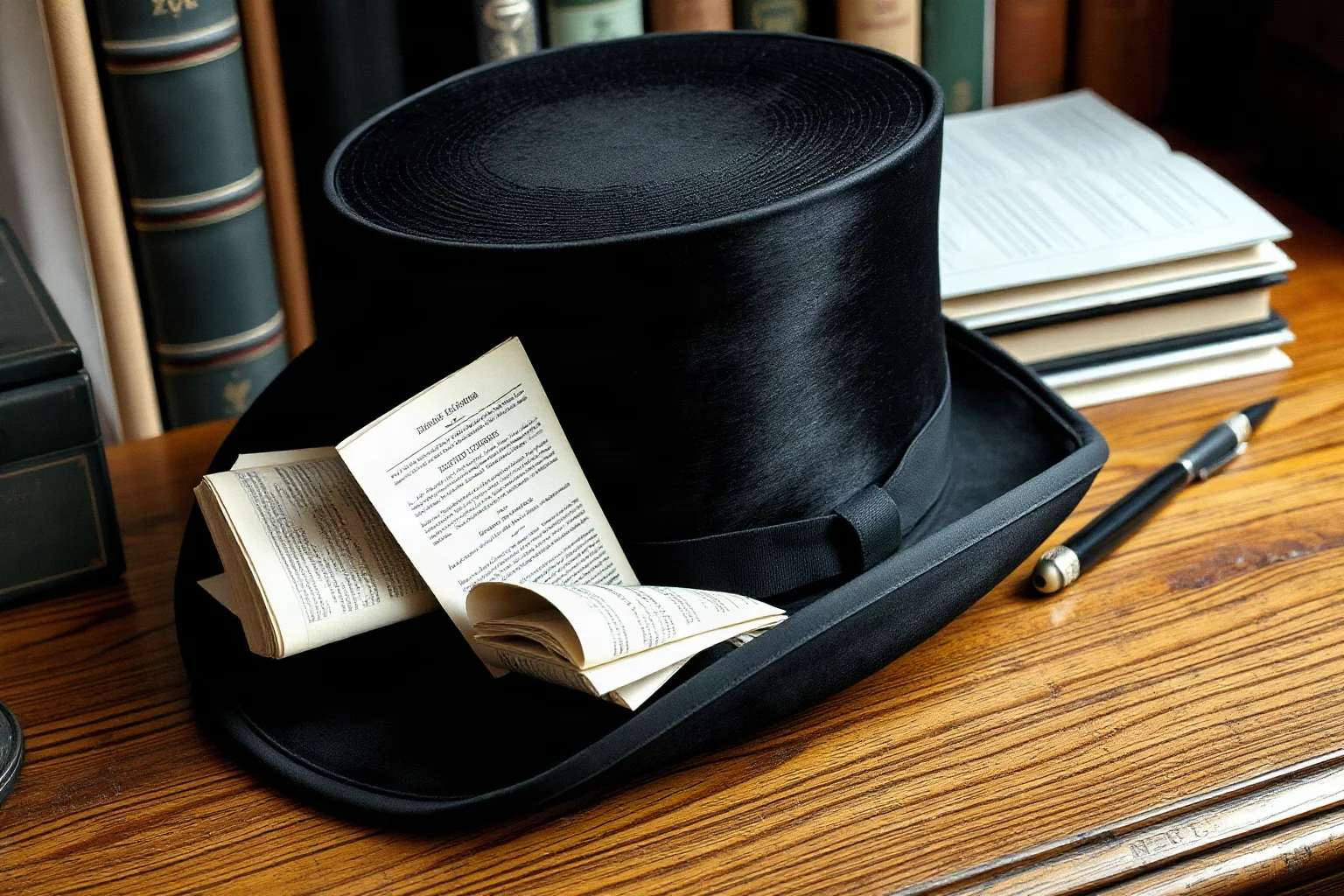
Lincoln was known to stash letters, notes, and important papers inside the lining of his stovepipe hat, essentially turning it into a mobile filing system. Visitors and aides reportedly saw him pull documents straight out of it during meetings. The hat he wore to Ford’s Theatre on the night he was shot is preserved today at the Smithsonian National Museum of American History.
9. He Battled Deep, Lifelong Melancholy

Friends, law partners, and contemporaries frequently described Lincoln as suffering from what they called “melancholy,” a condition many historians now believe resembled clinical depression. He experienced at least two severe depressive episodes in his twenties and thirties, including one so intense that friends reportedly worried about his safety. His humor and storytelling, for which he was equally famous, are often described as coping mechanisms for this darker side.
10. The Gettysburg Address Was Only 272 Words
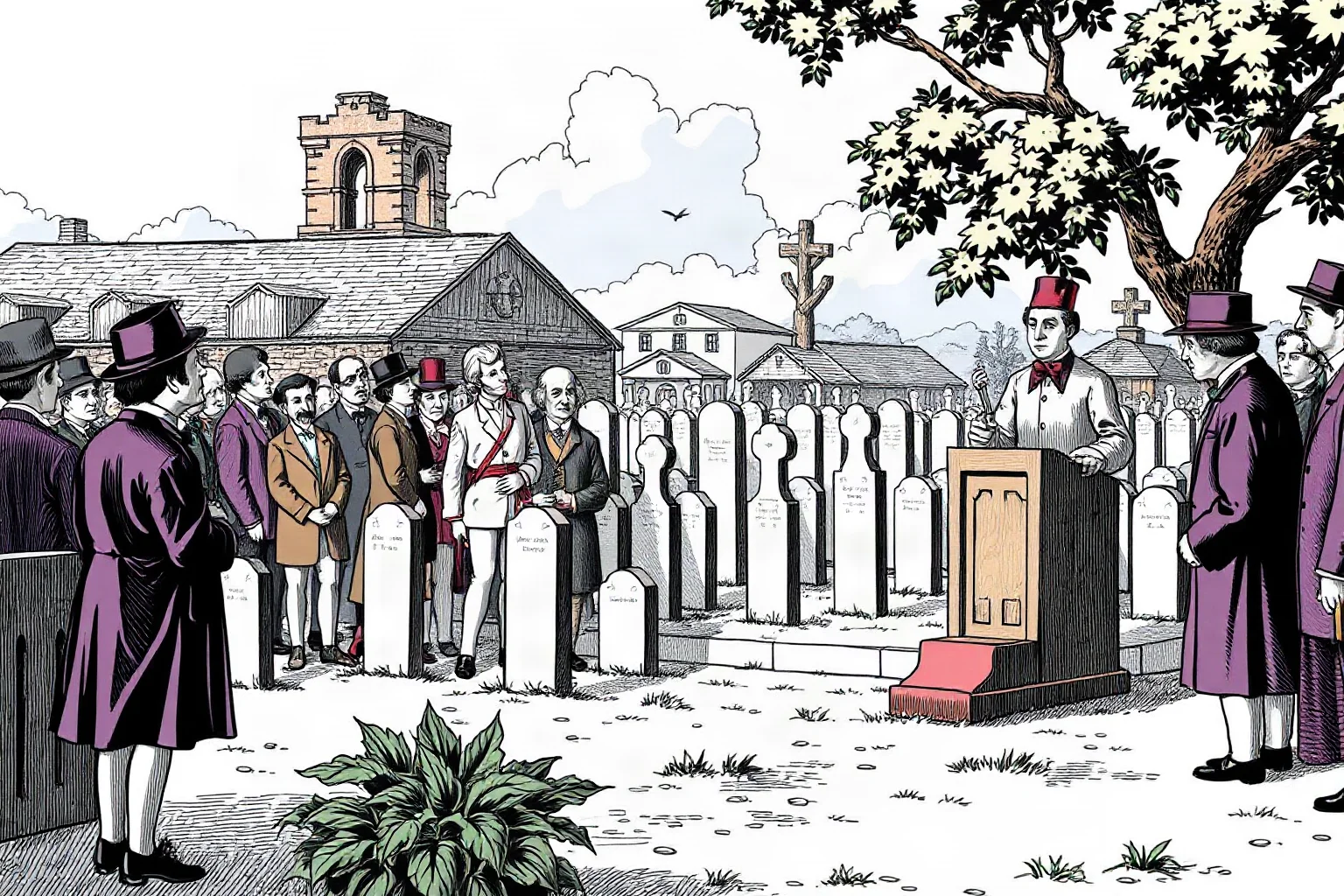
Lincoln’s most famous speech, delivered in November 1863 at the dedication of the Soldiers’ National Cemetery in Gettysburg, Pennsylvania, lasted barely two minutes. The main event that day actually featured a two-hour oration by a more famous speaker, Edward Everett, which has since been largely forgotten. Contemporary newspaper reactions to Lincoln’s short speech were mixed, and it only grew into a revered American text in the decades afterward.
11. He Signed the Secret Service Into Existence on the Day He Died
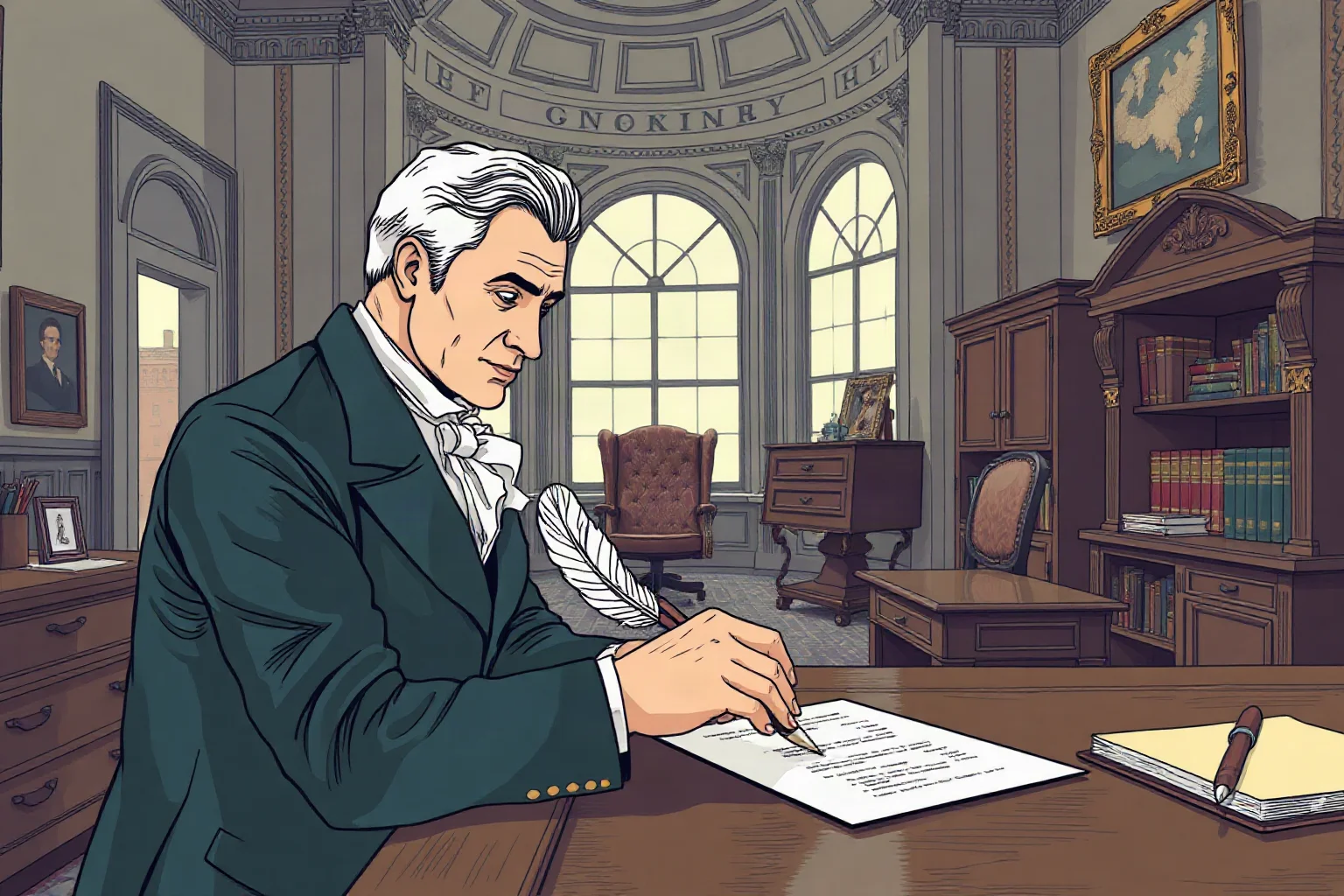
On April 14, 1865, Lincoln signed legislation creating the U.S. Secret Service, though at the time its purpose was to combat widespread currency counterfeiting, not to protect presidents. That night, he attended a play at Ford’s Theatre and was shot by John Wilkes Booth. He died early the next morning at the Petersen House across the street. The agency wouldn’t take on presidential protection duties until decades later.
12. He Served in the Black Hawk War but Never Saw Combat
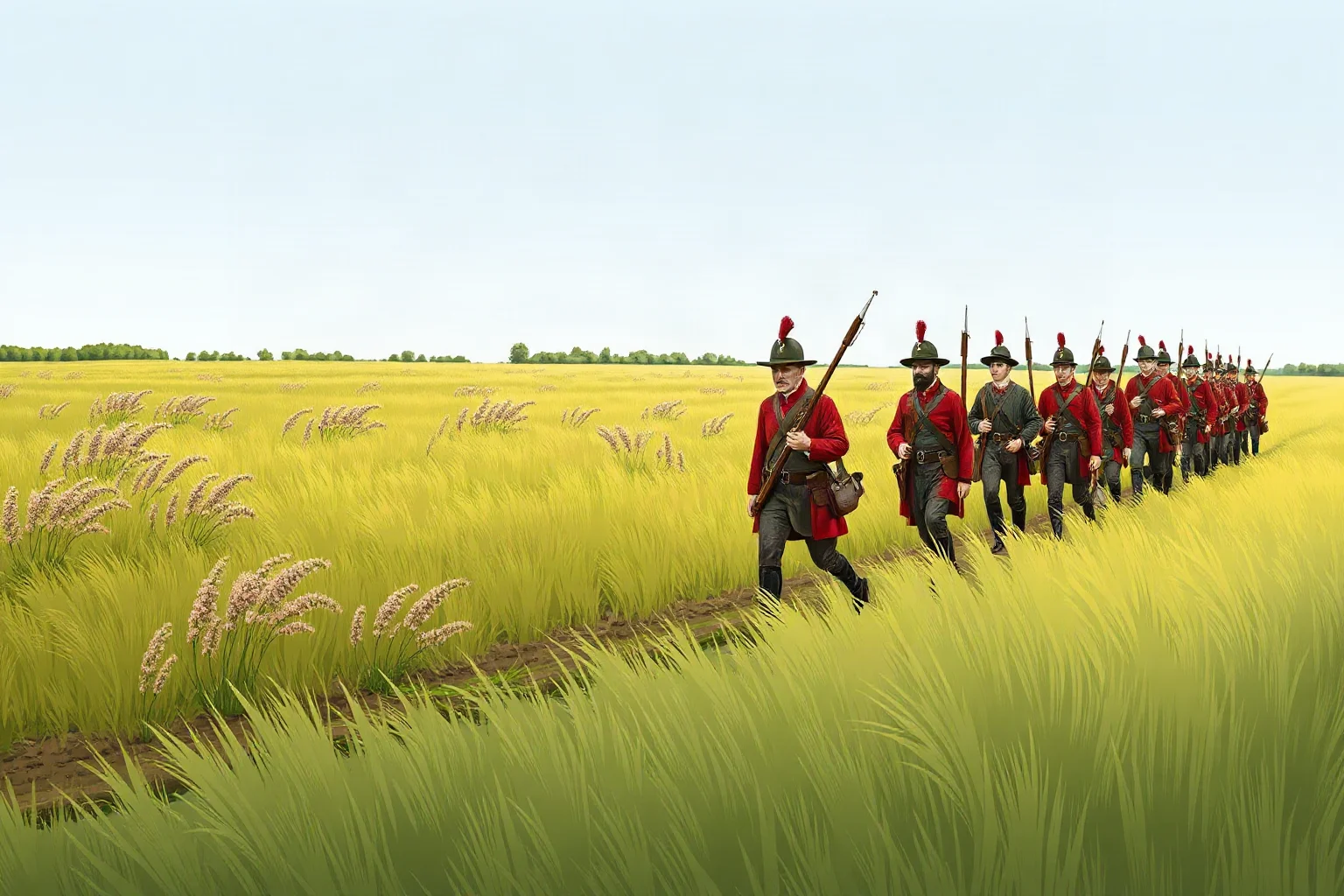
In 1832, Lincoln volunteered for the Illinois militia during the Black Hawk War and was elected captain of his company, a role he later called one of the proudest of his life. Despite the title, his unit never engaged in actual fighting. He later joked self-deprecatingly about his military career, including a story about accidentally leading his men through a fence gate.
13. He Loved Cats More Than Dogs
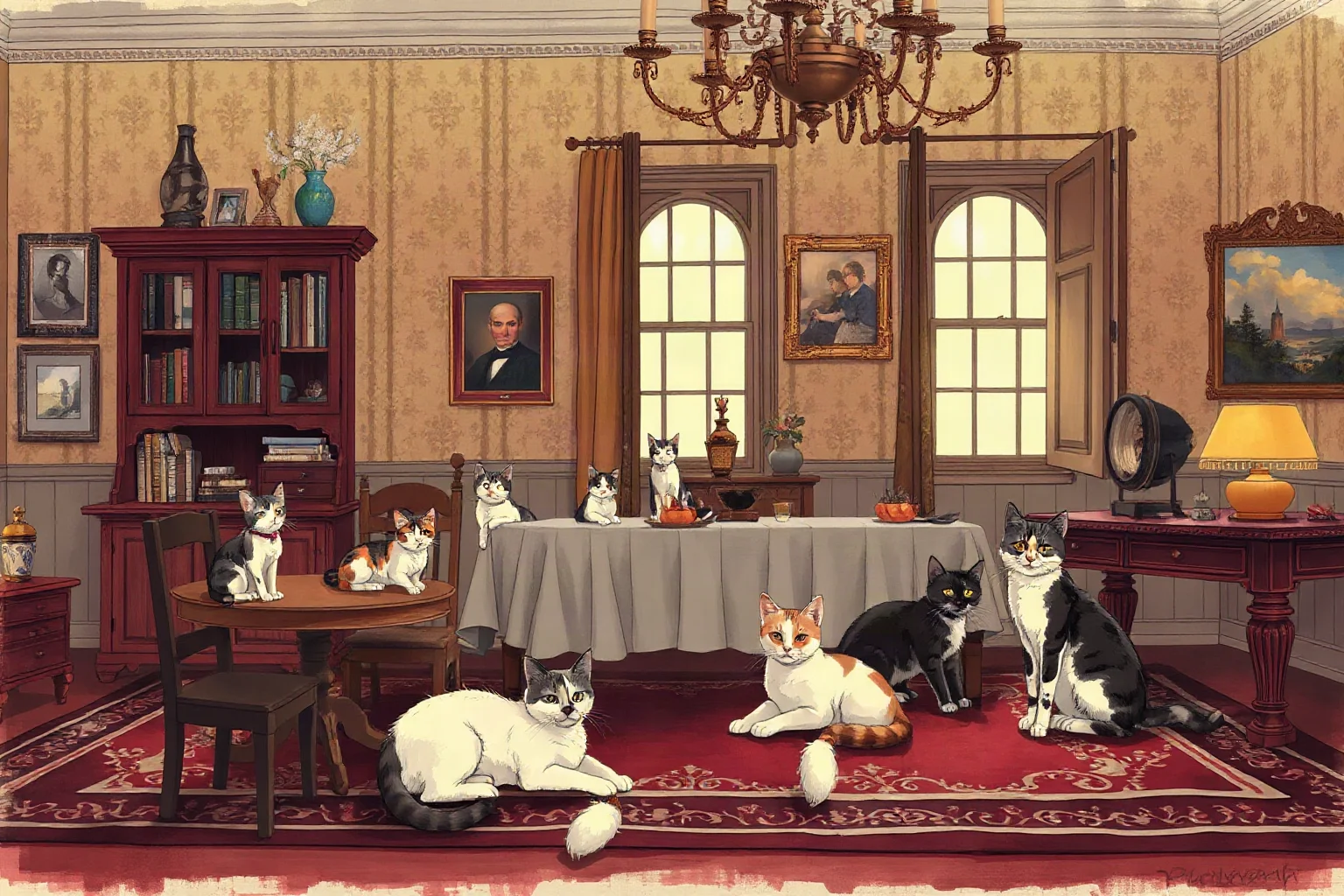
Lincoln was known to keep several cats around the White House and reportedly enjoyed feeding them at the dinner table, much to Mary Todd Lincoln’s dismay. He’s often quoted as saying cats had more character than most people he knew, though as with many Lincoln sayings, the exact wording varies by source. His fondness for cats is one of the more unexpectedly relatable weird facts about Abraham Lincoln.
14. His Youngest Son Kept Goats in the White House
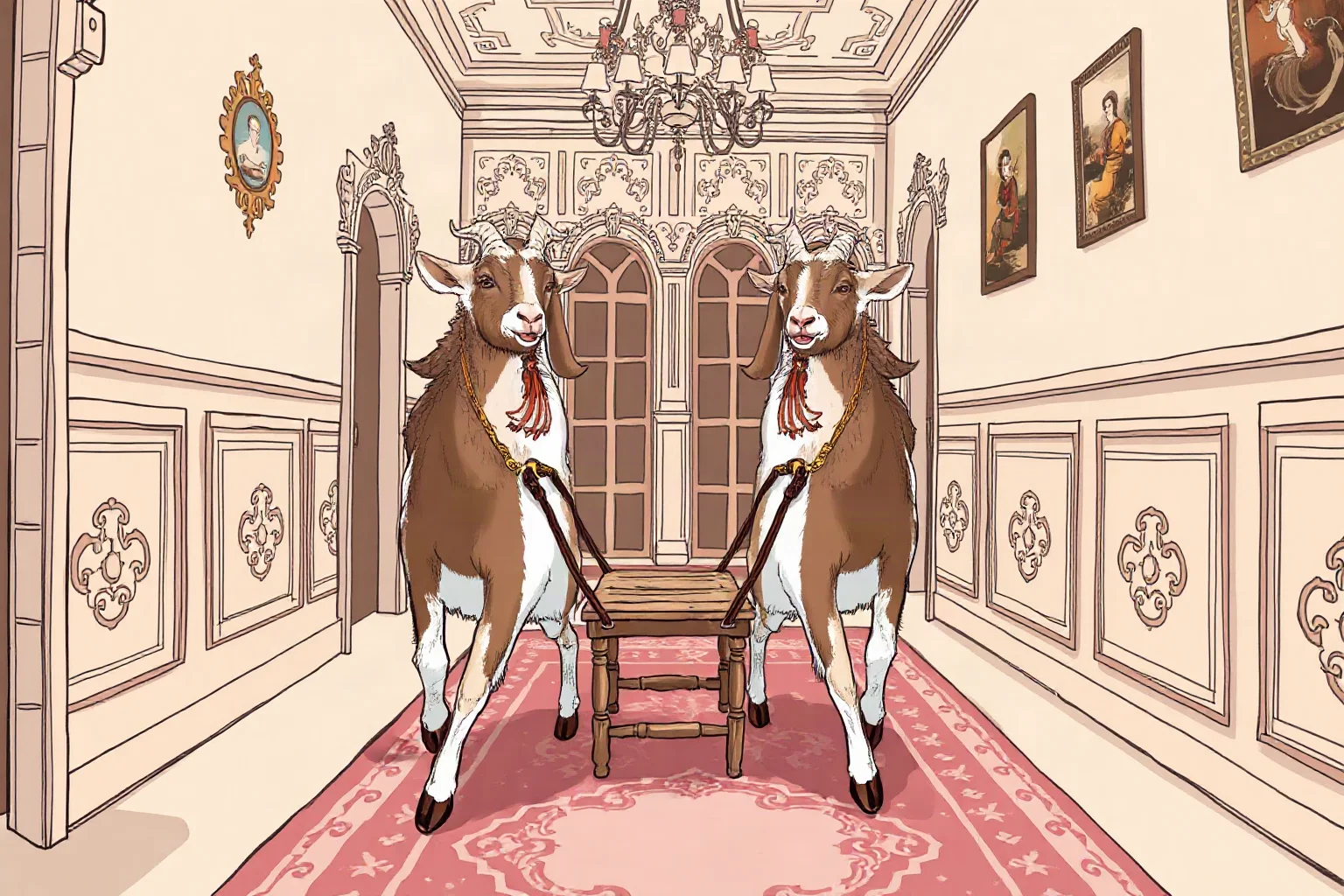
Lincoln’s son Tad was famous for having the run of the White House, and at one point he kept pet goats named Nanny and Nanko on the grounds. Tad reportedly once hitched them to a chair and drove them through a formal reception. Lincoln, by most accounts an indulgent father, found the chaos more amusing than most staff did.
15. A Pet Turkey May Have Inspired a Thanksgiving Tradition
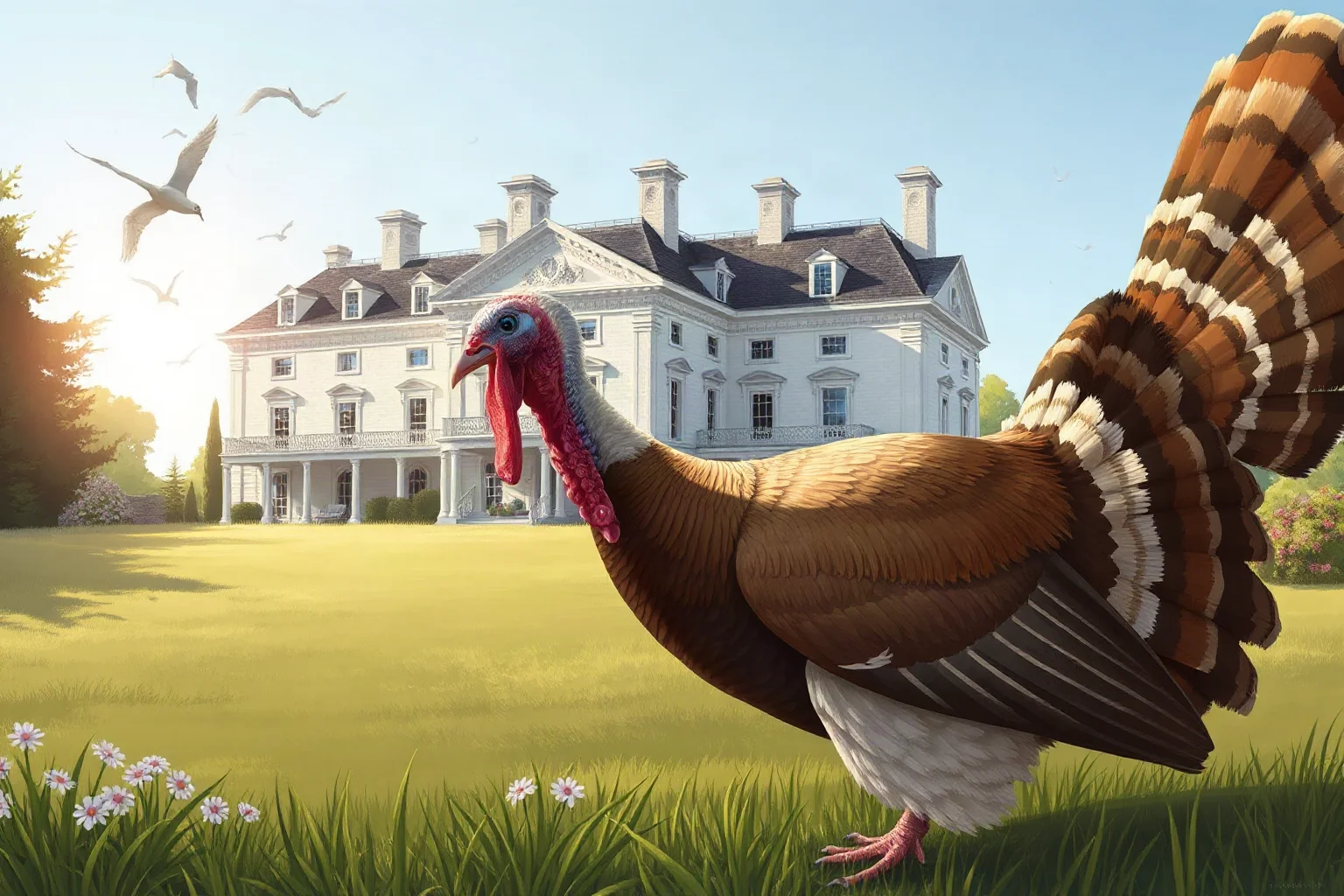
According to a widely cited 1863 newspaper account, Tad Lincoln became attached to a turkey named Jack that had been sent to the White House for Christmas dinner and begged his father to spare it. Lincoln reportedly granted the reprieve. While this charming anecdote is often linked to the modern presidential turkey pardon, the formal, annual pardoning ceremony didn’t actually become an official White House tradition until the late 20th century, so treat the connection as folklore-adjacent rather than a direct origin.
16. He Made Thanksgiving a National Holiday
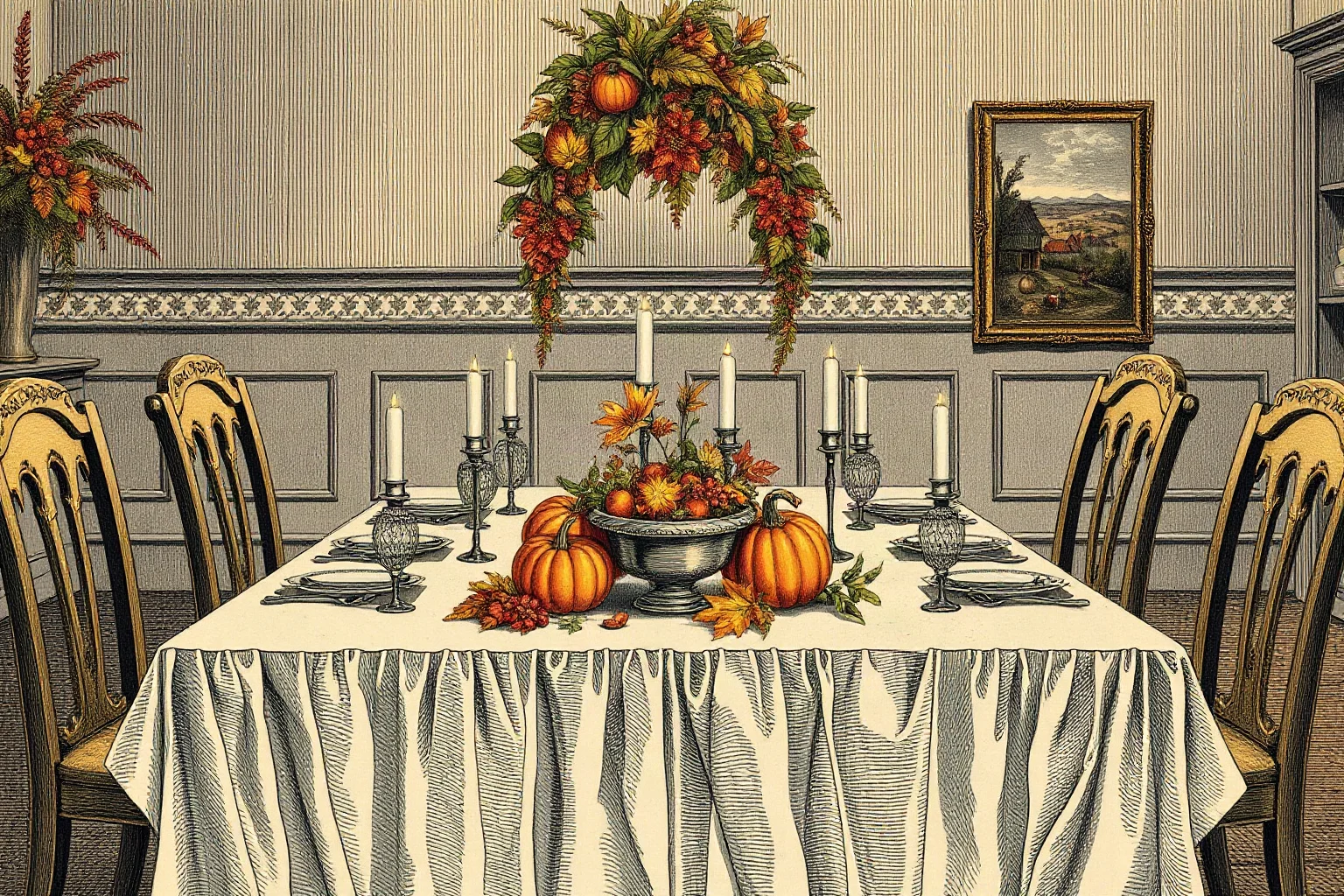
In a more verifiable fact about food and family traditions, Lincoln issued a proclamation in October 1863 setting aside the last Thursday in November as a national day of Thanksgiving. He acted partly on the persistent lobbying of writer Sarah Josepha Hale, who had campaigned for a unifying national holiday for years. That proclamation is the direct ancestor of the holiday Americans celebrate today.
17. A Midwestern Capital City Was Named in His Honor
The city of Lincoln, Nebraska, wasn’t originally called that; it was a small settlement named Lancaster. In 1867, two years after Lincoln’s death, state legislators renamed it Lincoln as part of a deal to secure it as the new state capital, since naming it after the martyred president helped ensure political support. Today, plenty of people searching for fun facts about Lincoln, Nebraska are actually looking for this connection between the city and the president.
18. He Survived Threats and Attempted Attacks Years Before Ford’s Theatre
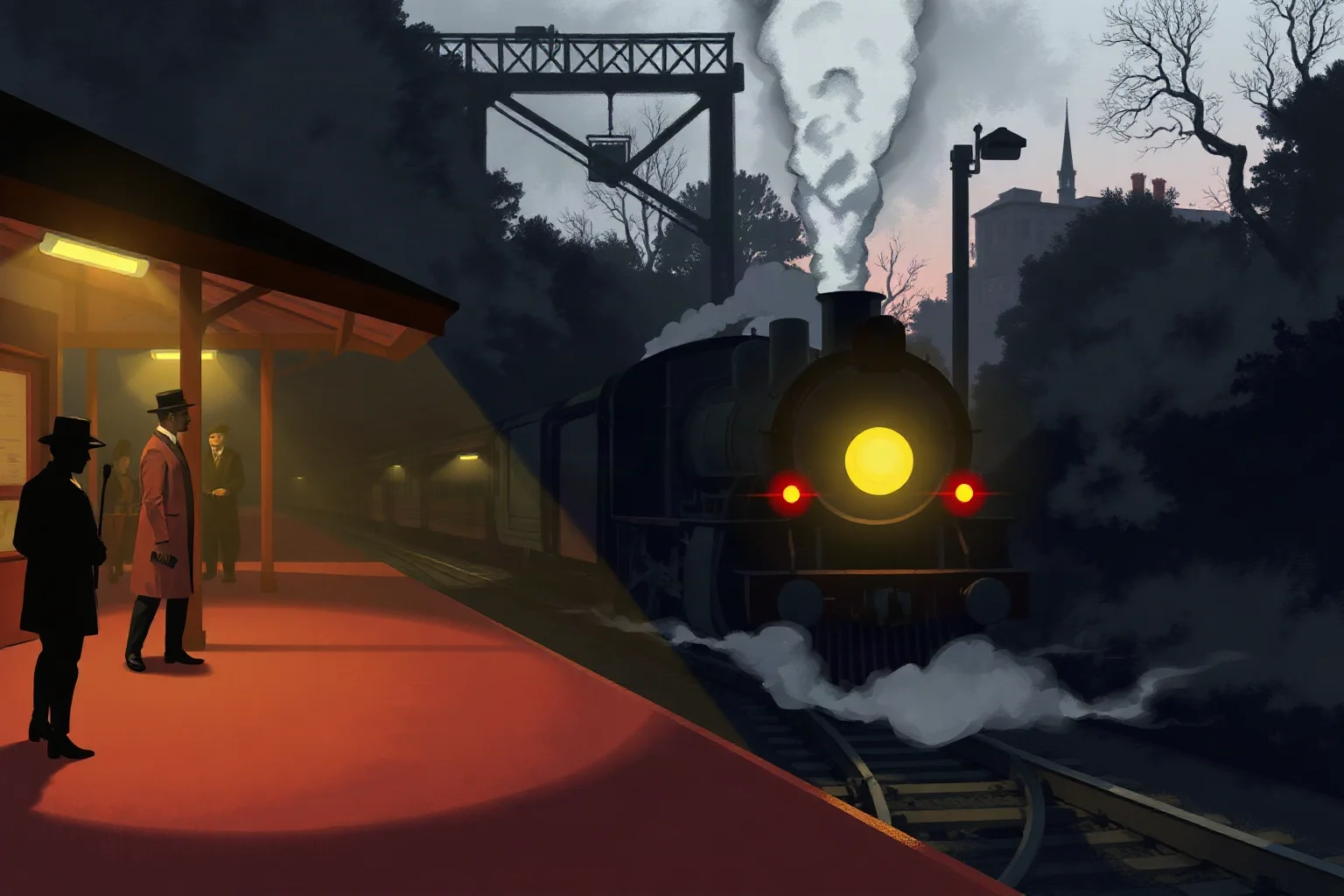
Lincoln received a steady stream of death threats throughout his presidency, and his security detail intercepted at least one plot to assassinate him during his initial train trip to Washington in 1861. He also reportedly survived an incident in 1864 in which a bullet passed through his hat while he was riding alone at night. He generally resisted heavy security, which historians point to as a contributing factor in the vulnerability that led to his death at Ford’s Theatre.
19. His Son Robert Had an Eerie Connection to Three Presidential Assassinations
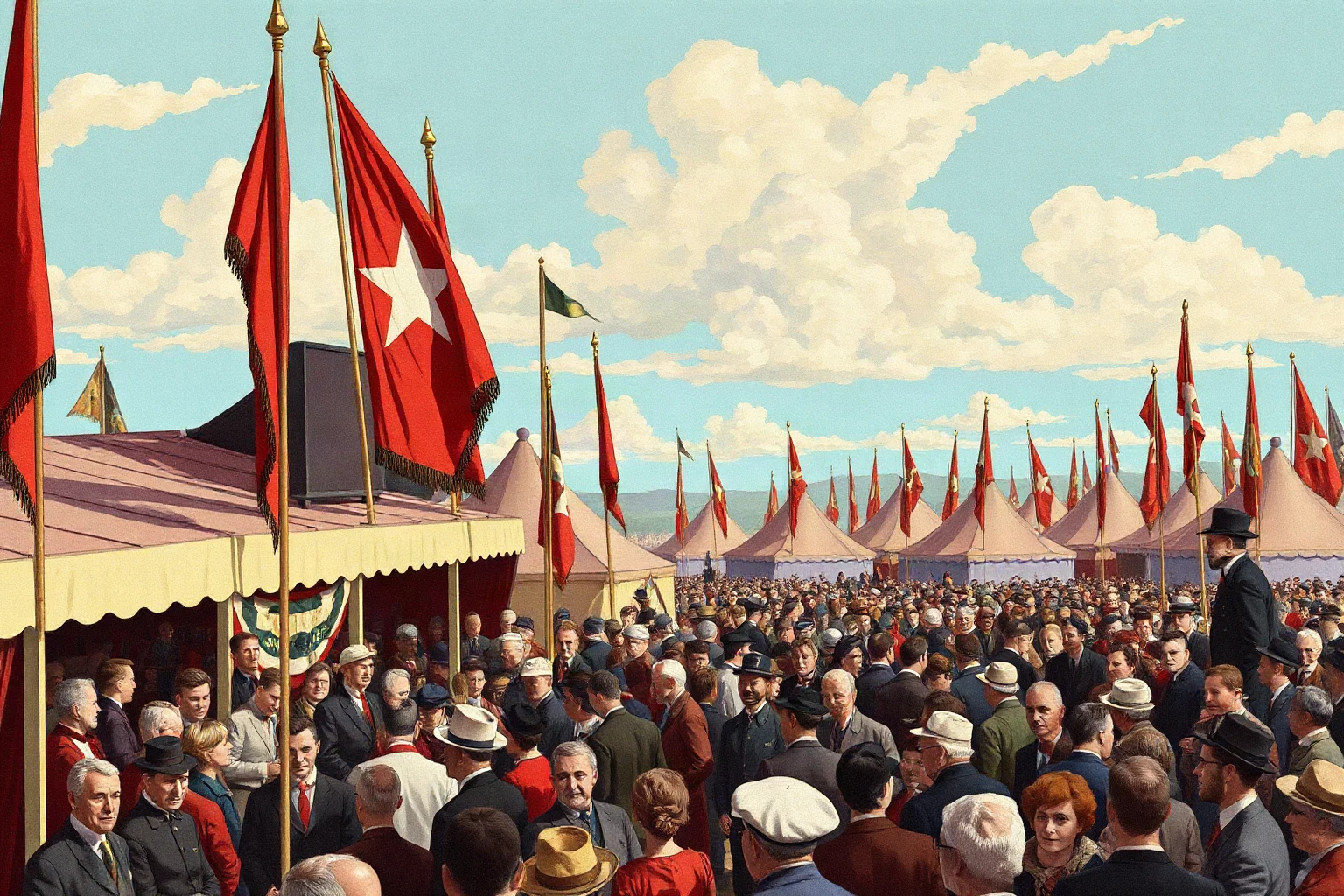
Robert Todd Lincoln, Abraham’s only son to reach old age, had an unsettling habit of being near presidential tragedy. He was in Washington the night his father was shot, was invited to the scene shortly after President James Garfield was shot in 1881, and was present at the exposition where President William McKinley was shot in 1901. Robert reportedly became so unnerved by the pattern that he declined future presidential invitations whenever possible.
20. He Suspended Habeas Corpus During the Civil War
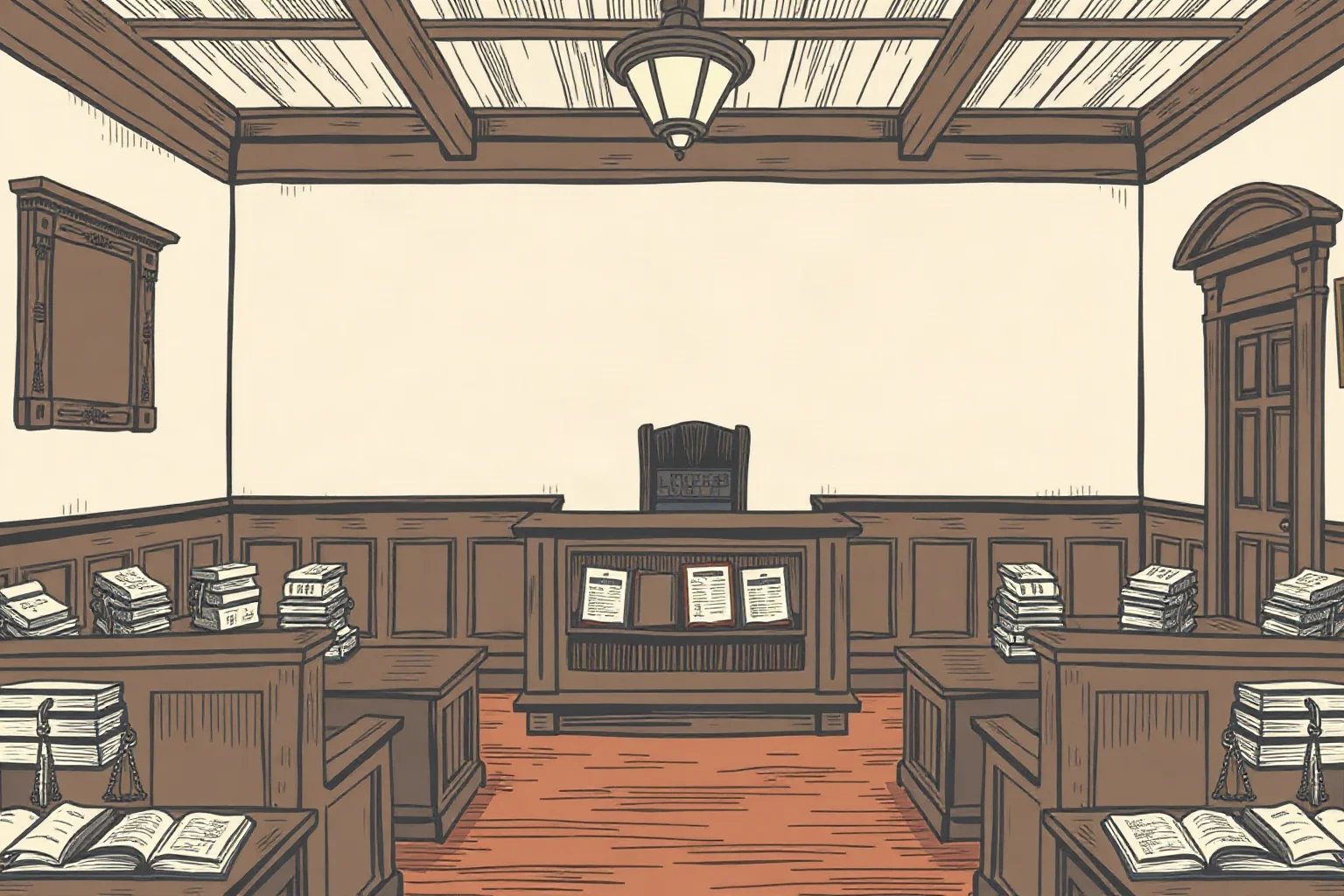
Among the more genuinely controversial and bad things about Abraham Lincoln’s presidency, he suspended the writ of habeas corpus in parts of the country, allowing suspected Confederate sympathizers to be detained without trial. Chief Justice Roger Taney ruled against this power in the 1861 case Ex parte Merryman, but Lincoln continued the policy, arguing wartime necessity overrode the objection. Historians still debate whether this was a justified emergency measure or a dangerous overreach of executive power.
21. He Was Almost Entirely Self-Taught in Law
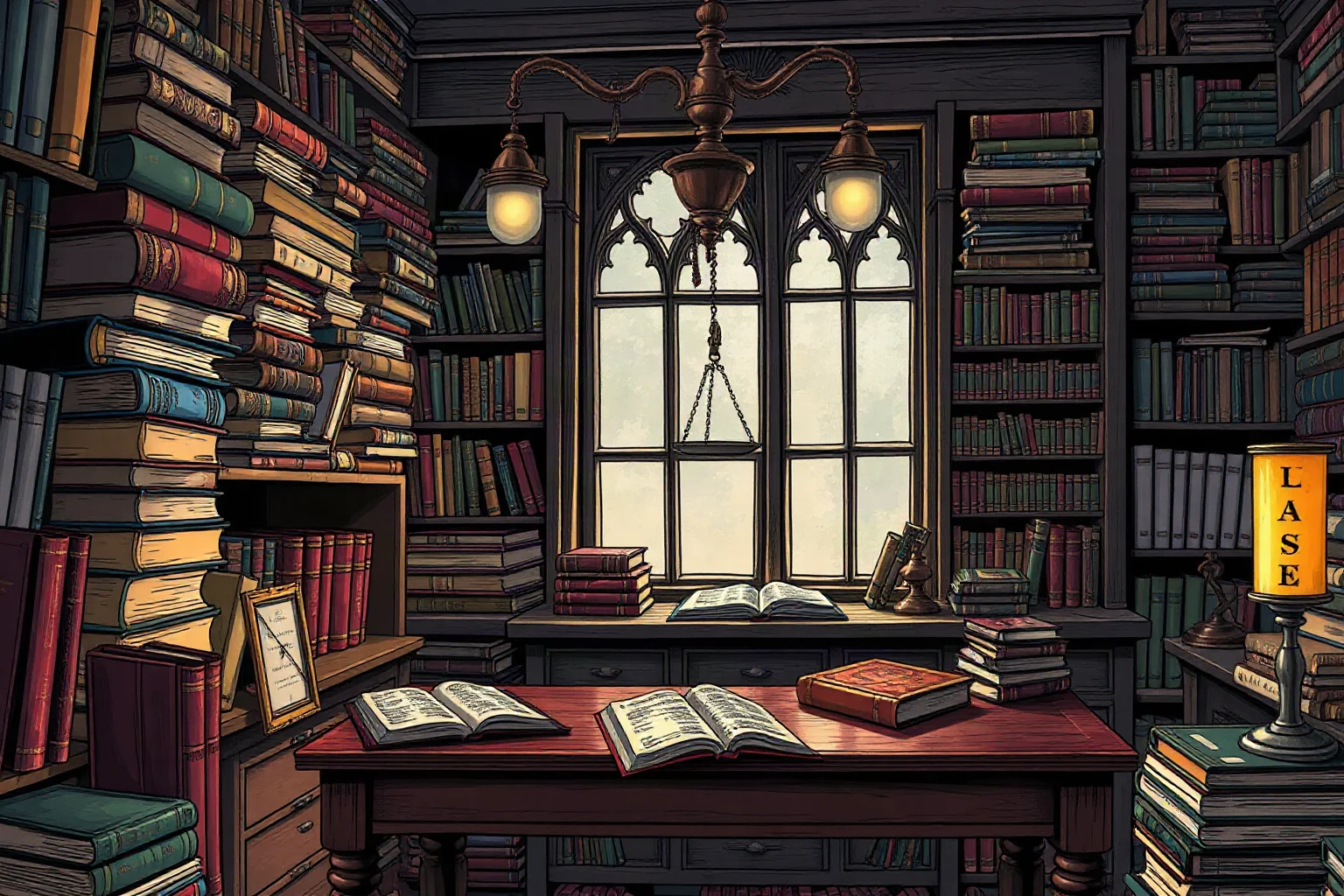
Lincoln never attended law school and instead studied borrowed legal texts, most notably Blackstone’s Commentaries, on his own time while working other jobs. He passed the Illinois bar in 1836 through self-study and mentorship rather than formal legal education. He went on to build a respected law practice in Springfield, Illinois, arguing cases before the state supreme court well before he ever ran for national office.
22. He Appears on Money and Mountains
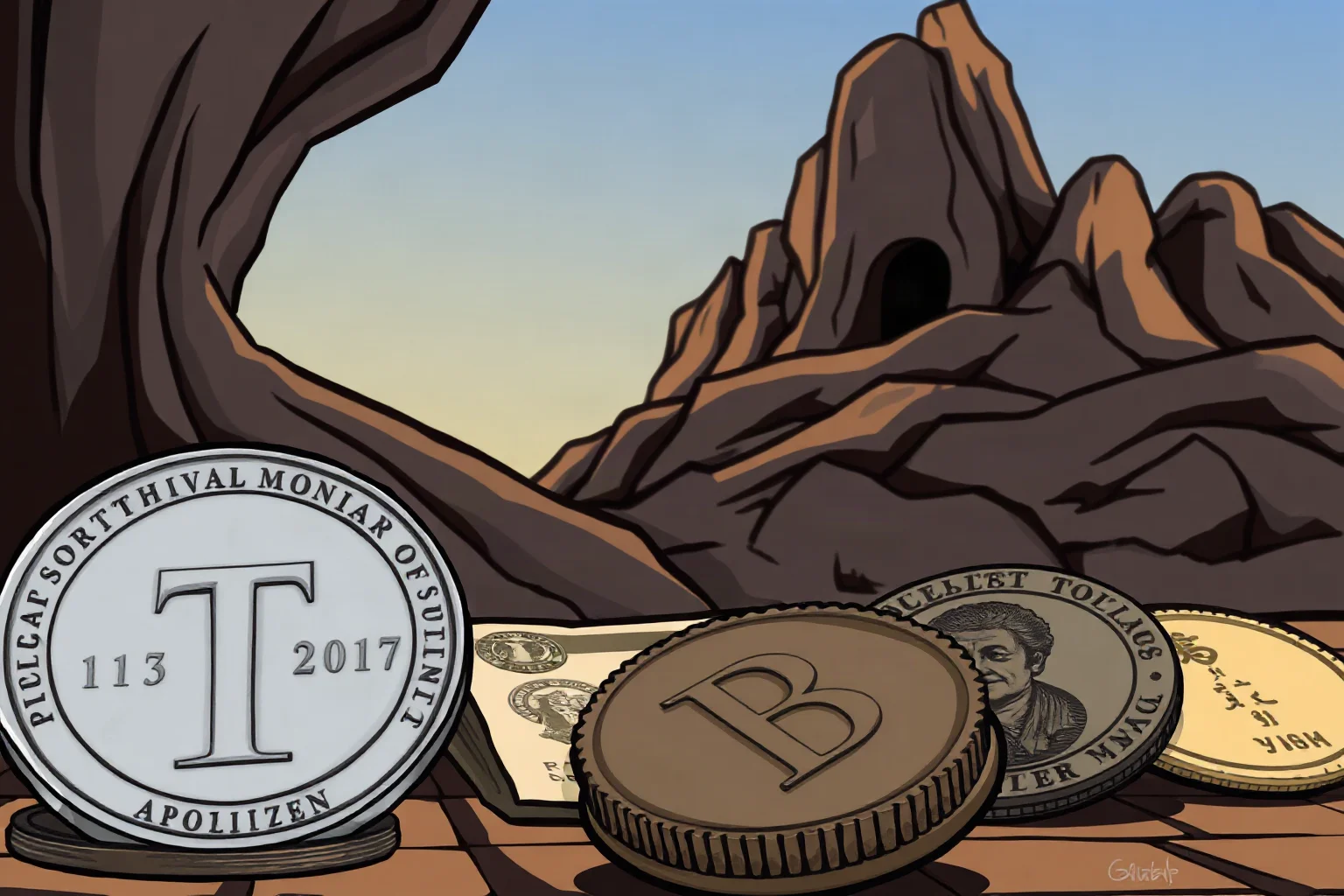
Lincoln’s face appears on the U.S. penny, making him the first president honored on a coin still in circulation today, and on the five-dollar bill. He’s also carved into Mount Rushmore alongside Washington, Jefferson, and Theodore Roosevelt. Few American figures have been memorialized in quite so many everyday and monumental forms at once.
Abraham Lincoln: Pros and Cons
No honest Abraham Lincoln fact file skips over his flaws, and a balanced pros-and-cons view actually makes him more interesting, not less. On the positive side, he preserved the Union through the deadliest war in American history, issued the Emancipation Proclamation that began the legal end of slavery, and signed the Homestead Act and land-grant college legislation that shaped the country’s future. He also proved that a self-taught rural lawyer could rise to lead the nation through its greatest crisis.
On the more critical side, Lincoln suspended habeas corpus and allowed the jailing of dissenters without trial, actions many historians view as troubling regardless of wartime justification. In 1862, he approved the execution of 38 Dakota men following the U.S.–Dakota War, the largest mass execution in American history, a decision that remains a painful and often overlooked part of his record. His early views on race and emancipation were also more gradual and cautious than many people assume, including support at various points for colonization schemes that would have relocated freed Black Americans abroad.
Taken together, these pros and cons don’t cancel each other out. They show a leader operating under enormous pressure who made some genuinely admirable choices and some genuinely troubling ones, which is a more historically honest picture than the simplified hero narrative most people learn in school.
What Was One Important Thing Abraham Lincoln Did?
If you only remember one important fact about Abraham Lincoln, make it this: he issued the Emancipation Proclamation on January 1, 1863, declaring enslaved people in Confederate-held territory to be free. It didn’t immediately free everyone everywhere, since it applied only to areas outside Union control, but it fundamentally reframed the Civil War as a fight against slavery and paved the way for the Thirteenth Amendment. Combined with his determination to preserve the Union at any cost, this single act is arguably the most consequential decision of his presidency and the reason he’s remembered as he is today.
Final Thoughts on the Real Abraham Lincoln
Abraham Lincoln’s real life was messier, funnier, and more human than the stoic statue on the National Mall suggests. He was a depressed but hilarious storyteller, a champion wrestler, a self-made lawyer, and a president who made both remarkable and deeply questionable calls under the weight of a nation at war with itself.
That complexity is exactly why he remains one of the most recognized historical figures of all time, endlessly fascinating more than a century and a half later. The next time someone asks for a fun fact about Abraham Lincoln, you’ll have plenty to choose from, and a fuller, more honest picture to back it up.
Frequently Asked Questions
Where can I find a reliable Abraham Lincoln fact file?
A solid Abraham Lincoln fact file covers the essentials: born February 12, 1809, in Kentucky; died April 15, 1865, after being shot at Ford's Theatre; served as the 16th U.S. president from 1861–1865; issued the Emancipation Proclamation; and led the Union through the Civil War. The lesser-known facts, like his wrestling career and only-president patent, round out the fuller picture.
What was one important thing that Abraham Lincoln did?
The single most important thing Lincoln did was issue the Emancipation Proclamation in January 1863, which declared enslaved people in Confederate territory free and reframed the Civil War as a fight to end slavery. Combined with preserving the Union, it's the achievement most historians point to first.
What are 3 fun facts about Abraham Lincoln?
He's the only U.S. president to hold a patent, he was inducted into the National Wrestling Hall of Fame, and he grew his famous beard after an 11-year-old girl named Grace Bedell suggested it in a letter.
What are some weird facts about Abraham Lincoln?
Lincoln stashed important papers inside his top hat, kept cats he liked to feed at the dinner table, and reportedly lost only one wrestling match in roughly 300 bouts as a young man in Illinois.
What are some bad things about Abraham Lincoln?
Lincoln suspended habeas corpus during the Civil War, allowing detention without trial, and approved the execution of 38 Dakota men in 1862 following the U.S.–Dakota War, which remains the largest mass execution in American history. His early stance on race was also more gradual than modern assumptions suggest.
Is Lincoln, Nebraska actually named after Abraham Lincoln?
Yes. The city was originally called Lancaster, and it was renamed Lincoln in 1867, two years after the president's assassination, partly to help secure its status as Nebraska's new state capital.

Alex Warren
Related Articles