

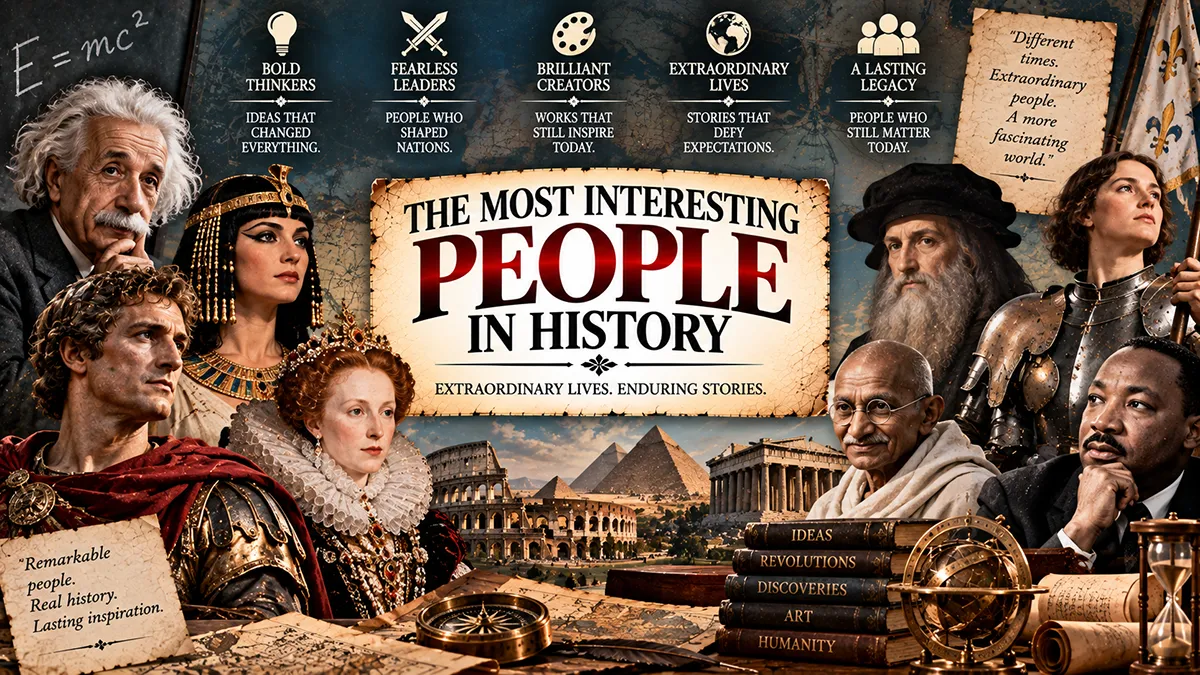
History is packed with characters so strange, brilliant, or downright dramatic that they sound invented. Yet the people on this list were real, and their true stories are often wilder than the legends that grew up around them afterward. Sorting out fact from folklore is half the fun of studying them.
This list pulls together rulers, rebels, scientists, and outright oddballs from across centuries and continents. Some are household names, others deserve to be far better known, but all of them earned a spot among the most interesting people in history for real, documented reasons.
TL;DR: The most interesting people in history earned their fame through genuine achievement and contradiction, not just legend, and separating the two makes them even more compelling.
What Actually Makes a Historical Figure “Interesting”?
Before diving into the list, it helps to define the term. An interesting historical figure usually combines three things: they did something genuinely consequential, they lived through extraordinary circumstances, and their story includes some twist, contradiction, or mystery that keeps historians arguing centuries later.
Fame alone doesn’t cut it. Plenty of well-known rulers and generals are, frankly, a bit dull once you look past their titles. The figures below made the cut because their lives raise real questions about power, identity, science, or survival, not just because they’re recognizable names.
1. Cleopatra VII
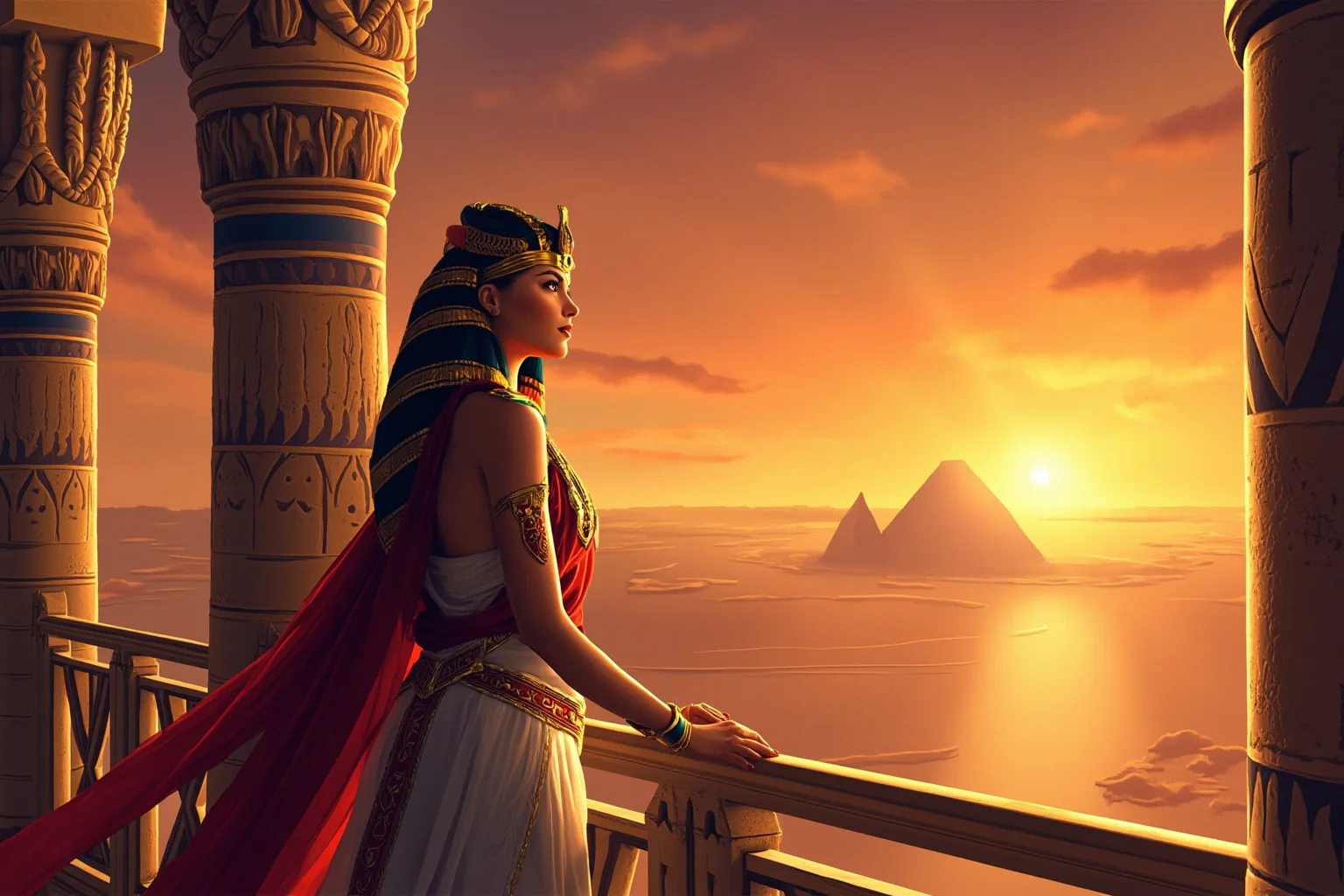
Cleopatra ruled Egypt as its last active pharaoh, and she was a shrewd political operator fluent in multiple languages, reportedly including Egyptian, which set her apart from most of her Greek-descended Ptolemaic family. Ancient Roman writers, who had every reason to smear her, painted her mainly as a seductress, and that image stuck far longer than the facts.
In reality, she stabilized Egypt’s economy, commissioned building projects, and formed calculated political alliances with Julius Caesar and later Mark Antony to preserve her kingdom’s independence against Rome. Her death by suicide in 30 BCE, likely by poison rather than the famous asp bite historians can’t fully confirm, ended Egypt’s independence for nearly two thousand years.
2. Genghis Khan
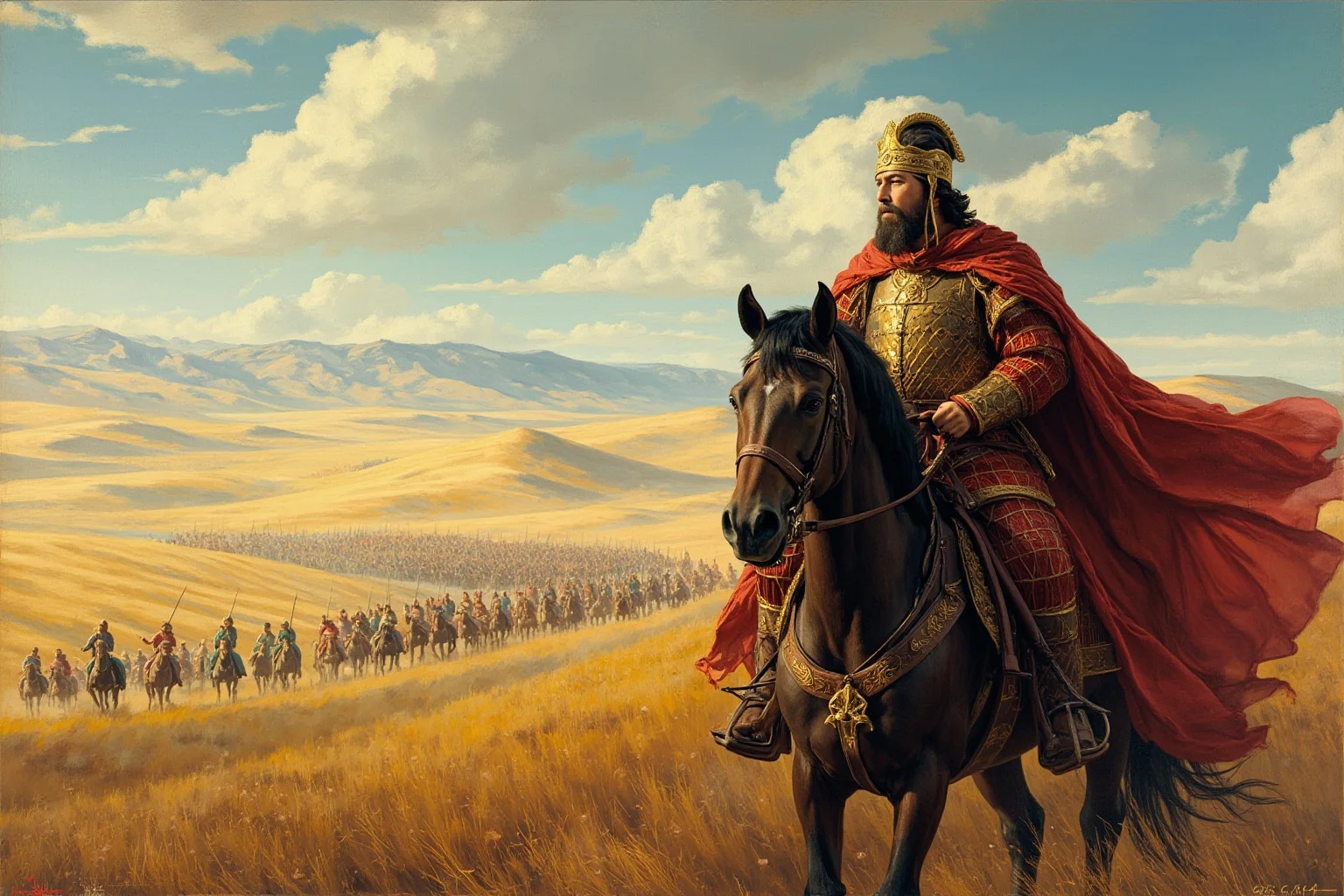
Born Temujin on the Mongolian steppe, Genghis Khan united rival tribes and built the largest contiguous land empire in history through a mix of military innovation, strategic terror, and surprisingly progressive administration. His empire enforced religious tolerance and protected trade routes along the Silk Road, which is often overlooked next to the era’s brutal conquests.
Genetic studies have suggested a notable number of people across Asia may descend from his line, though exact figures are debated among researchers. His empire’s postal relay system and meritocratic promotion of skilled commanders were centuries ahead of comparable European institutions.
3. Hypatia of Alexandria
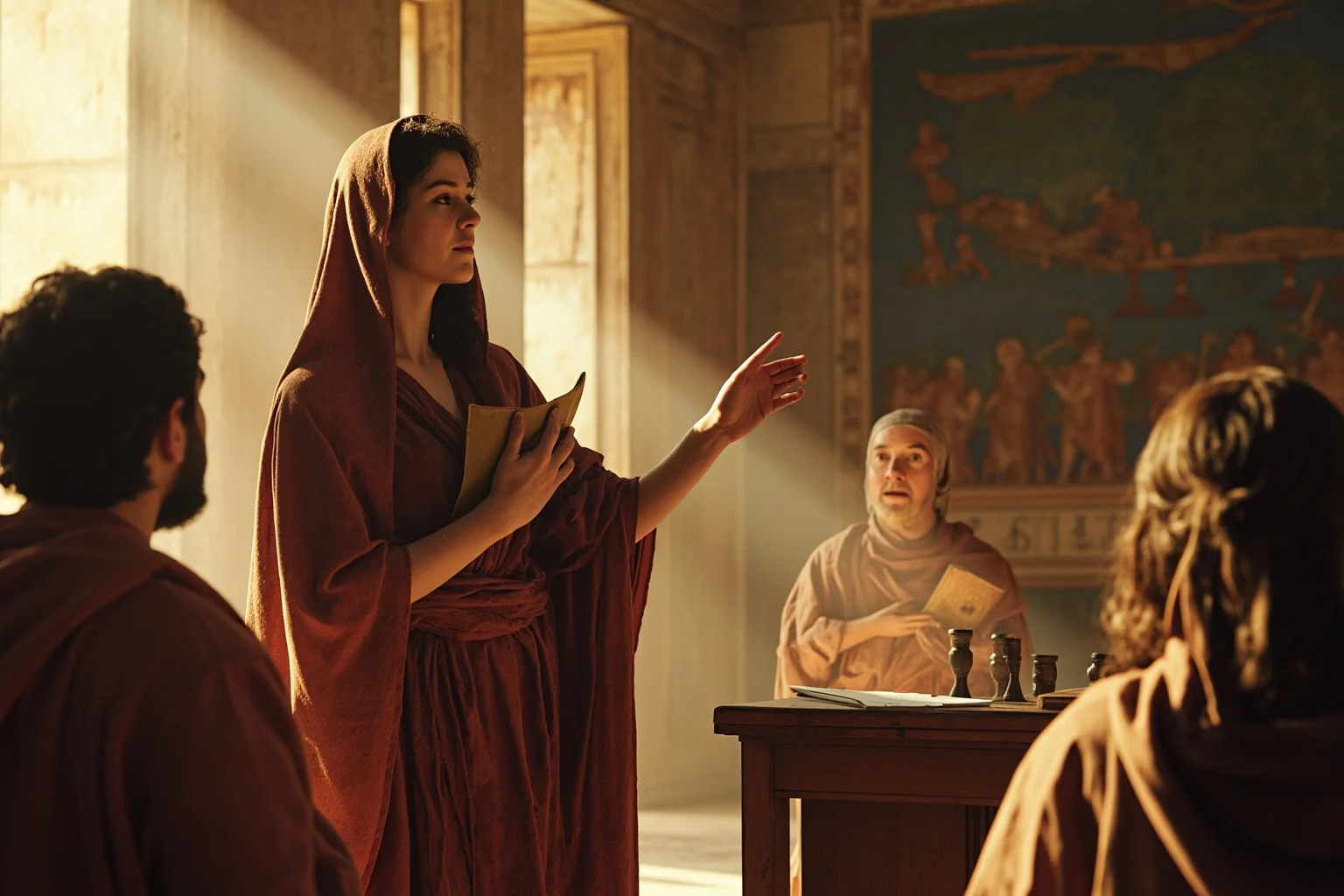
Hypatia taught mathematics and philosophy in late Roman Egypt, at a time when female scholars were exceedingly rare in public academic life. She led the Neoplatonist school in Alexandria and corresponded with prominent thinkers of her day, building a reputation that drew students from across the Mediterranean.
Her death in 415 CE, killed by a mob amid the city’s political and religious tensions, has made her a symbol of the conflict between classical scholarship and religious upheaval. Much of her original written work has been lost, so most of what we know comes from later accounts by students and contemporaries.
4. Leonardo da Vinci
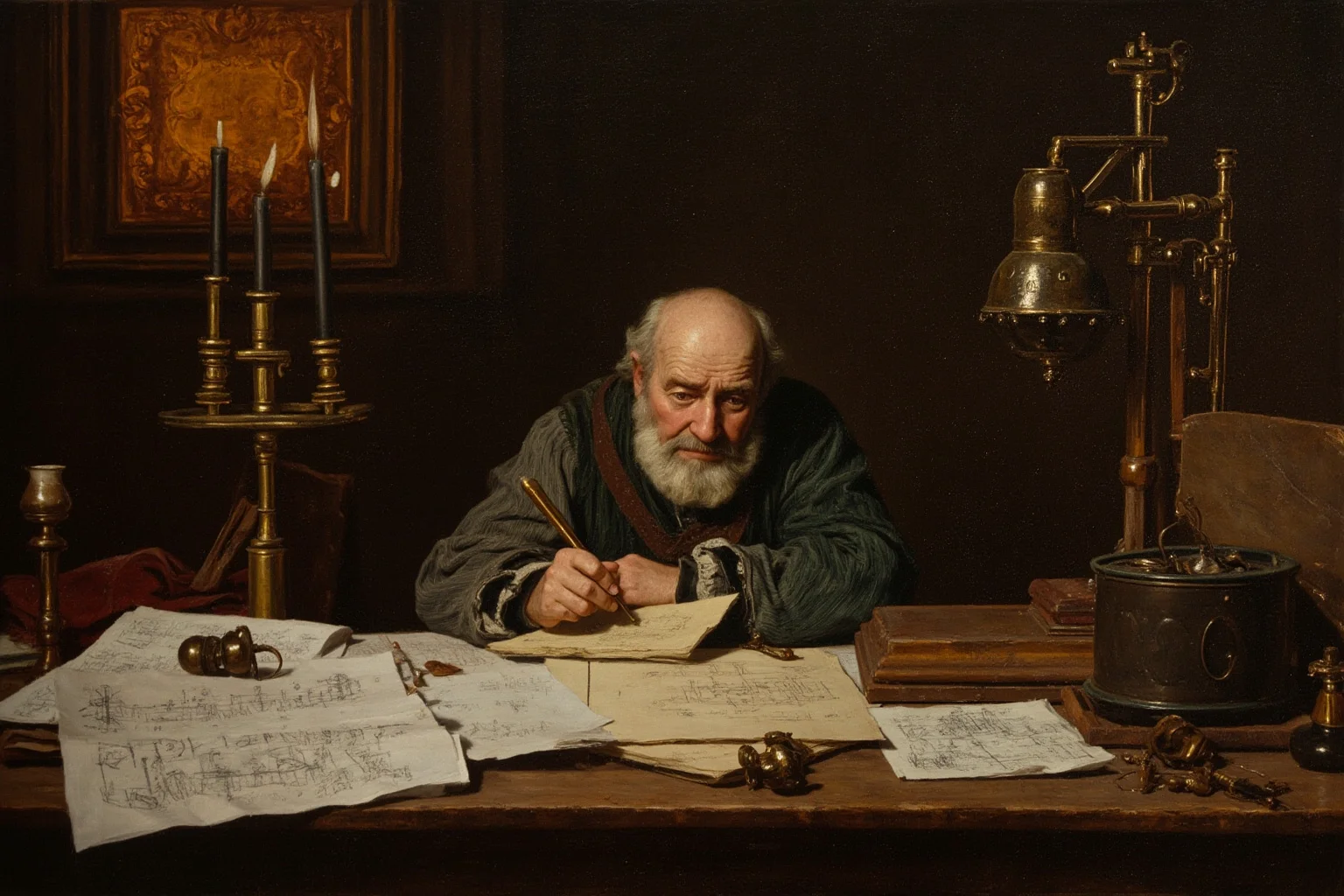
Leonardo is the classic example of a true polymath: painter, engineer, anatomist, and inventor, often within the same notebook page. His famous “backwards” mirror-script notes weren’t a secret code but simply a practical habit for a left-hander avoiding smudged ink.
Many of his mechanical designs, including early concepts resembling helicopters and armored vehicles, were never built in his lifetime and existed only as sketches. That gap between imagination and execution is part of what makes him endlessly fascinating to historians of both art and science.
5. Mansa Musa
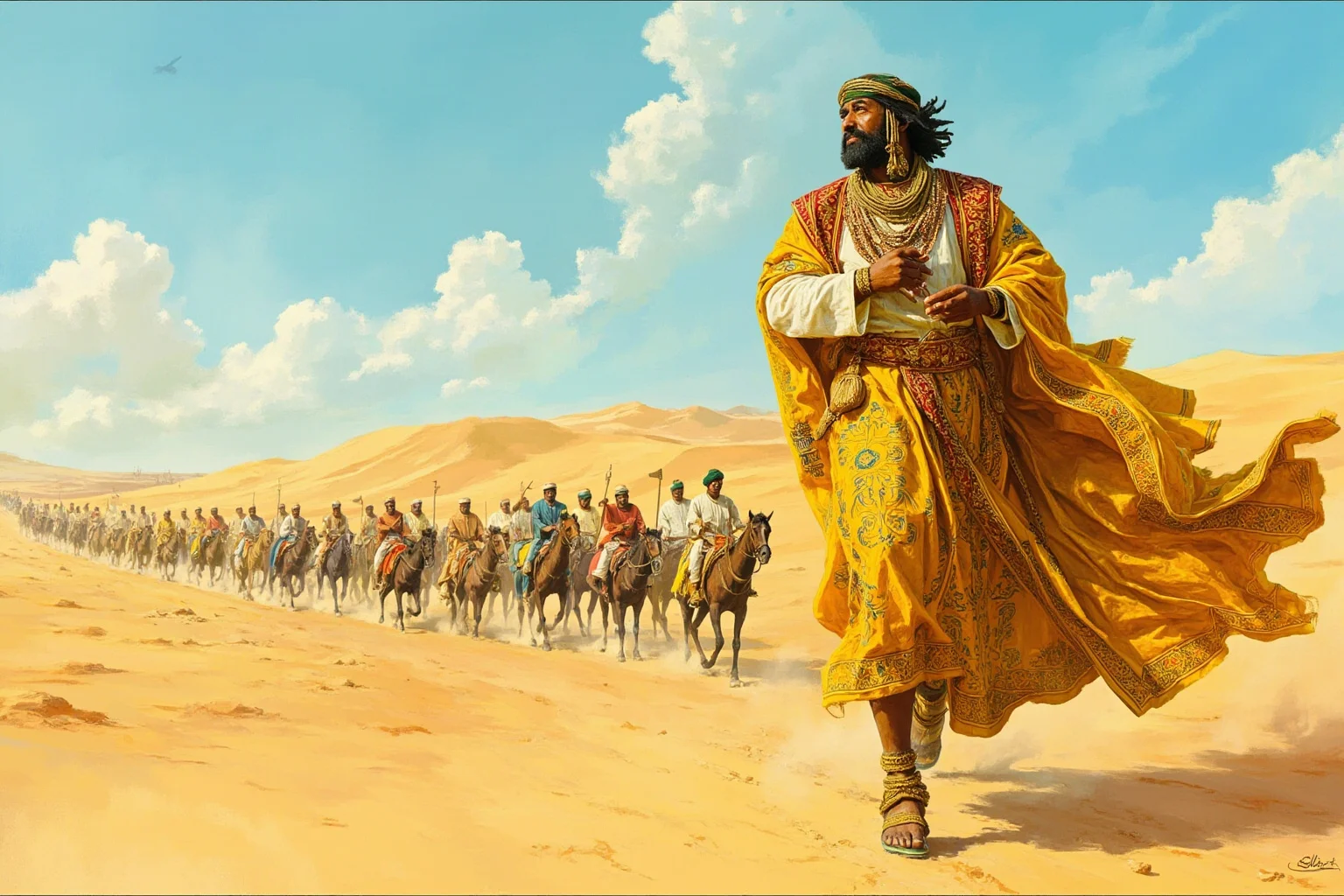
Mansa Musa ruled the Mali Empire in the 14th century and is often cited as possibly the wealthiest individual in recorded history, though exact comparisons across eras are inherently speculative. His control of West African gold and salt trade routes made Mali one of the era’s economic powerhouses.
His 1324 pilgrimage to Mecca reportedly included such lavish gold spending in Cairo that it disrupted local currency values for years afterward, according to contemporary Arab chroniclers. He also invested heavily in Timbuktu, turning it into a renowned center of Islamic scholarship and manuscript production.
6. Joan of Arc
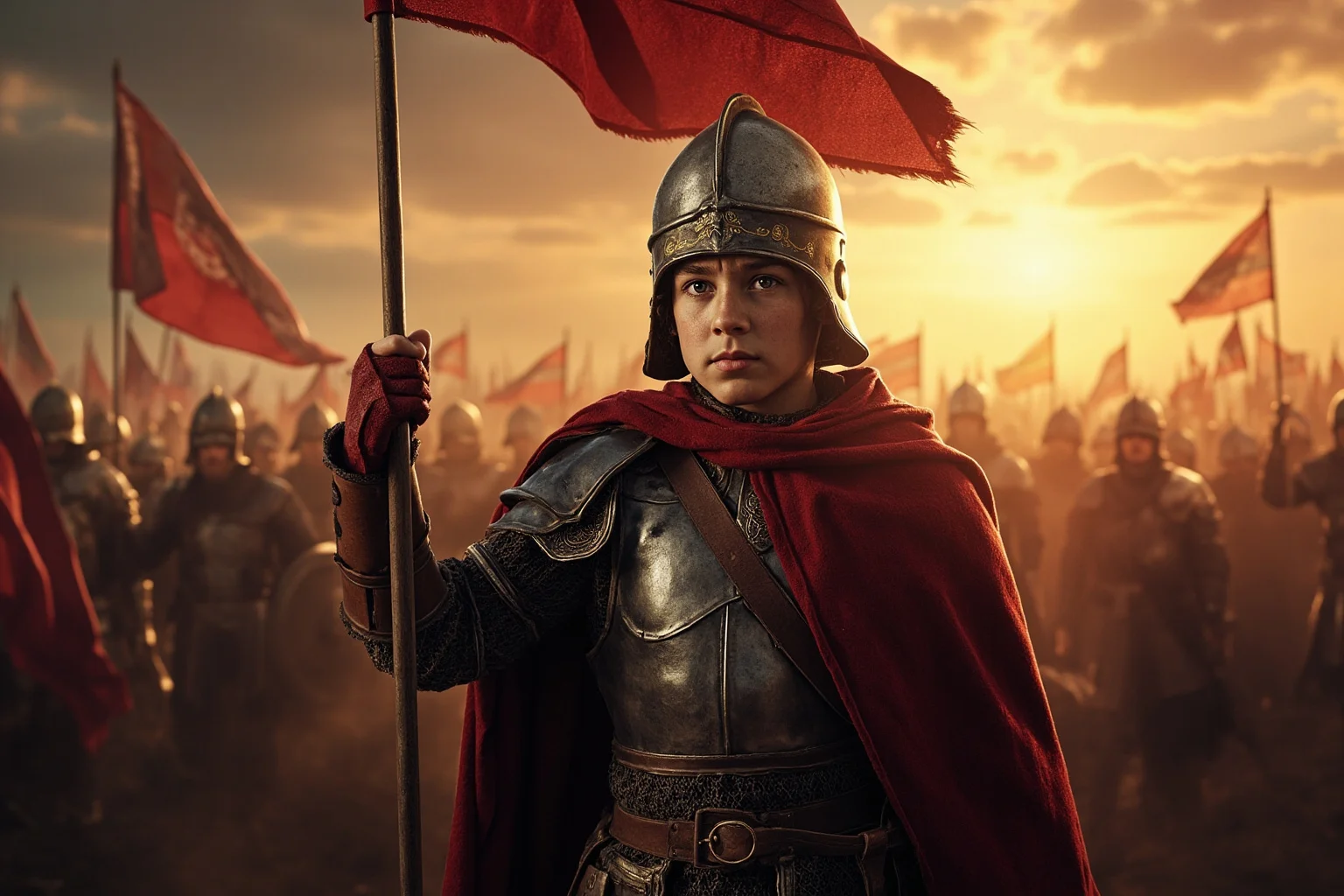
Joan of Arc was a teenage peasant girl who claimed divine visions and convinced French military leaders to let her help lead troops during the Hundred Years’ War. She played a key role in lifting the Siege of Orléans in 1429, an achievement remarkable given her age, gender, and lack of formal military training.
She was later captured, tried by an English-aligned church court, and burned at the stake in 1431 on charges that were posthumously overturned decades later. The French crown, and later the Catholic Church, eventually rehabilitated her reputation, and she was canonized as a saint in 1920.
7. Ching Shih
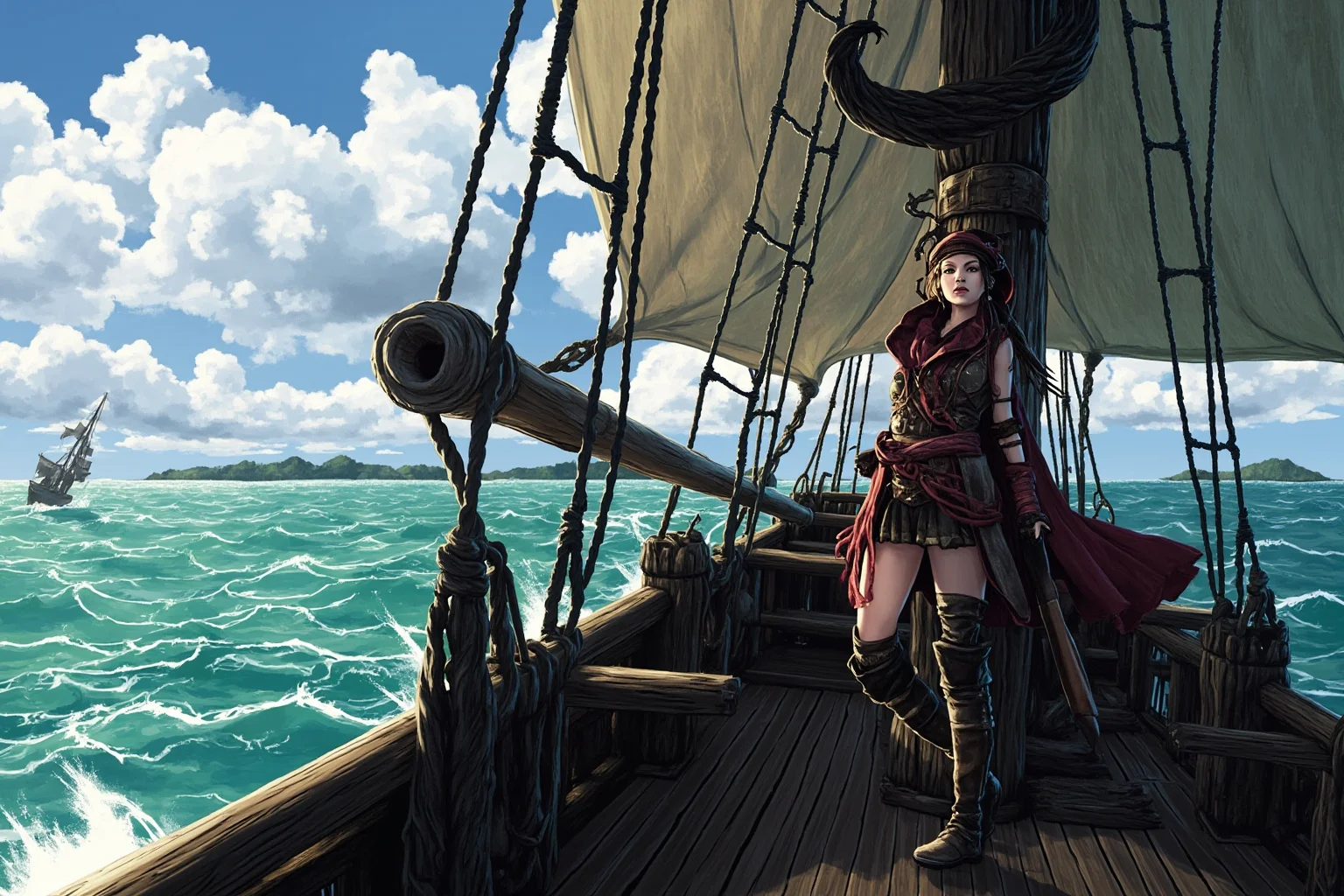
Ching Shih commanded one of the largest pirate fleets in history along the South China Coast in the early 1800s, reportedly controlling tens of thousands of sailors across hundreds of ships. She started as a sex worker in Canton before marrying a pirate leader and taking over the fleet after his death.
Rather than being defeated, she negotiated an amnesty with the Qing government, kept her fortune, and retired to run a gambling house. Her career is a striking counterpoint to the male-dominated pirate stories most people know from Western folklore.
8. Ada Lovelace
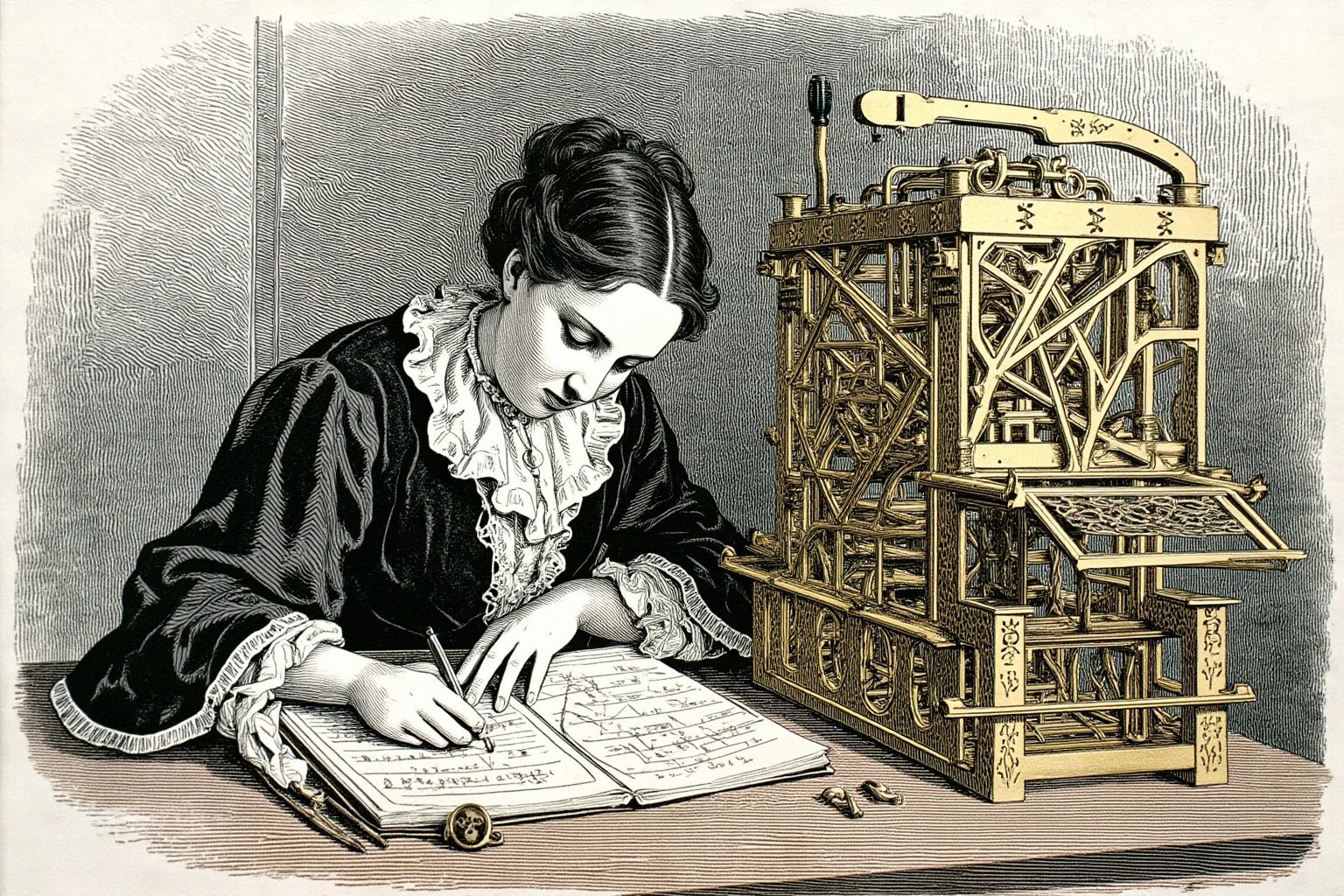
Ada Lovelace worked with inventor Charles Babbage on his proposed Analytical Engine in the 1840s and wrote what many historians consider the first published algorithm intended for a machine. Her notes went well beyond simple calculation, describing how such a machine could theoretically process more than just numbers.
Because Babbage’s engine was never fully built during their lifetimes, her ideas remained largely theoretical until the 20th century, when computing pioneers rediscovered her work. She’s now widely honored as an early visionary of computer science, even though the field didn’t exist in any formal sense yet.
9. Nikola Tesla

Tesla’s work on alternating current transformed how electricity could be generated and distributed across long distances, putting him in direct commercial rivalry with Thomas Edison during the so-called “War of Currents.” Despite his technical brilliance, he struggled financially for much of his life and died with relatively modest resources.
Popular internet lore often exaggerates Tesla into a lone misunderstood genius who invented nearly everything modern, which oversimplifies a more complicated reality involving many collaborators and competitors. His genuine contributions to electrical engineering are impressive enough without the embellishment.
10. Harriet Tubman
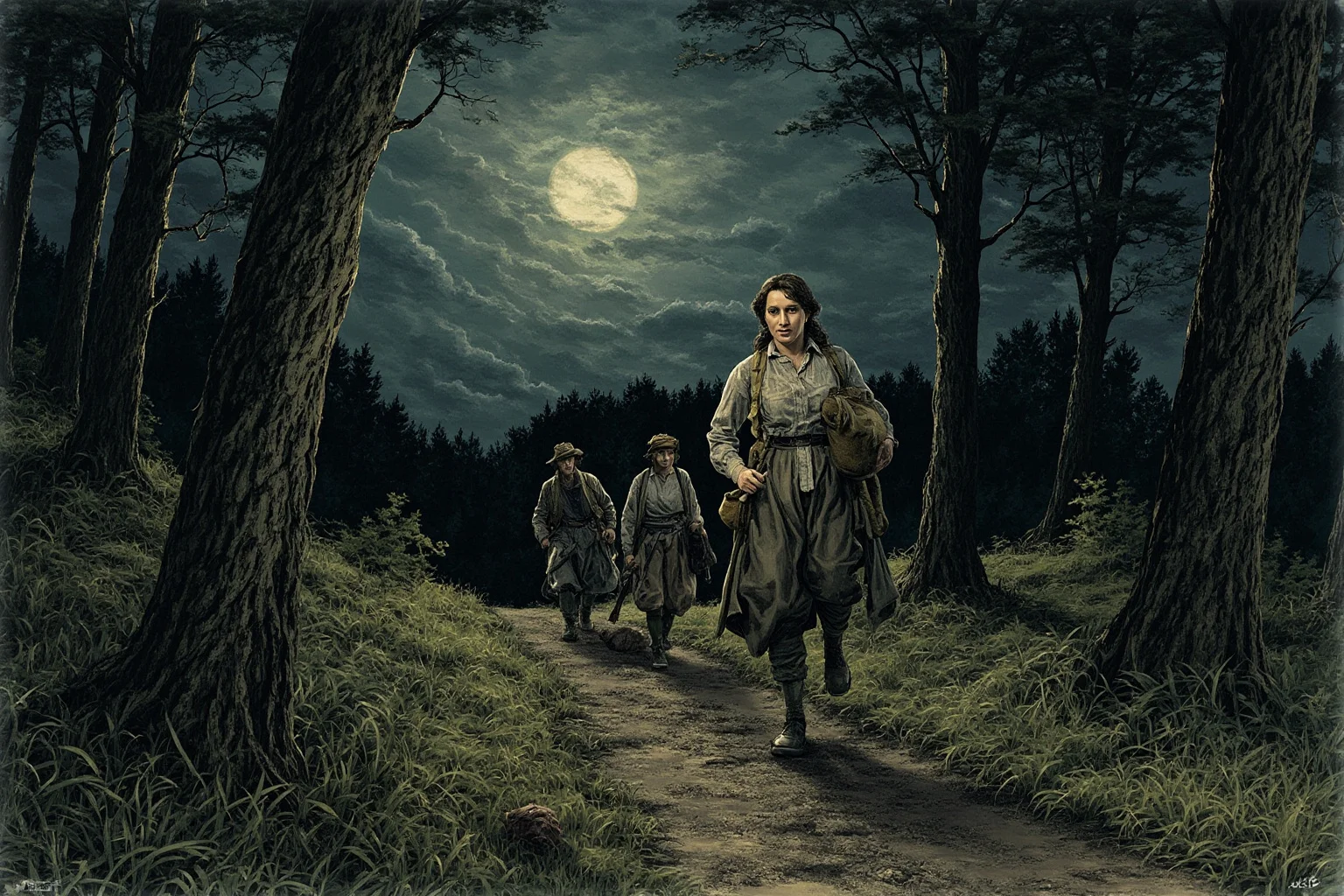
Harriet Tubman escaped slavery in Maryland in 1849 and went on to make roughly thirteen rescue missions back into slaveholding territory, guiding dozens of enslaved people to freedom via the Underground Railroad. She later served as a scout and spy for Union forces during the Civil War, making her one of the few women to lead an armed military operation in that conflict.
She survived a severe head injury in her youth that caused lifelong seizures and vivid dreams, which she interpreted through her deep religious faith. Her later years were devoted to advocacy for women’s suffrage and support for elderly formerly enslaved people.
11. Grigori Rasputin
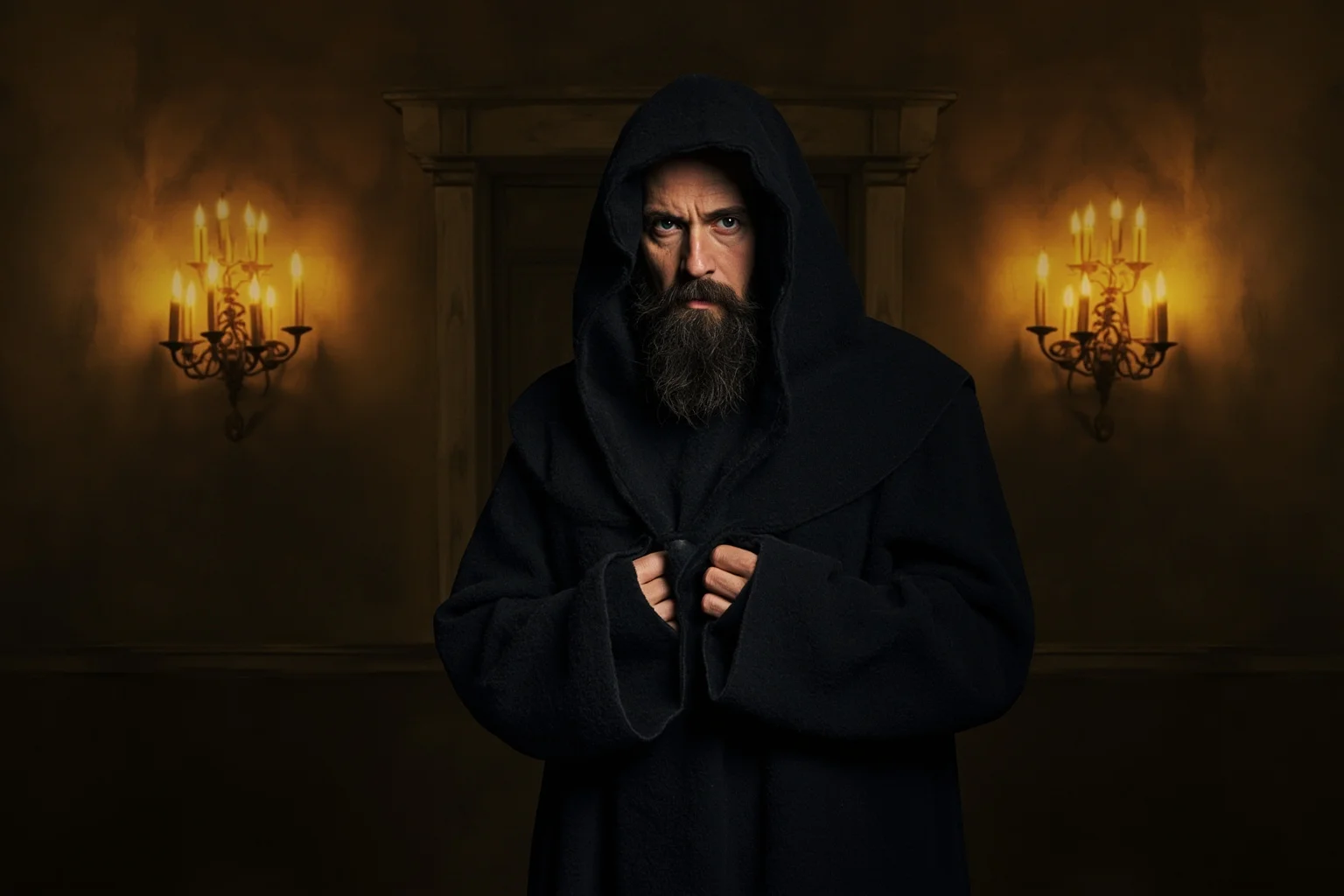
Rasputin was a Russian mystic who gained enormous influence over Tsar Nicholas II’s family, largely through his apparent ability to ease the suffering of the hemophiliac heir, Alexei. Rumors about his supposed supernatural powers and scandalous behavior circulated widely, though many of these stories were exaggerated by political rivals.
His assassination in 1916 has become the stuff of legend, with popular tales claiming he survived poison, gunshots, and drowning before finally dying. Historians generally treat the most dramatic versions of his death with skepticism, since accounts come mainly from the conspirators themselves.
12. Nellie Bly
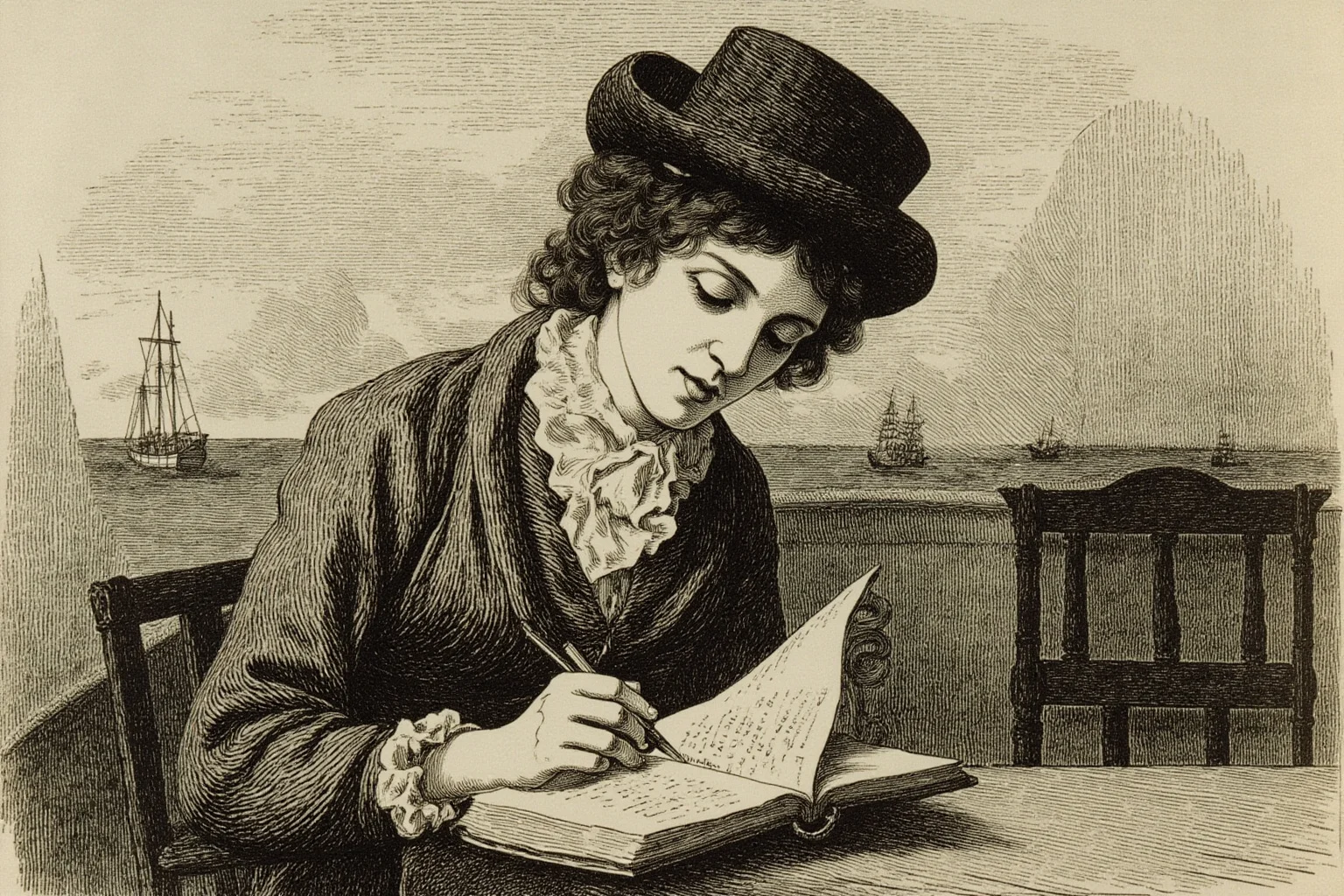
Nellie Bly was an American journalist who, in 1887, feigned mental illness to get admitted to a New York asylum and expose its abusive conditions from the inside, a pioneering piece of investigative reporting. Her published account led to real reforms in how patients were treated in the facility she investigated.
In 1889 she raced around the world in just over 72 days, beating the fictional 80-day benchmark from Jules Verne’s novel and becoming an international celebrity. She proved that a woman could pursue hard-hitting journalism and daring adventure in an era that often confined women to soft news topics.
13. Alexander the Great
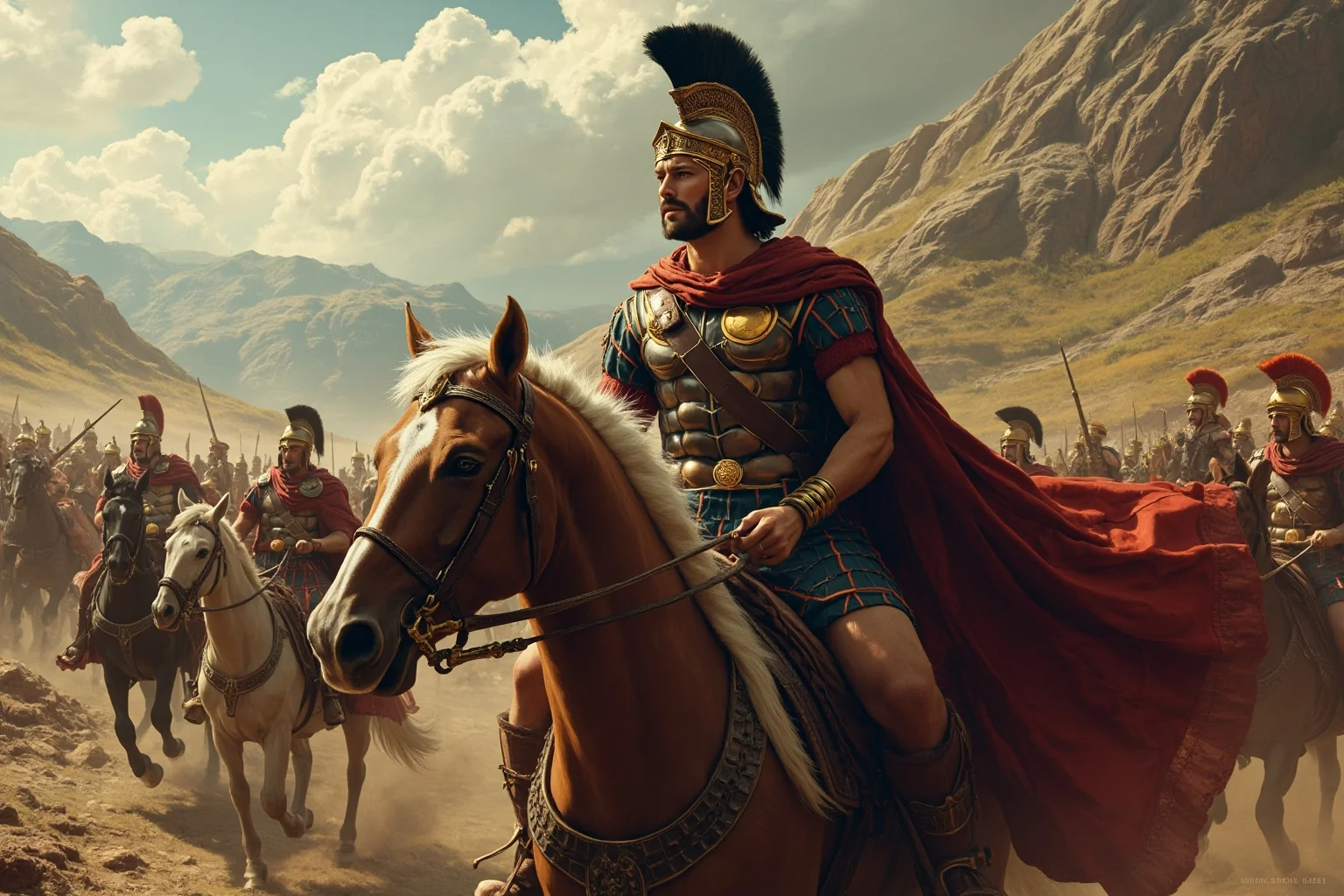
Alexander inherited the Kingdom of Macedon at 20 and spent the next decade conquering territory stretching from Greece to northwestern India, creating one of the largest empires the ancient world had seen and cementing his place among the most recognized historical figures of all time. He studied under Aristotle as a young man, which shaped his interest in the cultures he later encountered.
His empire fractured quickly after his death in 323 BCE, since he left no clear, stable succession plan. Even so, the Hellenistic culture his conquests spread influenced art, language, and science across the Mediterranean and Near East for centuries.
14. Wu Zetian
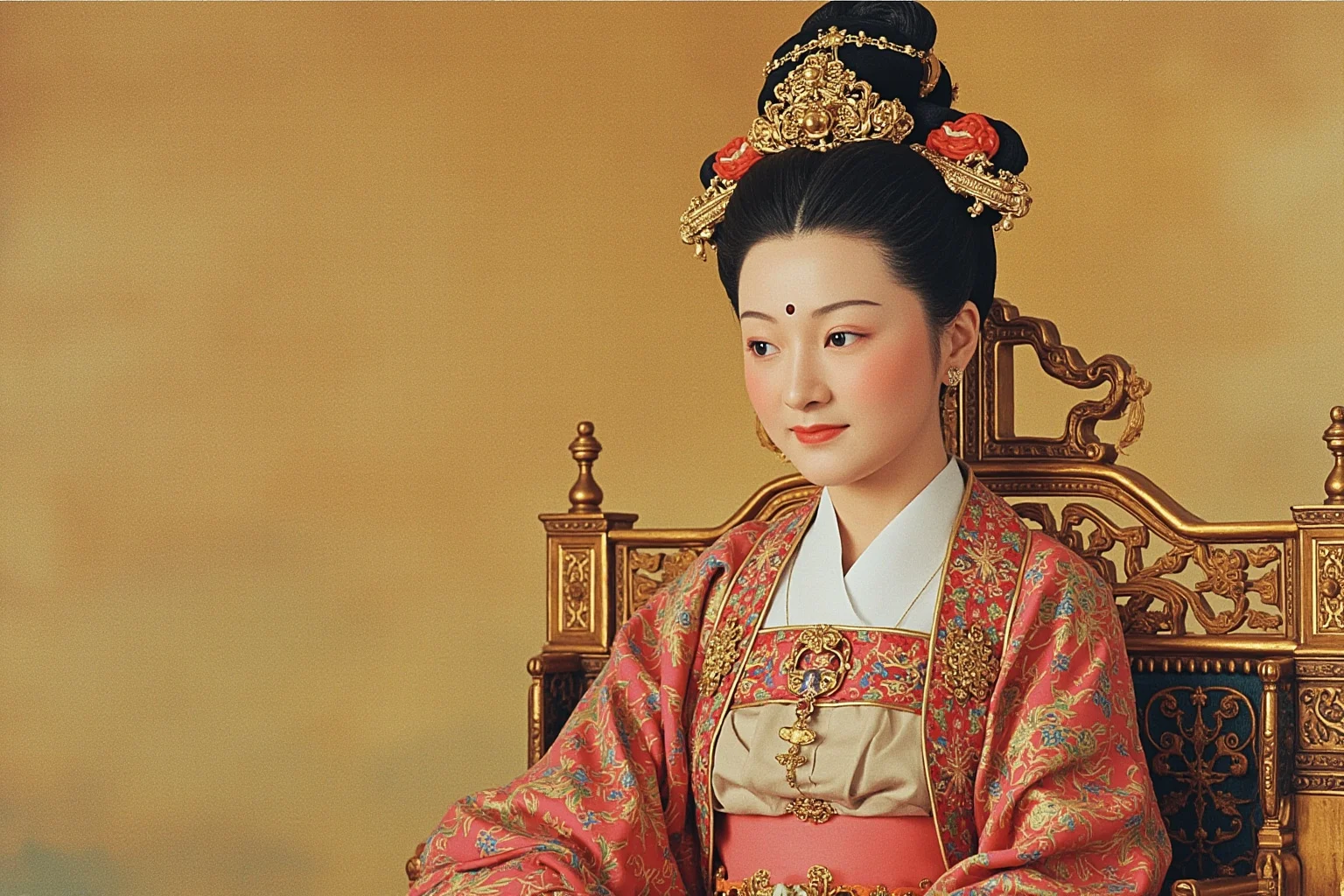
Wu Zetian is the only woman to rule China as emperor in her own right, a rare feat that places her among history’s most powerful women, seizing power during the Tang Dynasty and founding the short-lived Zhou Dynasty in 690 CE. She expanded the imperial examination system, opening government positions to talented commoners rather than only aristocrats.
Later Confucian historians, uncomfortable with a female ruler, portrayed her as ruthlessly cruel, and some of those accounts are now considered politically motivated exaggerations. Modern historians view her reign as generally effective, marked by administrative reform and relative stability.
15. Ibn Battuta
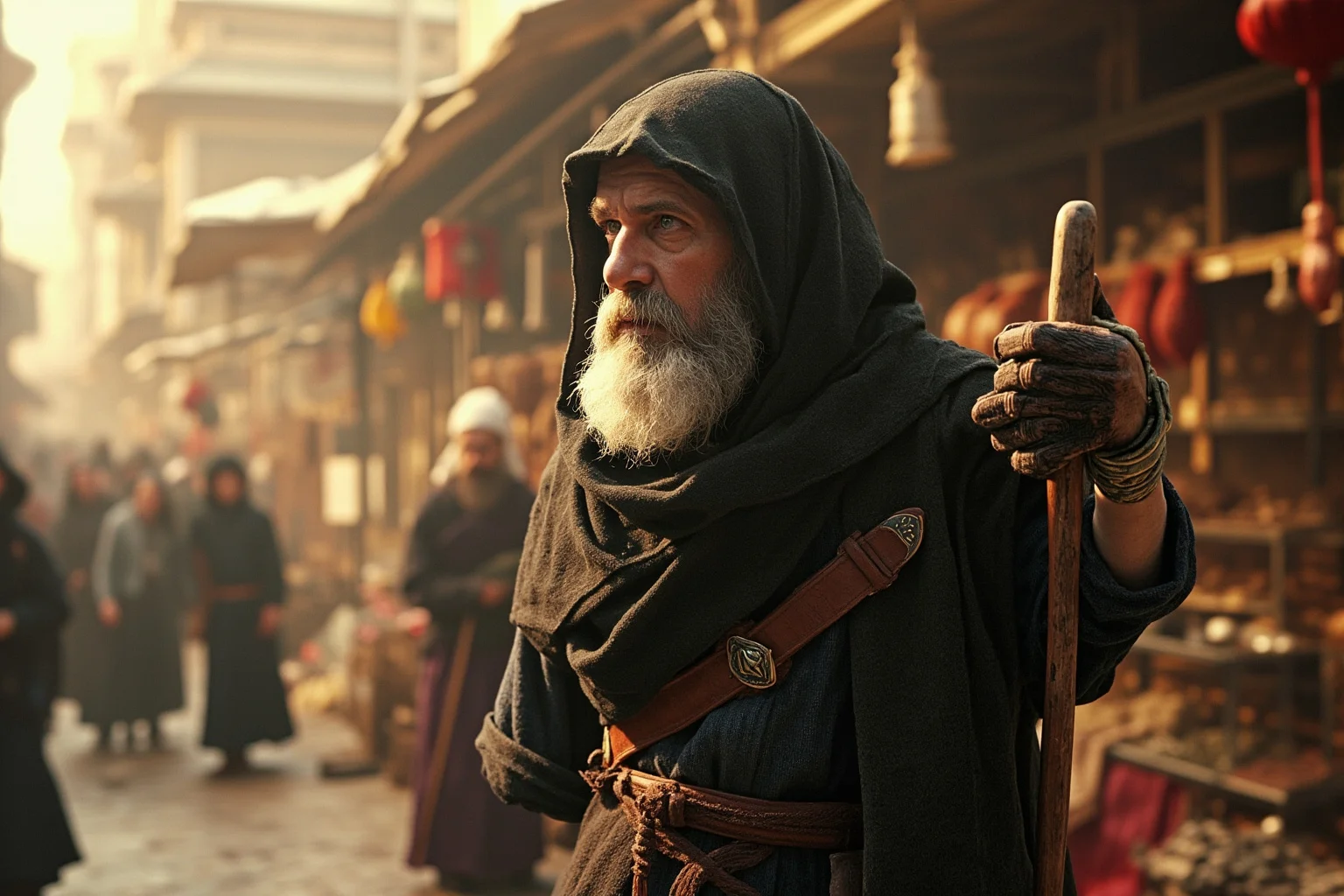
Ibn Battuta was a 14th-century Moroccan scholar who traveled roughly 75,000 miles across Africa, the Middle East, South Asia, and China, an extraordinary distance for the era. He originally set out on a pilgrimage to Mecca but kept extending his journey for nearly three decades.
His travel account, the Rihla, remains one of the richest surviving descriptions of the medieval Islamic world and beyond. Some details in his writing are difficult to verify independently, so historians treat parts of it as valuable but not always fully precise.
16. Benjamin Franklin
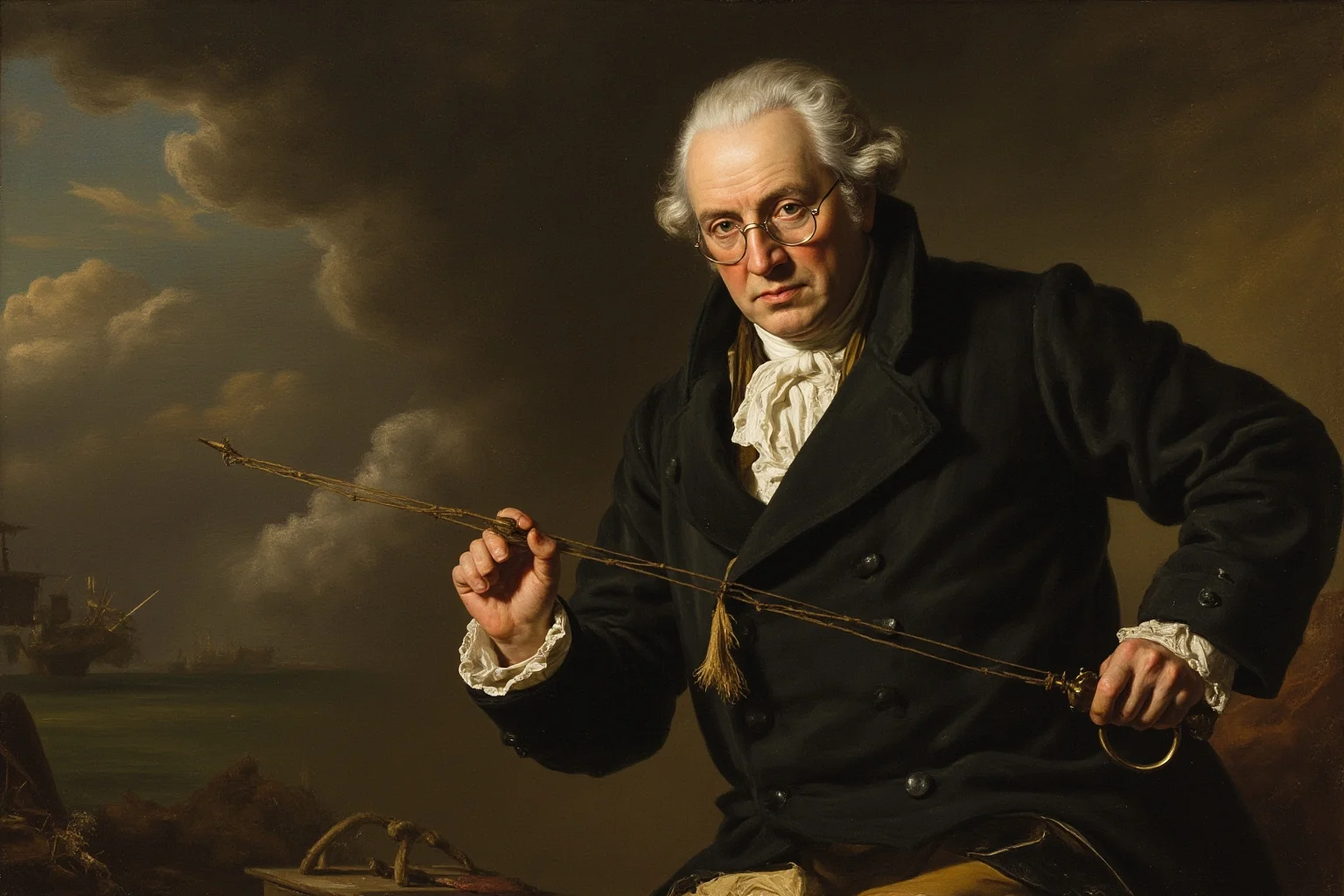
Franklin was a printer, scientist, diplomat, and one of the American Founding Fathers, and his curiosity extended into electricity, meteorology, and even early bifocal lens design, earning him a lasting place among the greatest American inventors in history. His famous kite experiment with lightning is often retold with more drama than the historical record actually supports, though his broader electrical research was genuinely significant.
He also negotiated crucial French support during the American Revolution, a diplomatic achievement arguably as important as any of his scientific work. Few figures from the era combined practical invention with political skill quite as effectively.
17. Mata Hari

Mata Hari was a Dutch exotic dancer executed by French firing squad in 1917 on espionage charges during World War I. The evidence against her was thin and largely circumstantial, and many historians now believe she was scapegoated amid wartime paranoia rather than proven to be an effective spy.
Her reinvented stage persona, drawing on Javanese dance she’d studied while living in the Dutch East Indies, made her a sensation in Parisian society before the war. The gap between her flamboyant public image and the flimsy legal case against her makes her one of history’s more unsettling injustices.
18. Catherine the Great
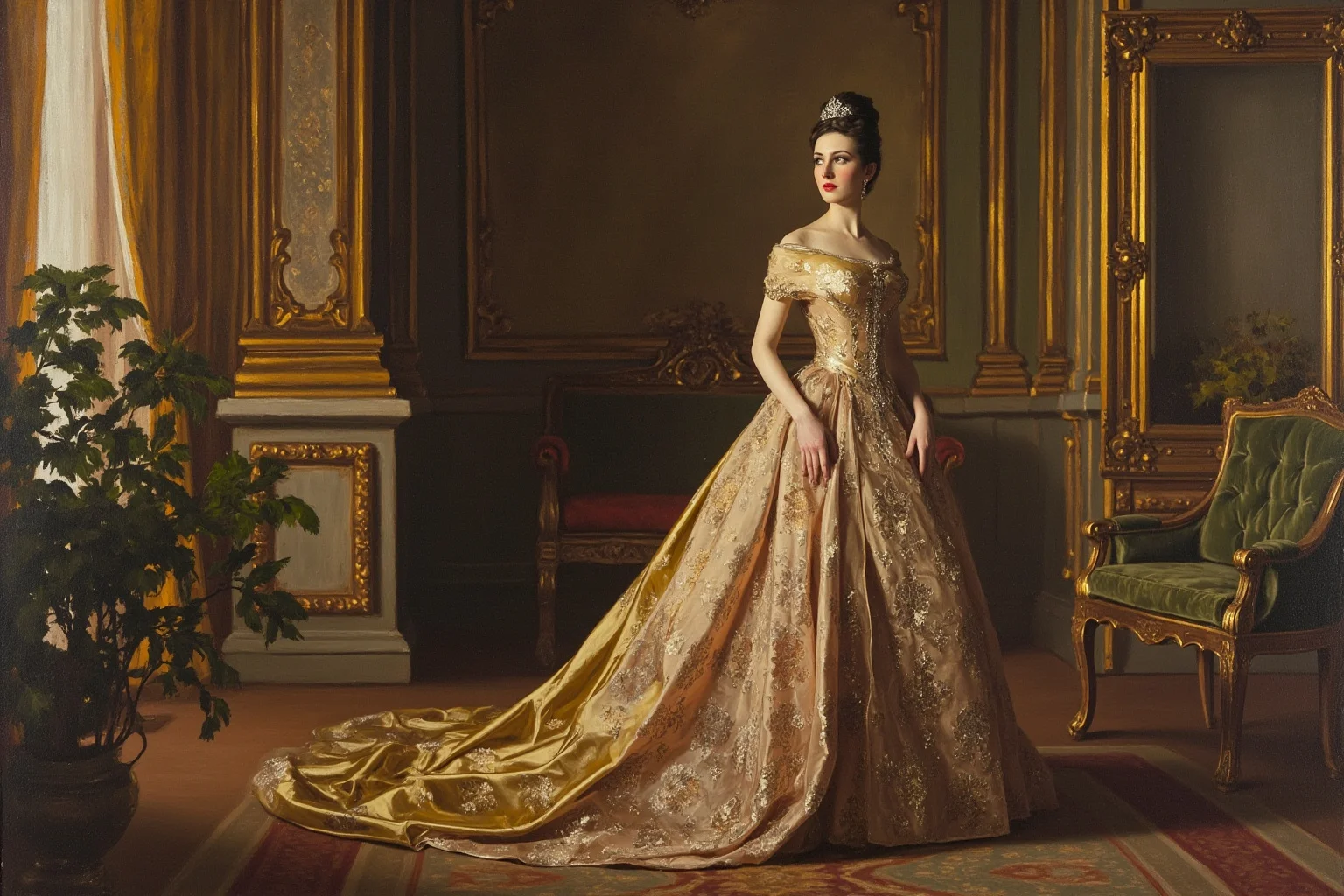
Catherine seized the Russian throne in a 1762 coup against her own husband, Peter III, and went on to expand Russian territory significantly while pursuing Enlightenment-influenced reforms, cementing her place among the ranks of history’s most powerful women. She corresponded with philosophers like Voltaire and supported the arts, education, and modernization efforts throughout her reign.
Persistent rumors about her personal life, including one famously false story involving a horse, were largely political smears invented by rivals after her death. Her genuine record as a capable, ambitious ruler is more interesting than the manufactured scandal.
19. Zheng He
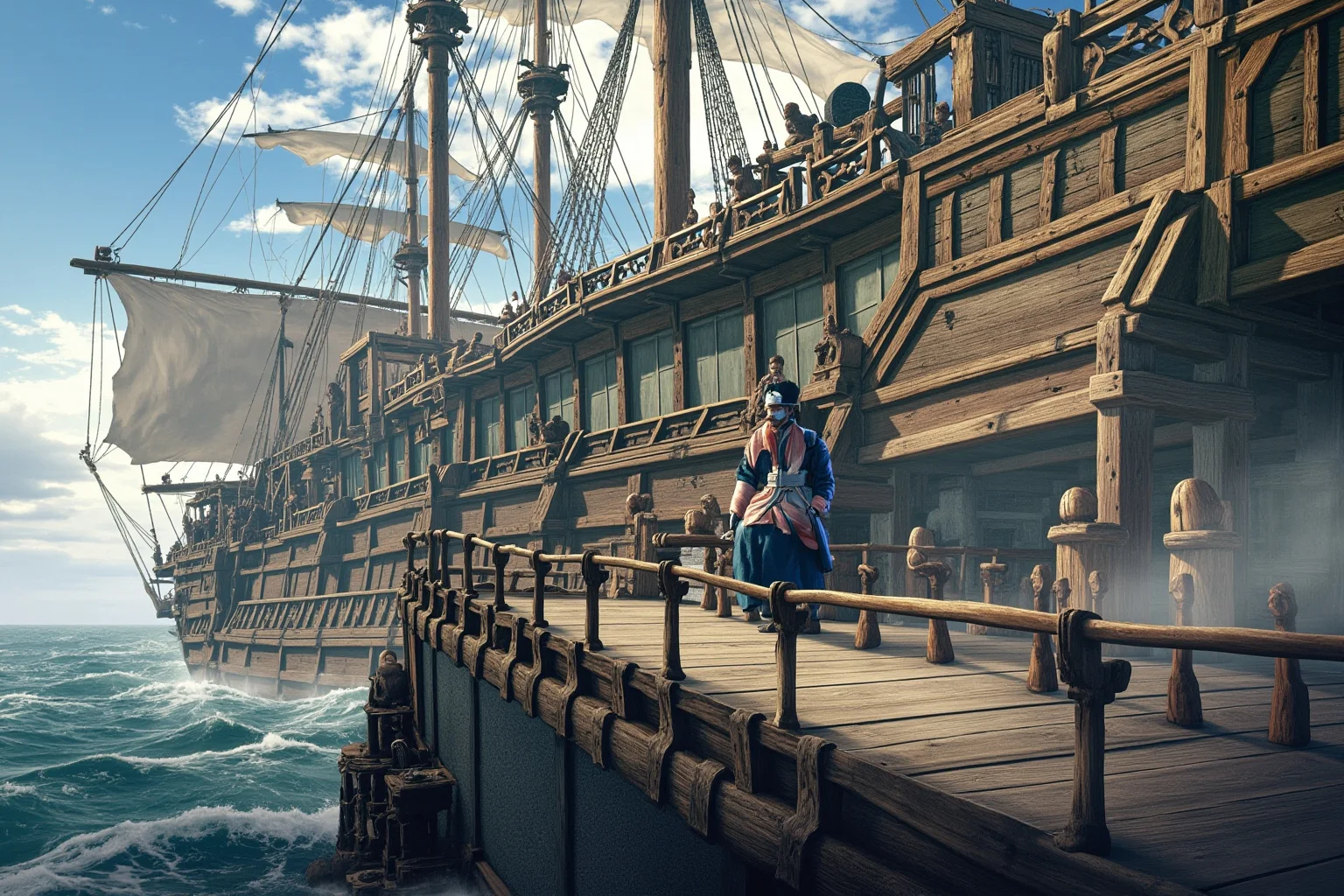
Zheng He commanded massive Ming Dynasty fleets on seven voyages across Southeast Asia, India, the Arabian Peninsula, and East Africa in the early 1400s, decades before major European age-of-exploration voyages. His ships were reportedly far larger than anything Europe was building at the time.
As a Muslim eunuch serving the imperial court, his path to command was unusual within the Ming bureaucracy. China’s later decision to scale back these naval expeditions remains a notable historical turning point, since sustained expansion might have dramatically altered global trade patterns.
20. Frida Kahlo

Frida Kahlo turned personal physical suffering, including the effects of childhood polio and a severe bus accident in her teens, into some of the most distinctive self-portraiture of the 20th century, a legacy that keeps her among the most influential Hispanic historical figures. Her work blended Mexican folk traditions with surrealist influences, though she resisted being labeled purely a surrealist herself.
Her tumultuous marriage to muralist Diego Rivera, along with her political activism, added further layers to a life already marked by physical pain and artistic reinvention. She remains a powerful symbol of resilience in both art history and popular culture.
21. Sitting Bull
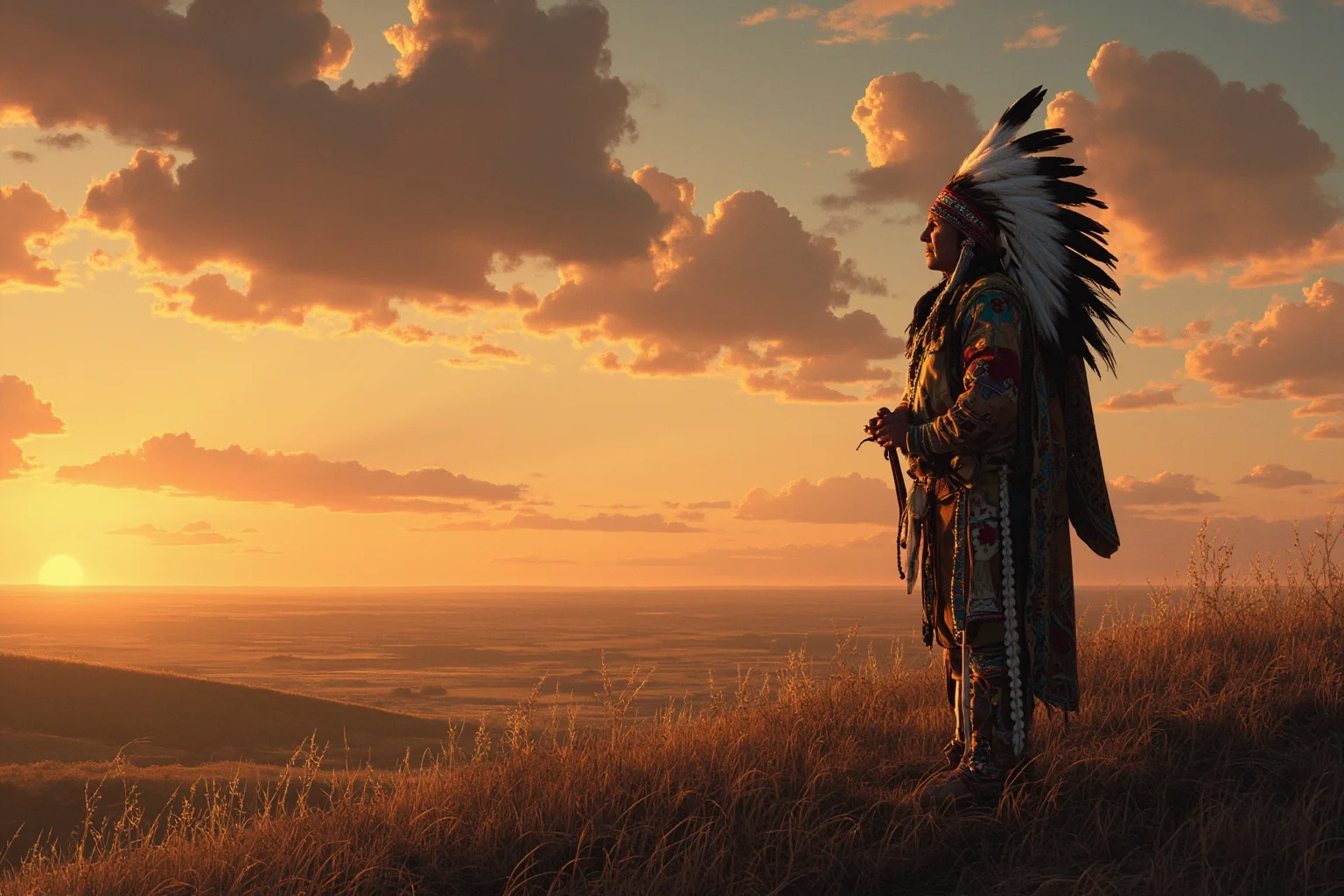
Sitting Bull was a Lakota leader who played a central role in the 1876 Battle of the Little Bighorn, where his people’s resistance helped defeat U.S. Army forces under General Custer. He was also a respected spiritual figure among the Lakota, and his visions ahead of the battle were later described as informing tribal strategy.
After years of resistance and a period of exile in Canada, he eventually returned to the United States, and later toured briefly with Buffalo Bill’s Wild West show. He was killed in 1890 amid tensions surrounding the Ghost Dance movement, a death still viewed by many historians as an avoidable tragedy.
22. Marie Curie

Marie Curie remains the only person to win Nobel Prizes in two different sciences, physics and chemistry, for her pioneering work on radioactivity. She discovered the elements polonium and radium alongside her husband Pierre, work that fundamentally reshaped atomic science.
Her research came at a steep personal cost, since prolonged radiation exposure likely contributed to the illness that eventually killed her. Her notebooks are still considered radioactive today and are stored with special precautions at the French National Library.
Where to Find More Interesting People to Research
If this list has you hungry for more interesting people to research, a good next step is looking at figures connected to major turning points rather than just famous names. Wars, scientific revolutions, and periods of major social change tend to produce the richest, most complicated biographies.
Primary sources are worth seeking out whenever possible, since so many popular stories about historical figures get exaggerated with each retelling. Letters, court records, and contemporary accounts usually paint a more nuanced picture than the internet meme version of any given person.
Regional and non-Western histories are also a goldmine that’s often underexplored in general history education. Figures like Ching Shih, Wu Zetian, Mansa Musa, and Zheng He show that fascinating lives weren’t confined to Europe or the ancient Mediterranean world.
Final Thoughts on History’s Most Fascinating Figures
There’s no single, official ranking of the most interesting people in history, and that’s part of what makes the subject endlessly rewarding to explore. Every generation of historians reexamines these figures with new evidence and new questions, which keeps even well-worn stories feeling fresh.
What ties this particular group together isn’t fame alone, but the way each person’s life resists a simple summary. Whether they were rewriting scientific understanding, defying the rules of their era, or simply surviving against long odds, these are the kinds of interesting historical people whose stories keep getting told because they still have something to teach us.
Frequently Asked Questions
Who is the most interesting person in the world, historically speaking?
There's no official answer, since "most interesting" is subjective, but historians and writers frequently nominate polymaths and boundary-breakers like Leonardo da Vinci, Marie Curie, or Cleopatra VII because their achievements and personal contradictions raise questions that are still debated today.
What actually makes a historical figure interesting rather than just famous?
Interesting figures usually combine genuine achievement, unusual circumstances, and some element of mystery or contradiction in their life story. Fame alone doesn't guarantee that; plenty of well-known rulers left fairly uneventful historical records once you look past their titles.
Who are good interesting people to research for a school project?
Figures with well-documented primary sources but less mainstream attention tend to make great research subjects, such as Ada Lovelace, Ching Shih, Wu Zetian, Mansa Musa, or Ibn Battuta. They offer rich material without being as overexposed as figures like Einstein or Cleopatra.
Was Cleopatra really as glamorous and scandalous as legend suggests?
Much of the seductive, scandalous image of Cleopatra came from Roman propaganda written by her political enemies after her death. The historical record shows a multilingual, politically savvy ruler focused primarily on preserving Egypt's independence.
Did Rasputin really survive poison and gunshots before dying?
The dramatic story of Rasputin surviving multiple assassination attempts before finally dying comes mainly from accounts by the conspirators themselves, and historians treat the most sensational details with considerable skepticism.
What’s the difference between a famous historical figure and an interesting one?
Famous simply means widely recognized, while interesting implies a story with genuine depth, contradiction, or unresolved mystery. Many interesting historical figures, like Ching Shih or Hypatia, are far less famous than rulers or generals with far less compelling personal stories.

Alex Warren
Related Articles





