When you picture a woman from the Middle Ages, does a silent figure locked in a tower come to mind—waiting, sewing, utterly powerless? That image owes more to Hollywood than to history.
Look at the actual record and you’ll find queens who commanded armies, abbesses who corresponded with popes, and merchant widows who ran trading networks spanning half of Europe.
The truth about women in medieval society is far messier and far more interesting than the myth. Some medieval ladies were confined by law and custom, yes, but others found remarkable routes to influence through marriage, inheritance, the Church, or sheer force of will.
This guide walks through what daily life was actually like for women across the period, then introduces 22 famous women of the Middle Ages whose stories still echo today, alongside our broader list of famous figures of the Middle Ages who shared their era.
TL;DR: Medieval women’s lives varied enormously by class and country, but queens, abbesses, and noblewomen across medieval Europe regularly wielded real political, religious, and economic power despite a legal system built around men.
What Was Life Really Like for a Lady in Medieval Times?
There was no single experience of being a woman in the Middle Ages. A peasant woman in rural France, a merchant’s wife in Bruges, and a queen in Castile lived in almost entirely different worlds, even though all three might be described as a “lady from medieval times” by modern shorthand. Social class, geography, and era mattered more than gender alone in shaping what a woman could and couldn’t do.
Most women worked. Peasant women farmed, brewed ale, spun wool, and sold goods at market alongside their domestic duties. In towns, women joined guilds, ran shops, and sometimes took over their late husbands’ businesses as widowed master craftswomen. The romantic image of a passive lady medieval times spent entirely on embroidery leaves out the vast majority of women who never saw the inside of a castle.
Noblewomen had a different set of constraints and opportunities. Marriage was primarily a political and economic tool, arranged to secure land, alliances, or peace between families. Yet a noble wife often managed vast estates, oversaw finances, and administered justice on her husband’s lands, especially whenever he was away at war or on crusade.
The Role of Women in the Middle Ages: Beyond the Damsel Myth
Legally, medieval Europe was patriarchal almost everywhere, and canon law and local custom generally placed women under the authority of a father or husband. Women typically couldn’t vote, sit on royal councils, or hold most official government posts. That said, the role of women in the Middle Ages was never as flat or uniform as later stereotypes suggest.
Inheritance law offers a good example of the nuance. In parts of England and France, women could inherit land and titles when there was no surviving male heir, which is precisely how figures like Empress Matilda and Eleanor of Aquitaine ended up controlling enormous territories. Widowhood, ironically, often gave women more legal independence than marriage did, since a widow could control her dower lands and run her own household.
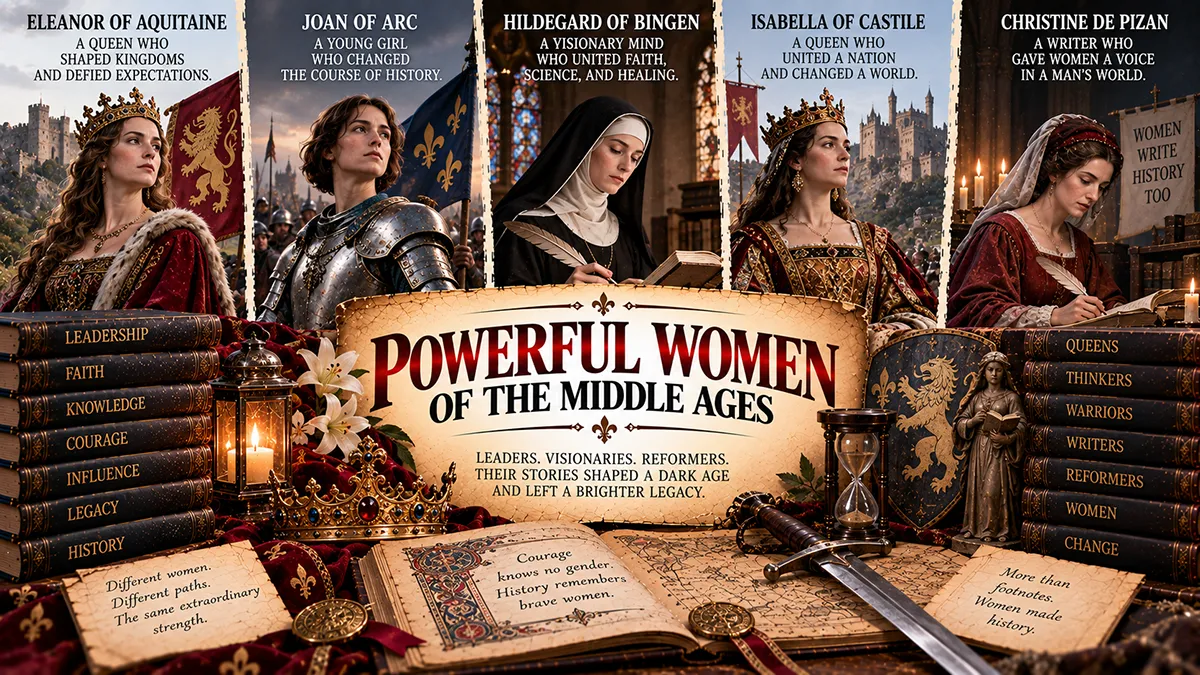
The Church offered another major avenue for female authority. Abbesses governed convents that functioned like small independent lordships, managing land, tenants, and considerable wealth. Some, like Hildegard of Bingen, became influential voices in theology, politics, and even medicine, corresponding directly with kings and popes.
Lords, Ladies, and the Machinery of Power
Understanding the relationship between a lord and lady in the Middle Ages helps explain how so many women ended up running the show. A feudal lord’s wife wasn’t simply a decorative consort; she was typically the estate’s chief administrator whenever her husband was absent, which for a knight or baron could mean months or years at a time. She collected rents, settled tenant disputes, coordinated harvests, and defended the castle if it came under siege.
Becoming a medieval noble lady involved training from childhood in household management, basic medicine, estate law, and often reading and writing in at least one language. These practical skills, not just etiquette, were what let noble women in the Middle Ages step into genuine positions of command. Several women on the list below took this further, ruling entire kingdoms or leading troops into battle in their own right.
22 Famous Women of the Middle Ages You Should Know
The following list moves roughly in chronological order, from the early medieval Byzantine court through the eve of the Renaissance. It includes queens of medieval Europe, warrior leaders, mystics, and writers, chosen because each left a documented, lasting mark on their world rather than a legendary or unverifiable one.
1. Theodora of Byzantium (c. 500–548)
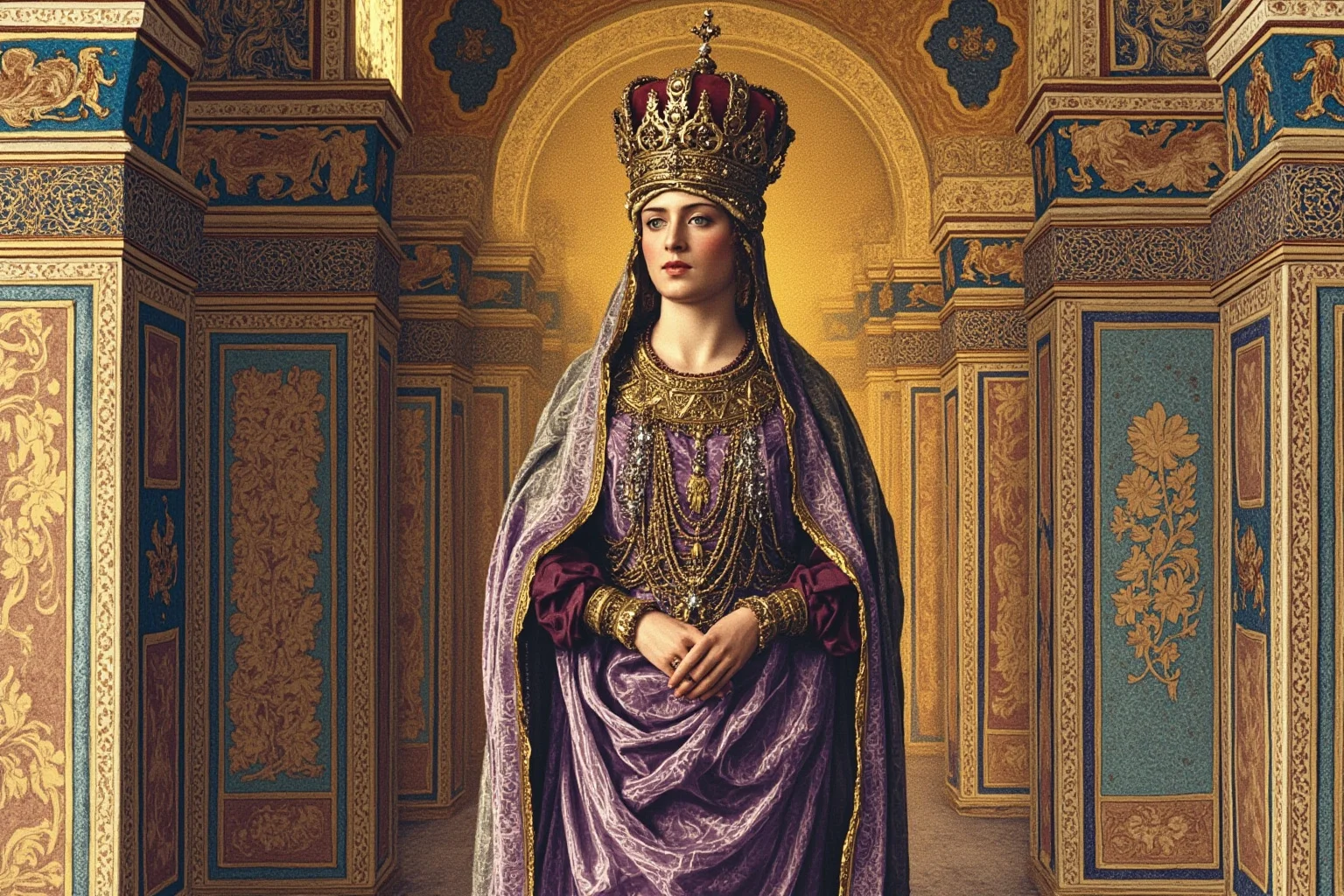
Theodora rose from a modest, even scandalous background to become empress consort of the Byzantine Empire alongside Justinian I, an empire that saw itself as the direct heir to the influential figures of ancient Rome who came before her. She is credited with pushing for legal reforms that improved women’s rights regarding divorce, property, and protections against forced prostitution. During the Nika riots of 532, contemporary sources credit her with urging Justinian to stand firm rather than flee, a moment that likely saved his throne.
2. Irene of Athens (c. 752–803)
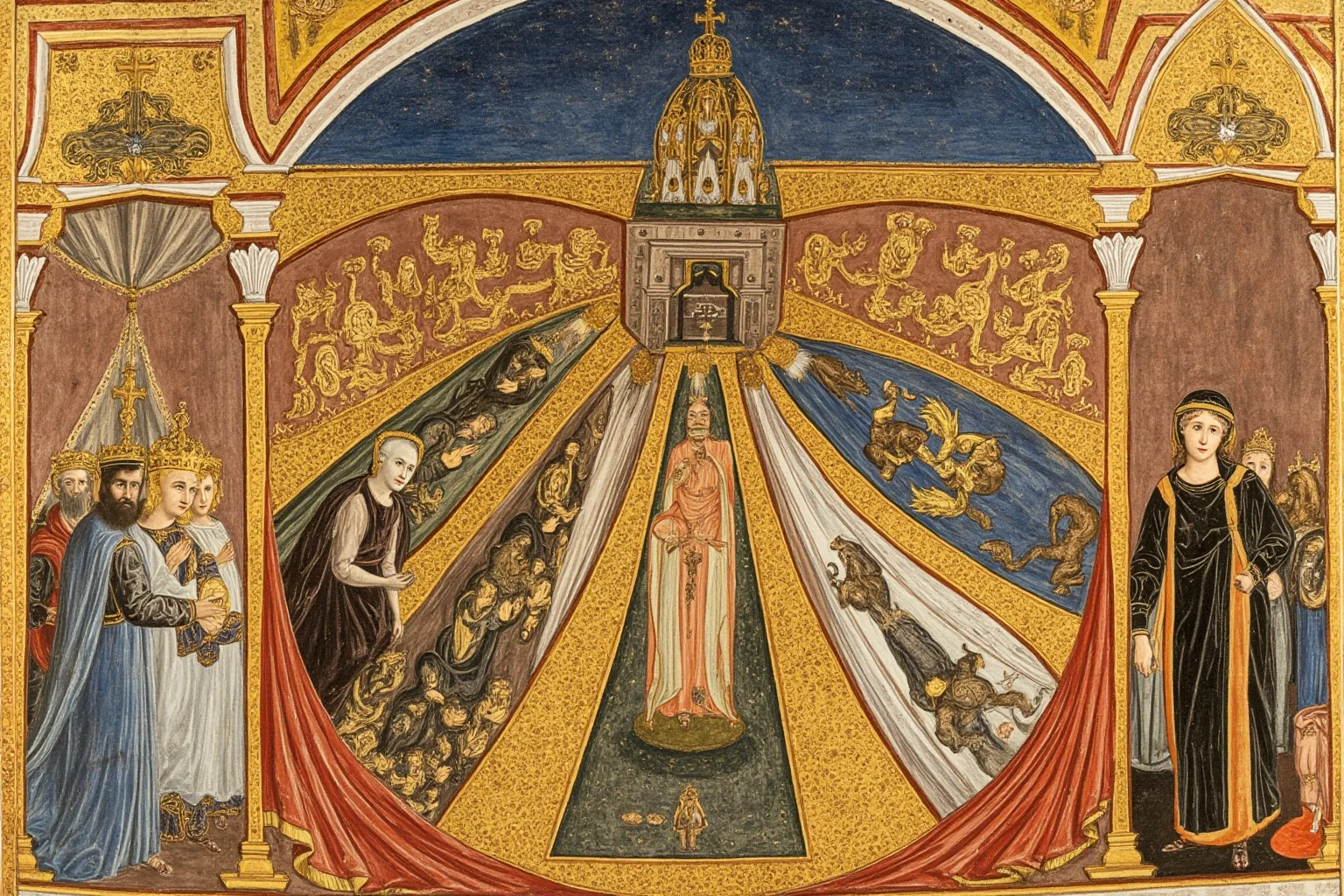
Irene served as regent for her son and later ruled the Byzantine Empire as sole empress, a rare feat for a woman in this era. She played a central role in restoring the veneration of icons after the first period of Byzantine iconoclasm. Her reign shows how far a determined woman could rise within the highly structured Byzantine court.
3. Æthelflæd, Lady of the Mercians (c. 870–918)
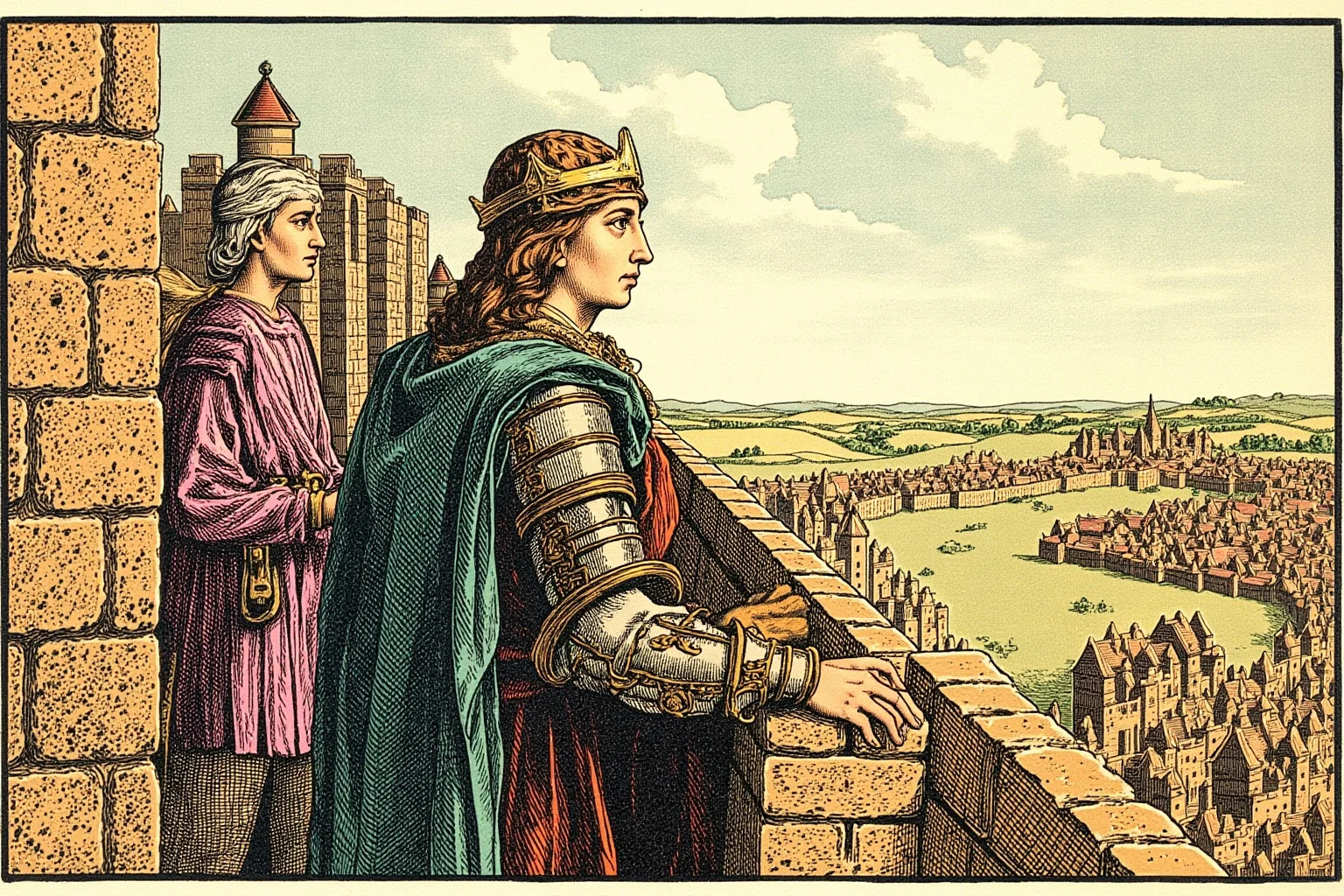
Æthelflæd ruled the Anglo-Saxon kingdom of Mercia in her own right after her husband’s death, an almost unheard-of arrangement in early medieval England. She built fortified towns and led military campaigns against Viking forces alongside her brother, King Alfred’s successor. Later English chroniclers remembered her simply as a warrior-ruler who defended her kingdom successfully for years.
4. Matilda of Tuscany (1046–1115)
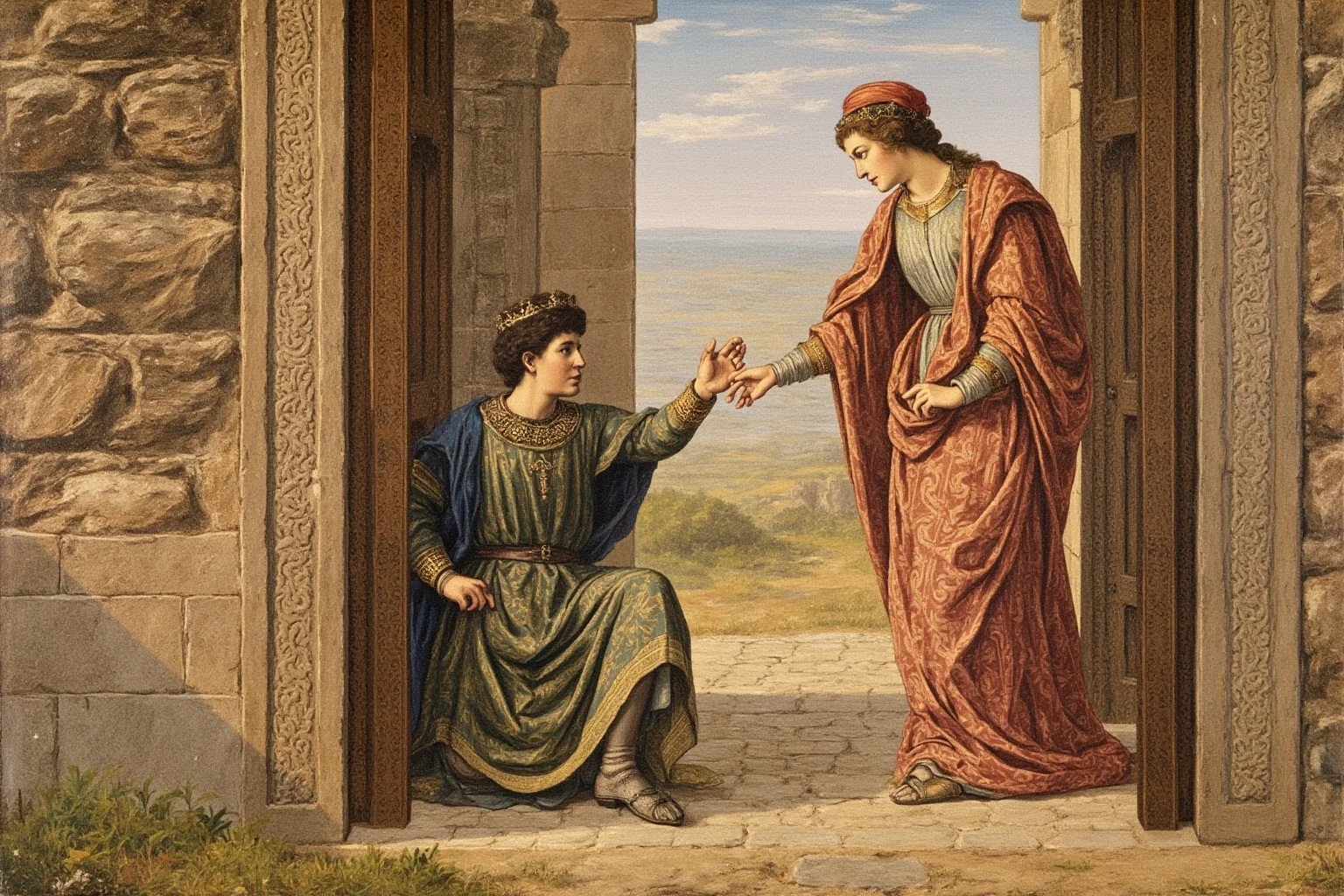
Known as “La Gran Contessa,” Matilda controlled vast territories in northern Italy and became one of the most important military and political allies of the papacy. She personally led troops during the Investiture Controversy, a major power struggle between the Pope and the Holy Roman Emperor. Her fortress at Canossa hosted the famous 1077 reconciliation between Pope Gregory VII and Emperor Henry IV.
5. Matilda of Flanders (c. 1031–1083)
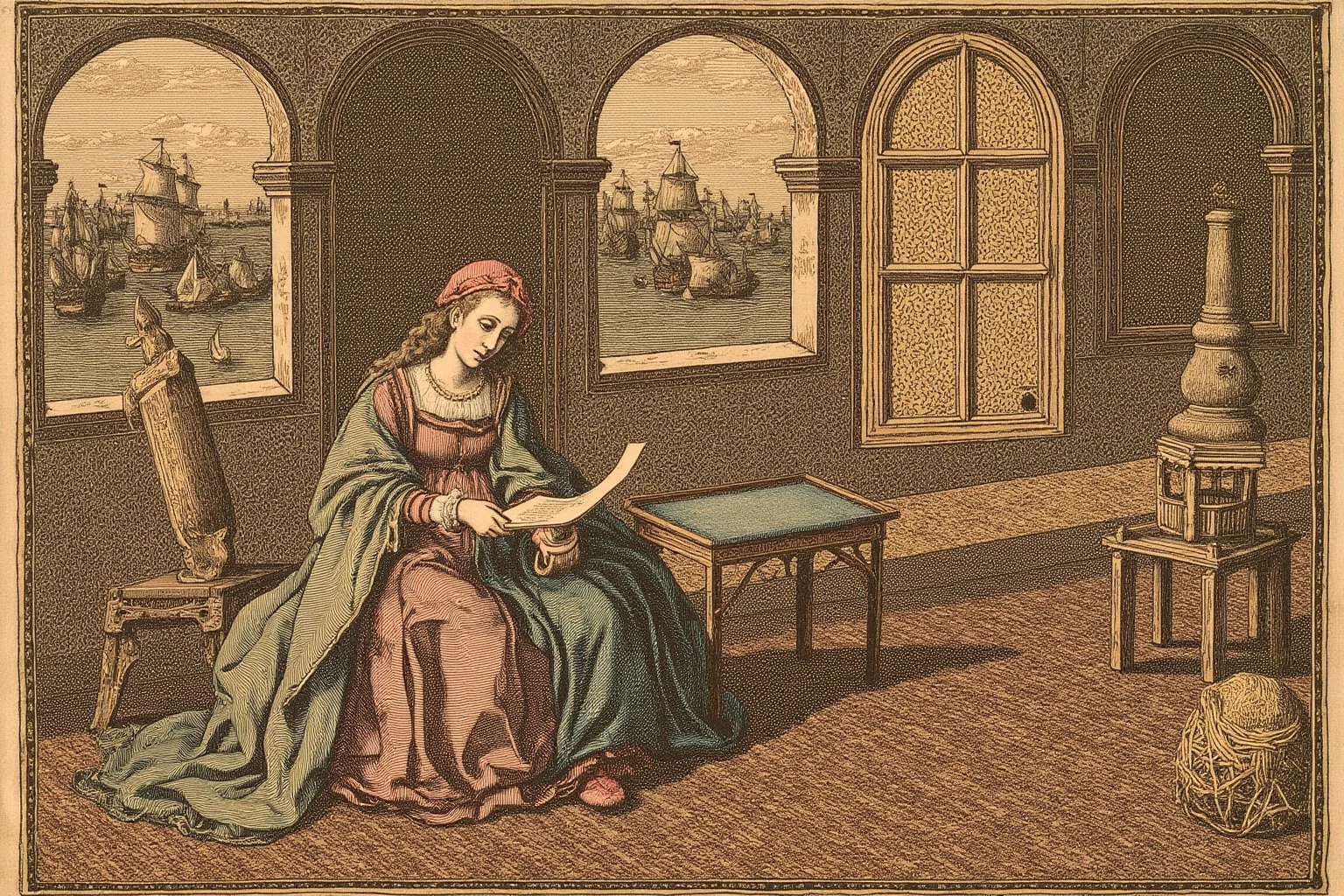
As wife of William the Conqueror, Matilda of Flanders served as regent of Normandy while William campaigned in England. She managed the duchy’s administration and finances competently enough that William trusted her with it repeatedly. She was crowned Queen of England in 1068, becoming one of the earliest queens of medieval Europe to hold real administrative responsibility across two territories at once.
6. Empress Matilda (1102–1167)
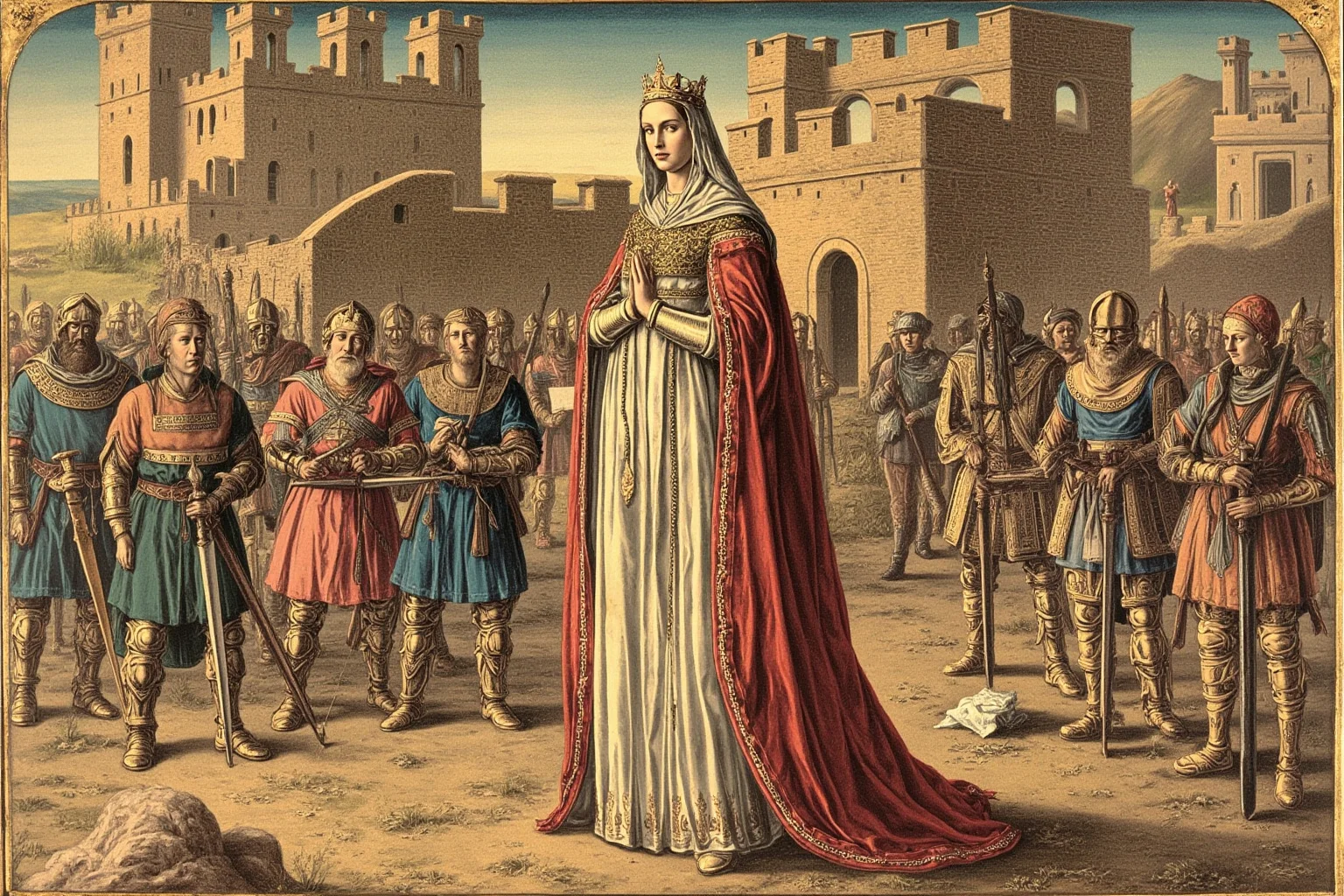
Matilda was named heir by her father, Henry I of England, but faced years of civil war known as the Anarchy when nobles balked at accepting a female ruler. She never secured the crown outright, yet she held territory, commanded loyal forces, and eventually negotiated that her son, later Henry II, would inherit the throne. Her struggle is one of the clearest examples of the resistance faced by women in medieval politics, even those with an unquestionable legal claim.
7. Urraca of León and Castile (1079–1126)
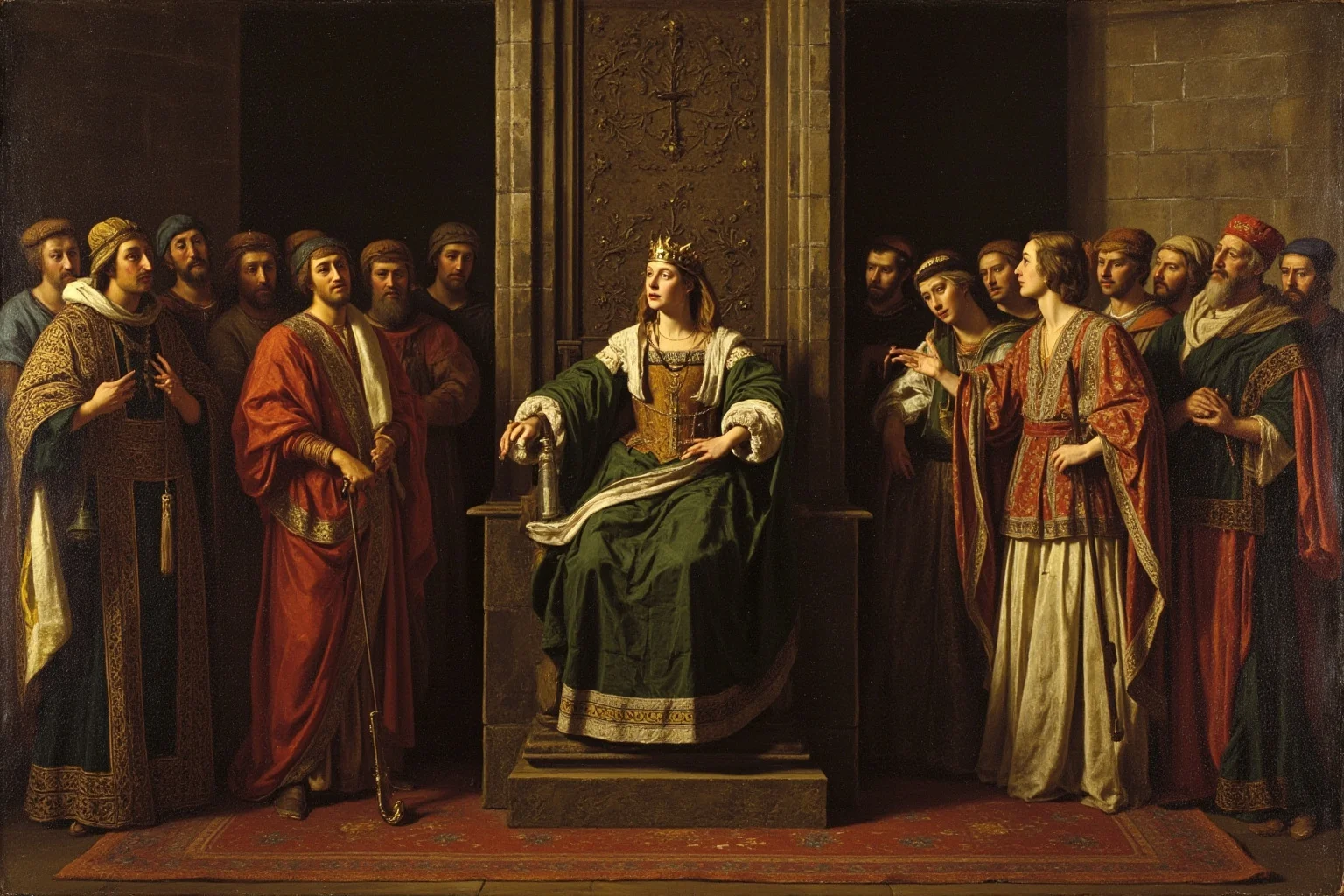
Urraca inherited the throne of León and Castile outright, ruling as queen regnant rather than merely a consort. She spent much of her reign fighting off challenges from her own husband and neighboring rulers who doubted a woman’s right to rule alone. Her reign remains one of the earliest examples of a woman holding a major Iberian crown in her own name.
8. Eleanor of Aquitaine (c. 1122–1204)
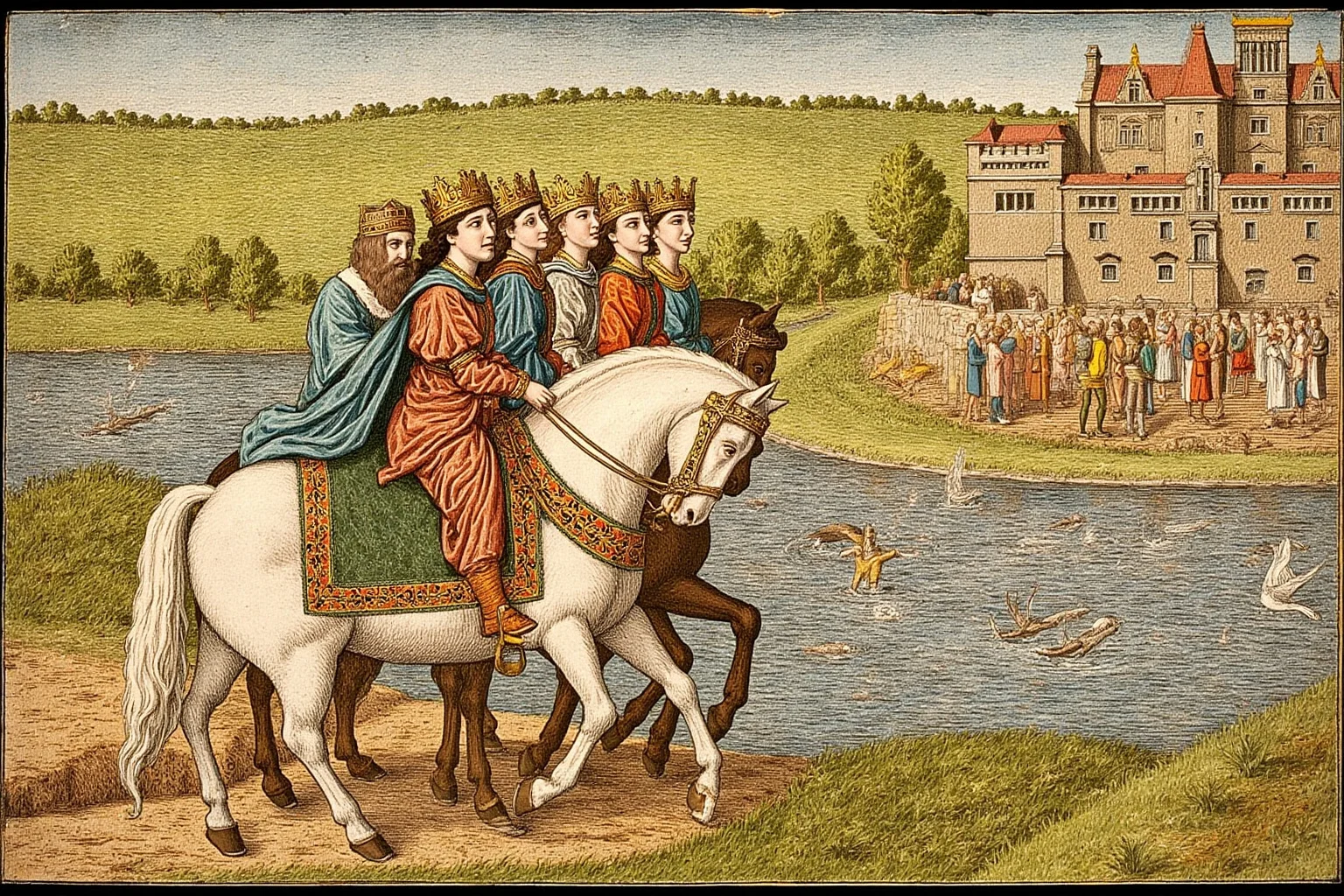
Few figures better capture the scale of medieval female power than Eleanor of Aquitaine. She was Queen of France through her first marriage, then Queen of England through her second, and she personally ruled the vast Duchy of Aquitaine for decades. She also acted as regent for her son Richard the Lionheart and helped negotiate his release from imperial captivity, remaining politically active into her seventies.
9. Hildegard of Bingen (1098–1179)
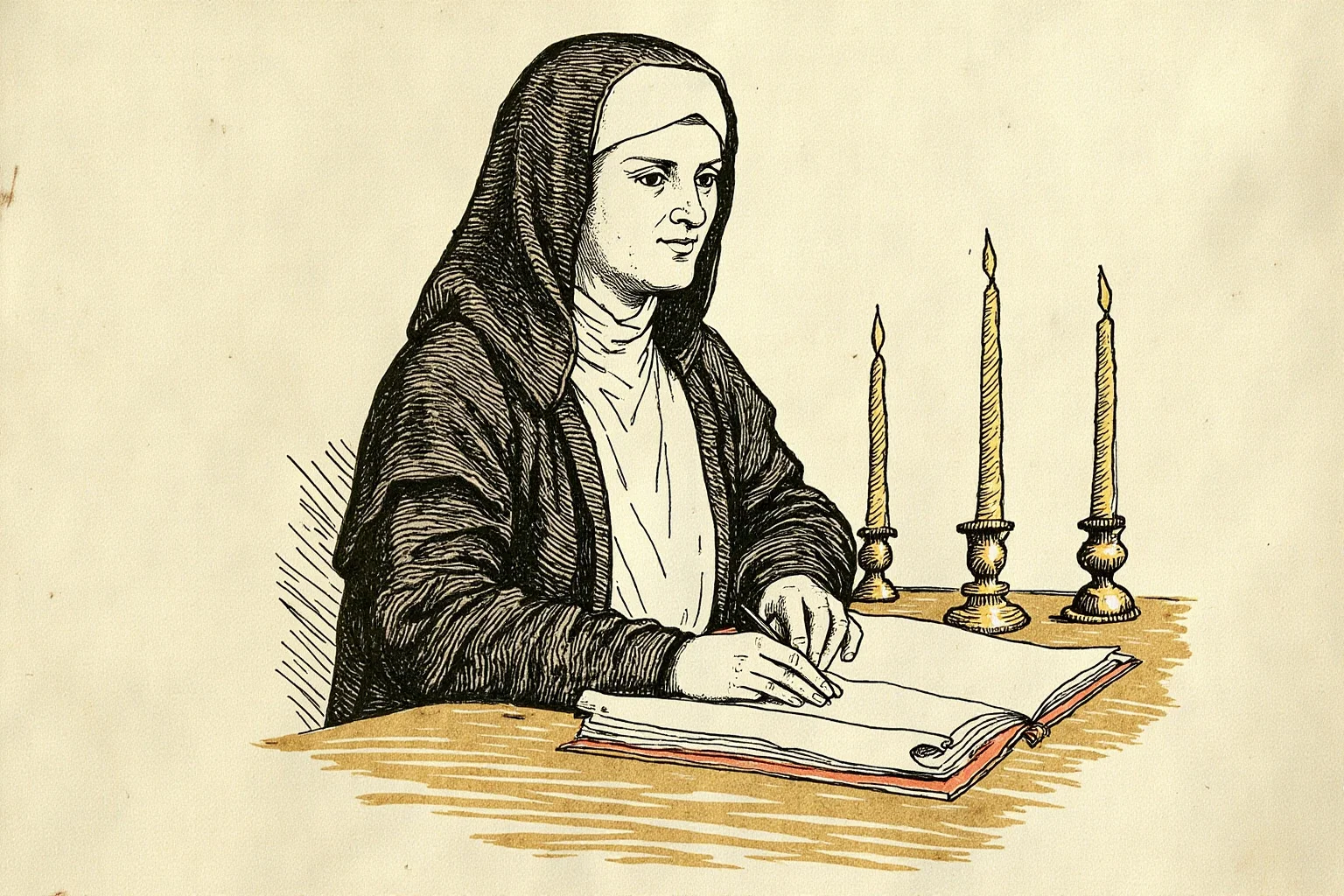
Hildegard was a Benedictine abbess, composer, and mystic whose writings on theology, medicine, and natural science were unusually wide-ranging for her time. Popes and emperors sought her counsel, and her musical compositions are still performed today. She’s often cited as one of the first named composers in Western music history, male or female.
10. Blanche of Castile (1188–1252)
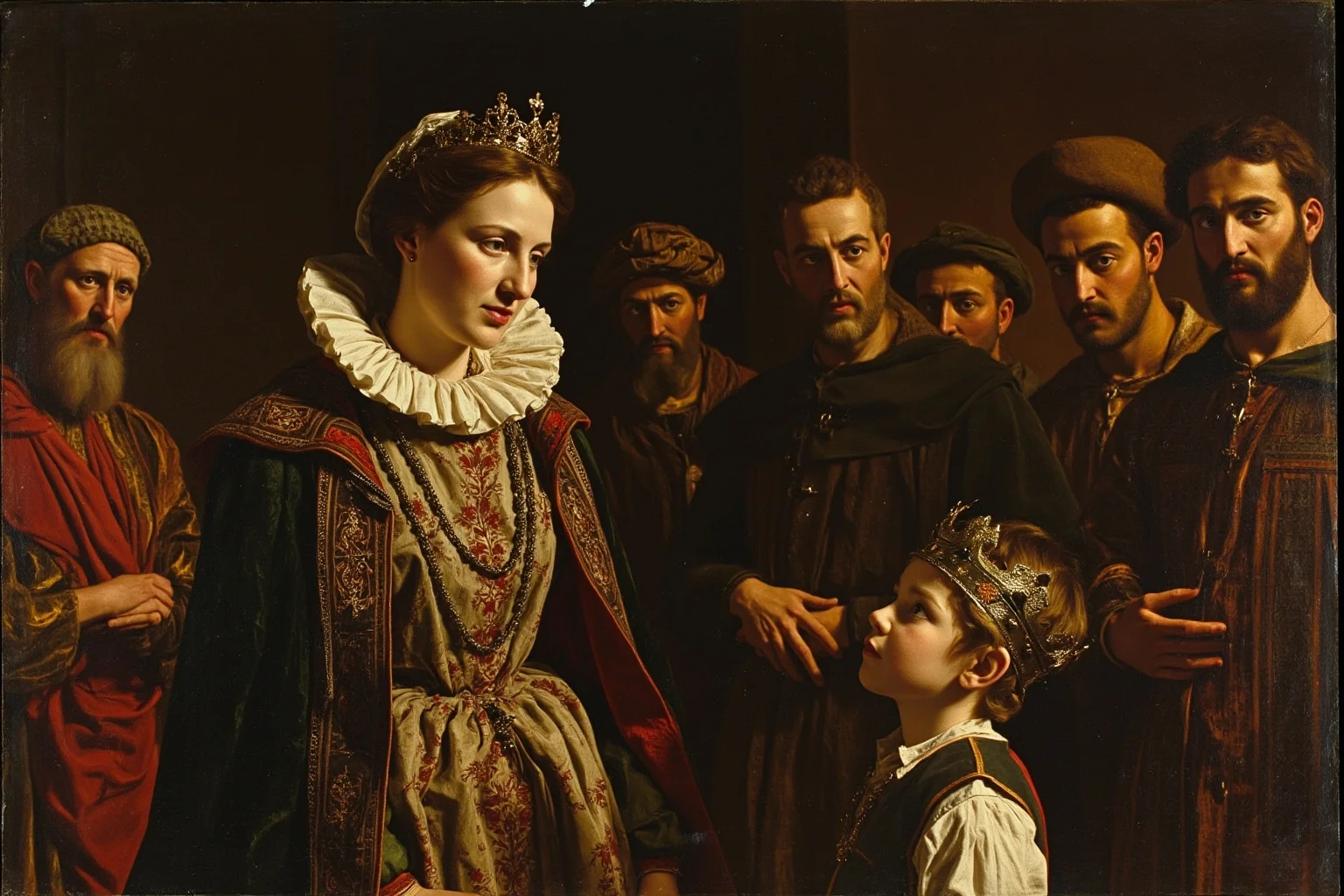
Blanche served as regent of France twice, first for her young son Louis IX and later while he was away on crusade. She crushed a major noble rebellion during her first regency and kept the kingdom stable through military and diplomatic skill. Her effective rule helped set a precedent for future French queens acting as capable regents.
11. Christine de Pizan (1364–c. 1430)
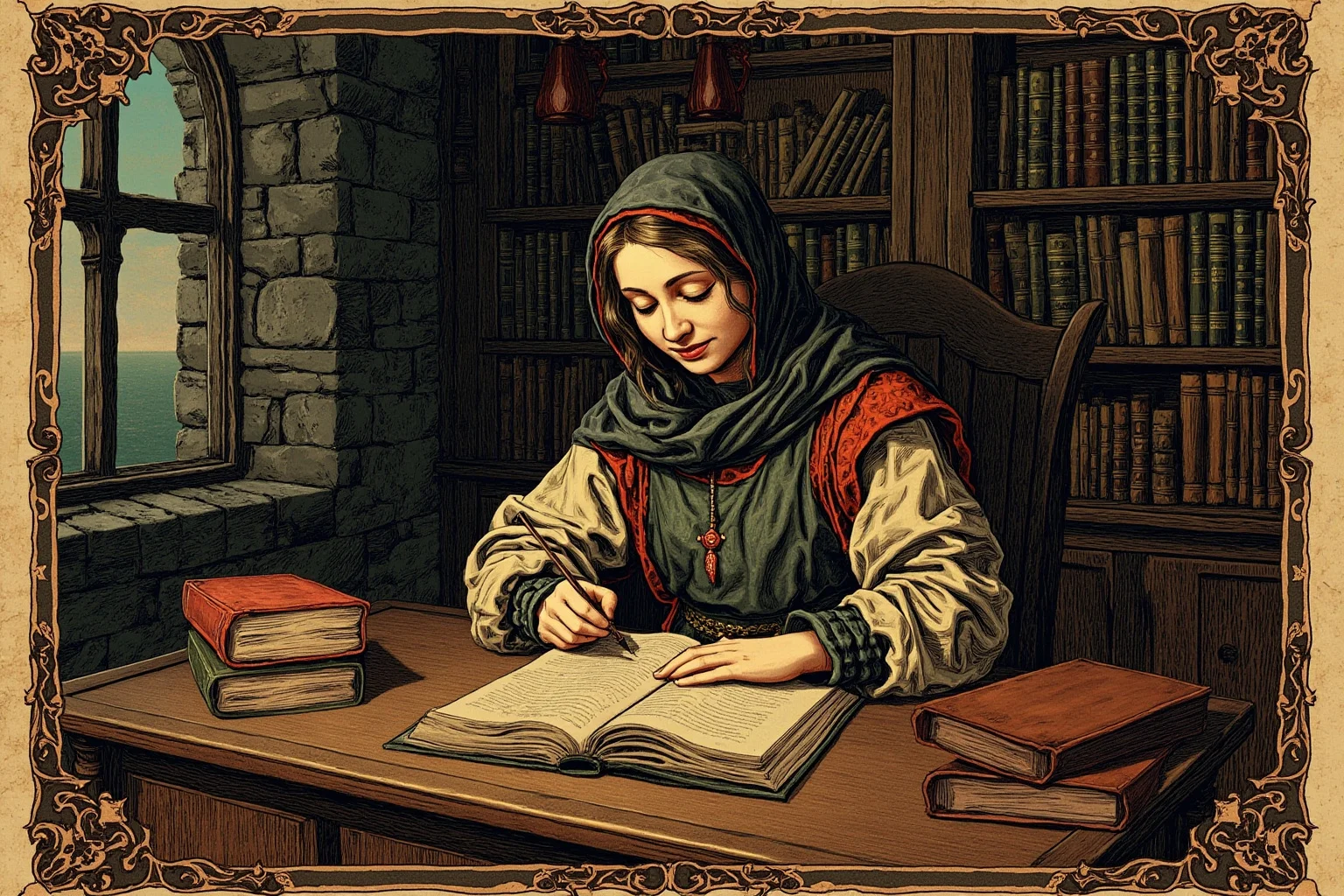
Christine supported herself and her children as a professional writer after her husband’s death, an unusual career path for a woman at the time. Her best-known work, “The Book of the City of Ladies,” directly challenged misogynistic writings of her era and celebrated women’s historical achievements. Many historians consider her one of the earliest identifiable feminist voices in European literature.
12. Catherine of Siena (1347–1380)
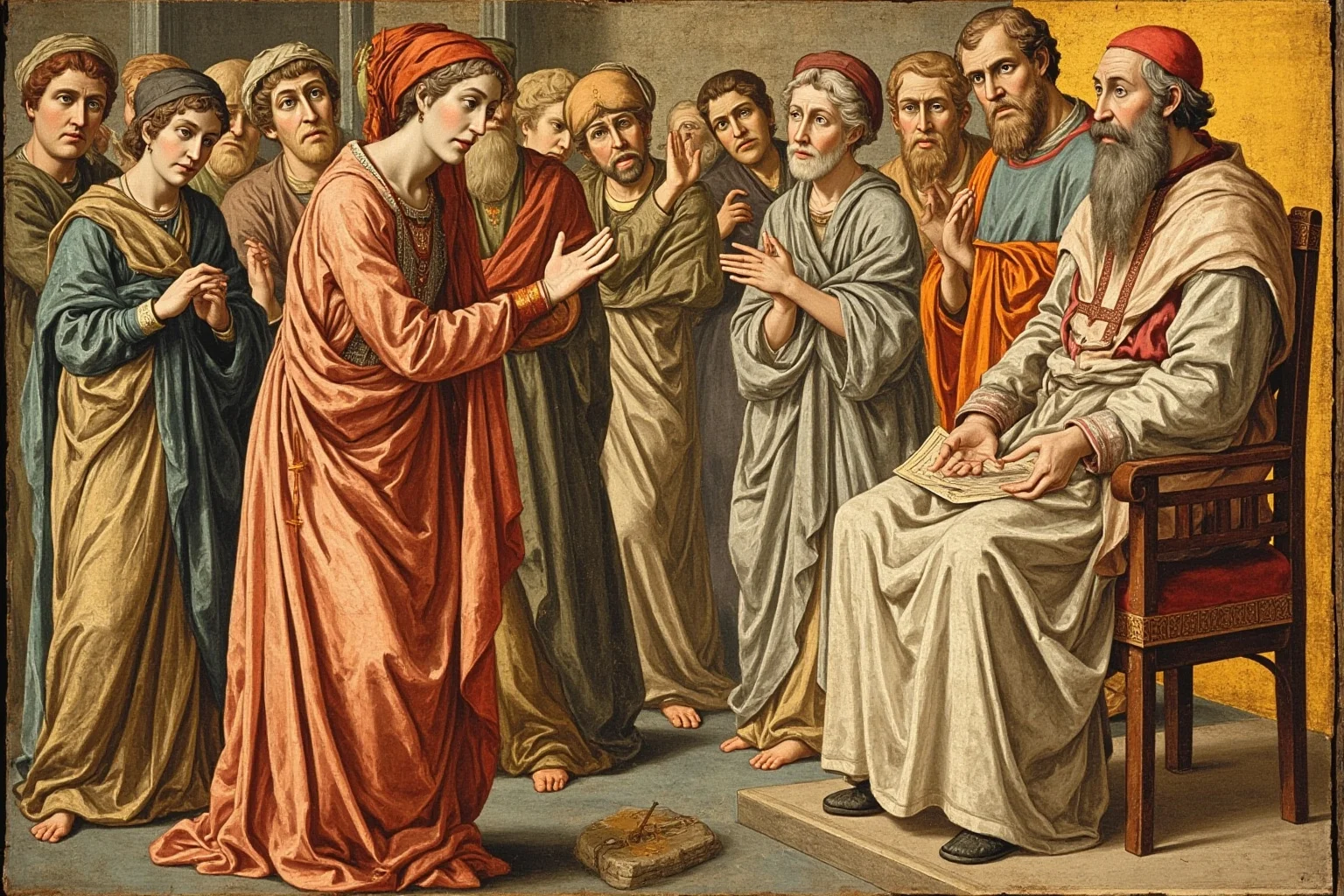
Catherine was a Dominican tertiary and mystic whose letters to popes and rulers carried real political weight, despite her having no formal office. She played a key role in persuading Pope Gregory XI to return the papacy from Avignon to Rome. She was later canonized and, centuries later, named a Doctor of the Church.
13. Joan of Arc (c. 1412–1431)
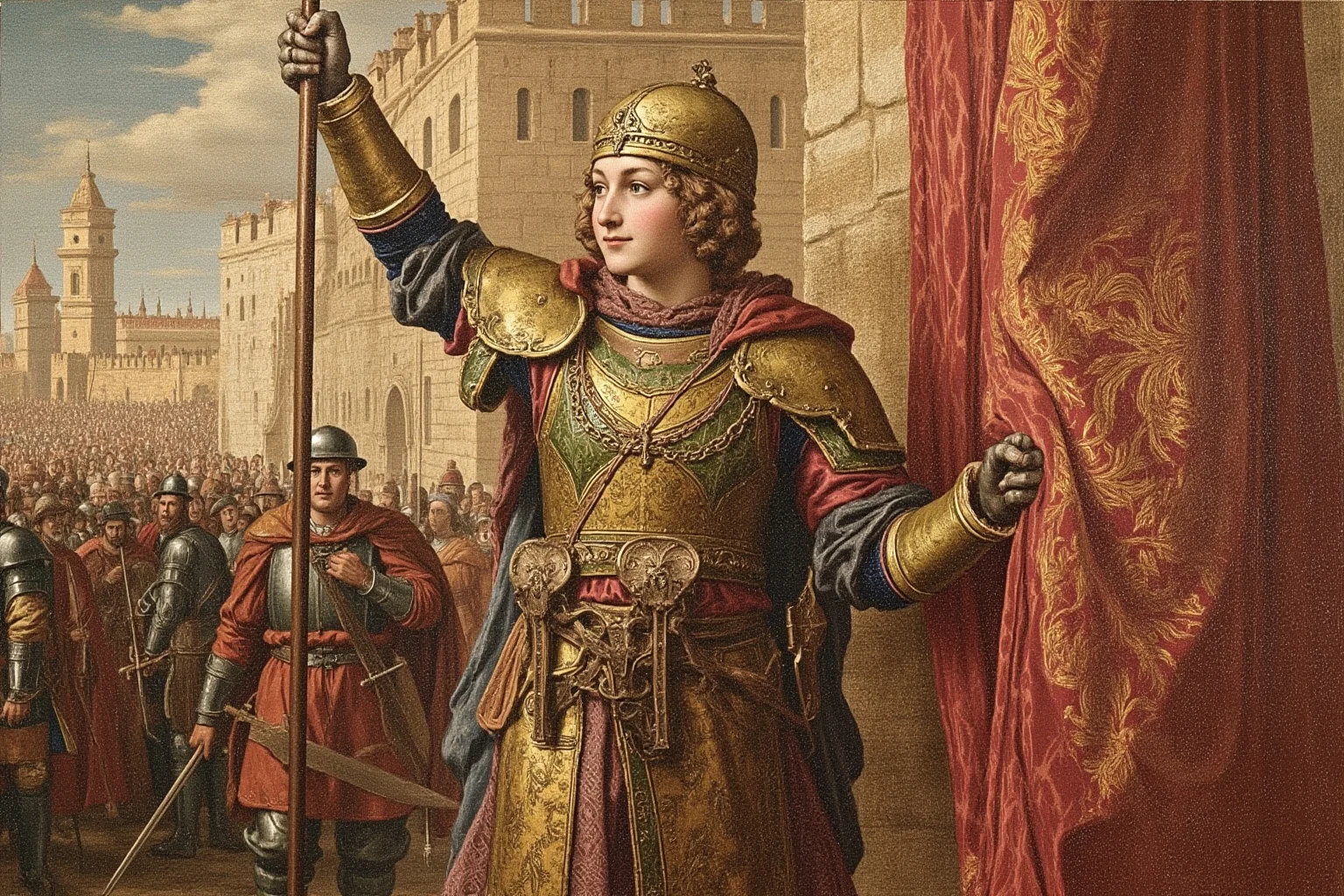
Joan claimed to receive divine visions instructing her to support Charles VII’s claim to the French throne during the Hundred Years’ War. She led French troops to a pivotal victory at the Siege of Orléans in 1429 while still a teenager. She was later captured, tried by an English-aligned court, and executed, though she was posthumously retried and declared innocent, then canonized in 1920.
14. Margery Kempe (c. 1373–after 1438)
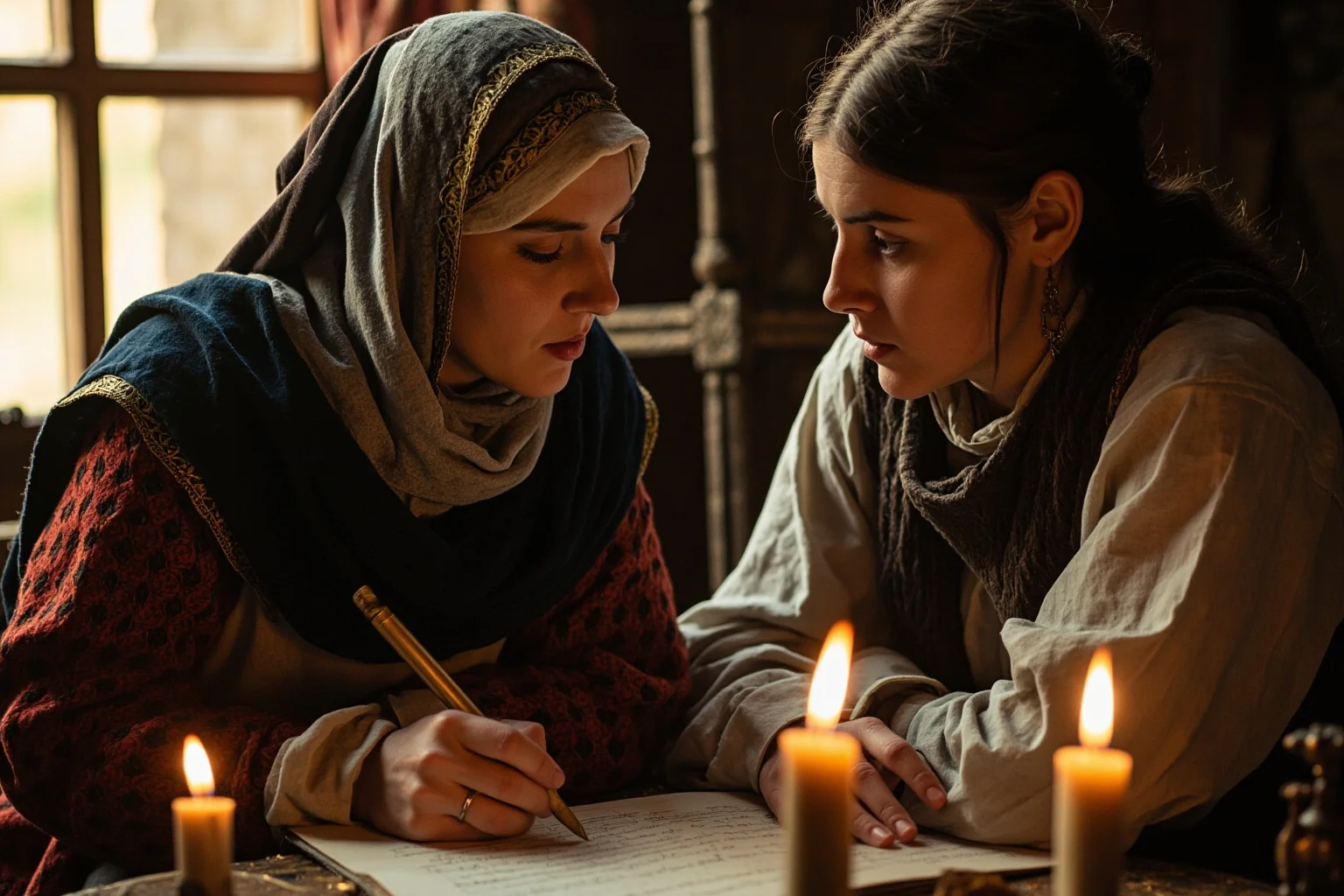
Margery was an English mystic and businesswoman whose dictated autobiography, “The Book of Margery Kempe,” is often called the earliest surviving autobiography in English. It offers a rare, direct window into the inner life of a laywoman in medieval times. Her intense religious visions and public displays of emotion made her a controversial figure even in her own day.
15. Trota of Salerno (12th century)
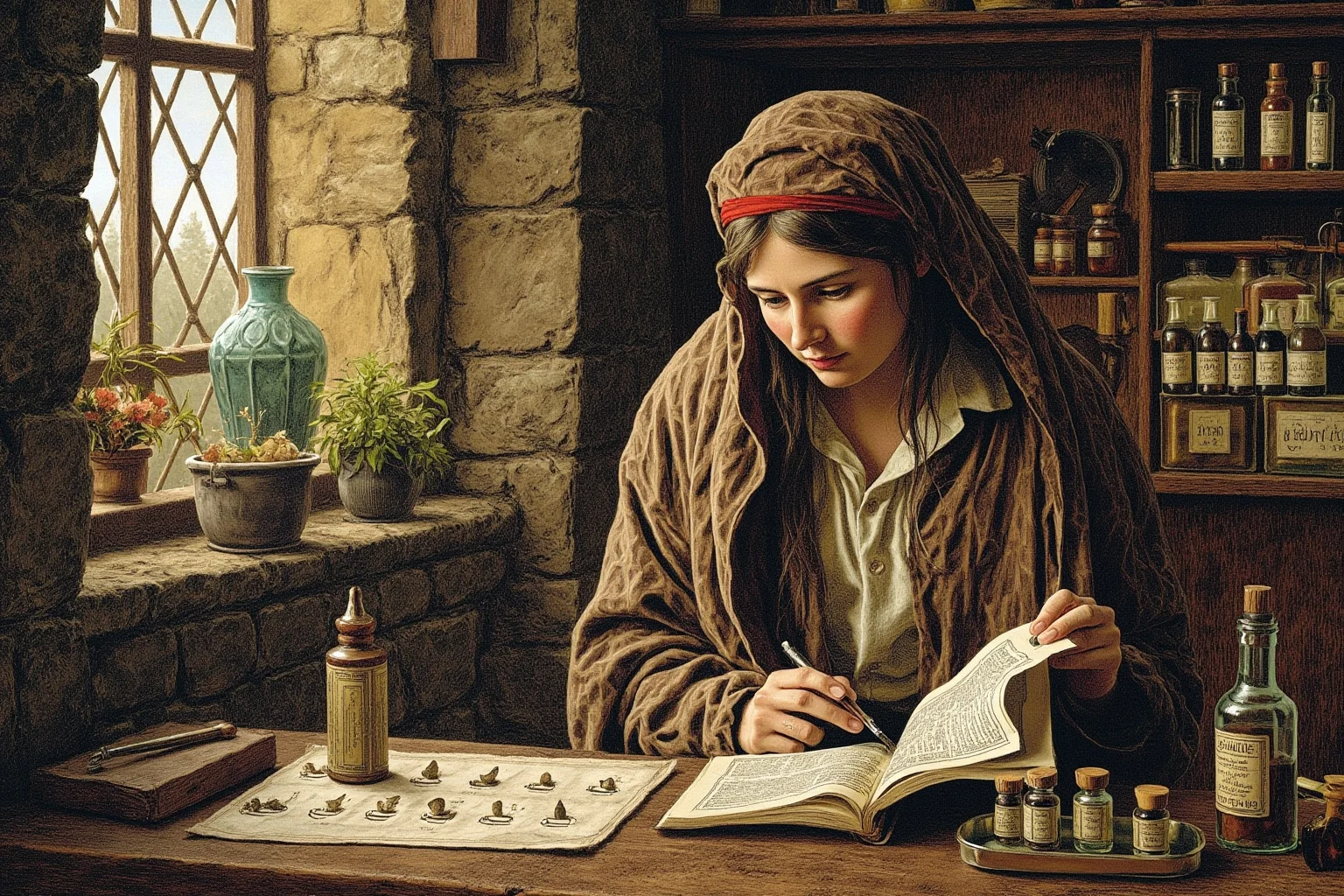
Trota was a physician associated with the medical school of Salerno in southern Italy, one of medieval Europe’s leading centers of medicine. Texts attributed to her cover women’s health, gynecology, and cosmetics, and they circulated widely under the collective title “Trotula.” Her work is one of the few surviving records of a named female medical practitioner from this period.
16. Gwenllian ferch Gruffydd (c. 1097–1136)
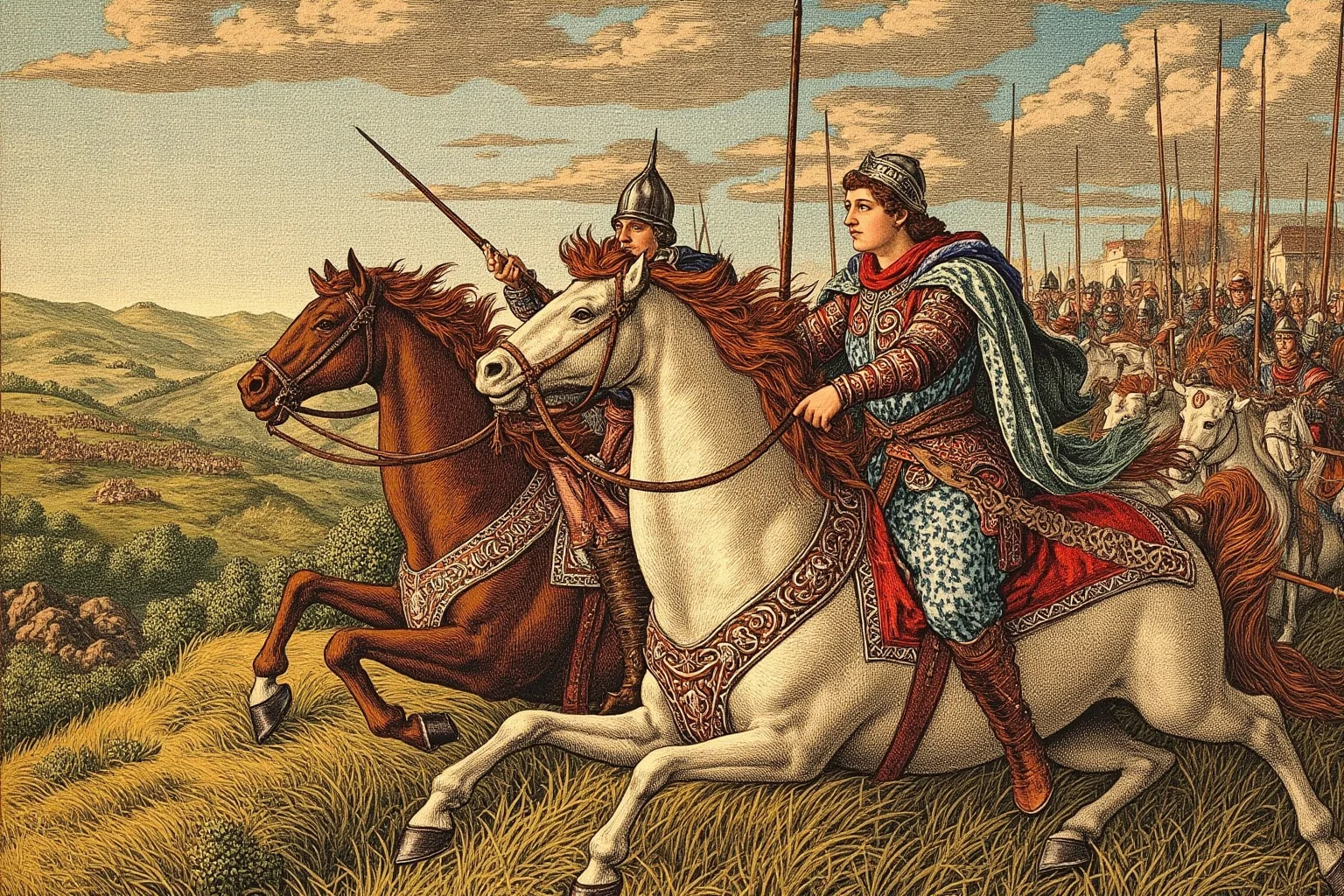
Gwenllian was a Welsh princess who led an army against Norman forces in 1136 while her husband was away raising support elsewhere. She was killed in battle at Cydweli, but her stand became a lasting symbol of Welsh resistance. Chroniclers on both sides recorded her leadership, confirming her active military role rather than a purely legendary one.
17. Margaret of Anjou (1430–1482)
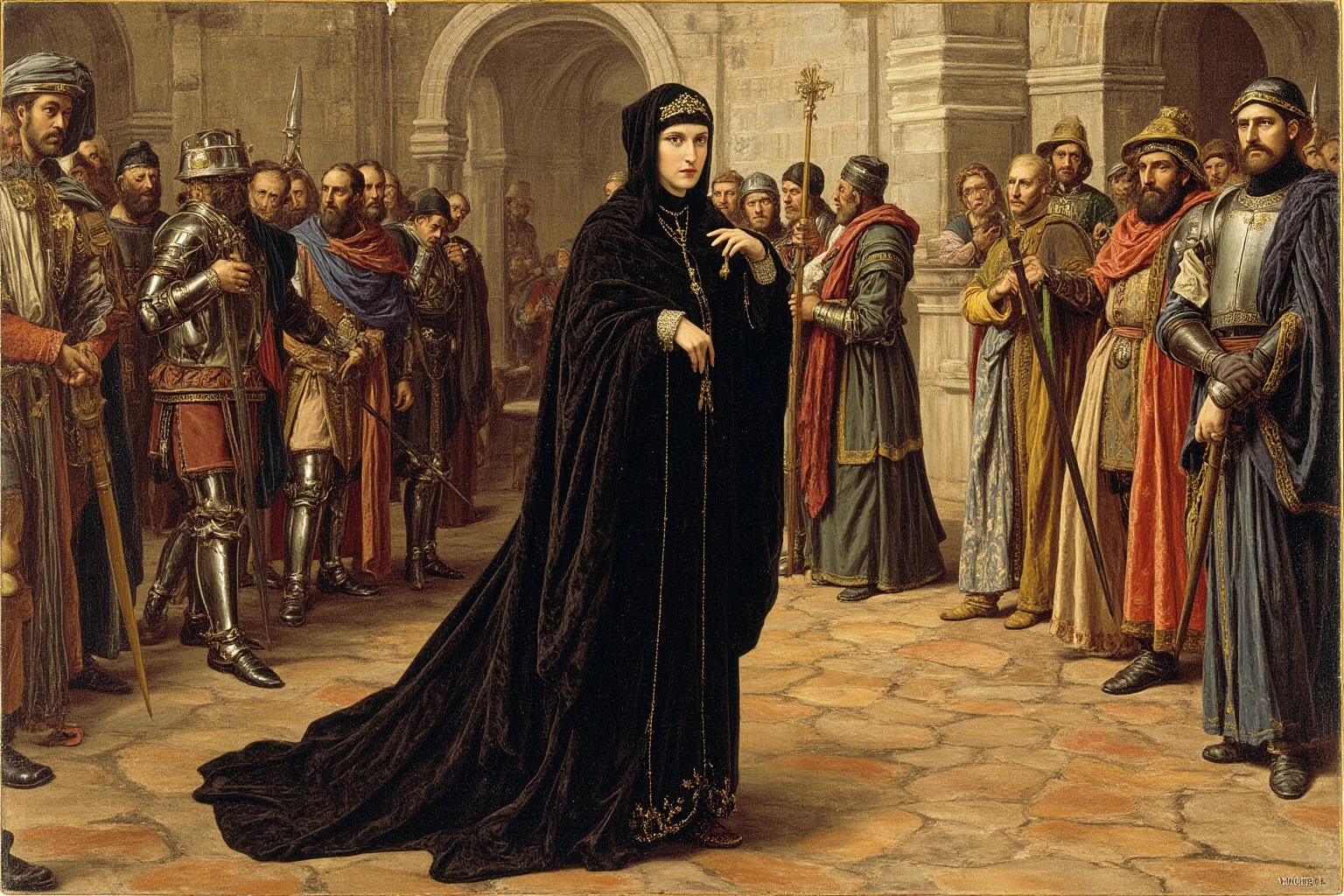
Margaret, queen consort to England’s Henry VI, effectively led the Lancastrian faction during the Wars of the Roses after her husband’s mental health collapsed. She personally organized armies and negotiated alliances to defend her son’s claim to the throne. Her tenacity made her one of the most politically active queens of the Middle Ages in English history, for better or worse in the eyes of her contemporaries.
18. Marguerite Porete (died 1310)
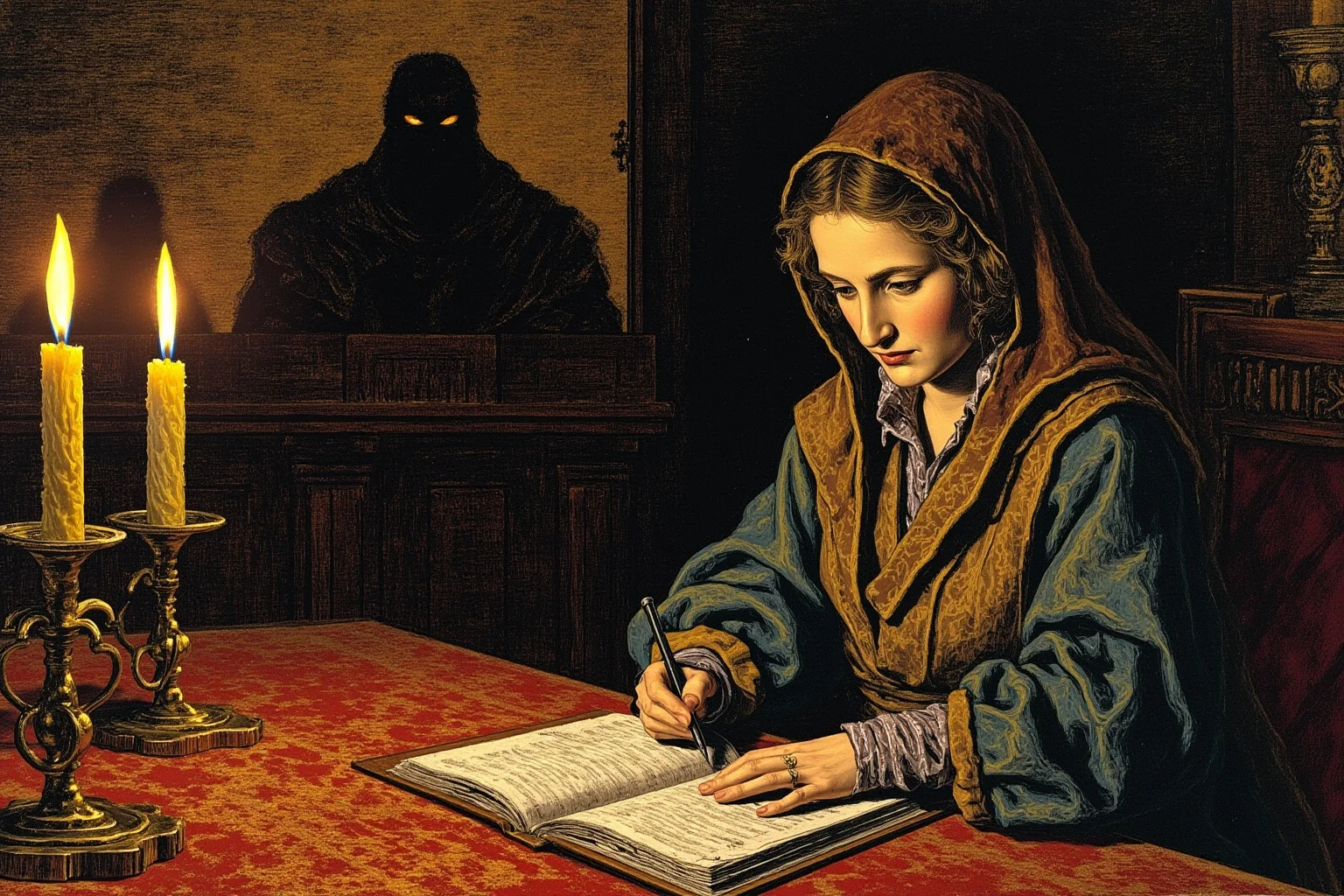
Marguerite wrote “The Mirror of Simple Souls,” a mystical text that church authorities condemned as heretical. She refused to recant her writings even after repeated warnings and was ultimately burned at the stake in Paris. Her case is a stark reminder that intellectual and spiritual ambition could be extremely dangerous for a medieval woman who crossed religious authorities.
19. Elizabeth of Hungary (1207–1231)
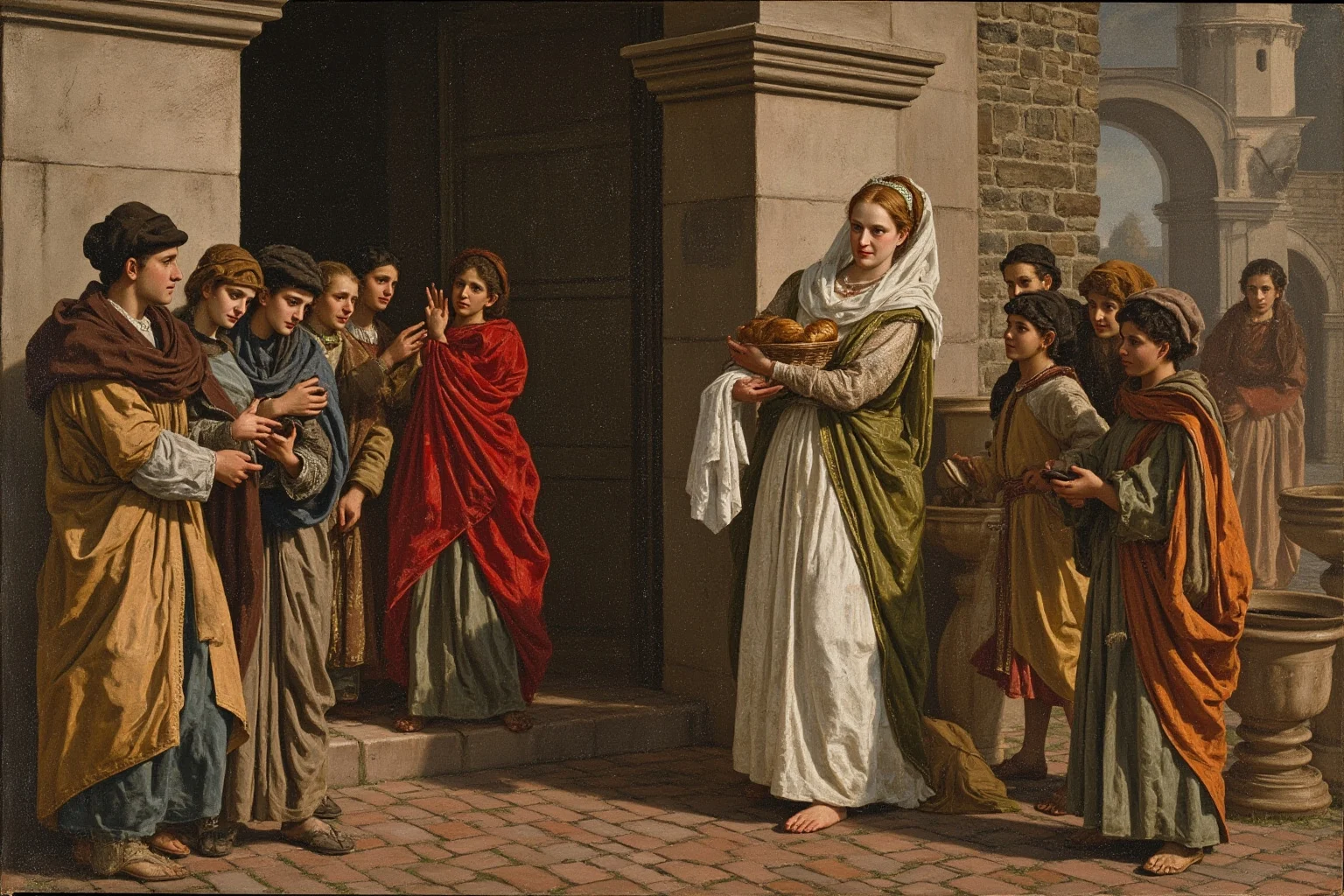
Elizabeth was a Hungarian princess who married into the German nobility and became known for extensive charitable work among the poor and sick. After her husband’s death, she gave away much of her wealth and dedicated herself to caring for the vulnerable until her own early death. She was canonized within four years of dying, remarkably fast even by medieval standards.
20. Jadwiga of Poland (1373/74–1399)
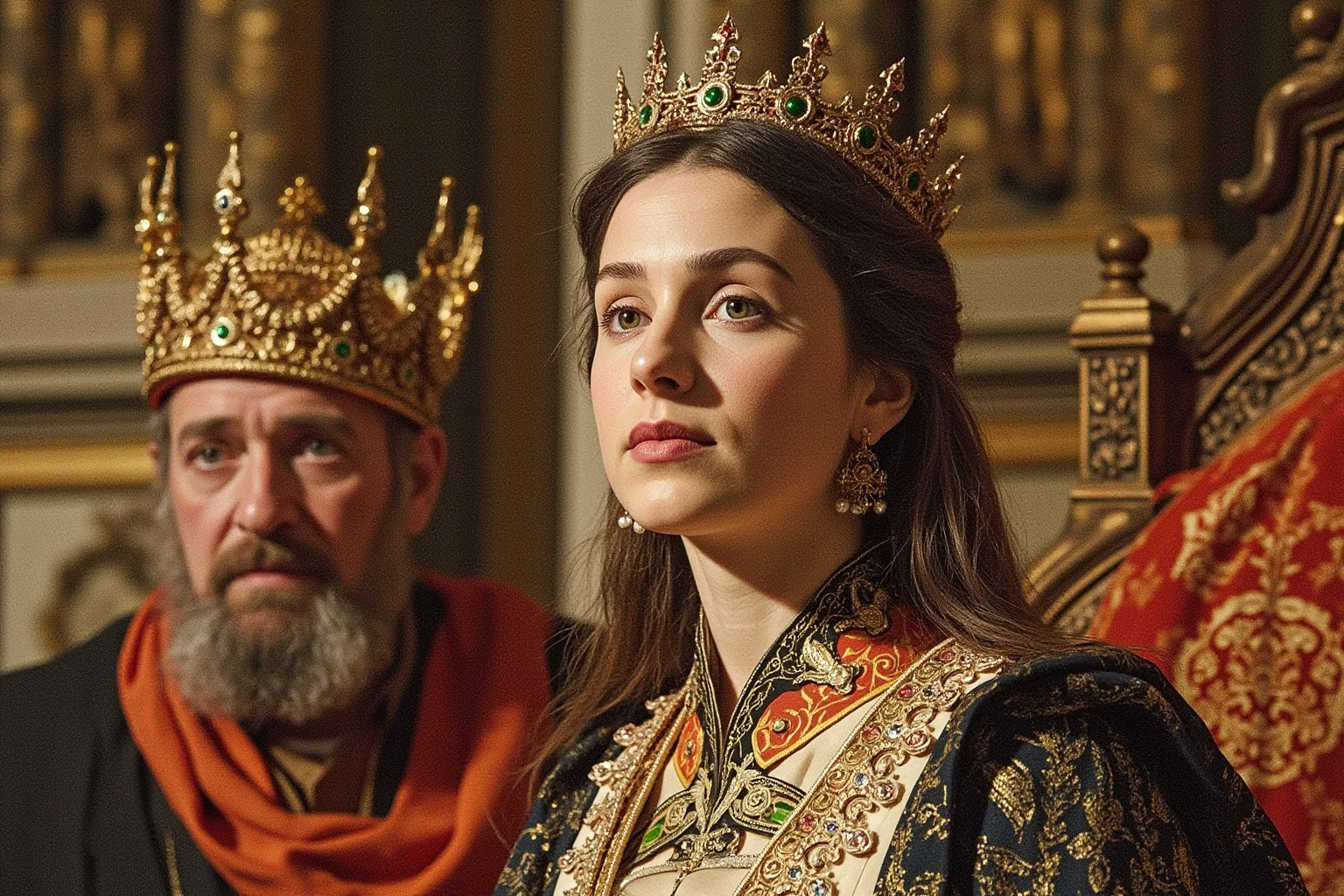
Jadwiga was crowned “king” of Poland in her own right in 1384, using the male title because no equivalent existed for a reigning female monarch. Her marriage to Grand Duke Jogaila of Lithuania led to a union that reshaped the political map of Eastern Europe. She personally funded the restoration of the University of Kraków shortly before her death.
21. Isabella of France, “the She-Wolf” (c. 1295–1358)
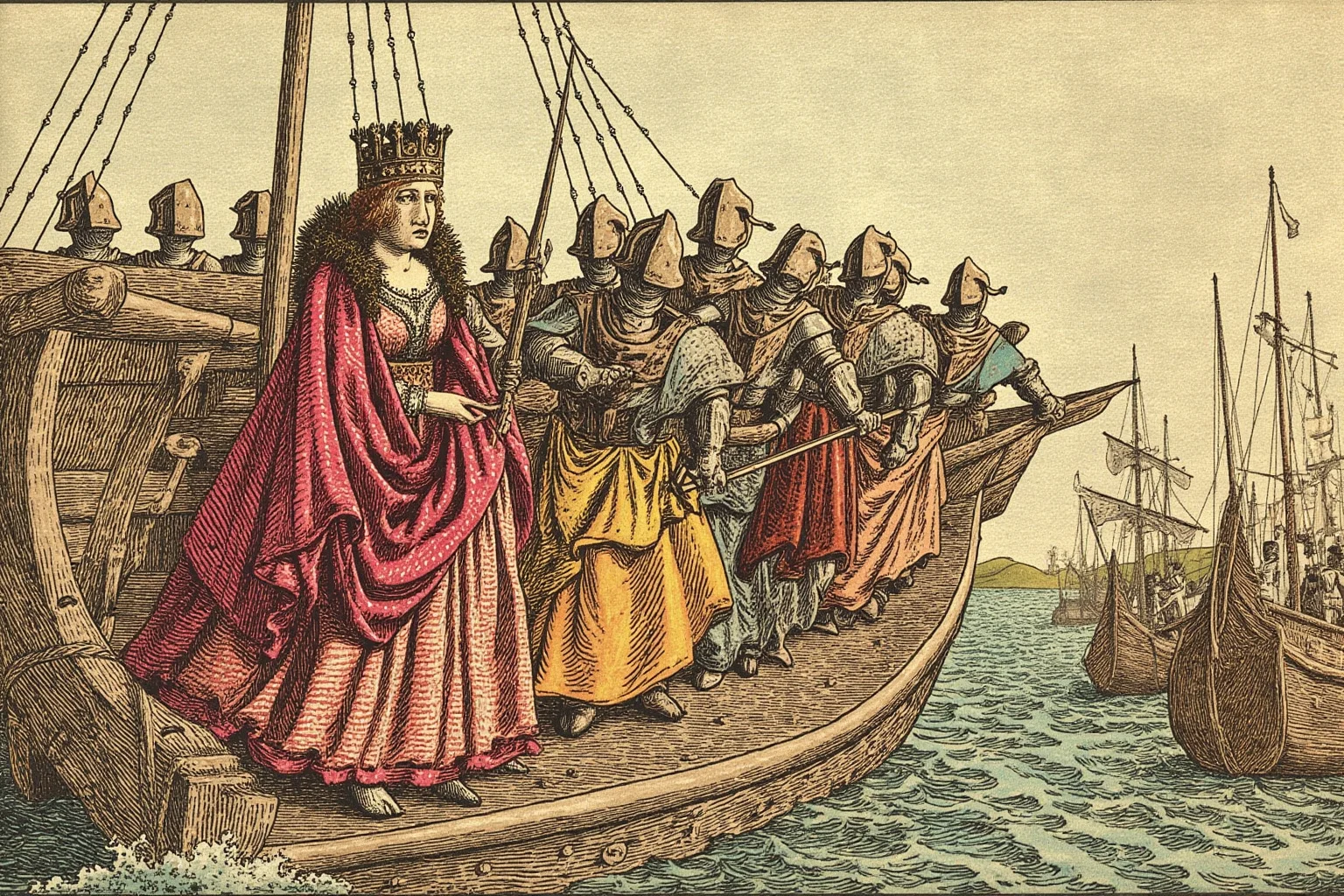
Isabella, queen consort of England, led a successful invasion against her own husband, Edward II, after their relationship broke down over his favorites and mismanagement. She effectively ruled England as regent for her young son, Edward III, for several years afterward. Her nickname reflects both admiration and fear from contemporaries unused to seeing a queen wield that much direct power.
22. Isabella of Castile (1451–1504)
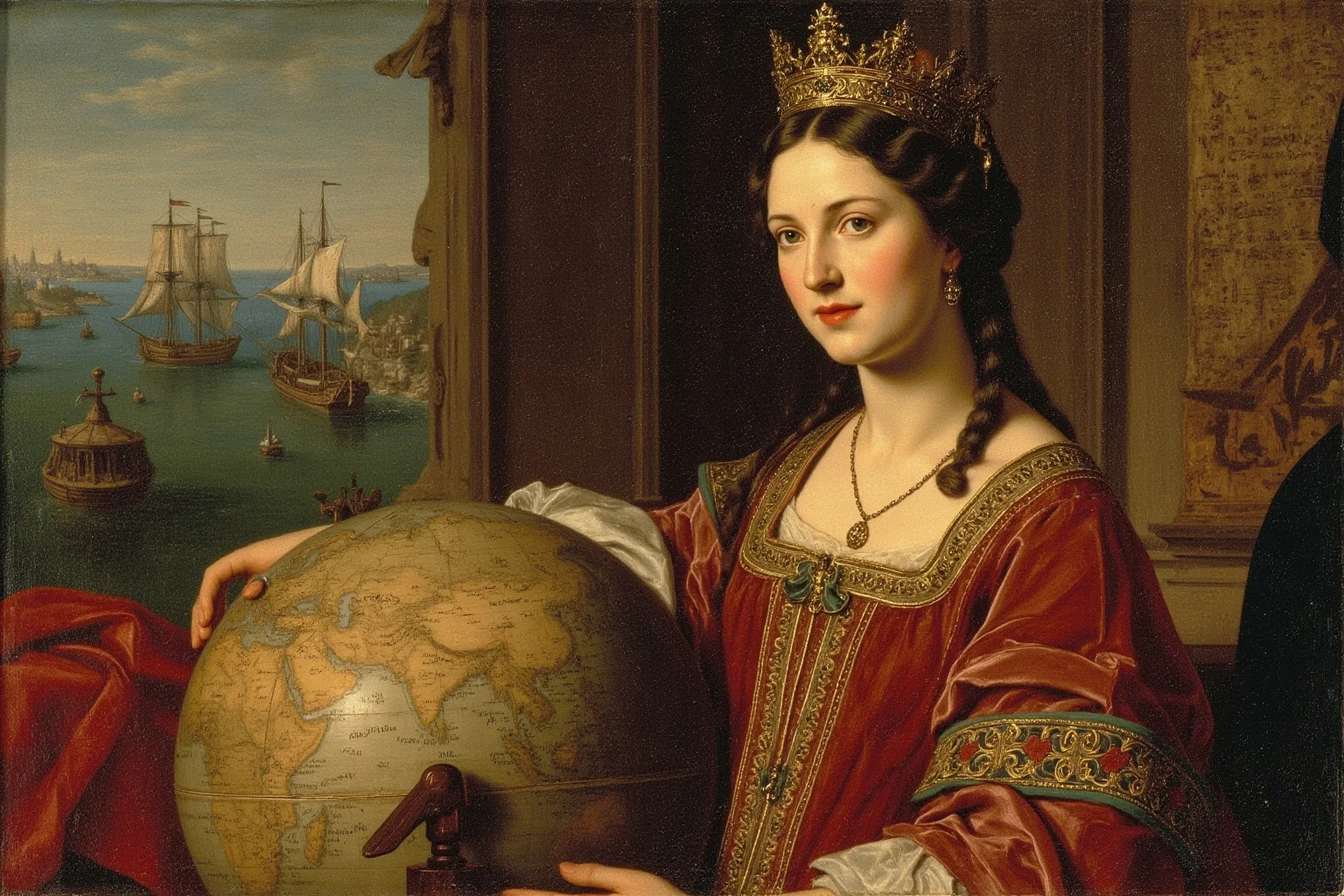
Isabella ruled Castile as queen in her own right and, alongside her husband Ferdinand of Aragon, unified the major Christian kingdoms of Spain. Her reign, spanning the very end of the medieval period, financed Columbus’s first voyage and oversaw sweeping religious and legal reforms across the peninsula. She remains one of the most consequential queens of medieval Europe, and her legacy still looms large among the historical figures celebrated during Hispanic Heritage Month, straddling the line between the medieval and early modern worlds.
Why These Medieval Women Still Matter
Taken together, these 22 lives push back hard against the flattened image of the passive medieval lady, and they hold their own among history’s most powerful women from any era. Some ruled kingdoms outright, some commanded armies, and others reshaped religious or intellectual life without ever holding a crown. Their stories survive precisely because they left records: charters, chronicles, letters, and in a few cases, their own writing.
Countless other women in medieval society left no written trace at all, which makes the documented cases even more valuable as evidence of what was possible. The real history of medieval noble ladies, queens, and even ambitious commoners is one of constraint and opportunity existing side by side. Understanding that balance gives a far richer picture of the era than any single stereotype ever could.
The next time you see a medieval story reduce its female characters to background scenery, it’s worth remembering Æthelflæd on campaign, Eleanor of Aquitaine negotiating a king’s ransom, or Christine de Pizan defending women in print centuries before the word “feminism” existed. Medieval women weren’t an exception to their era; they were very much a part of shaping it.
Frequently Asked Questions
Who were the most powerful queens of medieval Europe?
Among the most influential queens of medieval Europe were Eleanor of Aquitaine, who ruled her own duchy and was queen of both France and England; Isabella of Castile, who unified Spain's crowns; and Matilda of Flanders, who governed Normandy as regent. Byzantine empresses like Theodora and Irene also wielded major political power within the Eastern Roman Empire.
What was the actual role of women in the Middle Ages?
It varied enormously by class and region. Most women worked as farmers, artisans, or traders, noblewomen often managed estates and finances, and a smaller number of women rose to rule kingdoms, lead armies, or head influential convents, despite a legal system that generally favored men.
Could women own or inherit property in medieval times?
In many parts of medieval Europe, women could inherit land and titles when there was no surviving male heir, and widows frequently controlled dower lands independently. Married women's property rights were more restricted, since a husband typically managed jointly held assets under most local laws.
Were there real female warriors in the Middle Ages?
Yes, though they were exceptions rather than the norm. Figures like Joan of Arc, Gwenllian ferch Gruffydd, and Æthelflæd, Lady of the Mercians, all led troops or defended territory in documented military campaigns, distinct from later romanticized legends.
What was the difference between a lord and a lady in medieval society?
A lord typically held formal legal authority over land and vassals, often tied to military service, while a lady managed the household and estate administration, especially when her husband was away at war. In practice, many ladies effectively ran entire estates and made significant legal and financial decisions.
Did medieval women receive any formal education?
Formal schooling was rare for women outside convents, but noblewomen were often tutored in reading, estate management, and sometimes Latin, while nuns had access to monastic libraries and learning. Figures like Hildegard of Bingen and Christine de Pizan show that some women achieved genuinely advanced scholarship despite limited formal access.

Alex Warren
Related Articles