
Have you ever watched the news and thought, “wait, haven’t we seen this before?” You’re not alone. The idea that history repeats itself is one of the most quoted, most argued-about ideas in all of human thought, tossed around in classrooms, political debates, and late-night arguments with equal confidence.
But does history repeat itself, really, or is that just a comforting story we tell ourselves to make sense of chaos? The honest answer sits somewhere in the middle. Historians rarely see exact replays, but they do see patterns, echoes, and repeats in history that are too consistent to ignore.
TL;DR: History doesn’t copy-paste itself, but the same human patterns — fear, greed, power, and forgetting — keep producing strikingly similar events across centuries.
Who Said That History Repeats Itself? (Fact vs. Myth)
A lot of people ask who said that history repeats itself, and the honest answer is messier than a single tidy quote. The line most often credited to Mark Twain — “history doesn’t repeat itself, but it does rhyme” — has no verified source in his actual writings. It’s one of the internet’s favorite misattributions, repeated so often it feels true, which is a little ironic given the subject.
The philosopher George Santayana came closer, writing in his 1905 book “The Life of Reason” that “those who cannot remember the past are condemned to repeat it.” That’s the real origin of the popular saying “those who forget history are bound to repeat it,” even though it gets paraphrased constantly.
Karl Marx also gets cited here, and this one is genuinely verifiable. In “The Eighteenth Brumaire of Louis Napoleon” (1852), Marx opened by referencing Hegel, noting that great historical events tend to appear twice — “the first time as tragedy, the second time as farce.” It’s a sharp, real observation about repeated history, not a myth.
Does History Repeat Itself? The Short Answer
So does history repeat itself, or does history really repeat itself in the literal sense? Not exactly. No two wars, crashes, or revolutions unfold identically, because the people, technology, and circumstances are always different.
What repeats is the underlying pattern: how humans respond to fear, scarcity, power, and uncertainty. That’s why so many examples of history repeating itself involve the same handful of triggers — economic panic, propaganda, scapegoating, and overreach — dressed in new clothes.
Think of it less like a rerun and more like a remix. The instruments change, but the melody underneath is oddly familiar, which is exactly why history repeating itself examples keep showing up across totally different centuries and continents.
How History Repeats Itself: The Patterns Behind the Patterns
History can repeat itself for a few boring but very human reasons. First, institutional memory fades — the people who lived through a disaster eventually die, and the lessons go with them unless they’re deliberately taught. Second, incentives don’t change much; power, money, and safety motivate people in 500 BCE roughly the same way they do today.
Third, systems reward short-term thinking. Politicians, investors, and empires alike often choose the choice that looks good this year over the one that avoids a repeat of history twenty years later. This is how history repeat becomes less a mystical curse and more a predictable failure of memory and incentives.
With that framing in mind, here are 20 examples of history repeating itself, drawn from real, documented events across very different eras.
1. Pandemics and the Politics of Blame
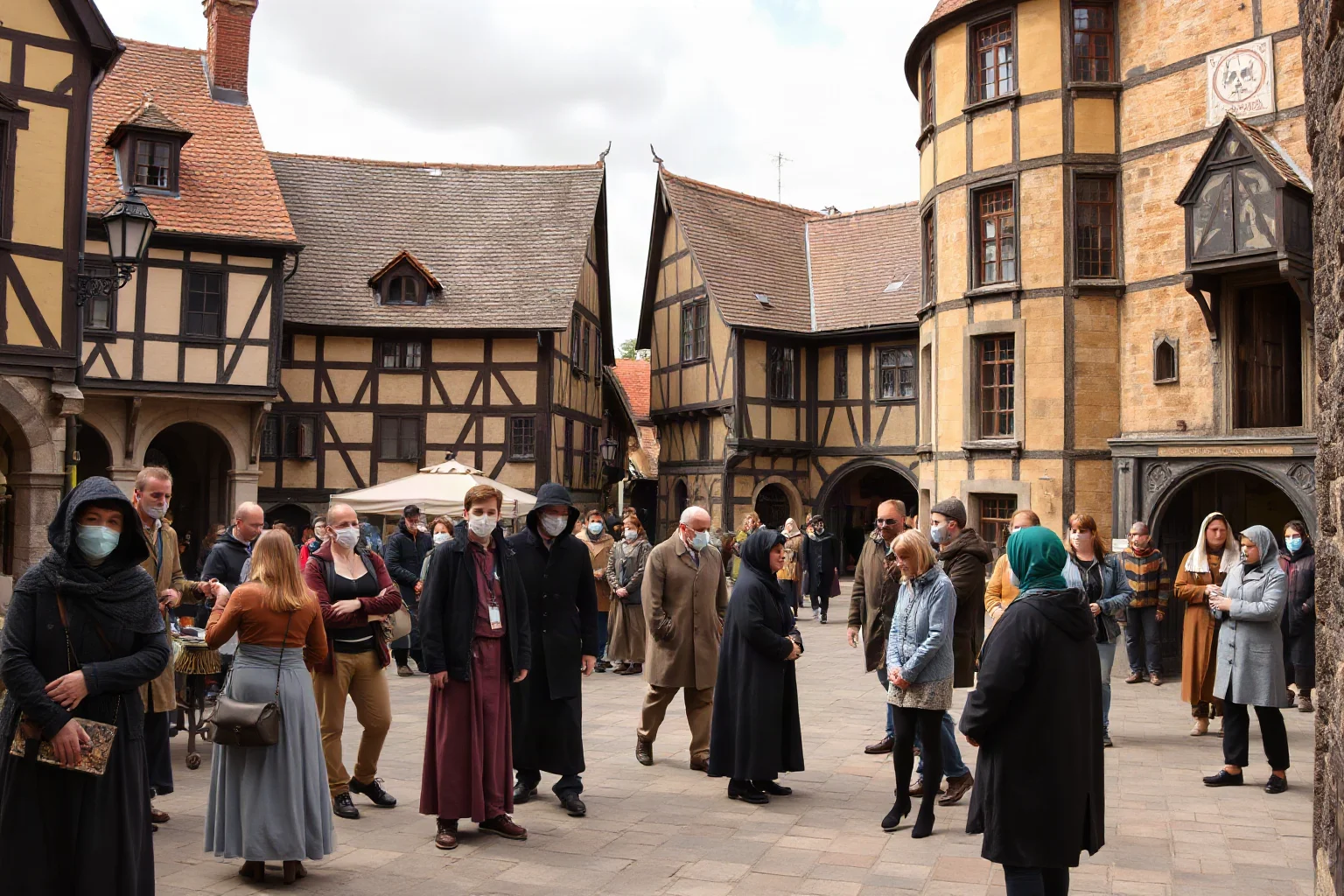
When the Black Death swept through Europe in the 14th century, panicked communities blamed outsiders, minorities, and “foreign” travelers for spreading disease, often with violent consequences. Centuries later, the COVID-19 pandemic saw eerily similar patterns of scapegoating certain ethnic groups and travelers, alongside disputes over quarantines and public trust in authorities.
Both pandemics also triggered economic shocks, labor shortages, and lasting social change. It’s a sobering example of how history repeating itself isn’t limited to politics or war — biology and fear follow their own recurring script too.
2. Speculative Bubbles That Always Pop

Tulip mania in 1630s Holland saw ordinary people mortgage homes to buy flower bulbs at absurd prices, convinced values would rise forever. The pattern repeated almost exactly in the late-1990s dot-com bubble and again in the 2008 U.S. housing crash, where cheap credit and herd psychology inflated prices past any rational value.
Each time, the crash caught “experts” by surprise, even though the warning signs looked remarkably similar to the last bubble. Financial historians often call this one of the clearest examples of history repeating itself, because the psychology of greed barely changes.
3. Empires That Overextend Themselves
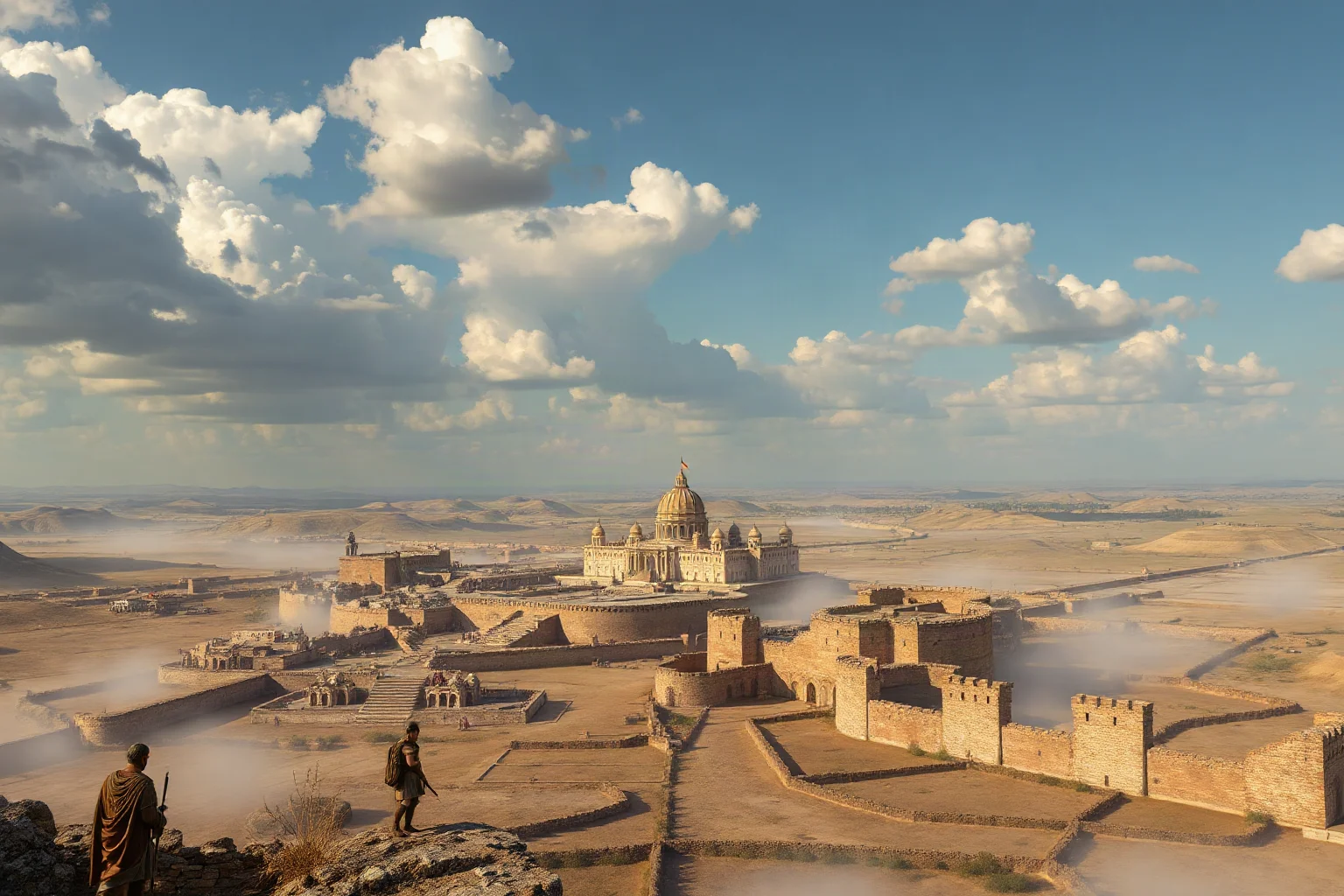
The Roman Empire eventually stretched its borders and military resources so thin that defending them became unsustainable, contributing to its long decline in the West. The British Empire, centuries later, faced a similar overreach, straining to hold colonies across the globe until the costs outweighed the benefits after two world wars.
Military historians point to this as a repeated history of empires: expansion brings wealth and prestige, but maintaining far-flung territory eventually becomes more expensive than it’s worth. It’s less a curse than basic logistics catching up with ambition.
4. Appeasing Aggressors Before War
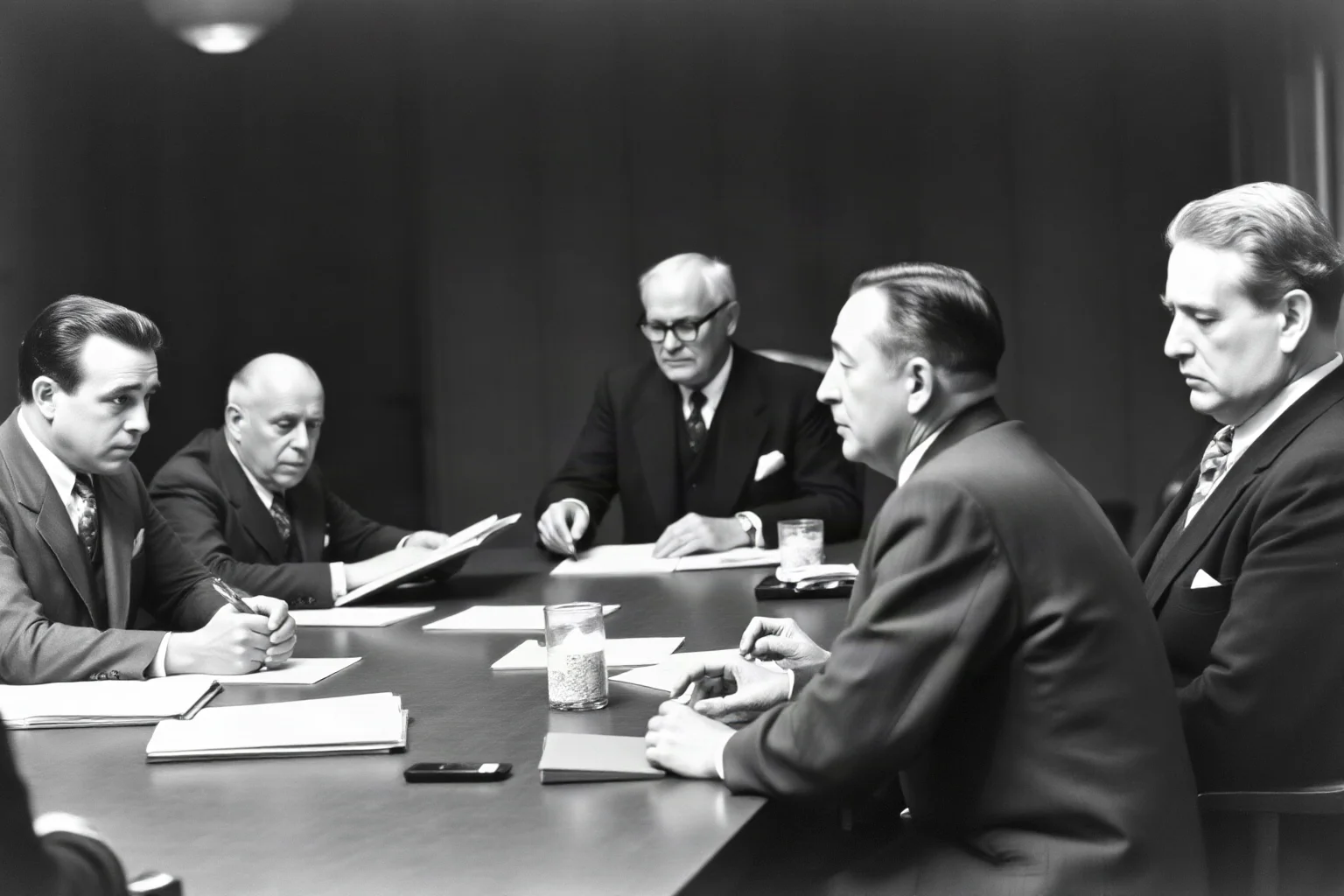
The 1938 Munich Agreement, where Britain and France allowed Nazi Germany to annex parts of Czechoslovakia in hopes of preventing a larger war, is the most famous case of appeasement failing. But it wasn’t the first time diplomats gambled that giving an aggressor a little would satisfy them.
Similar patterns appeared in earlier European diplomacy, where concessions to expanding powers often emboldened further aggression rather than calming it. This is one reason “appeasement” became such a loaded word in later foreign policy debates — it’s a repeat of history leaders actively try to avoid.
5. Economic Crisis Fueling Populist Strongmen
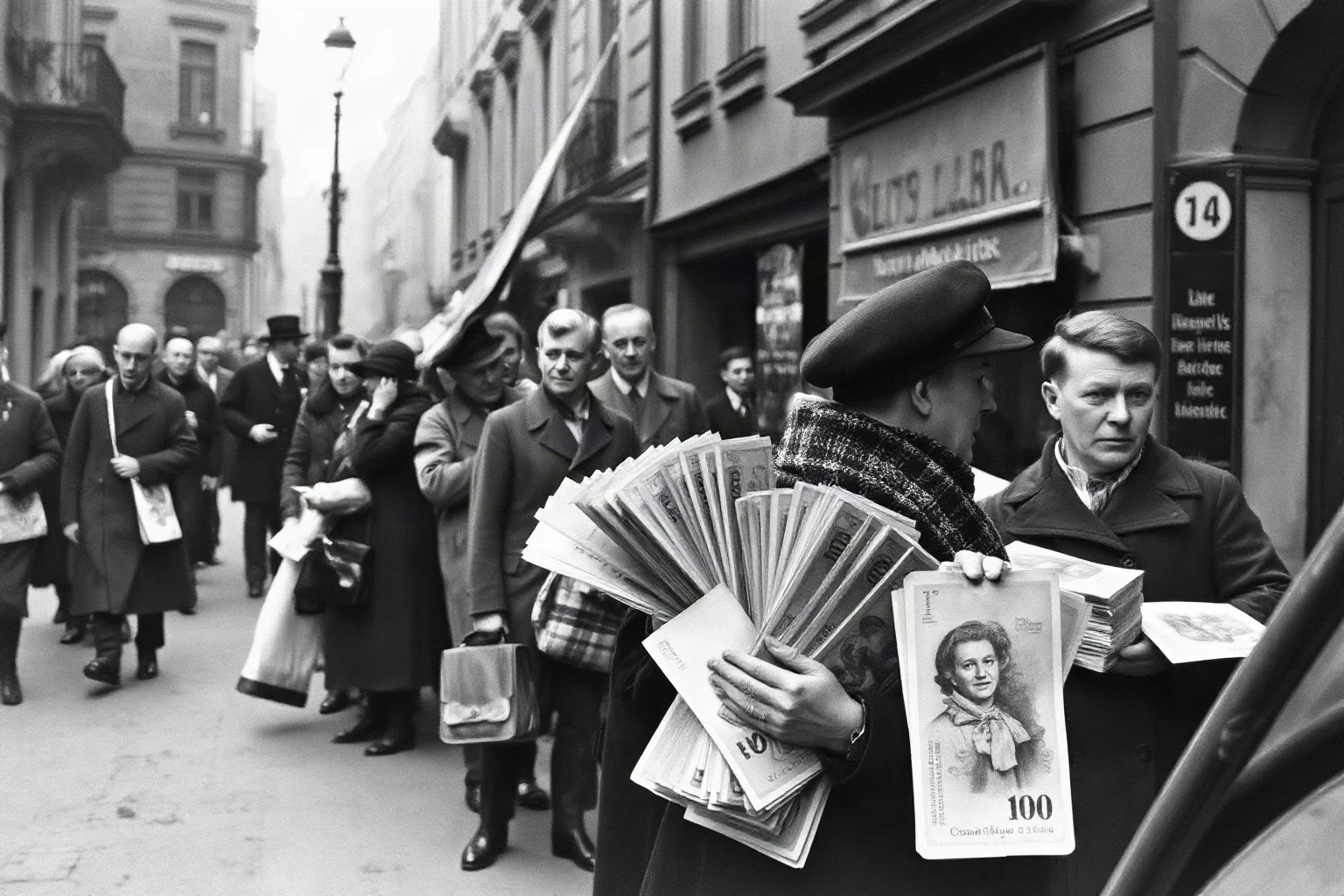
The hyperinflation and mass unemployment of Germany’s Weimar Republic in the early 1930s created fertile ground for extremist politics and the rise of authoritarian leadership. This pattern — economic desperation opening the door to populist, often authoritarian figures promising simple solutions — has recurred in various forms across Latin America, Europe, and elsewhere in the 20th and 21st centuries.
Economists and political scientists widely agree that severe financial insecurity, not ideology alone, is often the spark. It’s a pattern serious historians watch closely, precisely because it keeps showing up.
6. Witch Hunts and Moral Panics
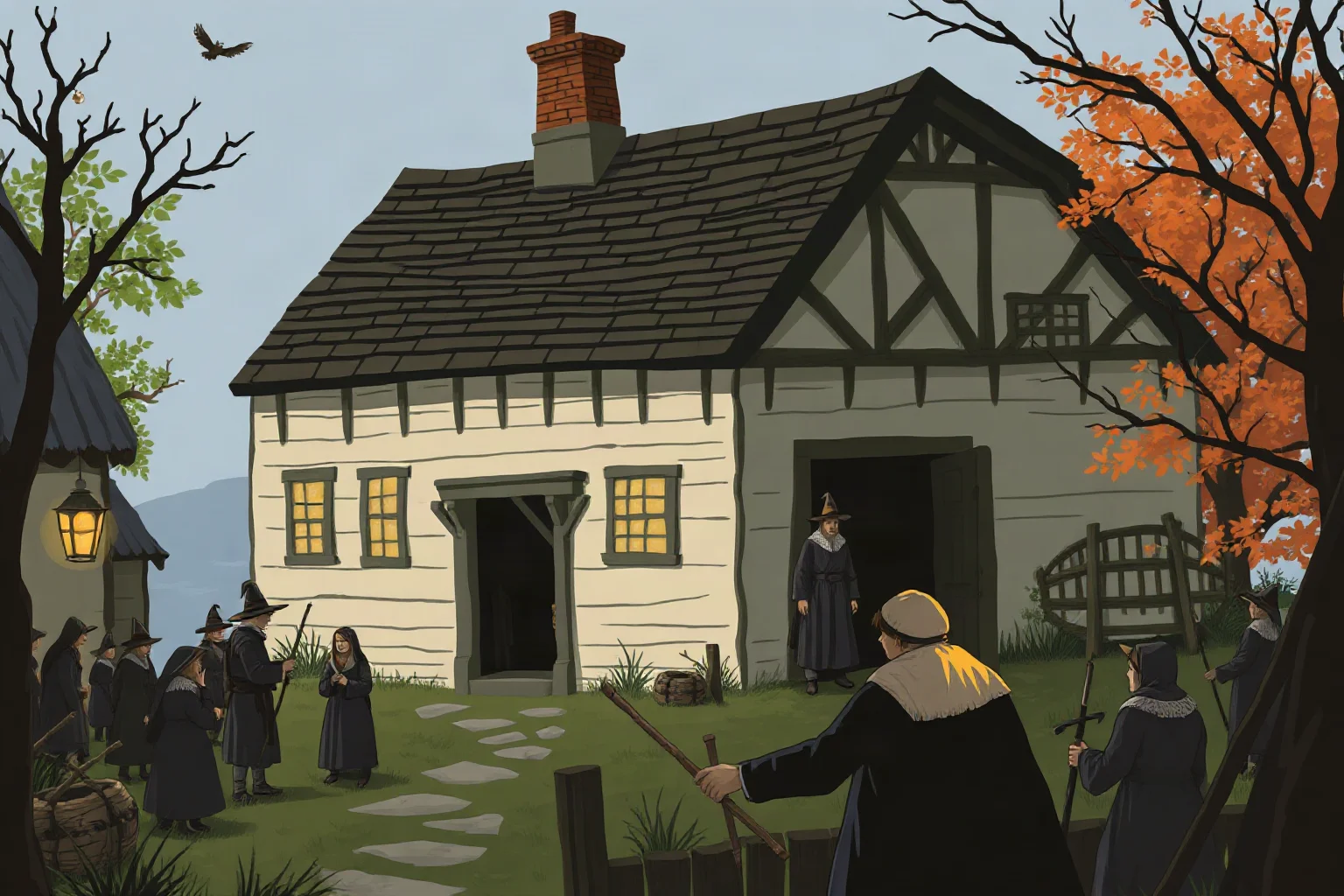
The Salem witch trials of 1692 saw a small Massachusetts town consumed by accusations, fear, and mob justice against supposed witches, resulting in the execution of over a dozen people. Centuries later, the McCarthy-era Red Scare of the 1950s produced a strikingly similar dynamic: public accusations, blacklists, and careers destroyed on flimsy evidence, this time over suspected communist sympathies.
Historians frequently use “witch hunt” language to describe both events precisely because the social mechanics are so alike. Fear plus public accusation plus weak due process tends to produce the same ugly outcome, regardless of century.
7. Trade Wars and Tariff Backfires

The Smoot-Hawley Tariff Act of 1930 raised U.S. import duties sharply, intending to protect American industry during the early Depression. Instead, it provoked retaliatory tariffs from other nations and is widely blamed by economists for deepening global economic hardship.
Modern trade disputes have repeatedly triggered similar tit-for-tat tariff escalations between major economies. Economists still cite Smoot-Hawley as the cautionary tale whenever a new trade war threatens to repeat the history of protectionism gone wrong.
8. Revolutions That Turn on Their Own
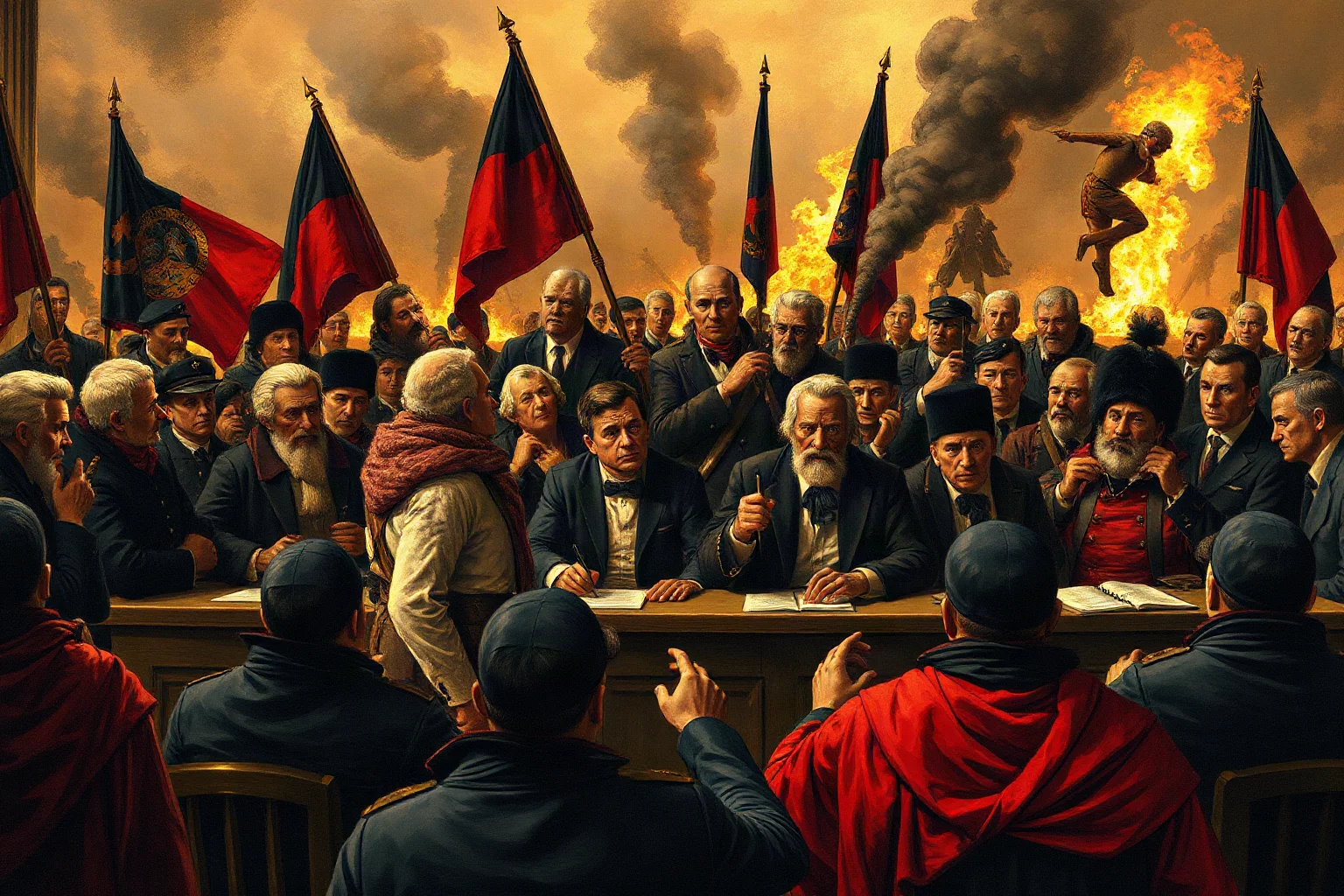
The French Revolution began with ideals of liberty and equality but descended into the Reign of Terror, where revolutionary leaders executed thousands, including many of their former allies. The Russian Revolution of 1917 followed a similar arc, as Bolshevik leadership eventually turned violently against former comrades during Stalin’s purges in the 1930s.
Both cases show how revolutions built on righteous anger can consume their own architects once power consolidates, a recurring theme among major revolutions throughout history. It’s one of history’s more unsettling repeats, and one closely studied by anyone trying to understand political radicalization.
9. Propaganda Shaping Public Belief
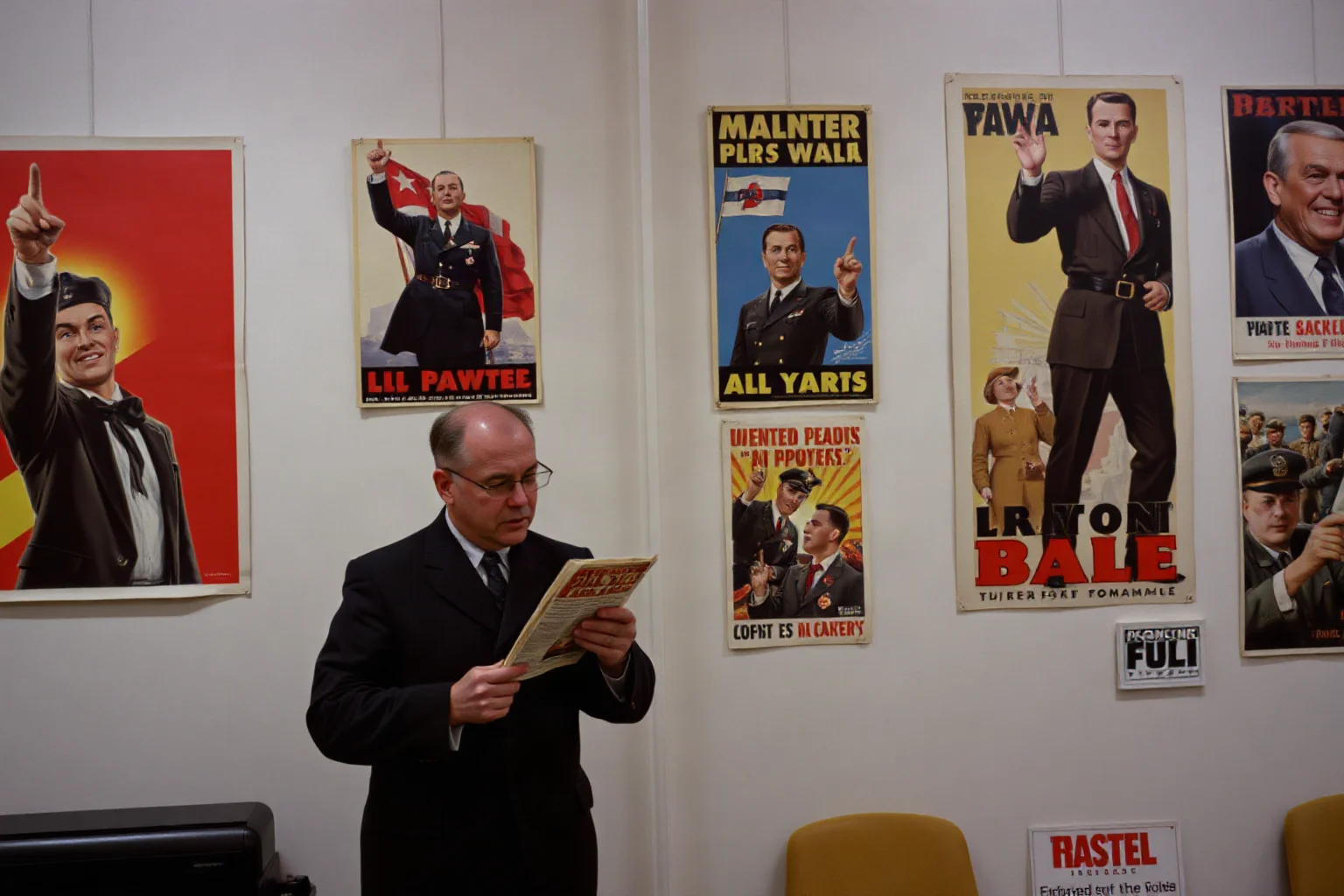
During World War I and World War II, governments on all sides used posters, films, and controlled news to shape public opinion, dehumanize enemies, and maintain morale. The tools have changed dramatically since then, but the underlying strategy — controlling the narrative to control behavior — reappears constantly in the age of social media and digital misinformation.
Media historians often describe modern disinformation campaigns as an evolution, not a replacement, of 20th-century propaganda techniques. The delivery method changed; the psychological playbook didn’t.
10. Currency Debasement and Runaway Inflation
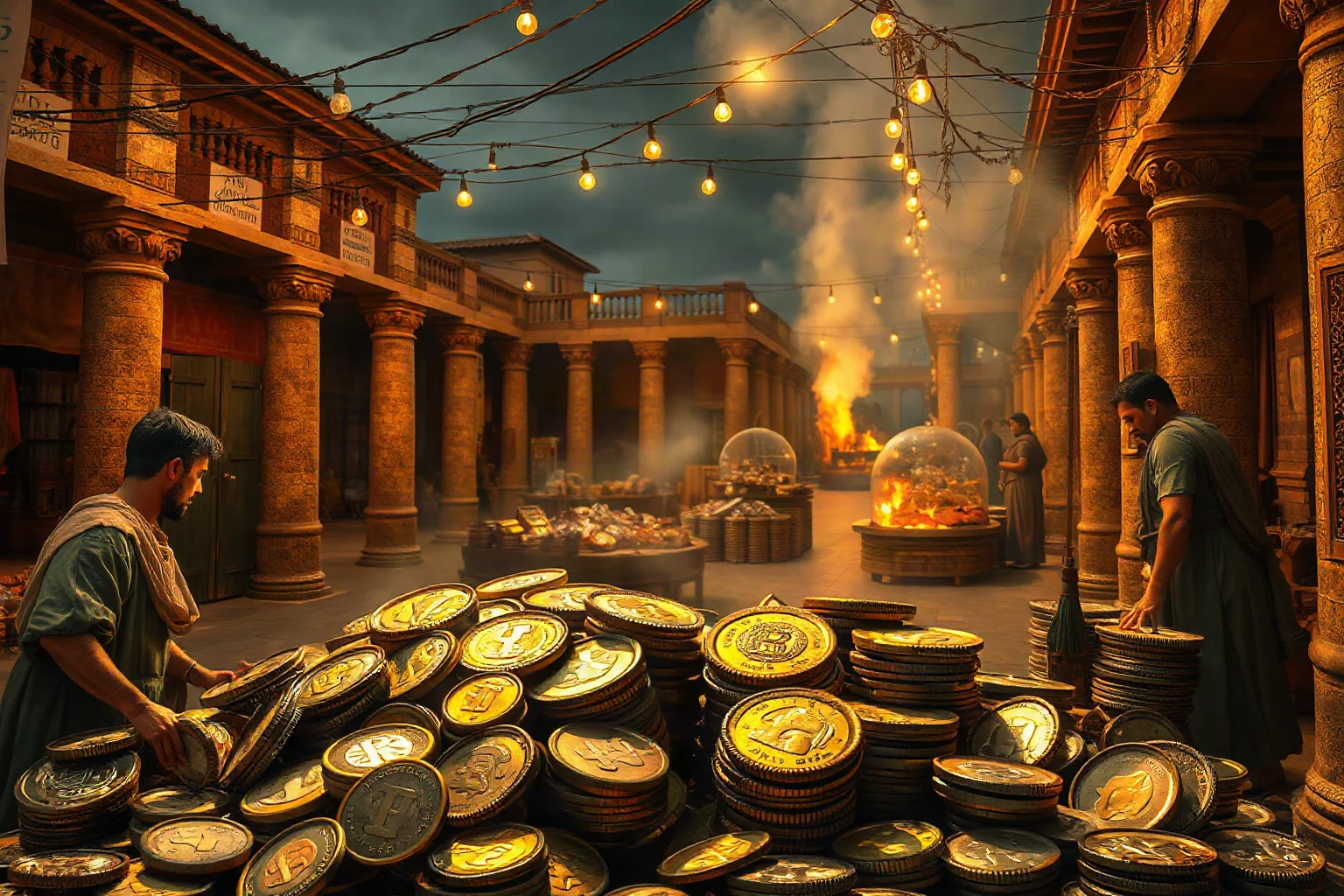
Roman emperors repeatedly reduced the silver content in coins to stretch government funds further, quietly devaluing currency to cover rising costs. Germany’s Weimar Republic did something structurally similar in the early 1920s by printing enormous amounts of money, triggering hyperinflation so severe that people reportedly needed wheelbarrows of cash for basic goods.
More recent hyperinflation crises, including in Zimbabwe in the late 2000s and Venezuela in the 2010s, followed comparable patterns of excessive currency issuance outpacing real economic output. It’s one of the more mathematically predictable examples of history repeating itself.
11. Colonial Extraction Sparking Independence Movements
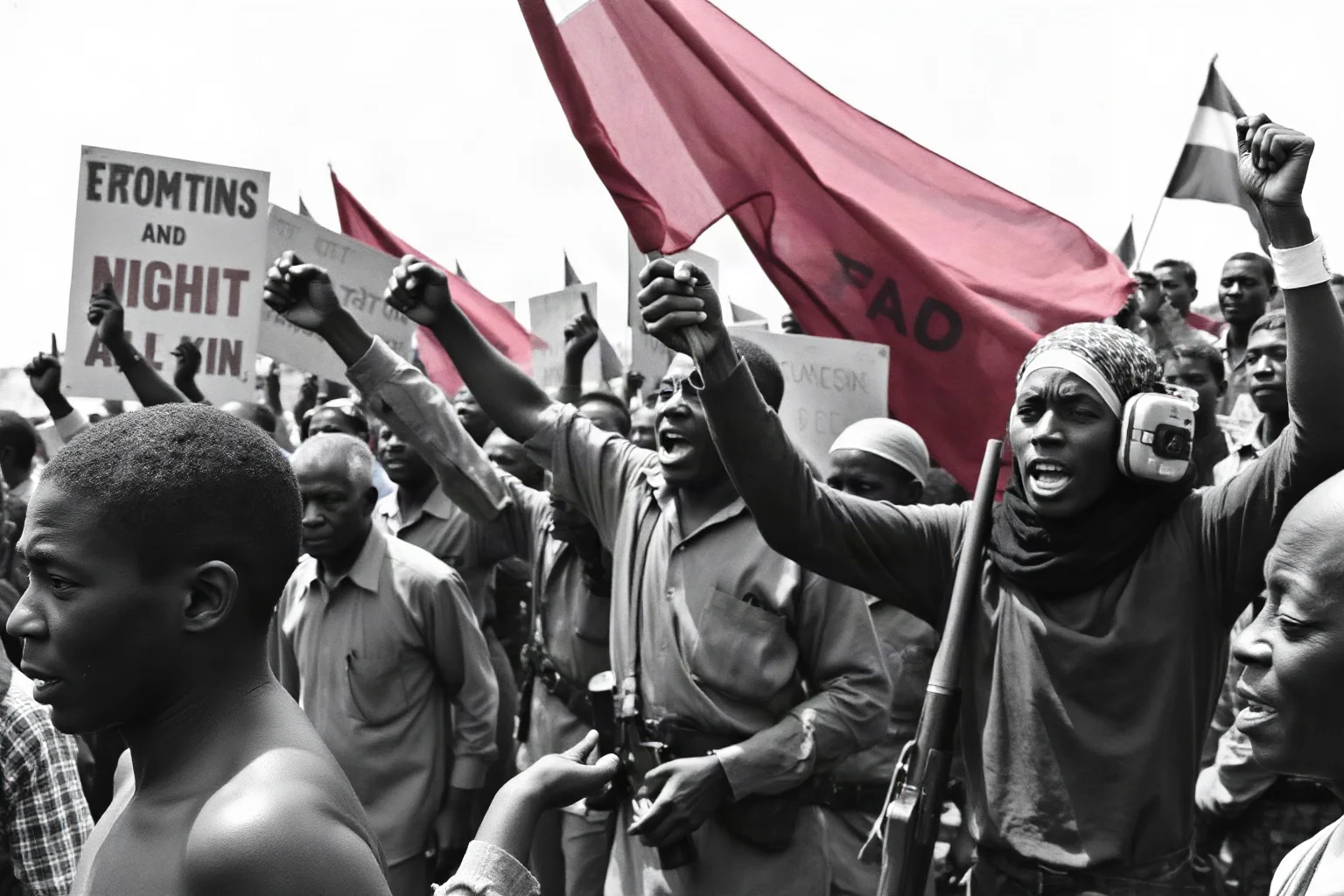
European colonial powers across Africa, Asia, and the Americas repeatedly extracted resources and labor from colonized regions while limiting local political power. This consistently produced resistance movements, and the mid-20th century saw a wave of independence movements — from India in 1947 to numerous African nations in the 1950s and 60s — following broadly similar patterns of organized resistance against similar grievances.
While every independence movement had its own leaders and context, the core cycle of extraction followed by resistance repeats across very different regions and time periods. It’s a pattern colonial historians treat almost like a case study template.
12. Cults of Personality Around Powerful Leaders
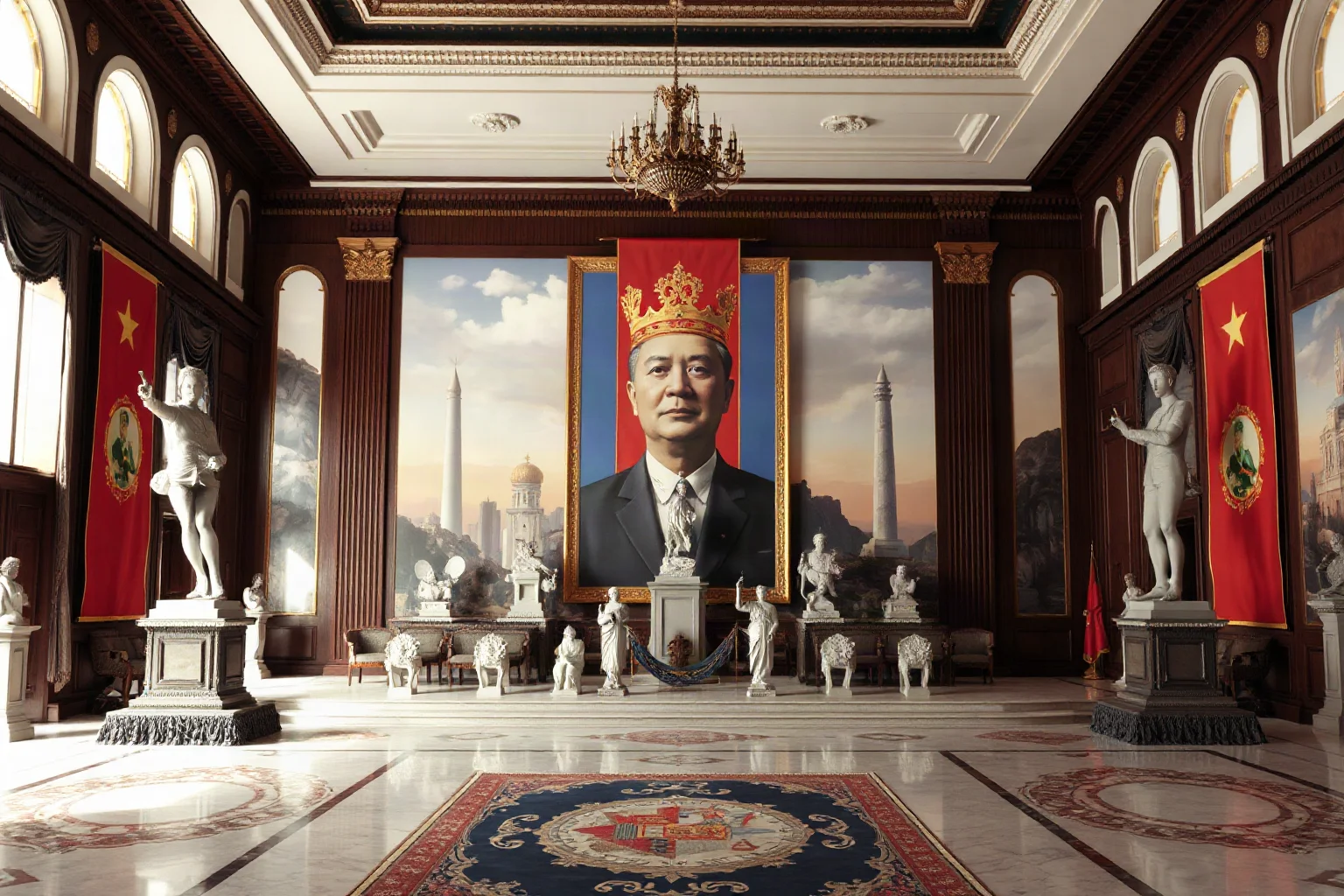
Napoleon Bonaparte, one of history’s most recognized historical figures, cultivated an image of destiny and personal greatness that helped him consolidate power in post-revolutionary France. Twentieth-century dictators, including several in Europe and Asia, built similarly elaborate personality cults using art, propaganda, and controlled media to present themselves as indispensable.
Political scientists note that cult-of-personality leadership tends to emerge during instability, when populations crave a strong, unifying figure. The specific ideology varies wildly, but the psychological playbook for building loyalty is remarkably consistent.
13. Refugee Crises Following Major Conflict
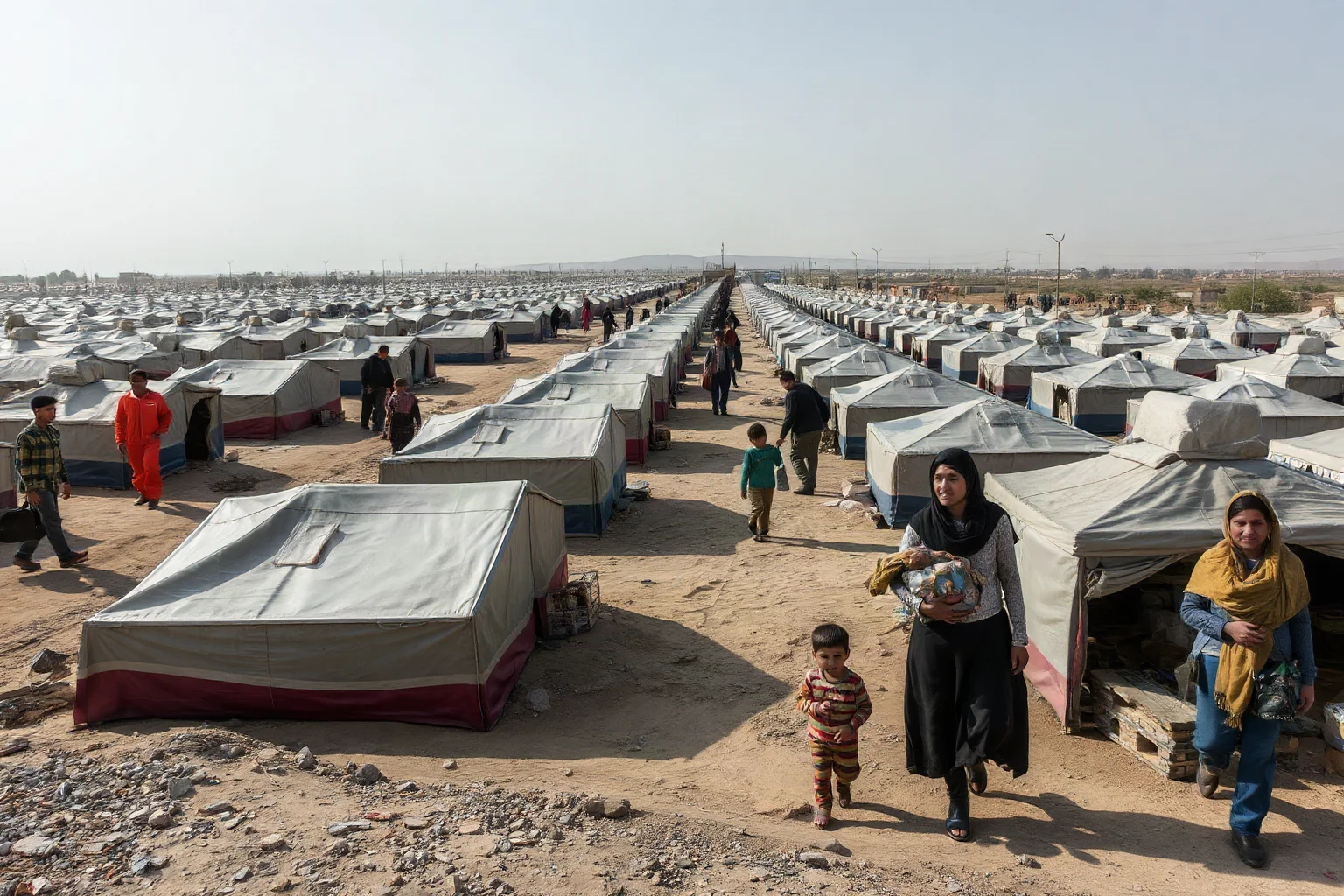
World War II displaced an estimated tens of millions of people across Europe and Asia, creating a refugee crisis that reshaped borders and populations for years afterward. Later conflicts — including in the Balkans during the 1990s and Syria in the 2010s — produced strikingly similar patterns of mass displacement, strained neighboring countries, and international debate over resettlement.
Aid organizations often study earlier refugee crises specifically because the logistical and humanitarian challenges repeat so closely. Wars end, but the human fallout follows a recognizable shape almost every time.
14. Arms Races That Precede Major Wars
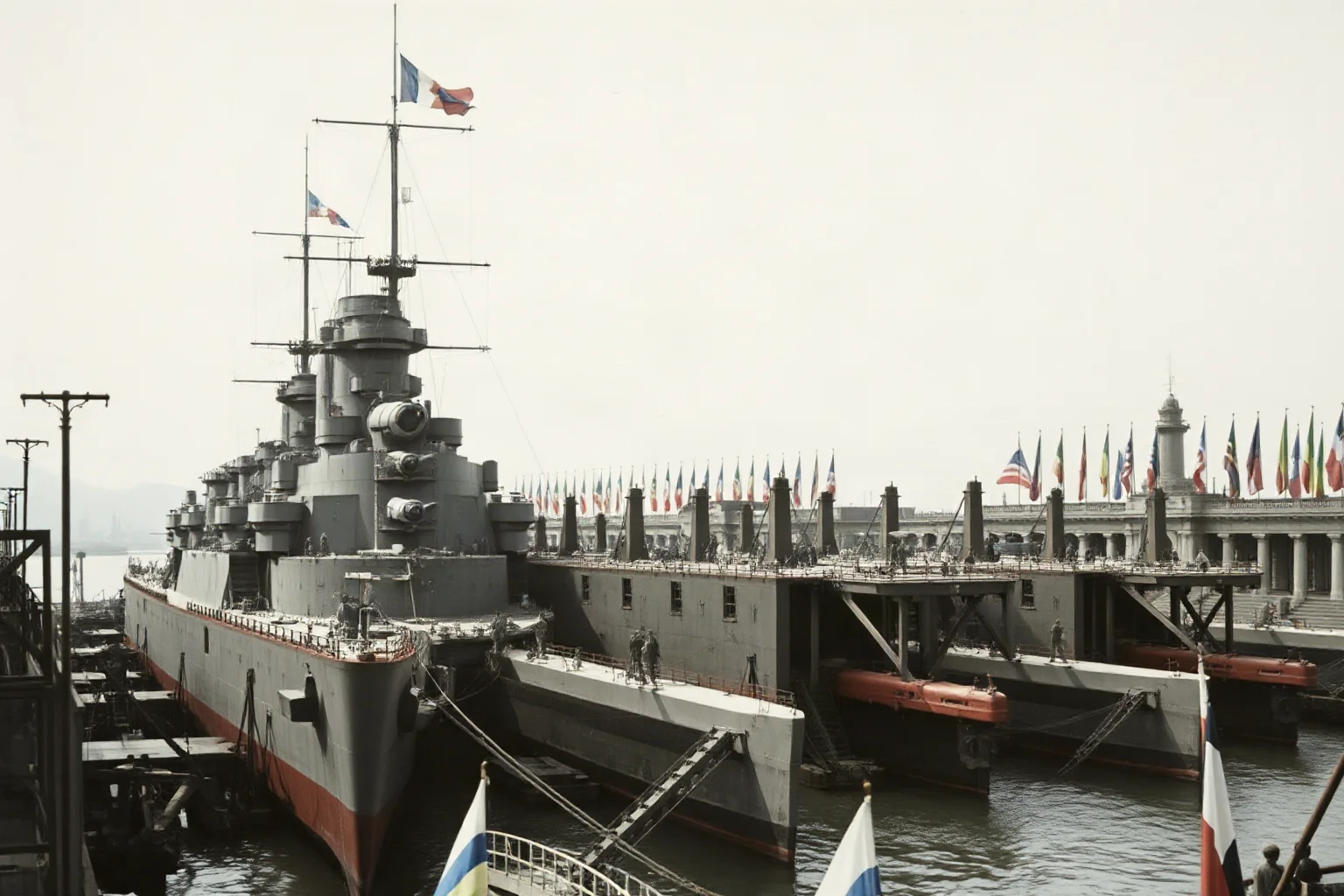
In the years before World War I, European powers engaged in an intense naval arms race, particularly between Britain and Germany, each side building bigger and more advanced battleships. This dynamic reemerged during the Cold War, as the United States and Soviet Union — two nations that would go on to field some of the largest militaries in the world — poured resources into nuclear weapons and missile technology in a race neither side could fully win.
Both arms races were driven by mutual fear and prestige rather than a specific plan to go to war. Historians often point to this as proof that military buildups can create the very tensions they’re meant to prevent.
15. Assassinations That Trigger Bigger Conflicts
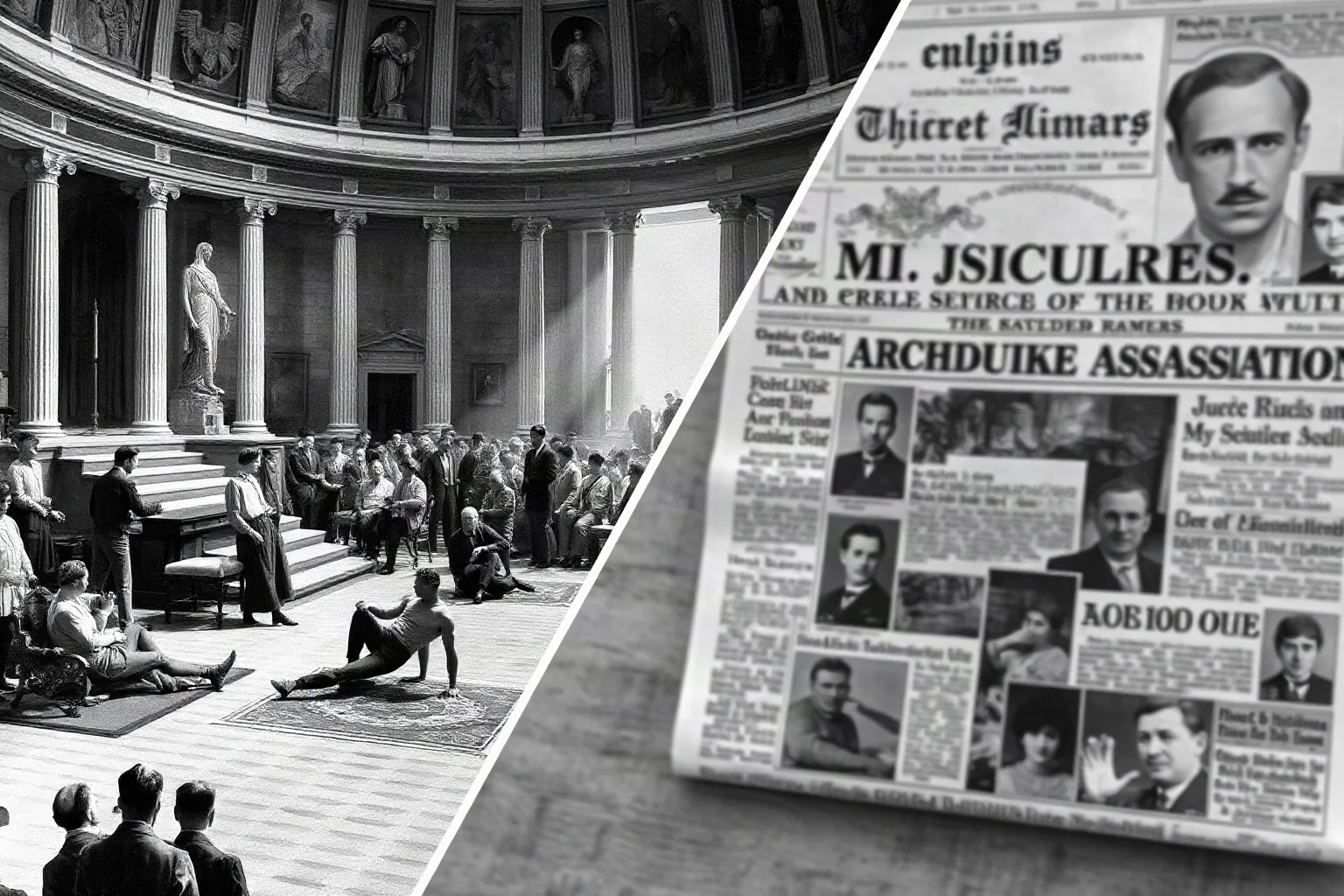
The assassination of Julius Caesar in 44 BCE plunged Rome into a power struggle that eventually ended the Republic. Nearly two thousand years later, the 1914 assassination of Archduke Franz Ferdinand of Austria-Hungary set off a chain of alliances and mobilizations that escalated into World War I.
In both cases, a single violent act exposed deep, pre-existing political tensions rather than creating them from nothing. The assassination was less the true cause and more the spark that ignited fuel that had been building for years.
16. Scapegoating Minorities During Hard Times
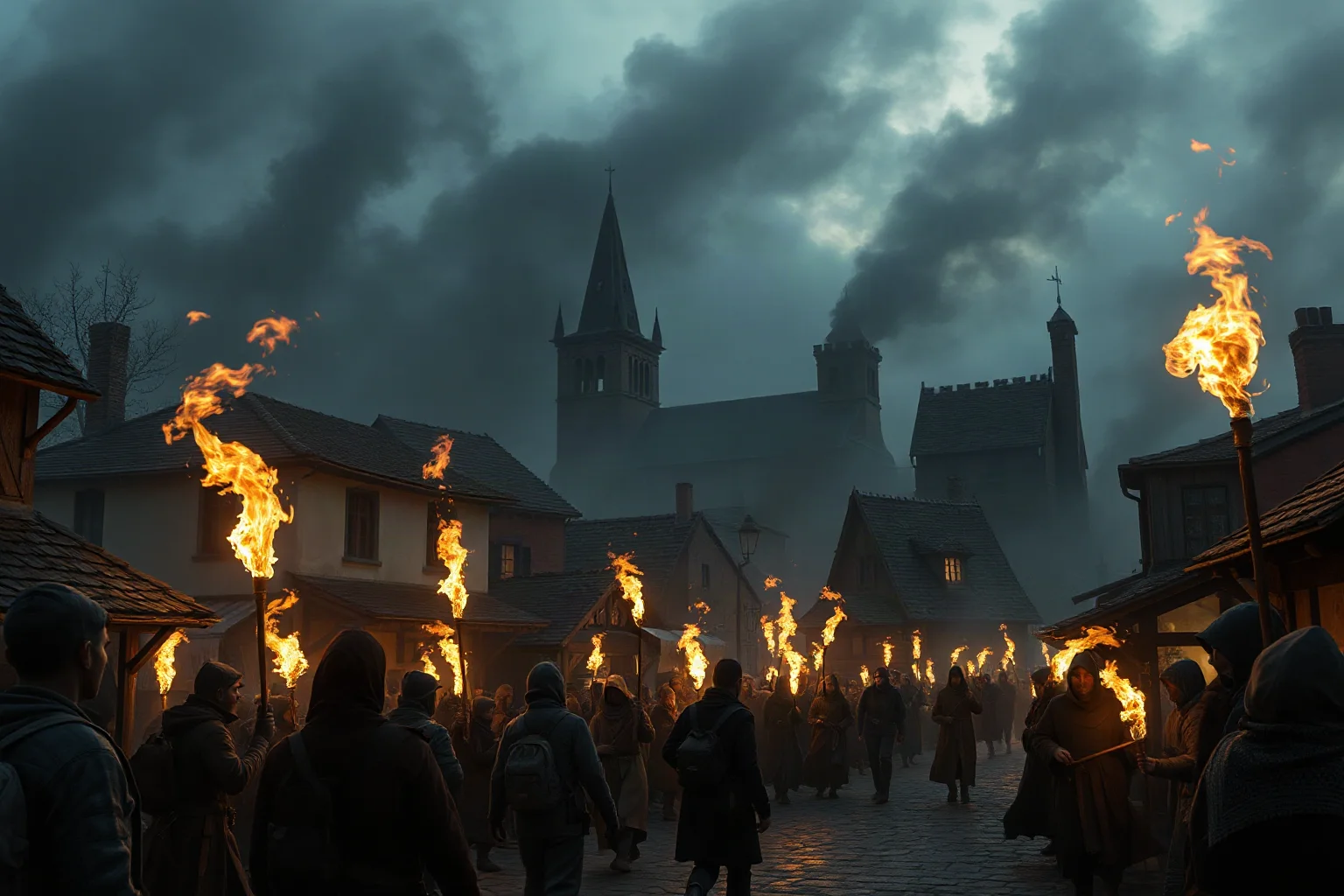
Throughout medieval and early modern Europe, minority communities were repeatedly blamed for plagues, famines, and economic hardship, often facing violent persecution as a result. This grim pattern reappeared with tragic consequences in 20th-century Europe, where economic collapse and nationalist propaganda fueled the persecution of Jewish communities and other minorities during the Nazi era.
Sociologists studying prejudice note that economic anxiety consistently correlates with a rise in scapegoating of out-groups. It’s one of history’s darkest and most persistent repeats, which is exactly why it’s so heavily studied in education about tolerance.
17. Stock Market Crashes After Reckless Speculation
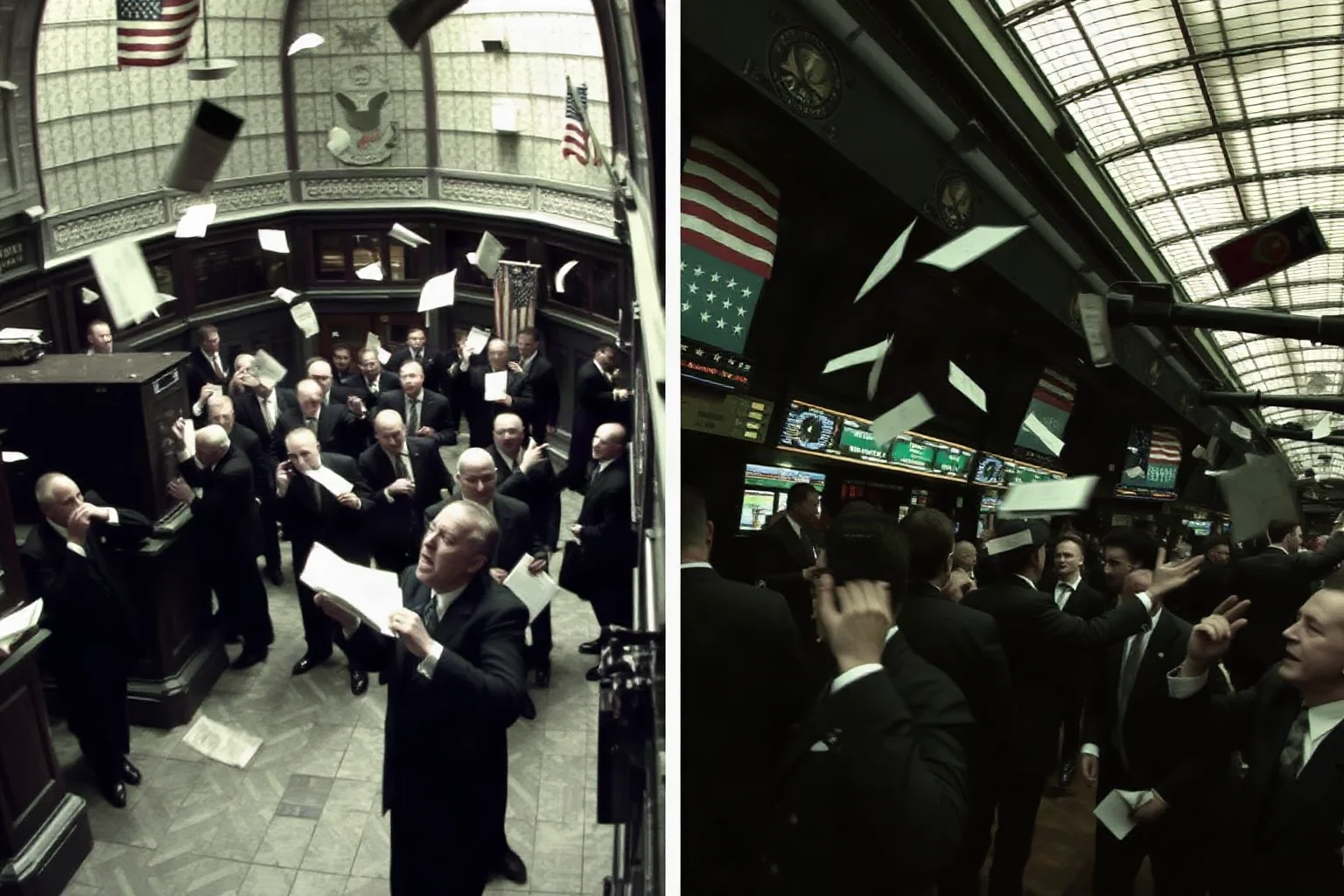
The 1929 stock market crash followed years of speculative buying on borrowed money, wiping out fortunes and helping trigger the Great Depression. The 2008 global financial crisis followed a comparable buildup, this time centered on risky mortgage lending and complex financial products that few regulators fully understood.
In both cases, warning signs were visible to some economists beforehand, but momentum and profit incentives drowned out caution. Wall Street historians frequently cite these two events together as the clearest financial history repeats itself examples in modern economics.
18. Walls Built to Keep People Out (or In)
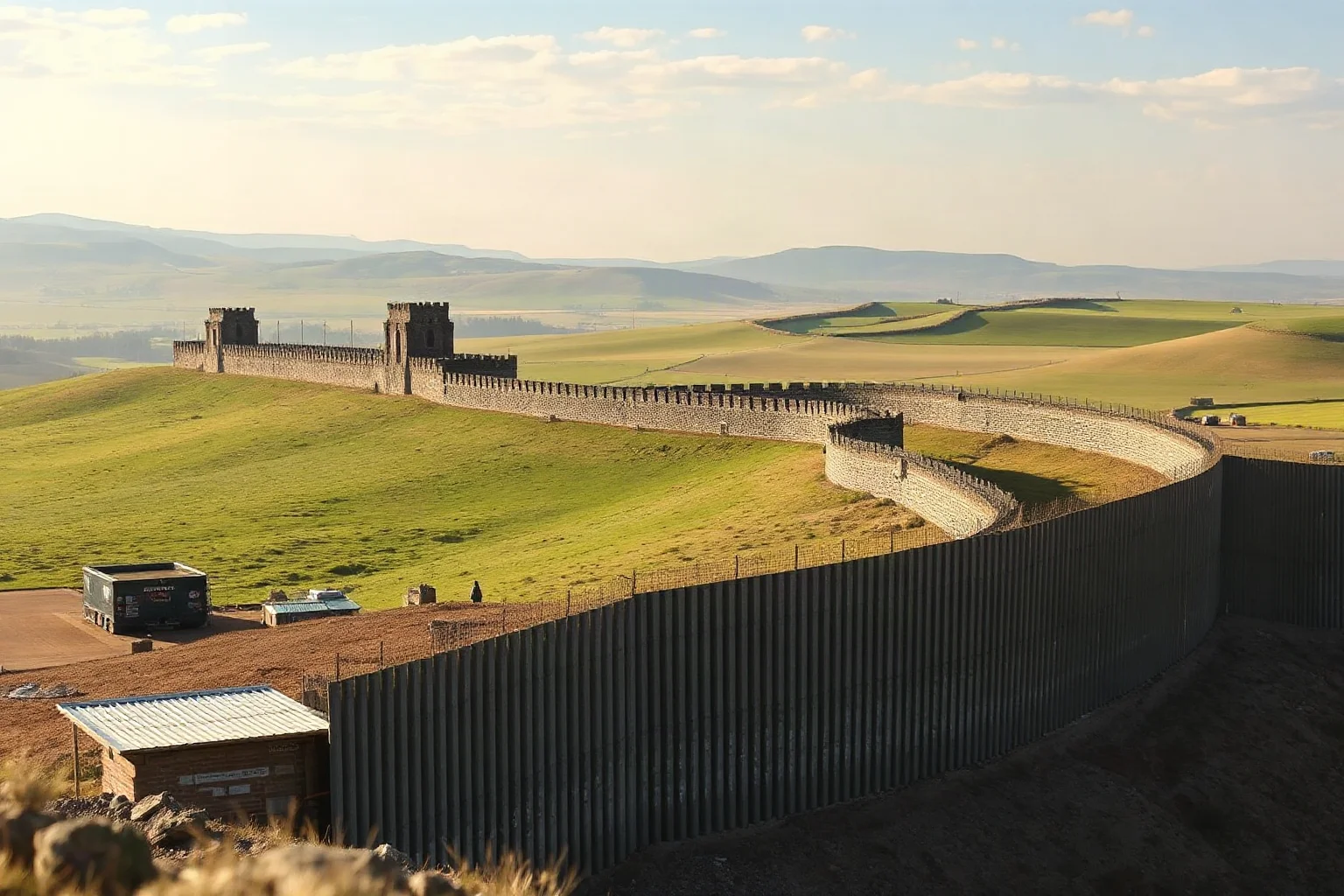
Hadrian’s Wall in Roman Britain and the Great Wall of China were both massive ancient efforts to control movement across a border and defend against outside threats. Modern border walls and fortified boundaries, built by various countries in recent decades, echo the same basic logic: physical barriers as a response to perceived threats or migration pressure.
Whether ancient or modern, these structures share a mixed historical record — expensive to build and maintain, and only partially effective at stopping determined movement. It’s a repeated history lesson in the limits of walls as a long-term solution.
19. Trade Routes Spreading Disease Alongside Goods
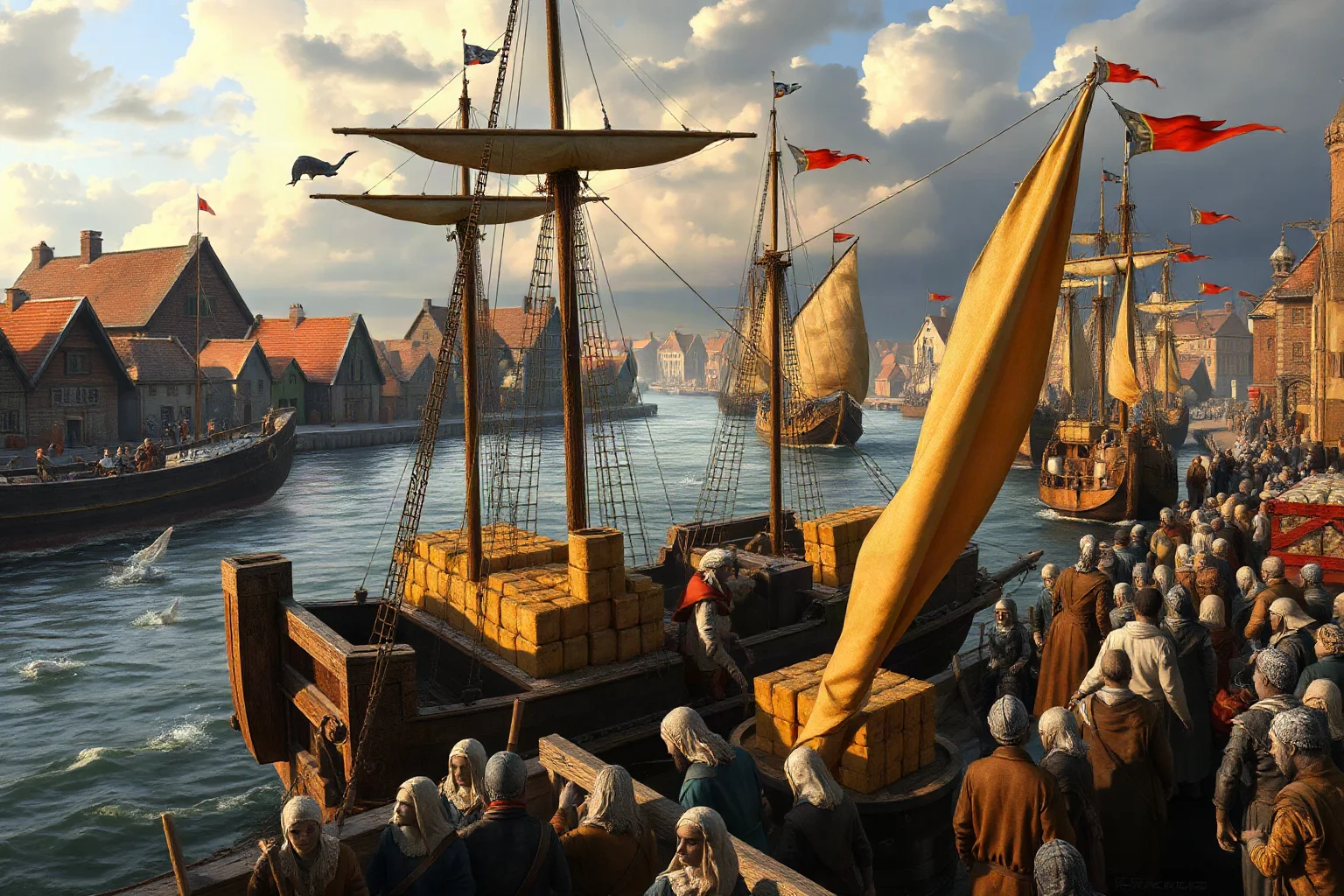
The Plague of Justinian in the 6th century spread rapidly along Mediterranean trade routes, carried by ships moving goods between the Byzantine Empire and beyond. Centuries later, the Black Death followed a similar path along trade networks stretching from Central Asia into Europe, and modern pandemics have continued to spread fastest along major travel and trade corridors.
Global connectivity has always been a double-edged sword: it spreads prosperity, but it also spreads pathogens with remarkable efficiency. Public health historians consider this one of the most consistent, almost mathematical, repeats in history.
20. Censorship and Book Banning in Times of Fear

Governments and institutions have banned or burned books for centuries, from the destruction of texts in ancient China under Qin Shi Huang to religious and political censorship throughout the Middle Ages and early modern Europe. Book bans and challenges continue in modern times as well, often tied to political, moral, or religious anxieties about controlling what ideas reach the public.
The specific books and justifications change dramatically across eras, but the underlying impulse — controlling information during periods of social anxiety — repeats with striking consistency. It remains one of the clearest, longest-running threads connecting ancient and modern history.
Is History Repeating Itself Right Now?
It’s tempting to look at current headlines and declare that history is repeating itself in real time, and honestly, some parallels are hard to ignore. Economic anxiety, populist politics, disinformation, and trade disputes all echo patterns from the list above, many of which sit alongside other historical events that changed the world more than people realize.
But good historians are careful here, because claiming history is destined to repeat itself in some exact, unavoidable way oversells what the evidence actually shows. Context matters enormously — technology, institutions, and global interconnectedness today are genuinely different from any previous era.
So is history repeating itself today? Probably in pattern, not in precise detail. That distinction matters if we actually want to use the past to make better decisions rather than just doom-scroll with extra historical flavor.
The Real Lesson: Why We Keep Studying the Past
The point of studying repeated history isn’t to predict the future with certainty, because no historian can honestly do that. It’s to recognize warning signs early enough to make different choices than the last generation did when facing something similar.
That’s really what Santayana was getting at with his warning about forgetting the past, and it’s why the phrase gets quoted so often even when misattributed to the wrong person. History doesn’t force us into a rerun; it just keeps offering the same test until enough people study for it.
Whether or not you believe history can repeat itself in some grand, fated sense, the practical takeaway is simple. Paying attention to these patterns is one of the few tools we actually have for avoiding a repeat of history’s worst chapters, rather than just being surprised by them all over again.
Frequently Asked Questions
Who said that history repeats itself?
There's no verified record of anyone saying the popular "history doesn't repeat, but it rhymes" line, despite it commonly being attributed to Mark Twain. The closest verifiable quotes come from George Santayana, who wrote that those who cannot remember the past are condemned to repeat it, and Karl Marx, who noted that great historical events tend to happen twice, first as tragedy and then as farce.
Do patterns really recur, and history repeats itself the same way each time?
Not exactly the same way. Historians generally agree that while and history repeats itself as a phrase suggests exact replays, what actually recurs are underlying patterns like economic panic, propaganda, or overreach, expressed differently depending on the technology and culture of the time.
What is the origin of “those who forget history are bound to repeat it”?
This popular saying is a paraphrase of philosopher George Santayana's 1905 line from The Life of Reason: "Those who cannot remember the past are condemned to repeat it." It's frequently misquoted or attributed to other historical figures, but Santayana is the documented original source.
What are some clear examples of history repeating itself?
Well-documented examples include speculative financial bubbles like Tulip Mania and the 2008 housing crash, appeasement failing to stop aggressors in both the 1930s and earlier diplomacy, and pandemics like the Black Death and COVID-19 both triggering scapegoating and economic disruption. Empires overextending their military reach, such as Rome and later the British Empire, is another frequently cited pattern.
Is history destined to repeat itself, or can people break the cycle?
Most historians reject the idea that history is destined to repeat itself in some fixed, unavoidable way. Patterns recur because human psychology and incentives don't change much, but informed decision-making, strong institutions, and public awareness of past mistakes can and do interrupt cycles that might otherwise repeat.
When has history repeated itself most clearly?
Financial crises offer some of the clearest cases, since the 1929 crash and the 2008 financial crisis both followed years of reckless speculation and weak regulation. Political scapegoating during hard times is another strong example, appearing repeatedly from medieval plagues to 20th-century economic collapses.
Does history really repeat itself, or does it just rhyme?
The honest, myth-busting answer is that it mostly rhymes rather than repeats exactly. Events unfold with different people, technology, and context each time, but the same human triggers — fear, greed, power, and forgetting — keep producing recognizably similar outcomes across very different eras.

Alex Warren
Related Articles