
War has shaped human history more than almost anything else, and the words spoken and written about it echo across centuries for good reason.
From ancient generals to modern presidents, poets to novelists, people have tried to capture the horror, heroism, and heartbreak of armed conflict in a single memorable line.
Some of these sayings are battle-tested and well-documented, while others have been reshaped, misquoted, or misattributed so many times that separating fact from folklore takes real care.
This guide gathers some of the most famous, moving, and thought-provoking quotes about war ever recorded, organized by theme so you can find exactly the kind of wisdom, warning, or inspiration you’re looking for.
We’ll also flag the handful of famous lines whose origins are murkier than internet meme culture suggests, because getting the history right matters just as much as getting the words right.
TL;DR: From Sun Tzu’s ancient strategy to Churchill’s wartime speeches and Tolstoy’s fiction, history’s most powerful quotes about war reveal a shared, hard-won truth—that conflict brings out both humanity’s worst instincts and its deepest longing for peace.
Why Quotes About War Still Resonate Today
Quotations on war endure because they compress enormous, painful experiences into a few unforgettable words. A single line from a soldier, poet, or statesman can carry the weight of an entire battlefield or an entire era of grief. That’s why sayings about war get repeated in speeches, memorials, textbooks, and tattoos generations after the guns fell silent.
Whether you’re searching for inspirational war quotes to honor veterans, anti-war quotes for a research paper, or simply famous wartime quotes that put history into perspective, context is everything. Below, each quote comes with a bit of background so you understand not just what was said, but who said it, when, and why it still matters.
Timeless Wisdom and Philosophy on War
Some of the oldest quotations about war and peace come from military strategists and philosophers who were trying to understand conflict as a permanent feature of human nature, not just a passing event.
1. Sun Tzu — “The supreme art of war is to subdue the enemy without fighting.”
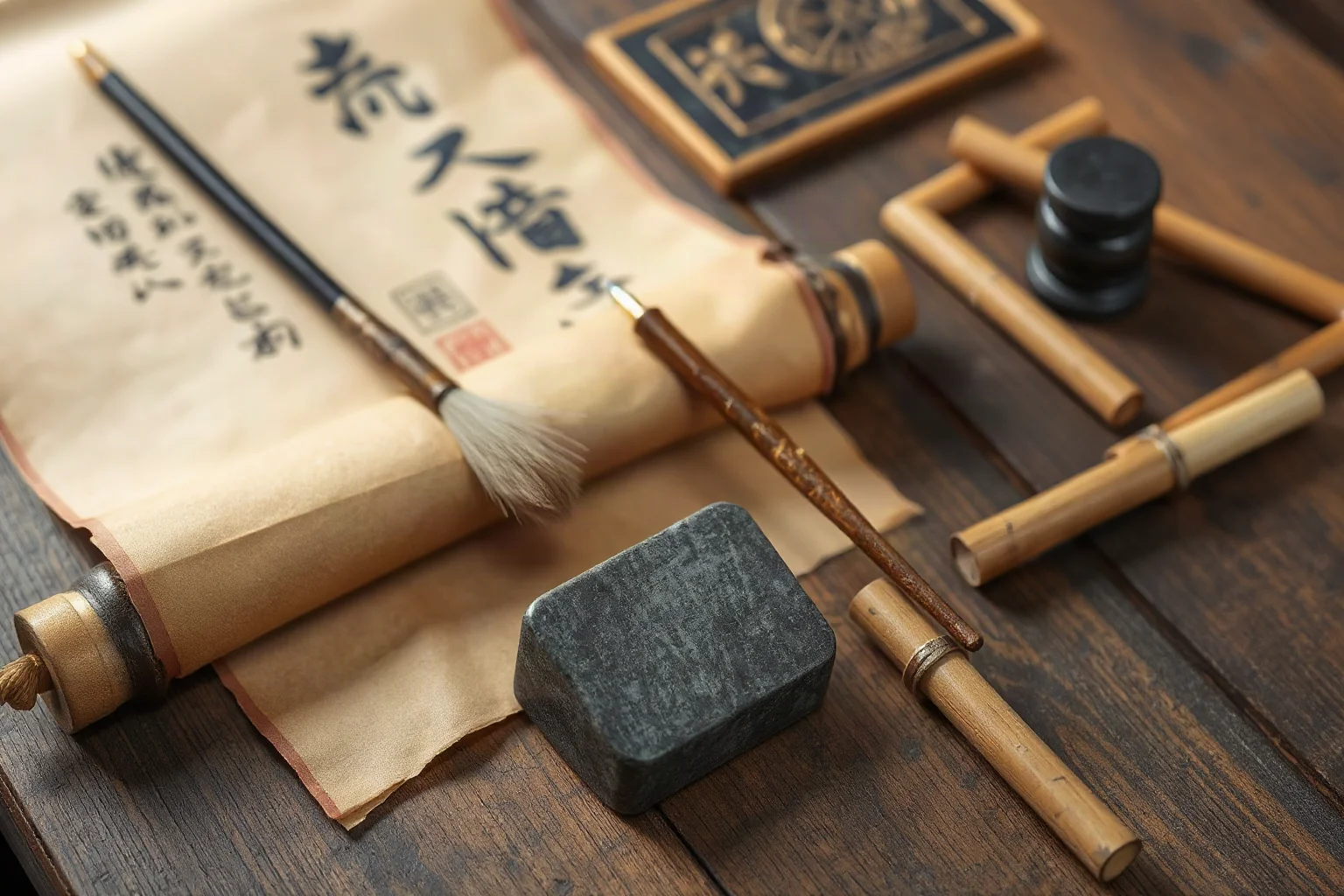
This line comes from The Art of War, a Chinese military treatise traditionally attributed to the general Sun Tzu and believed to date to around the 5th century BC. It remains one of the most quoted pieces of military philosophy in the world, prized for arguing that strategy and deception can outperform brute force.
2. Carl von Clausewitz — “War is the continuation of politics by other means.”
Written by the Prussian general and theorist in his posthumously published work On War (1832), this quote reframed war not as chaos, but as a rational extension of state policy. It’s still cited constantly in political science and international relations classes today.
3. Plato (attribution disputed) — “Only the dead have seen the end of war.”
This line is popularly credited to Plato and was famously quoted by General Douglas MacArthur in a 1962 speech at West Point. Scholars have never located it in Plato’s actual writings, though, so it’s best treated as a well-known saying of uncertain origin rather than a confirmed classical quotation.
4. Aeschylus (attribution disputed) — “In war, truth is the first casualty.”
This phrase is widely attributed to the ancient Greek playwright Aeschylus, but historians have struggled to trace it to his surviving texts. A closely related sentiment was expressed by U.S. Senator Hiram Johnson around World War I, and the modern wording likely developed sometime in the 20th century as writers popularized the idea that propaganda distorts wartime information.
Anti-War Quotes and Sayings Worth Remembering
Anti-war quotes push back against the glorification of combat, often written by people who witnessed its cost firsthand. These sayings about war remain some of the most quoted and shared today.
5. Albert Einstein — “I know not with what weapons World War III will be fought, but World War IV will be fought with sticks and stones.”
Einstein, who helped set off the nuclear age indirectly through his physics work, became an outspoken advocate for disarmament after World War II. This grim warning about nuclear escalation is frequently cited in discussions of atomic-age anxiety.
6. Thomas Mann — “War is only a cowardly escape from the problems of peace.”

The German novelist and Nobel laureate wrote this in the years surrounding World War I and World War II, when he became increasingly critical of nationalism and militarism in Europe. It remains one of the sharper literary quotes against war.
7. Harry Emerson Fosdick — “The tragedy of war is that it uses man’s best to do man’s worst.”
Fosdick was an American clergyman known for his sermons on peace and morality in the early to mid-20th century. This quote captures a recurring theme in anti-war sayings: that courage and sacrifice are wasted on destruction.
8. Dwight D. Eisenhower — “I hate war as only a soldier who has lived it can, only as one who has seen its brutality, its futility, its stupidity.”
Eisenhower commanded Allied forces in Europe during World War II before becoming U.S. president, giving this quote unusual authority. It’s frequently cited as proof that even history’s most decorated generals weren’t glorifying combat.
9. Martin Luther King Jr. — “Wars are poor chisels for carving out peaceful tomorrows.”
King said this in his 1967 speech “Beyond Vietnam,” tying his civil rights work to broader opposition to the Vietnam War. It’s one of the more memorable war quotes from the American civil rights era.
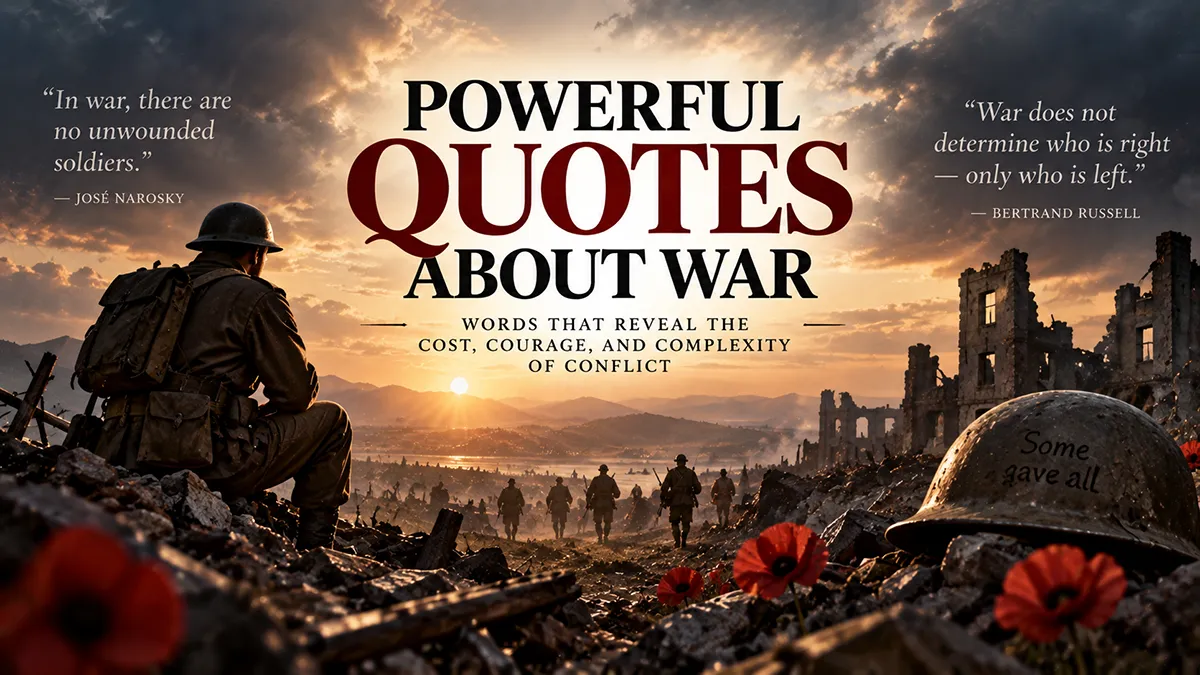
10. Bertrand Russell (popularly attributed) — “War does not determine who is right, only who is left.”

This quote circulates widely online under Russell’s name, but no verified source in his published writing has been confirmed. Russell was a committed pacifist and philosopher, so the sentiment fits his views, even if the exact quotation’s origin remains uncertain.
Quotes From Generals and Wartime Leaders
Some of the most quotable lines in history come straight from the people who led armies and nations through combat, giving these words a weight that’s hard to manufacture.
11. William Tecumseh Sherman — “War is hell.”
This short, blunt phrase is associated with the Union general’s later speeches reflecting on the American Civil War, particularly a version he gave in an 1880 address in Columbus, Ohio. It’s become shorthand for the brutal reality behind military glory.
12. George S. Patton — “The object of war is not to die for your country but to make the other bastard die for his.”
Patton, a famously blunt U.S. Army general in World War II, delivered variations of this line in speeches to troops before D-Day operations. It’s frequently listed among the more badass war quotes precisely because of its unapologetic tone.
13. Robert E. Lee — “It is well that war is so terrible. We should grow too fond of it.”
Lee reportedly said this while watching a battle during the Civil War, reflecting on how easily people can become drawn to the intensity of combat. It’s often cited as a sad and sobering quote about war’s strange pull on human psychology.
14. Otto von Bismarck — “The great questions of the day will not be settled by speeches and majority votes, but by iron and blood.”
Bismarck delivered this line, often shortened to “blood and iron,” in an 1862 speech to the Prussian parliament, foreshadowing his role in unifying Germany through military force, one of the historical events that quietly reshaped the entire world. It remains a defining quote in 19th-century European history.
15. Douglas MacArthur — “In war, there is no substitute for victory.”

MacArthur said this during a 1951 address to the U.S. Congress after being relieved of his Korean War command, arguing against limited warfare strategies. It’s still cited in debates about military strategy and political restraint.
16. George Washington — “To be prepared for war is one of the most effectual means of preserving peace.”
Washington, one of the key figures of the American Revolution, included this idea in his first annual address to Congress in 1790, laying groundwork for American defense policy. It’s one of the earliest and most quoted American sayings about preparing for war as a deterrent rather than an act of aggression.
17. Winston Churchill — “Never in the field of human conflict was so much owed by so many to so few.”
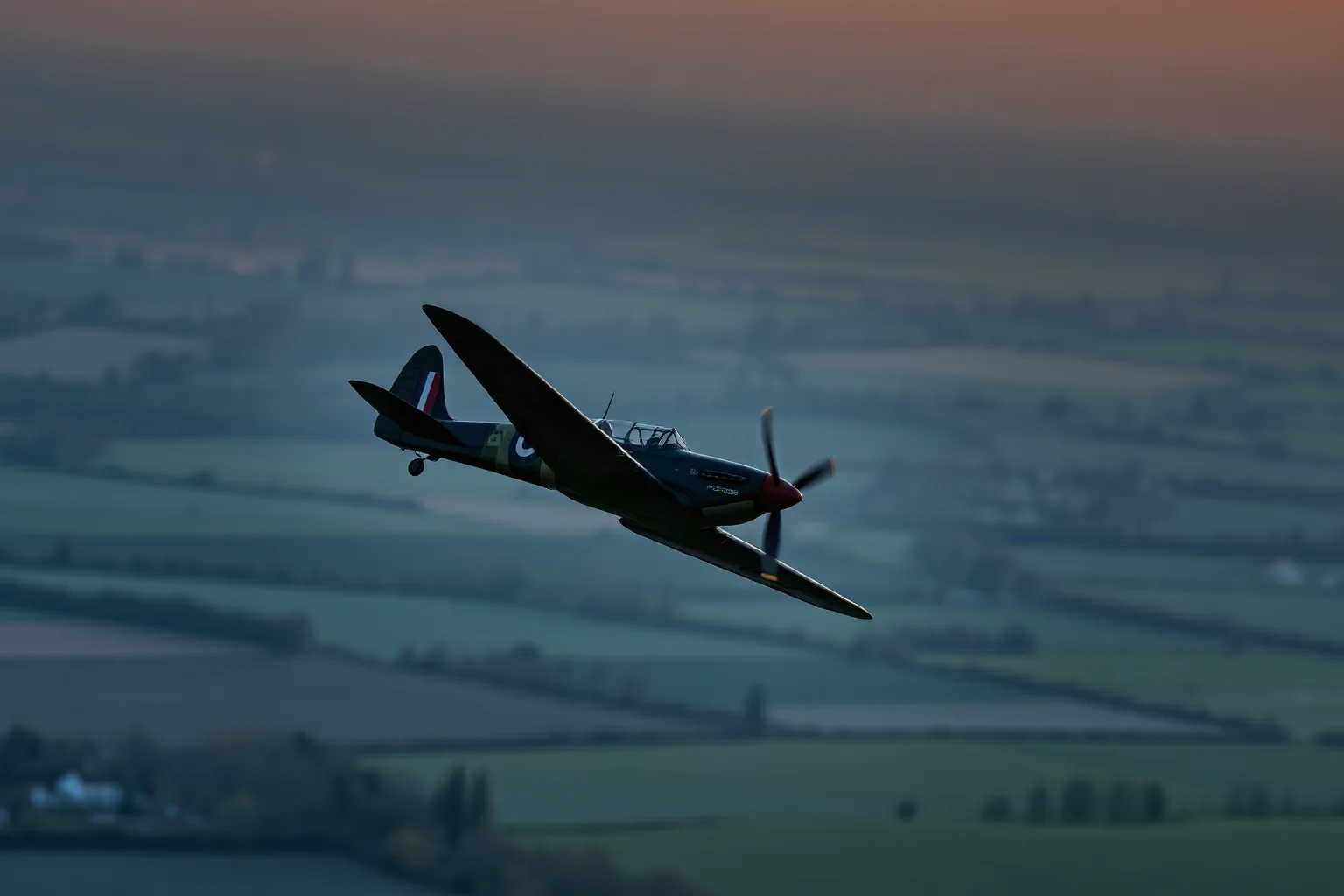
Churchill delivered this tribute to Royal Air Force pilots during the Battle of Britain in a 1940 speech to the House of Commons. It remains one of the most famous World War II quotes in the English language.
18. Winston Churchill — “I have nothing to offer but blood, toil, tears, and sweat.”
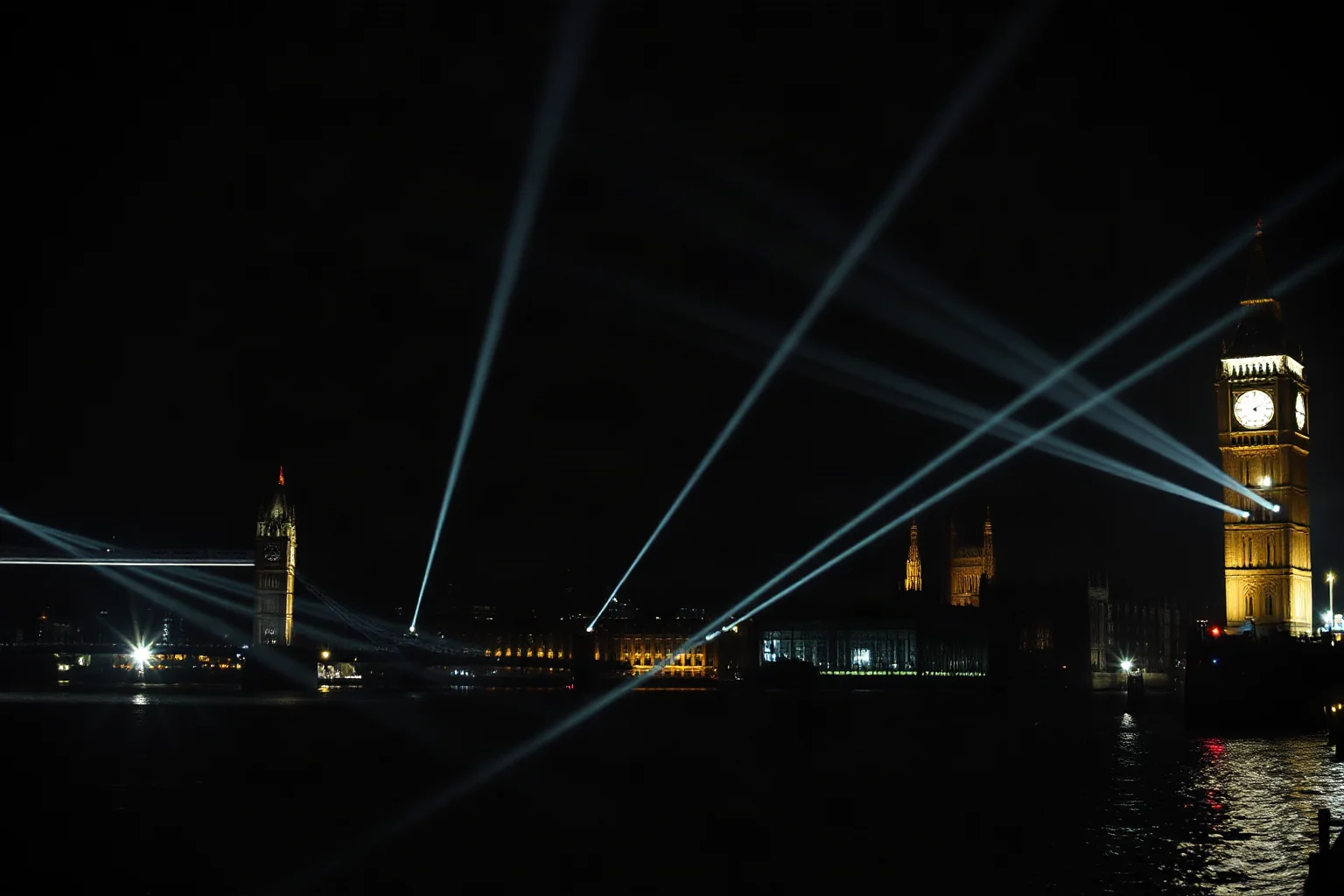
Churchill gave this line in his first speech as Prime Minister in May 1940, setting the tone for Britain’s resolve early in World War II. It’s frequently paired with his “few” speech as one of the most quoted wartime addresses ever recorded.
Voices From the World Wars
Beyond generals and statesmen, some of the most haunting quotes from the war era came from soldiers, poets, and political leaders trying to make sense of unprecedented destruction.
19. Wilfred Owen — “My subject is War, and the pity of War. The Poetry is in the pity.”
Owen, a British officer and poet killed in action just a week before the Armistice in 1918, wrote this in the preface to his war poems. His work remains some of the most powerful literary commentary on World War I ever produced.
20. Woodrow Wilson — “The world must be made safe for democracy.”
Wilson said this in his April 1917 speech asking Congress to declare war on Germany, framing American involvement in World War I in idealistic terms. It became one of the defining phrases of the era.
21. John F. Kennedy — “Mankind must put an end to war, or war will put an end to mankind.”
Kennedy delivered this warning in a 1961 address to the United Nations General Assembly, during the height of Cold War nuclear tension. It’s still quoted in discussions about the stakes of modern warfare.
Shakespeare and Literature on War
Literature has long grappled with the meaning of combat, and some of the oldest, most quoted lines about war come straight from the stage and the novel.
22. William Shakespeare — “Cry ‘Havoc!’ and let slip the dogs of war.”
This line appears in Julius Caesar (written around 1599), spoken by Mark Antony as he predicts the chaos that will follow Caesar’s assassination. It’s one of the most quoted Shakespeare lines about war in the English language.
23. William Shakespeare — “Once more unto the breach, dear friends, once more.”
Spoken by King Henry in Henry V (around 1599) as he rallies his troops before the siege of Harfleur, this line has become a go-to phrase for rallying courage before a difficult fight. It’s frequently cited among the most inspirational war quotes in classic literature.
24. Leo Tolstoy — “The strongest of all warriors are these two — Time and Patience.”

This line comes from Tolstoy’s epic novel War and Peace (1869), which follows Russian society through the Napoleonic Wars. It’s one of the most quoted lines from War and Peace, often shared as a piece of quiet wisdom rather than a battlefield boast.
25. Leo Tolstoy — “Everything I know, I know because of love.”

Also from War and Peace, this reflection appears amid the novel’s sprawling meditation on conflict, family, and meaning. Fans searching for the best quotes from War and Peace often highlight this line as proof the novel is ultimately about connection, not combat.
Quotes on War and Peace
Some of the most quoted lines about war are really about its opposite, capturing what peace requires and why it’s worth protecting.
26. Mahatma Gandhi — “An eye for an eye only ends up making the whole world blind.”
Gandhi expressed this idea repeatedly throughout his decades of nonviolent activism against British colonial rule in India during the early to mid-20th century. It remains a foundational quote in discussions of cycles of violence and retaliation.
27. Ronald Reagan — “Peace is not the absence of conflict, it is the ability to handle conflict by peaceful means.”
Reagan used variations of this idea during his presidency in the 1980s, particularly amid Cold War negotiations with the Soviet Union. It’s a popular quote for anyone exploring the difference between the absence of war and genuine, lasting peace.
28. Baruch Spinoza — “Peace is not an absence of war, it is a virtue, a state of mind, a disposition for benevolence, confidence, justice.”

This idea appears in Spinoza’s 17th-century political writings, where the Dutch philosopher argued that true peace requires active moral character, not just a lull in fighting. It’s one of the oldest philosophical quotations about war and peace still cited in modern political thought.
Famous War Slogans and Proverbs Worth Knowing
Beyond formal quotations, wars have produced short, punchy slogans meant to rally entire nations. “Loose Lips Sink Ships” was a widely used American World War II slogan warning civilians not to leak troop movements in casual conversation, much like the morale-boosting songs of World War II that filled home-front radios. “Remember Pearl Harbor” became a rallying cry across the United States almost immediately after the December 1941 attack.
One popular myth worth busting: the now-iconic “Keep Calm and Carry On” poster was printed by the British government in 1939 but was barely distributed and largely forgotten until a bookshop rediscovered a copy in 2000. It only became a global slogan and meme decades after World War II ended, not during it.
Older proverbs on war have survived even longer. The Latin phrase “Si vis pacem, para bellum” — “If you want peace, prepare for war” — is drawn from the writings of the Roman military author Vegetius in the 4th century AD, and it still underpins modern deterrence theory. The English proverb “all is fair in love and war” has circulated in various forms since at least the 16th century, reflecting a much older idea that ordinary rules of conduct bend under extreme circumstances.
How to Use These Quotes Thoughtfully
Quotes about war work best when they’re used to inform reflection, not to oversimplify a complicated topic. A short quote can open a school essay, anchor a memorial speech, or accompany a Veterans Day tribute, but it shouldn’t replace real historical context.
When you’re citing a quotation for war memorials, classroom papers, or social media posts, take a moment to check the source, especially for lines attributed to ancient figures like Plato or Aeschylus. Misattributed quotes spread quickly online, and part of honoring history accurately is making sure the words we repeat are actually tied to the people we credit.
Final Thoughts on War’s Most Powerful Words
From Sun Tzu’s ancient strategy to Tolstoy’s sprawling fiction, the language people use to describe war rarely stays simple. These famous quotes and sayings capture fear, defiance, grief, and hope for peace all at once, often within a single sentence.
Whatever war you’re studying, whether it’s an ancient conflict, a world war, or a modern crisis, it almost certainly has its own famous sayings and quotes attached to it, shaped by the people who lived through it. Reading them carefully, with real historical context, is one of the most direct ways to understand not just what happened, but what it cost.
Frequently Asked Questions
What does the search phrase “war is on quotes” usually mean?
Most people typing "war is on quotes" are searching for collections of famous quotations about war, hostility, or conflict in general, rather than a single specific saying. It's a common, slightly informal way of phrasing a search for pages exactly like this one, which round up memorable quotes from generals, writers, and leaders across history.
What is the most famous quote about war?
There's no single universally agreed-upon 'most famous' quote, but William Tecumseh Sherman's "War is hell" and Carl von Clausewitz's "War is the continuation of politics by other means" are among the most widely recognized and quoted lines in English-language discussions of war.
Are anti-war quotes historically accurate, or are some of them made up?
Many well-known anti-war quotes, like those from Einstein, Eisenhower, and Martin Luther King Jr., are well-documented in speeches and writings. However, some popular anti-war sayings, such as the line often attributed to Bertrand Russell about who is 'right' versus 'left,' circulate widely online without a confirmed original source, so it's worth treating those with a bit of caution.
Did Plato really say ‘only the dead have seen the end of war’?
This is widely attributed to Plato and was famously repeated by General Douglas MacArthur in a 1962 speech, but historians have not found the line in Plato's surviving texts. It's best understood as a popular saying of uncertain origin rather than a verified quotation from Plato himself.
What are some short war quotes good for speeches or tributes?
Short, powerful options include Sherman's "War is hell," Churchill's tribute to RAF pilots, "Never in the field of human conflict was so much owed by so many to so few," and Sun Tzu's line on subduing an enemy without fighting. These work well because they're concise but carry significant historical weight.
Are the quotes in “The War That Saved My Life” based on real history?
"The War That Saved My Life" is a historical fiction novel by Kimberly Barker Bradley, set during the London Blitz in World War II. While the novel's quotes come from its fictional characters rather than real historical figures, it is grounded in accurate details about British evacuee children and wartime life.
Is there a well-known quote specifically about war on terrorism?
There isn't one single, universally agreed-upon quote specifically about the war on terrorism, since it's a modern and politically complex term. Many people instead apply broader, time-tested quotes about war and peace, such as those from Eisenhower or MLK, to modern discussions of terrorism and conflict.
What’s a good proverb about preparing for war?
One of the oldest and most cited is the Latin proverb "Si vis pacem, para bellum," meaning "If you want peace, prepare for war," drawn from the Roman writer Vegetius in the 4th century AD. George Washington expressed a similar sentiment in 1790, saying that being prepared for war is one of the most effective ways to preserve peace.

Alex Warren
Related Articles