
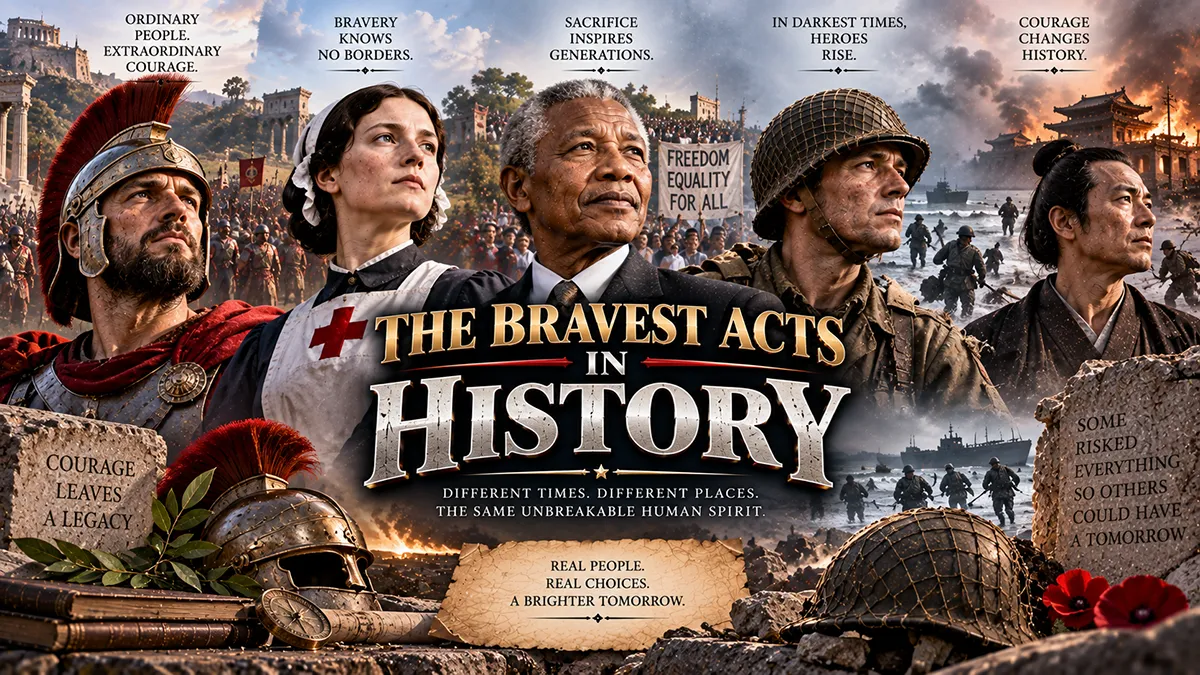
When people ask who the bravest person in the world is, they’re usually hoping for a single, tidy answer — a name, a medal, a legend. History rarely works that way.
Real bravery shows up in soldiers who charge forward, but also in teenagers who whisper secrets, teachers who refuse to sit down, and strangers who step in front of danger without being asked twice.
This list pulls together some of the most well-documented and inspiring examples of courage across centuries and continents.
Some names you’ll know well; others deserve to be far more famous than they are. Either way, these are the courageous historical figures whose choices remind us what the word ‘brave’ is actually supposed to mean.
TL;DR: From ancient battlefields to modern protest lines, history’s bravest acts share one thing in common — ordinary people choosing to act despite real fear and real risk.
What Actually Counts as Courage?
Before diving into the list, it’s worth pausing on a myth: bravery isn’t the absence of fear. Nearly every courageous person in history described feeling terrified, uncertain, or reluctant right before their defining moment.
What separates real bravery from recklessness is intention. A reckless act ignores risk; a courageous act acknowledges the risk and chooses to move forward anyway, usually for the sake of someone or something bigger than the individual. That distinction shows up again and again in the stories below.
Ancient and Medieval Warriors of Legend
1. Leonidas and the 300 at Thermopylae
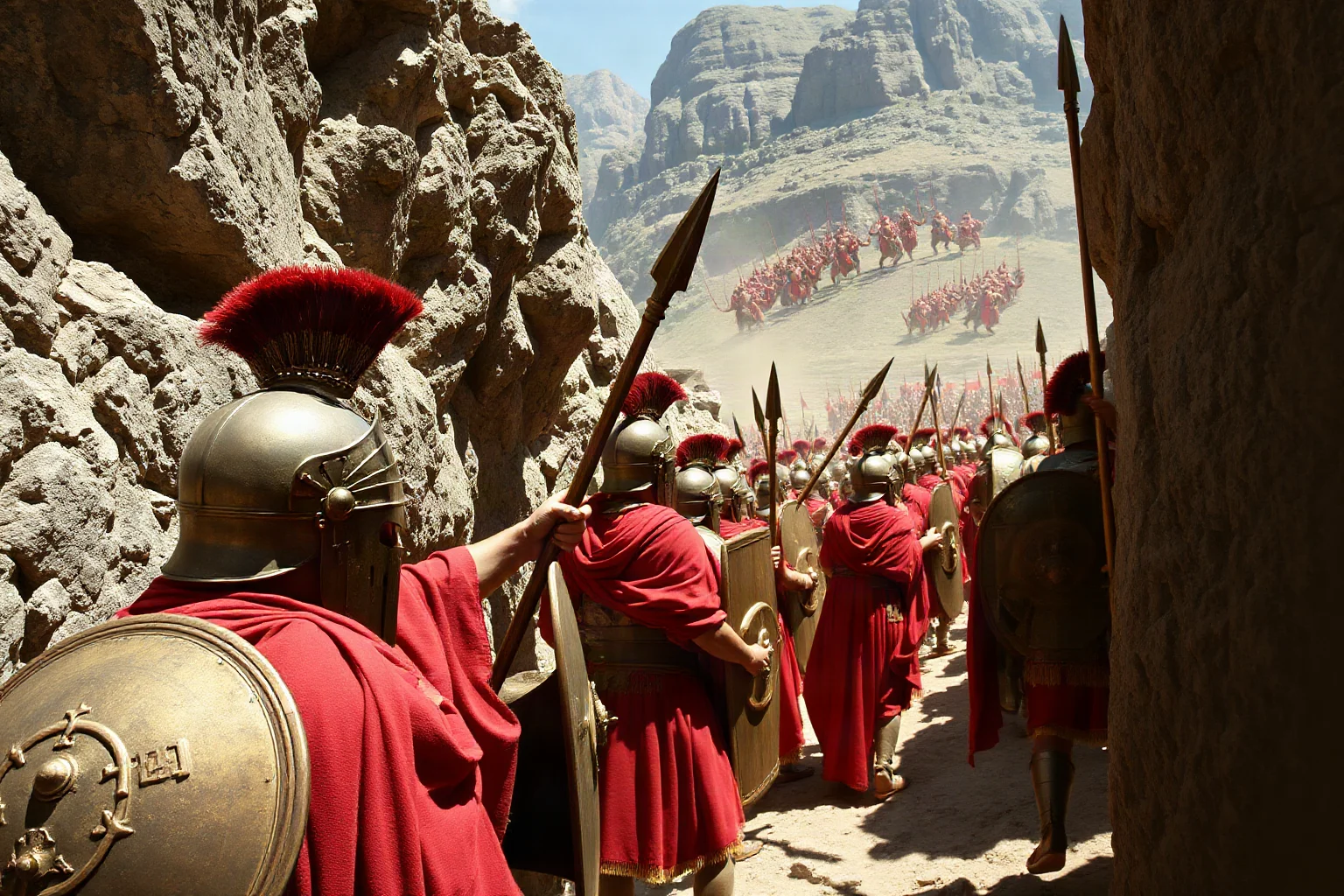
In 480 BCE, the Spartan king Leonidas led a small force — traditionally remembered as 300 Spartans, though the full allied Greek army was larger — to hold the narrow pass at Thermopylae against the massive Persian army of Xerxes I. They knew the odds were overwhelming, yet they held the line long enough to buy critical time for the rest of Greece.
The battle has been retold so many times in film and fiction that the myth has outgrown the history. Still, the core fact remains: a heavily outnumbered force chose to stand and fight rather than retreat, making Thermopylae one of the most enduring symbols of military courage in Western history.
2. Spartacus, the Gladiator Who Defied Rome
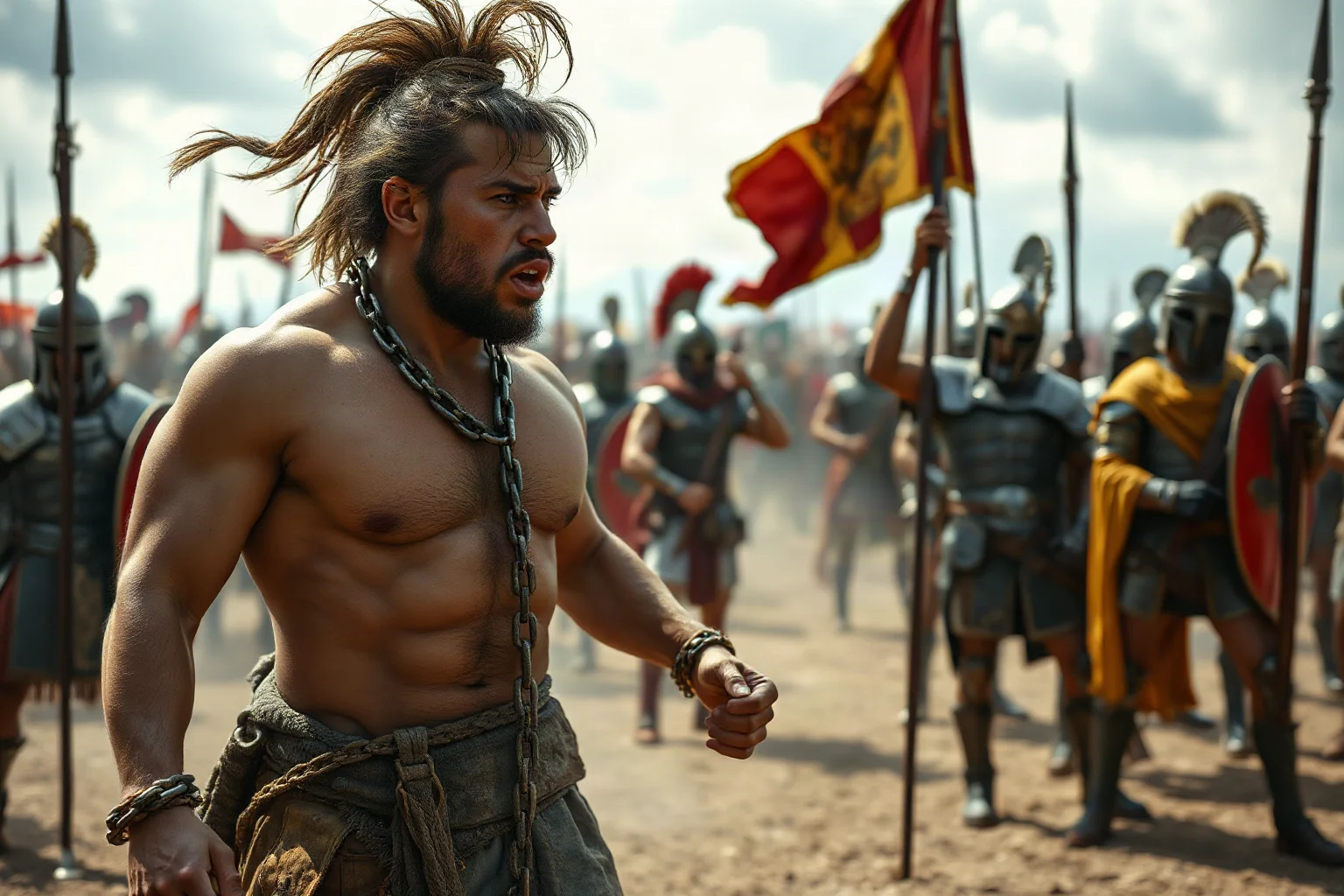
Spartacus was an enslaved gladiator who, around 73 BCE, led a large-scale revolt against the Roman Republic. What began as an escape from a gladiator school in Capua grew into an army of tens of thousands of enslaved people who defeated several Roman legions before ultimately being crushed.
Much of what we know about Spartacus comes from Roman historians writing well after the events, so details are incomplete and sometimes contradictory. Even accounting for that uncertainty, the rebellion itself is well documented, making Spartacus one of antiquity’s clearest examples of bravery against an almost unbeatable power structure.
3. Joan of Arc, the Teenage Military Leader
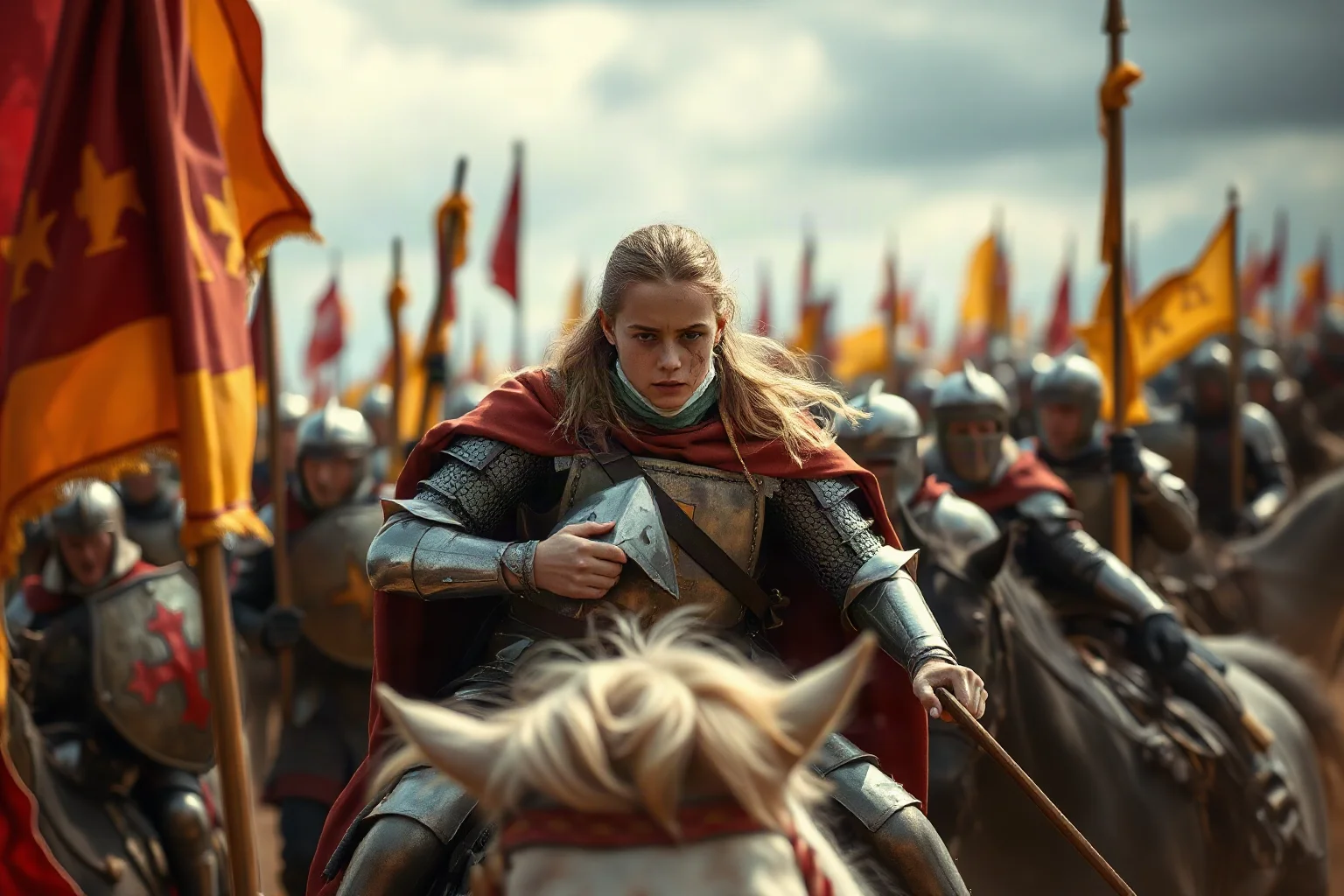
At just 17, Joan of Arc convinced French royal authorities to let her join the military campaign to lift the Siege of Orléans in 1429, during the Hundred Years’ War. She led troops into battle, was wounded more than once, and helped turn the tide of the war before being captured and later executed.
Her story is unusually well-documented for the era, thanks to detailed trial transcripts from both her original trial and her posthumous retrial decades later. Whatever your view on her visions, the physical courage she showed on the battlefield as a teenager remains historically undisputed.
Wartime Heroes and Soldiers
4. Desmond Doss, the Unarmed Medic
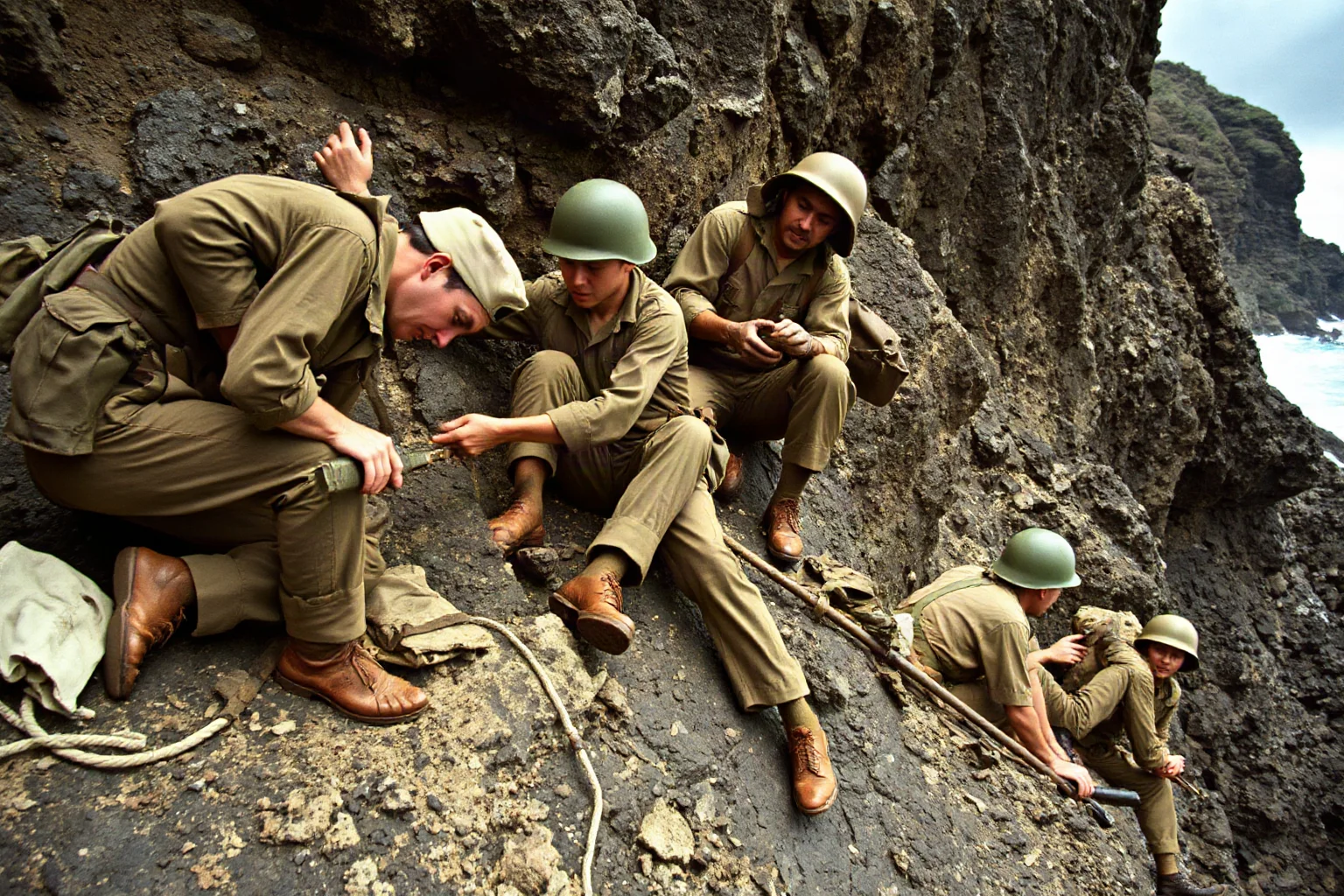
Desmond Doss was a U.S. Army medic during World War II who refused to carry a weapon due to his religious beliefs, yet still served in some of the most brutal combat of the Pacific theater. During the Battle of Okinawa in 1945, he single-handedly rescued dozens of wounded soldiers under fire, lowering them down a cliff face known as the Maeda Escarpment.
Doss was awarded the Medal of Honor, becoming the first conscientious objector to receive the United States’ highest military decoration. His story is a reminder that bravest soldiers aren’t always the ones holding rifles.
5. Alvin York, the Reluctant Marksman
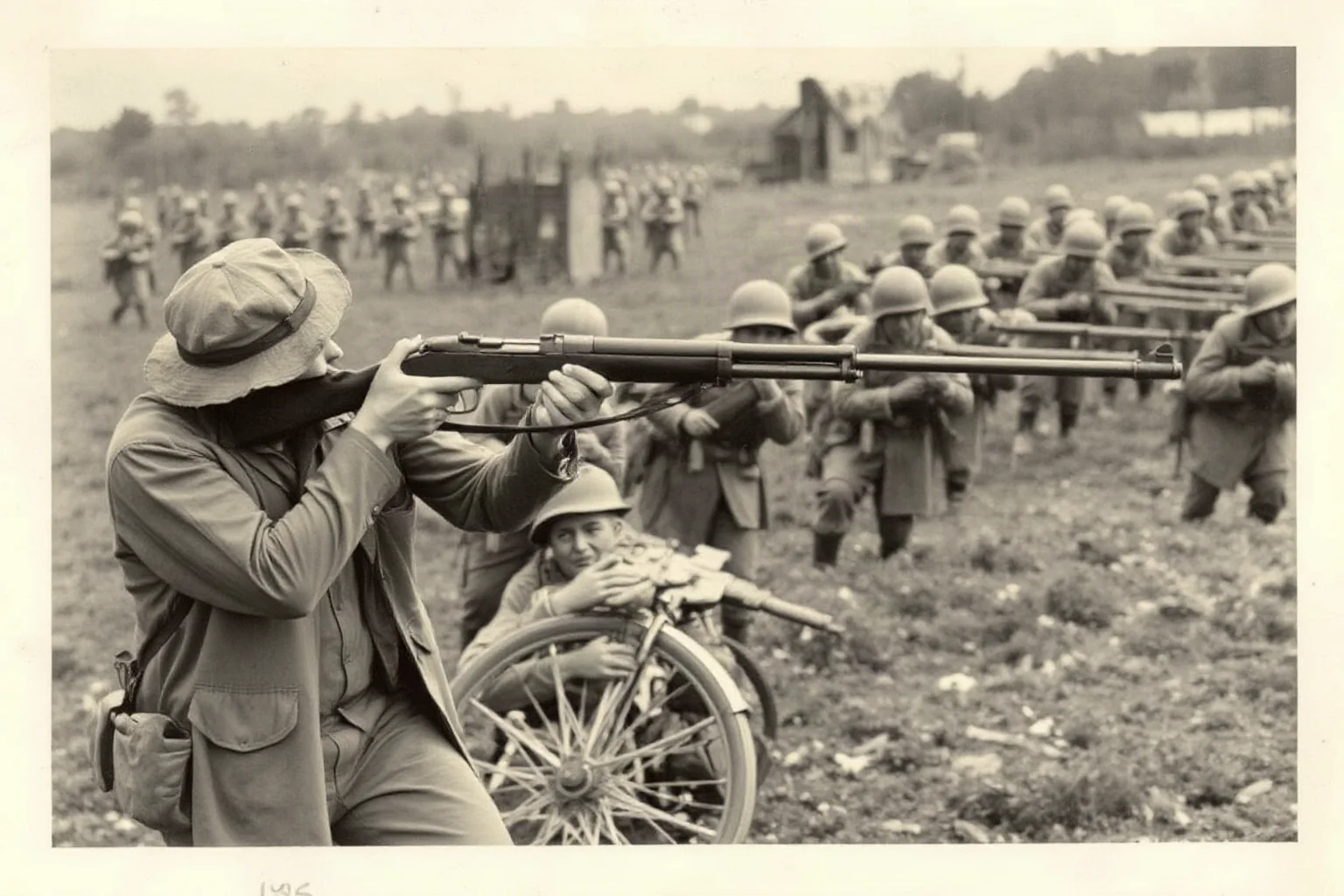
Alvin York was a devout Tennessee farmer who initially sought exemption from combat in World War I on religious grounds before being drafted anyway. During the Meuse-Argonne Offensive in 1918, he led an attack that resulted in the capture of well over 100 German soldiers, an action that made him one of the most decorated American soldiers of the war.
His story became widely known partly through later films, which dramatized some details. The core military record, however, including his Medal of Honor citation, is well documented by the U.S. Army.
6. Audie Murphy, America’s Most Decorated Soldier
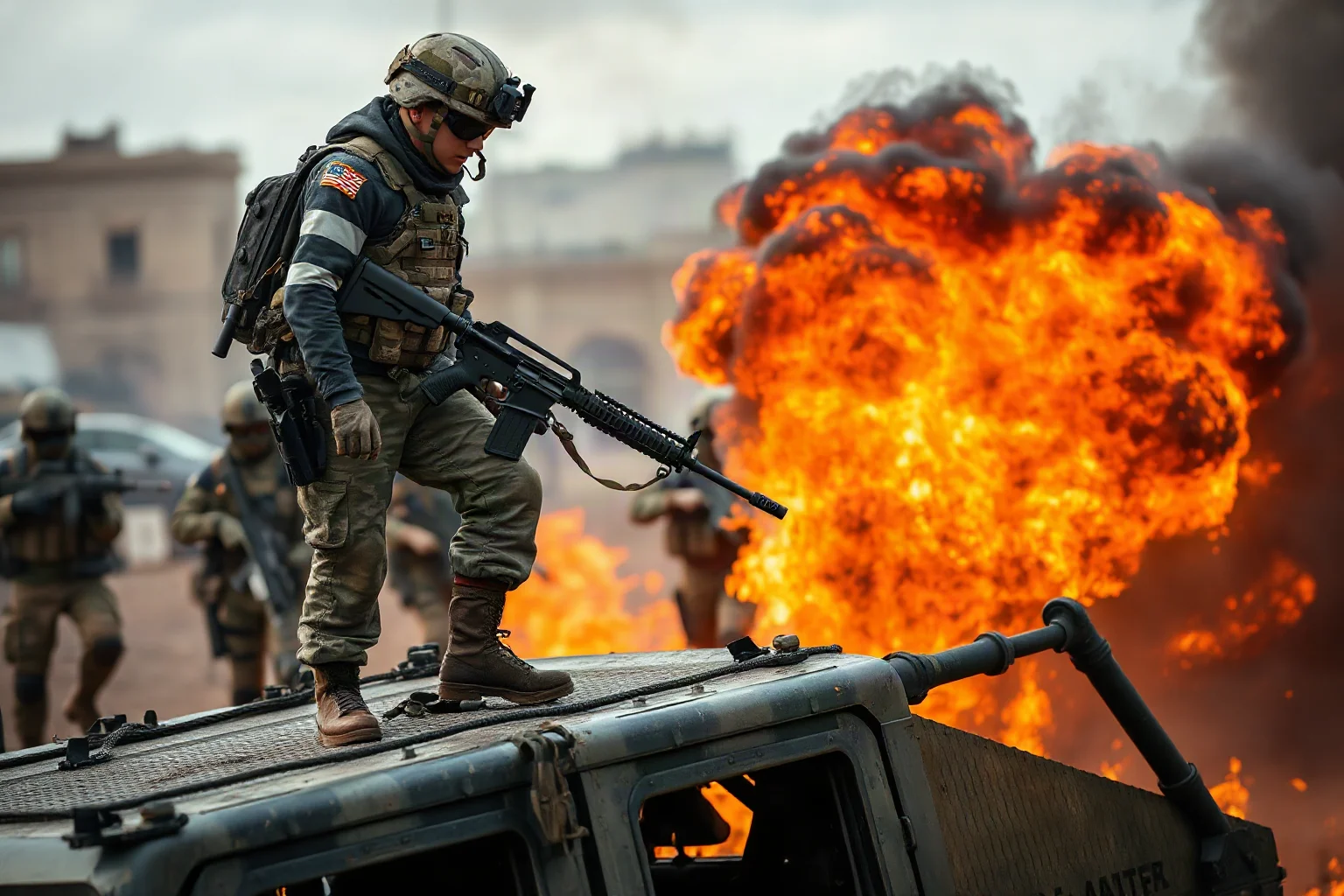
Audie Murphy enlisted in the U.S. Army during World War II despite being underweight and underage, and went on to become one of the most decorated American combat soldiers of the war. In one 1945 engagement near Holtzwihr, France, he held off an advancing German force largely alone, using a machine gun mounted on a burning tank destroyer.
He survived the war and later became a Hollywood actor, using his platform to speak candidly about the psychological toll of combat — what we now recognize as PTSD. His honesty about fear alongside his battlefield record makes him one of the more fully human examples of courage on this list.
7. Witold Pilecki, Who Volunteered for Auschwitz
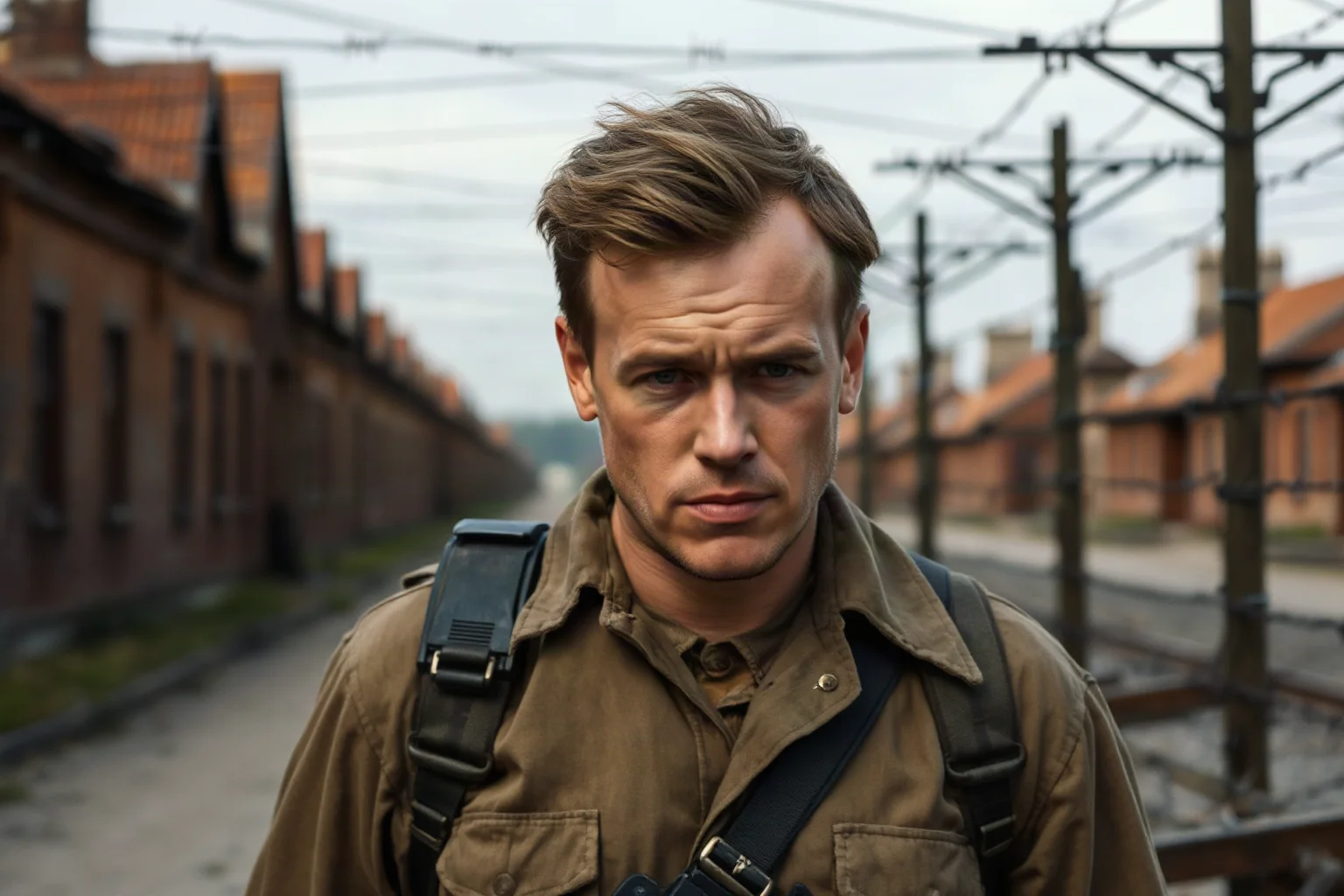
Witold Pilecki was a Polish resistance officer who, in 1940, deliberately got himself arrested so he could be sent into Auschwitz as a prisoner. His goal was to gather intelligence on the camp and organize resistance from within, and he spent nearly three years smuggling reports to the Allies about the atrocities happening there.
He eventually escaped and continued fighting, only to be executed by Poland’s postwar communist regime in 1948 on fabricated charges. For decades his story was suppressed, making him one of the more overlooked courageous men in history until historical records were made public after the Cold War.
8. The Tuskegee Airmen
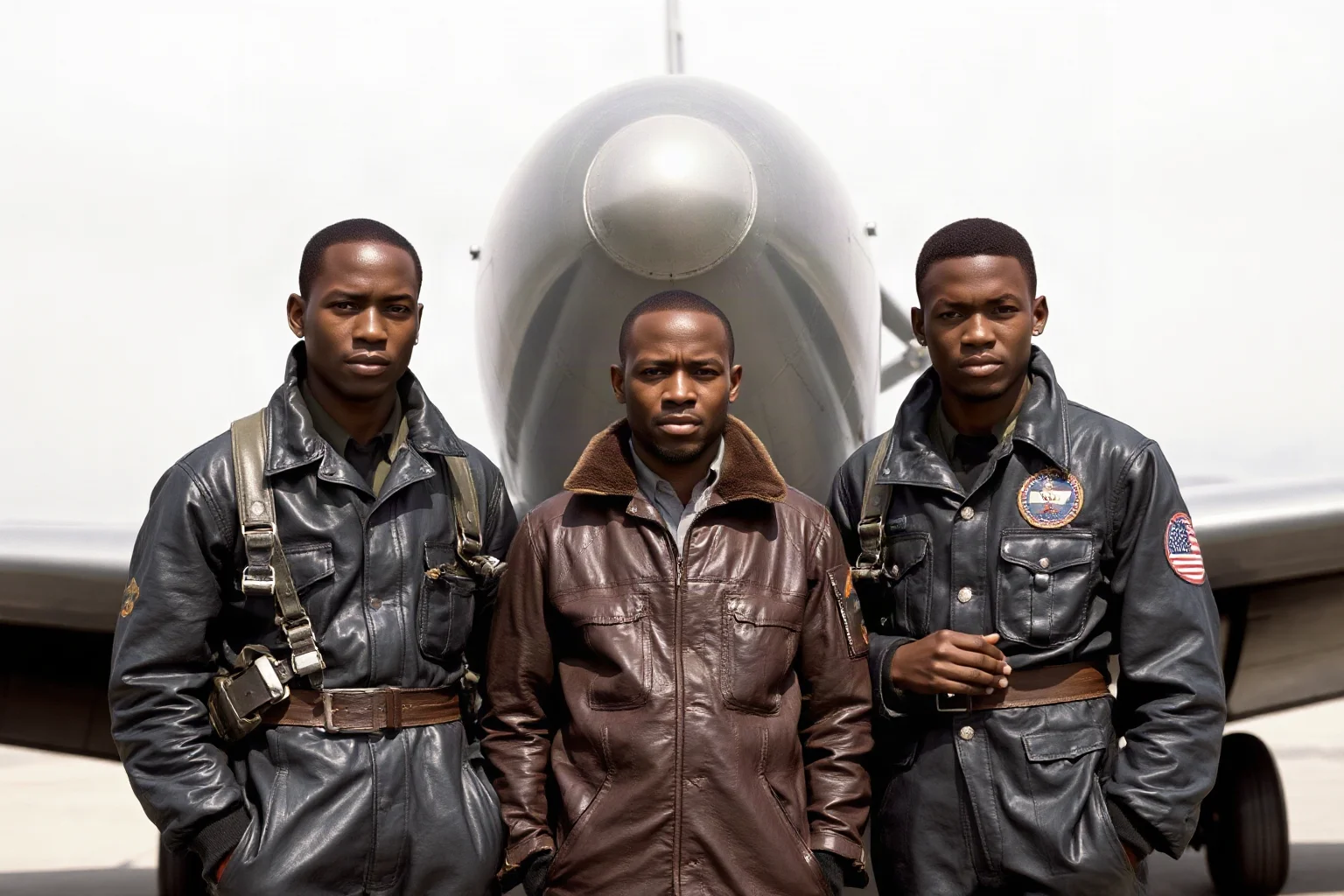
The Tuskegee Airmen were the first Black military aviators in the U.S. armed forces, training and flying combat missions during World War II despite facing segregation and open discrimination at home. They flew thousands of missions over Europe and North Africa, escorting bombers with a strong combat record.
Their bravery extended beyond the cockpit. Simply enrolling in a program designed to prove they couldn’t succeed, in a country that denied them basic rights, was its own act of quiet defiance.
Resistance Fighters and Rescuers
9. Sophie Scholl and the White Rose
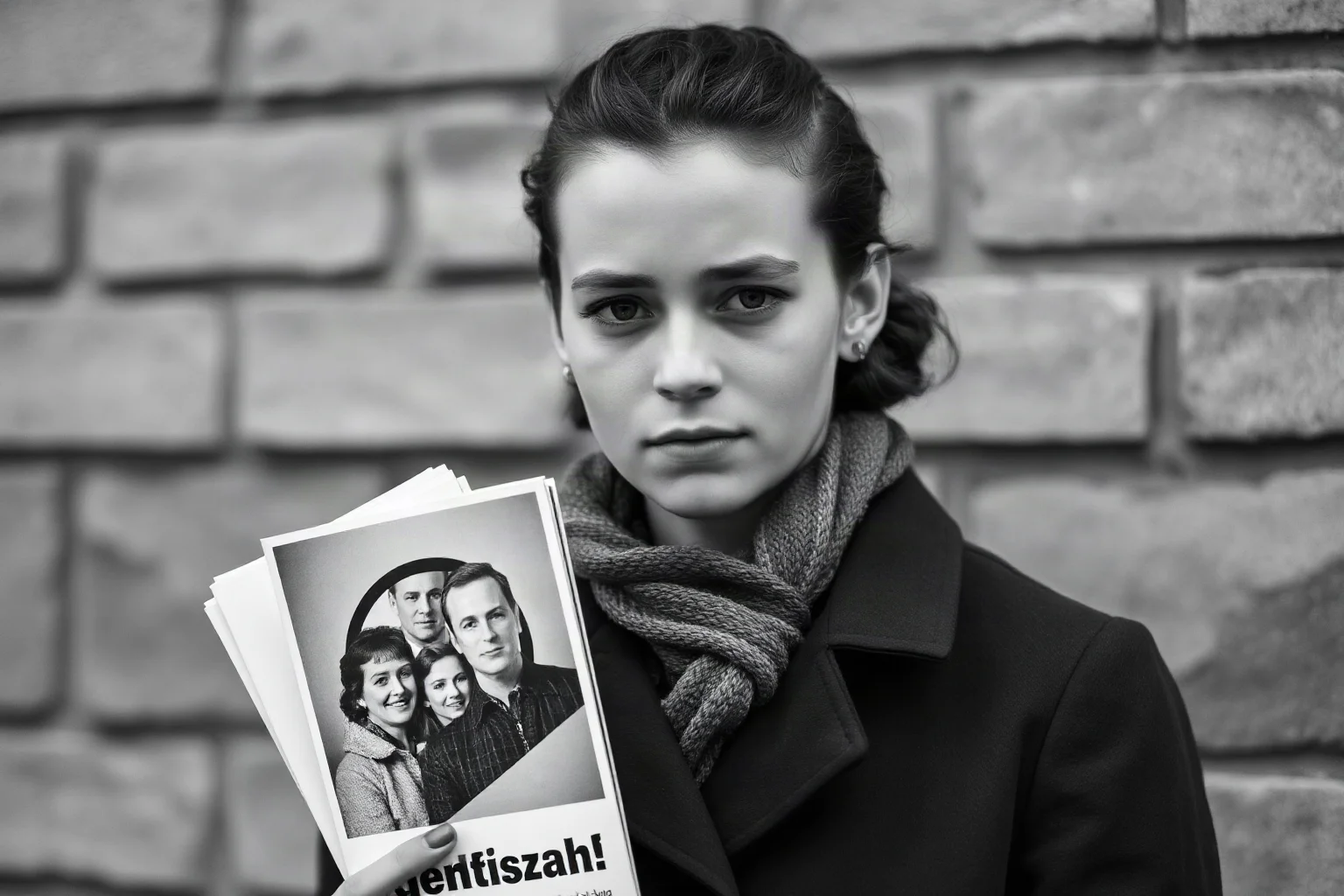
Sophie Scholl was a German student who, alongside her brother Hans and a small group of friends, distributed anti-Nazi leaflets in Munich under the name the White Rose between 1942 and 1943. She was arrested, tried, and executed by guillotine in 1943 at just 21 years old.
Accounts from her final days, recorded by prison staff and later corroborated by historians, describe her composure in the face of certain death. She remains one of Germany’s most cited symbols of moral courage under totalitarian rule.
10. Irena Sendler, Smuggler of Children

Irena Sendler was a Polish social worker who helped smuggle an estimated 2,500 Jewish children out of the Warsaw Ghetto during World War II, hiding them with Polish families, in convents, and in orphanages. She kept coded records of the children’s real identities buried in jars, hoping to reunite them with relatives after the war.
She was eventually caught by the Gestapo and tortured, but she never revealed the names of her collaborators. Sendler didn’t receive wide international recognition until decades later, well after many similar rescuers had already died unrecognized.
11. Oskar Schindler
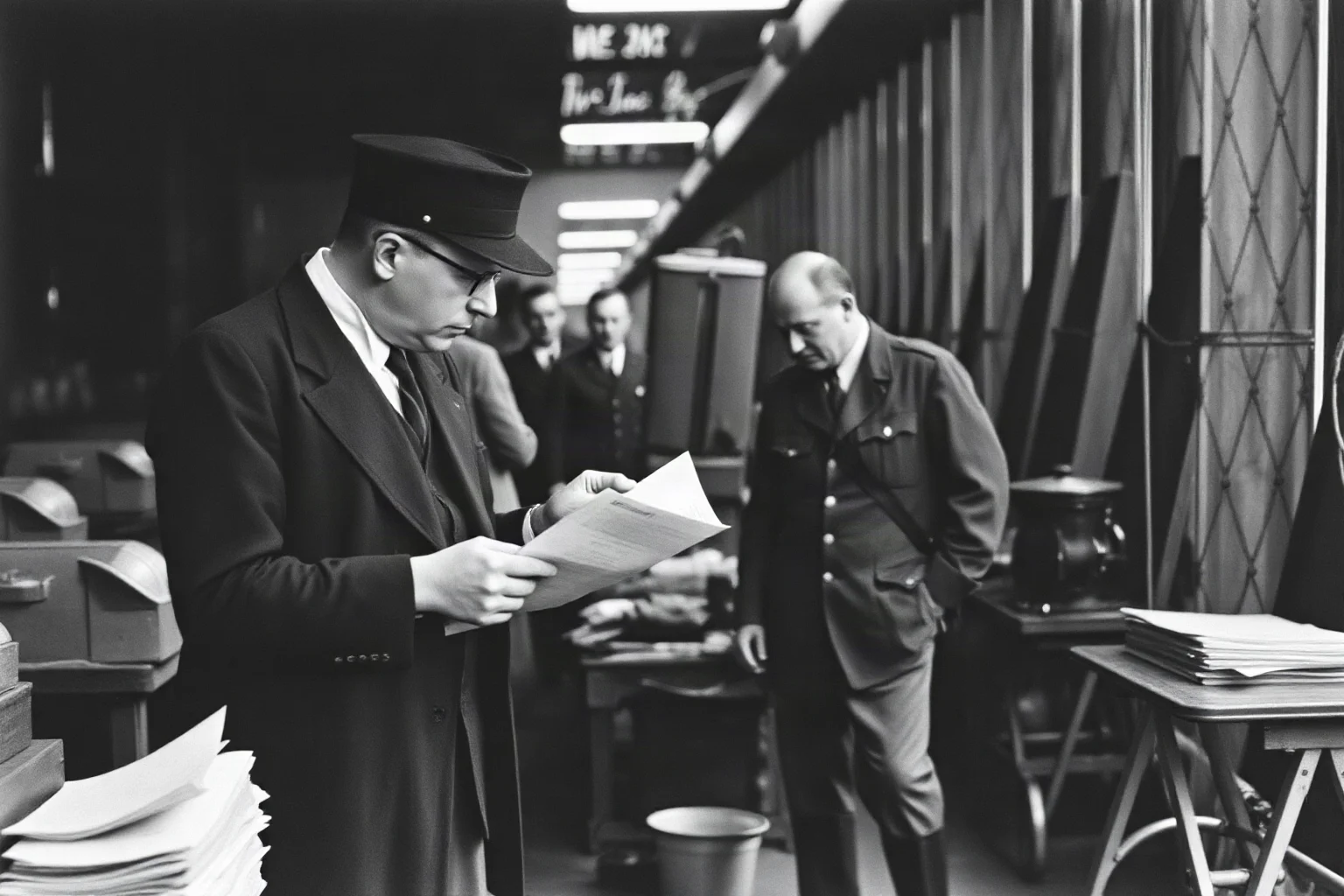
Oskar Schindler was a German industrialist who used his factories in occupied Poland to protect roughly 1,200 Jewish workers from deportation to concentration camps during the Holocaust. He spent much of his personal fortune bribing officials and securing supplies to keep his workers classified as essential labor.
Schindler was a complicated figure — a war profiteer before he became a rescuer — which is part of why historians resist turning him into a flawless hero. His actions, verified through survivor testimony and postwar records, still represent a genuine and costly act of bravery.
12. Chiune Sugihara, the Diplomat Who Disobeyed Orders
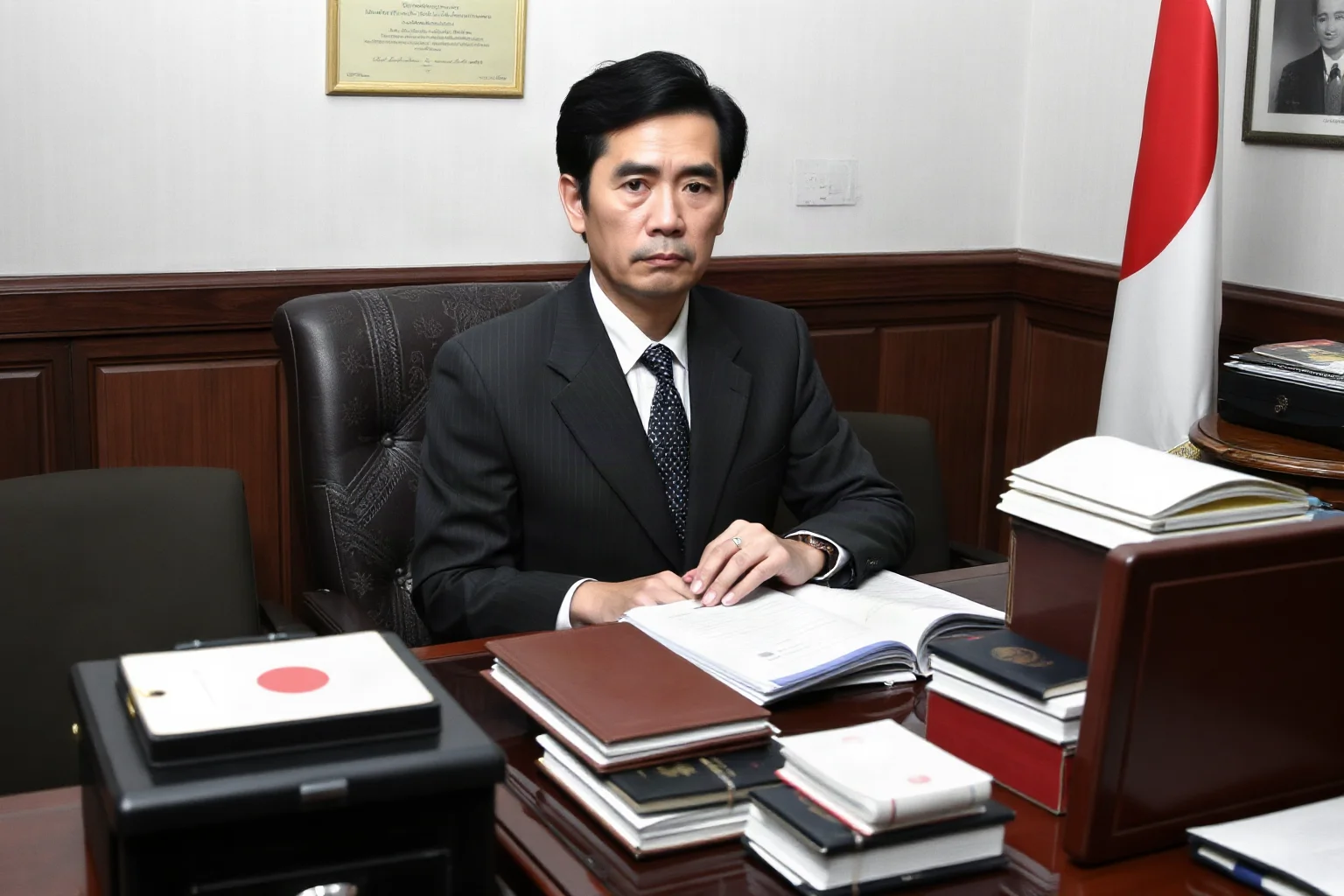
Chiune Sugihara was a Japanese vice-consul stationed in Lithuania who, in 1940, defied direct orders from Tokyo and issued thousands of transit visas to Jewish refugees fleeing Nazi-occupied territory. Historians estimate he saved somewhere between 6,000 and 10,000 lives, largely through sheer paperwork and persistence.
He was recalled and his diplomatic career effectively ended after the war, and he lived in relative obscurity in Japan for decades. Survivors eventually tracked him down in the 1960s, and Israel later honored him as one of the “Righteous Among the Nations.”
Civil Rights and Social Justice Icons
13. Harriet Tubman
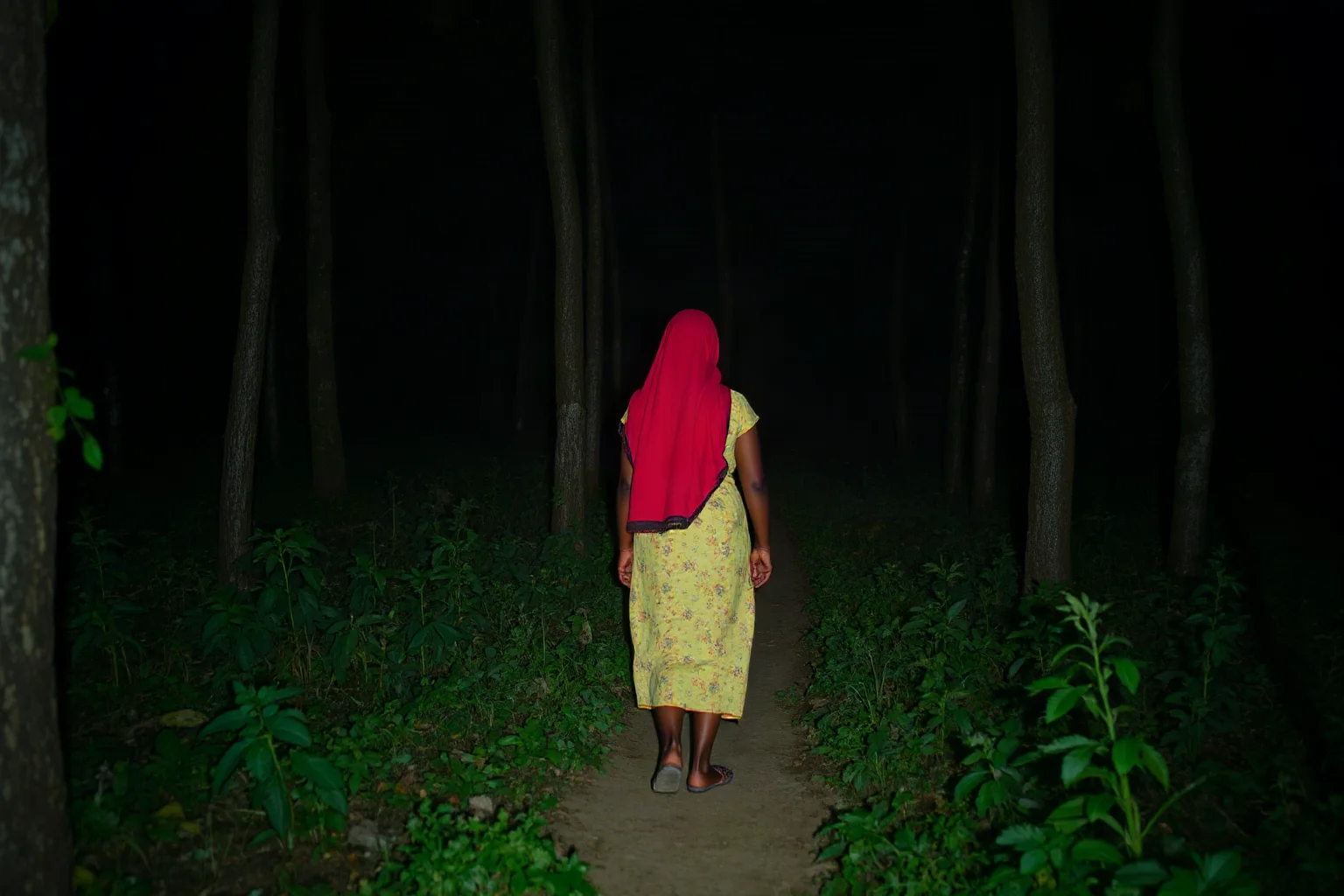
Harriet Tubman escaped slavery in Maryland in 1849 and went on to make roughly 13 documented rescue missions back into slaveholding territory, personally guiding around 70 enslaved people to freedom via the Underground Railroad. She later served as a scout and spy for the Union Army during the Civil War.
Every return trip put her own freedom and life at direct risk, with no guarantee of success. Few historical figures embody the phrase “real bravery” as literally as someone who chose to walk back into danger, repeatedly, for other people’s freedom.
14. Rosa Parks
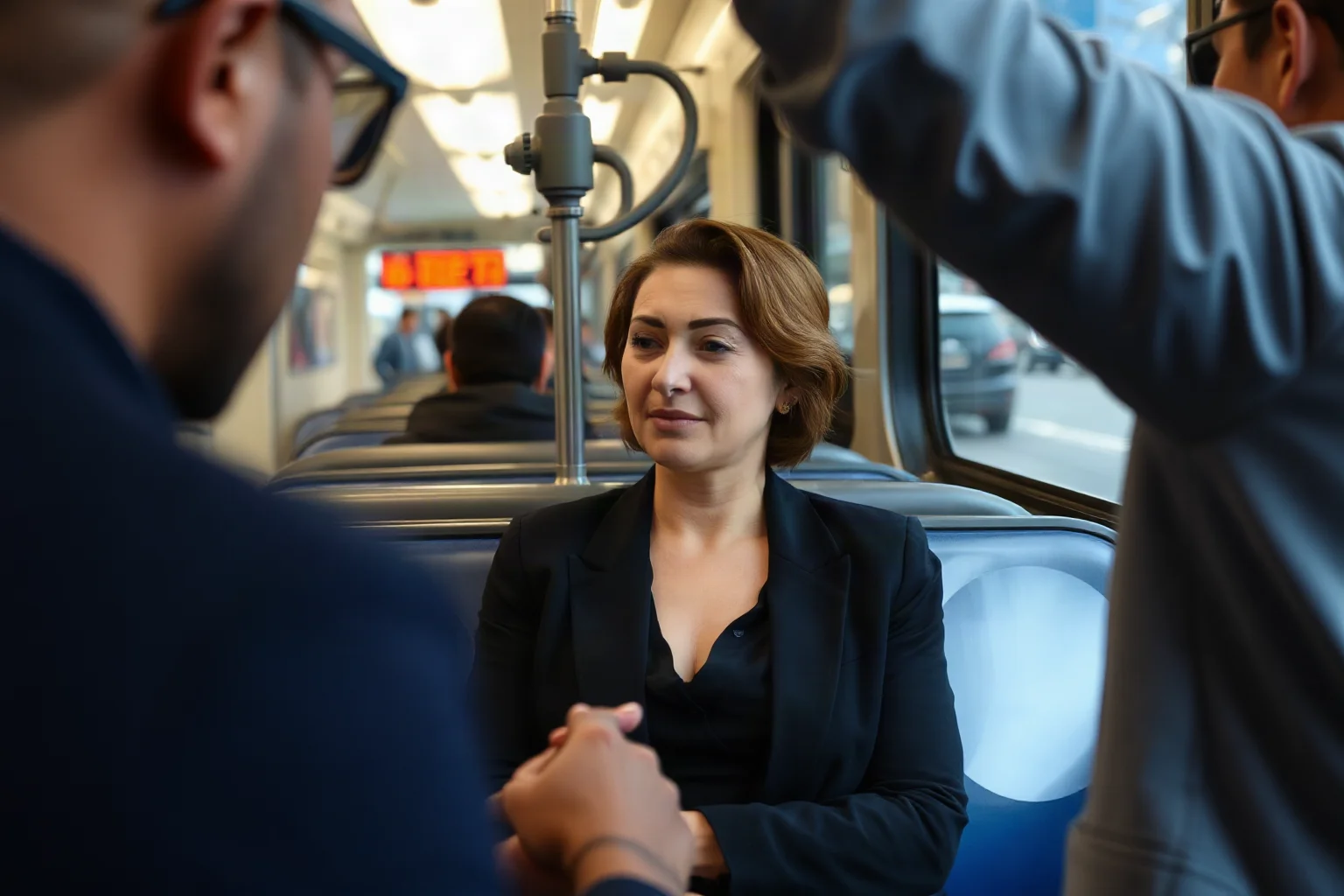
On December 1, 1955, Rosa Parks refused to give up her seat on a segregated Montgomery, Alabama bus, an act of civil disobedience that helped spark the Montgomery Bus Boycott. Contrary to a common myth, Parks was not simply a tired seamstress acting on impulse — she was an experienced NAACP activist who made a deliberate, informed choice.
Her arrest and the yearlong boycott that followed became a defining moment of the American civil rights movement. It’s a clear example of how a single, quiet refusal can carry enormous historical weight.
15. Mahatma Gandhi
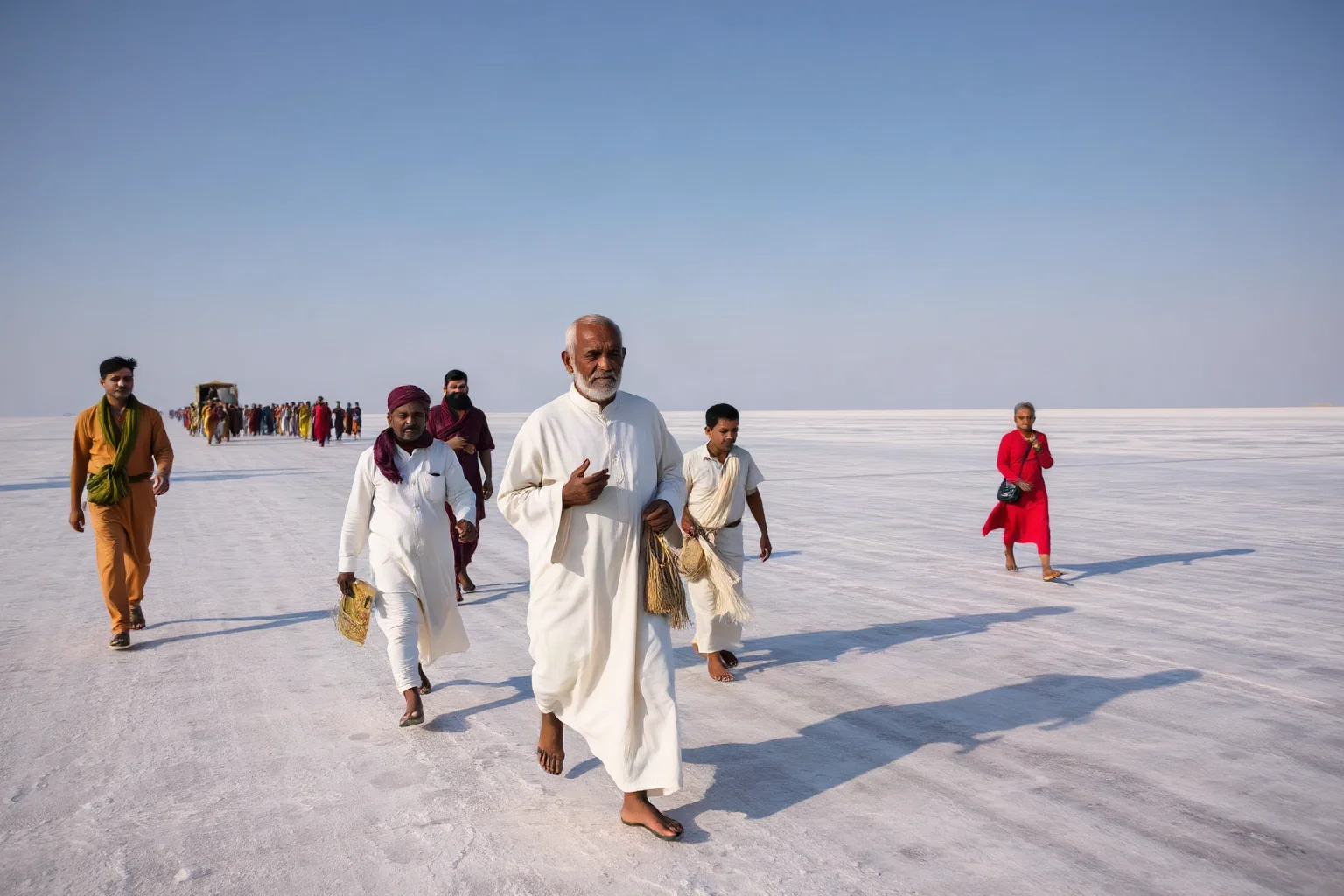
Mohandas Gandhi led decades of nonviolent resistance against British colonial rule in India, including hunger strikes, boycotts, and the 1930 Salt March, in which he walked roughly 240 miles to protest a British salt tax. He was imprisoned multiple times and faced constant threats of violence from opponents on all sides.
Gandhi’s approach reframed courage itself, arguing that restraint under provocation could be its own form of strength. He was assassinated in 1948, a stark reminder that his nonviolent stance never made him safe.
16. Nelson Mandela
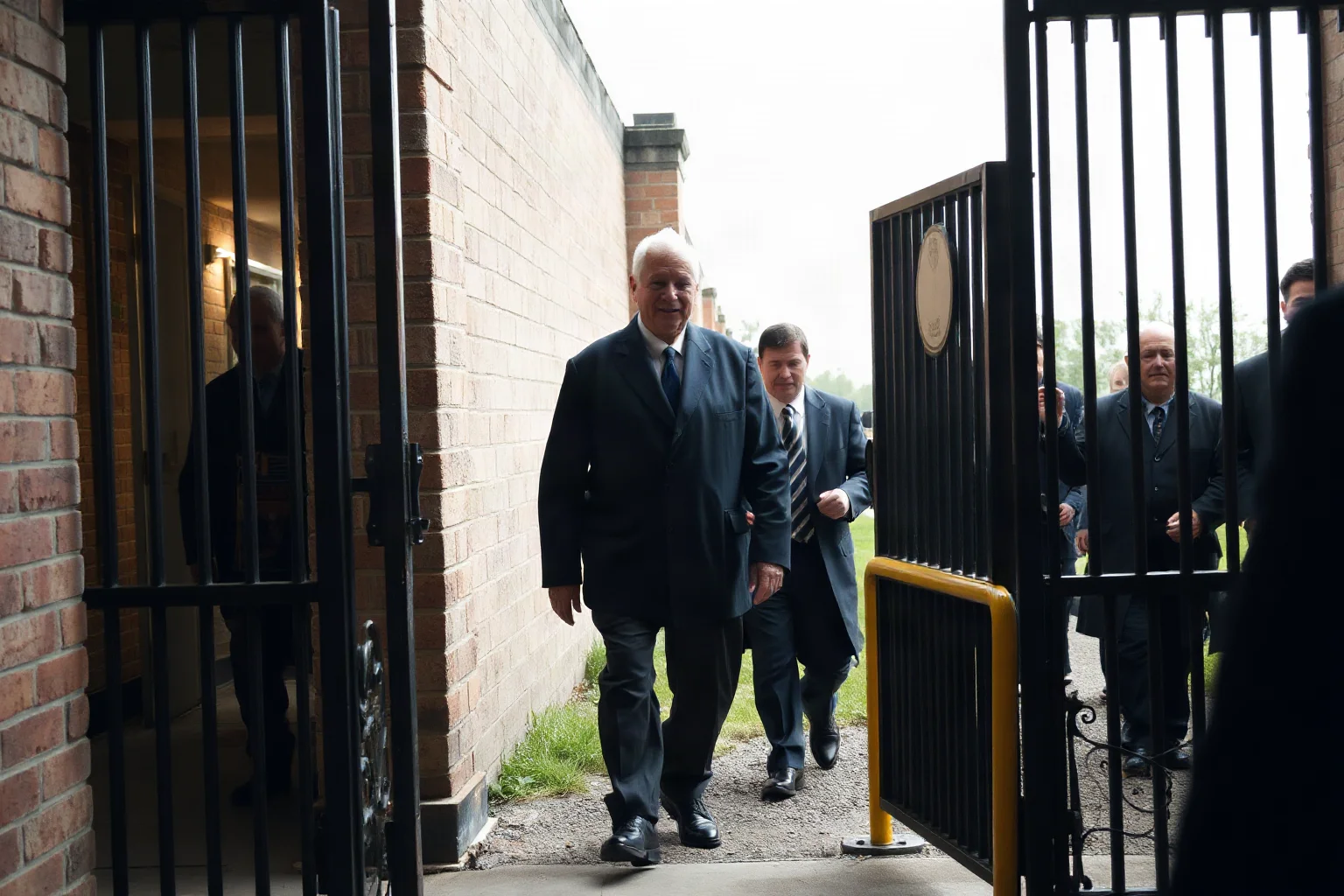
Nelson Mandela spent 27 years in South African prisons for his opposition to apartheid, much of it in harsh conditions on Robben Island. Rather than emerging bitter, he became a central figure in negotiating South Africa’s peaceful transition to democracy and was elected president in 1994.
His willingness to pursue reconciliation with the same government that imprisoned him, rather than retribution, is often cited as its own distinct form of courage. It’s a version of bravery built on patience rather than a single dramatic moment.
17. Emmeline Pankhurst
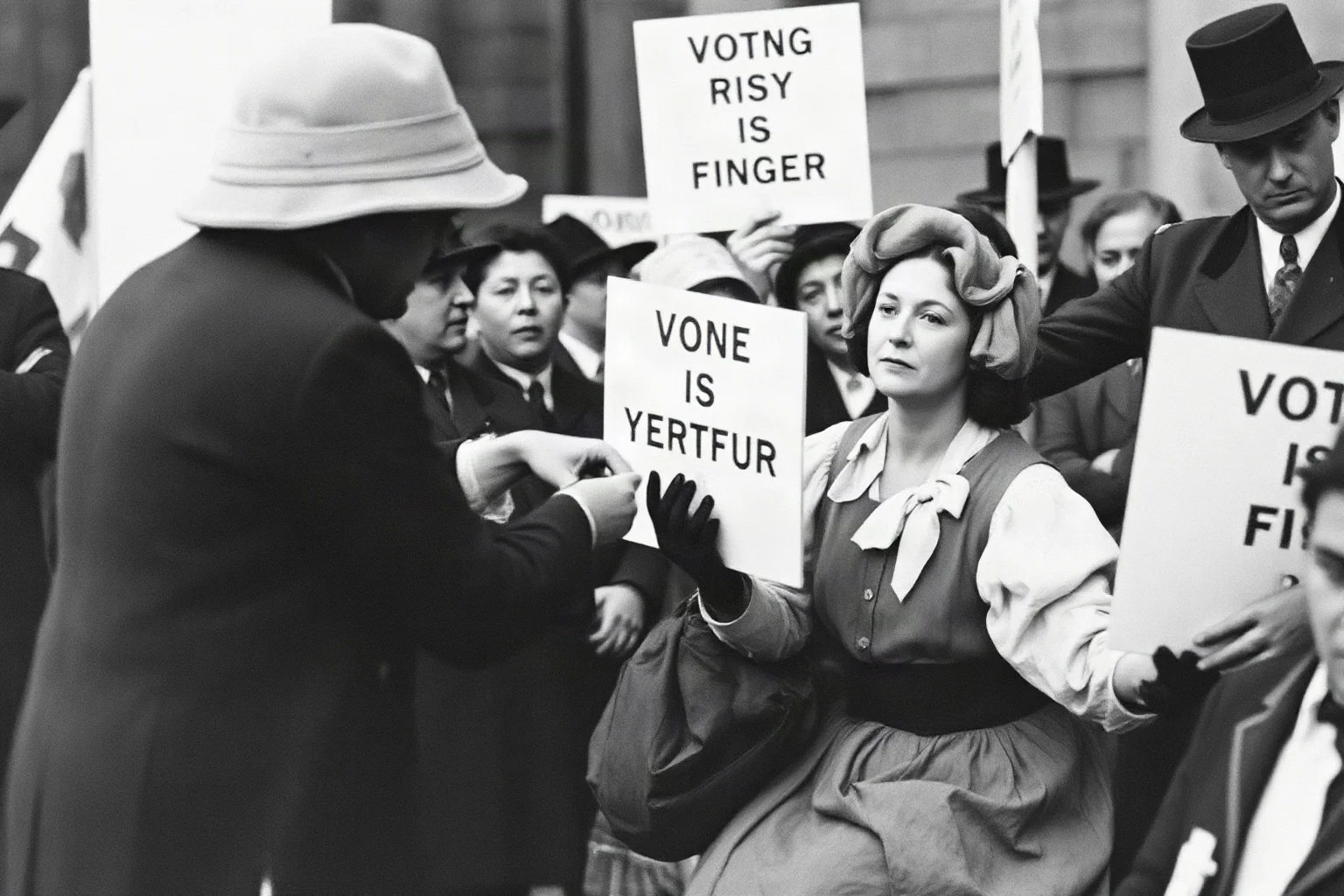
Emmeline Pankhurst founded the Women’s Social and Political Union in Britain in 1903, leading a militant campaign for women’s suffrage that included hunger strikes and repeated imprisonment. She and her fellow suffragettes faced force-feeding and public ridicule for demanding a right most people now consider basic.
Her tactics remain debated by historians, since the movement’s more confrontational wing was controversial even among suffrage supporters. Still, her willingness to face repeated arrest for a cause with no guaranteed payoff places her firmly among history’s courageous women.
18. Malala Yousafzai
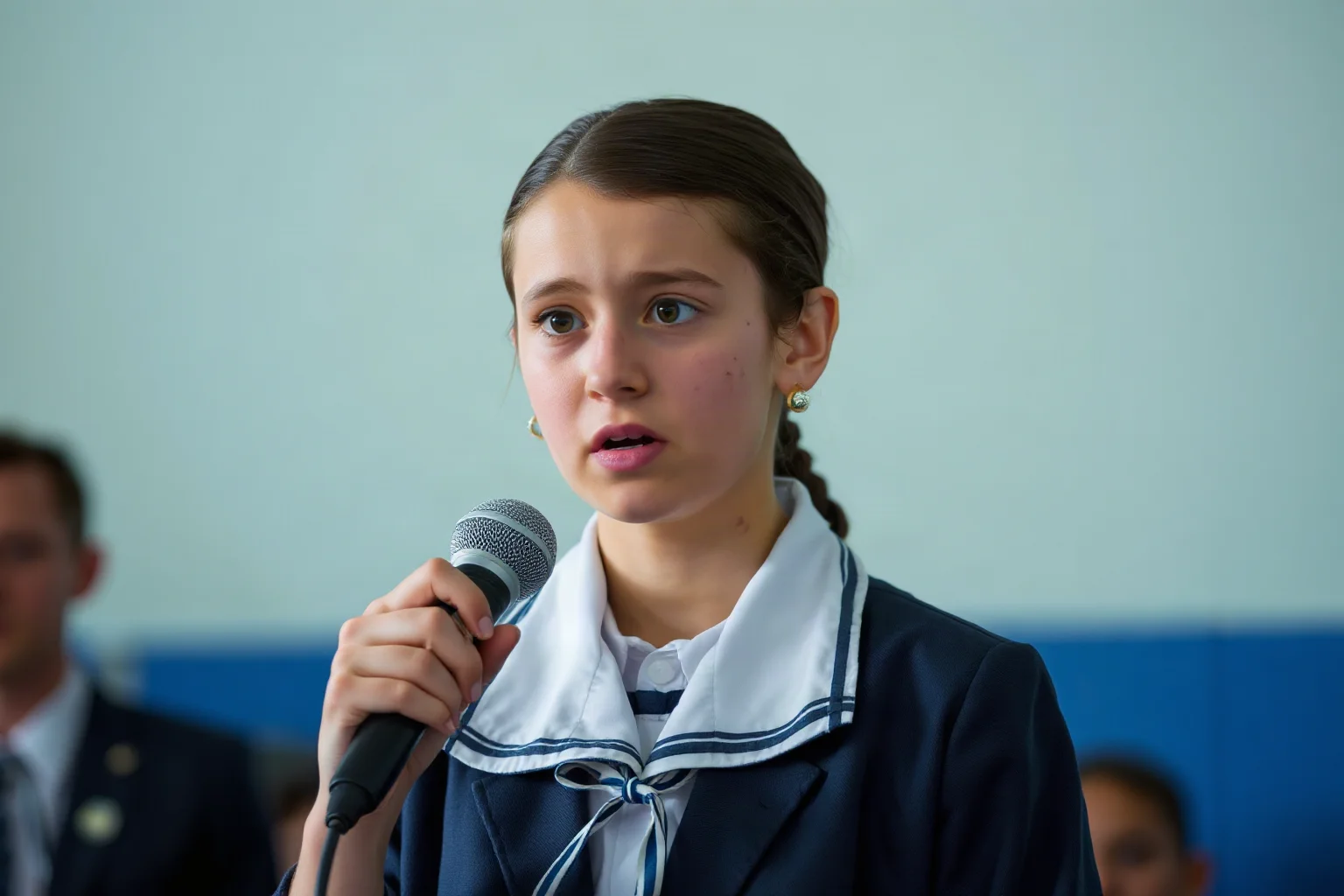
Malala Yousafzai was a Pakistani schoolgirl who publicly advocated for girls’ education under Taliban rule in the Swat Valley, and was shot in an assassination attempt in 2012 at age 15. She survived, and rather than retreating from public life, she continued her advocacy on the world stage.
In 2014, she became the youngest-ever Nobel Peace Prize laureate. Her story is one of the clearest modern heroism examples of someone choosing to keep speaking after violence tried to silence her.
Lesser-Known but Equally Courageous
19. Sybil Ludington, the Teenage Rider
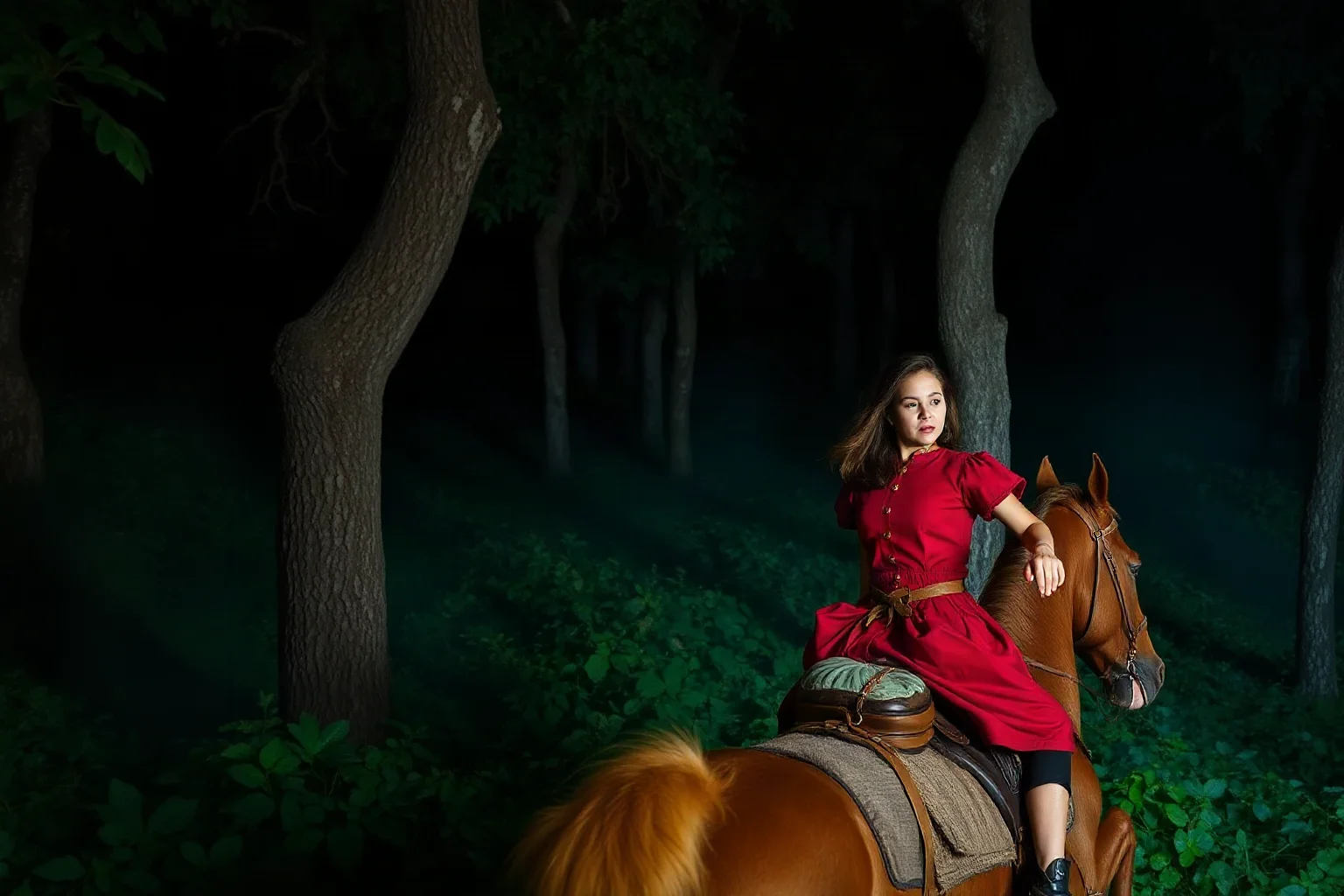
According to long-standing local tradition, 16-year-old Sybil Ludington rode roughly 40 miles through Putnam County, New York, on the night of April 26, 1777, to warn militia forces of an approaching British attack during the American Revolution. It’s a story often compared to Paul Revere’s ride, though historians note it rests mainly on later family accounts rather than contemporary documentation.
That uncertainty doesn’t erase her from local history, but it’s worth naming honestly rather than repeating as settled fact. Whether the ride happened exactly as described, the story has endured as an early symbol of young women’s contributions to the American Revolution.
20. Nathan Hale
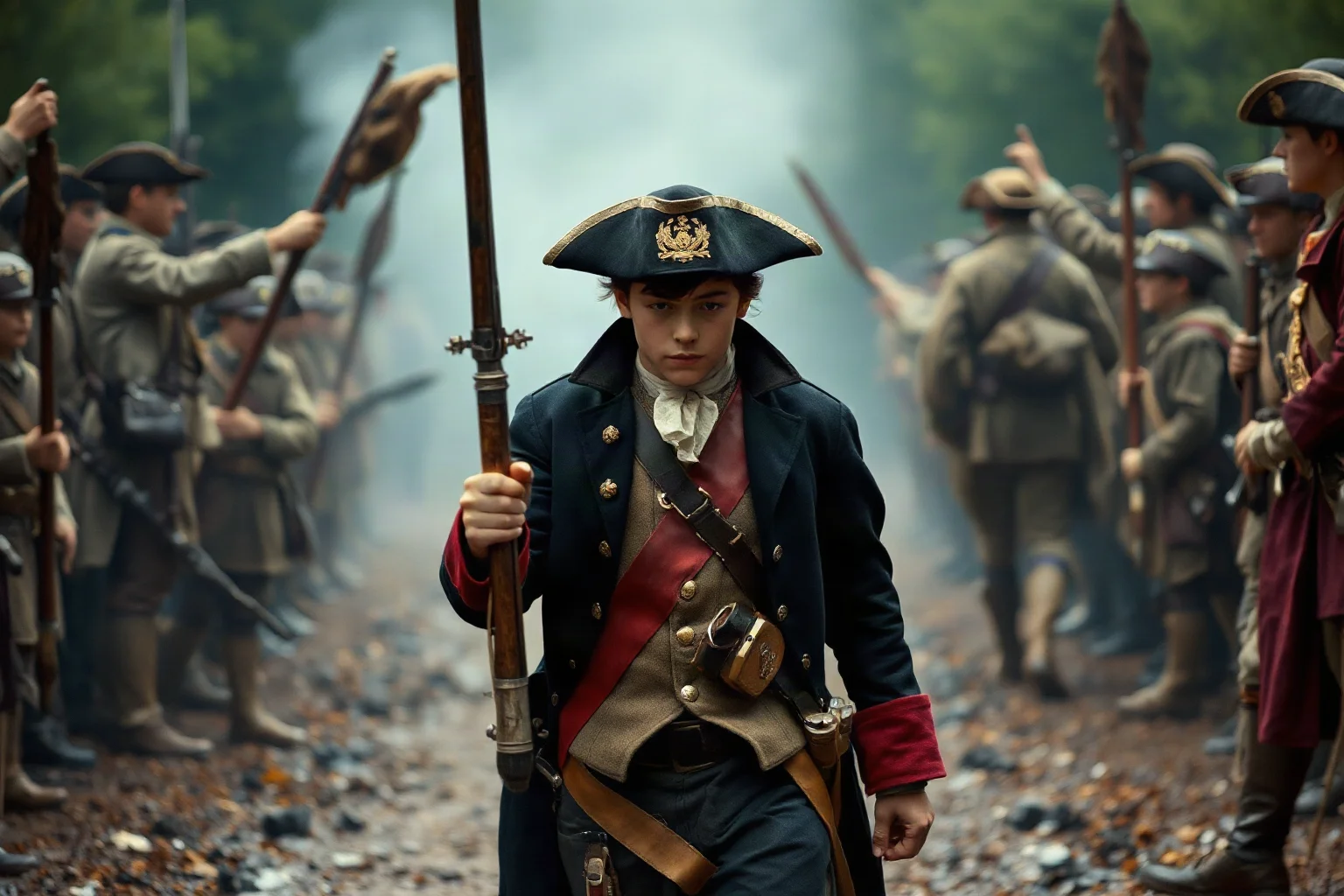
Nathan Hale was a young American officer executed by British forces in 1776 after being caught spying during the Revolutionary War. He’s remembered largely for a defiant final statement about regretting he had only one life to give for his country.
No eyewitness transcript of his exact final words survives, so historians treat the popular version as likely paraphrased rather than verbatim. Even with that caveat, his willingness to accept a spy’s mission knowing capture likely meant death is well documented and remains a foundational story in American military history.
21. The Tank Man of Tiananmen Square
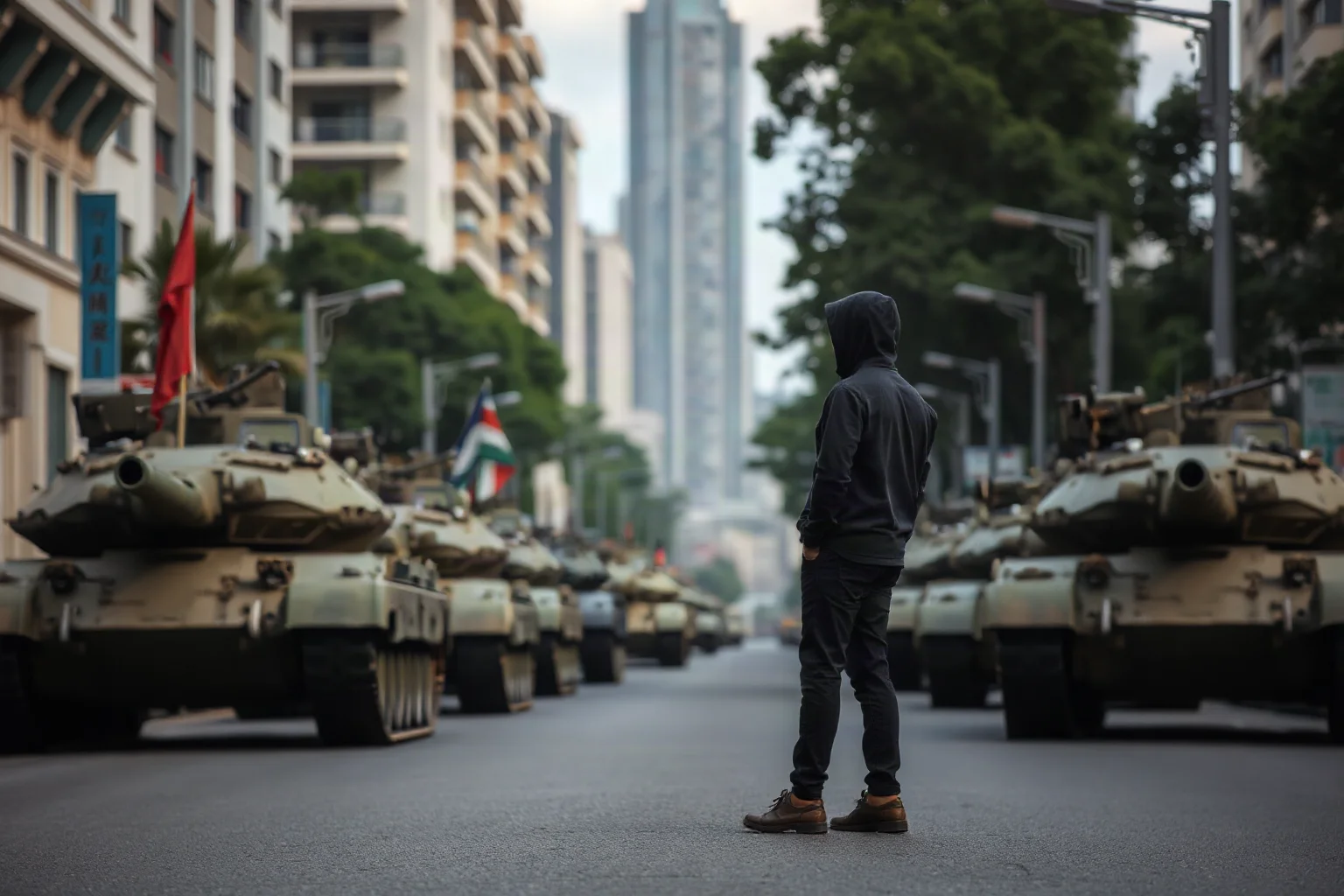
On June 5, 1989, an unidentified man stood alone in front of a column of tanks near Tiananmen Square in Beijing, blocking their advance the day after Chinese troops had violently cleared pro-democracy protesters from the square. Photographers and news crews captured the standoff, and the image circulated worldwide almost immediately.
His identity and fate remain unconfirmed to this day, despite years of speculation. “Tank Man” has become one of the most powerful modern symbols of individual courage precisely because we know almost nothing about who he was.
Everyday and Modern Acts of Bravery
22. The First Responders of September 11, 2001
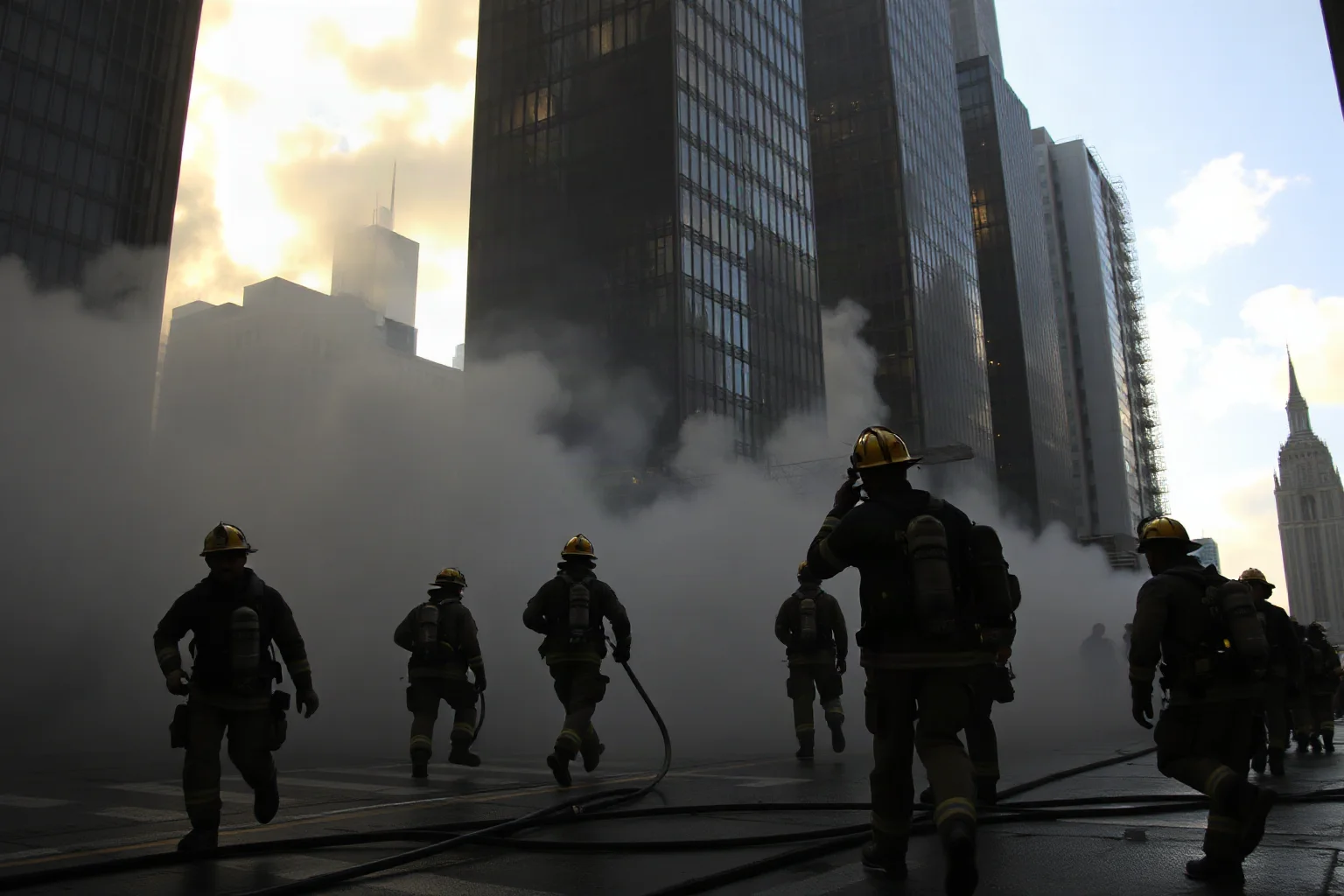
On September 11, 2001, hundreds of firefighters, police officers, and paramedics ran into the burning World Trade Center towers in New York as thousands of people were fleeing the other direction. Of the roughly 2,977 people killed that day, 343 New York City firefighters and 71 law enforcement officers died carrying out rescue operations.
Their actions weren’t driven by orders from a distant command post; most made split-second decisions based on training and instinct. It remains one of the most widely documented examples of collective courage in modern American history.
23. Bravery in Pop Culture: What Gladiator Got Right (and Embellished)
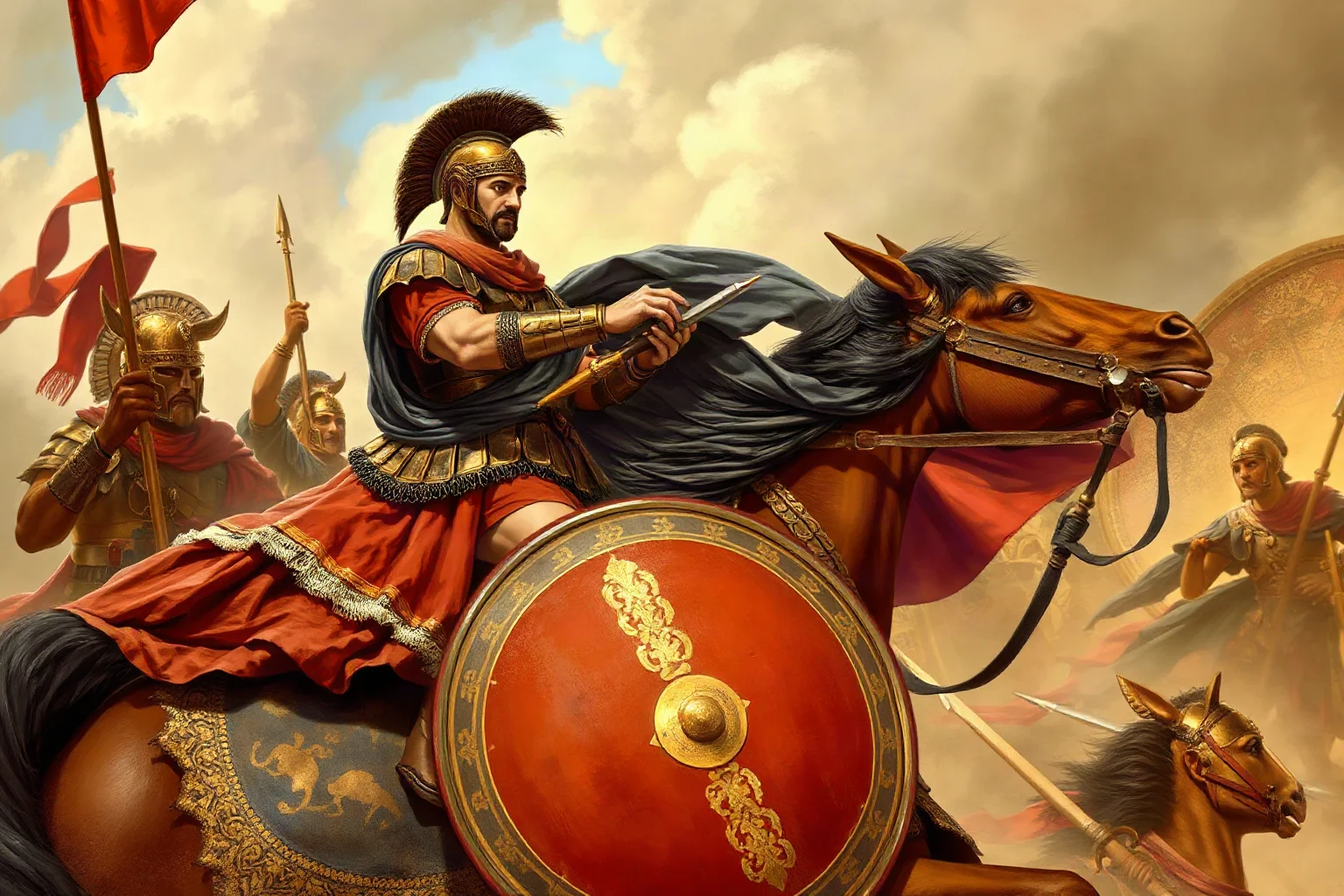
You may have come across the line “someone make a note of that man’s bravery” as a popular movie quote or meme, often linked to Ridley Scott’s 2000 film Gladiator, where a Roman commander praises a soldier’s courage mid-battle. It’s worth noting that films like this compress and dramatize history rather than transcribe it — Gladiator’s battle scenes are loosely inspired by the era of Marcus Aurelius but aren’t a documentary record of real events or real dialogue.
What the scene gets right is a real historical practice: Roman commanders genuinely did publicly recognize soldiers for battlefield valor, sometimes with decorations like the corona civica. It’s a useful reminder that our idea of a “bravery icon” is often shaped as much by storytelling as by the historical record — which is exactly why it’s worth checking the sources behind the stories we admire.
What These Stories Have in Common
Looking across all 23 examples, a few patterns emerge. Almost none of these people described themselves as fearless; many, like Audie Murphy and Sophie Scholl, were explicit about their fear even as they acted.
Most also acted on behalf of someone else — a stranger, a cause, a country, a sibling — rather than purely for personal gain. That outward focus shows up whether we’re talking about ancient soldiers at Thermopylae or a first responder running into a burning building in 2001.
Finally, courage in this list rarely looked like the movies. It looked like slow, deliberate choices: smuggling paperwork, riding through the night, staying seated on a bus, or simply refusing to leave a colleague behind.
Final Thoughts on History’s Bravest People
There’s no single answer to who the world’s bravest person is, and that’s probably the honest takeaway from this whole list. Courage takes wildly different shapes depending on the century, the culture, and the threat being faced.
What connects a Spartan king, a Holocaust rescuer, and an anonymous man standing in front of tanks is the same basic decision: choosing to act despite fear, for something larger than personal safety. That’s a definition anyone can hold onto, whether they’re studying ancient history or just trying to do the right thing in an ordinary Tuesday moment.
Frequently Asked Questions
What defines people that are courageous?
People that are courageous aren't necessarily fearless; historically, most documented cases of bravery involve someone acknowledging real fear or risk and choosing to act anyway, usually to protect or help someone else. Courage is typically judged by the intention and stakes behind an action, not by the absence of hesitation.
Who is the bravest person in history?
There's no single verified answer, since courage takes different forms across eras and circumstances. Figures like Harriet Tubman, Witold Pilecki, Sophie Scholl, and the unidentified 'Tank Man' of Tiananmen Square are frequently cited, but historians generally avoid ranking bravery on a single scale.
Who are considered the bravest soldiers in the world?
Soldiers like Audie Murphy, Alvin York, and Desmond Doss are among the most frequently cited examples due to their well-documented Medal of Honor actions. Bravery in the military isn't limited to combat roles, either — unarmed medics and resistance infiltrators like Witold Pilecki are equally recognized.
Is the quote ‘someone make a note of that man’s bravery’ historically accurate?
The phrase is best known as a popular line and meme associated with Ridley Scott's film Gladiator (2000) rather than a verified historical quote. It reflects a real Roman practice of publicly commending soldiers for valor, but the film's specific dialogue is dramatized rather than a historical record.
What’s an example of an accomplishment that counts as an act of bravery?
Examples include Irena Sendler smuggling roughly 2,500 children out of the Warsaw Ghetto, Rosa Parks deliberately refusing to give up her bus seat, or first responders entering the burning World Trade Center towers on September 11, 2001. Each involved a conscious choice to accept serious personal risk for the benefit of others.
Can ordinary people show real bravery, or is it only for famous historical figures?
Ordinary people show real bravery constantly, and many of history's most cited courageous figures were unremarkable before their defining moment, including Sybil Ludington and the anonymous 'Tank Man.' Bravery tends to be defined by the choice made in a specific moment, not by fame or rank beforehand.
What’s the difference between real bravery and recklessness?
Real bravery involves recognizing a genuine risk and choosing to act anyway for a meaningful reason, while recklessness involves ignoring or underestimating risk without clear purpose. Historians generally distinguish the two by looking at intention, awareness of danger, and who the action was meant to benefit.

Alex Warren
Related Articles